
Mosquitoes and flies · Fiberglass
Standard
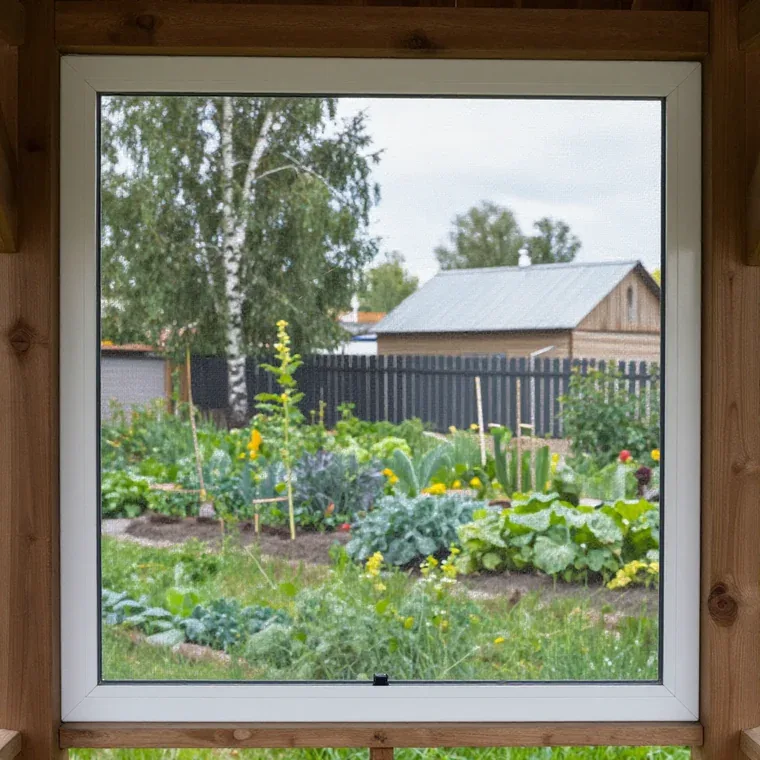
Fiberglass does not burn and withstands temperature changes. Basic choice for gazebo with barbecue. Price from 6 900 ₸ per m².
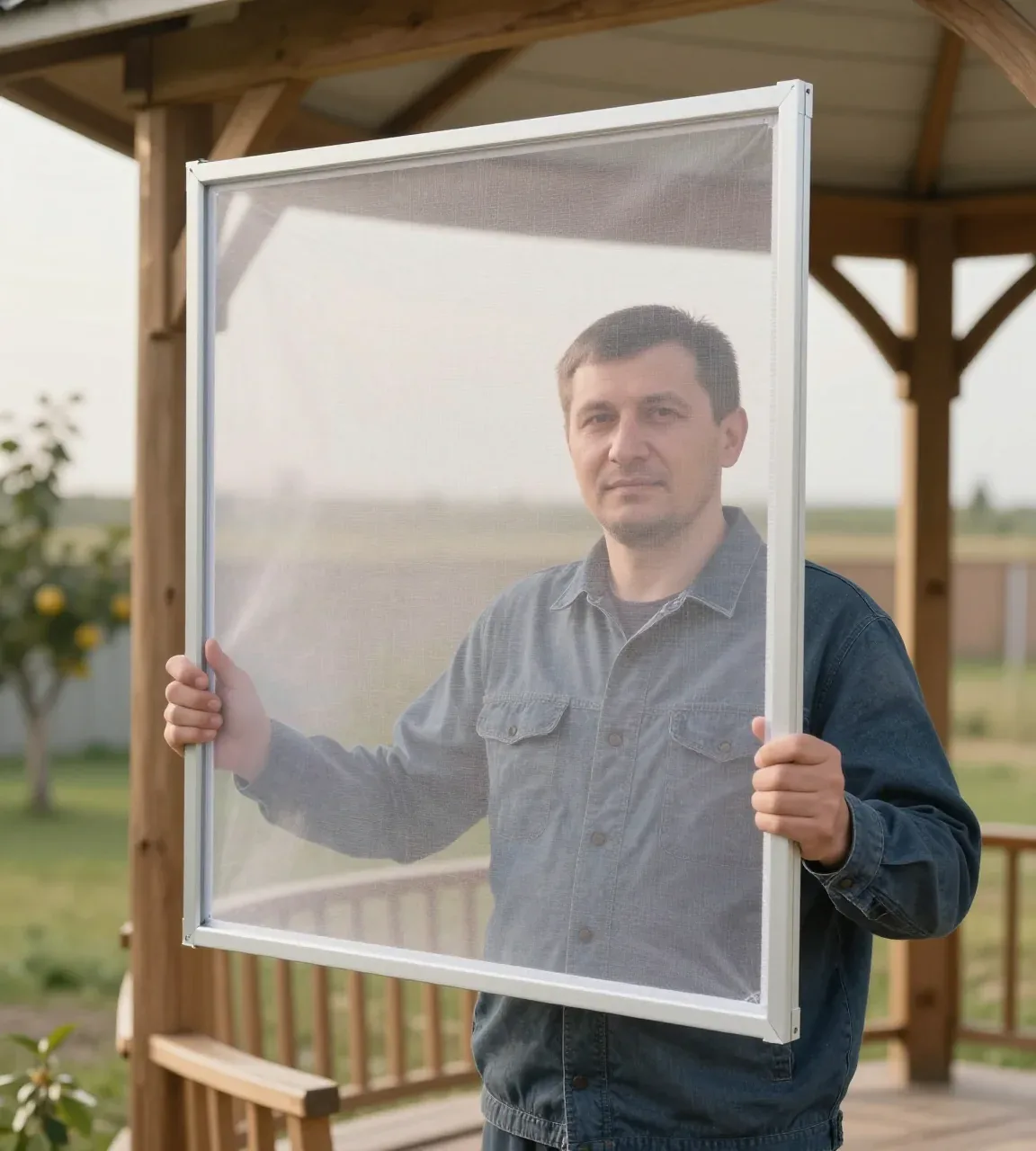
Standard
Fiberglass does not burn and withstands temperature changes. Basic choice for gazebo with barbecue. Price from 6 900 ₸ per m².
UltraVue
Transmits 25% more light and air than other fabrics. Price from 6 900 ₸ per m², exact after measuring.
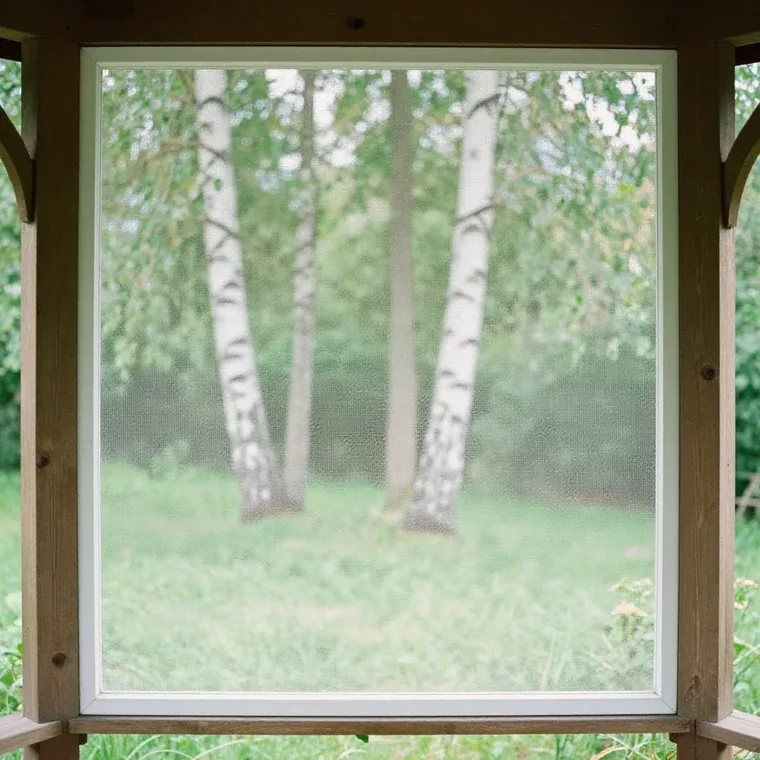
Anti-Cat
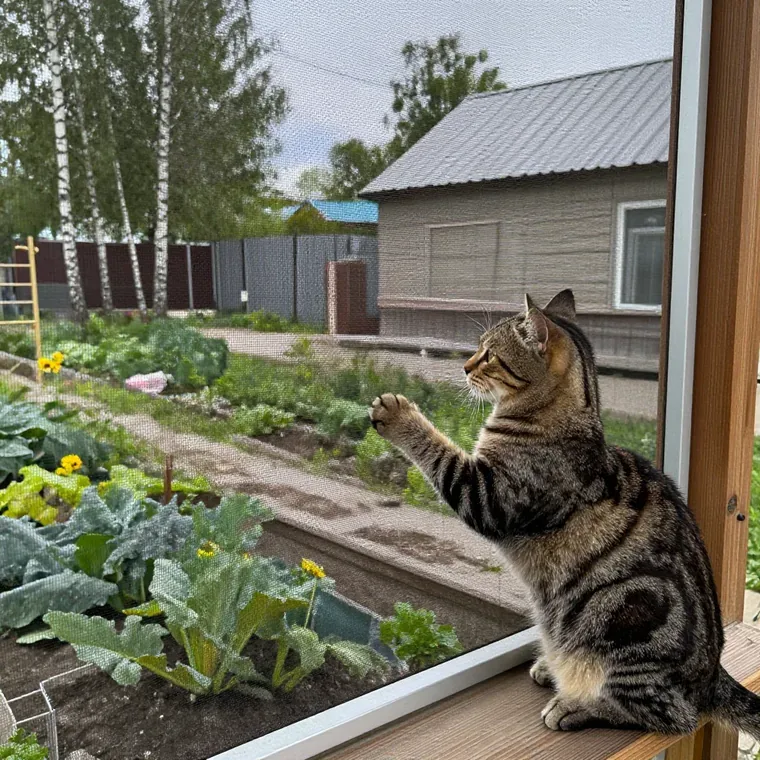
Vinyl threads withstand the weight of a small pet. Suitable for openings where pets pass. Price from 6 900 ₸ per m².
Anti-Pollen
0.25×1 mm mesh traps pollen. Hypoallergenic fabric for gazebo by water. Price from 6 900 ₸ per m².
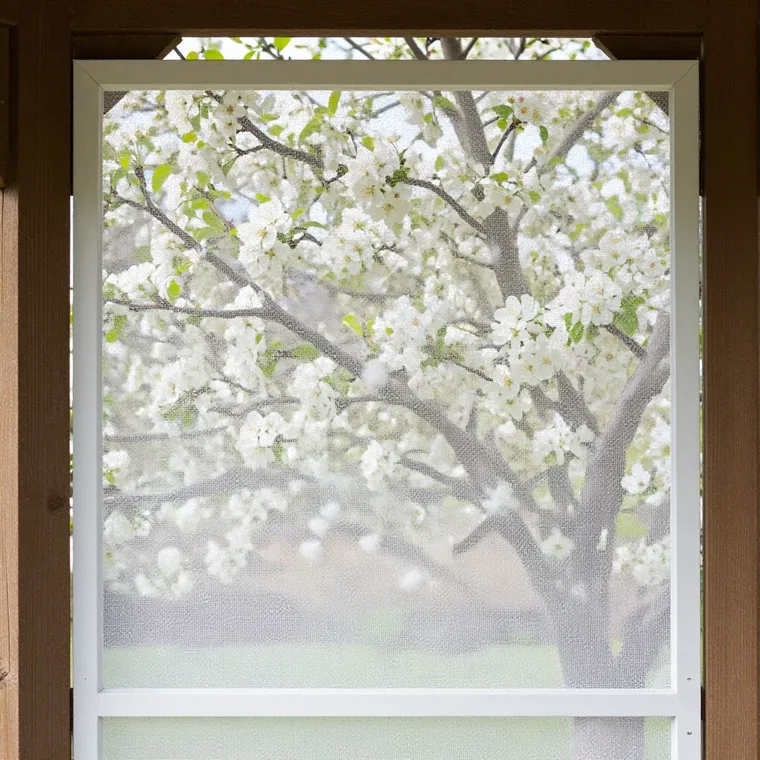
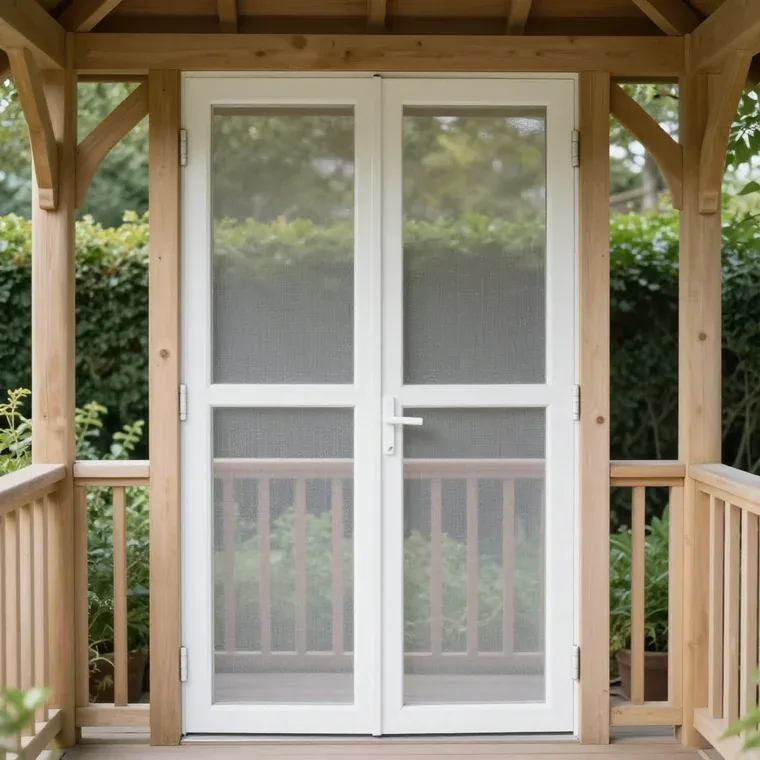
Hinged
Hinged door screen covers gazebo entrance. Profile "Econom" 32×10 mm or "Prestige" 42×17 mm. Price from 15 200 ₸ per pc.



5,097 reviews on review sites
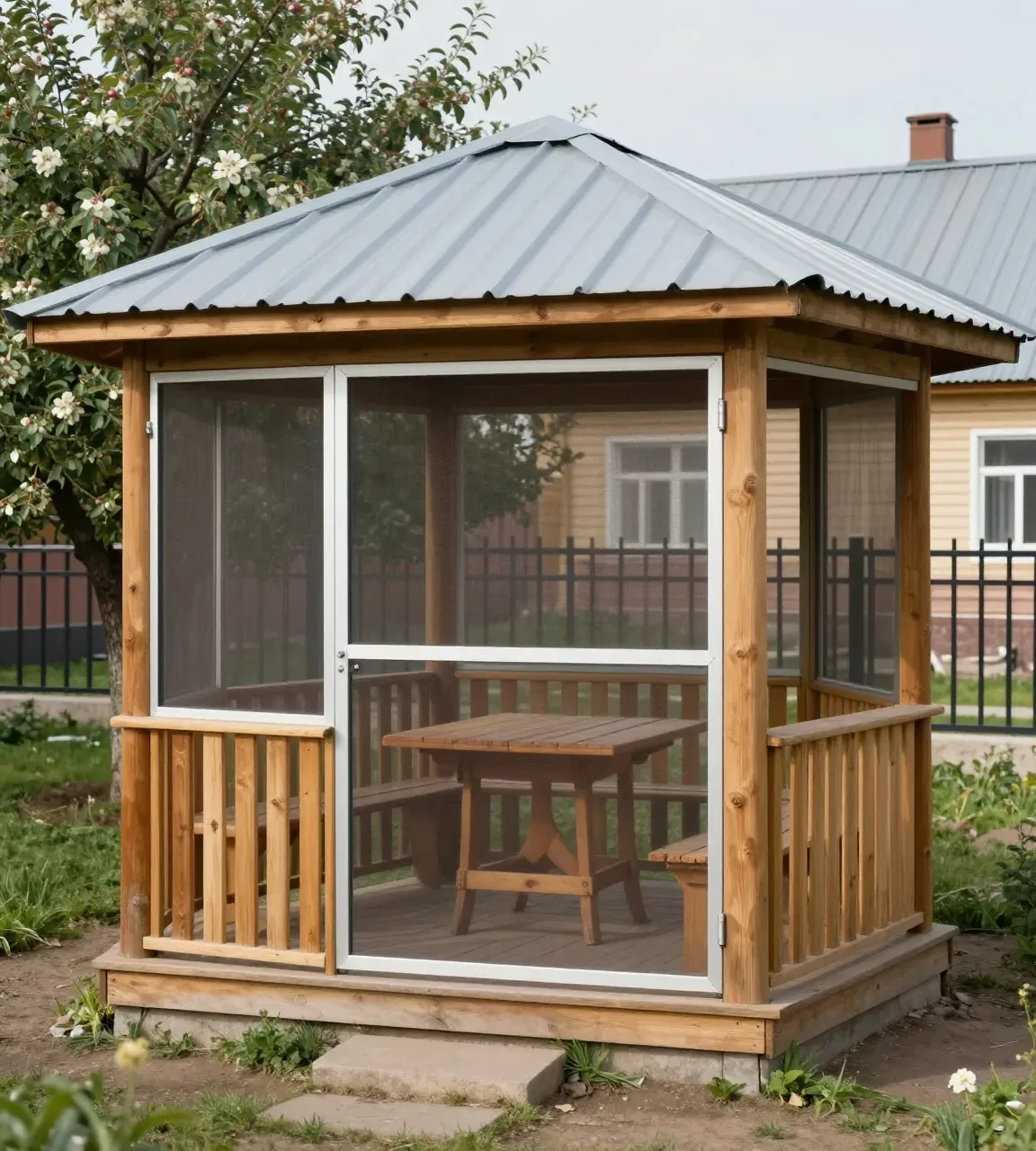
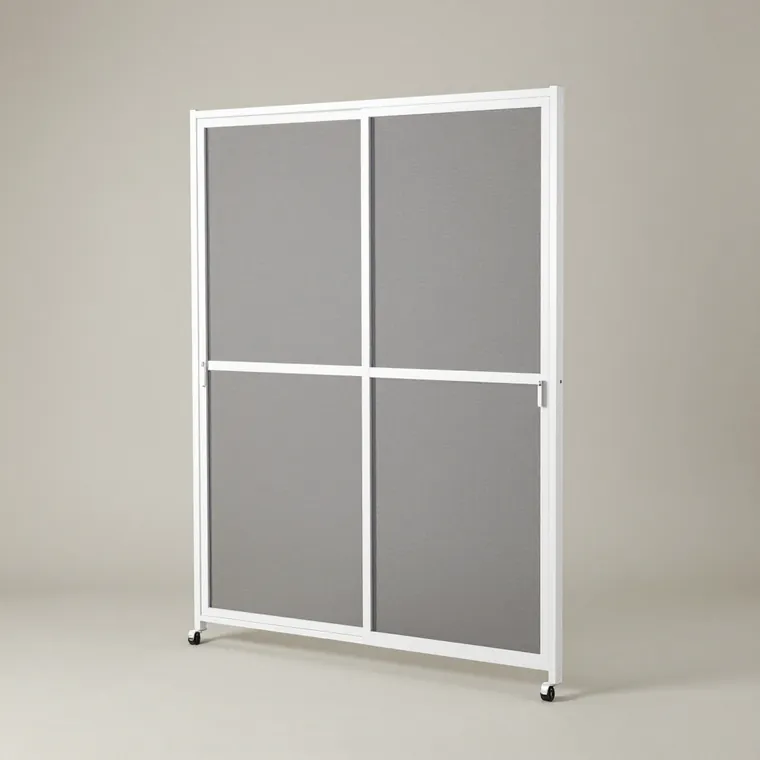
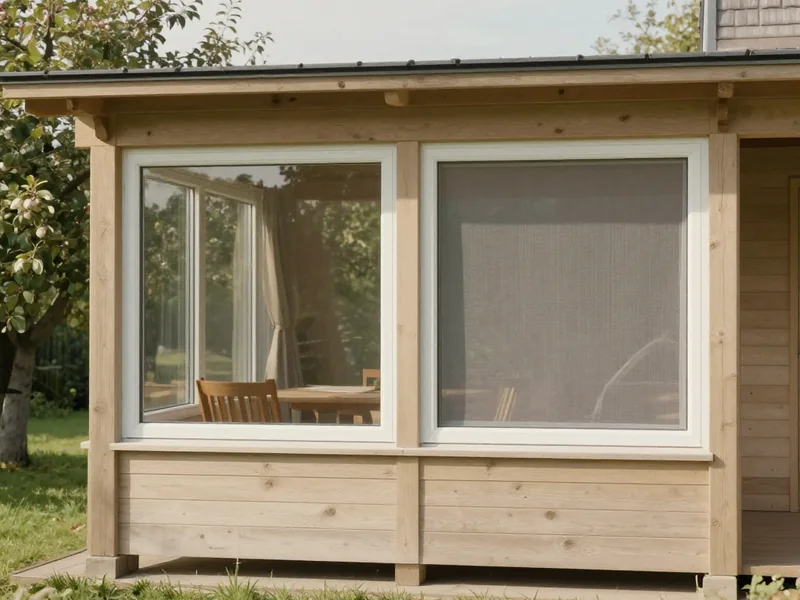
The screen covers the entrance, windows between posts and barbecue area, separating rest area from outside. Frame, fabric and fixings are selected for the frame.
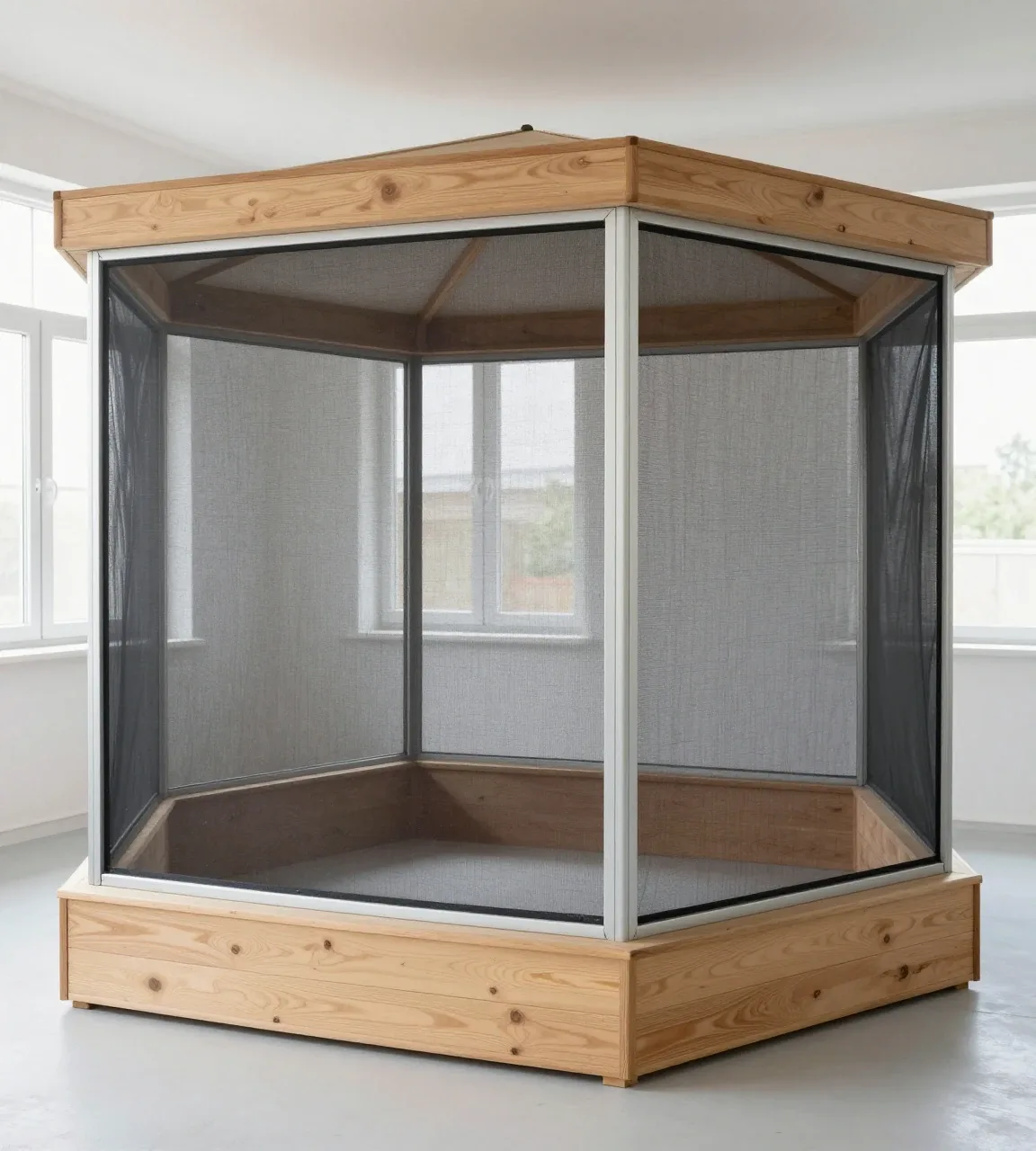
A gazebo screen is a frame with stretched fabric that covers the opening between frame posts. The frame is attached to the gazebo profile, the fabric lets air through but keeps mosquitoes and wasps out. Unlike window screens, here the area and wind load are larger, so the frame is reinforced.
The design consists of three parts: frame profile, fabric and fixings. For barbecue, non-flammable Fiberglass fabric is important. We manufacture framed screens to your dimensions in 10–15 minutes, pleated screens in 40–60 minutes.
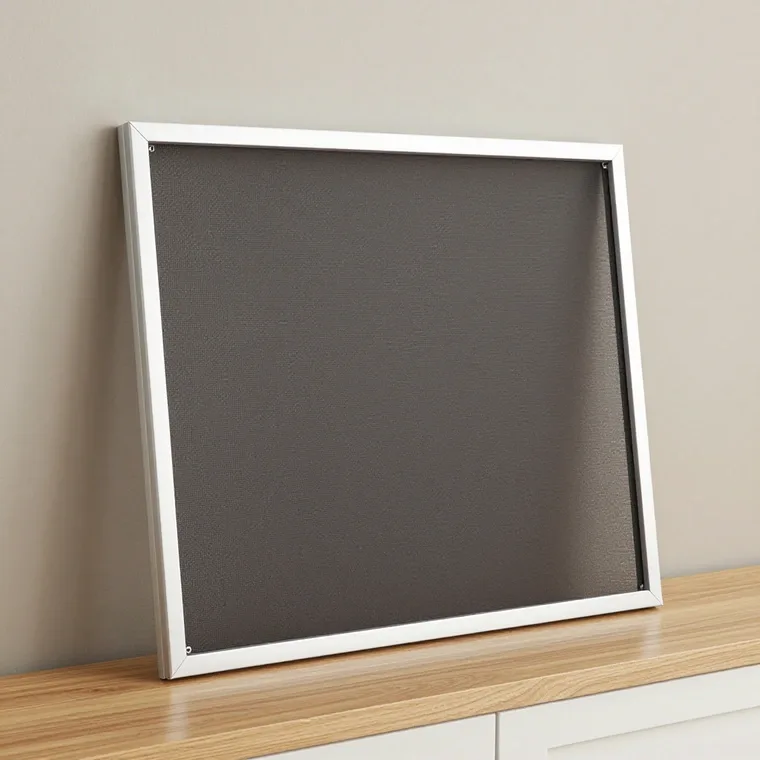
manufacture of framed screen to your dimensions
warranty on mosquito screens
Fiberglass, Ultravue, Pet Screen, Anti-Dust, Poll-Tex
The measurer selects fixings for the gazebo profile and floor: Z-brackets, plungers or magnets. For large openings the frame is reinforced.
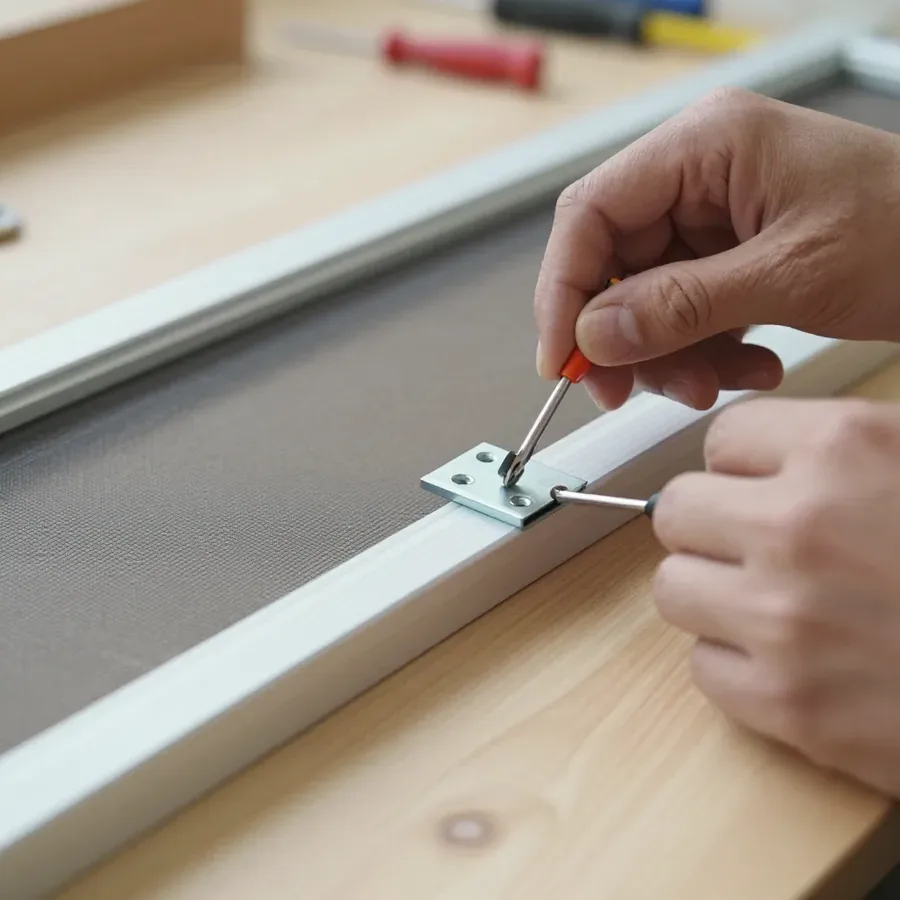
Hold the frame on the gazebo profile. Suitable for removable design that is taken down for winter.
Fix the frame in profile holes. The screen is removed from inside in a minute.
Simple option for lightweight fabrics. The measurer will check if the gazebo profile can hold it.
For large openings and wind. Replacement of fabric and fixings — from 1 600 ₸ for installation of one screen.
Five fabrics for different gazebo tasks: basic non-flammable, light, strong, anti-dust and anti-allergenic. Price per m² is from.
Fiberglass · non-flammable
Fiberglass is resistant to ignition and temperature changes. Basic choice for gazebo with barbecue.
Ultravue · more light
Transmits 25% more light and air than other fabrics. For shaded gazebos.
Pet Screen · strong
Vinyl threads are several times stronger than standard mesh and can withstand the weight of a small pet.
Traps dust
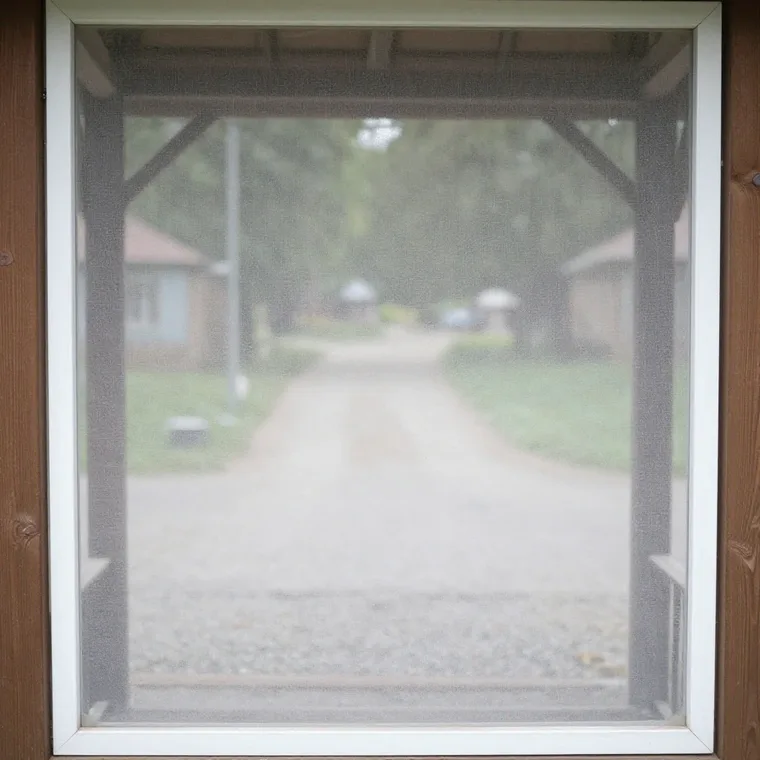
Mesh for gazebos by the road or in a cottage yard. Less dust on the table and in the air.
Poll-Tex · 0.25×1 mm cell
Hypoallergenic mesh traps pollen. For gazebos where allergy sufferers relax.
Framed, sliding, door and pleated screens. Our measurer will choose the right design for your opening free of charge.
Full price listThe price depends on the opening area, mesh type, frame and fixings. We confirm the exact cost in the order after measuring.
| Screen type | Price | Fitting | Options and prices | |
|---|---|---|---|---|
| ZIP screen for gazeboroll-up fabric in guides | from 50 000₸ per m² | 1 600 ₸ | ||
| Roller screen for gazebofabric in cassette | from 19 800₸ per m² | — | Roller screen for window · 16 200 | |
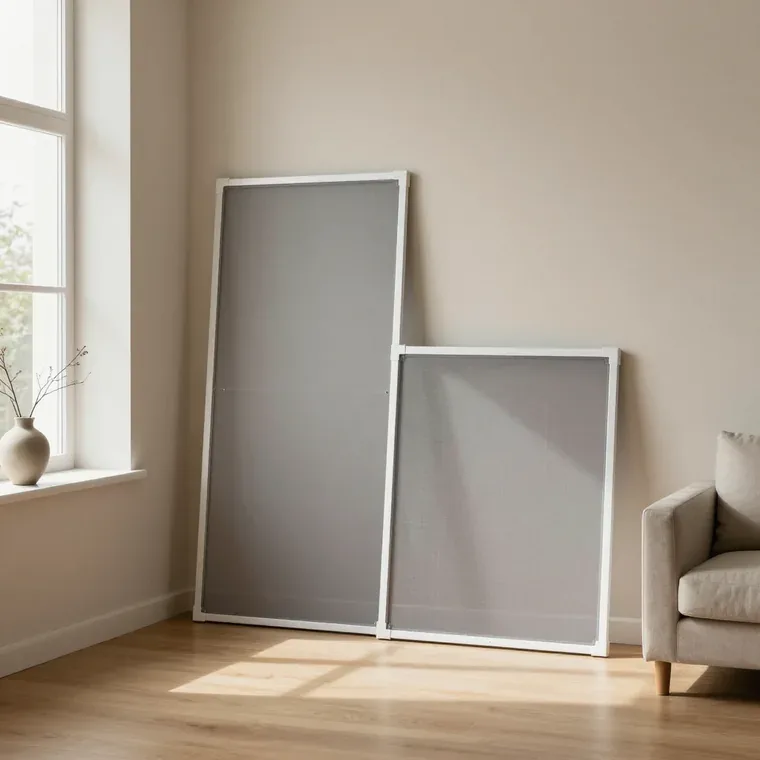
| Gazebo screen per unitready-made opening | from 34 000₸ per pc. | — | ||
| Screen for gazebo or terraceframed fabric | from 6 900₸ per m² | — | ||
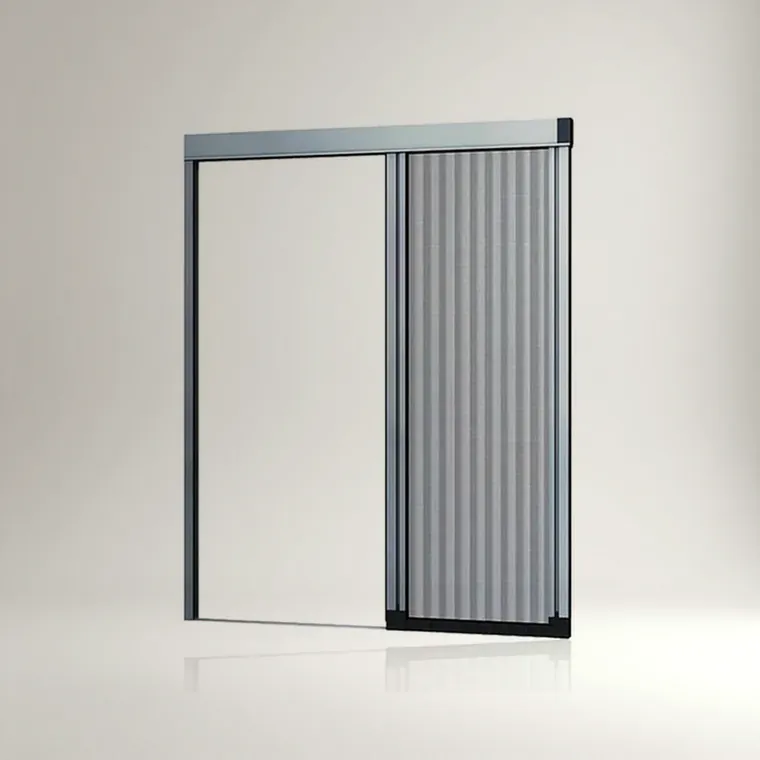 Pleated screen for panoramic openingfolding fabric | from 43 500₸ per m² | — | ||
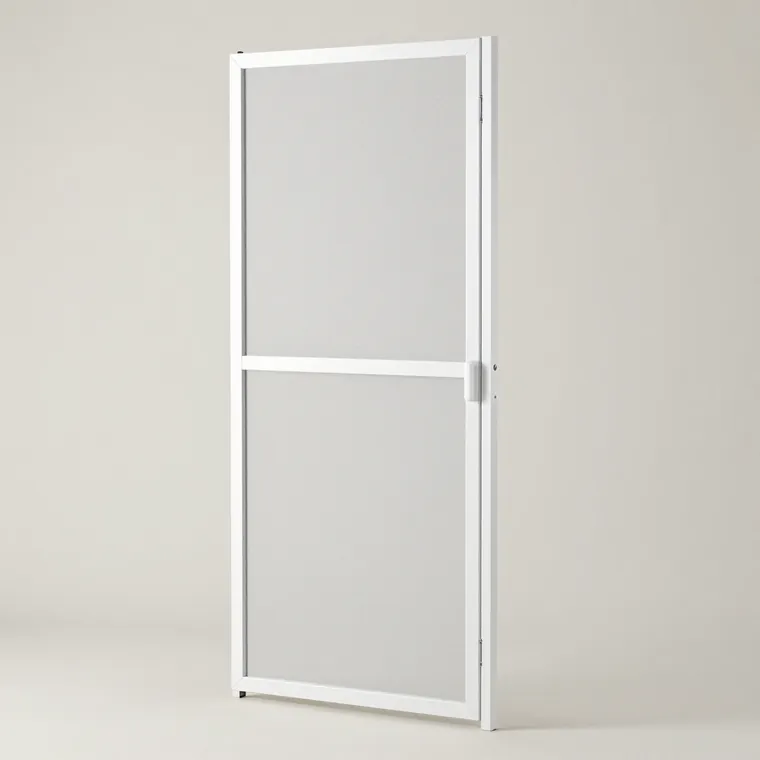 Hinged door screengazebo entrance | from 15 200₸ per pc. | — | ||
| Magnetic door curtainsimple option | from 5 800₸ per pc. | — | ||
| Screen with metal meshextra strength | from 11 500₸ per m² | — | ||
| Screen for soft windows of verandaflexible fabric | from 10 500₸ per m² | — |
The calculation is based on the opening area, mesh type, frame profile and fixings.Payment after installation: cash, card or Kaspi.
Calculate by your dimensionsEnter the width and height of the opening, choose the mesh and fixings — the calculator will show the cost.
1. Screen type
2. Mesh and design
3. Opening size, cm
Own production since 2012, manufacturing in 10–15 minutes, 1-year warranty and free measuring visit on site.
We make mosquito screens ourselves, without intermediaries.
White, brown or grey — we'll match the shade to your structure.
on mosquito screens.
Fiberglass, Ultravue, Pet Screen, Anti-Dust, Poll-Tex.
We'll paint to match your windows: white, brown, grey.
We take orders and visit for measuring any day of the week.
We deliver and install screens on windows and doors.
cities of Kazakhstan where you can order screens.
From request to finished screen on the opening — four steps.
You leave a request on WhatsApp — we reply within 5 minutes, advise on meshes and fixings.
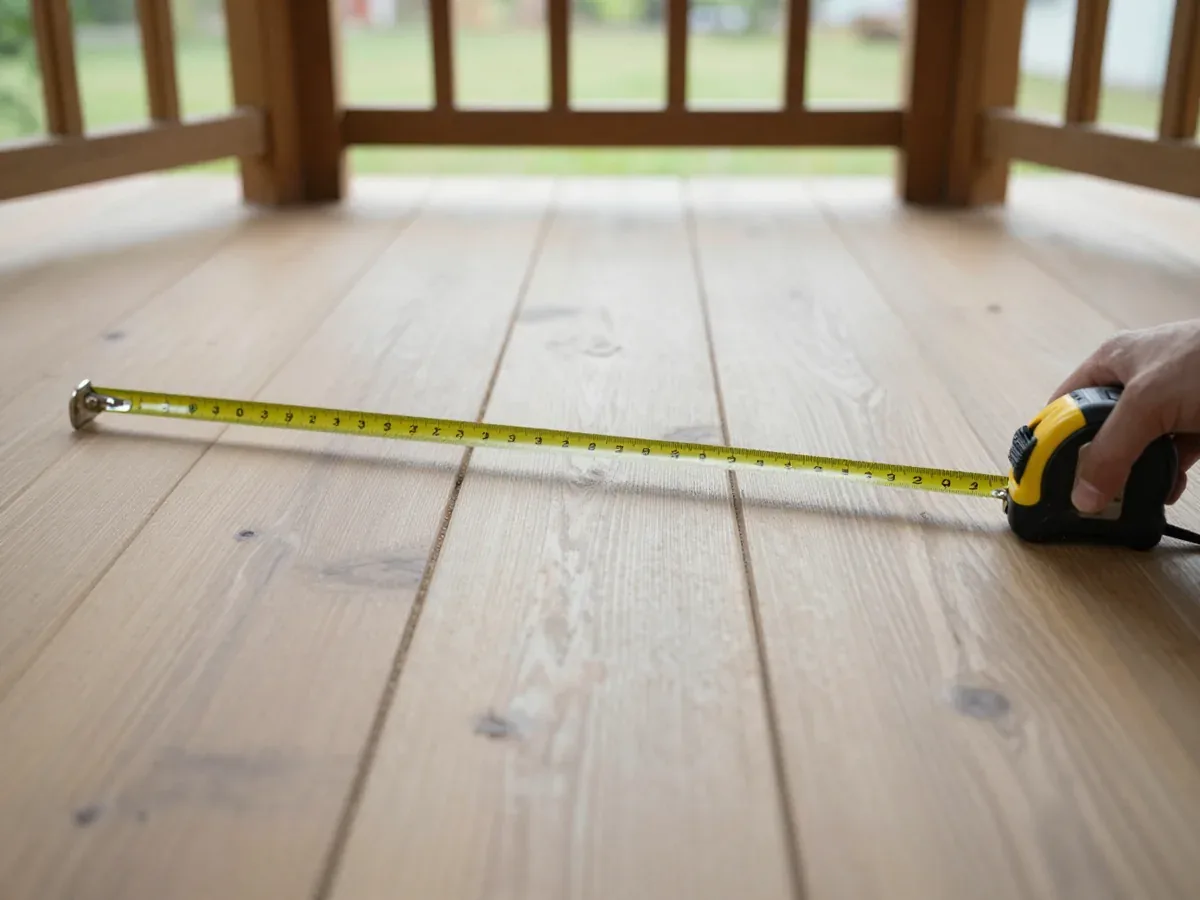
The measurer comes to the site, takes the dimensions of the opening and helps choose the design and mesh.
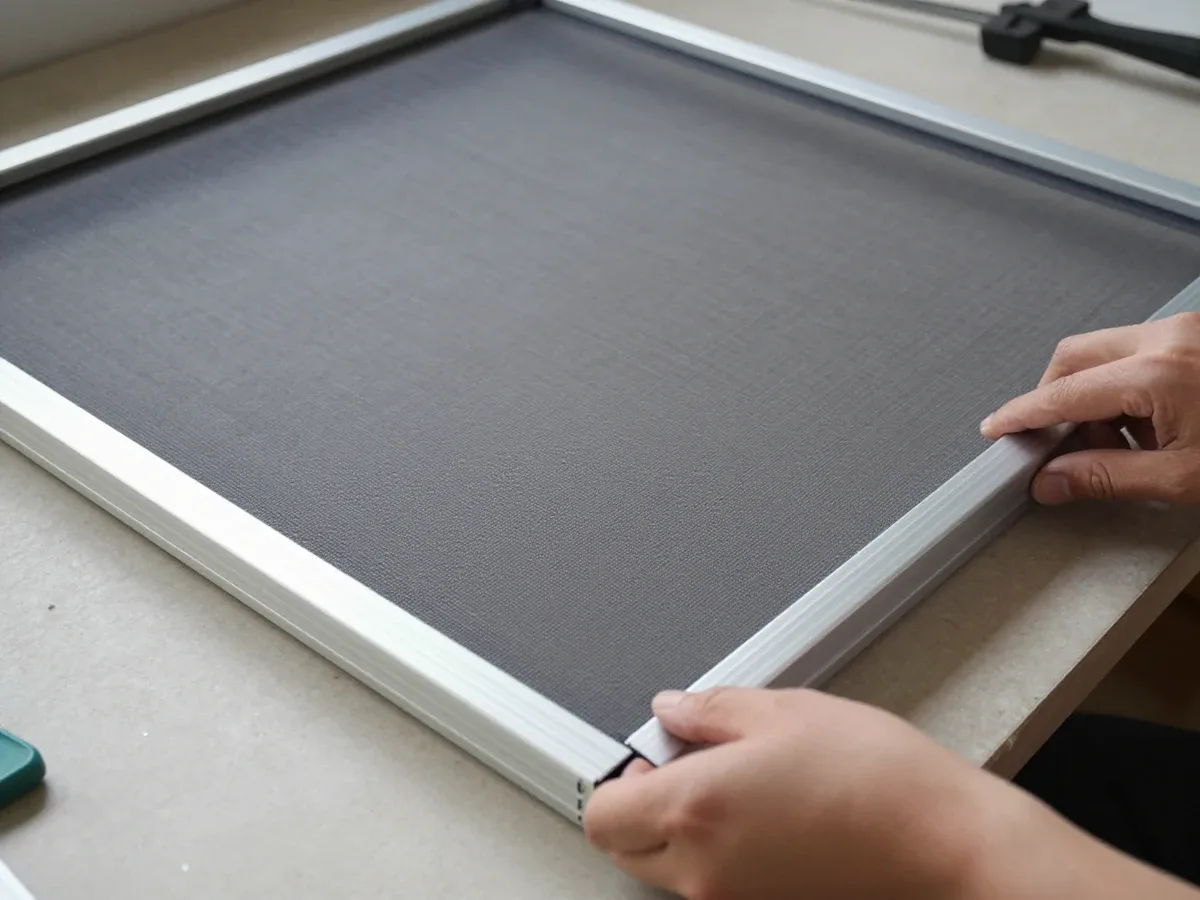
We make a framed screen in 10–15 minutes, a pleated one in 40–60 minutes. The price is fixed in the order after measuring.
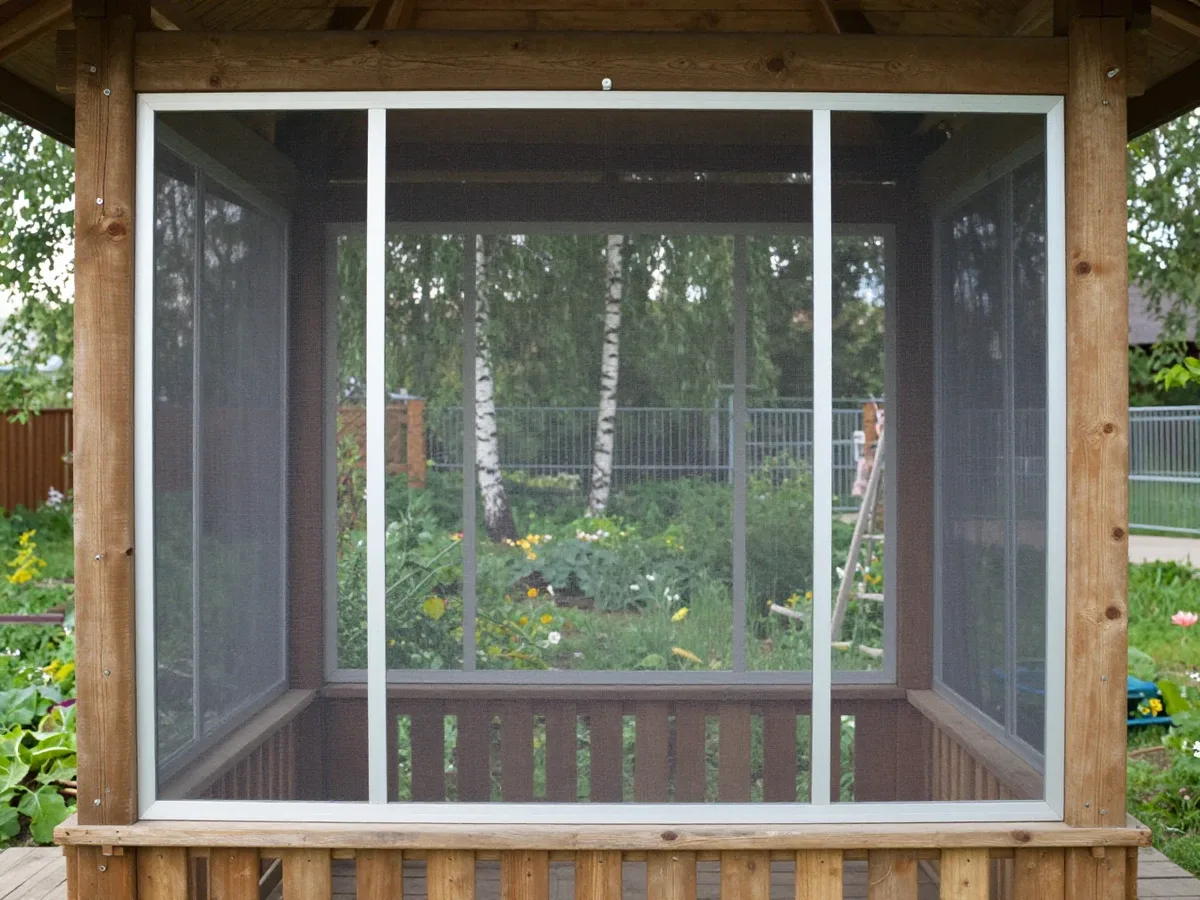
We fit the screen to the opening, check the movement and fixings. You can pay in cash, by card or via Kaspi after installation.
Good to know

Senior mosquito screen specialist at moskitnyesetki.kz
We make gazebo mosquito screens in Pavlodar to your exact opening, in framed, pleated, roller or sliding designs, with a free measuring visit and a 1-year warranty. The measurer helps you pick the mesh and the fixing for your timber, aluminium or plastic frame, and you pay only after installation.
A gazebo opening is not a window opening — it is wide, open on several sides and used only part of the year. So the screen type follows the structure, not the other way round.
| Screen type | Best for | How it opens | Seasonal note |
|---|---|---|---|
| Framed | standard rectangular bays | lifts out from inside | removed for winter in a minute |
| Pleated | large or non-standard bays | folds to the side | compact when open |
| Roller | veranda bays | rolls up out of the way | keeps the view clear |
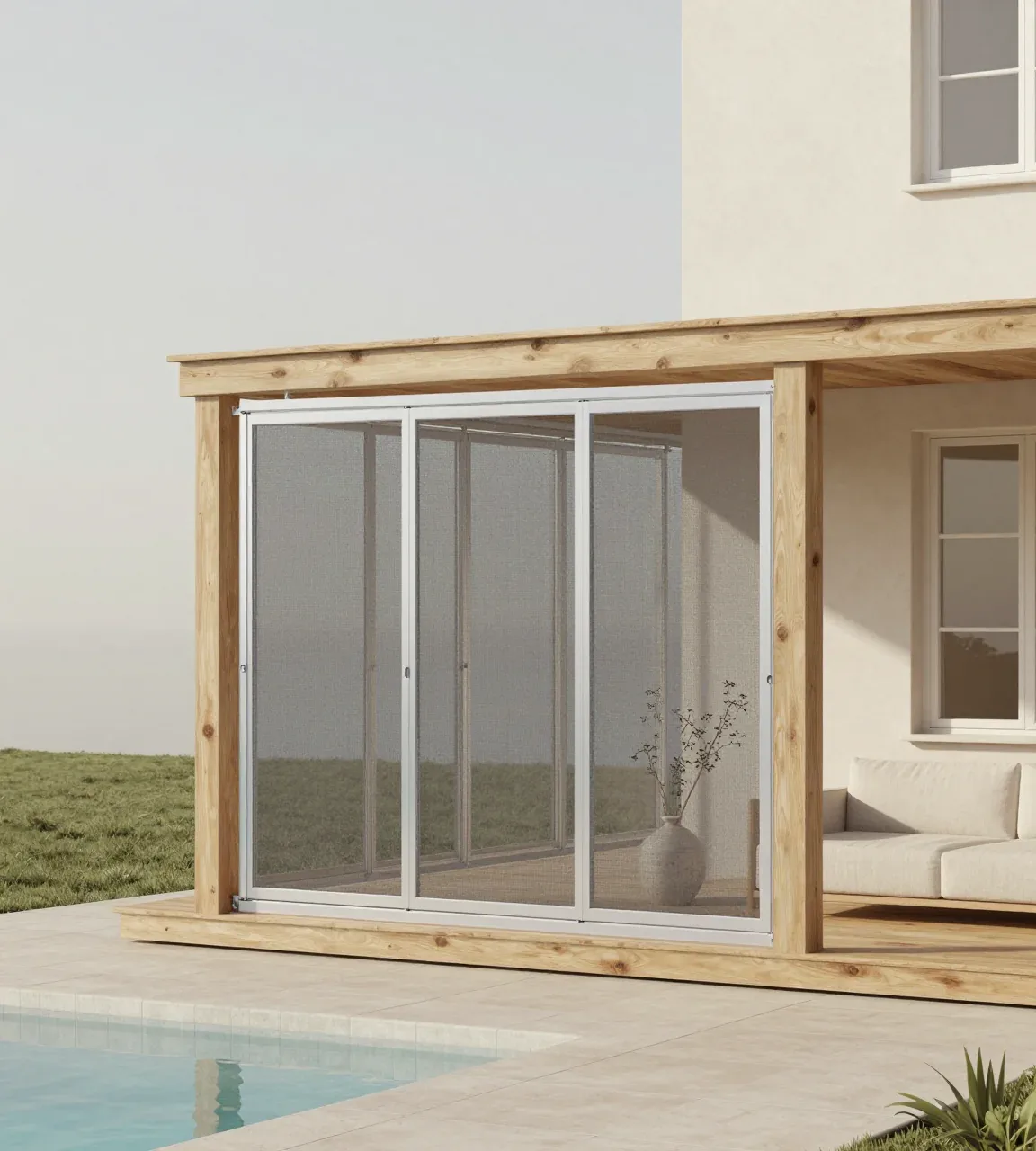
| Sliding | wide bays | slides along the frame | good for frequent use |
We install mosquito screens in Pavlodar on plastic, timber and aluminium structures — posts, veranda rails and loggia openings, not only standard window frames. A timber structure usually has no uniform profile, so the frame is fixed to the post face or to a rail we add first. On aluminium the wall thickness decides which fastener holds: Z-brackets need a flat return, pins need a solid core, magnets need a steel strip. Plastic structures are the simplest case, because the frame profile already gives a straight plane to work from. The measurer checks level and rigidity of the mounting plane before choosing fixings — on a warped timber post a magnet or pin pulls loose within a season, while a bracket on a packed-out rail stays put. Gazebo mosquito screens in Pavlodar are ordered by structure type, so the fixing is chosen for the actual posts and rails on site.
A gazebo puts a mesh to a harder test than a window: more light to lose, more wind to take, and sometimes a cat or an allergy in the family. Here is what each cloth actually does.
| Mesh | What it is for | Key property |
|---|---|---|
| Standard (Fiberglass) | everyday protection | resistant to fire and temperature swings |
| UltraVue | brighter gazebos | lets in 25% more light and air |
| Anti-Cat (Pet Screen) | homes with a cat | vinyl threads hold a small animal's weight |
| Anti-Dust | gazebos near a road | keeps fine dust out |
| Anti-Pollen (Poll-Tex) | allergy season | 0.25×1 mm cell |
UltraVue lets in 25% more light and air than other meshes, while Anti-Cat uses vinyl threads strong enough to take the weight of a small pet. Standard fiberglass sits between them: it resists fire and temperature swings, so it handles a hot summer and a cold snap without sagging. Anti-Dust works where the plot faces a road and fine grit settles on the table by morning, and Anti-Pollen with its 0.25×1 mm cell is the one to pick when someone in the family reacts to pollen in June. We also keep metal mesh and Krylo cloth for openings that see heavy use. Under a lamp in the evening, the light difference shows up more sharply than on a window, so UltraVue earns its place there more often.
The fixing is where most doubts start: will a screen hold on my structure at all? There is no single universal answer, because the measurer works from your existing frame and floor level rather than from a standard kit.
The measurer picks the fixing to match your window profile and floor level, choosing between Z-shaped brackets, pins and magnets. Z-brackets hook over the edge and hold a framed screen tight against draughts and wind, pins sit in the channel and let the unit lift out in one movement, and magnets keep everything flush where drilling is unwanted. On upper floors we lean towards pins and magnets, since nothing projects outward and the mesh cannot be caught by a gust. All three stay removable, so a framed build comes off from inside in under a minute. In our practice the removable mounting earns its place beyond winter — it lets you open the whole opening for a day without taking the frame down.
Hinged entrance screens come with either the Economy 32×10 mm or the Prestige 42×17 mm section, and the wider Prestige suits a heavier, more frequently used door. Economy keeps the unit light, which matters on a timber structure where the frame itself already carries weight, while Prestige adds stiffness for a wide opening and a mesh under daily load. Both sections take the same hinges and handles, so the choice comes down to the span and how often the door swings. At the entrance the section wears faster than on a window, so for a leaf that is slammed every day the reserve in it matters more than the saving. We fit either option to timber, aluminium and plastic alike.
Measuring, lead times and payment are the three things that most often delay an order. Here is how a visit to a non-standard opening works, how long a finished unit takes, and when you actually pay.
Measuring and consultation are free, and the measurer comes at a convenient time to take the sizes of even a large, non-standard opening and help choose the design, mesh and fixings. Such a structure is rarely a simple rectangle: posts sit slightly out of square, the aperture tapers towards the roof beam, and timber settles differently from aluminium. The measurer checks the diagonals, the depth of the rebate and how much flat surface is available for brackets before writing anything down. We work seven days a week, so a weekend visit is normal rather than an exception. An opening that looks straight on a tape can be 10–15 mm out on the diagonal, and a unit cut to the wrong figure will not close properly. Take your own tape measurements first, then let the measurer confirm them on site.
A framed product made to your size takes 10–15 minutes and a pleated one 40–60 minutes, every mosquito screen carries a 1-year warranty, and you pay after installation by cash, card or Kaspi. The price is fixed in the order once measuring is done, so the figure you agree is the figure you settle. Our fitters deliver and install units on windows and doors, and we also repair mesh and replace fasteners. For a structure with several apertures, the framed products are usually made and hung in a single visit. Paying only once the unit is up and running smoothly removes the main worry — that a finished product will not sit in the opening as expected. Ask for the warranty terms in writing before the fitter leaves.
A gazebo screen sits outdoors all year, so three things decide how it holds up: the colour of the frame, the seasonal removal routine, and what happens the day the mesh finally tears.
We paint the frame any colour to match your windows or gazebo, so it reads as part of the structure rather than an add-on. The powder coat goes on before assembly, which keeps the finish even in the corners and along the profile edges where a brush would leave streaks. On a timber structure owners usually pick a tone a shade darker than the beams; on aluminium and plastic frames a match to the existing window profile looks cleaner. The unit is visible from both sides and sits in direct sun for most of the day, so choose the colour against the outside face of the building, not against the interior of the house. In our practice, the outside view is what neighbours and guests see first, and a close match there makes the whole structure look finished.
A framed screen lifts out from inside in a minute and is best removed for winter, and if the mesh tears we repair the panel and replace the fixings rather than always starting over. Wind is the main enemy on an open structure: a loose panel rattles against the post, the cloth flexes at the edges and the first thing to fail is usually a bracket or a pin, not the weave itself. Taking the unit down for the cold months protects both the fabric and those fasteners, which wear faster outdoors than on a house window. When a panel does tear, we look at the frame and fixings first — a torn corner often means a bent bracket, and fresh mesh on a tired fixing tears again within a season.
A screen system works when four decisions line up: the opening, the mesh, the fixing and the measuring. Here is the short order in which to settle them before anything is made.
Installation, materials, care and ordering of mosquito screens
Konstantin Selenenkovsenior mosquito screen specialist, 10 years in the tradeOnline · replies within 5 minutes
Ask a questionYes, we install screens on gazebos made of wood, aluminium and plastic. We select the fixings to match the material of the posts and frame so the structure holds securely.
A standard fibreglass canvas protects well against mosquitoes, while for small midges Anti-Pollen with a 0.25×1 mm mesh is suitable. If there are pets in the gazebo, choose Anti-Cat — it is stronger.
A framed screen can be removed from inside in a minute by unfastening the fixings. It is better to take it down for the winter to extend the service life of the canvas and fixings.
We repair screens and replace fixings. Bring the screen or call a technician — they will assess the damage and suggest a solution: replace the canvas or install new fixings.
Yes, measuring is necessary so the screen fits exactly. Our measurer will visit free of charge at a convenient time, take dimensions and help choose the design and fixings.
We make a framed structure to your dimensions in 10–15 minutes, and a pleated one in 40–60 minutes. The time depends on the chosen design, so the measurer can give a more precise estimate.
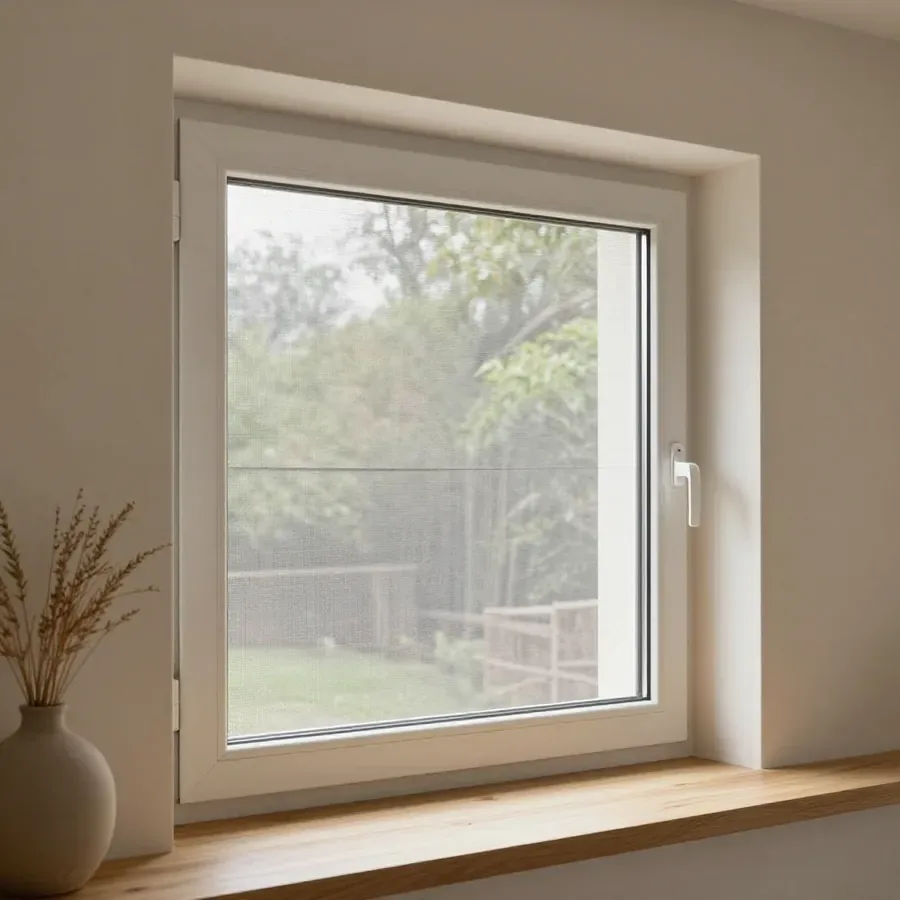 Care
A frame screen comes off in a minute: we show how not to bend the frame or lose the fixings.
April 15, 20268 min read
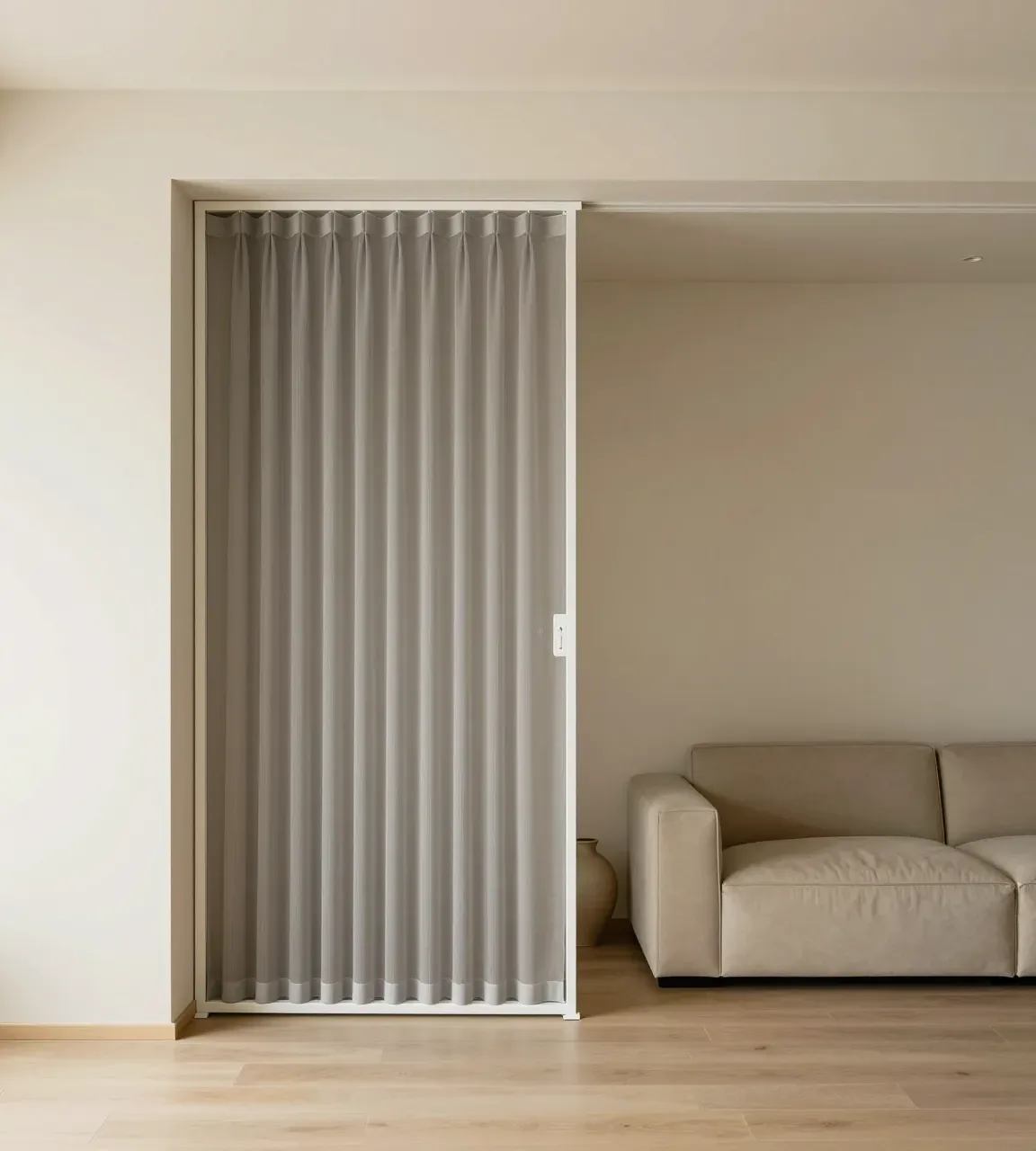 Choosing
We compare the price, lead time and how each screen performs on a door that you walk through every day.
March 2, 20268 min read
 Mesh types
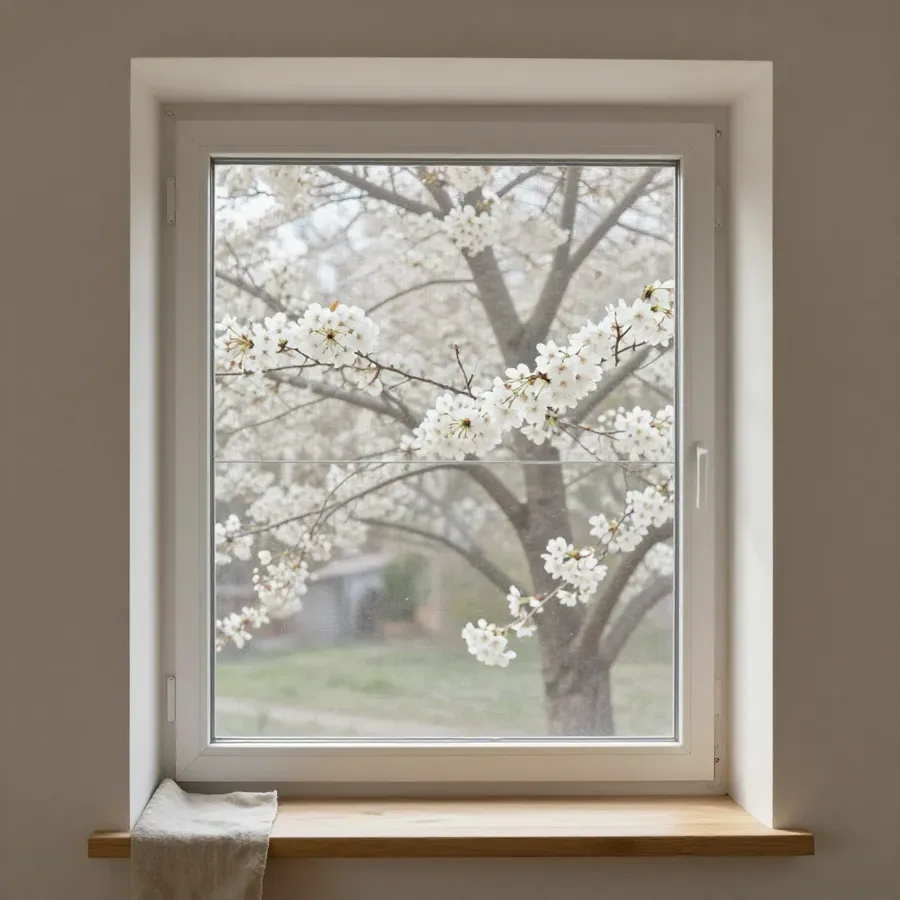
How Poll-Tex mesh with a 0.25×1 mm cell works and who it helps in pollen season.
February 17, 20268 min read
 Prices
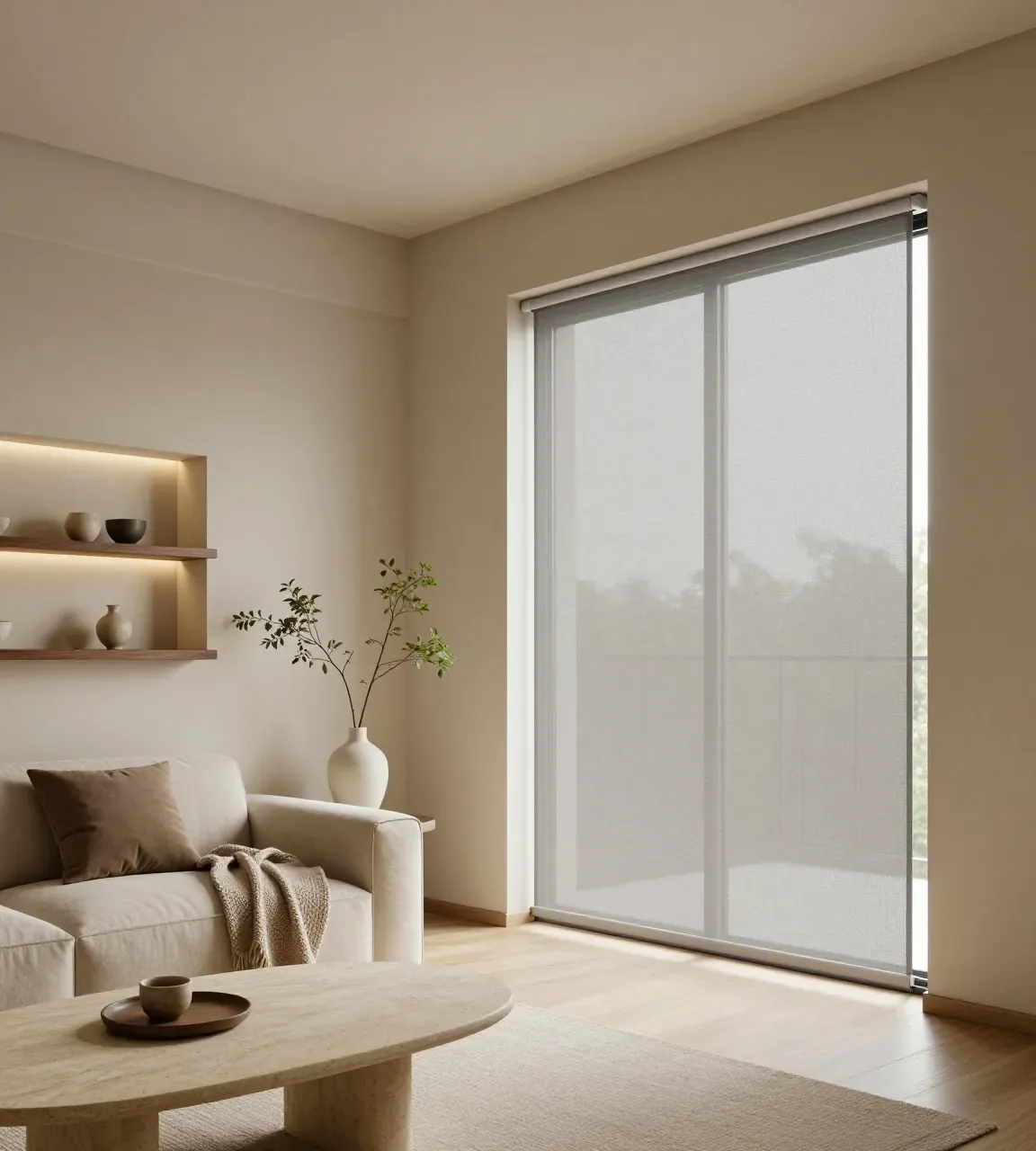
Price list breakdown: frame screen from 2 000 ₸ per m², installation 1 750 ₸, pleated from 28 000 ₸. Costing a 70×140 cm window.
February 1, 20268 min read
 Repair
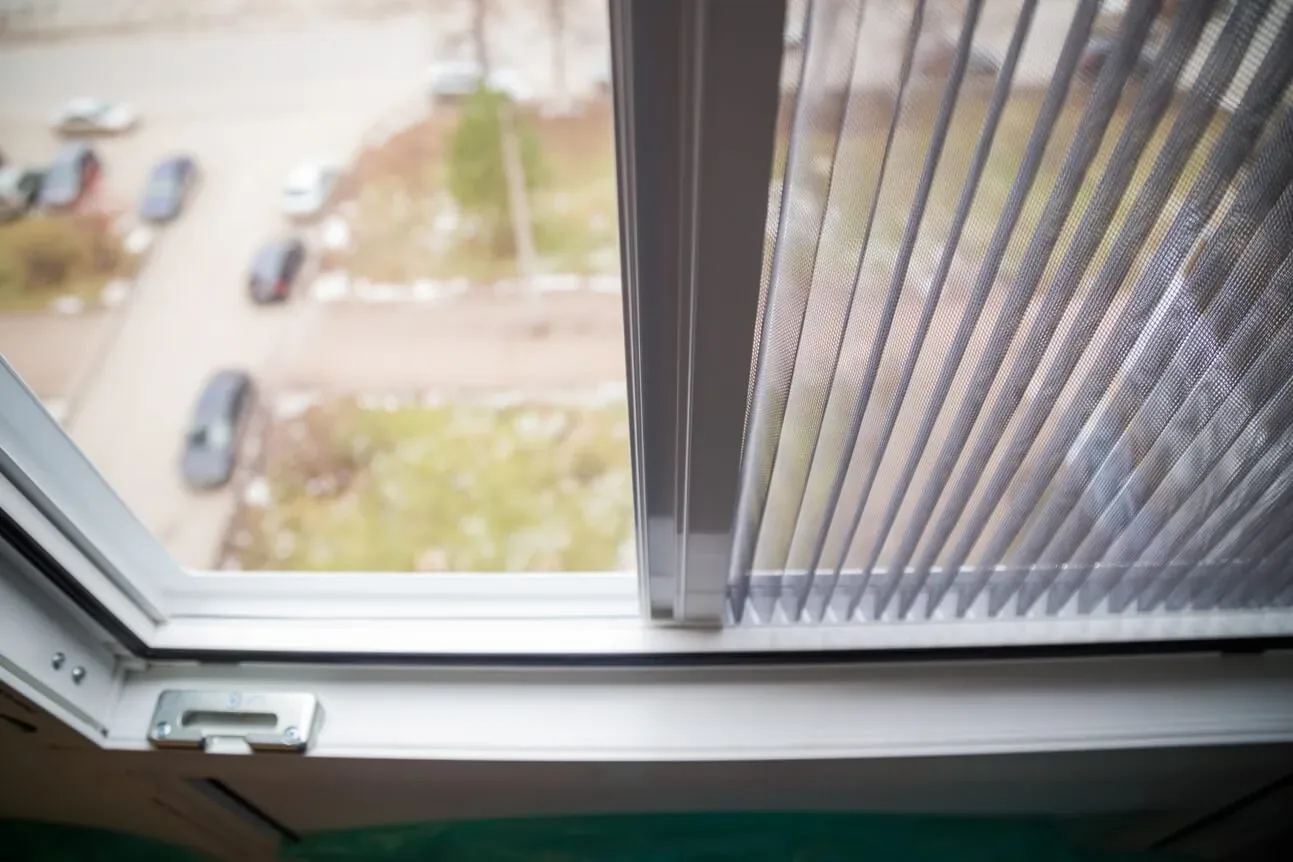
Worn fixings, a wrong measurement, wind on high floors. A set of fixings costs 290 ₸, installation 871 ₸.
January 14, 20268 min read
 Choosing
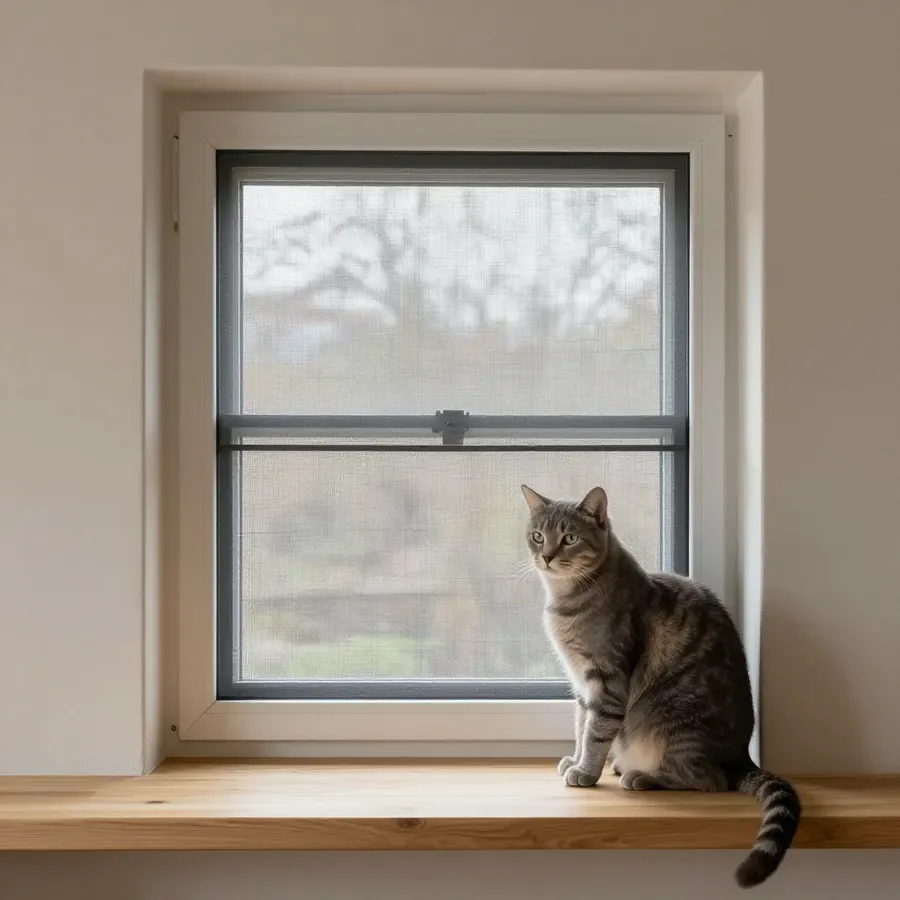
Anti-Cat mesh on vinyl threads, the fixings and what to do about gaps around the window opening.
December 23, 20258 min read
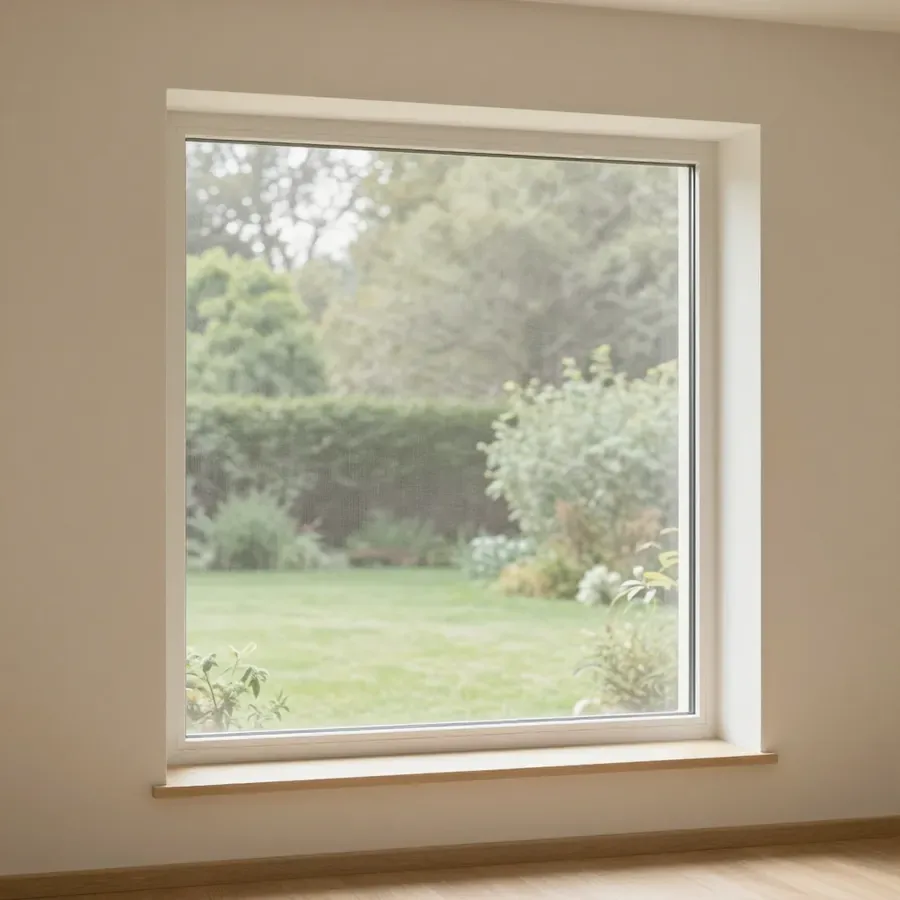 Mesh types
The mesh lets in 25% more light and air. Where the difference shows and where paying extra is not worth it.
December 11, 20258 min read
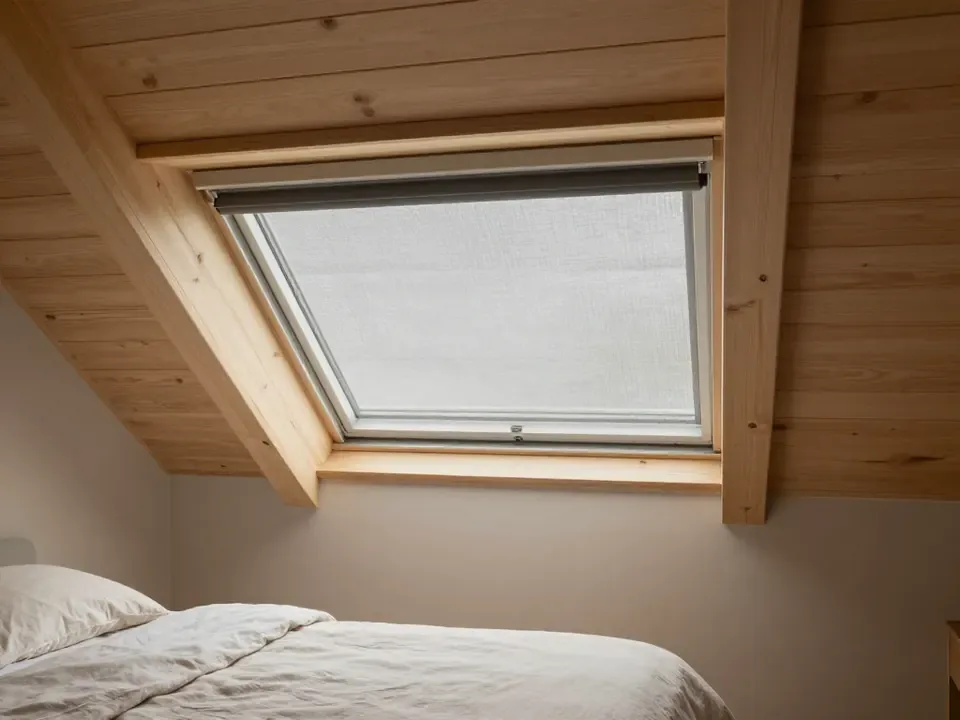 Choosing
A tilted sash, outward opening and a roller screen at 15 000 ₸ per m²: what will suit your window.
November 21, 20258 min read
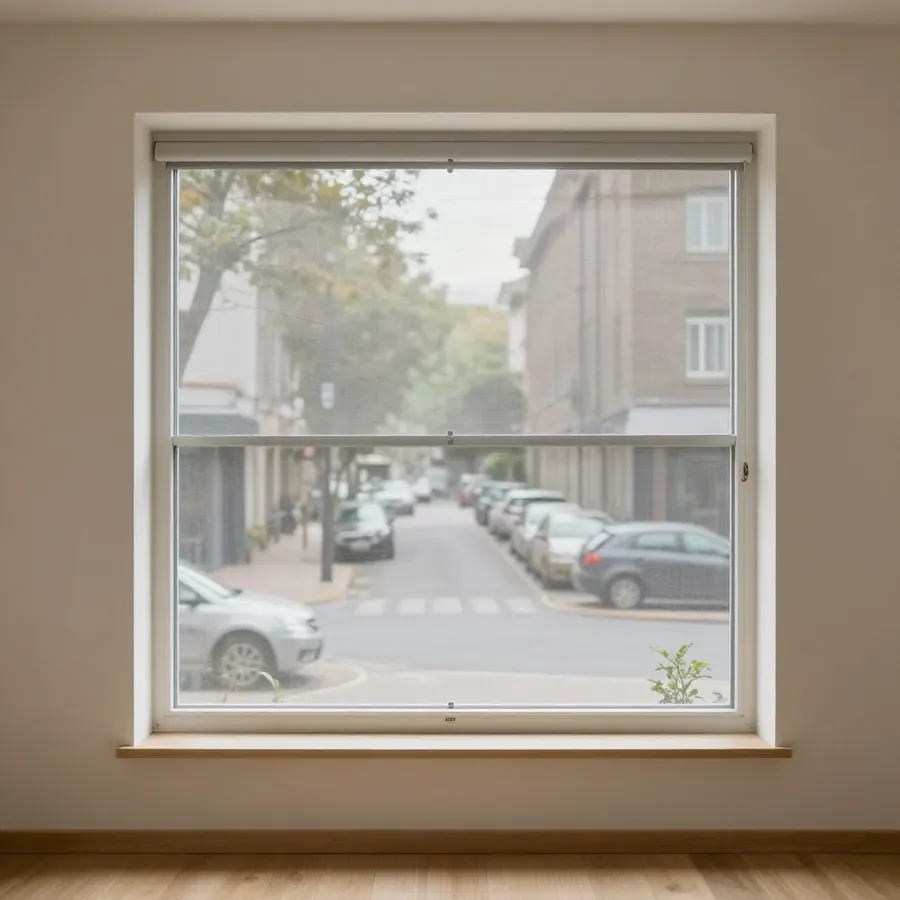 Mesh types
The mesh stops coarse and fine dust along with mosquitoes. When it is worth the price of 8 500 ₸ per m².
October 20, 20258 min read
Thank you. We will call you back within 10 minutes!
Your order number is on the receipt or in the SMS. Choose where to leave your review.
Write a review on WhatsApp
 For balcony
 For vent window
 For loggia
 For terrace
 Ready-made screens
