



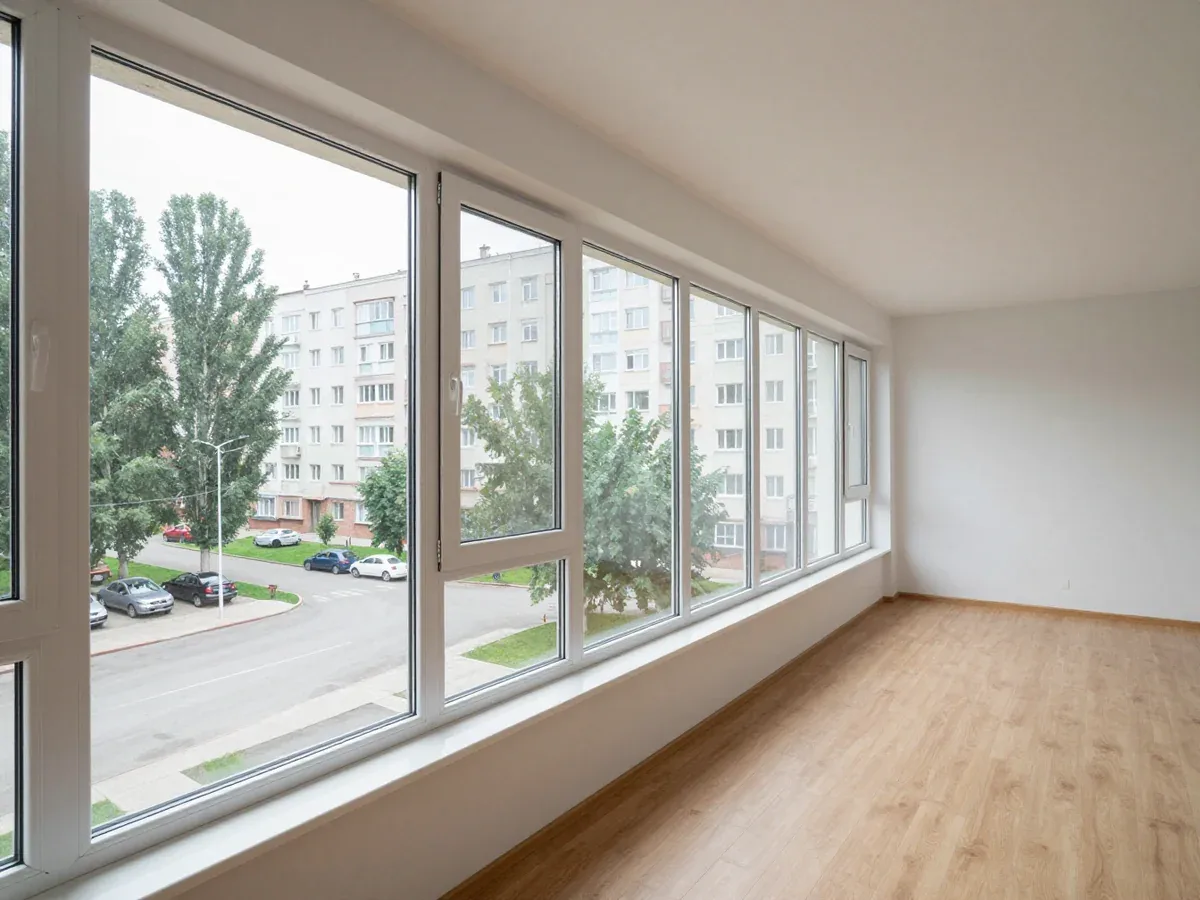
Good to know
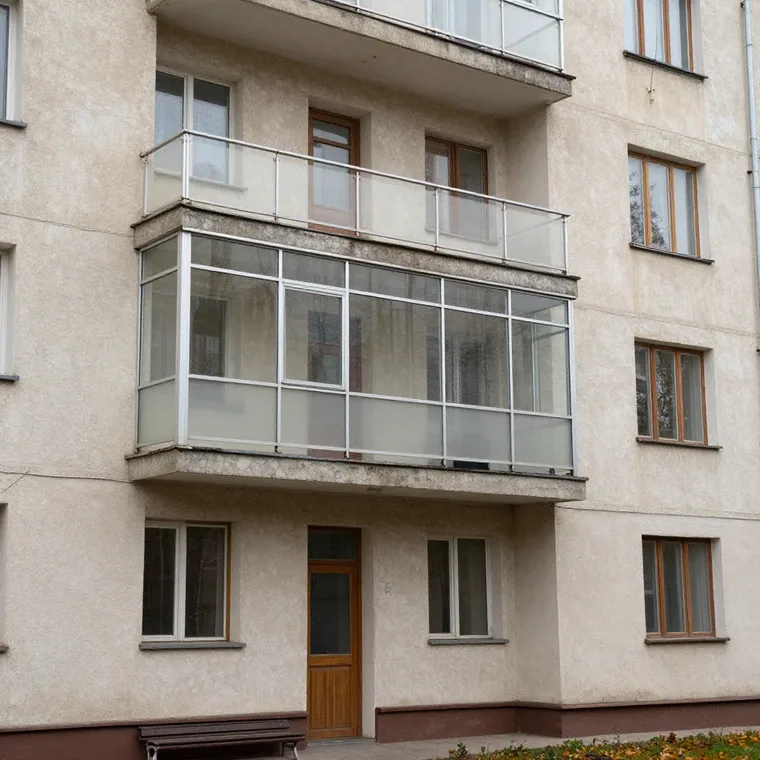
Balcony and Loggia Glazing in Pavlodar with Free Measuring

Senior mosquito screen specialist at moskitnyesetki.kz
We handle balcony and loggia glazing in Pavlodar as a direct contractor, not an agency. We offer warm PVC and cold aluminium systems, send a measurer free of charge, fix the price in the order after measuring, install with our own crews and cover the installation with a 5-year warranty. Payment comes after installation.
Warm or Cold Balcony and Loggia Glazing for the Pavlodar Climate
Pavlodar's sharply continental climate with strong winds and long cold spells means the first decision is not profile colour or handle type, but warm or cold contour.
How Warm and Cold Systems Differ in Construction
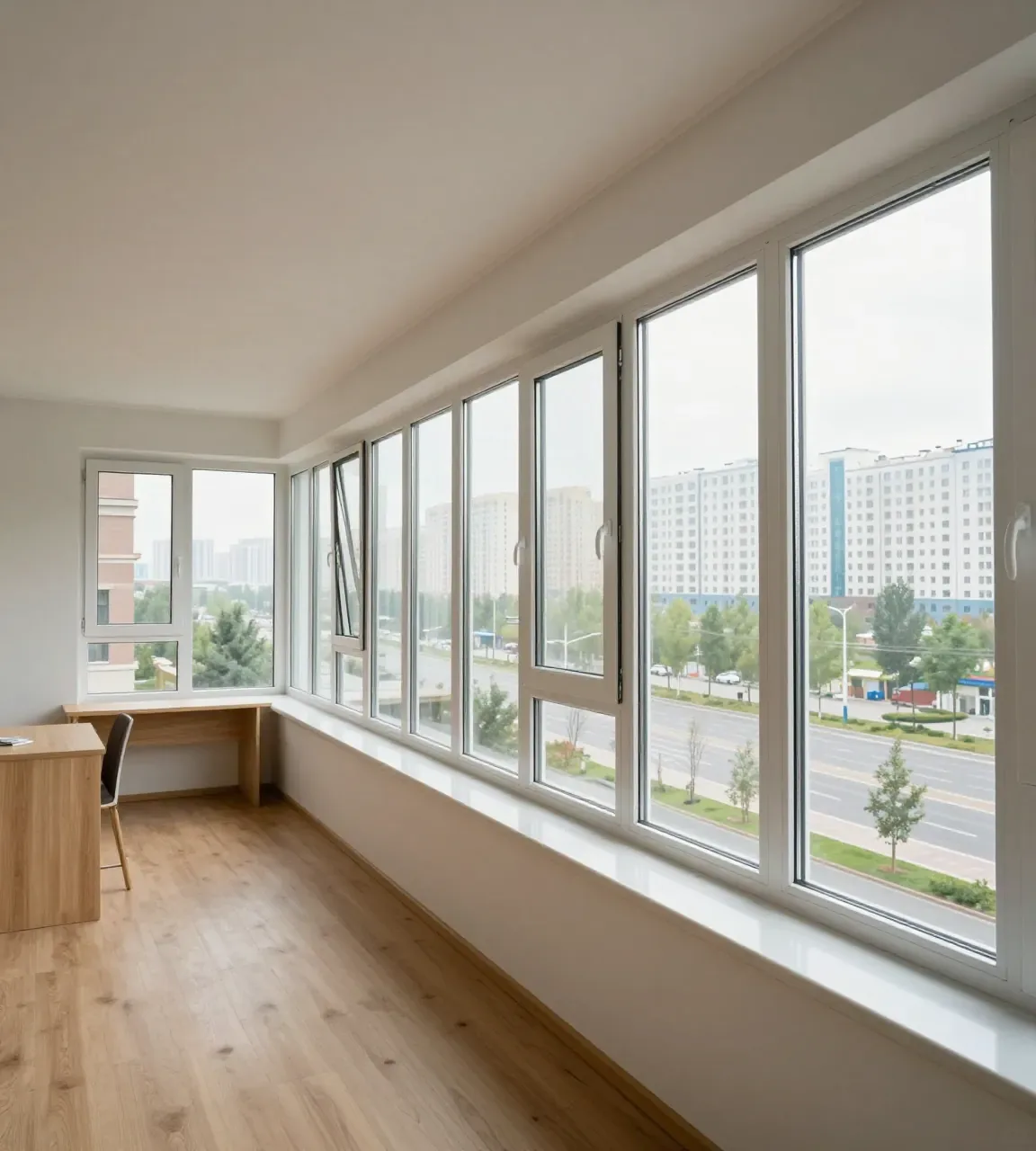
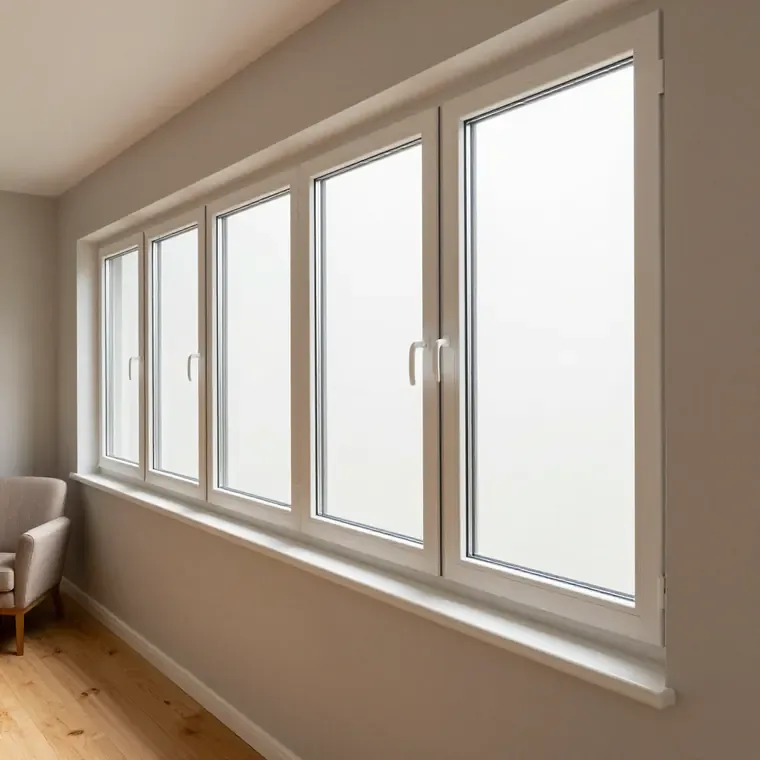
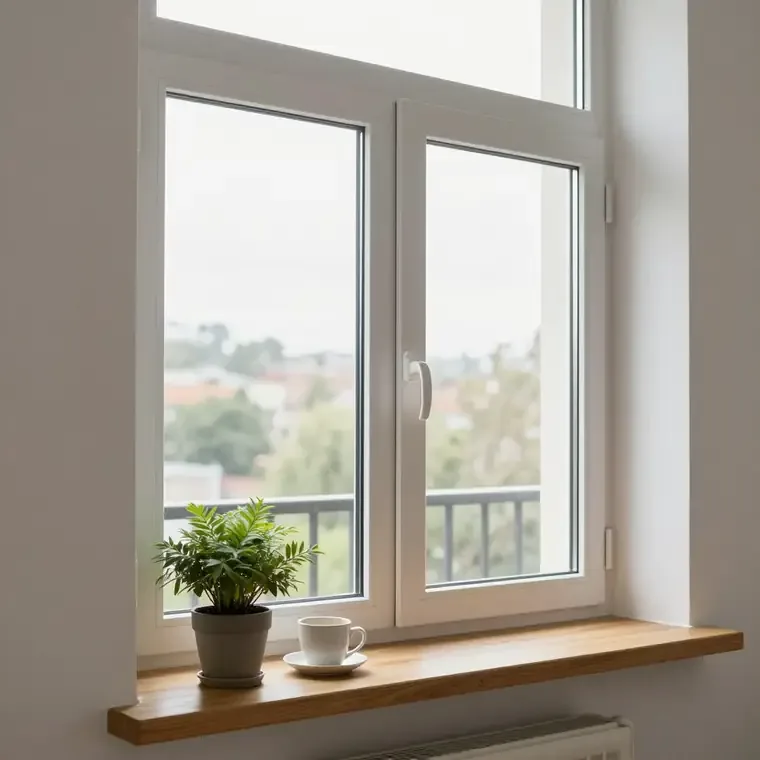
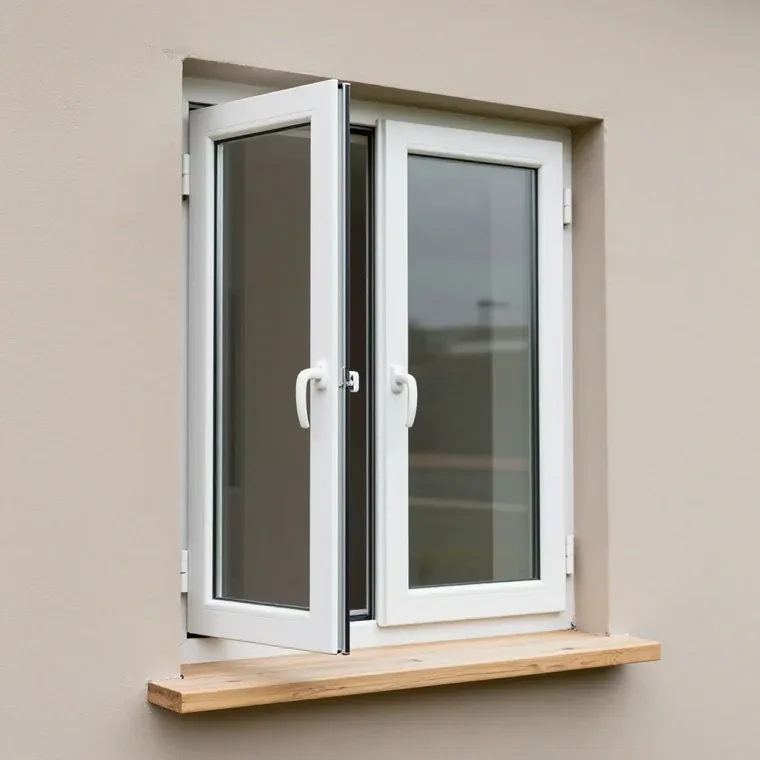
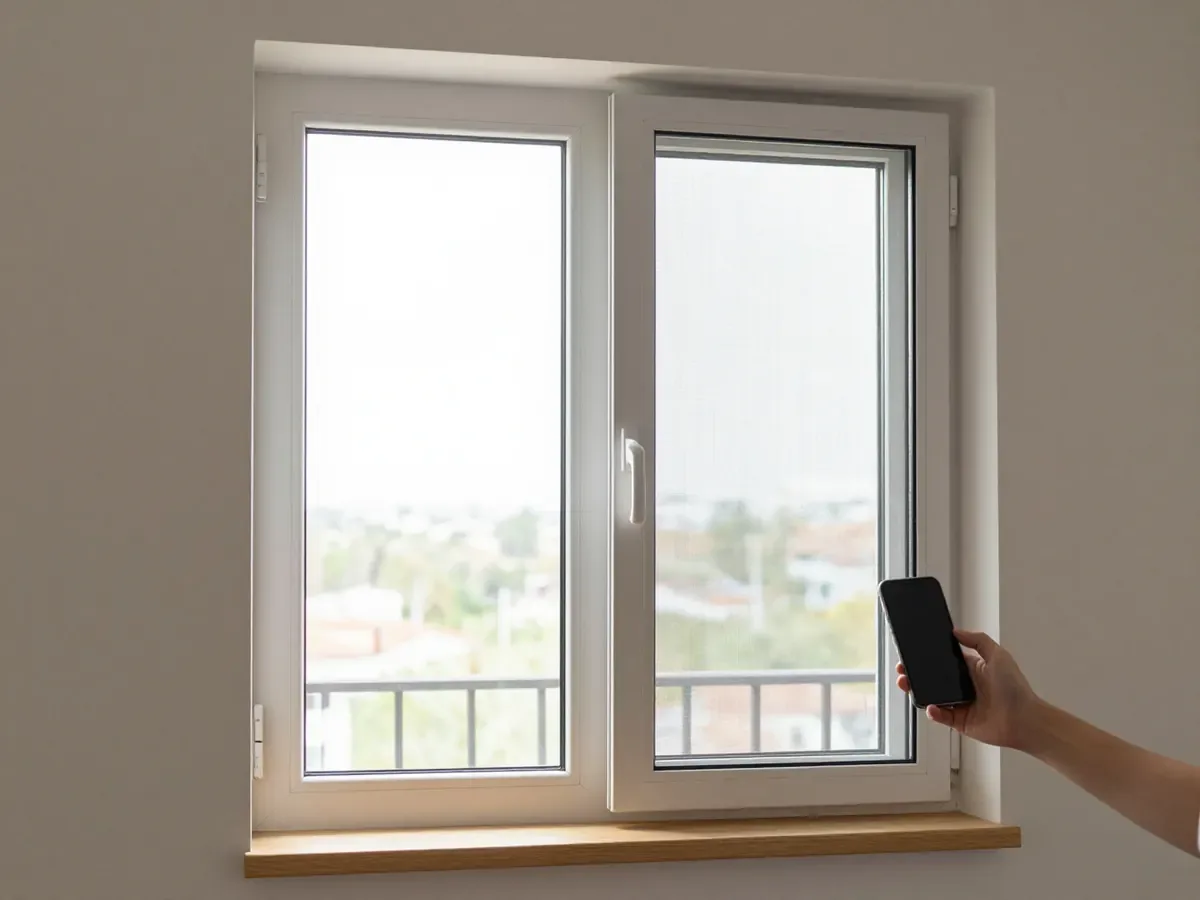
Warm glazing uses a PVC profile with a two-chamber glass unit, while cold glazing relies on an aluminium sliding system with a single-chamber unit. The PVC frame carries a full perimeter seal and thermal breaks, so a warm contour holds heat inside and keeps frost off the inner glass. Aluminium sliding sashes run on rollers in guide rails, taking far less depth on the slab and opening with a light sideways push rather than a turn of the handle. We fit both variants on plastic, wooden and aluminium openings, including loggia windows and covered verandas. A cold system still blocks wind, dust and street noise, making it a real upgrade for storage or drying space.
Which System Suits a Pavlodar Balcony
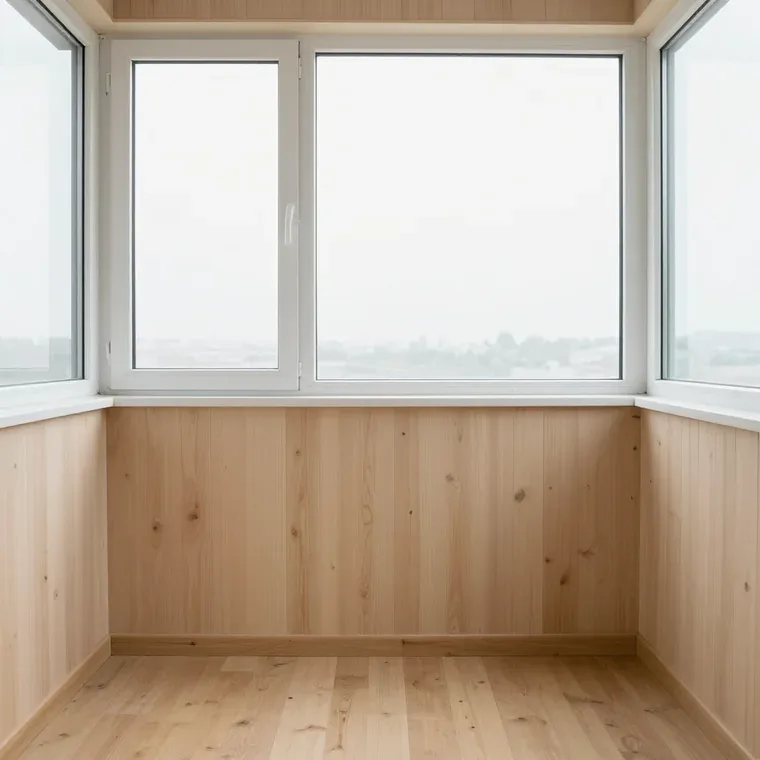
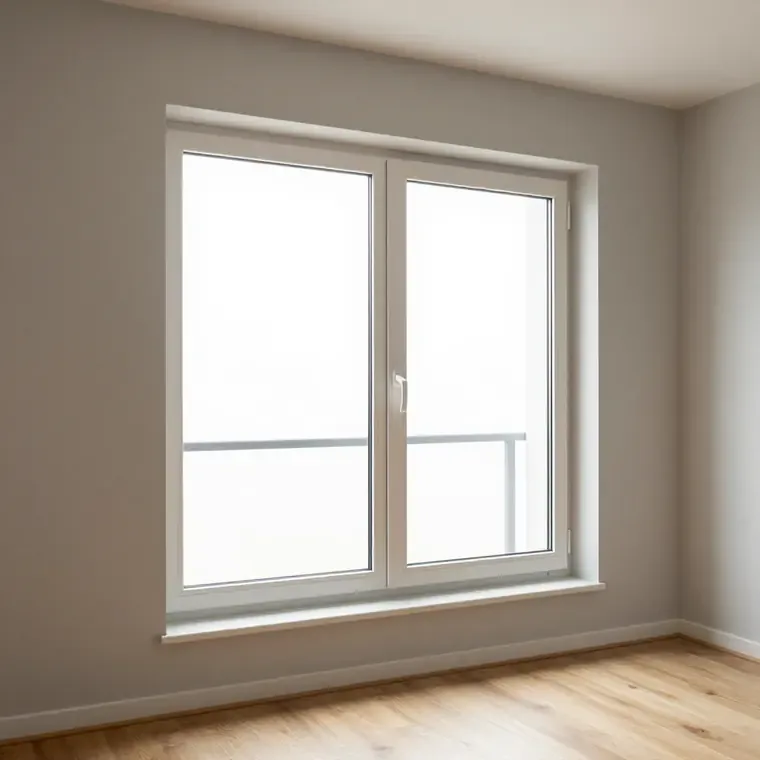
For a balcony used as living space through winter, we recommend the warm PVC system; for storage, the cold aluminium system is enough. The warm option makes sense when the balcony is merged with a room or fitted with a radiator, because the PVC profile and the two-chamber unit work with the flat heating behind them. The cold option keeps the slab free, costs less to install and still cuts the wind hitting upper floors of panel blocks. The deciding factor is not the outside temperature alone but how often the door opens: a warm contour pays off when the room behind it is heated and used daily. Ask the measurer to check the parapet and slab edge before settling on either system.
Matching the Construction to Your Building, Parapet and Floor
The same system behaves differently on a panel slab, a brick parapet and a loggia with a removal. The building sets the load path, the layout and the fixings before any catalogue does.
Panel Blocks, Parapets and Floors With a Removal
On a panel block the measurer checks parapet height and slab condition first, because a removal on an upper floor changes both layout and fixings. A 900 mm parapet and a 1100 mm one take different heights, and wind load on the ninth floor is not the load on the second. Our measurer comes at a convenient time, takes sizes and helps choose the design, mesh and fixings for the opening. On older slabs the concrete edge may be chipped along the run, which shifts where anchors land. An uneven slab is not a reason to refuse glazing — it is a reason to fix to load-bearing points rather than the edge.
Glass Units, Profiles and Fixings at a Glance
| Construction | Glass unit | Profile and fixing |
|---|---|---|
| Warm PVC, hinged | Two-chamber | PVC profile, anchored to slab |
| Warm PVC, sliding | Two-chamber | PVC profile, sliding sashes |
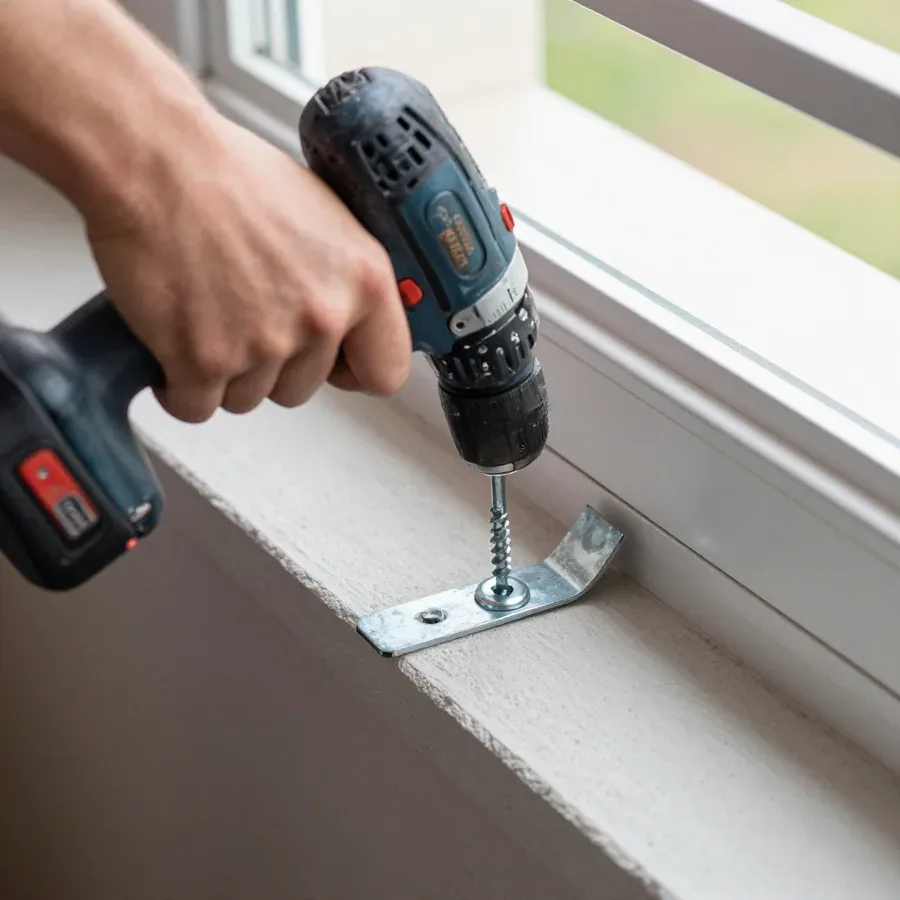
| Cold aluminium, sliding | Single-chamber | Aluminium profile, Z-brackets |
| Loggia with removal | Single or two-chamber | Reinforced frame, load-bearing points |
What to Check Before You Glaze a Panel Balcony
Glazing that keeps the loggia as a separate room usually needs no approval, while merging it with a living room or changing the facade does. In a panel block the parapet is part of the facade, so cutting it, raising it or moving it out turns a glazing job into a reconstruction with drawings and signatures. Residents of Pavlodar often ask who signs first — the answer sits with the building management, not with the installer. Ask your building management which changes touch the facade before signing anything — the answer decides whether the project stays a glazing job or becomes a reconstruction.
How Balcony and Loggia Glazing Is Measured and Installed
From first call to finished balcony, each step has a clear owner and outcome. Here is what happens between measuring and the day the room becomes usable.
What the Measurer Checks Beyond the Size
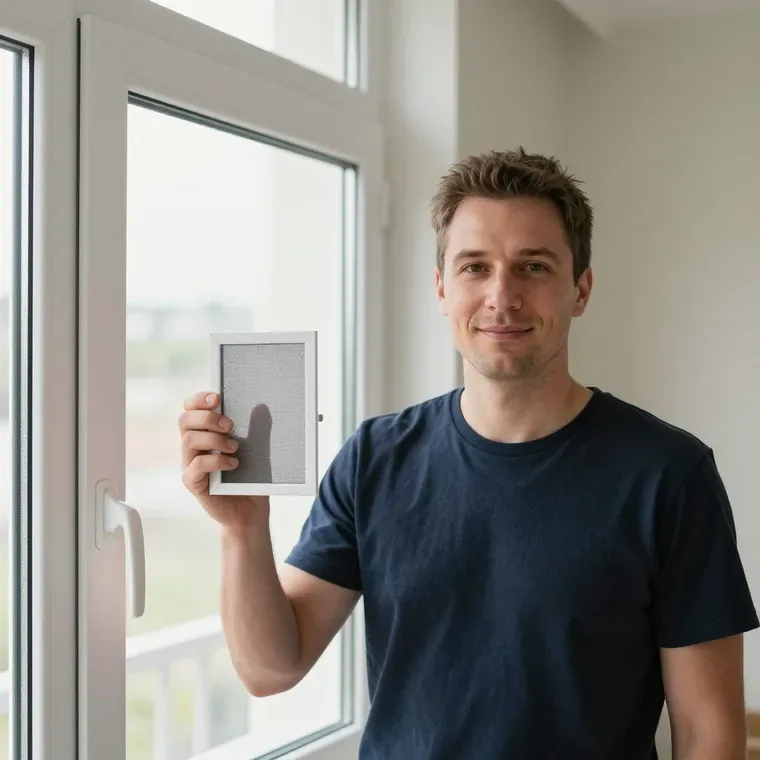
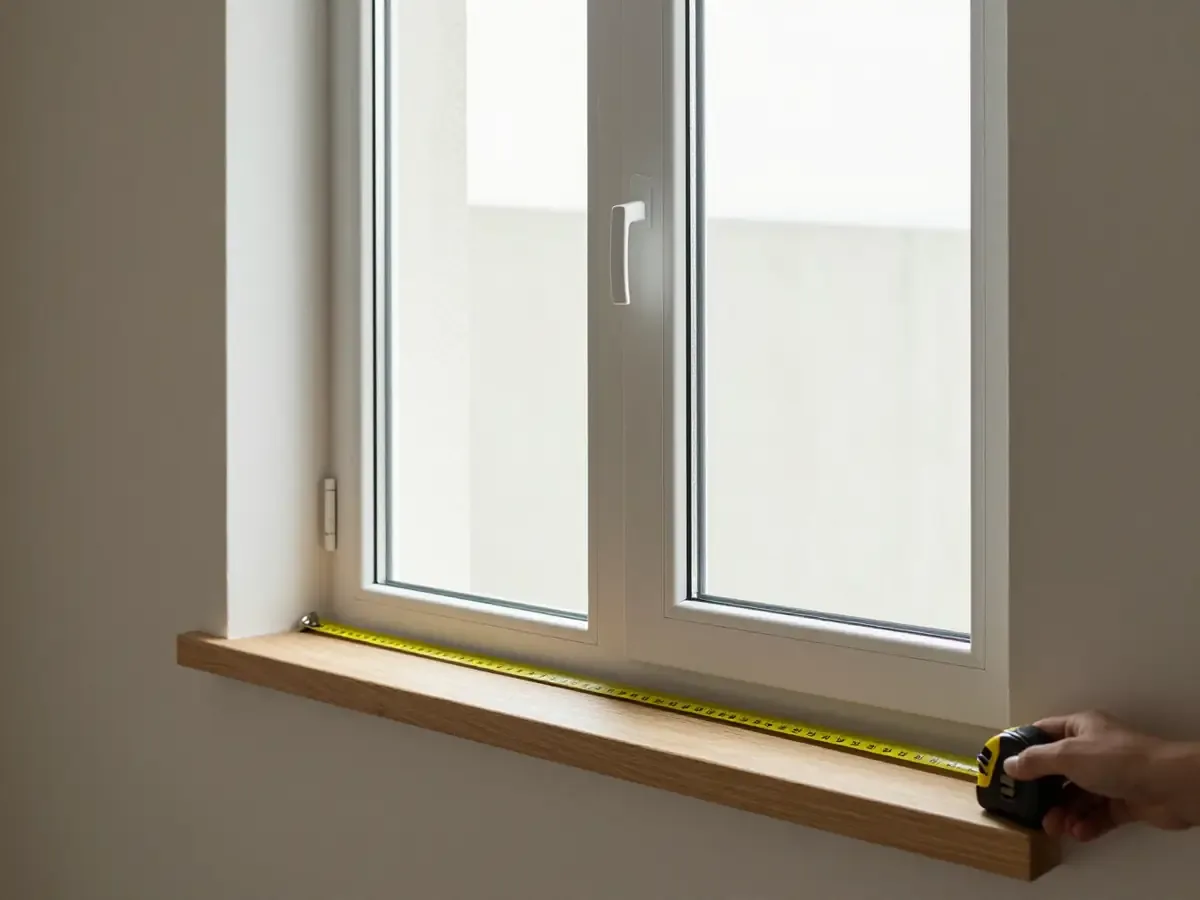
Our measurer comes at a convenient time, takes the sizes and helps choose the design, the glass unit and the fixings; measuring and consultation are free. The visit covers more than the opening: the parapet material, the floor level, the anchors the frame will sit on and the swing of the moving parts. Fasteners are matched to the window profile and the floor, so upper-storey units get a different fixing set from ground-level ones. This is also where the details of balcony and loggia glazing in Pavlodar are settled. The visit is also where the price stops moving — once the sizes and construction are fixed in the order, the figure does not change during installation.
Installation Steps and How Long the Space Stays Unusable
Our own crews install the frames, seal the contour and fit the opening leaves, and the room can be used again once the mounting compound has cured. The sequence is fixed: the team sets and anchors the frame, fills the gap around the contour, then mounts the leaves, sills, slopes and drip caps. No agency sits between you and the people on the scaffold — the same crew answers for the sealing and the fittings. Curing time depends on temperature and humidity rather than on the calendar, so ask the foreman for the exact window before you move anything back. Winter is not a blocker — the sealant sets more slowly in the cold, so the crew plans that stage around the forecast.
Insulation, Slopes and Keeping Condensation Away
Glazing alone does not make a balcony warm. The parapet, floor and finished edges around the glass decide whether the room stays dry in winter or runs with water.
What Warm Glazing Adds Beyond the Windows
A warm contour only works when the parapet, the floor and the slopes are insulated along with the frames, so we treat glazing and insulation as one job. The window itself is a PVC profile with a multi-chamber unit; the rest of the envelope is expanded polystyrene on the parapet, mineral wool under the floor screed, and finished edges with sills and drip caps outside. Miss the parapet and the cold bridge stays exactly where it was. In our work the order is fixed: insulation first, windows second, edging last, so nothing has to be pulled apart twice. Insulating the parapet before the frames go in is cheaper, because the crew already has the contour open.
Why Glass Fogs Up and How to Stop It
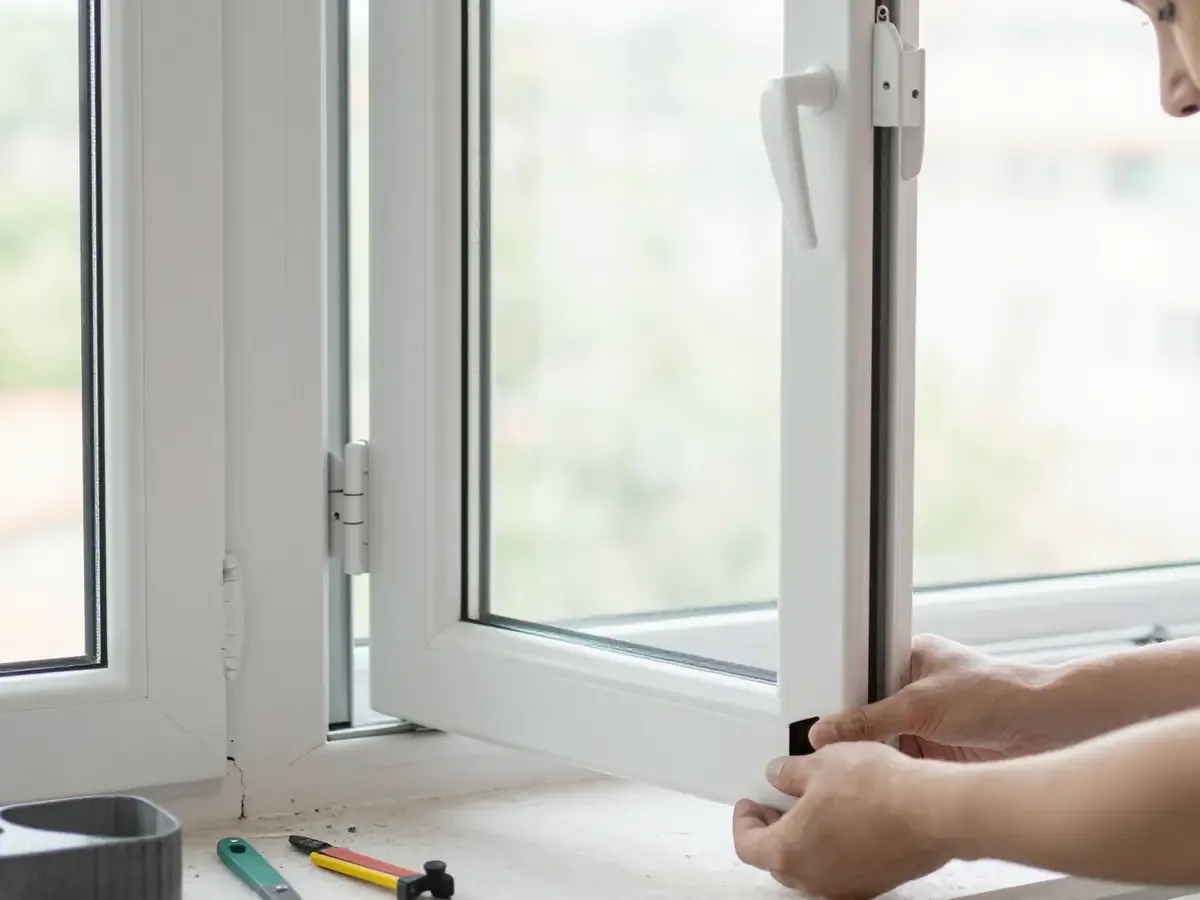
Condensation on the glass comes from warm moist air meeting a cold surface, so the fix is ventilation and a tight seal rather than a thicker glass unit alone. A double-chamber unit slows heat loss but does not remove moisture; if the inner pane still runs, the cause is usually a worn gasket, blocked drainage channels in the profile, or a room sealed shut with no trickle vent. Replacing that gasket is a small job that restores the airtight line between sash and frame. A worn gasket lets cold air reach the inner pane and the fog returns even with a good unit — swapping it out is often the cheaper first step.
Warranty, Payment and Working With a Direct Contractor
Clear terms on coverage and payment are what separate a direct contractor from an agency. Here is what our guarantee covers, how long it runs, and when money changes hands.
What the Warranty Covers and for How Long
We give a 5-year guarantee on window installation, a 3-year term on glass unit replacement and a 1-year term on window repair covering labour and replaced parts. Installation cover applies to the frames, sashes and hardware we mount; the sealed unit term applies if the seal fails. Repair work carries its own 12-month cover, including labour and parts. We also paint the frame any colour to match your windows, and that finish falls under the same installation cover. Keep the signed document with the fixed sizes — it is what the guarantee is checked against and settles any question about what was installed.
How to Tell a Direct Contractor from an Agency
A direct contractor sends its own measurer and its own crews, fixes the price in the signed document and takes payment after installation by cash, card or Kaspi. Our measurer visits at a convenient time, takes the sizes and helps choose the design, the mesh and the fixings, and the measuring itself is free. Because the price is locked in after measuring, no sum appears out of nowhere once the frames are on the truck. We reply on WhatsApp within five minutes and are open seven days a week, so a question about a fitting or a deadline does not wait until Monday. An agency usually cannot name the crew that will arrive — asking who will actually fit the frames separates the two before any money changes hands.
What to consider when choosing balcony and loggia glazing
Glazing a balcony is a sequence of decisions, and each one narrows the next. Here is what matters most when you weigh the options for your own flat.
- Match the system to use: choose warm PVC or cold aluminium by how often the space is used, not outside temperature alone.
- Inspect the base first: check the parapet, slab and floor before choosing a removal; they set frame layout and fixings.
- Insulate the contour as one: insulate parapet and floor with the glazing, or condensation returns whatever the glass unit.
- Lock the sizes in the order: fix sizes and construction in the order after measuring so the figure does not move.
- Confirm the crew and the cover: establish who installs the frames and what the warranty covers before paying.
 Window replacement
 Reveals finishing
 Window insulation
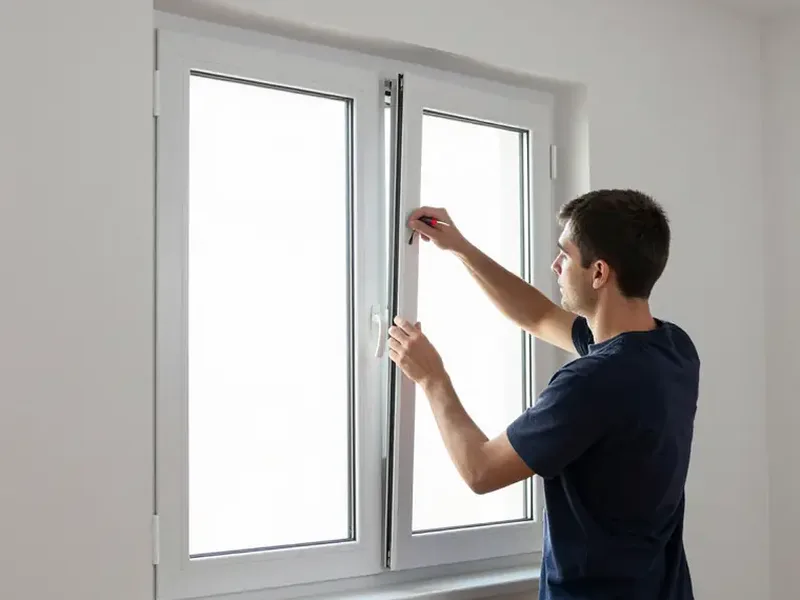 Window adjustment
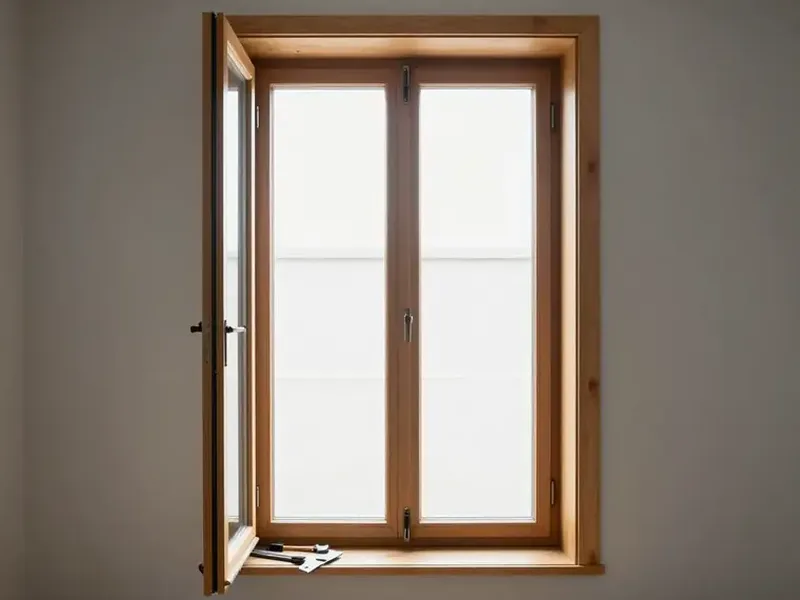 Wooden window repair
