
Kindergarten · all groups
For kindergartens
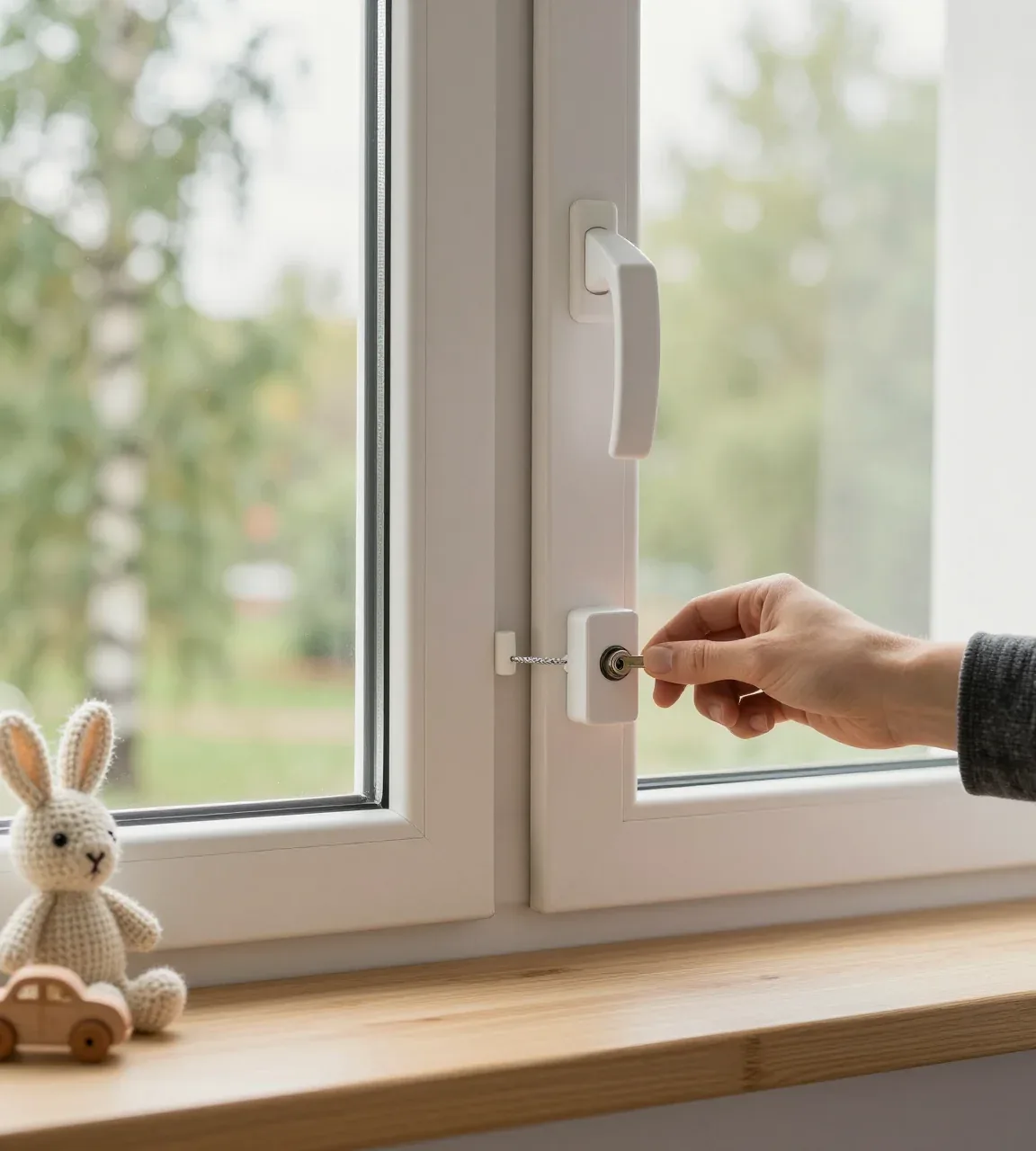
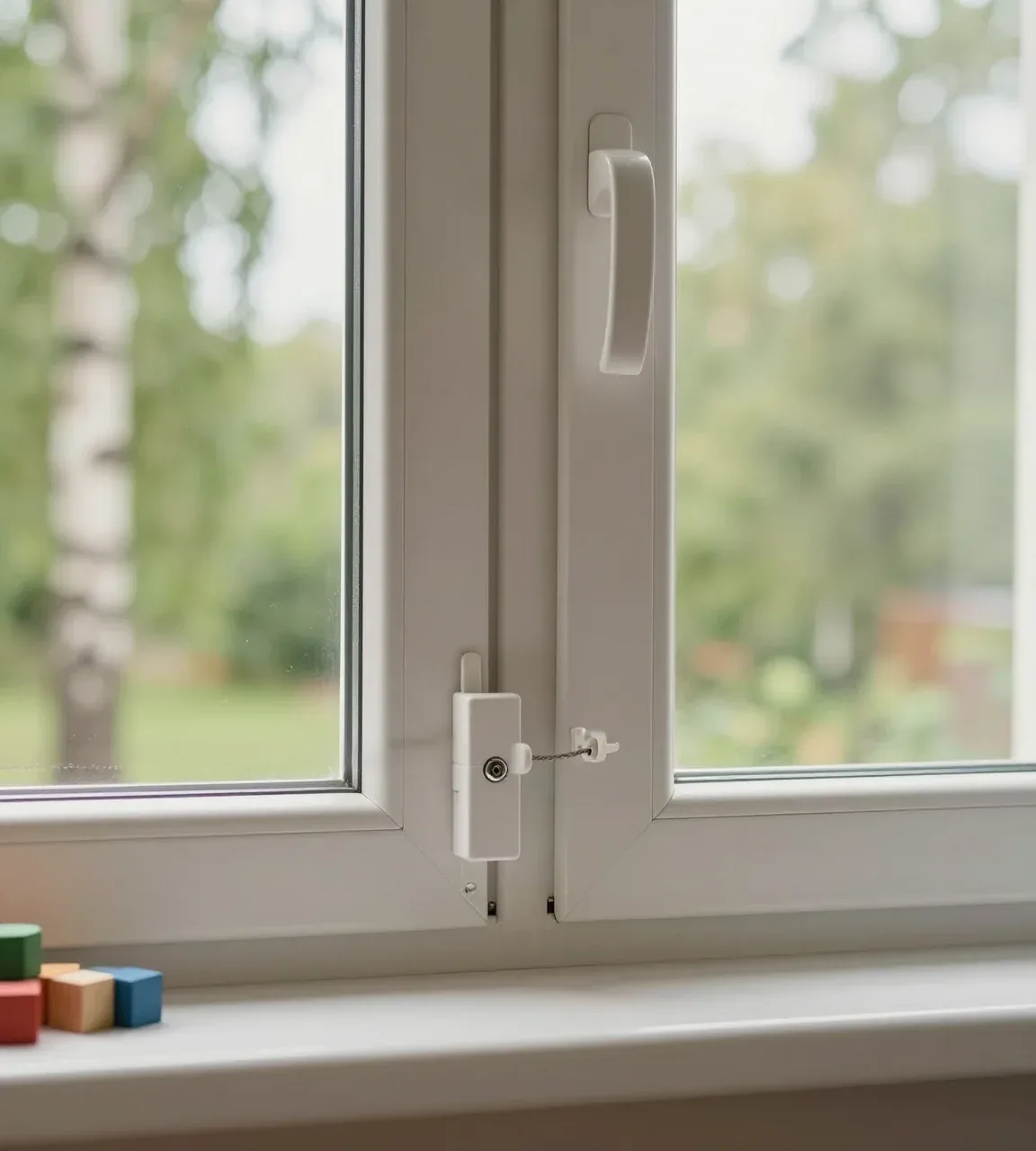
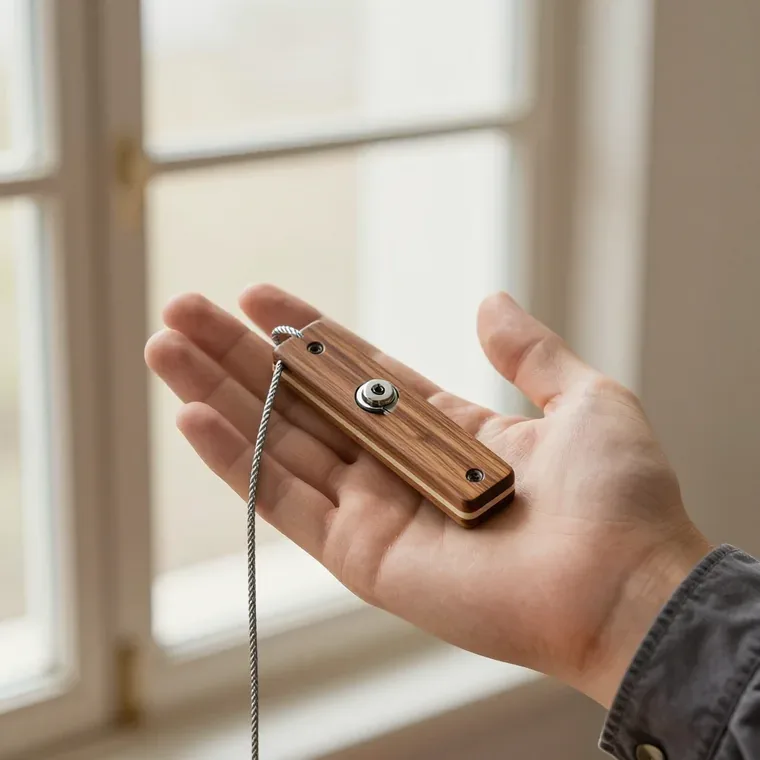
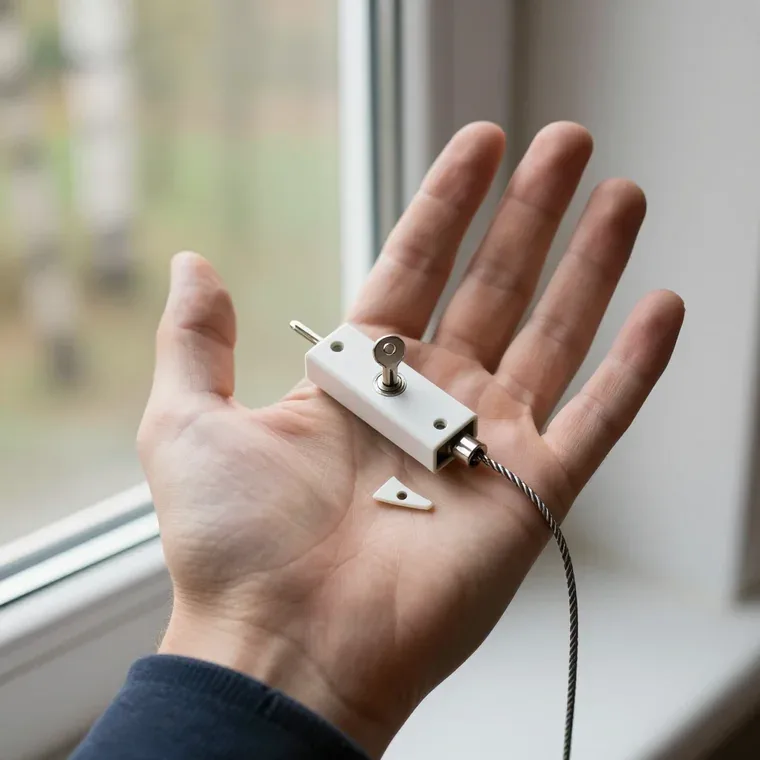
We fit cable locks on all sashes, keys stay with the staff. From 2 500 ₸ per item.
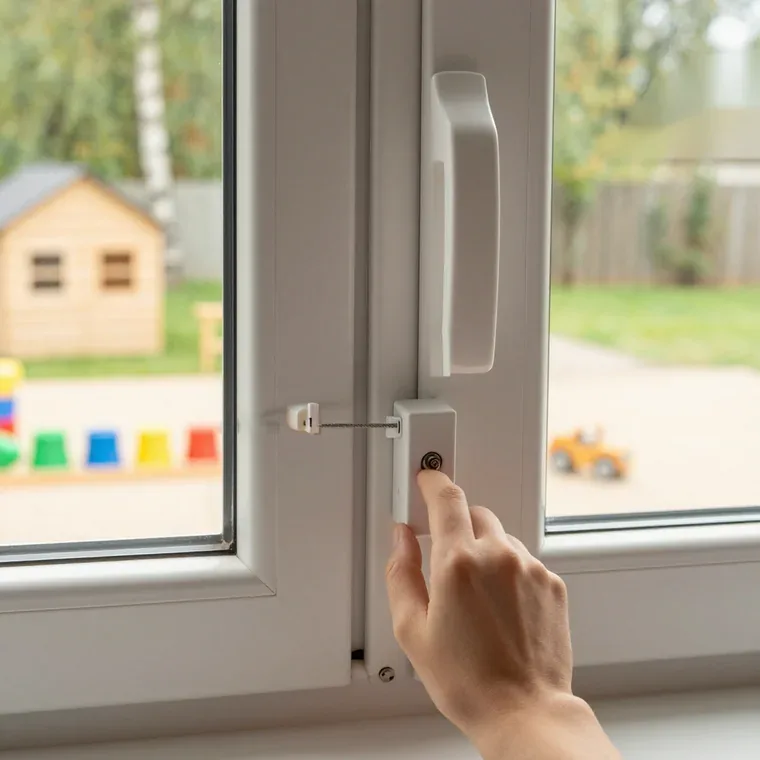

For kindergartens
We fit cable locks on all sashes, keys stay with the staff. From 2 500 ₸ per item.
Door stop
Holds the balcony door in place, wind won't slam it. From 1 200 ₸ per item.
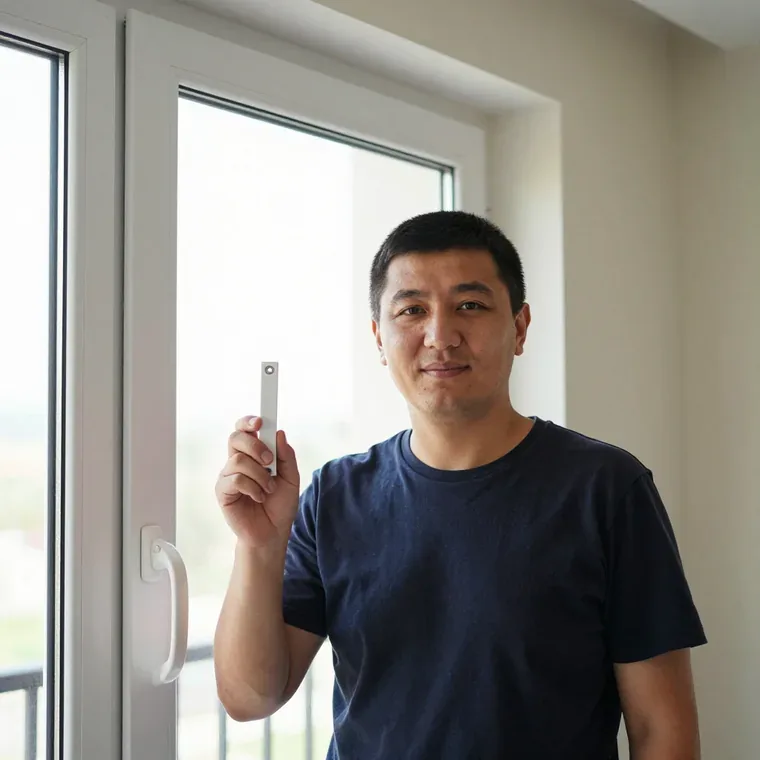
Replacement
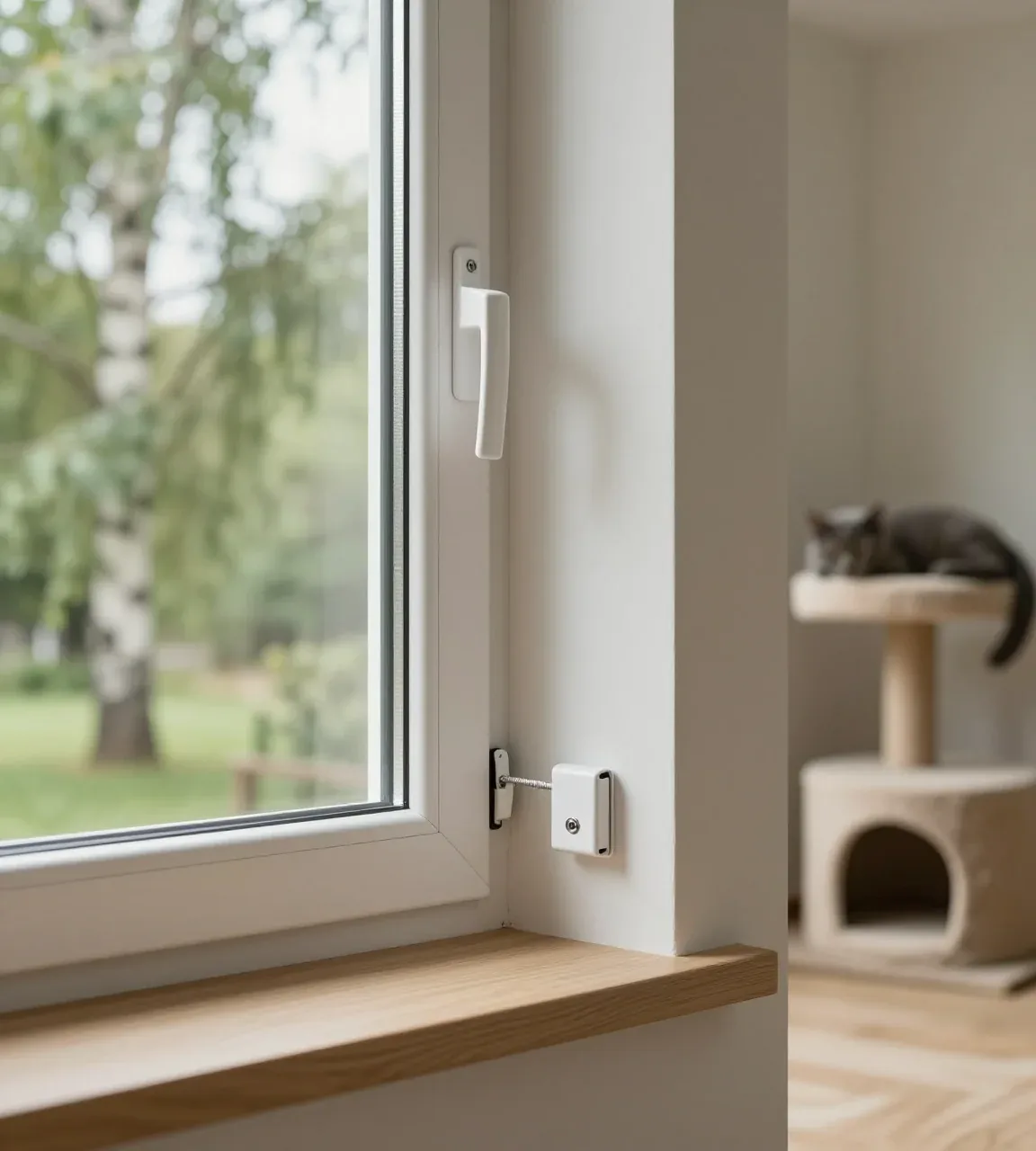
We replace a broken restrictor with a new one before the cat finds a gap. From 1 200 ₸ per item.
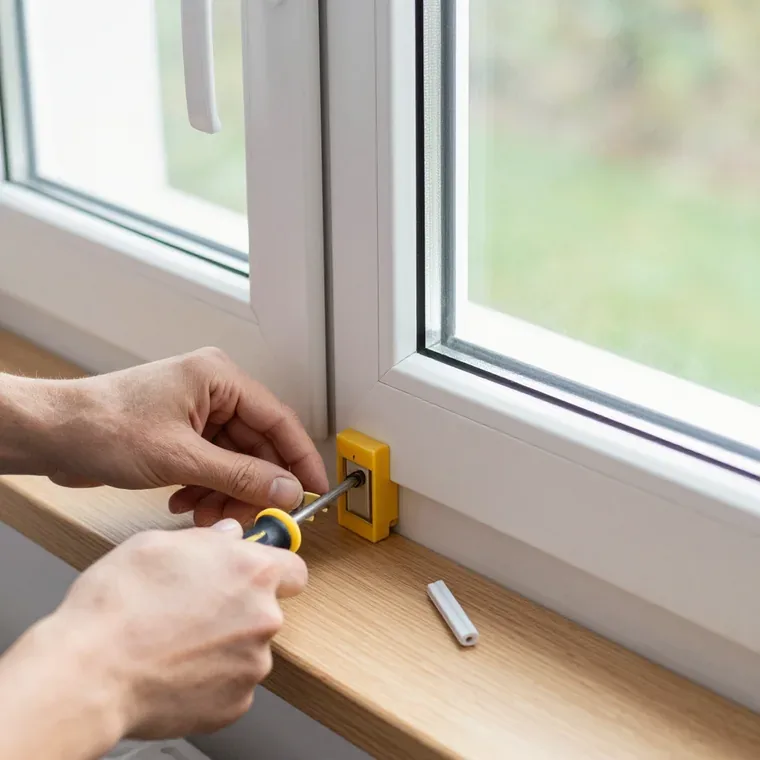
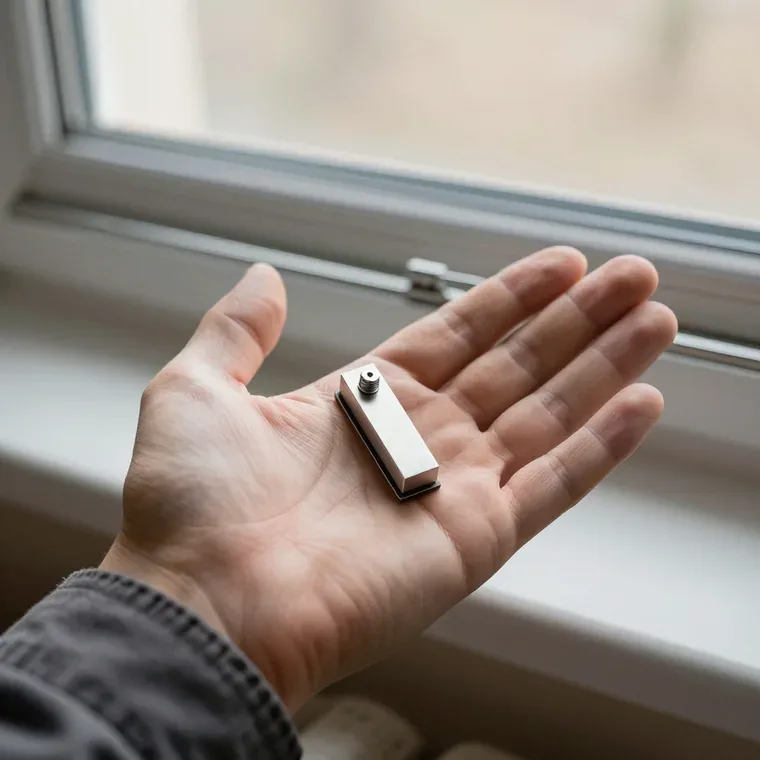
Wood-effect
Model with fixings for wood and colour-matched to the frame. Product — from 2 000 ₸ per item.



5,097 reviews on review sites
Almost any: casement, wooden, sliding, and balcony doors too
Casement sashes get a stop or cable between frame and sash, sliding loggia frames get a stop in the track, balcony doors get a door stop. In each case the window opens only to a set width.
In Temirtau the wind from the reservoir often blows open slightly open sashes and doors. A restrictor holds them in place, and only an adult can remove the protection.
minimum price per sash
measuring and selection
payment once everything is checked
What customers tell us when they call
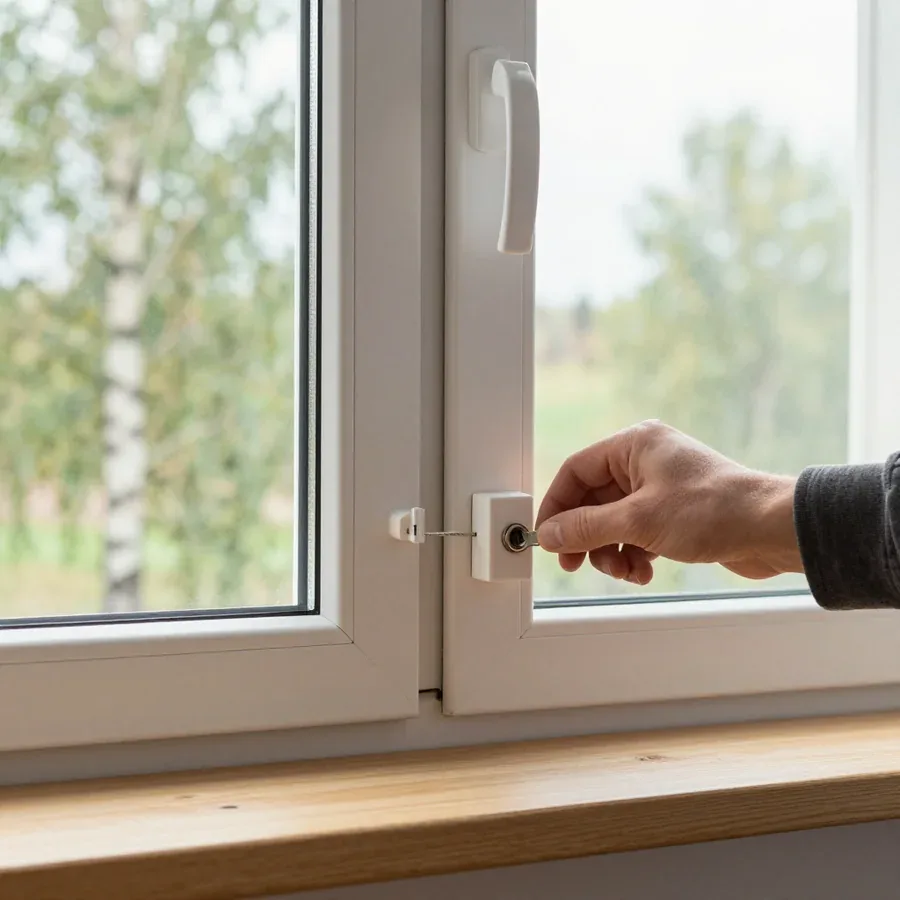
Children easily turn the handle. A stop prevents the sash from opening wider than a gap.
The window is open and the wind pulls at it. A comb restrictor holds the sash in the right position.
A cat may jump after a bird. A narrow gap won't let it out.
In kindergartens and offices staff open the windows, using a cable lock.
Prices per sash or door, we'll give the total for the whole apartment or kindergarten after measuring
| Type of item | Price |
|---|---|
| Comb-type window restrictor with installationbar and fitting | from 1 050₸ per item |
| Opening restrictor installationplastic and wood | from 2 150₸ per item |
| Cable restrictor with lockfor kindergartens | from 2 500₸ per item |
| Opening restrictor (product)white or wood-effect | from 2 000₸ per item |
| Restrictor replacementbroken for new | from 1 200₸ per item |
| Penkid lock with cablefor children's room | from 2 150₸ per item |
| Sliding window blockerstop for loggia | from 4 000₸ per item |
| Sash blockerwindow or door lock | from 1 200₸ per item |
| Child window lock (surface-mounted, flag)flag | from 3 250₸ per item |
| Blocker or child lock installationfitting and check | from 2 750₸ per item |
| Window handle with keylocking | from 3 650₸ per item |
Price is fixed in the order after measuringMeasuring is freePayment after installation: cash, card, Kaspi
Book a measuring visitHow we work on every order
we work across Kazakhstan
on WhatsApp
we will select a model for each sash
the amount in the order does not change
installation and check
no days off
plastic, wood, aluminium
cities of Kazakhstan
One visit from measuring to check
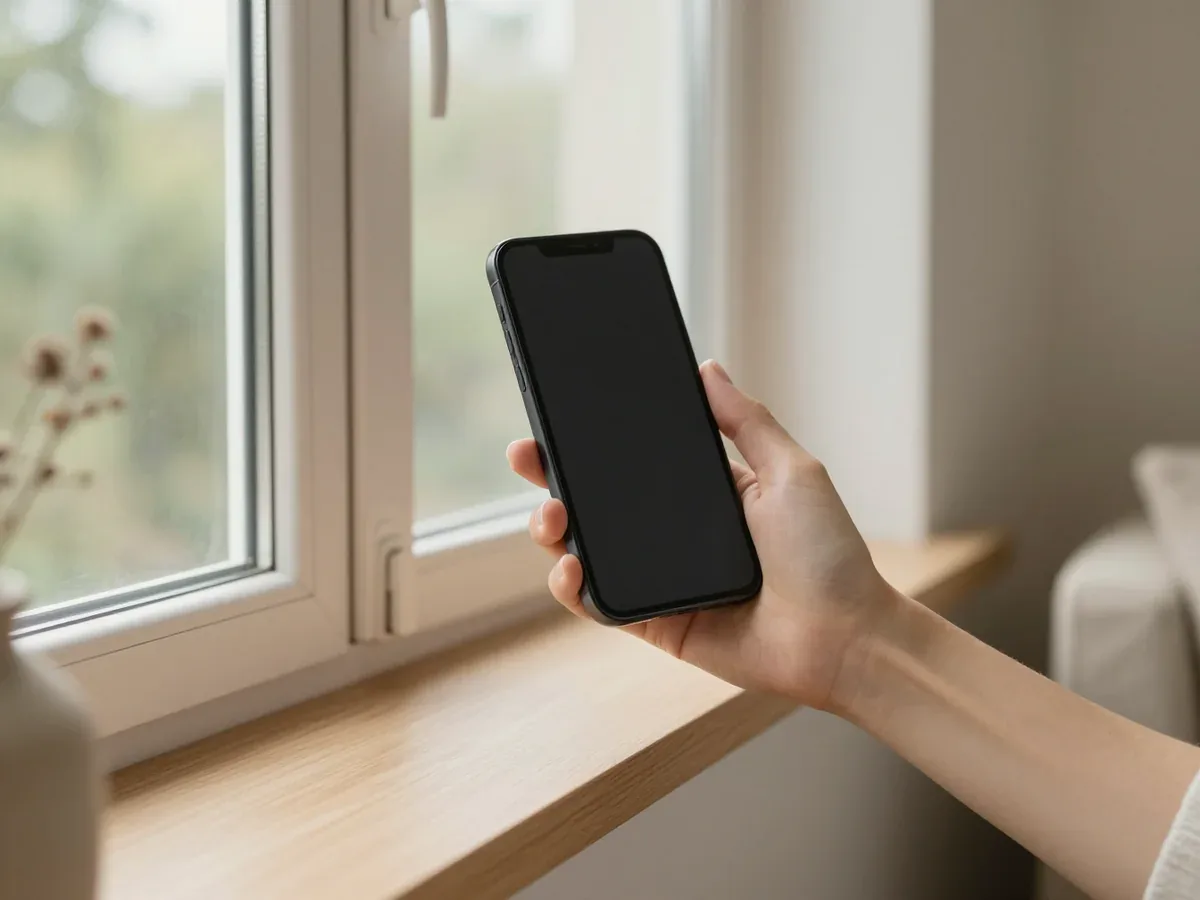
Write how many windows you have, whether there are sliding frames and balcony doors. We will reply and schedule a time.
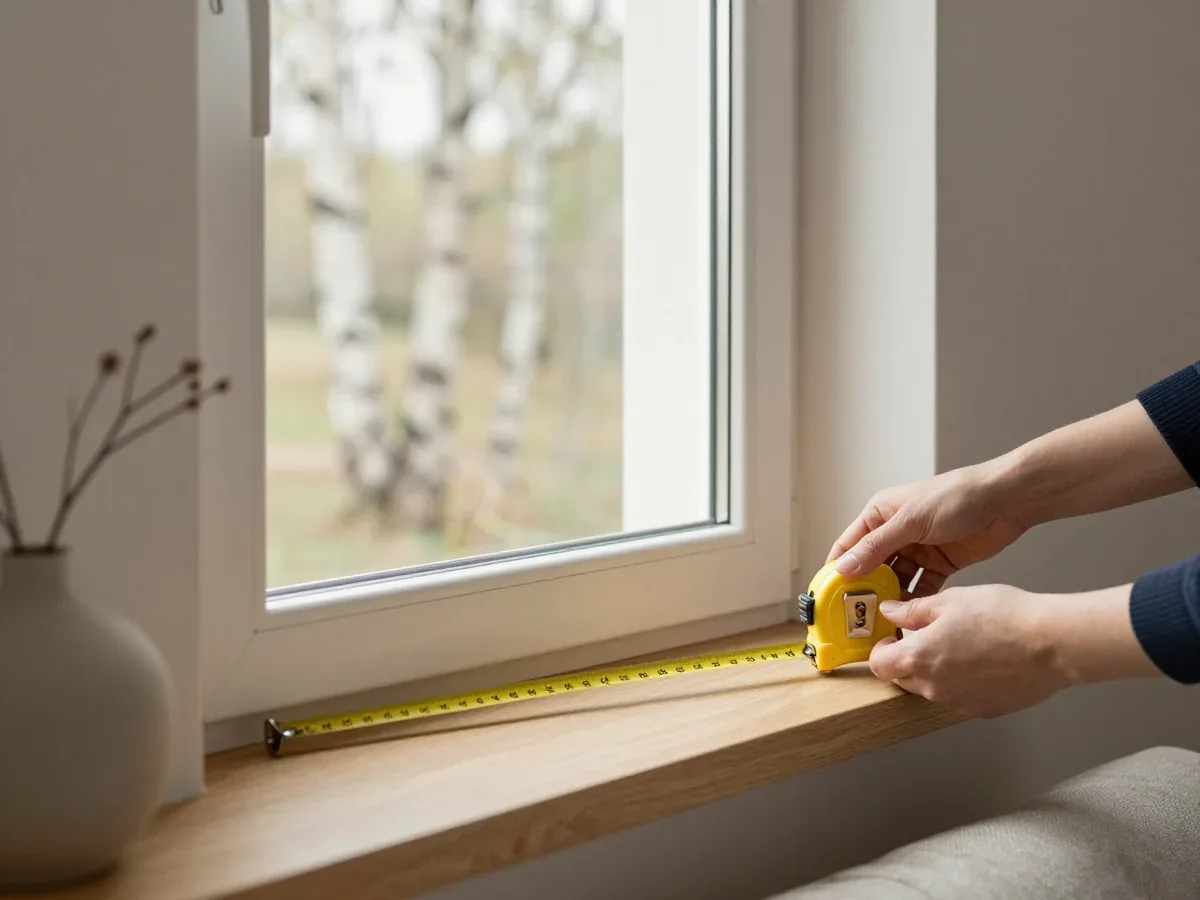
The measurer inspects the sashes and doors, shows models and gives the amount for the order.
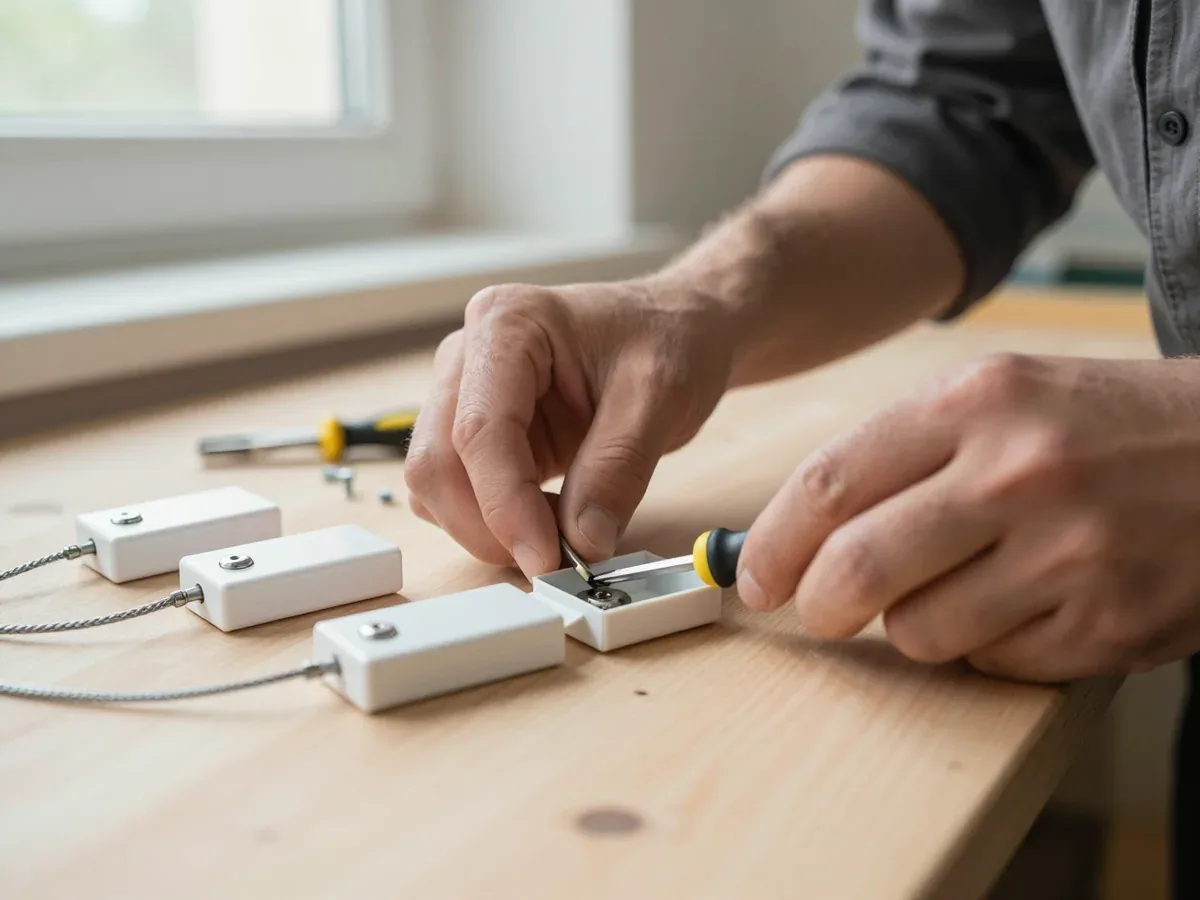
We install limiters, stops and locks, replace broken ones, and check every window.
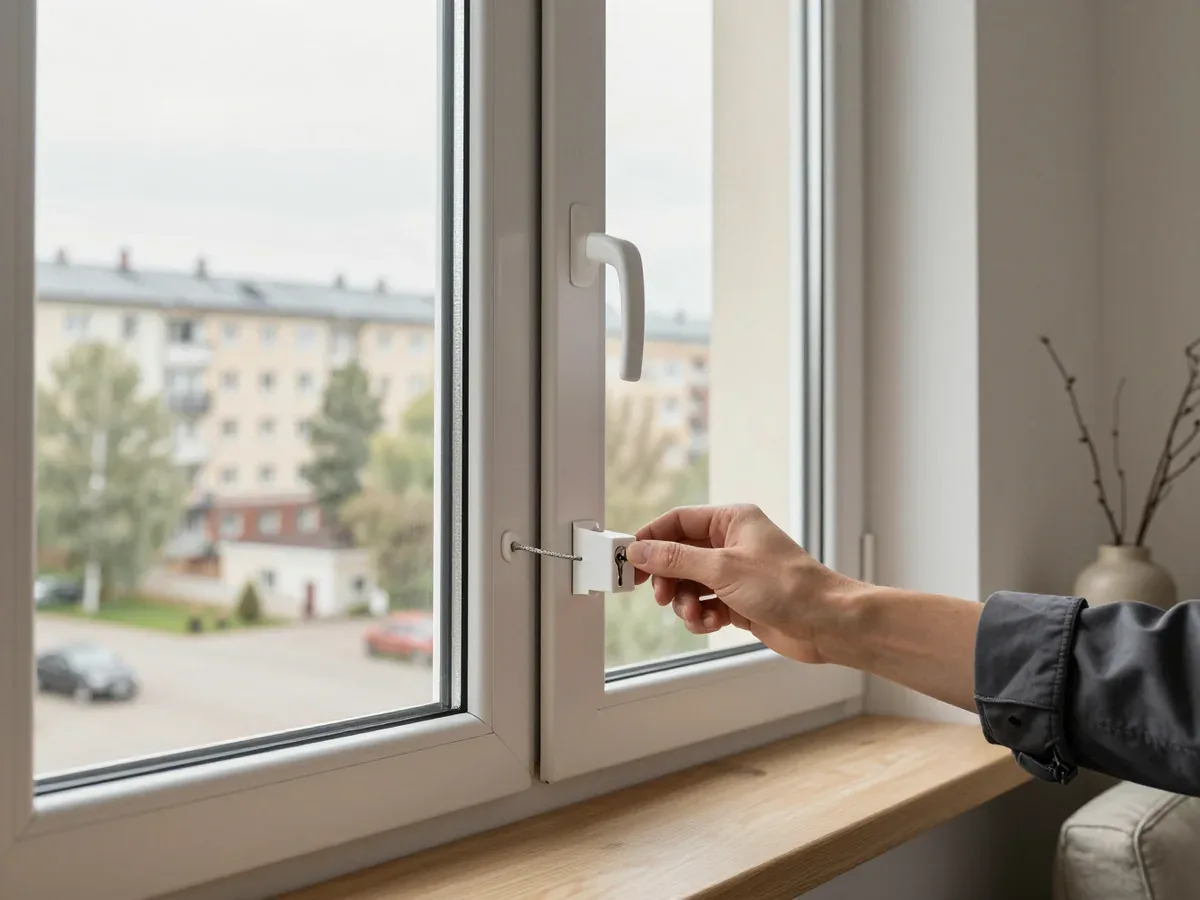
We explain how to remove the protection and hand over the keys. Payment after check.
Good to know

Senior mosquito screen specialist at moskitnyesetki.kz
We fit window restrictors in Temirtau on plastic, wooden and aluminium windows, choosing the device and fixing for your profile and floor during a free measure. Our own fitters install it, the price is fixed in the order after measuring, and you pay only after installation by cash, card or Kaspi.
A restrictor is not a single product but a family of fittings, and the difference between them comes down to what each one blocks: the swing angle, the handle turn, or the moving leaf itself.
A restrictor limits how far the leaf swings open, a handle lock stops the lever turning without a key, and a cable variant ties the moving part to the frame on a short leash. The first is a folding arm or comb-style bar that holds the gap at a set width, usually wide enough for air but too narrow for a body to pass. The lock replaces or covers the standard fitting, so the sash cannot be opened at all until the key is turned. The cable anchors one end to the surround and the other to the moving part, allowing a short travel and no more. The right pick depends less on the product name and more on what you guard against — a toddler pushing the opening, or an adult forgetting to close it.
One device does not suit every opening: the choice depends on the profile, the floor, whether a child or a pet lives in the flat, and how often the panel is opened.
With a small child at home we lean toward a device that caps the swing low and locks the handle, and on upper floors we check the fixing can take a real push, not just a nudge. In a nursery the limiter usually pairs with a handle lock, so the panel opens a hand's width for air and no further. Upstairs the bracket and screws matter more than the mechanism: a Z-bracket on sound PVC holds a leaning adult, while a short pin in thin plastic can work loose over a season. A pet leaning on the mesh is a different load from a toddler pushing the panel, so tell the measurer which one you are guarding against before the part is chosen. When choosing window restrictors in Temirtau, the same rules apply to every sash in the flat.
| Device | What it blocks | Best for | Watch for |
|---|---|---|---|
| Swing restrictor | How far the sash opens | Nursery and upper-floor units | Needs the right fixing for the profile |
| Handle lock | Turning without a key | Any window adults also use | Key has to be kept out of reach |
| Cable restrictor | Sash travel on a short leash | Tilt-and-turn sashes | Cable length sets the vent gap |
| Window grille | The opening itself | High-risk windows | Bulkier and fixed in place |
Every order starts with a free measure: the measurer comes at a time that suits you, takes the sizes and helps choose the device, the mesh and the fixings.
Measuring and consultation are free, the measurer comes at a time that suits you, takes the sizes and helps choose the design, mesh and fixings — and the leaf stays where it is. No need to take the unit apart or lift the glass out: the specialist works with the sash in place, checks how it opens, and notes the profile and the floor level. He brings samples of the meshes, from Standard (Fiberglass) and UltraVue to Anti-Cat (Pet Screen) and Anti-Pollen (Poll-Tex), so the choice is made against your own opening rather than a catalogue photo. We also paint the screen frame any colour to match your windows, and the shade is agreed at the same visit. The measure is also where the fixing gets decided, since Z-brackets, pins or magnets are picked for your profile and floor rather than guessed.
Fitting is done by our own fitters on site, and you can be in the room while it happens — a framed screen made to size takes 10–15 minutes and a pleated one 40–60 minutes, so a restrictor visit is a short appointment. The fitter arrives with the fastenings already matched to your profile, mounts the device, then opens and closes the leaf several times in front of you to show the stopping point and check that nothing binds. Payment comes after installation, by cash, card or Kaspi, and the price is fixed in the order once measuring is done. Because the work is quick, clear the sill and the opening before the fitter arrives, so nothing has to be moved mid-job.
A restrictor is only as good as the person who fits it. Here is how the job is organised, who answers for it afterwards, and what the payment terms look like before you book a visit.
We work as a direct fitter with our own measurers and fitters, not as an aggregator passing your job to a stranger, and we reply on WhatsApp within 5 minutes, seven days a week. The same team covers the measure, the fitting and any later question about the device, so nothing is handed off between companies. Our fitters mount hardware on plastic, wooden and aluminium frames, including loggia, gazebo and veranda units, and they pick the fixings on site — Z-brackets, plungers or magnets — according to your profile and floor. The person who measured your opening is answerable for the installation, so a question about the device goes to the same team rather than a call centre.
Once fitted, the device lives alongside the sash: it is still opened for fresh air, the track collects dust, and winter changes how some parts are handled.
A restrictor is meant to let air in while capping the wide swing, so daily airing still works, and in winter the device needs no special treatment beyond keeping the moving parts clean. The leaf opens to the set angle, holds there, and closes again in cold weather as in summer — no lubricant, no seasonal swap. What the fitting does collect is fine grit carried in on the air and dust from the room, which settles along the track and around the bracket. Grit and dust stiffen a restrictor over time, so a wipe along the track when you clean the glass saves a service call later.
If a restrictor starts to stick or a fixing works loose, we repair hardware and replace fastenings, and window repair carries a 1-year warranty on labour and replaced parts. That covers loose magnets, worn plungers and Z-brackets that have shifted out of line, along with the mesh itself if it has torn. A unit that suddenly needs force is usually telling you a screw has shifted, so it is worth a look before the panel is pushed harder and the bracket takes the strain — a small tightening early is cheaper than a bent arm later. If the arm itself is bent or a magnet no longer holds, the part is swapped rather than straightened, and the sash is tested again before the fitter leaves.
A restrictor is a small part of the window, but the choice behind it is not small. These five points cover what decides whether the fitting works quietly for years or becomes a daily irritation.
Child safety, installation, types and choosing window restrictors
Konstantin Selenenkovsenior mosquito screen specialist, 10 years in the tradeOnline · replies within 5 minutes
Ask a questionYou can install a restrictor yourself if you have the tools and understand the mounting scheme. But without experience, it's easy to choose the wrong model for your profile and sash, so for reliable operation it's better to have a professional do the fitting.
Yes, a restrictor is suitable for a child's room and upper floors: it prevents the sash from swinging open and reduces the risk of falling. For a child's room, models with a lock are often chosen, and for upper floors it's important that the fixings withstand wind loads.
A cable restrictor flexibly holds the sash at the desired distance, a comb fixes it in several positions, and a handle blocker simply prevents turning the handle without a key. For child safety, the cable restrictor and comb limit opening, while the blocker controls operation.
Yes, for tilt-and-turn sashes there are models that limit specifically the turn opening to the required gap. The exact distance depends on the device and the hardware, and is clarified during the free measuring visit.
For a balcony door, a restrictor with a lock is often recommended: it prevents the door from swinging open and blocks operation. A lock or a handle with a key on its own only secures the sash but does not limit the opening angle.
When choosing, consider the window profile, sash type and floor: for upper floors, wind resistance is important, and for a child's room, the presence of a lock. During the free measuring visit, a specialist will check the hardware and suggest a suitable model.
Thank you. We will call you back within 10 minutes!
Your order number is on the receipt or in the SMS. Choose where to leave your review.
Write a review on WhatsApp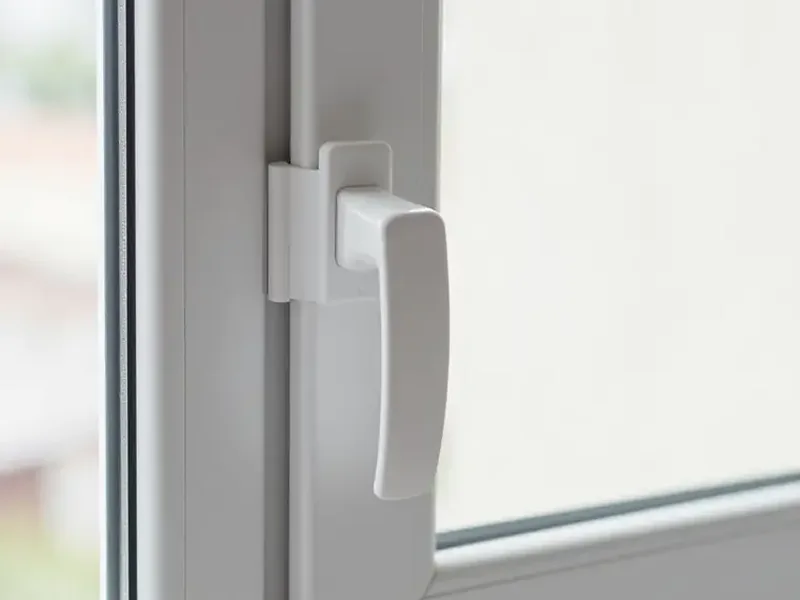 Locking devices
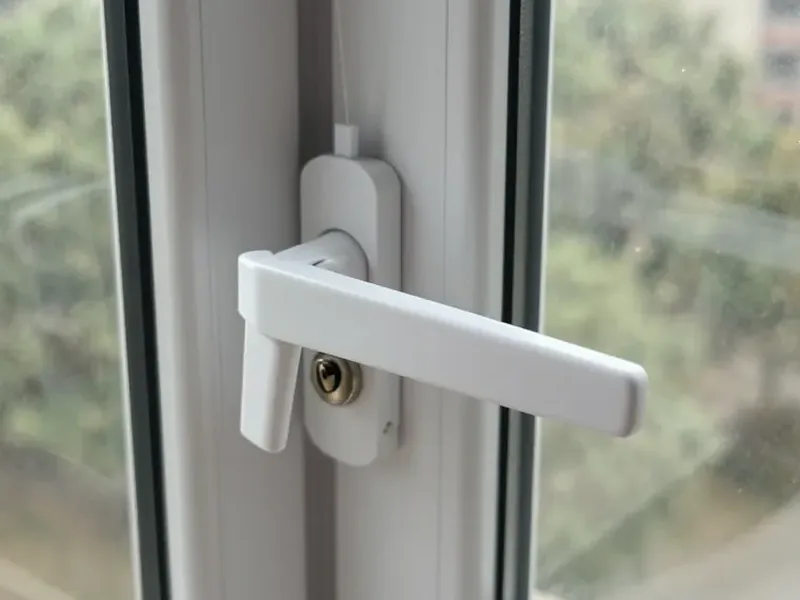 Child safety
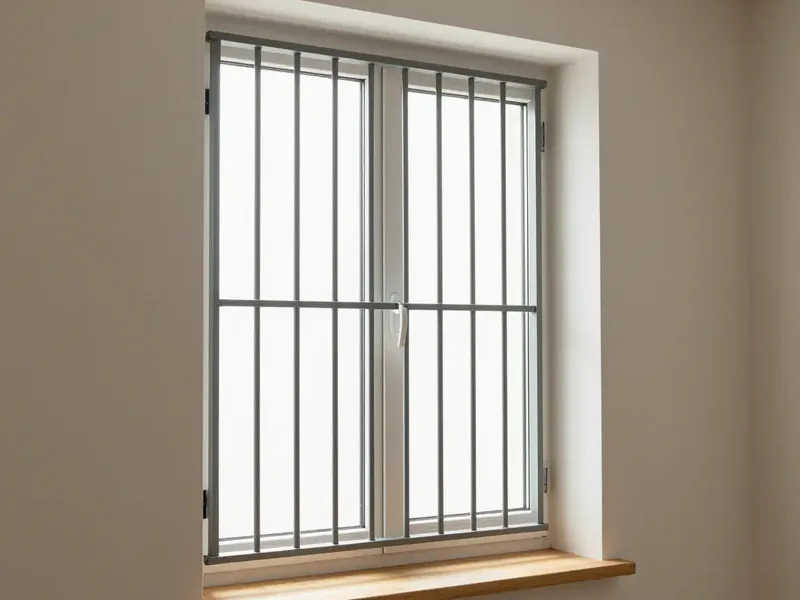 Window grilles
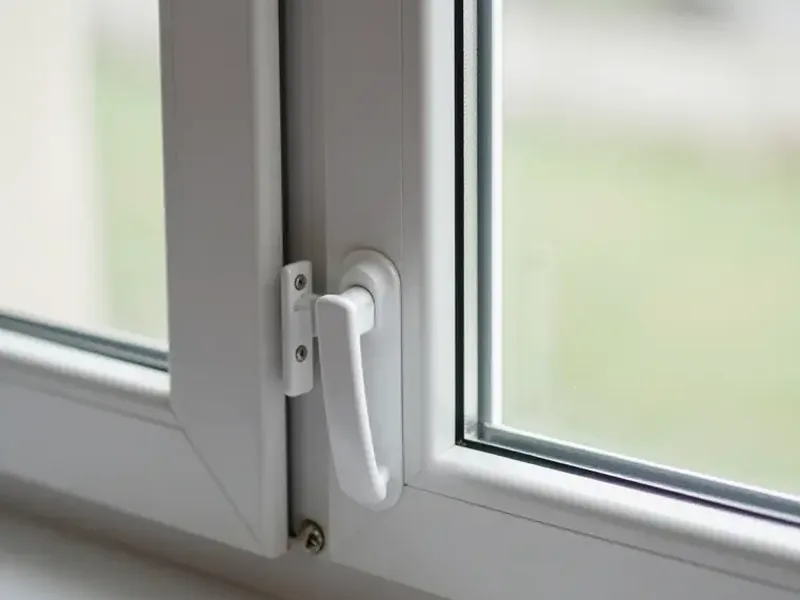 Penkid lock
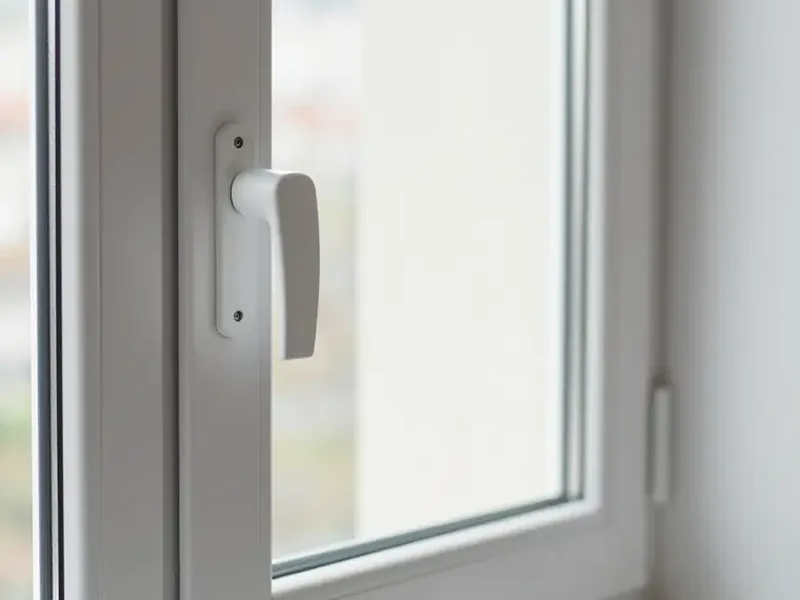 Window handles
