
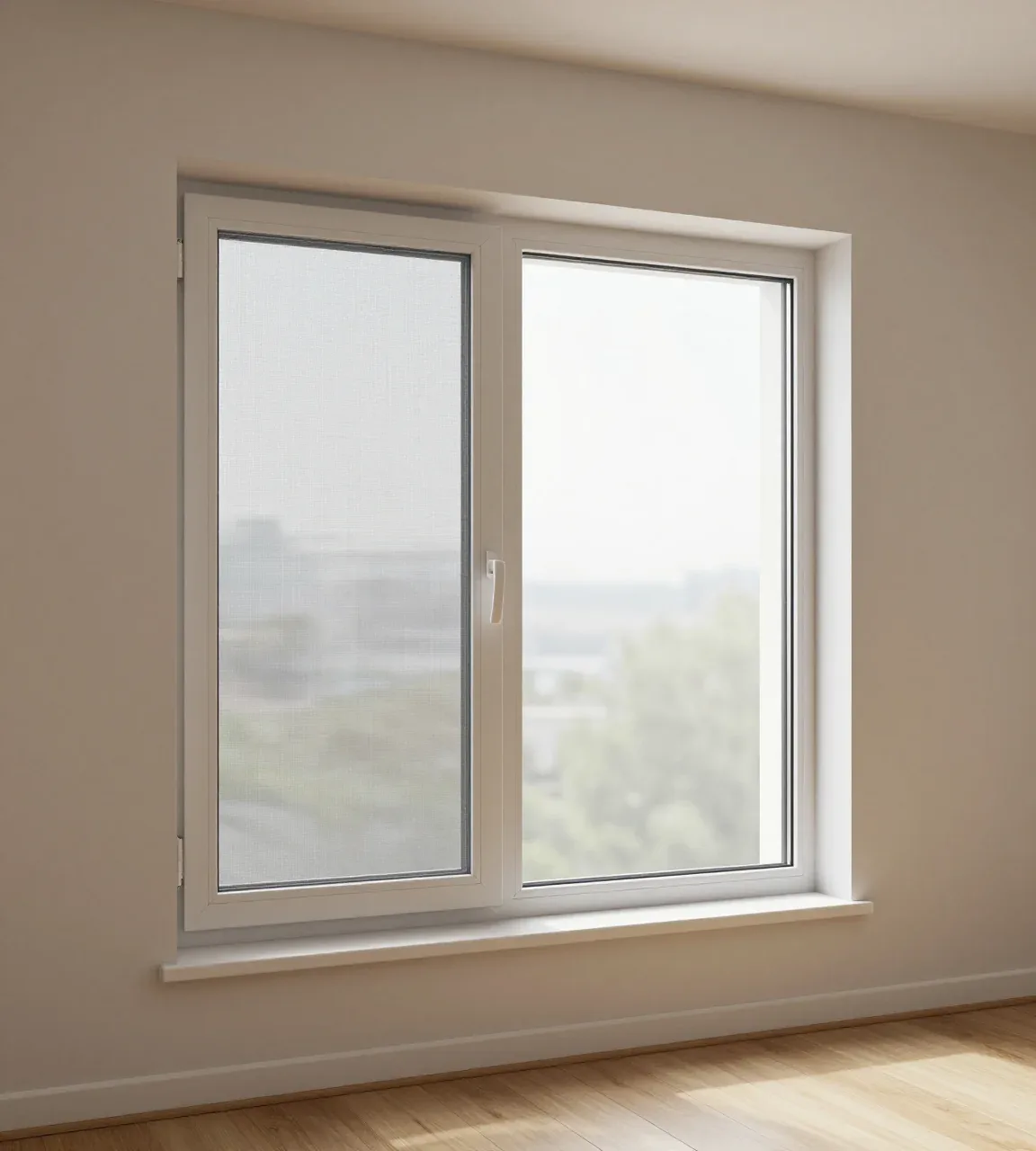
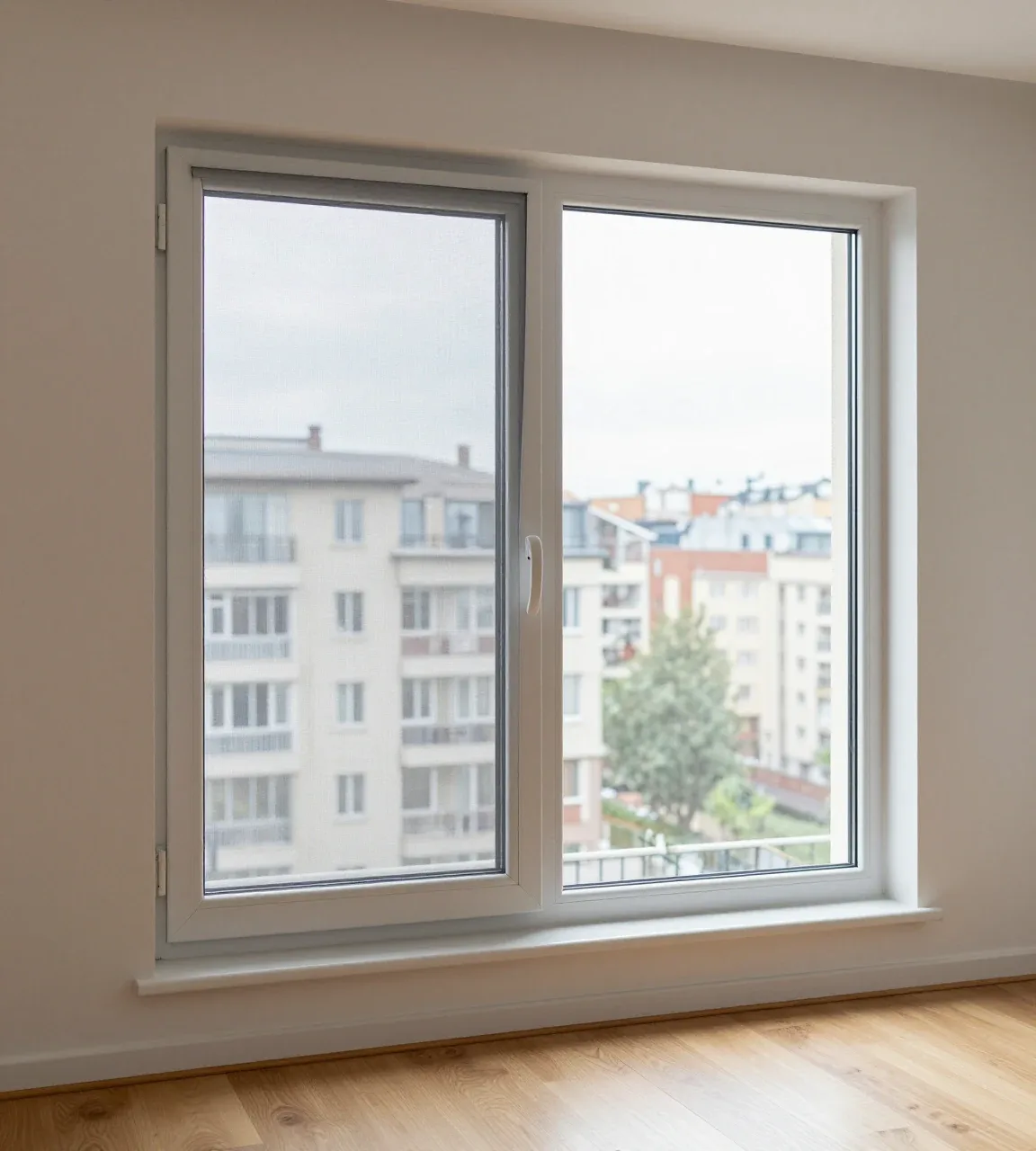
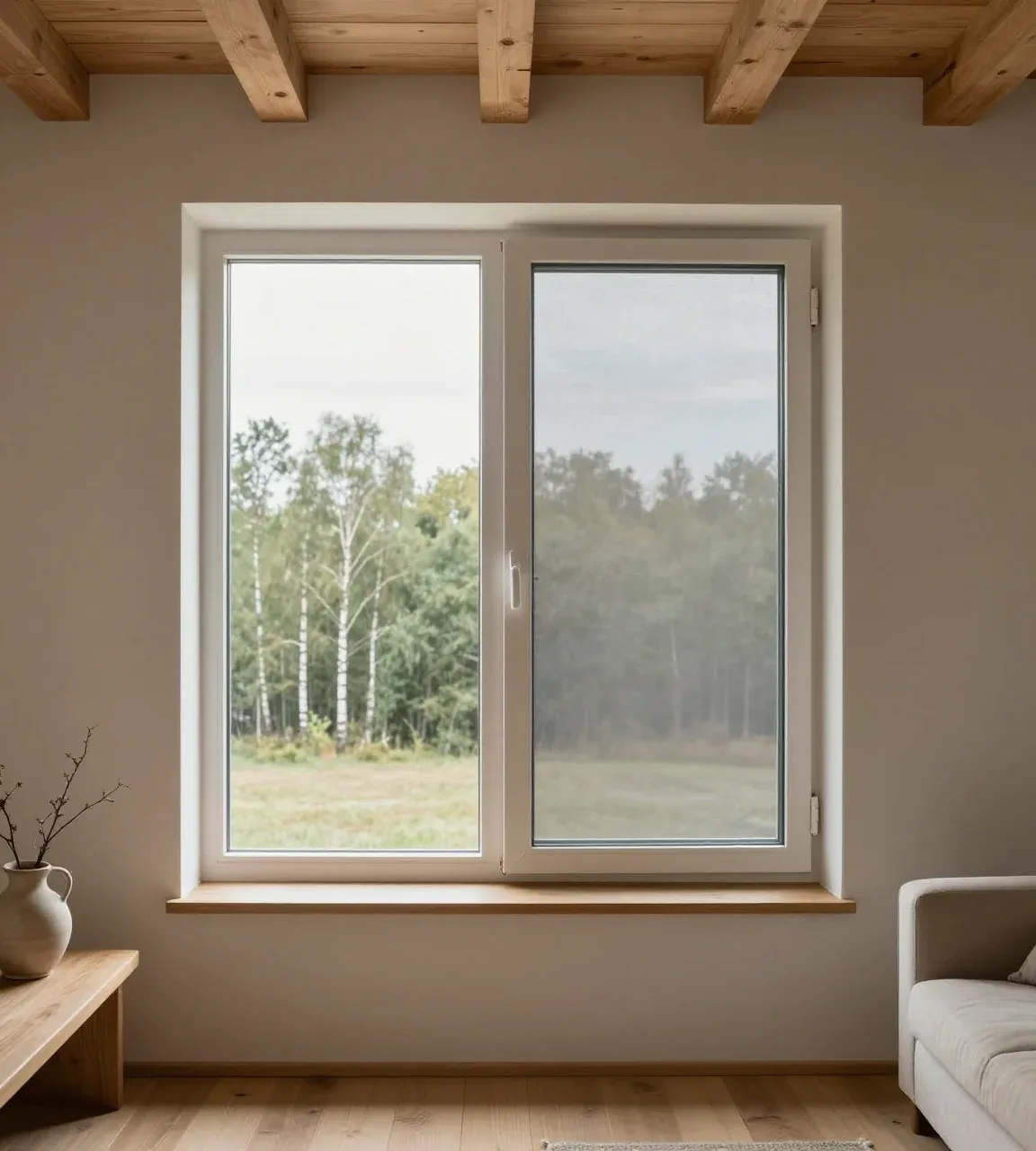
Mosquitoes and flies · Fiberglass
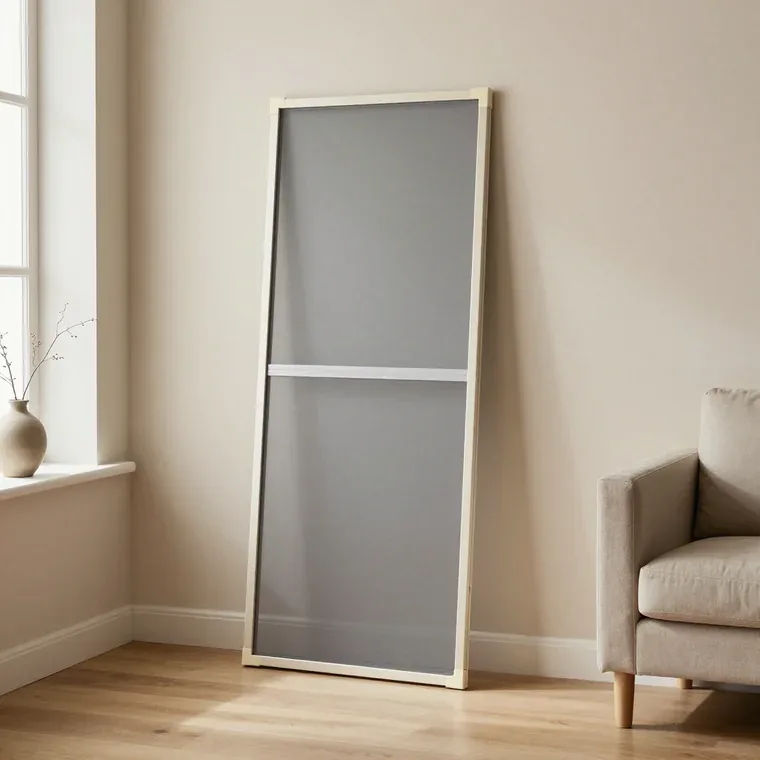
Standard mesh
Fiberglass resists fire and temperature changes. Standard framed screen — from 9 000 ₸ per item.
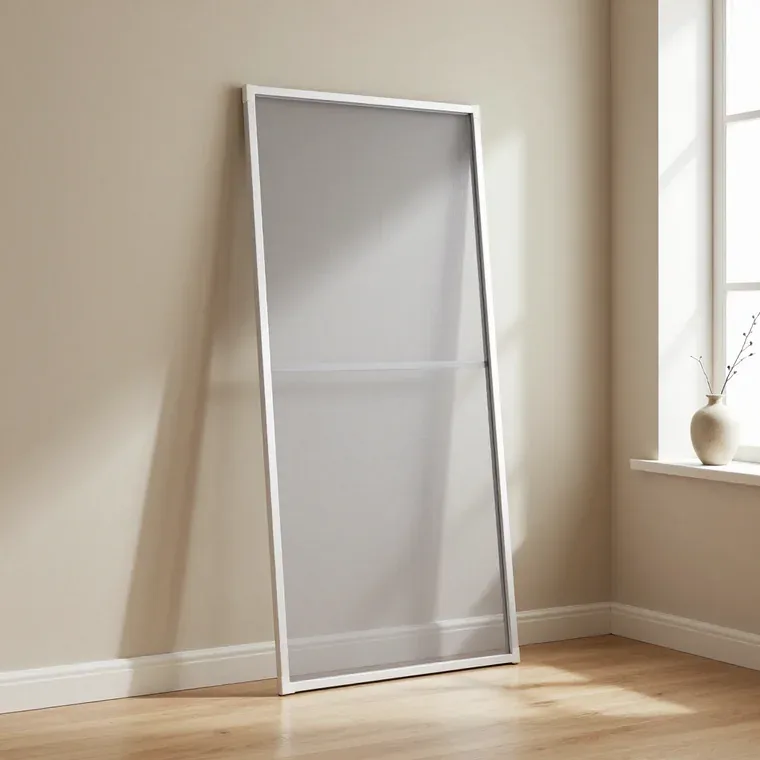
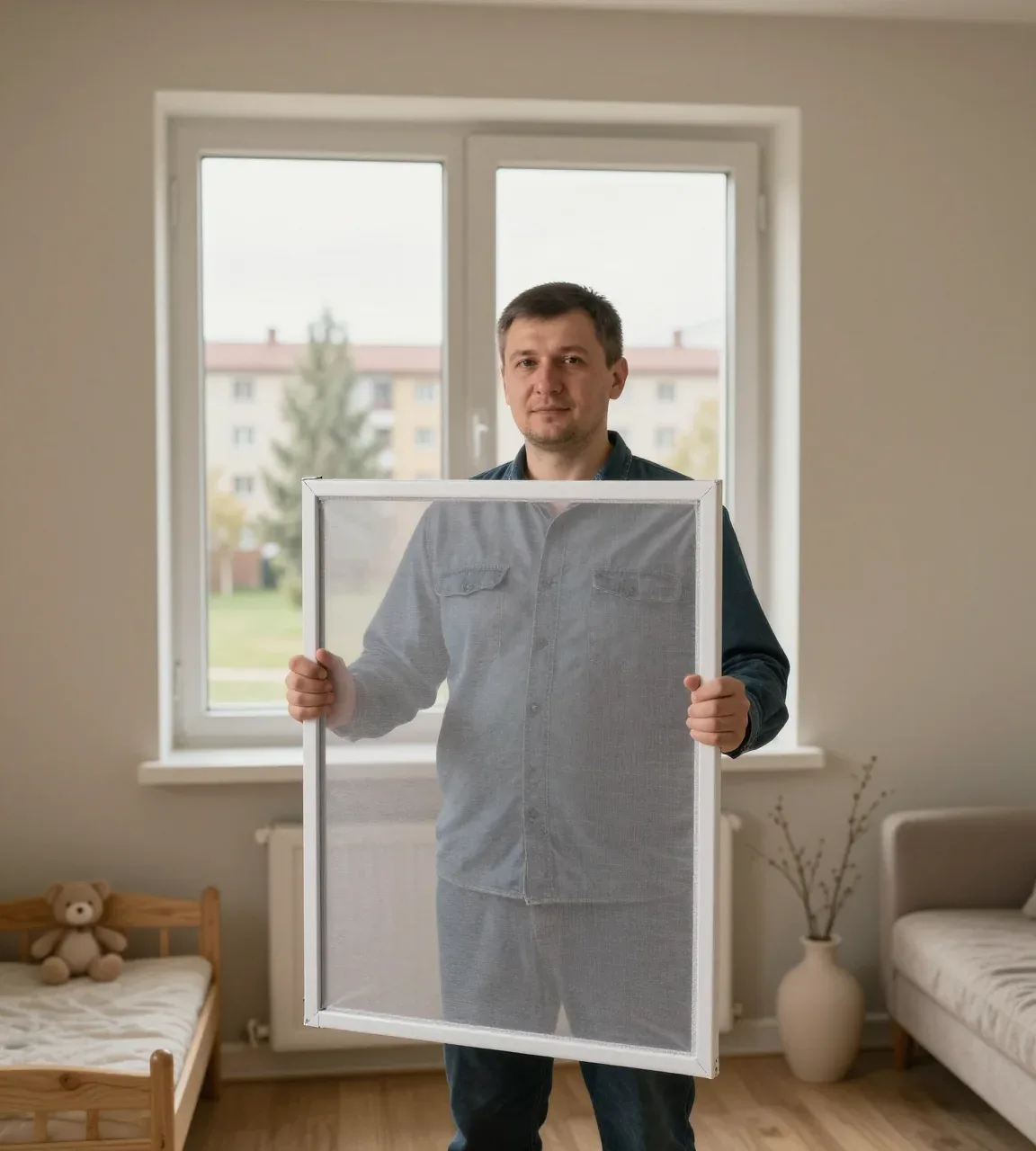
Standard mesh
Fiberglass resists fire and temperature changes. Standard framed screen — from 9 000 ₸ per item.
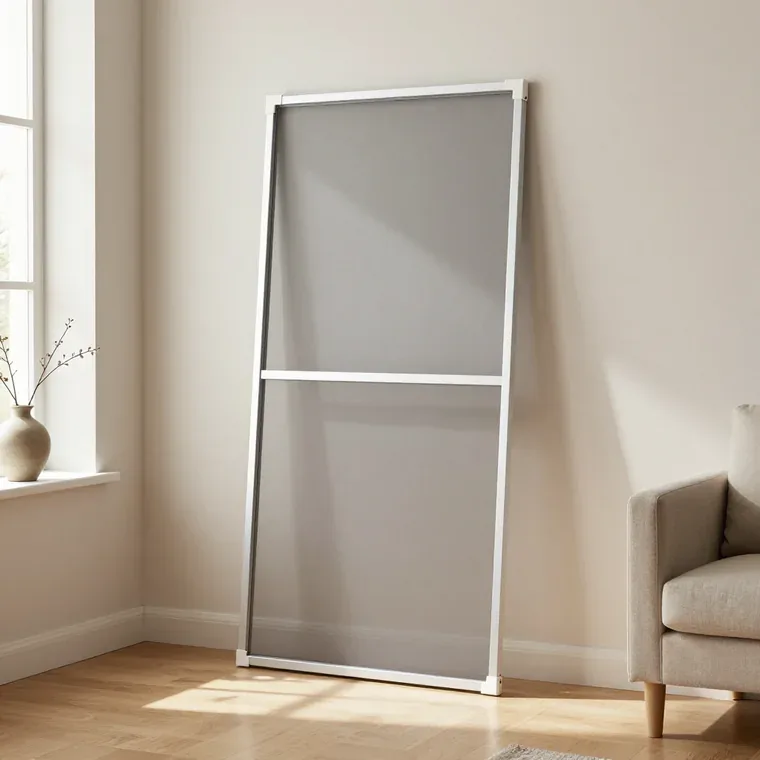
UltraVue
Lets through 25% more light and air than other meshes. Price — from 9 000 ₸ per item.
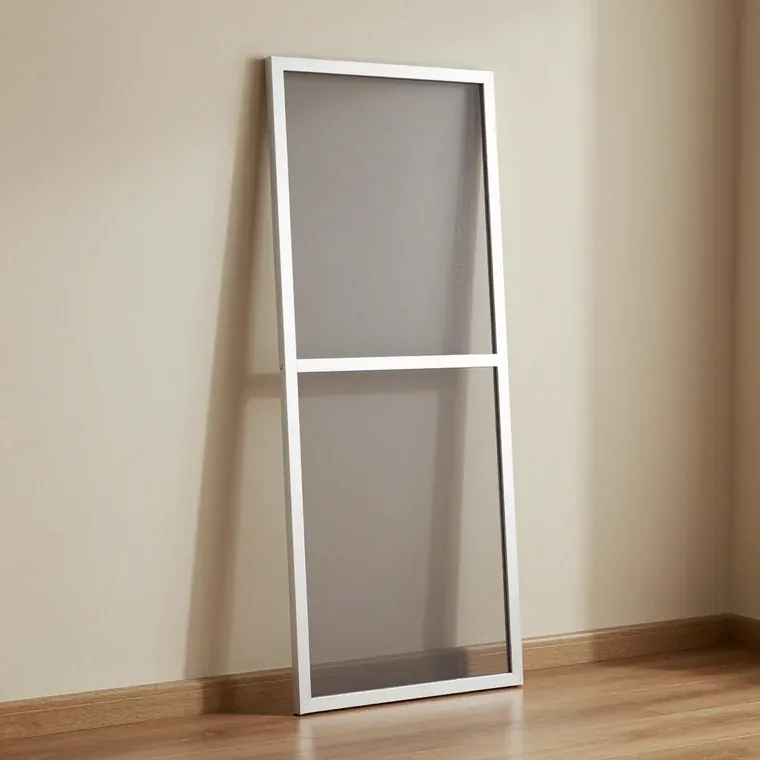
Anti-Cat
Vinyl threads are several times stronger than standard mesh. Reinforced screen — from 18 500 ₸ per item.
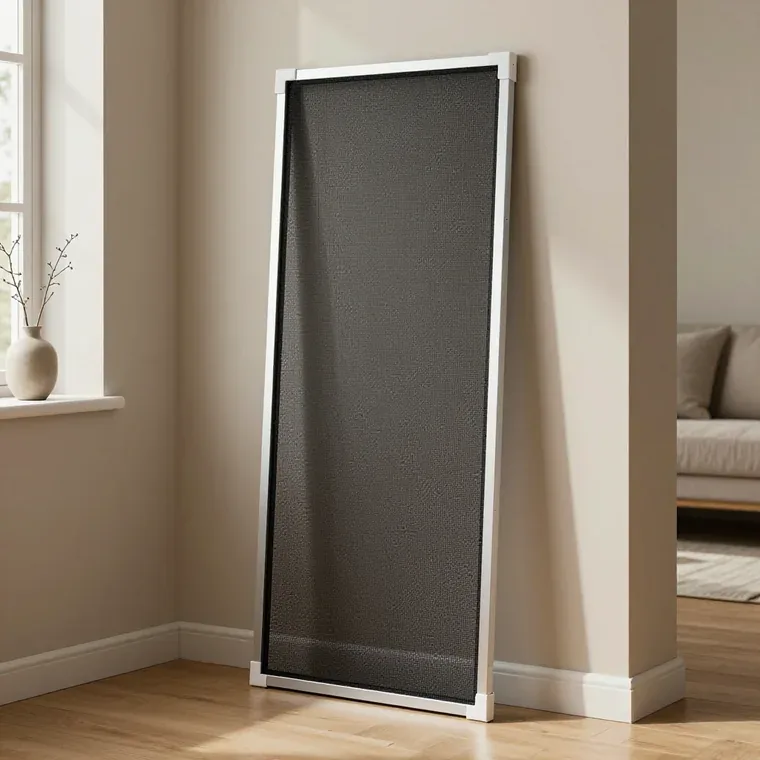
Anti-Pollen
The 0.25×1 mm cell traps pollen; the mesh is hypoallergenic. Price — from 9 000 ₸ per item.
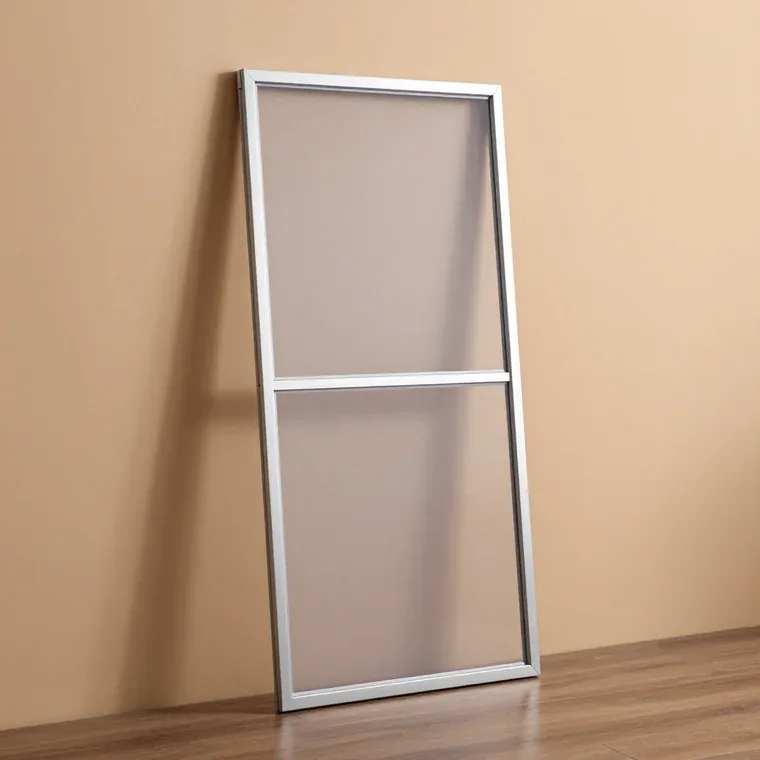
Magnetic
The quick-release internal screen is removed without tools. Cost — from 9 500 ₸ per item.



5,097 reviews on review sites
A framed structure that is fixed to the window from inside the room, not from the street.
An internal mosquito screen is an aluminium frame with stretched mesh and fixings that are installed on the room side. The frame is assembled to your window sizes, and the mesh is secured with a cord seal around the perimeter.
This screen differs from an external one in the mounting side: the fixings do not go onto the façade, and the frame itself is removed from inside. This matters for panel buildings, high floors and windows that cannot be reached from outside.
framed screen on plungers per m²
making a framed screen to your sizes
fitting of one screen to a window
The surveyor selects the fixing method for the window profile and floor so that the frame holds and can be removed from inside.
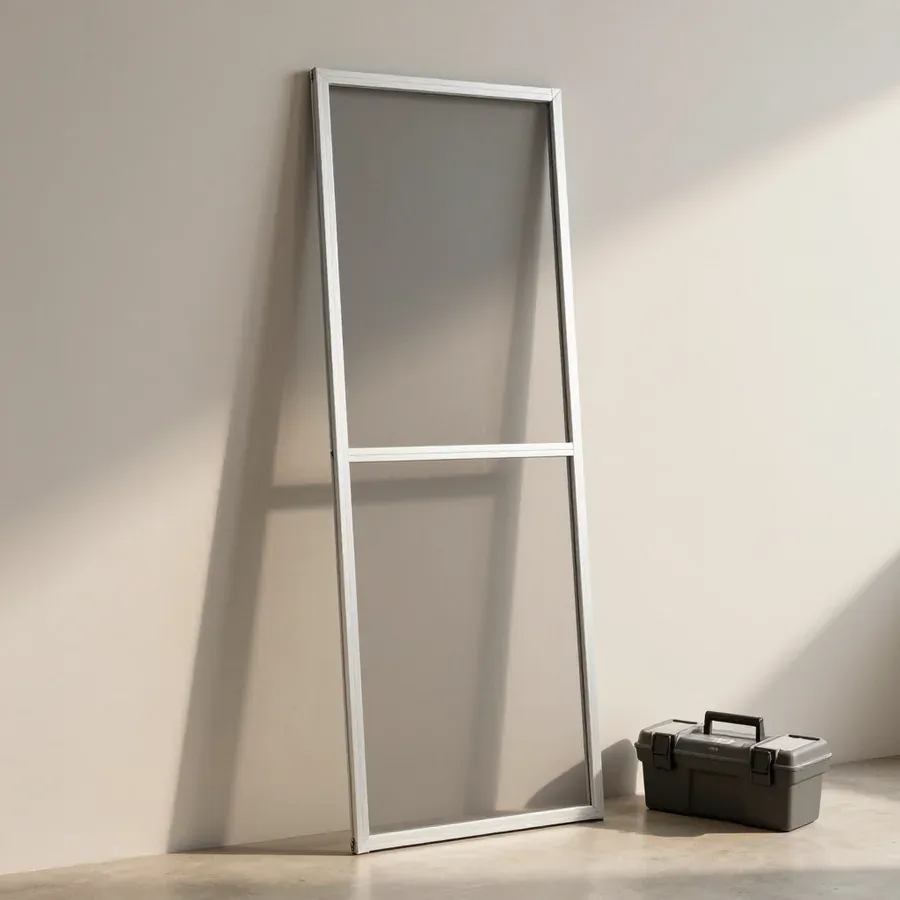
A set of brackets hooks the frame onto the window profile from inside. Suitable for most plastic windows.
Spring-loaded pins fit into the matching holes in the frame. The frame sits in the opening and is removed with one movement.
Magnetic holders provide quick-release fixing without tools. Convenient where the screen is often removed.
The fixings press the frame against the window profile from inside and secure it without going onto the façade. The frame is held by the matching elements on the profile, so it can be removed from inside without tools.
Five meshes for different tasks: from basic insect protection to a hypoallergenic option and a mesh for homes with a cat.
Fiberglass · base
Fiberglass resists fire and temperature changes. A universal option for flats and houses.
Ultravue · more light
Lets through 25% more light and air than other meshes. The room stays bright.
Pet Screen · strength
Vinyl threads are several times stronger than standard mesh and withstand the weight of a small pet.
Fine mesh · street side
A fine-mesh fabric traps dust and small insects from the street side.
Poll-Tex · 0.25×1 mm
Hypoallergenic mesh with a 0.25×1 mm cell traps pollen during the flowering season.
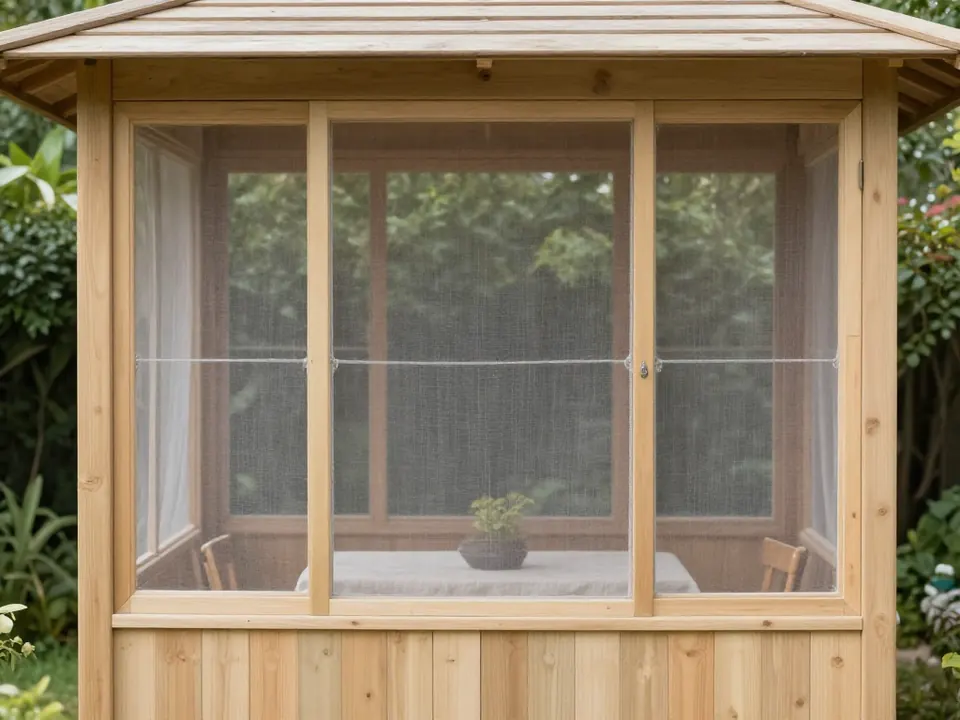
Plastic, wooden and aluminium windows, vents, loggia, gazebo and veranda windows. The measurer chooses the fixing.
Balcony door: hinged, sliding or pleated screen
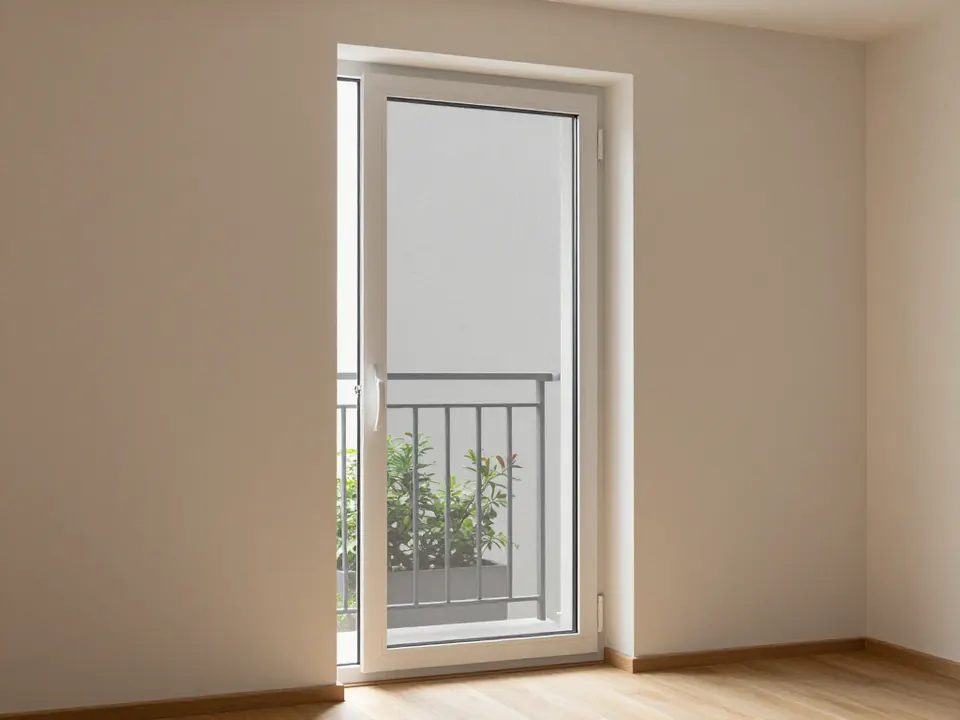
Framed screens for opening sashes
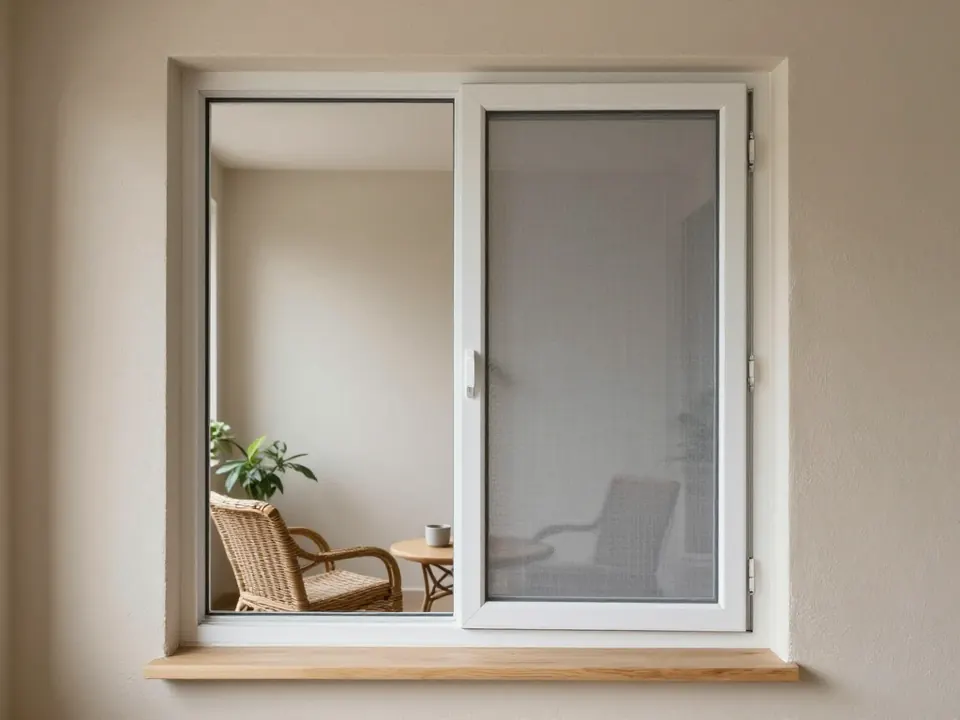
Wide openings: sliding and pleated screens
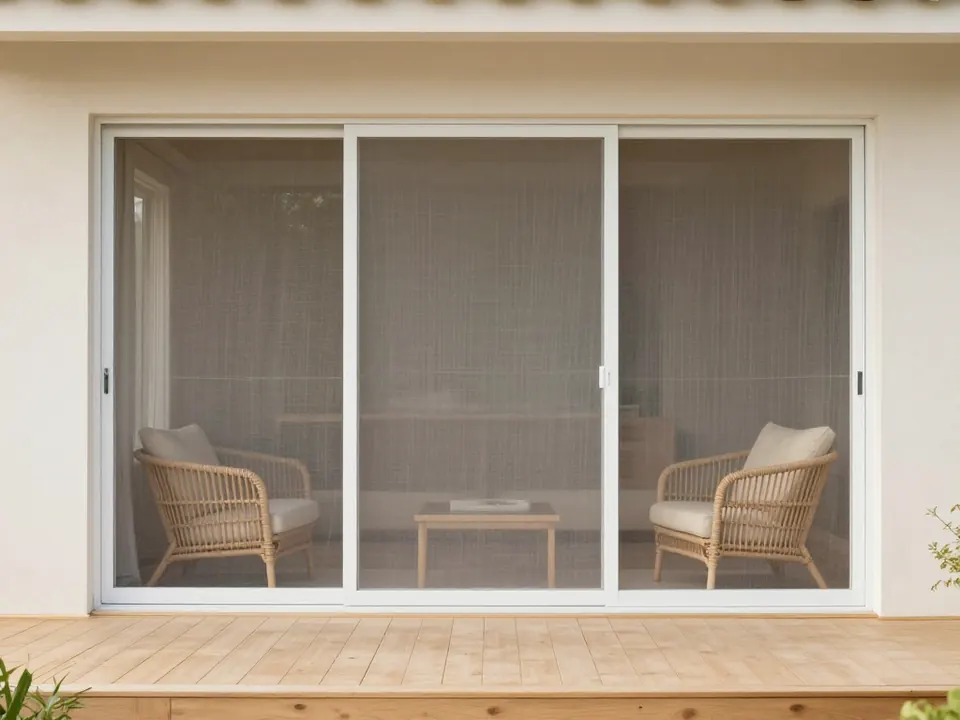
Large windows and doors to the terrace
Sloped windows: the measurer chooses the fixing
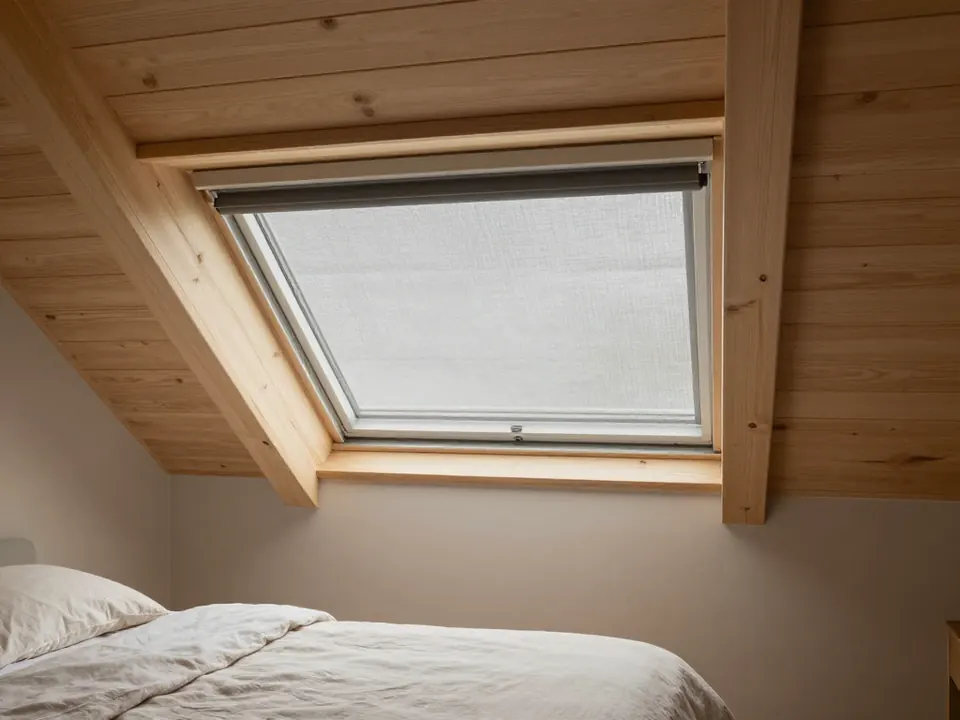
Framed screen made to the exact size of the transom
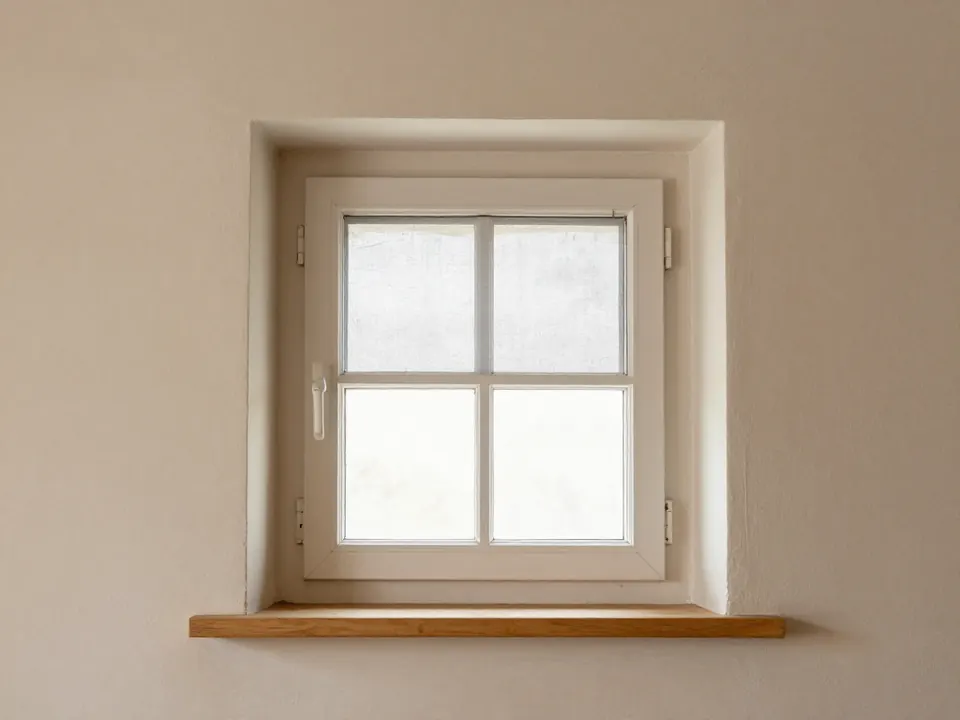
Price list for screens, fixings and repair work.
| Screen type | Price | Fitting | Making | Options and prices |
|---|---|---|---|---|
| Standard internal fixing mosquito screenframed, Fiberglass mesh | from 9 000₸ per item | 1 600 ₸ | 10–15 minutes | Internal magnetic mosquito screen · 9 500Internal mosquito screen with reinforced mesh · 18 500Internal mosquito screen for aluminium window · 7 700 ₸ per m² |
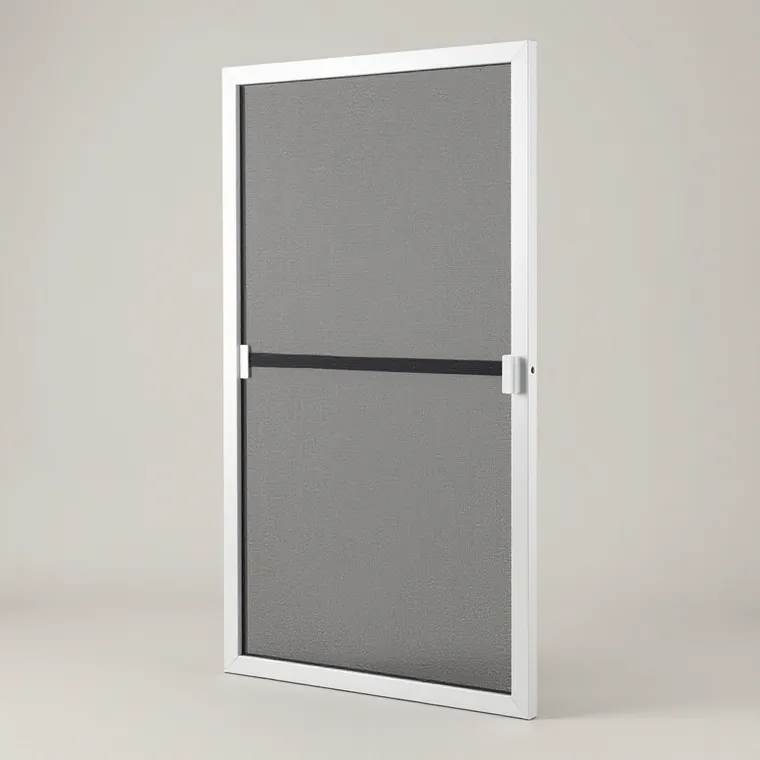 Framed mosquito screen on plungerspin fixing | from 8 000₸ per m² | — | — | |
| Plunger fittingfixings installation | from 2 250₸ per item | — | — | |
| Mounting brackets for internal mosquito screenZ-shaped | from 2 000₸ per set | — | — | |
| Cord (seal) replacementmosquito screen repair | from 1 550₸ per linear metre | — | — | |
| Frame re-meshing with standard meshmesh replacement | from 3 000₸ per job | — | — | |
| Measuring visit if order is cancelledif cancelled after measuring | from 2 500₸ per job | — | — |
Measuring and consultation — freePayment after installation: cash, card, Kaspi
Book a measuring visitEnter the window width and height, choose the mesh and fixing — the calculator will show an approximate price.
1. Screen type
2. Mesh and design
3. Opening size, cm
We have been making mosquito screens since 2012 in our own production: from measuring to fitting without intermediaries.
making mosquito screens for over ten years
on mosquito screens
we paint the frame to match your windows: white, brown, grey
manufacturing and fitting without intermediaries, one contractor at all stages
we deliver and install screens on windows and doors ourselves
of Kazakhstan where you can order mosquito screens
we answer order questions
we take requests every day
Four steps from request to a finished screen on the window.
You leave a request or write on WhatsApp — we clarify the window dimensions and the task, and reply within 5 minutes.
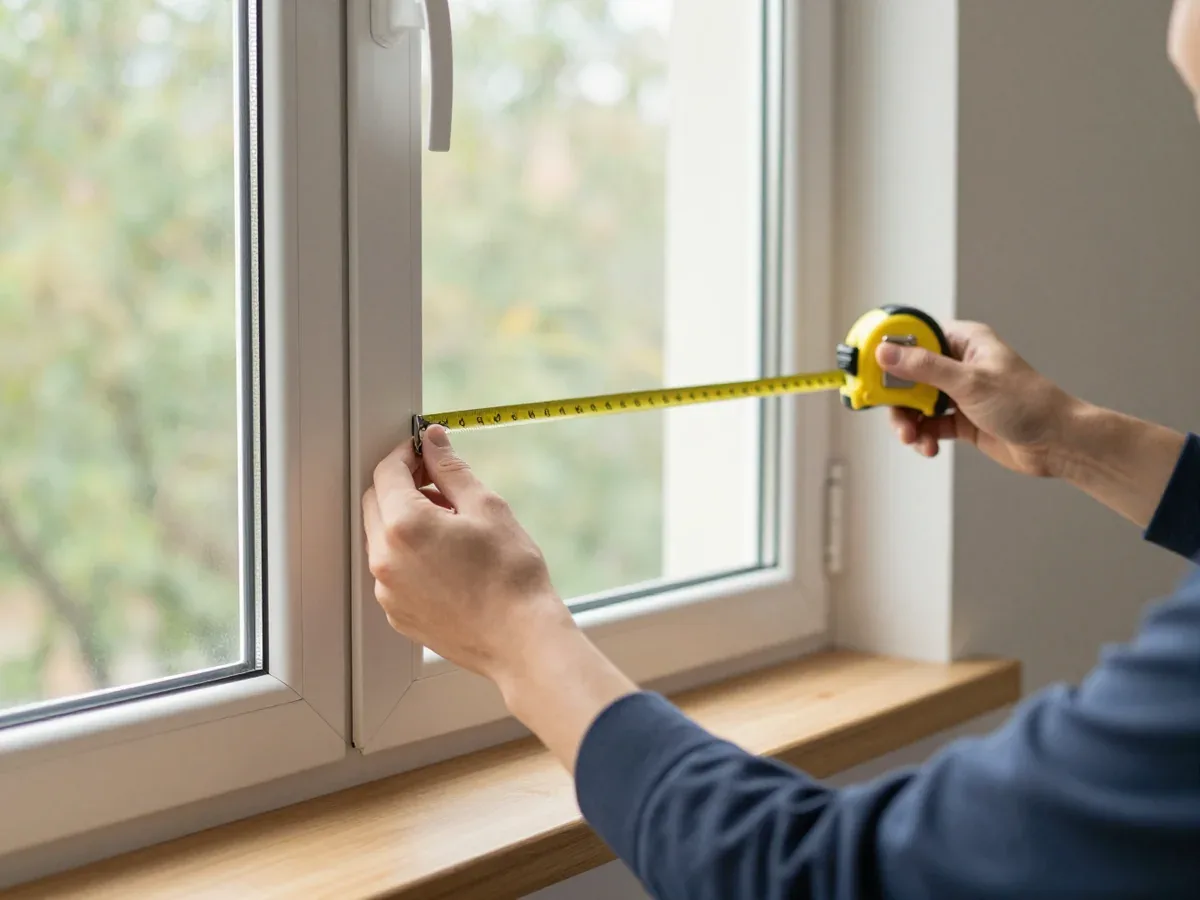
The measurer visits for free, takes dimensions, helps choose the mesh and fixing for your profile.
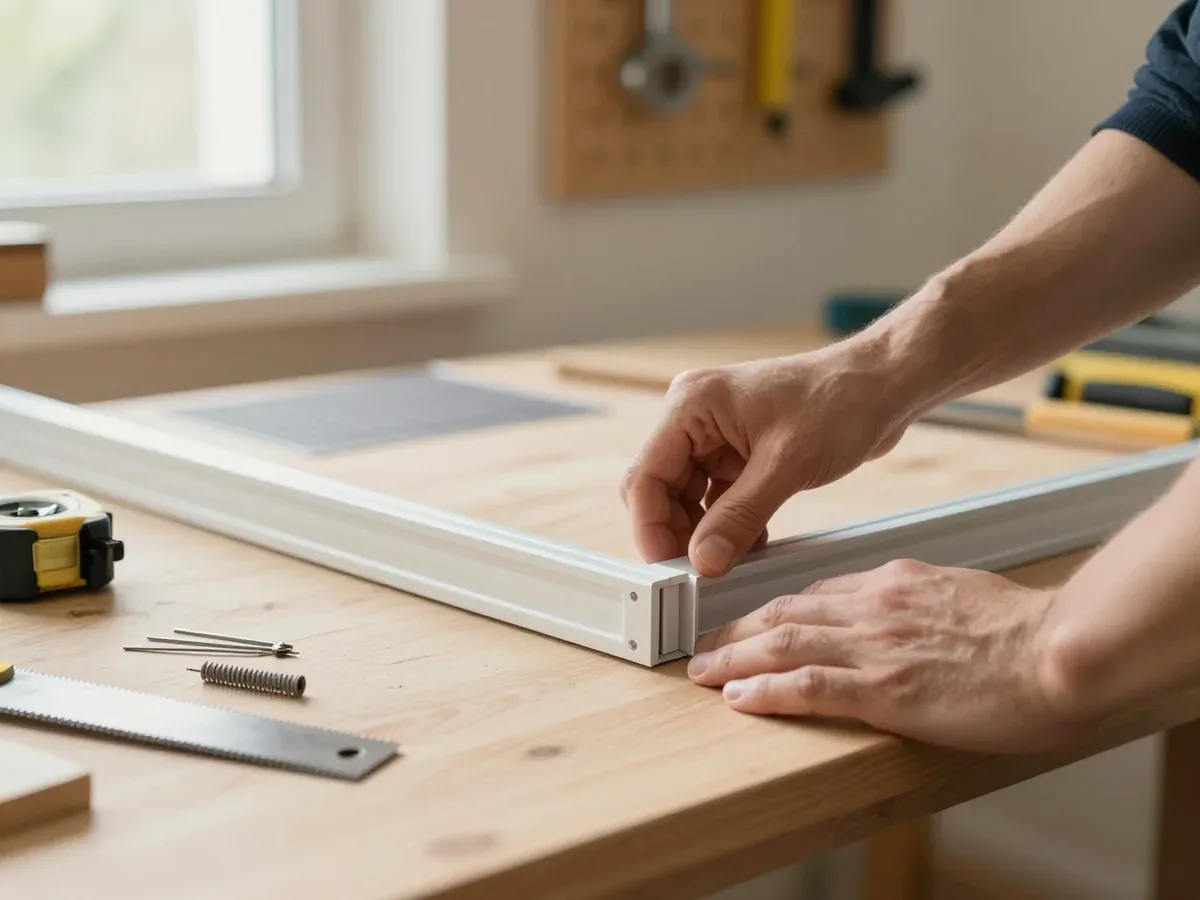
We assemble a framed screen to your dimensions in production in 10–15 minutes, a pleated screen — in 40–60 minutes.
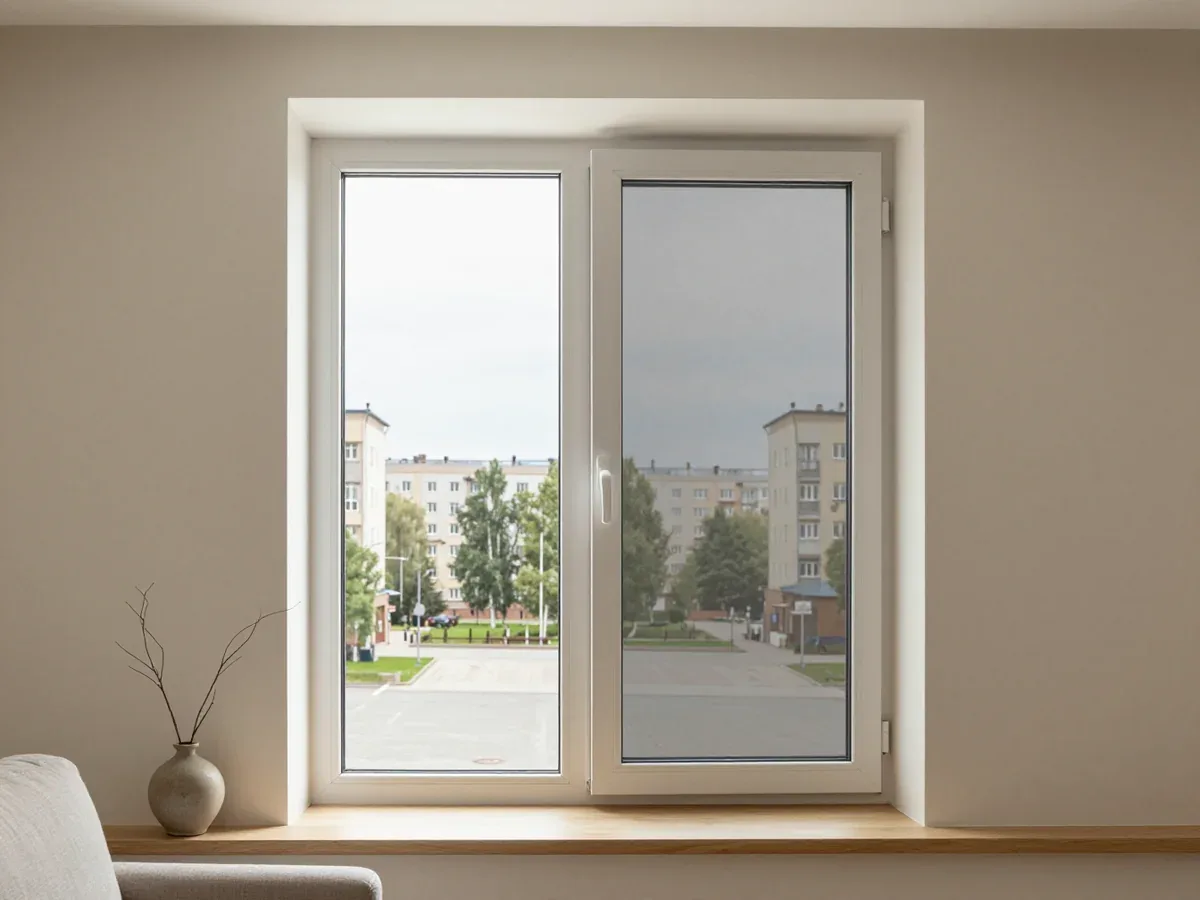
We install the screen on the window from inside, check that the frame fits tightly around the opening and that the sash moves smoothly after installation.
Good to know

Senior mosquito screen specialist at moskitnyesetki.kz
We make inside-mount mosquito screens in Temirtau to your exact window size and fit them from inside the room, so the sash still opens freely. The measurer matches the mesh and fastener to your profile and floor, measuring is free, and every screen carries a 1-year warranty.
An inside-mount screen is fitted into the light opening from the room side, not hung on the outer frame. Below we explain how such a unit sits in the opening and what changes against an outside version.
We fit such units in Temirtau into the light opening from the room side, so the frame sits flush with your window and the sash keeps its full swing. Inside-mount mosquito screens in Temirtau are made to your size, painted any colour to match your windows, with the mesh held taut inside the frame. Because it sits indoors, you reach it without leaning out — which matters most on upper floors and in winter, when a cold draught makes an open sash unpleasant. A framed panel lifts out from inside in about a minute, so taking it down for the cold months is a quick job rather than a chore. Ask the measurer to check the clearance above the sash before the frame is cut: a few millimetres decide whether the panel clears the handle.
| Parameter | Inside-mount | Outside-mount |
|---|---|---|
| Where it sits | In the light opening, room side | On the outer frame, street side |
| How you reach it | From indoors, no leaning out | From the street side |
| Winter handling | Lifts out from indoors in a minute | Reached from outside |
| Best for | Upper floors, inward-opening sashes | Ground floors with a low sill |
The measurer picks the fastener for each window, and the frame itself is never drilled. Below are the three fixing types we use and how the choice is made for a given profile and floor.
On upper floors and on aluminium profiles we lean toward pins and Z-brackets that clamp the body without piercing the sash, so the panel stays put in a draft. A narrow aluminium profile leaves little room for a bracket foot, so the measurer checks the frame depth before choosing; a deep plastic profile takes a wider Z-bracket. Wind load rises with height, which is why a unit on the ninth floor needs a firmer grip than the same one on the first. Pins suit a light framed panel, while magnets make sense where the screen comes off weekly. We check the sash depth and the floor before the order is fixed, so the fixing matches the opening rather than being guessed from a photo.
Inside-mount screens go onto plastic, wooden and aluminium windows, and onto openings that do not match a standard frame. Below we cover the three materials, the inward-opening sash, and the wider openings on loggias, gazebos and verandas.
We fit inside-mount screens on plastic, wooden and aluminium windows, and the fastener changes with the material because each frame has a different depth and edge. A plastic profile takes a standard Z-bracket without adjustment, and the bracket sits on the face where the sash closes. An aluminium profile is thinner, so the measurer checks the edge twice before choosing a pin or a magnet. Timber is the slow one: the wood may be uneven along the rebate, and the panel has to sit flat against it rather than follow the high spots. A wooden frame often needs a pin set slightly deeper so the panel does not rub the varnish, while a plastic profile takes a standard Z-bracket without adjustment.
When the sash opens inward, we mount the mesh in the light opening so it clears the swing and the sash still opens fully without catching the frame. The panel sits in the opening itself, not on the outer face, and the sash travels past it on the inside. That arrangement matters on tilt-and-turn models, where the sash first tilts at the top and then swings in on the handle side. The measurer checks which way the handle turns before sizing, because a unit set a few millimetres too far in will block the sash on the first open. On these windows the screen is usually a framed one that lifts out from inside in a minute, which also makes the winter removal simple.
Beyond flats, we fit inside screens on loggia windows, gazebos and verandas, where a wider opening may call for a pleated or door screen instead of a framed one. A loggia window is often a full-height glazed panel, and a framed unit that size becomes heavy to lift out, so a sliding or pleated model is easier to handle. A gazebo opening is often taller than a standard one, so a pleated screen that folds to the side keeps the walkway clear where a fixed frame would not. On a veranda the surround is usually timber, and the fixings go into the posts rather than the glazing bead. We also fit screens on small vent windows, where a framed panel is made to the vent size and lifts out for cleaning.
The canvas is picked for a job, not for a catalogue: one window needs daylight, another holds a pet, a third fights pollen or street dust. We walk through the scenarios below so the choice stops being guesswork.
| Mesh | Best for | Key property |
|---|---|---|
| UltraVue | Dark or sun-starved windows | 25% more light and air |
| Anti-Cat (Pet Screen) | Flats with a pet | Vinyl threads hold a small animal |
| Anti-Pollen (Poll-Tex) | Allergy season | 0.25×1 mm cell traps pollen |
The size is taken by a measurer, and the visit costs nothing. Below we cover the door profile choice and how quickly a screen is made once the opening is measured.
Hinged door screens come on the Economy 32×10 mm or the heavier Prestige 42×17 mm profile, and the wider Prestige suits a door that is opened many times a day. The 32×10 mm section keeps a light frame on a rarely used utility door, while the 42×17 mm box adds stiffness where the leaf is pushed and pulled constantly. Both profiles are painted to match the window colour, so the unit reads as part of the opening rather than an add-on. In our practice, the profile is chosen at the measuring visit together with the mesh and the fasteners, because the same door can carry a light frame or a stiff one depending on traffic. A balcony door that a child pushes through benefits from the stiffer Prestige frame, while a rarely used door works fine on the lighter Economy profile.
Measuring and consultation are free, the measurer comes at a convenient time, and a framed screen made to your size takes 10–15 minutes while a pleated screen takes 40–60 minutes. The measurer takes the opening sizes, checks the sash swing and helps choose the design, the mesh and the fixings, so the frame is cut for the real opening rather than a rough sketch. We reply on WhatsApp within 5 minutes and are open seven days a week, which keeps the visit and the fitting close together. Ordering by your own sizes risks a gap of a few millimetres that lets insects past, so the measurer checks the opening and the sash swing before the frame is cut.
Ordering a mosquito screen comes down to a few checks you can make before anyone arrives with a tape measure. Run through them once, and the visit itself takes minutes.
Installation, fixing and care of internal mosquito screens
Konstantin Selenenkovsenior mosquito screen specialist, 10 years in the tradeOnline · replies within 5 minutes
Ask a questionThe measurer checks the profile, how the sash opens and the floor, as the fixings depend on this. For high-rise windows, fitting from inside is often more convenient and safer than from outside.
Yes, we fit screens from inside on doorways and loggias, including hinged options. For a door, it is important that the screen does not block the passage, so the fixings and size are chosen separately.
Yes, if you know the exact opening sizes, we will make the screen to them. But measuring and consultation are free, and the technician will help you avoid mistakes with the fixings and mesh.
The "Anti-Pollen" mesh with a fine cell traps pollen and fine dust, easing the condition of allergy sufferers. But it cannot completely eliminate allergies, and effectiveness depends on ventilation and how clean the screen is.
For a flat with a cat, "Anti-Cat" from inside is more reliable: the strong mesh withstands the animal's weight and prevents tearing. A standard screen outside wears out faster and is less resistant to claws.
A framed screen can be removed from inside in a minute: pull the frame to release the fixings. You can wash it with a soft sponge and soapy water, and for the winter it is best to store it in a dry place.
A standard mesh does not like such load and will quickly be torn by claws, so for an active pet, "Anti-Cat" is chosen. Vinyl threads are several times stronger than fiberglass and withstand the weight of a small animal.
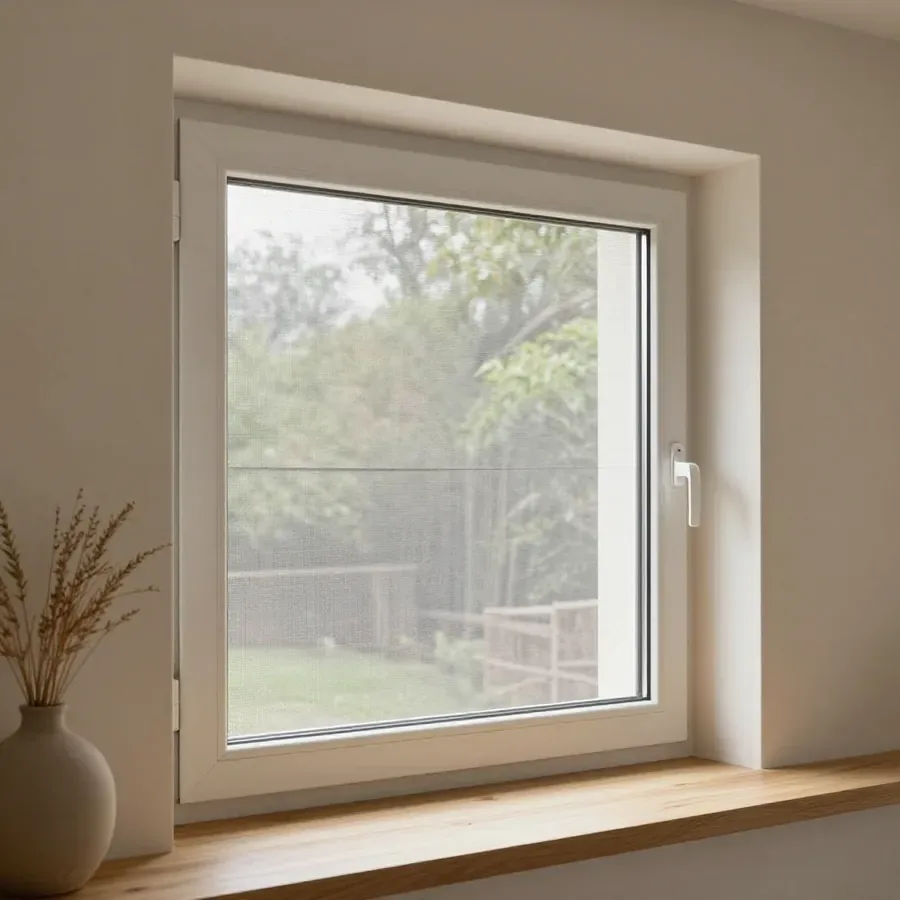 Care
A frame screen comes off in a minute: we show how not to bend the frame or lose the fixings.
April 15, 20268 min read
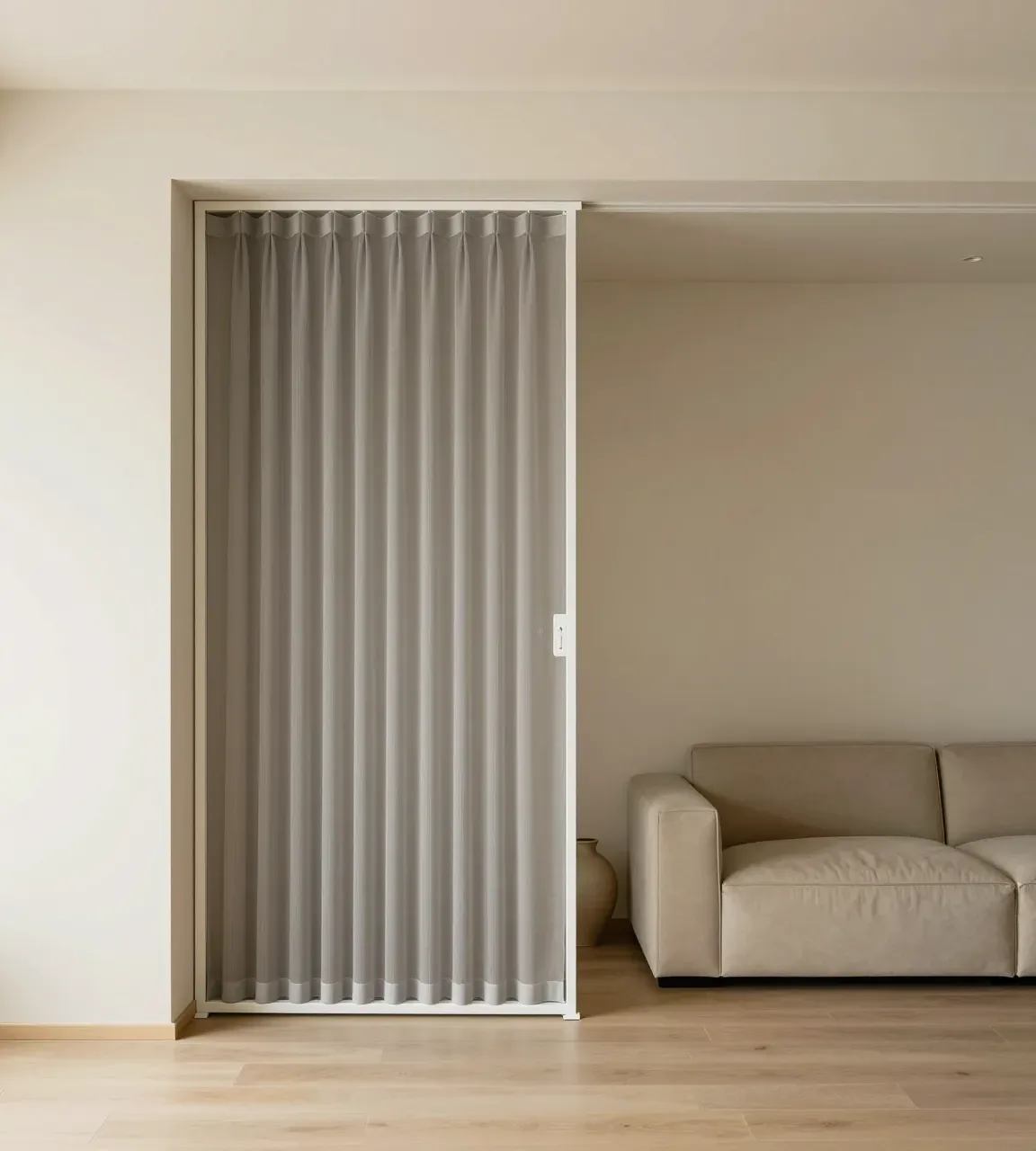 Choosing
We compare the price, lead time and how each screen performs on a door that you walk through every day.
March 2, 20268 min read
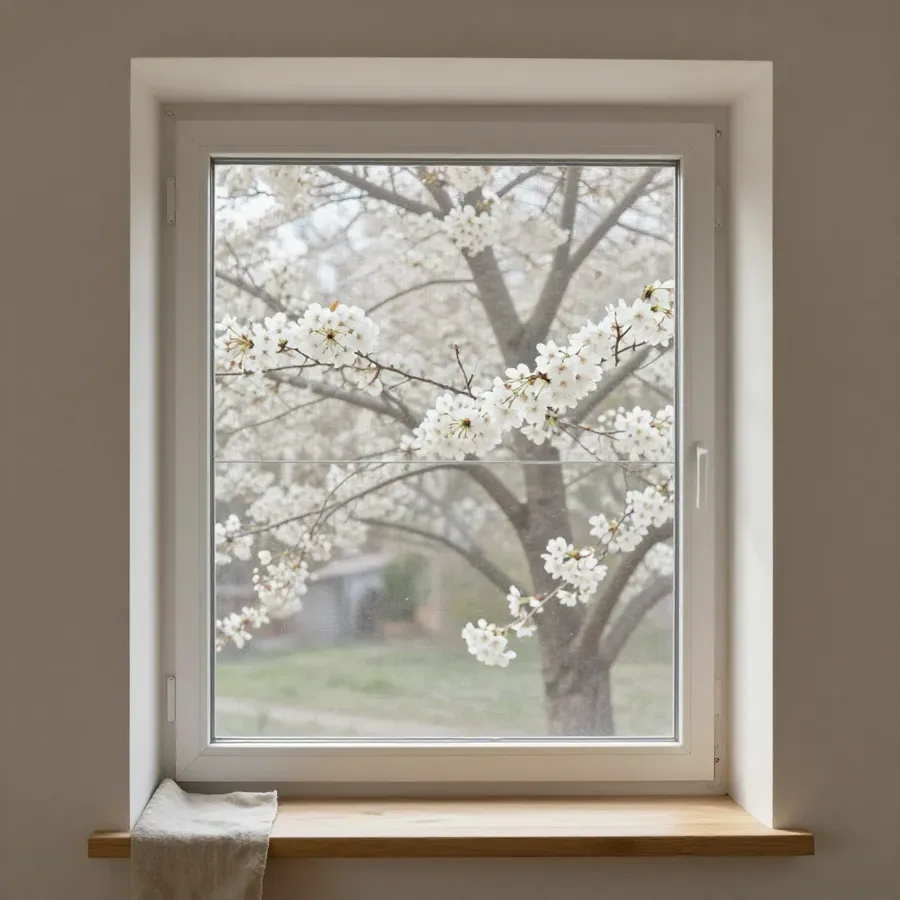 Mesh types
How Poll-Tex mesh with a 0.25×1 mm cell works and who it helps in pollen season.
February 17, 20268 min read
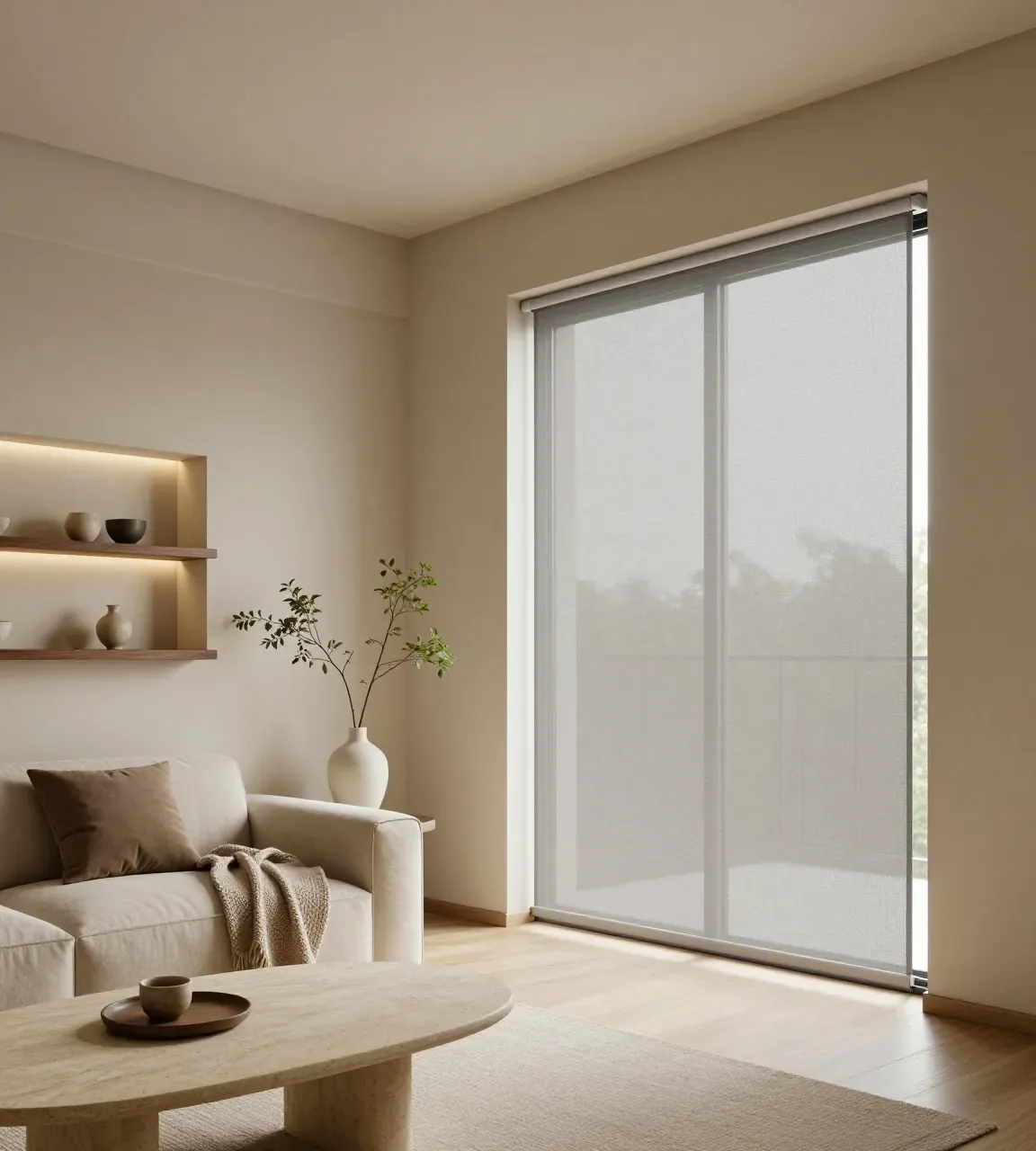 Prices
Price list breakdown: frame screen from 2 000 ₸ per m², installation 1 750 ₸, pleated from 28 000 ₸. Costing a 70×140 cm window.
February 1, 20268 min read
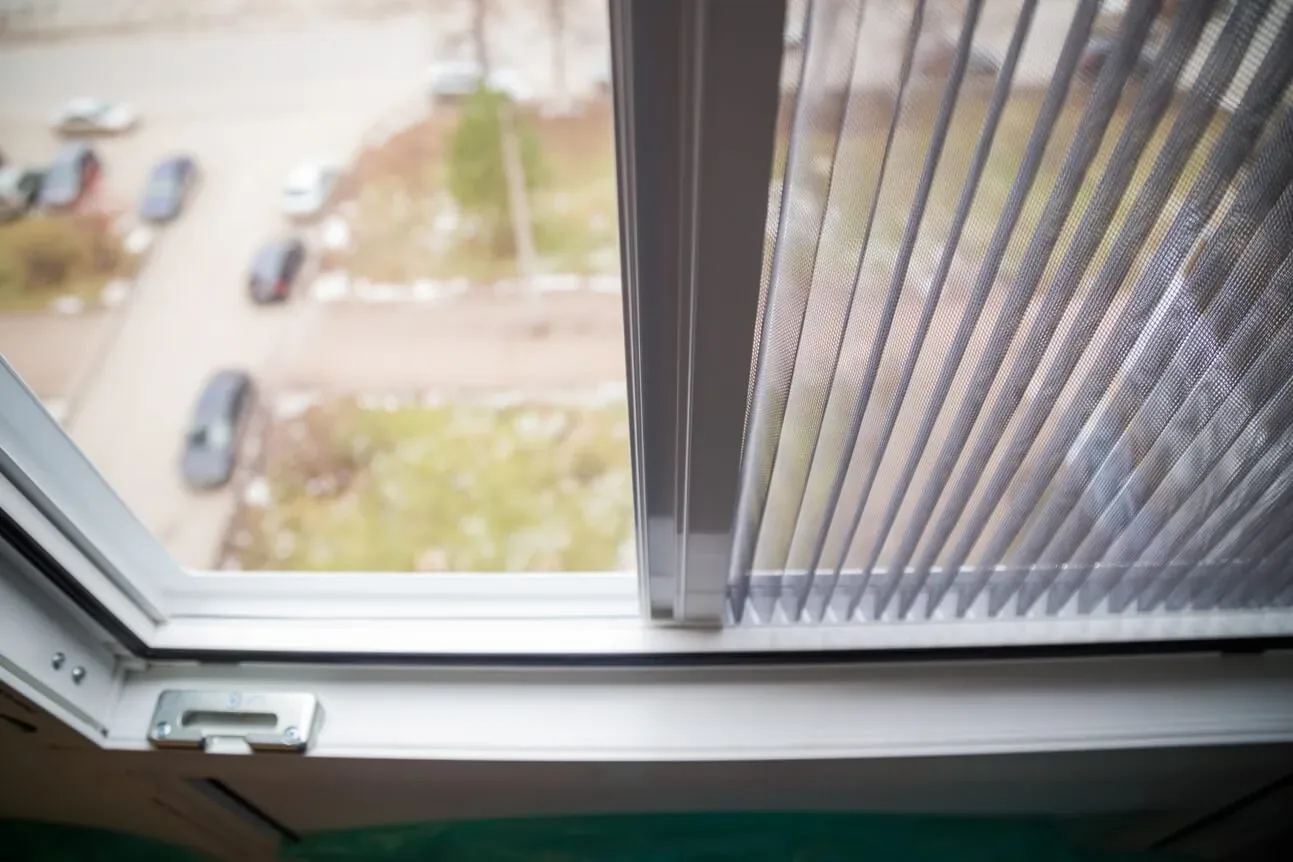 Repair
Worn fixings, a wrong measurement, wind on high floors. A set of fixings costs 290 ₸, installation 871 ₸.
January 14, 20268 min read
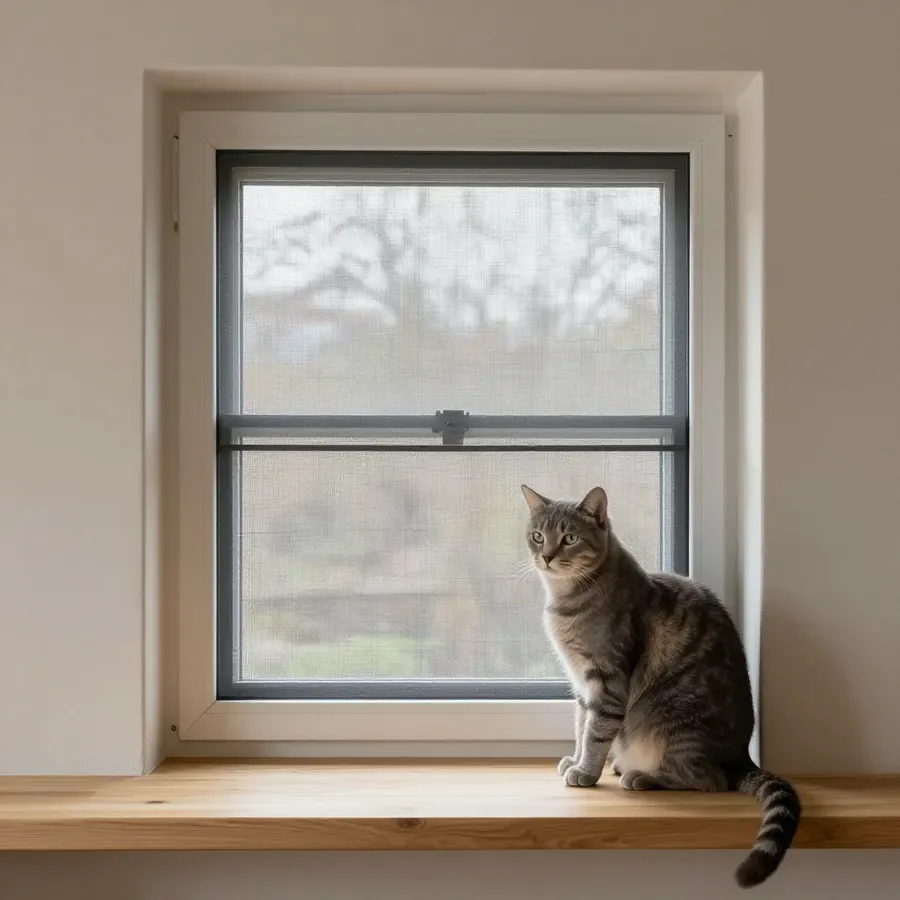 Choosing
Anti-Cat mesh on vinyl threads, the fixings and what to do about gaps around the window opening.
December 23, 20258 min read
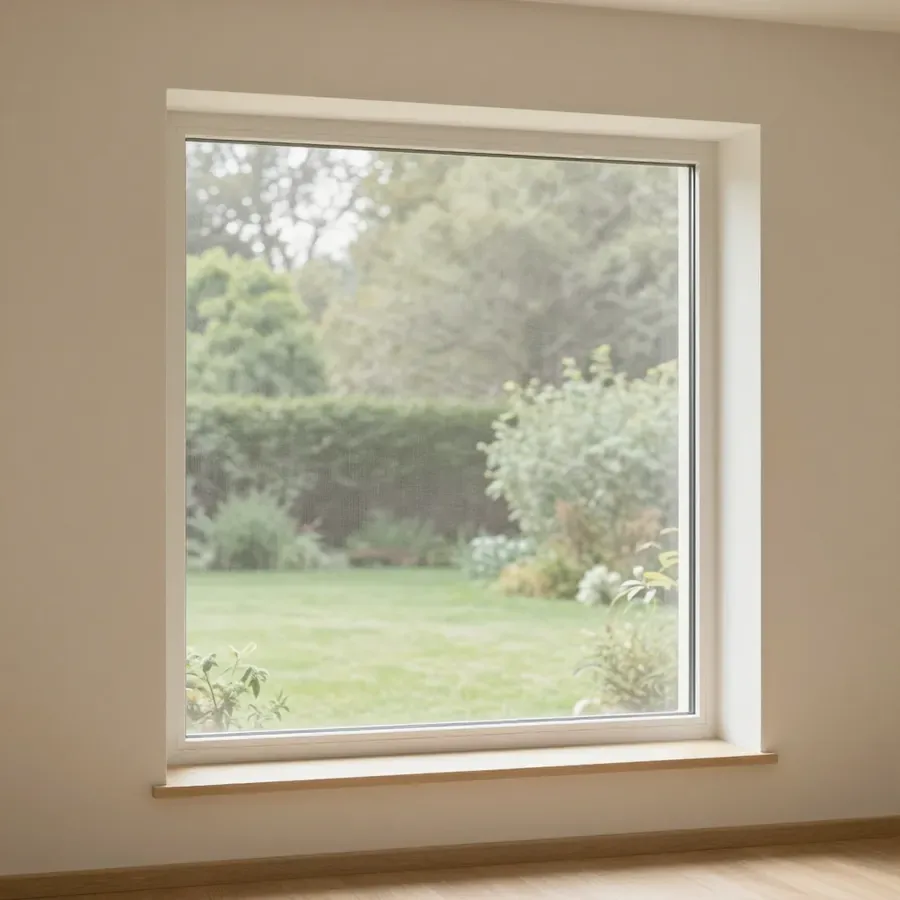 Mesh types
The mesh lets in 25% more light and air. Where the difference shows and where paying extra is not worth it.
December 11, 20258 min read
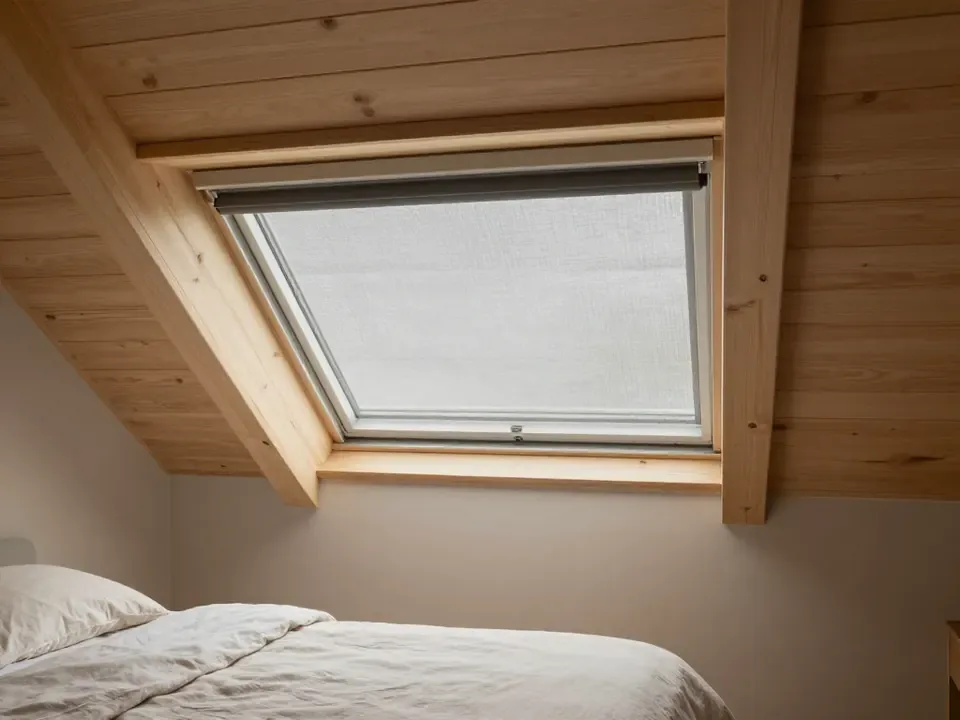 Choosing
A tilted sash, outward opening and a roller screen at 15 000 ₸ per m²: what will suit your window.
November 21, 20258 min read
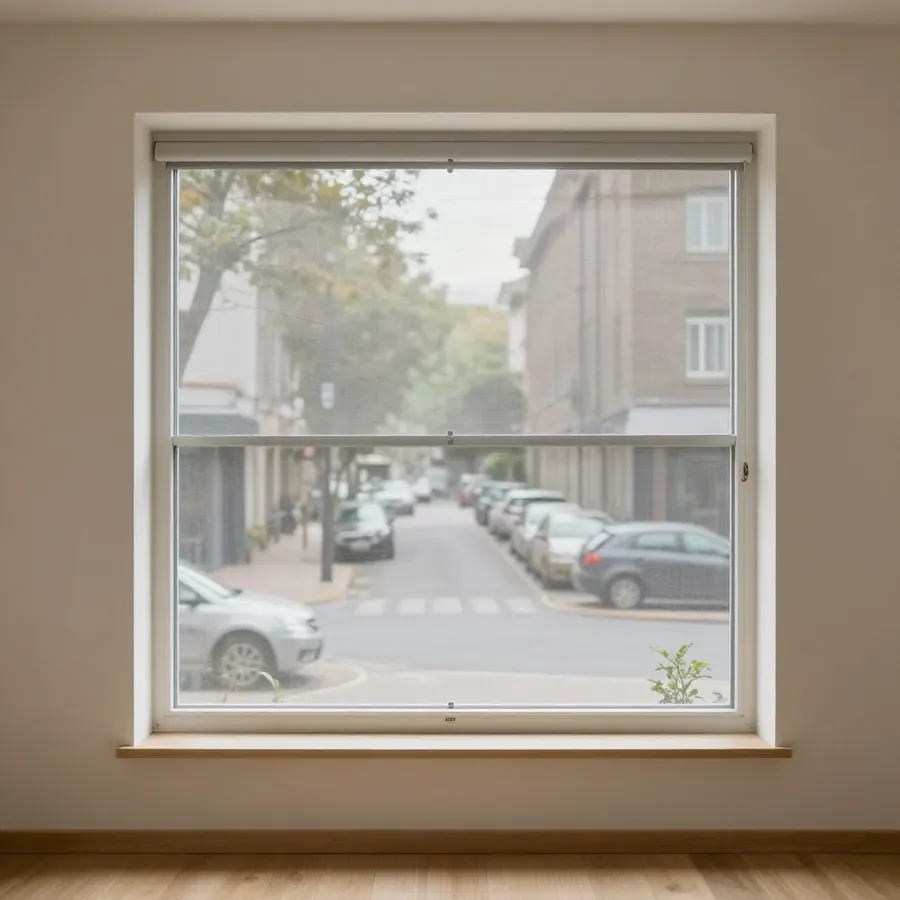 Mesh types
The mesh stops coarse and fine dust along with mosquitoes. When it is worth the price of 8 500 ₸ per m².
October 20, 20258 min read
Thank you. We will call you back within 10 minutes!
Your order number is on the receipt or in the SMS. Choose where to leave your review.
Write a review on WhatsApp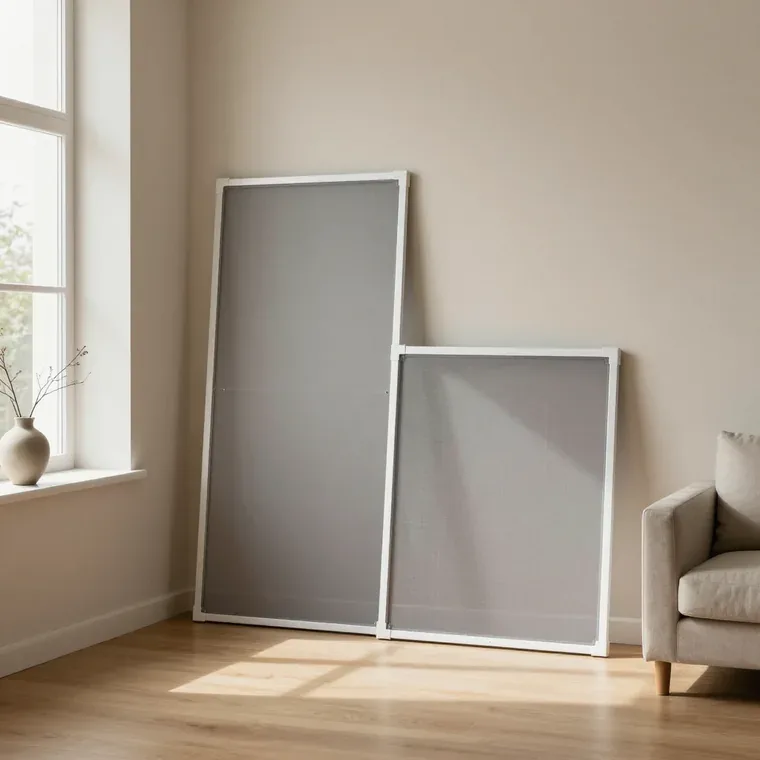 Ready-made mosquito screens
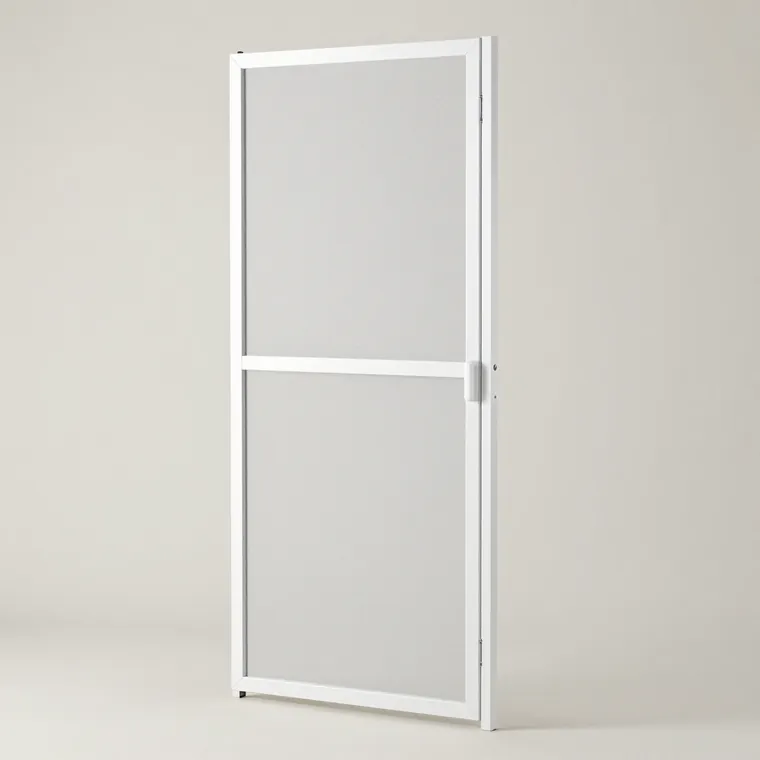 Mosquito doors
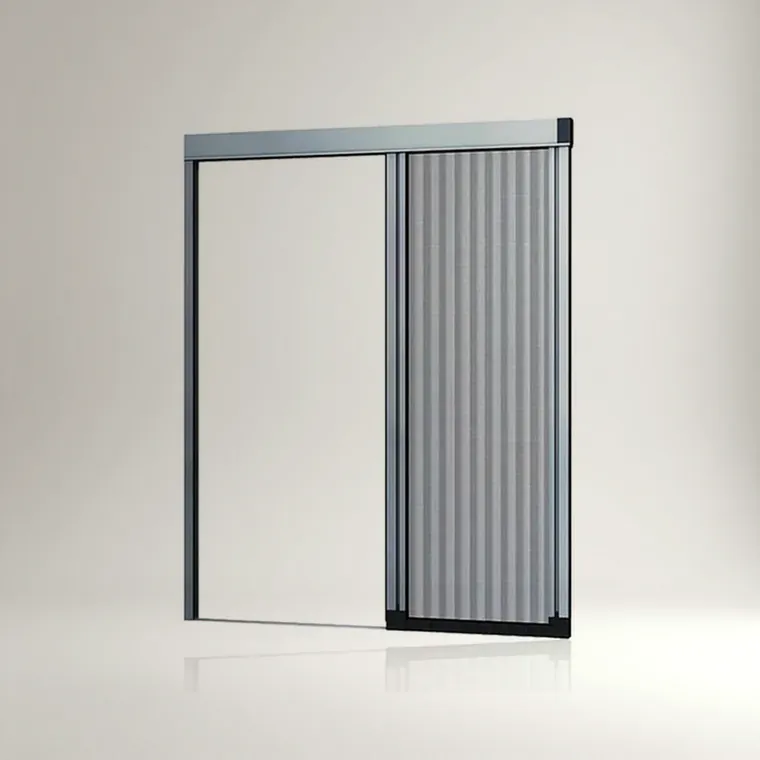 Pleated screens
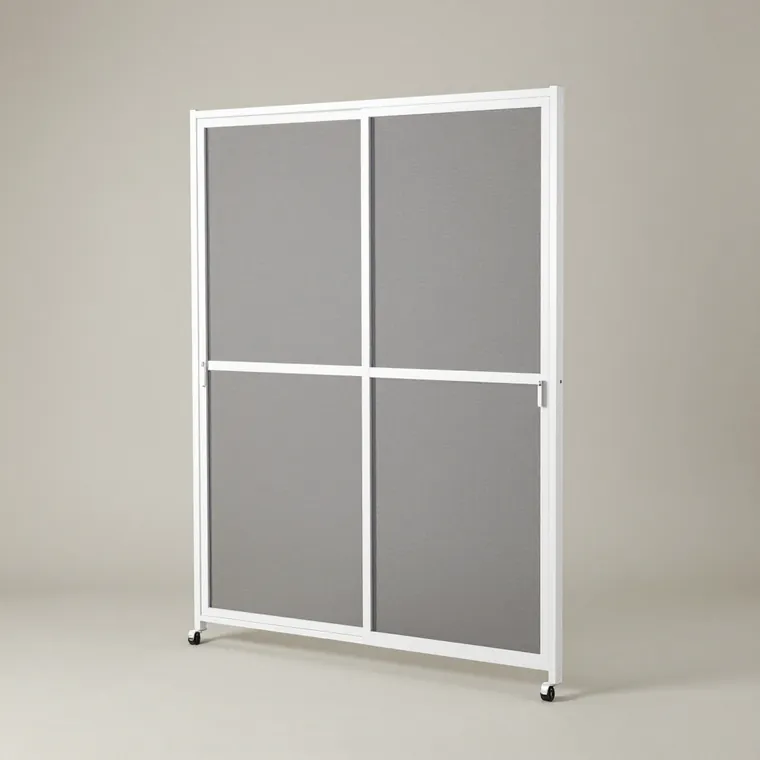 Sliding screens
