






Good to know
Penkid Window Lock in Temirtau Fitted to Your Sash and Frame

Senior mosquito screen specialist at moskitnyesetki.kz
A Penkid window lock in Temirtau is fitted by our craftsmen as a service, not sold as a loose part. We measure your sash for free, choose the model and fixing for your profile and floor, then install it and take payment after the job. The price is fixed in the order after measuring.
Which Penkid window lock suits your window and how the types differ
A stopper, a Sash Jammer and a full lock secure a window, but each blocks a different movement. A window lock starts with the leaf and movement to stop.
Stopper, Sash Jammer or a full lock and what each one blocks
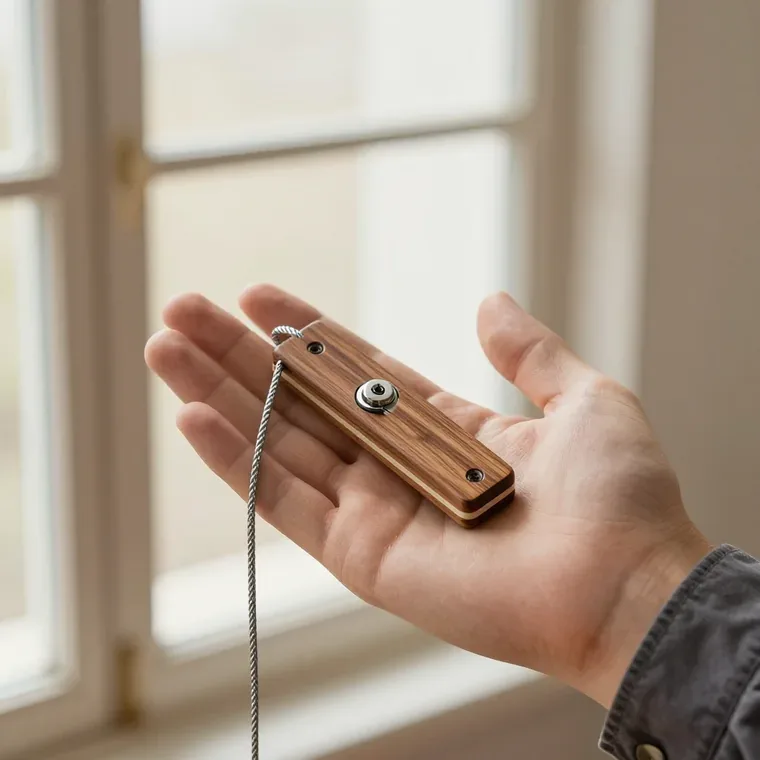
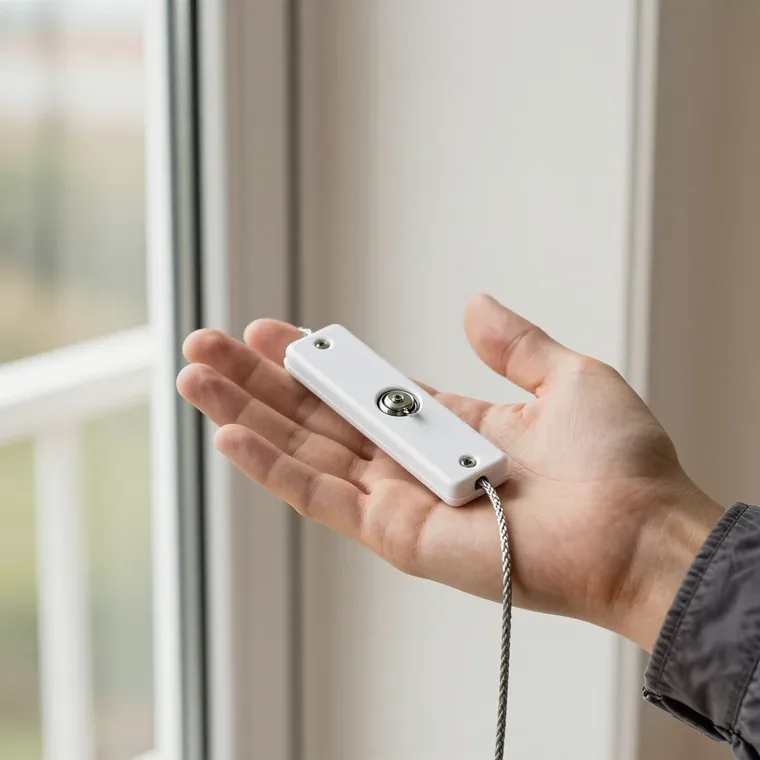
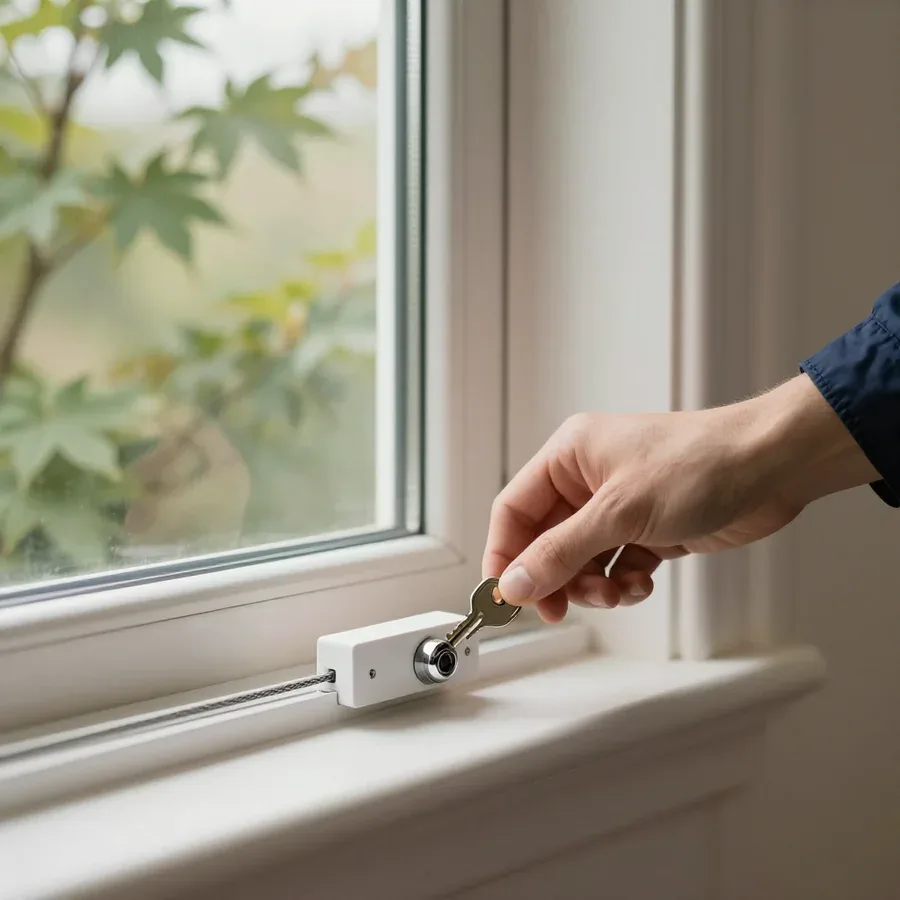
A Penkid stopper limits how far a leaf opens, a Sash Jammer blocks it from being lifted or shifted, and a full lock fixes the handle or the leaf outright. The stopper mounts on the frame and catches the leaf at a set gap, so the window stays open for air but never wide enough to climb through. The jammer works on the other weakness — the lift-and-slide trick children learn quickly on a tilt-and-turn unit. The full lock is the heaviest option and suits doors, low units and rooms that must stay shut. For a child who has just learned to reach the handle, the jammer stops the trick they actually use, so pick by the movement you want to block.
Matching the model to your sash, profile and floor
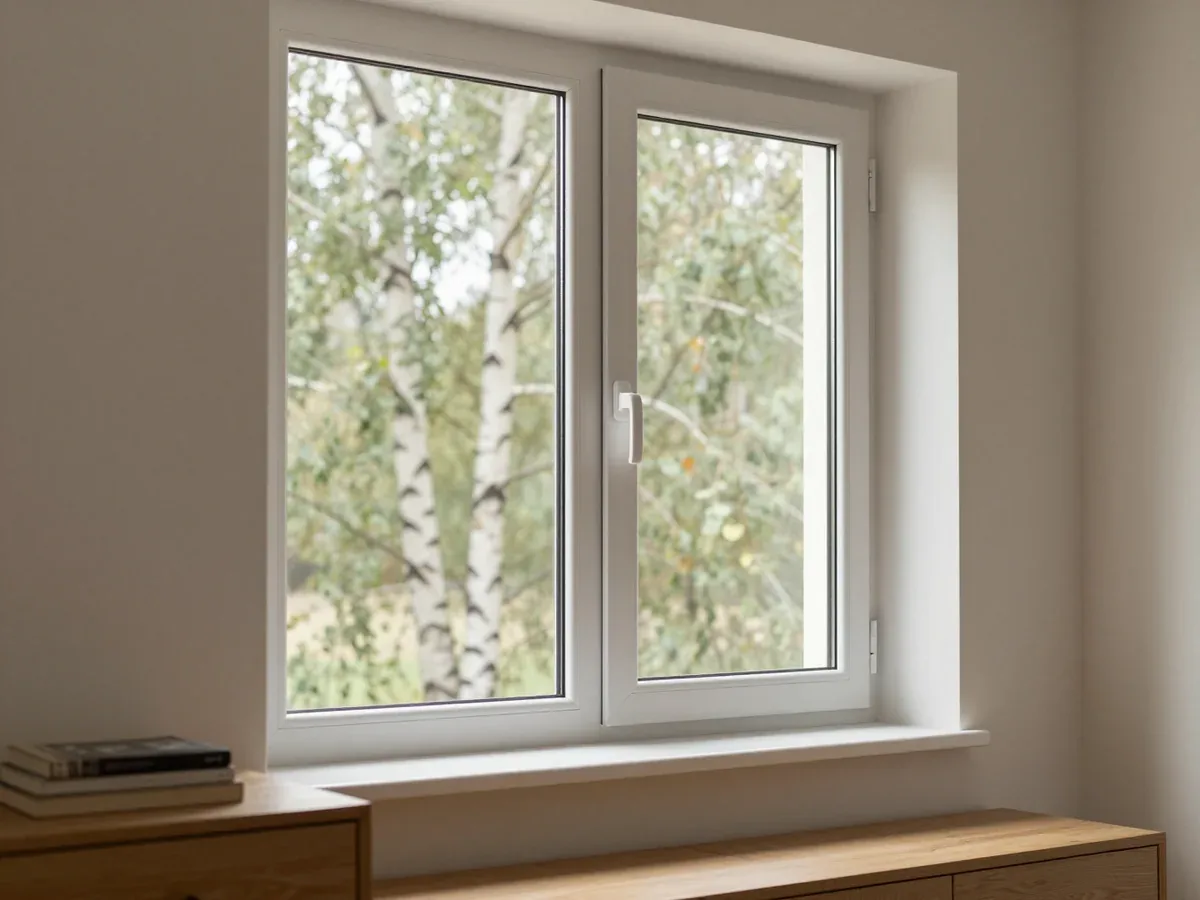
We match the model to the window type, the profile and the floor, because a tilt-and-turn unit and a plain hinged one take different fittings. A tilt-and-turn unit moves on two axes, so a stopper that works on a hinged window may sit in the wrong place once it tilts; the fittings have to clear both positions. Profile depth matters too: a slim frame leaves less room for a bracket, while a deeper one takes a jammer without trimming. On upper floors the fixing matters more than the model, so the measurer checks the profile and the opening direction before anything is ordered.
Will it fit plastic, wooden and aluminium windows
| Window type | What the measurer checks |
|---|---|
| Plastic | Profile depth and sash gap |
| Wooden | Screw hold in the timber |
| Aluminium | Bracket type for the slim frame |
| Loggia or veranda sash | Opening direction and reach |
How the free measuring visit and the fitting work
Fitting a window lock runs from a free measuring visit to fitting and payment after installation. Here is what the fitter does at each step and where you decide.
What happens on the free measuring visit
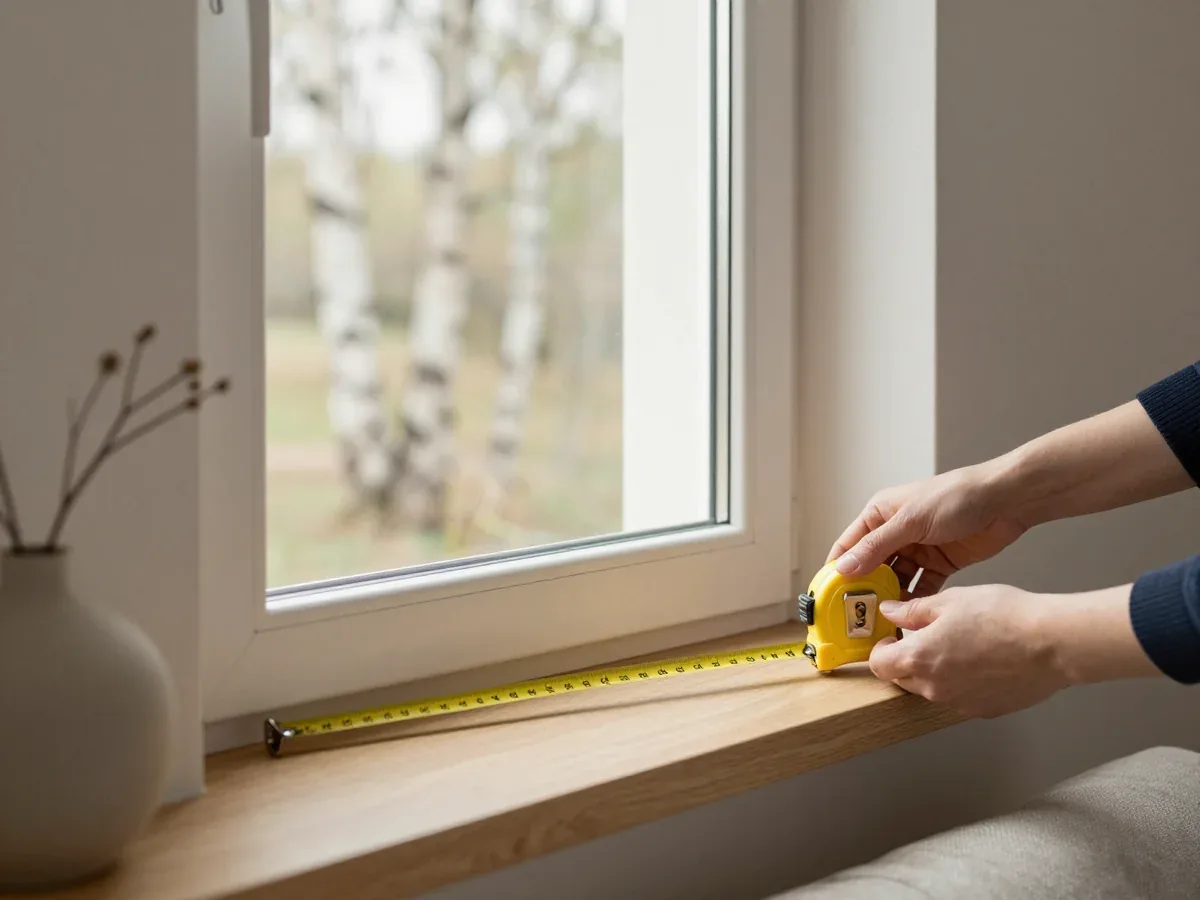
Measuring and consultation are free, and the measurer comes at a time that suits you, takes the sizes and helps choose the model and the fixing. He checks the leaf, the profile and the floor, then explains which window lock suits the opening — a stopper for a plain casement or a fuller lock for a tilt-and-turn leaf. You handle the mesh and fixing options in place rather than on a screen, and the price is fixed in the order once the sizes are confirmed. Ask the measurer to show you where the mount will sit before he leaves, so you know the finished result.
Drilling or no drilling and how the fixing is chosen
The fixing is chosen for your profile and floor, using Z-shaped brackets, pins or magnets, so the surface is not damaged more than the work needs. A standard plastic frame on a low floor usually takes Z-brackets or pins, while a thin aluminium edge or a high-rise opening may call for magnets that leave the surface clean. The installer checks the sash swing and the seal before committing, because a mount placed a few millimetres off can stop the leaf closing flush. In a rented flat, tell the measurer up front, because the least invasive option is picked before the order is placed, not after the holes are made.
Fitting it yourself or calling a fitter
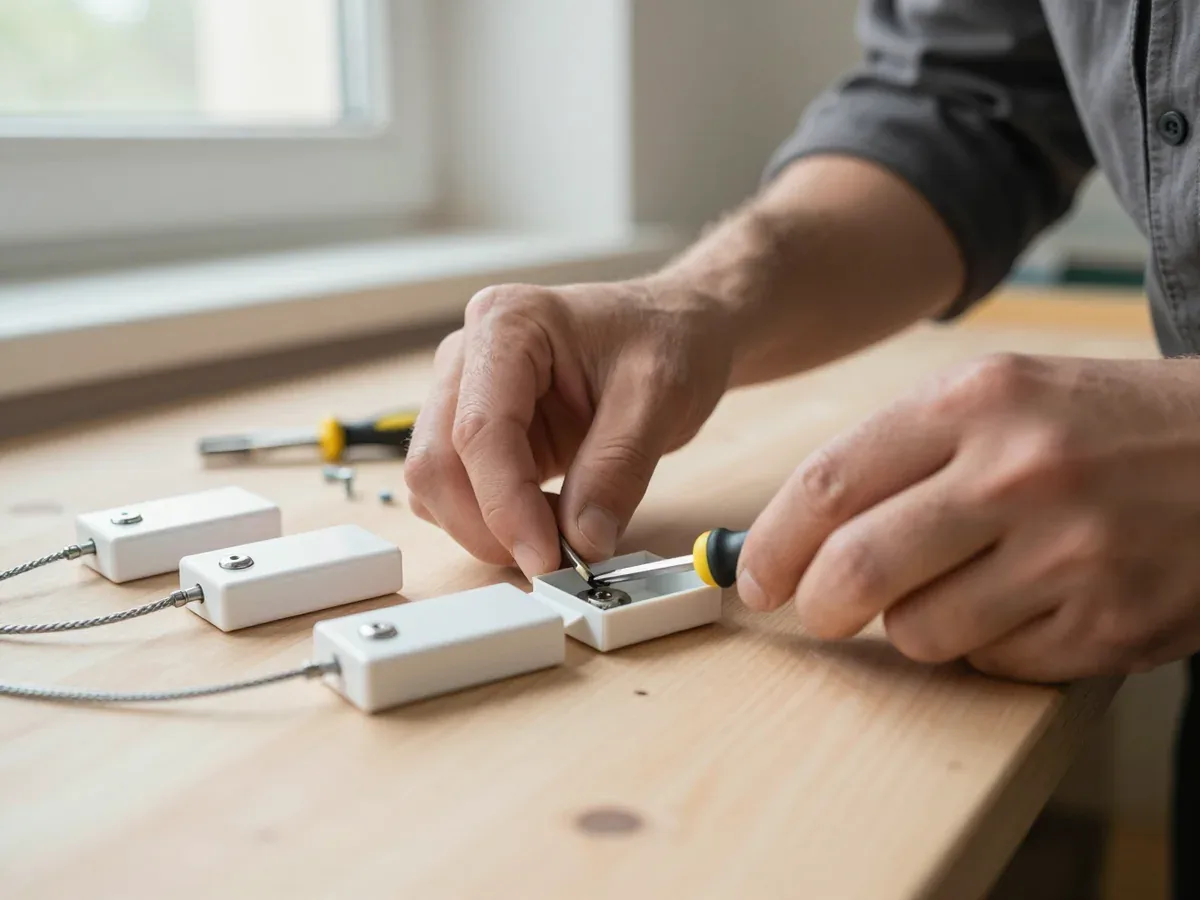
- Simple stopper: a basic screw-on model suits a careful DIY job with a drill and the right bit.
- Full lock or jammer: these need the leaf aligned and parts matched to the sash.
- Tilt-and-turn sashes: the swing and seal must stay true, so a wrong hole is hard to undo.
- Rented flats and high floors: the installer picks the least invasive option and keeps the profile intact.
- What goes wrong: a badly matched mount makes a lock work loose, so the choice matters as much as drilling.
Keeping a child safe and still airing the room
A lock is not the opposite of fresh air. Below is how to combine safety, ventilation and a mosquito screen on the same window without a second visit.
Can a child undo the lock
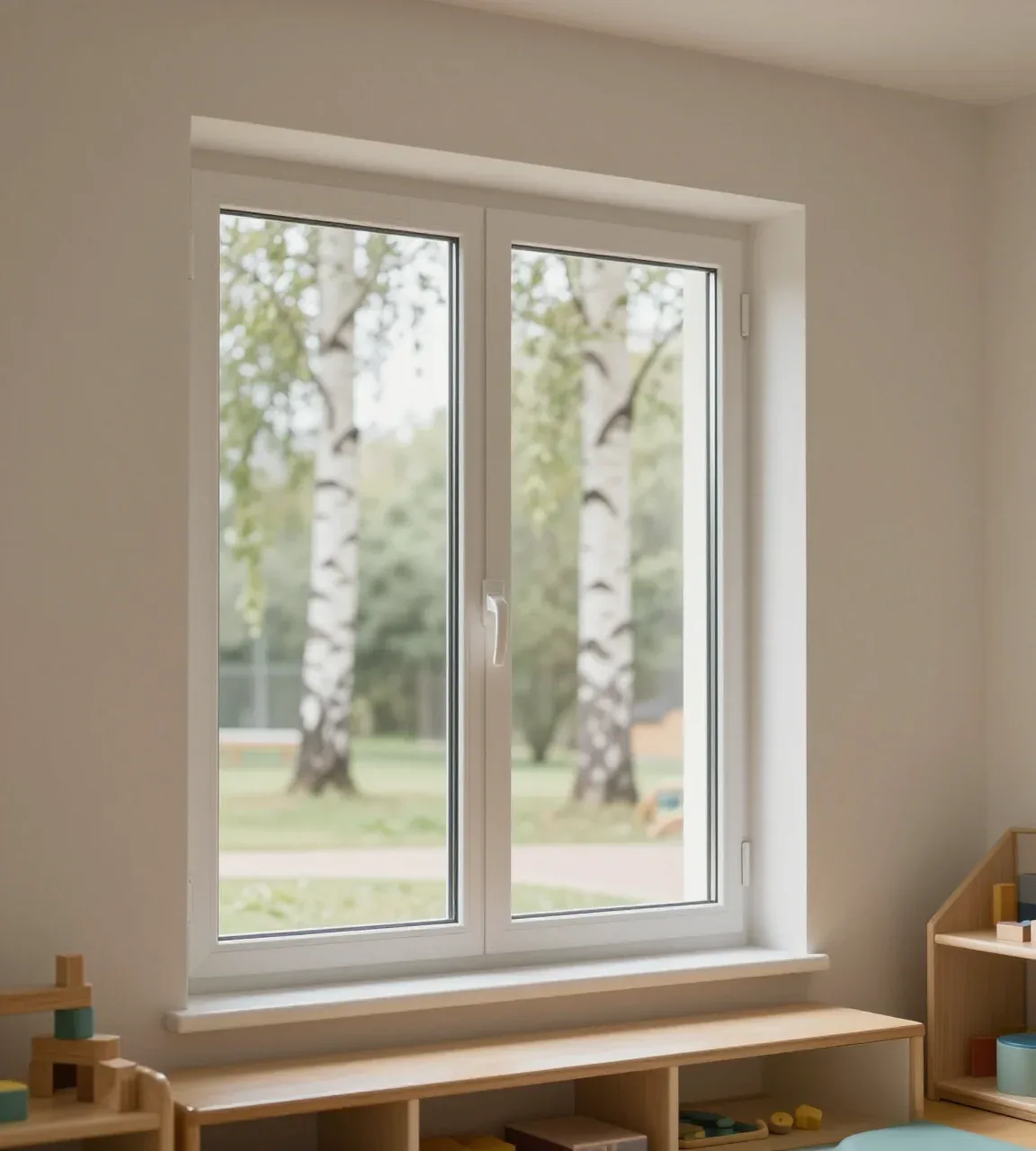
A properly mounted lock or jammer sits beyond the strength and reach of a small child, which is why it replaces the handle as the only way in. The stopper clamps the sash to the frame at a fixed gap, the sash jammer blocks the sliding part in its track, and both sit high or low enough that a toddler cannot reach the release. A handle with a key or a button is easier to defeat — children copy what adults do, and a button press is learned in a week. Fixings matter as much as the model: a Z-bracket in a reinforced profile holds while a short pin in thin plastic works loose under pulling.
Airing the room with a lock and a mosquito screen on
- Ventilation gap first: set the lock open so the sash stays a few centimetres from the frame and air moves all day.
- Mesh on the same opening: a framed net keeps insects out while the gap stays open, lifting out from inside in a minute.
- One measuring visit: we size both items against the same sash, so they arrive matched to your profile.
- Colour match: we paint the frame any colour to match your windows, blending into the facade.
- Fitted together: our fitter mounts both in one appointment, and you pay after installation by cash, card or Kaspi.
Warranty, payment and ordering a Penkid window lock in Temirtau
An order for a Penkid window lock in Temirtau closes with payment after installation and a warranty on the work, covering what happens if a model does not fit.
What the warranty covers and how long it runs
- One-year cover on window repair: a 1-year warranty includes labour and replaced parts.
- Fittings under the same terms: locks and fastenings we install are covered for 1 year.
- Parts and labour together: no double payment when a replaced component fails; work and component are one job.
- Proof of the job: warranty ties to the order recorded after measuring, so keep the order sheet.
- What it does not stretch to: damage from a forced sash, wrong later screw or moved lock is excluded.
- How to use it: message us on WhatsApp with order details and a photo; we reply within 5 minutes, seven days a week.
Paying after installation and what happens if the model does not fit
You pay after installation by cash, card or Kaspi, and the price is fixed in the order after measuring, so a model that does not fit is sorted before you pay. The measurer checks the sash profile, the frame rebate and the floor before anything is ordered, catching a wrong-size lock before fitting. Because the price is locked in at that point, a change of model at the measuring stage does not turn into a surprise on the invoice. We write the chosen model and fixing into the order sheet on the spot, so you see exactly what will be fitted. Ask for the order sheet to list the model name, not just the room — that line is what the warranty and later service visits are checked against.
Care, winter habits and keeping the lock working
A lock lasts longer with a little attention. Below are simple winter habits and the signs that a service call is worth booking.
Winter care and what to check each season
A window lock needs little care, but checking the fixing and clearing grit before winter keeps it moving freely. Wipe the mechanism with a dry cloth, brush dust out of the slot where the bolt slides, and check the screws that hold the body to the frame. A drop of light machine oil on the moving part is usually enough — thick grease collects dust and turns sticky in frost. On the frame side, check that the keeper plate still sits tight and has not shifted after a season of opening and closing. A mechanism that sticks in frost is usually dry or grit-filled.
When to call us back for a service call
- Loose fixing: screws that no longer grip need fresh mounting points, not another turn.
- Dropped sash: if the lock must be forced, the leaf has likely sagged and adjustment needs checking first.
- Stiff bolt: grinding against the keeper points to a shifted plate or worn part.
- Broken fittings: handles, hinges and keepers wear out, and we repair window hardware.
- Screen damage: torn mesh or bent corners are fixed on the same call, and we replace fastenings too.
How the Penkid lock behaves on the window
A Penkid lock works only as well as its surrounding choices: the right model, the right fixing and a leaf that closes cleanly. Carry these into the order.
- Match the lock to the movement: choose by what it blocks — tilting leaf, sliding panel or child-reachable handle.
- Check the sash and profile first: the model must fit your sash, profile and floor.
- Treat the fixing as part of the job: a bracket suiting one window can fail on another; let the fitter choose.
- Book the lock and the screen together: one measuring visit covers both, installed in the same appointment.
- Inspect the fittings before winter: screws loosen and brackets shift, so an autumn check saves a repair.
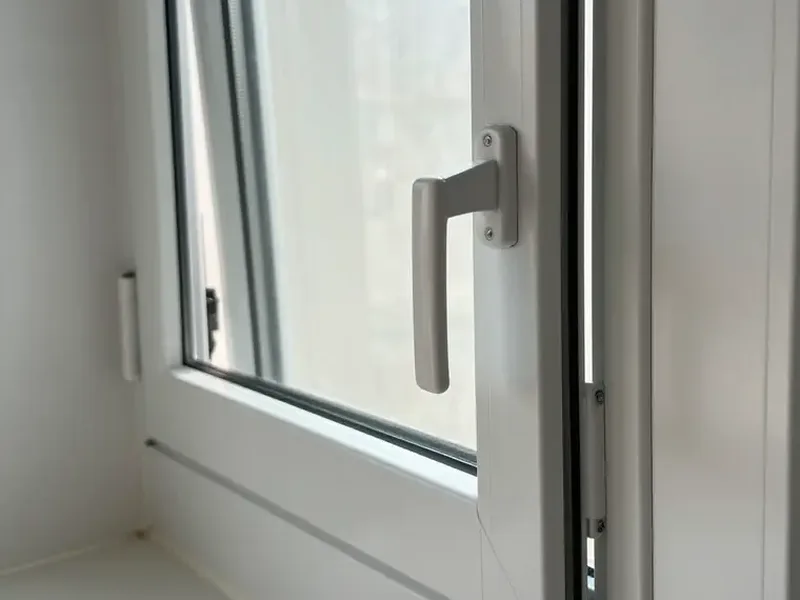 Restrictors
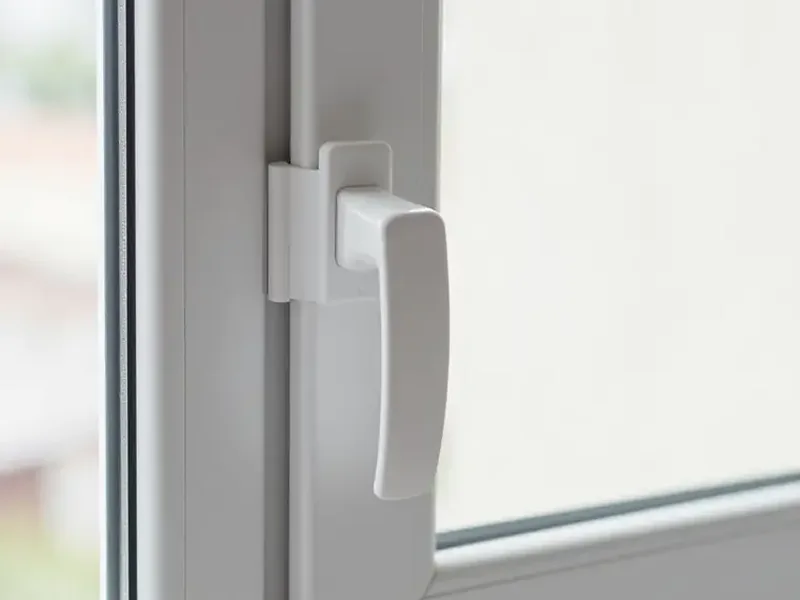 Blockers
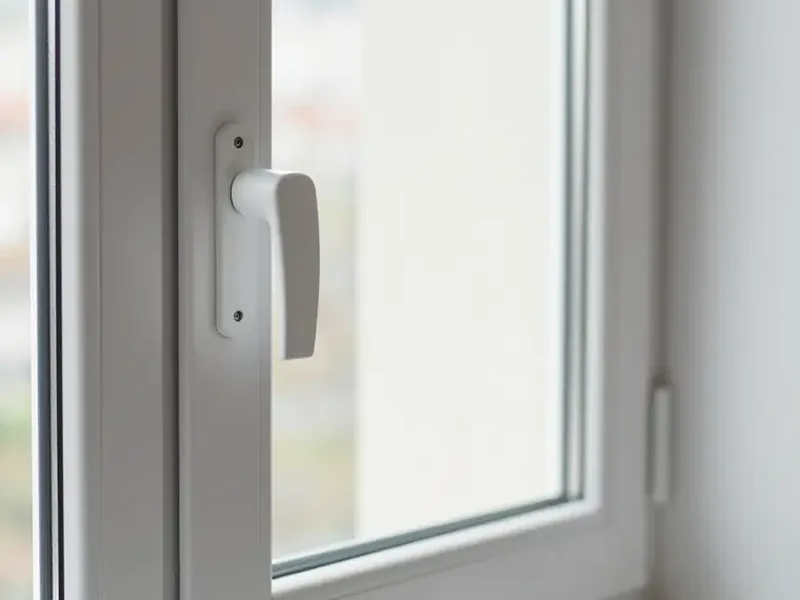 Keyed handles
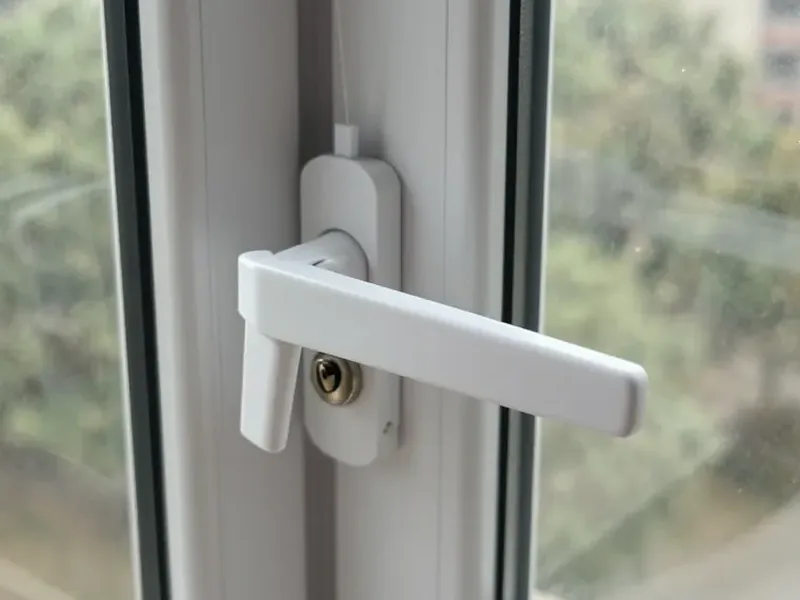 Child safety
 Window grilles
