
Opening protection · key
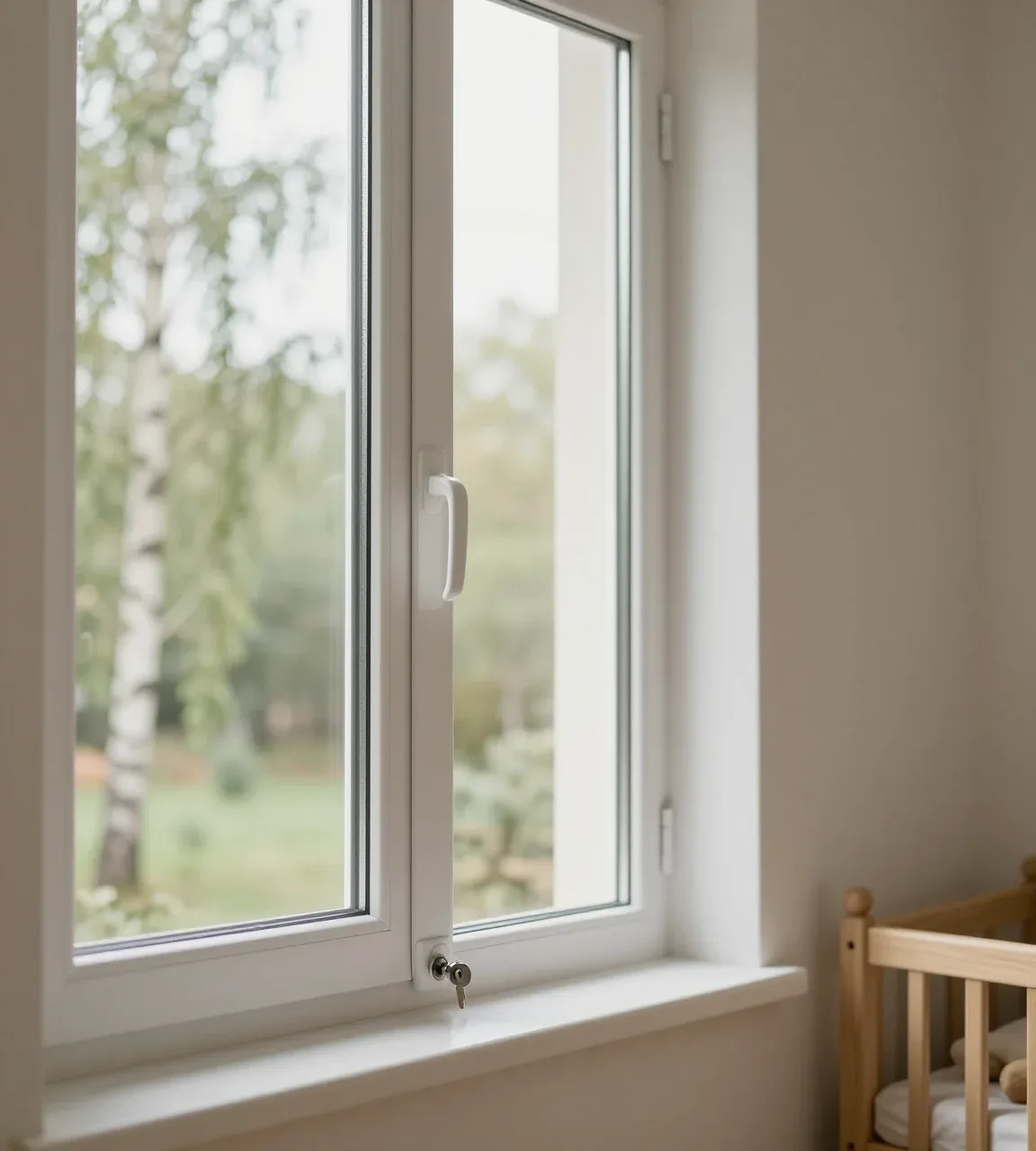
Key handle
Replacement handle with lock: only an adult can open the sash. Price from 3650 ₸ per item.


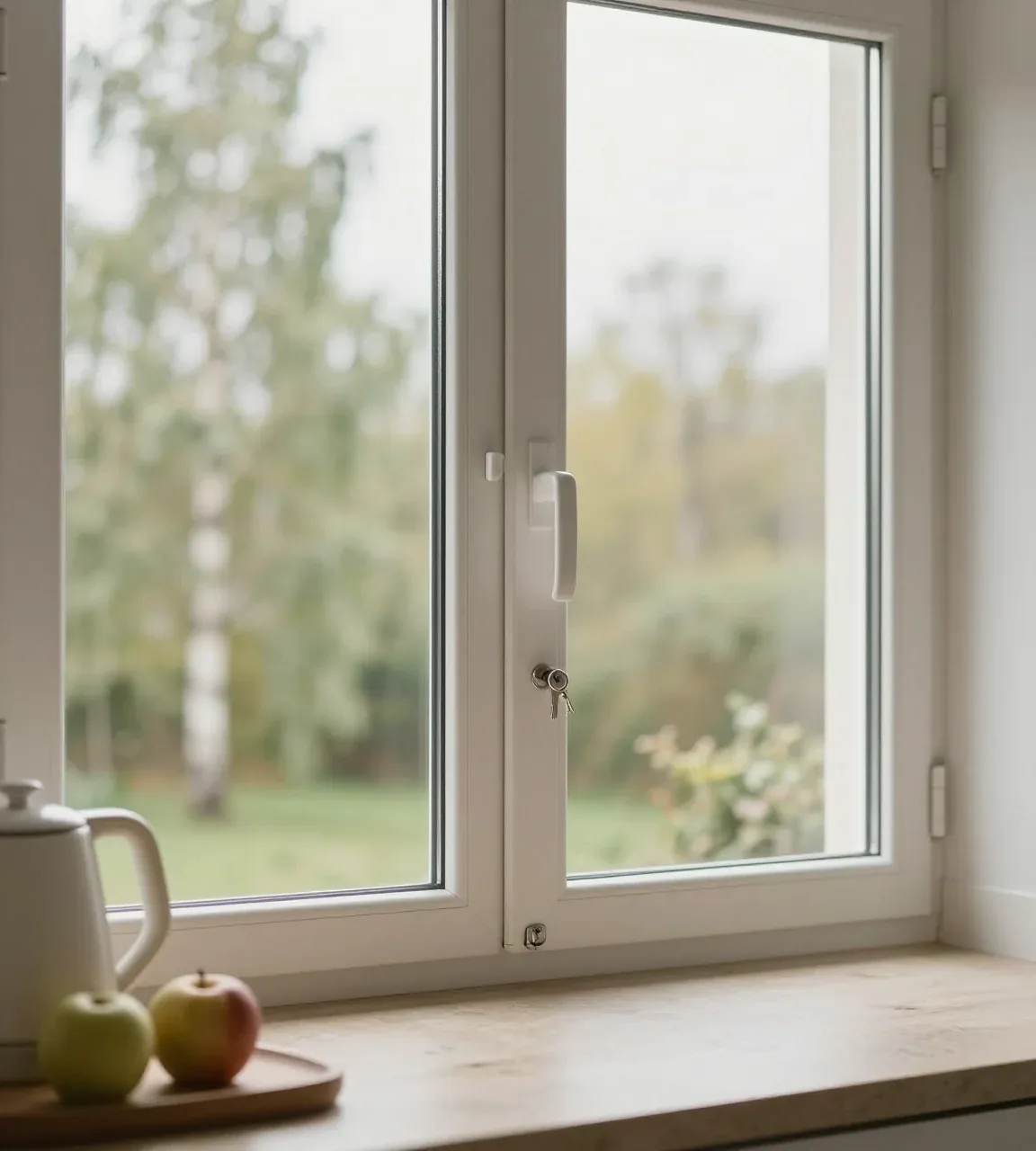
Key handle
Replacement handle with lock: only an adult can open the sash. Price from 3650 ₸ per item.
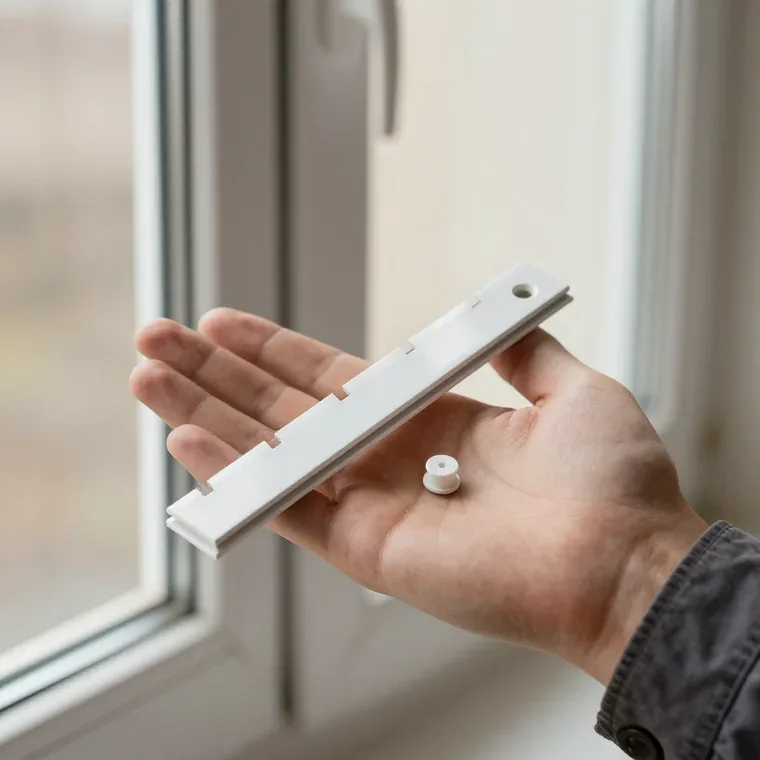
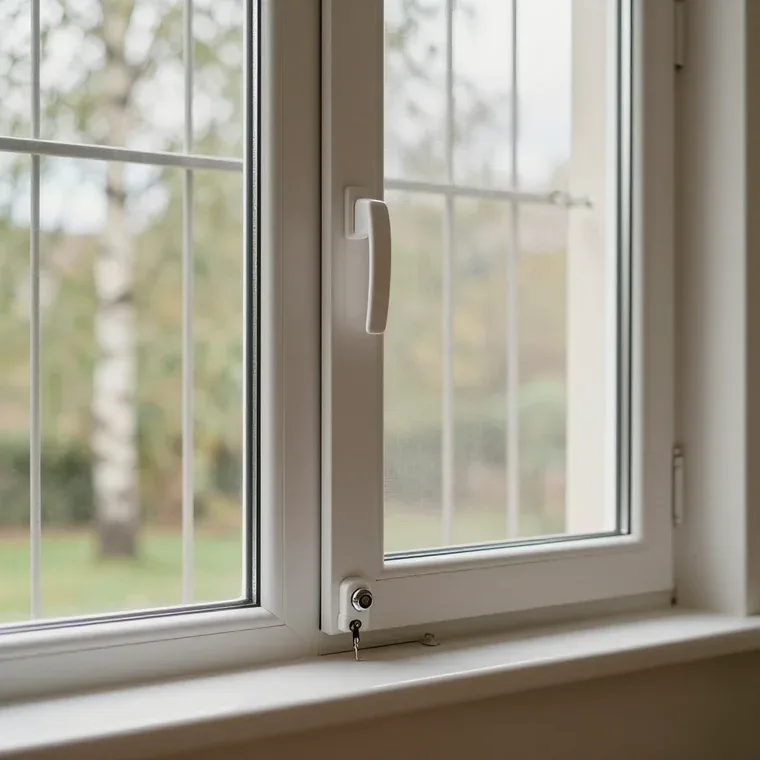
Comb limiter
Fixes the sash in several positions for ventilation. Price from 1050 ₸ per item.
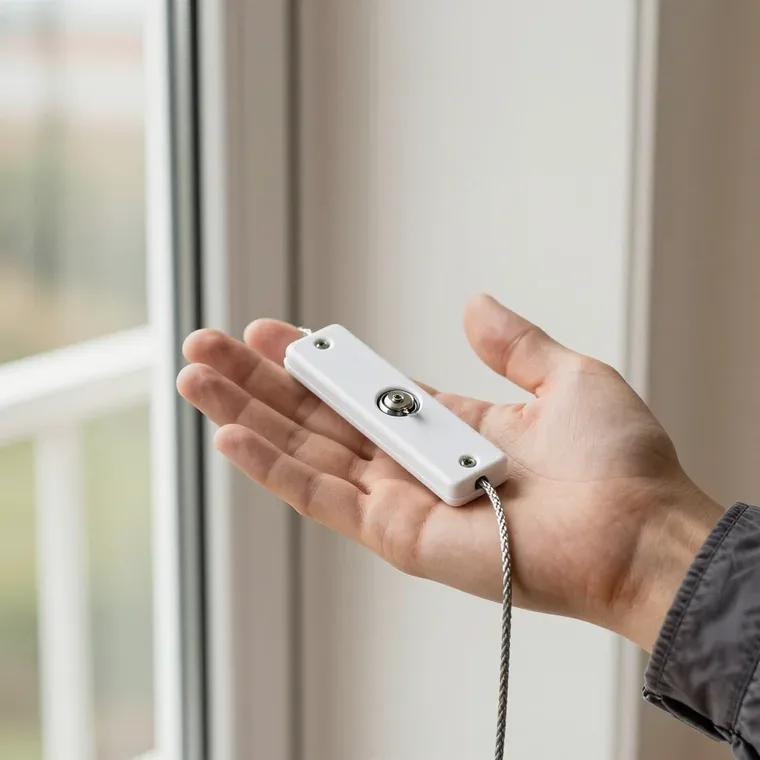
Cable lock
Cable limiter with key prevents the sash from opening wide. Price from 2150 ₸ per item.

Sash blocker
Prevents a child from turning the handle and opening the window. Price from 1200 ₸ per item.

Child safety grille
Transparent or metal window grille for fall protection. Price from 12500 ₸ per item.



5,097 reviews on review sites
Child window safety is a set of locks, limiters, blockers and grilles selected for your hardware and floor.
A key handle blocks the handle from turning, a comb fixes the sash in several positions for ventilation, a cable lock prevents the window from opening wide, a blocker stops the handle from turning, and a grille covers the opening.
Each element solves its own task: the lock blocks the handle from turning, the comb fixes the sash during ventilation, the cable limiter prevents the window from opening wide, the grille covers the opening. The kit is selected after measuring for the specific window.
starting price of comb limiter with fitting
production of framed mesh to your dimensions
measuring and consultation before ordering
The mounting method depends on the profile, sash type and hardware; the technician selects the option after inspecting the window.
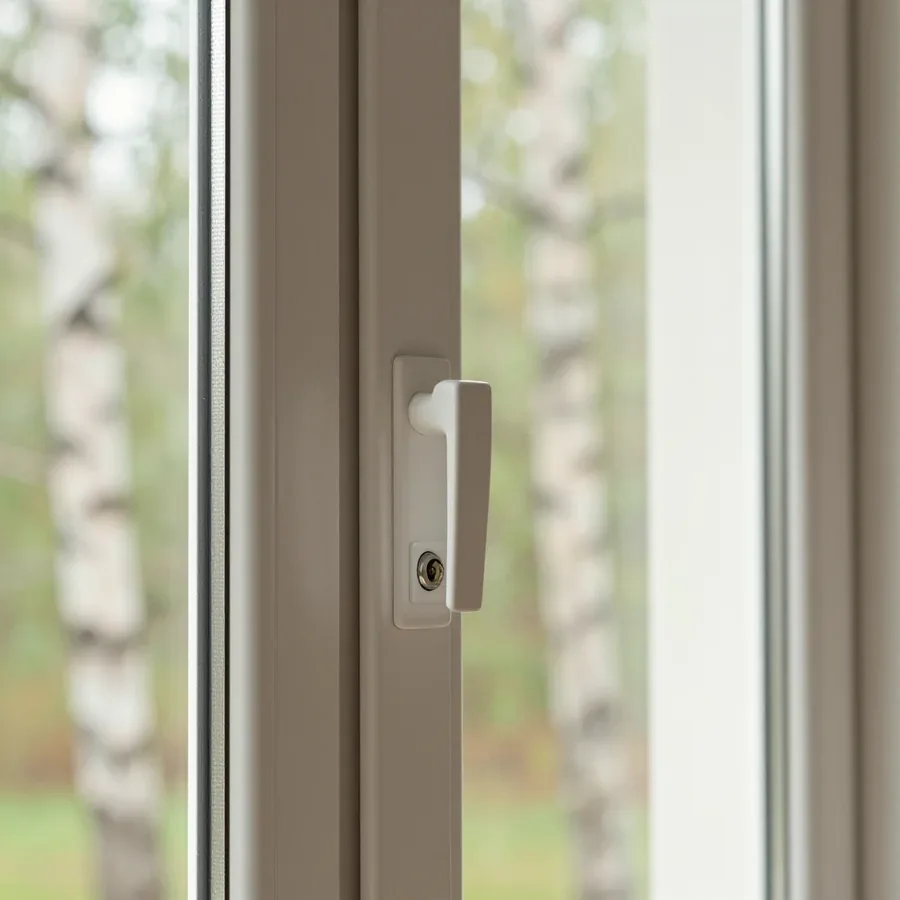
Attached to the frame and sash with screws, blocks the handle from turning. Suitable for most plastic windows.
One end of the cable is attached to the frame, the other to the sash. Allows ventilation at a limited angle.
The comb is placed at a point on the frame opposite the handle and on the sash using clips or adhesive base; the ventilation angle is adjusted by moving the fixator along the teeth.
If you move or the lock breaks, the blocker can be removed and reinstalled on another window. The technician replaces the fixings and adjusts it.
Five protection options with 'from' prices: key handle, comb, cable restrictor, blocker and grille.
Handle replacement · key
Only an adult can open the sash. Suitable for plastic and wooden windows.
Restrictor · ventilation
Holds the sash in several positions for safe ventilation of a child's room.
With key · restrictor
Prevents the sash from opening wide while allowing ventilation at a limited angle.
Sash fixation
Blocks the handle from turning, so a child cannot open the window on their own.
High floor · protection
Covers the window opening, preventing leaning on the mosquito screen. Transparent or metal.
Prices for window protection items with fitting and timelines; the exact cost is fixed after measuring.
| Type of item | Price |
|---|---|
| Comb limiter with fittingfor ventilation | from 1 050₸ per item |
| Sash blockerlocks the sash | from 1 200₸ per item |
| Penkid cable lockcable limiter | from 2 150₸ per item |
| Cable limiter with lockwith key | from 2 500₸ per item |
| Fitting of blocker or child lockmounting on window hardware | from 2 750₸ per item |
| Surface-mounted child window lockwith flag | from 3 250₸ per item |
| Window handle with keyhandle replacement | from 3 650₸ per item |
| Child window safety kit turnkeykit for one window | from 6 000₸ per window |
| Child safety window grillestandard size | from 12 500₸ per item |
| "Anti-Cat" mesh as window protectiondurable fabric | from 13 000₸ per item |
| Grille with mosquito mesh 2 in 1two in one | from 19 800₸ per m² |
| Transparent window grillepolycarbonate | from 22 000₸ per item |
| Transparent polycarbonate grilleby area | from 26 000₸ per m² |
The price is fixed in the order after measuringPayment after installation: cash, card or Kaspi
Book a measuring visitOwn production of mosquito screens, free measuring, warranties on work and components, delivery and fitting.
cash, card or Kaspi
for window installation work
for work and replaced components
the measurer will come at a convenient time and help you choose
the price is fixed after measuring
we paint to match your windows: white, brown, grey, etc.
we reply within 5 minutes
you can order in 17 cities of Kazakhstan
Four steps from request to finished protection on your window.
Leave a request or write on WhatsApp — we will reply within 5 minutes and advise which elements are suitable.
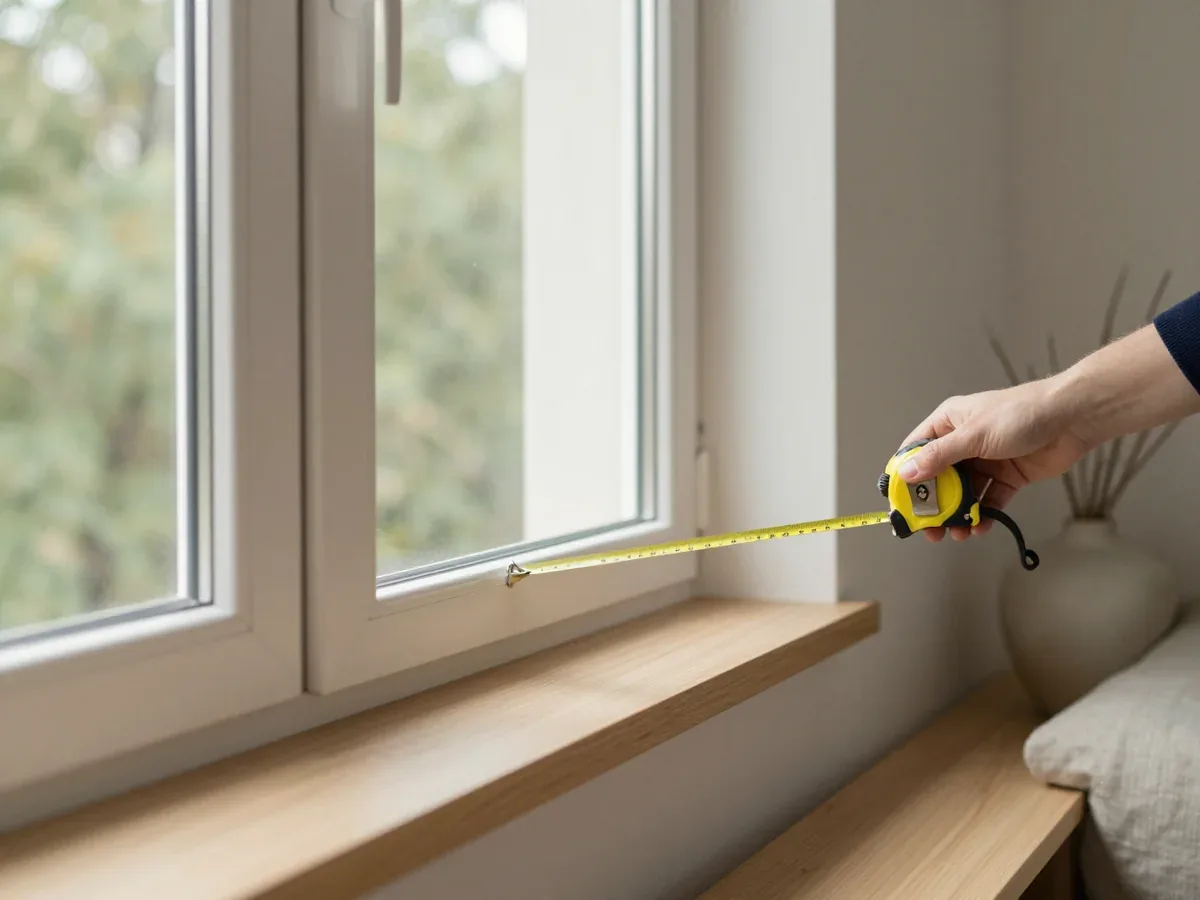
The measurer will come, take dimensions and check the hardware.
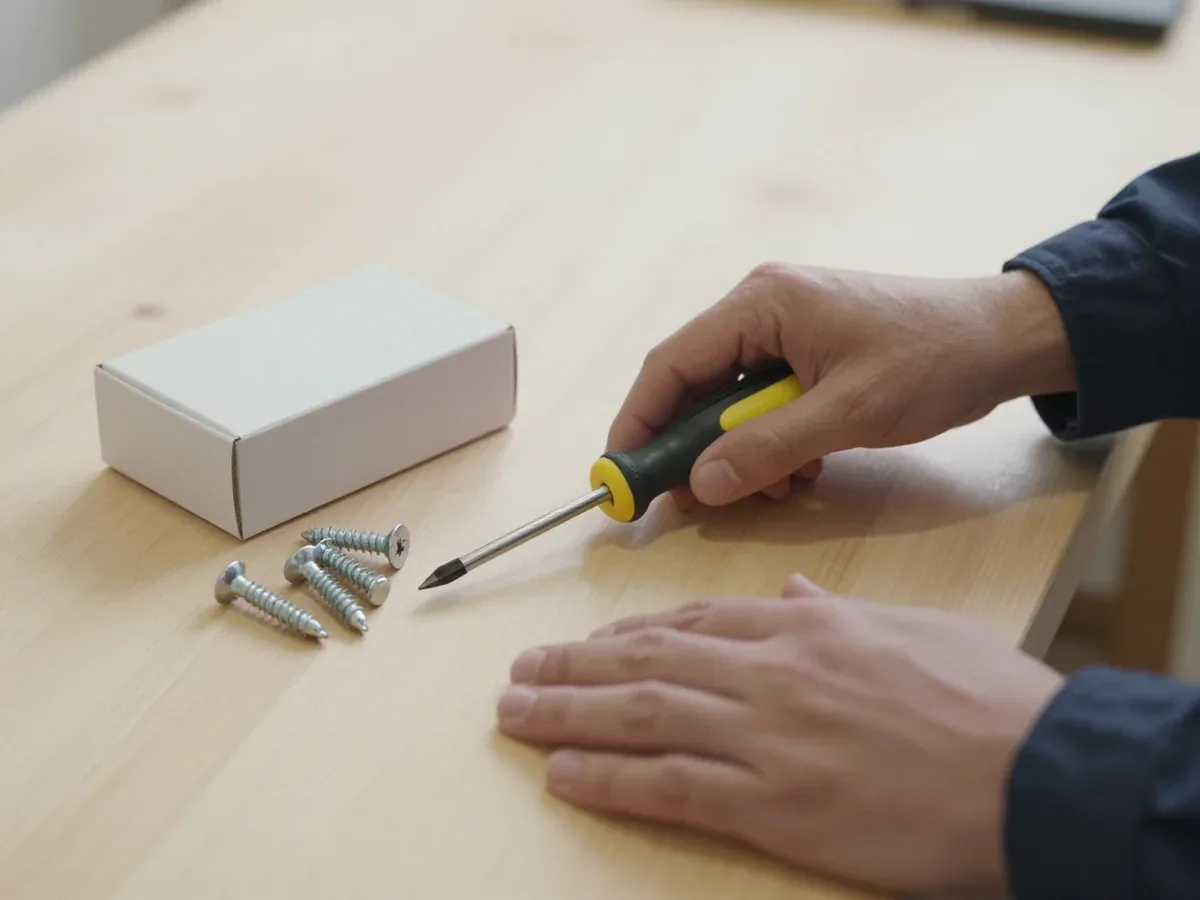
We make framed mesh to your dimensions in 10–15 minutes, pleated mesh — in 40–60 minutes.
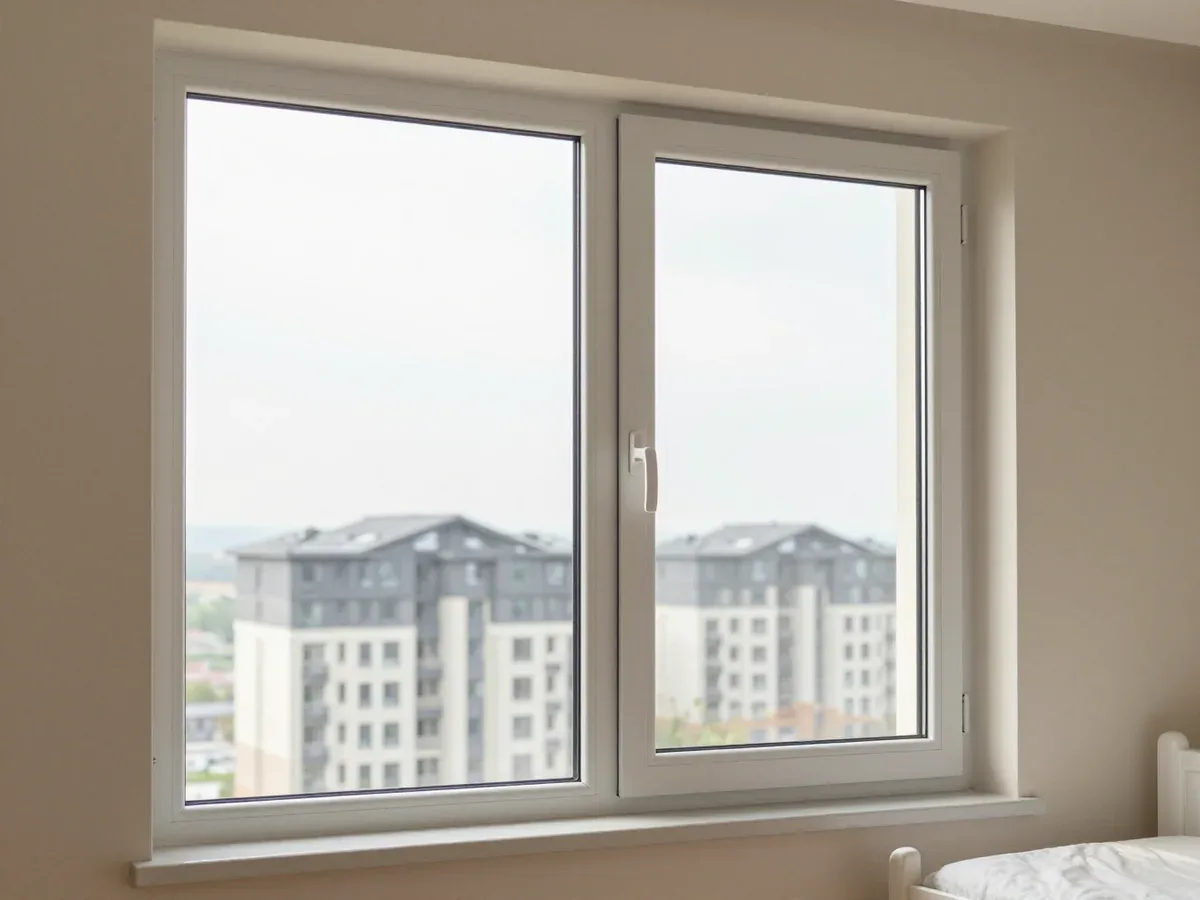
The technician will install the protection, check the operation of locks and restrictors, and show how to use them.
Good to know

Senior mosquito screen specialist at moskitnyesetki.kz
We fit child window safety in Temirtau as a direct installer, not an agency. We supply and mount guards, opening restrictors and handle locks for plastic, wooden and aluminium windows, with free measuring, fixings matched to your frame and floor, and payment after installation. A mosquito screen is never a safety device.
Window safety is a physical barrier between a child and an open sash. Four device types do this job differently, and each one blocks a specific action rather than the whole window.
| Device | What it blocks | Best for | Ventilation |
|---|---|---|---|
| Window guard | The body reaching the opening | Low sills, upper floors | Window stays closed |
| Opening restrictor | Sash opening beyond a set angle | Tilt-and-turn sashes | Tilt mode stays open |
| Cable restrictor | Full swing of the sash | Casement windows | Limited opening |
| Handle lock | The handle turning at all | Any sash with a handle | Released by an adult |
| Sash blocker | The sash sliding past a point | Sliding windows, balcony doors | Partial opening |
A fixed guard carries the load of a leaning child, while a restrictor or lock works by preventing the sash from opening far enough to climb through. A guard is anchored into the wall or frame and takes body weight as a static barrier. A restrictor limits the sash to a set gap, usually enough for air but not for a shoulder, and a handle lock simply freezes the turning point. These are different jobs, and a lock rated only to stop a handle is not built to take weight. We match the fixing to the window profile and the floor, choosing Z-brackets, pins or magnets according to what the frame and the height require. Ask what load the device is meant to carry before you compare anything else.
A blocker limits travel but leaves a gap a determined toddler can work at, so it works best paired with a restrictor or a guard. It stops the sash at a set point on a sliding window or balcony door, and that is useful, but the remaining gap is still an opening. Little ones copy what they see adults do, so a device an adult opens daily in front of them loses its deterrent faster than a fixed barrier. In our practice, the combination that holds up is a primary barrier plus a secondary limit, not one clever latch on its own. Treat a blocker as one layer, never as the whole answer.
A mosquito screen keeps insects outside, not a child inside. This section explains what the mesh is engineered for, why it can give a false sense of safety, and how to combine it with real fall protection on one window.
We make mosquito screens to keep insects out, and their light profile and canvas are designed for airflow, not for leaning body weight. A framed unit is a thin aluminium rail with a fiberglass or UltraVue panel stretched across it; UltraVue lets in 25% more light and air than other canvases, which is exactly the point of the product. The whole assembly weighs very little and sits in the opening on small brackets or pins. Push on the fabric with an open palm and the rail flexes or pops out of its guides. A unit that gives way under pressure creates a false sense of security, and that is more dangerous than having nothing at all, because adults stop watching an opening they believe is covered.
Yes, a screen and a safety device fit the same window because they mount at different points, so the insect barrier stays for bugs and the guard or restrictor handles the fall risk. A hinged door screen on an Economy 32×10 mm or Prestige 42×17 mm profile sits in its own housing, while a guard bolts to the wall or frame and a restrictor replaces or limits the handle. We paint the frame any colour to match your windows, so the two systems do not look like a mismatch. Order the safety device first and let the measurer check the existing fixings, since a loose bracket is the usual reason a combined setup feels wobbly.
The same hardware behaves differently on plastic, wood and aluminium, and on a ninth-storey flat versus a ground-floor home. Below we walk through matching window safety to your actual frame, height and household.
We fit safety devices to plastic, wooden and aluminium windows, and the measurer picks the fixing to suit the profile rather than forcing one bracket onto every sash. On PVC systems the choice usually falls to Z-shaped brackets or pins that clip in without stressing the reinforcement inside the profile. Aluminium sections are thinner, so magnets and short pins work better than long anchors with nowhere to bite. Wood is the variable one: a 1990s sash and a new laminated one hold a screw very differently, and the measurer checks density before committing. Older timber units often need a different anchor than a modern PVC profile, so hardware that fits your neighbour's window may not hold on yours. Child window safety in Temirtau starts with the fixing, so ask what the fixing goes into, not just what the barrier looks like.
The higher the storey and the lower the sill, the more a fixed barrier earns its place, while balcony doors usually need a restrictor or blocker that still lets an adult pass. On a ninth-floor flat with a sill at knee height, a screen a child cannot unclip is the baseline, not an upgrade. Ground-level windows with a wide sill carry less fall risk but more climbing risk, so a simple handle blocker often covers it. Balcony and loggia doors sit in a different category because they are walked through every day. A balcony door used for daily access needs a device an adult can release in one motion, or it gets propped open and stops protecting anyone. Match the hardware to how the opening is actually used, not to how it looks on a brochure page.
For rented flats we choose fixings that leave the smallest mark, and we can paint the frame of a barrier to match your windows so the device blends in. Magnetic and pin-based mounts on PVC sashes usually come away with nothing more than a wiped surface, which matters when a deposit is on the line. On wooden sashes the measurer looks for a spot behind the reveal where two small screw holes stay out of sight from the room. Colour matching is straightforward: we paint the frame any shade to follow your window profile, so a white bar on a brown sash is a choice, not a default. Ask the landlord before fitting anything permanent, and keep the release key with the flat so the next tenant is not locked out of their own window.
The order path is short and predictable: a message, a measuring appointment, a fitting day and payment once the work is done. Here is what each stage involves.
Measuring and consultation are free, and the measurer comes at a time that suits you, takes the sizes and helps choose the design, mesh and fixings. On that appointment the specialist checks the profile of your window, the floor level and the way the sash opens, then matches the fastening to it — Z-brackets, pins or magnets — because a fitting that holds on the fifth floor differs from one on the ground floor. The same appointment settles the mesh: Standard fiberglass, UltraVue, the Anti-Cat pet screen or the Poll-Tex anti-pollen canvas with its 0.25×1 mm cell. We reply on WhatsApp within five minutes, so a first question rarely waits long. Have the little one in the room during sizing if possible, because the specialist reads the reach and habits of the actual youngster, not an average one.
A framed screen made to your size takes 10–15 minutes and a pleated screen 40–60 minutes, and safety devices are fitted in a single trip by our own installers. The frame itself is painted any colour to match your windows, so the new unit reads as part of the window rather than an addition, and the work covers plastic, wooden and aluminium frames, vent sashes and balcony doors alike. Because the size is taken on site, nothing is adjusted on the day — the unit arrives ready and goes straight onto the prepared fixings. Book the slot for a quiet part of the day, since drilling and fitting are quick but the room is best left to the installer until the fixings are checked.
You pay after installation by cash, card or Kaspi, and the price is fixed in the order once measuring is done, so there are no surprises on the day. The written order also records the frame colour, the canvas and the fastening type chosen at the sizing appointment, which matters if a second window in the flat needs the same unit later. Nothing is charged for the measuring itself, and the fitting is done by the same team that took the sizes. Confirm the fixing type and the release method in the written order, because those two details decide how the device behaves long after the installer leaves.
This section explains the difference between a direct installer and a marketplace seller, and sets out exactly what the warranty covers once a device is on your window.
We are a direct installer with our own masters, not an agency or a marketplace, so the person who measures is accountable to the same company that fits the device. Our measurer comes to you, takes the sizes, and helps choose the design, mesh and fixings for the frame — Z-brackets, plungers or magnets depending on the profile and the floor. The same team then delivers and installs the screen on your window or door. With a marketplace you often buy a part and then hunt for someone to fit it, and when something loosens each side points at the other. Ask who will actually do the work before you agree to anything — that one question separates a single accountable installer from a chain of strangers.
We give a one-year warranty on mosquito screens, and we also repair screens and replace fixings after the job if something works loose. The same one-year term applies to window repair, covering both labour and the replaced parts, while glass unit replacement carries a three-year guarantee and window installation five years. A screen that rattles, a plunger that stops holding or a magnet that loses grip falls under that first year — we come back, check the mounting and put it right. Keep the order and note the date of the visit, since a claim is quick when the installer can see which fixing was used and when. A photo of the loose corner sent before we arrive saves a second trip.
A child's age and the way your household uses a window every day shape the choice more than the frame type does. Here are the situations that come up most often.
A child who cannot yet climb still reaches and pulls up, so a restrictor or handle lock fitted early costs little and takes the window off the list of things to watch. Toddlers test every surface at hand height, and a window sill often sits right at that level once they pull themselves upright. Handle locks sit over the lever and stop it turning; restrictors cap how far the sash swings open. Both fit on plastic, wooden and aluminium frames without changing how the window looks. Little ones develop the reach to work a lever faster than most parents expect, so the fitting you install before that day is the one already in place when it comes.
When a child already works the lever, we move to a key handle lock or a fixed guard, because a mechanism they have learned to defeat no longer protects them. A two-year-old on a ninth floor is the case that pushes parents to call, and it is the right moment to change the release rather than tighten it. A key lock takes the lever out of reach of small hands while an adult keeps the key. A fixed guard covers the opening itself, so the sash can stay as it is. Change the release method rather than just tightening the old fitting, since a child who has solved one mechanism will solve it again.
A restrictor set to a tilt or a narrow opening keeps fresh air moving while the gap stays too small for a child to pass through. In a stuffy flat the window is open for hours a day, and a fitting that forces it fully shut simply gets propped open again with a book or a box. A tilt setting on the sash or a restrictor that stops the swing at a fixed angle solves that standoff without blocking the airflow. Ventilation and safety pull in opposite directions, so decide the maximum opening you are comfortable with and have the mechanism set to that limit, not to the widest one.
Five points carry the weight of the whole decision, and each one can be checked before you place an order.
Child safety, choosing a device, installation, reliability, warranty
Konstantin Selenenkovsenior mosquito screen specialist, 10 years in the tradeOnline · replies within 5 minutes
Ask a questionYes, this is one of the most common causes of falls: the screen is held by thin fixings and is designed only against insects, not against a person's weight. A child leans on it, the fixings pop out, and the mesh goes outside together with the child.
For this age, a key-lock handle lock or a cable limiter is better: the sash opens only a few centimetres for ventilation. A simpler blocker is available, but a small child may accidentally move it, so a key is more reliable.
A handle lock locks the handle itself with a key, and the sash cannot be opened without the key. A cable limiter prevents the sash from opening wider than a set limit, but the window remains slightly open for air — the choice depends on whether ventilation is needed.
The mounting method depends on the model: surface-mounted models attach to the hardware or handle, while cable locks may require fixing into the profile. Whether drilling is needed depends on the lock model — this should be discussed with the installer during the free measuring visit.
Yes, the same blockers and handle locks are installed on a balcony door, but the fixing is selected for its hardware and opening direction. This prevents the child from going out onto the balcony alone, while the door still closes normally.
It is worth switching to a key-lock model or a cable limiter that only an adult can remove, and keep the key out of reach. A simple surface-mounted blocker is already a weak barrier for a clever child and is better replaced.
Yes, if it is a metal grille with reliable fixing, it holds the child, unlike a mesh. But the grille alone does not prevent opening the sash — it is often supplemented with a handle lock or a limiter.
The installer selects the mounting method for your profile and floor; whether drilling is needed is decided during the free measuring visit. If the chosen model still requires a hole, the installer will warn you in advance and suggest an alternative.
Thank you. We will call you back within 10 minutes!
Your order number is on the receipt or in the SMS. Choose where to leave your review.
Write a review on WhatsApp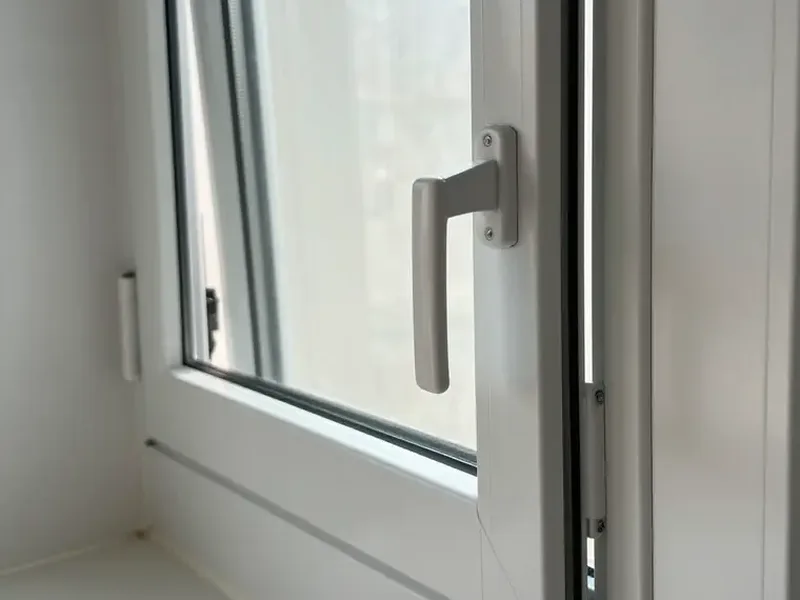 Window restrictors
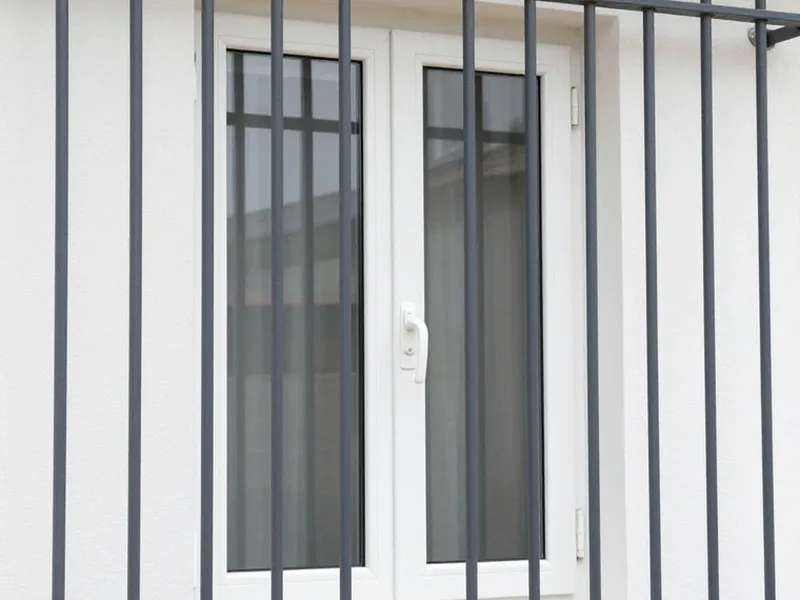 Metal grilles
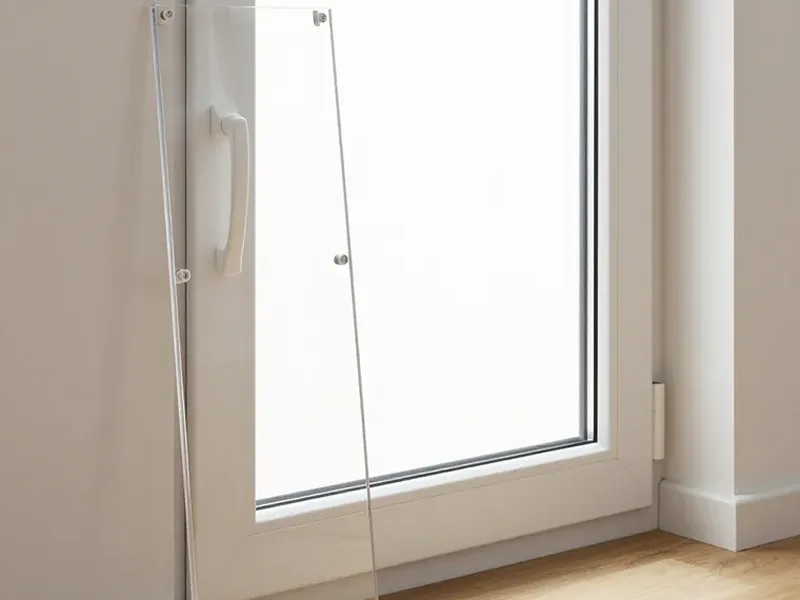 Transparent grilles
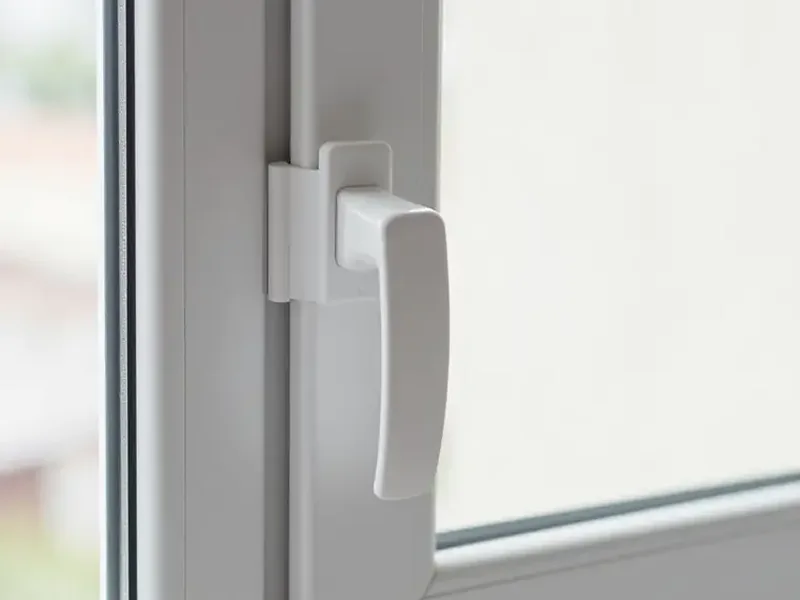 Window locks
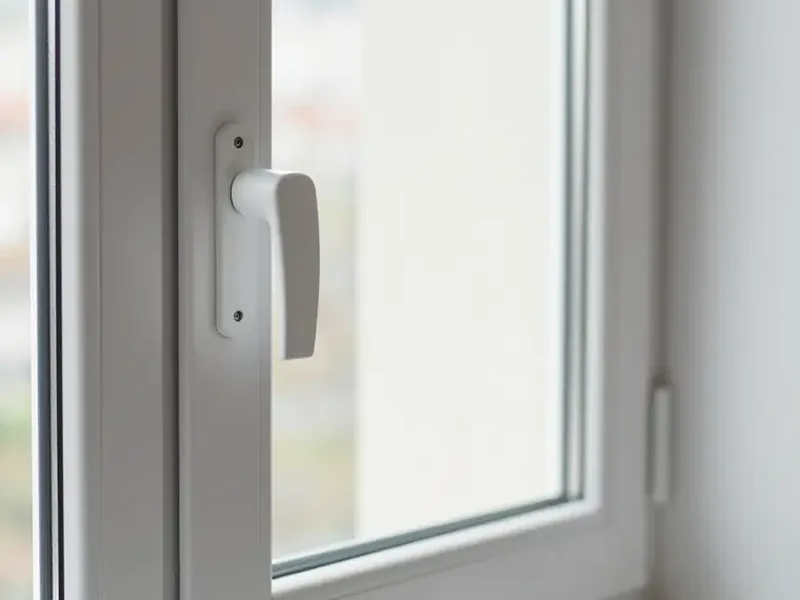 Window handles
