



Good to know
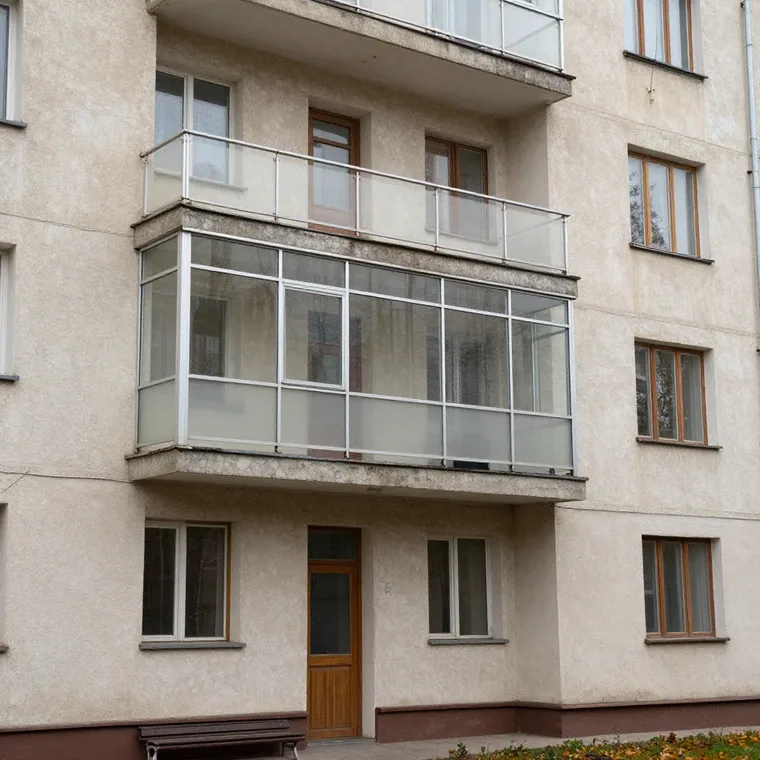
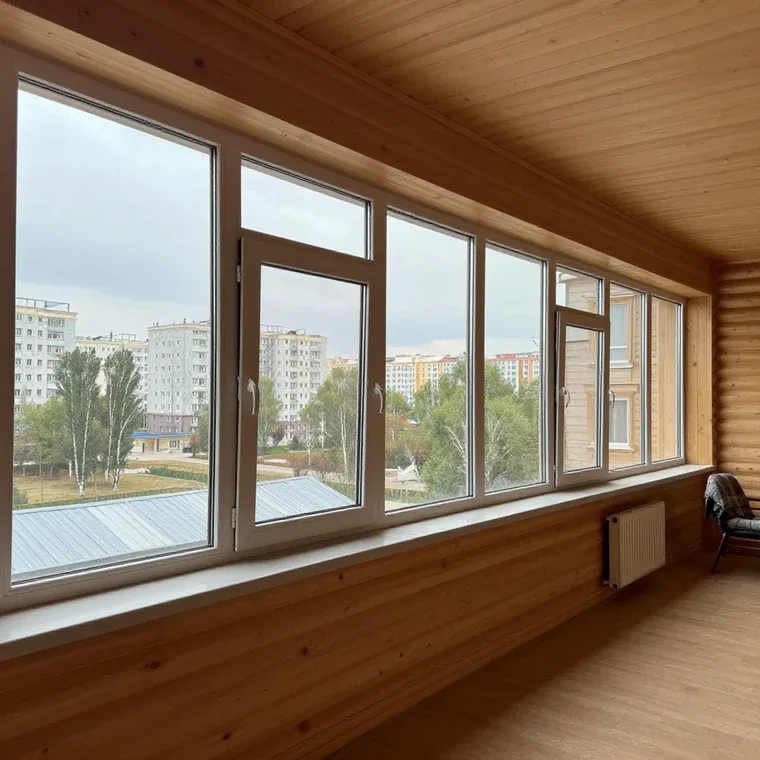
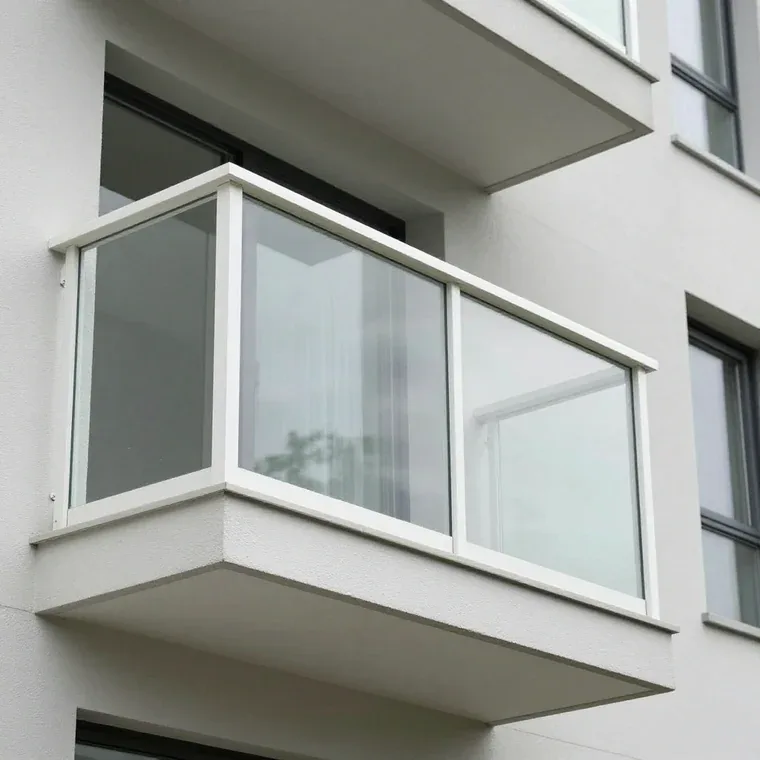
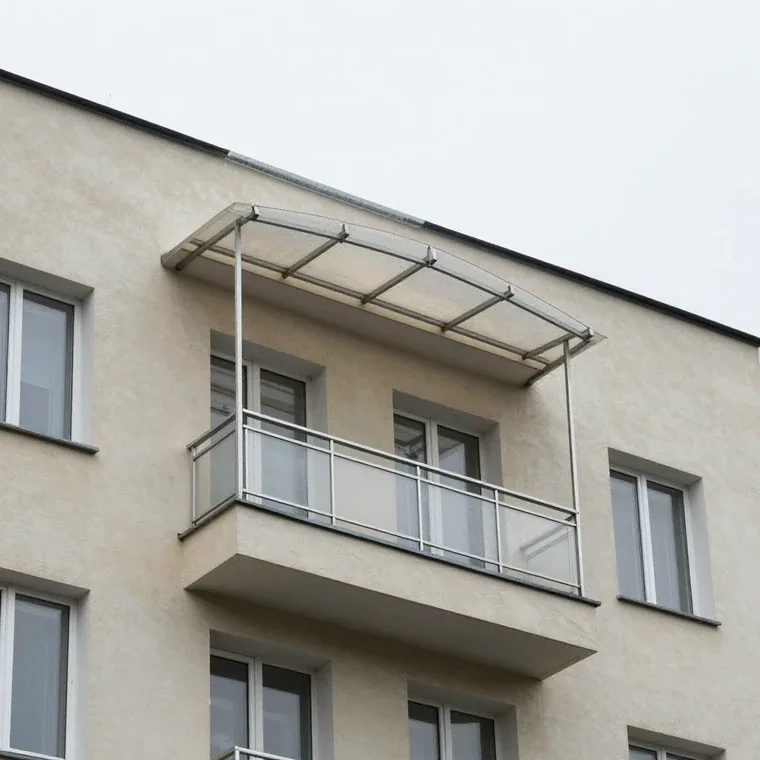
Balcony and Loggia Glazing in Temirtau

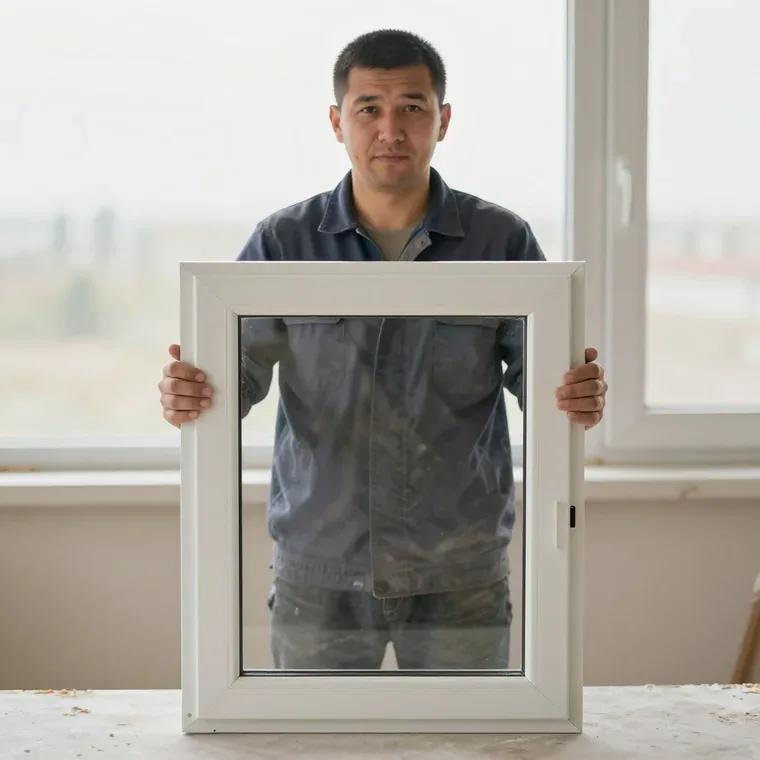
Senior mosquito screen specialist at moskitnyesetki.kz
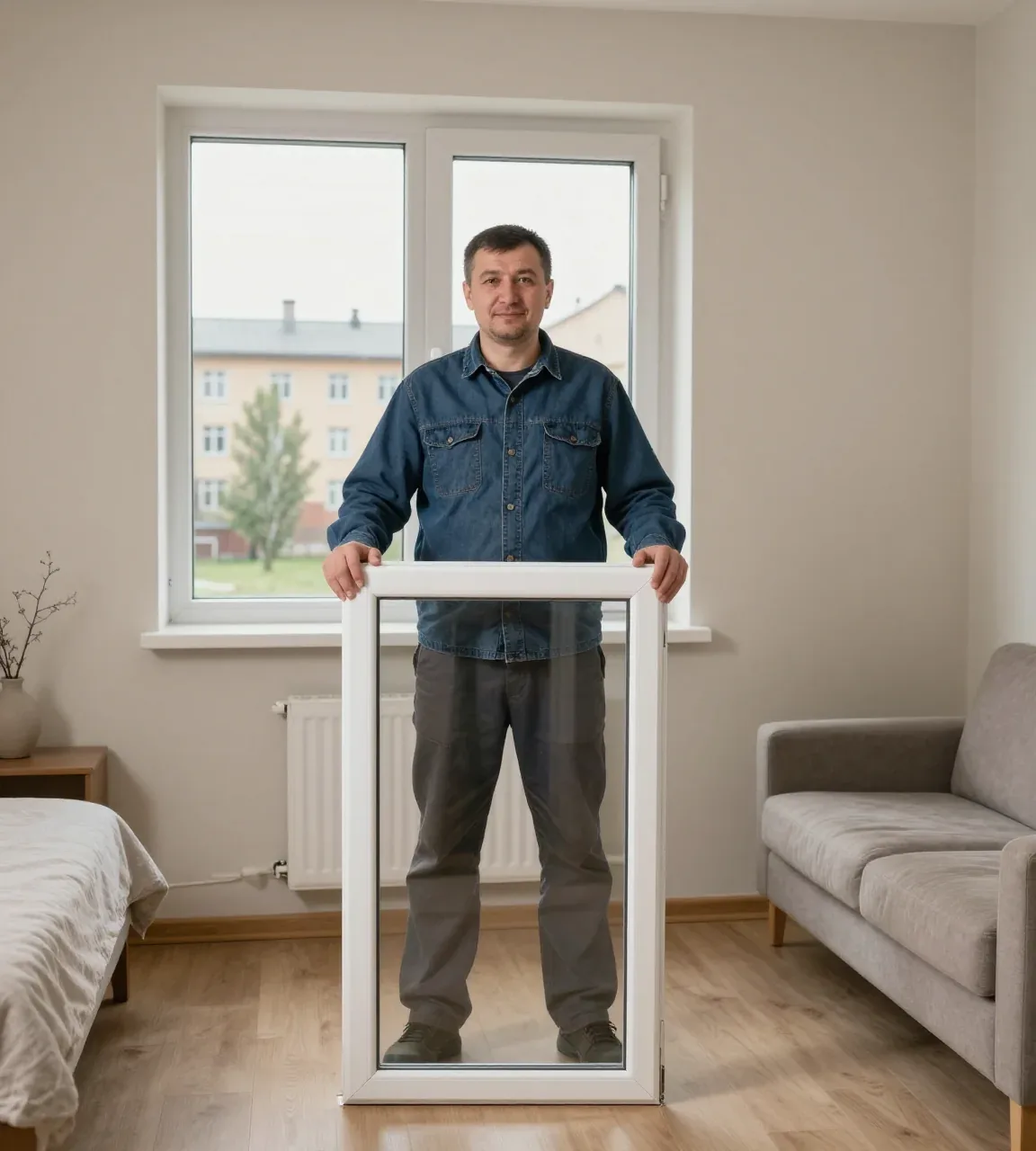
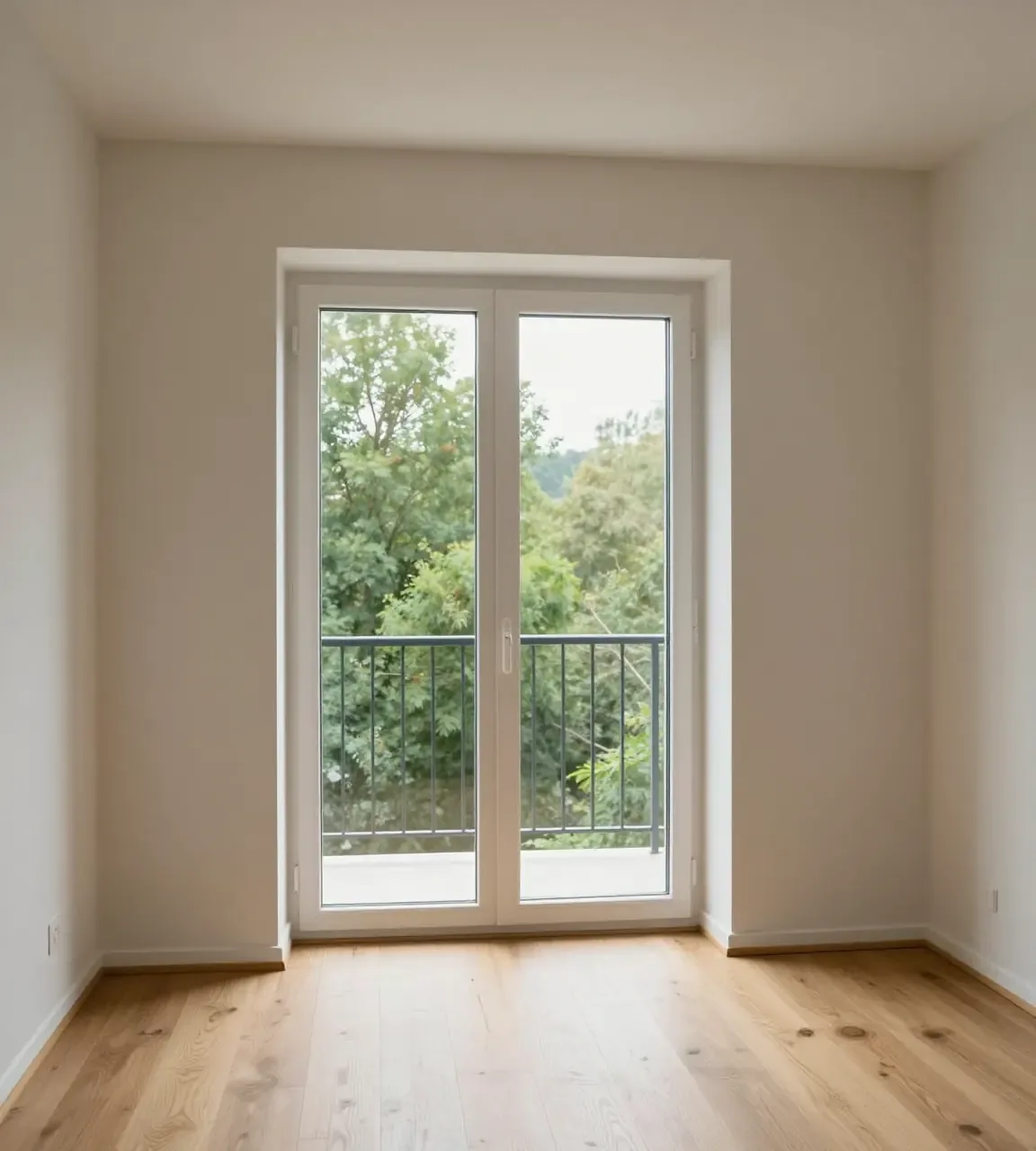
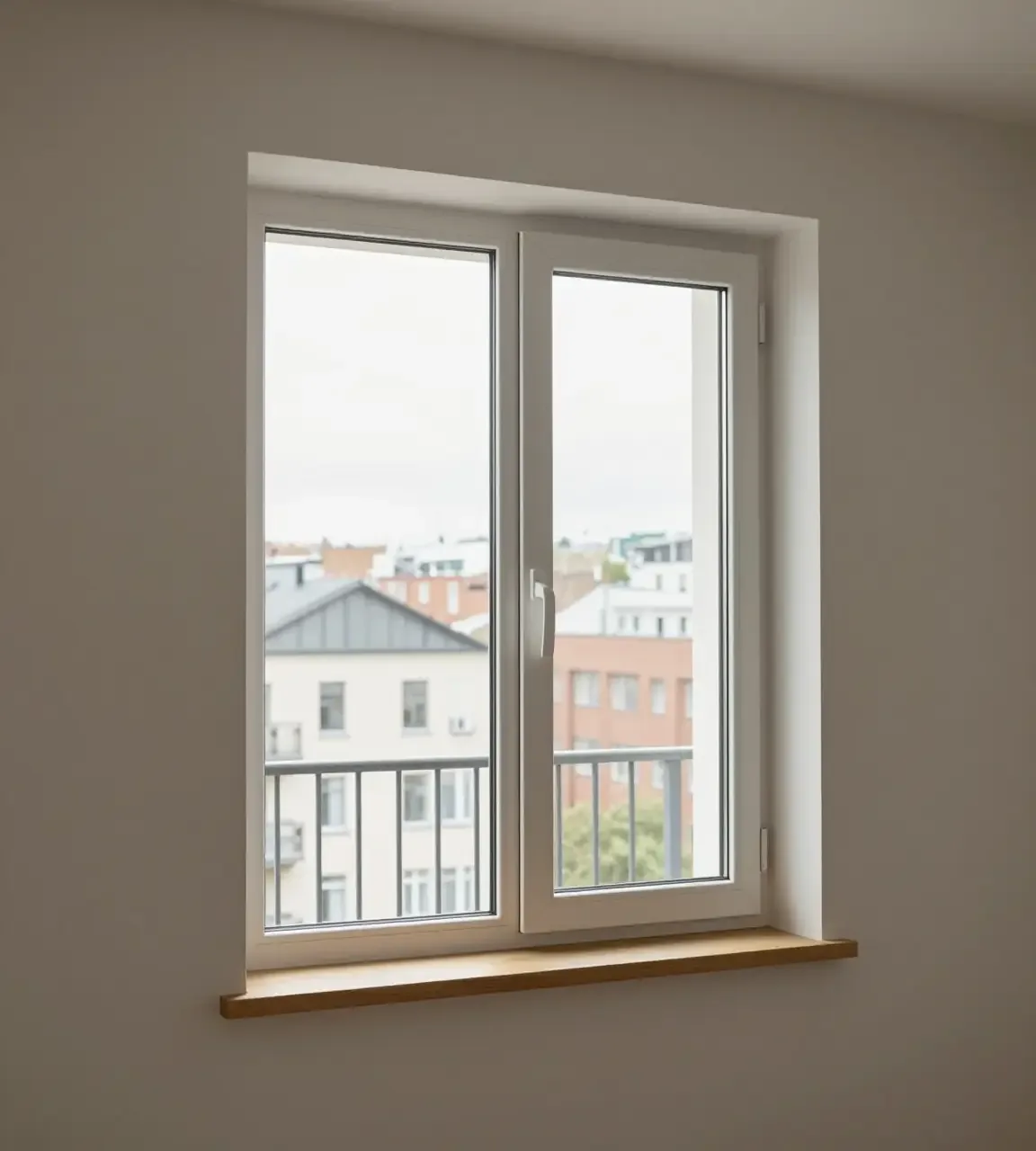
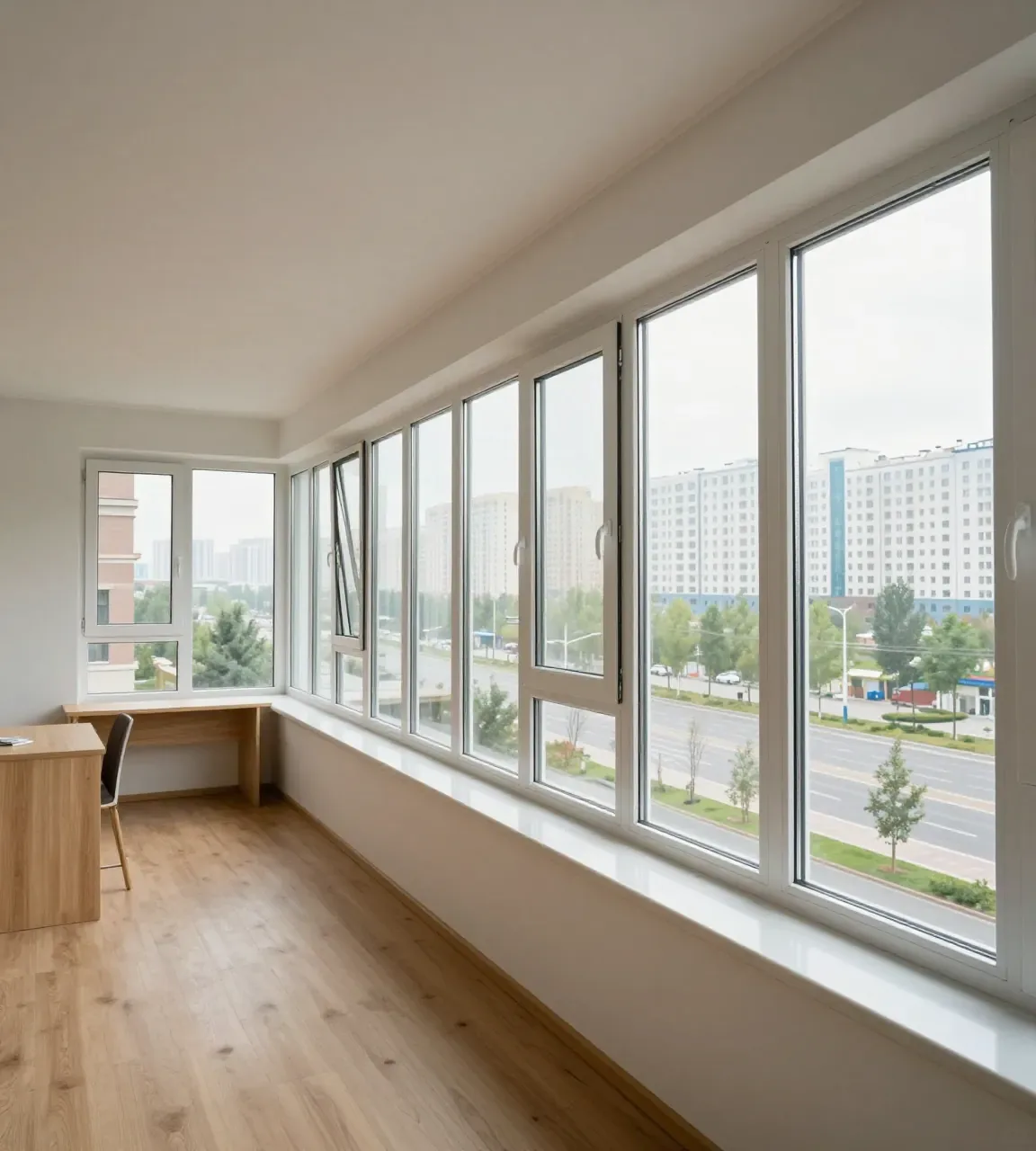
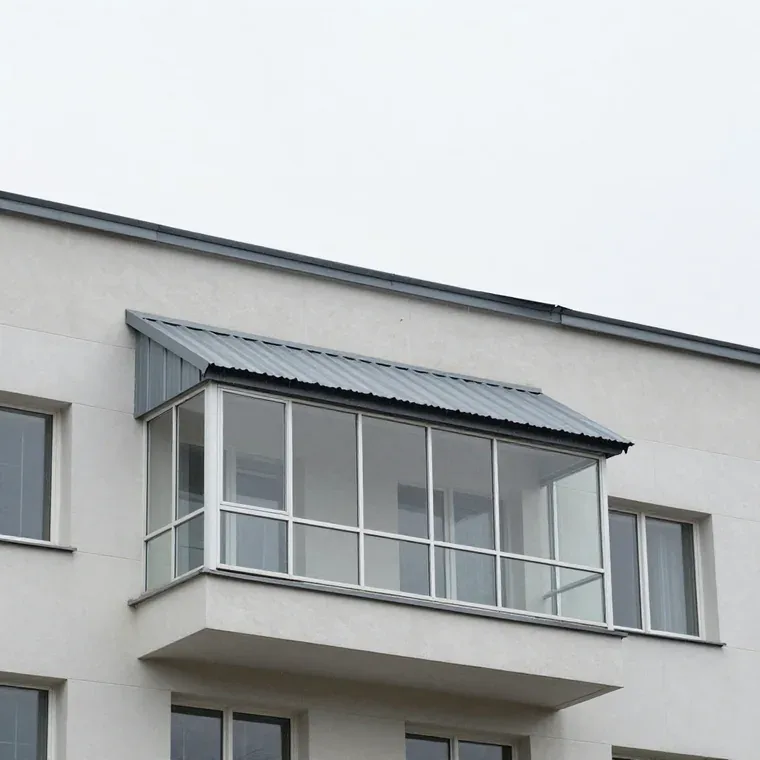
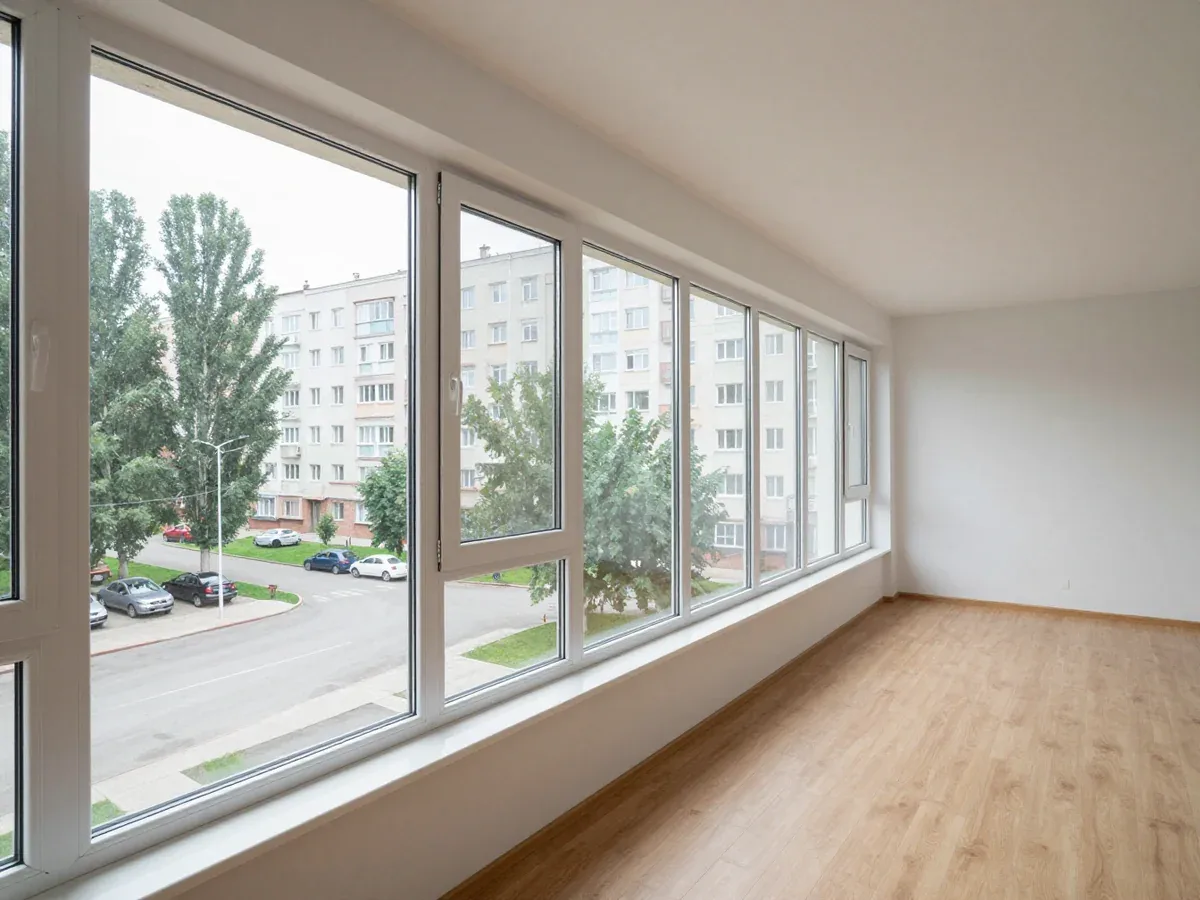
We handle balcony and loggia glazing in Temirtau from the first visit to the finished work. Our measurer comes free at a time that suits you, sets the sizes and helps pick the construction, profile and glass unit. The price is fixed in the order after measuring, you pay after installation, and window installation carries a 5-year warranty.
Warm or Cold Balcony and Loggia Glazing and What Fits Your Balcony
The first decision is warm or cold glazing, and it drives everything after it: winter heat on the balcony, condensation, and the load the slab must carry. Here is what suits a panel block.
Warm and Cold Glazing Side by Side
| Parameter | Cold glazing | Warm glazing |
|---|---|---|
| Frame | Aluminium, Provedal type | Multi-chamber PVC profile |
| Unit | Single pane or thin panel | Double glass unit |
| Keeps out | Wind, dust, rain | Wind, dust, cold, street noise |
| Balcony use | Storage, drying, summer sitting | Living space all winter |
| Condensation risk | High on frosty mornings | Low when fitted right |
What a Panel Block in Temirtau Needs and How the Slab Cop
For a panel block in Temirtau we usually recommend the insulated option with a double unit, because the inner pane stays above the dew point and ice does not build up on the frame in January. Balcony and loggia glazing in Temirtau starts with the same slab check, so the choice between warm and cold options rests on what the building can carry. The outer wall of a panel house is a thin concrete slab with a parapet, so weight matters: a double unit in a PVC frame is heavier than a single aluminium one, and the parapet has to take that load without bending. Our measurer checks the slab and the parapet before anything is ordered, takes the opening sizes and helps choose the construction, profile and unit that the building can actually carry.
Choosing the Profile and Glass Unit for Your Balcony and Loggia Glazing
The profile and the glazing decide how warm and how quiet the balcony will be. Here is how KBE, Rehau, VEKA and Provedal behave in practice and what matters for a balcony opening.
KBE, Rehau, VEKA or Provedal for a Balcony
| Profile | Best for | What it gives the balcony |
|---|---|---|
| KBE | Warm glazing | Multi-chamber PVC, steady in frost |
| Rehau | Warm glazing | Thick walls, quiet closing |
| VEKA | Warm glazing | Even walls, holds the seal well |
| Provedal | Cold glazing | Slim aluminium, light on the slab |
One or Two Chambers and When to Replace the Seal
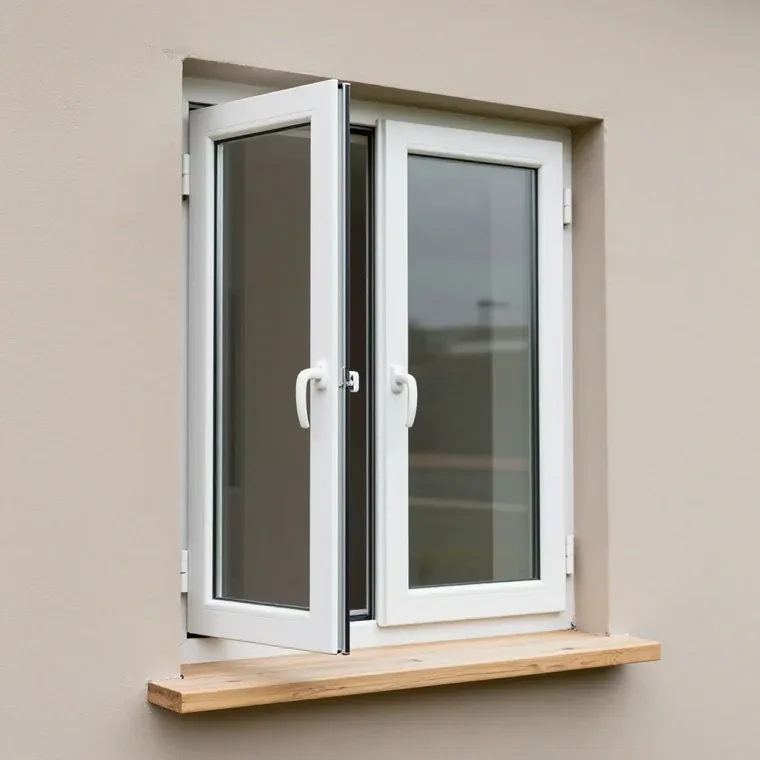
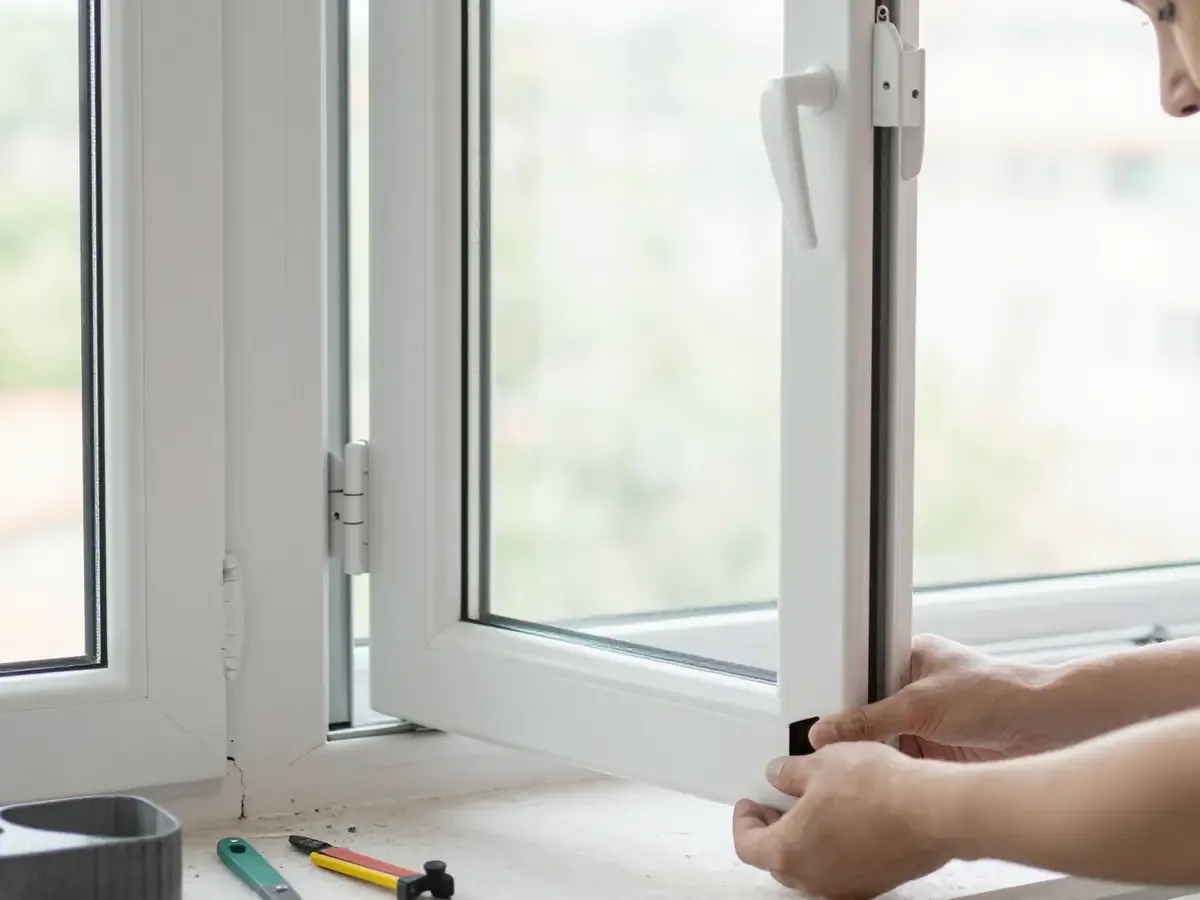
A single-chamber pack suits cold glazing, and a double-chamber one is what we fit for warm glazing, because the extra cavity keeps condensation off the pane in winter. The count also sets the weight: a two-chamber pack is heavier, so the frame and fixings have to carry it, and the measurer checks that before the order is drawn. We give a 3-year warranty on glass unit replacement, so a pack that fogs between the panes is swapped rather than patched on site. If the frame is still sound but the gasket has gone hard and lets draught through, swapping it costs less than a new window, and we change seals on windows of any manufacturer — KBE, Rehau, VEKA, Provedal and others. Run a finger along the seal at the hinge side before deciding on a full replacement.
How the Free Measuring Visit and Balcony and Loggia Glazing Installation Run
From the first visit to a finished balcony there are only a few steps. Here is what the measurer does, how the figure is locked in, and how long the job takes.
What the Measurer Checks and How the Price Is Fixed
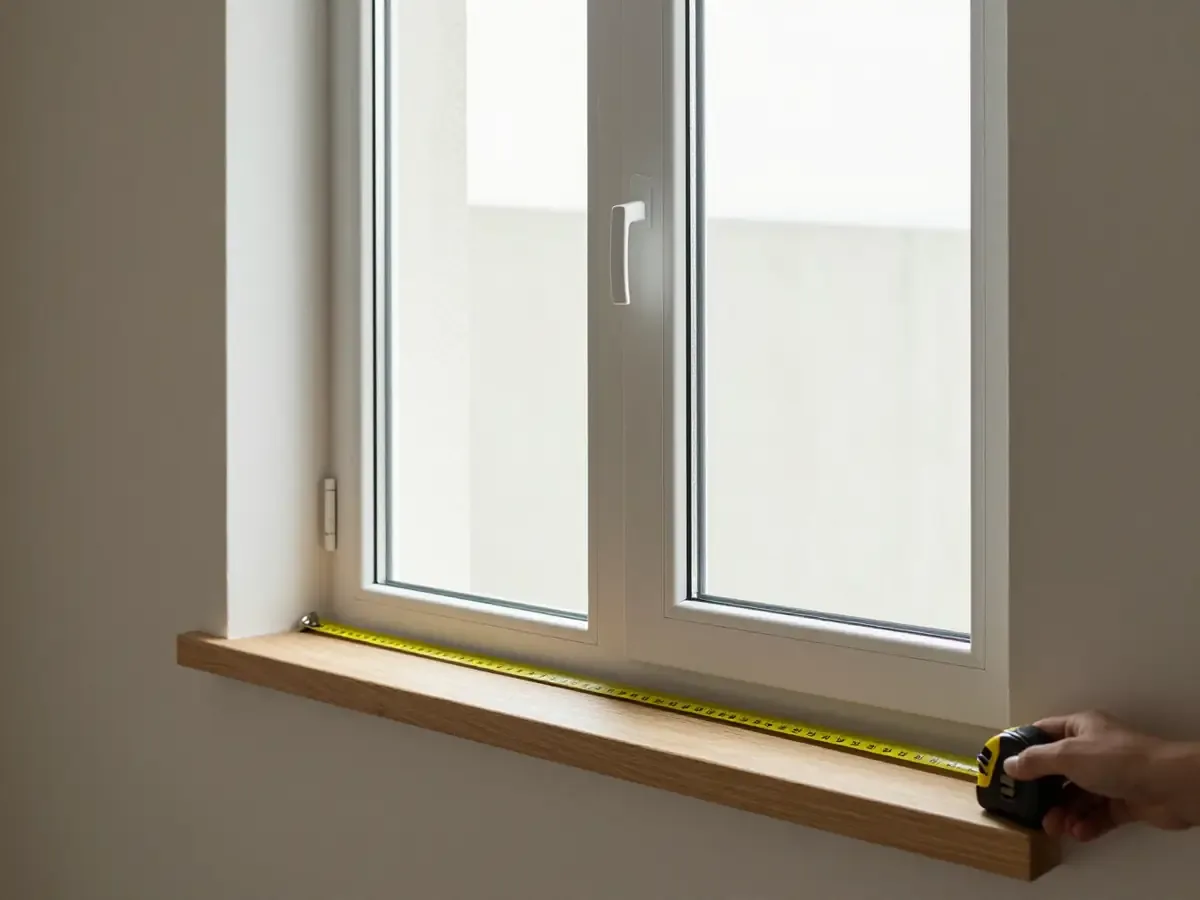
Our measurer comes free at a time that suits you, takes the sizes of the opening, checks the slab and parapet, and helps you choose the construction, profile, glass unit and fixings. The visit goes beyond a tape measure: the specialist looks at how level the parapet sits, whether the slab has crumbled at the edges, and which fastening suits the window system and the floor you live on. On the spot you settle the layout of the panels, the opening sashes and the frame colour, so nothing is decided blind over the phone. The price is fixed in the order right after measuring, so the figure you agree on the visit is the figure you pay once the glazing is in. Ask the measurer to note the panel widths and glass unit type in the order — those notes settle any question at handover.
Installation Day, Timing and Winter Work
We install seven days a week, including in winter when the opening allows it. The crew clears the old frames and debris before leaving. You pay after installation by cash, card or Kaspi, so the money changes hands only once the glazing is in and you have seen it. Keep the flat ventilated while the foam sets. The crew protects the floor and the sill before it lifts a panel into the opening, and it leaves the balcony ready to use the same day. If the weather turns, the team seals the joint and returns to finish the trim once the opening is dry.
Accepting the Work and What the Warranty Covers
Acceptance and warranty are what protect your money after the crew leaves. Here is what to check on installation day and what our warranty actually covers.
A Short Checklist for Accepting the Glazing
On acceptance day, open and close every sash, check the seals and the frame line, and make sure the drainage holes are clear before you sign off. Run a hand along each seal: it should sit flat against the frame with no gaps at the corners. Test the handle and the tilt position on every leaf, then look at the frame-to-wall joint for an even line of foam and sealant. A sash that catches or a seal that does not sit flat is easier to fix on the spot than weeks later, so test everything while the crew is still there. If a leaf drags, ask for the hardware to be adjusted before the team packs up.
Warranty Terms and Care That Keeps the Window Working
We give a 5-year warranty on window installation, a 3-year warranty on glass unit replacement and a 1-year warranty on window repair covering labour and replaced parts. The installation cover applies to the mounting work itself, the glass unit cover to the sealed pack, and the repair cover to the parts we swap and the labour we put in. Most condensation complaints come from blocked drainage or a sash left ajar, so clearing the drainage channels and airing the loggia regularly keeps the glass clear without a service call. Wipe the seals dry a few times a season and check that the drainage slots are not packed with dust or leaves.
Screens, Child Locks and Repairs After the Glazing
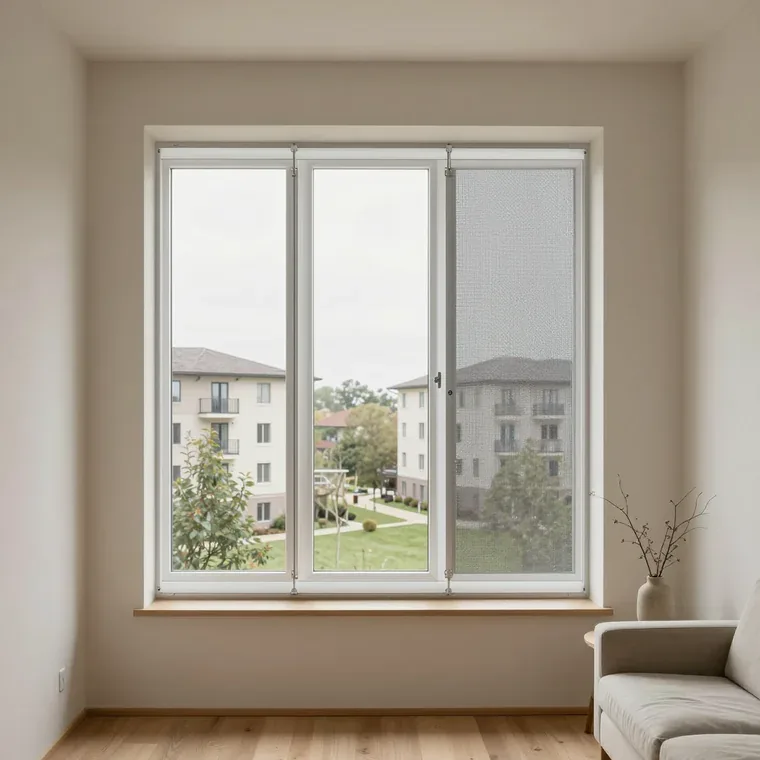
After the glazing goes in, the balcony window can take a few extras: an insect screen for the warm months and a restrictor for child safety. If something later sticks or leaks, the same visit can put it right.
Which Mosquito Screen Suits a Balcony Window
| Screen type | Best for | Mesh options |
|---|---|---|
| Framed | Standard balcony windows | Fiberglass, Ultravue, Pet Screen |
| Sliding | Wide openings, loggia doors | Fiberglass, Anti-Dust |
| Hinged door | Balcony entrance doors | Pet Screen, Krylo |
| Pleated | Tight sills, frequent use | Fiberglass, Poll-Tex |
| Roller | Windows opened daily | Fiberglass, Ultravue |
Child Locks and Repairing a Window That Sticks
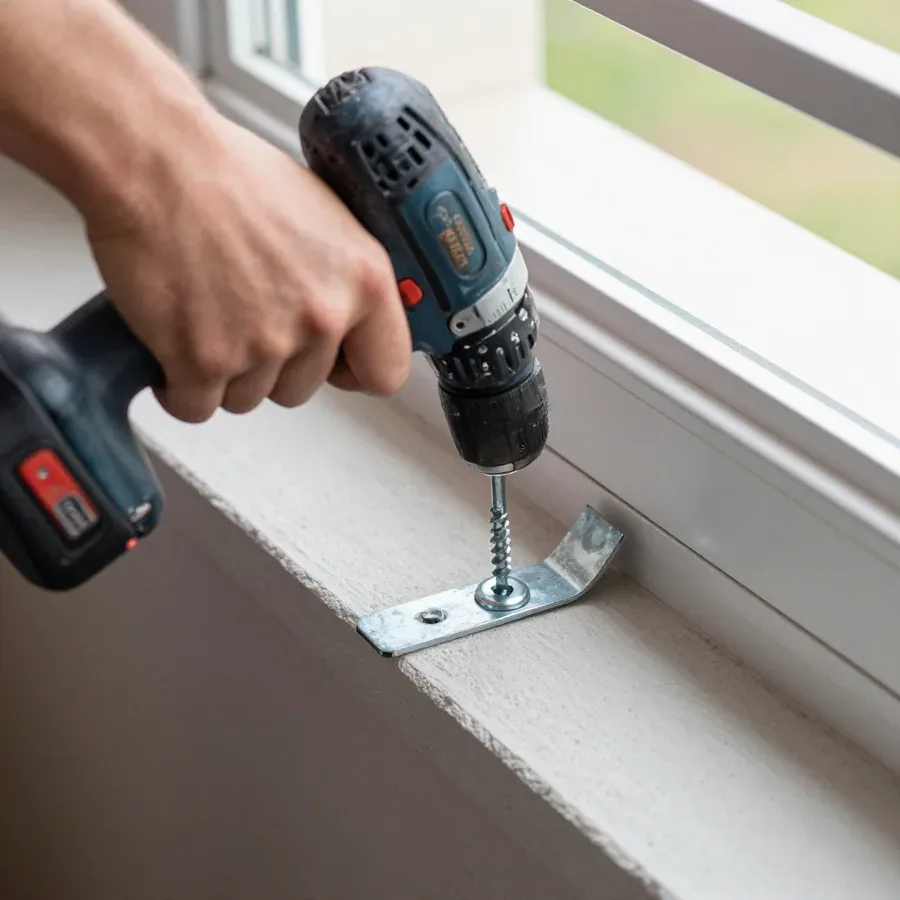
We fit window restrictors and locks so a sash opens only as far as you allow, and we adjust or repair units when a leaf sticks or a seal lets draughts through. The restrictor is a small metal stop that mounts on the frame and holds the leaf at a set gap, which matters on upper floors where a wide-open window is a real risk with a child nearby. When a leaf drags, the usual cause is a worn hinge or a gasket flattened over the seasons, and both are replaced on site. We also change the gasket on older windows so they keep closing tightly. Ask for the restrictor and the screen at the same measuring visit — one trip covers both, and the fixings are chosen for your profile and floor.
Key points on balcony and loggia glazing and load
A balcony project rests on five choices made in a set order, and each one narrows the next. This is the short version of what to decide and in which sequence.
- Warm or cold glazing: pick this first, because it sets the budget, the load on the slab and the number of chambers the frame can carry.
- Profile and glass unit: the profile brand and the chamber count follow the glazing type, and a worn seal is replaced rather than patched.
- Measuring visit: sizes, sill condition and fixing points are taken on site, and the price is fixed in the order afterwards.
- Warranty and acceptance: check the sashes, seals and drainage before signing, then keep the care routine that keeps the hardware working.
- Window protection: mosquito screens, child locks and small repairs come after the glazing, sized to the frames already in place.
- Sequence matters most: getting the measuring visit right first saves the most money, since every later choice depends on the sizes and slab condition found on site.
 Window replacement
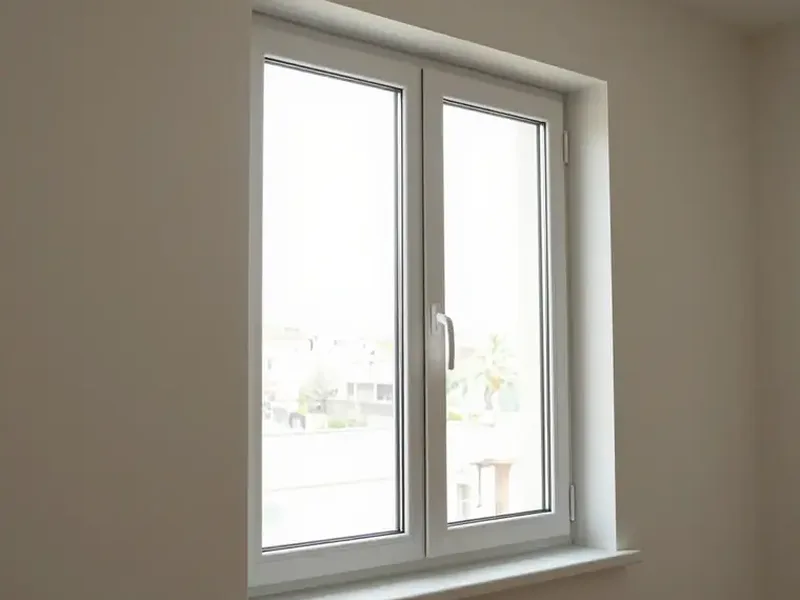 Window insulation
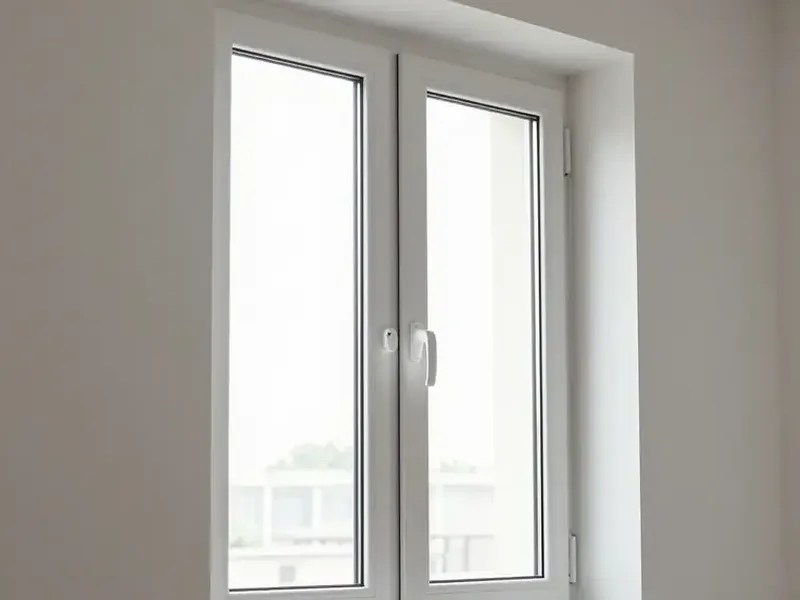 Reveal finishing
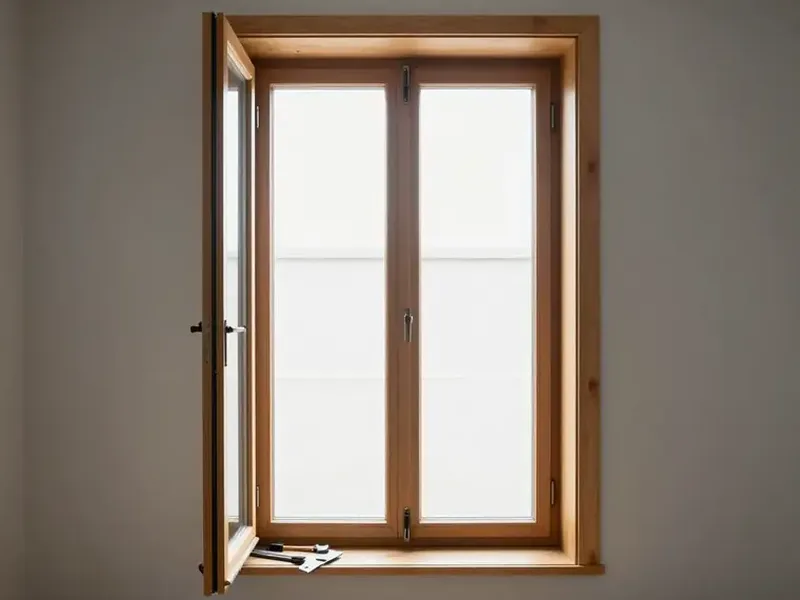 Wooden window repair
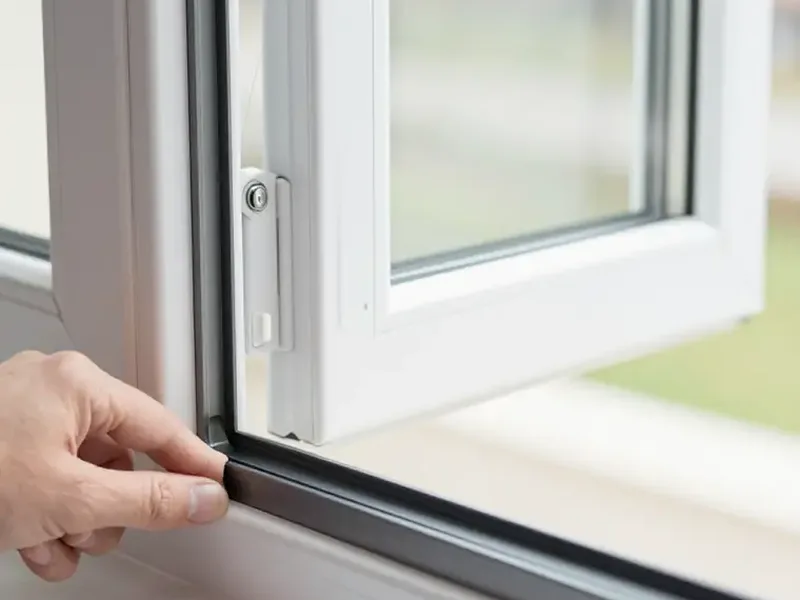 Seal replacement
