
All windows · one visit
Set
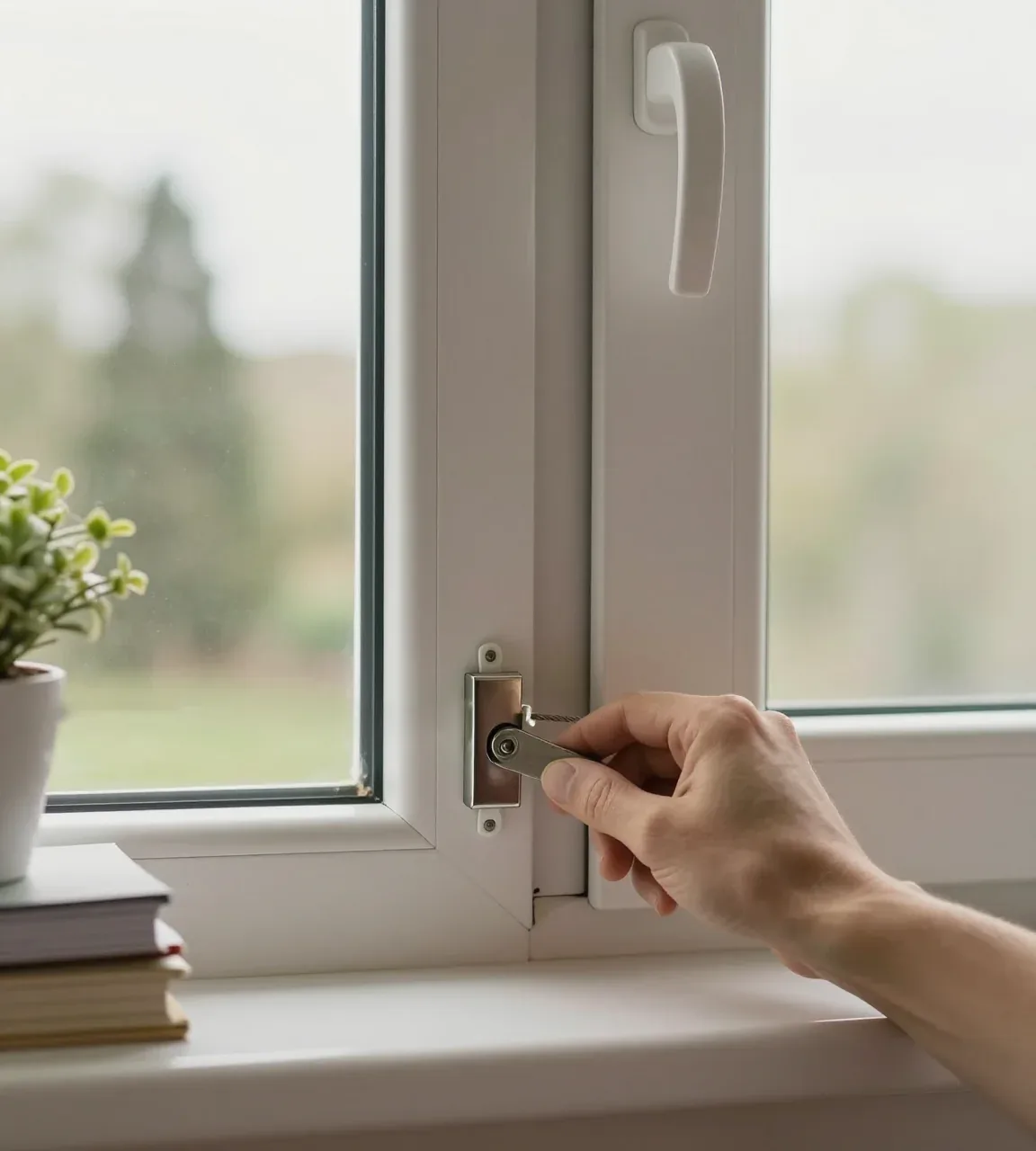
We fit restrictors on every opening sash in the apartment in one visit. Fitting from 2 150 ₸ per item.

Set
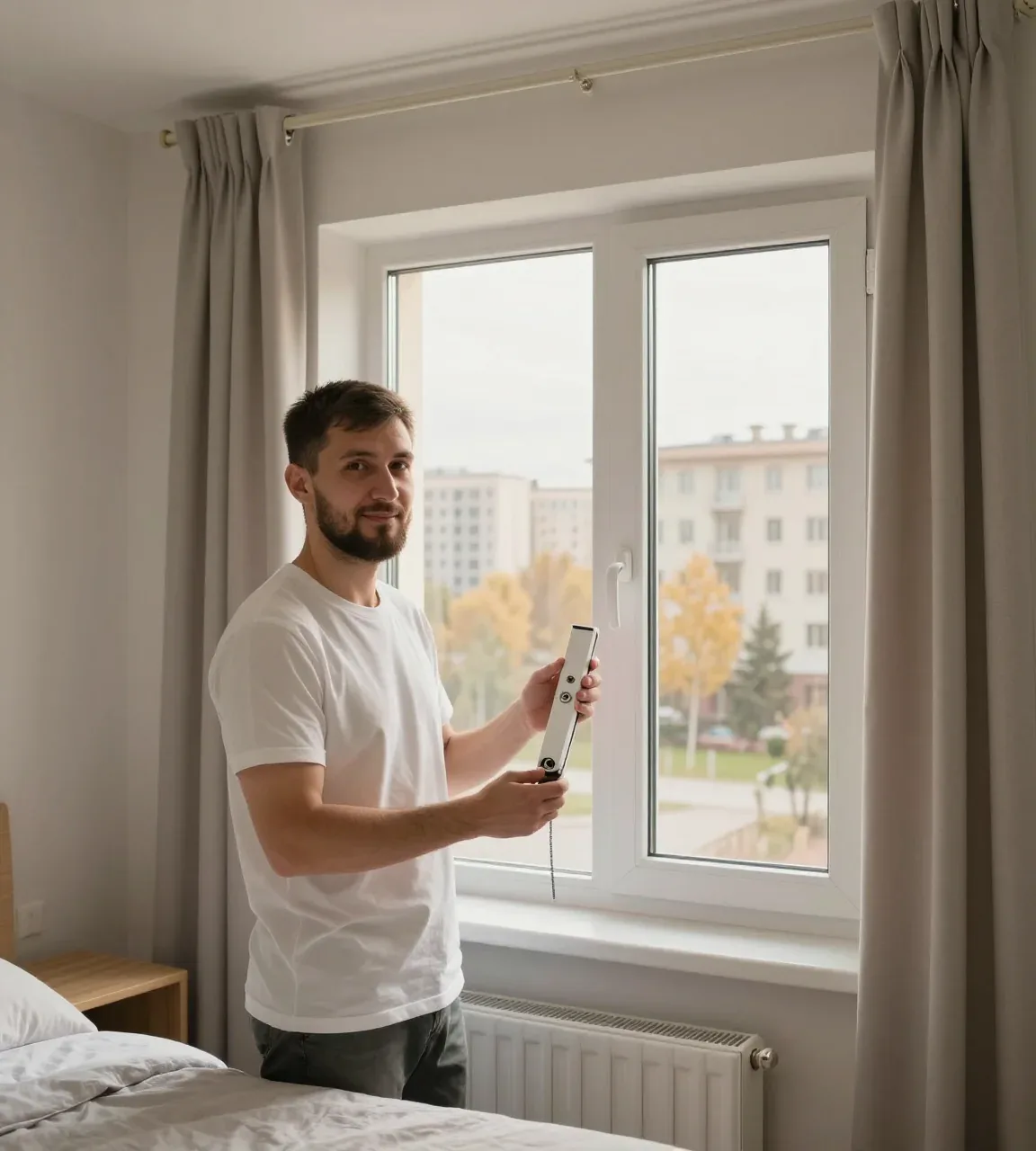
We fit restrictors on every opening sash in the apartment in one visit. Fitting from 2 150 ₸ per item.
For balcony door
The retainer holds the door open so it doesn't slam or hit the reveal. From 1 200 ₸ per item.

Stop
Fits into the guide rail of a sliding frame and prevents the sash from moving further. From 4 000 ₸ per item.
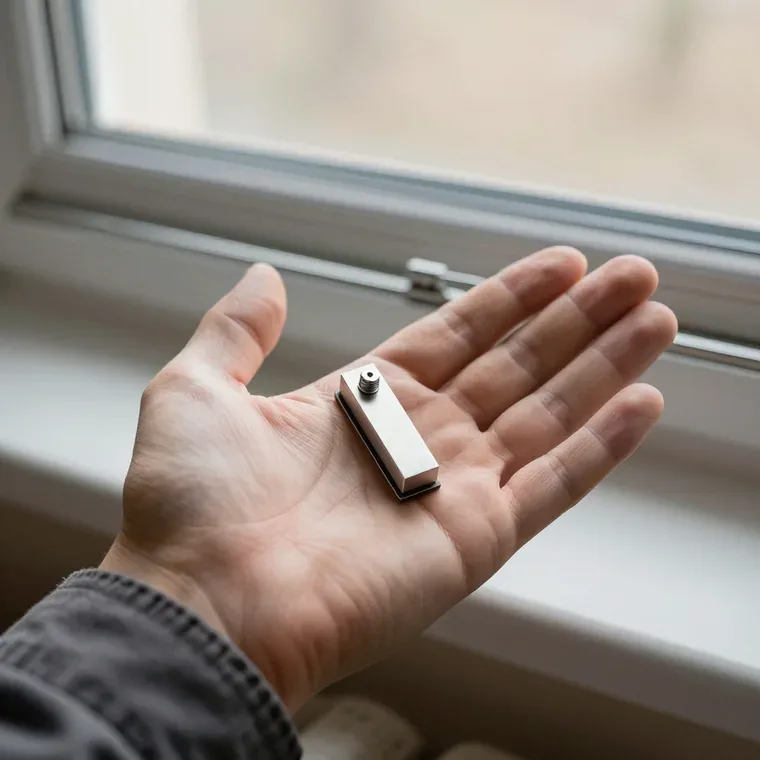
Wood-effect
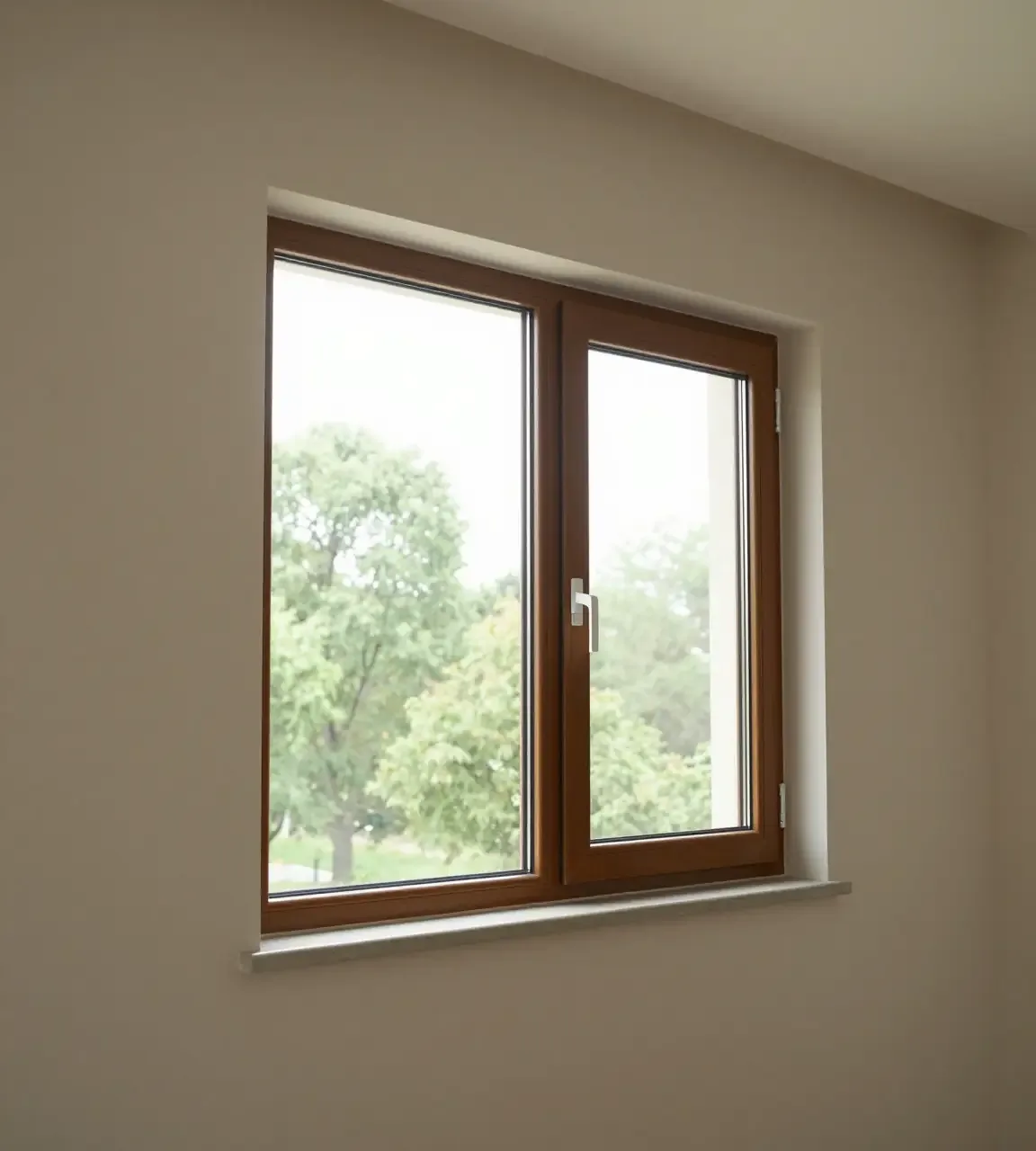
We select fixings and colour to match the wooden profile so the protection blends in. Product from 2 000 ₸ per item.
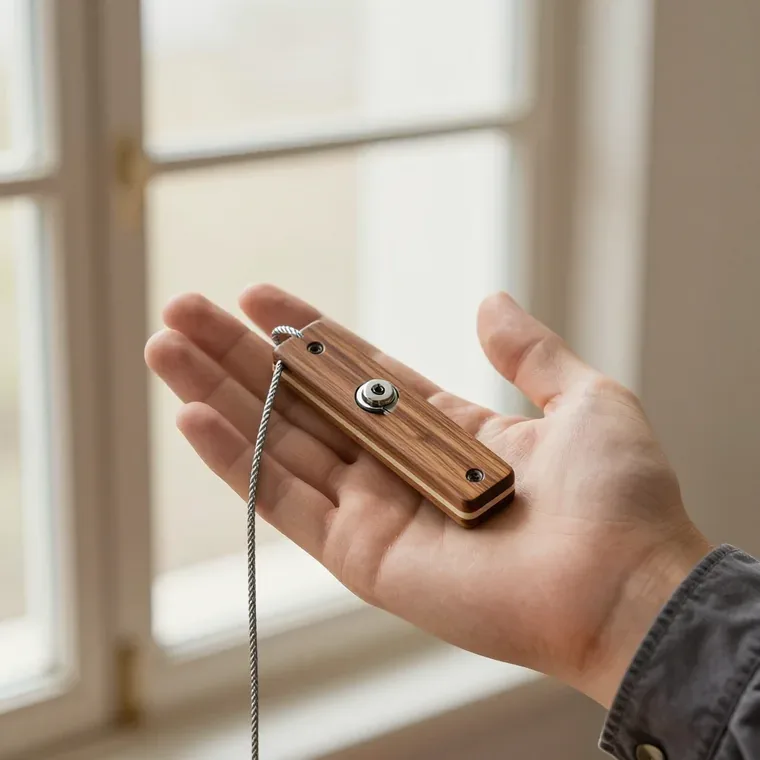
Replacement
We remove the cracked plastic stop and fit a new one, often using the old holes. From 1 200 ₸ per item.
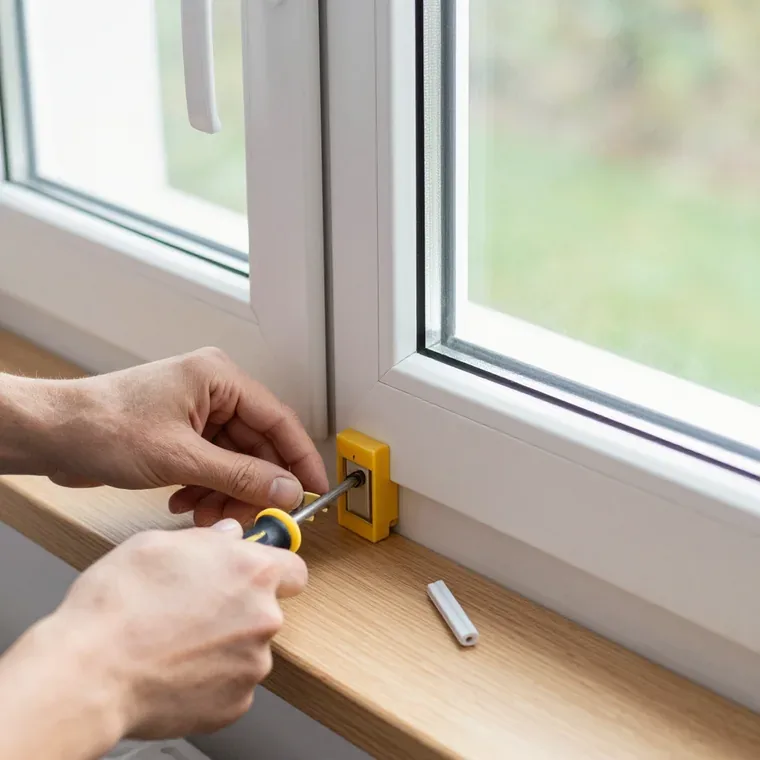



5,097 reviews on review sites
The part that decides for you how wide the sash opens
A window with a restrictor opens to a narrow gap: air comes in, but a child or cat can't get out. In Aktobe this is especially useful in spring and summer, when sashes are kept open all day.
Models differ in how the protection is released: by button, flag or key. For wooden windows we fit versions with different fixings, and for sliding windows — stops in the guide rail.
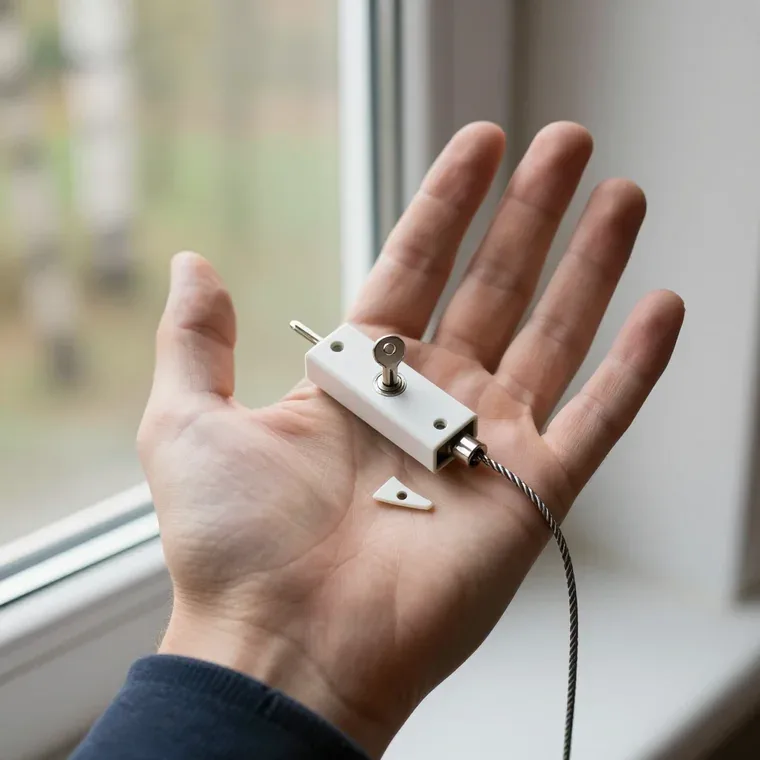
the simplest model with installation
measuring and selection for each window
payment once the protection is checked
Four situations that usually prompt people to contact us
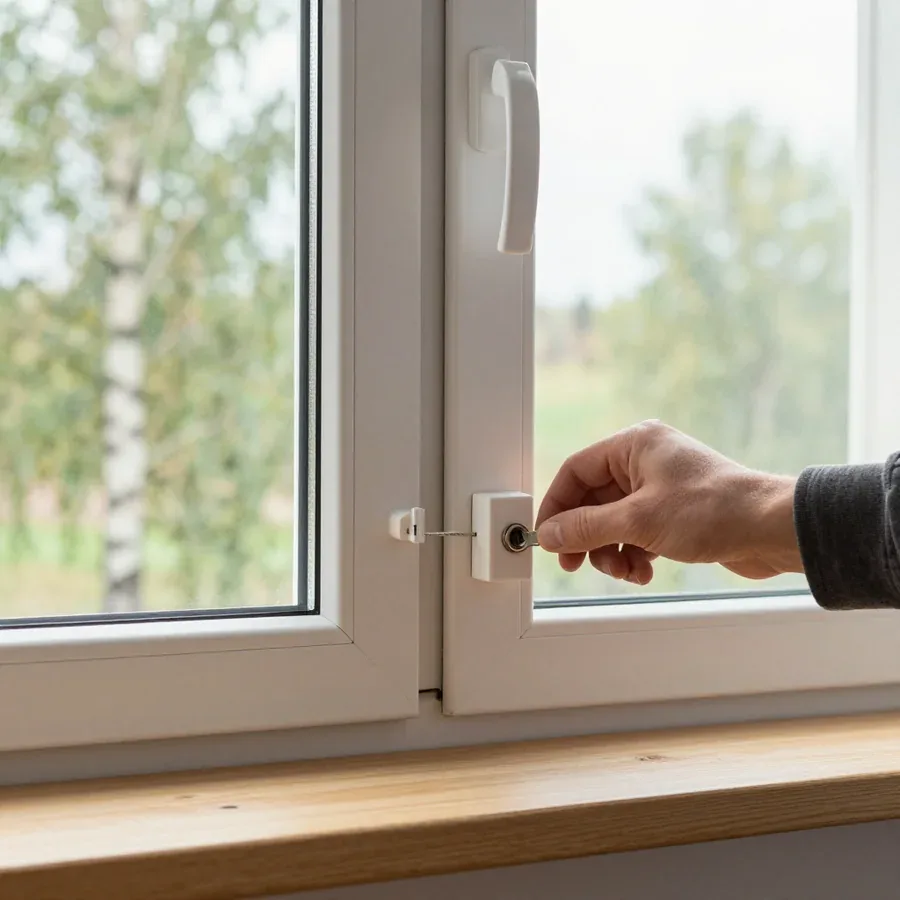
Children quickly learn to climb on the sofa by the window and turn the handle. The stop prevents the sash from opening wider than a gap.
The window is open all the time, but the wind can blow it wide open. The comb keeps the sash in the chosen position.
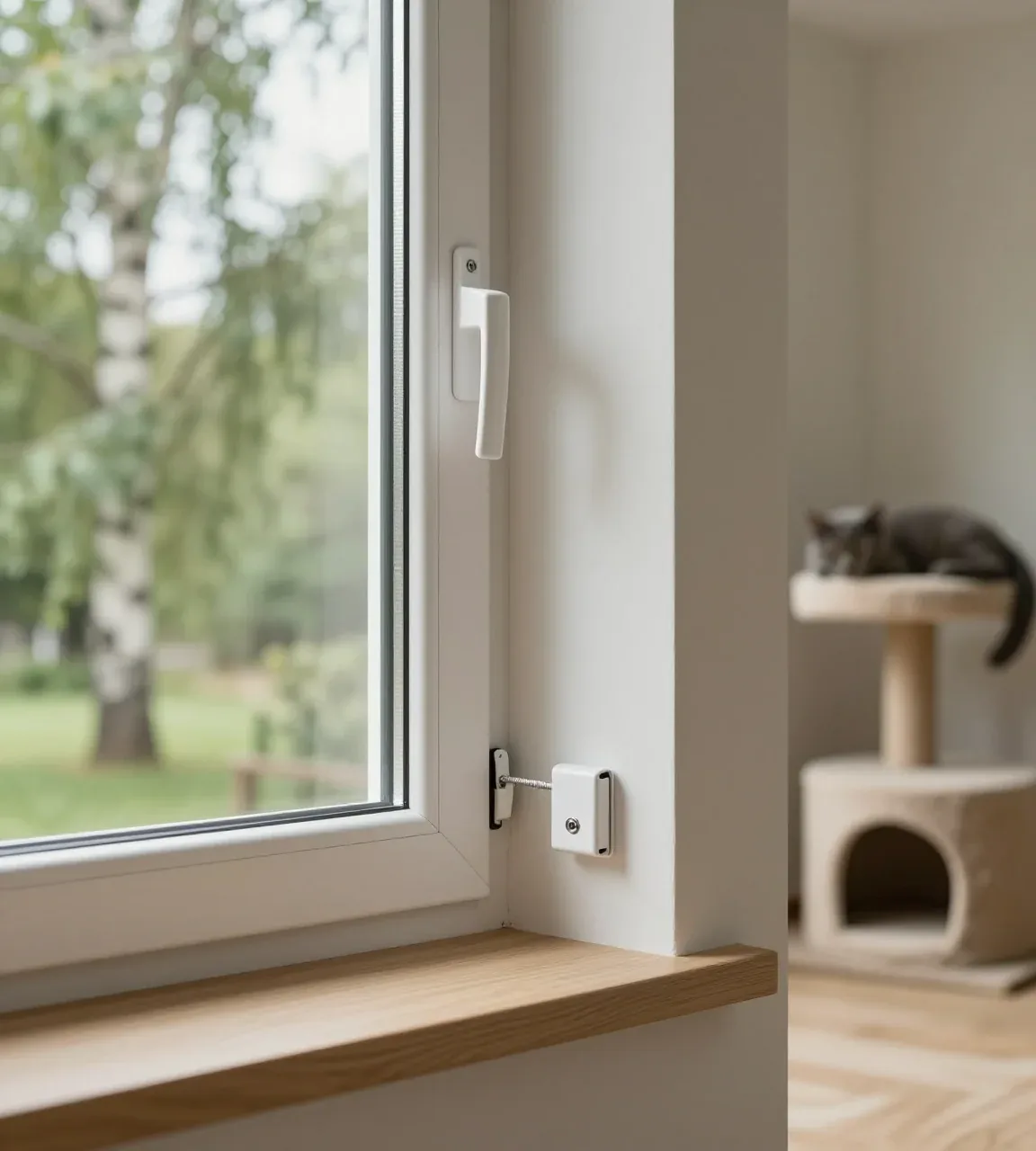
A cat hunting birds might jump. Through a narrow gap the animal can't squeeze out.
For kindergartens and offices, a cable with a lock works: only an adult can open the window fully.
Prices per sash; we will calculate the cost for the whole apartment after measuring
| Type of item | Price |
|---|---|
| Comb restrictor with installationproduct and fitting | from 1 050₸ per item |
| Opening restrictor installationwork on one sash | from 2 150₸ per item |
| Cable restrictor with lockwith key | from 2 500₸ per item |
| Opening restrictor (product)white or wood-effect | from 2 000₸ per item |
| Restrictor replacementreplacing a broken one | from 1 200₸ per item |
| Penkid lock with cablefor homes with children | from 2 150₸ per item |
| Sliding window blockerstop in the guide rail | from 4 000₸ per item |
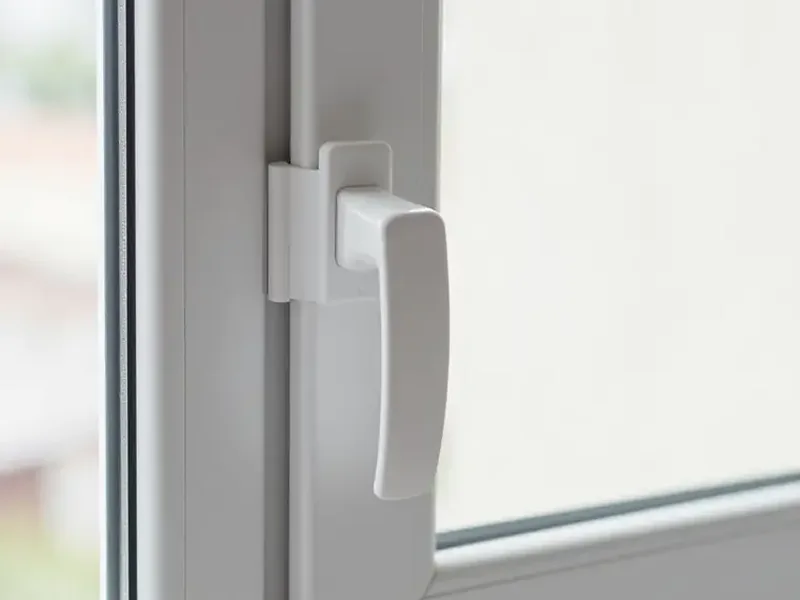
| Sash blockersash or door retainer | from 1 200₸ per item |
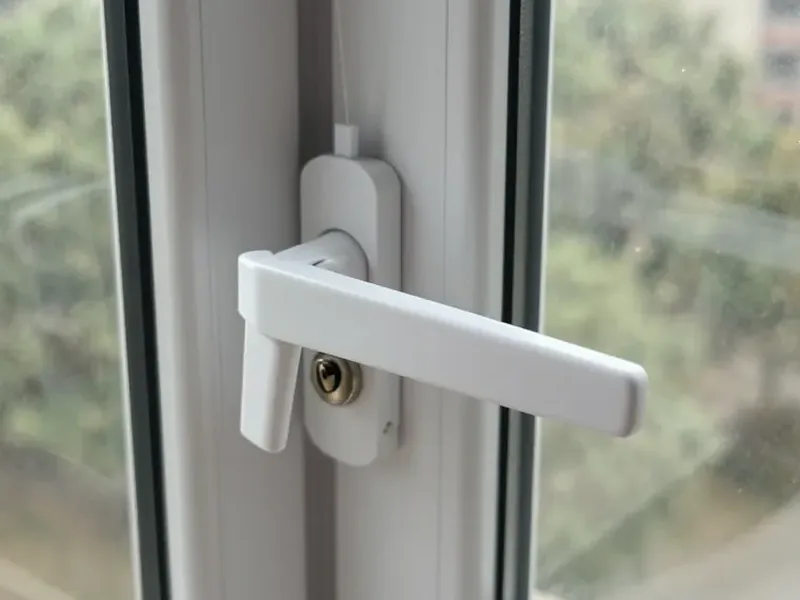
| Child window lock (surface-mounted, flag)released with a flag | from 3 250₸ per item |
| Blocker or child lock installationwith operation check | from 2 750₸ per item |
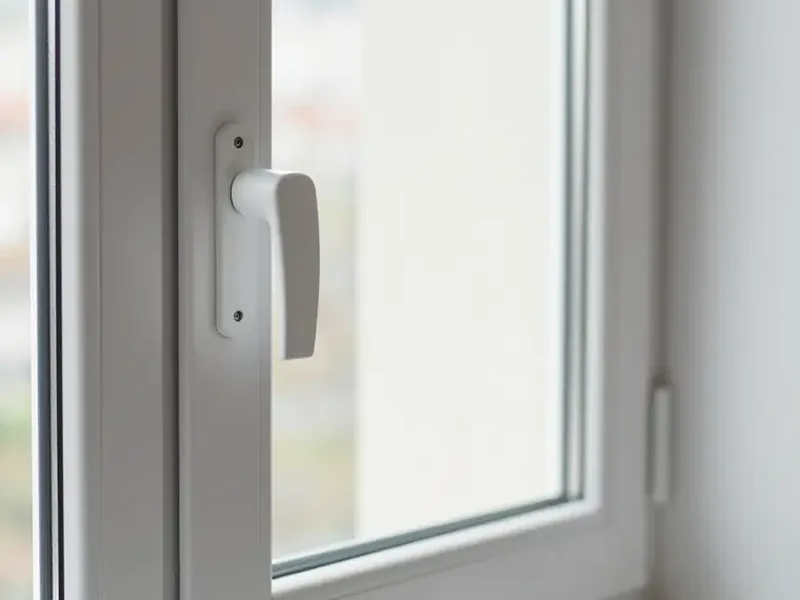
| Window handle with keylocks the handle turn | from 3 650₸ per item |
The amount is recorded in the order after measuringMeasuring and model selection are freePay after fitting: cash, card, Kaspi
Book a measuring visitNo big words, just what we do on every order
we work across Kazakhstan
on WhatsApp, even on weekends
we show models and select fixings
we do not change the price after measuring
checking: cash, card, Kaspi
we accept requests every day
plastic, wood, aluminium sliding
cities where you can place an order
The process from request to payment
Tell us how many windows you have and what type they are: plastic, wood or sliding. We will reply and suggest a convenient time.
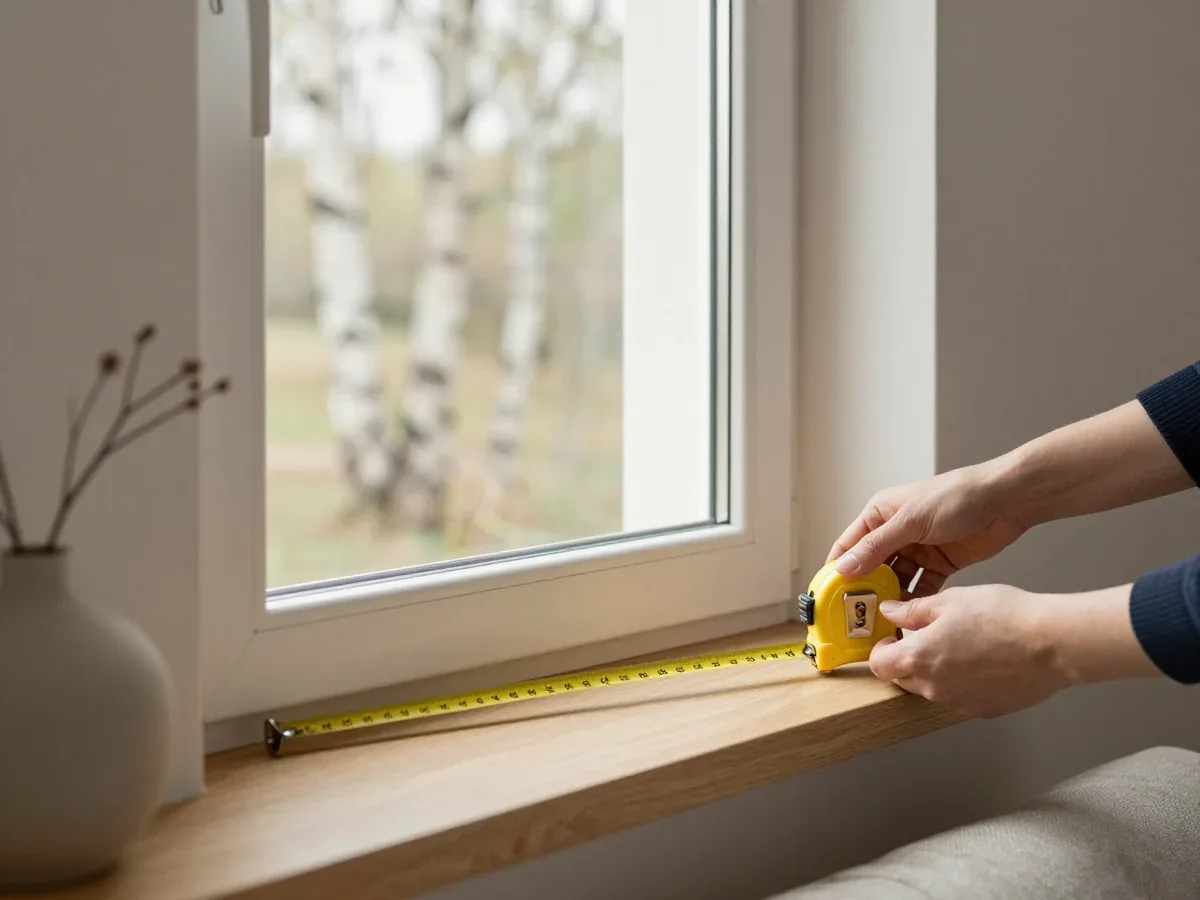
The surveyor inspects each sash and balcony door, shows the models and gives the final price.
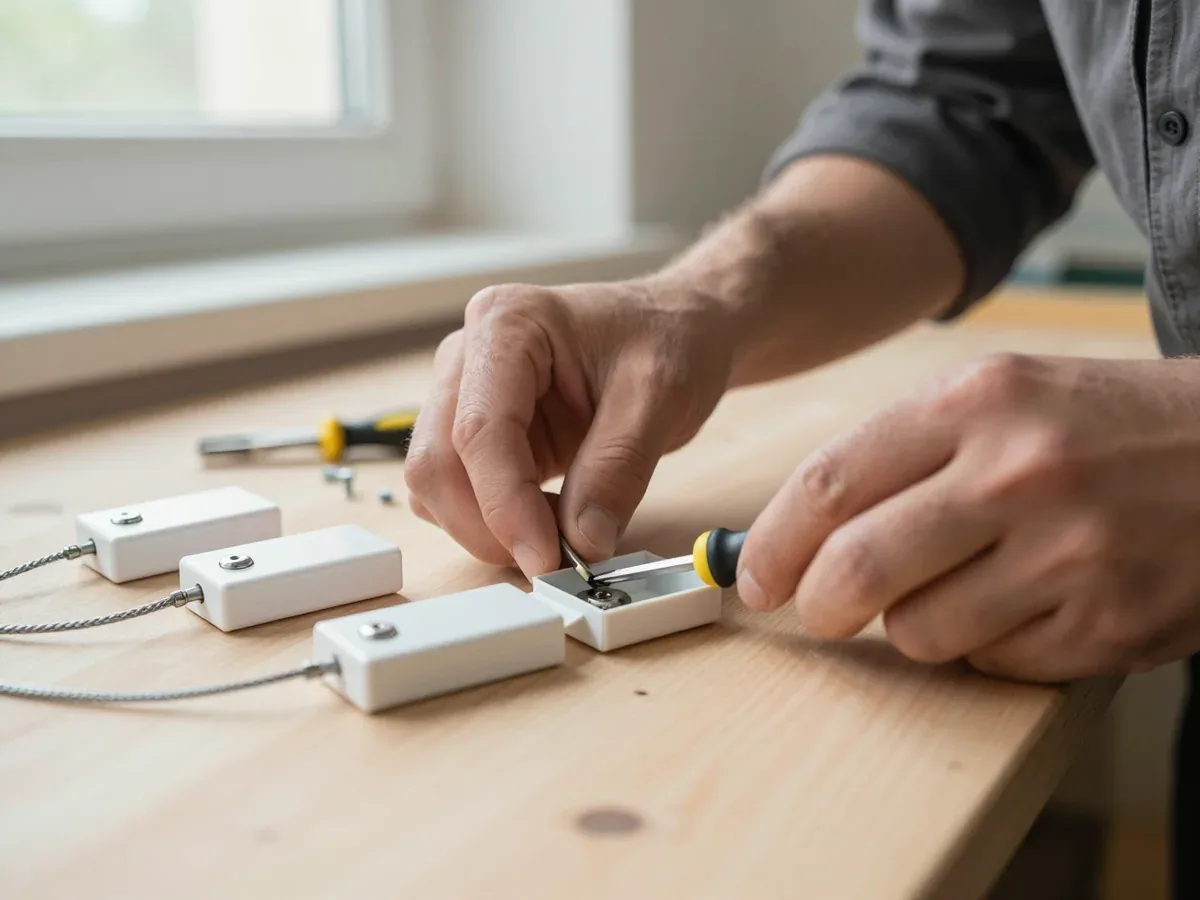
We install restrictors on all selected sashes, remove broken old ones and replace them with new ones.
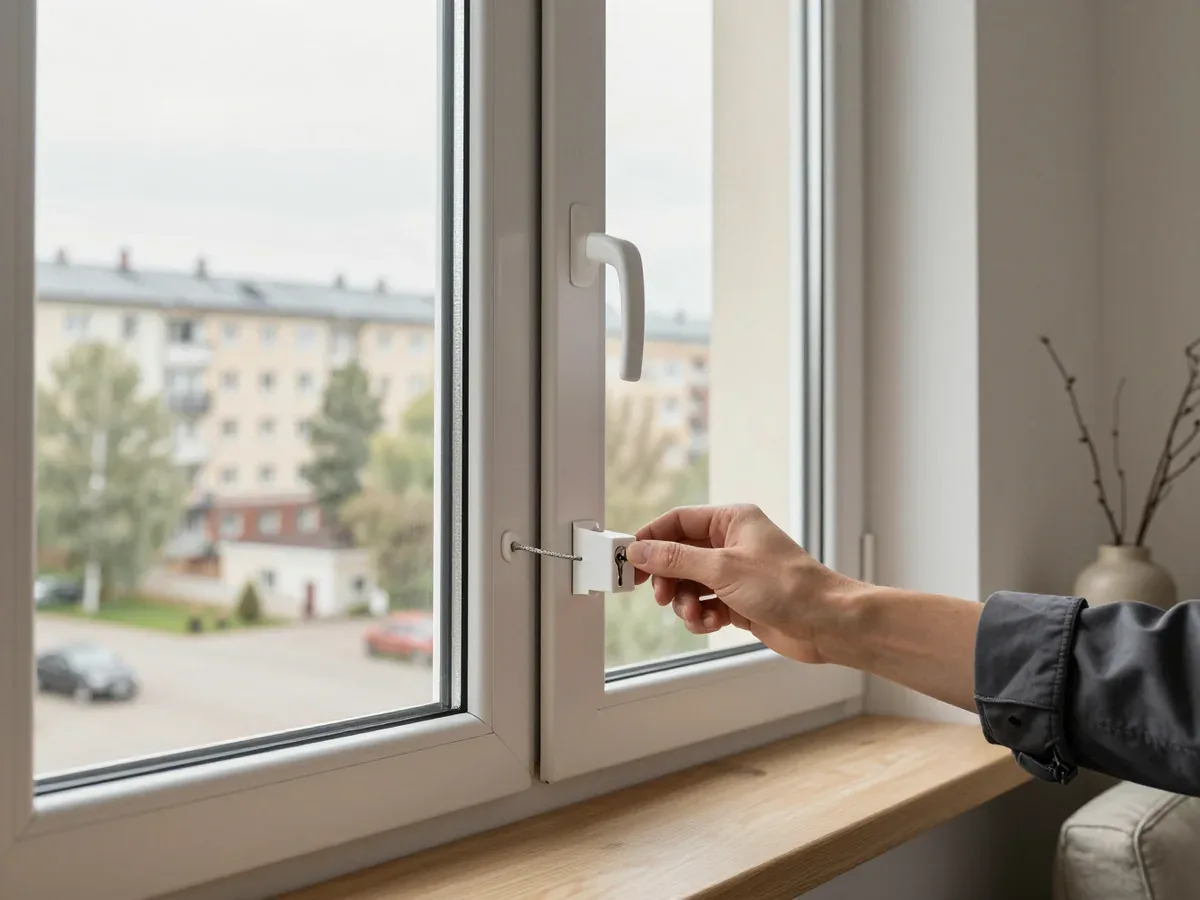
We open and close each window together with you and hand over the keys. Payment only after that.
Good to know

Senior mosquito screen specialist at moskitnyesetki.kz
We supply and fit window restrictors in Aktobe with a free measure, fasteners matched to your profile and floor, and payment only after installation. Our own fitters work on plastic, wooden and aluminium windows, and we repair a stuck restrictor under a one-year warranty on labour and replaced parts.
Three ways to secure an opening solve three different problems: holding the sash at a set angle, blocking the handle, or closing the opening entirely. Which one fits depends on the room, the floor and who uses it.
| Device | What it acts on | Opening left |
|---|---|---|
| Window restrictor | Sash travel | Fixed gap, ventilates |
| Child safety window lock | Handle only | None if handle locked |
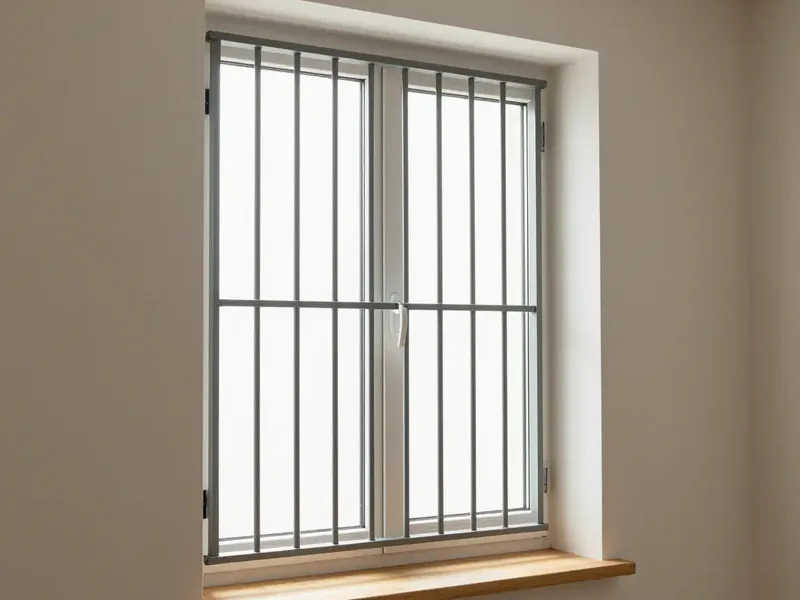
| Window grille | Full opening | Closed by bars or mesh |
| Restrictor plus lock | Sash and handle | Capped gap, locked |
For a toddler at the sill we fit a restrictor that caps the gap, for a high floor we add a lock, and where a grille is already up we check whether a restrictor still adds anything. Such a limiter in Aktobe is usually chosen by parents in multi-storey buildings who want fresh air without a wide-open sash, and the fastener has to match the profile and the floor rather than the other way round. We fit window restrictors in Aktobe with the same care, so the fixing suits the profile and the floor. Grilles close the opening completely, so they suit ground-floor rooms facing a courtyard but cut out ventilation. The three are not interchangeable — a handle lock does nothing if the sash is already ajar.
Choosing a limiter starts with the opening, not the model. The opening type, frame geometry, floor level and whatever already sits on the sash decide both the fastener and the device itself.
We check whether the sash is turn-only or tilt-and-turn, measure the frame and confirm the glazing is plastic, wooden or aluminium before picking a device. The system name matters less than its geometry: KBE, Rehau, VEKA and Provedal differ in rebate depth and wall thickness, and a fitting cut for one will not seat cleanly on another. Balcony PVC doors need their own hardware, because the panel is wider and heavier than a standard opening. We fit limiters on plastic, wooden and aluminium frames, on vent panes, loggia glazing and units in gazebos and verandas, so one visit covers a mixed set of openings. A tilt-and-turn casement and a turn-only one take different fittings even on the same system, so the opening mode matters more than the name stamped on the frame.
| Fastener | Best for | How it holds |
|---|---|---|
| Z-brackets | upper storeys, heavy sashes | fixed stop through the frame |
| Pins (plungers) | sashes opened often | sliding pin into a drilled seat |
| Magnets | lower storeys, light use | magnetic catch with quick release |
| Mixed sets | flats with several openings | one type per room |
The biggest worry before any fitting is drilling into a good profile or losing the ability to air the room. Here is how the device is attached, what stays behind after removal, and how it lives next to a screen.
The fitting goes onto the sash and frame at the points the measurer marks, and on most profiles it can be removed later with the screw holes left small and tidy. Our fitter sets the marks first, checks the sash travel, and only then drives the screws into the reinforced zone of the profile rather than the thin wall. Depending on the unit, the fixing is a Z-bracket, a pin, or a magnetic fastener, and the choice follows the profile depth and the floor. On a rented flat where the frame cannot be touched at all, tell us at the measure: the fastener can shift to a clamp-style option before any hole is drilled. Removal is the reverse of fitting, and the holes that remain are the diameter of the screw, not a cut-out in the frame.
The unit holds a set gap open for airflow, and it sits alongside a framed mosquito screen on the same unit without blocking the mesh. The device limits how far the sash swings, not whether air passes, so the room still breathes while the opening stays too narrow for a child to climb through. A framed screen mounts on its own fasteners in front of the sash, and the two work on separate planes with no interference. In winter the gap can be narrowed to a crack for fresh air without fully closing the sash — the point many buyers miss when they expect a restrictor to seal the opening. A framed screen lifts out from inside in a minute, so it comes off for the cold months while the restrictor stays in place.
From your first message to a finished window, the path is short: a visit to measure, a fitting, then payment. Here is what each step actually involves.
The measurer comes at a time that suits you, takes sizes and helps choose the device, mesh and fixings, and the fitting itself is quick once the parts are matched. Measuring and consultation cost nothing, and the appointment covers your opening type — plastic, wooden or aluminium — plus the sash depth that decides where a restrictor can sit. Our own fitters handle the installation, so the person who measured and the person who drills are on the same team. A framed screen made to your size takes 10–15 minutes to assemble, a pleated one 40–60 minutes, and a matched job rarely needs a second trip. Booking the measure early in the week leaves room to finish before a weekend, since we work seven days a week.
Over time the fitting can start to stick or stop holding its angle, and the cause is not always the hardware itself. We look at what can be fixed on site and what the warranty covers.
A unit that sticks or stops holding the angle is usually a worn fastener or a loose fixing, and we diagnose it on site before deciding between adjustment and a new part. Our fitter checks the hardware around the fitting first: a Z-bracket that has worked loose in the profile, a pin that no longer springs back, or a magnetic fastener that has lost its grip each points to a different fix. A sash that will not close fully is often a sign the fitting has shifted rather than failed, so a re-seat can solve it without replacing the whole device. When the moving part is genuinely worn, we swap just that component and leave the rest of the hardware in place.
Our one-year warranty on repair covers both the labour and the parts we replace, so a fitting that fails within that period is put right at no extra charge. The same cover applies to the fasteners we fit on restrictors, whether that is a Z-bracket, a pin or a magnetic catch. Our own fitters carry out the repair, which means the person who diagnoses the fault is the one who fixes it. Keeping the original order details makes a warranty claim quick, because the fitter can see which fastener was used and match the replacement exactly. That record also shows when the part was fitted, so the cover period is never in doubt.
The right choice comes down to what you are actually stopping and how your window is built. Here is the short version of the decision path.
Compatibility, types, care and installation
Konstantin Selenenkovsenior mosquito screen specialist, 10 years in the tradeOnline · replies within 5 minutes
Ask a questionMost blockers and child locks are compatible with popular KBE, Rehau and VEKA hardware, but the fixings are chosen for the specific profile and handle. During the measuring visit, the technician will check your sash and tell you which option fits without modifications.
A child restrictor prevents the sash from opening wider than a safe gap and often locks with a key so a child cannot remove it. A standard blocker simply fixes the sash position for ventilation and does not protect children.
Yes, there are models for wooden and aluminium windows, but the fixings and installation method differ from plastic ones. The measurer will determine what suits your frame during the inspection.
Yes, for upper floors an opening restrictor is a sensible alternative to a fixed grille: it does not spoil the view and does not hinder ventilation. The main thing is to choose a model with a lock so the sash cannot be opened fully.
Simply wipe the mechanism and check that the fixings and cable are not loose; at the first signs of play or jamming, it is better to replace the part. Service life depends on the window and intensity of use, so inspect the fixing periodically.
Yes, we provide a warranty on installation work. The technician will install the restrictor on site, and the visit time is agreed in advance.
Thank you. We will call you back within 10 minutes!
Your order number is on the receipt or in the SMS. Choose where to leave your review.
Write a review on WhatsApp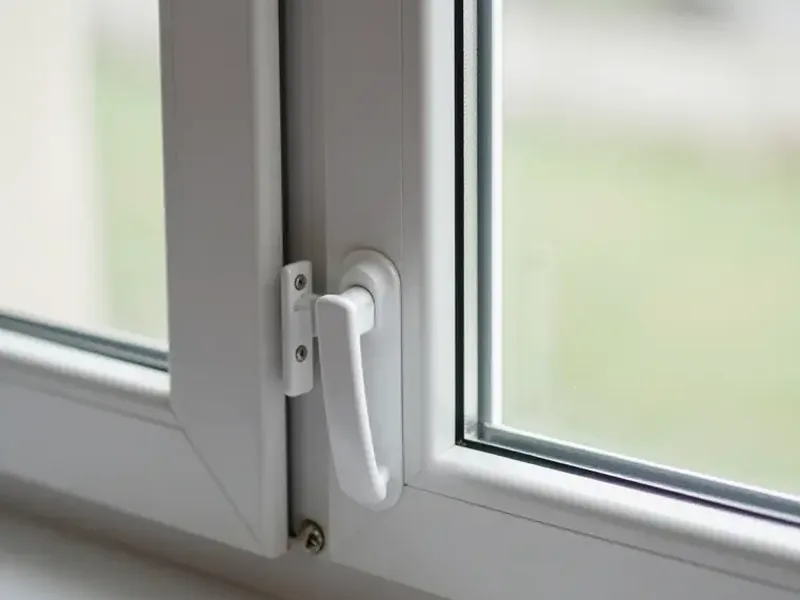 Penkid lock
 Blockers
 Child safety
 Window grilles
 Window handles
