
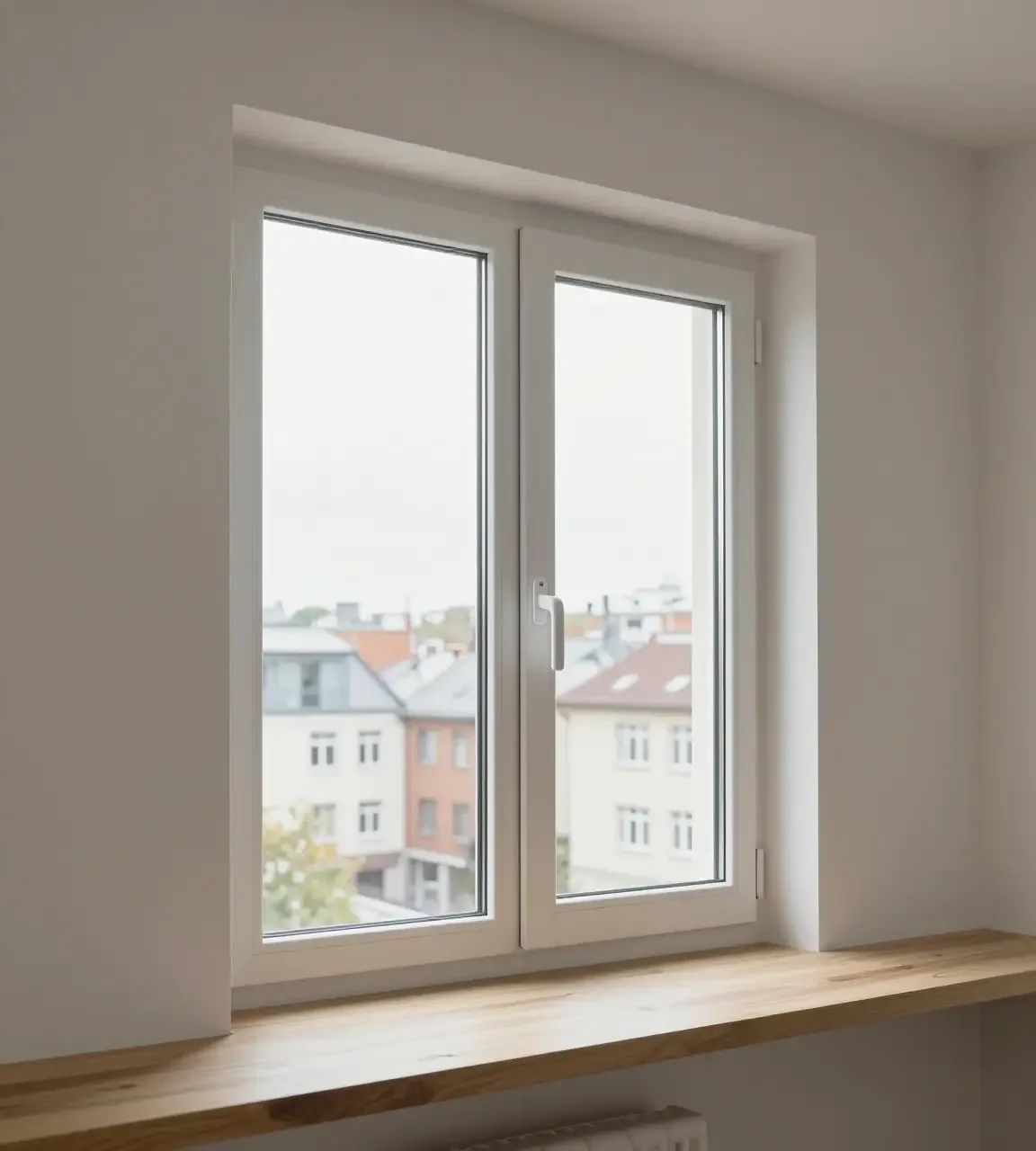
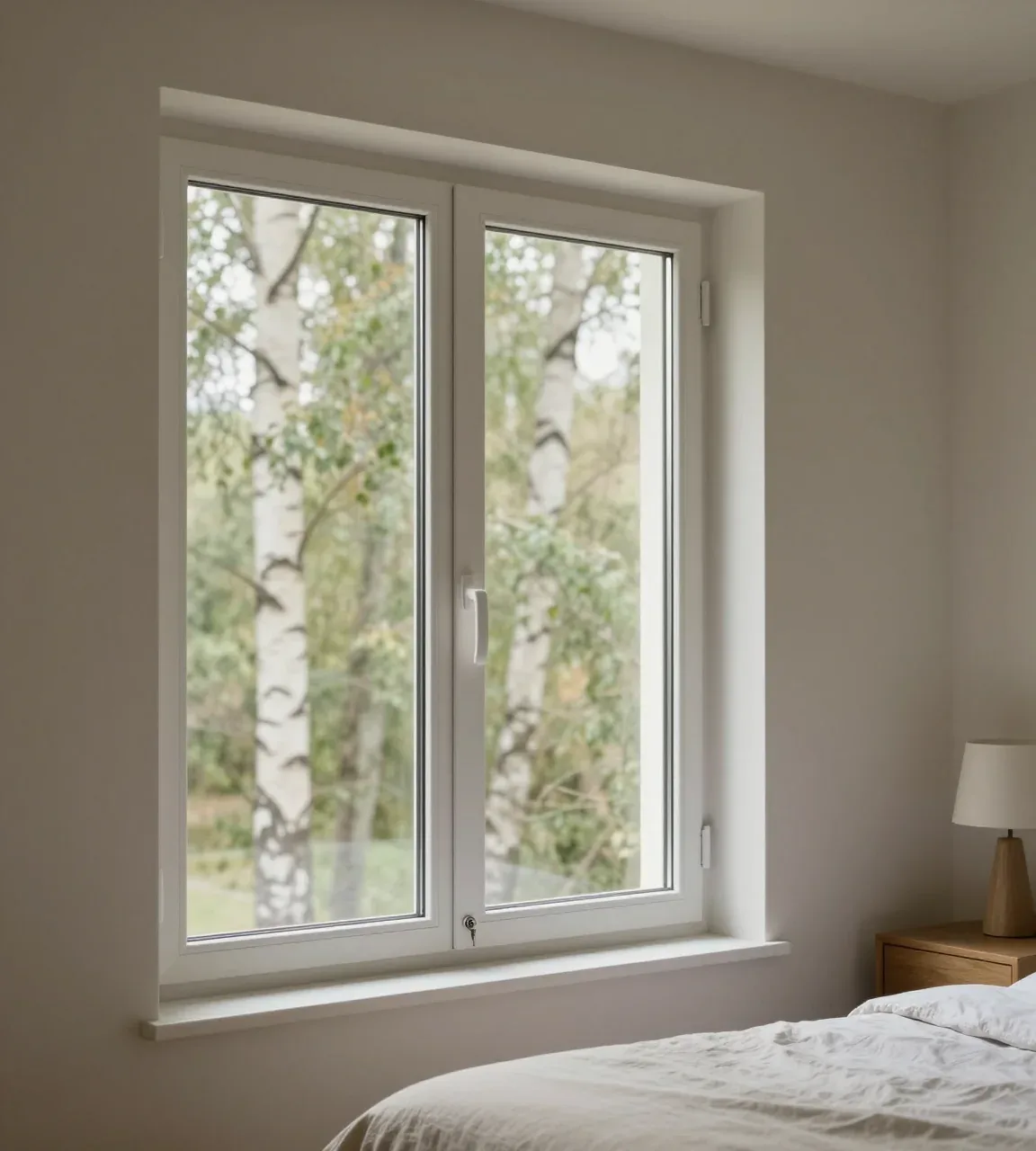
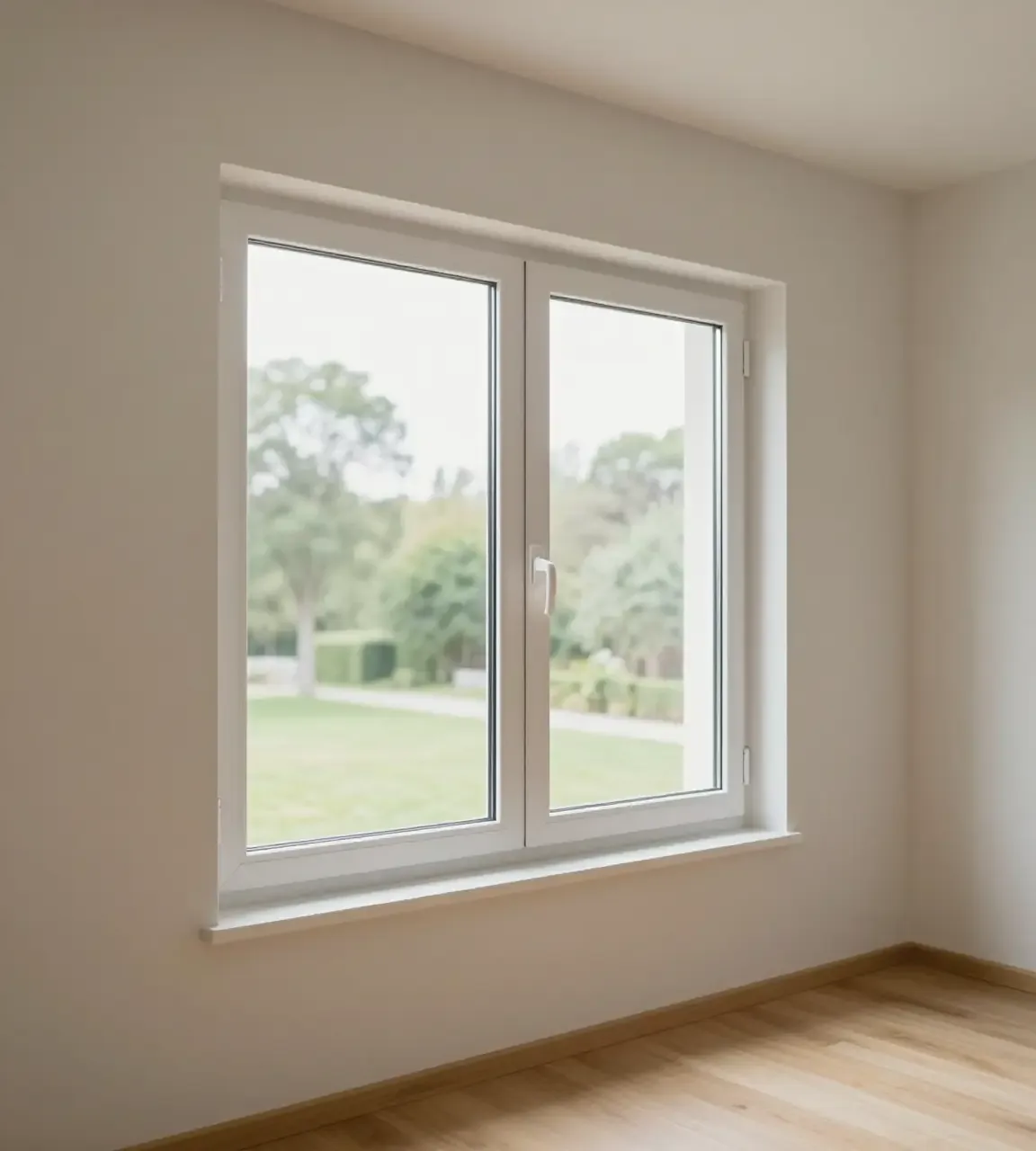
Sash · handle with key
Handle with lock
Replaces the standard handle with a lockable one. Price from 3 650 ₸ per item, installation on site.


Handle with lock
Replaces the standard handle with a lockable one. Price from 3 650 ₸ per item, installation on site.
Comb limiter
Fixes the sash opening angle. Price from 1 050 ₸ per item with installation.
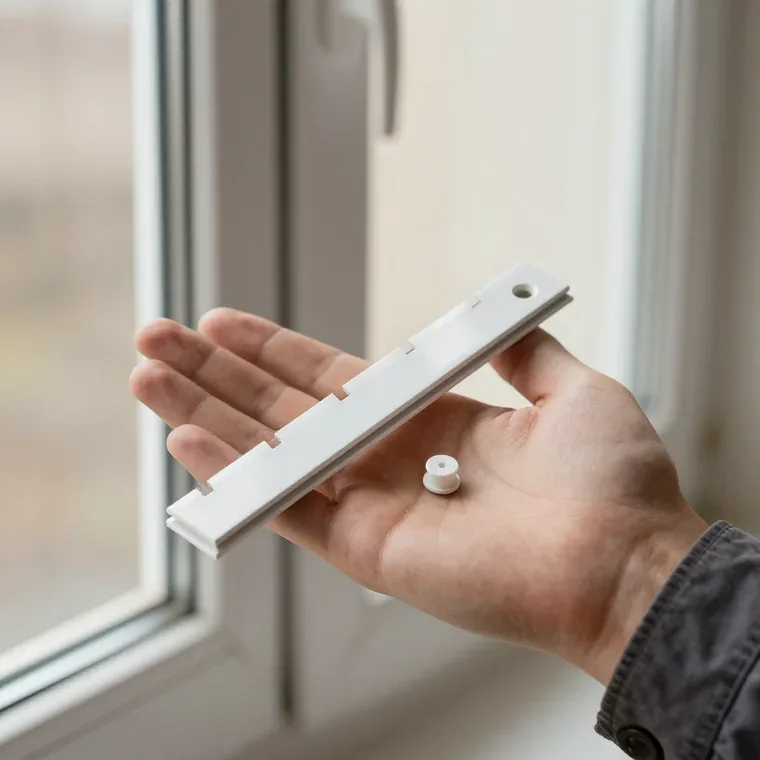

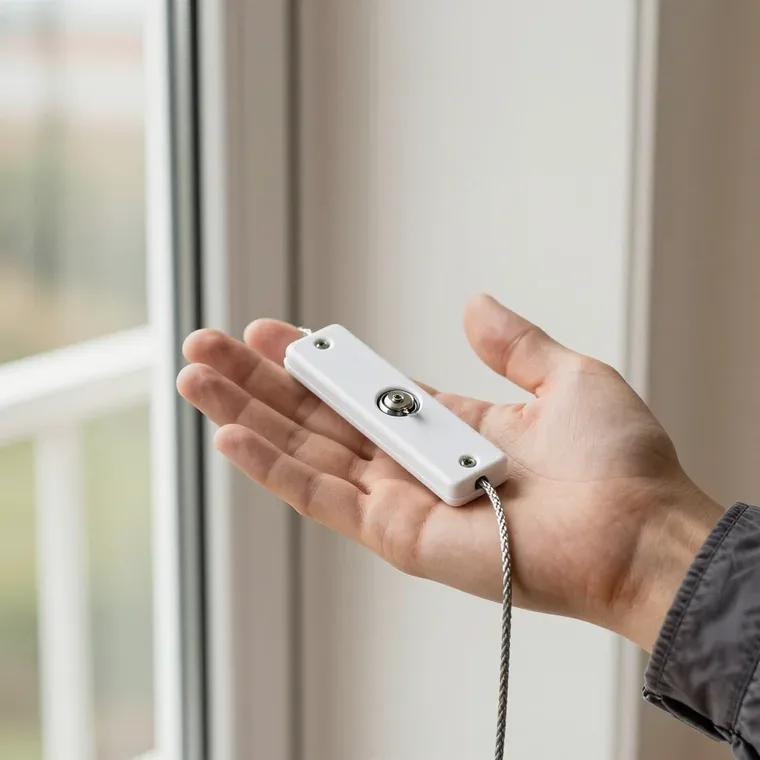
Cable limiter
Limits sash travel with a cable and lock. Price from 2 500 ₸ per item.
Transparent grille
Protects the opening from leaning on the mosquito screen. Price from 22 000 ₸ per item.




5,097 reviews on review sites
It's not a single product but a set of devices for a specific scenario: sash, windowsill, mosquito screen, balcony door.
Child window protection is a set of devices that prevent a child from opening the sash, climbing onto the windowsill, or leaning on the mosquito screen. The set includes lockable handles, limiters, blockers, and grilles. Each device solves its own task, so they are selected for a specific window and family habits.
The same kit doesn't suit everyone: a comb limiter is installed on a sash for ventilation, a lock on a balcony door, a grille on an opening with a screen. The measurer checks the profile, floor, and how the child uses the window. The price is fixed in the order after measuring.
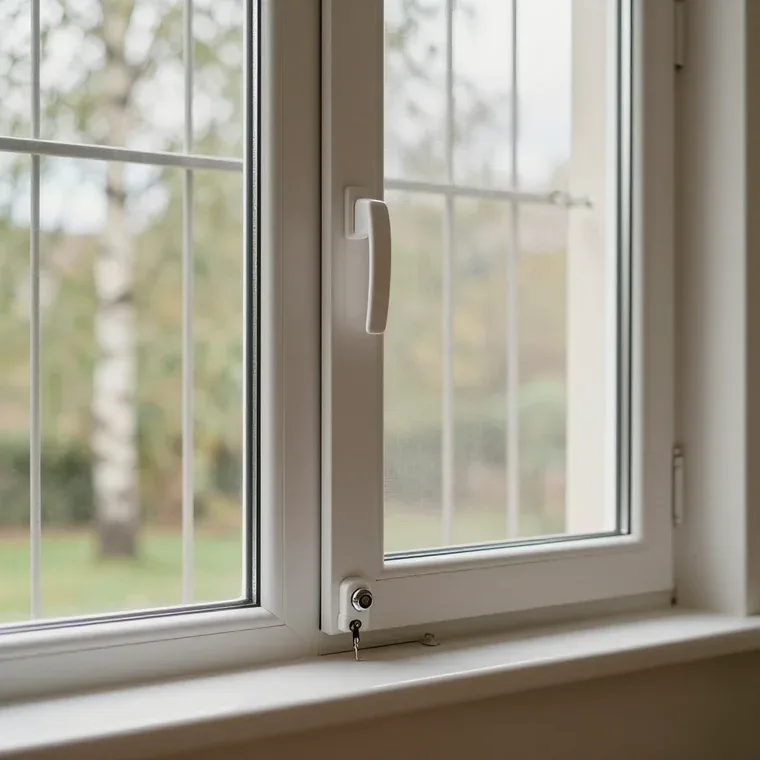
turnkey protection kit for one sash
measuring visit and consultation on device selection
making a framed screen to your dimensions
The fixing method depends on the profile, opening side, and device type. Below are four main options for a sash and door.
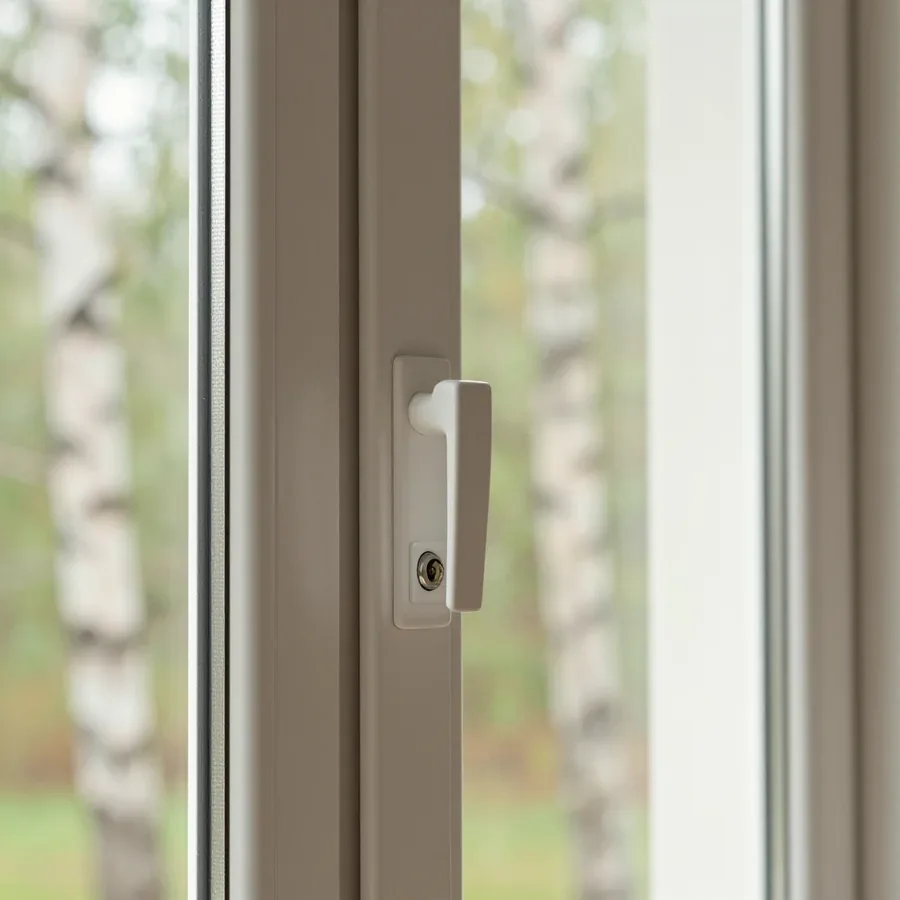
Fixings are selected for the profile and sash opening side so the handle fits without skew and doesn't interfere with the seal.
Attaches to the frame on the hinge side. Holds the sash at several opening angles.
One end on the frame, the other on the sash. The cable stops the window from opening wider than a set distance.
The blocker goes on the sash, the flag lock on the balcony door. Both stop the handle from being turned without a key.
Five protection options with a price per unit. Suitable for plastic, wooden and aluminium windows — fixings are matched to the profile.
replaces the standard handle
Locks the sash with a key. Price from 3 650 ₸ per unit.
holds the opening angle
Comb restrictor with installation. Price from 1 050 ₸ per unit.
limits sash travel
Cable restrictor with lock. Price from 2 500 ₸ per unit.
stops the handle from turning
Sash blocker. Price from 1 200 ₸ per unit.
stops leaning on the opening
Polycarbonate window grille. Price from 22 000 ₸ per unit.
Devices and installation work, with timing and options.
| Type of item | Price |
|---|---|
| Window handle with keyreplaces the standard handle | from 3 650₸ per item |
| Comb limiter with installationfixes the sash opening angle | from 1 050₸ per item |
| Cable limiter with locklimits sash travel with a cable | from 2 500₸ per item |
| Penkid lock with cablesurface-mounted lock with key | from 2 150₸ per item |
| Sash blockerprevents opening the sash by turning the handle | from 1 200₸ per item |
| Installation of a blocker or child locktechnician's work on site | from 2 750₸ per item |
| Surface-mounted child window lockflag style with key | from 3 250₸ per item |
| Transparent polycarbonate grilleprotects the opening from leaning | from 26 000₸ per m² |
| Transparent window grilleready kit for a standard opening | from 22 000₸ per item |
| Child window grillemetal, fixed into the opening | from 12 500₸ per item |
| Grille with mosquito screentwo in one: screen and protection | from 19 800₸ per m² |
| "Anti-Cat" screen as window protectiondurable mesh for the sash | from 13 000₸ per item |
| Child window protection turnkeyset of devices for one sash | from 6 000₸ per window |
The price is fixed in the order after measuring.Measuring and consultation are free.Payment after installation: cash, card or Kaspi.
Book a measuring visitFacts about the company: experience, warranty, measuring, profile painting and working hours.
we work across Kazakhstan
on work and replaced parts
we make and paint the profile to match your windows
white, brown, grey — to match your windows
we take requests every day
we reply within 5 minutes
or Kaspi — after fitting
you can order in 17 cities of Kazakhstan
Four steps from request to checking that the devices work.
You leave a request, we agree a convenient visit time. We reply on WhatsApp within 5 minutes.
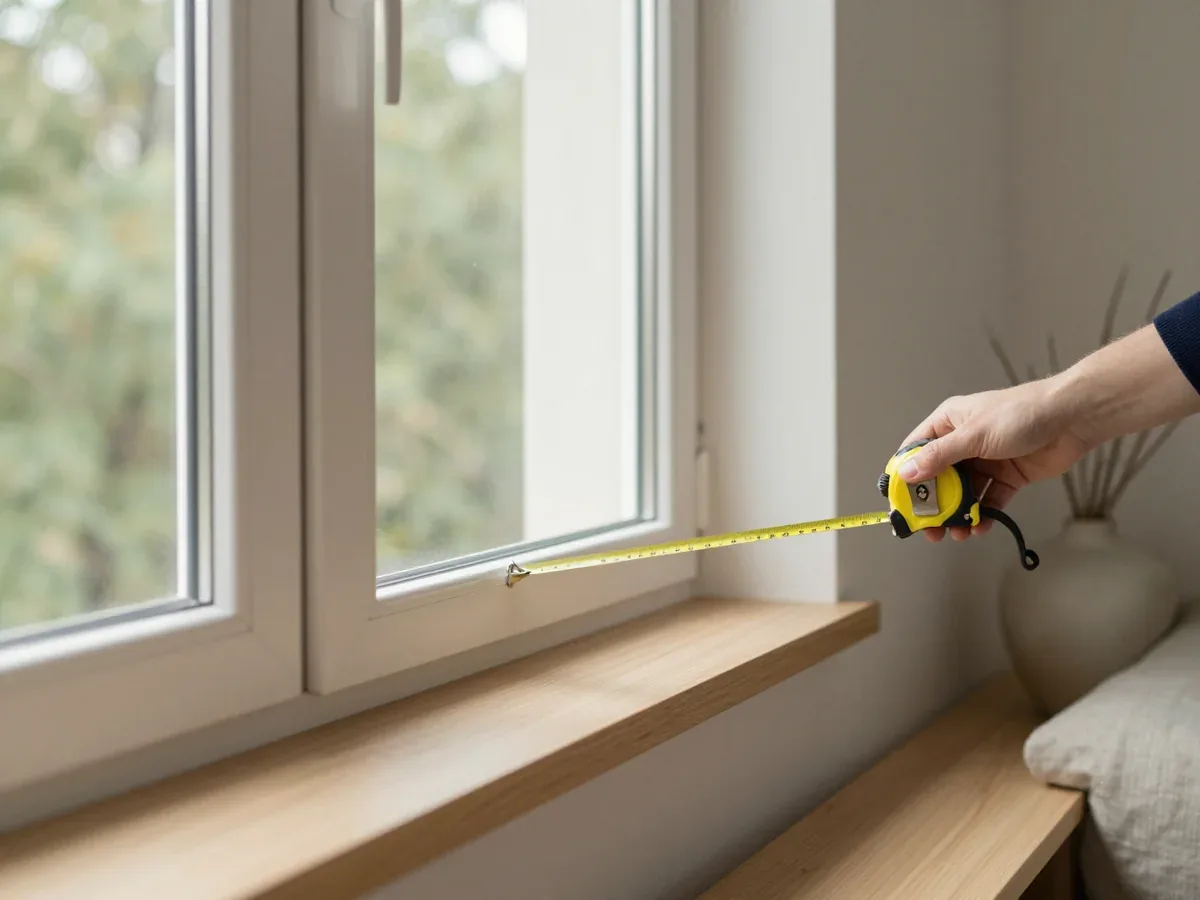
The measurer takes sizes, checks the profile and floor, and selects devices for the scenario.
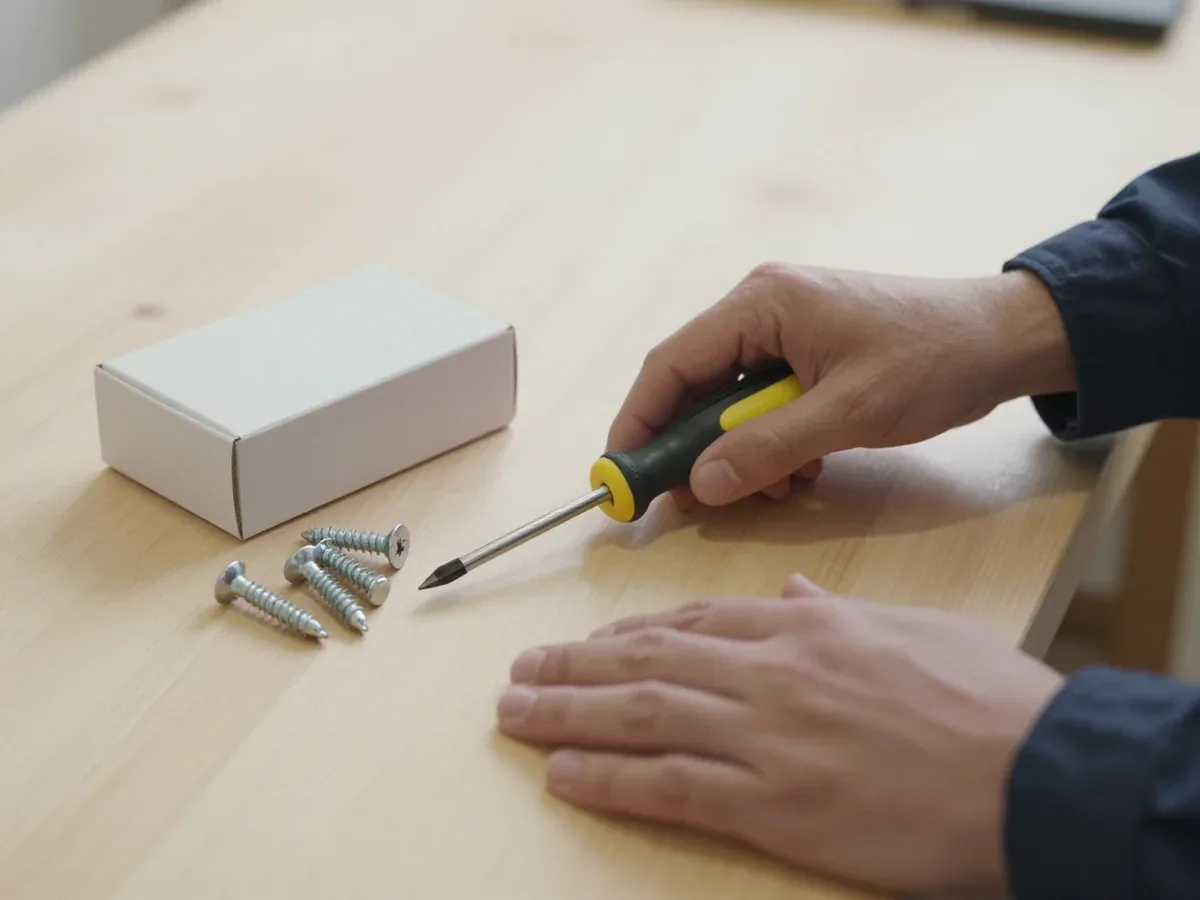
The technician installs the handle, restrictor, blocker or grille.
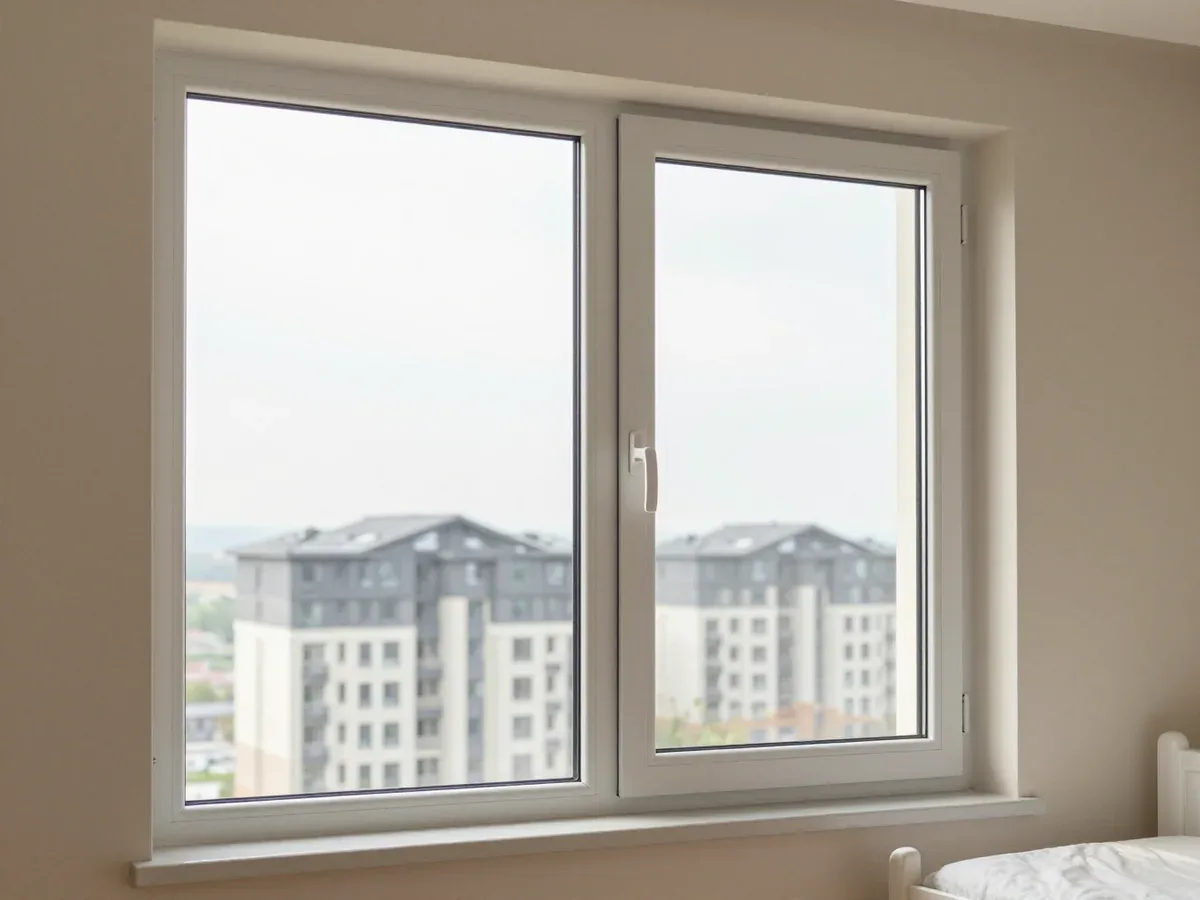
The technician shows how to use the key and what to do when replacing the sash or repairing the window so the devices don't interfere with the hardware.
Good to know

Senior mosquito screen specialist at moskitnyesetki.kz
We supply and install child window safety in Aktobe, fitting restrictors, blockers, child locks and grilles to PVC, wooden and aluminium windows. A free measuring visit lets our fitter match the device to your window profile and floor, we install with our own team, and you pay only after installation. A 1-year warranty covers mosquito screens.
A family with a small child has four basic routes — a restrictor, a blocker, a handle lock and a grille. They differ in how they stop a sash and in what they cost you in light and airflow.
A restrictor limits how far a sash opens, a blocker stops a toddler from opening it at all, a handle lock secures the fitting with a key, and a grille is a fixed physical barrier. A restrictor caps the opening angle at a set point — enough for air, not enough for a body to pass. A blocker mounts on the frame and holds the sash shut from the inside until an adult releases it. A key-operated handle lock replaces or covers the fitting, so the sash cannot be turned without the key. A grille is screwed over the opening and does not move at all. Child window safety in Aktobe starts with matching the device to the window and to how the room is used. The pick depends on daily ventilation: a restrictor keeps airflow, a grille does not.
| Device | What it does | Best for | Ventilation |
|---|---|---|---|
| Restrictor | Caps the sash opening angle | Tilt-and-turn and casement windows | Stays open |
| Blocker | Stops the sash opening from inside | Rooms a child uses alone | Stays open |
| Child lock with cable | Locks the handle, key-operated | Windows and balcony doors | Stays open |
| Grille | Fixed barrier over the opening | Ground floors and high-risk windows | Reduced |
We fit window safety without grilles using restrictors, blockers and key locks, so the window keeps its look and the room keeps its light. A restrictor on a tilt-and-turn sash lets you leave the window in the vent position while the opening stays capped, which is the setup most families in Aktobe ask for in a child's bedroom. A key lock on the handle covers balcony doors, where a blocker alone is awkward to reach. Nothing is screwed across the glass, so curtains, blinds and the view stay as they were. Skipping grilles also keeps the fire-escape route clear, which matters in apartment blocks where fixed bars are a safety concern of their own.
A safety device is chosen for one specific sash and one specific floor, not for an average window. The type of frame and the height above ground change what we recommend.
We install child window safety on PVC, wooden and aluminium windows, and the fixing is picked to match the profile rather than forcing one bracket type everywhere. On PVC, the steel reinforcement inside the chamber takes a standard screw anchor cleanly, so a restrictor or a lock sits tight for years. Aluminium profiles are thinner-walled, and the fixing has to spread the load across a wider point or the thread strips after a season of use. Wooden frames often need a different screw anchor than PVC because the profile wall is thinner, and the same fitting can sit very differently on two windows in a single flat. Ask for the anchor to be tested on the actual leaf before the order is confirmed. A bracket that holds on the display stand can still work loose on a soft wooden frame within weeks.
On tilt-and-turn windows a restrictor or blocker works on the turning leaf, and on higher floors we lean toward a key lock so the opening cannot be widened at all. A restrictor limits the gap to a set distance and is released by an adult in a single motion, which suits a first or second level where the drop is survivable and daily ventilation matters. Ten storeys up, the same gap is no longer a compromise worth making, and a key lock that keeps the leaf fully closed until an adult unlocks it removes the risk instead of managing it. The higher you are, the more the choice shifts from «limit the gap» to «prevent opening», because a child who reaches a wide-open leaf on the tenth storey has no second chance. Match the hardware to the height first, then to how often the window is opened.
Measuring and consultation are free, and the measurer comes at a convenient time, takes the sizes and helps choose the design, mesh and fixings. The visit covers the width and height of the opening, the depth of the profile, the position of the handle and the swing direction of a tilt-and-turn leaf. From those numbers the specialist selects Z-shaped brackets, pins or magnets to suit the window profile and the storey, so the hardware clears the handle and does not foul the frame on opening. A measurement taken at the open sash, not the closed frame, is what shows whether a bracket will clear the handle — a detail that decides if the device fits at all. Book the visit before you commit to a model, since the numbers usually settle the choice faster than any catalogue.
Many parents hesitate because they assume the window frame has to be drilled. We explain how the protection goes on, which fixings hold it and how long the visit takes.
Depending on the window, we fix the guard with Z-shaped brackets, pins or magnets, and where the profile allows it the frame itself is left undrilled. On a standard PVC leaf the Z-bracket hooks behind the edge and the unit sits there without a single hole in the profile. Pins, also called plungers, work where the gap between sash and frame is tight, and magnets suit light fittings on smooth surfaces. The installer chooses the fixing for your window type and floor rather than carrying one universal kit. A no-drill fixing is only as strong as the surface it grips, so on a thin aluminium profile we may still recommend a small anchor point for a guard a child will pull on.
Our own fitters install the devices, we work seven days a week, and we reply on WhatsApp within 5 minutes to agree a visit time. The same person who measures your window comes back with the hardware, so nobody hands your order to a third party. We keep our own team across the city, and fitting a restrictor or lock on a couple of sashes usually takes one visit. Because the same crew measures and installs, there is no handover gap where a second contractor blames the first for a bracket that does not line up. If a fixing needs a second look, the same fitter returns to it, so the device is adjusted by the person who mounted it.
Before you commit, it helps to know how the figure is settled, when money changes hands and what stands behind the work. Below we walk through the terms step by step.
The price is fixed in the order after measuring, so the figure you agree on the visit is the figure you pay once the work is done. Our measurer comes at a convenient time, takes the sizes of every sash and helps you choose the device, the fixings and the finish, and the consultation costs nothing. Only then does the sheet carry a final number, and it stays there — an unusual profile or a deep reveal found on site is priced before any drilling starts, not added afterwards. On a standard PVC window the measuring takes about twenty minutes, and on wooden or aluminium frames with deep reveals it runs longer because each fixing point is checked by hand. Ask for the written sheet at the end — it locks the figure and lists what will be fitted where.
You pay after installation by cash, card or Kaspi, so the money changes hands only once the devices are fitted and checked. Nothing is taken up front, and no deposit is held while the parts are made. The fitter finishes the last window, walks the flat with you and demonstrates each lock or restrictor in turn; the payment happens at that point, on the spot, in whichever form suits you. Our team replies on WhatsApp within five minutes if a question comes up before the fitting day, and we are open seven days a week, so a weekend job does not push the payment into the following week. Settling on completion also gives you a natural moment to test every window yourself, rather than discovering a stiff lock the next morning.
We give a 1-year warranty on mosquito screens, and the same care with fixings and fitment applies to the safety devices we install. That covers the parts we supply and the labour that put them there: a restrictor that stops catching, a lock that loosens or a bracket that works free is put right under that cover, with the replaced parts included. Window installation itself carries a 5-year warranty, and glass unit replacement a 3-year one, so the frame and the glazing around your device are covered on their own terms. Keep the sheet the fitter leaves you — it records which unit went on which window, which makes any later service call faster and clearer.
Window protection does not live in isolation — it shares the sash with your mosquito screen and moves with the seasons. Here is how to take devices off, put them back and keep everything working together.
A framed screen comes off from inside in a minute and is best removed for winter, and the safety device on the leaf can be released and re-engaged the same way each season. We build the frame so it lifts clear of the guides without tools, which matters on upper floors of Aktobe blocks where the outside face is out of reach. The limiter or lock stays on the sash handle and simply gets released for the cold months, then re-engaged when you start opening windows again. Marking the device position with a pencil line before the first removal saves guesswork in spring, when the bracket has to go back in exactly the same spot — a faint mark costs nothing and prevents a wobbly refit.
A safety device and a mosquito screen can share the same window, because the screen sits on its own frame while the restrictor or lock works on the sash handle. The two do not compete for the same fixing points: the frame clips into its guides, and the device mounts on the sash or handle, so a window can carry both without either getting in the way. Our workshop repairs mesh panels and changes fastenings, so a screen that has lost a bracket can be sorted in the same visit as the device check. Fit the screen first if you are ordering both, so the fitter can check the guard does not foul the screen frame when the leaf is opened — a two-minute test that avoids a leaf catching on the mesh later.
We put together how an order runs from the first message to the finished unit, and why going straight to the installer saves you the back-and-forth a middleman adds.
You message us on WhatsApp, we reply within 5 minutes, agree a free measuring visit, then fix the price and install the safety product with our own fitters. The measurer comes at a time that suits you, takes the sizes, and helps you choose the design, mesh and fixings — the visit and consultation cost nothing. Once the order is placed, the price is fixed in it, so nothing shifts between the visit and the work itself. We work seven days a week and you pay only after installation: cash, card or Kaspi. Booking the visit early in the week usually means the work can follow within days, since one crew handles both steps.
We are a direct installer with our own fitters, so the person who measures your window is accountable for how the product ends up mounted. That single line of responsibility matters more than it sounds: the measurer notes the profile, the floor and the sash type, and the same crew returns to put the unit in to those numbers. A middleman splits the job — one company takes sizes, another does the mounting, and a third answers the phone when something needs adjusting. With a middleman, a sizing error and an installation error land on two different firms; dealing with one team removes that gap entirely. In our practice, the questions that come up afterwards are answered fastest when the fitter who did the work picks up the message.
Mosquito screens can be ordered in 17 cities of Kazakhstan, and in Aktobe the same team handles measuring, mounting and after-sales questions. Residents of the city get the full range of canvases — Ultravue, Anti-Cat (Pet Screen), Anti-Pollen (Poll-Tex), Standard (Fiberglass) and Krylo — plus metal mesh, with frames painted any colour to match your windows. All production runs from one workshop in Almaty, so an order placed here is made to the same standard as anywhere else the brand works. A framed screen made to your size takes 10–15 minutes, a pleated screen 40–60 minutes, and every screen carries a 1-year warranty. Because the workshop is central, a replacement part or a re-measure is handled through the same supply chain rather than a local reseller's stock.
A short recap of what decides a safe, well-fitted result — so the choice on the day of measuring is quick and informed rather than guesswork.
Installation without drilling, options for upper floors, lock reliability, fitting
Konstantin Selenenkovsenior mosquito screen specialist, 10 years in the tradeOnline · replies within 5 minutes
Ask a questionThe fixing method depends on the device: a comb limiter goes on the hinge side, while a cable lock or blocker is fixed to the sash and handle. Whether the profile needs drilling depends on the chosen model, and the installer will confirm this during the free measuring visit.
For upper floors, the Stop-Malysh grille is often recommended: it covers the opening completely and stops a child from opening the sash even partially. A limiter is reliable against swinging open, but if adjusted incorrectly it leaves a gap, so it is chosen for the specific window.
A cable lock is designed for the force a child creates when pulling the sash and stops it opening wider than the set gap. However, the device only limits sash movement and does not replace constant adult supervision.
Yes, a mosquito screen only protects against insects and does not hold a child — it easily falls out when pressed. Child safety devices are installed separately, and the screen can stay in place.
The removal procedure depends on the model: fixings on the handle or hinge are unscrewed, and marks are wiped off with a soft cloth. If the fixing was screwed in, holes remain in the profile, so it is best to discuss the mounting method with the installer in advance.
Our technician installs child safety devices in Aktobe: they come after a request, choose fixings for the profile and sash, and fit the device on site. Timing depends on the window and the type of protection; the technician will give a precise estimate.
Thank you. We will call you back within 10 minutes!
Your order number is on the receipt or in the SMS. Choose where to leave your review.
Write a review on WhatsApp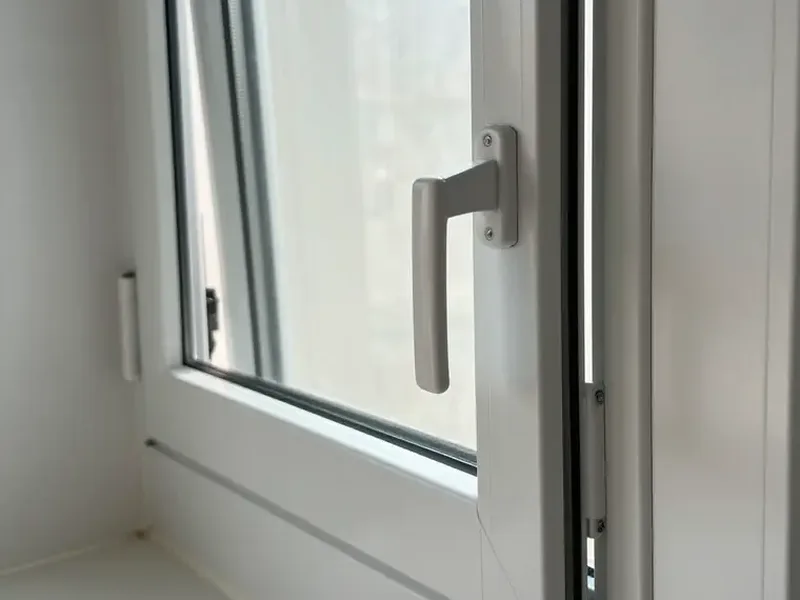 Window limiters
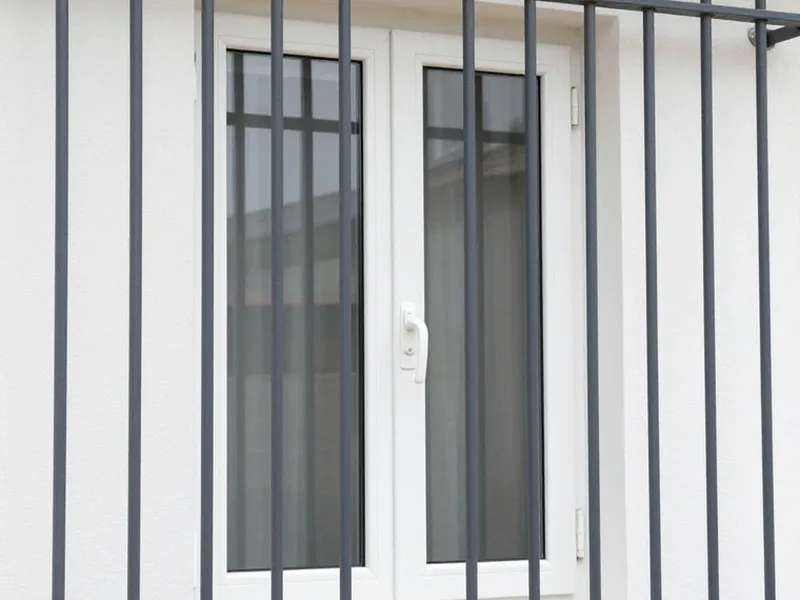 Metal grilles
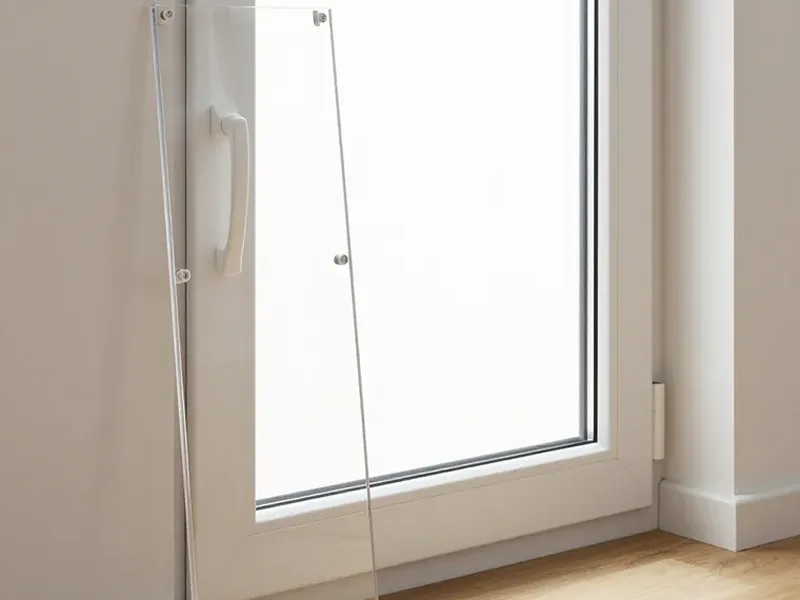 Clear grilles
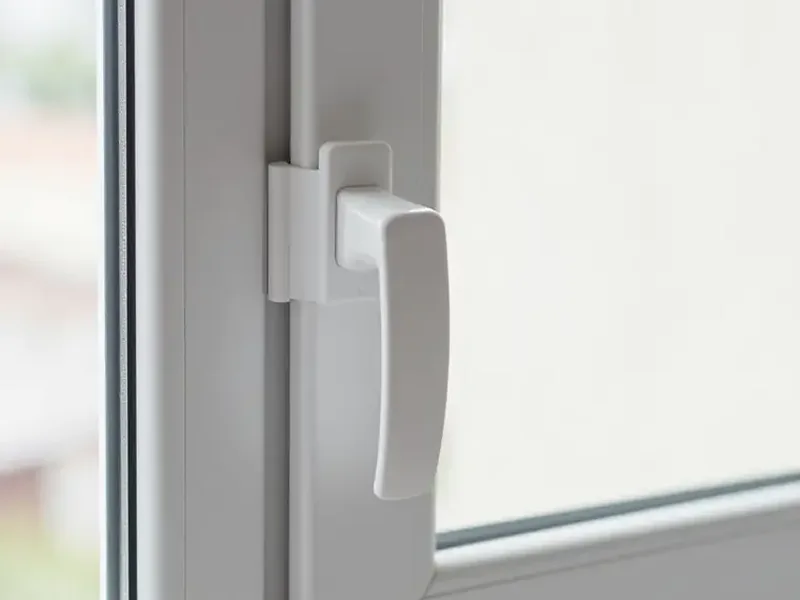 Window blockers
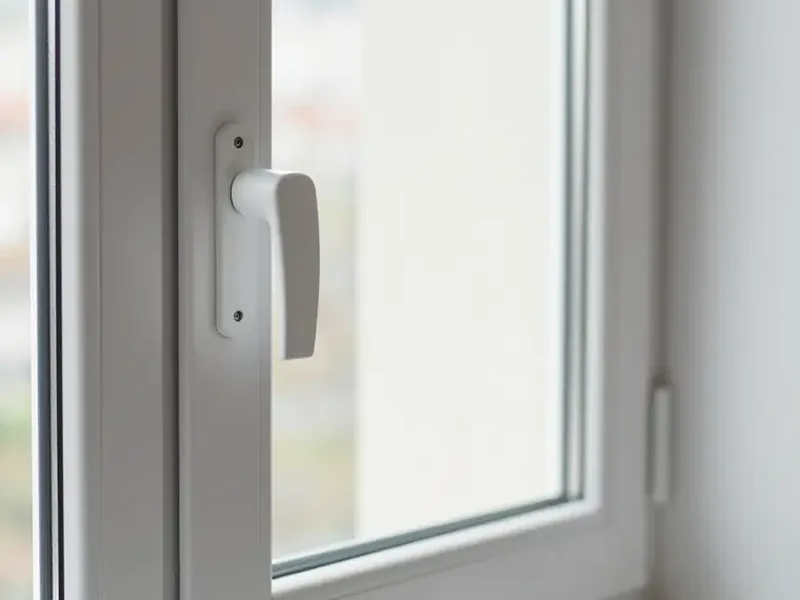 Window handles
