
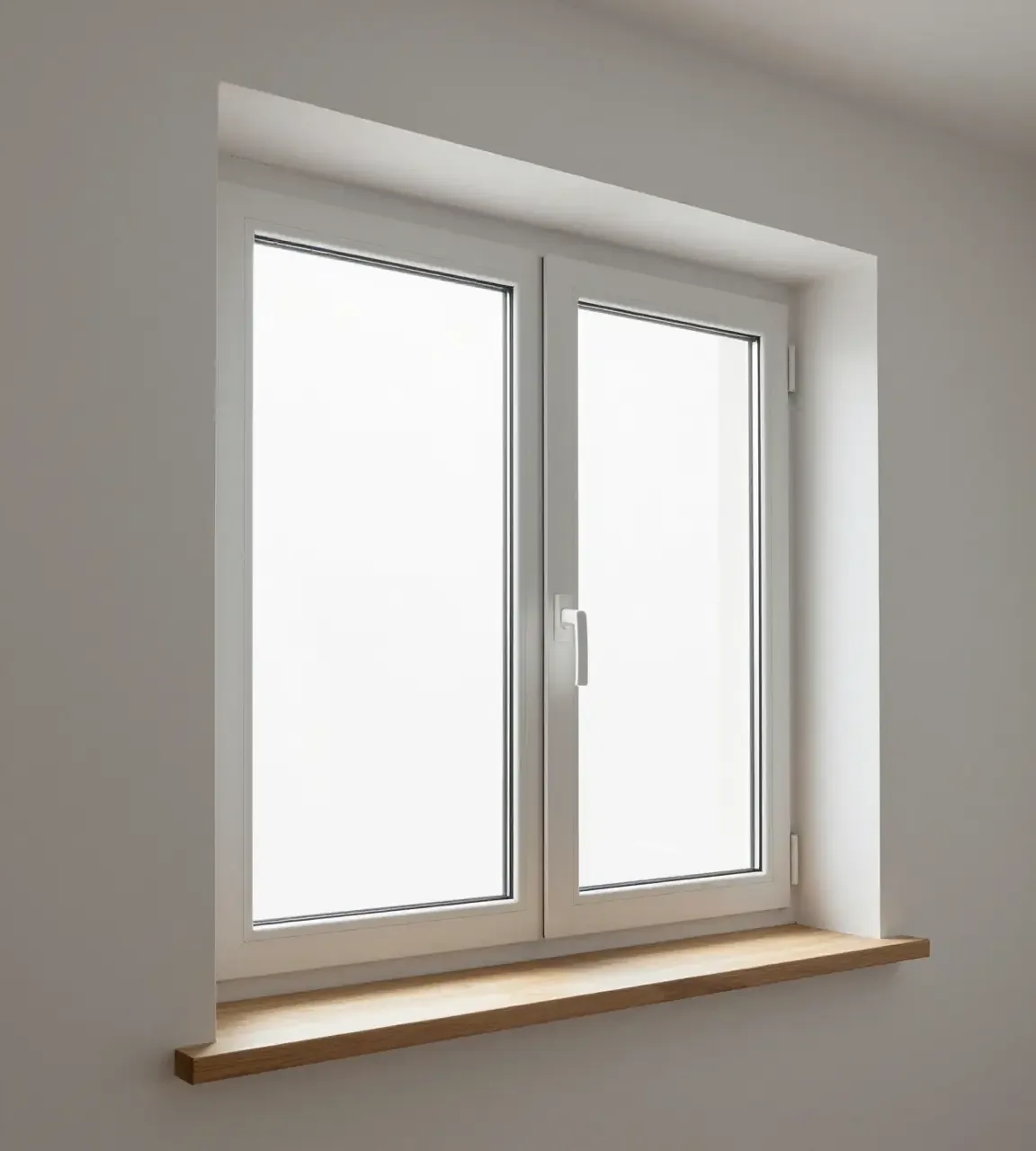
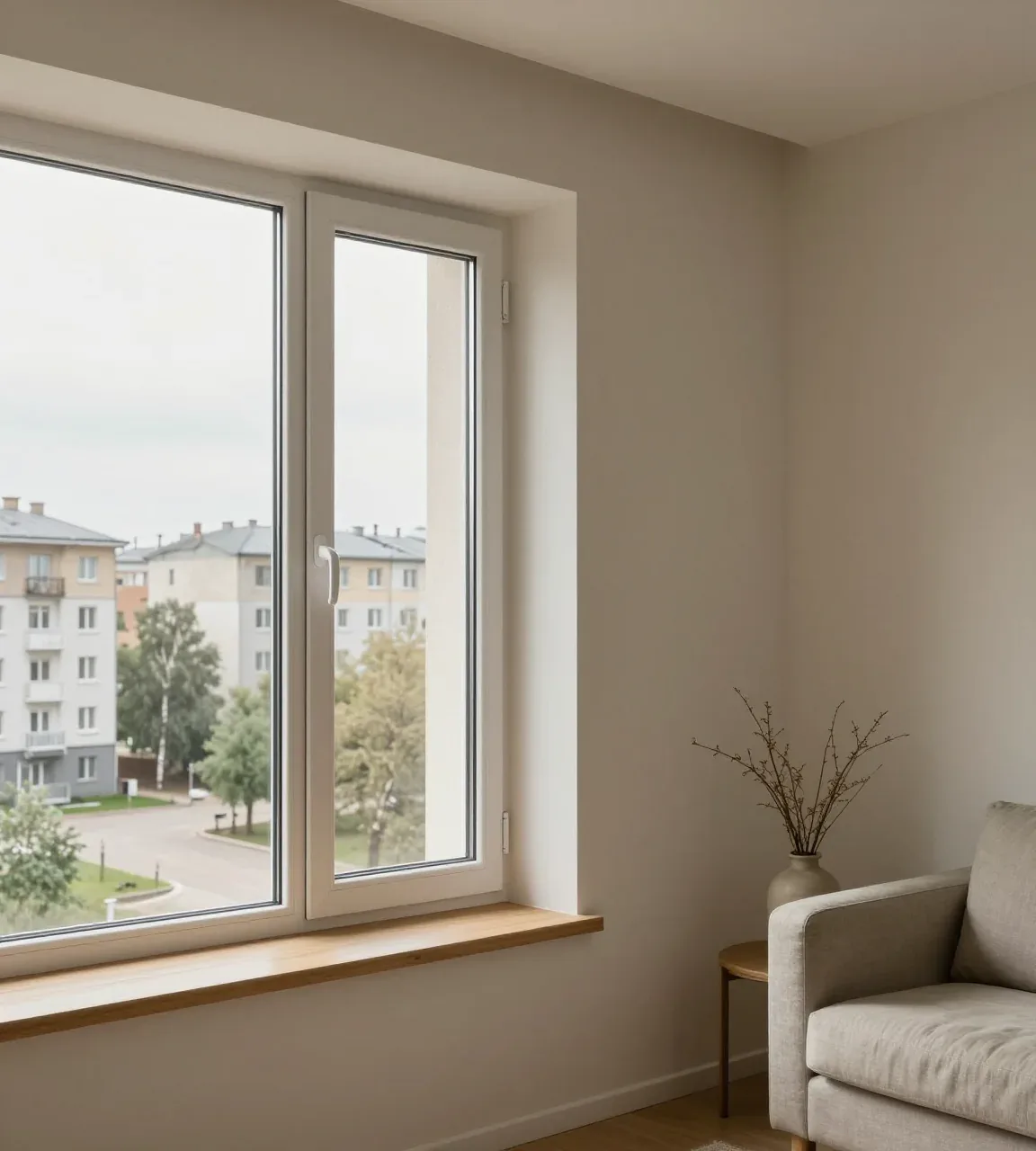
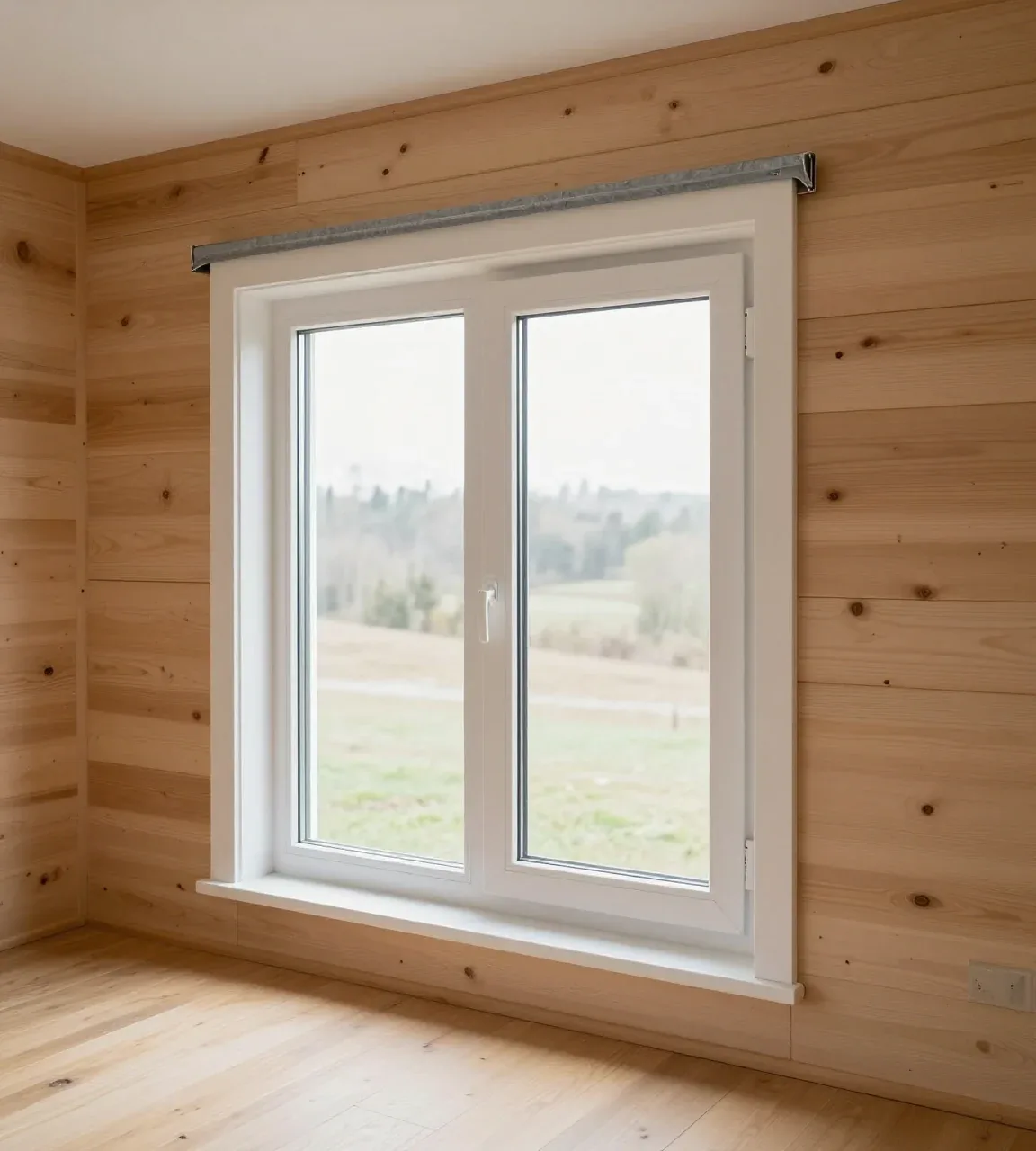
Old frames
Swedish technology
We mill a groove in the wooden frame and install rubber; the window opens and there are no draughts. From 4 200 ₸ per linear m.
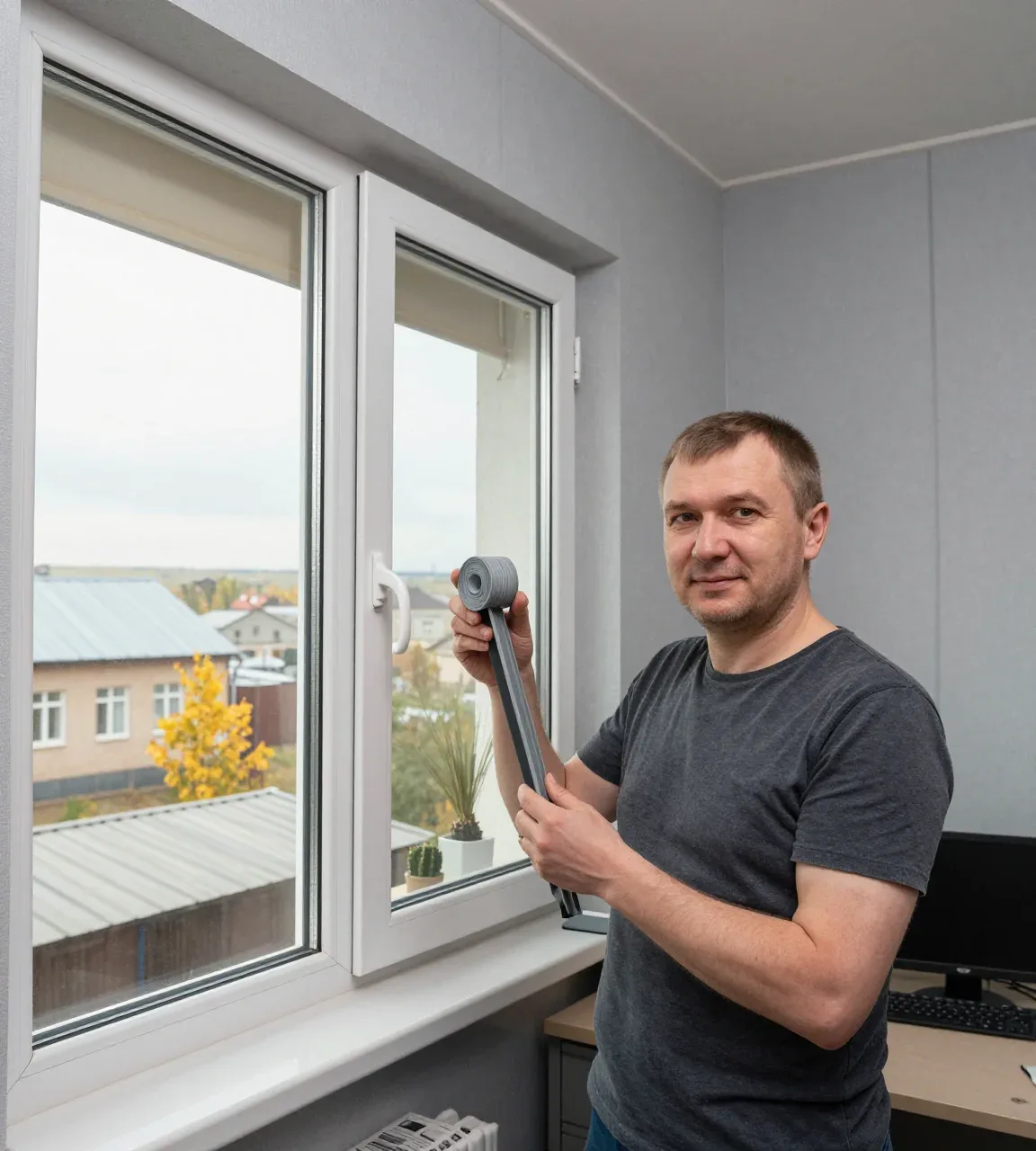
Swedish technology
We mill a groove in the wooden frame and install rubber; the window opens and there are no draughts. From 4 200 ₸ per linear m.
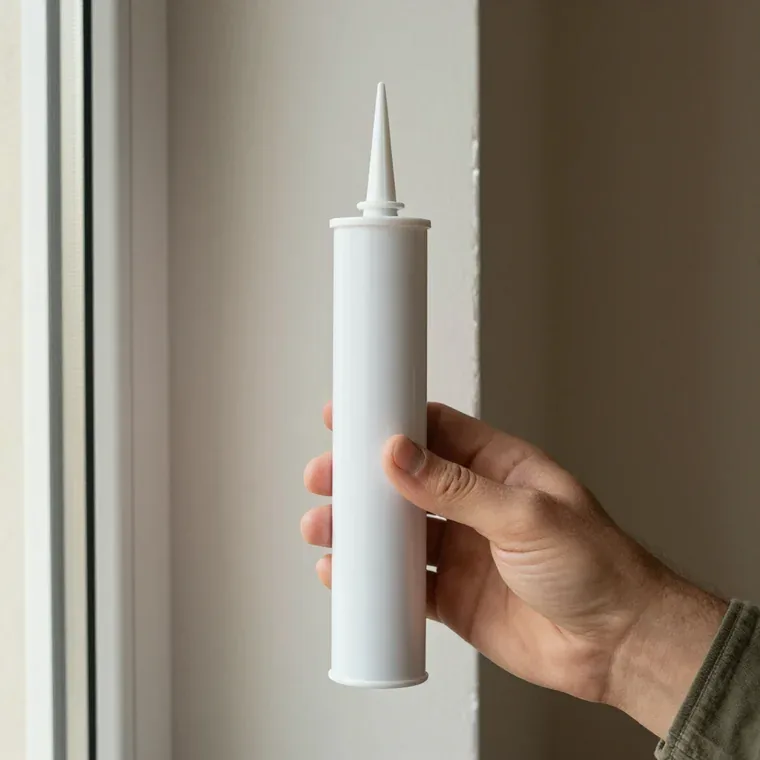
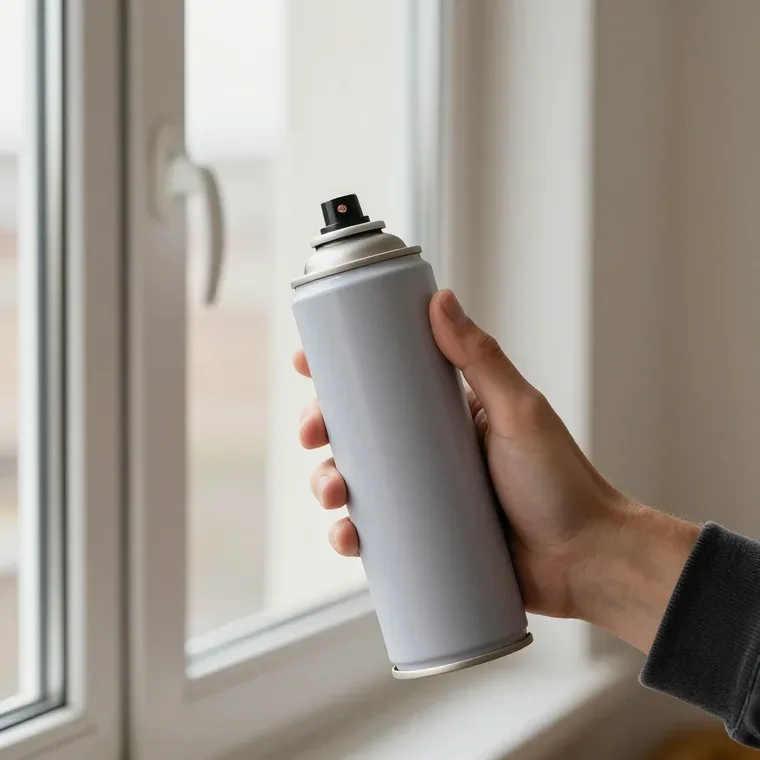
Seam under the sill
The gap under the sill lets wind and water through; we seal it with sealant. From 2 000 ₸ per linear m.
Cold balcony
We insulate balcony sashes and, if desired, walls from inside. Balcony from inside — from 6 800 ₸ per m².
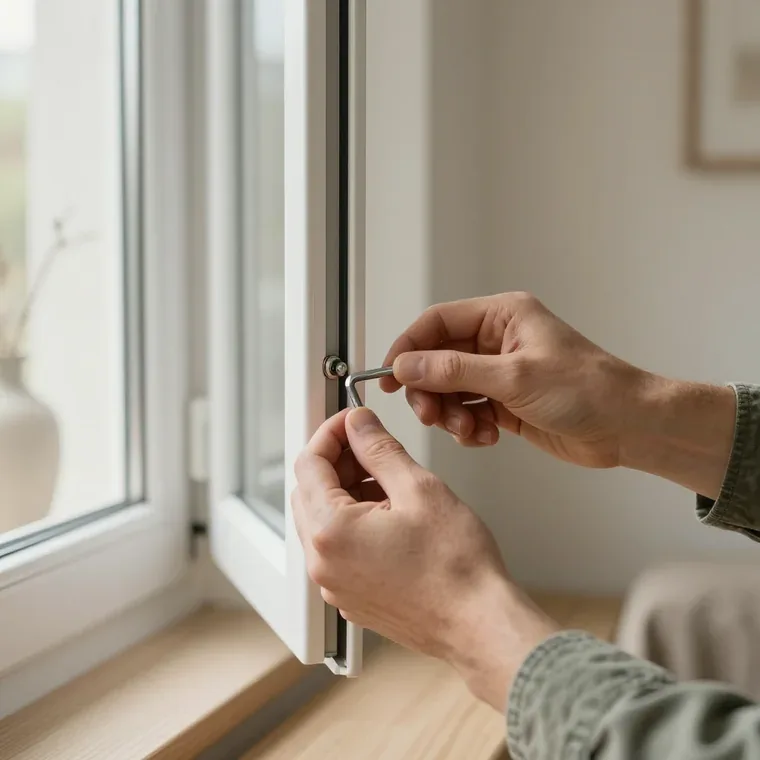
Rubber and compression
A new seal with adjustment closes draughts around the perimeter. From 1 000 ₸ per linear m.
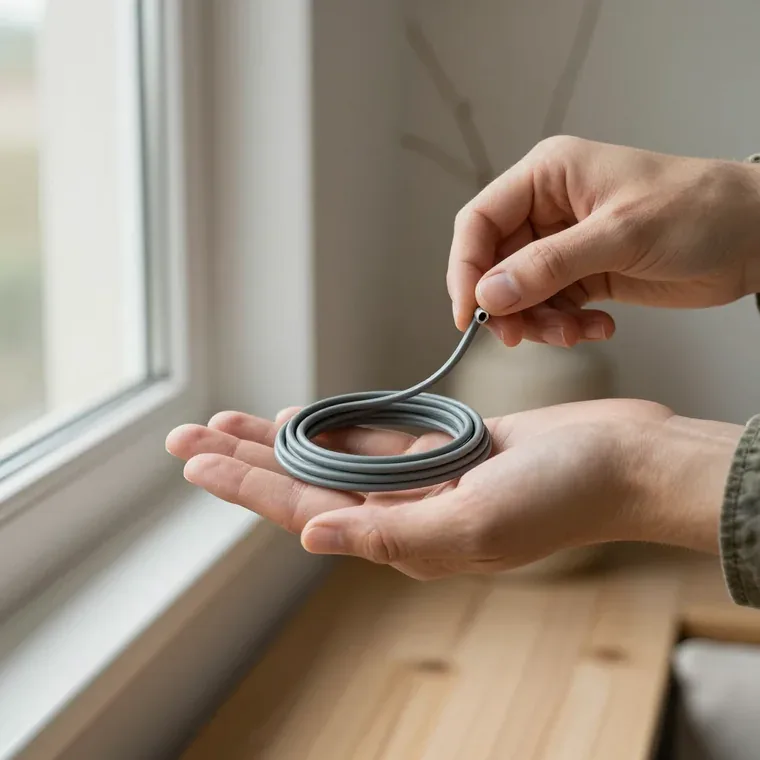
Reveals
We insulate the reveal where moisture collects and mould grows. From 19 900 ₸ per linear m.



5,097 reviews on review sites
A heater by the window, mould in the corner and high heating bills are signs that it's time to sort out the window.
A window loses heat through several places at once: gaps in the wooden frame, the seam under the sill, a cold reveal, thin double glazing. The technician checks each one and suggests work that will actually make it warmer, without extras.
Winters in Aktobe are frosty and windy, and old wooden windows are common in private houses here. They don't have to be replaced: Swedish technology makes the frame tight and preserves the look of the window.
linear metre of Swedish technology for wood
warranty on repair and components
the work: cash, card, Kaspi
Four causes we find most often in Aktobe.
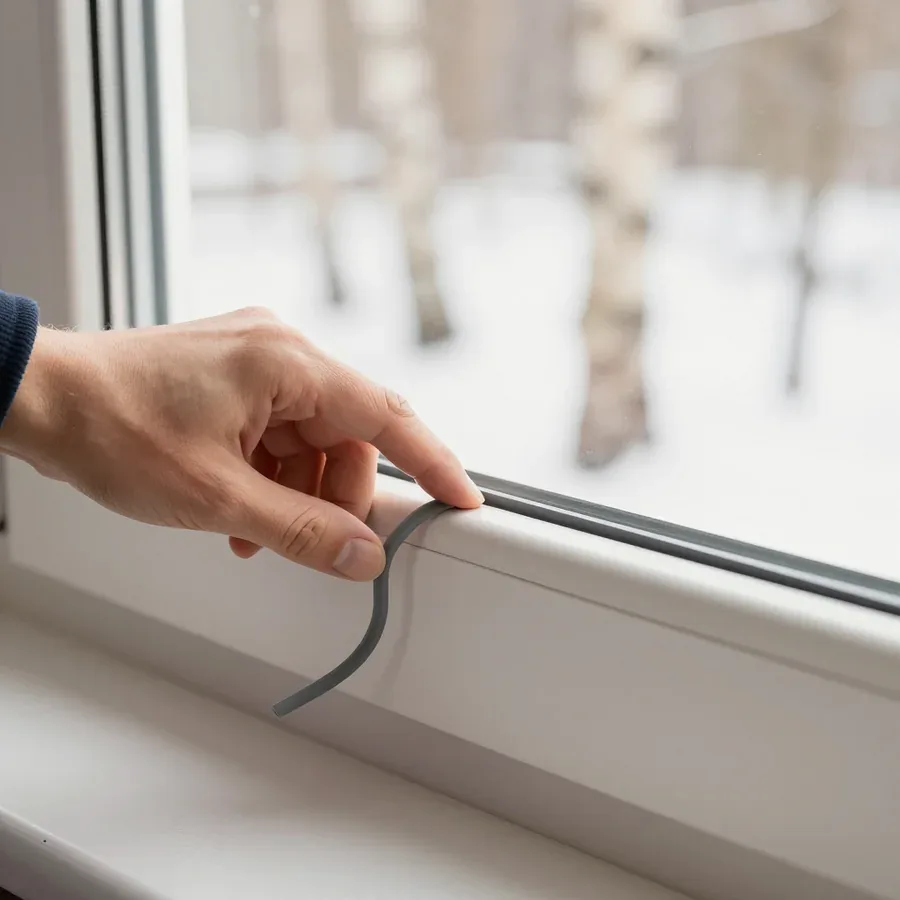
Dried-out wood leaves gaps that let frosty air in during winter.
The seam under the metal sill outside is open, and wind passes under the frame.
Balcony sashes don't close tightly, and cold from the loggia pulls into the room.
A single-chamber unit in a living room gets cold in winter and becomes covered with frost.
We choose by window: Swedish technology for a wooden frame, rubber and seams for plastic, sashes and walls for a balcony.
wooden windows
Rubber seal in a milled groove along the whole frame.
under the sill
Sealant closes the gap under the sill from wind and water.
loggia from inside
Insulation of walls, floor and ceiling of the balcony from inside.
PVC windows
New seal and sash compression adjustment.
complex cases
Shows all cold spots of the window before work begins.
The final price depends on the window type and the scope of work; the technician gives you the amount before starting.
| Type of work | Price |
|---|---|
| Turnkey windowall weak spots | from 3 800₸ per window |
| Seal replacementEPDM seal | from 1 000₸ per linear m |
| Sash draught-proofingclosing the gap | from 3 500₸ per sash |
| Inner seam, liquid plasticseam vapour barrier | from 1 500₸ per linear m |
| Outer seam, sealantunder the sill and on the side | from 2 000₸ per linear m |
| Reveal insulationwith new finishing | from 19 900₸ per linear m |
| Window sill insulationfoaming voids | from 15 000₸ per job |
| Swedish technologywooden frames | from 4 200₸ per linear m |
| Micro-lift, extra compressionsash no longer sags | from 1 700₸ per unit |
| Inter-frame rubberadditional contour | from 2 800₸ per window |
| Thermal imaging inspectionall cold spots | from 9 000₸ per job |
| Warm balcony from insidewalls and floor | from 6 800₸ per m² |
The price is fixed in the order after measuringMeasuring and consultation are freePayment after installation: cash, card, Kaspi
Call a technicianThe key points about our window work.
on work and new components
we insulate both old wooden and plastic windows
the amount is fixed after inspection
checking the window: cash, card, Kaspi
on WhatsApp for a message with a photo
technicians go out on weekends too
we take requests daily
we work across Kazakhstan
The technician's workflow.

Write on WhatsApp what kind of window you have — wooden or plastic — and what's bothering you, attach a photo.
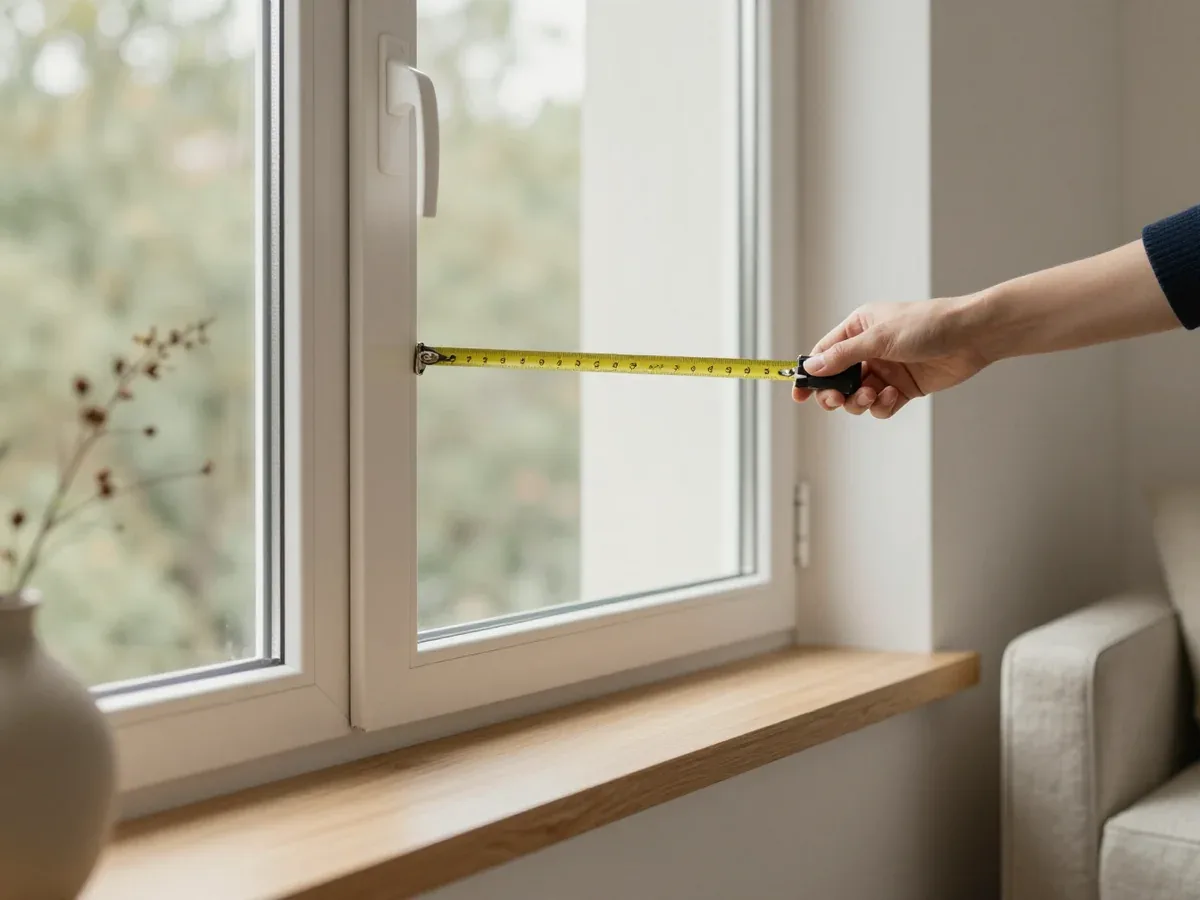
The technician checks the frame, seam, sill and reveals, with a thermal imager if needed, and gives you the price.
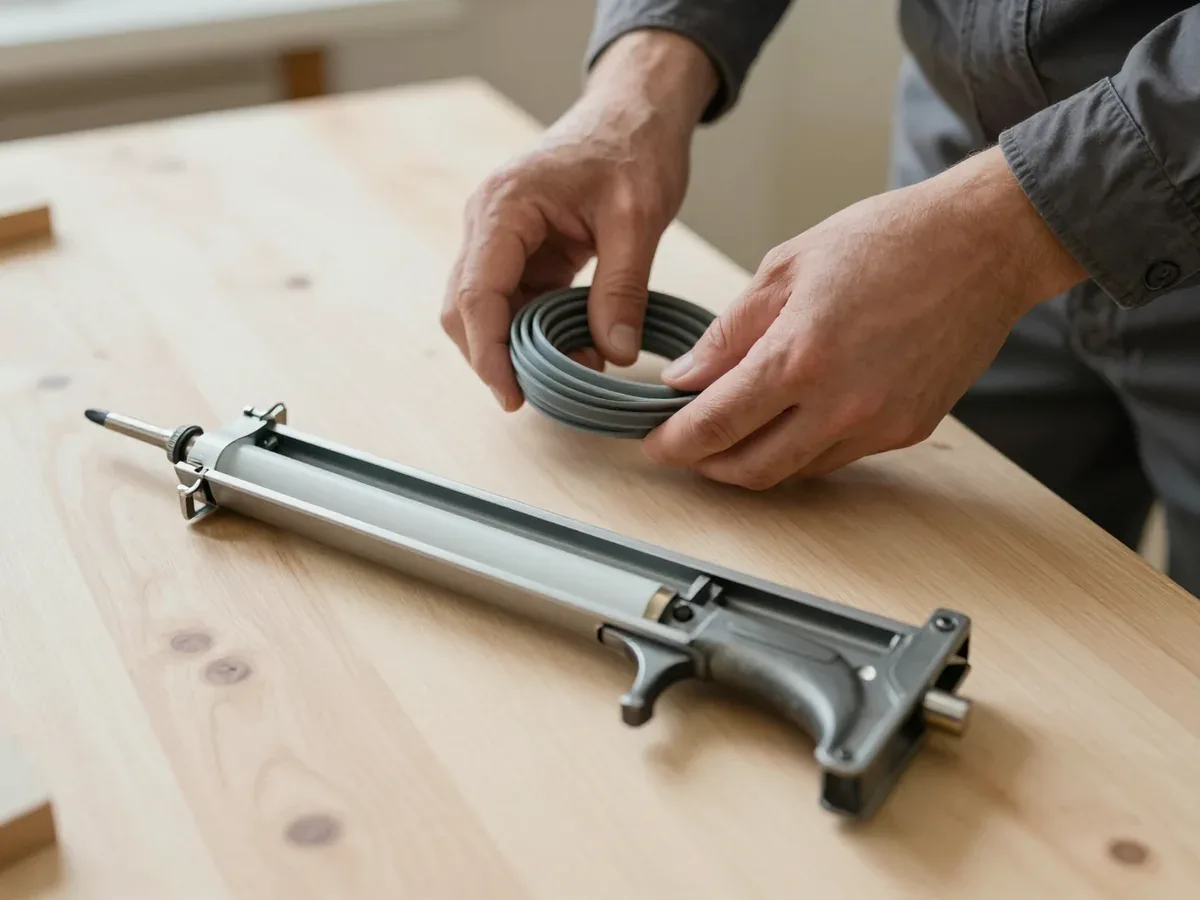
We mill the groove and install rubber into the wood, replace the PVC seal, close the seams and the sill.
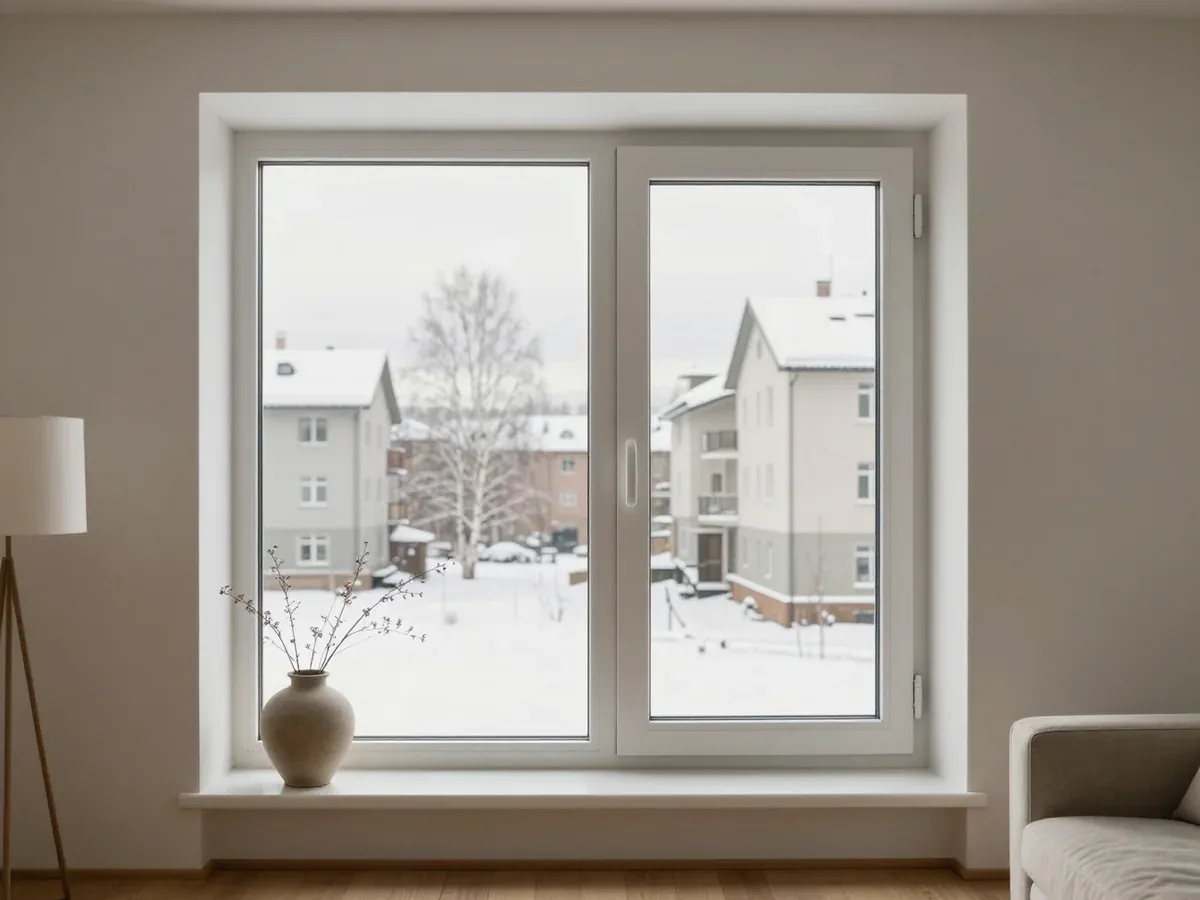
We check the window for draughts together with you, and only after that do you pay for the work.
Good to know

Senior mosquito screen specialist at moskitnyesetki.kz
We handle window insulation in Aktobe as a diagnostic service: our measurer finds where heat actually escapes, then we fix it with adjustment, a new seal, a glass unit or work on the perimeter. Measuring is free, we work seven days a week, and you pay after the job is done.
Insulation starts not with a material but with finding the source of the loss. Four zones leak heat most often, and skipping the diagnosis turns any repair into a lottery.
A plastic window that is shut tight can still leak heat through a compressed seal, a sash that has dropped out of alignment, a single-chamber glazing pack, or a joint where the frame meets a cold wall. Each fails differently: a flattened gasket stops springing back after a few seasons, a dropped leaf pulls the rebate open along one edge, and one chamber cools faster than the room around it. In panel buildings the corner of the opening is often colder than the glazing itself, so sealing the leaf alone will not stop condensation — the perimeter has to be checked too. A draught that returns after you turn the handle usually points to alignment or hardware rather than the glazing, and adjustment with a fresh gasket closes it without a new unit.
Insulation is not one operation but a set of jobs matched to the actual cause of the cold. Here is what a craftsman does, in what order, and which fix each symptom calls for.
| What we do | When it is the right fix | What it changes |
|---|---|---|
| Sash adjustment | Draught under the sash, hardware loose | Restores even pressure along the closing line |
| Seal replacement | Seal flattened, hard or torn | Brings back a tight contour around the sash |
| Glass unit replacement | Glass itself is cold or fogged inside | Cuts heat loss through the glass area |
| Perimeter and slope work | Cold comes from the frame-to-wall joint | Closes the path around the frame, not the sash |
We replace the seal in units of any manufacturer, including KBE, Rehau, VEKA and Provedal profiles, and match the seal grade to the profile rather than forcing one universal strip. A flattened or hardened contour is the most common reason a closed sash still lets air through, so the new strip restores that tight line around the frame. On an upper floor exposed to wind, a second seal contour adds a real barrier, and we also close the mounting seam and the slopes where cold enters around the frame rather than through it. But a second contour does nothing for glazing that has lost its properties — there an energy-saving pack does the work instead. In our practice, matching the fix to the actual weak point saves the client a replacement the window never needed.
The method depends on the frame material and the age of the window, so the same strip of seal is fitted three different ways. Here is how each type is handled, and what changes outside a flat.
We insulate glazing on loggias, in gazebos and on verandas too, and there the wind load and the open exposure usually matter more than in a flat. A glazed loggia is still sheltered on two sides by the building, yet its outer frame takes the full pressure of a gust that a kitchen unit never sees. A gazebo or veranda stands free, so rain reaches the frame from angles that no wall blocks, and the joint has to survive both sun and frost on the same day. We fit the same window insulation aktobe residents order for flats, but we give the perimeter seal and the fastening more attention than the sash adjustment a flat would need first. Ask for the fastening to be checked every couple of seasons on an open structure — wind loosens it faster than temperature does.
The path from your first message to a finished, checked result is short and predictable. Here is what the measurer looks at, how long the job takes, and how we confirm the window still breathes once it is sealed.
Measuring and consultation are free, the measurer comes at a time that suits you, takes the sizes and helps choose the fix, and most single-unit insulation is finished in one visit. He notes the frame material, the number of sashes, the vent position and the condition of the existing seal, then writes the sizes into the order so the price is fixed before anything starts. The measurer also checks the floor and the profile before choosing fastenings, because the same glazing on a ground floor and on a ninth floor can need different hardware. Ask him to show you the fixing type he plans to use — brackets, pins or magnets behave differently on thin and thick profiles, and a five-minute talk now saves a return call later.
After the job we check the closing line for a draught and confirm the sash still opens and closes freely, because a window sealed too tight stops ventilating and starts collecting condensation. Run a hand along the closing line on a windy day and look at the glass an hour later — clear glass and a soft, even seal mean the balance is right. A correctly insulated product is airtight along the closing line but still lets the room breathe through the vent position. If the glass fogs on the inside once everything is done, the balance is off and it is worth calling us back, since our repair service carries a one-year warranty on labour and replaced parts.
Insulation restores a window that is still sound, while replacement is the honest answer when the frame or glazing has failed. Timing matters as much as the choice, because preparation before the cold decides how the work performs.
If the frame and the glazing are sound and only the seal or the hardware is worn, insulation is the right call; if the sash is warped or the glazing has lost its seal, a new window is the honest answer. We check three things before advising: whether the sash still closes flush, whether condensation sits between the panes, and whether the profile gives when pressed. A sash that pulls tight against fresh rubber and hardware that locks without force usually mean the window has years left in it. Warped PVC, rot along a timber frame or mist trapped inside the cavity cannot be sealed back into service. If you plan to replace the window within a year or two, a full insulation job rarely pays back — a fresh seal and an adjustment to get through the winter is the sensible middle step.
The best time to insulate is before the first hard frost, when the seal is still flexible and the work can be checked in mild weather rather than in the cold. Rubber hardens as temperatures drop, so a strip fitted in October seats and compresses properly, while the same job in January is harder to verify. Early autumn also lets you test the result over several weeks of wind and rain instead of discovering a draught in the first hard freeze. You can wipe the seal and clear the drainage channels yourself, but a draught along the closing line or fog inside the panes is a sign the job needs a craftsman, not a cloth. The measurer picks the method for the window type and floor, since upper-storey flats face stronger wind loads than ground-level ones.
A quick recap of what decides the result, so you can walk into the job with clear expectations and spot a rushed shortcut before it costs you a second winter.
Window insulation, double glazing replacement, seal, service and warranty
Konstantin Selenenkovsenior mosquito screen specialist, 10 years in the tradeOnline · replies within 5 minutes
Ask a questionWindow insulation restores airtightness and compression: replacing the seal, adjusting the hardware, sealing the joints. Double glazing replacement is needed when the unit itself freezes or has lost its airtightness, and it solves a different problem.
Yes, if the profile and double glazing are intact, insulation is often enough: the technician will assess the window condition during the visit. They will replace the seal, adjust the sashes and seal the joints so the window keeps the heat in.
For plastic windows, an EPDM or TPE seal is suitable — it is flexible and frost-resistant. The technician will choose the specific grade for your profile so the rubber fits tightly and does not prevent the sash from closing.
New windows usually do not require insulation, but if there is a draught or condensation appears on the sashes, it is worth checking the compression and the seal. Sometimes adjustment is enough rather than a full rubber replacement.
The service includes inspection, seal replacement, hardware adjustment and joint sealing, and if necessary, insulation of the reveals. We provide a 1-year warranty on the work and replaced components.
Insulating one window usually takes from half an hour to an hour; the exact time depends on the window condition and the scope of work. The technician arrives at a convenient time, and measuring and consultation are free.
Thank you. We will call you back within 10 minutes!
Your order number is on the receipt or in the SMS. Choose where to leave your review.
Write a review on WhatsApp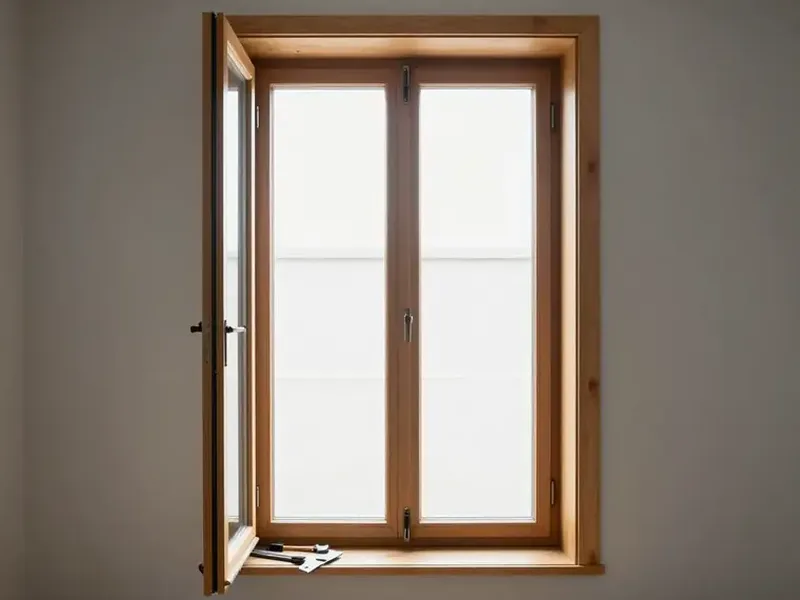 Wooden window repair
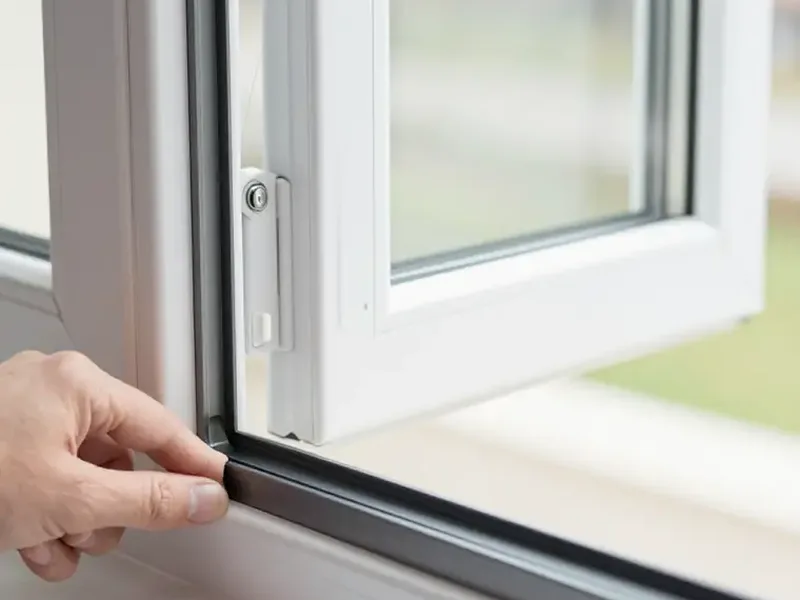 Seal replacement
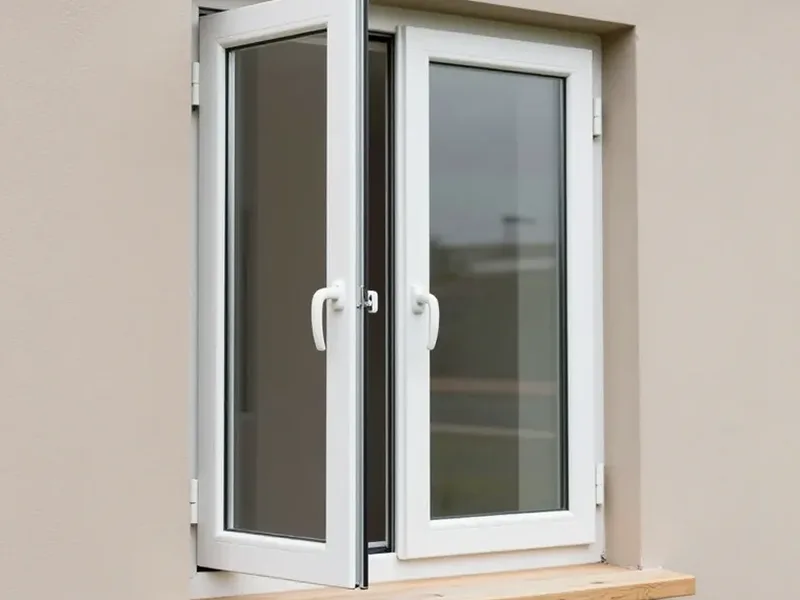 Balcony glazing
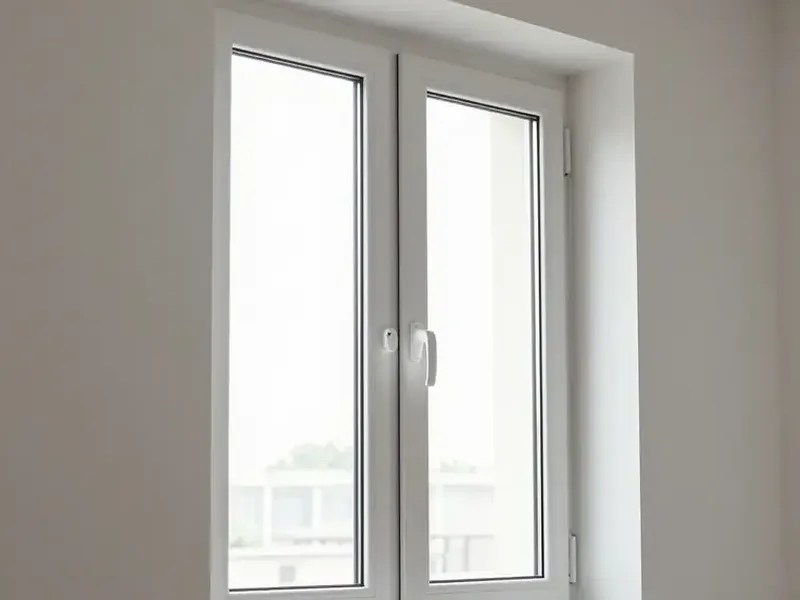 Reveal finishing
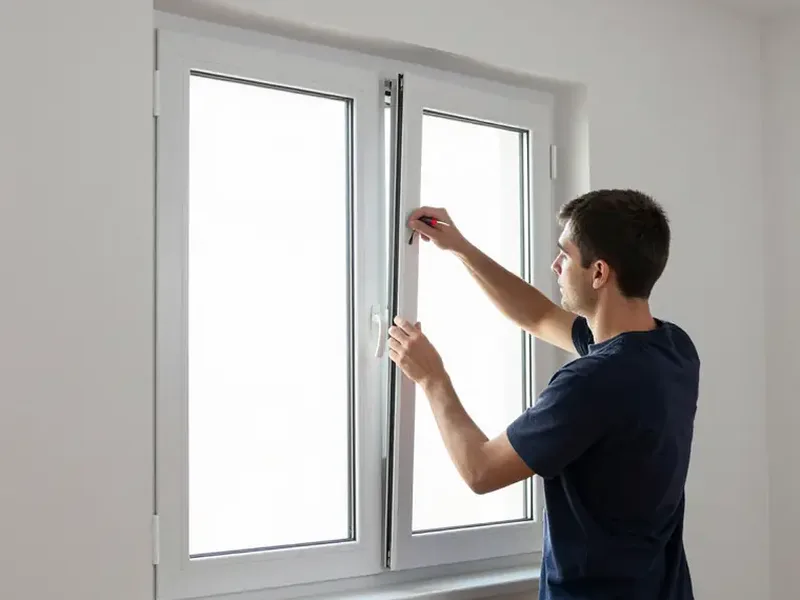 Window adjustment
