
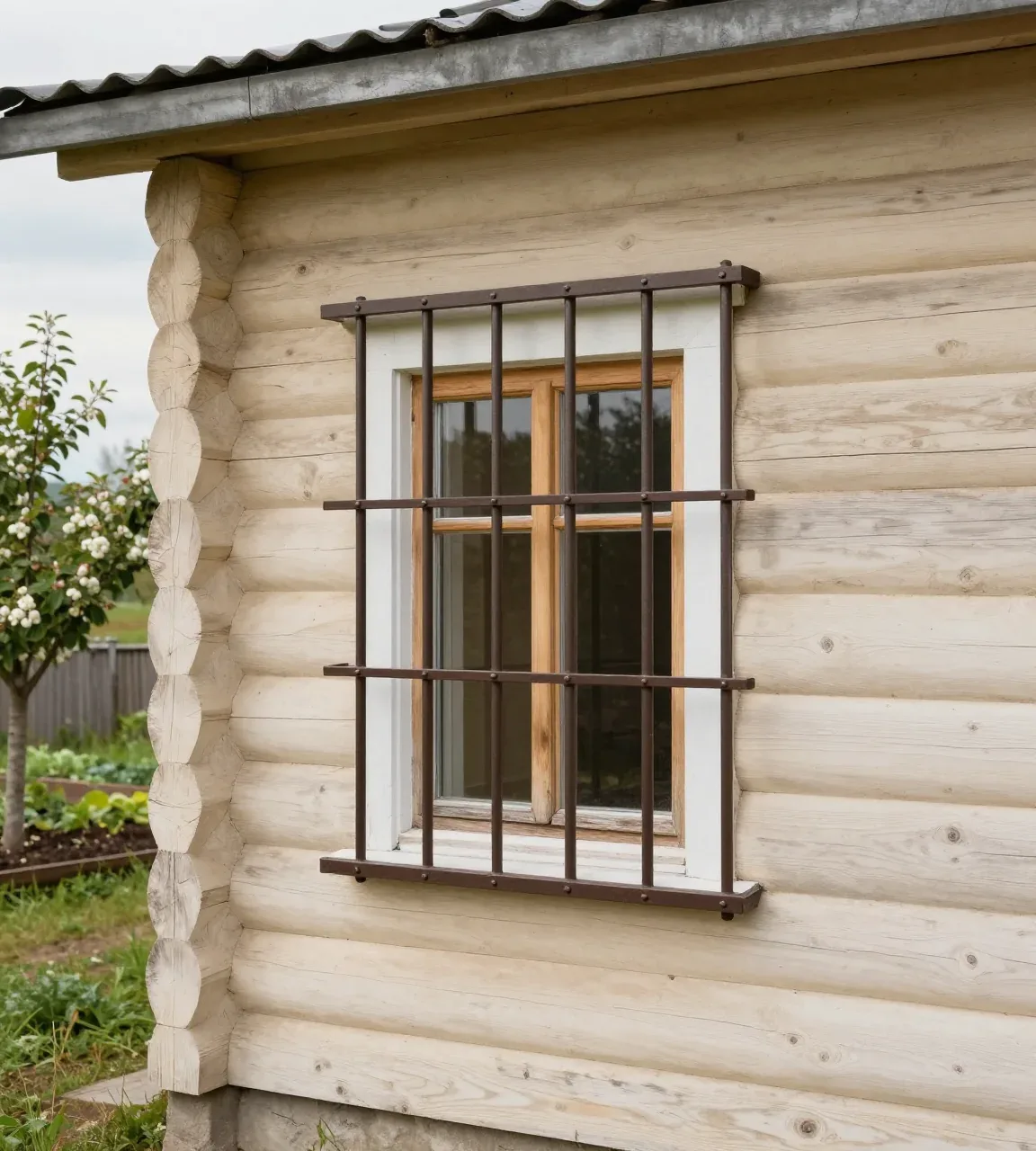
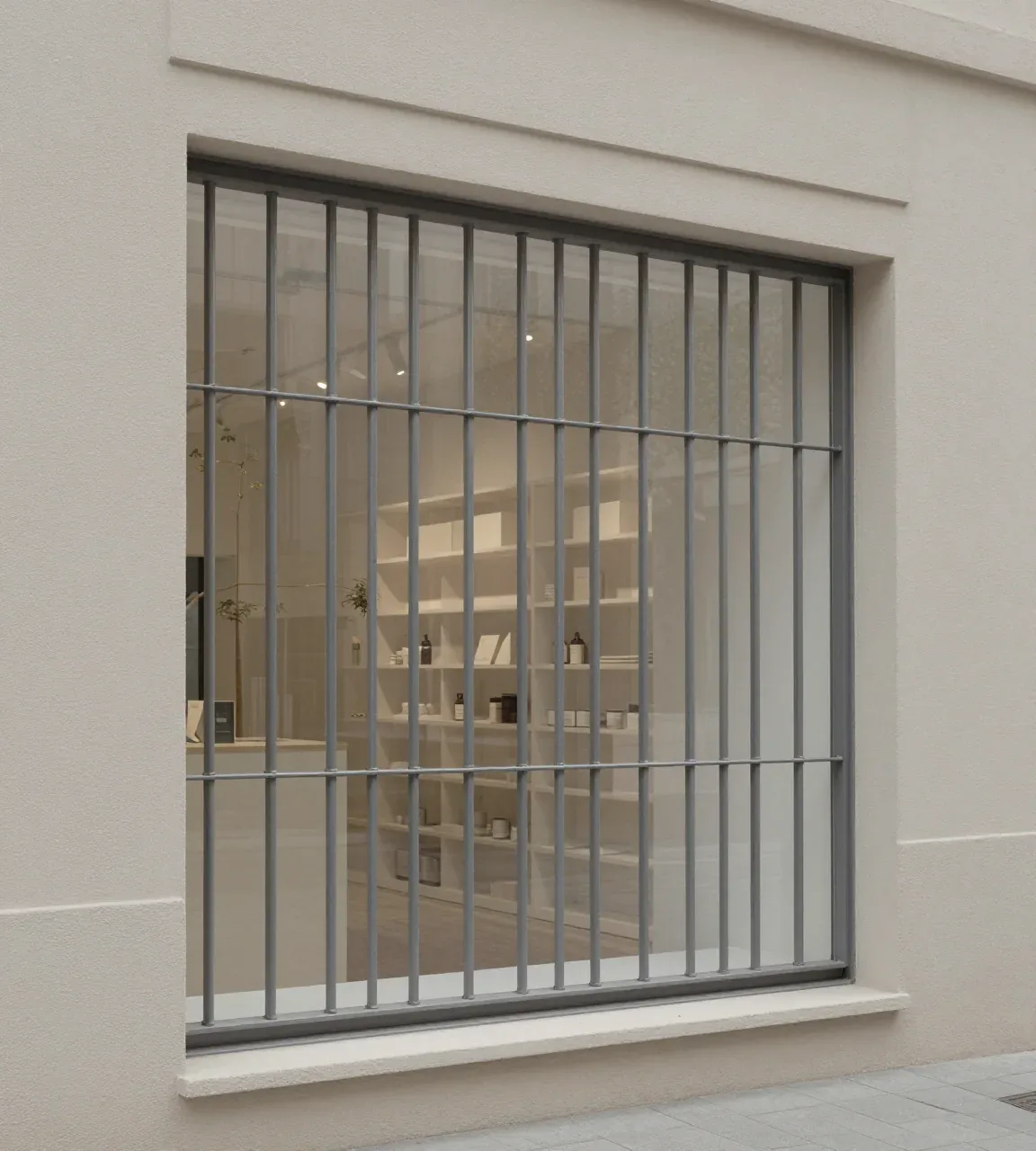
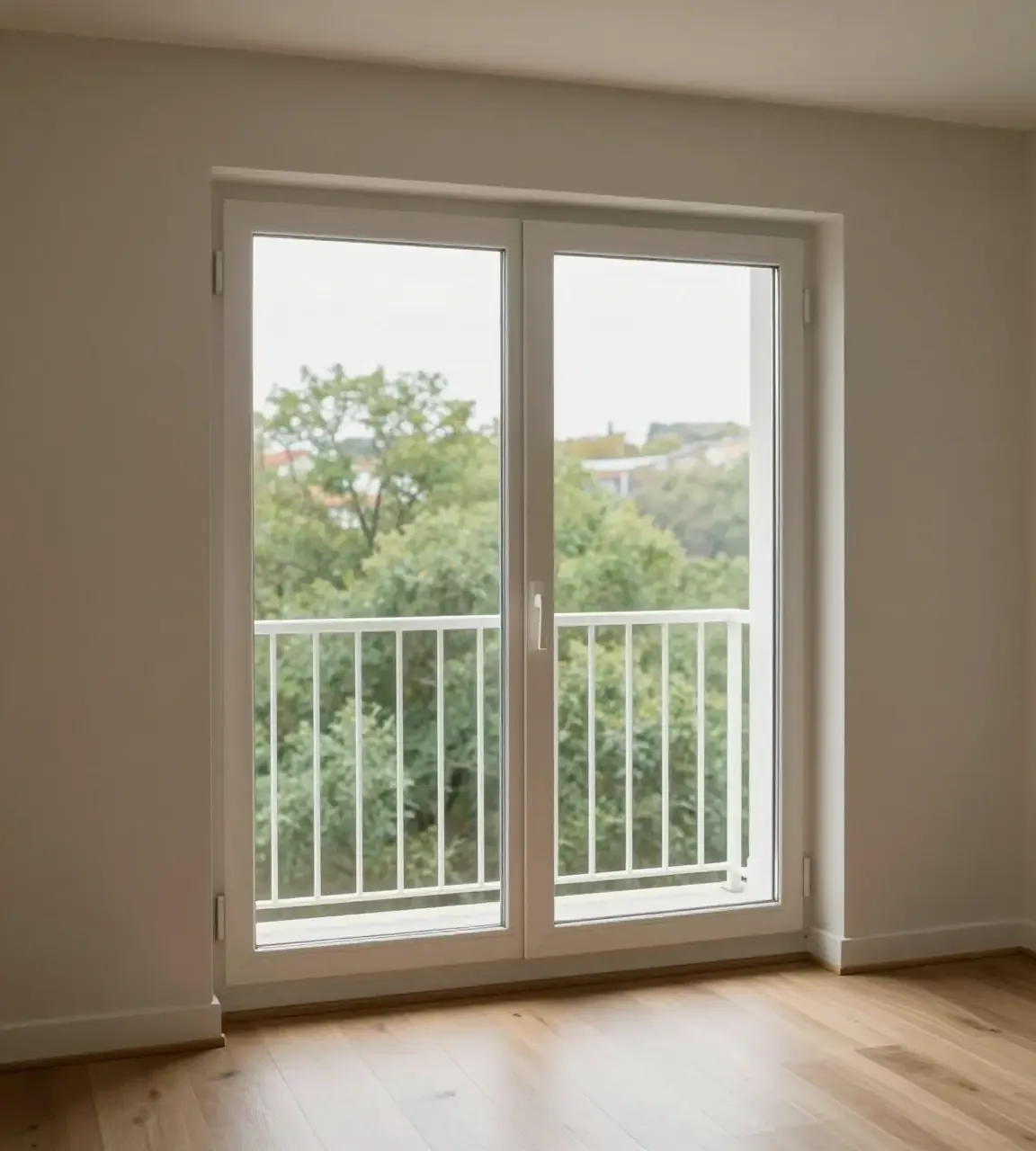
Ground floor · steel
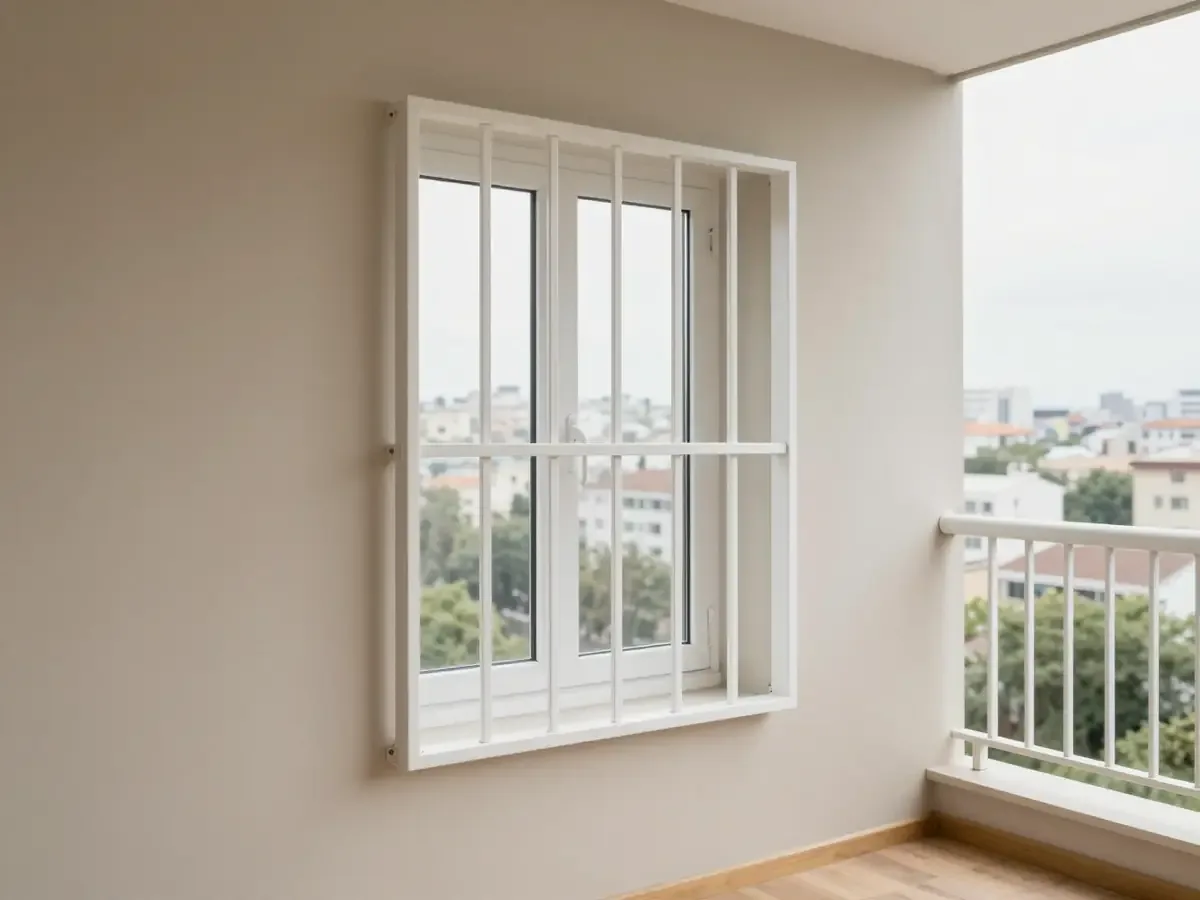
Welded grille
A standard pattern in steel rod, price from 7,500 ₸ per m², installation priced separately
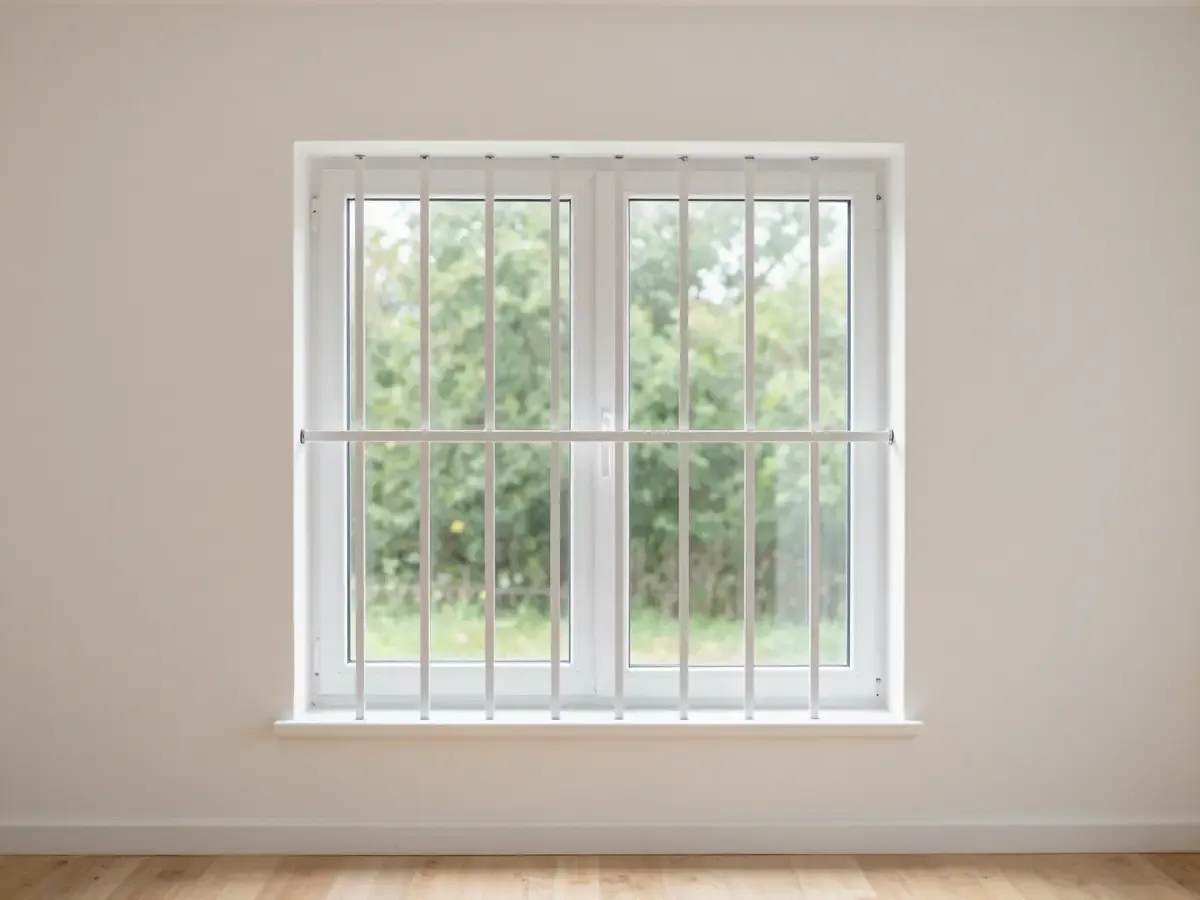
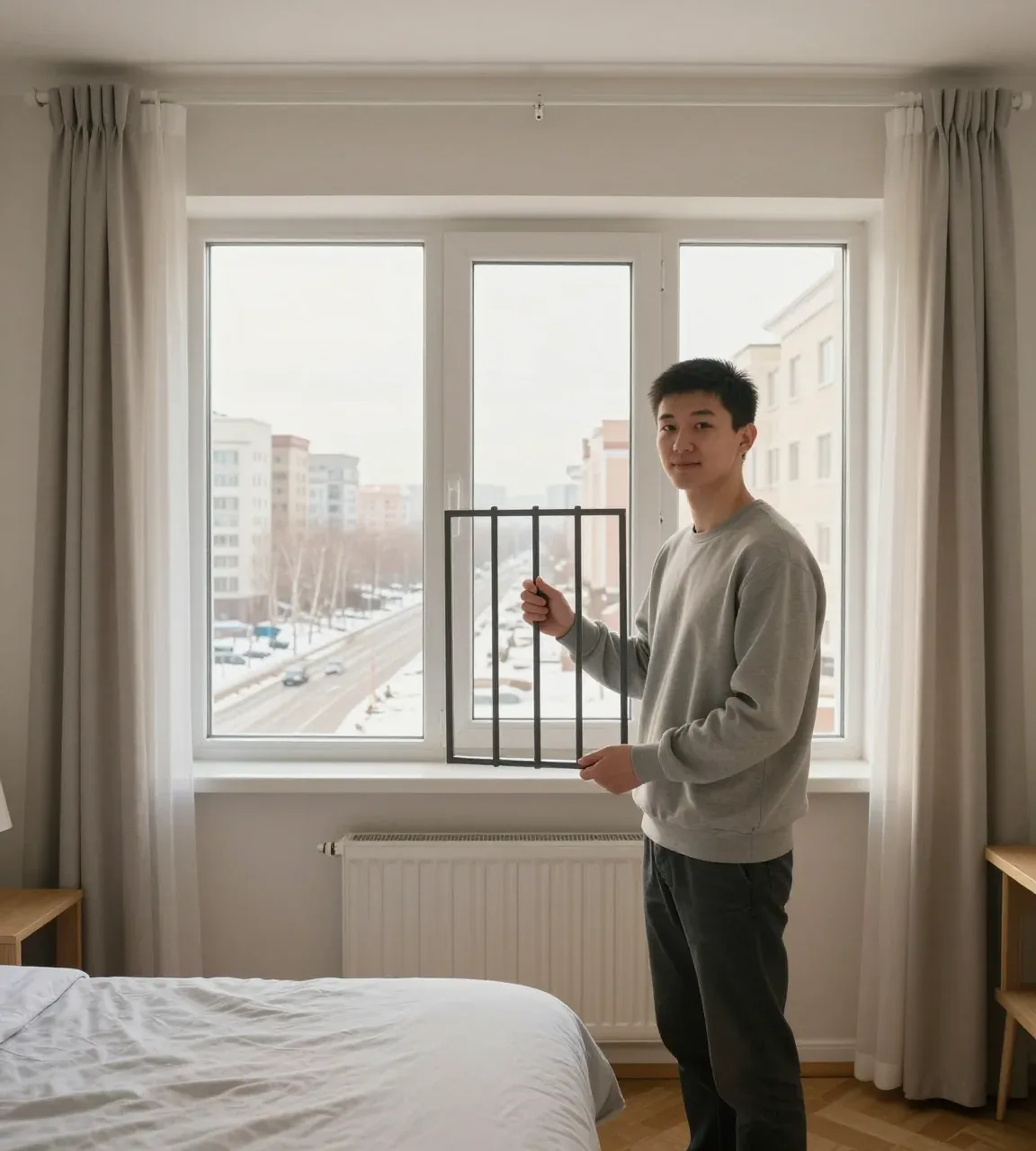
Welded grille
A standard pattern in steel rod, price from 7,500 ₸ per m², installation priced separately
Wrought-iron grille
A pattern with wrought-iron elements, price from 26,000 ₸ per m², suitable for street-facing windows
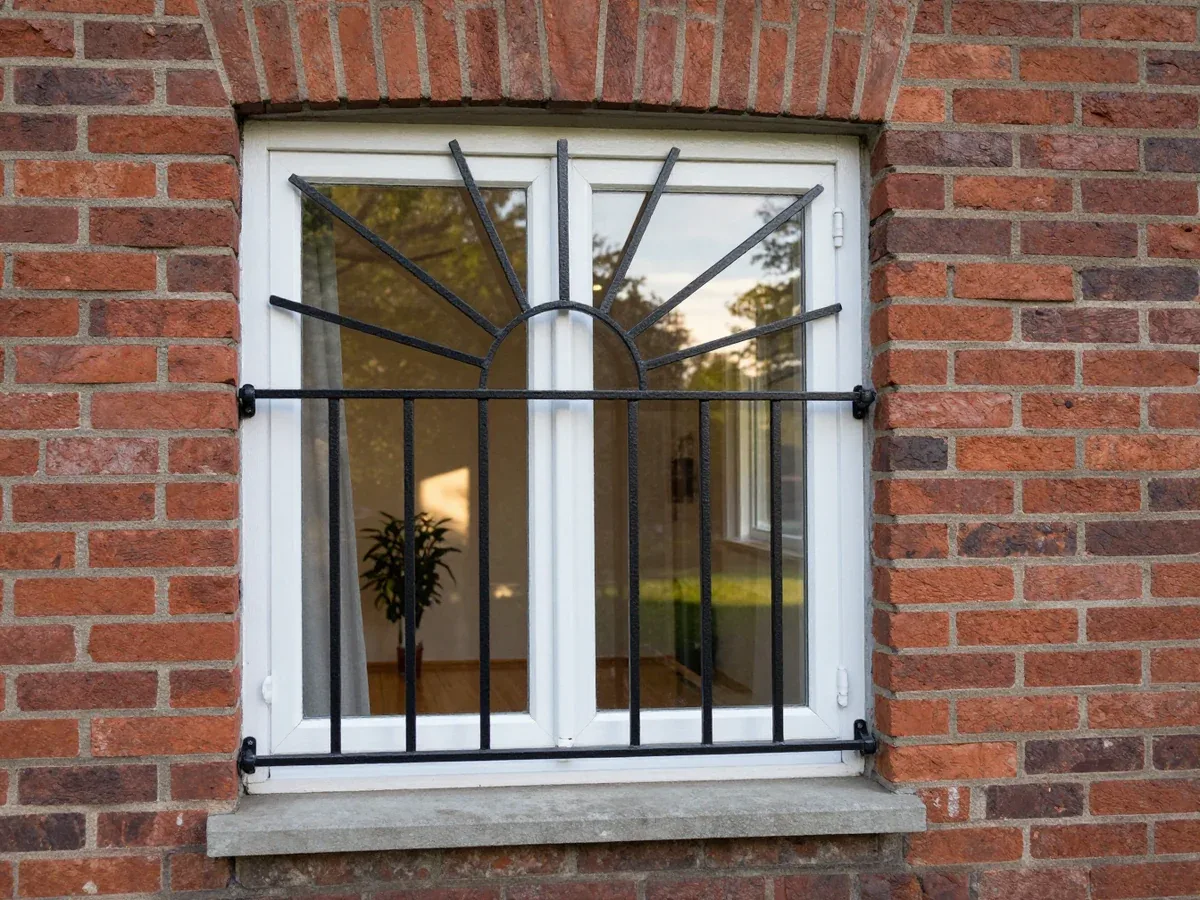
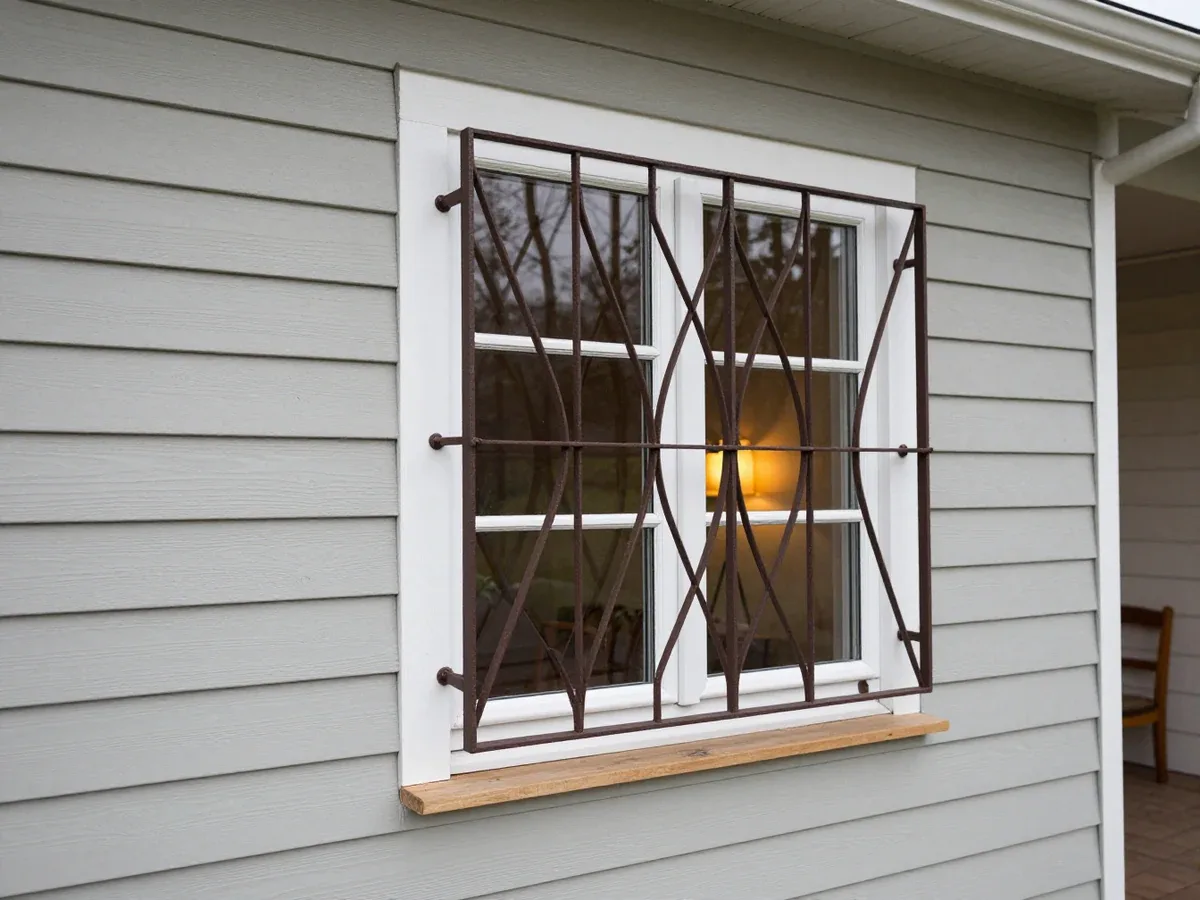
Laser cutting
A decorative grille with a pattern from your sketch, price from 25,000 ₸ per m²
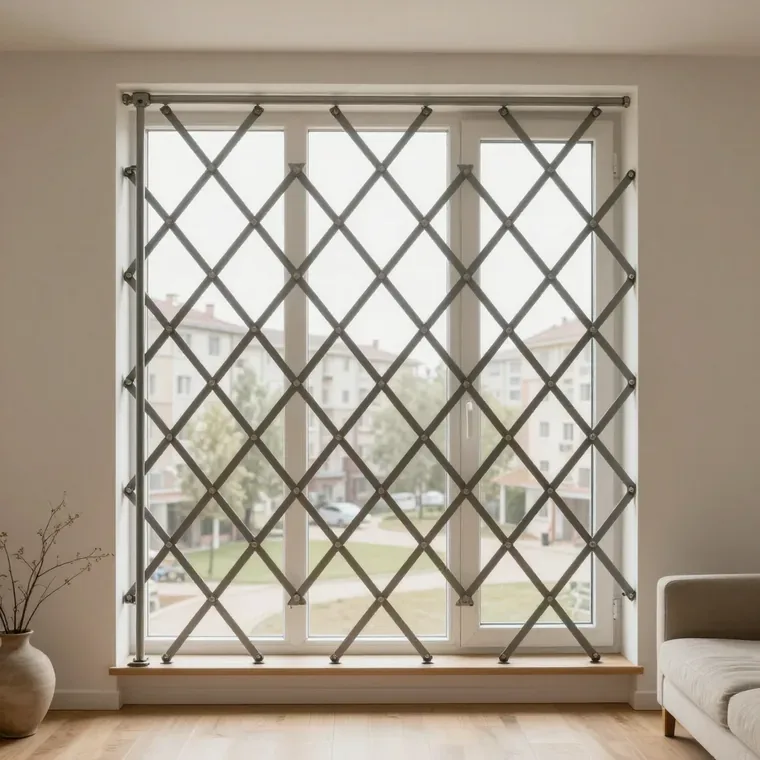
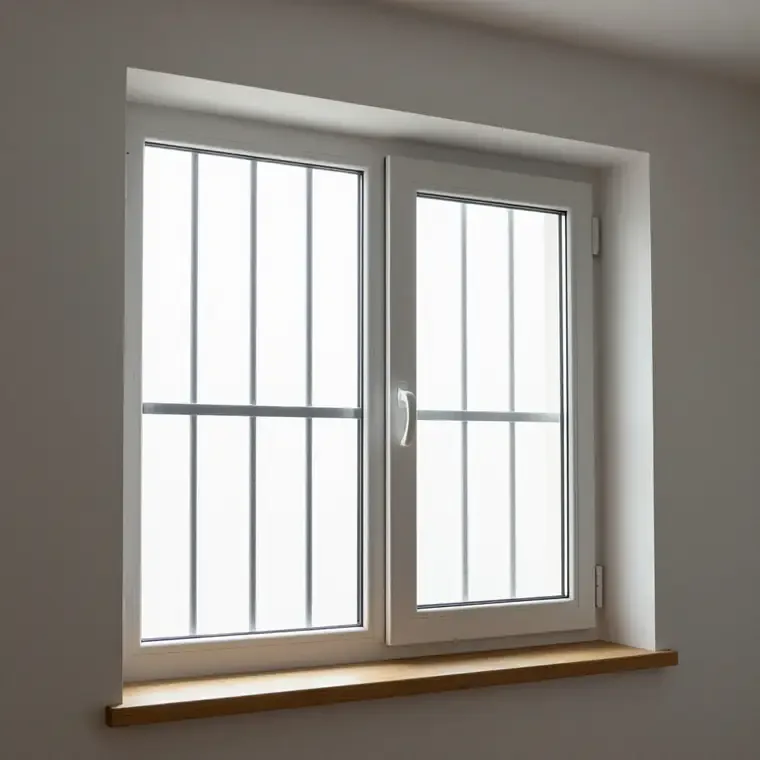
Clear
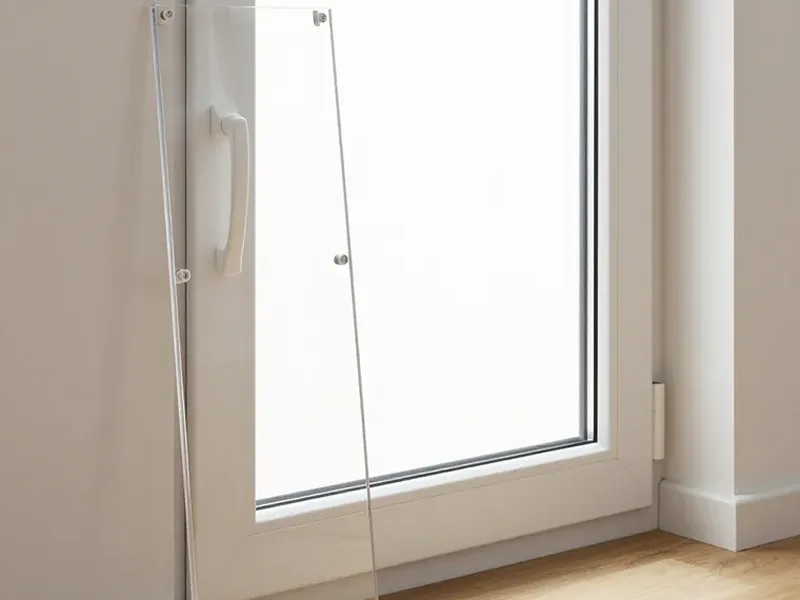
Polycarbonate infill keeps light in the room, price from 26,000 ₸ per m²



5,097 reviews on review sites
Frame, bars, fixings and finish: four parts that determine strength and appearance
The basis of any grille is a metal frame cut to the size of the opening and bars fixed in it at a spacing you choose. The frame goes in the opening or on the facade, and the bars take the load.
The bar can be steel or aluminum, and the finish is powder paint or bare metal with primer. The bar thickness and the quality of the finish determine how long the structure keeps its look outdoors.
per m² of welded grille in a standard pattern
per m² of on-site installation
per m² of powder coating in your window color
The fixings are chosen to suit the window profile, wall material and floor, and these determine the installation method
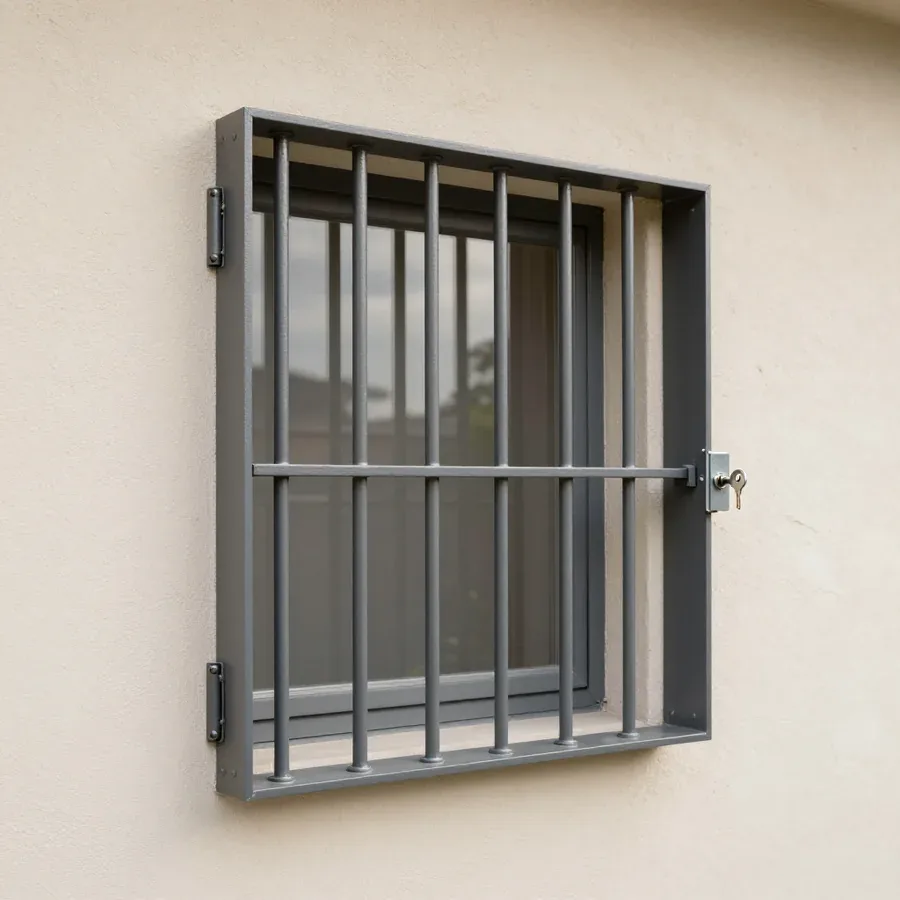
The frame is fixed in the opening or on the wall next to the window so it does not stop the sashes from opening
They take into account the thickness of the frame and the wall material, and choose fixings to suit the load
On the ground floor a fixed grille is more common; higher up, one with a hinged sash
The old grille is removed, the wall is checked for cracks and the strength of the base, and then fixings are chosen for the new structure
Types of structures and separate services: painting, fitting, removal and surcharges
| Type of item | Price |
|---|---|
| Welded grille in a standard patternbasic version | from 7 500₸ per m² |
| Wrought-iron grilleartistic forging | from 26 000₸ per m² |
| Bulged grillebulged shape | from 26 500₸ per m² |
| Laser-cut decorative grillepattern from a sketch | from 25 000₸ per m² |
| Sliding accordion grillefolding design | from 28 000₸ per m² |
| Hinged grille sashsurcharge on the main structure | from 15 000₸ per sash |
| Clear polycarbonate grilletranslucent infill | from 26 000₸ per m² |
| Aluminum anti-fall grillefor child safety | from 12 200₸ per pc |
| Grille with a mosquito screentwo units in one frame | from 19 800₸ per m² |
| Powder coating of the grillecolor to match the windows | from 5 500₸ per m² |
| Grille installationinstallation on site | from 4 500₸ per m² |
| Removal of old grilleremoval before replacement | from 4 000₸ per pc |
| Child safety grille for a windowfall-prevention barrier | from 12 500₸ per pc |
The price is fixed in the order after measuringPainting, fitting and removal of the old grille are charged separately from the structure priceThe total depends on the number of leaves and the opening area
Book a measuring visitEight facts about production, lead times and service without intermediaries
The price is fixed after measuring
Own production in Almaty at 83 Tole Bi — we make, deliver, install and repair ourselves, without intermediaries
For work and replaced components
We paint the profile to match your windows: white, brown, grey and others
We reply within 5 minutes
We accept requests every day
We deliver and install on windows and doors
You can order in 17 cities of Kazakhstan
Four steps from request to a finished structure on the window
You write on WhatsApp, we reply within 5 minutes and clarify the task
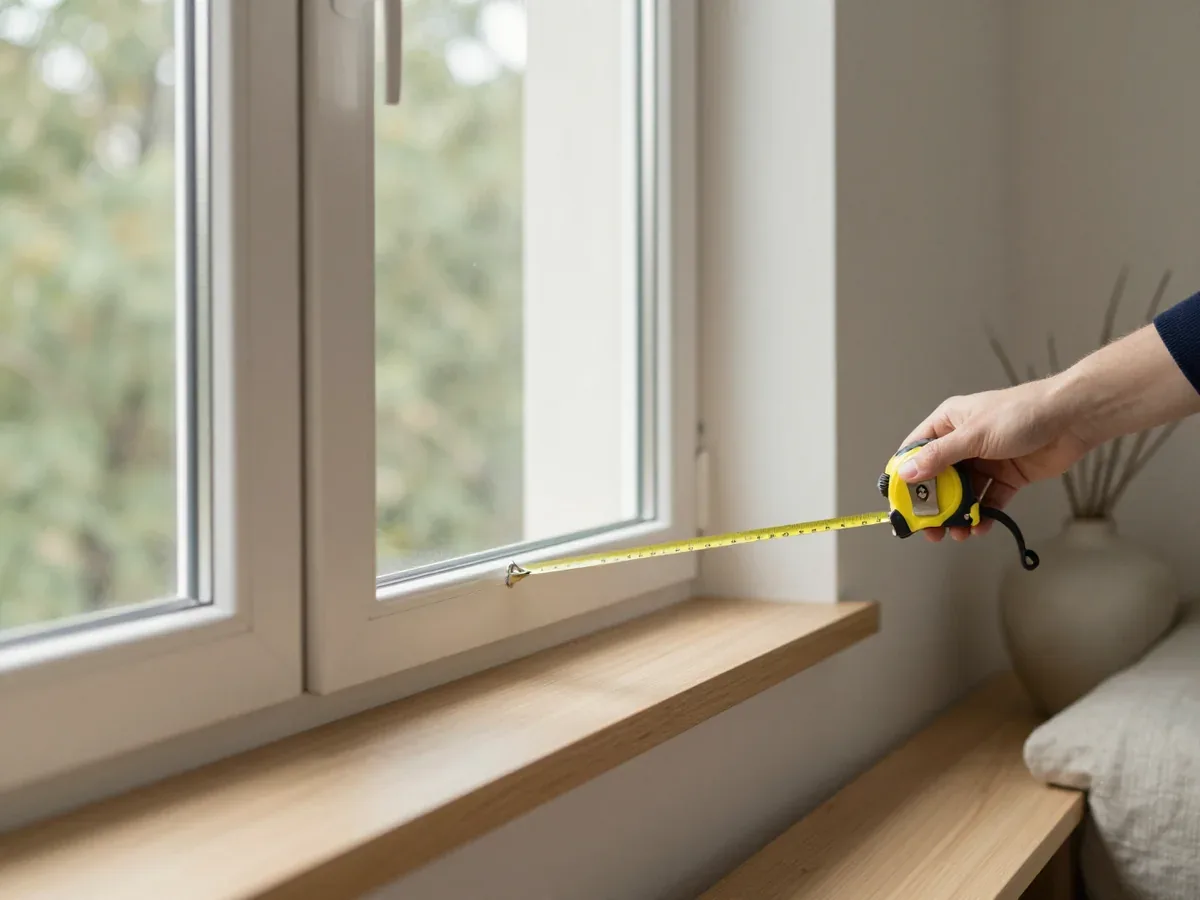
The measurer visits free of charge, takes dimensions and helps choose the version
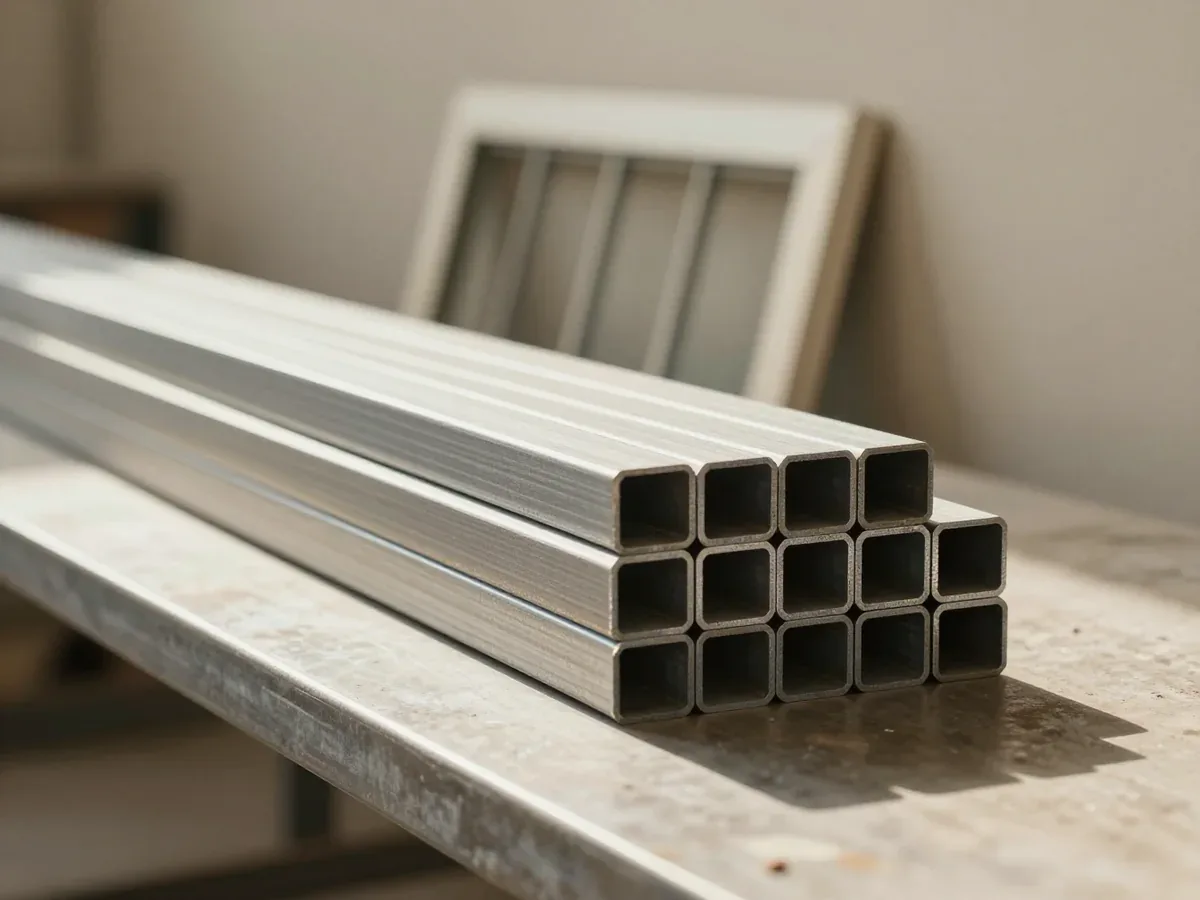
The structure is made to the measured dimensions, the price is fixed in the order
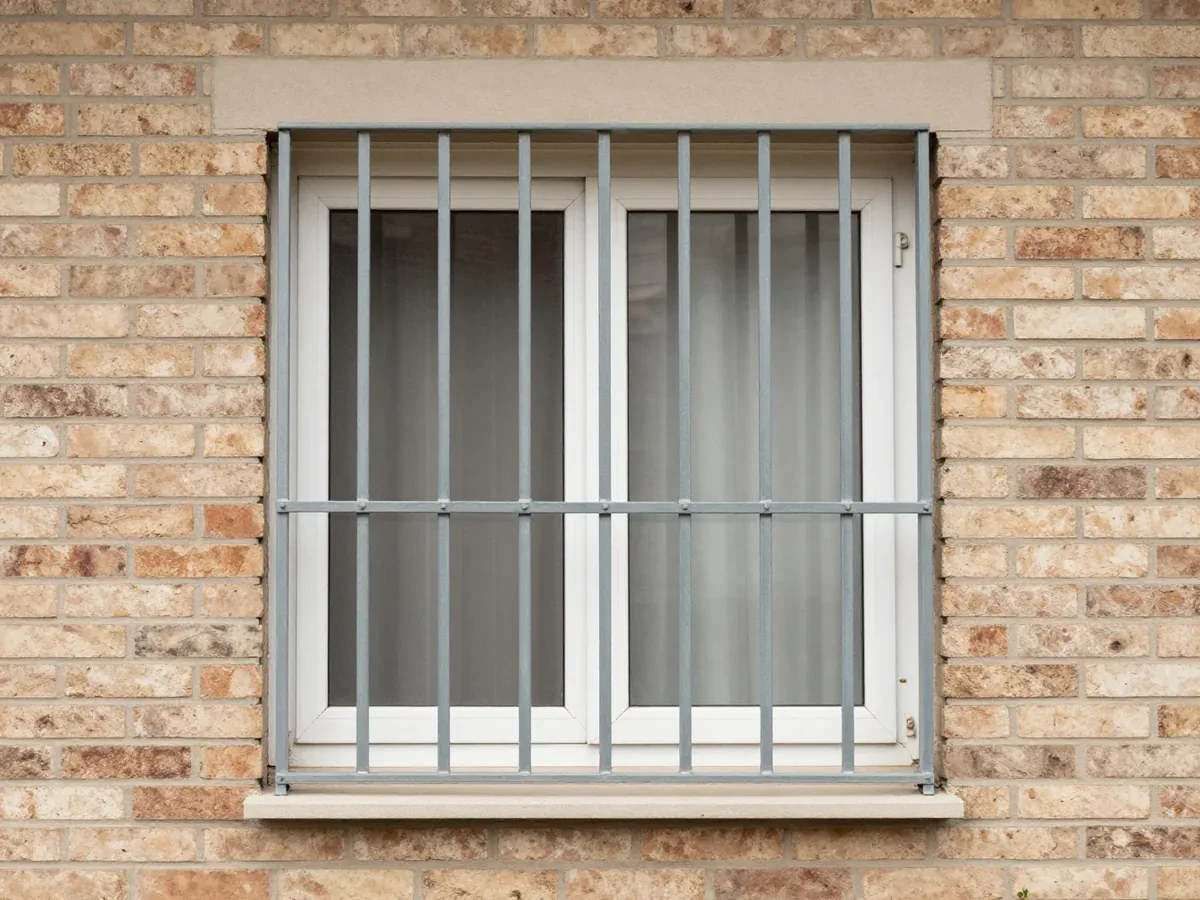
We install the grille on site, check that the leaf opens and the fixings hold
Good to know

Senior mosquito screen specialist at moskitnyesetki.kz
We make and install window grilles aktobe homeowners order by size, choosing the construction and fixing for your window profile, floor and reason for ordering. Our own fitters work directly, with no middlemen. Measuring and consultation are free, the price is fixed after measuring, and you pay only after installation by cash, card or Kaspi.
Every order starts with a reason — a toddler, a break-in worry, a pet on the sill or the look of the facade. That reason decides the construction, the mesh and the fixing.
We fit child safety grilles with narrow bar spacing so a small child cannot pass through, and the frame stays fixed while the sash opens for air. The window grilles aktobe parents ask about most often are these stop-baby units, and our own fitters set them on plastic, wooden and aluminium sashes alike. Such a barrier is not an ordinary insect screen: the rods carry real load, the surround is screwed into the reveal, and the mesh does not lift out from inside the room. What it cannot do alone is stop a child from swinging the sash wide in the first place. A barrier only works when the opening is limited too, so we pair it with an opening restrictor rather than relying on the grille by itself.
Clear grilles use a transparent sheet in a surround and keep the glazing looking open, while welded metal grilles in rod or square give the heaviest anti-burglary barrier. The clear version is usually polycarbonate set into aluminium, and it blocks a fall or a reach-through without turning the opening into a dark grid. Metal is the opposite trade: rod or square-section welded bars, painted to match, chosen when resistance matters more than sightlines. On upper floors the street sees the unit from below, so a clear sheet reads as almost nothing at all, which is why it suits facades where metal would stand out. On a ground-floor opening facing a courtyard, that same clear insert gives away how easy the surround is to reach.
We install grilles on plastic, wooden and aluminium frames, on vent panes, loggia openings and the openings of gazebos and verandas, and for a cat we often advise the Anti-Cat mesh instead of bars. This canvas is woven from vinyl threads that hold the weight of a small animal, so it closes the gap a pet would otherwise squeeze through on a low sill. Balcony and loggia glazing takes the same framed units, sized to the reveal rather than to a standard sash. A cat pushes at the weakest point, so on a low sill a grille with wide spacing lets a determined animal through, while the Anti-Cat sheet holds where rods do not.
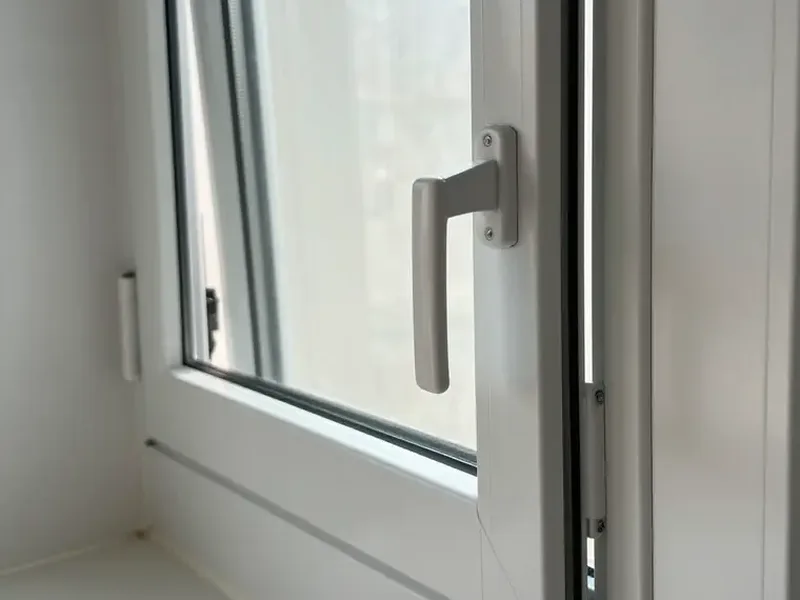
A grille is not the only way to protect a window. A restrictor or a lock handles part of the task with less metal and no change to the facade, so it helps to know where bars are genuinely needed.
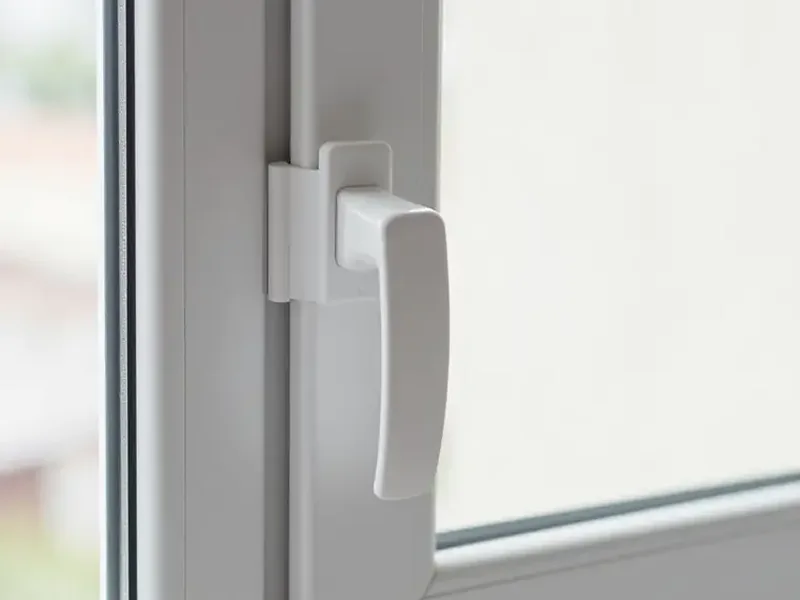
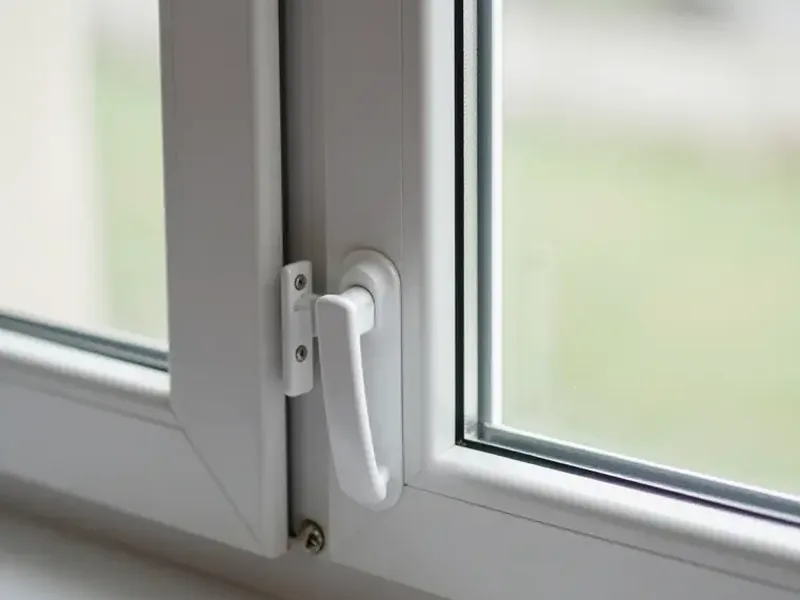
A grille is the right call when you need a physical barrier against entry or a fall, while a restrictor or a sash lock only limits how far the sash opens and does not stop a person passing through. A restrictor holds the sash at a set gap for ventilation, and a lock pins the handle so the opening cannot be swung from outside. Both are small fittings that sit inside the opening and leave the glazing untouched. For a child on an upper floor, a restrictor does the job at a fraction of the weight. On a ground-floor opening facing a yard, the calculus changes: such fittings are invisible from outside, so a stranger sees only glass, while bars are what makes them move on. We talk through both routes at the measuring visit rather than pushing the heavier option by default.
| Option | Stops a fall | Stops a break-in | Suits |
|---|---|---|---|
| Child safety grille | Yes | Partly | Flats with small children |
| Clear grille | Yes | Yes | Facades where bars stand out |
| Metal grille | Yes | Heaviest | Ground and first floors |
| Opening restrictor | Yes | No | Ventilation with a child |
| Window lock | Partly | Partly | Extra hold on any sash |
| Pet Screen mesh | No | No | Cats on low windows |
The mounting method decides whether a grille stays put under load and whether the sash survives intact. We fit grilles two main ways, and the measurer chooses between them based on your reveal, sash type and floor.
We fix a grille either into the ends of the opening through anchor pins or on top of the sash in overlay, and the measurer picks the method from your wall, your profile and your floor. Into-the-opening fixing drives anchor pins or through-bolts into the brick, concrete or timber of the reveal, so the load sits in the wall rather than in the plastic. Overlay fixing clamps the grille across the outer face, leaving the inner chambers untouched and the anchors visible on the surface. On a panel-built block the reveal is often thin, so the measurer checks depth before committing to pins. Fixing into the opening hides the anchors and holds harder in brick or concrete, while overlay fixing suits a sash you do not want drilled and can be reversed later.
| Fixing method | Where it holds | Removable later | Best for |
|---|---|---|---|
| Into the opening | Brick, concrete, wood | Harder | Permanent anti-burglary |
| Overlay on the frame | Any profile | Easy | Rented flats, light grilles |
| Bracket and pin | Plastic and wood frames | Moderate | Standard windows |
| Magnet hold | Light clear panels | Very easy | Clear grilles, upper floors |
In a multi-storey block a barrier concerns more than your own flat. House rules and fire-safety requirements apply, and it is far easier to settle them before the measuring visit than after the fixings are in the wall.
Before we make a grille for a flat, we advise you to check the house rules with your building management, because some blocks limit what can be fixed to the facade and in what colour. The management company usually keeps a short list of approved designs, and a few buildings ask for the frame to match the existing glazing colour rather than stand out against the wall. On the upper floors the question is often about weight and wind load on the frame, not appearance. The check is quick and costs nothing, but skipping it can mean removing a finished grille, so it belongs at the measuring stage, not after installation.
A fixed barrier on the only opening of a room closes the route firefighters use, so on an upper floor it should open or come off quickly from inside. Solid sections across every opening turn a bedroom into a dead end once smoke fills the stairwell, and rescue crews lose the minutes that matter. The safe pattern is one openable or removable section per room, and it should be reachable without tools, since in smoke you will not be looking for a spanner. A hinged leaf with a simple latch, or a framed screen that lifts out of its brackets, satisfies both the safety logic and the look of the facade.
A short checklist covers what the building usually asks about before a grille goes up. Ask which facade colours are accepted, whether the frame may project past the glazing line, and who signs off the work. Confirm that an openable section is allowed where the block has its own fire rules, and keep the reply in writing. Getting those answers on paper at the measuring visit saves a second trip and a second conversation with the management, and residents across Aktobe avoid the same back-and-forth by settling it in one message to the building team. One clear email is worth more than a week of guessing.
Buying from the fitter who does the work looks different from hiring a welder off a listing. Below are the steps from your first enquiry to a grille sitting on the opening, and the point at which money changes hands.
Measuring and consultation are free, and the measurer comes at a time that suits you, takes the sizes and helps you choose the construction, the panel and the fixings. On that visit we look at the profile, the sill and the height above ground, because the same opening on the fifth storey and at street level can need different brackets. The measurer brings samples of the five canvases — Standard, UltraVue, Anti-Cat, Anti-Dust and Anti-Pollen — plus the Krylo panel, so you compare light and weave in your own room rather than from a photo. The measuring visit is also where the price is fixed in the order, so the figure you agree on the day is the figure you pay after installation.
You pay after installation by cash, card or Kaspi, we work seven days a week, and a framed screen made to your size takes 10 to 15 minutes while a pleated one takes 40 to 60 minutes. We reply on WhatsApp within five minutes, so a question about a bracket or a colour does not wait until morning. Every screen carries a one-year warranty, and we also repair screens and replace fastenings if something works loose later. Settling the bill at the end means you inspect the grille on the opening before any money changes hands, which is the simplest protection against a rushed job.
We work with our own fitters and no middlemen, so the specialist taking the measurements belongs to the same team that installs, and we also repair screens and replace fixings after the job. That matters in Aktobe, where a classified ad can put you in touch with a welder who never answers once the frame is up. Our fitters handle plastic, wooden and aluminium frames, sashes, loggia openings and gazebo openings, and they pick Z-brackets, pins or magnets to suit the profile and the storey. A listing site hides the tradesman behind it, while a direct fitter is the one you ring a year later when a bracket works loose — and that conversation is part of the deal.
A guard stays on for years, and how it is painted and how easily it lifts off decide whether it gets in the way of washing the glass and opening the sash.
We paint the frame any colour to match your trim, so the guard reads as part of the opening rather than a separate metal object on the facade. The paint goes onto the profile itself, and the shade is chosen against your trim rather than from a generic swatch, because a white trim and a cream one take the same colour differently. Colour is one of the points the measurer settles on the free visit, alongside the mesh and the fixings. A shade matched to the profile matters most on light facades, where a dark barrier draws the eye from the street and a matched one almost disappears. On a ground-floor opening facing a courtyard the piece is seen up close every day, so it is worth matching the trim there even when the street side is hidden.
A framed unit lifts out from inside in a minute, so it does not obstruct you when you wash the glass or open the sash for air. The panel comes out of its brackets, you clean the pane as you normally would, and the guard goes back into the same seats. Hinged door models with the Economy 32×10 mm or Prestige 42×17 mm profile open on their own hinges and stay in place while you clean around them. Removing the piece for washing also lets you wipe the trim and the fixings, which is where dust and street grit collect and where a stiff bracket starts. A bracket that has gathered grit for a season is the one that jams in spring, so a quick wipe at each wash keeps the panel sliding in and out without force.
A framed guard is best taken down for the winter, and it lifts out from inside in a minute, so the glass stays clear for low winter light. The panel comes out of the same fixings it went into, and no tools are needed for the removal. Storing the unit flat rather than leaning it on a wall keeps the frame straight, and a straight frame is what slides back into its fixings in spring. A panel left propped against a wall for months takes a slight bend that shows up as a corner that will not seat. Before the piece goes back on, check that the brackets are still firm and free of grit — a loose bracket is easier to tighten in spring than to replace after the first windy week.
A grille is a small purchase with a long service life, so the decisions made before the first hole is drilled matter more than the model name on the quote.
Child safety, types, fitting, design
Konstantin Selenenkovsenior mosquito screen specialist, 10 years in the tradeOnline · replies within 5 minutes
Ask a questionFor a flat with a small child, "stop-child" grilles or hinged models with a lock that opens from the inside are suitable. They protect against falls but do not block escape in a fire.
"Stop-child" is a lightweight metal grille with vertical bars that is fixed to the window frame. It keeps a child from falling out, does not block the view and is easy for adults to open from the inside.
Yes, transparent polycarbonate or aluminium fall-prevention grilles are almost invisible on the facade. They keep the view and do not change the appearance of the building.
The fixing method depends on the wall material and the window type: on the surface the grille is fixed to the wall over the opening, while into the opening it sits inside the window reveal. The measurer will choose the best option taking load and floor into account.
On upper floors grilles are especially important to protect children from falling and to prevent objects from dropping by accident. They also make it harder for intruders to get in through the window.
Make sure the lock opens from the inside without a key and that the hinges allow the leaves to swing fully open. Check that the opening is not blocked by furniture or a blind, and test the lock with the whole family.
Hinged grilles open like sashes for cleaning and escape, fixed grilles are solid and cannot be removed, and removable ones can be taken off completely when needed. For an apartment with children, hinged or removable grilles with a lock are usually chosen.
This is decided during the free measuring visit: the technician assesses the profile, wall material and floor, then suggests suitable fixing and design options. For upper floors, lightweight transparent or hinged grilles are more often recommended.
Thank you. We will call you back within 10 minutes!
Your order number is on the receipt or in the SMS. Choose where to leave your review.
Write a review on WhatsApp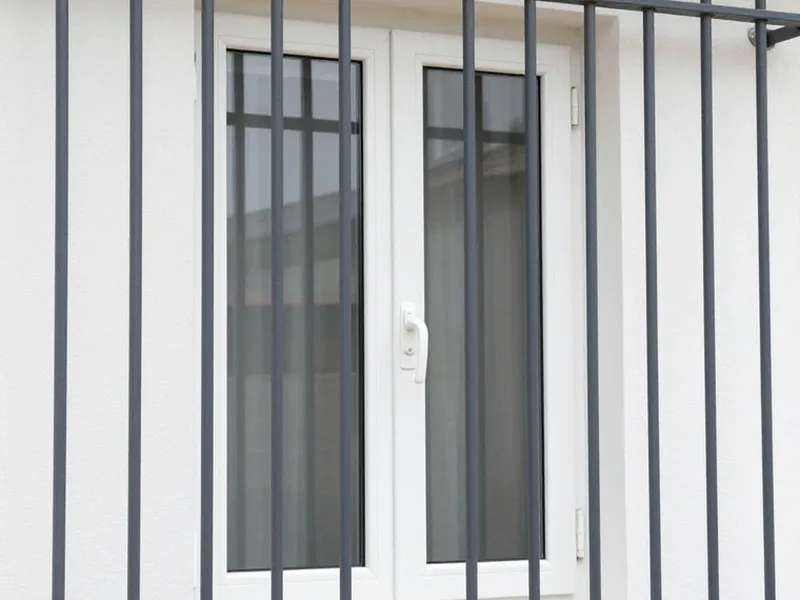 Metal grilles
 Transparent grilles
 Window restrictors
 Window blockers
 Penkid lock
