
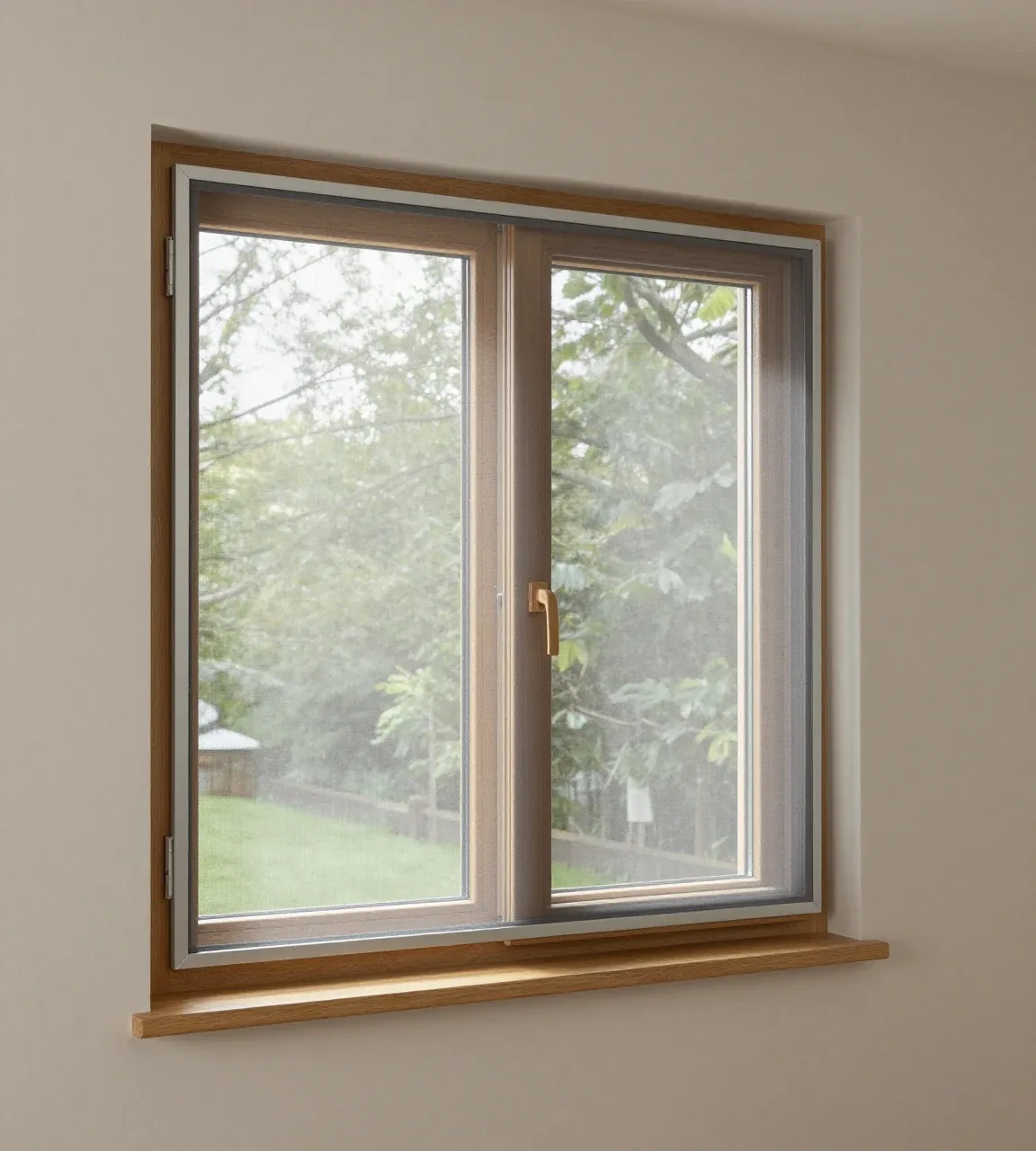
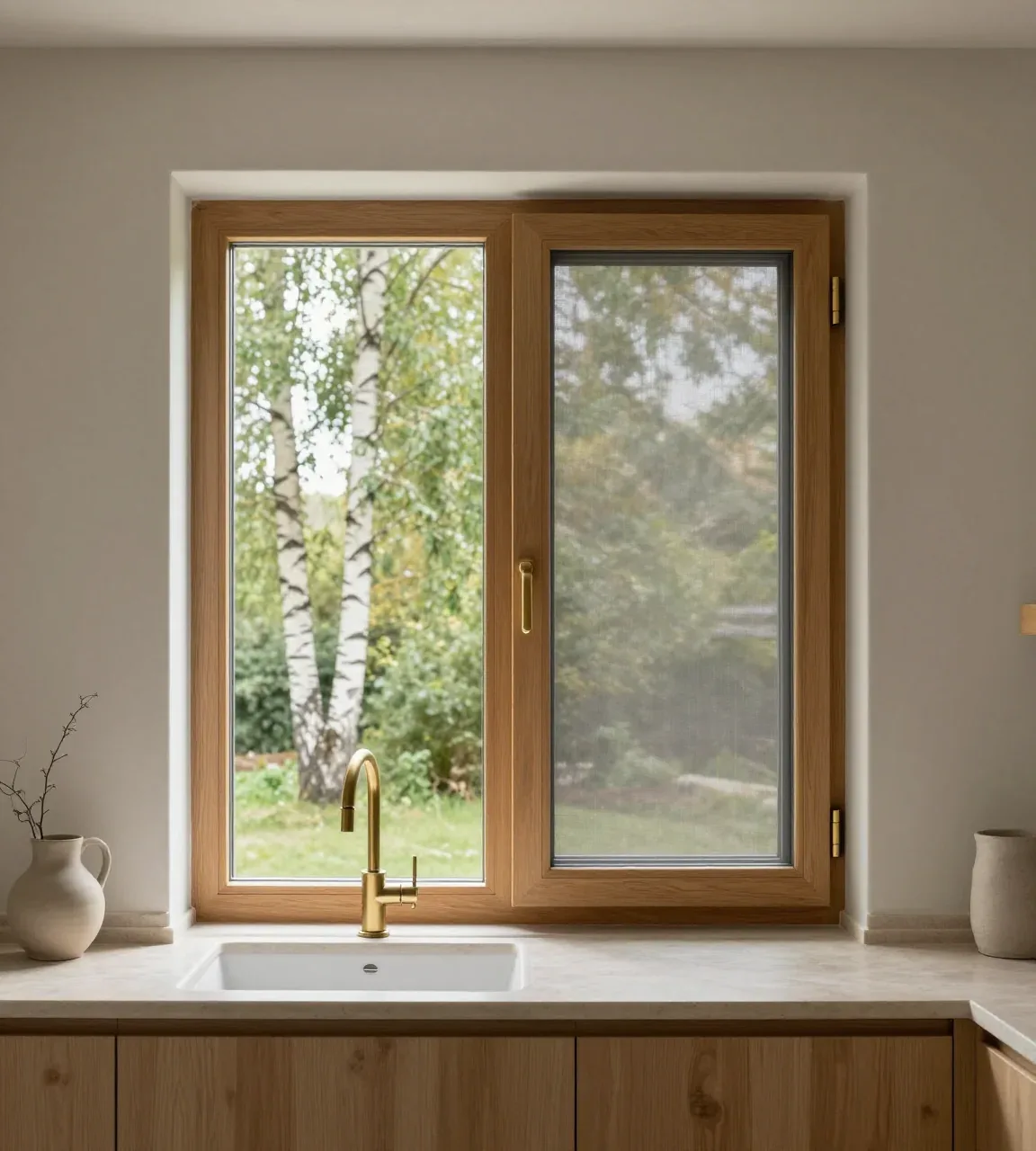
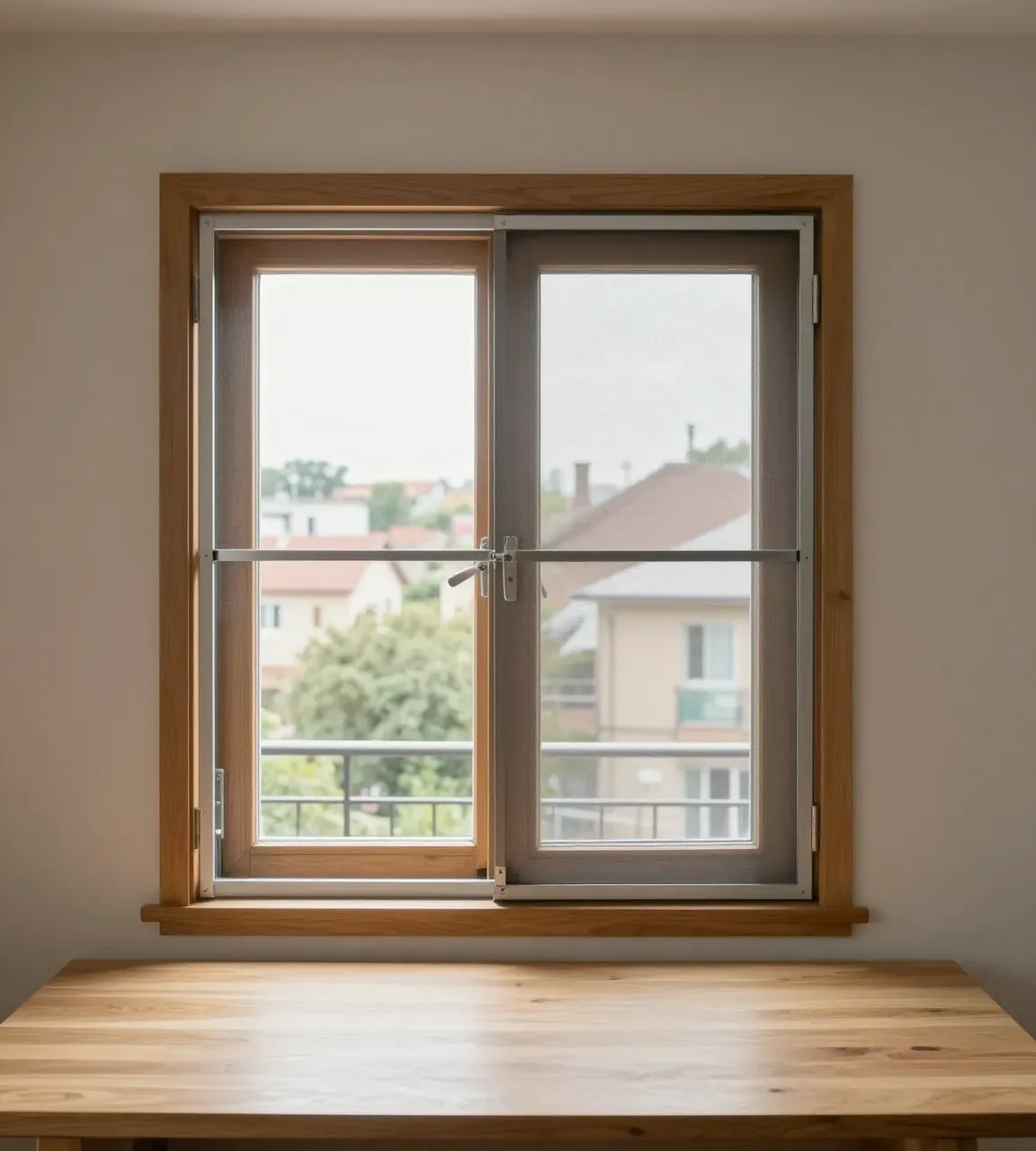
Mosquitoes and flies · Fiberglass
Standard mesh
Fiberglass resists fire and temperature changes. Price from 5 800 ₸ per m².
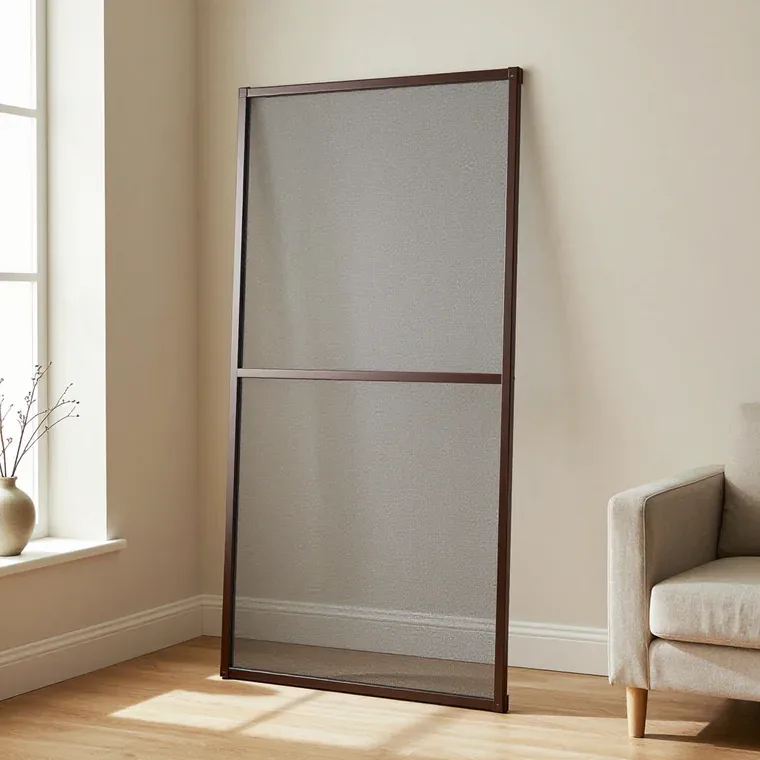
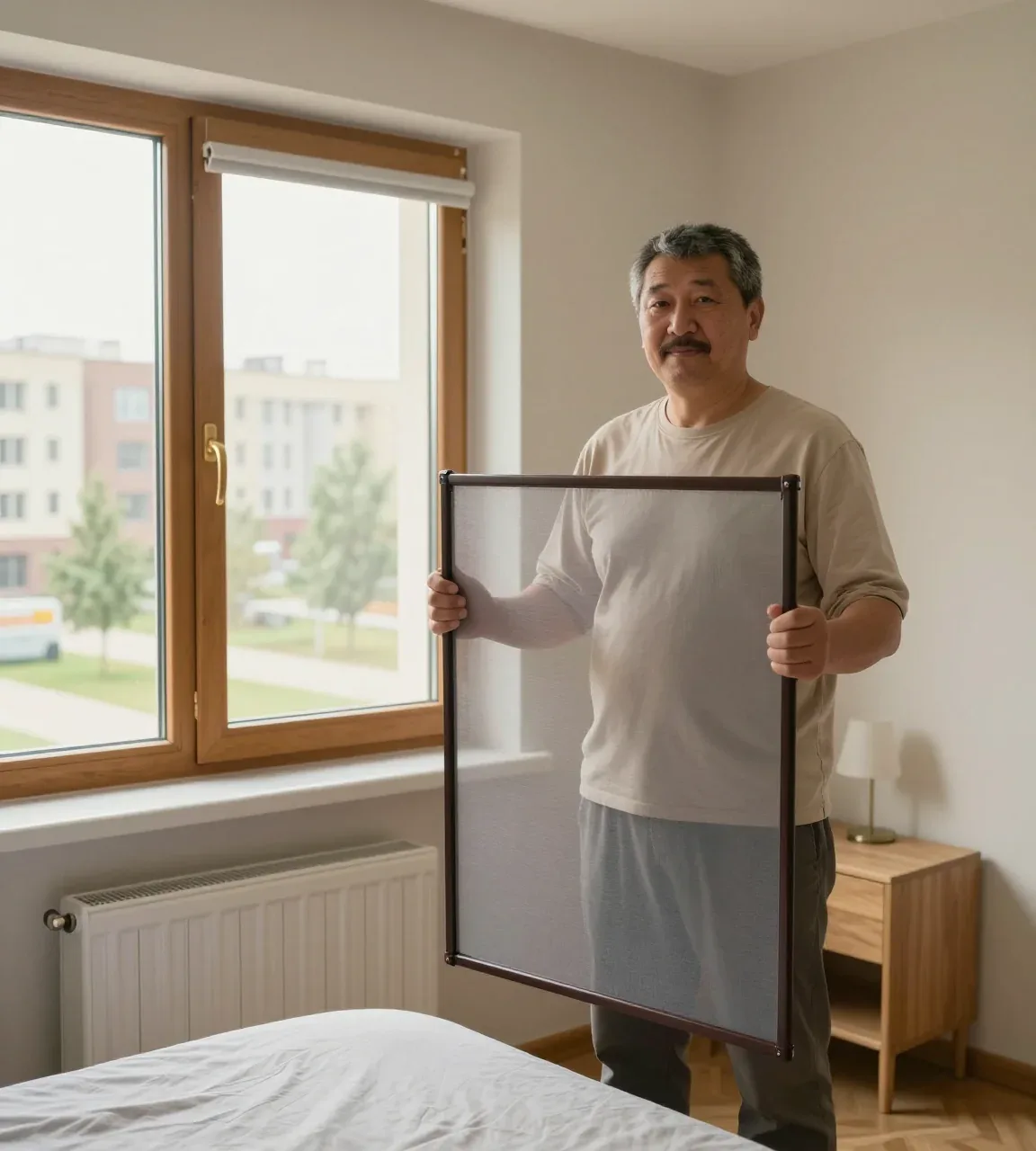
Standard mesh
Fiberglass resists fire and temperature changes. Price from 5 800 ₸ per m².
UltraVue
Lets through 25% more light and air than other meshes. Price from 5 800 ₸ per m².
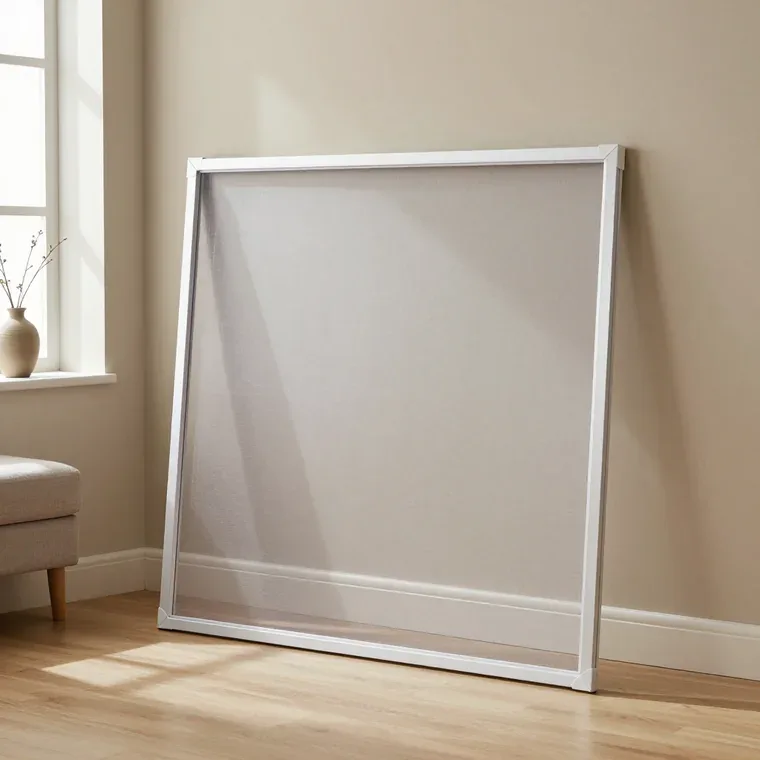
Anti-Cat
Vinyl threads withstand the weight of a small pet. Price from 18 600 ₸ per m².
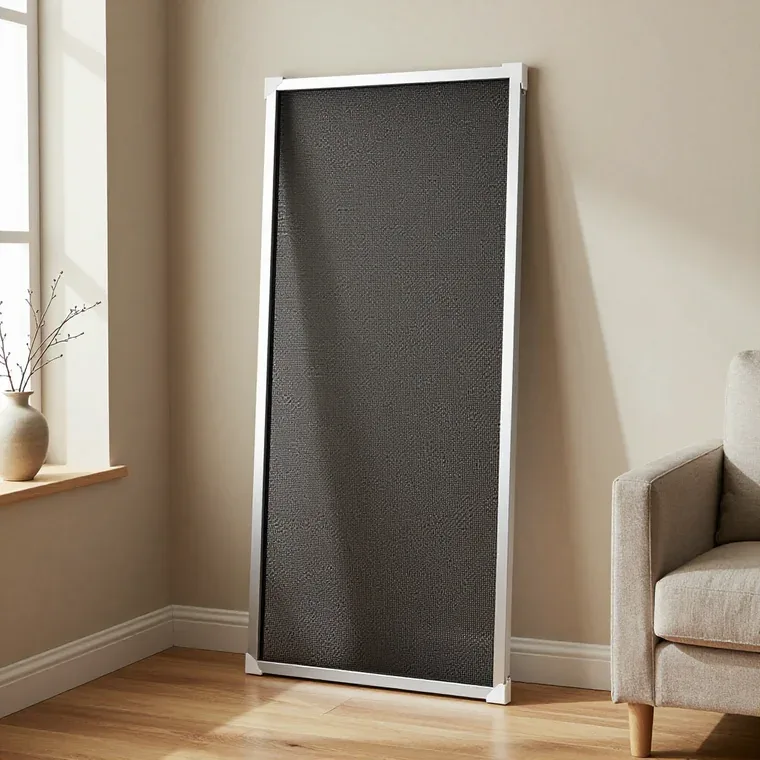
Anti-Pollen
0.25×1 mm mesh traps pollen, hypoallergenic fabric. Price from 5 800 ₸ per m².
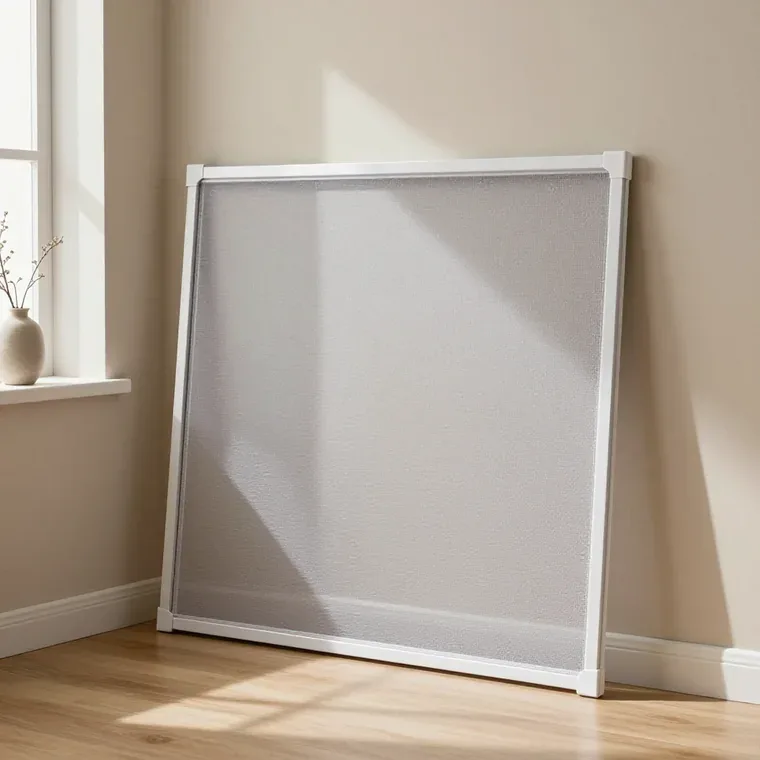
Pleated
Folding design for wooden windows, made in 40–60 minutes. Price from 28 000 ₸ per m².



5,097 reviews on review sites
A framed mosquito screen for a wooden window consists of a profile, mesh and fixings; we explain how it works and how it differs from roller and pleated screens.
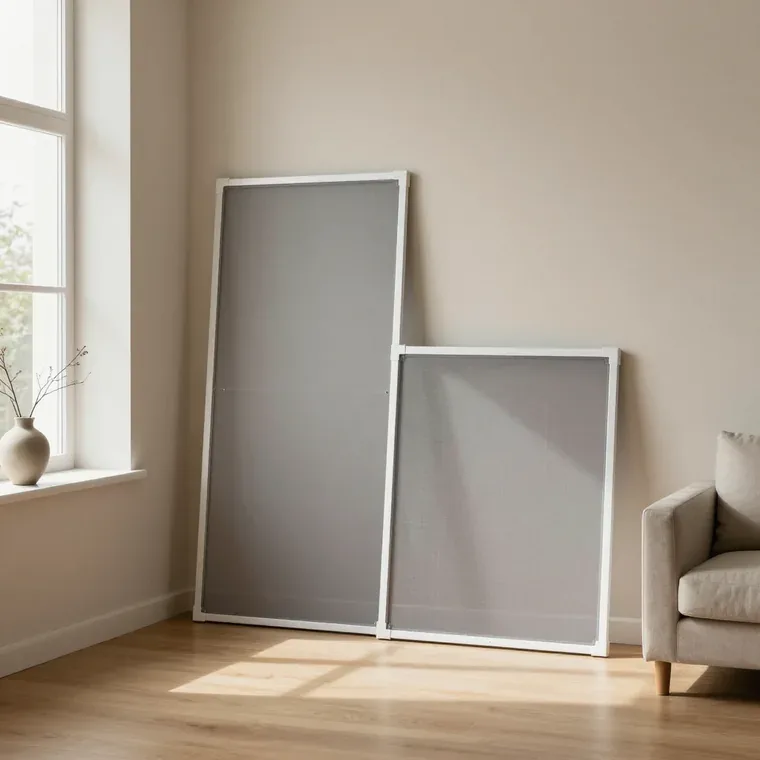
A framed mosquito screen is an aluminium profile with mesh stretched inside, and fixings that hold the structure on the frame. For wooden windows, the profile is selected to match the glazing bead thickness and painted to match the frame colour.
Unlike roller and pleated screens, a framed screen has no mechanism: it is removed and installed by hand. Pleated screens fold like an accordion and are made in 40–60 minutes, framed screens in 10–15 minutes.
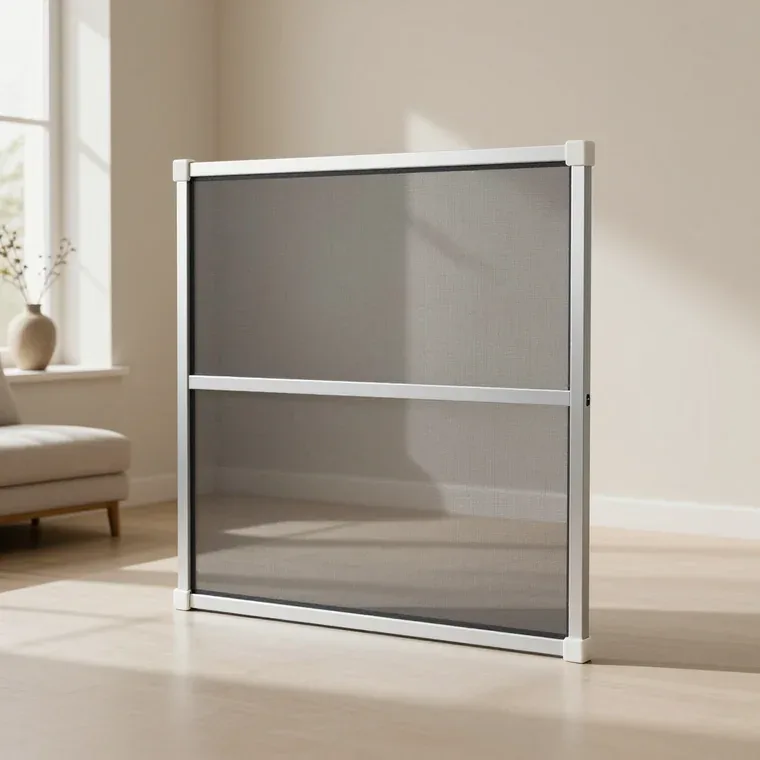
framed mosquito screen for wooden windows
making a framed screen to your dimensions
fitting one screen to a window
For wooden windows we select fixings that do not damage the frame: Z-brackets, pins or magnets. The surveyor looks at the profile and the floor level.
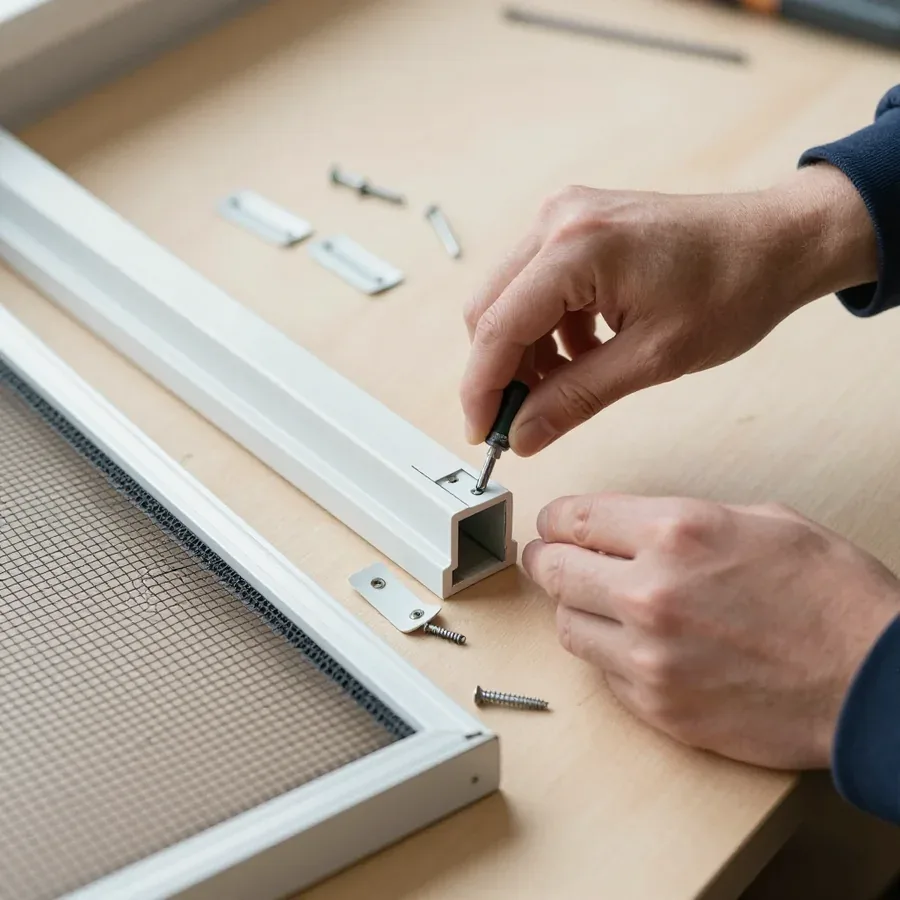
Attached to the frame outside, the screen slides into the groove. Suitable for double glazing and windows with glazing beads.
Inserted into frame holes without through drilling. Convenient for old wooden windows.
Hold a lightweight screen on a smooth frame, removed in one motion. Suitable for vent windows and small openings.
On upper floors wind load is higher, so we choose fixings taking into account the mesh weight and installation height.
The five meshes differ in light transmission, strength and mesh size. Below are the characteristics and price per m² to compare options for a wooden window.
Fiberglass · standard
Resistant to fire and temperature changes, suitable for most windows.
Ultravue · more light
Lets in noticeably more light and air than other meshes.
Pet Screen · durable
Vinyl threads are several times stronger than standard mesh and withstand the weight of a small pet.
Fine mesh
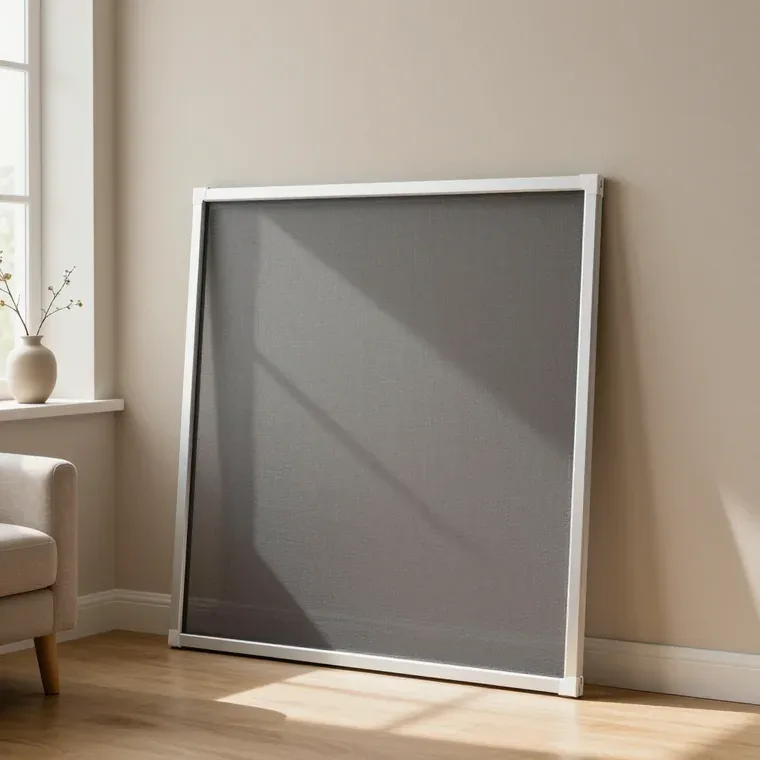
Traps fine dust, suitable for windows facing the road.
Poll-Tex · 0.25×1 mm
Hypoallergenic mesh with a 0.25×1 mm cell traps pollen.
Framed, sliding, door and pleated screens. Our measurer will choose the right design for your opening free of charge.
Full price listPrices for screens and work on wooden windows; the exact amount is fixed after measuring.
| Screen type | Price | Fitting | Options and prices | |
|---|---|---|---|---|
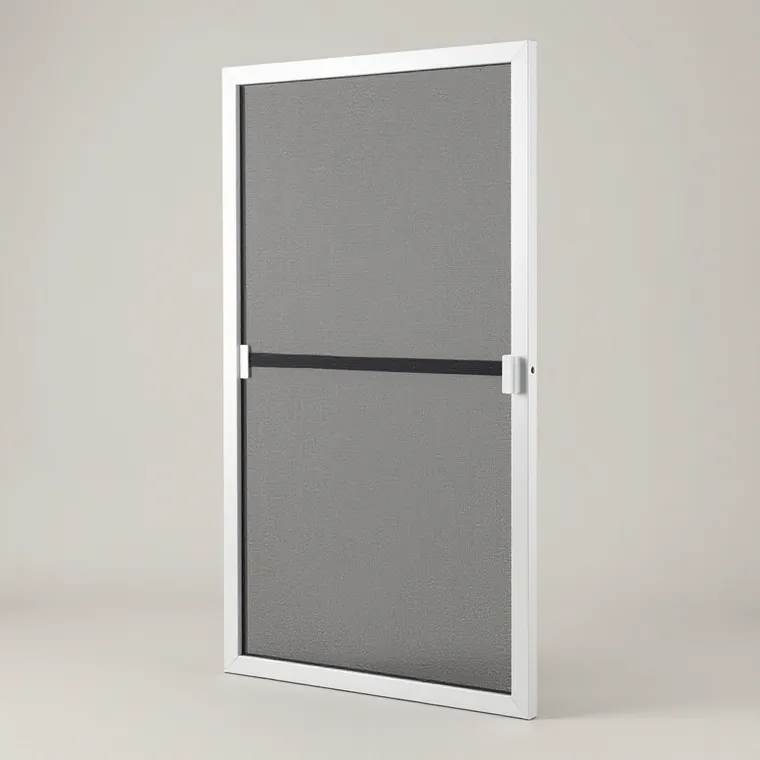 Framed mosquito screen for wooden windowsstandard mesh | from 5 800₸ per m² | 1 600 ₸ | "Anti-Cat" · 18 600"Krylo" · 9 900 | |
| Plunger-mounted mosquito screen for wooden windowspin fixings | from 6 000₸ per m² | — | ||
| Mosquito screen for wooden windows, per unitmade to opening size | from 8 900₸ per item | — | ||
| Roller mosquito screen for wooden windowswith mechanism | from 22 000₸ per item | — | ||
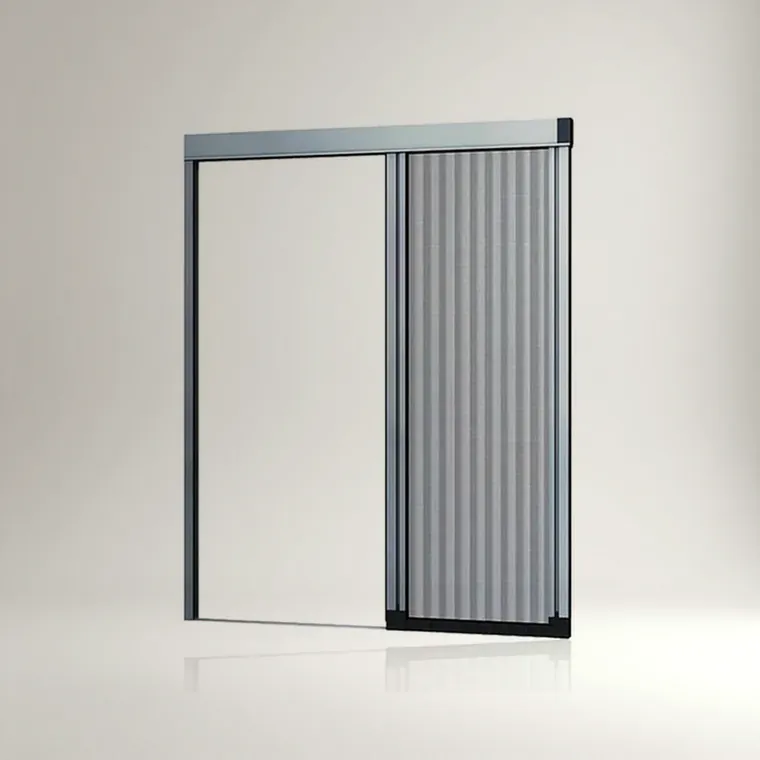 Pleated mosquito screen for wooden windowsfolding design | from 28 000₸ per m² | — | ||
| Frame re-meshing with standard meshmesh replacement | from 3 000₸ per job | — | ||
| Replacement of fixings (Z-brackets)set per screen | from 970₸ per set | — | ||
| Surcharge for coloured profilepainted to match window colour | from 2 250₸ per m² | — |
The price is fixed in the order after measuring.Payment after installation: cash, card or Kaspi.
Book a measuring visitEnter the width and height of the opening, choose the mesh and fixing — the calculator will show an approximate cost.
1. Screen type
2. Mesh and design
3. Opening size, cm
Our own production in Almaty, profile painting in any colour, a 1-year warranty and free measuring.
making mosquito screens since 2012
on mosquito screens
profile to match your windows: white, brown, grey
Standard, UltraVue, Anti-Cat, Anti-Dust, Anti-Pollen
the measurer will come at a convenient time
profile painted to match the window frame (white, brown, grey)
where you can order mosquito screens
in Almaty at Tole Bi, 83, no intermediaries
From request to a finished screen on the frame — four steps.
You leave a request or message us on WhatsApp — we reply within 5 minutes.
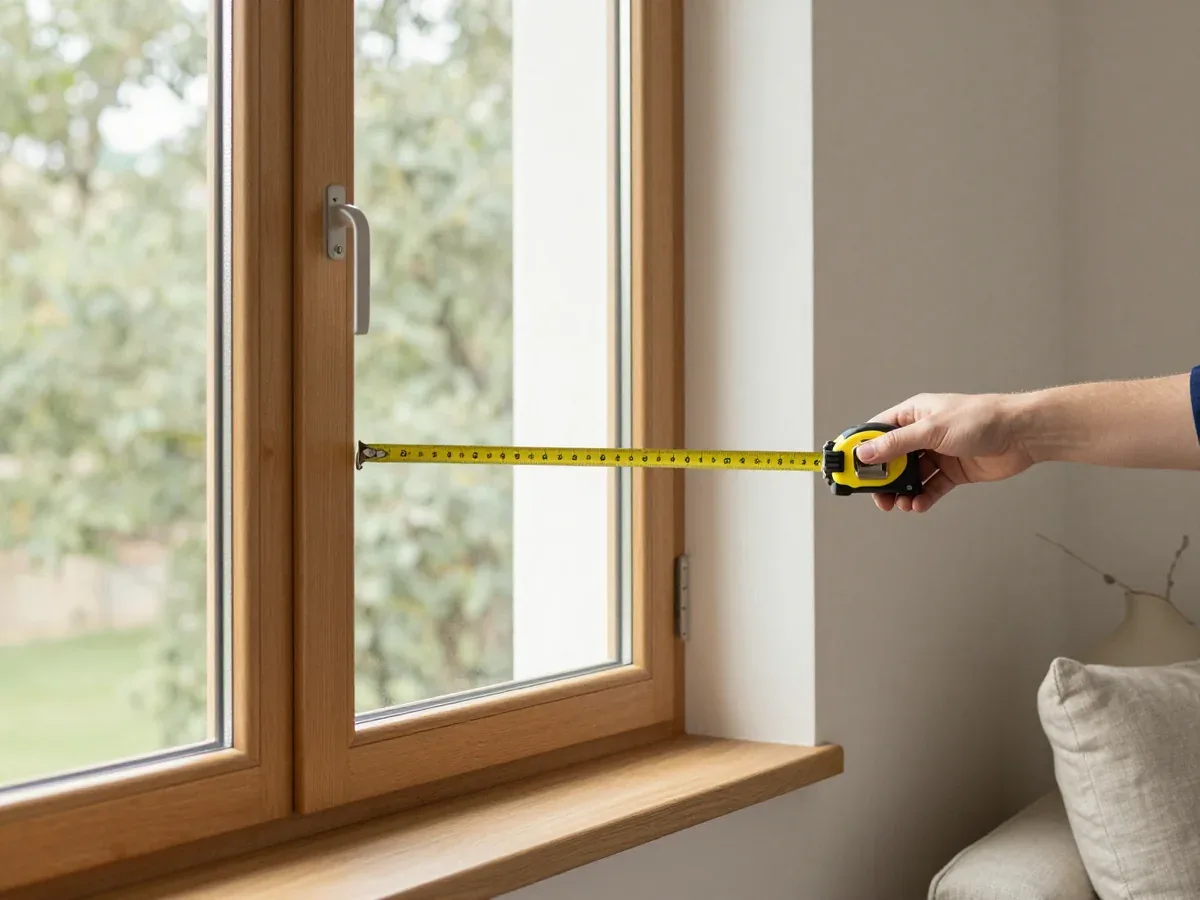
During measuring you agree on the profile colour and mesh type using samples: the technician brings them along.
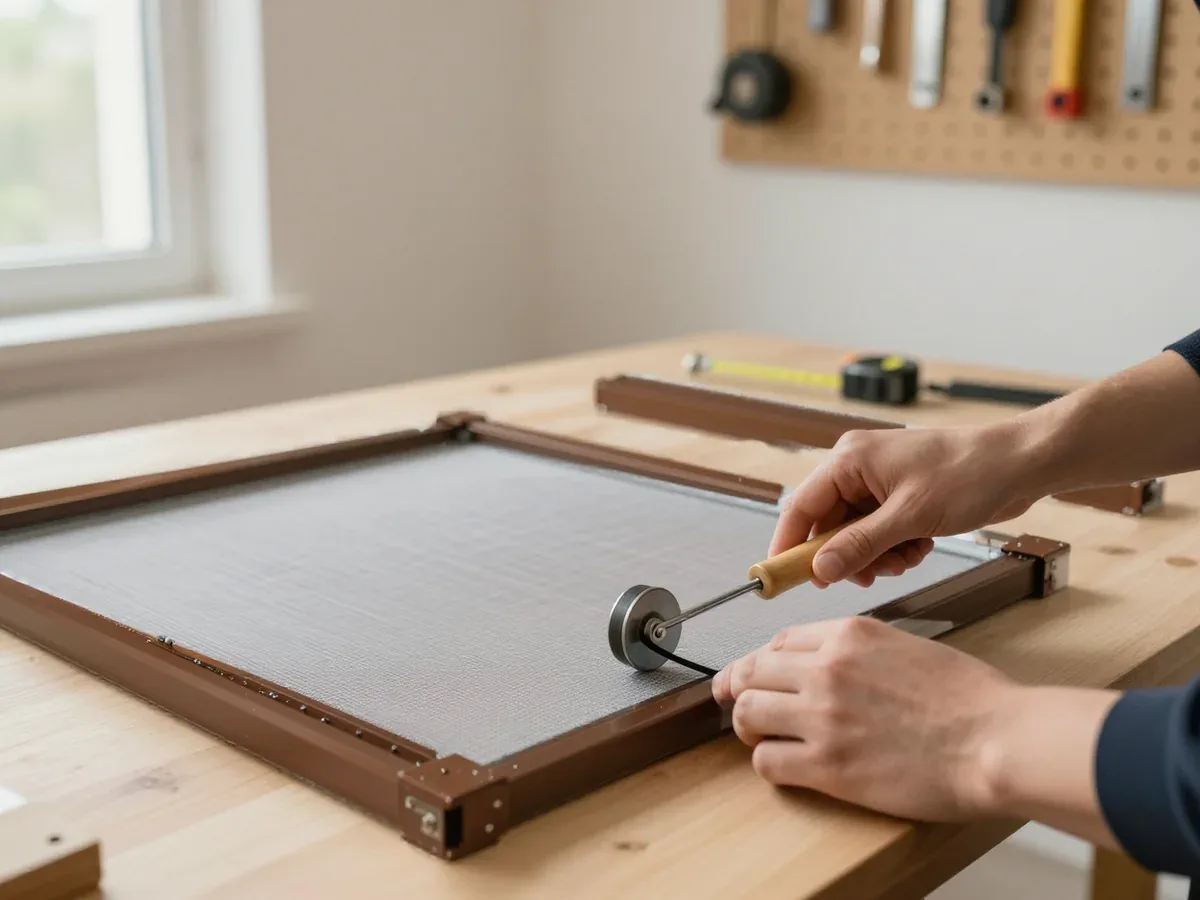
We make a framed screen to your dimensions in 10–15 minutes.
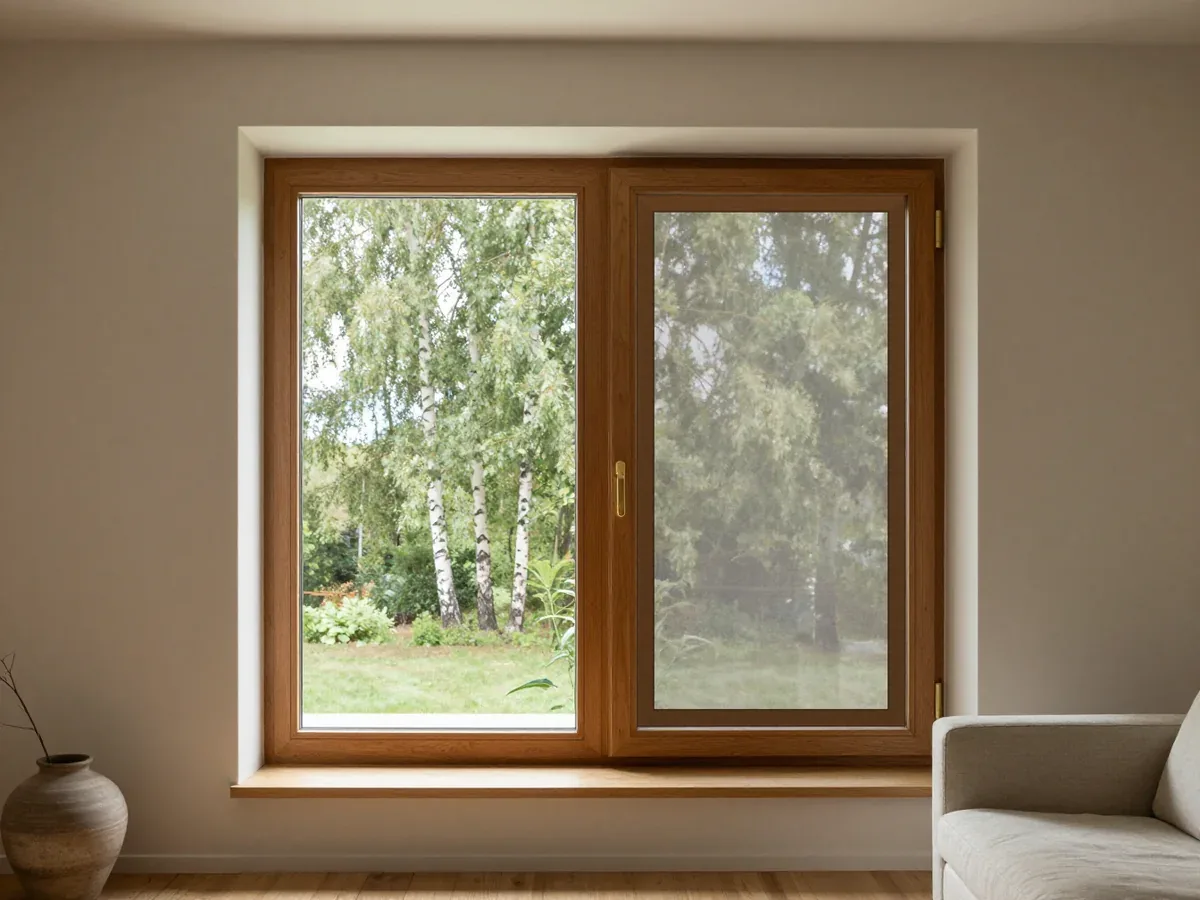
Together with the technician you check the sash movement, how tightly the mesh fits and how the fixings work.
Good to know

Senior mosquito screen specialist at moskitnyesetki.kz
We make screens for wooden windows in Aktobe to your exact size, with free measuring and fitting that leaves the frame and its finish untouched. The measurer picks the fixings for your window profile and floor, we paint the frame to match your wood, and every screen carries a 1-year warranty. You pay only after installation.
The timber and its varnish are the first worry for most buyers of screens for wooden windows in Aktobe. The mounting is chosen for the window profile and the floor, not by drilling every sash the same way.
We fit screens for wooden windows without drilling through the timber itself, using fixings that grip the window profile rather than the wood. Framed units rest on Z-brackets or plungers that hook onto the edge, while insert models sit inside the opening on small pins or magnets. Measuring and consultation are free, so the measurer can look at the profile, the sill and the floor before anything is ordered. Drilling into solid timber is permanent — if you later want a different system, the holes stay. That is why the measurer checks the wood and the storey first and only then picks the mounting, rather than working from a template. On an old, dried-out sash the fixing goes into a sound part of the timber, so the opening has to be measured on site instead of ordered by standard size.
| Fixing | Best for | What it means for your frame |
|---|---|---|
| Z-brackets | Framed screens on most profiles | Hooks over the edge, no holes in the wood |
| Plungers | Insert screens inside the opening | Small pins press into the rebate |
| Magnets | Light insert screens, easy removal | Glued plates, wood stays untouched |
At a wooden window, the right screen type depends on whether the sash opens, whether there is a balcony door, and how old the opening is. Most cases come down to three decisions: framed, insert or door-mounted.
A framed screen is the everyday choice for a wooden window, while an insert screen on plungers suits a sash you open often and want to keep clear. We build framed units to your exact size and paint the surround any colour to match the timber, so the piece reads as part of the joinery rather than an add-on. An insert version sits inside the opening on spring plungers and leaves the sill free. The framed one lifts out from the inside in about a minute, which matters when the glass is washed or the unit comes off for winter. Insert units hold tighter in the reveal but cannot be set aside as quickly — handy for a sash you rarely touch, less so for a kitchen one opened twice a day.
The mesh decides what the screen actually does for a room: how much daylight reaches the glass, how much street dust stays outside, whether pollen is filtered and whether the fabric survives claws. Five options cover those jobs.
| Mesh | Best for | Key property |
|---|---|---|
| Standard (Fiberglass) | Everyday windows | Fire-resistant, stable in temperature swings |
| UltraVue | Shaded rooms | 25% more light and air |
| Anti-Cat (Pet Screen) | Homes with cats | Vinyl threads hold a small animal's weight |
| Anti-Dust | Street-facing windows | Traps coarse dust and grit |
| Anti-Pollen (Poll-Tex) | Allergy season | 0.25×1 mm cell |
Anti-Pollen (Poll-Tex) has a 0.25×1 mm cell that holds back fine pollen, while Anti-Cat (Pet Screen) is several times stronger than a standard mesh and its vinyl threads carry the weight of a small animal. We offer both as framed or insert models, and the surround can be painted to the colour of your window. Anti-Cat suits households where a cat climbs the glass or leans on the fabric daily; the vinyl weave does not tear the way fiberglass does under repeated pressure. Anti-Pollen works best on bedroom and nursery windows that stay closed during the flowering weeks. A fine cell blocks more, and it also loads up faster with dust, so plan on washing that panel more often than a Standard one — a rinse from the room side keeps airflow steady through the whole season.
Every order of screens for wooden windows in Aktobe starts with a free measuring visit: the measurer comes at a time that suits you, takes the sizes and helps you choose the design, mesh and fixings before anything is built.
The measurer takes the exact opening size, checks the window profile and the floor, and helps you choose the design, mesh and fixings on the spot. Measuring and consultation are free, and the visit covers the full frame, the opening direction and how far the sash swings. We paint the surround any colour to match your windows, so the measurer also notes the shade while standing at the sash. A wooden frame is rarely perfectly square, and sizes taken from a catalogue rarely match it: measure by the actual opening, not a standard size, or the product will sit with a gap or not fit at all. On older wooden windows the measurer checks the sill and the outer casing too, so the unit sits level on the opening.
The aluminium can be painted to match your timber, the mesh comes off for the cold months and goes back in spring, and repairs plus a one-year guarantee cover the years in between.
We paint the aluminium surround any colour to match your windows, so it does not stand out against the timber. The painter works from a sample you bring or from a photo taken in daylight, and the shade is matched before assembly. Wooden sashes fade unevenly over time, so an off-the-shelf tone rarely lands cleanly. We also keep standard powder shades in stock if you prefer a neutral finish that reads as trim rather than as a separate element. The colour is fixed in the order together with the mesh and fixing type, so nothing changes after the measurer leaves. Pick the shade from a sample of the actual sash, not from a catalogue — faded timber and fresh paint on the new frame otherwise produce a contrast you notice every day.
A framed unit comes off from inside in a minute and is best taken down for the winter, we repair such units and replace fixings, and every one carries a 1-year warranty. Store it flat in a dry room rather than on a balcony — damp and frost wear the mesh and profile faster than a full season in use. If the canvas tears, we usually swap only that part and keep the frame; bent corners and worn plungers are fixed with new fasteners. For wooden windows we check the seating at the same visit, since a loose bracket is what lets the unit rattle in the wind. Book the repair before the first hard frost — a unit left up through ice can crack at the corner joint.
A wooden window keeps its character only when the screen is matched to it with care, so the points below gather what decides a good result.
Choice, installation, fixing, care
Konstantin Selenenkovsenior mosquito screen specialist, 10 years in the tradeOnline · replies within 5 minutes
Ask a questionA slip-in screen relies on a tight fit against the rebate and only suits flat frames without warping. On old wood, a framed design with fixings chosen by the measurer is more reliable.
For wooden windows, Z-shaped brackets or magnets are often used; they can be fixed to the reveal or the trim. The measurer will check the frame and suggest an option that won't damage the varnish, and will say during the free measuring visit whether drilling is needed.
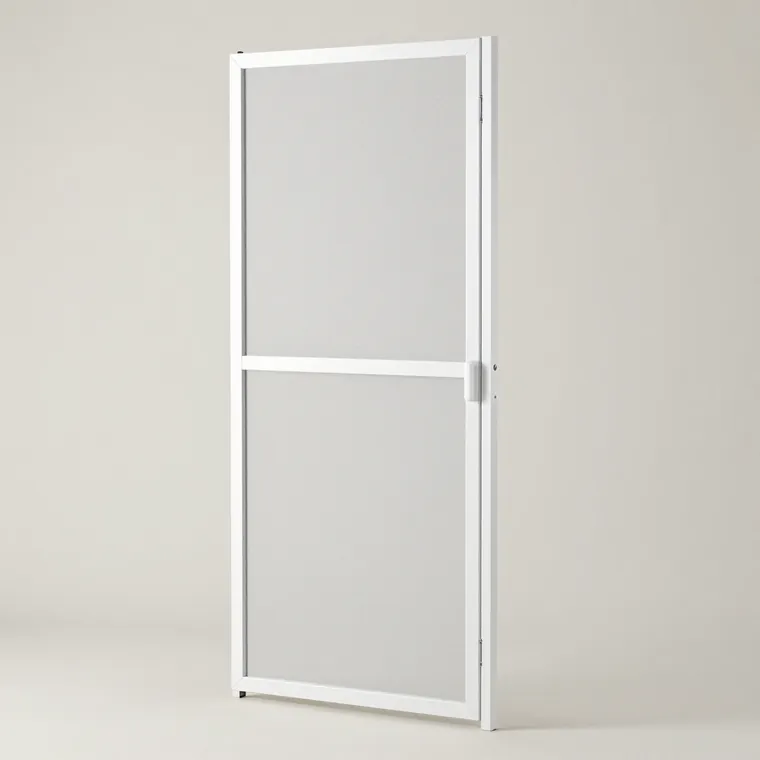
For a wooden door, Economy 32×10 mm or Prestige 42×17 mm profiles are suitable: the first is lighter, the second is stiffer and holds its shape better on a wide leaf. The choice depends on the opening size and the weight of the screen.
UltraVue canvas lets through 25% more light and air than a standard one, so the room will be brighter. If pollen protection matters more, consider Anti-Pollen with a 0.25×1 mm mesh.
Standard mesh can be torn by cat claws, so Anti-Cat (Pet Screen) is used for such windows: its vinyl threads are several times stronger and can withstand the weight of a small animal. Fixings are selected with the load in mind.
Yes, it is advisable to remove a framed screen for the winter: it can be taken off from inside in a minute, and the wooden frame gets less moisture and keeps its varnish. Store the screen in a dry place so the canvas doesn't deform.
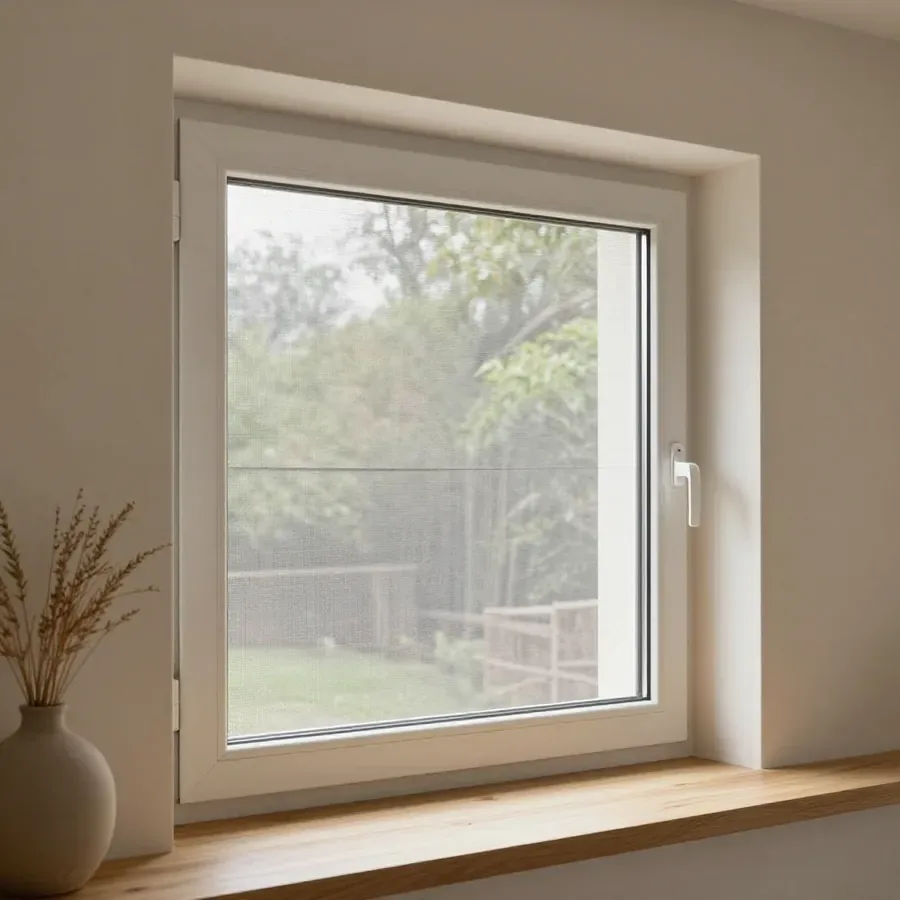 Care
A frame screen comes off in a minute: we show how not to bend the frame or lose the fixings.
April 15, 20268 min read
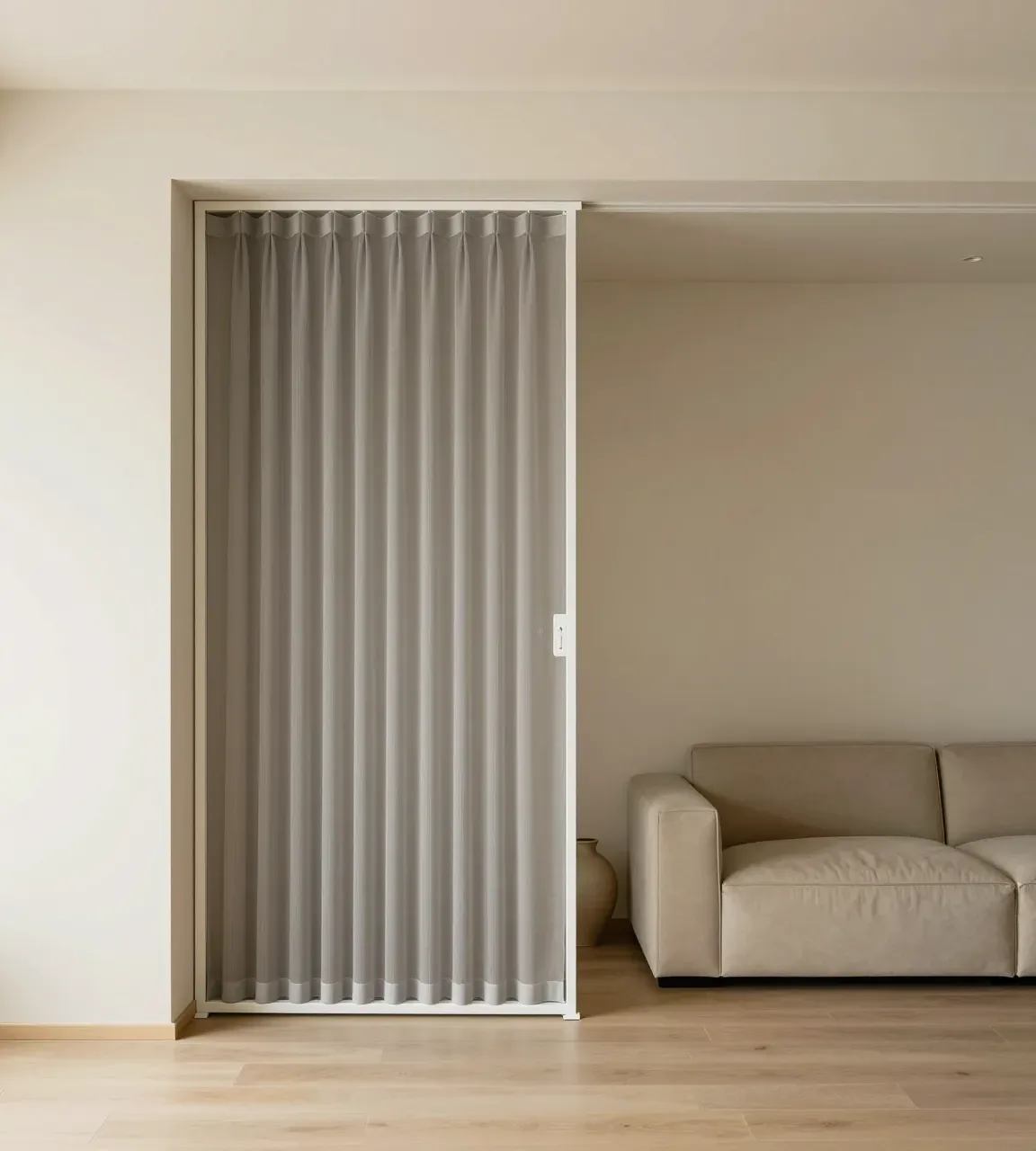 Choosing
We compare the price, lead time and how each screen performs on a door that you walk through every day.
March 2, 20268 min read
 Mesh types
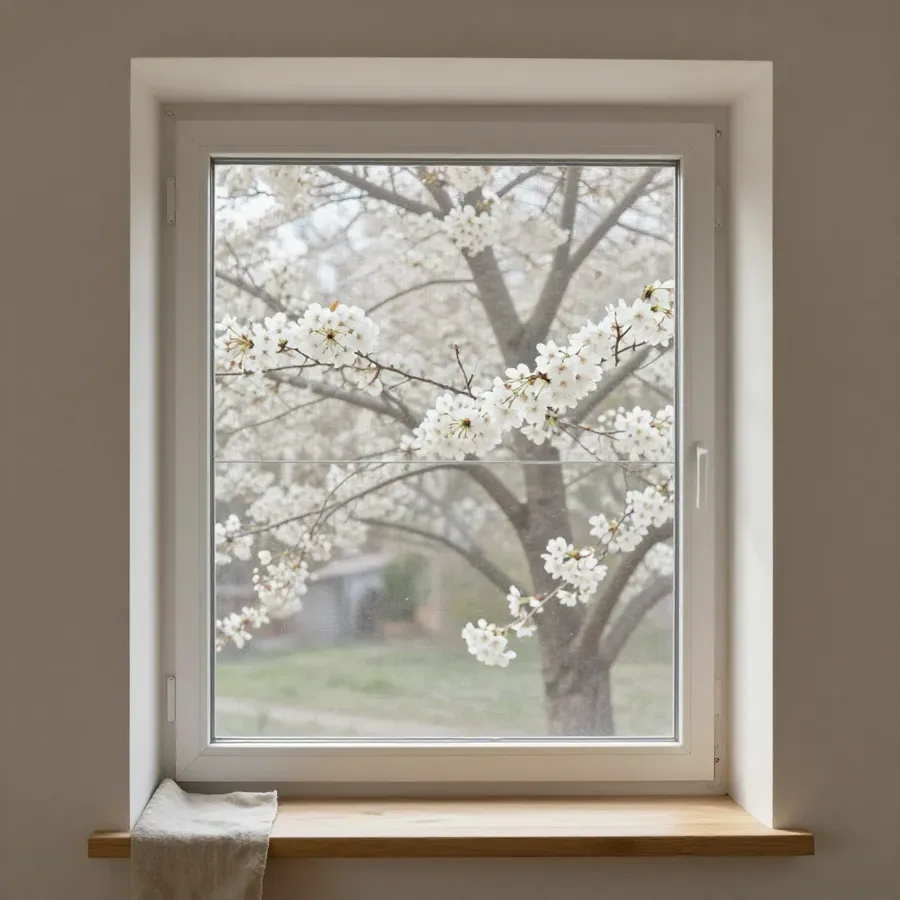
How Poll-Tex mesh with a 0.25×1 mm cell works and who it helps in pollen season.
February 17, 20268 min read
 Prices
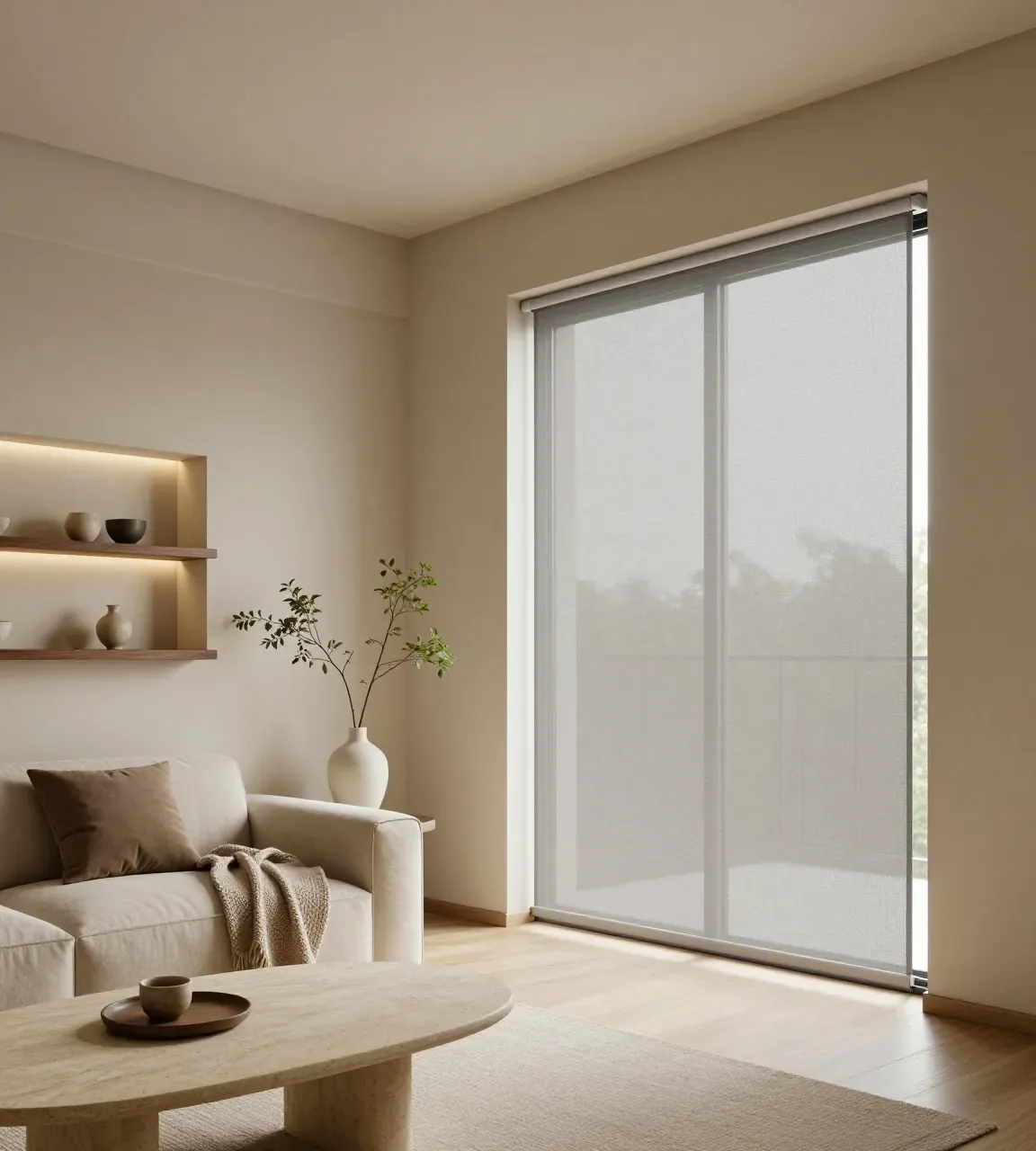
Price list breakdown: frame screen from 2 000 ₸ per m², installation 1 750 ₸, pleated from 28 000 ₸. Costing a 70×140 cm window.
February 1, 20268 min read
 Repair
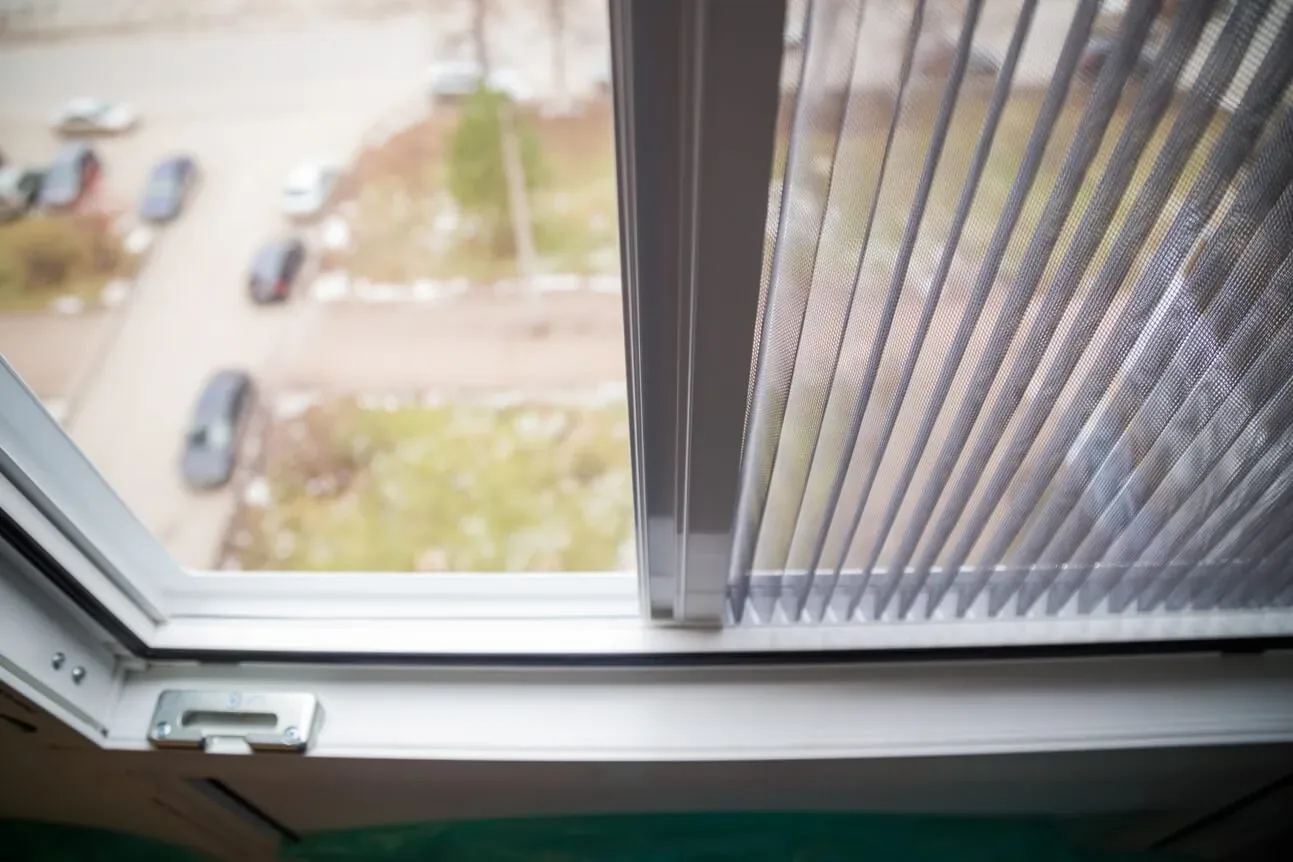
Worn fixings, a wrong measurement, wind on high floors. A set of fixings costs 290 ₸, installation 871 ₸.
January 14, 20268 min read
 Choosing
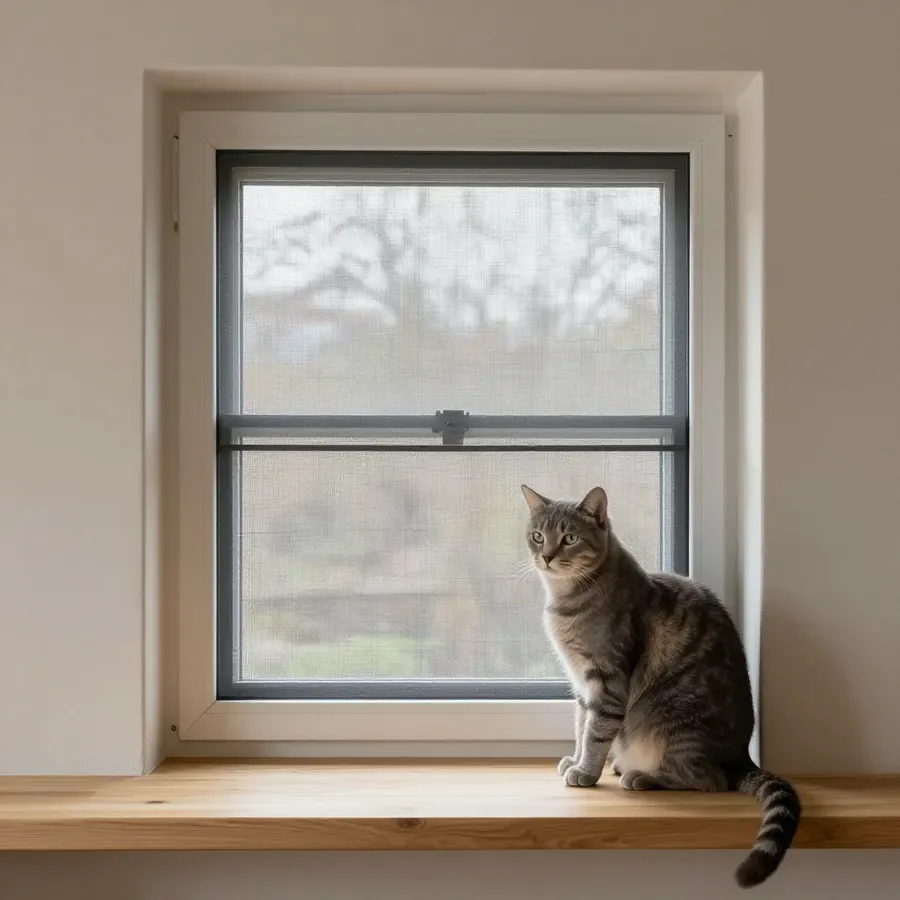
Anti-Cat mesh on vinyl threads, the fixings and what to do about gaps around the window opening.
December 23, 20258 min read
 Mesh types
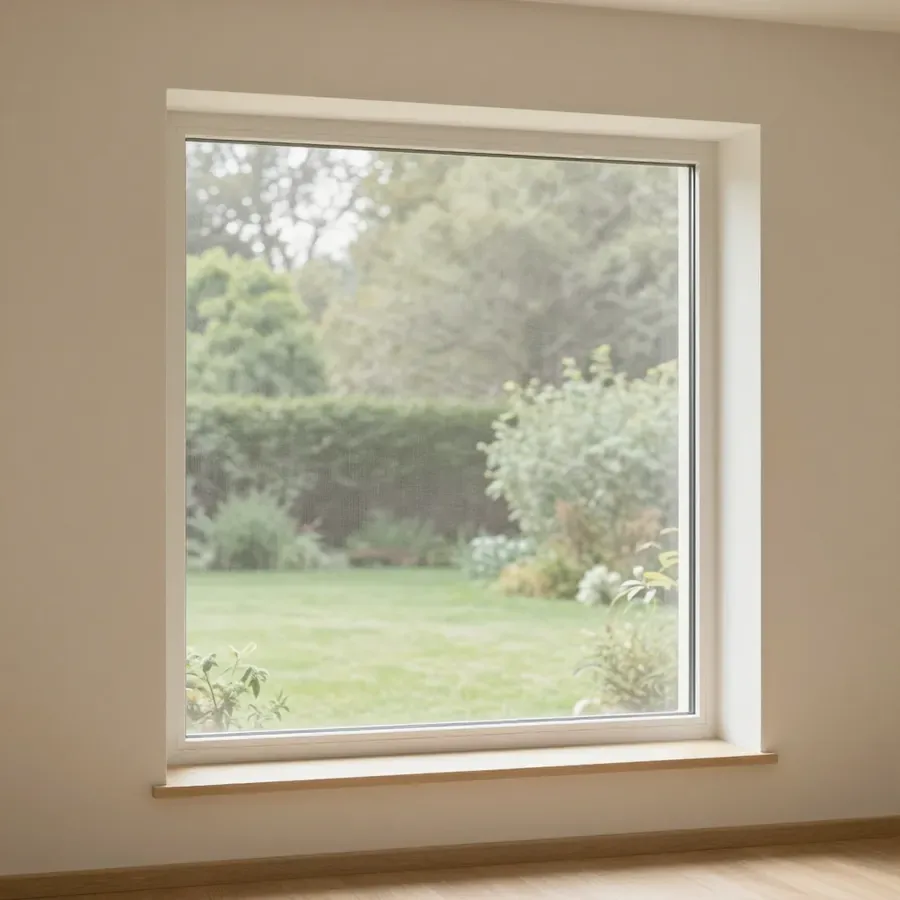
The mesh lets in 25% more light and air. Where the difference shows and where paying extra is not worth it.
December 11, 20258 min read
 Choosing
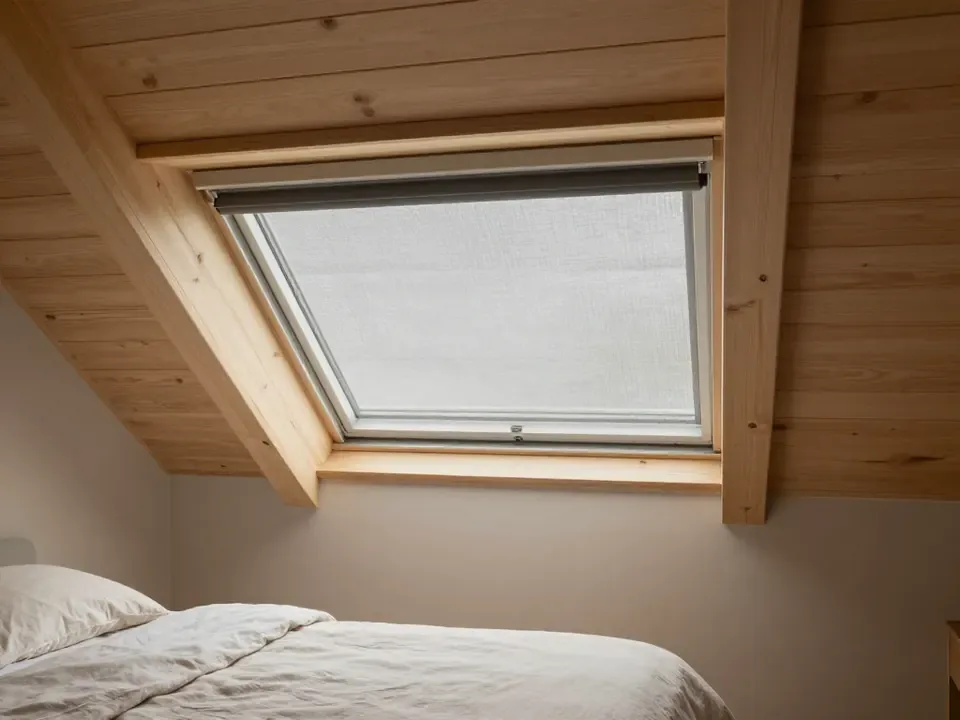
A tilted sash, outward opening and a roller screen at 15 000 ₸ per m²: what will suit your window.
November 21, 20258 min read
 Mesh types
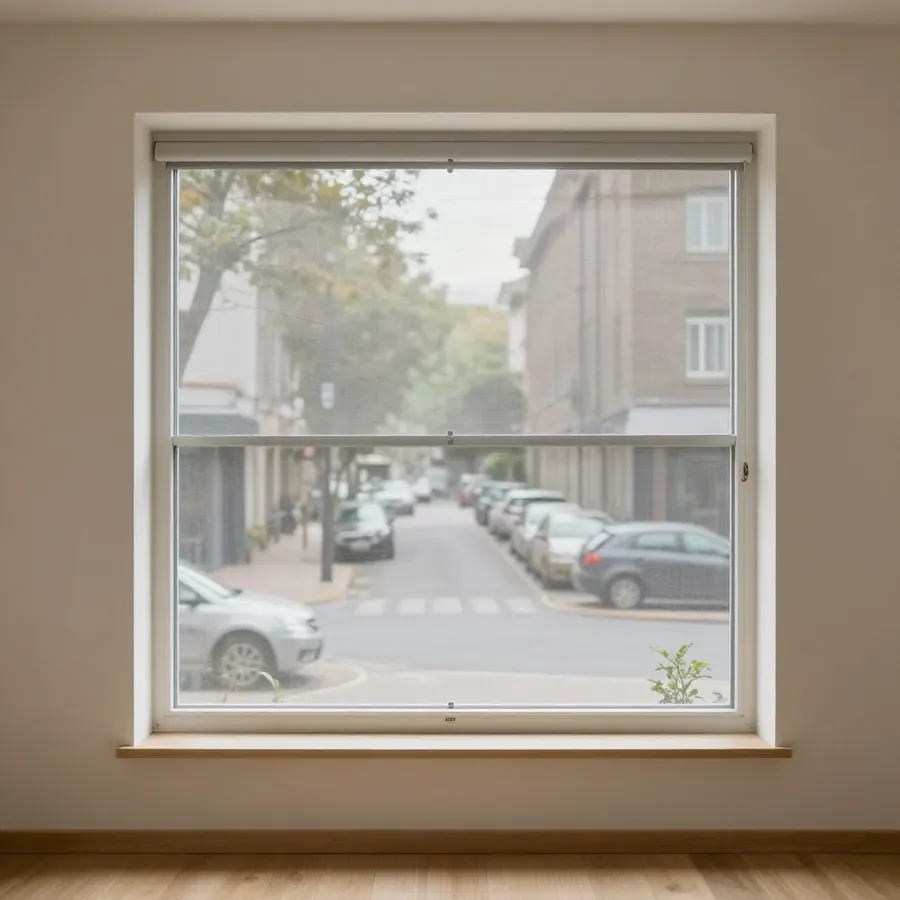
The mesh stops coarse and fine dust along with mosquitoes. When it is worth the price of 8 500 ₸ per m².
October 20, 20258 min read
Thank you. We will call you back within 10 minutes!
Your order number is on the receipt or in the SMS. Choose where to leave your review.
Write a review on WhatsApp
 For aluminium windows
 Ready-made screens
 Window limiters
