




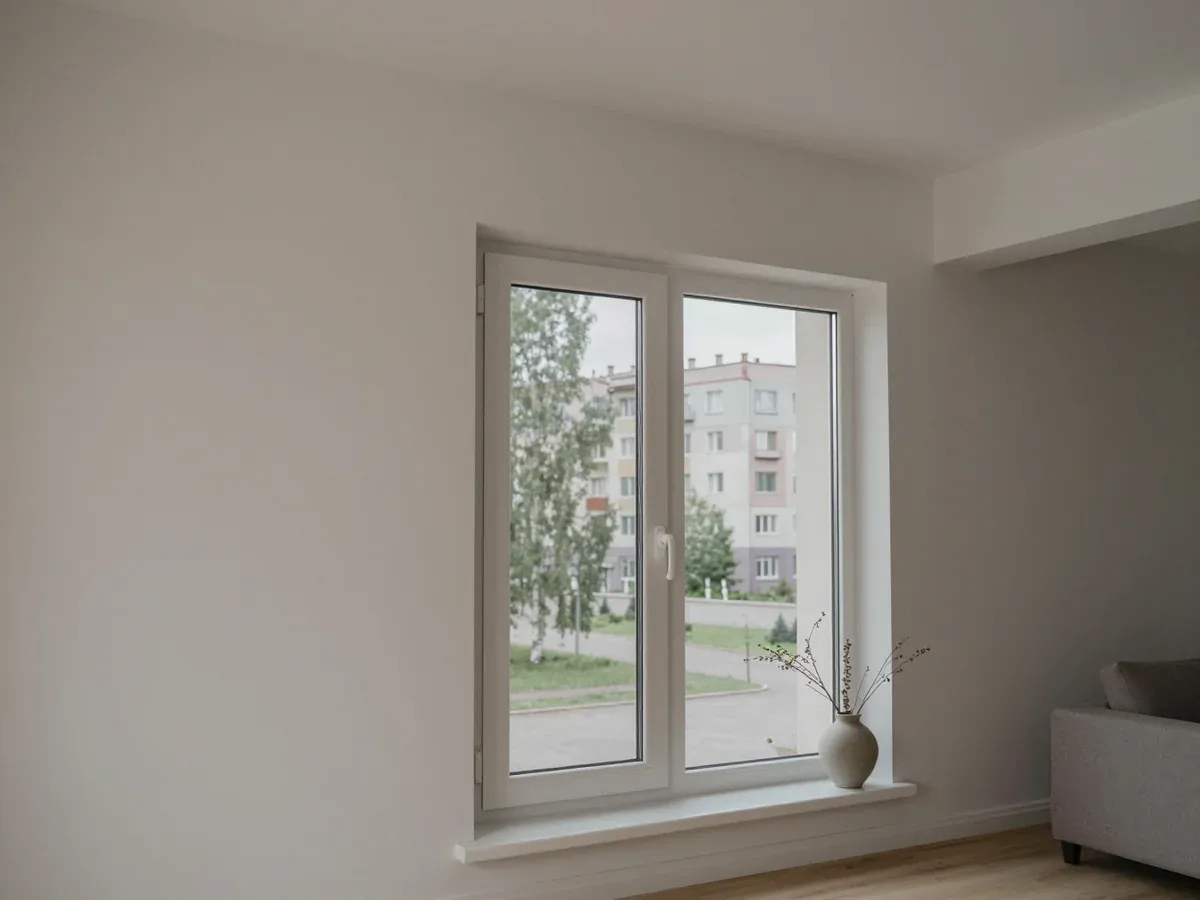
Good to know
Window Reveal Finishing in Kyzylorda

Senior mosquito screen specialist at moskitnyesetki.kz
We handle window reveal finishing in Kyzylorda with our own fitters, a free measuring visit and a fixed price agreed after measuring. We finish reveals on plastic, wooden and aluminium windows, insulate and seal the joint, and you pay only after installation by cash, card or Kaspi.
Which window reveal finishing material suits your window and room
The reveal material decides how an opening handles heat, dust and temperature swings. Four options cover most openings, and each one fits a different wall, room and appetite for wet work.
Plaster, plastic, drywall or sandwich panels
| Reveal type | Best for | Wet work | Finish |
|---|---|---|---|
| Plaster | living rooms, bedrooms | yes | painted, seamless |
| Plastic (PVC) | kitchens, bathrooms | no | ready panels |
| Drywall | uneven or deep openings | minimal | skimmed and painted |
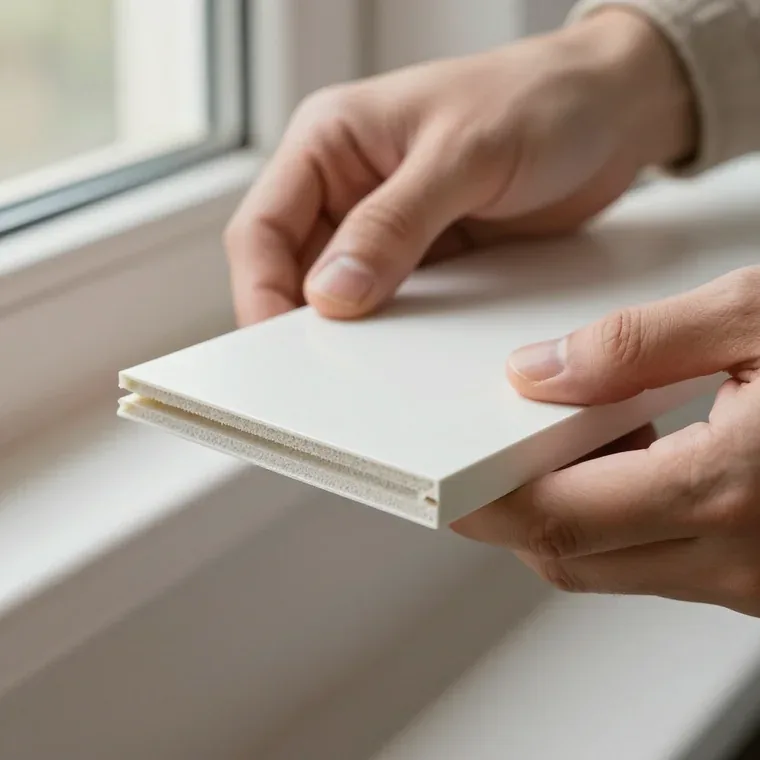
| Sandwich panel | fast clean installs | no | insulated panel |
Matching the reveal to plastic, wooden and aluminium frames
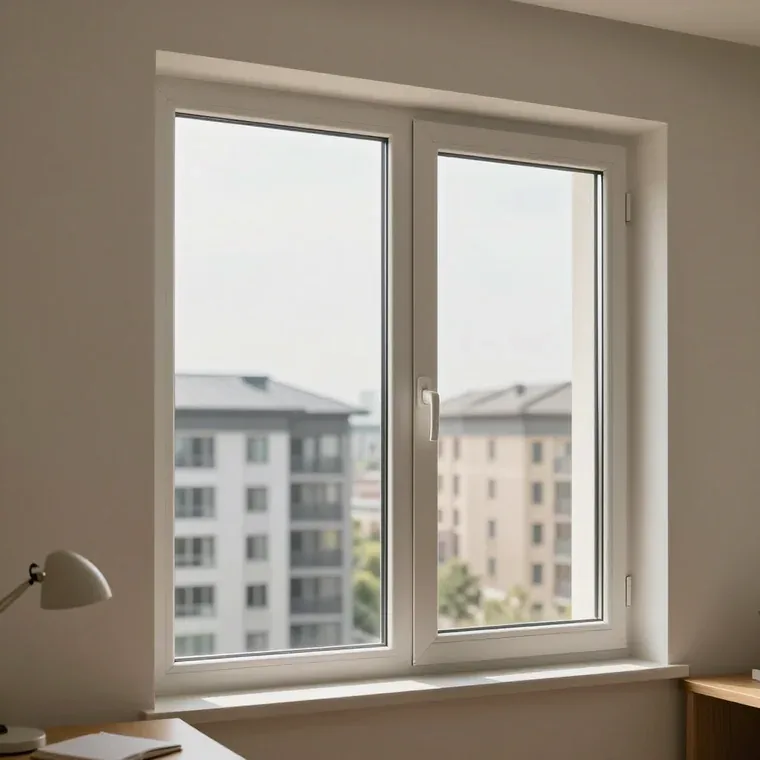
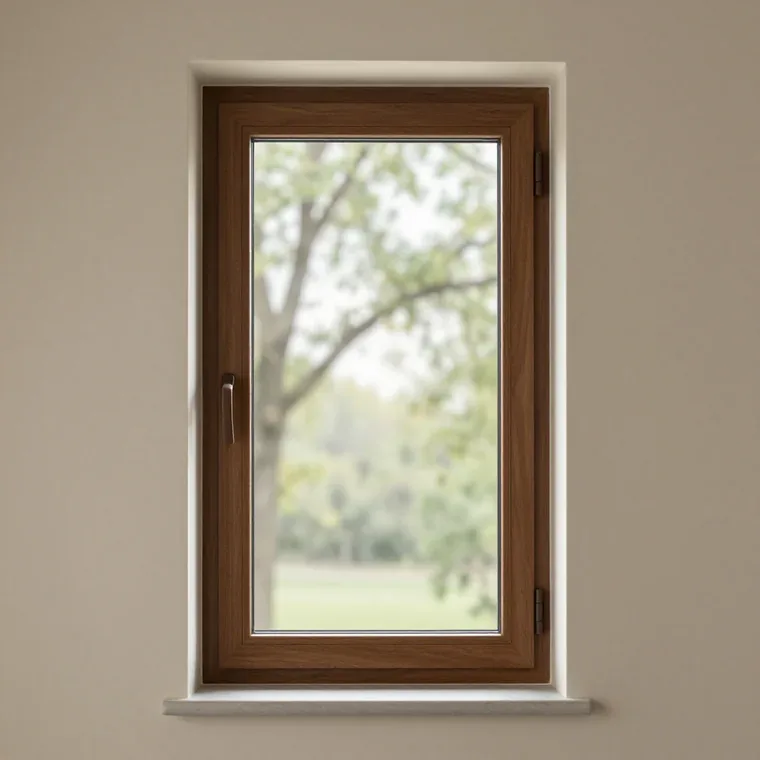
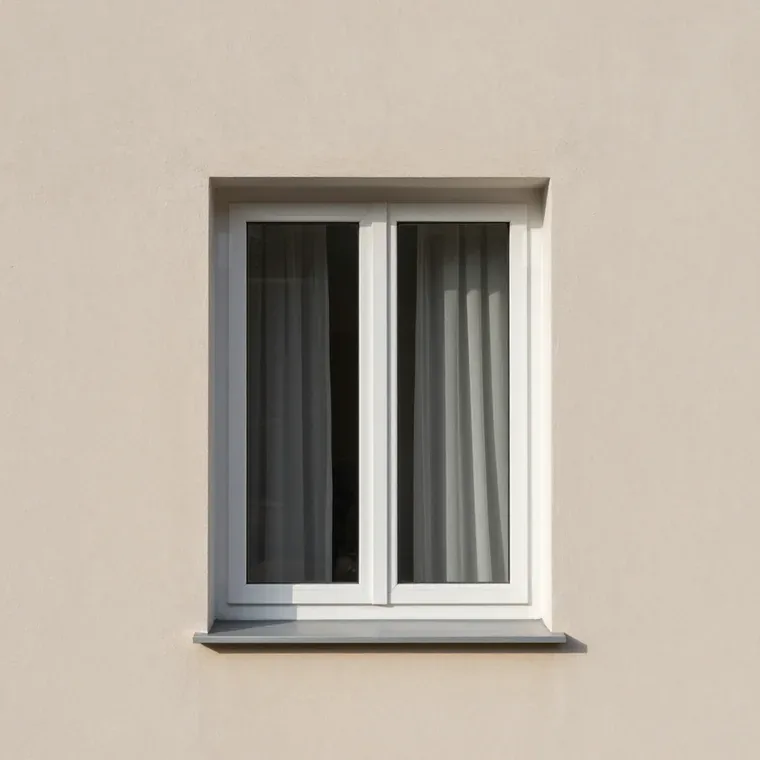
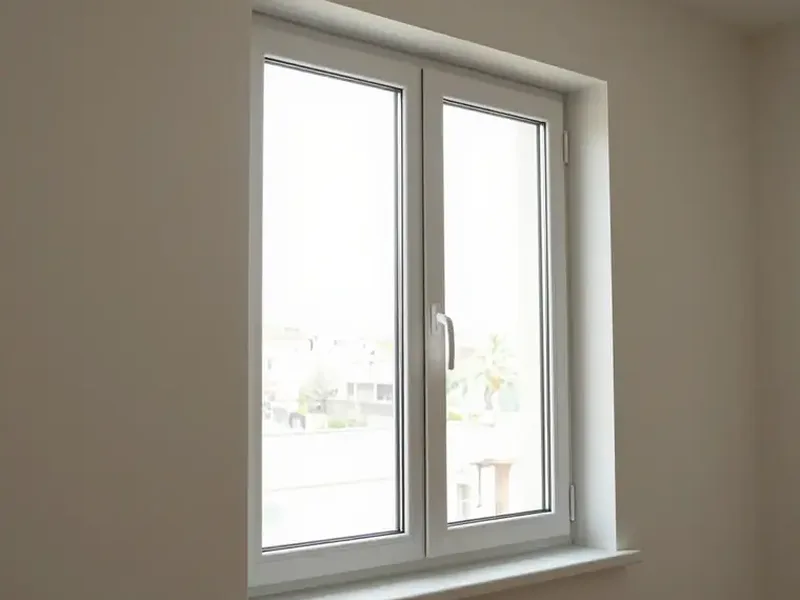
We finish reveals on plastic, wooden and aluminium frames, and our measurer matches the board and colour to the frame so the joint reads as built-in rather than added on. The same visit covers balcony doors and loggia openings, where the board has to follow a deeper or angled aperture. We paint the reveal frame any colour to sit against your frame, so a white PVC panel can meet a wood-look surround without a visible seam. For window reveal finishing in Kyzylorda, the measurer checks the frame type and the room before recommending a board. In a sunny, dusty climate a light-stable panel keeps its colour longer than a painted skim, which is why the measurer asks which side the opening faces before recommending a finish.
How the free measuring visit and window reveal finishing fitting run
From the first call to a finished reveal there are a few clear steps, and nothing is ordered until the opening itself is measured.
What happens from measuring to a finished reveal
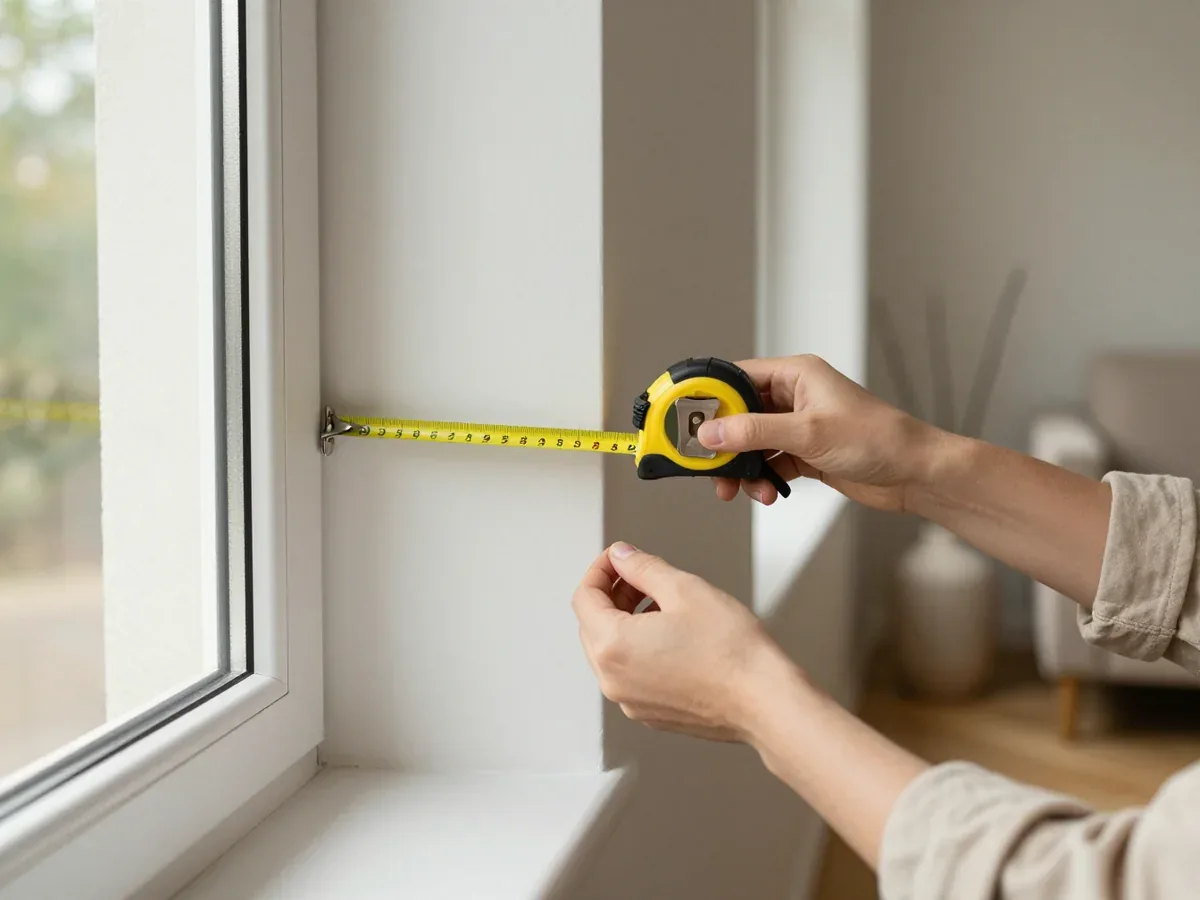
- Free measuring: the measurer comes at a time that suits you and takes the true sizes of the opening.
- Material choice: you settle on plaster, plastic, drywall or sandwich panel with advice on the spot.
- Fixed order: the price is agreed and written into the order before any work starts.
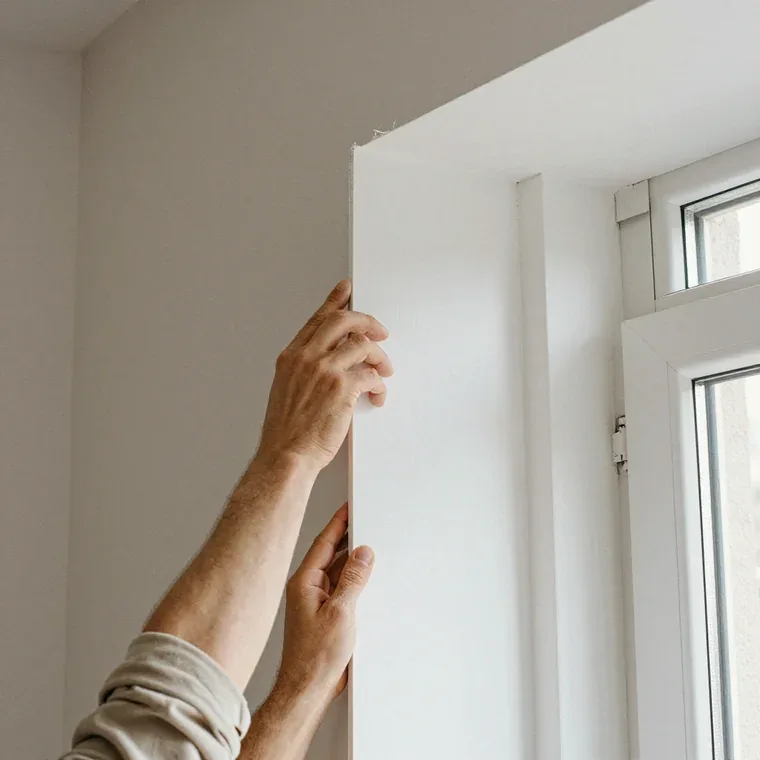
- Fitting: the reveal goes in without taking the window out, so the room stays usable.
- Handover: you check the corners and the seam, then pay after installation.
Fixing methods, angles and working through the seasons
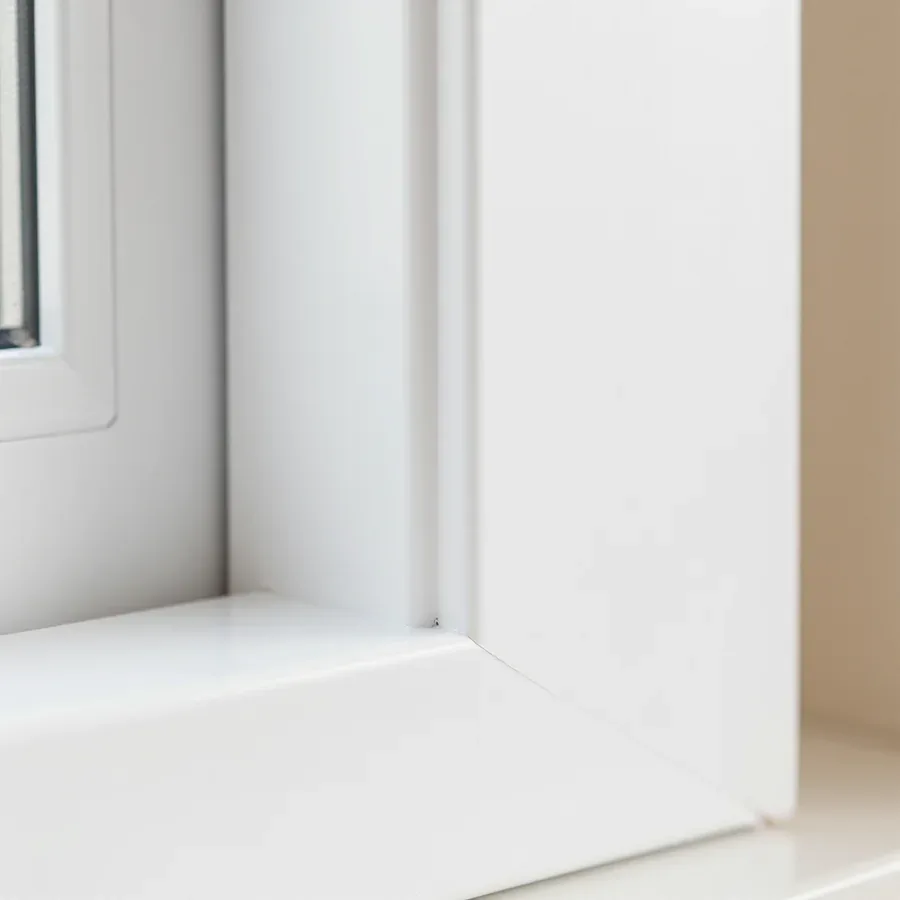
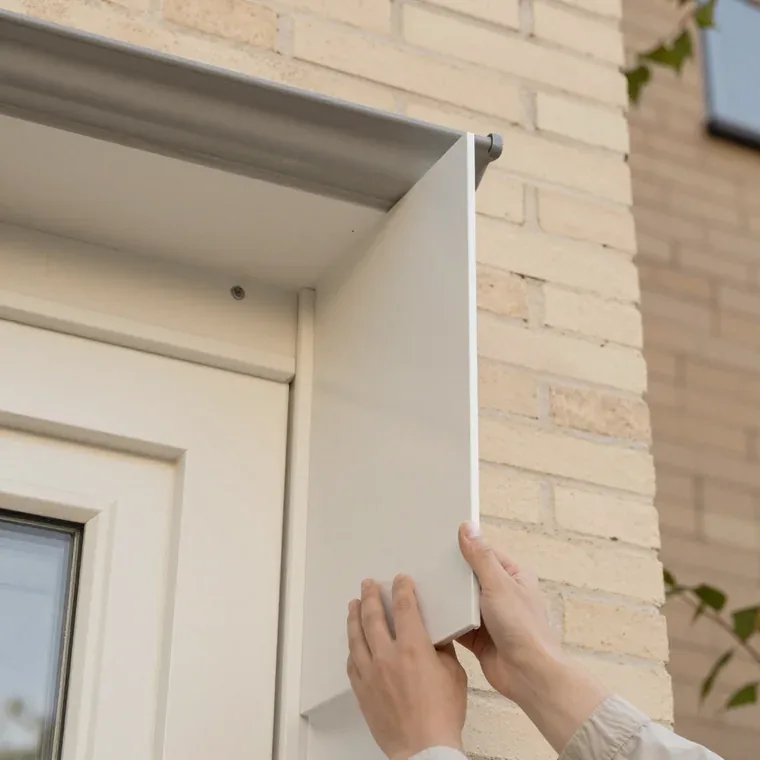
We fix panels to a prepared frame or straight to the wall with adhesive and foam, set every corner to a true right angle, and can work indoors through the colder months. Plastic reveals go onto ready-made boards without wet processes, so no plaster dust settles on your furniture. Foam fills the gap behind the surface, and a sealing tape or silicone closes it against draughts. A corner checked with a square saves a repaint later, since a reveal that looks off by a few millimetres is the first thing a visitor notices. In our practice, the line where the panel meets the glazing is where most callbacks start, so we test it by hand before we leave.
Stopping condensation and cold with window reveal finishing
Condensation and dark patches in the corners of a reveal almost always point to a cold bridge and a broken seal. Here is how insulation and proper sealing remove both.
Why reveals sweat, freeze and grow mould
A reveal sweats when the corner is poorly insulated and warm room air reaches a chilled surface through a gap, so moisture settles where masonry meets the glazing. The coldest spots sit at the top corners and along the sill line, where the wall is thinnest. Mould follows the same path: spores need a surface below the dew point and a steady supply of damp, and an unsealed seam behind a panel delivers both. On older blocks the reveal is often just plaster over a shallow void, with mounting foam exposed at the edge and no vapour barrier behind it. That is why the damp patch darkens with every cold snap. Fixing the finish alone hides the symptom; the durable cure is insulation plus a sealed seam, otherwise the stain returns each winter.
Insulating and sealing the joint so it stays dry
We insulate the reveal with mineral wool or foam board and seal the frame-to-wall joint, so the corner stays above the dew point and draughts under the sill stop. The layer goes in behind the panel at full depth, not as a thin sheet pressed against the frame, and a vapour barrier closes it from the warm side. Sealing runs in two passes: foam fills the deep gap, then a flexible sealant or tape closes the line where the frame meets the wall. This is the same joint work we do on installation, and it carries our 5-year warranty on installation. The gap beneath the sill is the usual culprit for a draught that survives a new reveal, so we seal it before the panel closes the void for good.
Warranty, timing and how the order is agreed
Clear terms take the guesswork out of booking. Here is what our cover actually includes, how long the finish holds, and how payment, timing and contact are handled once you decide to go ahead.
What the warranty covers and how long the finish lasts
Our window repair service carries a 1-year warranty on labour and replaced parts, and reveal finishing ordered alongside it falls under the same cover for the joint and fixings we install. If a sealed seam opens or a bracket comes loose within the first year, the call-back is ours to handle, not yours to chase. The finish itself, fitted over a dry, sealed edge, holds for years rather than seasons — the plaster or panel is the visible layer, while the silicone and foam behind it carry the long-term duty. A written guarantee is only as good as the fitter who returns, which is why the same team that fits the reveal handles any call-back instead of passing it to a third party.
Payment, timing and reaching us
- Payment after installation: settle by cash, card or Kaspi once the fitting is done.
- Fast replies: we answer on WhatsApp within 5 minutes during the working day.
- Seven days a week: measuring and fitting can be booked for any day that suits you.
- Fixed price: the figure agreed at measuring is written into the order and does not move.
Reveals for balconies, doors and combined window work
Reveals are not only a glazing job. Balcony doors, loggia glazing and door frames each put different loads on the finish, and sometimes the sensible move is to combine the reveal with repair work on the frame itself.
Balcony doors, loggias and non-standard openings
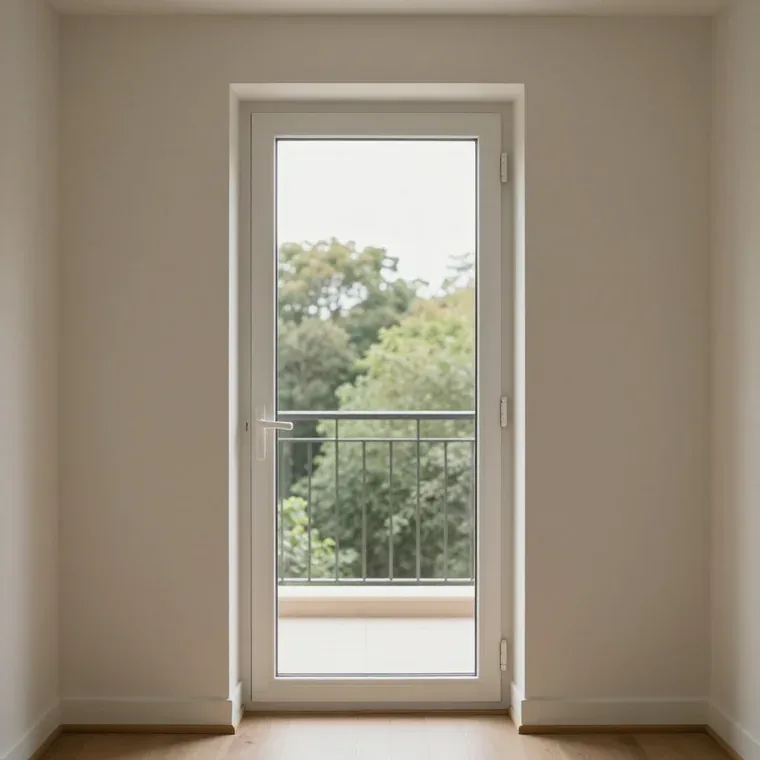
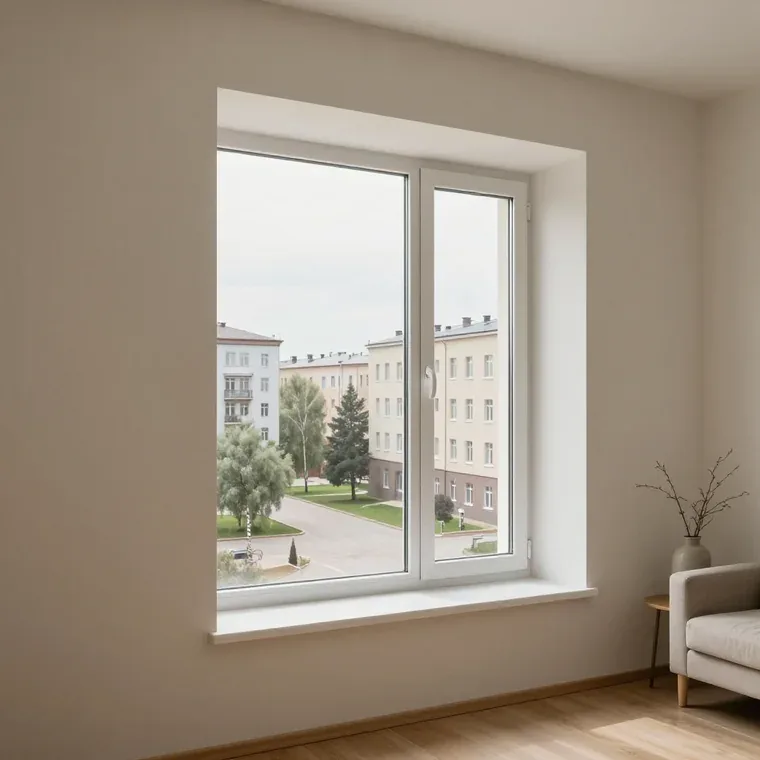
We finish reveals on balcony doors, loggia glazing and non-standard openings, and the measurer checks the extra depth and the door swing before choosing a panel. A balcony door reveal carries a deeper return than a standard opening, and the panel has to clear the frame as the leaf opens inward across the room. We fit reveals around loggia glazing, veranda and gazebo openings, and small bathroom or stairwell openings where the wall is thin and the angle is tight. The free measuring visit settles the profile depth and the fixing type on site, since the same opening can sit in a 60 mm or a 200 mm wall. A balcony door takes more knocks than a standard unit, so a panel that wipes clean and resists scuffs outlasts a painted skim in that spot.
Repairing old reveals or combining the work with window repair
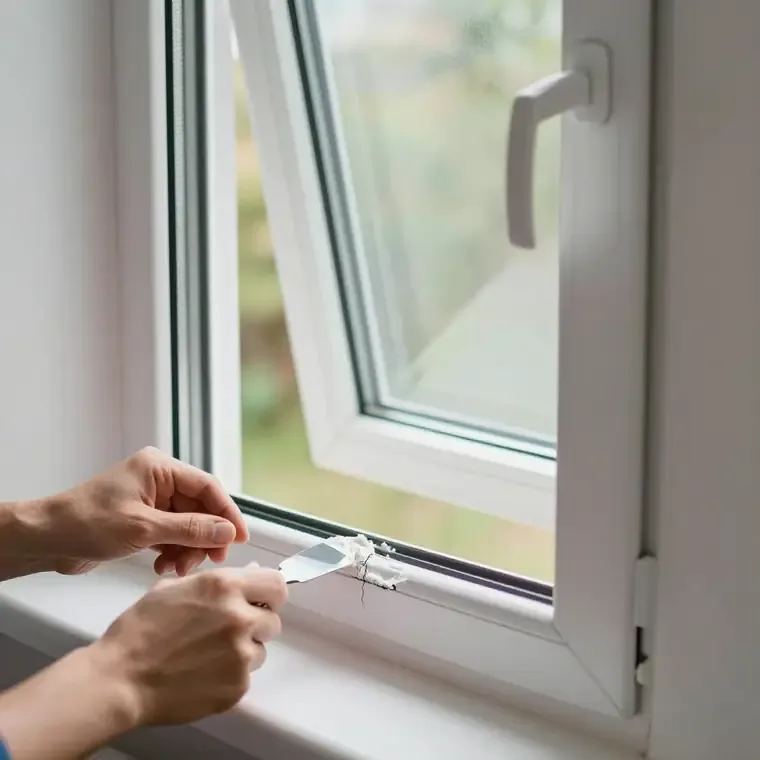
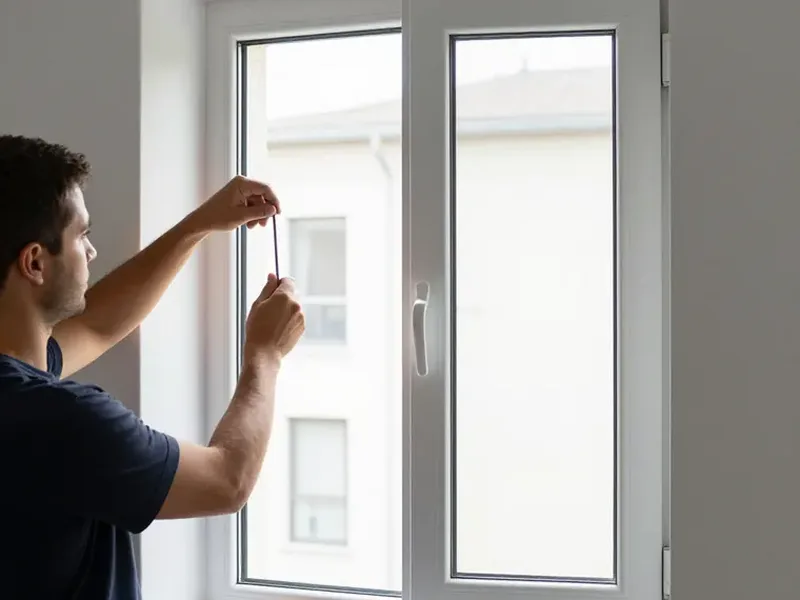
If the reveal is sound we can refresh the finish, but when it is cracked or damp we replace it, and we can combine that with frame repair, adjustment or a new seal in the same visit. Our repair team handles sash adjustment, hinge and handle replacement, and swapping the seal on frames from KBE, Rehau, VEKA or Provedal, whatever the original maker. A failed glass unit can go in the same booking, and urgent replacement is done within one day at a surcharge on the unit. Doing the reveal and the repair together means one set of dust sheets and one call-back, rather than two teams opening the same joint twice. Ask the measurer to look at the sash and seal while he is there — a draught found before the reveal goes on saves pulling the finish off later.
Key points about window reveal finishing and materials
A good reveal result rests on four choices: the right material for the room, sealed insulation, an opening measured on its own, and clear terms agreed in advance. Here is what decides the outcome.
- Material follows the room: plaster suits dry living spaces, while a ready panel handles kitchens, bathrooms and balconies where moisture is routine.
- Insulation and sealing come first: a dry, draught-free corner is what stops condensation and mould from returning once the work is up.
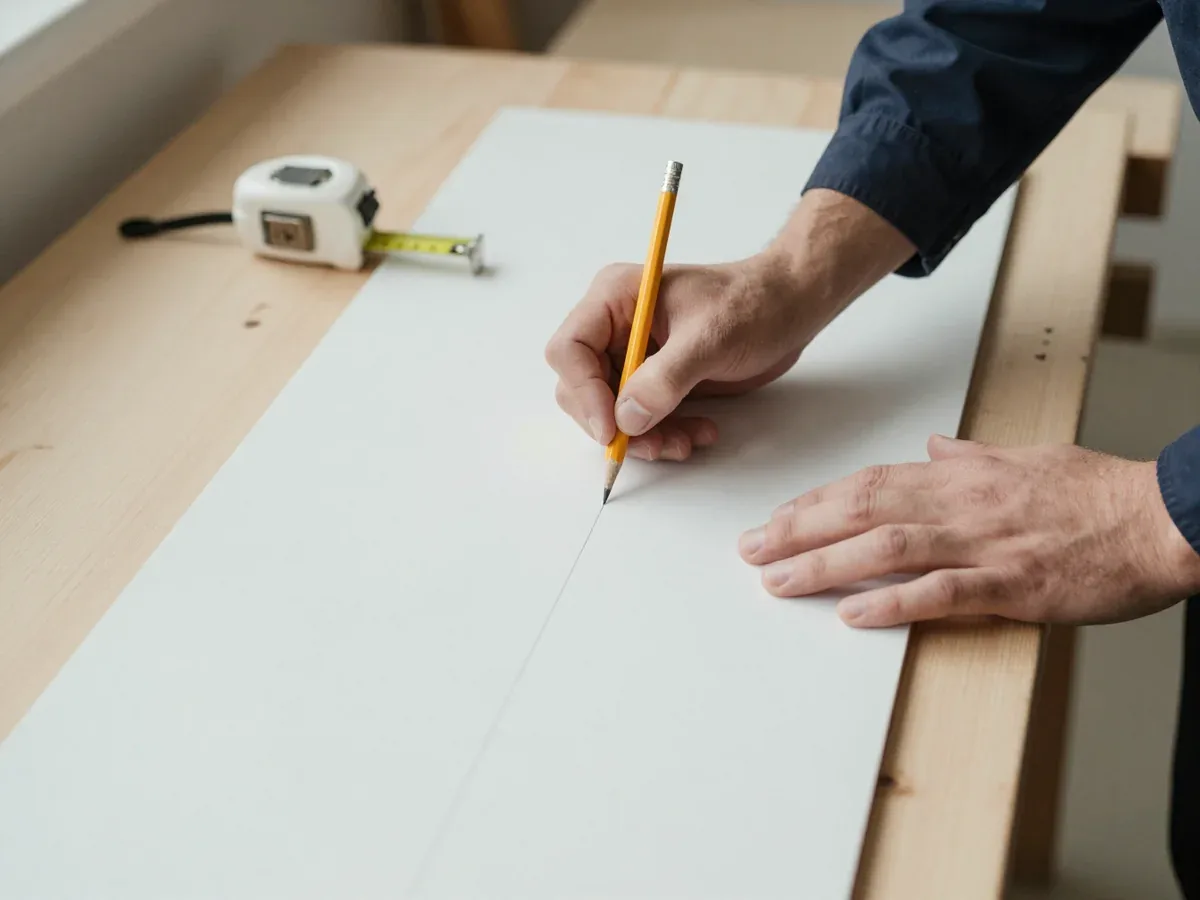
- Measure the opening on its own: a reveal measured separately meets the frame and wall without gaps along the edge.
- Settle the terms before work: a fixed quote confirmed in the order and payment after installation keep the deal clear from the first visit.
- Check the corners at handover: a true right angle and a tight seam are the marks of a result that lasts through the seasons.
 Window replacement
 Balcony glazing
 Plastic window repair
 Window insulation
 Window repair
