
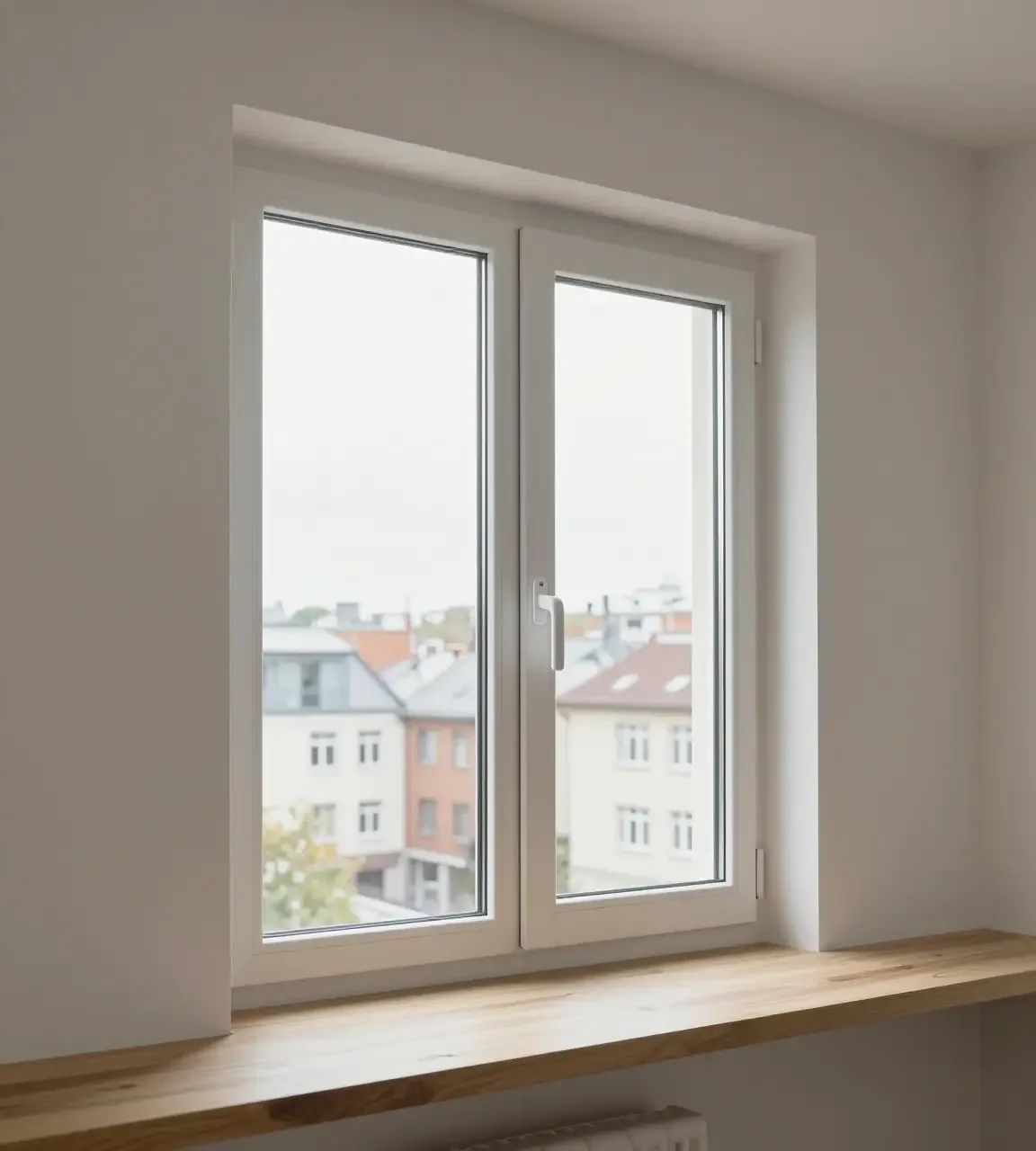
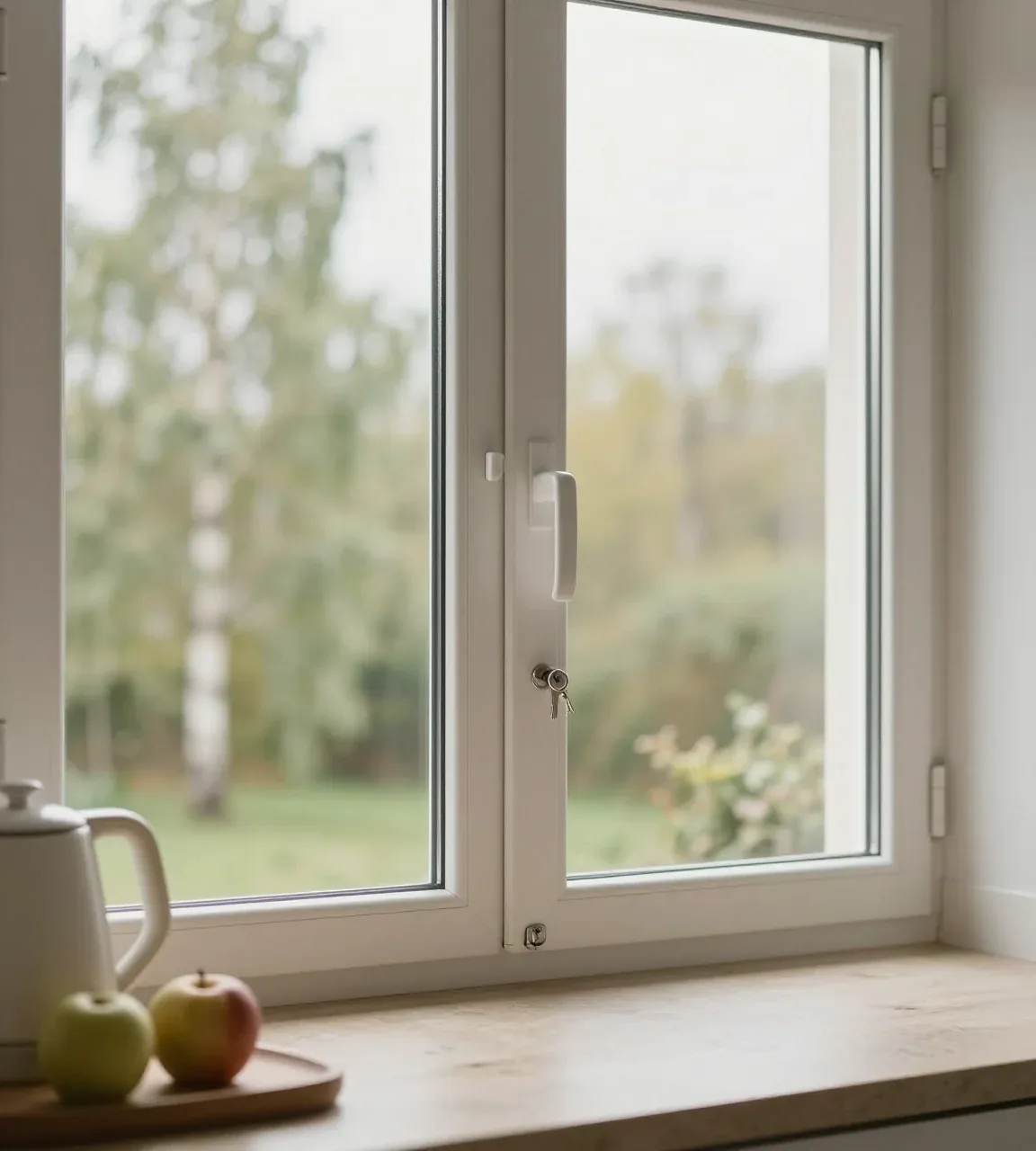
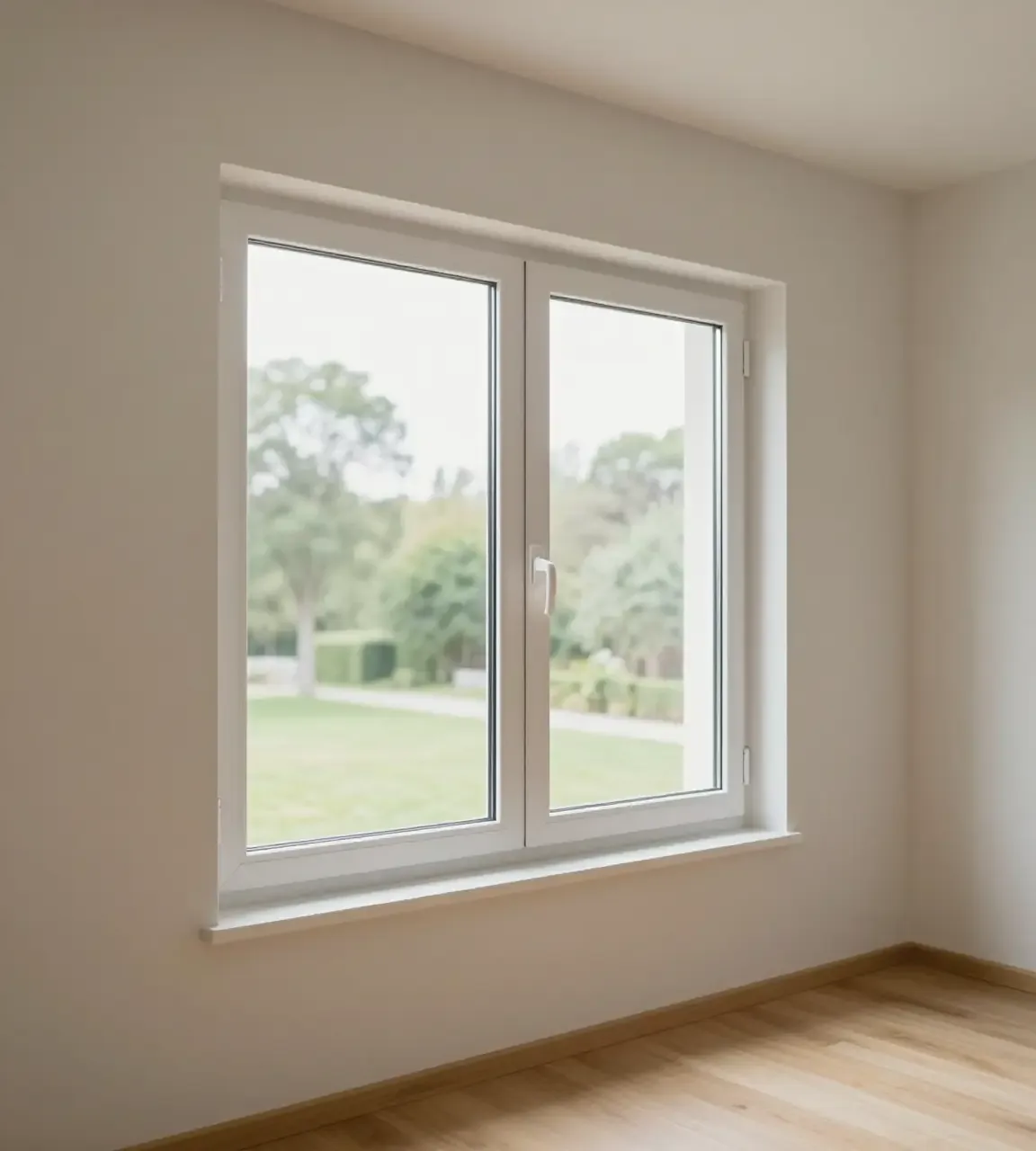
Locks the sash · key
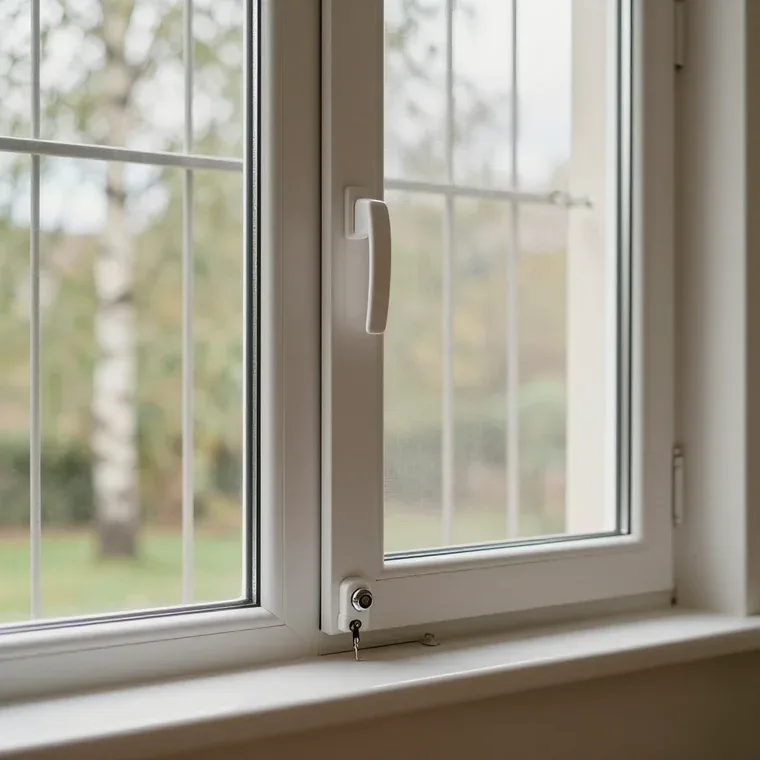
Handle with key
A window handle with a key locks the sash, so a child cannot open the window. Price from 3 650 ₸ per item.


Handle with key
A window handle with a key locks the sash, so a child cannot open the window. Price from 3 650 ₸ per item.
Sash blocker
The blocker prevents a child from opening the sash. Price from 1 200 ₸ per item, installation from 2 750 ₸.

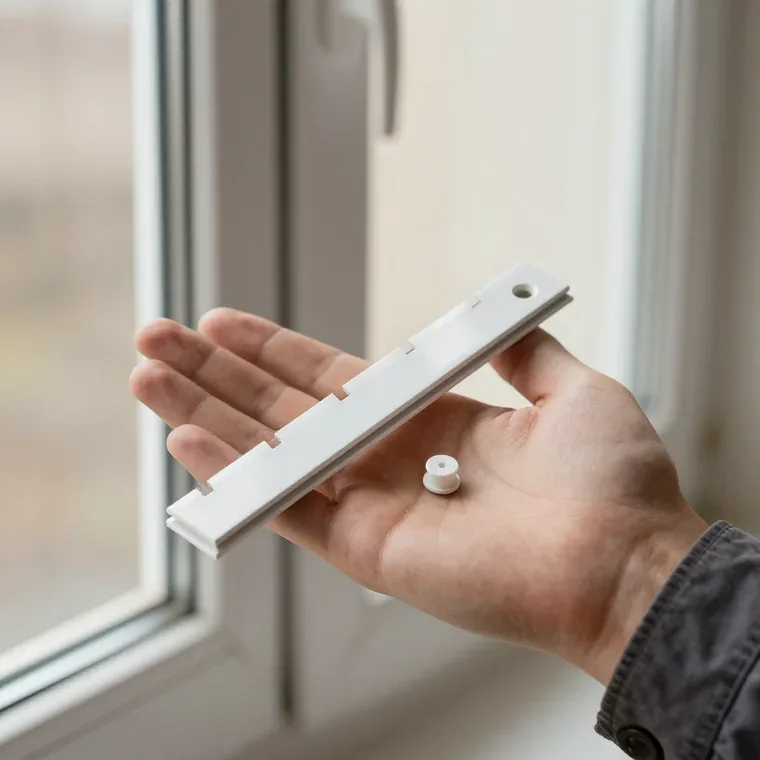
Comb limiter
The comb fixes the sash in several positions for ventilation. Price from 1 050 ₸ per item.
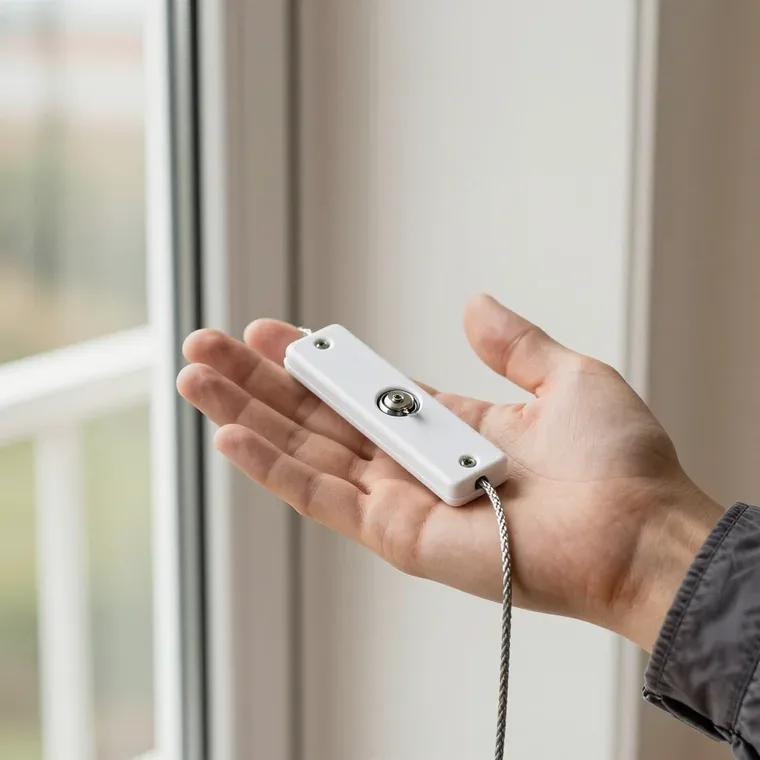
Cable limiter
A cable limiter with a lock sets the opening width of the sash. Price from 2 500 ₸ per item.
Child grille
A child window grille prevents leaning on the mosquito mesh. Price from 12 500 ₸ per item.




5,097 reviews on review sites
A set of devices that prevent a child from opening the window or leaning on the mosquito mesh.
Child window protection is not a single product but a set of devices tailored to a specific window and the child's habits. The kit includes a handle with a lock, a sash blocker, a comb limiter, a cable limiter with a lock, and a child grille. The choice depends on the floor, window type, and how exactly the child interacts with the window.
Each device solves its own task: the lock prevents opening the sash, the limiter sets a safe gap for ventilation, and the grille serves as a barrier against leaning on the mesh. One kit may include several devices if there are multiple risks.
comb limiter with installation
sash blocker
child window grille
Mounting is selected for the window profile and floor: surface-mounted devices, screws, cables, and grilles.
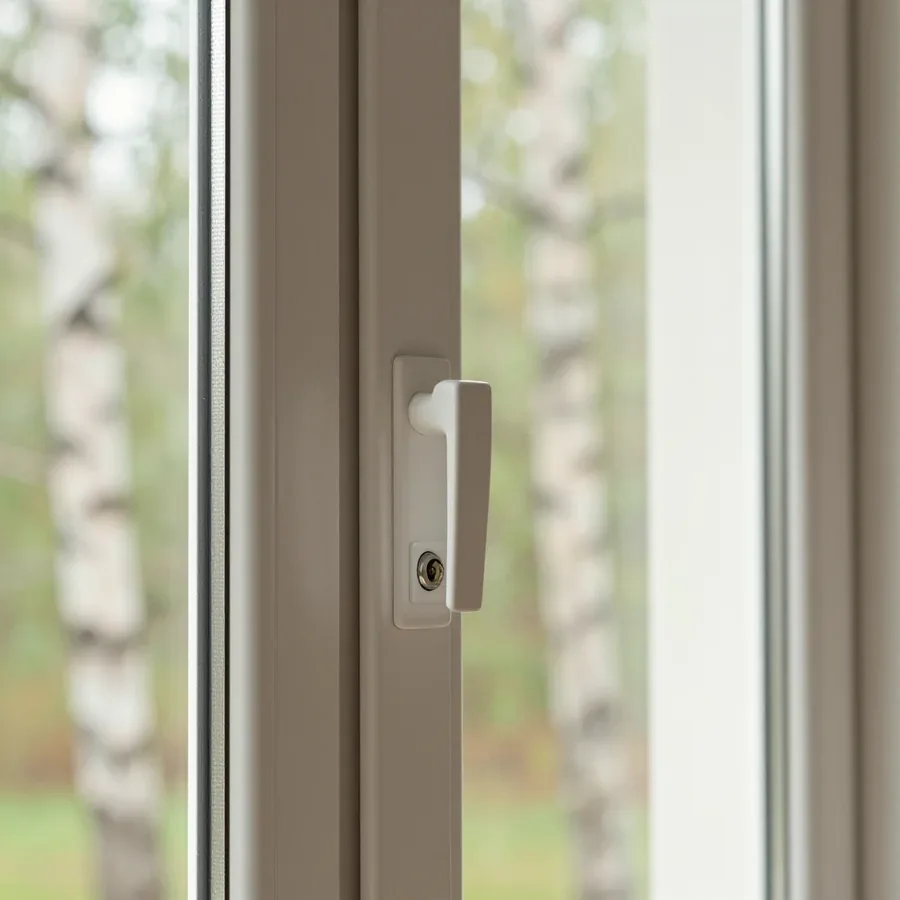
Blockers and child locks are installed surface-mounted on the sash and frame without interfering with the profile.
The surveyor selects fixings for the window profile and floor: they differ for plastic, wooden, and aluminium windows.
The cable limiter is screwed to the sash and frame, the child grille to the reveal or frame depending on the design.
If the device is worn out or broken, the technician will replace it. Ask the technician about the compatibility of the new device with the existing fixings.
Five options for different tasks: from locking the sash to a barrier against leaning on the mesh.
Locks the sash · key
A child cannot open the window without a key. Suitable for high floors.
Surface-mounted · prevents opening
Prevents a child from opening the sash. Mounted on the sash and frame.
Fixes in positions
Fixes the sash in several positions for ventilation.
With lock · opening width
Limits the opening width of the sash, lock with key.
Surface-mounted · for doors
Prevents a child from opening the balcony door. Suitable for rented apartments.
The cost of devices and installation is shown in the table.
| Type of item | Price |
|---|---|
| Comb limiter with installationfixes the sash in several positions | from 1 050₸ per item |
| Sash blockerprevents a child from opening the sash | from 1 200₸ per item |
| Penkid lock with cablecable version with key | from 2 150₸ per item |
| Cable limiter with locklimits the opening width | from 2 500₸ per item |
| Installation of a blocker or child lockmounting of a surface-mounted device | from 2 750₸ per item |
| Surface-mounted child window lockflag version | from 3 250₸ per item |
| Window handle with keylocks the sash with a key | from 3 650₸ per item |
| Child window protection turnkeyset of devices for one window | from 6 000₸ per window |
| Child window grillebarrier against leaning | from 12 500₸ per item |
| "Anti-Cat" mesh as window protectiondurable fabric | from 13 000₸ per item |
| Grille with mosquito mesh 2 in 1grille and mesh in one structure | from 19 800₸ per m² |
| Transparent window grillepolycarbonate, transparent design | from 22 000₸ per item |
| Transparent polycarbonate grillecalculated by area | from 26 000₸ per m² |
The price is fixed in the order after measuring.Measuring and consultation are free.Payment after installation: cash, card or Kaspi.
Calculate the costFacts about the company: production, timelines, warranty, measuring and installation.
the price is fixed after measuring
for window installation
for work and replaced components
the measurer will come at a convenient time
daily, in Kyzylorda from 09:00 to 19:00
cash, card or Kaspi
we reply within 5 minutes
you can order in 17 cities of Kazakhstan
4 steps from request to finished protection on the window.
For the request, prepare a photo of the window, the floor and the child's age — this data will help the specialist select devices in advance.
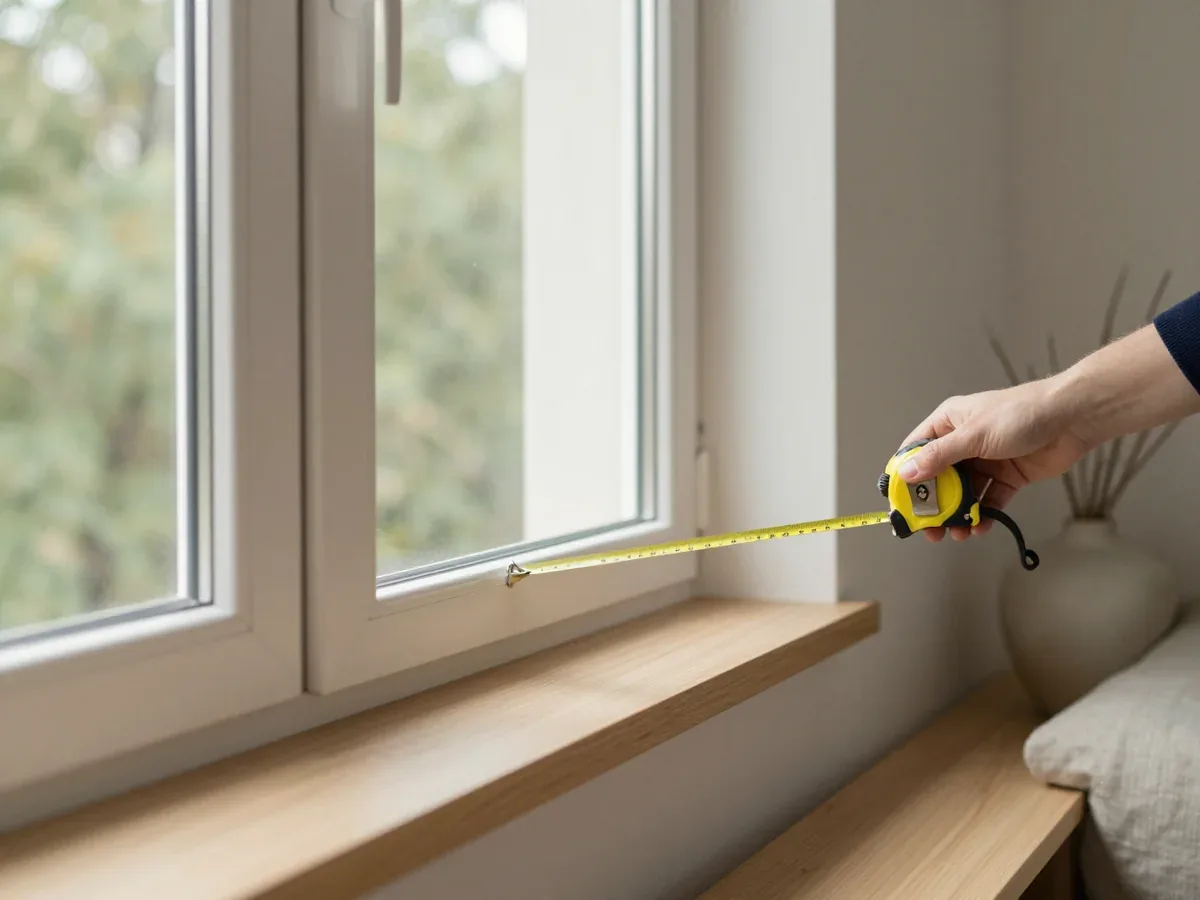
The specialist measures the sash and frame, records dimensions and profile features to select devices.
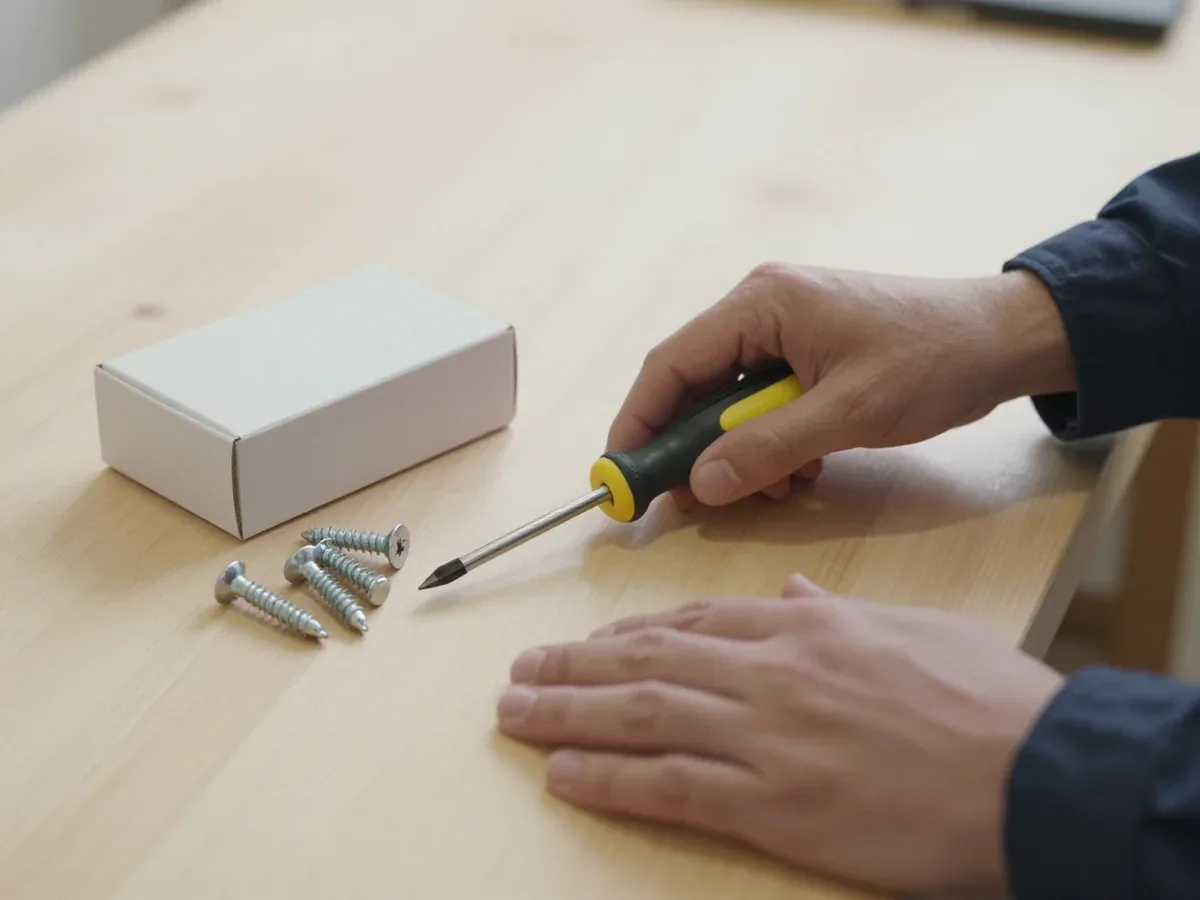
We select devices for the window and floor. The framed mesh is made in 10–15 minutes.
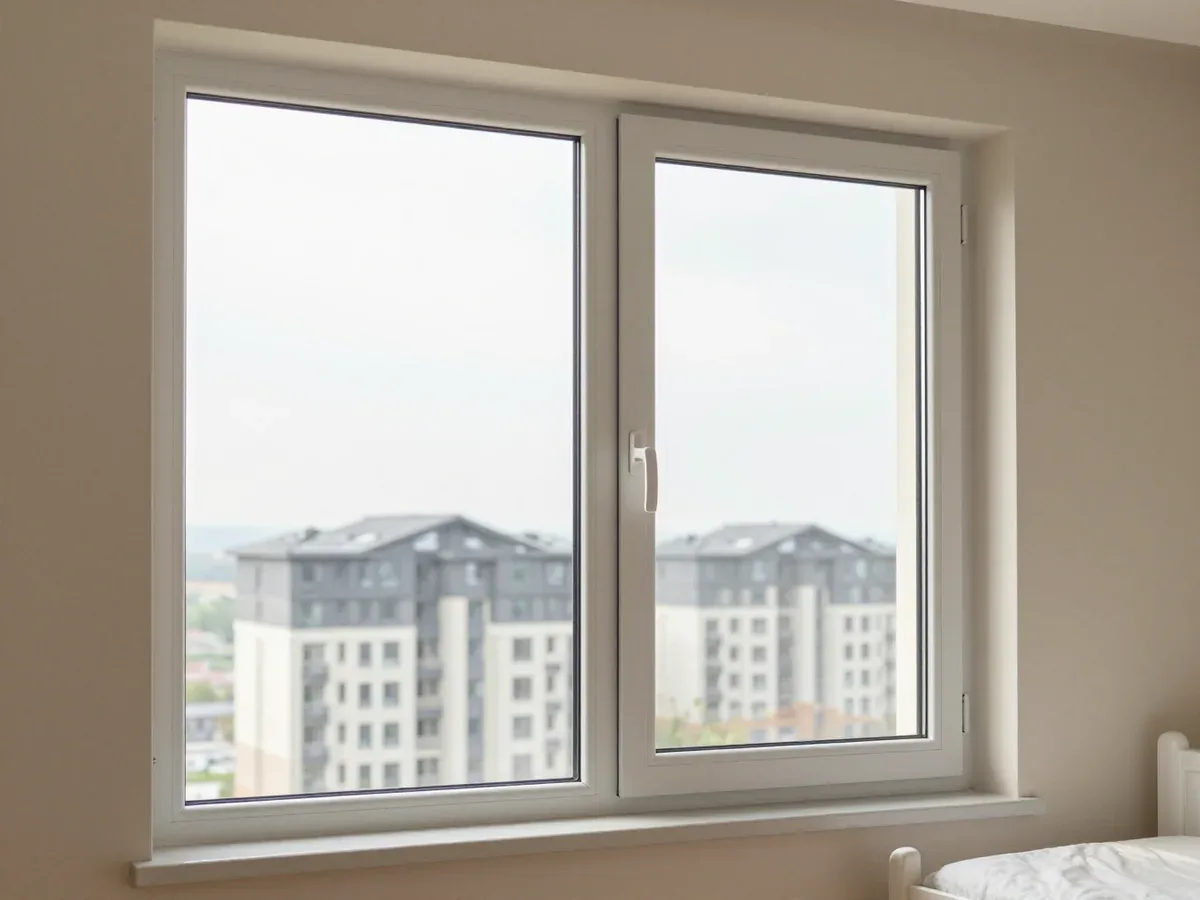
The specialist installs the protection and checks how the locks and fixings work.
Good to know

Senior mosquito screen specialist at moskitnyesetki.kz
We fit child window safety in Kyzylorda as a direct installer, not an agency. We select a restrictor, key blocker or window lock for your profile and floor, measure for free, and install with our own fitters. You pay after installation, and the work is covered by warranty.
A mosquito net keeps insects out of a room; it does not keep a child inside. This section separates the two jobs, explains what actually limits an opening sash, and shows where the confusion becomes dangerous.
We make mosquito screens to keep insects out, and a framed panel holds mesh, not a child's weight. The frame sits in the window opening on small brackets, pins or magnets, and the whole assembly is sized to block flies and midges rather than to carry a load. A taut-looking mesh tells you the fabric is fixed to its frame, not that the frame is fixed to the wall. Under a sudden push, the fasteners can release and the panel drops out. The fabric is the same story: Fiberglass and our UltraVue weave are built for airflow, not for hanging weight. Treat every net as an insect barrier first and plan a separate sash device for the window.
A restrictor, a key blocker or a window lock limits or fixes the moving leaf, and that is what keeps a child from opening the window. A restrictor lets it tilt to a ventilation gap and stops it there; a key blocker holds the handle locked until an adult releases it; a window lock fixes the panel in place entirely. Each of these works on the moving leaf and its hardware, which is the part that carries real force. The fitting has to match the leaf weight and the hinge side, because a unit chosen by eye often fails the push test. On the frames we see around the city, the difference between a fitting that holds and one that slips comes down to correct sizing and firm fixing.
A window with only a net has no limit on the leaf, so the opening stays fully available to a child. The net covers the gap visually, which is exactly what makes the mistake so common: the window looks closed off, yet the handle still turns and the sash still swings wide. Parents often test the net by pressing it, but the real test is whether the leaf itself can be pushed past the ventilation gap. If it opens fully with the net in place, nothing on that window is doing a safety job. A net and a sash device solve two different problems, and only one of them addresses a fall risk. Checking the travel takes a few seconds and settles the question faster than pressing on the mesh.
Three devices solve one problem in different ways. We compare how each behaves in daily life with a child in the flat, so the choice rests on how you use the window.
| Device | What it does | Who can open the sash | Best for |
|---|---|---|---|
| Restrictor | Caps the opening angle | Adult, within the limit | Daily ventilation with a child |
| Key blocker | Releases the sash with a key | Adult with the key | Windows a child reaches easily |
| Window lock | Fixes the sash closed | Adult with the key | Unused or upper windows |
For a flat with a toddler we usually suggest a restrictor for everyday windows and a key blocker where the child can reach the handle. The restrictor holds the leaf at a set angle, so the room still airs while the gap stays too narrow for a small body to pass. The key blocker is the harder stop: the sash only opens once an adult turns the key, which matters on a low sill the child can climb to. When we fit either one, the measurer checks the frame profile and the floor height before choosing the fixings, and the price stays fixed in the order after measuring. Mixing both in one home keeps ventilation easy in the kitchen while locking the bedroom window fully.
A grille covers the whole opening and suits ground-floor or balcony windows where the sash itself stays open. It works as a fixed barrier over the glass rather than a control on the handle, so air passes through the bars while the frame stays clear. On a ground-floor flat facing a courtyard, residents of Kyzylorda often leave the leaf open through the hot months, and a grille keeps that opening guarded around the clock. A grille does not replace a sash device on upper floors, because the opening above the grille can still be reached. Treat the two as layers of one plan, not as substitutes.
Frame profile, window type and floor level each shift the choice of hardware and fixing. Here is how a measurer weighs them on a real window.
We fit safety hardware on plastic, wooden and aluminium windows, and each frame type takes a different fixing. On PVC sashes we anchor the device into the steel reinforcement inside the profile, so the screw bites into metal rather than hollow plastic. Aluminium frames need a shorter screw and a wider washer, because the profile wall is thinner and a long screw can crush it. Wooden sashes hold a screw well but vary in density, so the measurer probes the timber before drilling. Window type matters as much as material: we work on casements, small vent panes, loggia glazing and veranda frames. Older wooden sashes sometimes need a reinforced anchor point before a limiter can carry a child's push. Child window safety in Kyzylorda starts with the right fixing for the frame, so the device holds firm under a child's weight.
On upper floors we lean toward a key blocker or a lock, while a ground-floor window can take a simpler limiter. The reasoning is fall risk: from the fifth storey and above, a sash that opens even a hand's width is a serious hazard, so a unit that holds the frame at a fixed narrow gap and needs a key to release gives more margin. Lower down the main risk is a child climbing out onto a ledge, and a cable or folding stop that caps the opening at a set distance usually covers it. Our measurer travels across the city, checks the storey, the sill height and what sits below the window, and matches the hardware to that picture. A first-floor window still needs protection if a child can climb to the sill, so level alone never decides it.
The unit goes high on the leaf, out of a child's reach, while staying easy for an adult to operate. In practice that means mounting a restrictor or blocker on the upper third of the opening leaf, above the height a toddler can stretch to even from a chair pushed against the wall. The release catch or key slot faces inward and sits at adult shoulder level, so a parent can open the window fully in one motion without a stool. Furniture placement matters too: a low unit behind a bed or a radiator is both hard to reach and easy for a child to find. Placing it too low defeats the purpose, because a curious child can reach the release even when the opening is limited.
A mosquito net and a safety device share one window without conflict, because each does a different job on a different part. Here is how the two fit together and what to plan before ordering.
A framed net and a restrictor share one window without trouble, because the mesh panel sits on the frame and the limiter works the leaf. We build the surround to your opening, paint it any colour to match your windows, and the measurer picks fasteners for your profile and floor — Z-brackets, plungers or magnets. The restrictor then mounts on the opening leaf itself, so the two never compete for the same fixing points. On hinged door models we use Economy 32×10 mm or Prestige 42×17 mm profiles, and both leave room for a limiter on the leaf. Check that the fasteners clear the device's travel, or the sash will stop short of its set angle.
Pet Screen and Poll-Tex both work on a window that also carries a safety device, and each suits a different household. Pet Screen's vinyl threads are several times stronger than standard fibreglass and hold the weight of a small animal, which matters where a cat leans on the weave beside a toddler. Poll-Tex anti-pollen fabric has a 0.25×1 mm cell that traps fine pollen while still passing air, so it fits a kid's bedroom in spring. Both come in a surround we paint to match your windows, and the measurer helps you choose the material at the free visit. Pet Screen resists a pet's claws, while Poll-Tex keeps fine pollen out, so the choice follows the room's use.
A framed panel lifts out from inside in a minute, and the safety fitting stays on the sash through the winter. We make framed versions to your size in 10–15 minutes, and the surround releases from its fasteners without tools, so one adult can take it down and store it flat. The restrictor or lock keeps working on the opening leaf all season, because it is fixed to the window and not to the mesh. Pleated units take 40–60 minutes to build and fold away rather than lift out. Take the net off before the first hard frost, since a frozen surround is harder to release without bending it.
From the first message to the moment you pay, the job runs in three clear steps: a free call-out to take sizes, fitting on site, and settlement once the work is finished. Here is what each stage includes.
Measuring and consultation are free, and the measurer comes at a time that suits you to take sizes and pick the device. During the call-out we check the window profile, the sash travel and the floor height, then help you choose the mesh, the fixings and the profile colour for the frame. We paint the screen frame any colour to match your windows, so the finished unit does not stand out against the glazing. The measurer also confirms whether a restrictor or a key blocker will sit cleanly on your particular sash. Have the window's profile and the child's reach ready, so the measurer can place the hardware correctly on the first call-out.
Our own fitters install the hardware on site, and a framed screen made to size takes 10-15 minutes while a pleated screen takes 40-60 minutes. The same team handles both the safety hardware and the mosquito screen, so you deal with one crew rather than separate contractors arriving on different days. We fit screens to plastic, wooden and aluminium windows, including balcony openings and cottage verandas, and the fitter tests the leaf travel after the restrictor is mounted. Book the appointment for a room you can clear, because the fitter needs space to test the sash travel after mounting.
The price is fixed in the order after measuring, and you pay after installation by cash, card or Kaspi. Nothing is settled up front: the amount you approve at the measuring stage is the amount you settle once the fitters have finished and you have checked the hardware yourself. The order covers the unit, the fixings matched to your profile and floor, and the labour, with the frame painted to your window colour at no separate stage. A locked-in order price means the quote you approve at the call-out is the one you settle after the work is done.
A safety fitting is only as good as the installer behind it. This part covers what our warranty protects, how to test the unit yourself, and how a family with a toddler can secure a window in one go.
We give a 1-year warranty on mosquito screens, and the safety fitting is installed by the same direct team that answers for the work, so there is no gap between seller and fitter. Our window installation carries a 5-year warranty, glass unit replacement 3 years, and window repair 1 year on labour and replaced parts. If a restrictor loosens or a fastener fails within that period, the same crew returns and corrects it. The frame is painted to match your windows, and the fixing is chosen by the measurer for your profile and floor, which is why the guarantee is tied to the fitted unit rather than to a loose part. Keep the order sheet from measuring, since it records the item and fixing chosen and speeds up any warranty call.
After installation, push the leaf firmly against the restrictor to confirm it stops at the set limit and does not flex. Open and close the window a few times, then lean your weight on the panel at the point where the arm catches. A correct unit limits the opening angle to a narrow gap, so the window cannot swing wide even when pushed hard. Check the fastener itself, not only the arm, because a loose bracket feels solid until the sash is loaded. If the arm bends or the bracket shifts in the frame, the fitting is not holding and needs re-fixing. Repeat the check after the first month, because fasteners can settle once the window has been opened and closed a few times.
A full package pairs a safety fitting with a mosquito screen on the same window, ordered and installed by one direct crew. For a family with a small toddler, the two jobs belong together: the restrictor stops the leaf from opening wide, and the screen keeps insects and dust out while the window stays partly open for air. We make framed screens to your size in 10–15 minutes and pleated screens in 40–60 minutes, and we paint the frame any colour to match the windows. Pet Screen is several times stronger than standard mesh, which matters on a window a toddler can reach. Ordering both means one measuring visit and one working day in Kyzylorda, instead of two separate teams on the same window.
Five points decide whether a window is genuinely safe for a child, and each one matters more than the mesh that usually gets the attention.
Choice, installation, compatibility, safety
Konstantin Selenenkovsenior mosquito screen specialist, 10 years in the tradeOnline · replies within 5 minutes
Ask a questionA lock and a limiter are discreet and suitable for plastic frames, while a grille is more reliable for ground floors and private houses. The free measuring visit will help you choose the right option.
Yes, a comb or limiter fixes the sash in several positions for ventilation without allowing it to open wide. A cable lock also allows the window to be kept slightly open.
Replace the standard handle with a key-lock model or install a cable lock that an adult opens with a key. Such devices block the sash and prevent the child from opening the window.
No, the screen and protective devices are installed independently and do not interfere with each other. The screen is attached outside or inside, and the lock is on the sash, so you can use ventilation and protection at the same time.
Yes, for a butterfly handle there are surface-mounted locks and cable locks that attach to the sash and do not prevent an adult from opening the window. The free measuring visit will help you choose a model for your hardware.
Our fitters in Kyzylorda carry out the installation. We provide a 1-year warranty on the installation of protection, as on other window work — the exact terms are fixed in the order after measuring.
Thank you. We will call you back within 10 minutes!
Your order number is on the receipt or in the SMS. Choose where to leave your review.
Write a review on WhatsApp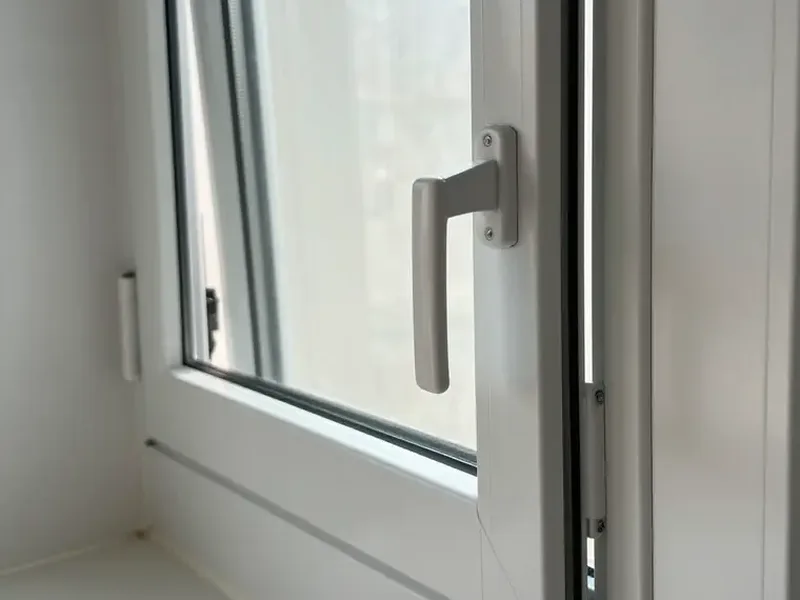 Window restrictors
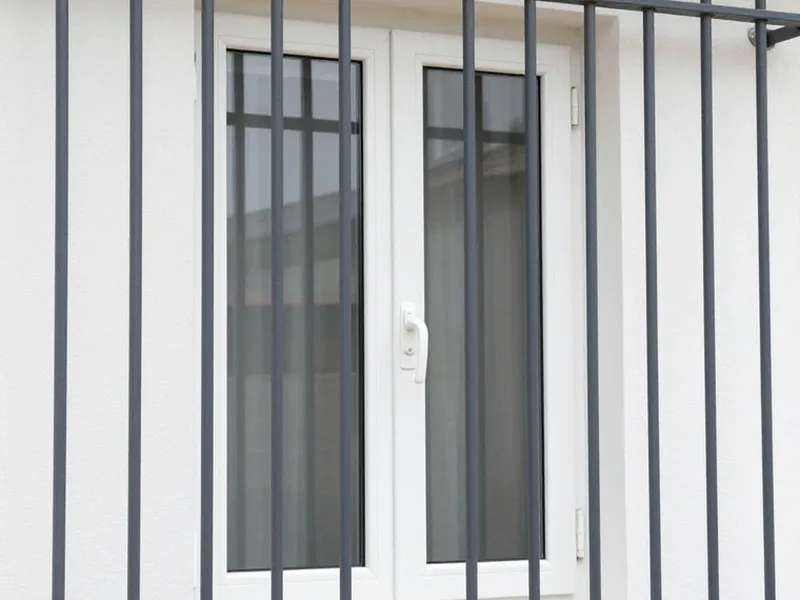 Metal grilles
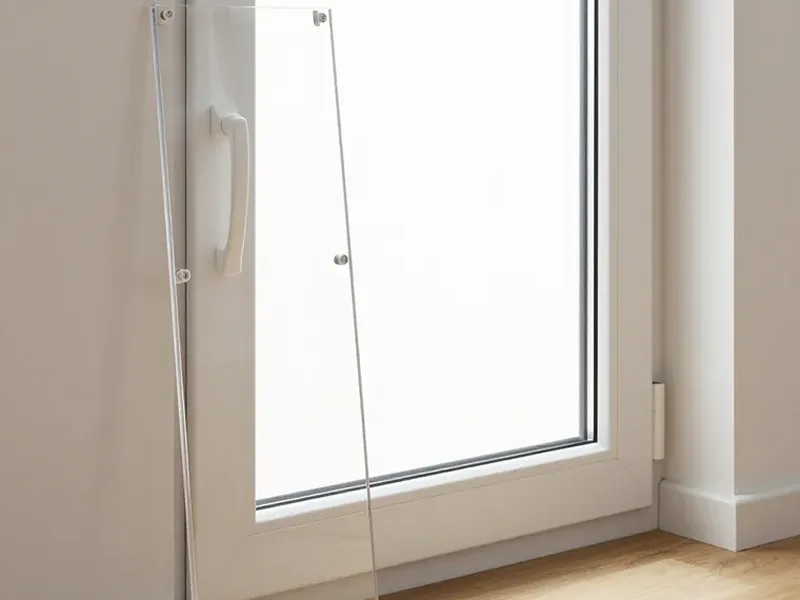 Transparent grilles
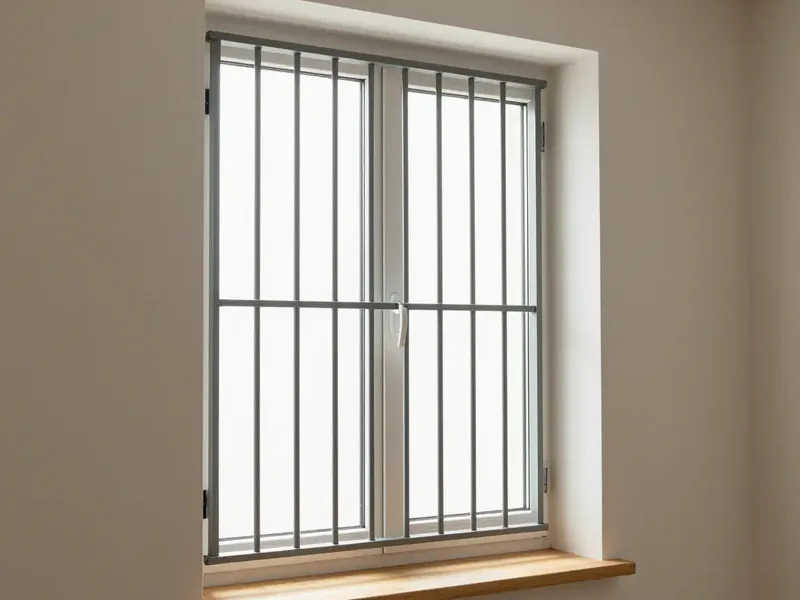 Window grilles
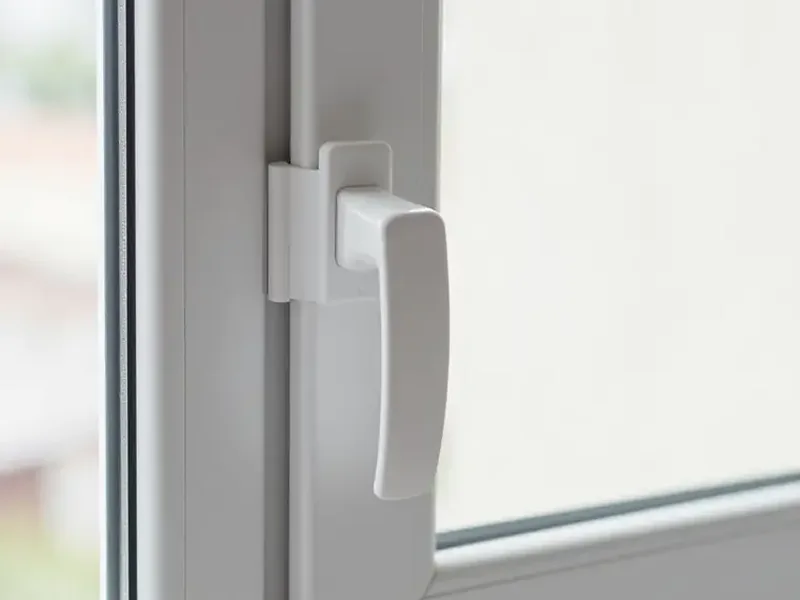 Window blockers
