
Old frames
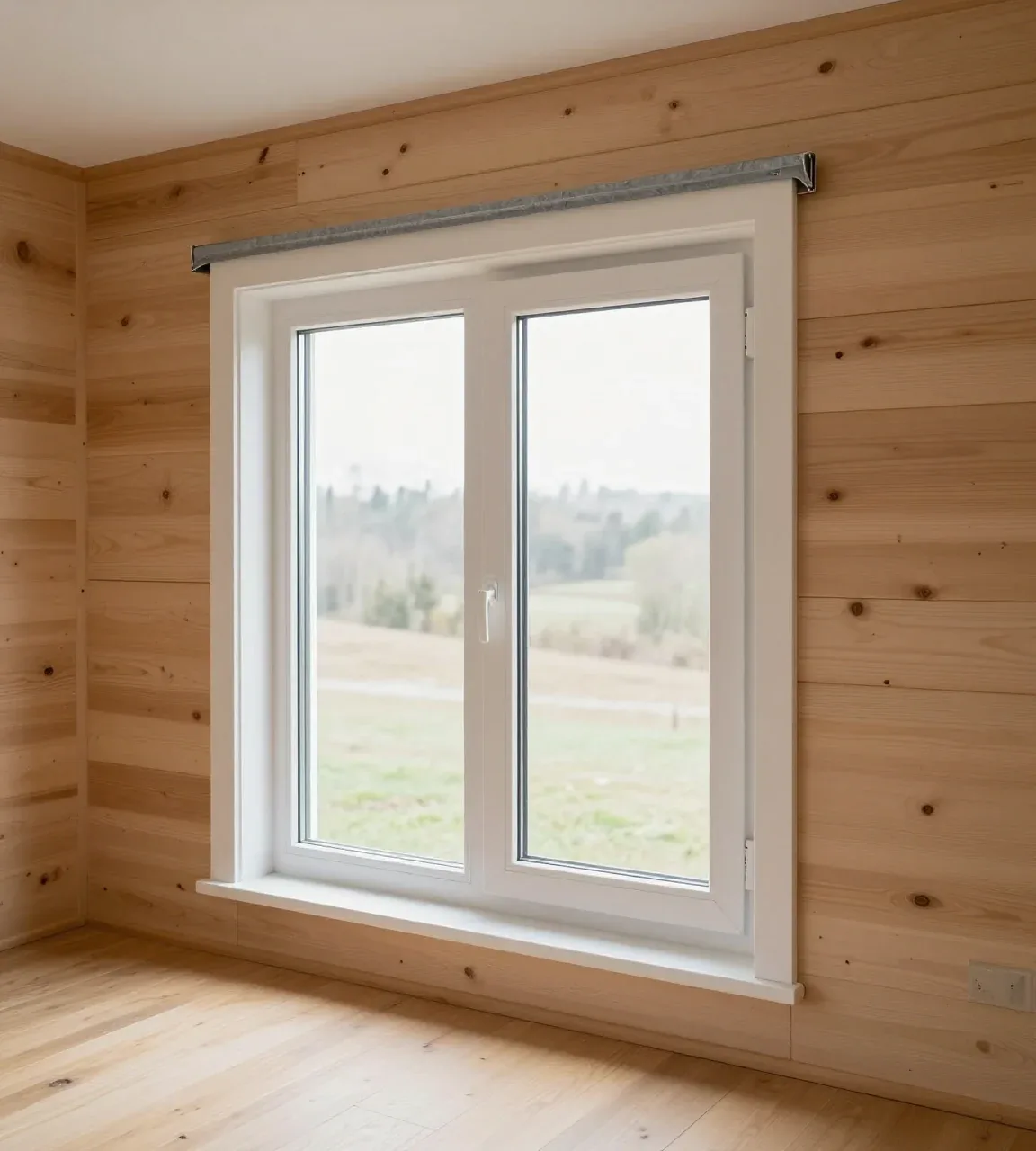
Swedish
A seal in the groove of a wooden frame closes gaps and lets the window open freely. From 4 200 ₸ per linear m.
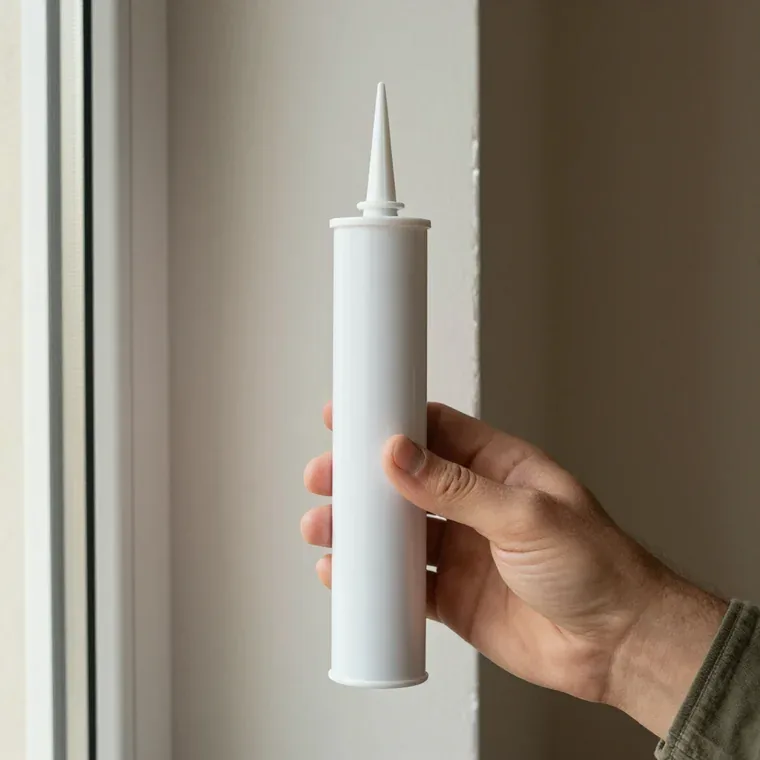

Swedish
A seal in the groove of a wooden frame closes gaps and lets the window open freely. From 4 200 ₸ per linear m.
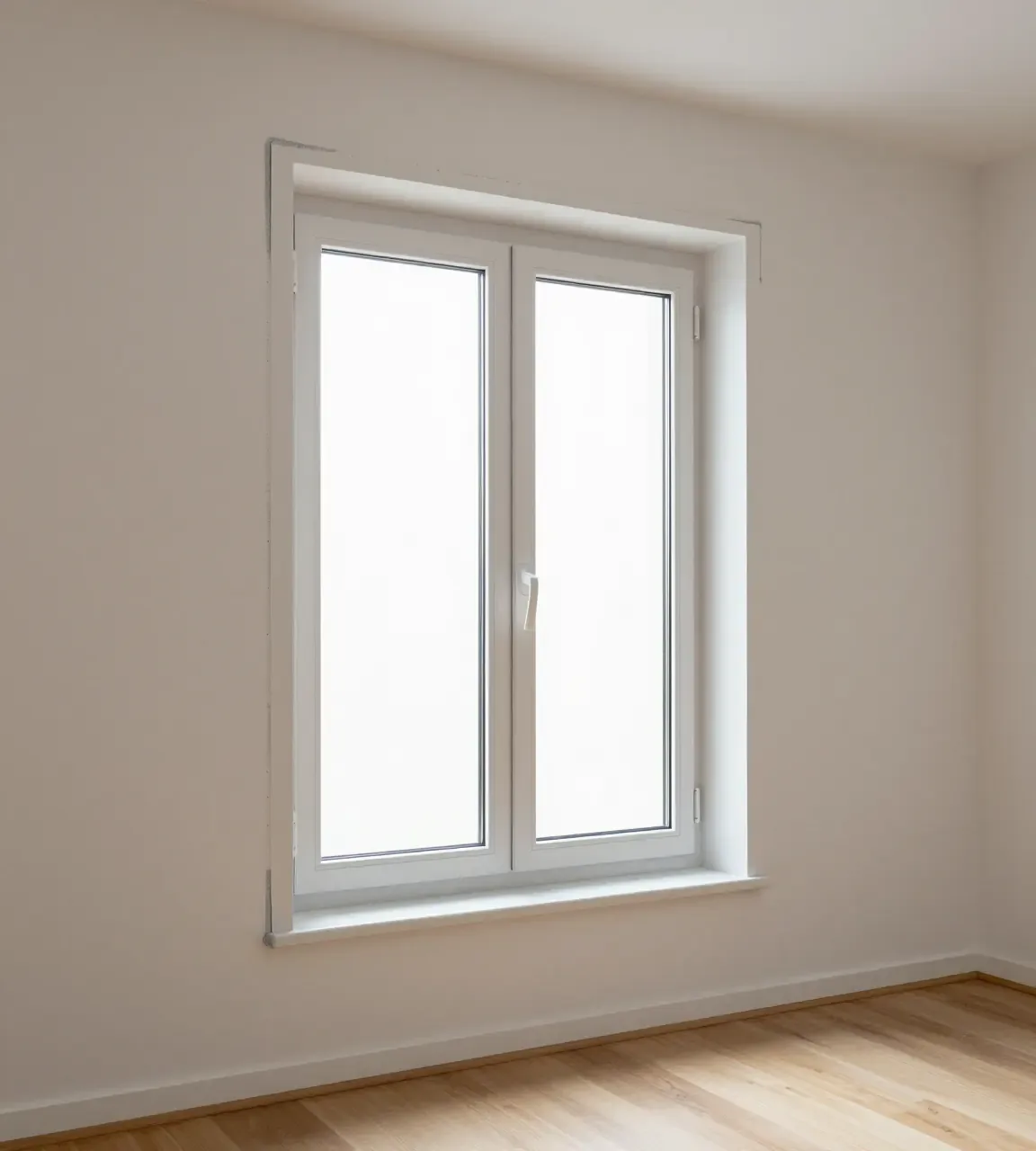
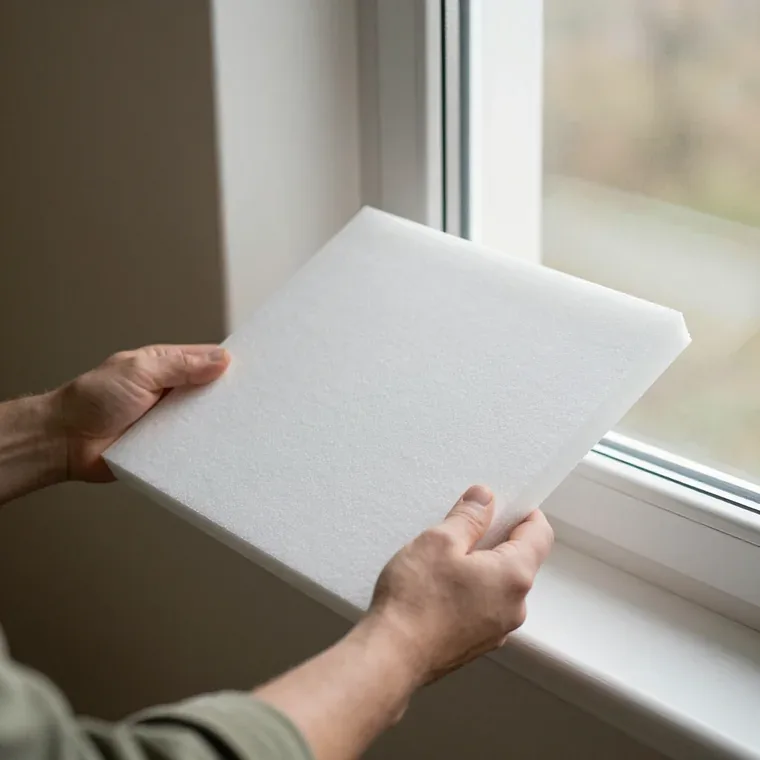
Sill
An open seam under the sill lets in dust and cold; we seal it from 2 000 ₸ per linear m.
Balcony
We insulate the balcony from inside so it doesn't chill the room in winter. From 6 800 ₸ per m².
Seal
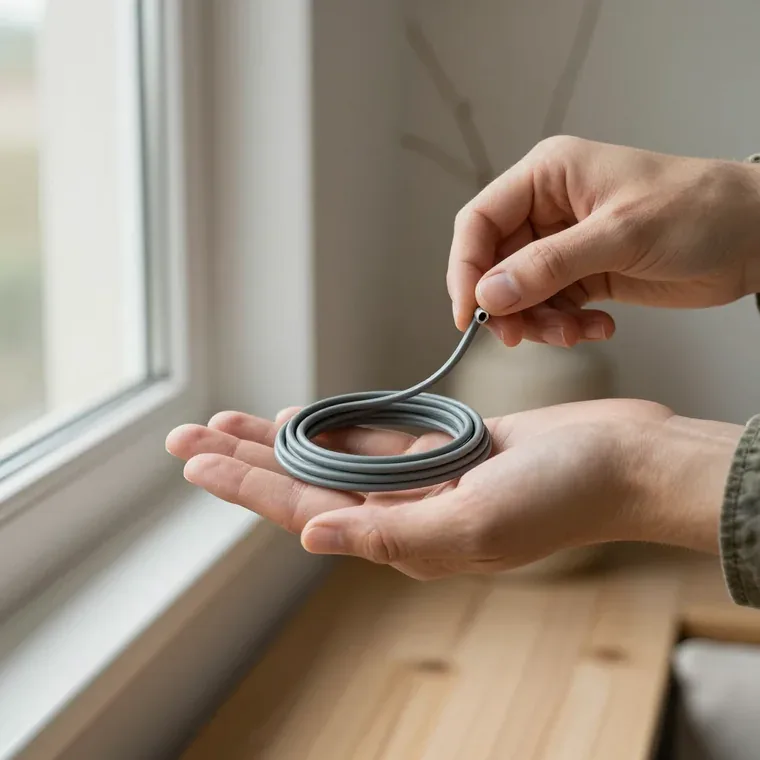
A new seal presses the sash tight, keeping dust and draughts outside. From 1 000 ₸ per linear m.



5,097 reviews on review sites
Winters in Kyzylorda can be frosty and windy, while summers are hot and dusty. A tight window helps in both seasons.
In winter, heat escapes through window gaps, and in summer hot air and fine sand get into the room. The technician seals frames, seams and sills, replaces seals, insulates the balcony if needed and installs warmer double glazing.
Dust storms and sharp temperature changes in Kyzylorda quickly damage seams and dry out old wooden frames. After the work, the home becomes quieter, cleaner and more comfortable in any season.
full service for one window
warranty on work and parts
payment after the work, cash or card
Four causes from our technicians' experience.
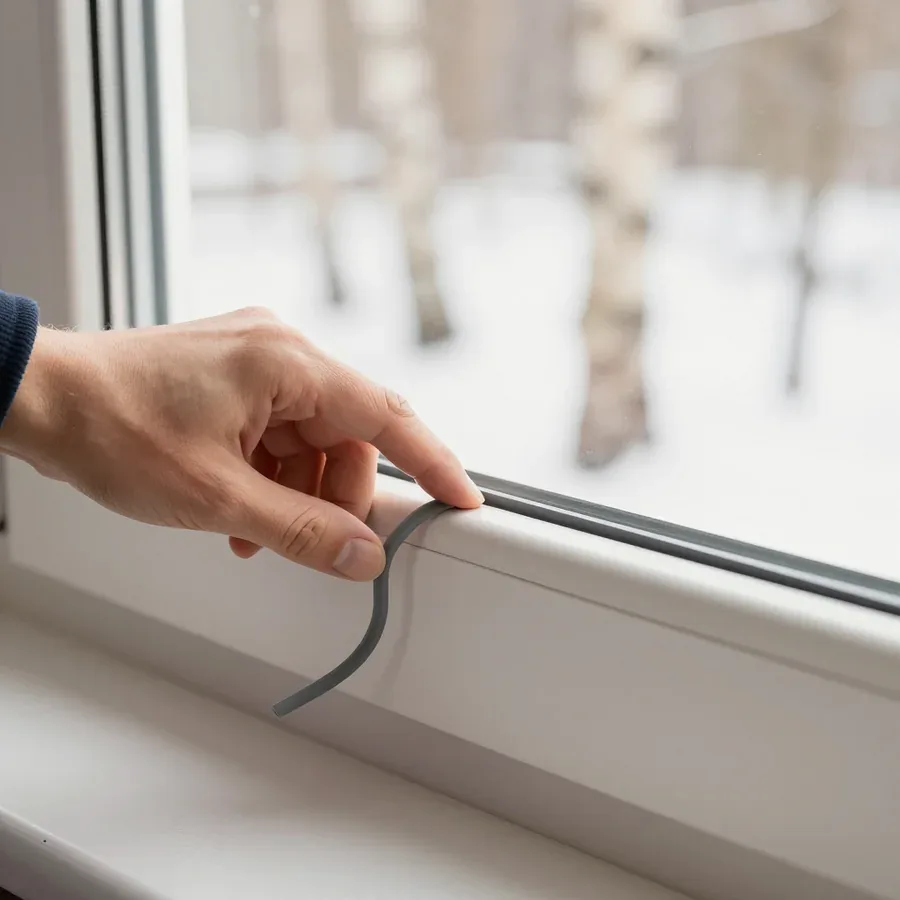
Heat and dry air cause gaps around the perimeter of a wooden window.
There is a gap outside under the sill where wind and sand get through.
Loggia sashes close with a gap, making it cold in winter.
Single-chamber glazing is cold in winter and gets very hot in summer.
We choose a solution based on the window type and what bothers you.
wooden windows
Groove and seal around the entire sash perimeter.
outside
Sealant closes the seam from dust and wind.
loggia from inside
Insulation of walls, floor and ceiling.
windows against wind
An additional seal contour.
gap below
Foam and sealant under the window sill.
The total depends on the window and the scope of work; the technician will quote before starting.
| Type of work | Price |
|---|---|
| Full window serviceall in one visit | from 3 800₸ per window |
| New sealEPDM seal | from 1 000₸ per linear m |
| Gap in the sashstops draughts | from 3 500₸ per sash |
| Indoor seamliquid plastic | from 1 500₸ per linear m |
| Outdoor seamunder the sill | from 2 000₸ per linear m |
| Reveal insulationinsulation and finish | from 19 900₸ per linear m |
| Window sillno voids | from 15 000₸ per job |
| Wooden window, Swedishgroove and seal | from 4 200₸ per linear m |
| Micro-liftextra pressure | from 1 700₸ per item |
| Inter-frame layertighter window | from 2 800₸ per window |
| Thermal cameraall leaks | from 9 000₸ per job |
| Balconyinsulation from inside | from 6 800₸ per m² |
The price is fixed in the order after measuringMeasuring and consultation are freePayment after installation: cash, card, Kaspi
Book a technicianWhat you get.
on work and installed parts
old and new windows, balconies
fixed after inspection
acceptance: cash, card, Kaspi
on WhatsApp via photo
we come on a convenient day
we take requests daily
we work across Kazakhstan
Four steps.

Send a photo of the window on WhatsApp and tell us what bothers you: cold, heat, dust or mould.
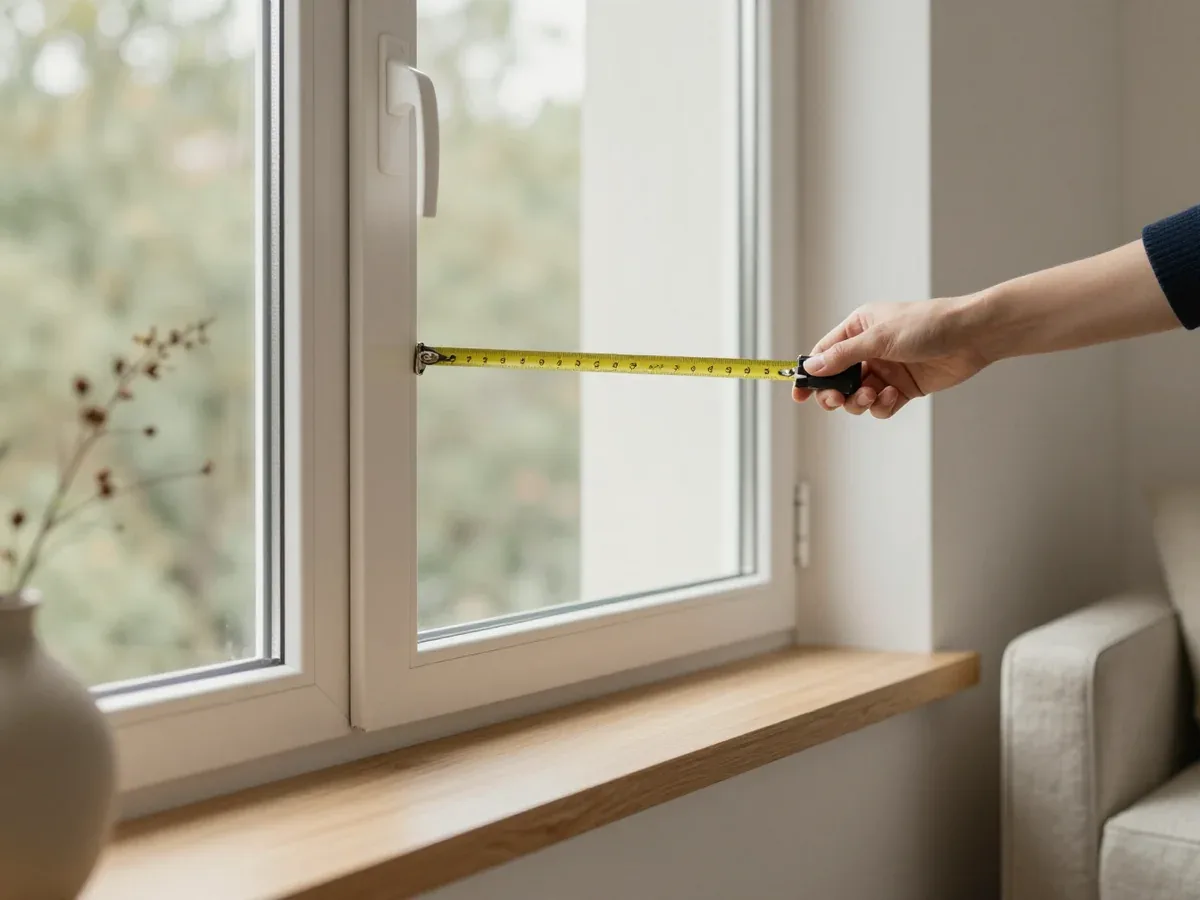
The technician checks the frame, sill, seams and balcony and quotes the cost of work.
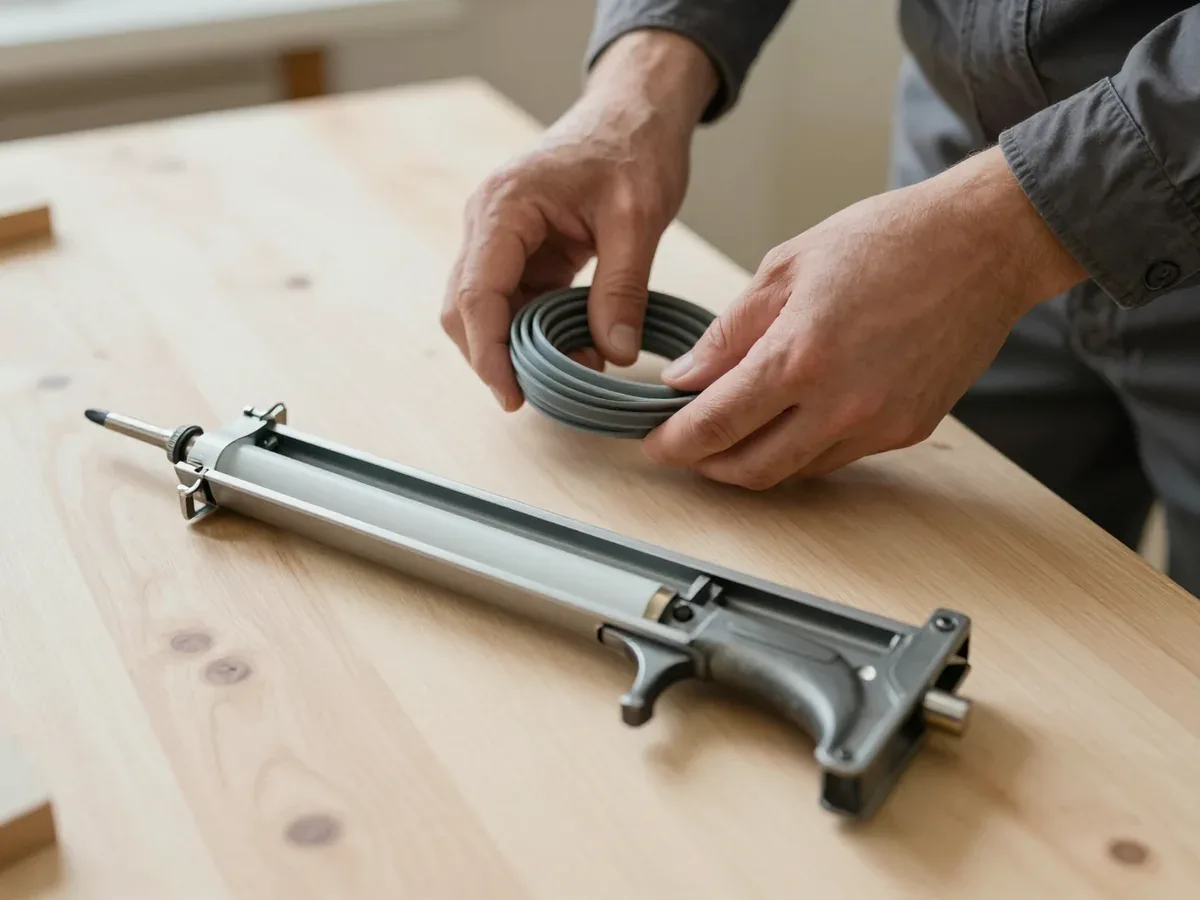
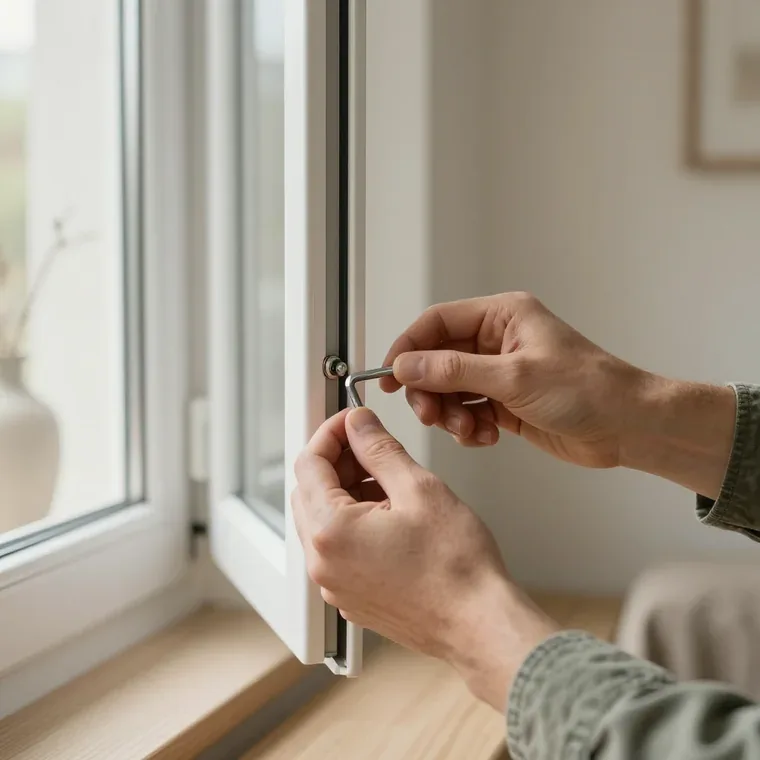
We seal seams and sills, install rubber seals in wood or PVC, and adjust the sashes.
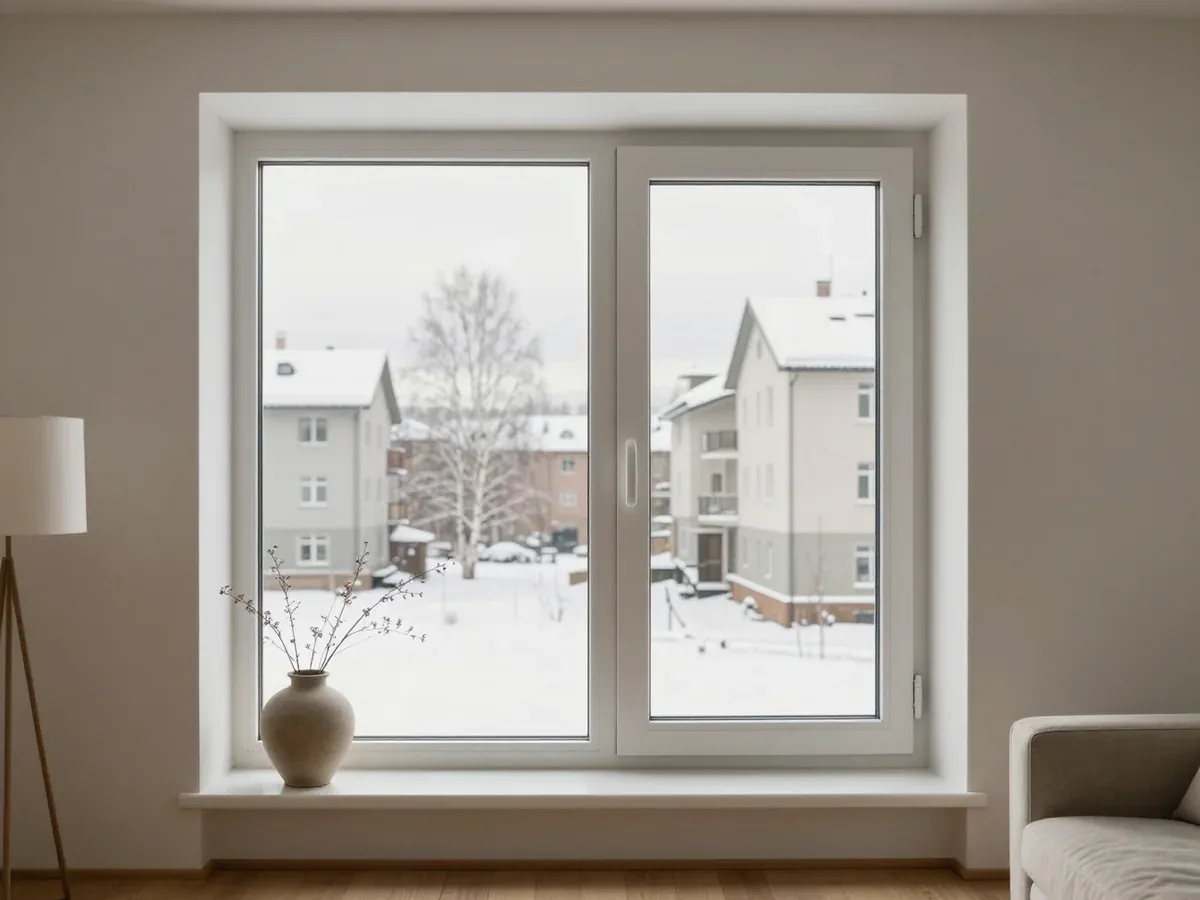
We check the window together with you, then you pay for the work.
Good to know

Senior mosquito screen specialist at moskitnyesetki.kz
We handle window insulation in Kyzylorda as a direct contractor with our own craftsmen, not a broker. We start with a free measuring visit, find where the cold actually enters, replace seals in windows of any brand and adjust the fittings that hold the sash tight. You pay after the work is done.
A closed sash still leaking air is not one fault but a set of weak points. We name the four places a window loses heat and explain how a measurer tells them apart on site.
Our measurer checks the sash seal, the fitting pressure and the seam by hand and by feel before naming a fix, so you are not sold a seal replacement for a problem that sits in the frame. He presses the leaf shut at several points, watches whether the rubber meets the profile evenly and runs a hand along the sill and slopes. A seal that looks intact can still be flattened past use, and a sash that closes loosely usually needs the fittings adjusted rather than new rubber. Once the weak point is clear, we match the insulation method to the glazing type, whether that is plastic, wood or aluminium, and to the floor the flat sits on. This is how window insulation in Kyzylorda starts with an accurate diagnosis instead of guesswork.
Insulation is not always the whole answer, and a new glass unit is not always needed. Here is how we decide which of the three routes fits your situation.
| Route | What it fixes | When we choose it |
|---|---|---|
| Reseal and adjust | Sash perimeter, fitting pressure | Seal worn, frame and unit sound |
| New glass unit | Misted or failed unit | Panes fogged inside, frame intact |
| New window | Frame warped or rotten | Repair no longer holds |
In a rented flat, start with the cheapest reversible step — a fresh seal and a fitting adjustment — before paying for a glass unit the landlord may not authorise. A worn seal lets cold air pass the sash perimeter even when the lock still pulls tight, and replacing it restores the pressure of the sash against the frame without touching the glazing. Fittings then need a turn or two so the leaf closes evenly along its whole height, not just at the handle side. Self-adhesive foam strips are a short-term patch, so a proper seal swap lasts far longer. Ask for the work in writing with the landlord's consent, and keep the old seal — it proves the change was maintenance, not a rebuild.
The same draught calls for different work depending on what the frame is made of. We treat plastic, wood and aluminium units on their own terms.
We insulate wooden units in older Kyzylorda homes without pulling the timber out, working the weatherstrip and the sash fit so the original joinery stays in place. On timber units the weak points are the rebate where the two halves meet and the meeting rail that closes down the middle. We lift the leaf, clear out compressed or painted-over weatherstrip, fit a fresh length and adjust the hinges and turn buttons so it pulls down evenly across its whole height. Old timber moves with the seasons, so a strip fitted too tight in summer will bind the leaf by winter — we leave the right amount of play. That is why we leave the right amount of play and warn the owner to expect a slight give in the handle once the cold sets in.
The job runs in a fixed order so you always know the next step. Here is what happens from the first call to the moment you pay.
The measurer comes at a time that suits you, takes the sizes, finds the draught source and helps you choose the gasket and fittings, and the call-out costs nothing. During insulation work in Kyzylorda he checks the frame, the gap around the moving sash and the glazing bead, then notes the profile type and the floor so the fasteners match the building. You see and feel the samples of rubber and hardware on site rather than on a screen. Because the price is fixed in the order only after measuring, the figure you agree on site is the figure you pay, with no add-ons appearing later.
A framed screen made to your size takes 10–15 minutes and a pleated one 40–60 minutes, with payment taken after the work is finished by cash, card or Kaspi. Our own craftsmen carry out the resealing and the fitting, so no third party is booked in between. We work seven days a week, which matters for residents who are only free at the weekend. Settling up afterwards means you inspect every moving panel and rubber line before any money changes hands. Booking the whole flat for one appointment costs less time than spreading it over weeks, and it lets the craftsman check that each opening closes evenly before he leaves.
Water on the glass and dark patches on the slopes are usually a draught problem wearing a different face. We explain the link and what our warranty covers.
Condensation and mould on the slopes come from warm indoor air meeting a cold, draughty surface, so sealing the draught removes the cold spot that feeds them. A sash that no longer presses evenly against the frame lets a thin film of cold air slide across the inner pane and the plaster around it. That surface drops below the dew point, moisture in the room settles there, and within a season the corner turns grey and smells of damp. In older homes the effect is stronger because the installation seam has had years of sun and frost to open up. Wiping the pane every morning treats the symptom; until the leaking seam or sash is sealed, the damp keeps returning to the same corner.
Repair work carries a one-year warranty on both the labour and the parts we replace, and a new glass unit is covered for three years. If we reseal a seam or swap a failed gasket, that work and the components fitted are protected for twelve months, while a full glazing replacement runs to thirty-six. We fix the price in the order after measuring, so the guarantee card matches what was actually installed. Keep the order sheet after the visit — it lists exactly which parts were swapped, and that is the document checked if a seal ever needs revisiting.
Most leaks come down to a handful of causes, and the right fix depends on which one you actually have. These points summarise what to check before any work begins.
Draughts, winter insulation, materials, ice build-up
Konstantin Selenenkovsenior mosquito screen specialist, 10 years in the tradeOnline · replies within 5 minutes
Ask a questionMost often the cause is worn-out weatherstripping, a loose sash seal or gaps in the installation seam. Insulation removes these causes if the profile and the double glazing are intact.
Yes, most work is done in cold weather too: weatherstripping and adjustment are carried out with the sashes closed. The seams are sealed with compounds designed for sub-zero temperatures.
With plastic windows, the work involves the weatherstripping, the sash seal and the seams, while with wooden windows the dried-out frames and gaps between the sashes are additionally insulated. That is why the set of works and materials differ.
Frost-resistant weatherstripping that does not stiffen in the cold is used, along with sealants for exterior seams. The technician selects the specific materials for the profile and the condition of the window.
They inspect the perimeter of the sash, check the seal and the seams, and use a thermal imager if necessary. This allows them to pinpoint the source of the cold and choose the right work.
Ice along the edge of the sash usually disappears after the rebate and seams are restored. If ice builds up across the whole pane, the double glazing is most likely to blame, and insulation will only give a temporary effect.
Thank you. We will call you back within 10 minutes!
Your order number is on the receipt or in the SMS. Choose where to leave your review.
Write a review on WhatsApp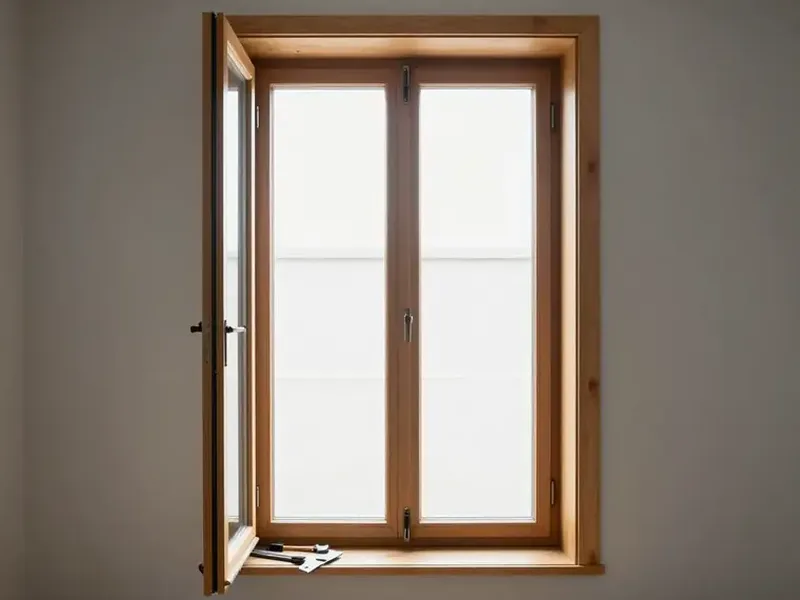 Wooden window repair
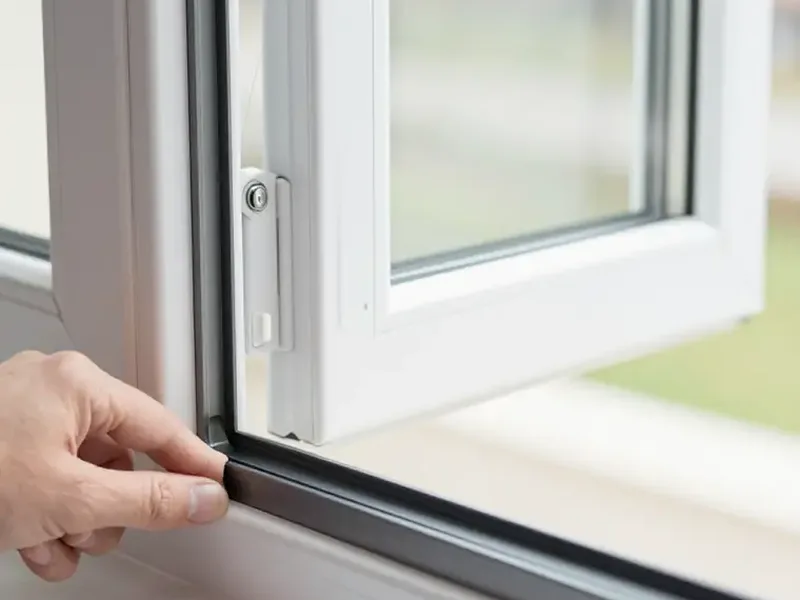 Seal replacement
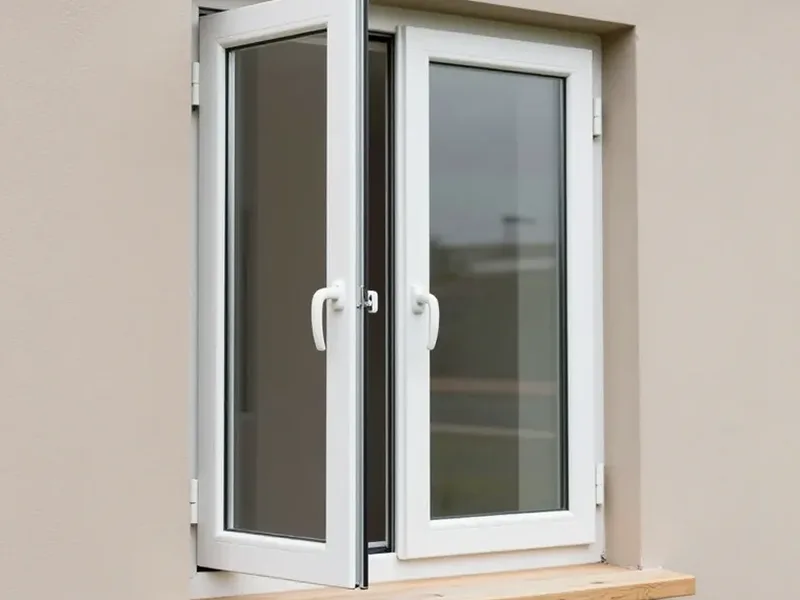 Balcony glazing
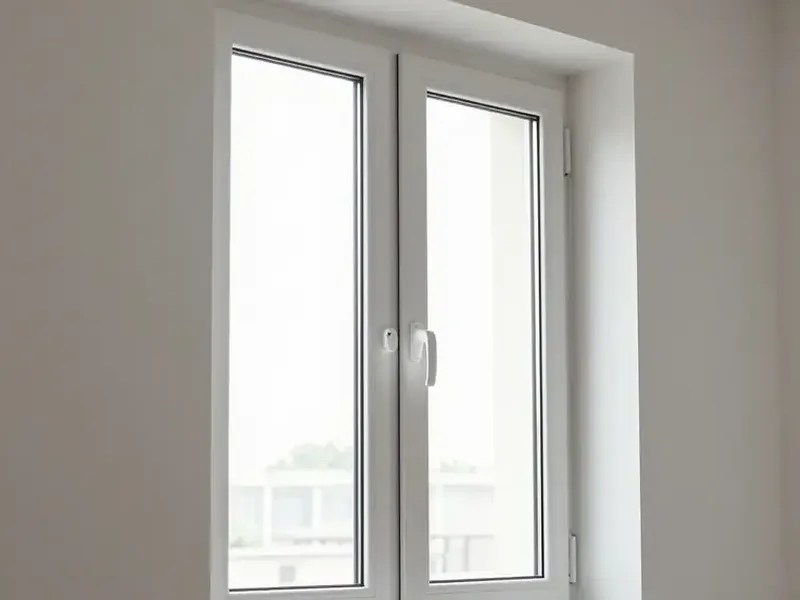 Reveal finishing
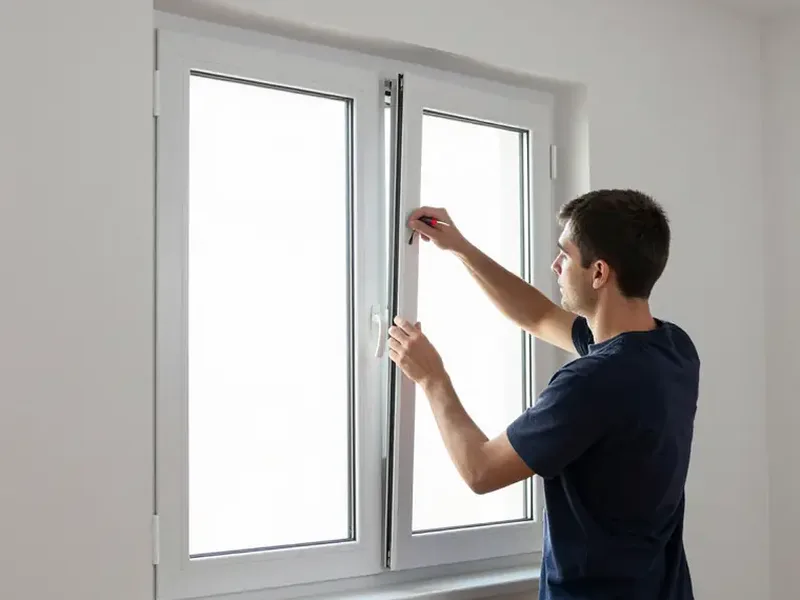 Window adjustment
