


Good to know
Pleated Mosquito Screens in Kokshetau

Senior mosquito screen specialist at moskitnyesetki.kz
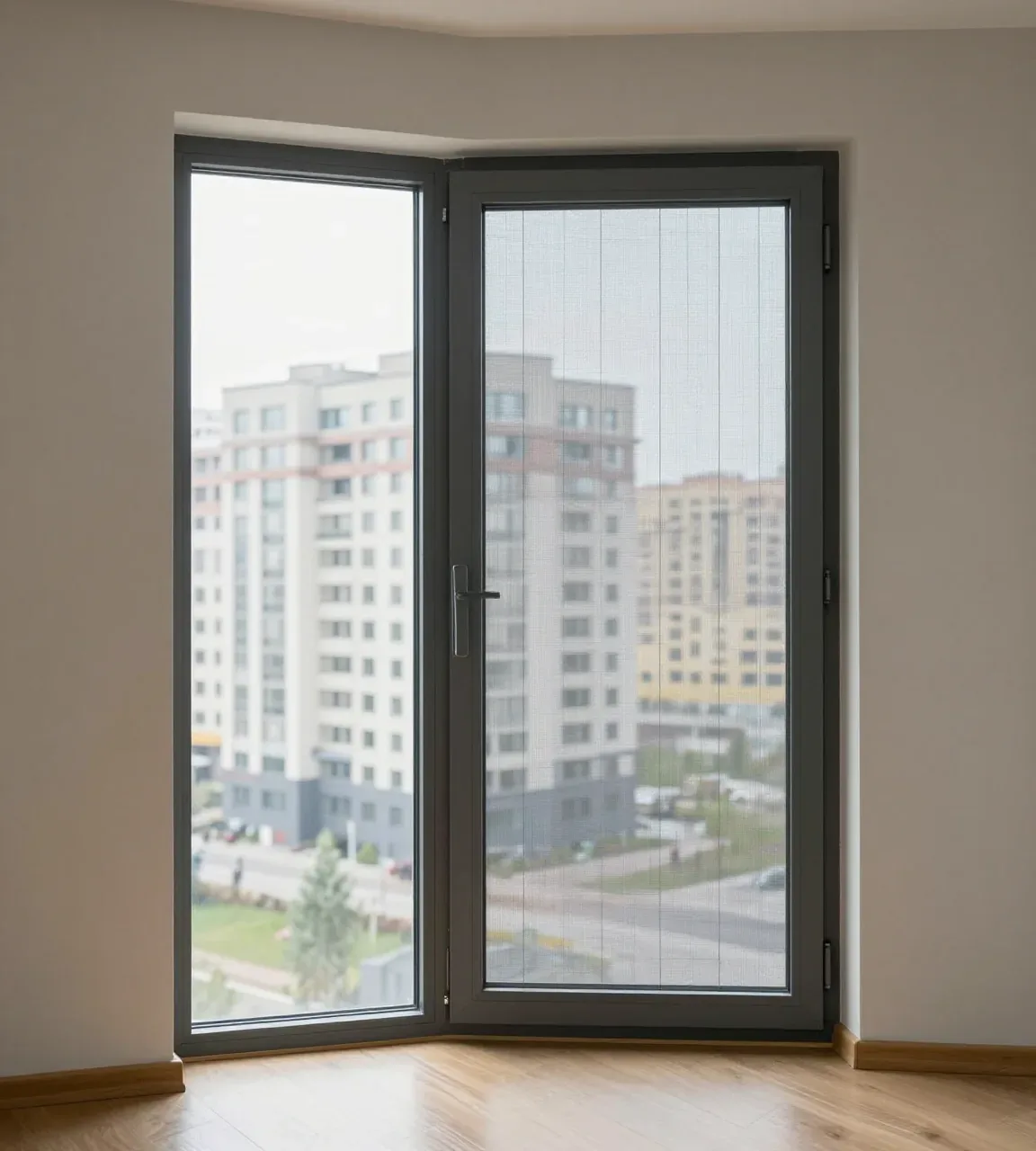
We make pleated mosquito screens to fit your window or door in Kokshetau, with free measuring, fitting and a 1-year warranty. The mesh folds along its guides like a concertina, so it suits wide balcony and entrance openings. We paint the frame to match your windows and you pay after installation.
How pleated mosquito screens fold and where they earn their place
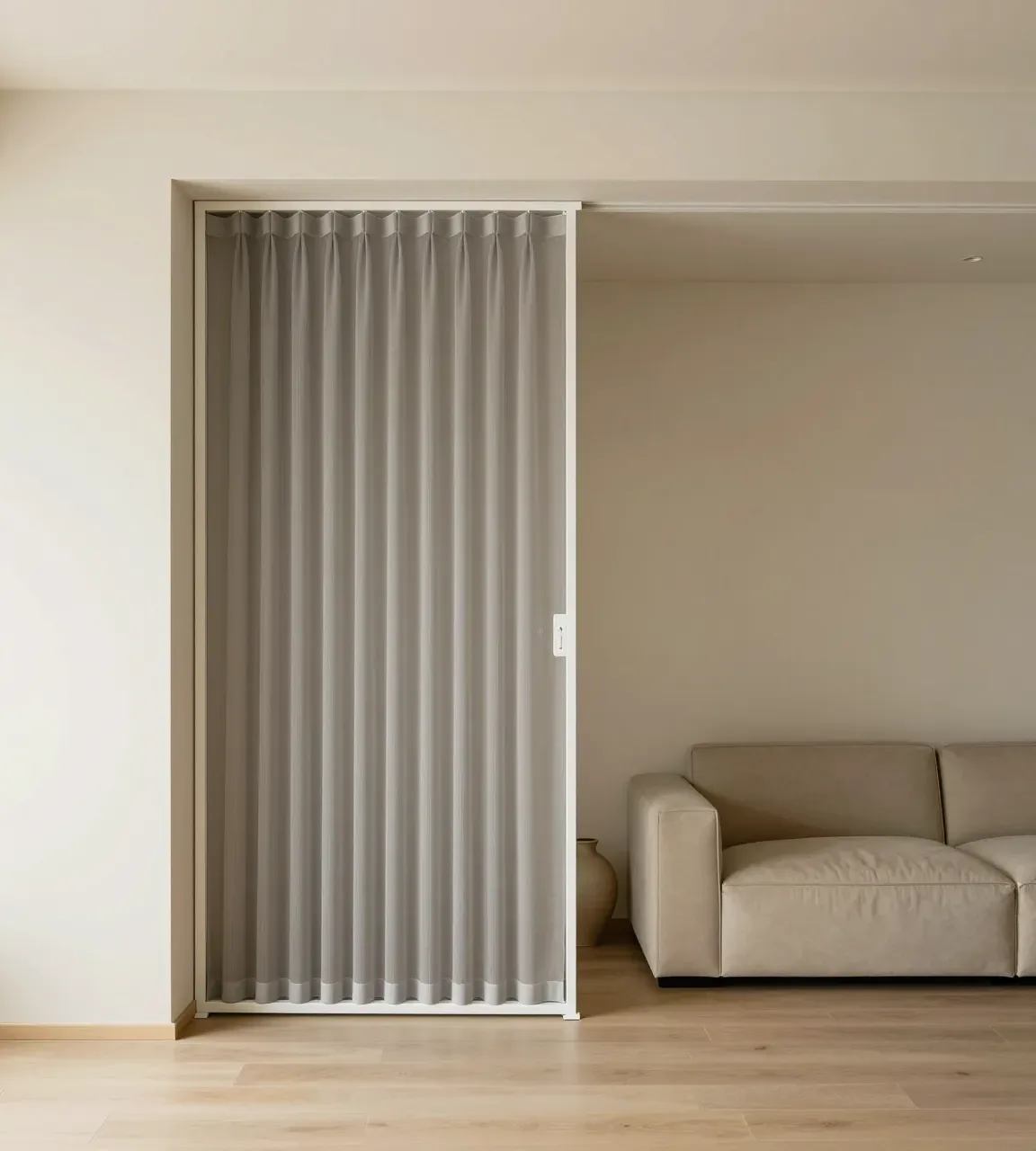
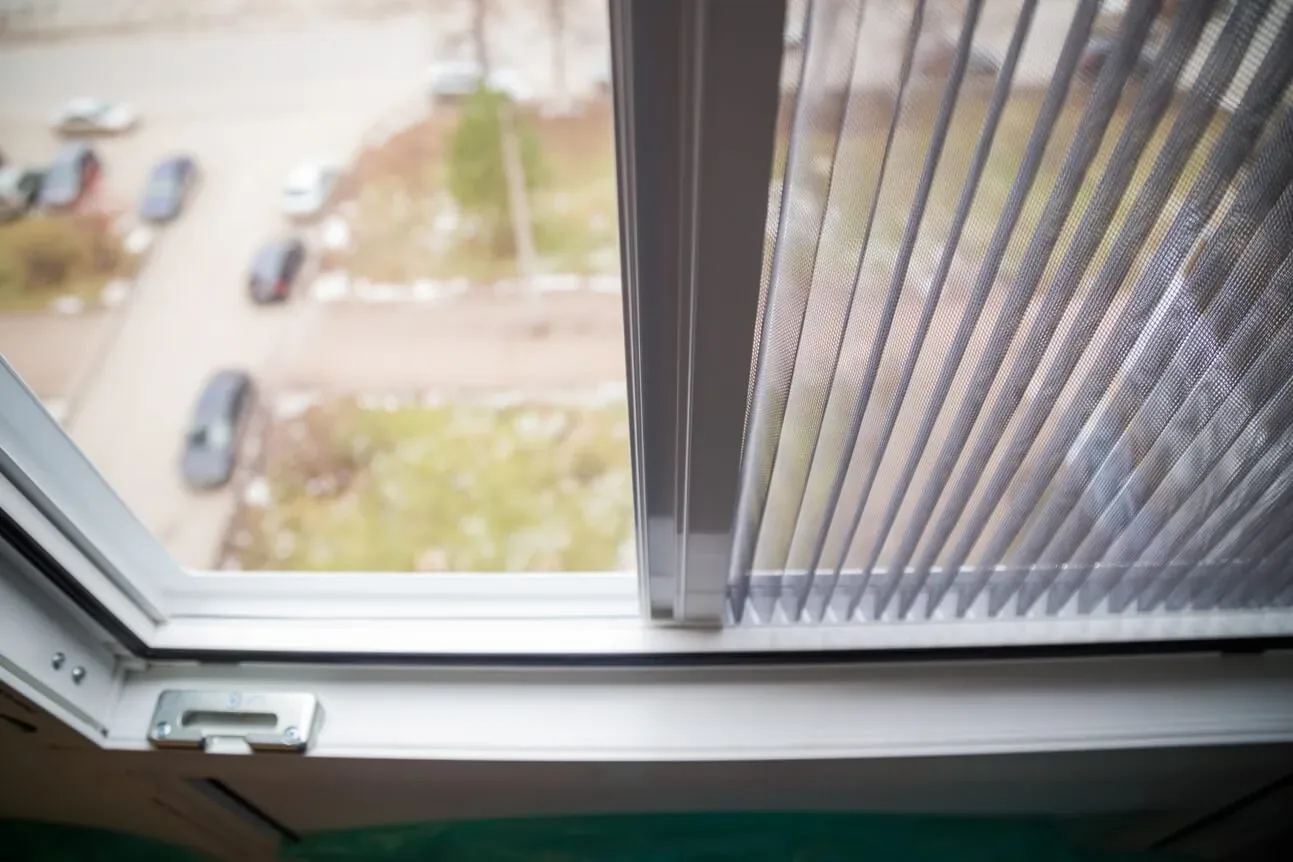
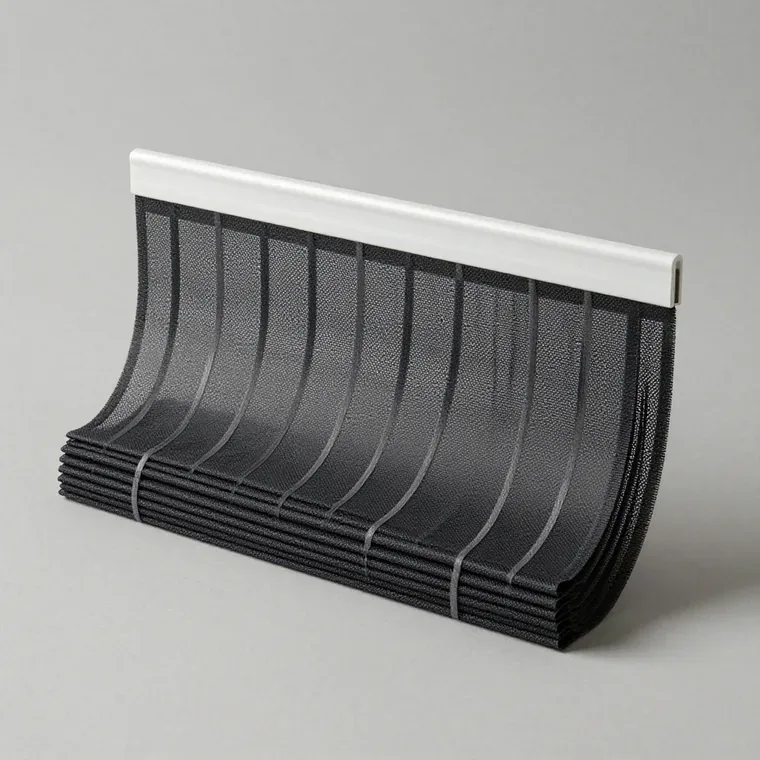
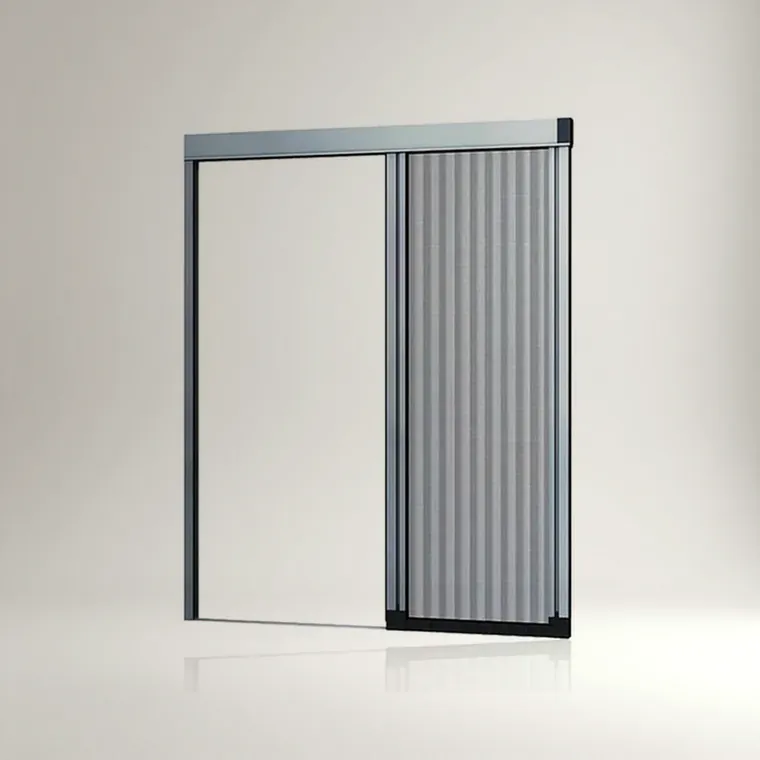
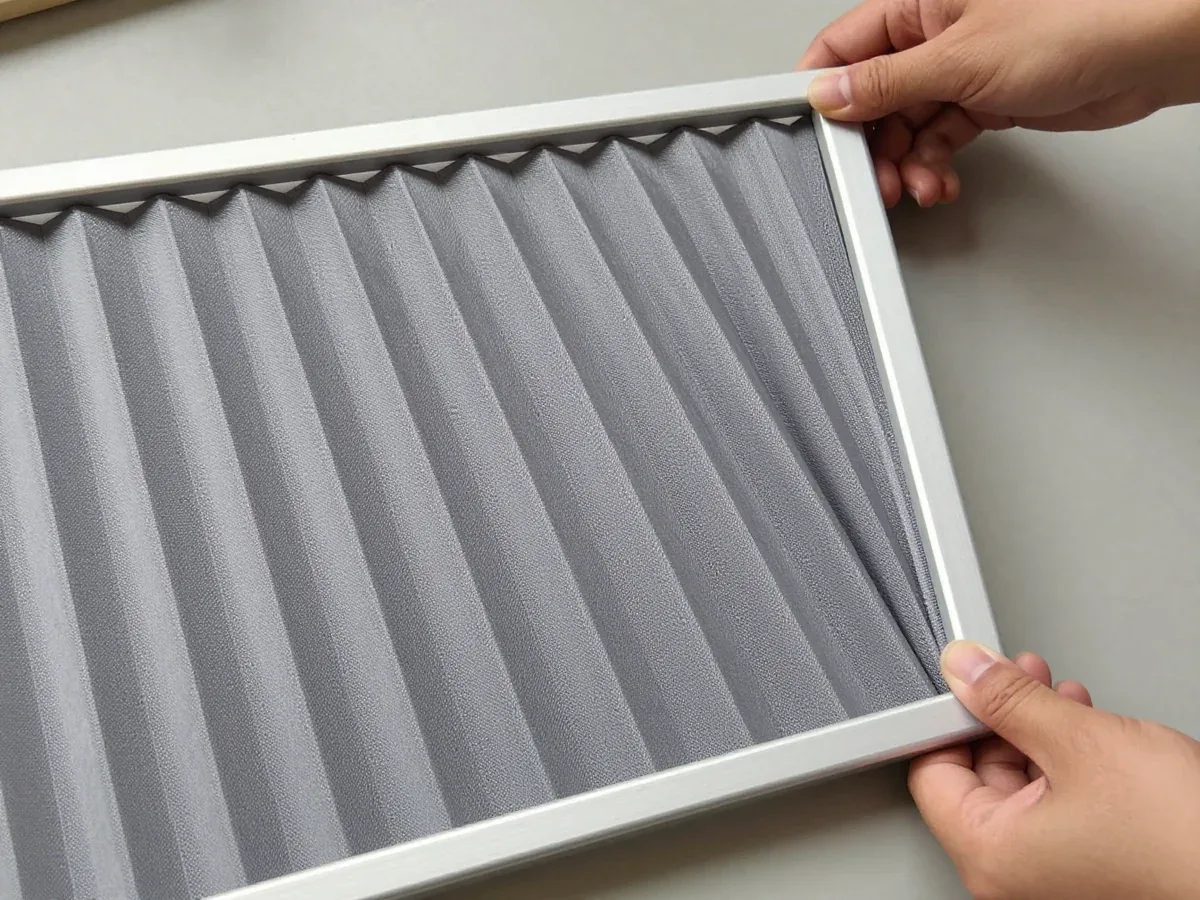
A pleated model is a fabric sheet that runs on top and bottom guides and gathers into folds at one side. Here is how the mechanism works and why it suits openings where a rigid frame gets in the way.
What happens when you pull the screen across
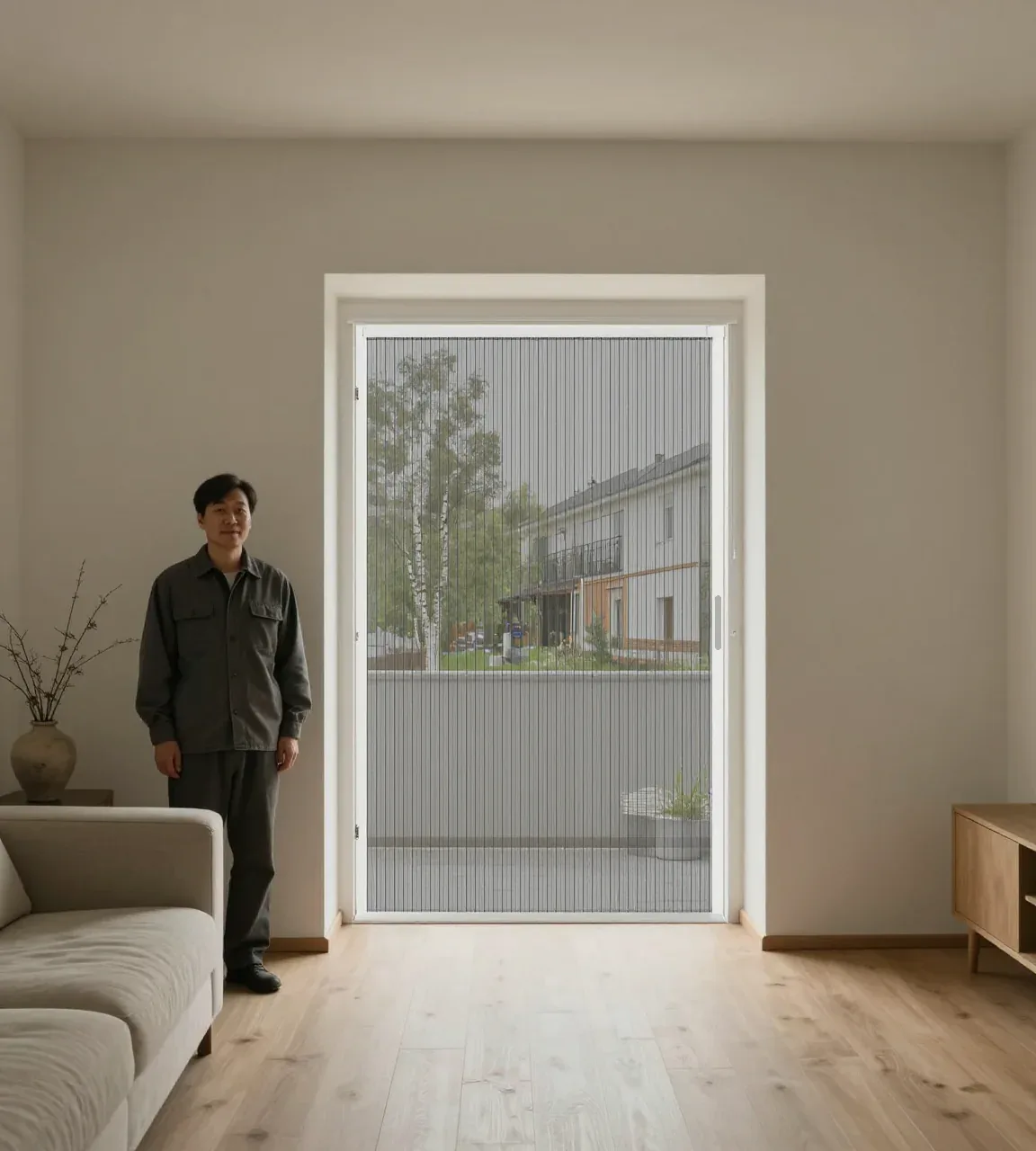
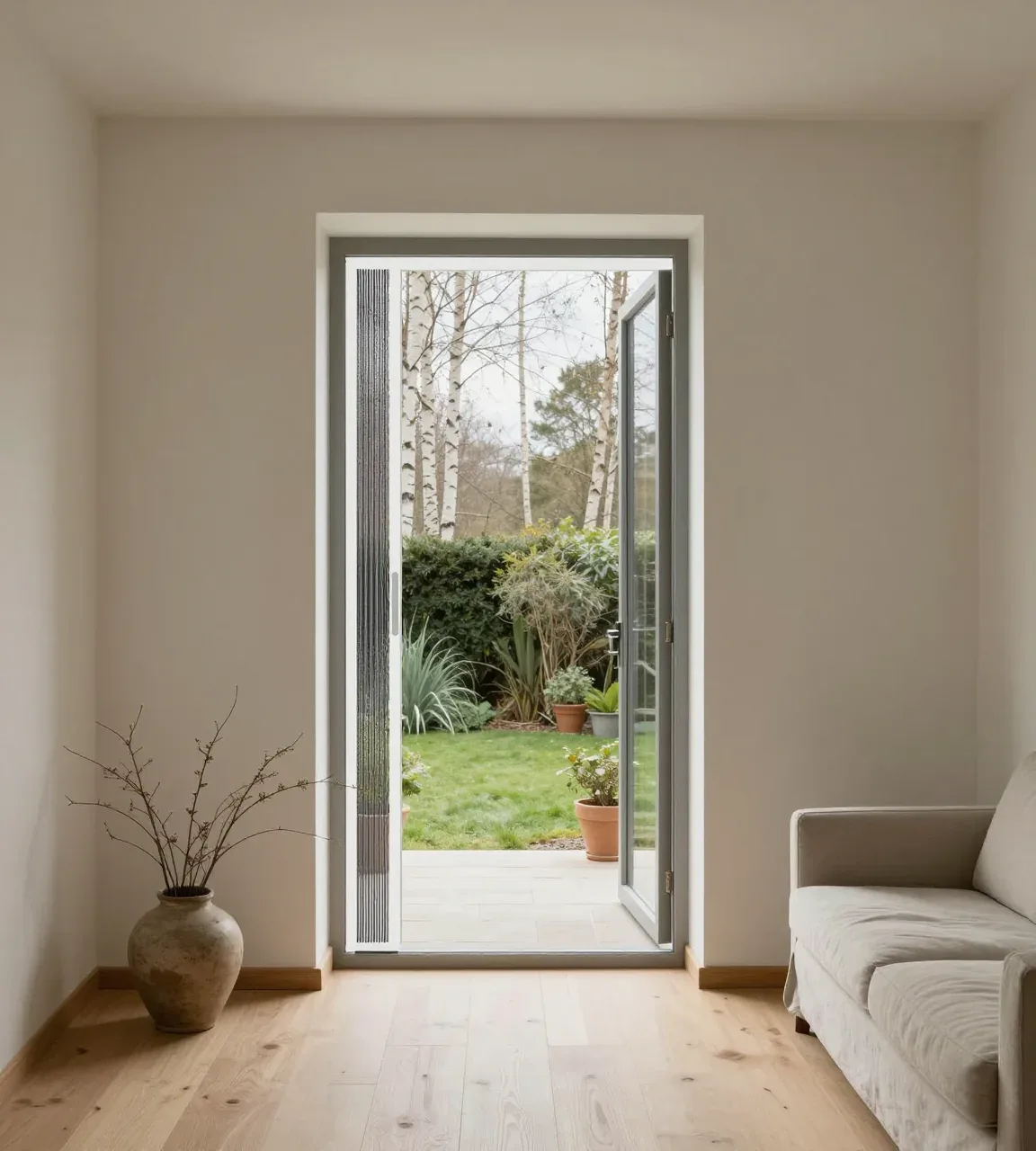
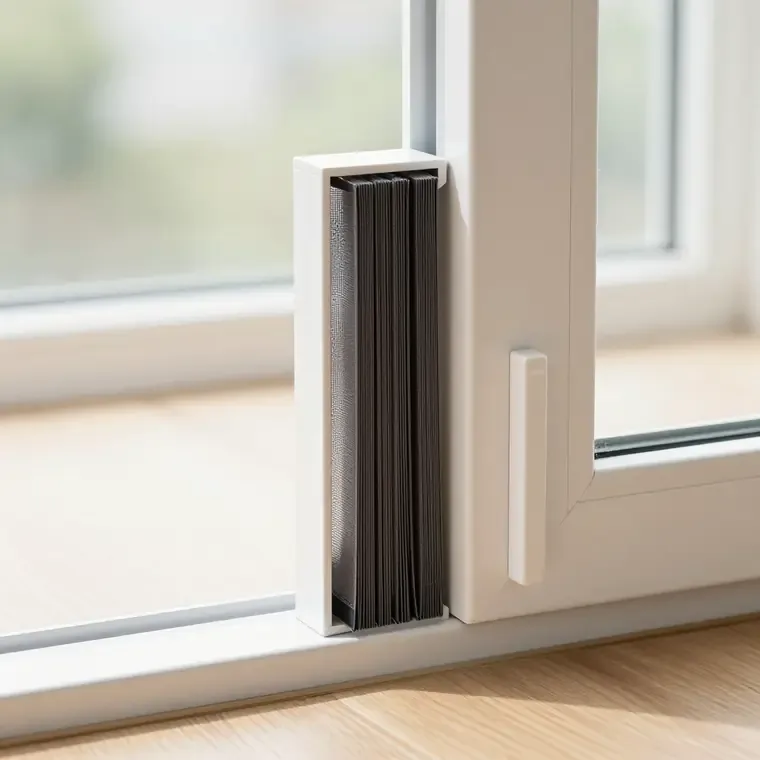
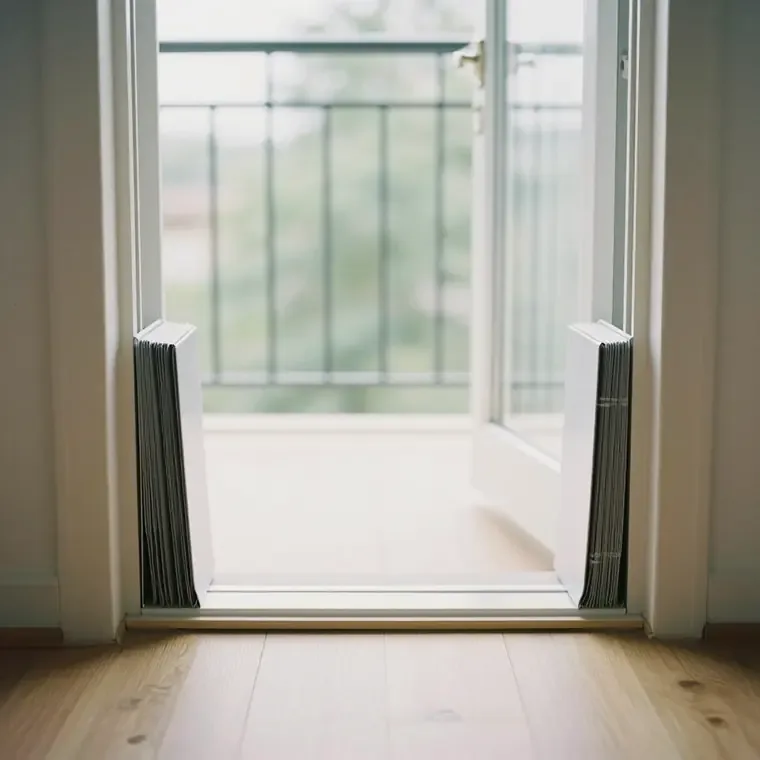
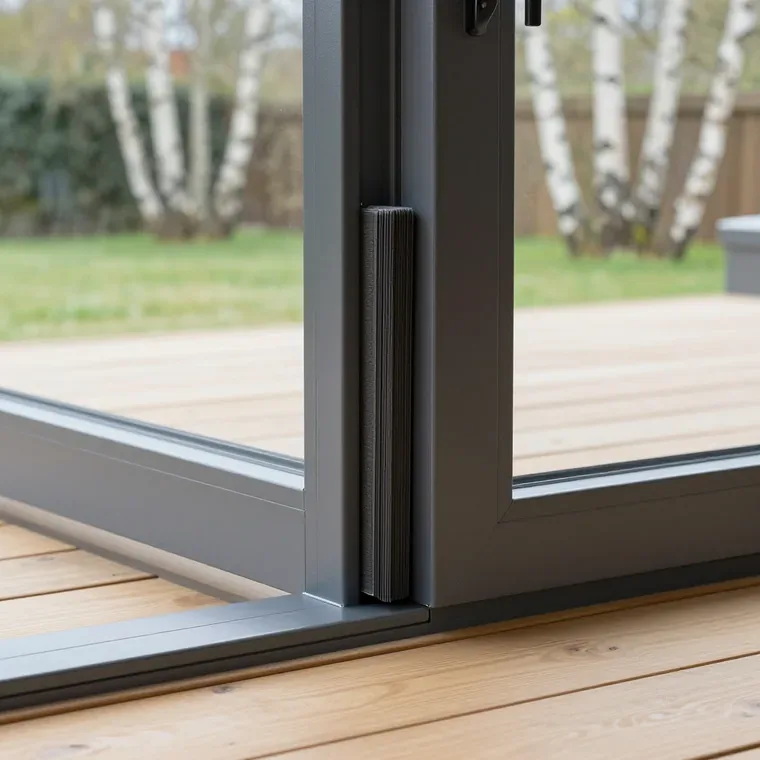
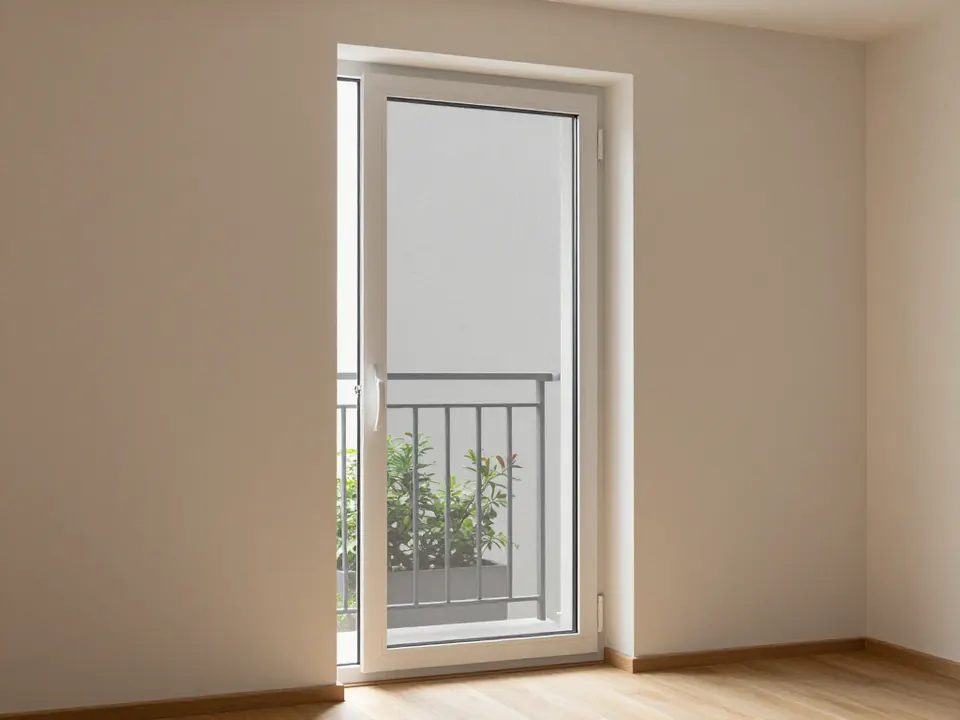
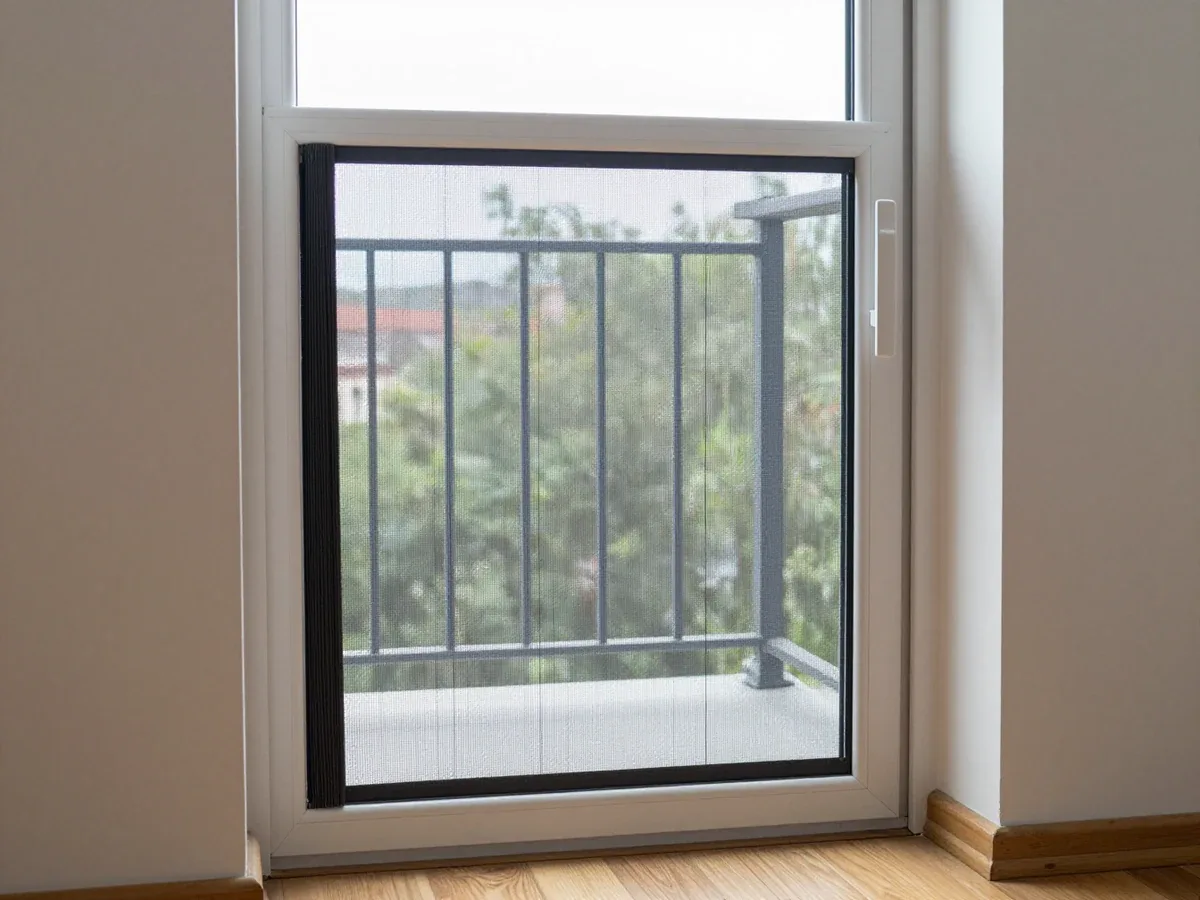
The fabric gathers into neat folds along top and bottom guides, so it opens with one hand and leaves the doorway clear when pushed back. Each fold rides inside a slim track, and a light pull slides the whole stack to the jamb; the same motion in reverse closes the opening in a single sweep. Because the leaf has no rigid surround to swing, it needs only a few centimetres of clearance at the side instead of the full width of a hinged door. A pleated mosquito screen kokshetau households use on balcony doors keeps the threshold free for prams, boxes and shopping bags. The unit never blocks a walkway the way an open framed panel does.
Inside or outside, and how it grips the window
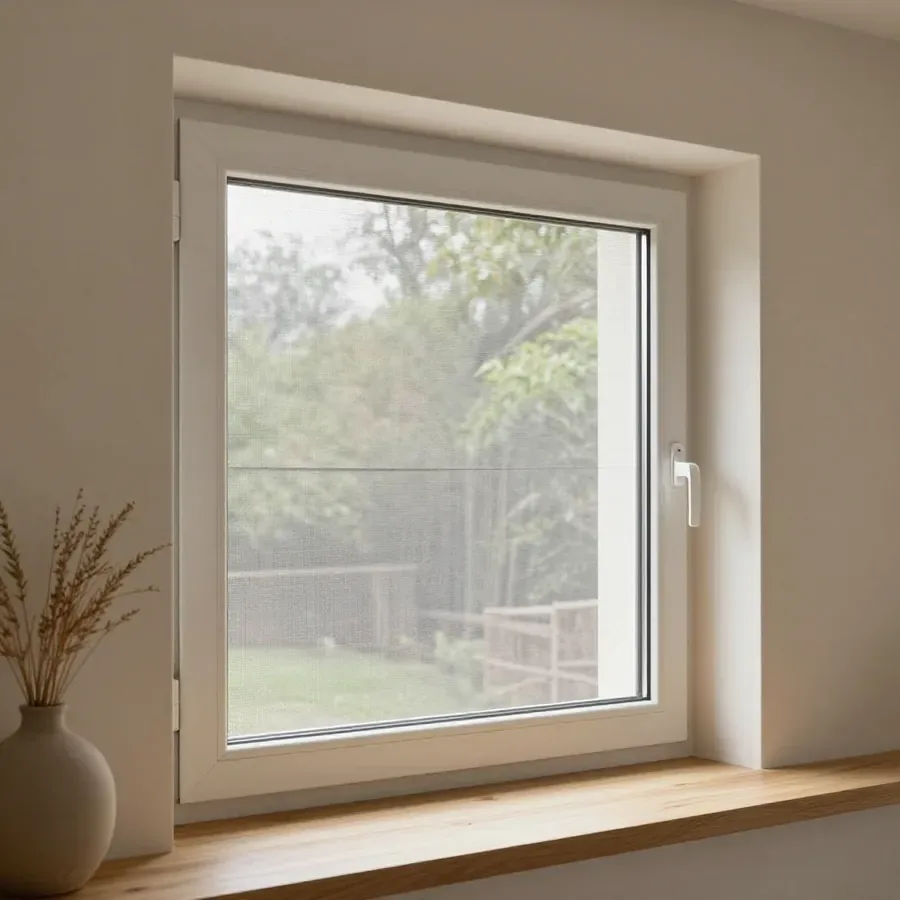
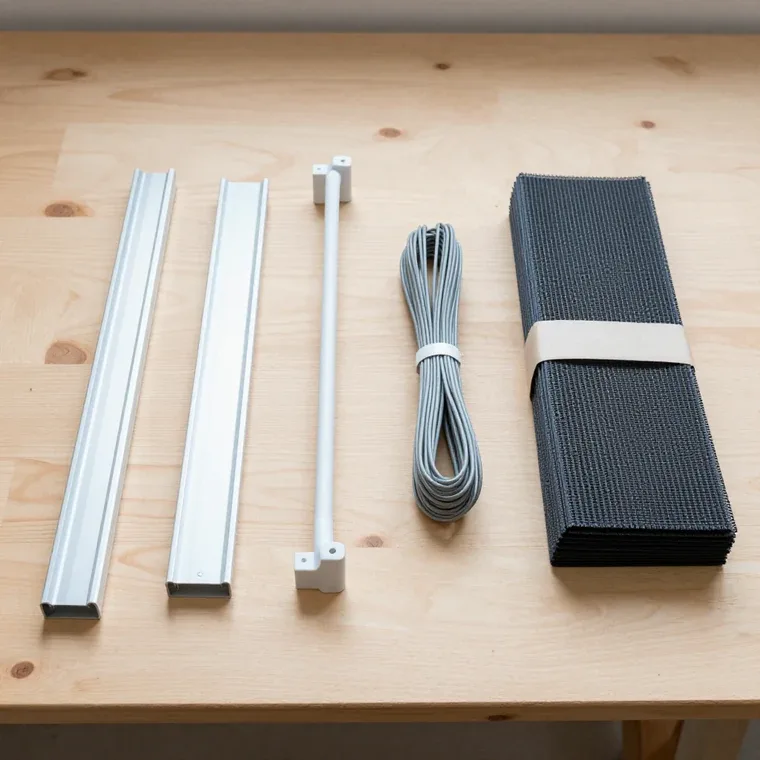
We fit pleated mosquito screens on the frame with Z-brackets, pins or magnets, and the measurer picks the fixing that matches your window profile and floor. Z-shaped brackets hook over the outer frame edge and suit most plastic windows; plunger pins click into the profile without drilling through the sash; magnets hold a light unit on smooth aluminium and wooden frames. The same visit covers the opening, the fabric and the fastenings, and the price stays fixed in the order afterward. On upper floors the fixing choice matters more than the material itself, because wind load on a wide opening pulls hardest on the brackets.
Pleated mosquito screens, framed or sliding for your opening
Three screen types solve three different problems. Below we match each type to the opening it suits best, then cover the frames that fall outside the standard plastic window.
Matching the screen type to the opening
| Opening | Best screen type | Why it fits |
|---|---|---|
| Single casement window | Framed | Simple, lifts out for cleaning |
| Balcony sliding track | Sliding | Glides on its own rail |
| Wide balcony or entrance door | Pleated | Folds to the side, clear walkway |
| Small vent or loggia window | Framed or pleated | Made to the exact small size |
Wood, aluminium, verandas and non-standard frames
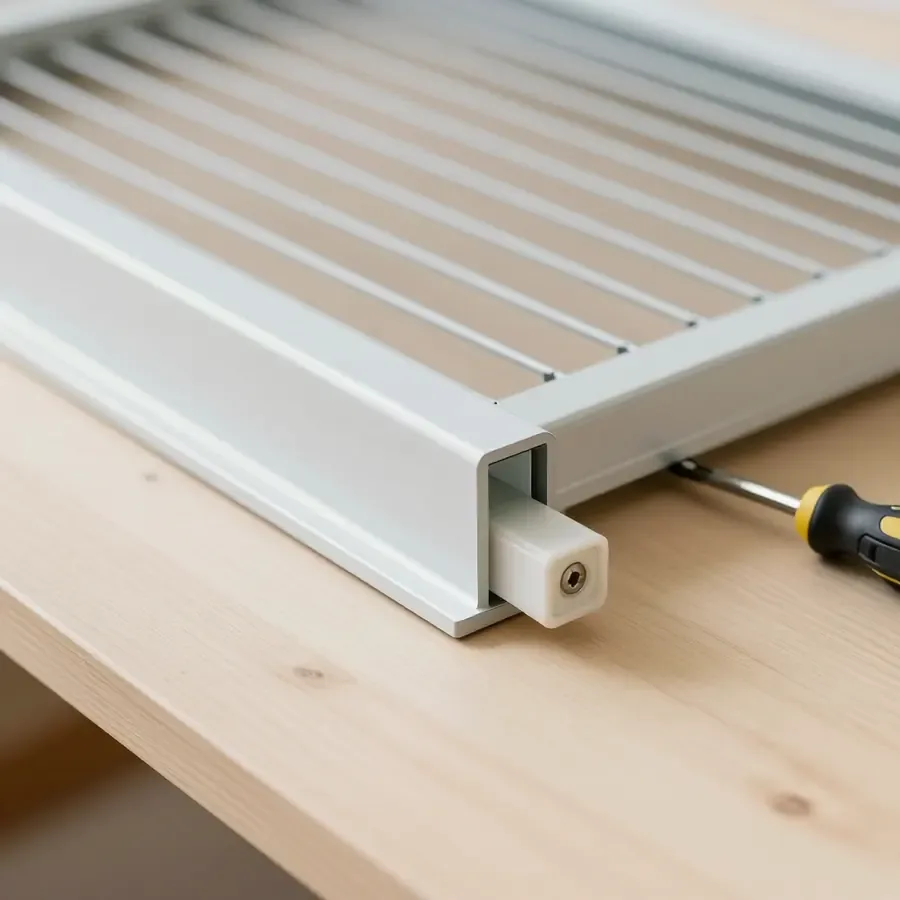
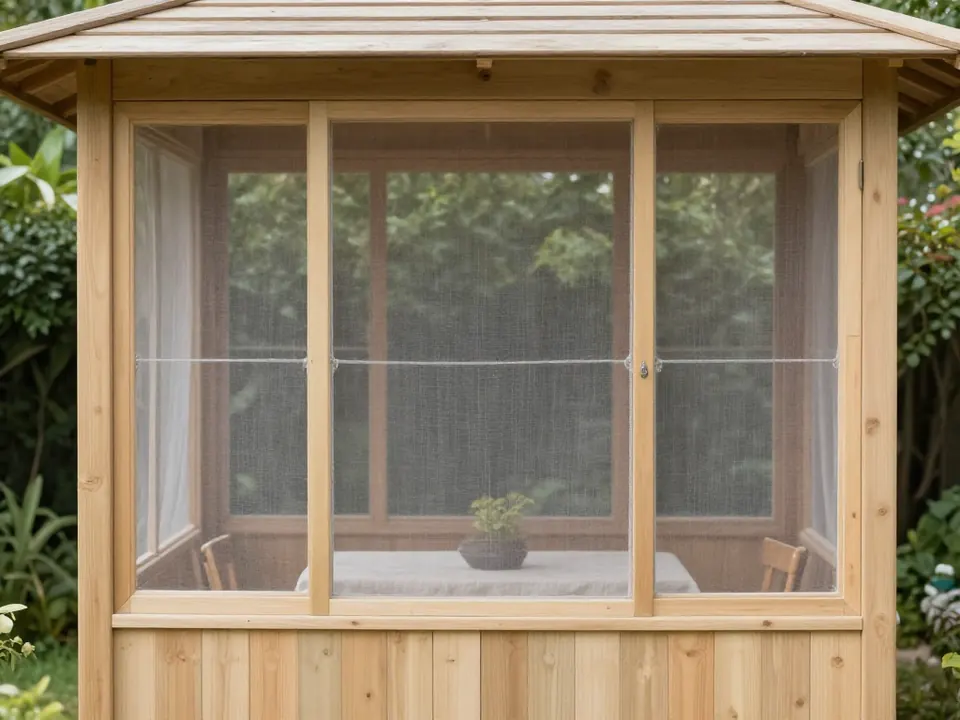
We fit screens on plastic, wooden and aluminium windows, vents, loggia windows, gazebos and verandas, so a non-standard frame is not a reason to go without. A folding screen in Kokshetau homes often goes onto a wide balcony door or a timber-framed veranda where a swinging panel would be awkward, and the measurer takes the exact size on site. For hinged door screens we use Economy 32×10 mm or Prestige 42×17 mm profiles, and we paint the frame any colour to match your windows. On timber and aluminium frames the fixing point is chosen more carefully, since the profile depth and surface differ from standard plastic — Z-brackets, pins or magnets are picked to hold firmly on that particular profile and floor.
Choosing pleated mosquito screens mesh for pets, pollen, dust and light
The mesh decides what the screen keeps out and how much daylight reaches the room. We sort the five options we stock by the real job each one does.
Which mesh answers which problem
| Mesh | Best for | Key property |
|---|---|---|
| UltraVue | Bright rooms | 25% more light and air |
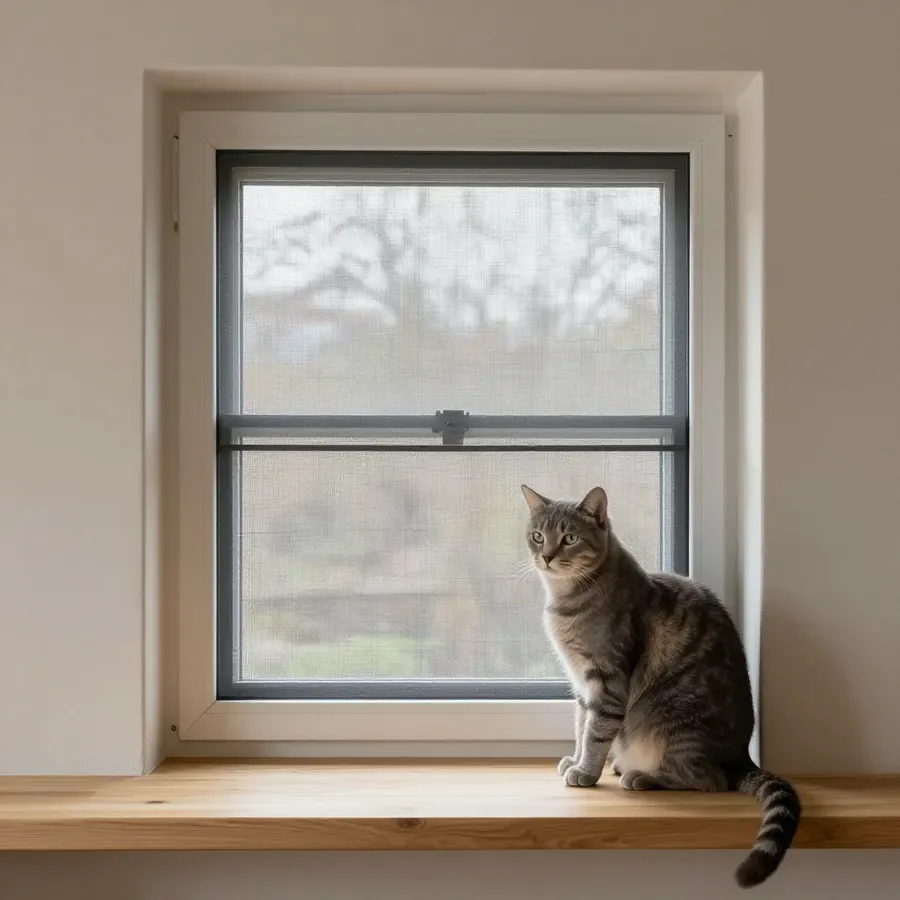
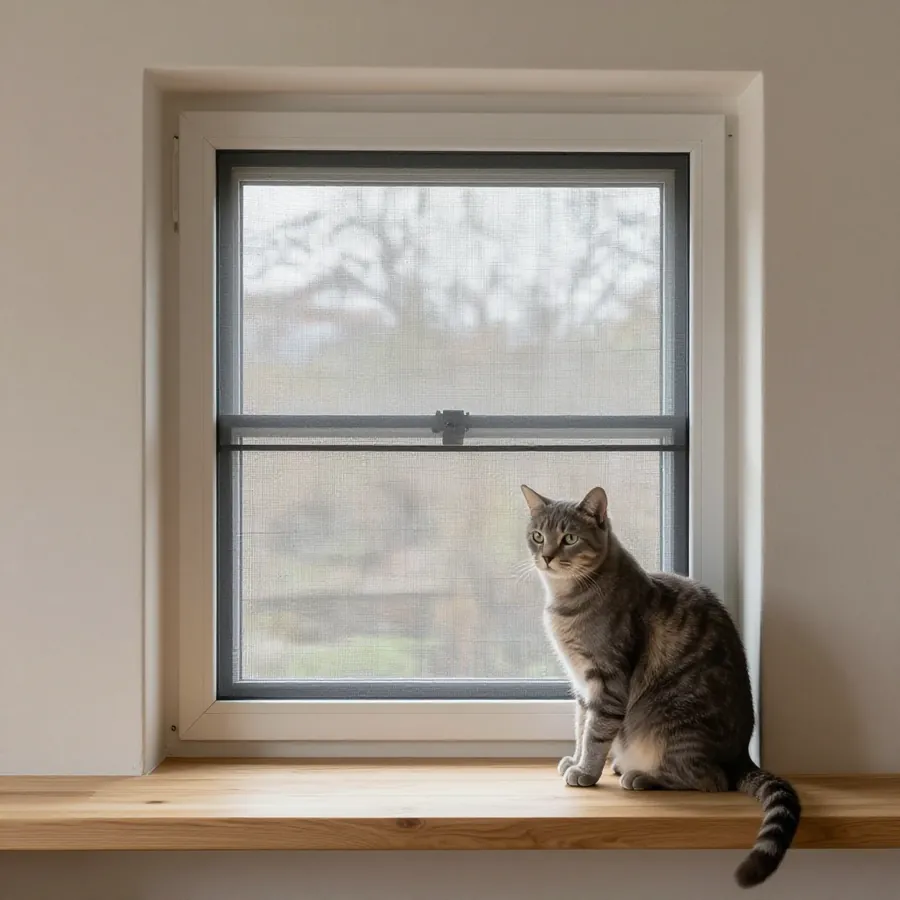
| Anti-Cat (Pet Screen) | Homes with a cat | Vinyl threads hold a small pet's weight |
| Anti-Pollen (Poll-Tex) | Allergy season | 0.25×1 mm cell |
| Anti-Dust | Dusty streets | Fine weave traps fine particles |
| Standard (Fiberglass) | Everyday use | Resists fire and temperature swings |
Painting the frame to match your windows
We paint the frame any colour to match your windows, so the unit reads as part of the window rather than an add-on. The coating goes onto both the Economy 32×10 mm and the Prestige 42×17 mm profile, and it holds on aluminium, plastic and timber frames alike. On a light facade a white frame against dark glazing is the first thing the eye catches from the street, which is why colour matching earns its keep on bright exteriors more than on dark ones. Pick the shade from the window profile, not from the wall — the screen sits against the frame, and a near-match there disappears faster than an exact match to the render.
Measuring, making and fitting your pleated screen
The path from a first call to a finished screen on your window is short and predictable. Below we walk through the measuring visit, the production window, the profile choice and the way payment works.
From free measuring to a screen made to size
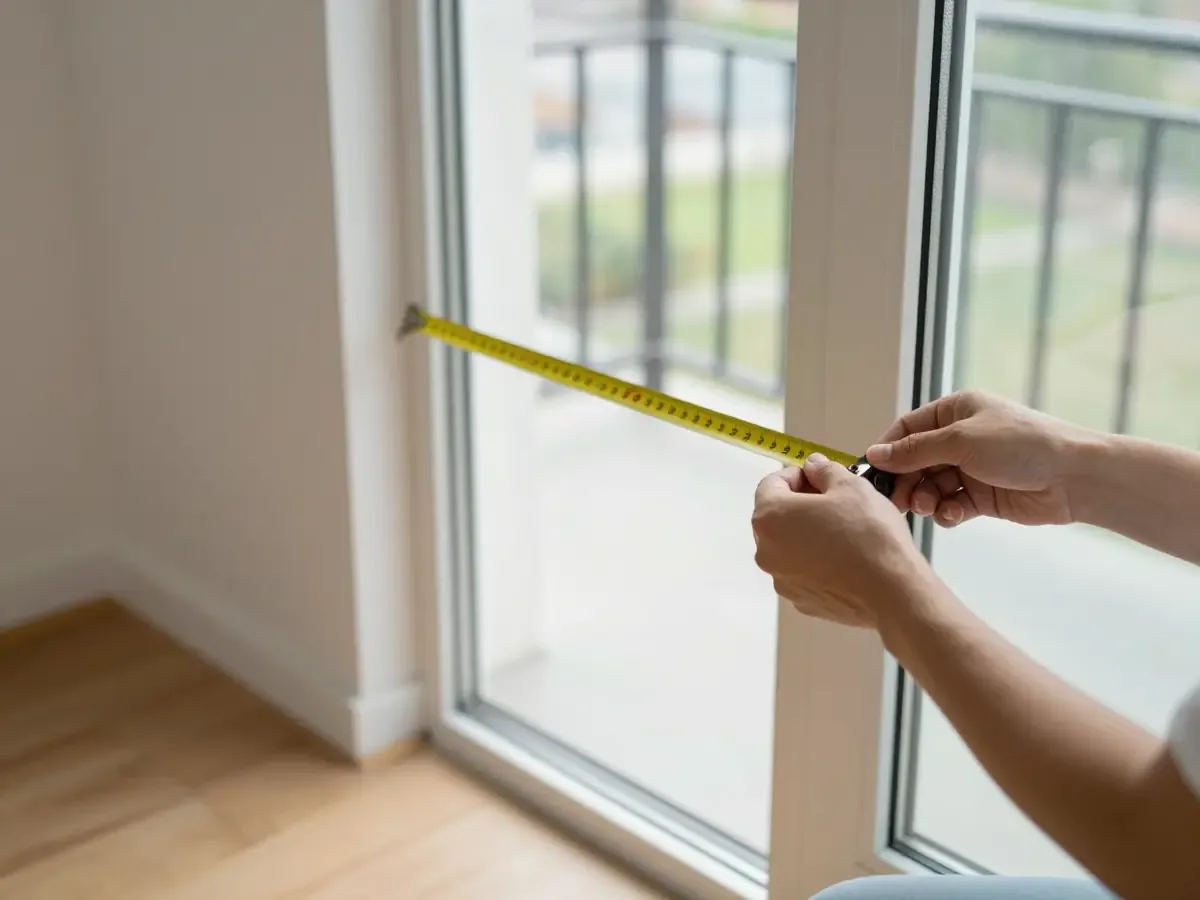
Measuring and consultation are free, the measurer comes at a time that suits you, and a screen built to your size takes 40 to 60 minutes to produce. During the visit the measurer records the opening, checks how the frame sits and helps you settle on the mesh and the fixings before anything is cut. A framed model for a standard window is quicker still, at 10 to 15 minutes, so a single visit can cover several openings. Getting the size right at the measuring stage is what keeps the folds running smoothly, so the measurer checks the opening before any mesh is cut. Ask for the measurement of every window you plan to cover in one visit — a second trip for one forgotten opening costs you another appointment slot.
Economy or Prestige profile and paying after fitting
Hinged door screens come with an Economy 32×10 mm or a Prestige 42×17 mm profile, and you pay after installation by cash, card or Kaspi. The lighter Economy frame suits a balcony door or an interior opening that is opened a few times a day. The heavier Prestige profile is worth choosing on a door that gets constant traffic, because a sturdier frame takes the daily push and pull better. Both profiles can be painted any colour to match your windows, and the measurer brings the samples so you compare them against the frame in daylight. The price is fixed in the order after measuring, so the figure you agree on the day is the figure you settle once the screen is up and working.
Winter, cleaning and repairs for the folding mechanism
Folding screens handle cold well — what stalls them is usually grit in the guides. Here is how the folds behave in frost, how to keep the runners clean, and what to do when a mesh tears.
Keeping the folds running through a Kokshetau winter
A folding unit stays on through winter, but the guides need clearing of ice and grit so the folds keep sliding instead of jamming. The mesh tolerates hard frost without cracking, and the frame does not warp from cold alone. What stalls the panel at −30 is debris frozen into the runner: sand, street salt, fine snow packed by the wind. Brush the channels out before the first hard frost and again after any storm, then work the panel open and closed a few times so the folds settle evenly. On a hinged door model the lower runner collects the most grit, since it sits closest to the drift. Winter trouble comes from debris packed into that channel, not from the cold itself, so a quick brush-out before the first hard frost prevents most sticking.
Repairing a torn mesh or a sticking mechanism
We repair mosquito screens and replace fixings, and a torn mesh is usually swapped for a new panel rather than the whole frame being rebuilt. A small hole or a split along a fold is a mesh job; the frame, the runners and the hinge stay in place. Sticking is a different matter — the fabric drags, catches halfway or will not fold flat, and the cause is nearly always mechanical. A worn fixing, a bent runner or a hinge that has lost tension all show up as the same symptom, so the repair starts at the moving parts before any fabric is replaced. A made-to-measure unit takes 40–60 minutes to produce, and our products carry a 1-year warranty.
What to know before ordering pleated mosquito screens
A pleated screen rewards a little planning before the order and a little care afterwards. Here is what is worth weighing before you commit to a size, a fabric and a fixing.
- Opening first: a pleated screen folds to the side, so it suits wide balcony and entrance openings where a swinging panel would get in the way.
- Fabric second: pick the mesh by what you need to keep out, whether that is a pet, pollen or street dust, not by colour alone.
- Fixing third: the bracket is chosen for the window profile and the floor, and on upper floors it carries more of the load than the cloth does.
- Cold-season care: clear the guides ahead of the frost so the folds keep sliding, and treat a sticking mechanism as a worn part rather than a lost cause.
- Repairs: a torn panel is normally swapped section by section, so the frame itself rarely needs rebuilding.
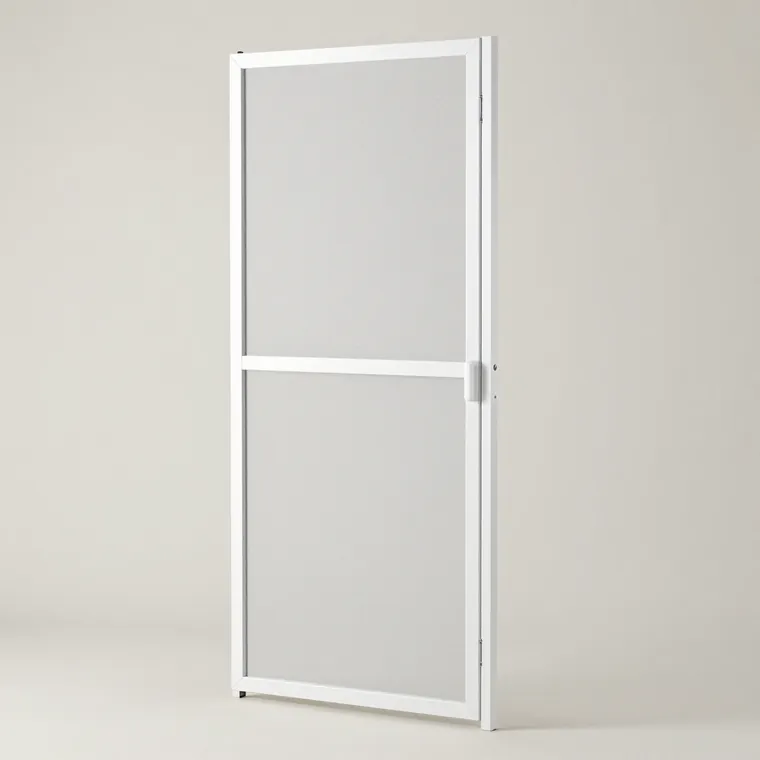 Door mosquito screens
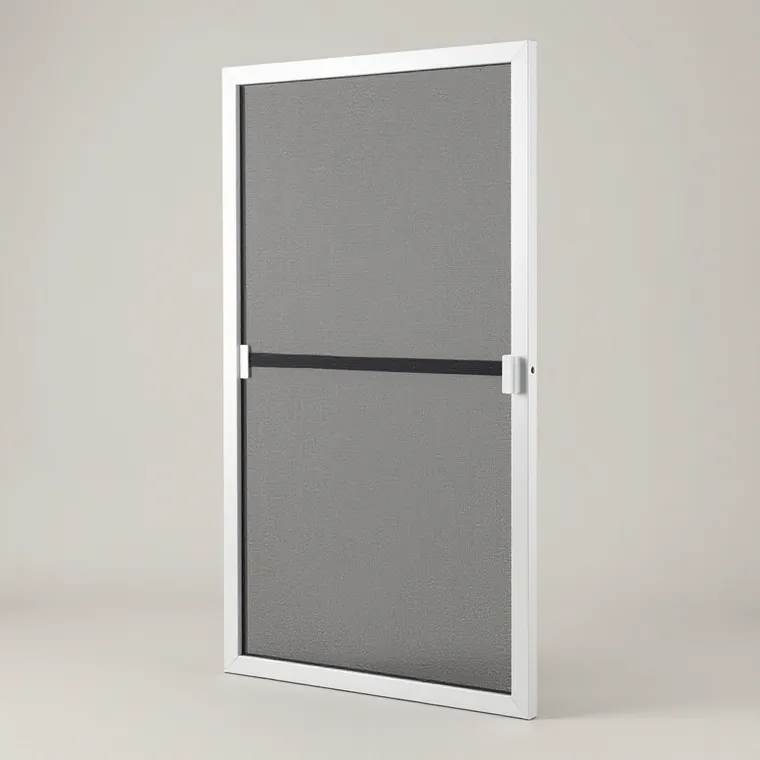 Framed mosquito screens
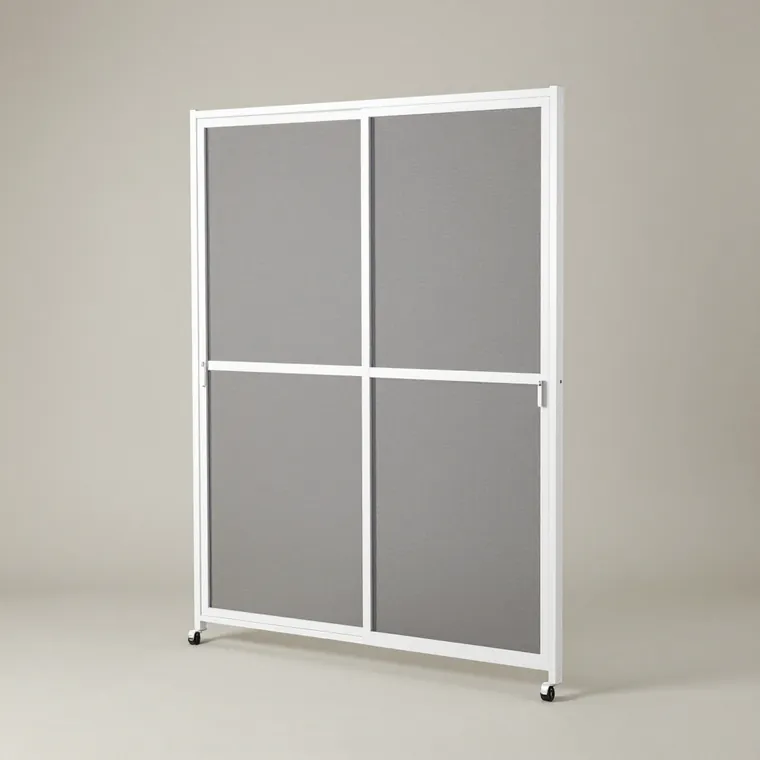 Sliding mosquito screens
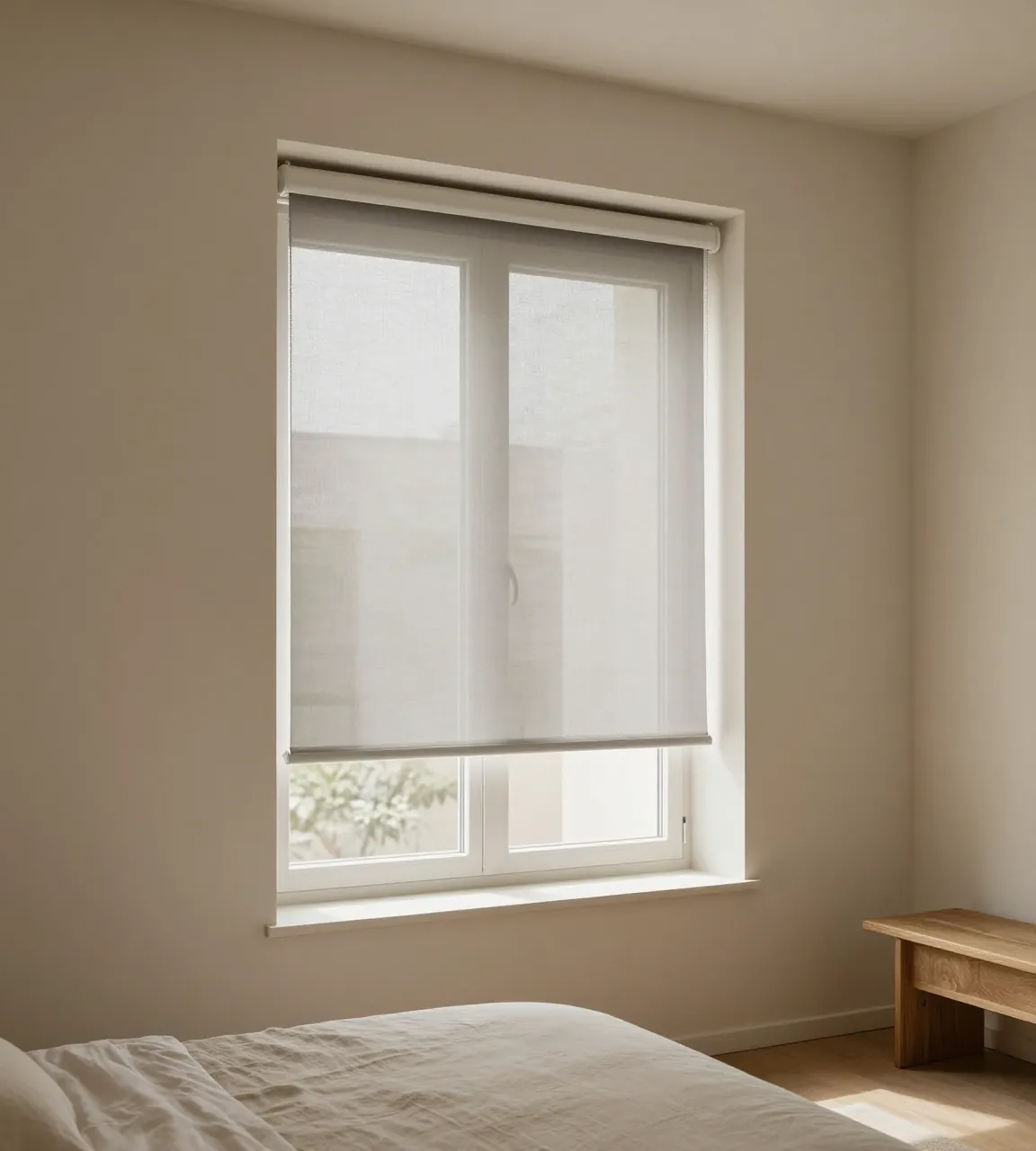 Roller mosquito screens
 Ready-made mosquito screens