
Kindergarten · all groups
For kindergartens
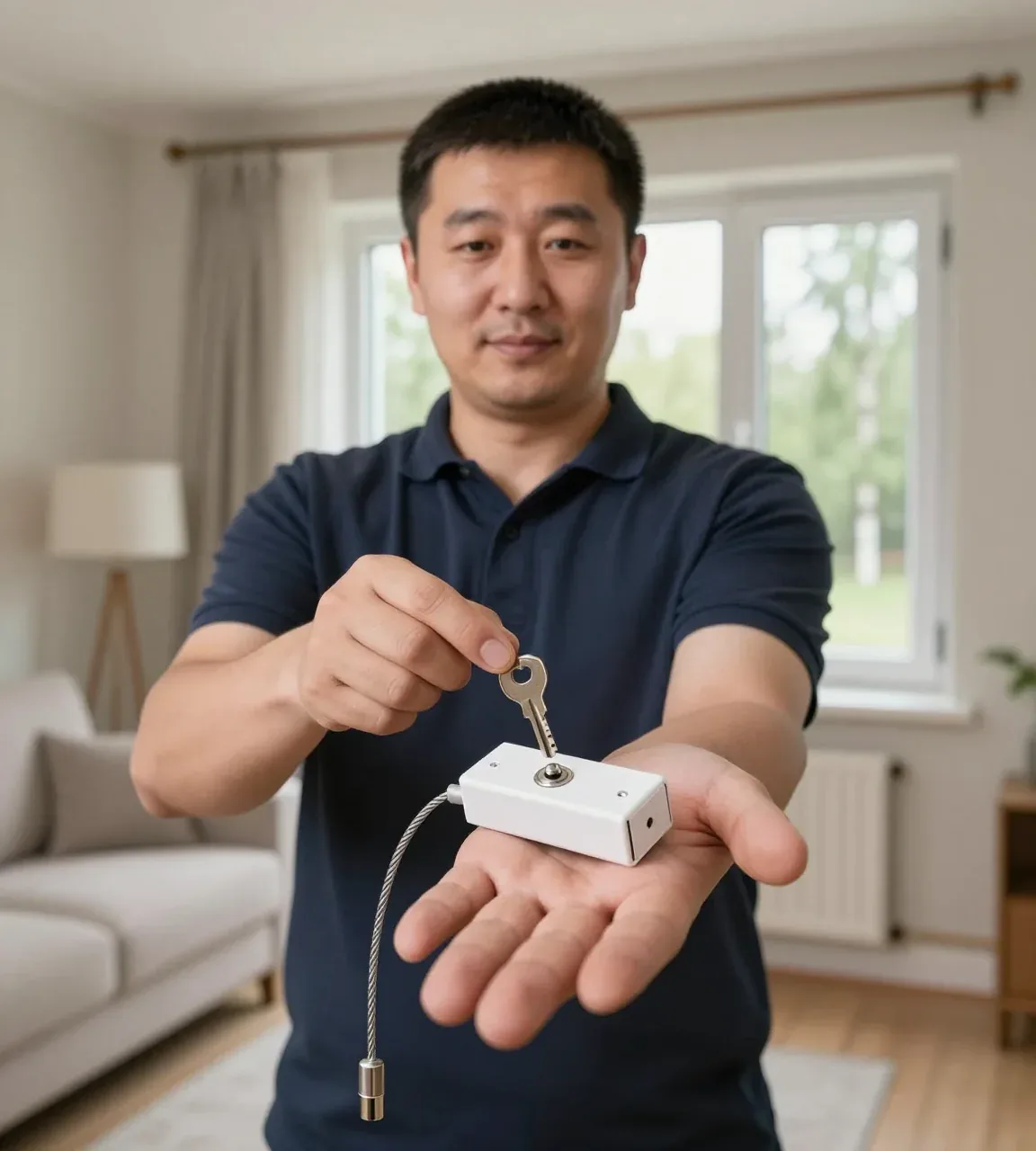
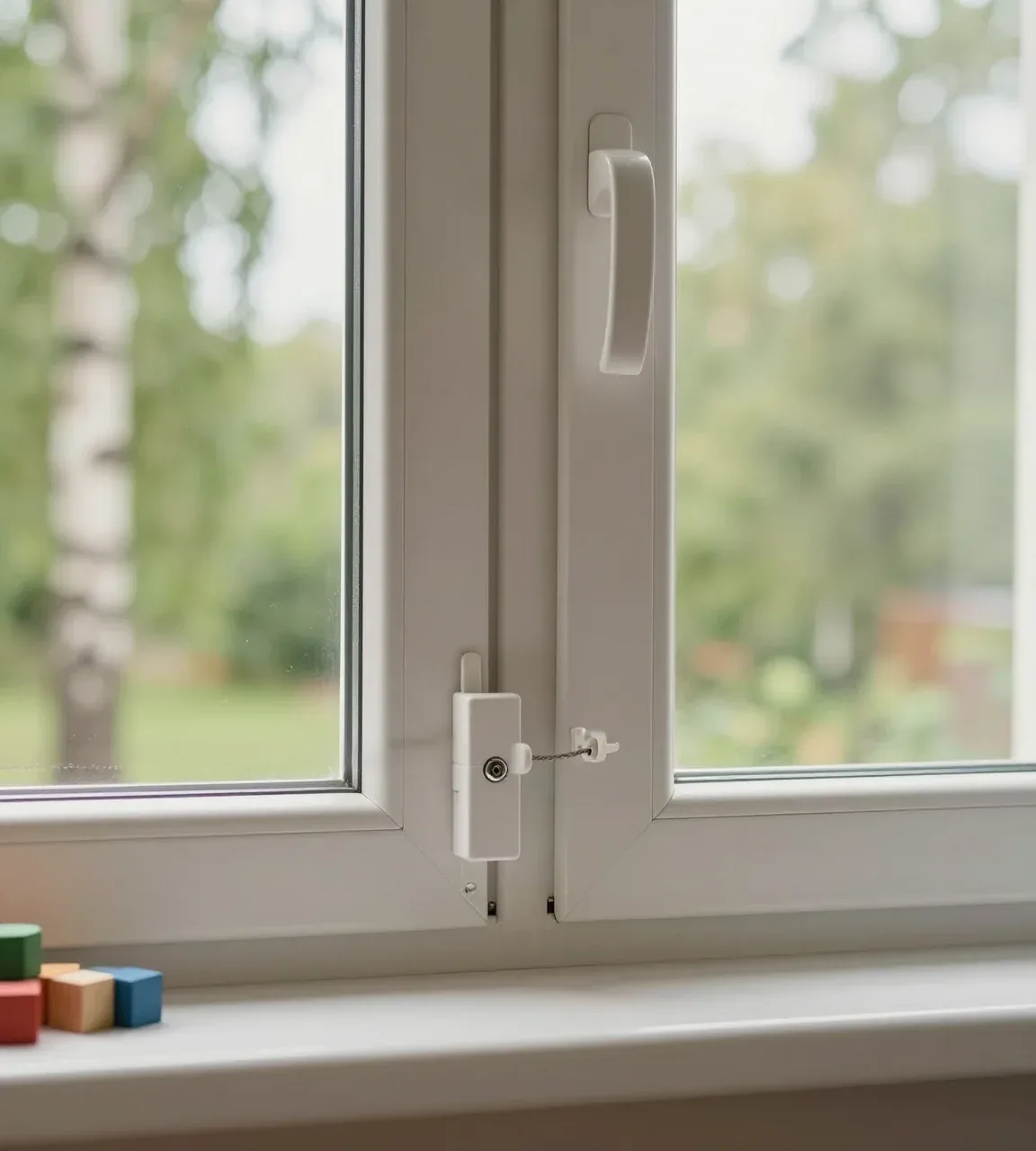
Cable limiters with lock on each sash, keys held by staff. From 2 500 ₸ per item.
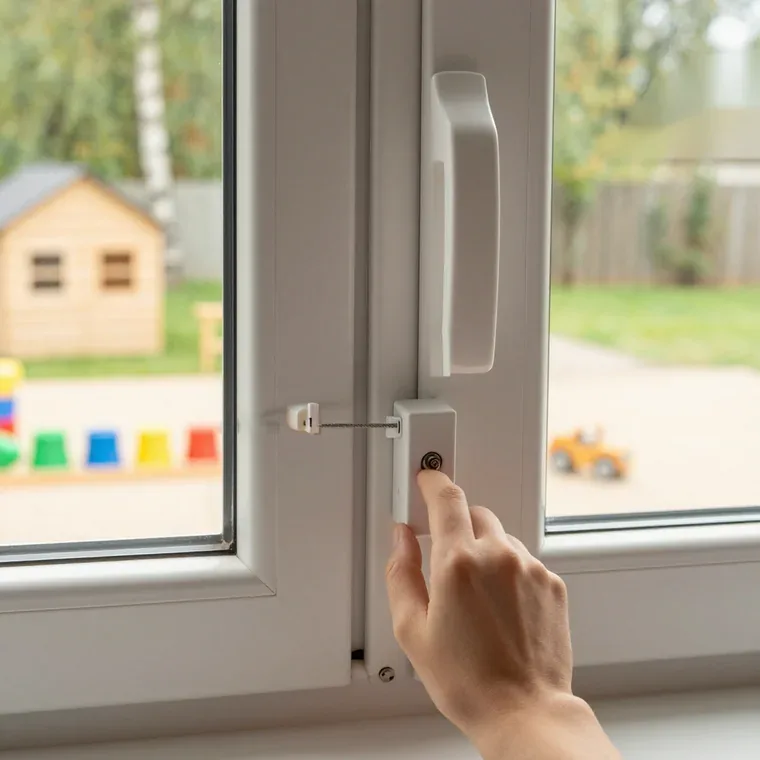

For kindergartens
Cable limiters with lock on each sash, keys held by staff. From 2 500 ₸ per item.
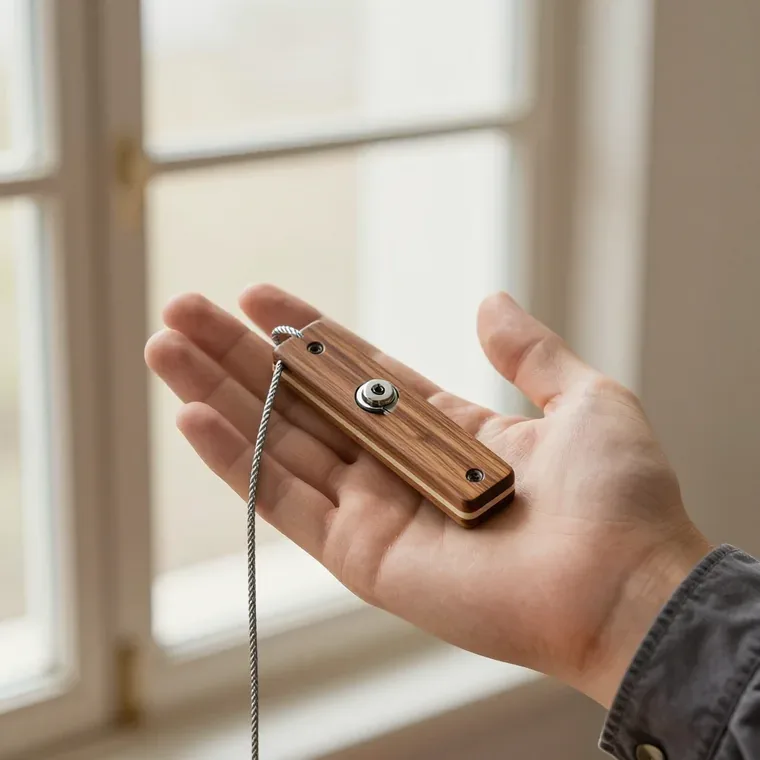
Wood-colored
Fixings for wood and color to match the frame, protection almost invisible. Product — from 2 000 ₸ per item.
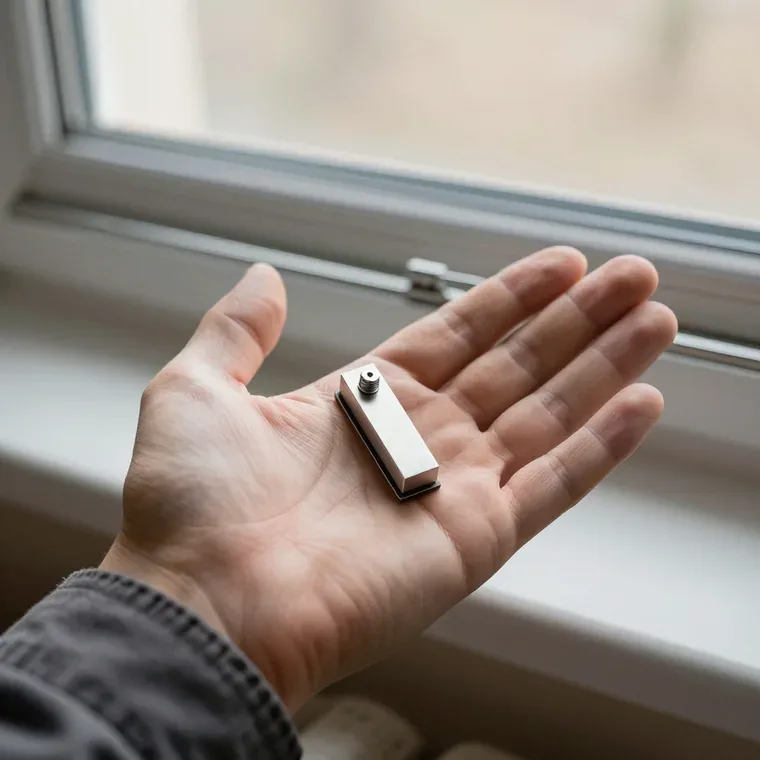
Stop
Installed in the guide and prevents the sash from sliding further. From 4 000 ₸ per item.
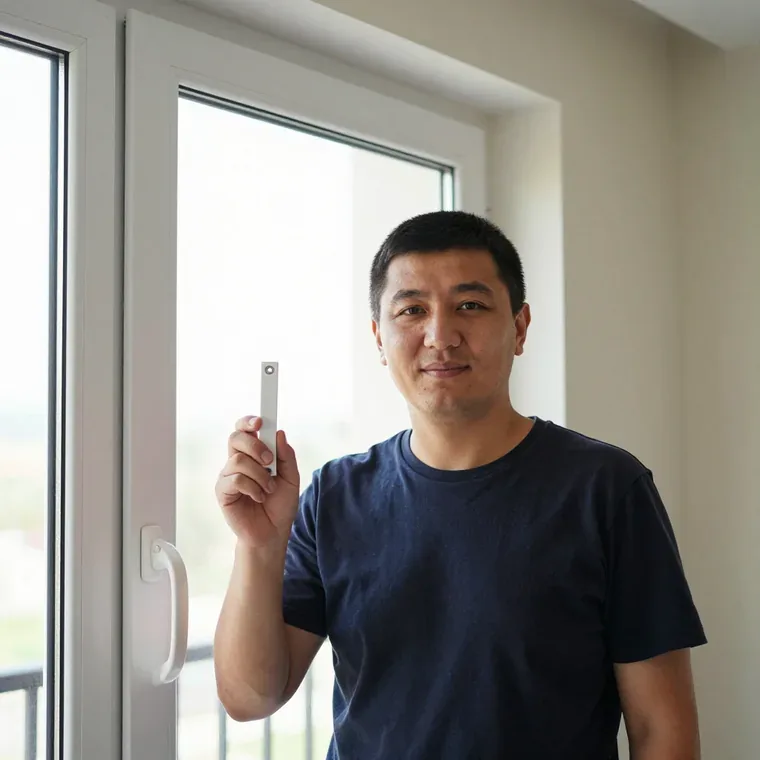
Door lock
Holds the balcony door in place, it doesn't hit the wall or reveal. From 1 200 ₸ per item.
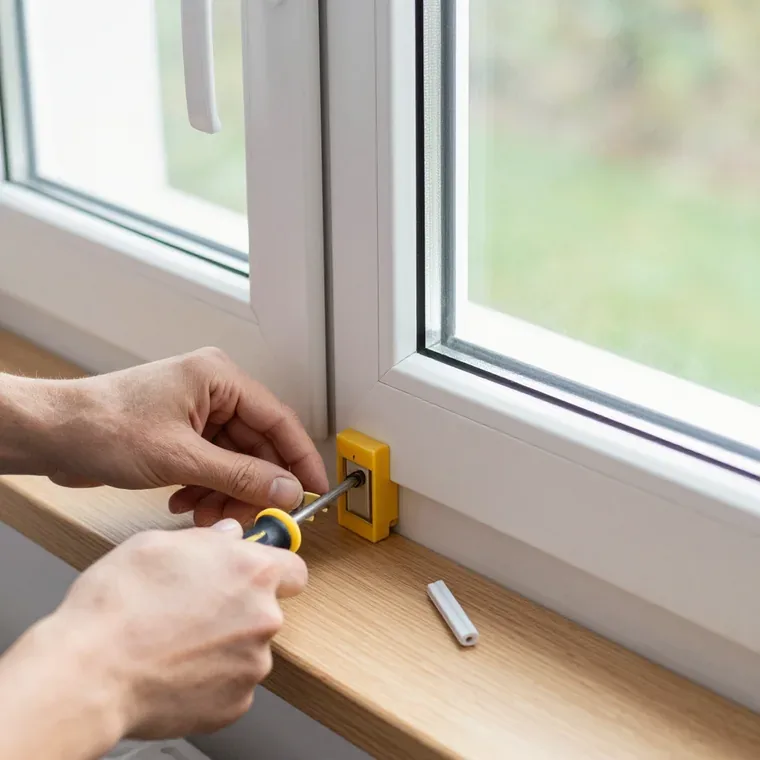
Replacement
We replace broken limiters with new ones, selecting a model for your profile. From 1 200 ₸ per item.



5,097 reviews on review sites
Small parts that let air in and prevent the window from opening wide
The limiter is attached to the frame and sash and stops it at a narrow gap. In Kokshetau there are many private houses and kindergartens with wooden windows; for them there are models with different fixings and in wood color.
For sliding aluminum frames, stops are installed in the guide; for balcony doors — locks. An adult removes the protection: with a button, flag or key.
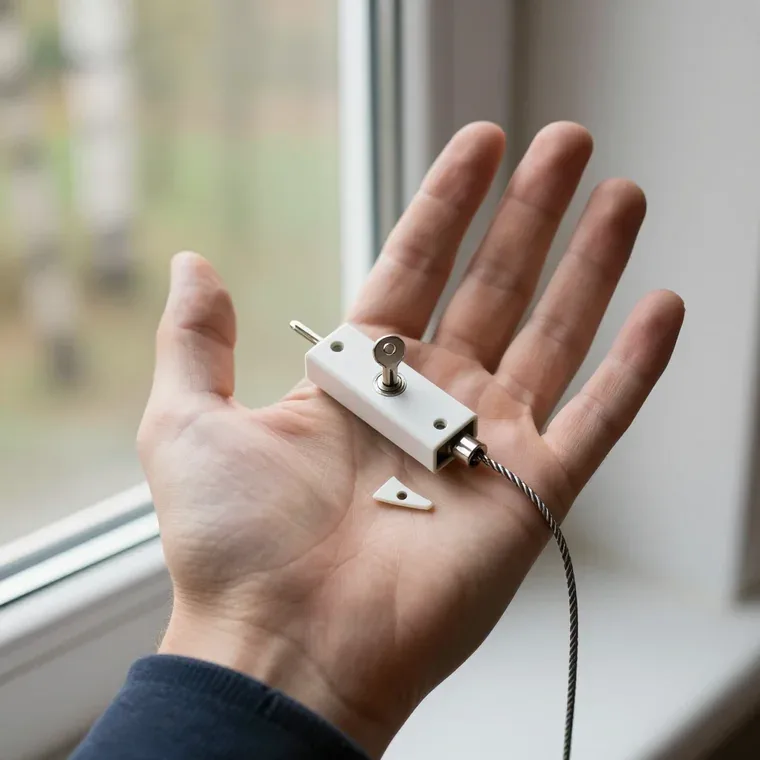
simple model with installation
measuring and selection of fixings
payment when everything is checked
Four situations that we hear about most often
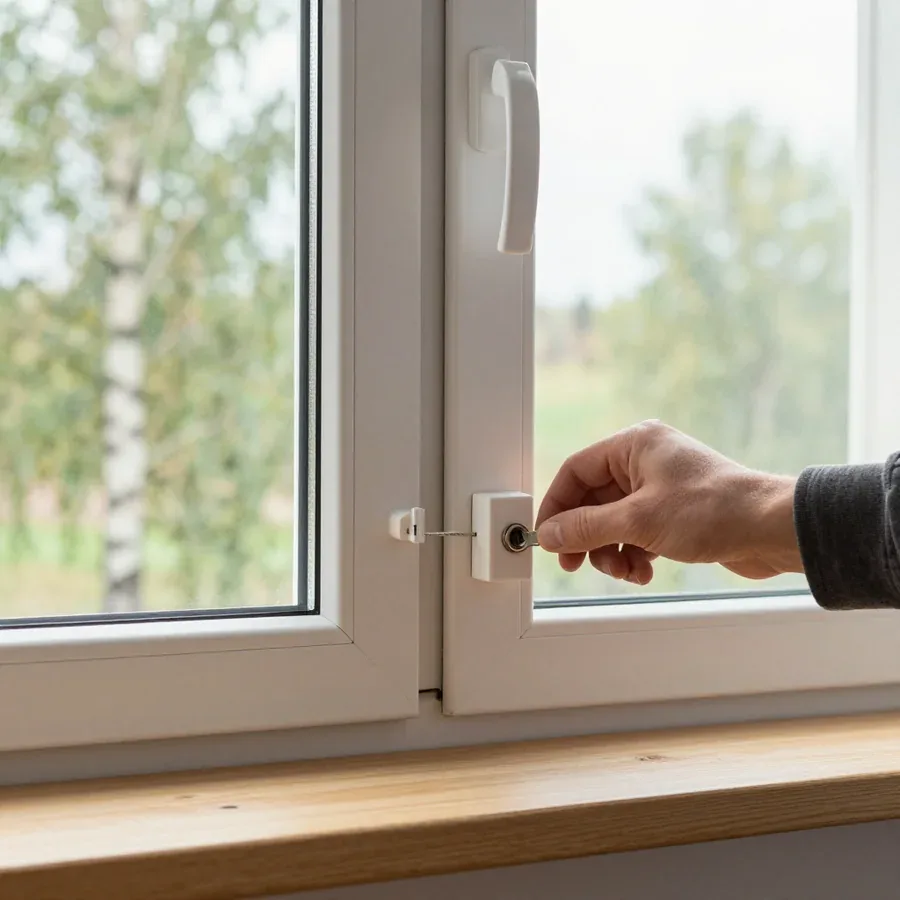
A toddler stands on the windowsill and turns the handle. The limiter leaves only a gap for air.
You want to ventilate without the risk of swinging open. The comb holds the sash in the chosen position.
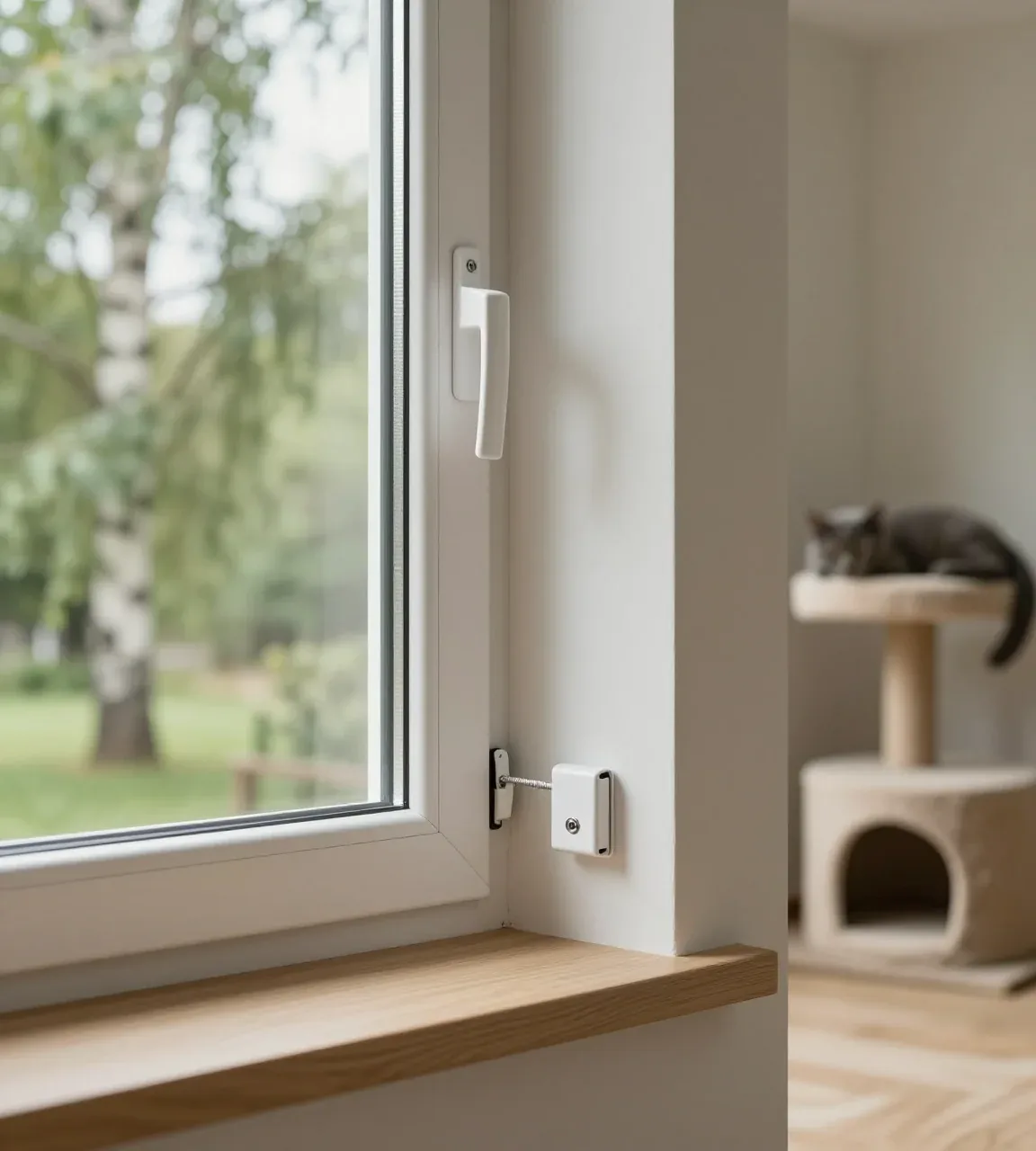
A pet might jump into an open window. A narrow gap with a limiter prevents this.
In kindergarten and school, windows are opened only by staff; a cable with lock is suitable for this.
Price per sash; we will give the total for a kindergarten, office or apartment after measuring
| Type of item | Price |
|---|---|
| Comb limiter with installationbar with fitting | from 1 050₸ per item |
| Installation of opening limiterplastic or wood | from 2 150₸ per item |
| Cable limiter with lockfor kindergartens and schools | from 2 500₸ per item |
| Opening limiter (product)white or wood color | from 2 000₸ per item |
| Limiter replacementbroken to new | from 1 200₸ per item |
| Penkid lock with cablecable and button with key | from 2 150₸ per item |
| Blocker for sliding windowsstop in the guide | from 4 000₸ per item |
| Sash blockerwindow or door lock | from 1 200₸ per item |
| Child window lock (surface-mounted, flag)flag | from 3 250₸ per item |
| Installation of blocker or child lockwork and check | from 2 750₸ per item |
| Window handle with keywith lock | from 3 650₸ per item |
The price is fixed in the order after measuringMeasuring is freePayment after fitting: cash, card or Kaspi
Call a measurerWhat you get with every order
we work across Kazakhstan
on WhatsApp every day
we come and help you choose a model
the amount in the order does not change
fitting: cash, card, Kaspi
we work without days off
plastic, wood and aluminium
cities where you can order
The procedure for an apartment, kindergarten or office
Tell us how many windows and what the frames are made of: plastic, wood or aluminium. We will reply and suggest a time for measuring.
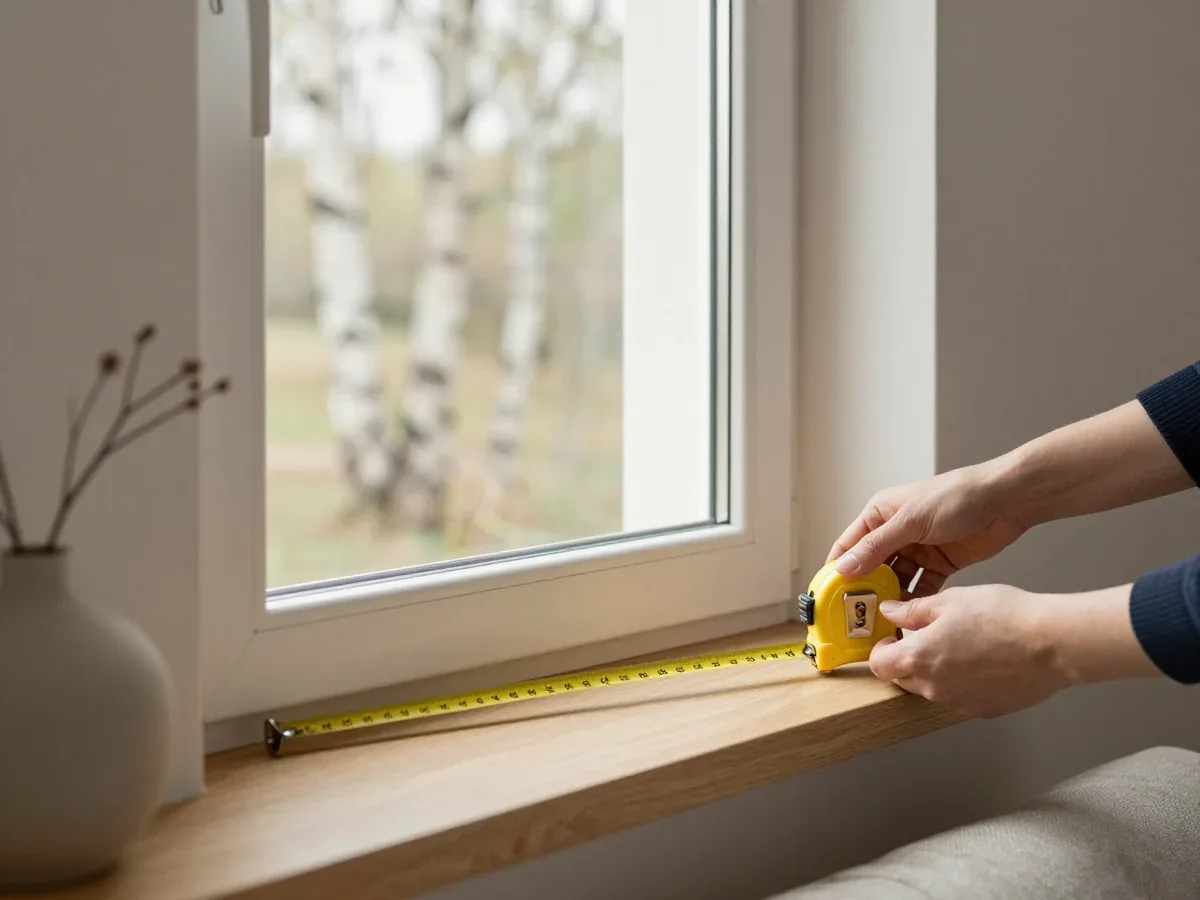
The measurer inspects each sash, shows the models and gives the amount that will go into the order.
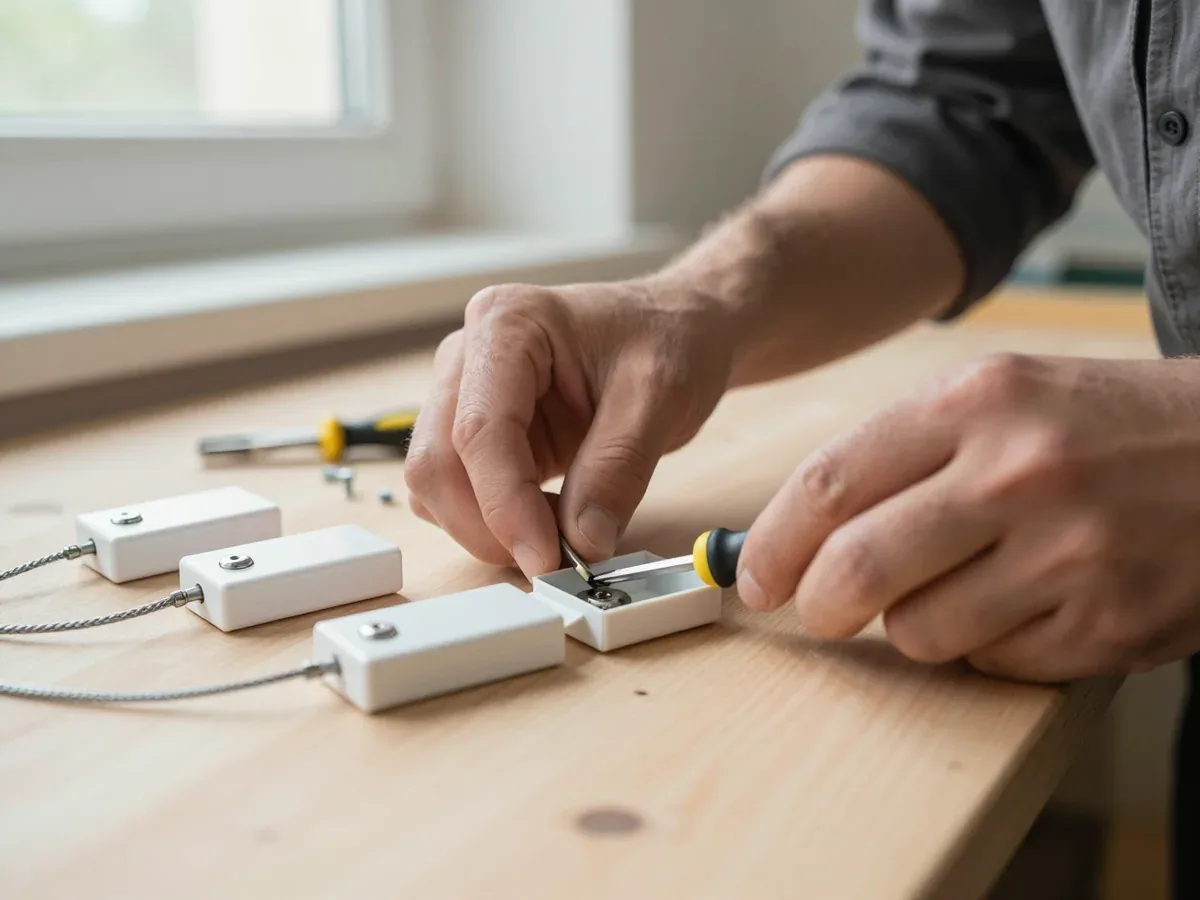
We install restrictors, stops and locks, and replace broken ones. We check that the window closes tightly.
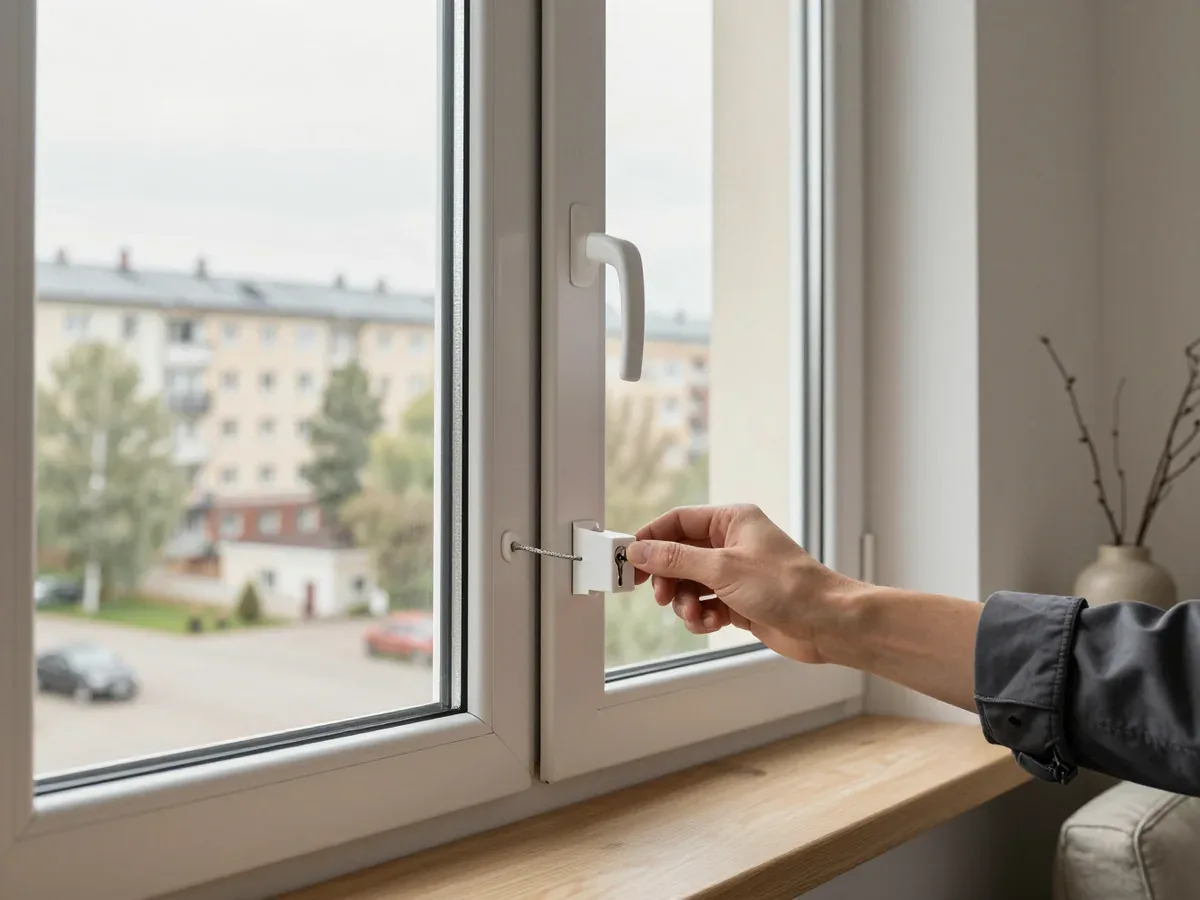
We show you how the protection works and hand over the keys. You pay after checking.
Good to know

Senior mosquito screen specialist at moskitnyesetki.kz
We supply and fit window restrictors in Kokshetau on windows that are already in use, with our own installers rather than subcontractors. A free measure comes first, the fitter picks the fastening for your profile and floor, and you pay only after installation. We work seven days a week.
Buyers often call every window device a "lock", yet these are different products with different jobs. Below we separate them by what each one actually stops, so you can pick the right fitting for your window.
A restrictor caps how far the leaf can open, usually leaving a controlled gap for ventilation while stopping a full swing. The fitting mounts on the frame and the sash and holds the opening at a fixed angle — often a safe tilt position or a micro-ventilation mode — without locking the handle itself, so an adult can still close the unit normally. Because the leaf never travels past the set point, a child leaning on the glass meets resistance instead of an open drop. On tilt-and-turn sashes the device works together with the existing hardware rather than replacing it. The gap matters more than the mechanism: a fitting set too wide gives ventilation but no real fall protection, so the opening width is the number to agree on at the measure.
| Device | What it stops | Best for |
|---|---|---|
| Opening restrictor | Full swing of the sash | Ventilation with a fixed gap |
| Handle blocker with key | Handle turning at all | Rooms where adults control access |
| Comb restrictor | Sash at set positions | Simple tilt windows |
| Cable restrictor | Sash travel on a tether | Larger or heavier sashes |
| Window grille | Falling out entirely | Windows that cannot be modified |
Choosing window restrictors in Kokshetau comes down to three things: the profile, the floor the opening sits on, and the type of sash or leaf. Each one changes both the device and the way it is fixed.
Our measurer picks the fastening to suit your profile and floor, choosing between Z-shaped brackets, pins (plungers) or magnets rather than one universal fixing for every opening. A plastic window usually takes a Z-bracket or pins, while an aluminium frame needs a bracket matched to its profile so the metal is not stressed at the screw line. The storey matters just as much: a heavier leaf on an upper floor loads the fixing point harder, and a restrictor that holds fine at ground level can work loose higher up. Magnets suit light sashes where drilling is unwanted. In our practice the same restrictor model often ends up on a different bracket upstairs than downstairs — the device is identical, the mount is not.
| Where it goes | Typical fixing | Load to expect | Note |
|---|---|---|---|
| Plastic window sash | Z-bracket or pins | Light | Most common case |
| Wooden window | Pins or magnets | Light to medium | Frame checked first |
| Aluminium window | Profile-matched bracket | Medium | Needs the right bracket |
| Fortochka | Small bracket | Light | Short travel |
| Balcony door | Reinforced fixing | Heavy | Separate device from windows |
A restrictor goes onto the opening you already have, with no frame replacement and no work on the glass unit. Below is how the measure, the fitting and the payment run in practice.
Measuring and consultation are free, and the measurer comes at a time that suits you, takes the sizes and helps choose the design, mesh and fixings. On site he reads the frame profile, the opening direction and the floor, then checks how far the moving part should travel before it stops. He also looks at the handle position, because a restrictor and a handle blocker sit in different spots on the casement. For balcony doors and fortochki the same appointment covers the hinge side and the sill clearance. We paint the screen frame any colour to match your glazing, so the sample is brought along. The measure is also where the opening width gets agreed, so it is worth deciding then how much ventilation you want rather than after the device is on.
Some fixings need the frame drilled and some, like magnets, do not, and the fitter confirms which your casement allows before starting. Z-shaped brackets and pins are the other two options, and each is matched to the profile and the floor rather than picked at random. A framed screen made to your size takes 10–15 minutes, so a single unit is usually done while you are at home. Our own installers carry the tools for plastic, wooden and aluminium frames, which means no second appointment for a different trade. A no-drill fixing is easier to reverse later, which matters if you rent or plan to change the unit, while a drilled fixing holds firmer on a heavy casement.
You pay after installation by cash, card or Kaspi, and the price is fixed in the order once measuring is done. We are open seven days a week, so a weekend slot is no different from a weekday one, and we reply on WhatsApp within 5 minutes if a question comes up between the measure and the fitting. If the flat has several openings, they can go into one booking rather than separate calls, and the fitter then works through them in a single route. Grouping several units into one appointment keeps the fixings consistent across the flat, which makes later replacement of a single part simpler.
The common worry is a child leaning on a half-open sash. Below we look at how a restrictor lowers that risk while still letting fresh air into the room.
A correctly set restrictor holds the leaf at a fixed gap, so a child leaning on it cannot push it open to full width. The device is mounted on the frame and the sash and stops travel at a preset angle, usually a narrow band that lets air through but keeps the opening too small for a body to pass. Pressure from a small hand or a shoulder meets the metal arm or cable, not an empty swing. A grille solves a different problem: it blocks the opening entirely, while a restrictor keeps a working vent. The device reduces the risk but does not replace supervision, and the safe gap should be checked again as a child grows and starts climbing.
Micro-ventilation gives airflow but does not stop the sash being opened fully, so a restrictor is still worth having where a child can reach the handle. In this mode the leaf sits a few millimetres ajar on the seals, and the handle stays in the closed position — a child who turns it can still swing it wide. A restrictor keeps the leaf on a short leash regardless of handle position, and a handle lock with key adds a second barrier on units within reach. On a tilt-and-turn sash the restrictor must match the tilt mode, otherwise the hardware fights the fitting and the arm bends. The two work best together — micro-ventilation for everyday air and the restrictor as the hard limit for when the handle is turned.
Once the fitting is done, the practical questions shift to upkeep: how the mechanism behaves through the cold months, what wears out first, and who to call when something loosens. We answer those below.
A restrictor needs little care beyond keeping the moving part free of dust, and it does not have to come off for winter the way a framed mosquito screen does. A framed screen lifts out from inside in a minute and is best taken down for the cold months, but the sash limiter stays on and keeps working through them. Wipe the arm and the anchor points with a damp cloth a few times a year, and clear grit from the slot so the sash still travels smoothly. In our practice, most sticking comes from a dirty track rather than a failed mechanism, and a quick wipe usually restores full movement. If the unit ever stops holding the leaf at the set gap, we repair fastenings and swap them out at wear.
We repair screens and replace fastenings, and our mosquito screens carry a one-year warranty, with the exact terms for a restrictor confirmed when you order. Swapping a worn fastening early costs less than waiting for the fixing to work loose, so a quick check during the seasonal clean is worth the effort. When a component fails, we replace the anchor and the arm rather than the whole assembly, which keeps the job small and the sash in service. Questions about a specific fitting reach us on WhatsApp, and we reply within five minutes on working days — send a photo of the part and the profile, and we can tell you whether it needs a swap or just a tighten.
Five points sum up the whole job: what the device does, how it is matched to the sash, how fitting works, and what to watch afterwards.
Installation, compatibility, repair, safety
Konstantin Selenenkovsenior mosquito screen specialist, 10 years in the tradeOnline · replies within 5 minutes
Ask a questionYes, a restrictor is usually attached to the already installed sash and frame without touching the mechanism. The measurer checks the profile and selects the fixing so that nothing in the hardware has to be changed.
The mechanism itself is often universal, but the fixing is selected for the specific profile and sash. That is why windows from different manufacturers may need different brackets or a different fixing method, and this is confirmed during measuring.
For a balcony door, choose a restrictor that prevents the sash from swinging wide open but still allows ventilation. If a child can reach the handle, it makes sense to add a key-lockable handle blocker.
Signs to check the mechanism are sash play, unusual creaking, the sash opening by itself, or a fixing that has started to wobble. In such cases, it is best to call a technician: they will assess the condition of the fixings and replace the restrictor if needed.
Window restrictors in Kokshetau are installed by our craftsmen: measuring and consultation are free, the measurer comes at a convenient time and selects the fixing for the profile. We work seven days a week.
Yes, most restrictors keep the sash slightly open for ventilation but prevent it from opening wide. The exact angle depends on the model and adjustment, and this is checked during installation.
Thank you. We will call you back within 10 minutes!
Your order number is on the receipt or in the SMS. Choose where to leave your review.
Write a review on WhatsApp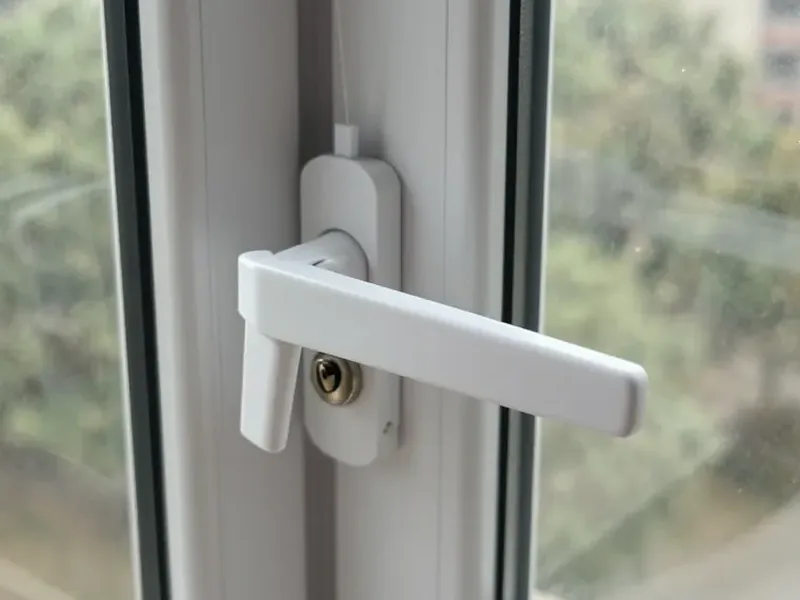 Child safety
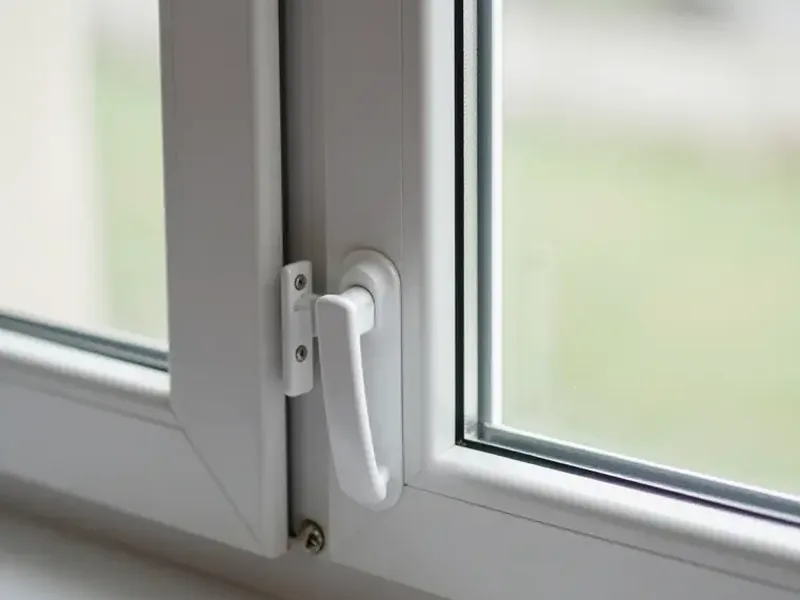 Penkid lock
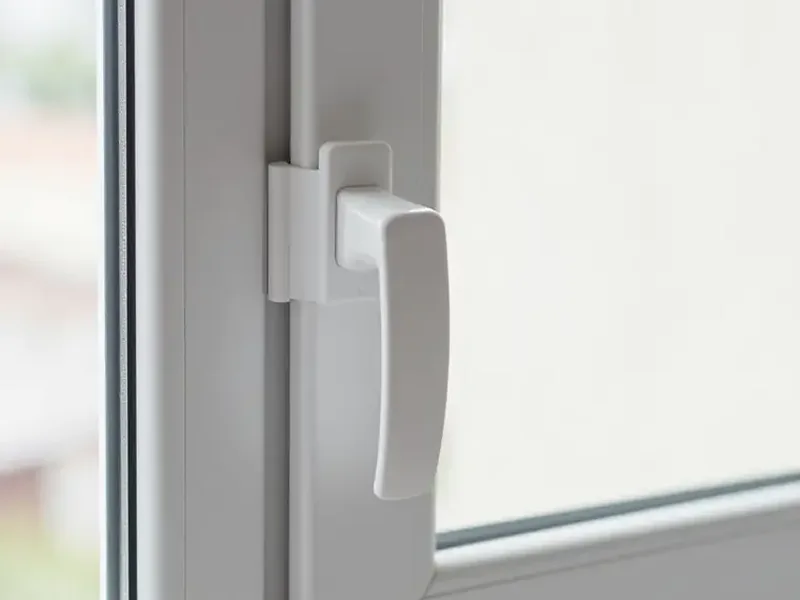 Blockers
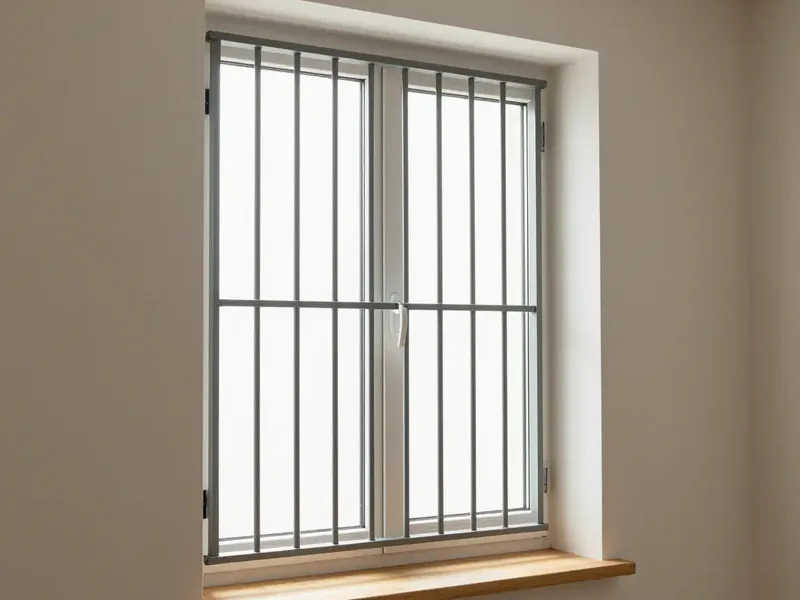 Window grilles
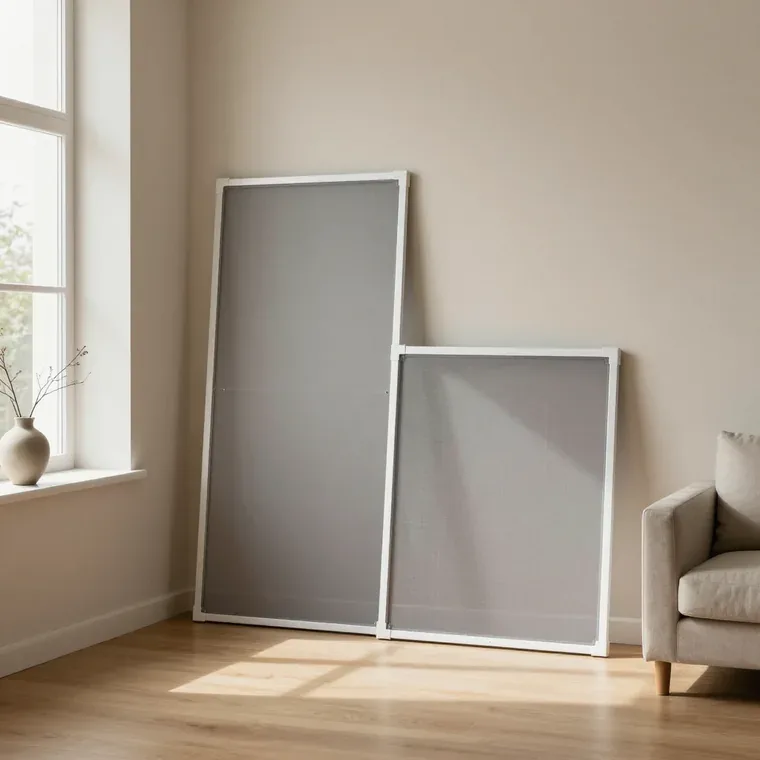 Ready-made screens
