
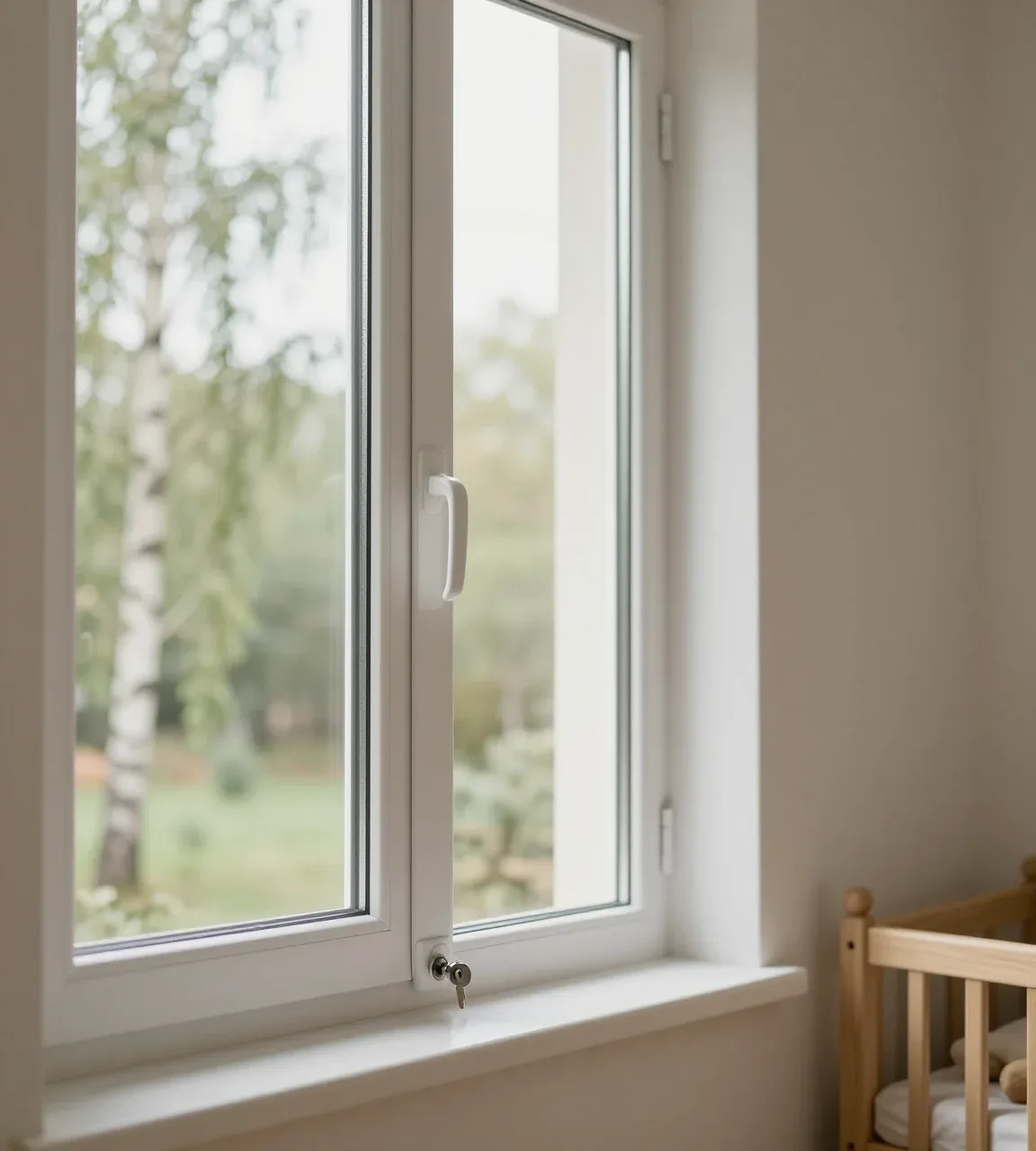
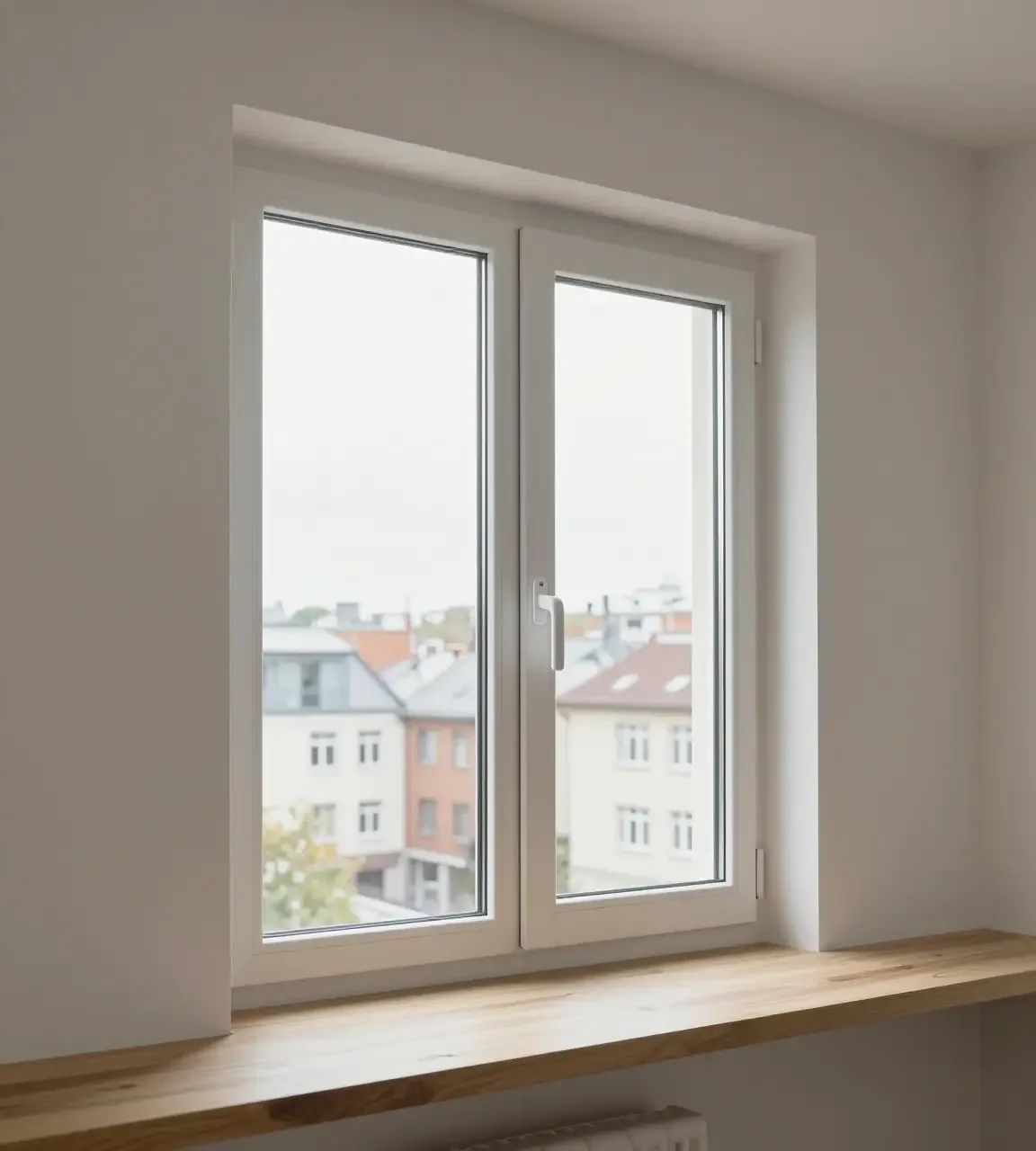
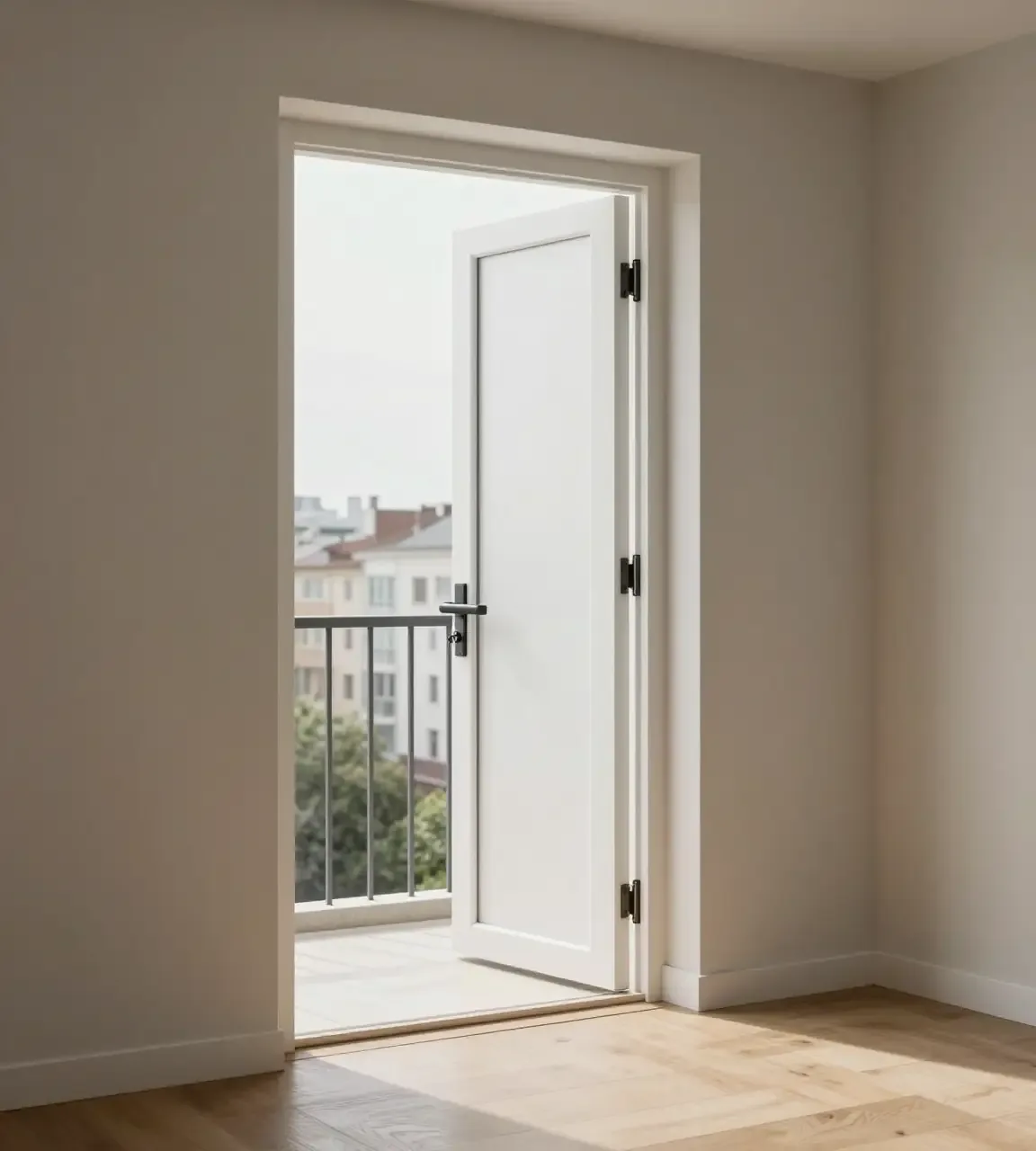
Key handle · sash
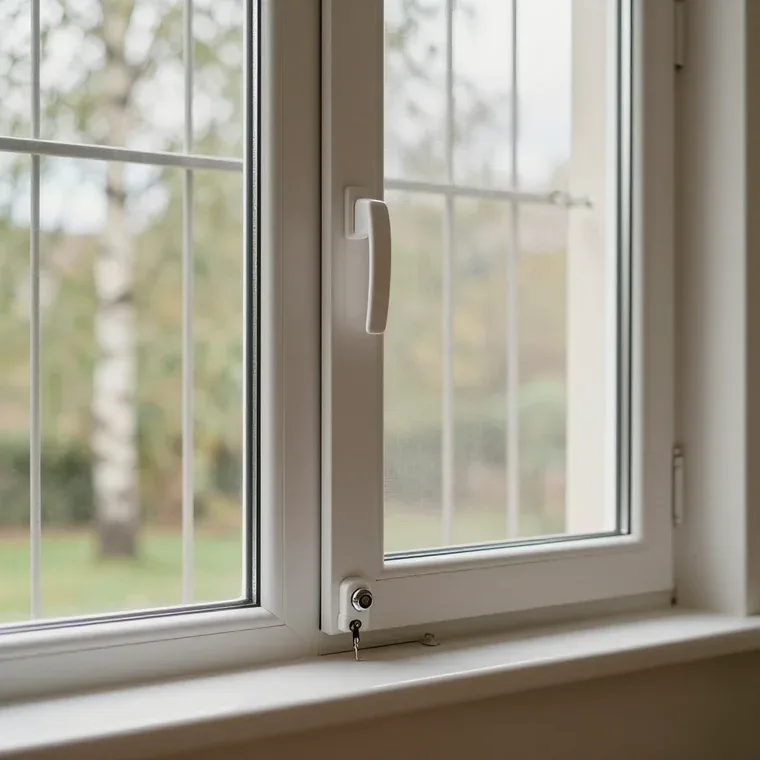
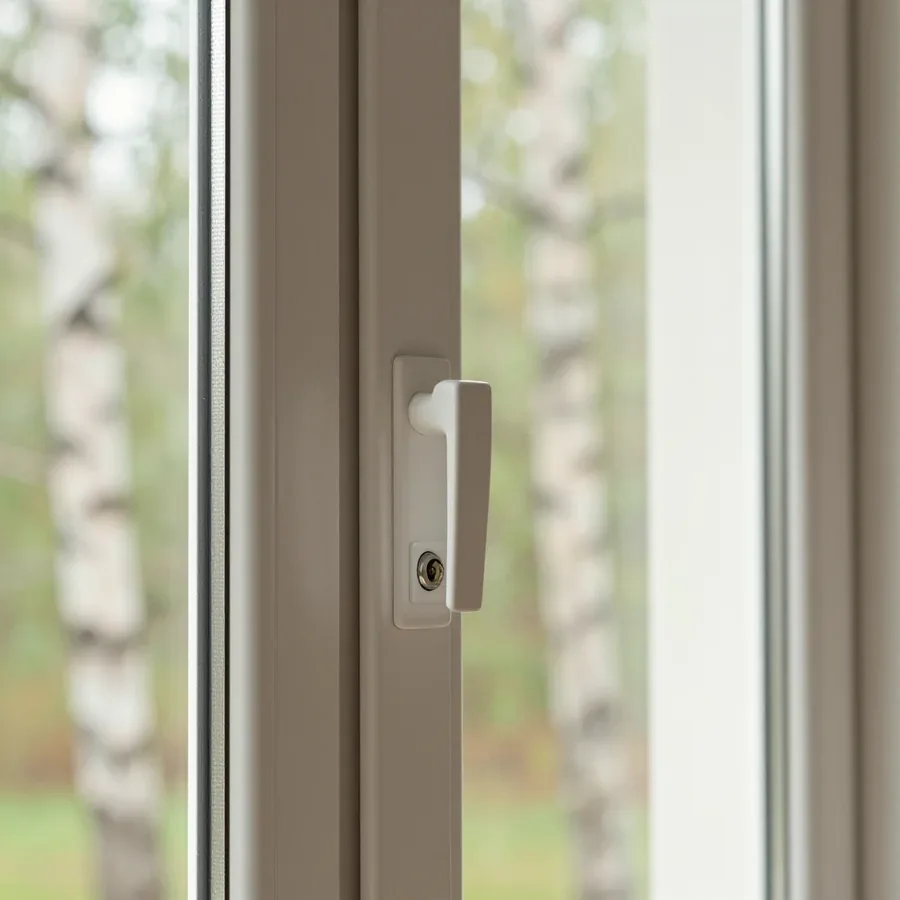
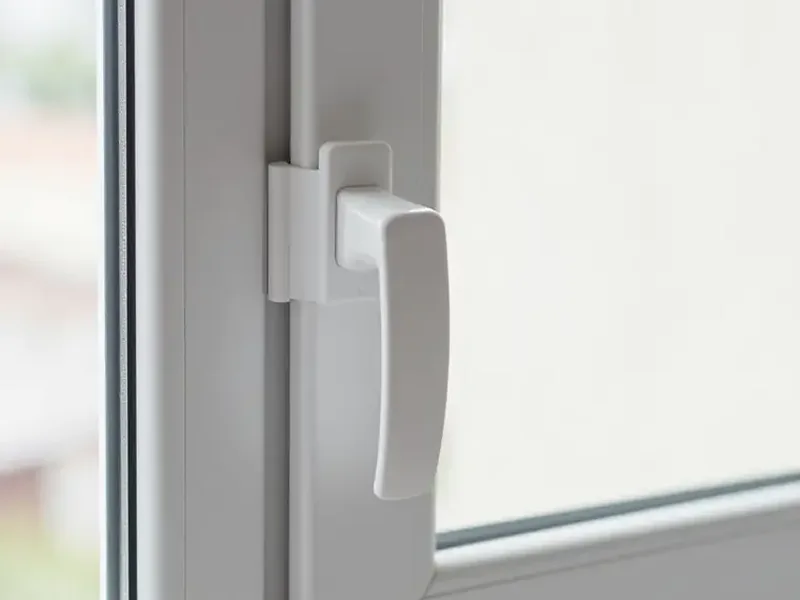
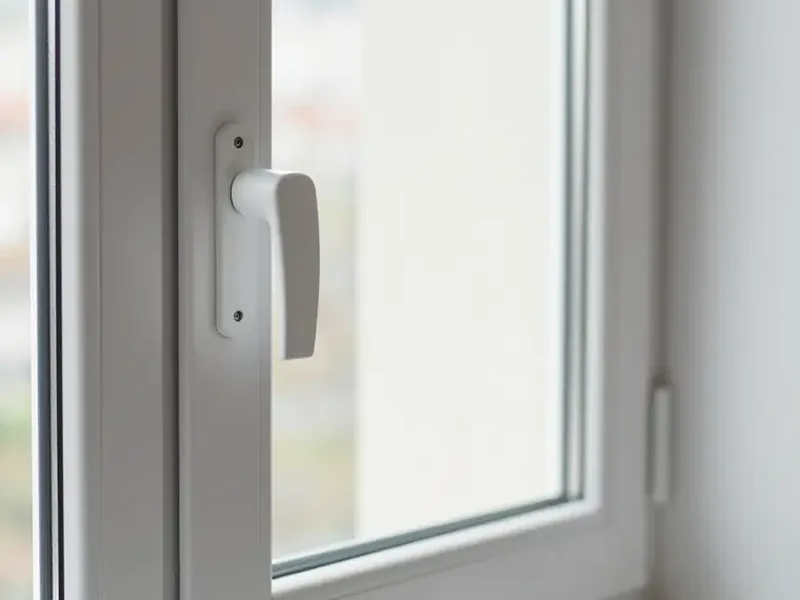
Key handle
A child cannot open the sash without a key. Price from 3,650 ₸ per pc, installed.


Key handle
A child cannot open the sash without a key. Price from 3,650 ₸ per pc, installed.
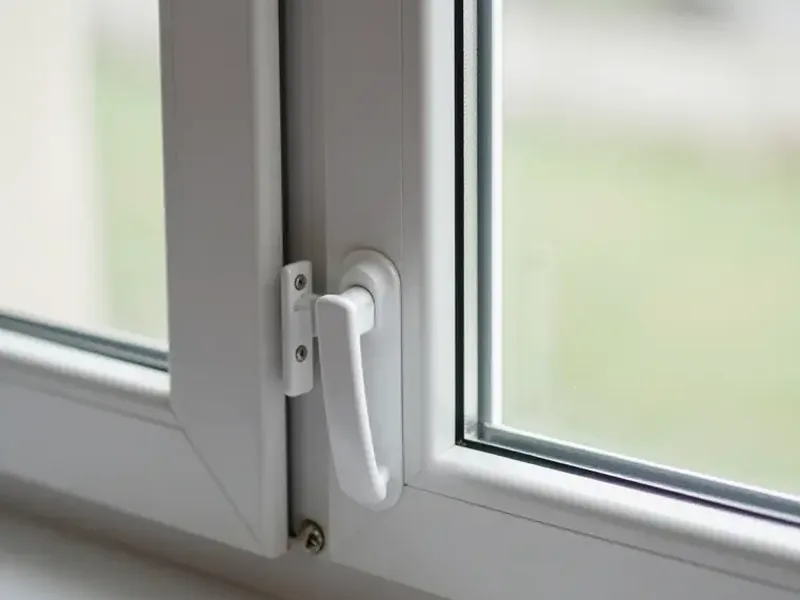
Sash lock
Stops the window from opening wider than the set gap. Price from 1,200 ₸ per pc, installed.

Ventilation-latch restrictor
Holds the sash in several positions for ventilation. Price from 1,050 ₸ per pc, installed.
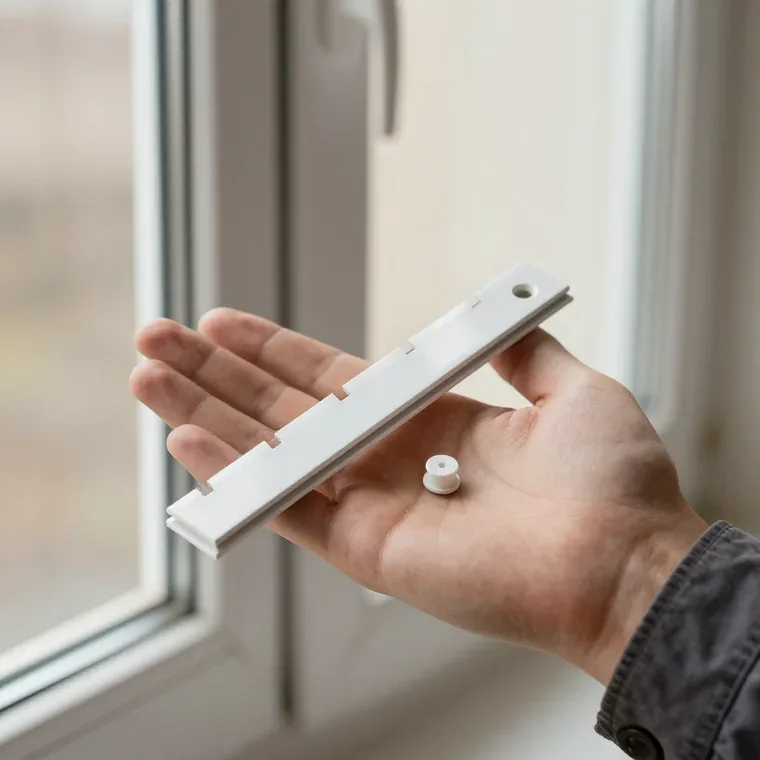
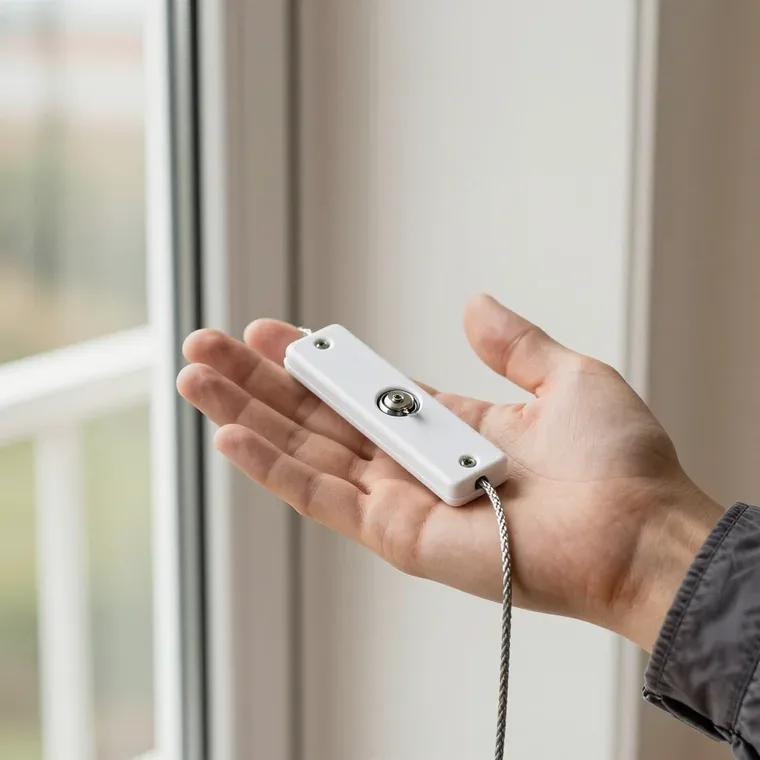
Cable restrictor
A lock and cable stop the sash from opening wider than allowed. Price from 2,500 ₸ per pc, installed.
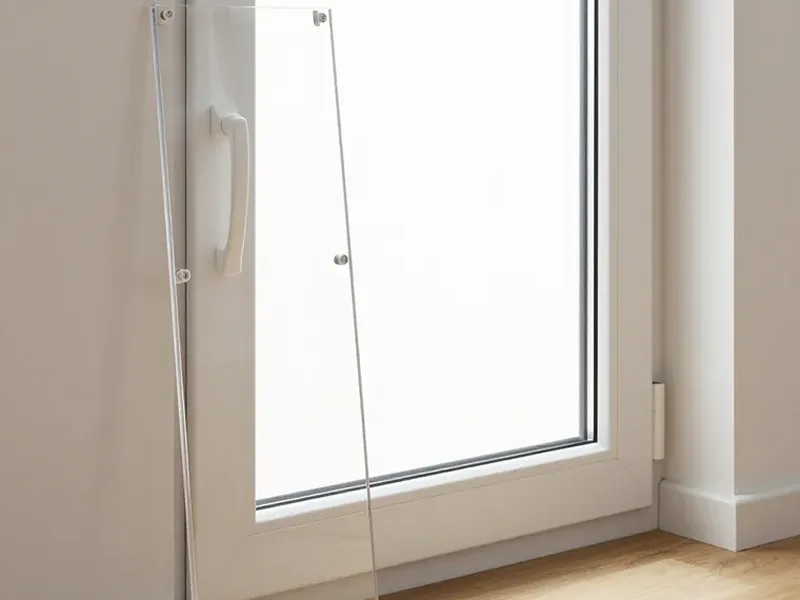
Clear grille
Protects against leaning on the mosquito screen. Price from 22,000 ₸ per pc, installed.




5,097 reviews on review sites
A set of devices that stop a child from opening the sash or leaning on the screen.
Child window safety is not a single product but a set of devices for a specific window. A key handle, a window lock, a ventilation-latch restrictor, a cable restrictor with a lock and a clear grille solve different tasks: stopping the window being opened, stopping it being flung wide, and stopping anyone leaning on the screen.
Each device is fitted to the sash or frame to suit the window profile and floor. The set is chosen for the specific profile and floor: on upper floors we more often add a clear grille, and in rented homes removable models that need no drilling.
price of the device, installed
installation after measuring
warranty on work
The fixing is chosen to suit the window profile and floor: from Z-brackets to magnets and adhesive bases.
For framed grilles and screens on plastic and aluminum windows.
For restrictors and window locks on the sash, without large holes.
For removable models in a rented apartment, without drilling the frame.
A lock or key handle is replaced if the mechanism has jammed, the key is lost or the fixing has worked loose and no longer holds the sash.
Five versions for different needs: from holding the sash in place to protecting against leaning on the screen.
Sash · key
A child cannot open the window without a key. Price from 3,650 ₸ per pc.
Sash · gap
Stops the sash from opening wider than the set gap. Price from 1,200 ₸ per pc.
Sash · step
Holds the sash in several positions for ventilation. Price from 1,050 ₸ per pc.
Sash · cable
A lock and cable stop the sash from opening wider than allowed. Price from 2,500 ₸ per pc.
Window · polycarbonate
Protects against leaning on the mosquito screen. Price from 22 000 ₸ per item.
The cost depends on the type of device, window profile and number of sashes; the price is fixed after measuring.
| Type of item | Price |
|---|---|
| Key handleinstalled | from 3 650₸ per pc |
| Ventilation-latch restrictorinstalled | from 1 050₸ per pc |
| Cable restrictor with a lockinstalled | from 2 500₸ per pc |
| Penkid lock with cableinstalled | from 2 150₸ per pc |
| Sash lockinstalled | from 1 200₸ per pc |
| Installation of a window lock or child safety locklabor | from 2 750₸ per pc |
| Child safety window lock (surface-mounted, flag)installed | from 3 250₸ per pc |
| Clear grille (polycarbonate)installed | from 26 000₸ per m² |
| Clear grille for a windowinstalled | from 22 000₸ per pc |
| Child safety grille for a windowinstalled | from 12 500₸ per pc |
| Grille with a mosquito screen (2-in-1)installed | from 19 800₸ per m² |
| "Anti-Cat" screen as window protectioninstalled | from 13 000₸ per pc |
| Turnkey child safety for windowscomplete package | from 6 000₸ per window |
The price is fixed in the order after measuring.Payment after installation: cash, card or Kaspi.
Order window protectionEight facts about our work: experience, warranty, measuring, installation, coverage and payment.
we work across Kazakhstan
on work and components
the measurer will come at a convenient time
we deliver and install
we work daily
cash, card or Kaspi
you can order in Kazakhstan
we reply quickly on WhatsApp
Four steps from request to checking the work.
You write on WhatsApp or call, we consult on options.
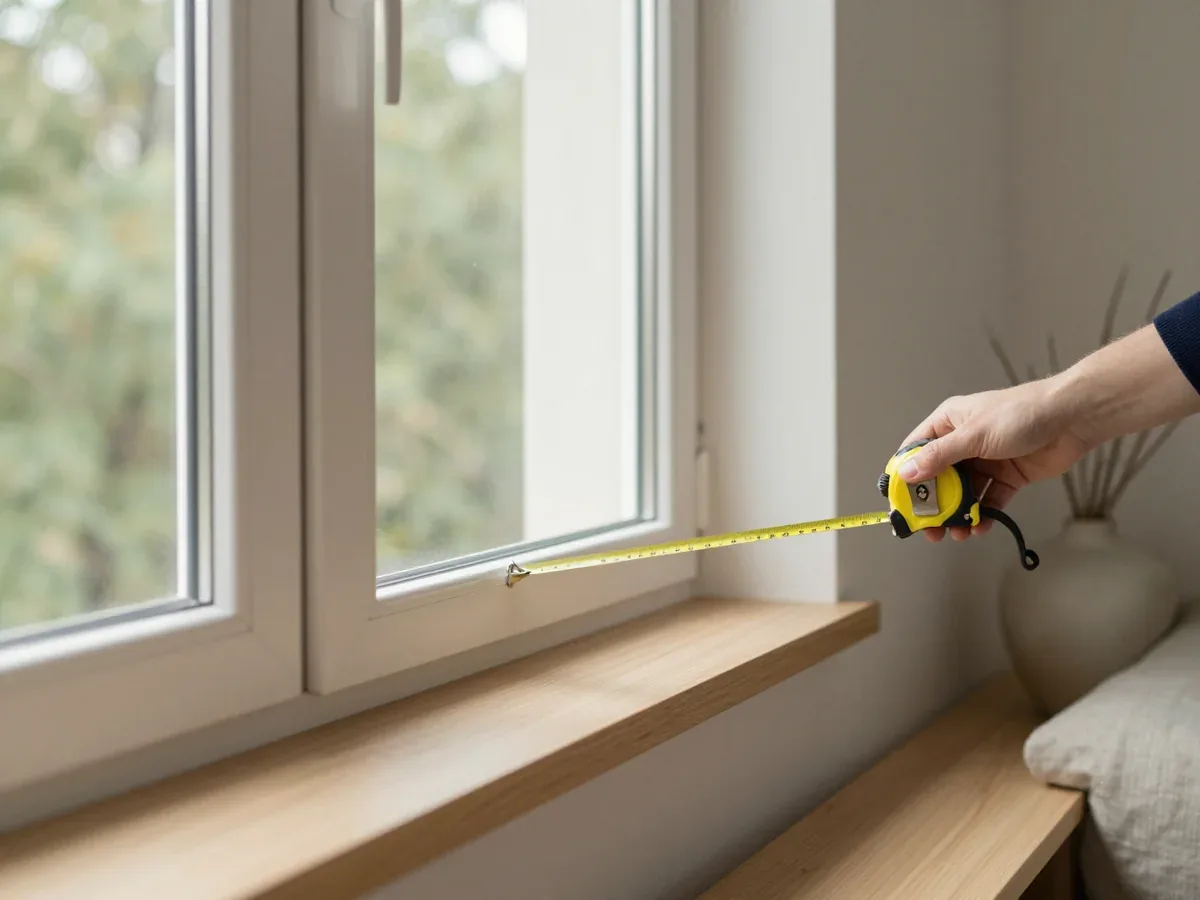
We agree on a measuring date and select a device taking into account the floor and window profile.
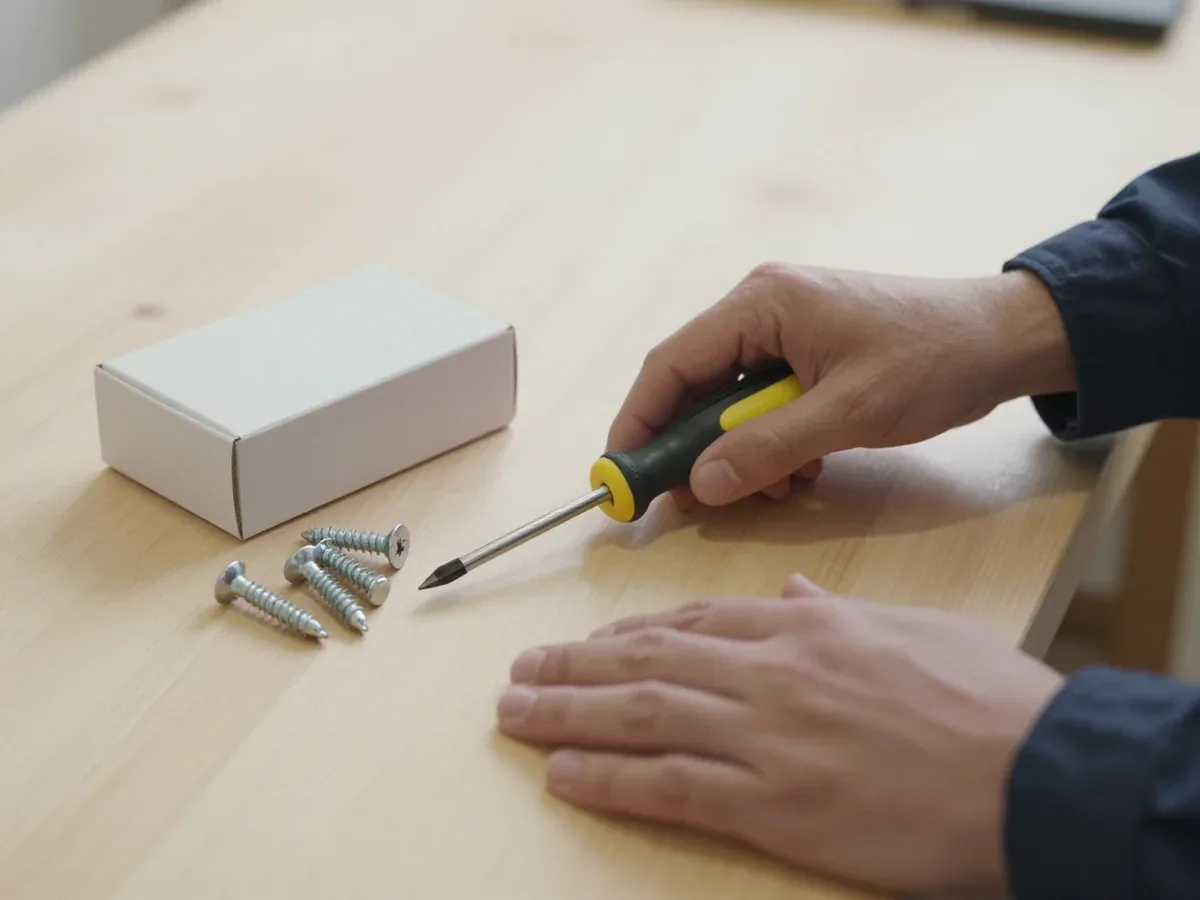
We install the protection on the sash or frame according to the profile.
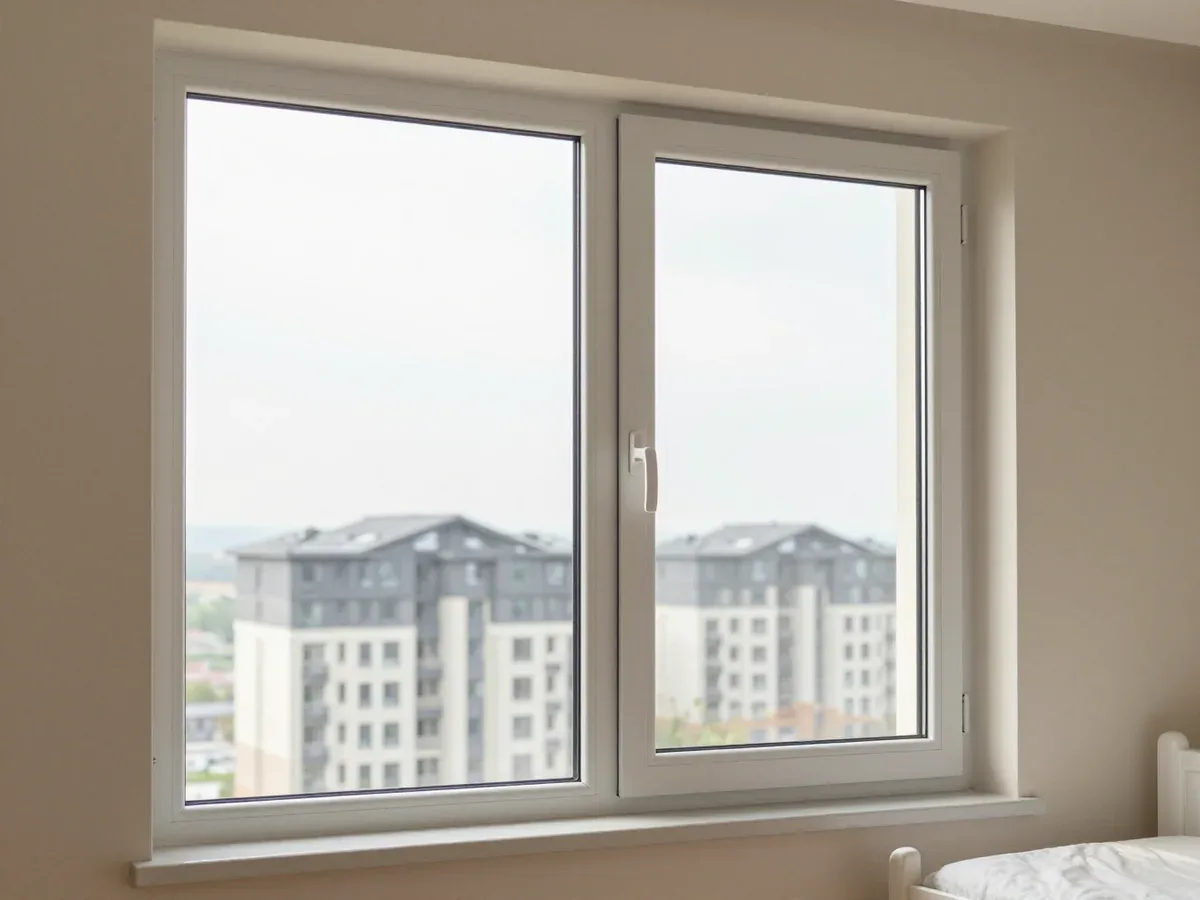
We check the operation of the lock, limiter and grille together with you.
Good to know

Senior mosquito screen specialist at moskitnyesetki.kz
We fit child window safety in Kokshetau on windows that are already installed, choosing between restrictors, handle locks and guards to suit your frame and floor. Our own fitters measure for free, fix the price in the order, and you pay only after installation. A mosquito net is not a barrier, so we plan safety and screens together.
Safety devices for windows fall into two families: those that limit how far a sash opens and those that physically cover the opening. The difference decides what suits your child and your window.
A restrictor limits how far a sash opens, a handle lock stops the handle turning, and a guard is a physical barrier across the opening. A restrictor is a cable or folding arm fixed between the sash and the frame, so the window tilts for air but never swings wide enough for a body to pass. A handle lock clamps over the lever or replaces it with a key version, which blocks the one part a youngster learns to grab. A clear guard is a rigid panel on brackets across the whole opening, and a metal guard does the same job with bars. When choosing child window safety in Kokshetau, the right pick depends less on price and more on whether your youngster reaches the handle or leans on the glass.
We match the device to what your youngster can already do, so a toddler who only leans needs a different fitting from one who has learned the handle. For a youngster who climbs on a sill and pushes on the glass, a restrictor that caps the sash travel is the first step, and we set the opening so the gap stays too narrow to pass through. For a youngster who already turns the handle, a handle lock or a key handle removes the action itself. A tilt-first setting keeps the micro-ventilation position usable without unlocking the swing. A lock a youngster can watch you open is often solved in a week, so pick a fitting the child cannot copy.
| Device | What it blocks | Best for | Frame requirement |
|---|---|---|---|
| Handle lock | Handle turning | Reaching children | Any handle type |
| Restrictor | Sash travel | Tilt and swing sashes | Hinged sash |
| Key handle | Handle turning | Copying children | Replaceable handle |
| Clear guard | The whole opening | High floors | Fixed surround |
| Metal guard | The whole opening | Ground floors | Fixed surround |
We make mosquito screens and know their limits well. A net keeps insects out, but it cannot carry a child's weight, and confusing those two jobs is dangerous.
A standard framed net is tensioned to keep insects out, not to carry weight, so it gives way under a leaning child. The frame is thin aluminium, the canvas is stretched by a spline cord, and the whole assembly sits in the window opening on small brackets. Our range has five canvases, from Standard (Fiberglass) to UltraVue, Anti-Cat (Pet Screen), Anti-Dust and Anti-Pollen (Poll-Tex), plus metal mesh and the Krylo sheet. Each one is built for airflow and insect control, and none is rated for a body pressing against it. Even our strongest canvas, Anti-Cat (Pet Screen), is built for claws and not for body weight, so it never replaces a barrier. Choose the mesh for comfort and the safety device for protection, then fit both.
We fit the safety device to the frame and keep the net on its own mounts, so both work on the same window without one blocking the other. The measurer picks the fastening for the window profile and floor: Z-shaped brackets, pins (plungers) or magnets, and the restrictor or handle lock goes on the sash separately. A framed net lifts out from inside in a minute, so it never interferes with the safety fitting during cleaning or winter removal. Plan the order of fitting so the net brackets and the safety fixing do not compete for the same screw line on the frame. Measurers in Kokshetau mark both positions before drilling, which keeps the sash free to open to its set limit.
The same device behaves differently on plastic, timber and aluminium, and a high floor changes the priorities. What suits a ground-floor kitchen window may be wrong three storeys up.
We fit safety devices on plastic, wooden and aluminium windows, choosing the fixing to match how each frame takes a screw. A PVC profile grips a self-tapping screw cleanly, so a travel limiter or handle lock mounts straight onto the sash with no extra parts. Aluminium is thinner-walled and often needs a rivet nut or a through-bolt, because the metal is too soft to hold threads over years of use. Timber sits in between, and its condition matters more than its species. On older wooden frames the fixing can follow the grain and split the stile, so we check density at the mounting point before drilling. Older wooden frames sometimes need a reinforcing plate first, so the hardware grips the timber rather than splitting it. If your frames are past their first decade, ask the fitter to test one hole before committing to the full set.
On a high floor we lean toward a physical guard or a travel limiter, because a fall from height leaves no margin for a copied handle lock. A lever lock stops a child turning the handle, but it does nothing once the sash is already open, so above the second storey we treat it as a secondary layer rather than the main one. A transparent guard covers the opening itself and holds regardless of what the child does to the mechanism. A balcony block usually needs two devices, one for the door lever and one for the swing, since the door is the part children reach first. We fit screens and safety hardware on hinged windows, transoms, loggia windows, gazebo and veranda openings, and the fastener is picked per profile and per level. On a balcony door, budget for the pair rather than a single item.
| Window situation | Suggested fitting | Why |
|---|---|---|
| Tilt and swing sash | Travel limiter | Limits travel |
| Reachable handle | Lever lock | Stops turning |
| Balcony door | Two devices | Two reach points |
| Fixed pane | None needed | Cannot open |
| High floor | Guard or limiter | No margin for error |
Most safety devices go onto the windows and sashes you already have, with no frame replacement and no new glazing. Here is how the fitting works when the window itself stays exactly as it is.
Most restrictors and handle locks fit onto the existing sash and window furniture, so the unit keeps its current fittings. A restrictor bolts to the sash and its surround and limits how far the casement opens, while a handle lock replaces only the lever and blocks it with a key. We fit both onto plastic, wooden and aluminium units without touching the glass unit or the hinges. A lever lock is often the least invasive choice, because it swaps that part rather than drilling the surround, and the original can go back on later. On tilt-and-turn sashes the restrictor is set so the window still tilts for ventilation but cannot swing wide. Check that the current lever is a standard spindle fitting before choosing this route — unusual or slim versions may need an adapter.
For a rented flat we pick fittings that clamp or replace a part rather than drill, so the unit can be returned to how it was. A lever lock leaves no marks at all because it simply unscrews and swaps out, and a clamp-style restrictor grips the sash edge without a single hole. Where a screw fixing is unavoidable, we keep it to the hidden inner face of the surround, out of sight and easy to fill on moving day. Tell us at the measure that the flat is rented and we plan the fixing around that from the start. Agree the method with the landlord before the visit, since a clamp fitting leaves no holes to explain later and no deposit argument.
A safety fitting should not get in the way of fresh air or of looking after your windows. Each one has its own seasonal rhythm, and knowing that rhythm keeps the hardware working for years.
A window restrictor still lets the sash open to a set limit, and a tilt setting keeps air moving while the opening stays too small for a child. That limit is the whole point: you choose it once, and every later opening stops there. With a catch on the handle, the window still swings fully open, so ventilation works as usual, but only an adult can release the lock. For rooms where you want air without a draught, the tilt position on a plastic or wooden frame moves enough volume for a small bedroom. In our practice we set the gap before the little one is in the room, so the first opening they see is already the safe one. Adjust the setting as they grow rather than removing it.
A framed mosquito screen comes off from inside in a minute and is best removed for winter, while the safety device stays on the sash all year. We make framed screens to your size in 10–15 minutes, and each one lifts out of its fastenings without tools. Cold and snow load press on the mesh, and ice can stiffen the surround, so storing it flat indoors protects both the fabric and the fixings. The restrictor, lock or guard does not come off with the netting: it is screwed to the window, not to the mesh. Use the winter removal to check the fixing screws, since a loose bracket is easier to spot with the screen off. A quick tighten in autumn saves a wobbly fitting by spring.
A direct installer answers for the job with their own fitters, not a middleman, and that shows in who arrives at the door and what they promise in writing.
We are a direct installer with our own fitters, so the person who measures is from the same team that installs. Measuring and consultation are free, and the measurer comes at a convenient time, takes sizes and helps choose the design, mesh and fixings — whether the frame is plastic, wooden or aluminium. Our fitters serve 17 cities of Kazakhstan, and the same crew that signs off the job returns for adjustments. A middleman passes the task to a stranger, which is why the fitting and the promise can drift apart. Ask who will actually drill and mount the bracket before you agree to anything — if the name on the paperwork and the person at the door are different companies, nobody owns a loose fixing.
After fitting, test the device with steady hand pressure at the point a youngster would push, and check the fixing does not move. Our measurer picks the fastener to suit the window profile and the floor — Z-shaped brackets, pins (plungers) or magnets — so the load sits where the frame is strongest rather than on a thin edge. Push down and sideways, not just once, and watch the bracket rather than the arm. A device that flexes at the bracket needs a second anchor, so flag it on the day rather than after a season of use. On upper floors the frame takes more vibration from wind, which is exactly where a single loose screw shows up first.
Window safety rests on a few practical checks: the right hardware for the child, the right fixing for the frame, and a fitting that holds under real pressure.
Types of devices, installation, comparison of solutions, care and seasonal use
Konstantin Selenenkovsenior mosquito screen specialist, 10 years in the tradeOnline · replies within 5 minutes
Ask a questionA handle lock prevents turning the handle without a key, so the sash stays closed. A cable limiter allows opening the window but only to the length of the cable and secures the sash in a safe position.
Yes, locks, blockers, and limiters are installed on a ready window: some replace the handle, others attach to the frame and sash. The hardware does not need to be replaced; it is important to choose a model that fits the profile and sash thickness.
A grille physically prevents falling out, but it is stationary and blocks the view. A blocker or handle lock does not interfere with ventilation, so it is more often installed in apartments, while a grille is chosen for windows on high floors.
Yes, most locks and limiters allow securing the sash in ventilation mode or opening it to a safe angle. The main thing is that the child cannot reach the key and mechanism.
For a loggia, the same devices as in a room are suitable, but windows there are open longer. It is safer to choose a cable limiter with a lock or a sash blocker, and for large glazing consider a transparent grille.
Removing locks and limiters for winter is not necessary; they are not afraid of frost. They usually do not interfere with washing glass, and if the design is removable, it is easy to take off and put back.
It is worth replacing the regular handle with a keyed handle or installing a blocker that prevents turning it without a key. Additionally, a cable limiter will prevent opening the sash wide even if the lock is open.
Yes, handle locks and cable limiters are installed on both wood and aluminum if the profile and sash thickness allow. The mounting method is chosen on site, so before installation it is better to show the technician a photo of the window.
Thank you. We will call you back within 10 minutes!
Your order number is on the receipt or in the SMS. Choose where to leave your review.
Write a review on WhatsApp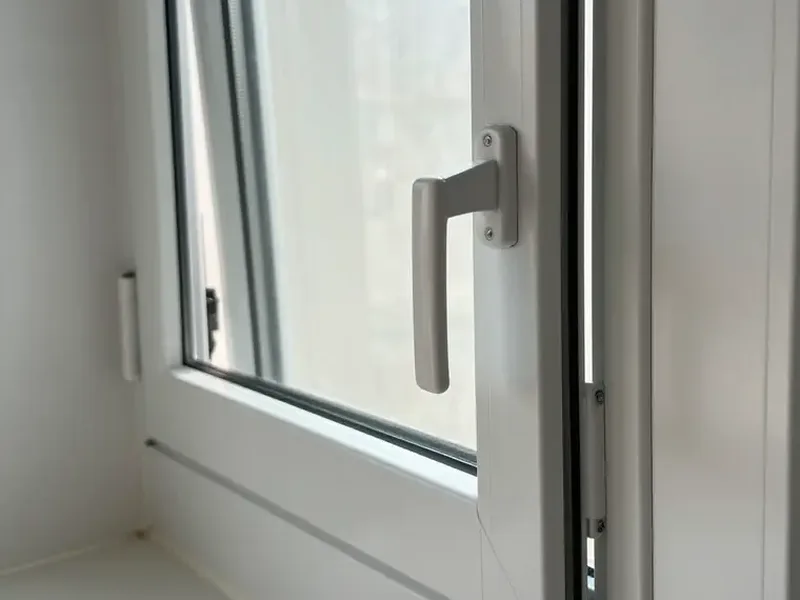 Window restrictors
 Window blockers
 Window handles
 Penkid lock
 Transparent grilles
