
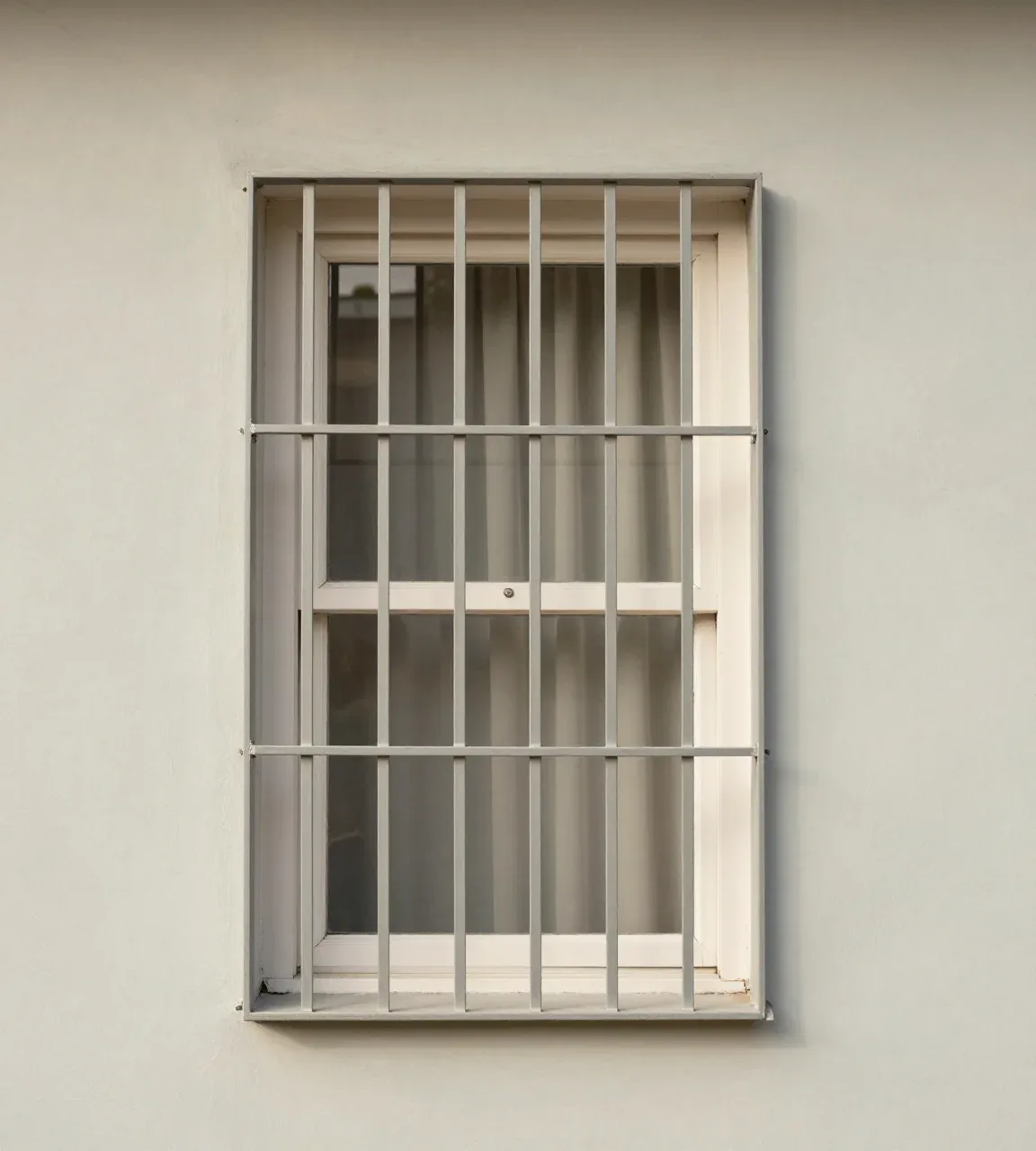
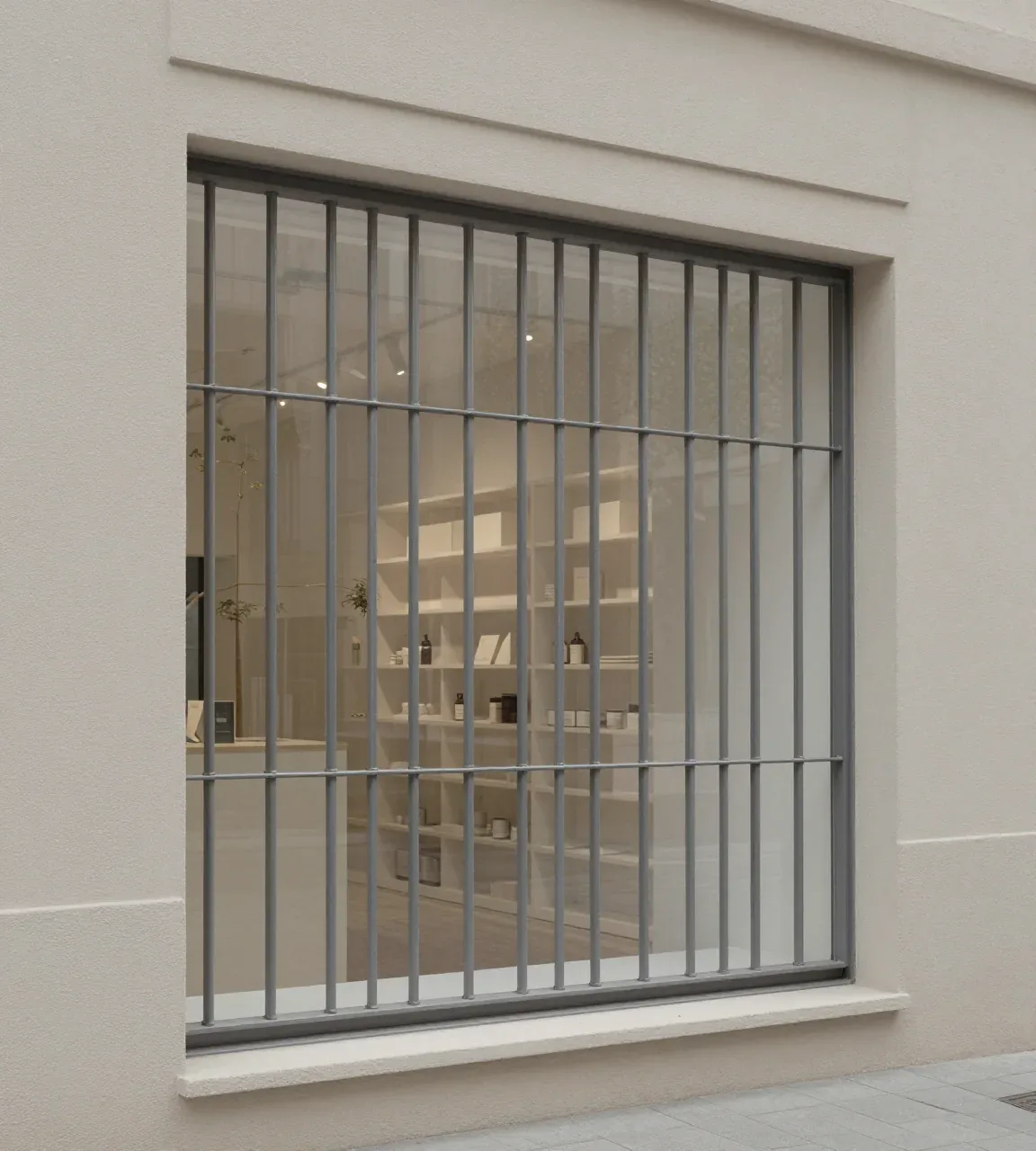
Standard pattern · welded
Welded
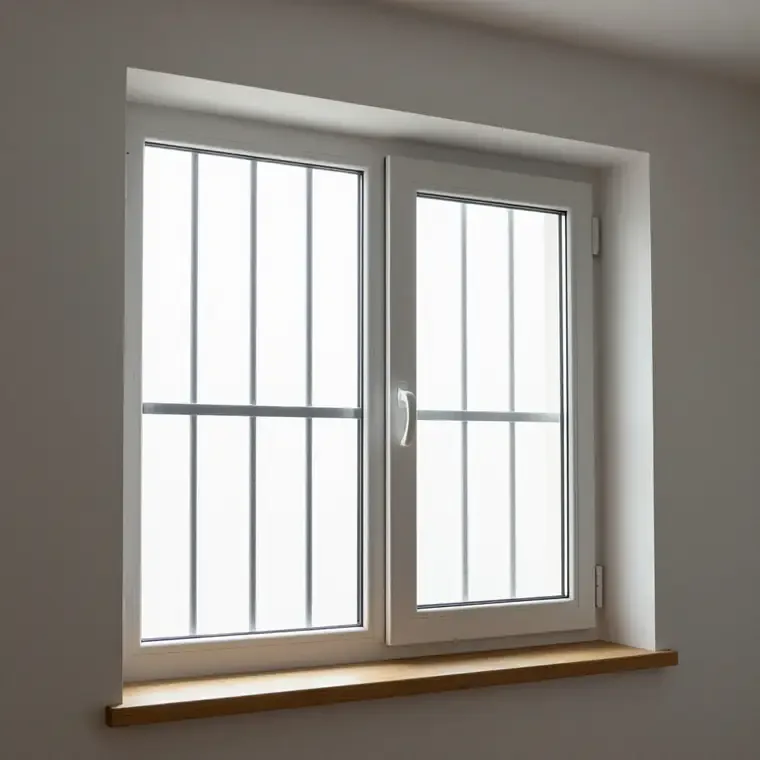
Basic option for windows and balconies, price from 7 500 ₸ per m², fitting after manufacturing.
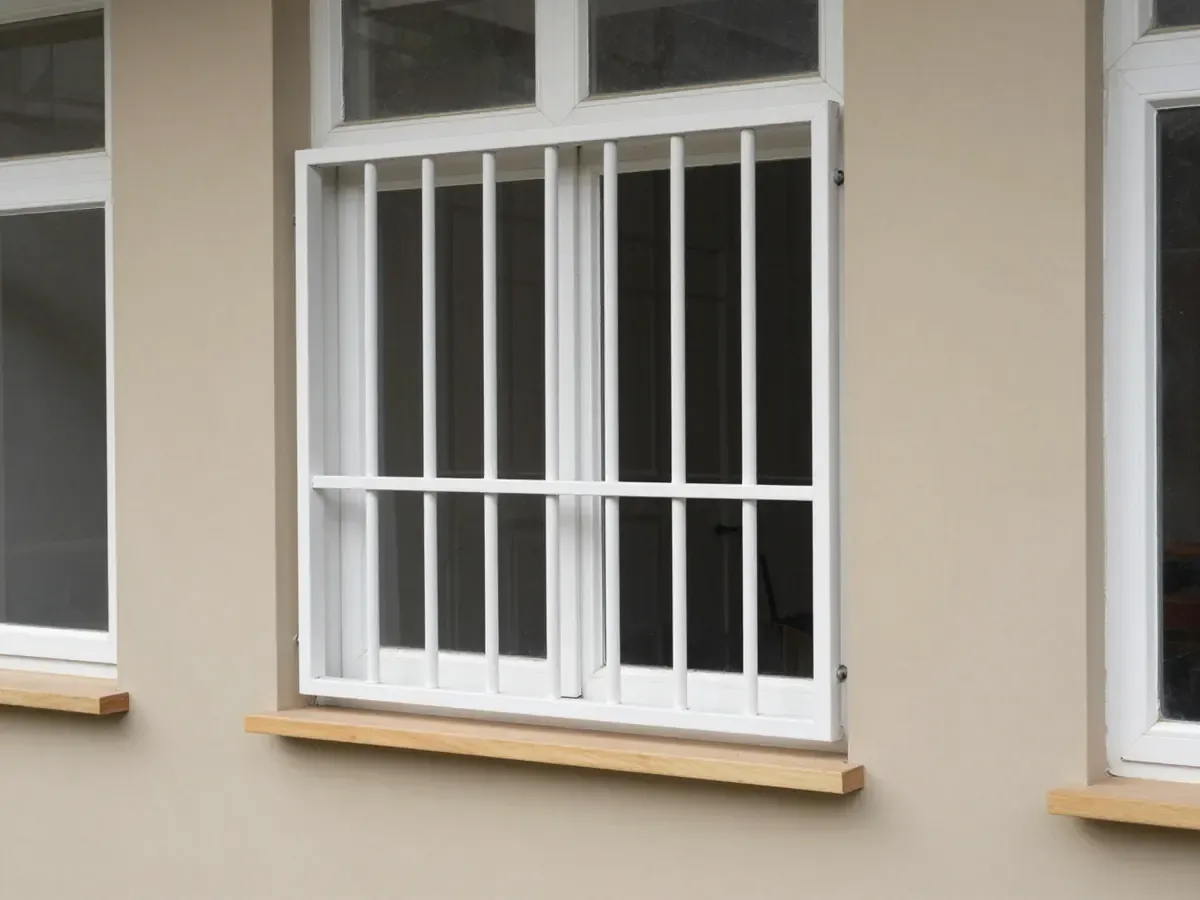
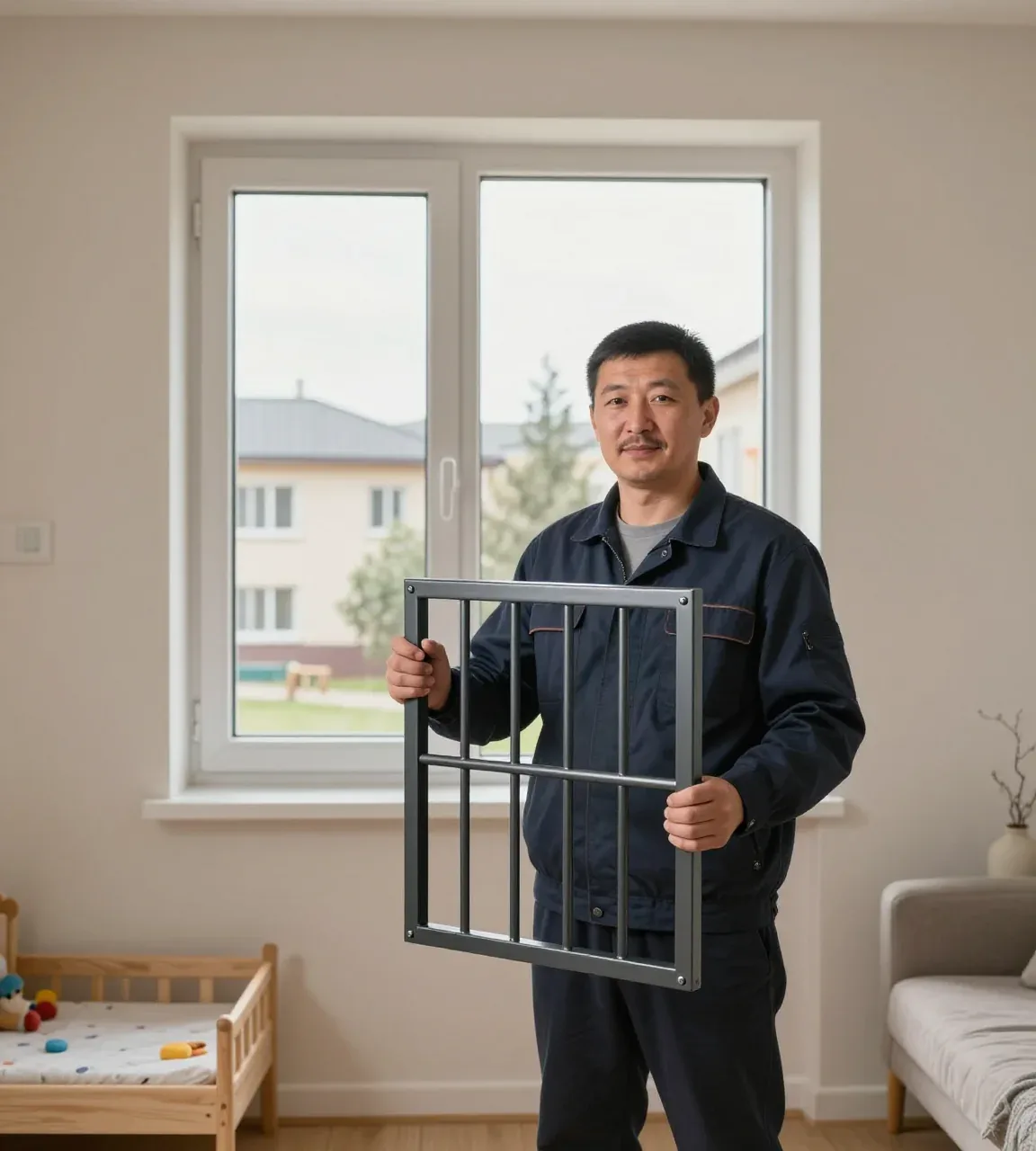
Welded
Basic option for windows and balconies, price from 7 500 ₸ per m², fitting after manufacturing.
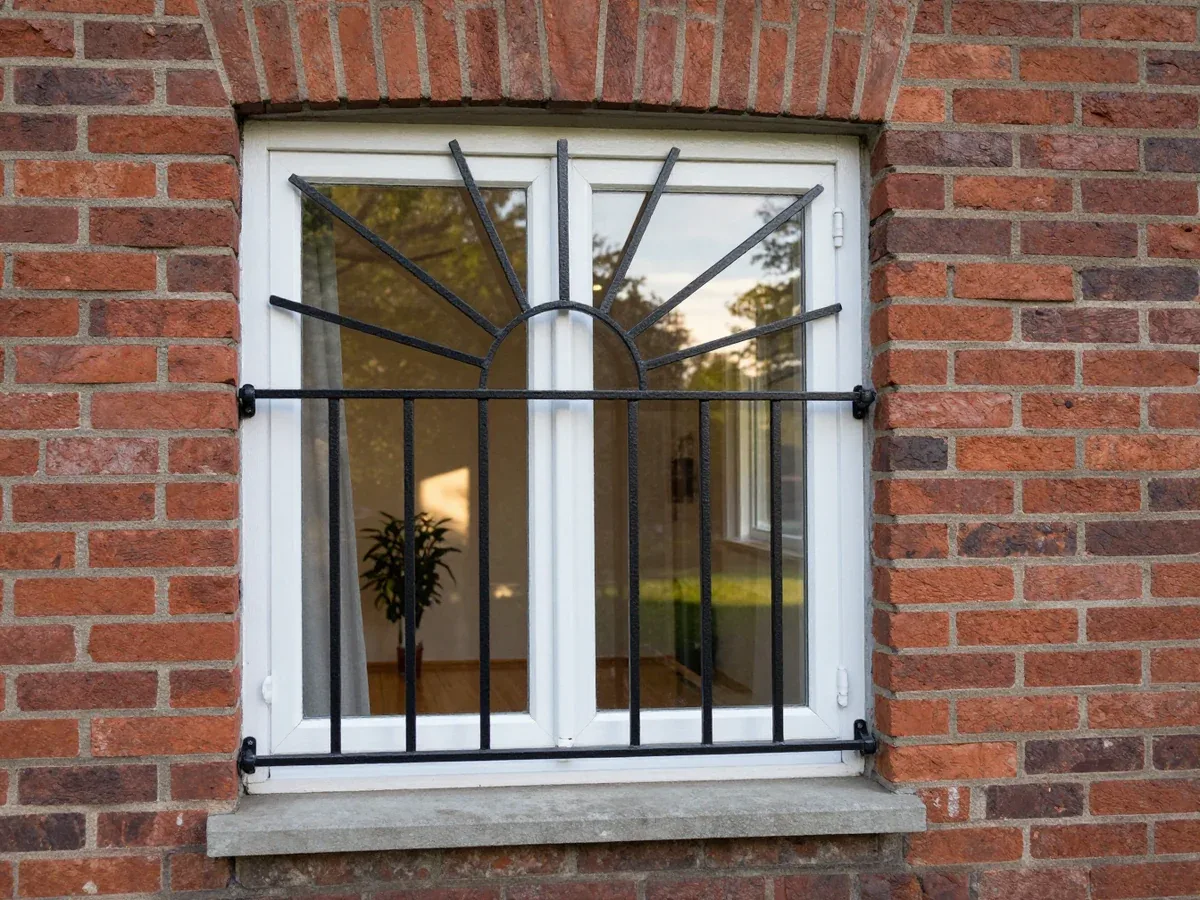
Wrought
Wrought pattern to match the facade, price from 26 000 ₸ per m², made to your dimensions.
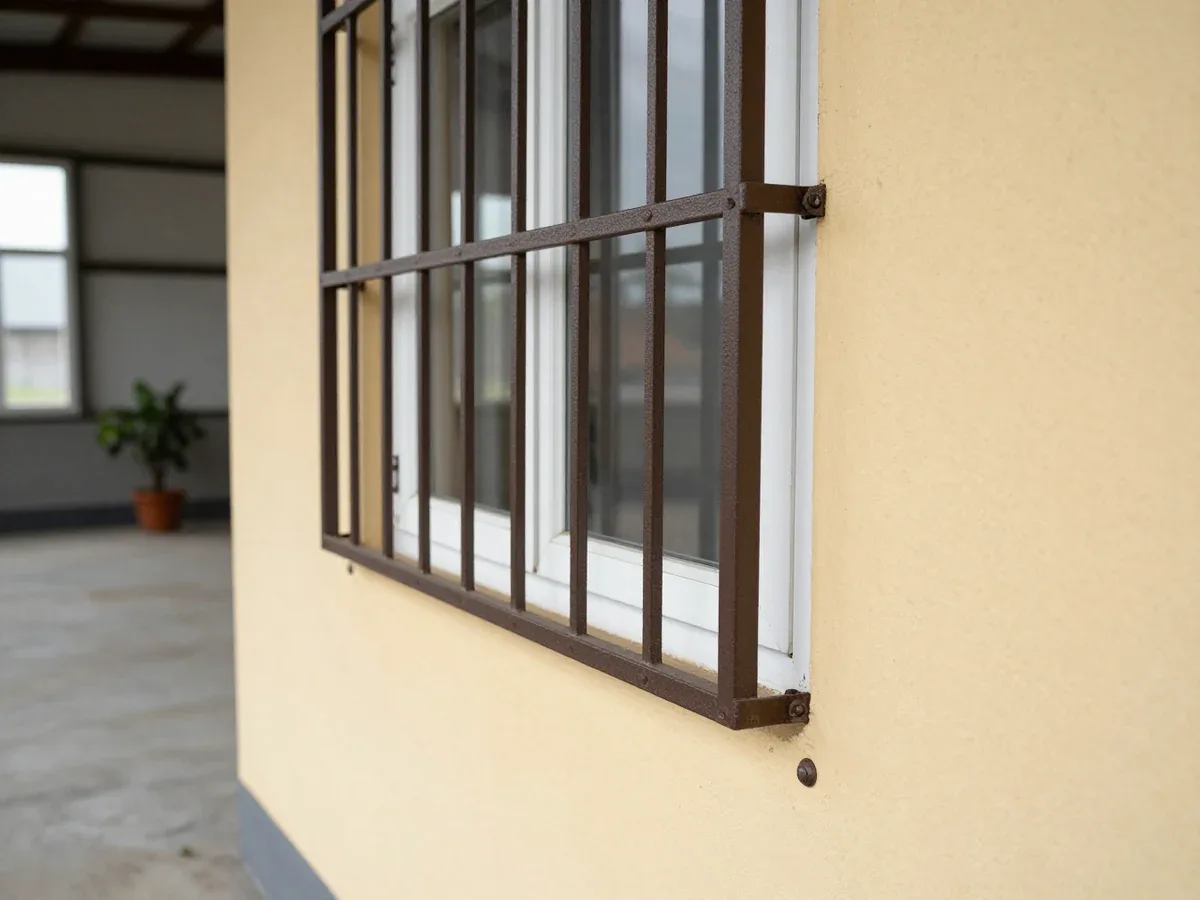
Cast
Cast grille with a three-dimensional pattern, price from 26 500 ₸ per m², suitable for facades.
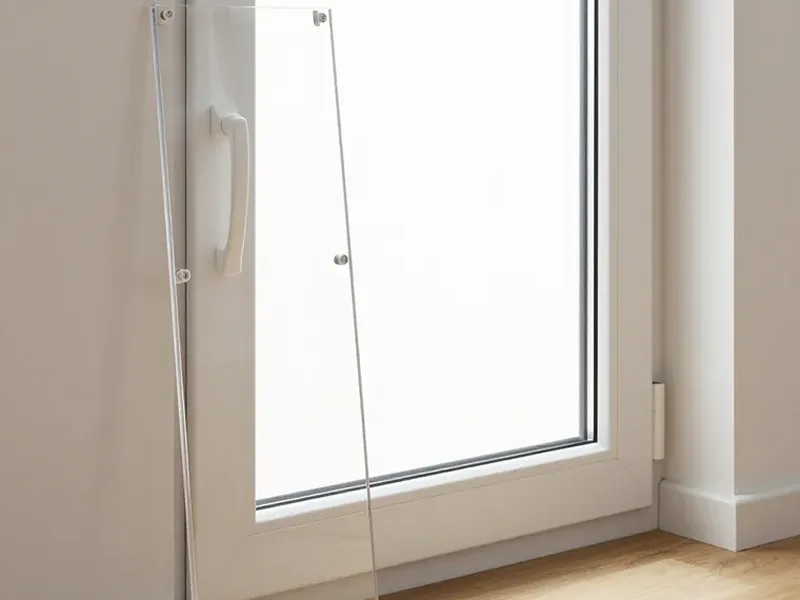
Transparent
Polycarbonate keeps the street view clear, price from 26 000 ₸ per m², fitting to the window.
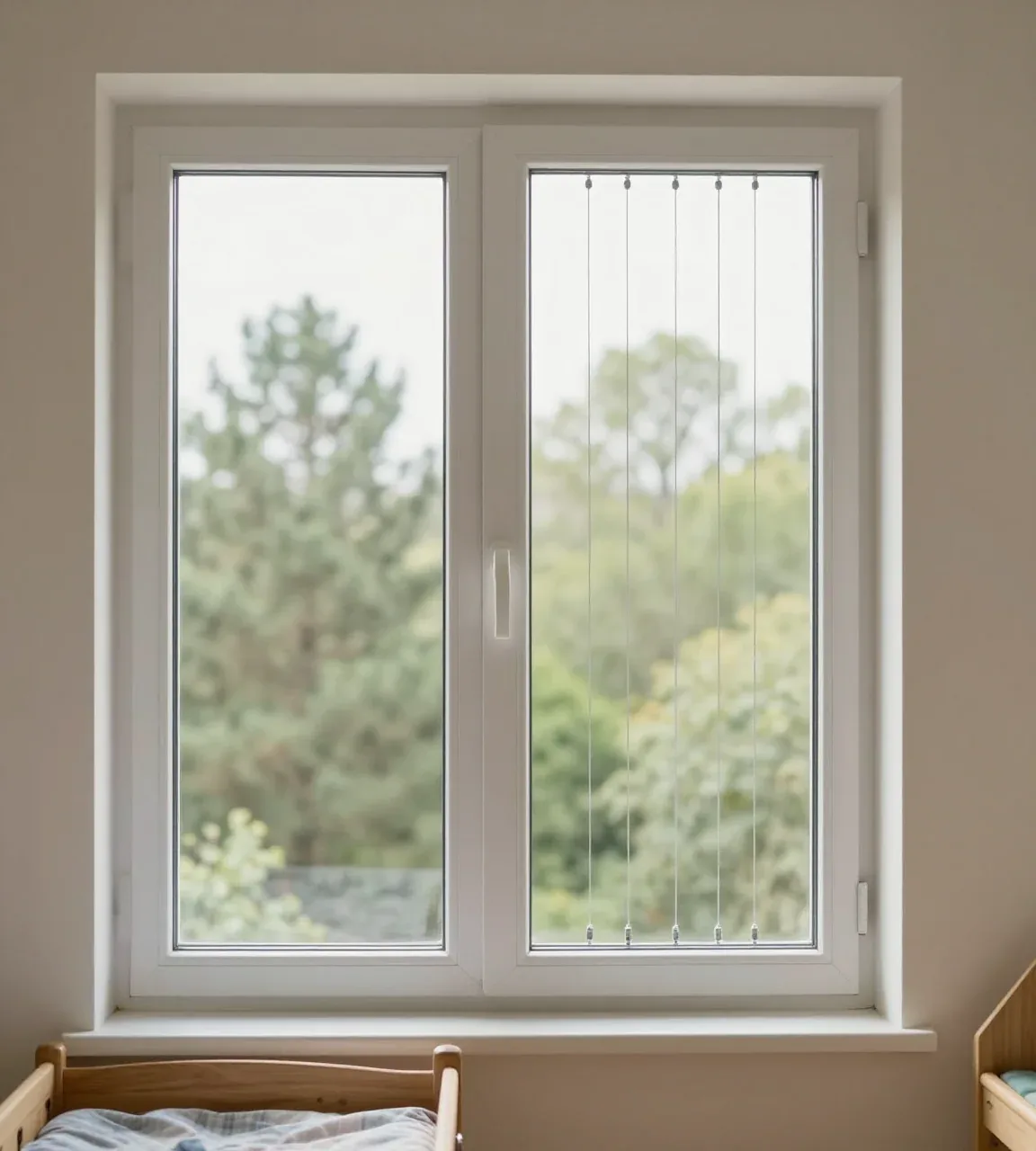
With screen
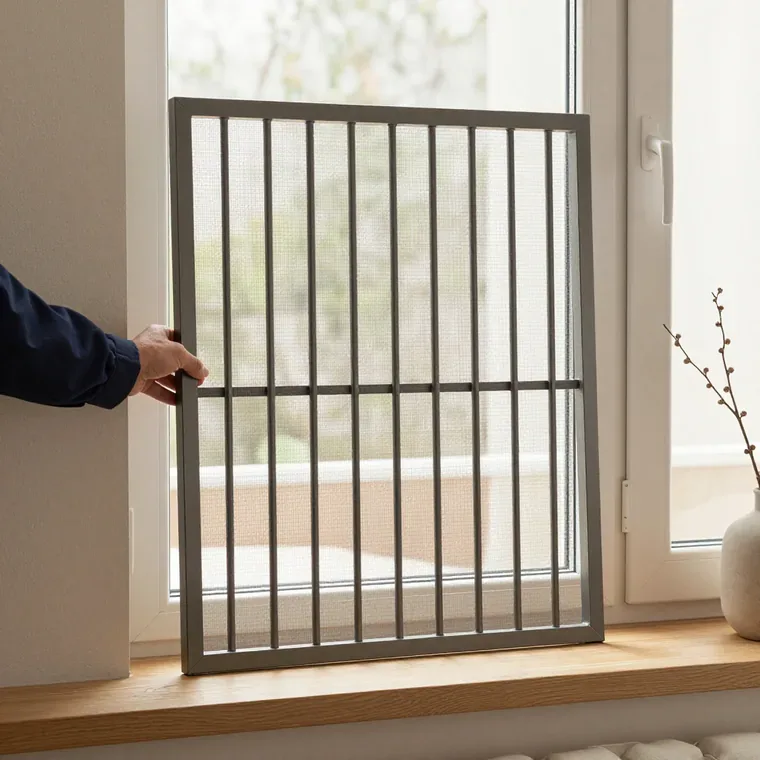
2-in-1 grille with mosquito screen, price from 19 800 ₸ per m², protects against insects too.



5,097 reviews on review sites
Profile frame, bars or panel, fixings and coating — four parts that determine the look and price.
A window grille consists of a frame sized to the opening, infill in the form of bars or a panel, and fixings for the window profile. The coating protects the metal from corrosion and sets the colour to match the facade.
For windows and balconies, welded, wrought, cast, decorative and transparent structures are made. Hinged door screens are fitted to the "Economy" 32×10 mm or "Prestige" 42×17 mm profile.
standard pattern welded
framed screen manufacturing
window grille installation
Fixings are chosen to match the window profile and floor: Z-brackets, plungers or magnets; a hinged leaf is fitted for cleaning.
Fixed to the frame from outside, suitable for plastic and wooden windows, does not interfere with the sash.
Removable fixing into profile holes, the grille can be taken off from inside in a minute.
Hold a lightweight structure without through holes, convenient for removable options.
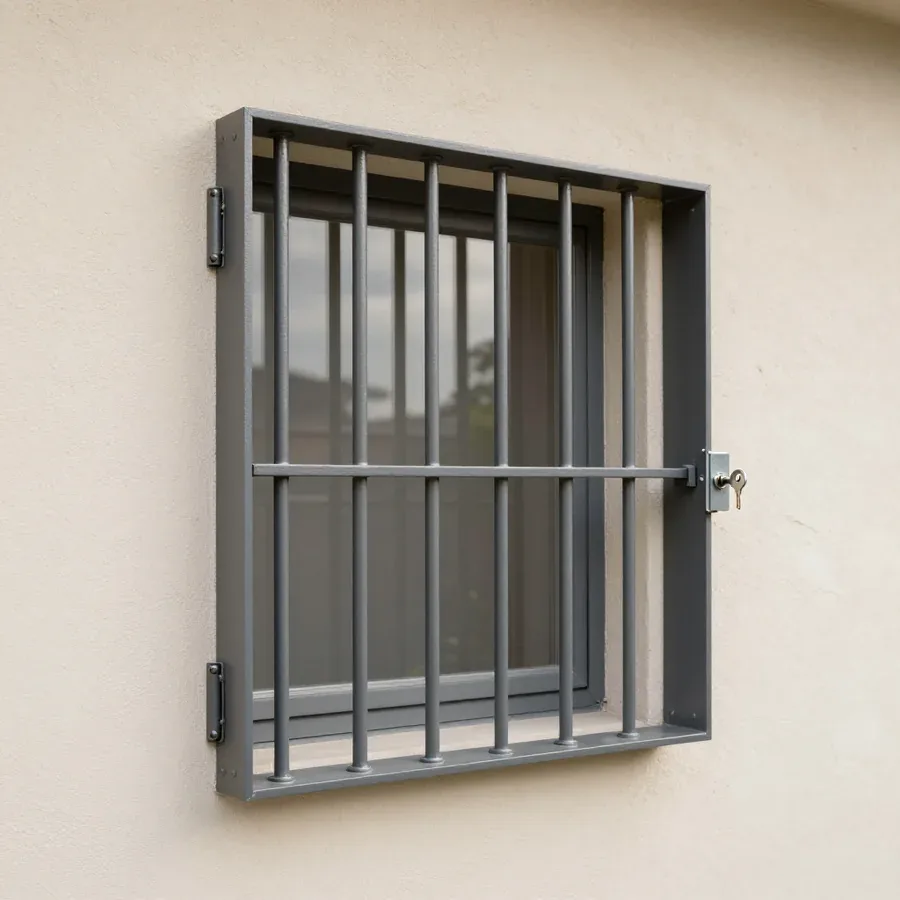
Extra charge 15 000 ₸ per leaf: opens from inside for cleaning and access, lock with key.
Removal of old fixings and preparation of the opening — 4 000 ₸ per item; the technician clarifies the technical details.
Types of structures and installation work; the final price is fixed in the order after measuring.
| Type of item | Price |
|---|---|
| Standard welded window grillebasic option | from 7 500₸ per m² |
| Wrought iron grilledecorative pattern | from 26 000₸ per m² |
| Cast grilleconvex shape | from 26 500₸ per m² |
| Decorative laser-cut grillepattern to match the facade | from 25 000₸ per m² |
| Sliding accordion grillefolding design | from 28 000₸ per m² |
| Hinged grille leafextra charge on top of the base | from 15 000₸ per leaf |
| Transparent polycarbonate grillekeeps the view from the window | from 26 000₸ per m² |
| Aluminium fall-prevention grillefor child safety | from 12 200₸ per item |
| 2-in-1 grille with mosquito screenprotection and insect control | from 19 800₸ per m² |
| Powder coating for grillecorrosion protection | from 5 500₸ per m² |
| Grille installationfitting to the window | from 4 500₸ per m² |
| Removal of old grilletaking down before replacement | from 4 000₸ per item |
| Child safety window grillefall prevention | from 12 500₸ per item |
The price is fixed in the order after measuringMeasuring and consultation are freePayment after installation: cash, card or Kaspi
Book a measuring visitOwn production, free measuring, painting to match the windows and delivery to 17 cities of Kazakhstan.
the price is fixed after measuring
for work and replaced components
the surveyor will come at a convenient time and help with the choice
we paint to match the windows: white, brown, grey, etc.
we accept requests every day
we deliver and install on windows and doors
you can order in 17 cities of Kazakhstan
we reply within 5 minutes during working hours
From request to a finished grille on the window — four steps.

You leave a request, we clarify the opening dimensions and floor, and agree on a measuring time.
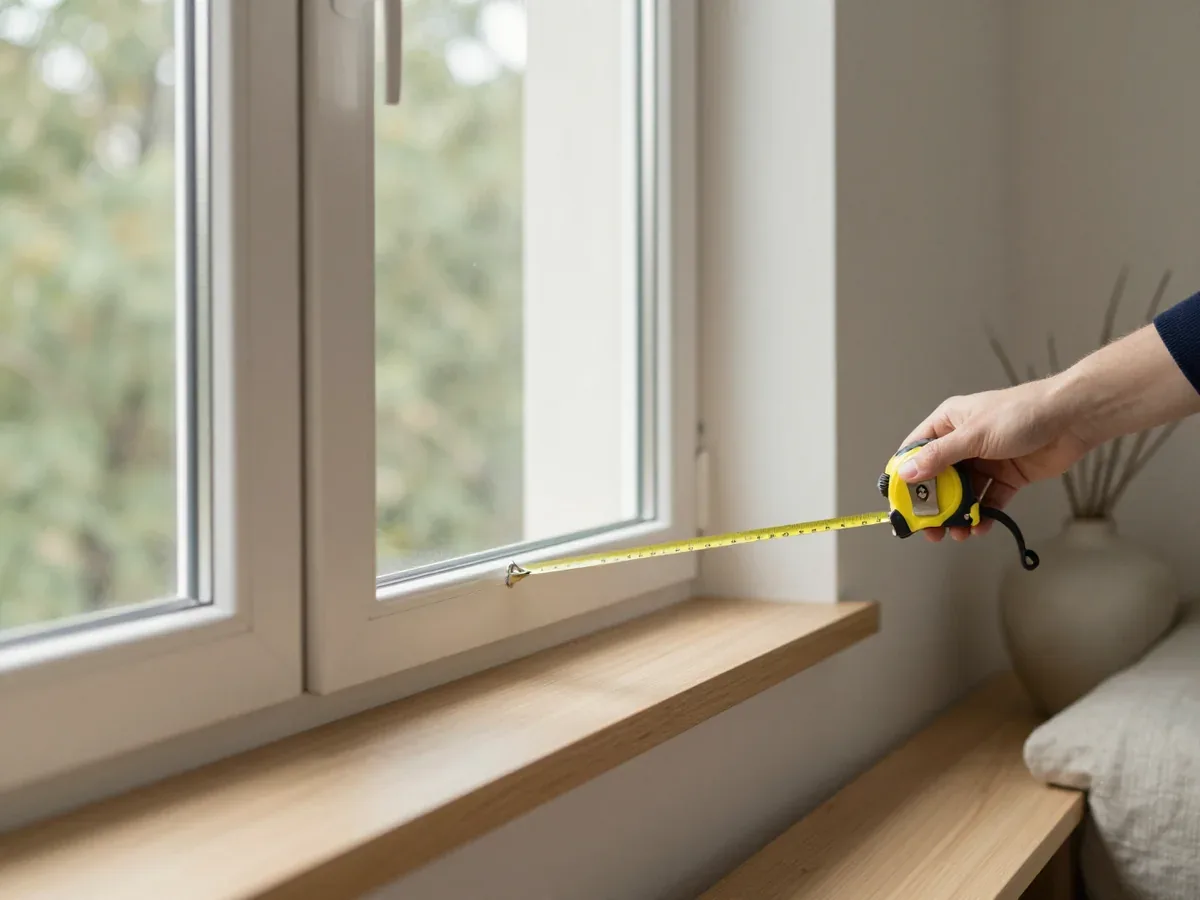
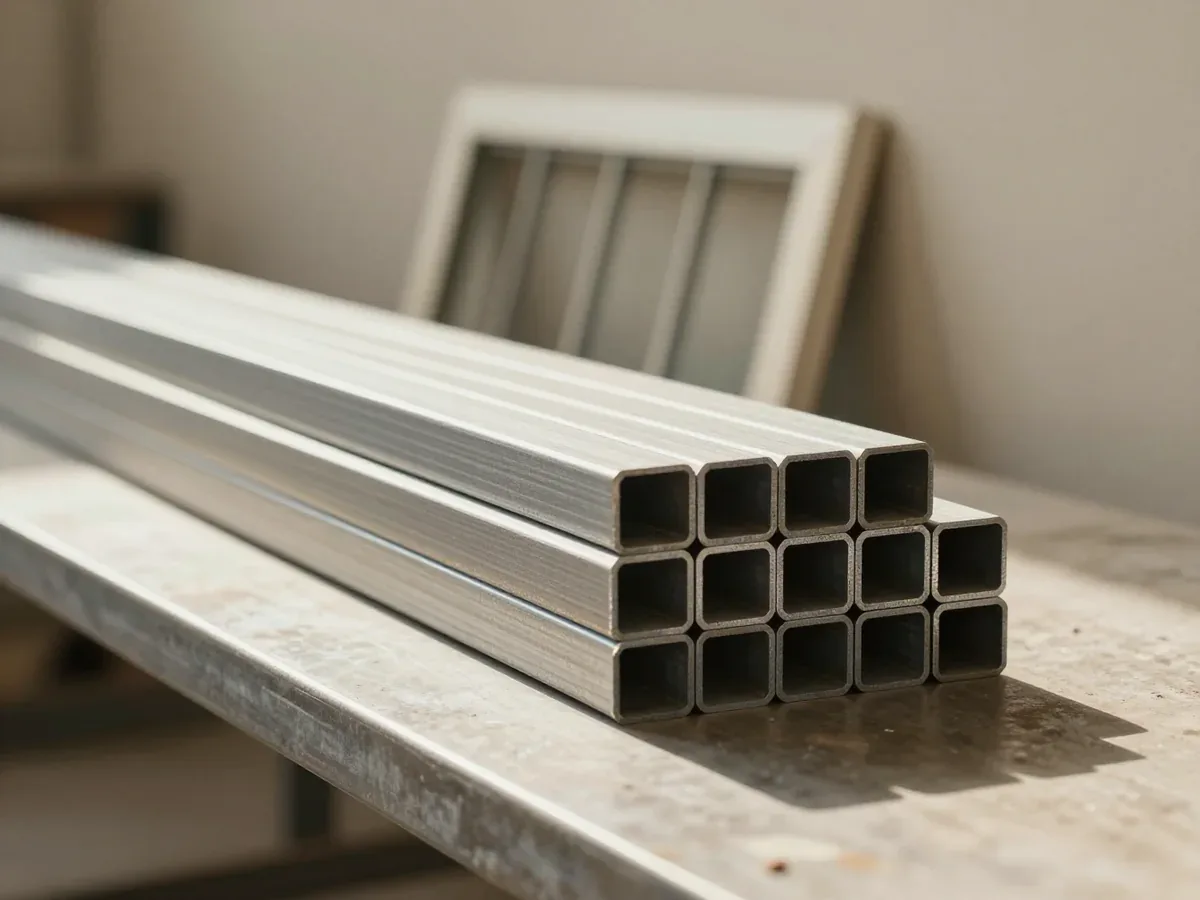
The surveyor records the opening dimensions, floor and window profile type to calculate the fixings.
After measuring, the client approves the design, pattern and colour; the price is fixed in the order.
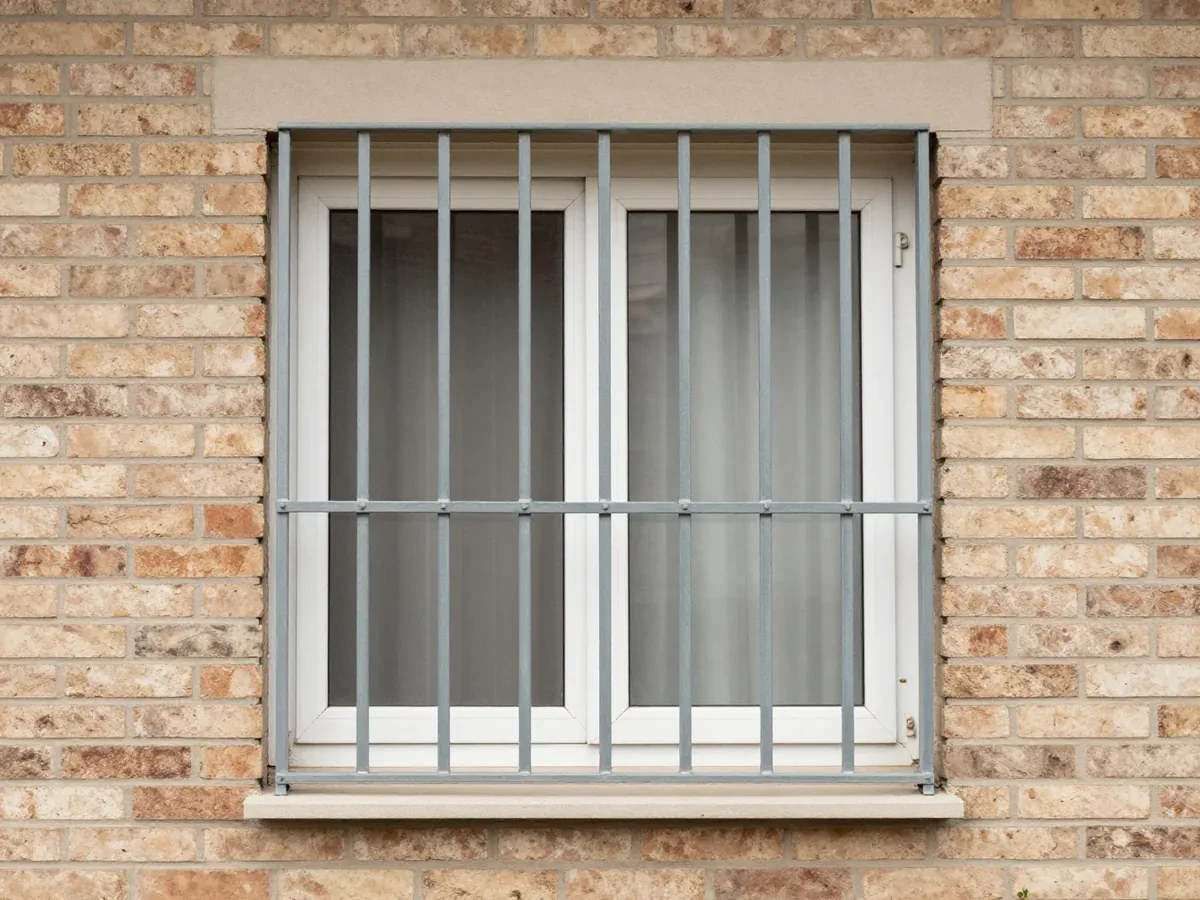
We mount the grille on the window, check that the leaf opens and the fixing is secure, and you accept the work.
Good to know

Senior mosquito screen specialist at moskitnyesetki.kz
We make window grilles kokshetau homeowners order by size, with a free measuring visit, installation and payment only after the work is done. The measurer helps you pick the type, the fixing and the colour to match your windows, and we work seven days a week across 17 cities of Kazakhstan.
A grille is chosen by the job it has to do, not by how it looks in a catalogue. Ground floor, a child in the room, a facade facing the street — each pushes the choice a different way.
Solid welded metal grilles give the strongest barrier against a break-in, while clear grilles keep the view and the light and read as a design element on the facade. A welded frame from square bar takes a hit from a pry bar and holds; a thinner decorative pattern slows an intruder down and tells the neighbours someone thought about the opening. On a ground floor facing a courtyard the barrier matters more than the view, but on an upper floor facing the street the clear option often wins because nobody wants a cage over a nice view. Ask what the glazing is actually exposed to — a dark courtyard, a roof ledge, a fire escape — before choosing the lighter pattern. Window grilles in Kokshetau are ordered both ways, and the honest answer depends on that exposure.
Grilles stop someone from getting through, film only slows down the glass breaking, and roller shutters block the opening completely, so the three solve different problems. A grille leaves the light and the air and works all year; shutters close the opening to daylight and need power or a hand crank; security film holds the pane together after a strike but leaves the gap free once the glass is out. Film is worth adding on top of grilles rather than instead of them, because it keeps the glass in place after a hit and buys time while the barrier does the real work. On a ground floor opening facing a yard, the sensible order is barrier first, film second, shutters only where the opening is never used for light.
A grille is only one layer of protection on a window. In a flat with a small child, the restrictor and the lock often do more of the daily work, and each of the three does a different job.
A restrictor limits how far the sash opens, so a child cannot climb out, while the grille on the outside only stops someone coming in. The device is a small arm or cable that mounts between the sash and the frame on a plastic unit and holds the opening at a set angle, usually a few centimetres. It leaves the opening usable for ventilation every day and keeps the gap too narrow for a small body to pass through. We fit restrictors on the sash a child can actually reach, not on the one that stays shut. Set the opening gap narrow enough to block a child but wide enough that the room still ventilates, and check the arm once a season, because a loose screw turns the limit into no limit at all.
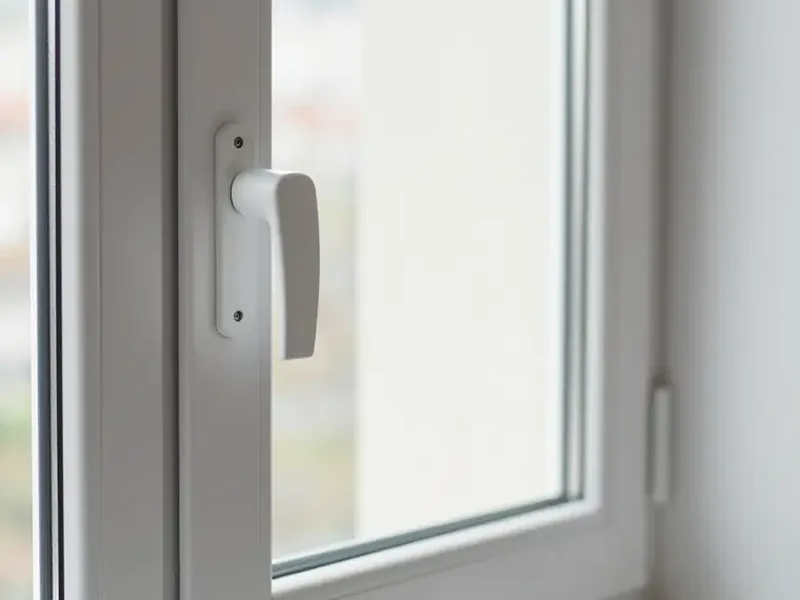
A sash lock blocks the sash from opening at all from the inside, which is what you want on an opening a child uses as a lookout but should never open alone. The lock sits on the frame handle side and holds the sash closed until an adult releases it, so a child leaning on the glass cannot push the sash wide. On the units a child reaches on the second floor or above, a lock removes the risk that a restrictor only narrows. A lock with a removable key beats a fixed one, because you keep control of when the opening moves and the child cannot copy a key that is not there. Keep the key out of reach and check the lock after the heating season, when frames shift slightly.
A cat or dog goes through the mosquito screen long before it reaches the grille, so the screen has to be the pet-resistant one and the grille sits behind it as the hard barrier. Standard fiberglass tears at the first good claw pull, while the Anti-Cat (Pet Screen) canvas is woven from vinyl threads that take repeated scratching and hold a pet's weight without splitting. We pair the two on the same opening: the pet-resistant mesh keeps the animal in and the insects out, and the grille behind it stops anything heavier from passing the gap. On a unit a cat uses as a perch, order the Anti-Cat canvas first — a grille alone will not save a standard mesh from claws.
The fixing depends on three things: the profile, the wall material and the floor your flat sits on. Below are the three methods we use and how each one behaves on plastic, wood and aluminium frames.
Our measurer picks the fixing on site, choosing between Z-shaped brackets, pins and magnets depending on the profile and the floor the flat is on. Z-brackets clamp onto the frame edge and leave no hole in the profile; pins sit in the frame's own fixing groove; magnets hold a light inner grille with no drilling at all. On a plastic frame the bracket has to clear the reinforcement chamber inside the profile, so we check the section before choosing. Through-bolts appear only where the frame is wood or a thick aluminium section that can take them. The higher the floor, the more the fixing has to resist a pull rather than a push, so the bracket that suits a ground-floor opening is not automatically right twelve floors up.
| Window material | Fixing we use | What we check first |
|---|---|---|
| Plastic (PVC) | Z-brackets or pins | Reinforcement chamber position |
| Wood | Through-bolts or Z-brackets | Frame soundness, no rot at the fixing point |
| Aluminium | Pins or self-tapping screws | Wall thickness of the profile |
| Panel-block facade | Fixing kept inside the opening | No drilling into the panel itself |
We fit grilles on balcony openings, loggia glazing and gazebo openings as readily as on a standard flat, because the fixing is chosen for the frame rather than the room. A loggia frame is usually aluminium, sometimes a slim economy section, so pins or short self-tapping screws into the profile wall work better there than a clamp bracket that needs a deeper edge. A gazebo frame is often wood and takes through-bolts well, provided the timber is sound at the fixing point. On a balcony in a panel-block block the grille stays inside the opening, never through into the panel. A loggia or gazebo frame often sits outside the insulated envelope, so the grille there has to tolerate more movement and moisture than one on a heated flat — expect to re-check the fixings once a season.
An order runs from a free measuring visit to a fitted unit, and at each step you know exactly what is happening and when you pay.
The measurer comes at a time that suits you, takes the sizes, and helps you choose the design, the mesh and the fixings on the spot, all free of charge. He checks the profile of your opening, the floor your flat sits on and how the leaf swings before writing anything down, because a bracket that suits a fifth-floor panel will not suit a ground-floor one. You can order window grilles kokshetau homeowners keep for years with the same appointment, and the consultation is part of it rather than a paid extra. Have the opening clear and the sill empty before the measurer arrives, because the sizes are taken on the actual aperture and a curtain or a plant in the way costs a second appointment.
Every unit is made to the size taken at your opening, and the price is fixed in the order right after the measuring visit so nothing changes later. The frame is cut and welded to those numbers, painted in the colour you picked to match your frames, and assembled with the mesh you chose from the five canvases we stock. A framed screen made to your size takes 10–15 minutes to put together; a pleated one takes 40–60 minutes. A made-to-size barrier is only as good as the measurement behind it, which is why the same person who measures signs off the job rather than passing it to a call centre.
We deliver and install the bars, and you pay only after installation, by cash, card or Kaspi. The fitter sets the frame into the fastenings chosen for your profile — Z-brackets, pins or magnets — checks that the leaf moves freely and that the paint is unmarked, and only then hands you the invoice. Should something sit wrong, it is corrected on the spot instead of turning into a claim weeks later. Paying after the work means you check the fixing, the leaf and the finish before any money changes hands, so a problem stays a conversation on the day rather than a dispute afterwards.
Metal does not have to read as metal. We paint it to your window colour and explain how the steel behaves through the local seasons, so the unit stays quiet on the facade and sound for years.
We paint the screen frame any colour to match your glazing, so the unit reads as part of the opening rather than an addition bolted on afterwards. The coat goes over the whole metal, corners and weld seams included, and we match it against the profile finish you already have rather than a generic white. A window grille in Kokshetau often faces the street on one side and the courtyard on the other, and the same colour reads differently in flat winter light and in summer sun, so we check the sample against the actual glass before production starts. Match the colour to the profile rather than to the wall, because a frame that blends with the glazing disappears at a glance while one matching the render still draws the eye.
A painted frame handles the Kokshetau winter well, but chips in the coating are where rust starts, so the paint is the part that needs watching. The steel square itself is thick enough for snow load and wind, and the coat is what keeps moisture off it through freeze and thaw cycles that swing from minus thirty to melting within a week. Chips come from ladders, from a bike leaned against the metal, from ice knocked off the roof, and each one exposes bare steel to the same water that runs down the glass. Touch up a chip in autumn before the freeze, because water that gets under the paint and then freezes lifts the coating further and turns a dot into a patch by spring.
Three doubts tend to hold people back at the last step: what the guarantee actually covers, whether an apartment block will object, and who turns up to do the work. Each deserves a straight answer before you order.
Our mosquito screens carry a twelve-month guarantee, installation five years, glass unit replacement three years and repair twelve months on labour and replaced parts. Each term runs from the day the work is finished and covers the parts we supplied and the fitting we did, so a torn canvas or a fixing that pulls loose is our problem, not yours. What falls outside is damage from a fall, a deliberate cut or a frame altered by someone else after handover. Cover is only as good as the person answering the phone, which is why we reply on WhatsApp within five minutes and work seven days a week rather than leaving you in a queue.
A grille fixed inside the opening usually needs no facade approval, while a projecting model that sits out on the wall can fall under the building's rules on appearance. The dividing line is simple: anything that changes how the outside of the block looks is the building's business, anything mounted within the reveal is yours. Panelled blocks and older facades tend to have the strictest wording, and a first-floor flat is where this comes up most, since a projecting design is the usual pick there. Ask the building manager before ordering such a unit rather than after, because a design that has to come down costs far more than the conversation you skipped.
We are a direct fitter with our own masters, not an aggregator or a middleman, so the specialist who measures is the specialist responsible for the installed grille. That matters at the point where something goes wrong: a listing hands your number to whichever crew is free, while a direct fitter keeps the order, the sizes and the warranty in a single place. We take orders across 17 cities of Kazakhstan, and the measurer who visits your flat notes the profile, the floor and the fixings, so nothing is lost between a call centre and a workshop. An ad gives you a phone number and nothing else, while a direct fitter gives you a fixed price after measuring and a guarantee you can actually call on.
Grilles are a small purchase with a long service life, so the decisions that matter are made before the first hole is drilled — type, fixing and finish.
Choice, safety, care and installation
Konstantin Selenenkovsenior mosquito screen specialist, 10 years in the tradeOnline · replies within 5 minutes
Ask a questionFor the first floor, welded grilles with a hinged opening on a lock are usually chosen: they make intrusion harder and still give access to the window. If the facade appearance matters, transparent anti-vandal panels will work, but they are more about protection from accidental pressure.
A transparent polycarbonate grille withstands impact and prevents easy access to the window, but it is a barrier against accidental intrusion. For full anti-vandal protection on the first floor, it is usually combined with a metal frame or a welded structure is installed.
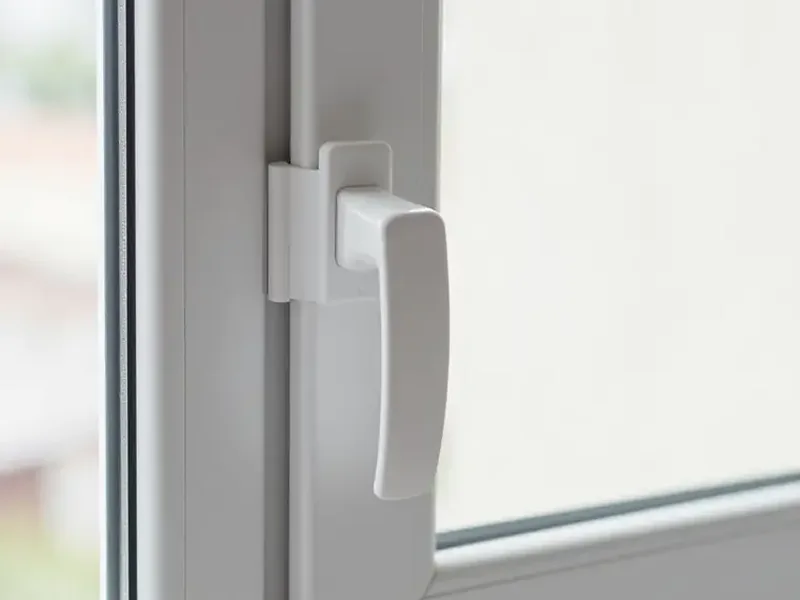
To prevent children from falling, a sash limiter or blocker is more reliable: it prevents the window from opening wider than a safe gap. A grille protects against intrusion from outside and works well together with a limiter, but does not replace it on its own.
A hinged or sliding grille opens and gives free access to the sash and glass, so washing the window is convenient. A fixed welded structure makes maintenance harder, so this option is worth choosing where the window is almost never opened.
It is enough to periodically wipe the grille from dust and inspect places where the paint has chipped, touching them up in time. Powder coating lasts longer than regular paint, so when ordering it is worth choosing it right away and matching the color to the windows.
Yes, grilles are installed on loggia and balcony windows, but in an apartment building the exterior appearance must comply with facade rules. Before ordering, check the requirements with the KSK or the akimat, and we will help you choose a design and color that will not cause objections.
Grille installation is possible in winter as well: the main work is done on the wall and does not require above-zero temperatures indoors. Measuring is also done in cold weather, and production and installation times are agreed after measuring.
Yes, we provide a warranty on grilles and their installation — 1 year for the product and installation. If after installation you have questions about the fixings or coating, contact us and we will help sort it out.
Thank you. We will call you back within 10 minutes!
Your order number is on the receipt or in the SMS. Choose where to leave your review.
Write a review on WhatsApp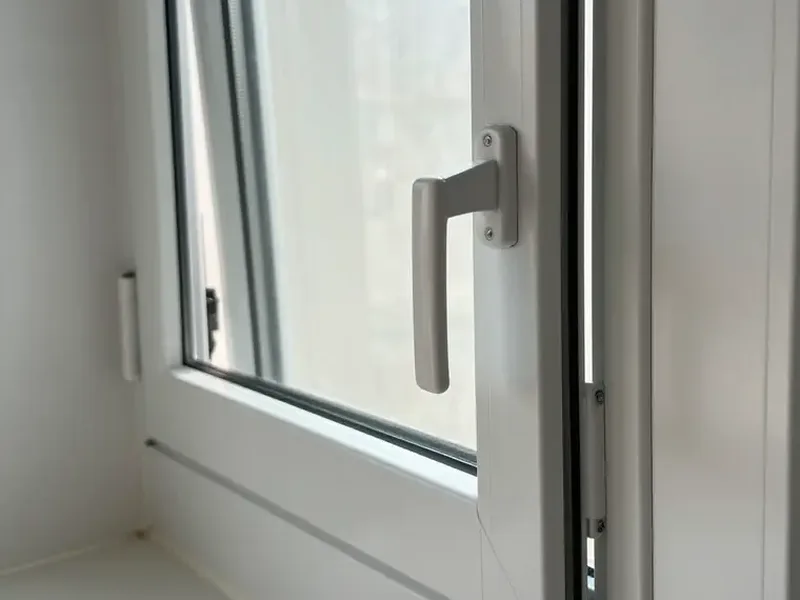 Window restrictors
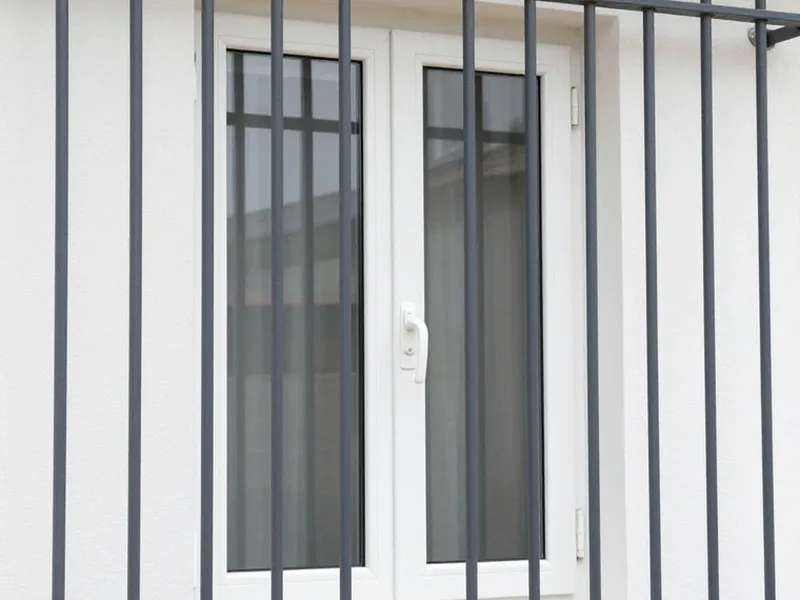 Metal grilles
 Transparent grilles
 Window blockers
 Window handles
