
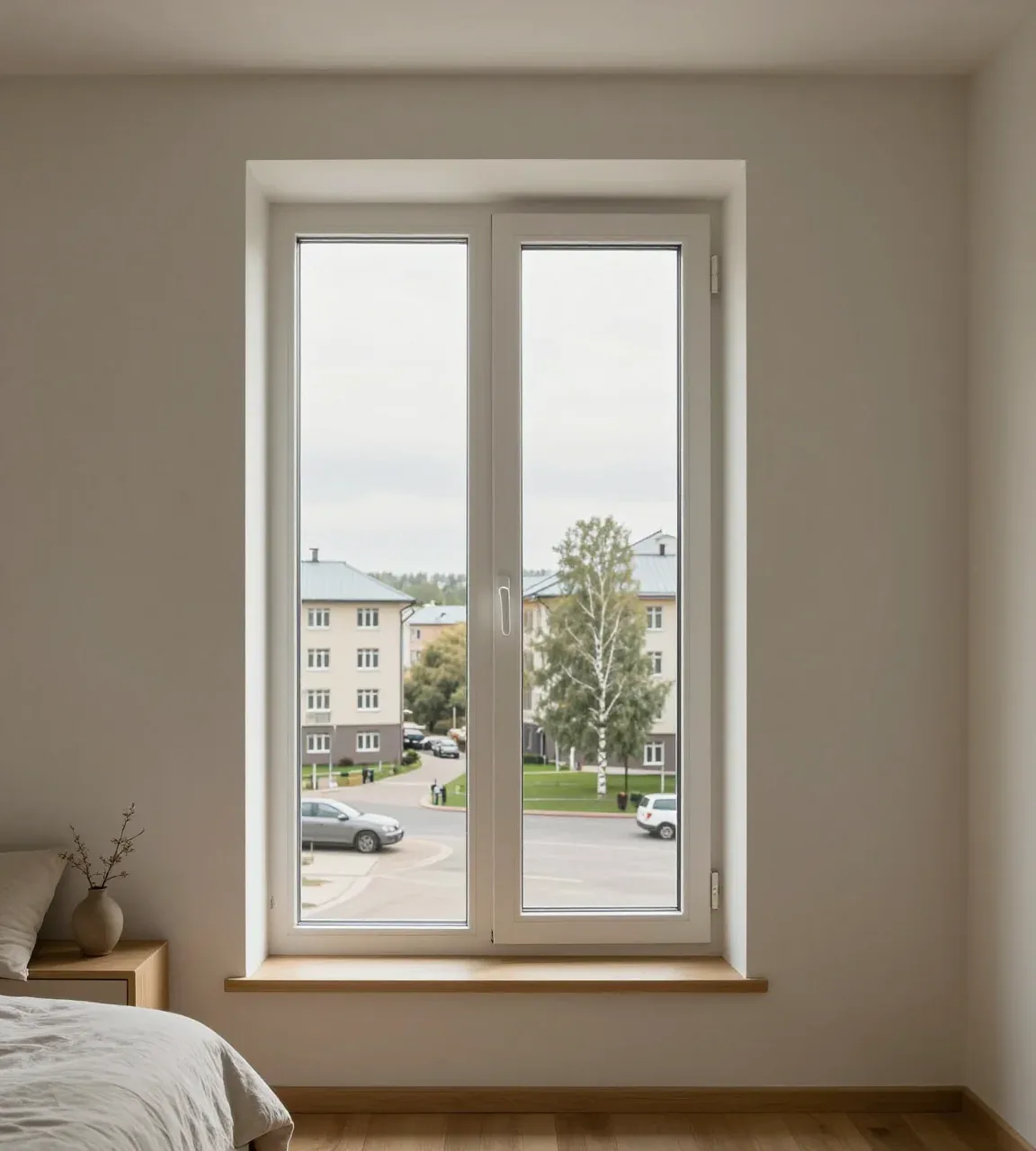
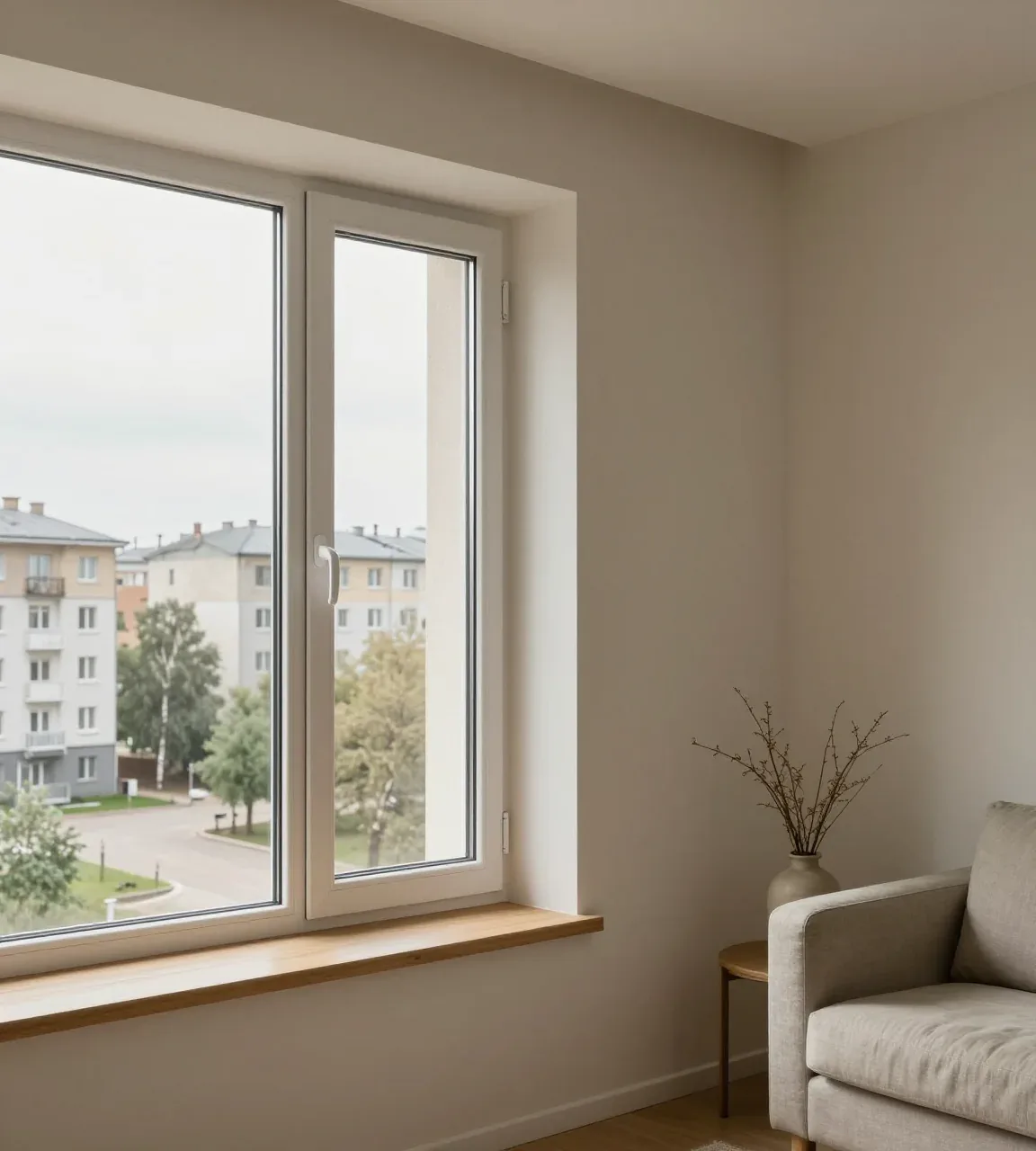
Wooden windows
Swedish technology
The old window stays, but the gaps disappear: seal in the groove along the whole sash. From 4 200 ₸ per linear metre.
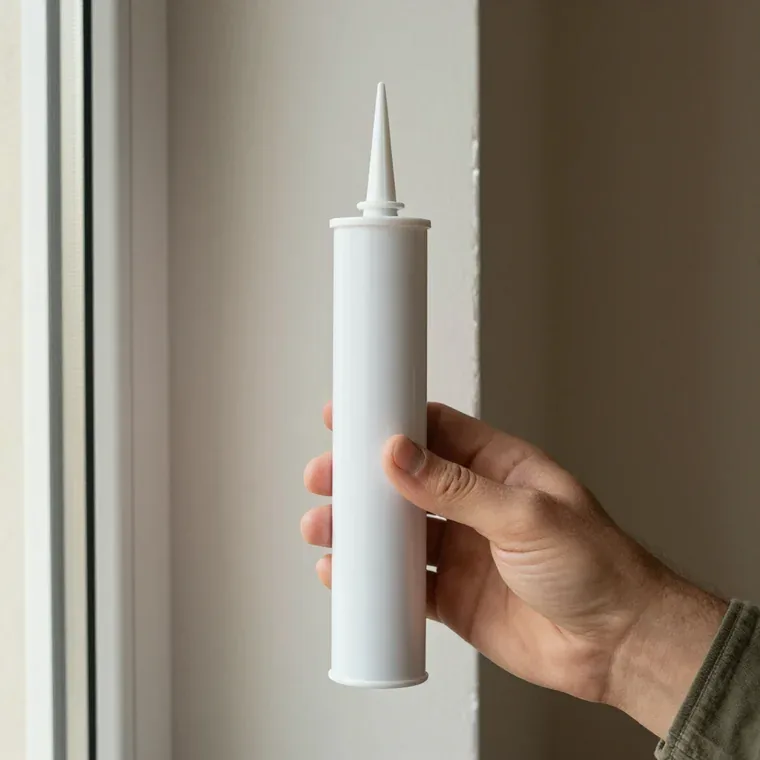

Swedish technology
The old window stays, but the gaps disappear: seal in the groove along the whole sash. From 4 200 ₸ per linear metre.
Drip cap
We close the seam under the drip cap, through which wind blows in winter. From 2 000 ₸ per linear metre.
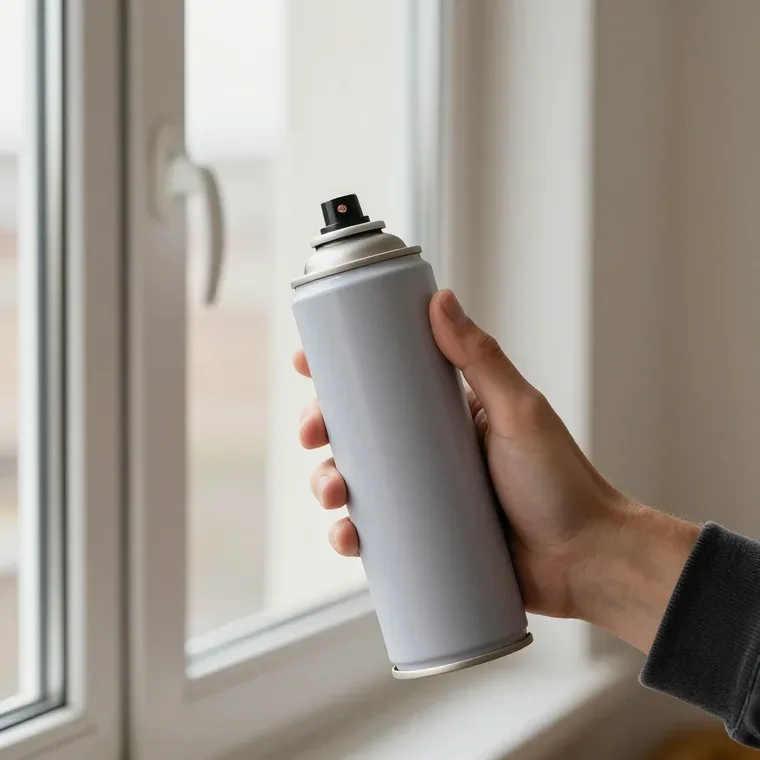
Balcony from inside
We insulate the walls and floor of the balcony so it doesn't chill the flat. From 6 800 ₸ per m².
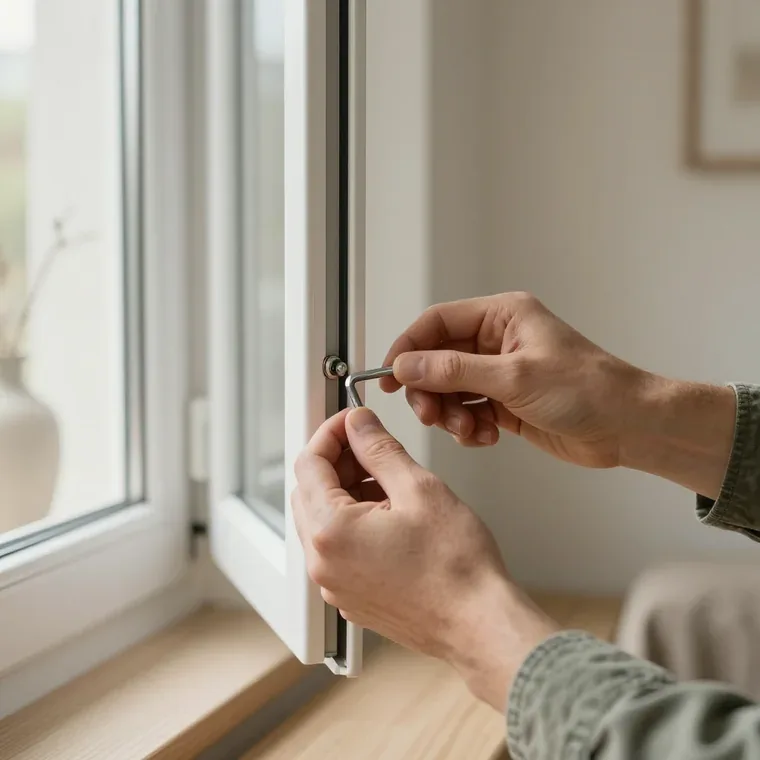
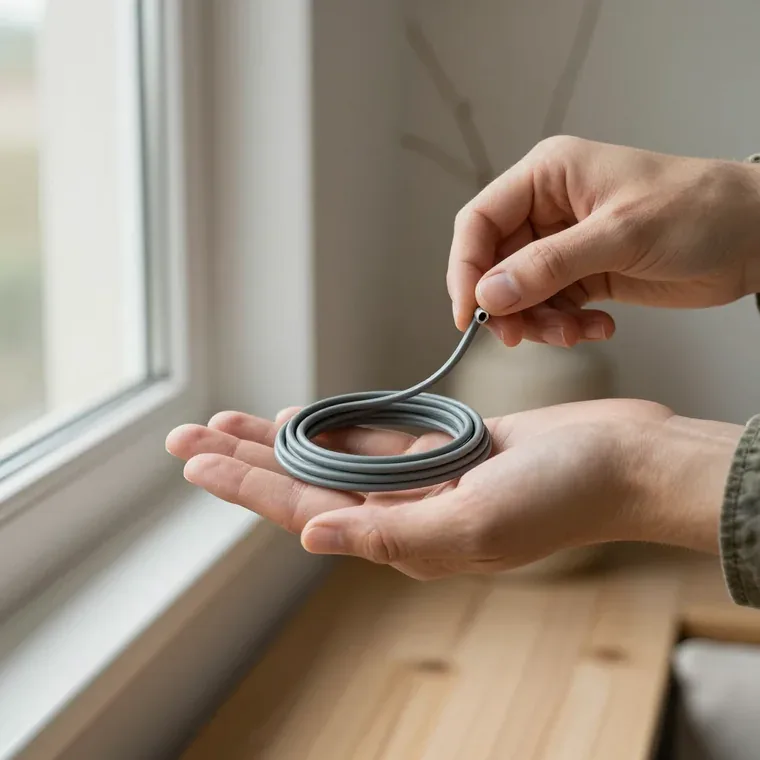
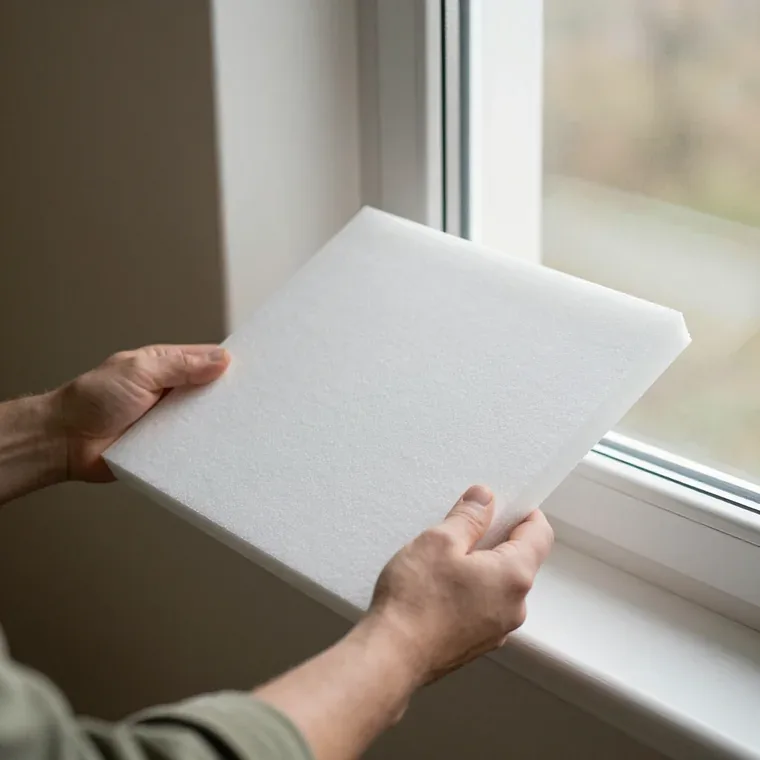



5,097 reviews on review sites
Almost any: old wooden, plastic from the early 2000s and even new windows in new buildings that haven't been adjusted.
Wooden windows benefit from Swedish technology: seal in the frame groove closes the gaps. Plastic ones — new seal, adjustment and seam sealing. Balconies — tight sashes and wall insulation from inside.
The long winter and damp from the lakes around Kokshetau quickly reveal the weak points of a window: mould, frost, cold at the floor. The technician will advise which works will bring warmth and which can be skipped.
linear metre of Swedish technology
warranty on repair and components
payment when you have checked the window
Four problems people come to us with in Kokshetau.
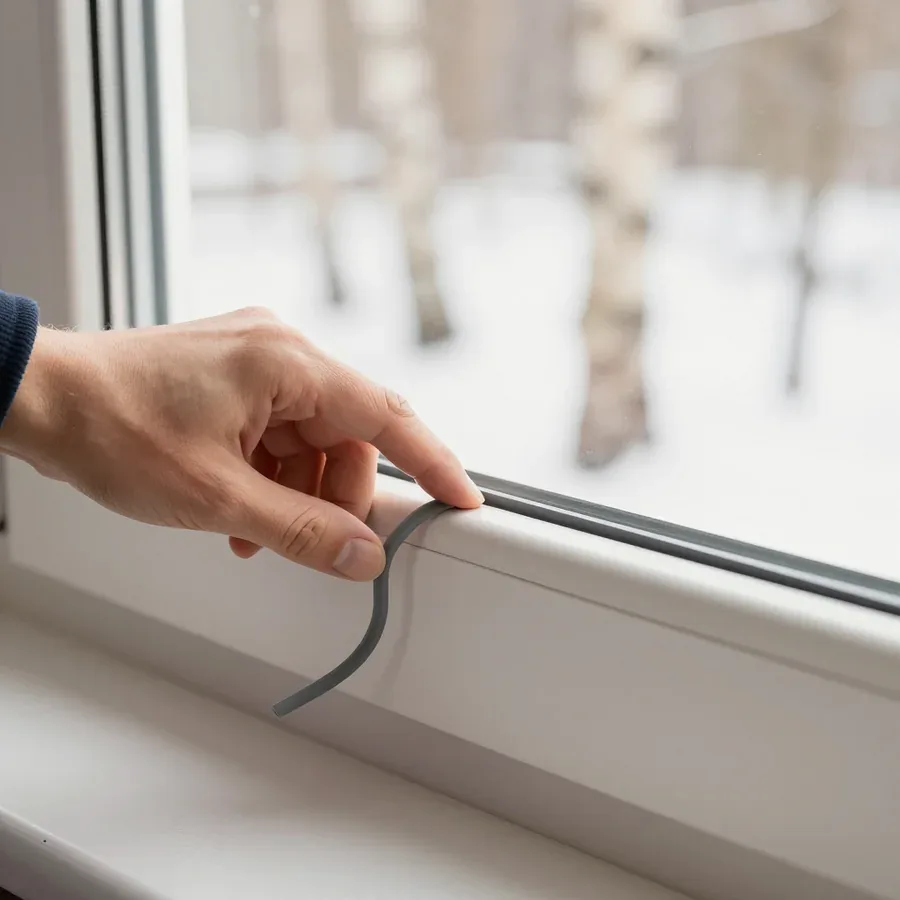
The wooden frame has dried out and a draught is felt around the sash perimeter.
Outside under the drip cap there is an open seam, wind passes under the frame.
The balcony sashes don't close tightly, the room next to it gets cold.
A thin single-chamber unit freezes at the edges in winter.
We select the work by window type and problem, without unnecessary services.
wooden frames
Groove around the sash perimeter and seal without joints.
external seam
Sealant closes the seam from wind and meltwater.
walls and floor
Insulation of the loggia from inside.
PVC windows
New seal and compression adjustment.
gap underneath
Foam and sealant under the window sill.
The amount depends on the window type and set of works; the technician will name it during the inspection.
| Type of work | Price |
|---|---|
| Window insulationfull set of works | from 3 800₸ per window |
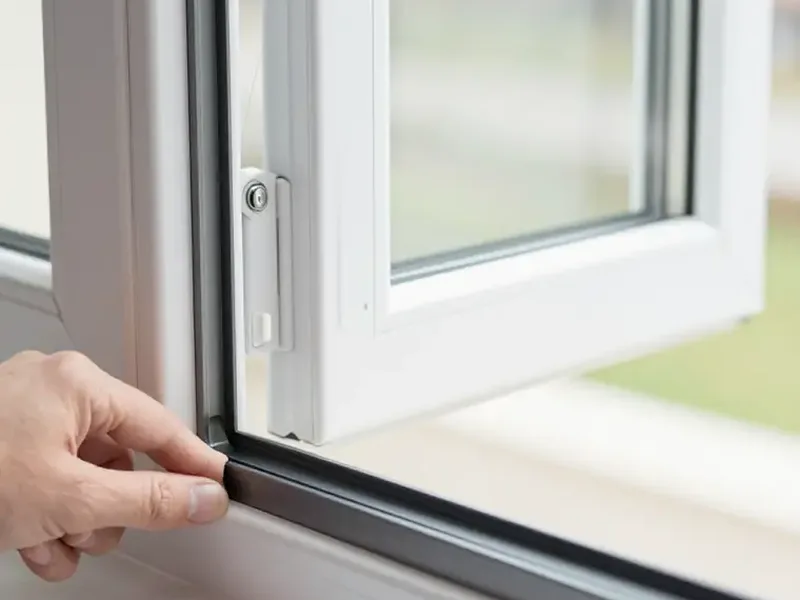
| Seal replacementsash and frame | from 1 000₸ per linear metre |
| Draught eliminationaround the perimeter | from 3 500₸ per sash |
| Internal sealingliquid plastic | from 1 500₸ per linear metre |
| External sealingdrip cap and side seams | from 2 000₸ per linear metre |
| Warm revealinsulation, finishing | from 19 900₸ per linear metre |
| Window sillno gaps underneath | from 15 000₸ per job |
| Swedish technologyfor wooden frames | from 4 200₸ per linear metre |
| Micro-liftextra compression | from 1 700₸ per item |
| Inter-frame sealthird contour | from 2 800₸ per window |
| Thermal imagercold map | from 9 000₸ per job |
| Balcony insulationfrom inside | from 6 800₸ per m² |
The price is fixed in the order after measuringMeasuring and consultation are freePayment after installation: cash, card, Kaspi
Send a requestWhat you get.
on work and replaced parts
wooden, plastic and balcony
fixed after inspection
checking the window: cash, card, Kaspi
on WhatsApp to your message
we come on a convenient day
we accept requests daily
we work across Kazakhstan
From request to a warm room.

Send a photo of the window to WhatsApp and describe the problem: gaps, frost, mould or a cold balcony.
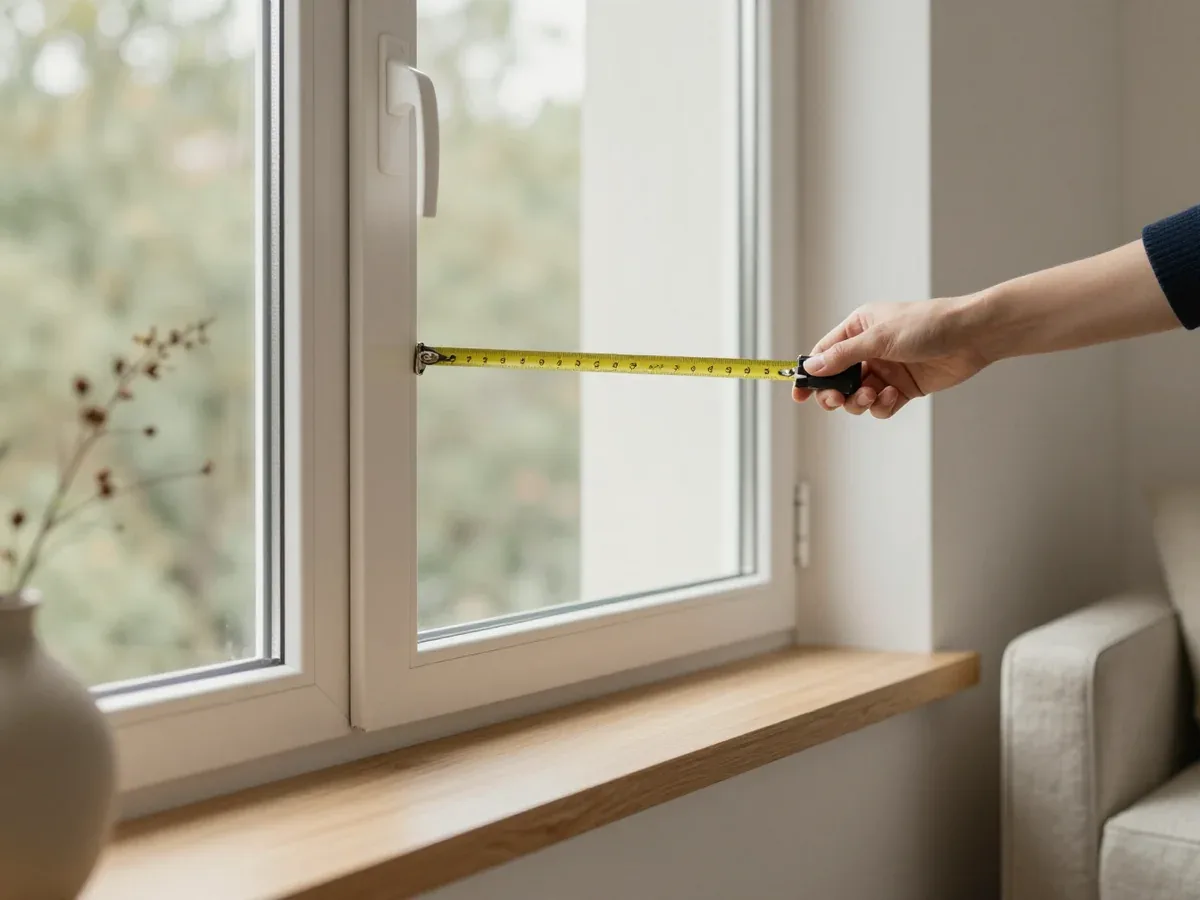
The technician checks the frame, sashes, sill and reveals and quotes the cost of work.
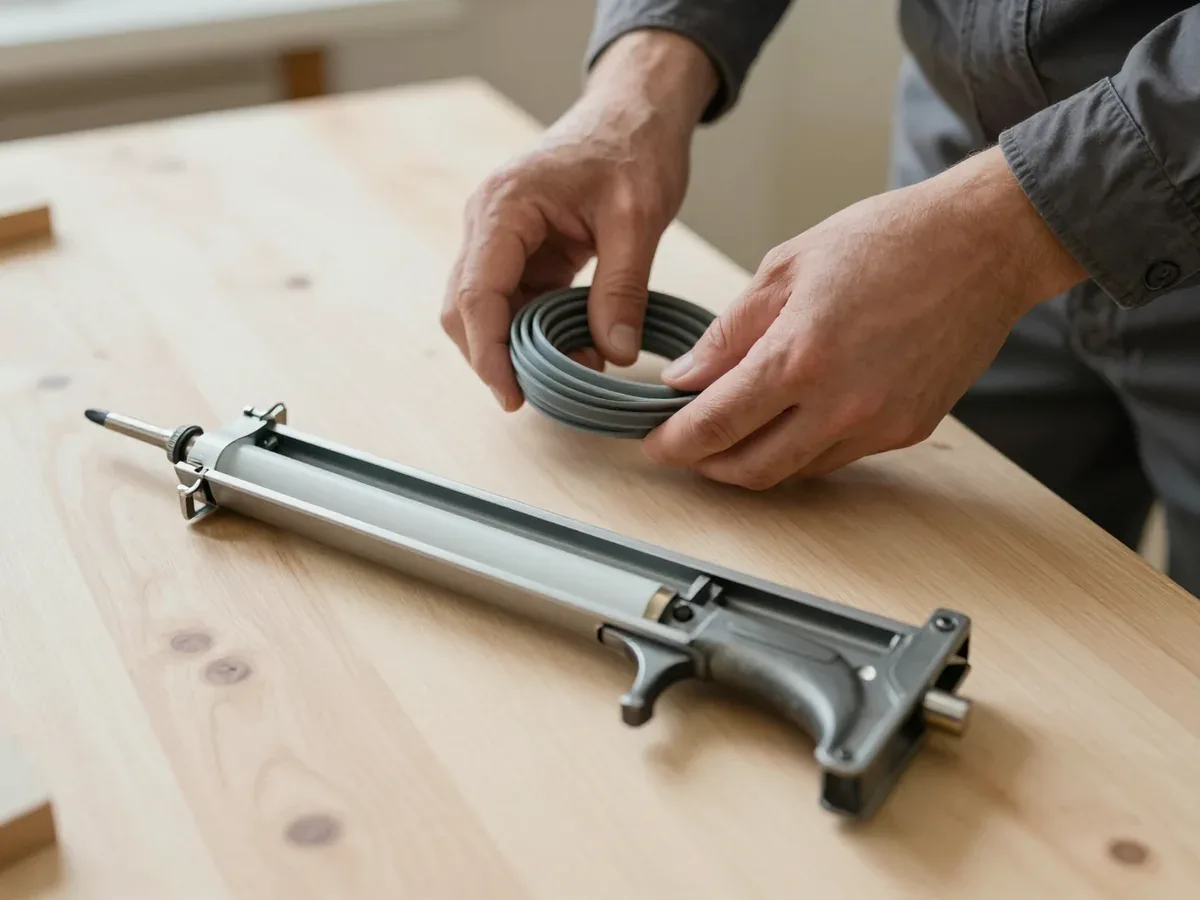
We mill the groove and install the rubber seal, seal the seams and sills, and adjust the sashes.
We check the window for draughts, show you how to care for the rubber, then you pay.
Good to know

Senior mosquito screen specialist at moskitnyesetki.kz
We handle window insulation in Kokshetau as a direct contractor with our own craftsmen, not through middlemen. We start with a free measuring visit, find where the cold actually enters, then replace seals, adjust the sash pressure, fit slopes or swap the glass unit. The price is fixed in the order after measuring.
A closed handle does not mean a sealed sash. Before quoting any work we look at four separate places where heat escapes, because each one needs a different fix.
On a free measuring visit our measurer runs a simple check — a paper test at the sash, a hand along the perimeter and a look at the corners of the pane — and tells you on the spot whether you have a draught, frost or both. A sheet of paper pinched in the closed sash should resist a pull; if it slides out easily, the gasket or the hardware pressure is the cause. A hand that feels moving air at the handle points to the same two parts, while a cold, still surface at the bottom corner of the glazing points to the sealed unit. If that corner stays wet while the seal feels tight, insulation alone will not help and the glass unit is the part to look at first.
The cheapest fix is not always the right one, and the biggest one is not always needed. Here is how we match the work to what your window is actually doing.
| Symptom | What we check | Work we do |
|---|---|---|
| Draught at the handle | Seal wear, sash pressure | Seal replacement, adjustment |
| Cold perimeter, wet slope | Installation seam, slope | Slope and drip fitting |
| Cold glass, condensation | Glass unit condition | Glass unit replacement |
| Whistling in strong wind | Hardware, pressure | Adjustment, new seal |
Insulating an existing unit makes sense while the frame is sound and the hardware still moves freely, and replacing the whole thing makes sense when the profile itself is warped or cracked. Window insulation in Kokshetau on a sound frame costs a fraction of a full installation, because the sashes and glass stay in place and only the seal, hardware or slopes are renewed. Repair at this level keeps the original geometry and takes hours rather than days. A warped profile is a different case: no fresh gasket will close a gap that the structure itself has opened, and the sash keeps pulling away from the rebate. Full installation becomes the honest option once the geometry is lost or the hardware no longer holds pressure. Check whether the sash closes flush before paying for insulation.
Old wooden windows are often written off too early. In many Kokshetau houses the leaf is still solid, and the cold comes from worn sealing, cracked paint and loose corners rather than the wood itself.
We insulate wooden frames without removing them by renewing the gasket, filling the joints, restoring the paint layer and adjusting the leaves so they close tight. The work starts with geometry: we check the diagonals and the fit in the rebate, because a warped leaf will not hold a fresh strip for long. Then we clear the old cracked compound out of the corners, prime the bare spots and repaint the perimeter so moisture stops soaking into the end grain. Adjustment comes last, and only then the gasket goes in. Timber moves with the seasons, so a strip fitted in a dry period can open a gap by winter, which is why the sash geometry is checked before the sealing is replaced.
Plastic, wood and aluminium units lose heat in different ways, so the same insulation plan does not fit all three. A PVC profile is rigid and welded, barely moves, and its weak points are the rubber gaskets and the slope joints, so adjustment and a seal check usually cover it. Timber shrinks and swells across the grain, which opens the mitre corners and pulls the putty away from the glass. Aluminium conducts cold straight through the profile, so the frame itself needs an insulating layer rather than a thicker strip. A flat in a recent building with a plastic unit rarely needs more than an adjustment and a gasket check, while an old wooden leaf in a private house usually needs the perimeter and the paint dealt with too.
Most insulation work is a same-day job that does not empty the flat. Here is the order of steps from the opening message to the closing check.
The best time to deal with a window is before the first hard frost, while the seal is still flexible and the slope is dry enough to work on. A rubber gasket that has already frozen stiff is harder to seat cleanly, and adhesive tapes grip poorly on a cold, damp frame. Autumn booking also lets the measurer inspect the whole flat in daylight and flag every sash that needs attention, not just the one that whistles loudest. On older wooden frames the gap between leaf and rebate widens over a cold snap, so a fit done in mild weather holds its line through January. Calls for insulation in Kokshetau before winter come in waves from September, and the queue shortens sharply once the first snow settles. Book the visit while the frame is still workable and you get a tighter result than chasing a mid-winter draught.
The difference between a good and a bad insulation job usually shows up a season later. These are the terms we put in writing before any work starts.
We give a 1-year warranty on window repair covering both labour and replaced parts, a 3-year warranty on glass unit replacement and a 5-year warranty on window installation. The three terms run separately because each job touches different components: a repair may involve a new seal or hinge, a glass unit replacement swaps the sealed pane itself, and full installation covers the frame, the fit and the fastenings in one scope. Our fitters note on the order which term applies, so a claim never turns into an argument about whether a draught comes from the sash or from the glazing. A warranty that names the parts and the labour separately is easier to claim, so ask which of the three terms applies to the work you are ordering.
The price is fixed in the order after measuring, and you pay after the work is done by cash, card or Kaspi, so there is no deposit before the craftsmen arrive. The measurer records the sizes, the profile, the mesh type and the fastenings on site, and that written figure is what you settle at the end — no additions appear once the tools are out. Payment after installation also means you inspect the sashes, the seals and the fit first, then pay for what you can see working. A price agreed only by phone leaves room for extras on site, while a figure written into the order after measuring is the one both sides can hold to.
Most rooms lose warmth in one or two specific spots, and the repair that closes them is often smaller than homeowners expect. Here is what decides the outcome.
Diagnostics, seals, reveals, inspection
Konstantin Selenenkovsenior mosquito screen specialist, 10 years in the tradeOnline · replies within 5 minutes
Ask a questionFirst they inspect the sash, glazing beads and rebate, then check the installation seam, sill and reveals, using a thermal imager if needed. This way they find the real source of cold rather than just replacing rubber at random.
Typically rubber or caoutchouc contours are used, and frost-resistant grades have less residual deformation in cold. The specific type is selected for the profile and condition of the sash, depending on the window.
Yes, in most cases the sashes are not removed: the seal, rebate and installation seam are treated on site. Removal is only necessary for serious frame deformation, depending on the window.
No, condensation inside the chamber means the double glazing's airtightness is compromised, and a seal will not fix this. In that case a new double glazing is needed, and contour insulation is done additionally.
Most often mineral wool or expanded polystyrene is used with plaster or panel finishing, and the installation seam is sealed. The material is selected based on the reveal design, depending on the window and finish.
Check that the sash closes tightly, there are no gaps around the perimeter and under the sill, and the seal fits evenly. If drafts remain, tell the technician before signing the acceptance, the warranty on window repair is 1 year.
Thank you. We will call you back within 10 minutes!
Your order number is on the receipt or in the SMS. Choose where to leave your review.
Write a review on WhatsApp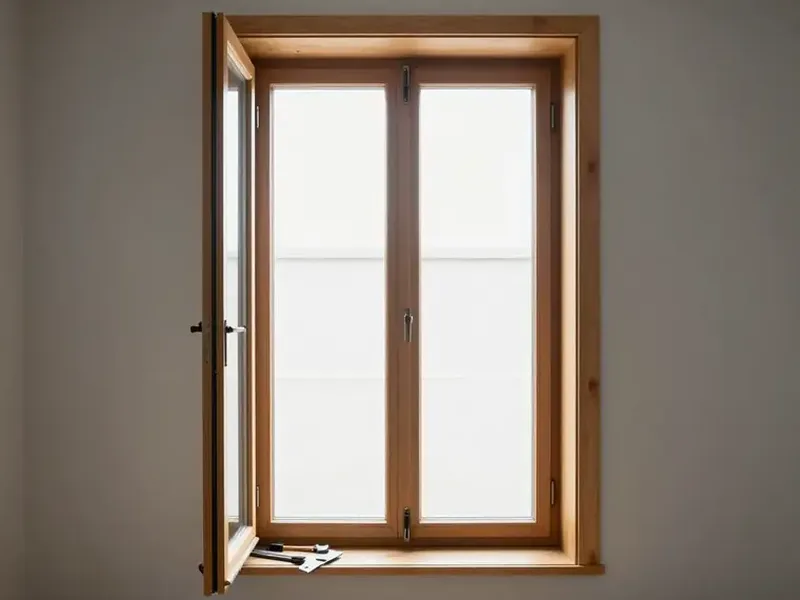 Wooden window repair
 Balcony glazing
 Seal replacement
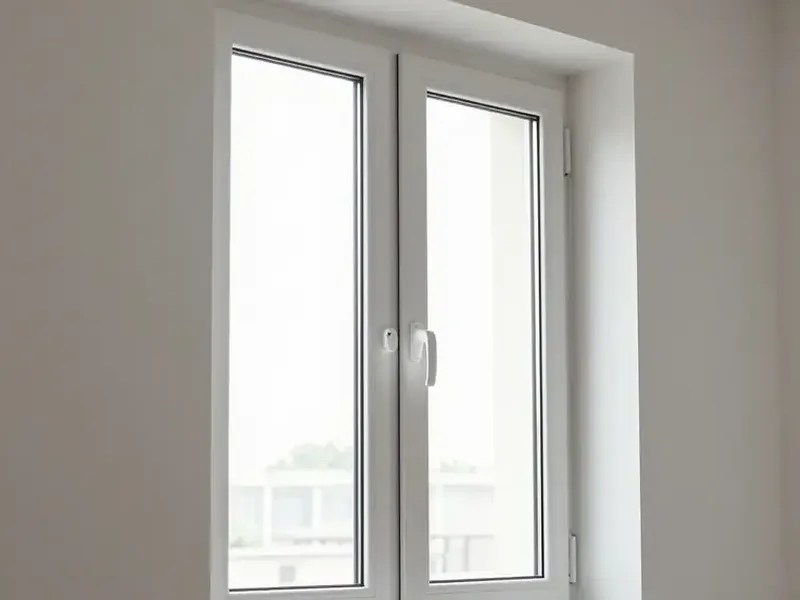 Reveal finishing
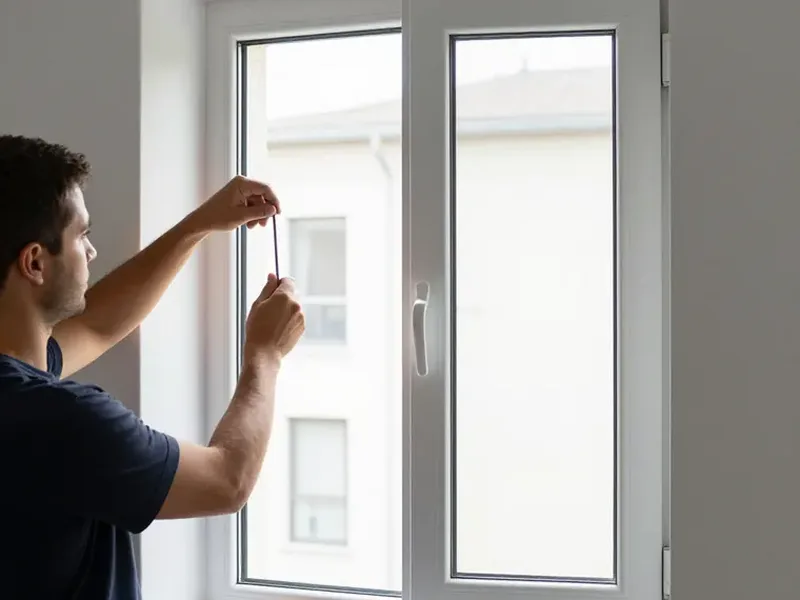 Window repair
