


Good to know
Inside-Mount Mosquito Screens in Kokshetau

Senior mosquito screen specialist at moskitnyesetki.kz
We make inside-mount mosquito screens in Kokshetau to your exact window size, fitted from the room side with no drilling into the frame. A measurer comes free, picks the mesh and fastenings for your window and floor, and you pay only after installation. Every screen carries a 1-year warranty.
Inside-mount mosquito screens or outside-mount and which one your window needs
A screen can be fixed on the room side of the frame or on the street side. The difference is not cosmetic: it changes the fastenings, the access and the way you look after the mesh.
How the two mounting sides differ in daily use
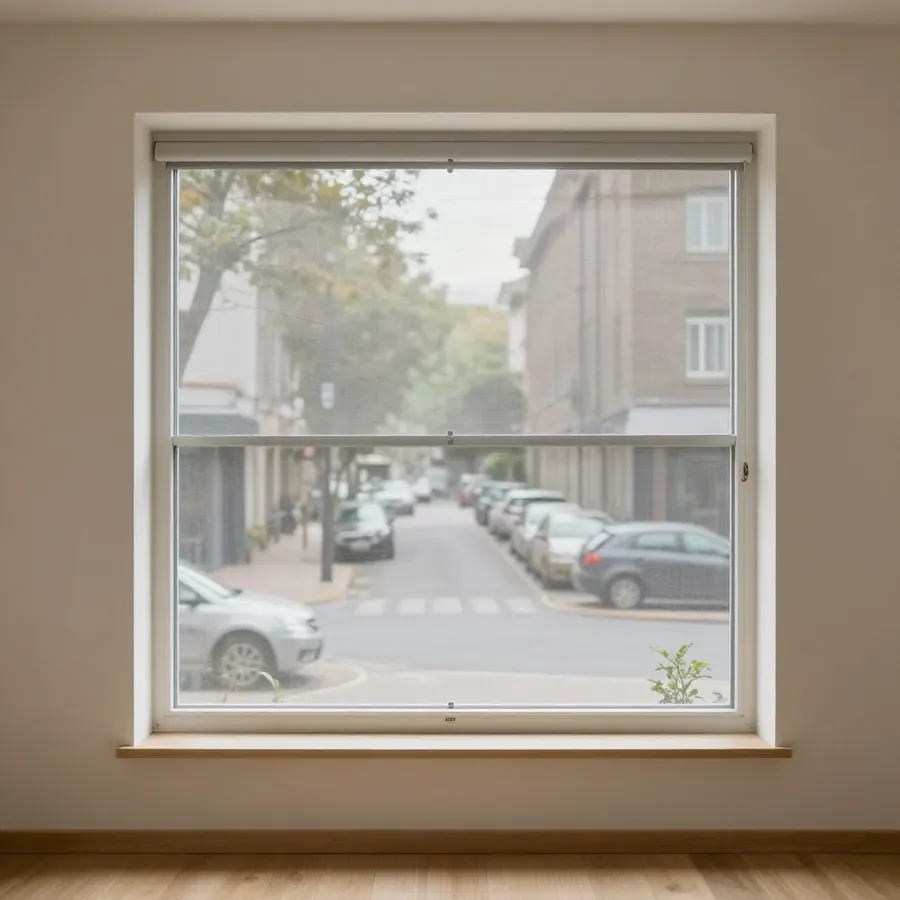
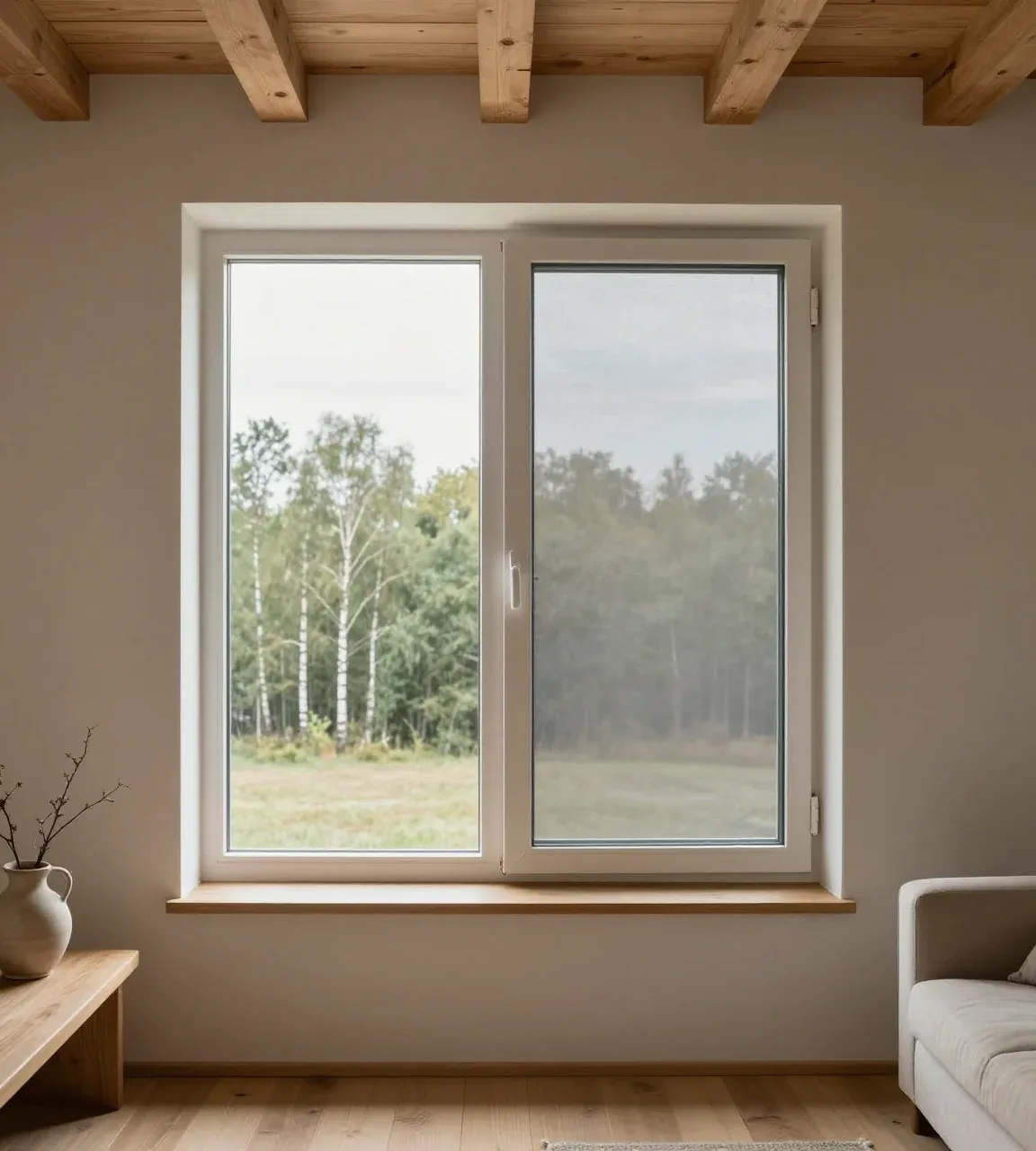
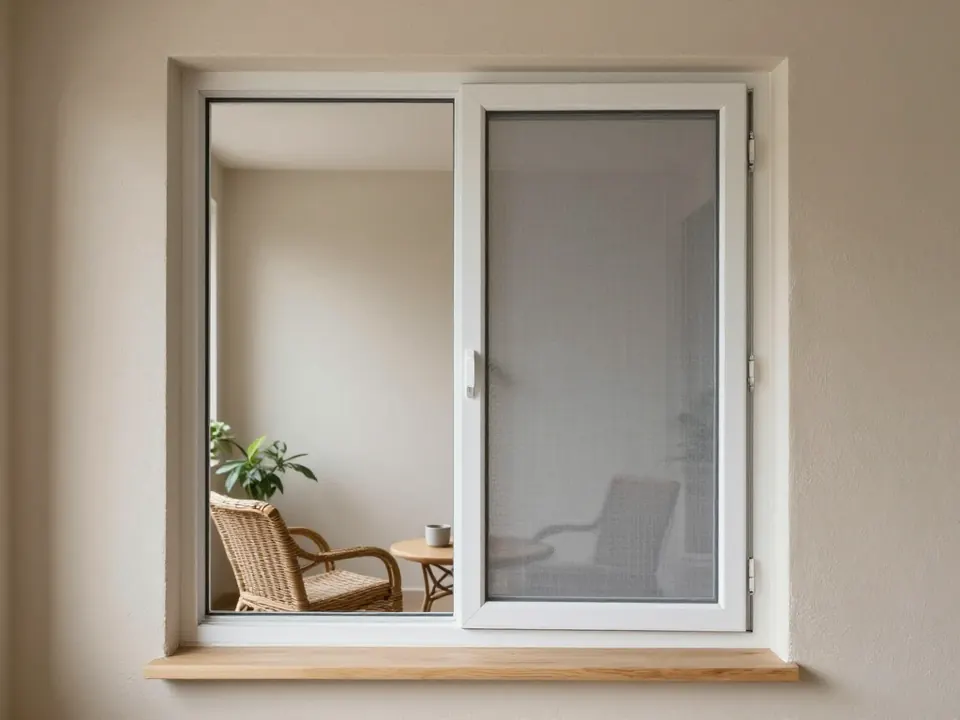
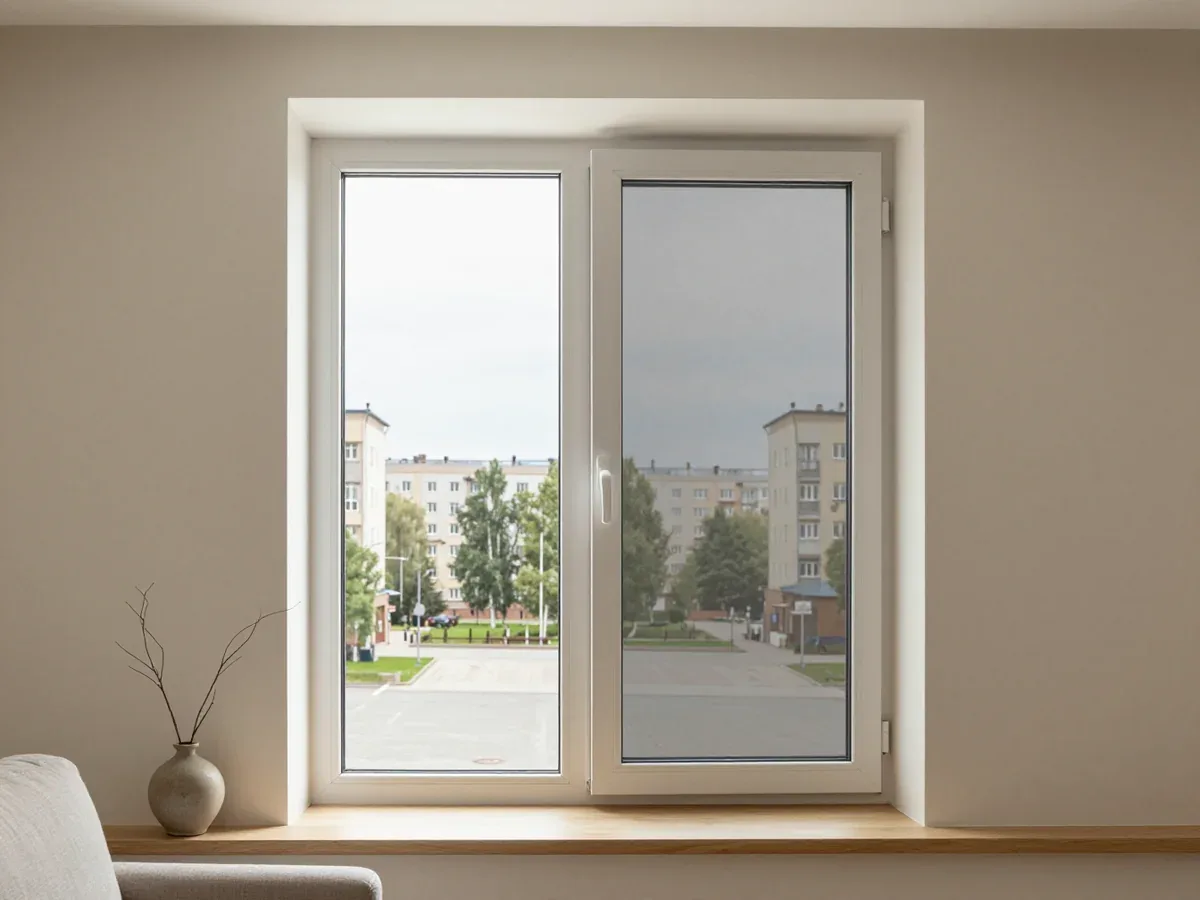
An inside-mount unit sits on the room side of the frame, so you reach it without opening the window or leaning out. An outside-mount unit is fixed over the outer edge of the frame instead, and every touch means opening the sash first and working past the sill. That single position decides how you clean the weave, how you swap it for the season and how quickly a loose fixing can be tightened. On the room side the whole frame, the weave and the clips stay at floor level, in plain sight and within reach of one hand. On the street side the same parts hang over the facade, exposed to wind, rain and dust carried up the wall. On upper floors the outside position means working at the opening itself, while the inside position keeps every adjustment within arm's reach from the floor.
Why inward-opening windows usually get an inside screen
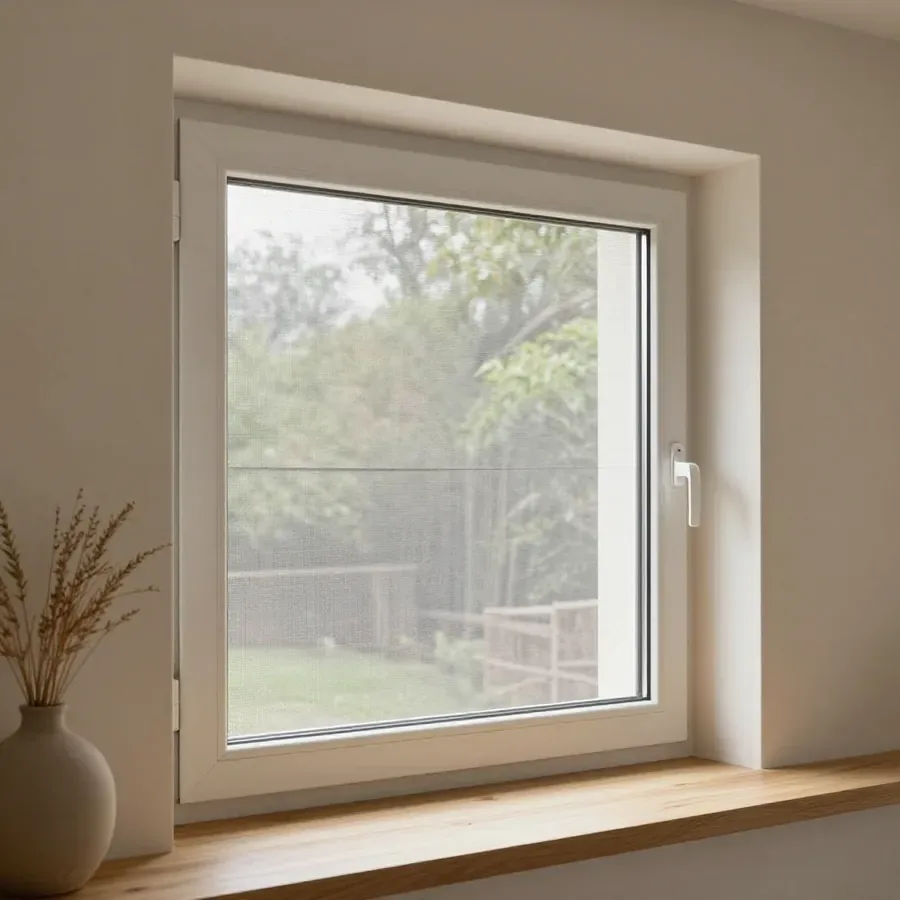
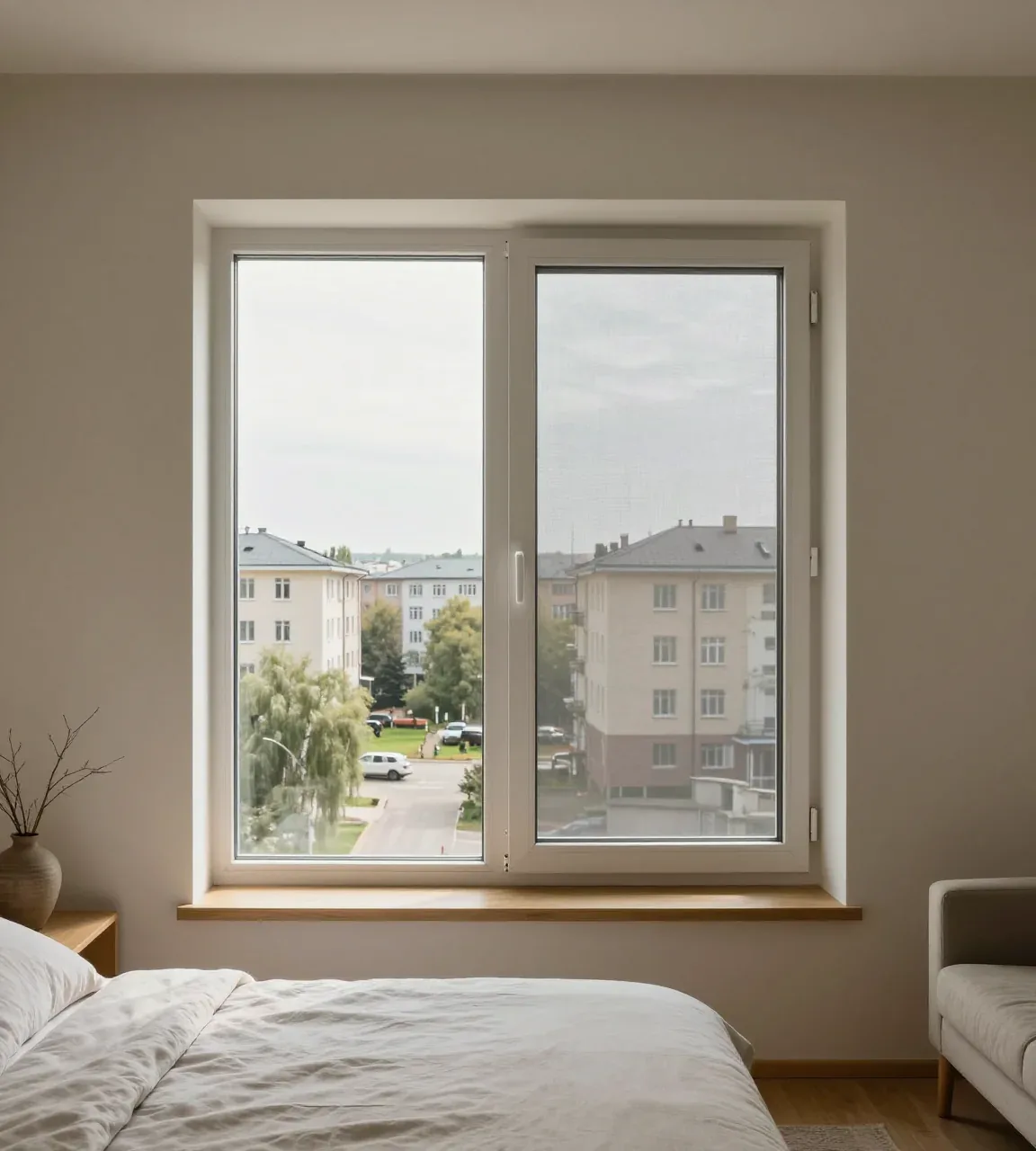
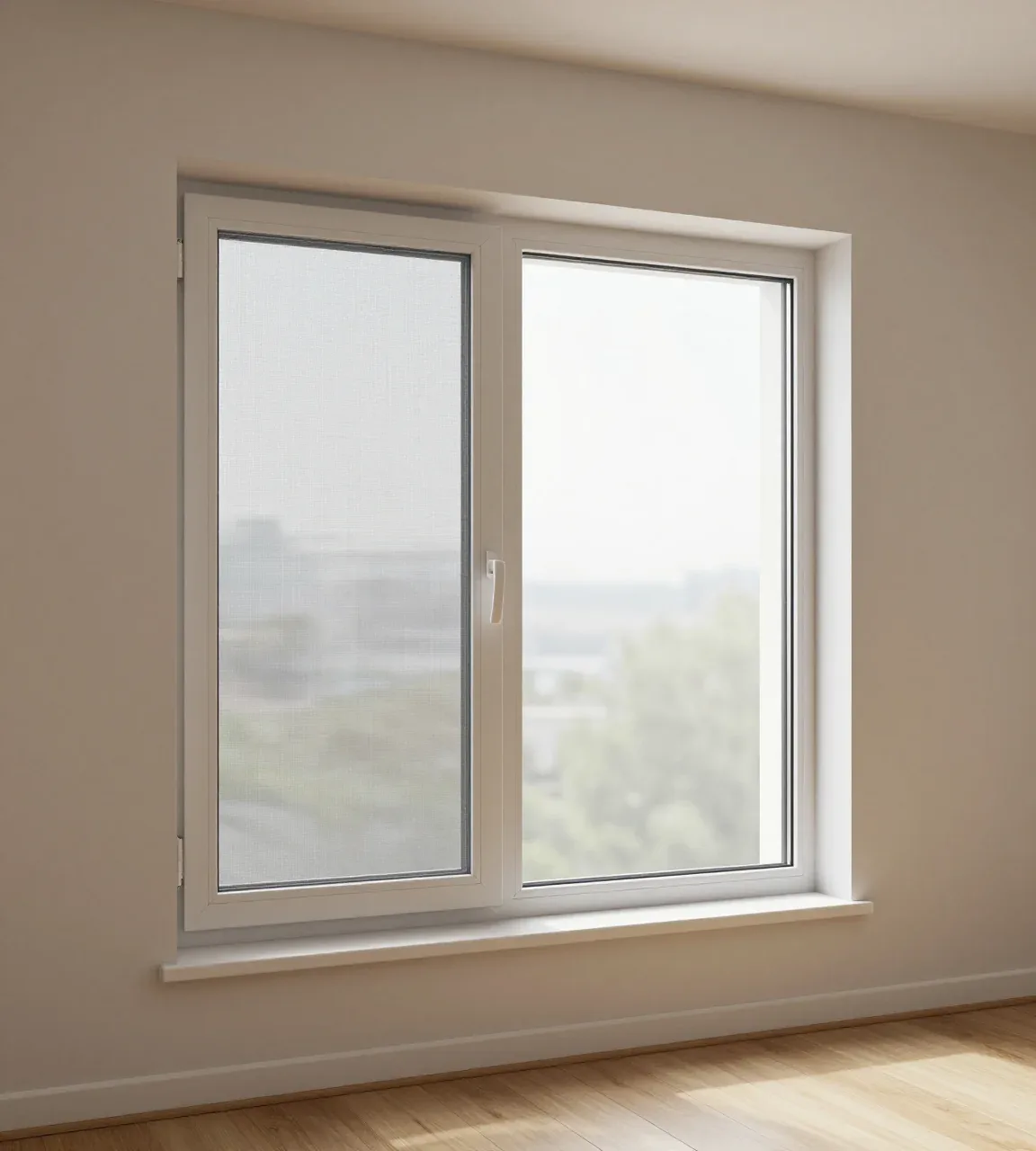
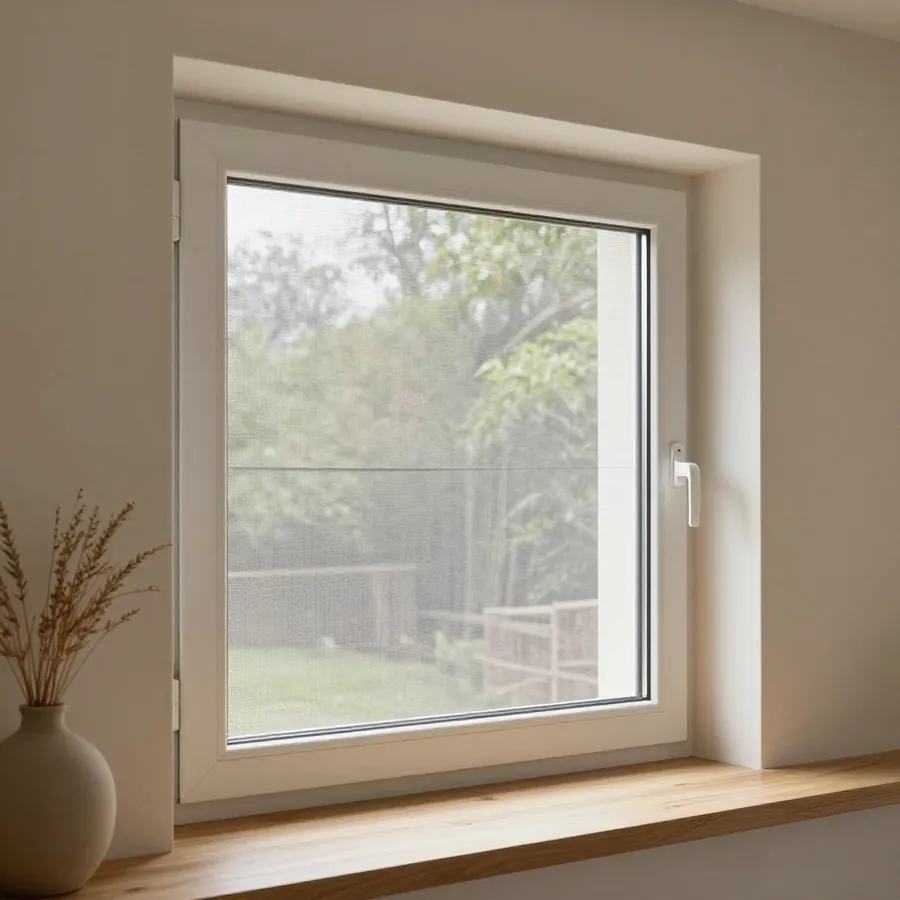
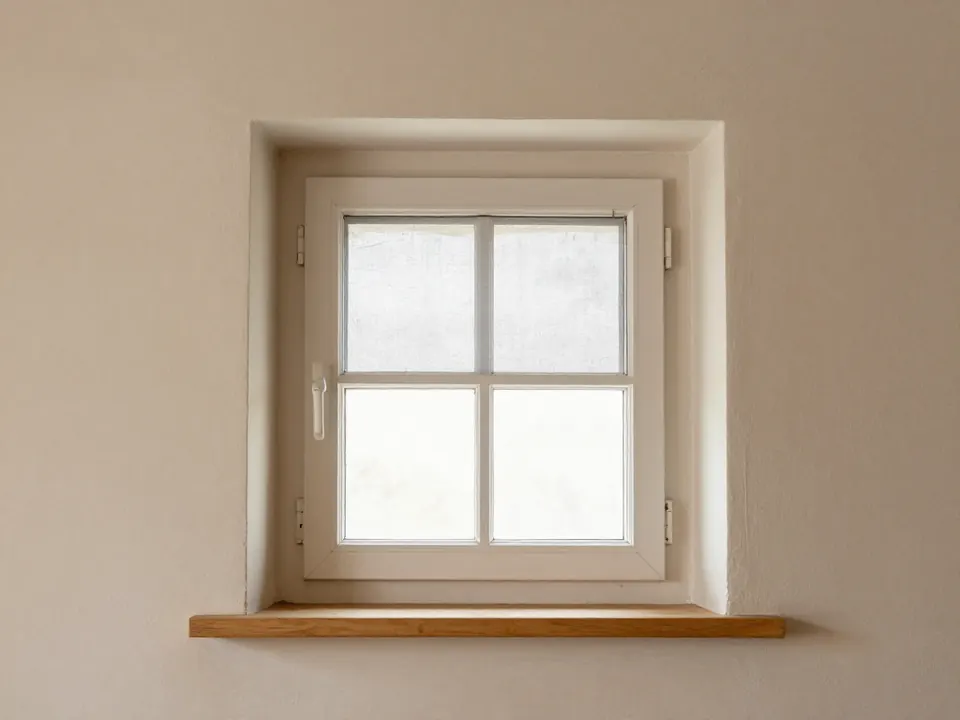
We fit room-side screens on inward-opening sashes because the mesh stays clear of the swing and never blocks the handle. The sash tilts or turns into the room, and a unit fixed on the outer edge would sit behind the moving leaf, where the frame and clips are hard to reach. With the unit on the room side, the handle stays free, the leaf opens on its normal arc and the panel lines up with the opening rather than fighting it. A unit on the room side also means the panel can be lifted out for washing without anyone reaching across the sill. In our experience the room-side position is what most inward-opening sashes in Kokshetau end up with, simply because it keeps the moving parts on the same side as the person using them.
Fastenings that hold inside-mount mosquito screens without drilling
The fastening decides whether the frame stays put through a slammed door and whether the profile keeps its finish. Below are the three types we fit and the logic behind each choice.
Z-brackets, pins or magnets and how the measurer chooses
Our measurer picks the fastening to match your window profile and floor, choosing between Z-shaped brackets, pins and magnets. On standard plastic profiles the Z-bracket hooks over the frame edge and holds the screen flat; in tight reveals where no clip should show, spring pins sit inside the frame groove; on light sashes magnets pull the frame to the profile and let you lift it off in one motion. For inside-mount mosquito screens Kokshetau flats get the same careful selection of fixings, matched to the profile and the floor. Top-floor flats in Kokshetau get extra attention: wind load on an open sash is higher up there, so the measurer checks how deep the profile sits before signing off the order. The heavier the sash and the higher the floor, the more the choice leans to brackets that grip the profile rather than rest on it.
Fastening options at a glance
| Fastening | How it holds | Best for |
|---|---|---|
| Z-shaped brackets | Hook over the frame edge | Standard plastic profiles |
| Pins (plungers) | Spring into the frame groove | Tight reveals, no visible clips |
| Magnets | Pull the frame flat to the profile | Light sashes, quick removal |
Choosing inside-mount mosquito screens mesh for more light, a cat, dust or pollen
The mesh decides how much light reaches the room and what the screen actually stops. Below are the properties of each option and the job it does best.
Matching the mesh to the problem in the room
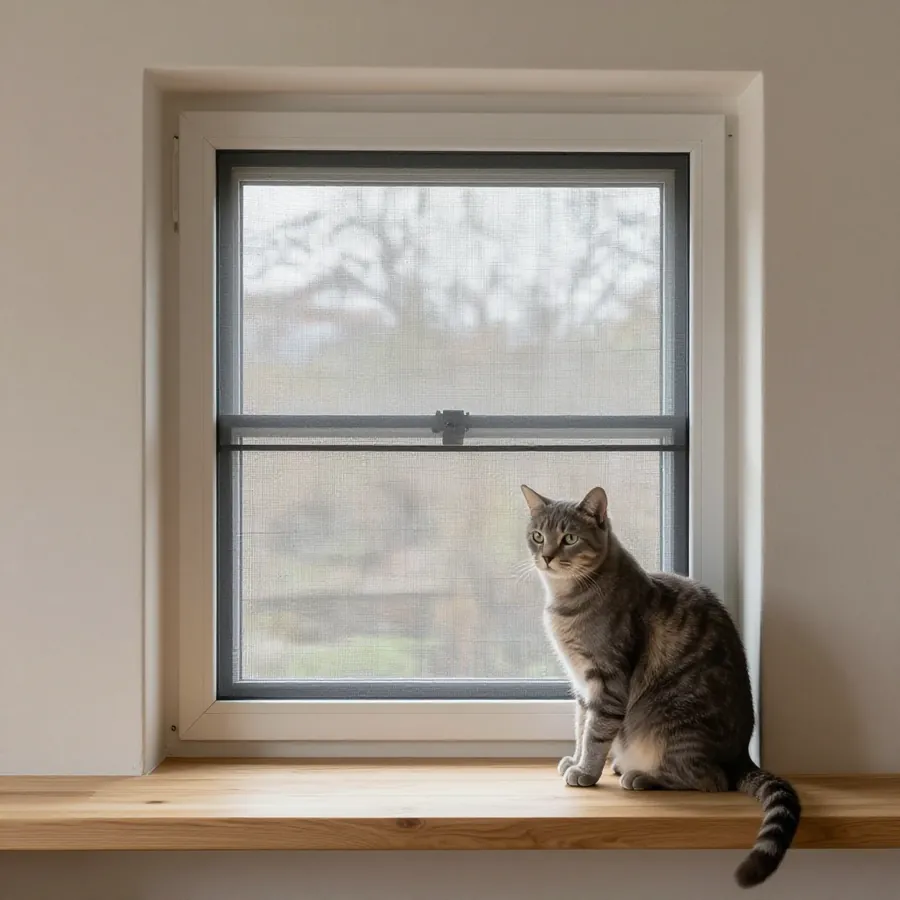
We keep five meshes in stock, and the right one depends on whether you need light, cat resistance, dust control or pollen filtration. Ultravue lets through 25% more light and air than standard fiberglass, so it suits small windows and rooms that already feel dim. Where a cat climbs the frame, Anti-Cat (Pet Screen) uses vinyl threads several times stronger than ordinary mesh and holds the weight of a small animal. Anti-Dust has a tighter weave that catches street grit on windows facing the road. For a pollen allergy the finer cell matters more than the brand name, so the Poll-Tex mesh with its 0.25×1 mm cell is the one to ask for — it traps fine pollen that coarser weaves pass straight through.
Mesh options compared by what they do
| Mesh | Key property | Suits |
|---|---|---|
| Standard (Fiberglass) | Fire and temperature resistant | Everyday windows |
| UltraVue | 25% more light and air | Dark rooms, small windows |
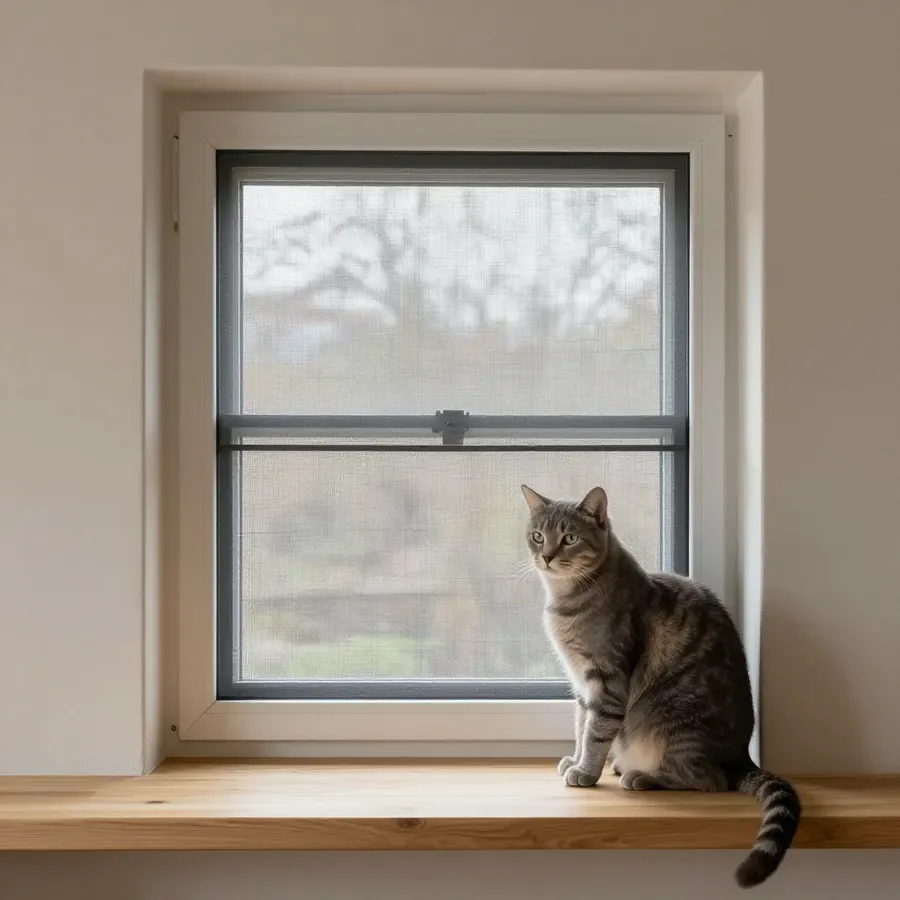
| Anti-Cat (Pet Screen) | Vinyl threads, pet-resistant | Homes with a cat |
| Anti-Pollen (Poll-Tex) | 0.25×1 mm cell | Pollen allergy |
| Anti-Dust | Tight weave for dust | Street-facing windows |
Windows, doors and openings that take an inside screen
An inside screen is not only for a typical plastic window. We look at the frame types, the non-standard openings and the seasonal routine that keeps a framed screen working for years.
Plastic, wooden and aluminium frames plus non-standard openings
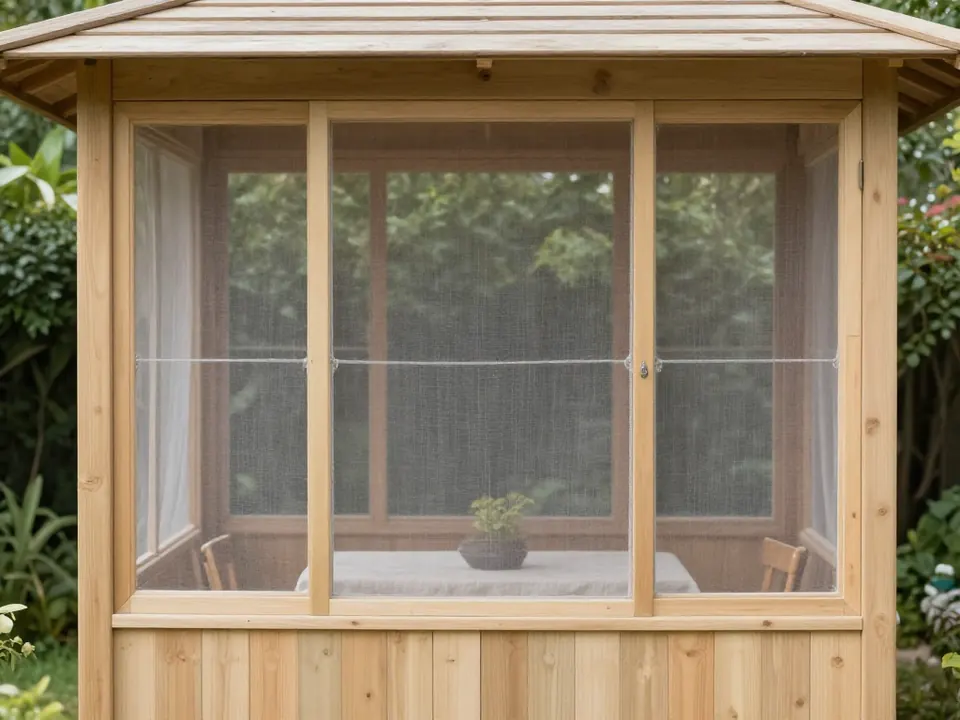
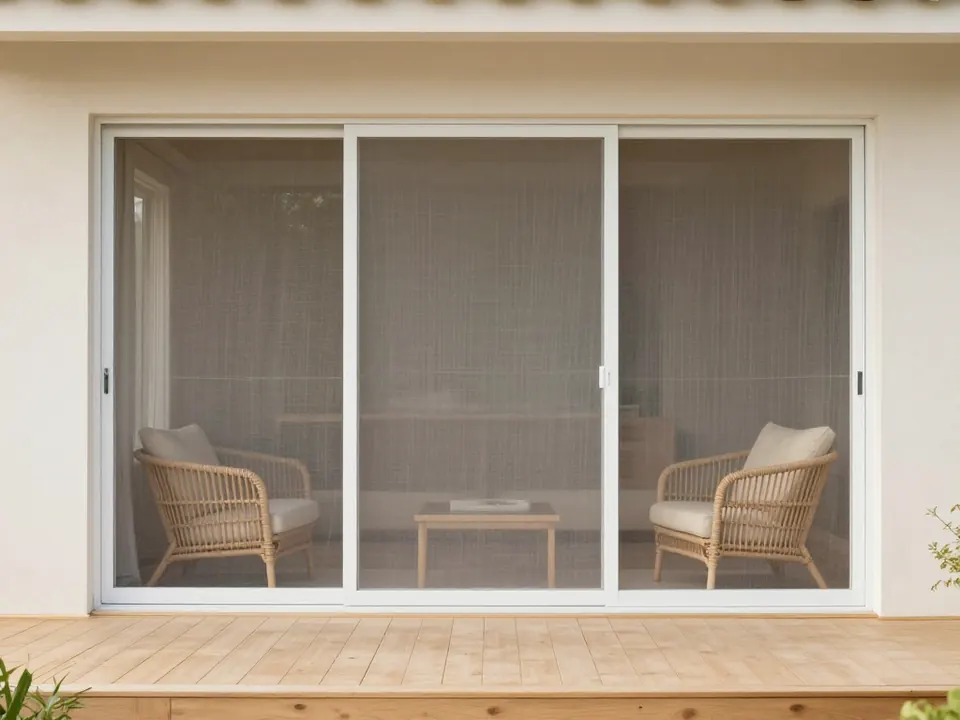
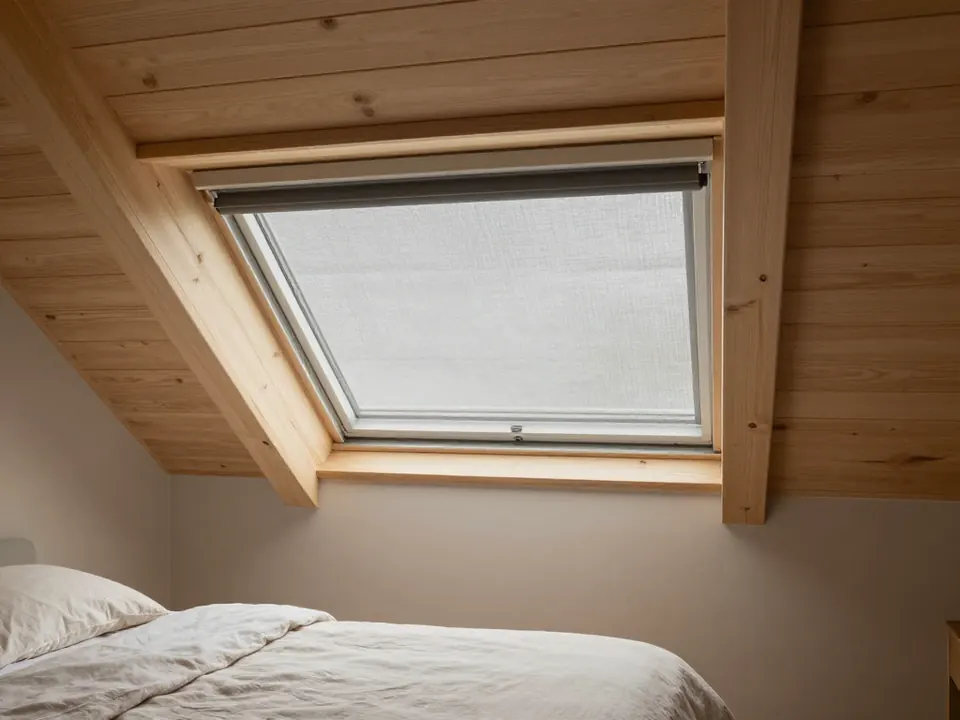
We fit inside-mount screens on plastic, wooden and aluminium windows, and also on fortochkas, loggia openings, gazebos and verandas. The material decides how the fastenings sit: a plastic profile takes Z-brackets or pins cleanly, aluminium often needs a different bracket depth, and timber lets the measurer drive pins straight into the rebate. Non-standard openings are the same job with more attention — an arched fortochka, a deep loggia reveal or a gazebo opening wider than a standard sash all get a made-to-size frame rather than a stock one. The measurer records the real opening, the sill depth and the floor level, because the same nominal sash on the fifth floor and on the ground floor can take different fixings. An old timber frame often has an uneven reveal, so the measurer checks the actual opening rather than trusting the nominal size.
Taking a framed screen off for winter
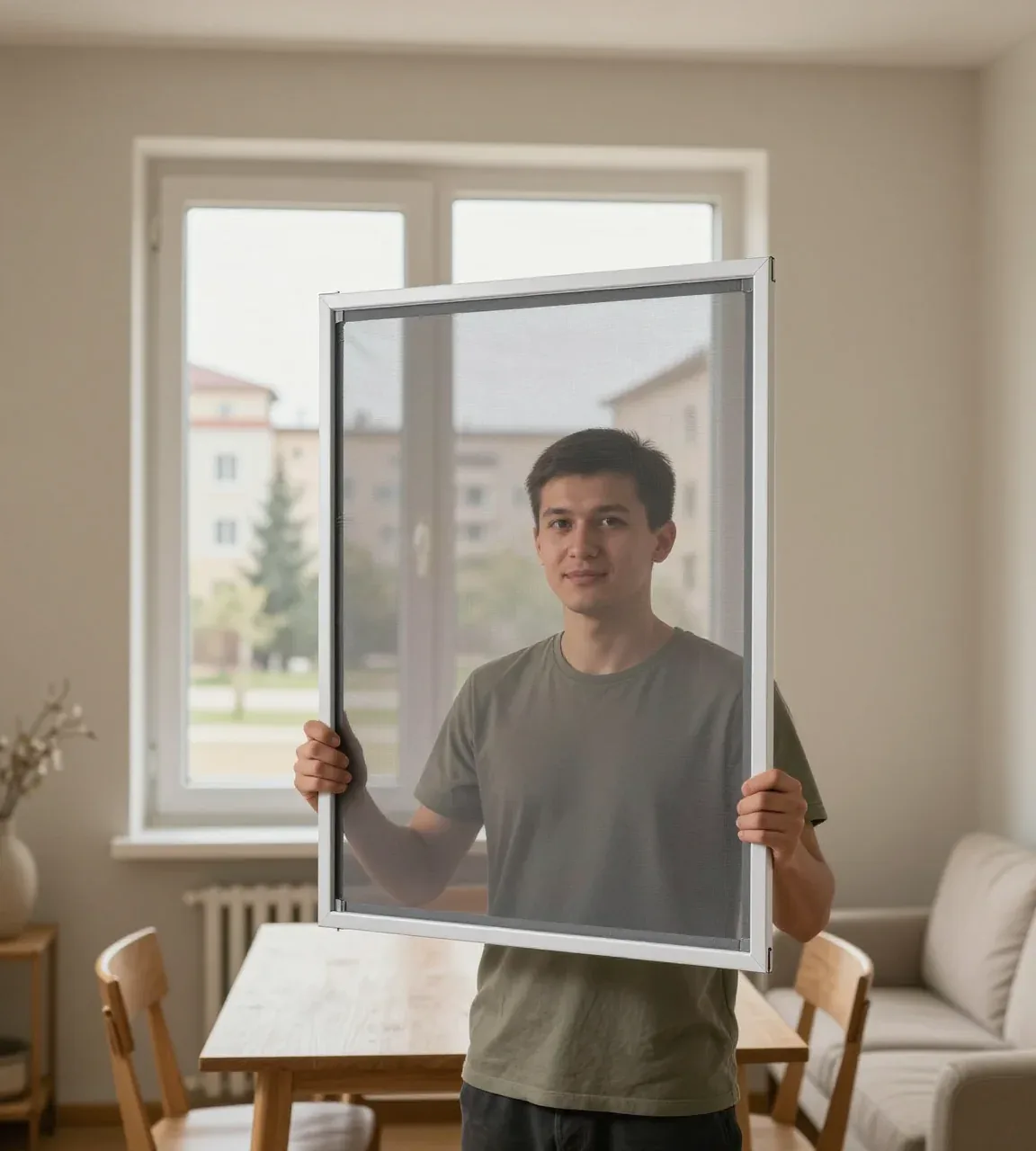
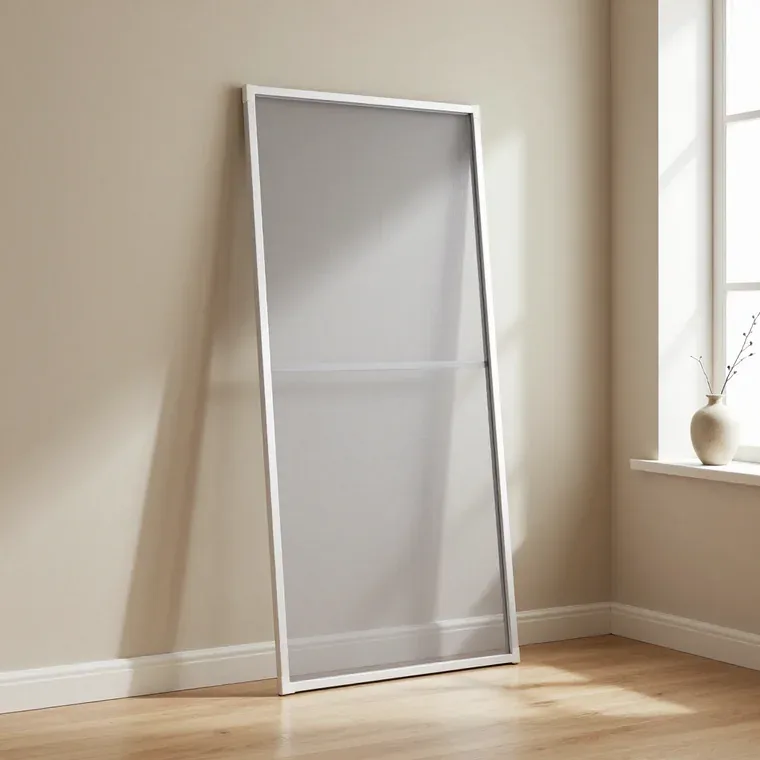
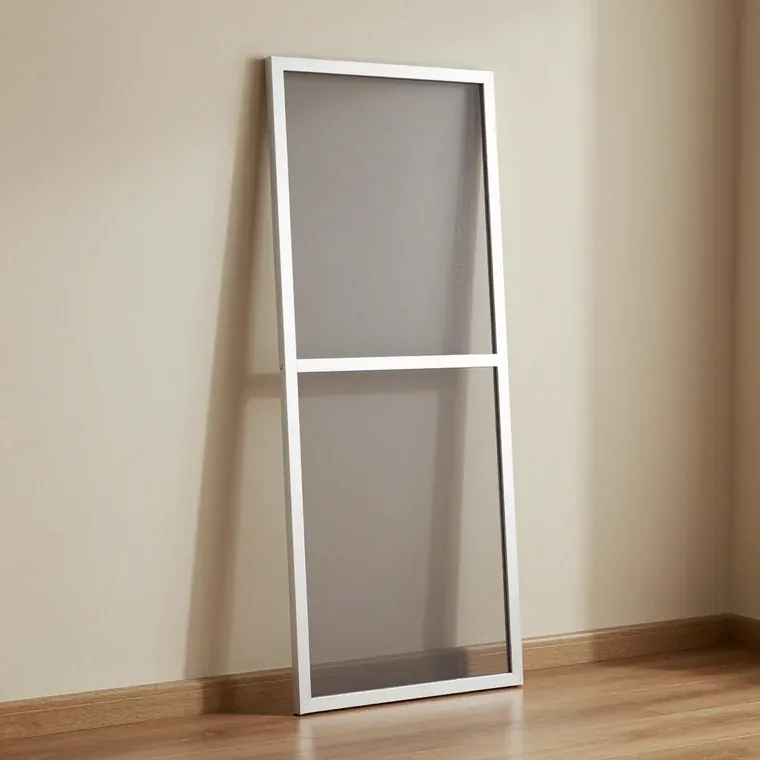
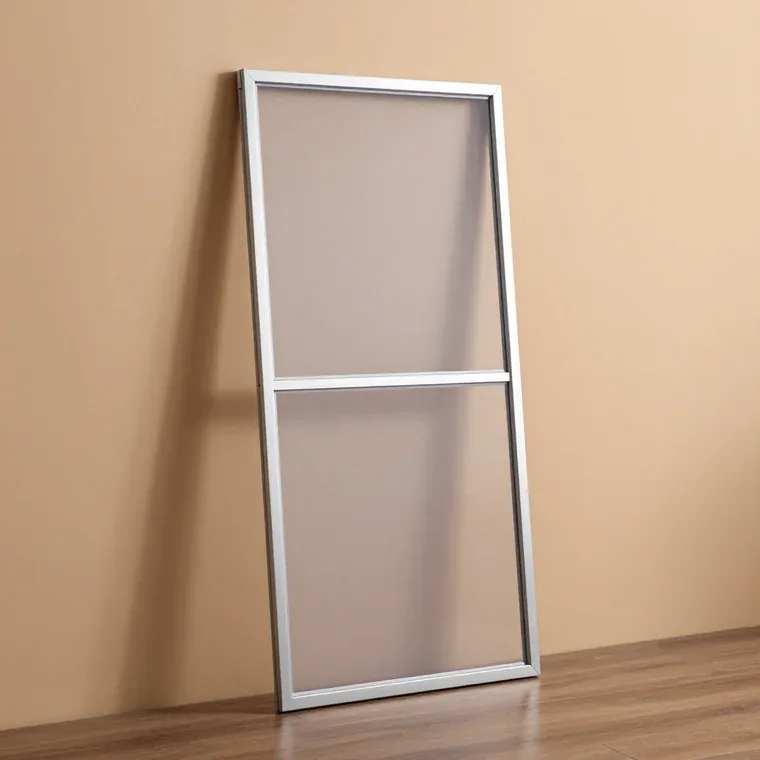
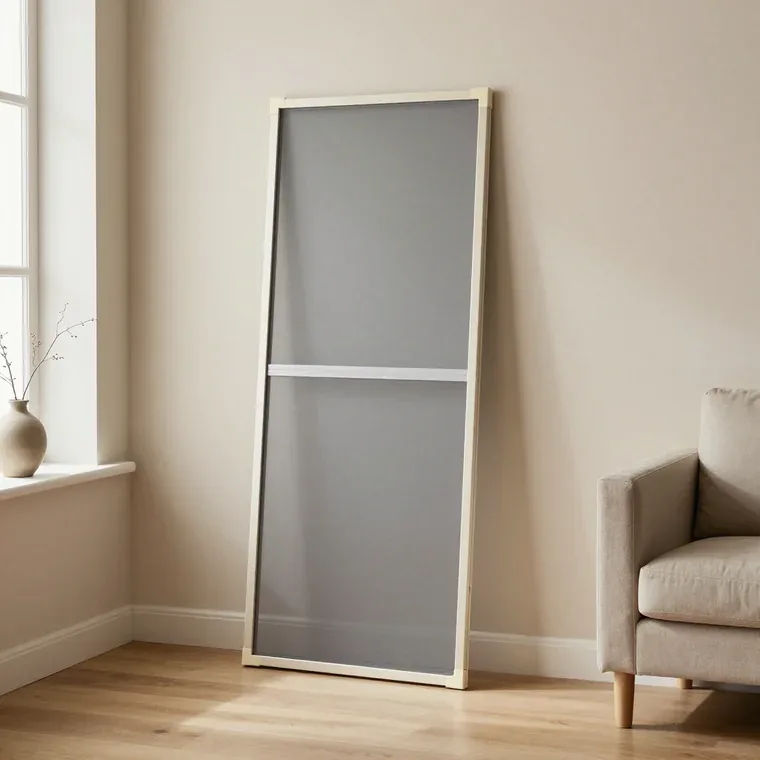
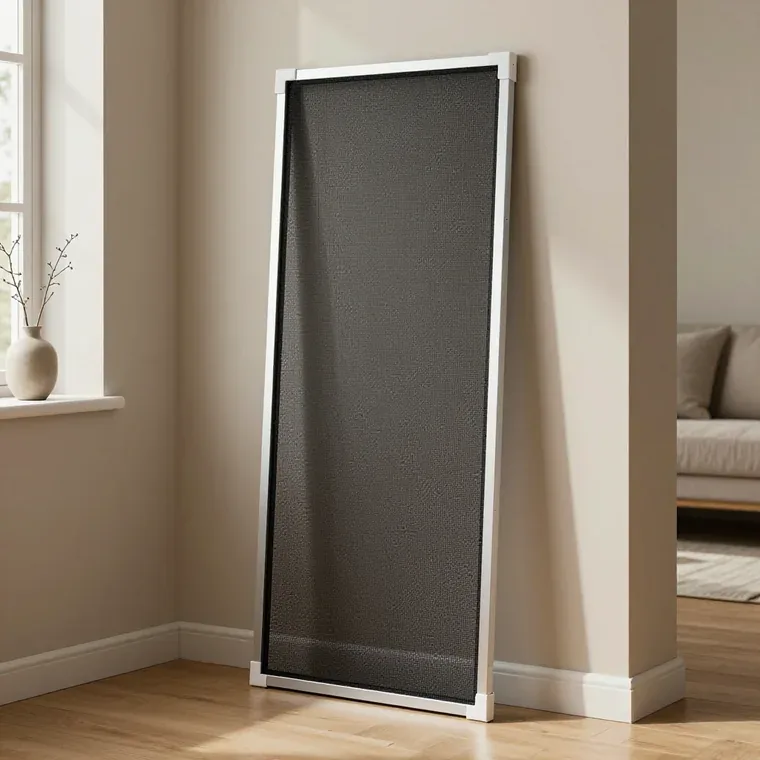
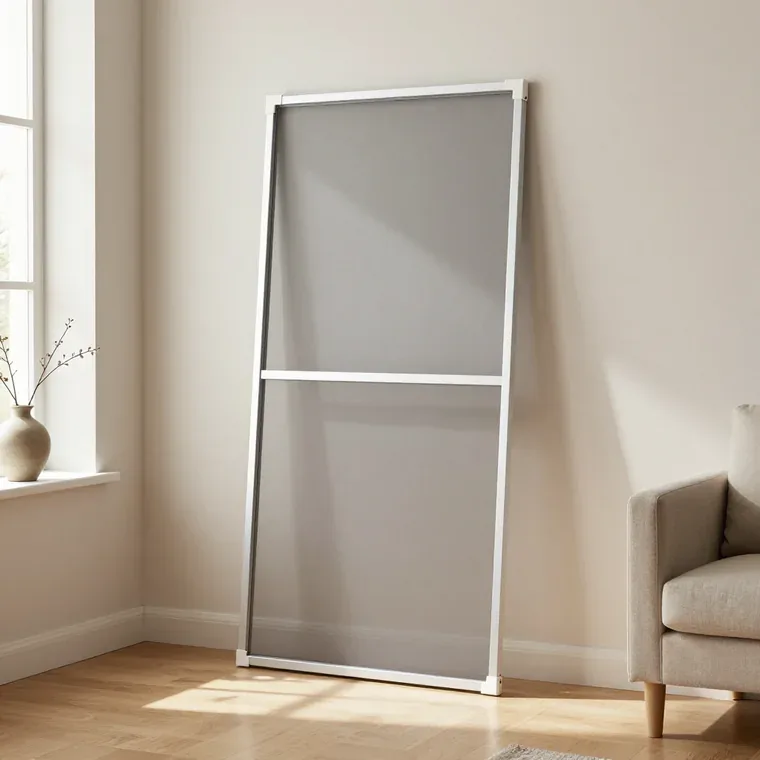
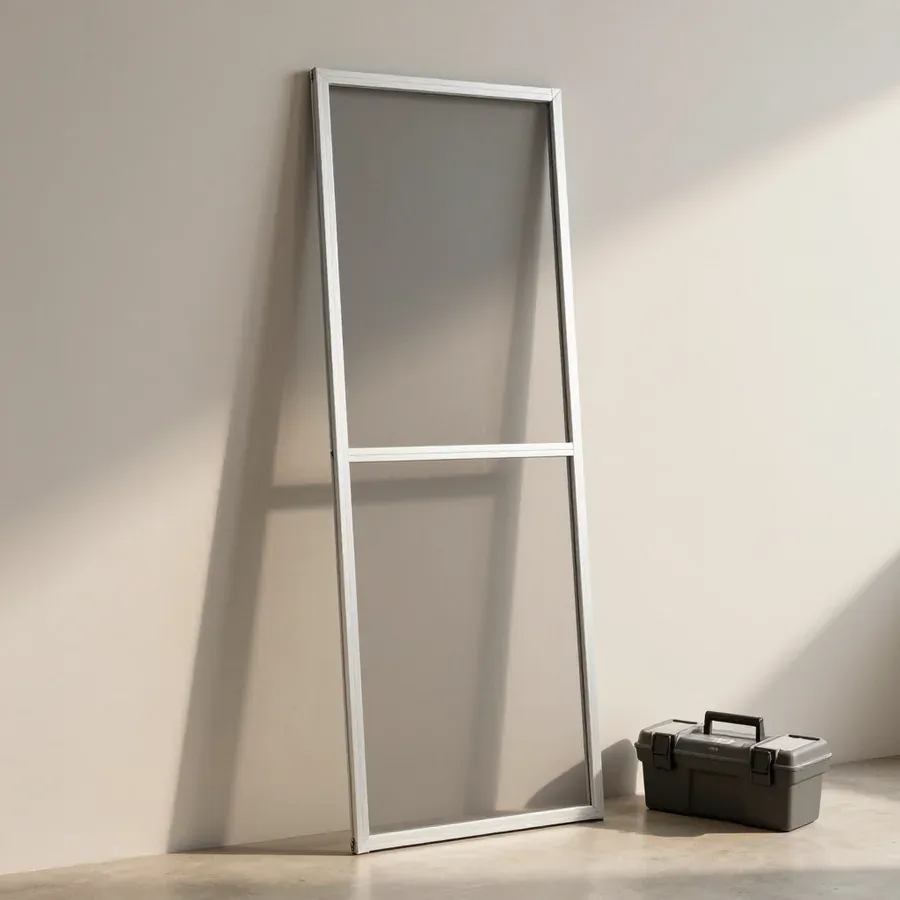
A framed screen lifts out from inside in about a minute, and we recommend removing it for the winter. The panel sits on Z-brackets, pins or magnets, so it comes away without tools: grip the handle side, tilt the bottom edge towards you and lift it clear of the fastenings. Removing it before the cold season protects the mesh from snow load and ice, keeps the glass accessible for cleaning and lets the sash close tightly against the seal. Store it flat, indoors and away from radiators. Storing the panel flat rather than leaning it against a wall keeps the corners square, so it drops back into the fastenings the next season. Before refitting, wipe the brackets and check that no sealant or paint has built up in the channel.
Measuring, making, paying and the warranty on your screen
From the first call to a finished unit on your window, the order moves through a few clear steps. Here is what happens at each one, when you pay and what the warranty covers.
From a free measuring visit to a fixed order
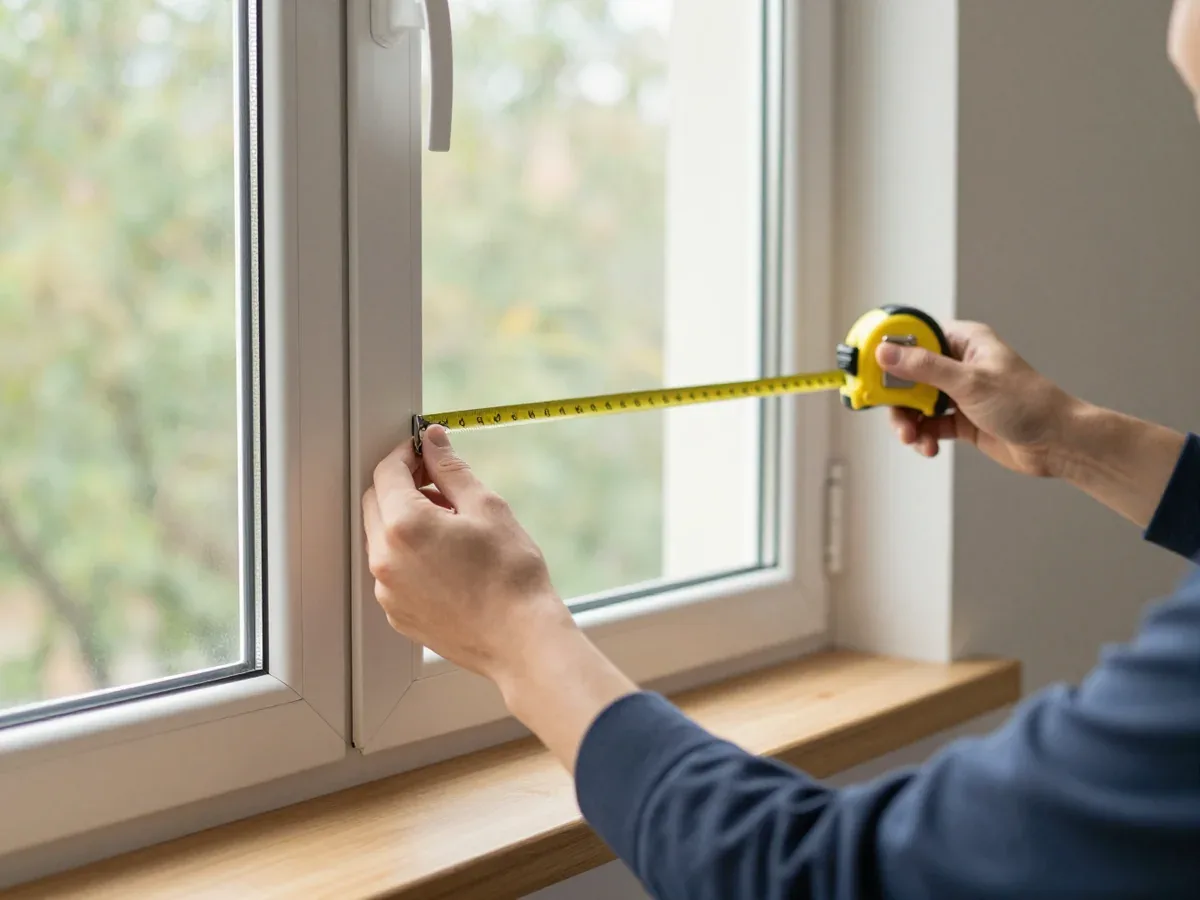
Measuring and consultation are free, and the measurer comes at a time that suits you to take sizes and help choose the design, mesh and fixings. At the visit we check the window profile, the opening side and the floor, then match the fastening to them — Z-brackets, pins or magnets. We also paint the frame any colour to match your windows, so the finished unit reads as part of the window rather than an add-on. The measurer writes every dimension down and leaves you a copy, which matters if you later change the mesh or order a second unit for another room. The price is fixed in the order only after measuring, so the figure you agree on is the one that stands once the product is made.
How long making takes, when you pay and what the warranty covers
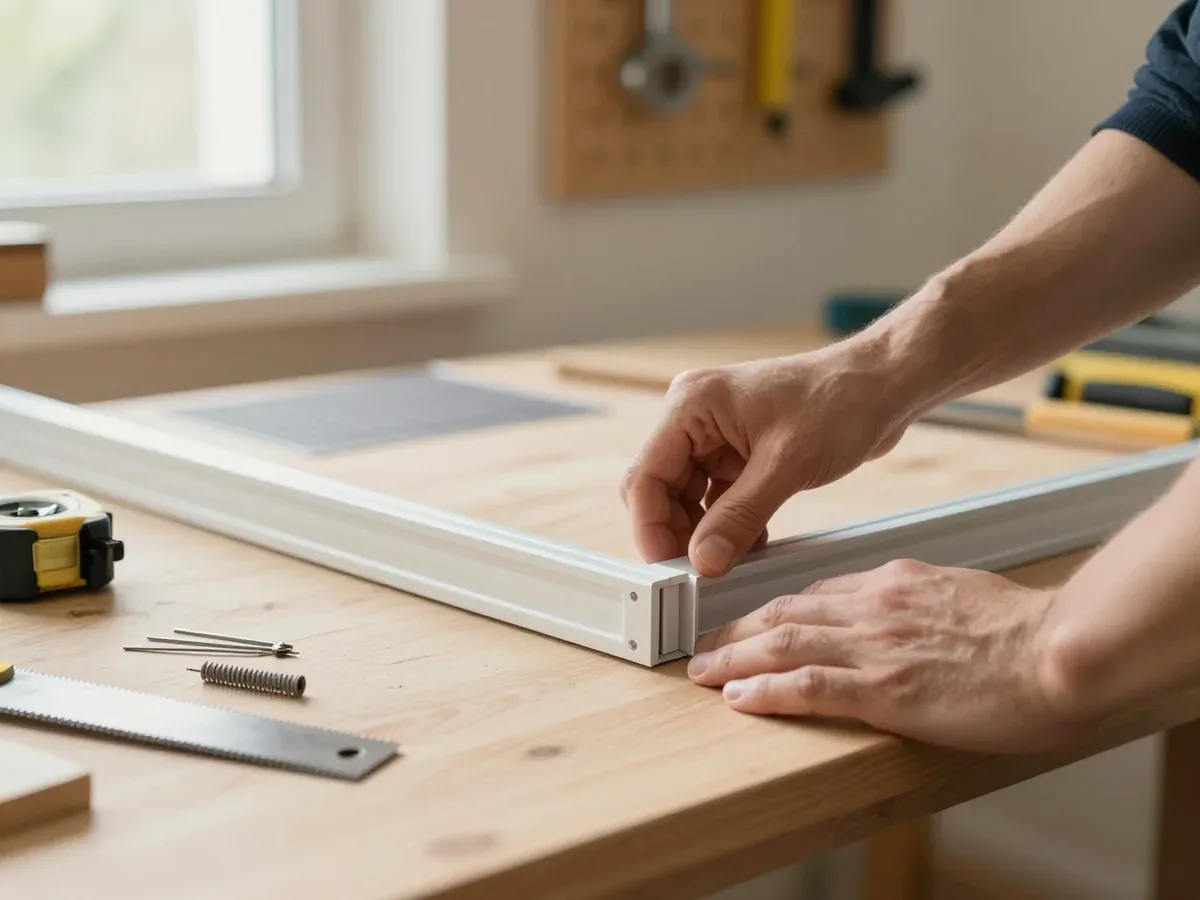
A framed unit made to your size takes 10–15 minutes and a pleated one 40–60 minutes, you pay after installation by cash, card or Kaspi, and every product carries a 1-year warranty. We deliver and fit meshes on windows and doors across the city, and we reply on WhatsApp within 5 minutes if a question comes up before the visit. Because payment follows fitting, any adjustment to the fastenings happens before money changes hands. A torn mesh or loose bracket later is a small repair rather than a new frame, and we also replace fastenings on screens we did not make.
What to know about inside-mount mosquito screens in advance
An inside screen comes down to a few clear checkpoints: mounting side, fastening, mesh, frame type and the order itself. The short list below pulls them together.
- Position: an inside-mount unit sits on the room side, so it is reached and taken off without leaning out of the opening.
- Fastening: the type is chosen for the profile and floor, and none of the three options needs a drilled hole.
- Mesh: the weave decides the result — more light, cat resistance, dust control or pollen filtration each point to a different canvas.
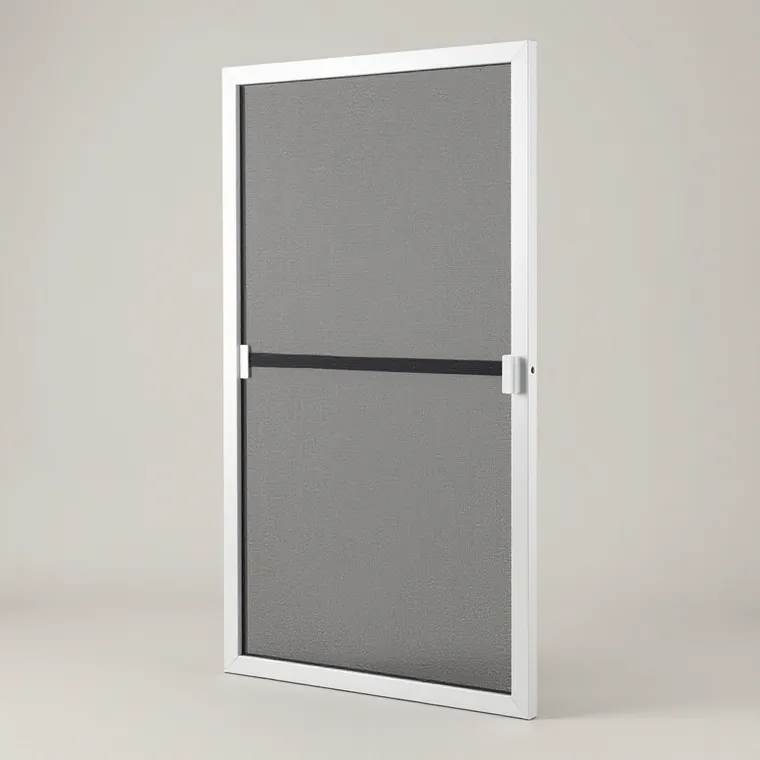
- Frames: plastic, wooden and aluminium units all take an inside model, and a framed one lifts out for winter in about a minute.
- Order: measuring is free, the price is fixed after it, and the product carries a 1-year warranty.
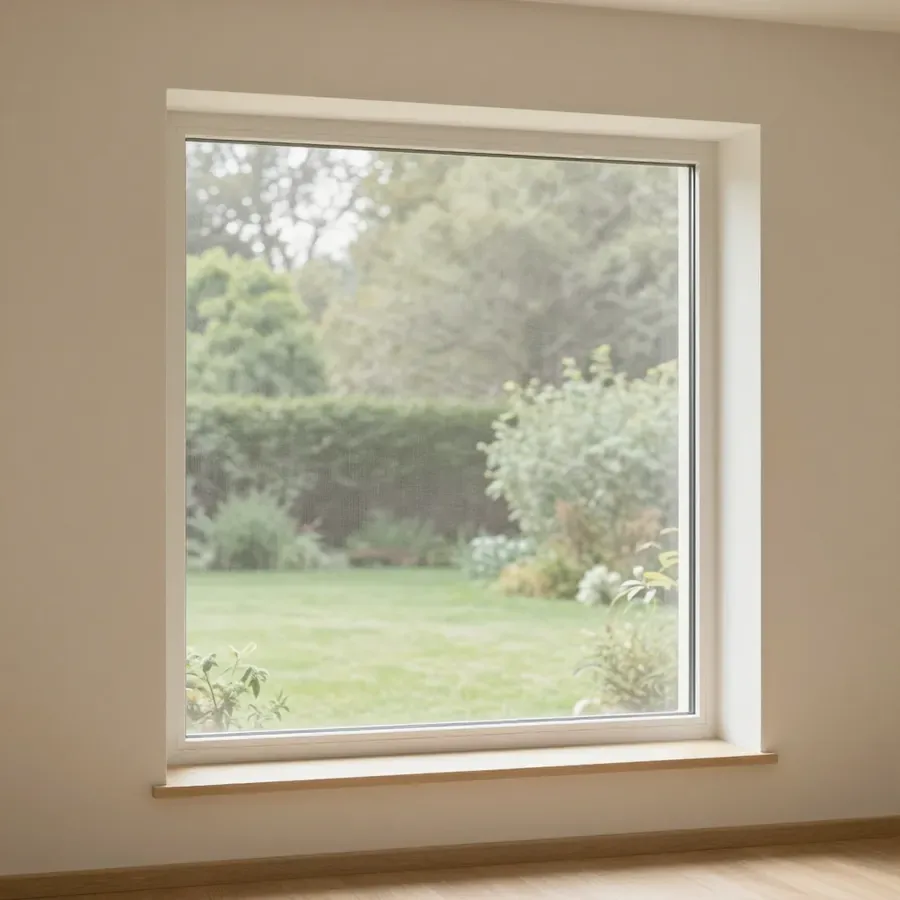
 Framed screens
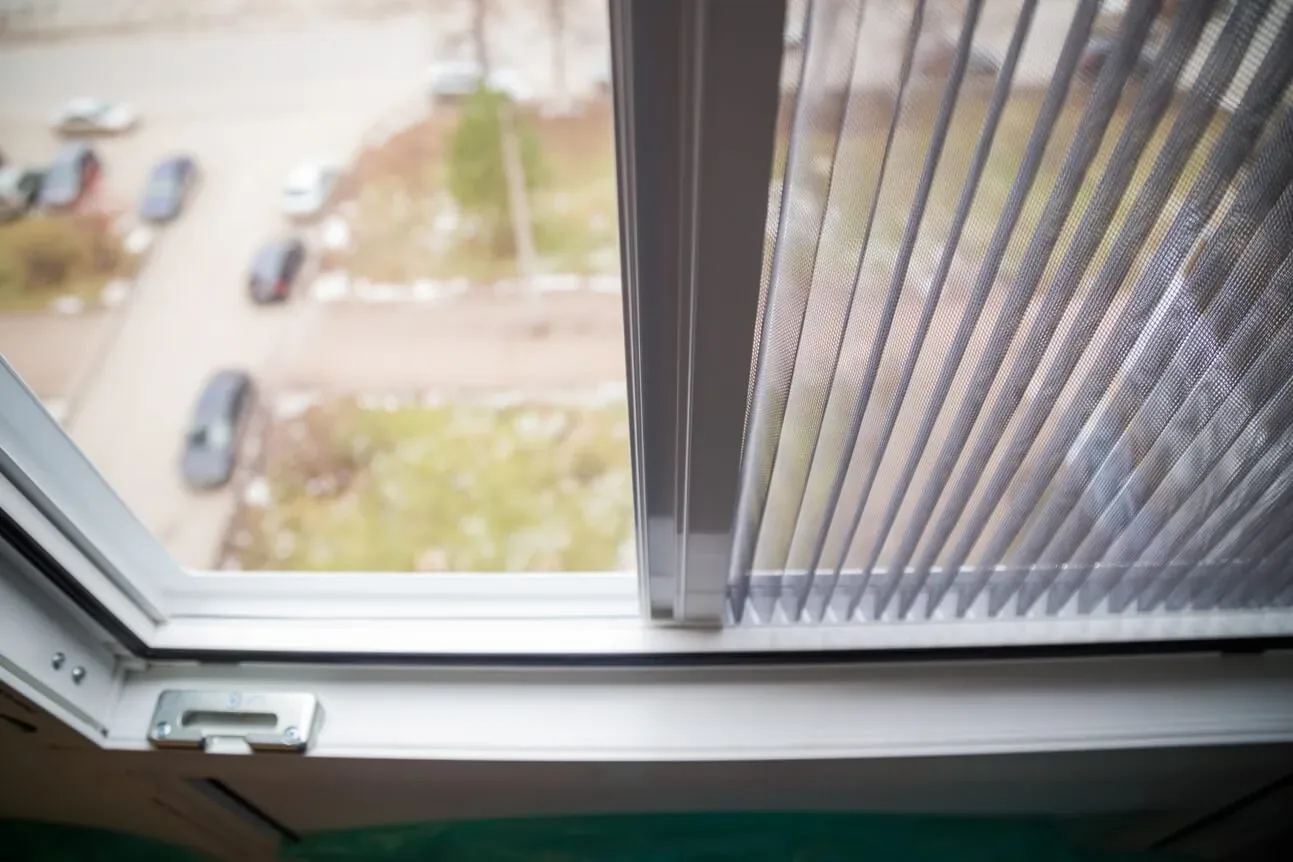
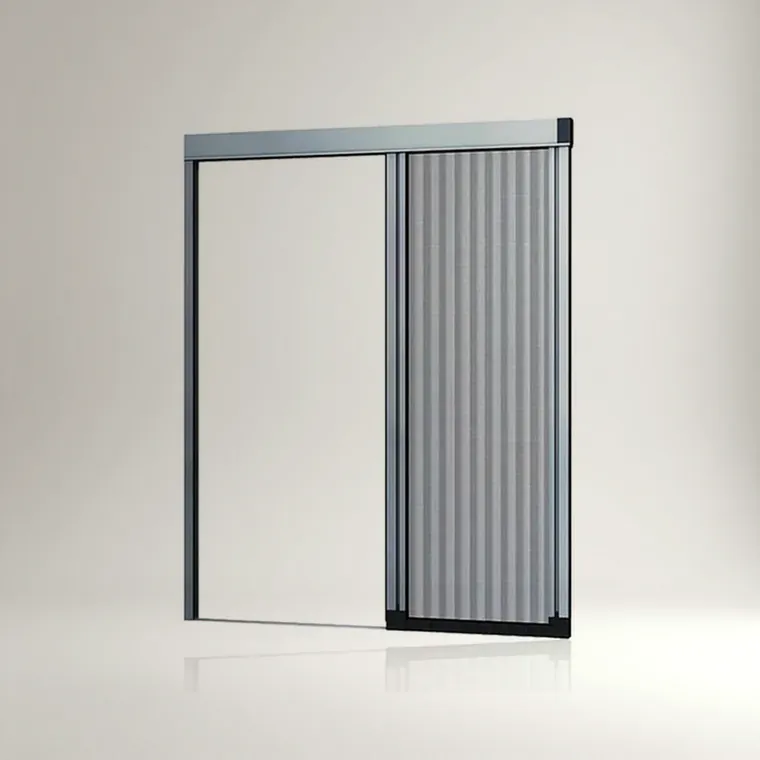 Pleated screens
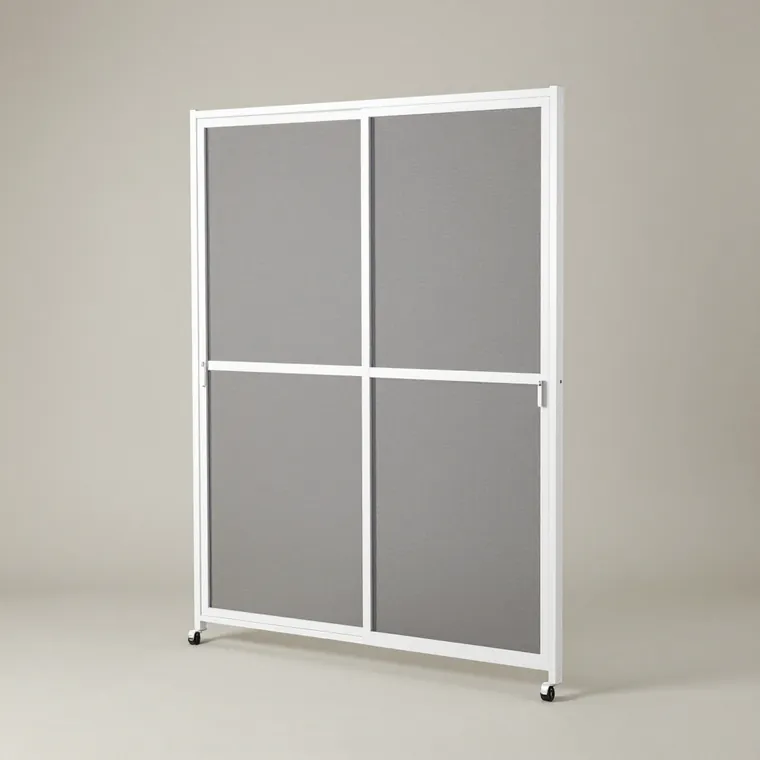 Sliding screens
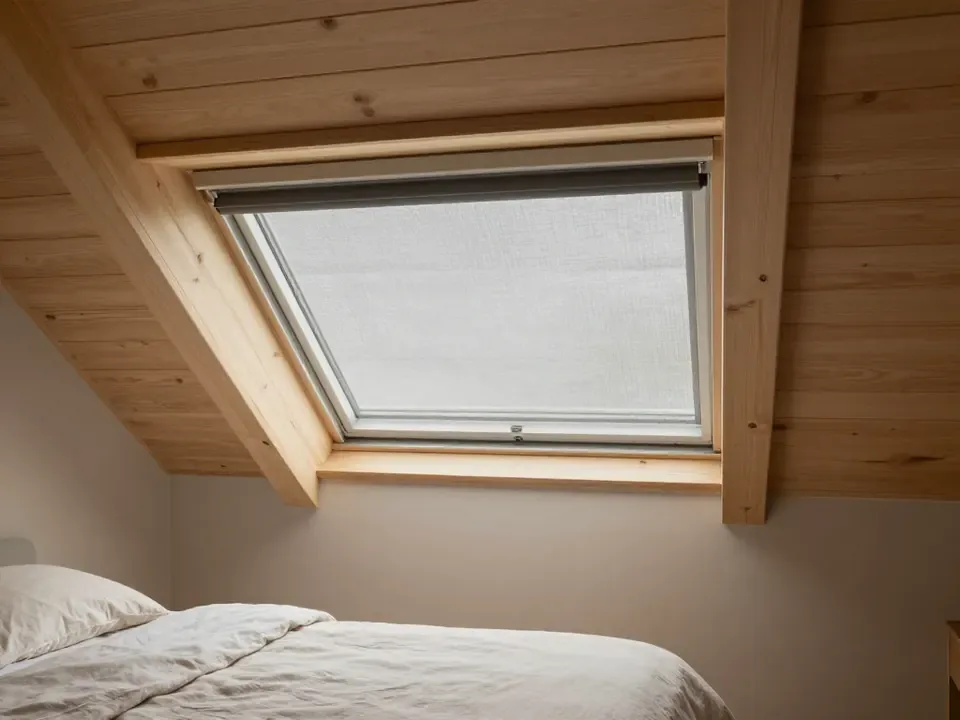
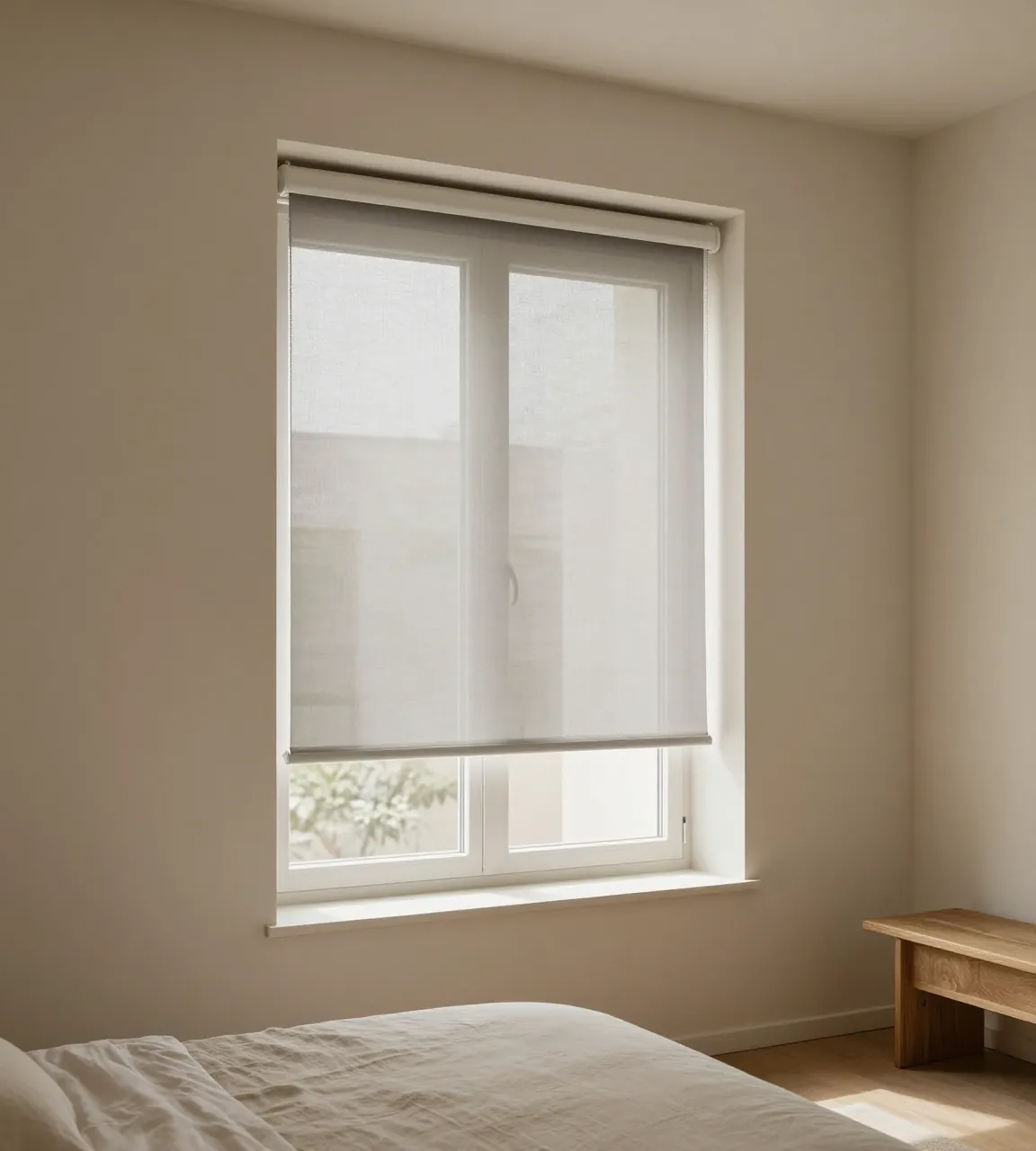 Roller screens
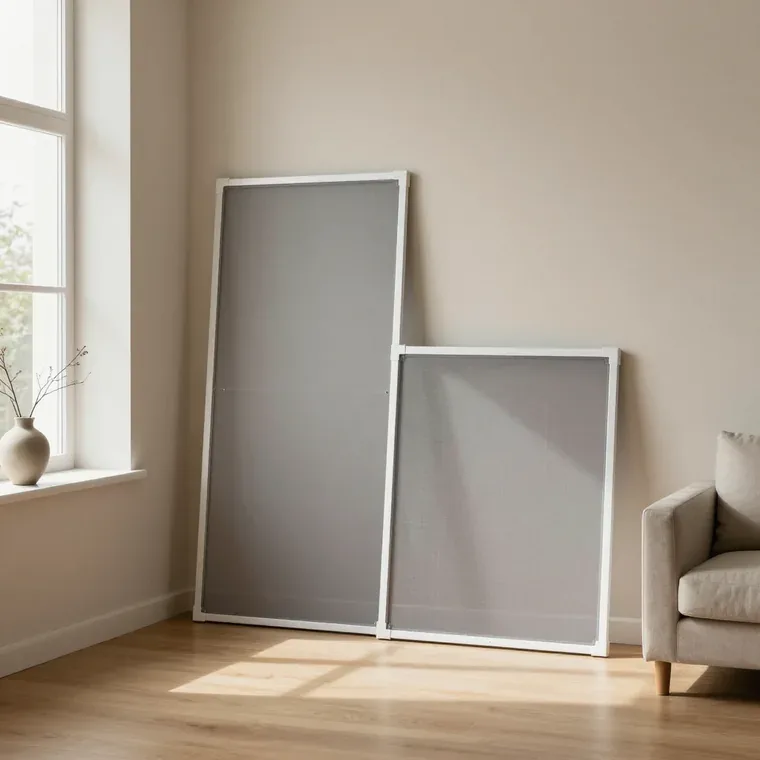 Ready-made screens