
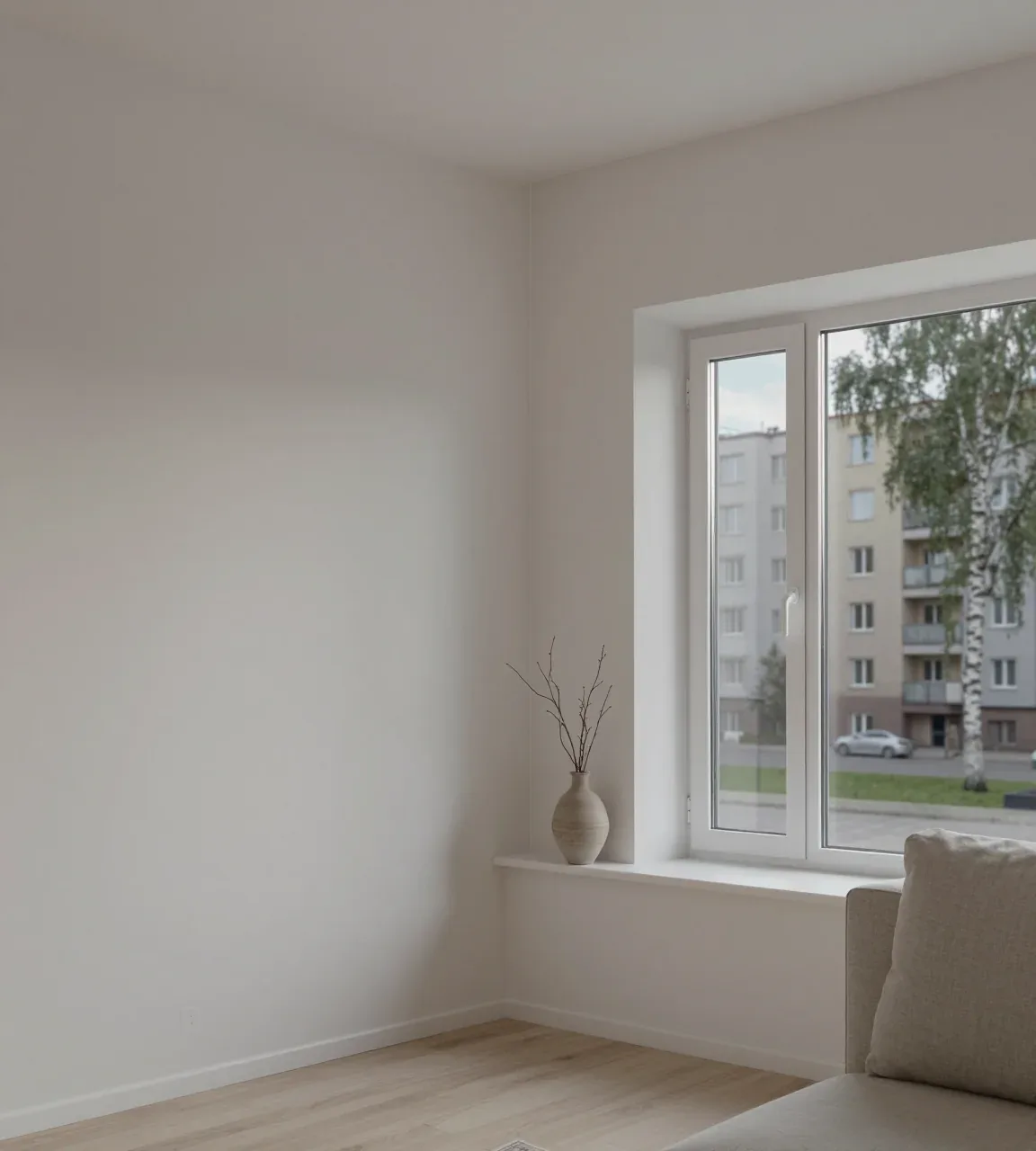
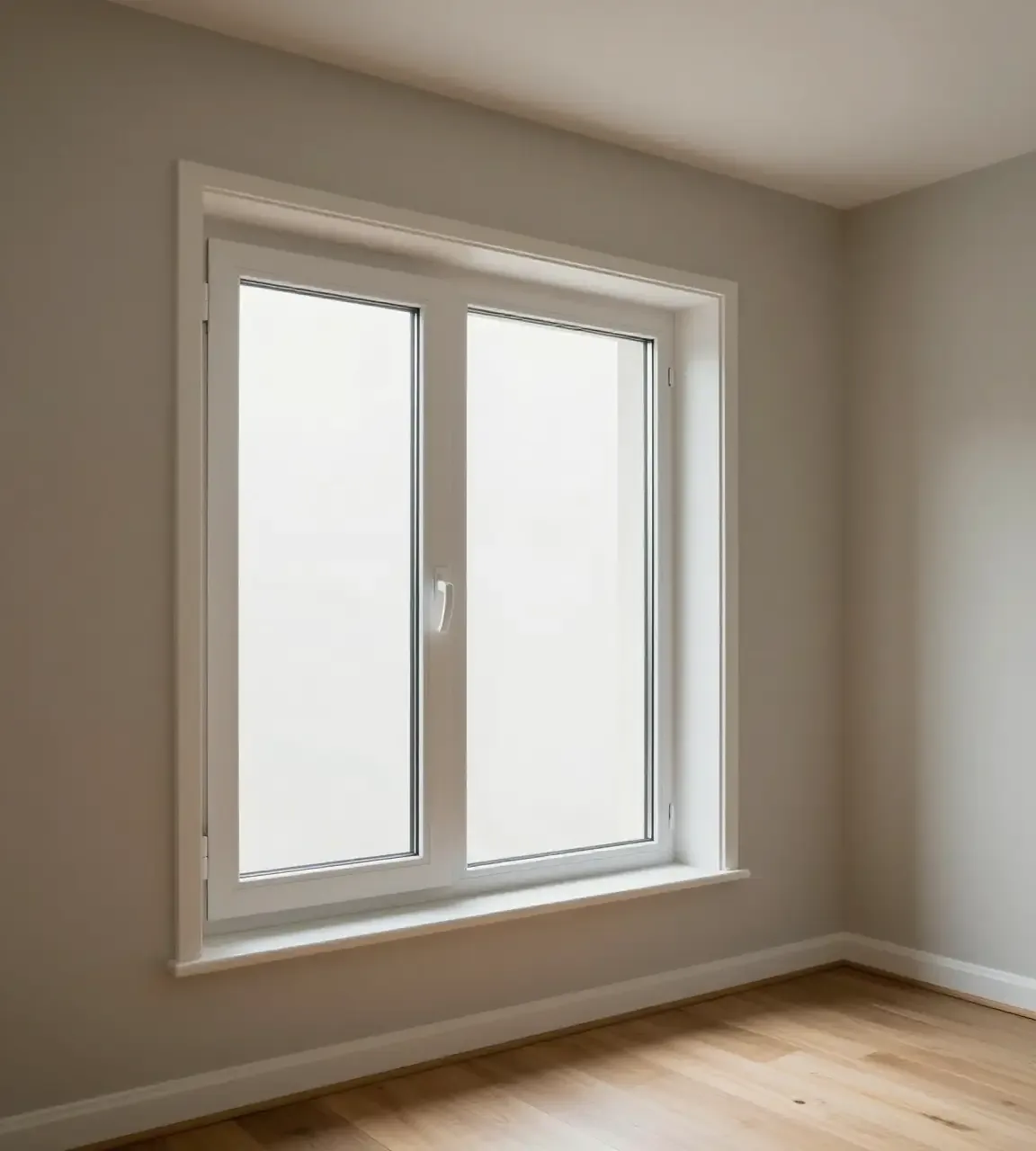
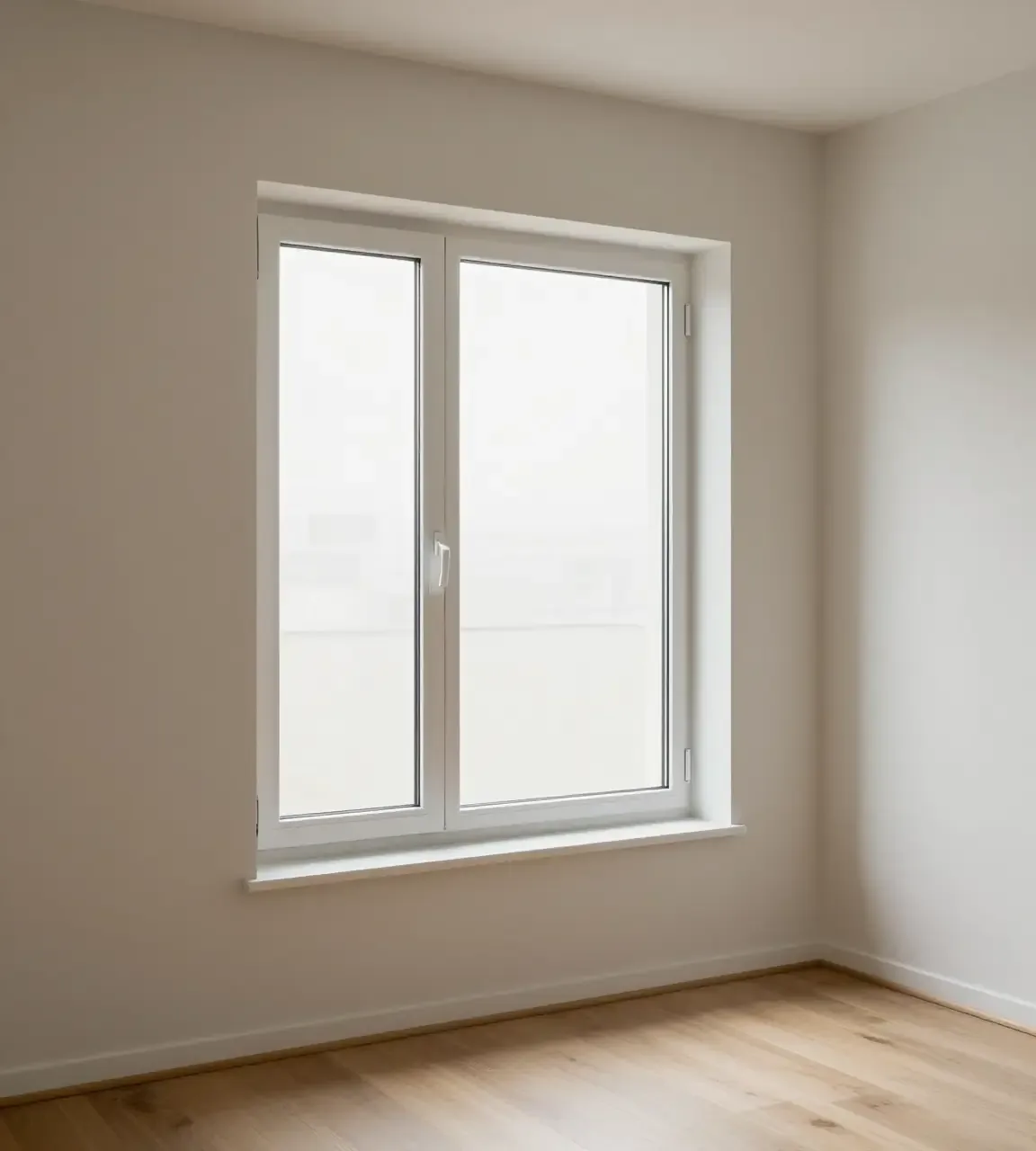
Windows and balcony
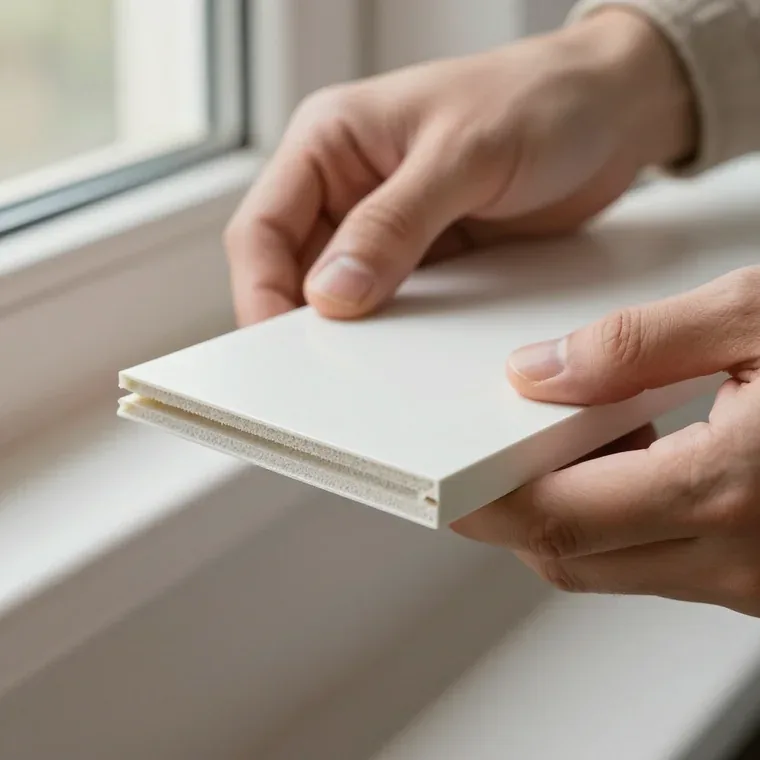
PVC sandwich
Warm panels for windows and balcony frames. From 4 700 ₸ per linear metre.
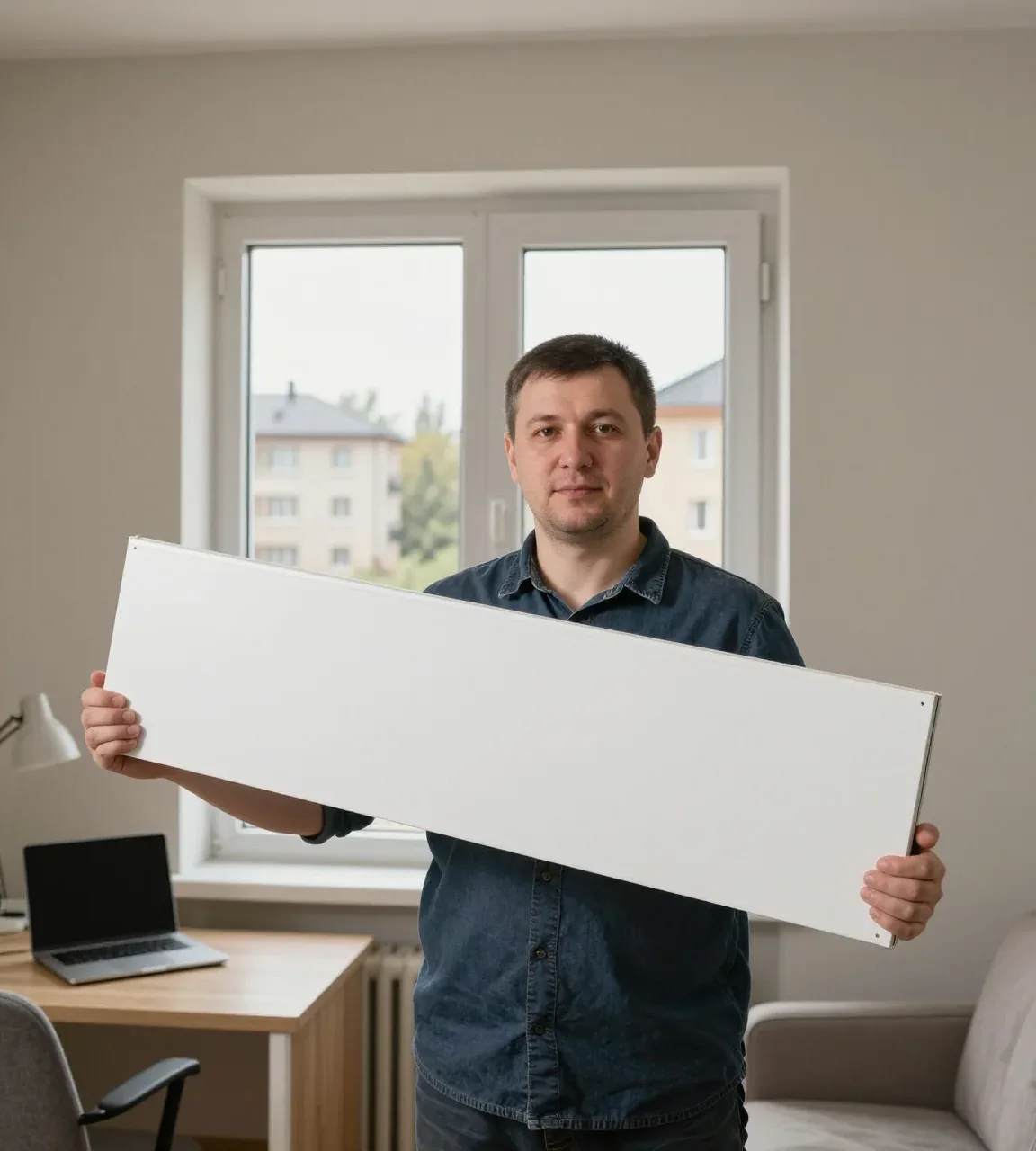
We decide by opening: window, balcony, door, and by the condition of the old reveal
If the window is new and the foam is exposed, we fit PVC sandwich panels. If old drywall has come away from the wall, we replace it with PVC. If the reveal is in good order but there is a gap at the windowsill or a chipped corner, minor repair is enough.
Kokshetau has many private houses and country homes with wood-effect windows, so we select reveals to match the frame. In unheated country houses PVC is better: drywall gets damp.
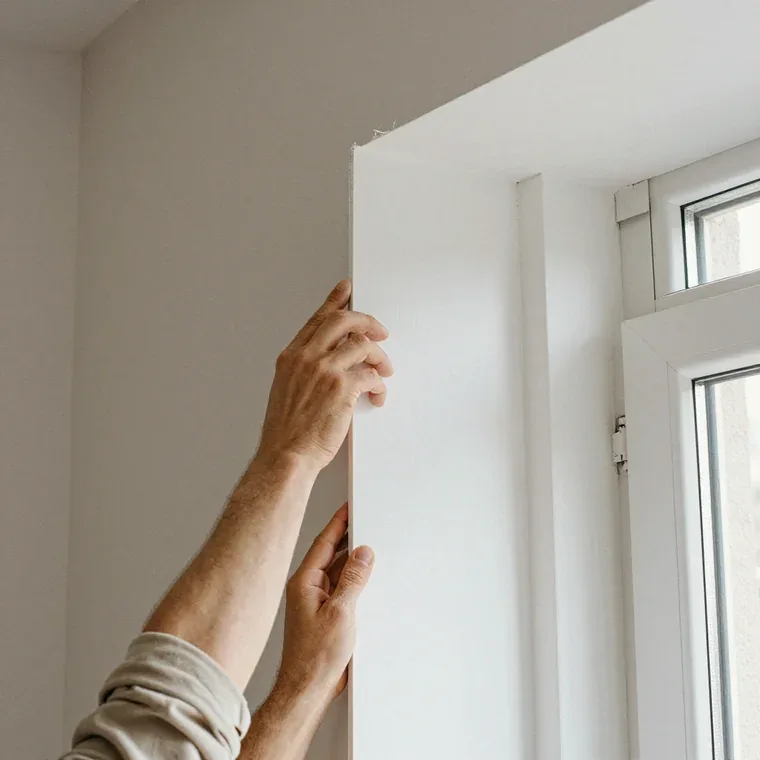
sealing per metre
window or door turnkey
measuring visit and selection
If you recognise your window — write to us, we will take a look free of charge
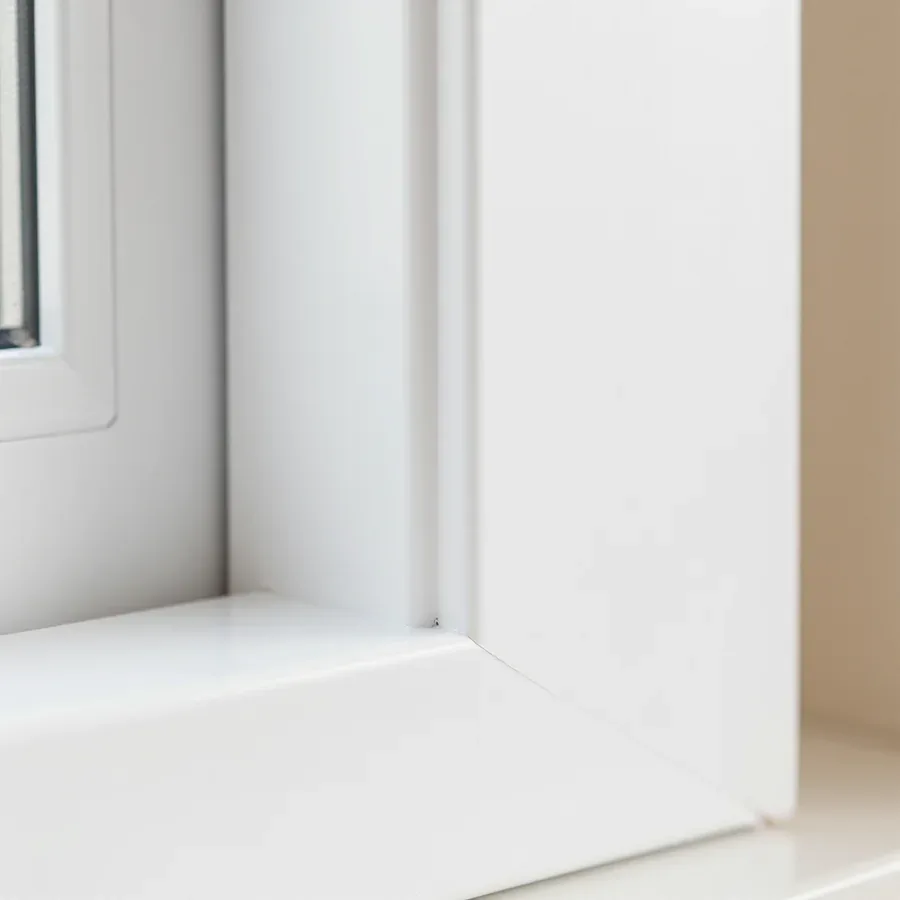
The seam was never closed after installation. PVC panels will hide it and protect it from light.
The plaster did not survive the temperature swings. We fit a sandwich panel over it.
This is mould from a cold corner. Insulation first, then new finishing.
The dew point is inside the wall. Insulation under the panel moves it.
From affordable drywall to turnkey reveals
PVC sandwich
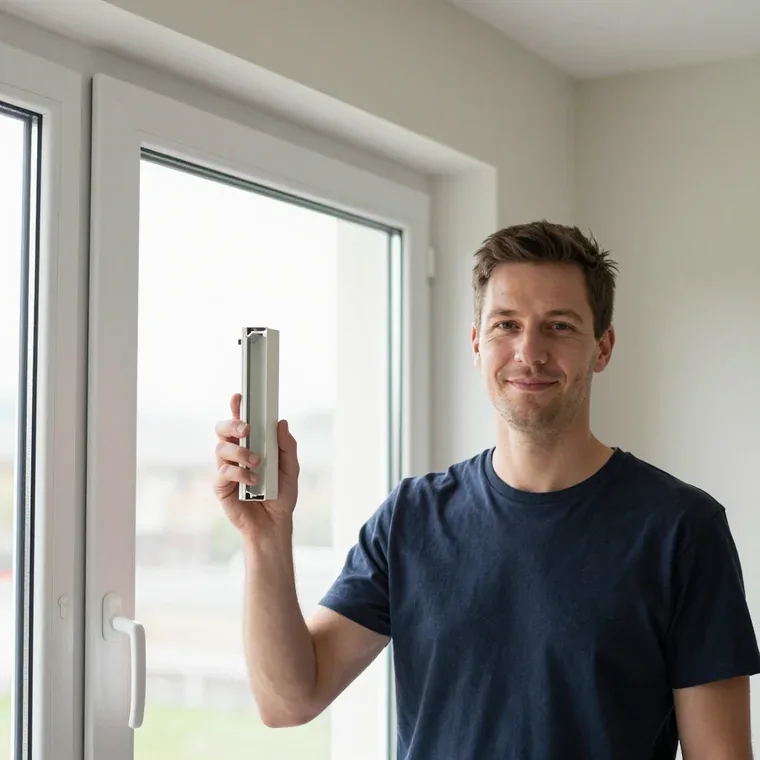
The most common choice for flats and country houses.
Turnkey
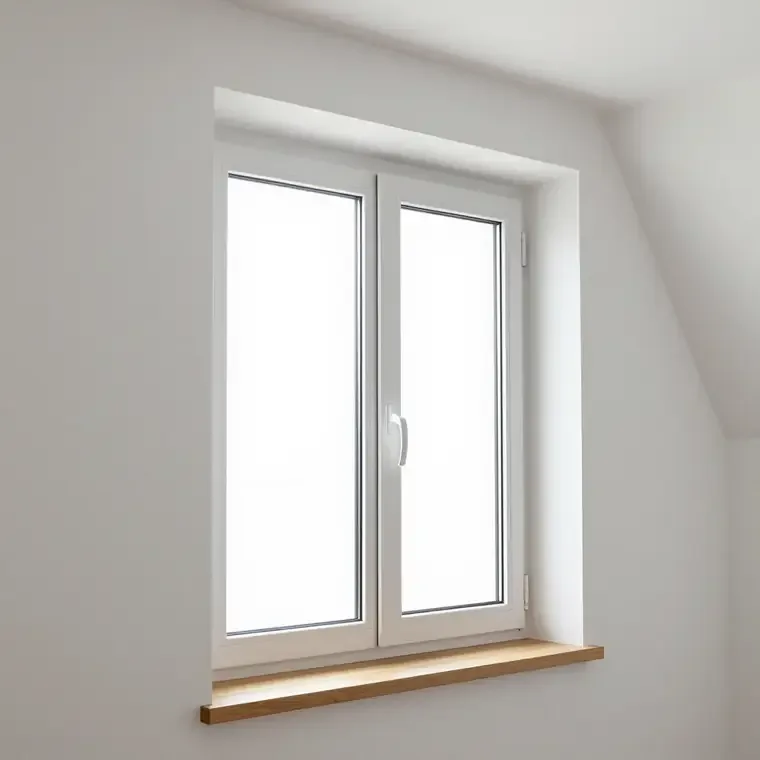
Top, sides, corner pieces and joints at once.
Drywall

Budget-friendly, but only in heated rooms.
Joints and gaps

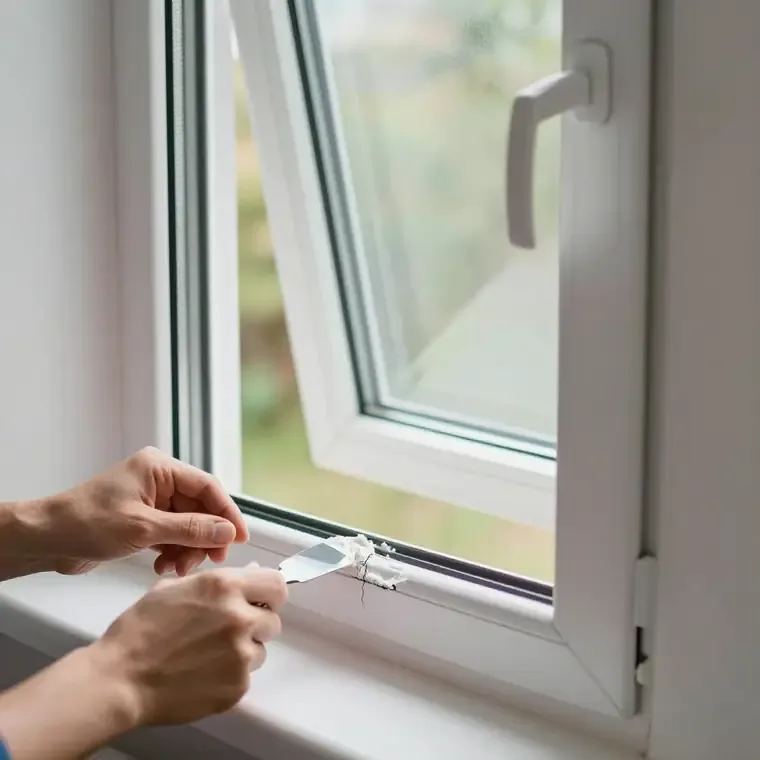
Fills the gap at the windowsill and frame.
PVC
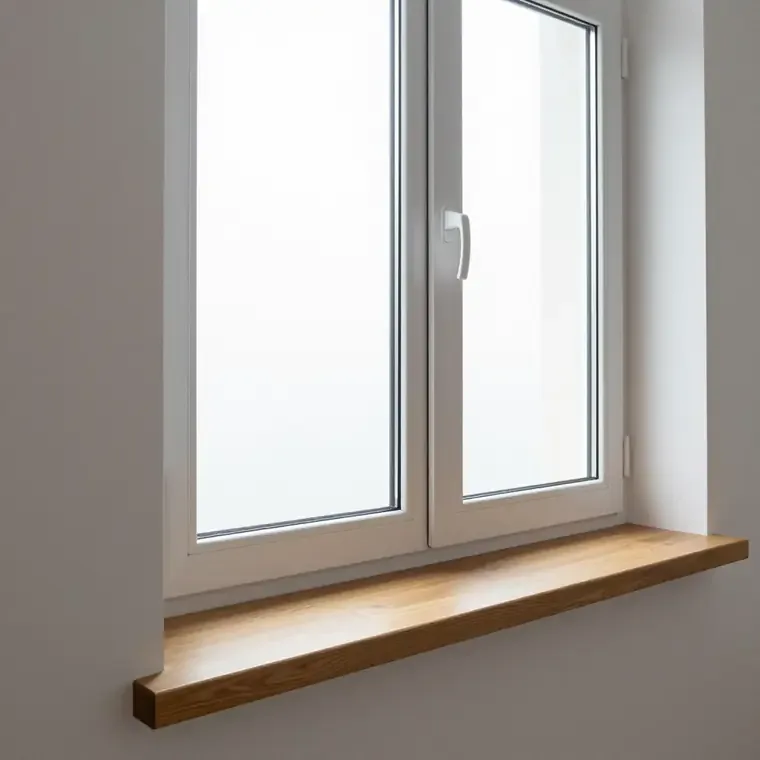
We replace it in one go with the reveals.
Indicative prices per metre or opening, final sum after measuring
| Type of work | Price |
|---|---|
| PVC reveals (sandwich panels), per linear metrepanel with insulation inside | from 4 700₸ per linear metre |
| Reveals for a standard window, turnkeythree sides and corner pieces | from 15 000₸ per window |
| Plastered revealswith levelling and filling | from 3 000₸ per linear metre |
| External revealsseam protection from outside | from 4 500₸ per linear metre |
| Drywall revealsready for painting | from 1 500₸ per linear metre |
| Reveal insulationagainst freezing and condensation | from 19 900₸ per linear metre |
| PVC windowsill fittingtogether with reveals | from 5 500₸ per linear metre |
| Drip sill fittingdrains water away from the frame | from 3 250₸ per linear metre |
| Sealing internal seams (liquid plastic)joints of frame, reveal and windowsill | from 1 500₸ per linear metre |
| Sealing external seamsprotects foam from moisture and sun | from 2 000₸ per linear metre |
The price is fixed in the orderMeasuring is freePayment after the work: cash, card, Kaspi
Book a measuring visitA few rules we stick to
we work across Kazakhstan
to reply to a photo of the opening
we look at windows, doors and the balcony
recorded in the order and does not grow
after your acceptance
every day
we match wood and colour
cities where we accept orders
From photo to finished opening

Take a close-up photo of the reveal and the whole window. We will reply and suggest a time.
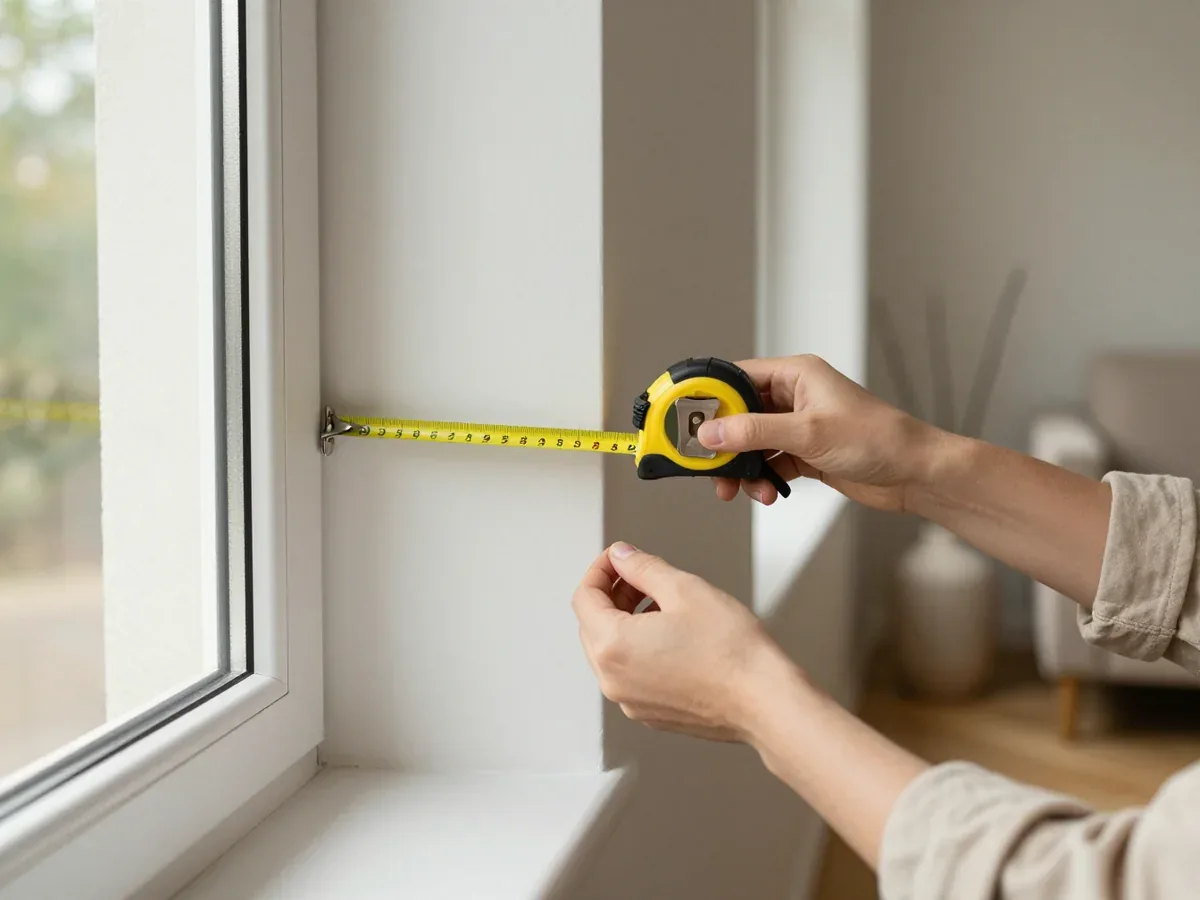
The surveyor taps the old reveal, checks the seam and shows colour samples.

Removal of the old, insulation if needed, installation of panels, repair of corners and joints.
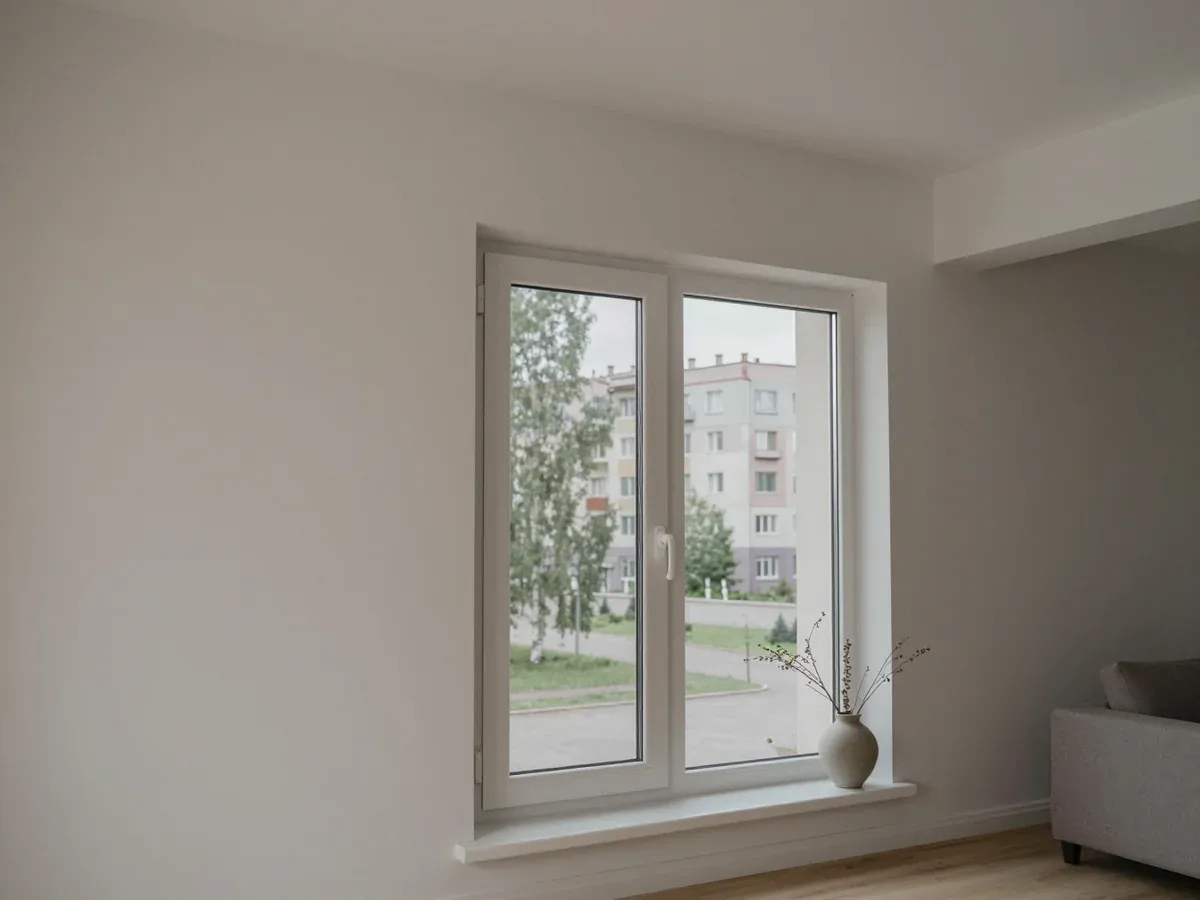
We check every corner and seam together, then payment.
Good to know

Senior mosquito screen specialist at moskitnyesetki.kz
We handle window reveal finishing in Kokshetau as a direct fitter, not through middlemen. Our own installers measure for free, help you pick the reveal material and fixings for your window and building, and fix the price in the order after measuring. You pay only after installation, by cash, card or Kaspi.
The right reveal depends on the wall, the frame and the room behind it. Here is how the three common options behave in local homes and which one we recommend for each case.
| Reveal type | Best for | Watch out for | Finish |
|---|---|---|---|
| Plastic (PVC) | Panel blocks, kitchens, bathrooms | Cheap sheets yellow and crack | Ready surface, no painting |
| Plaster | Brick and block walls, living rooms | Needs drying time before paint | Painted to match the room |
| Drywall | Uneven or non-standard openings | Must be sealed against moisture | Painted or tiled |
We fit reveals to plastic, wooden and aluminium frames, and the frame material decides how the surface is fixed and sealed at the joint. On timber the joint has to stay breathable, so we leave a small gap and close it with a vapour-open sealant rather than a solid bead of silicone. Aluminium moves with temperature, so the surface sits on a flexible fixing that absorbs the shift instead of cracking the corner. In panel-block buildings the base behind the reveal is often hollow or cold, and we add insulation before it goes on. Non-standard openings and small vent lights get cut pieces rather than standard lengths, which keeps the edges tight. A concrete-block wall usually needs extra insulation behind the surface before it is closed.
Our fitters fix plastic reveals on a frame, on adhesive or on screws, and the measurer chooses the method from the opening and the wall. A level plastered base takes adhesive directly; a hollow or uneven surface needs a timber or profile frame first so the cover has something solid to hold. Screws through the profile are used where the reveal carries weight or spans a wide opening. The measurer checks the base with a level and a probe at the free visit, notes the profile of your frame and the floor, and writes the method into the order. A reveal fixed straight onto a cold, uneven base will pull away at the corner within a season, so the fixing method is decided at measuring, not on site.
A cold reveal shows up first as condensation, then as mould in the corner. The cause is almost always the joint and the insulation behind the reveal, not the glazing unit itself.
Condensation forms when the inner reveal surface drops below the dew point, which happens when the joint is poorly sealed and cold air reaches the corner. Outdoor temperatures swing from around minus thirty in January to plus thirty in July, and each cycle pushes moisture into an open seam. Insulation that sits loose, or foam cut back too far, leaves a thin cold bridge along the frame edge. That edge stays a few degrees colder than the wall, so water settles there first and mould follows within a season. Sealing the room side while leaving the outside open lets moisture escape, so the reveal dries instead of trapping water behind the panel.
We insulate the reveal gap, seal the joint with foam and a vapour-tight tape on the room side, and leave the outside able to breathe. The fitter fills the opening in two passes so the expanding material reaches full depth, trims it flush after curing, then tapes the inner seam and closes the panel over it. Profile and colour are matched to your opening, and the same visit covers measuring, so the panel arrives cut to size rather than trimmed on site. If mould has already appeared, the old filling and tape have to come out first, otherwise the new finish traps the same moisture again. In our practice the corner that keeps returning is the one where the previous layer was simply painted over — strip it, dry the cavity, and the new seal holds.
Turnkey reveal work covers everything from the first measurement to the finished corner. Here is what happens at each step and what you actually pay for.
Measuring and consultation are free, the measurer comes at a convenient time, and you pay after installation by cash, card or Kaspi. At the visit the specialist takes the opening sizes, checks how level the wall and frame sit, and helps you choose the reveal type, the finish and the fixings for the opening. Window reveal finishing in Kokshetau starts with this visit, where the scope and the price are agreed on the spot. We reply on WhatsApp within five minutes and stay open seven days a week, so a visit can be booked for a day that suits you. The work is agreed in one go, and the fitter arrives with the material already cut to the measured size. Because the price is fixed in the order after measuring, comparing two quotes comes down to the scope each one lists, not to the headline number.
Sometimes the reveal is the problem and sometimes the sash behind it is. Knowing which one needs work saves you from redoing a finished corner.
If the corner is cold, cracked or stained, the reveal needs finishing; if the sash lets in draughts or will not close, repair or adjustment comes first. A cracked reveal usually means the plaster or plastic panel has lost its joint with the frame, while a draughty sash points to worn seals, a dropped hinge or a misaligned locking point. You can finish a reveal without taking the unit out — the panels and trims are fitted around the existing frame, so the opening stays glazed and the room stays usable. The order matters more than the material. Finishing a reveal over a unit that still leaks air hides the draught for one season and brings the condensation straight back.
We repair and adjust sashes and finish reveals in the same visit, so the joint is sealed once and the corner is closed over a unit that already works. The fitter adjusts the sash, replaces worn seals and fixings, then sets the reveal panels and seals the joint against a frame that no longer moves. Repair carries a 1-year warranty on labour and replaced parts, and installation carries 5 years, so the reveal is finished over work that is already covered. Doing both in one visit also means one measuring call and one set of sizes for the whole opening. In our practice the combined visit is the cheaper route in time: the corner is closed the same day the draught is fixed.
Balcony openings and odd-shaped windows need a different approach from a standard room window, and the reveal is a good moment to add protection.
We finish reveals on balcony and loggia openings and on non-standard glazing, where the frame, the slope and the narrow return all change the fixing. A loggia opening often sits deep in the wall, so the reveal has a long return that must be built out square before the panel goes on. Small vent sashes and arched or angled openings leave little room for a bracket, and the trim has to follow the frame line rather than a straight edge. Ask for the reveal and the screen fixing to be planned in one visit, because the return depth decides both the trim width and where the bracket can sit.
Alongside reveal finishing we fit protection such as grilles, opening limiters and locks, so the finished corner and the safe sash are done in one order. An opening limiter holds the sash at a set gap for ventilation, a lock blocks the handle from turning, and a grille covers the outer opening where a ground-floor or shared-stairwell unit is exposed. Each item is matched to the sash type and the frame material. The measurer checks the sash edge and the reveal return together when choosing the fittings. A limiter or lock is fitted to the sash, not the reveal, so it is worth deciding on it before the corner is closed and the frame edge is covered. Once the trim is on, drilling for a lock means removing it again, so raise the question at the free measuring visit.
The main decisions around reveal finishing come down to five points, and each one is cheaper to settle while the corner is still open than once the work is done.
Installation, replacement, fixing, condensation, winter finishing
Konstantin Selenenkovsenior mosquito screen specialist, 10 years in the tradeOnline · replies within 5 minutes
Ask a questionYes, reveal finishing is also done on wooden windows if the frame and sashes are in working condition. For wood, sandwich panels or plaster are more often chosen so the structure does not prevent the window from breathing.
Reveals should be replaced if cracks appear along the seams, panels peel off, dark mold spots show, or they freeze in winter. If the defects are only superficial and there is no draft, repair and sealing are sometimes enough.
Plastic reveals are usually installed on expanding foam with additional fixing and sealing of seams, sometimes with a frame for even surfaces. The fixing method depends on the window and the curvature of the opening, and the installer selects it.
Condensation occurs due to poor sealing, cold bridges, or insufficient insulation of the opening. During finishing, this is corrected with insulation and high-quality sealing of seams so the reveal does not freeze.
Yes, reveal finishing is also done in winter, but with restrictions on materials: plaster mixes require above-zero temperatures. Panel options are installed with the window operating, and specifics are clarified after measuring.
No, the window does not need to be removed: reveals are mounted with the frame already installed, carefully covering the installation seam. This option does not compromise the window's airtightness.
Thank you. We will call you back within 10 minutes!
Your order number is on the receipt or in the SMS. Choose where to leave your review.
Write a review on WhatsApp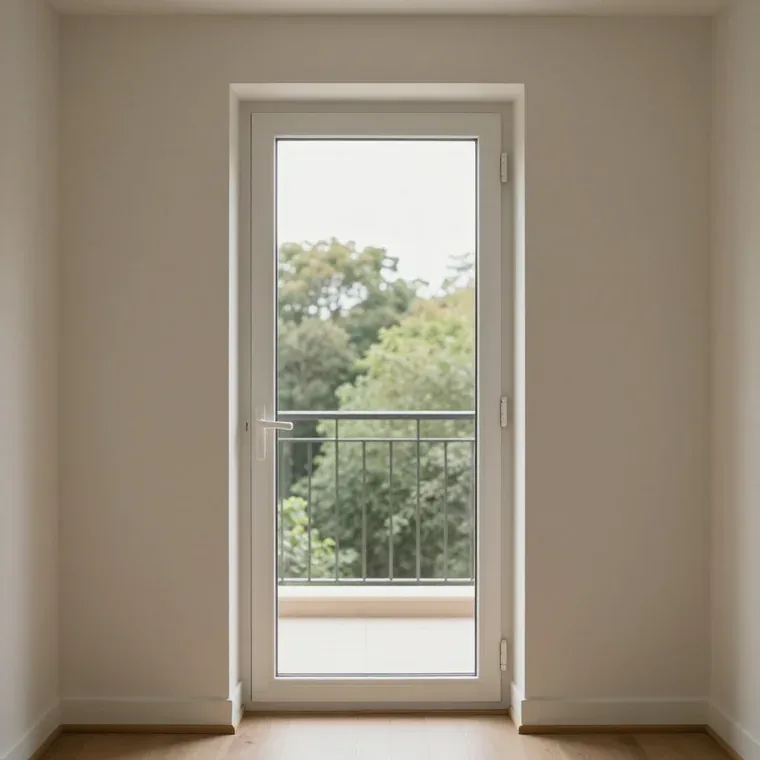




 Window replacement
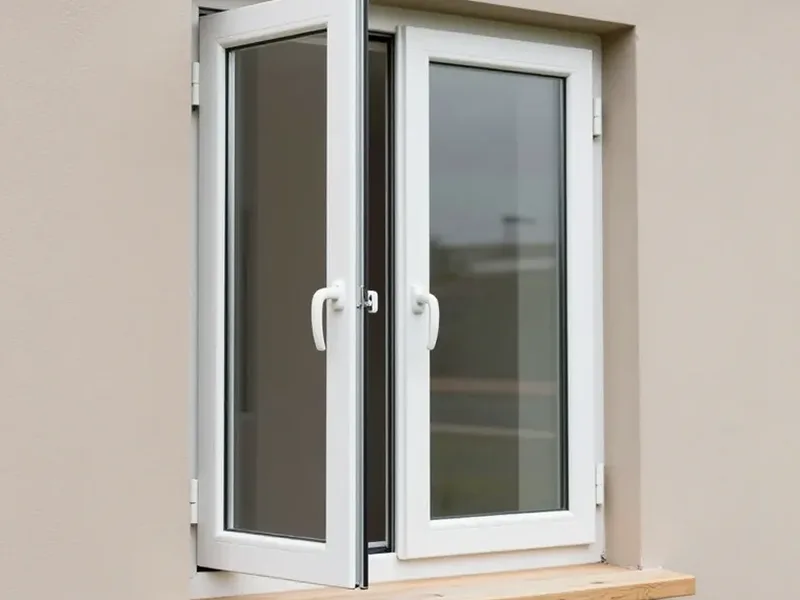 Balcony glazing
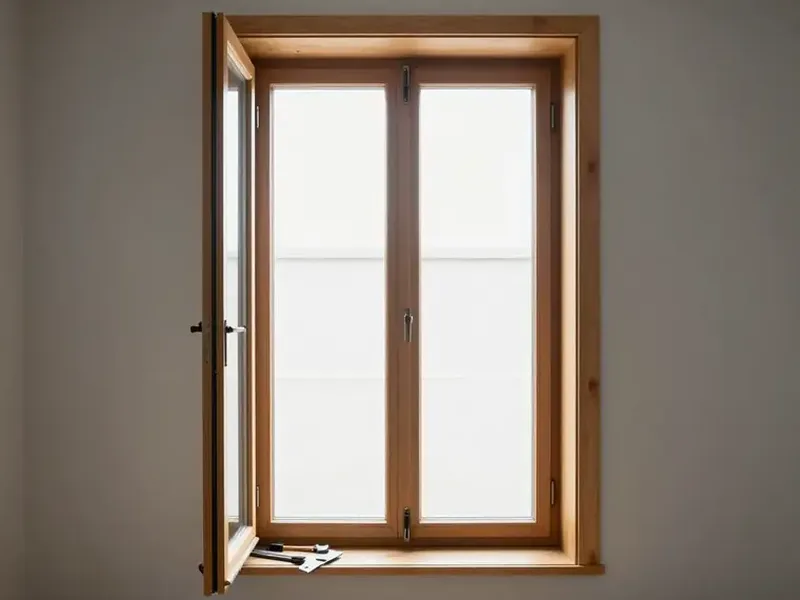 Wooden window repair
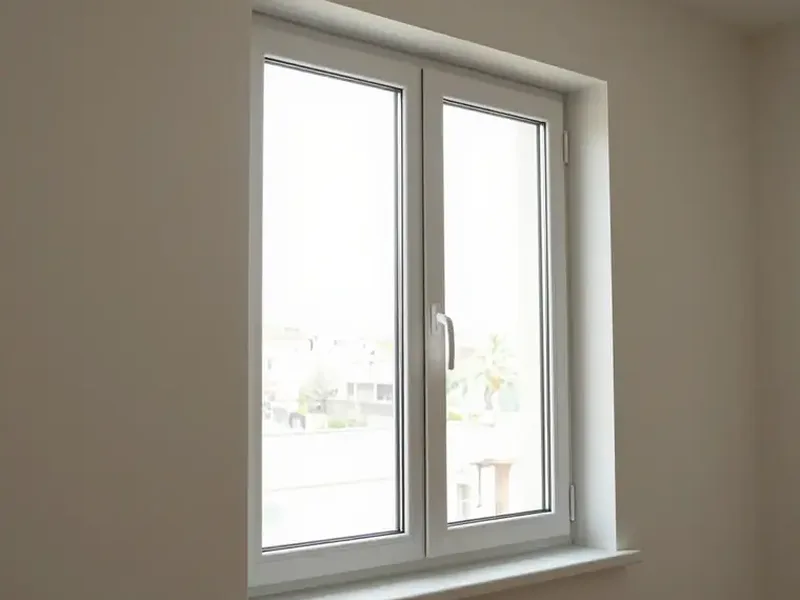 Window insulation
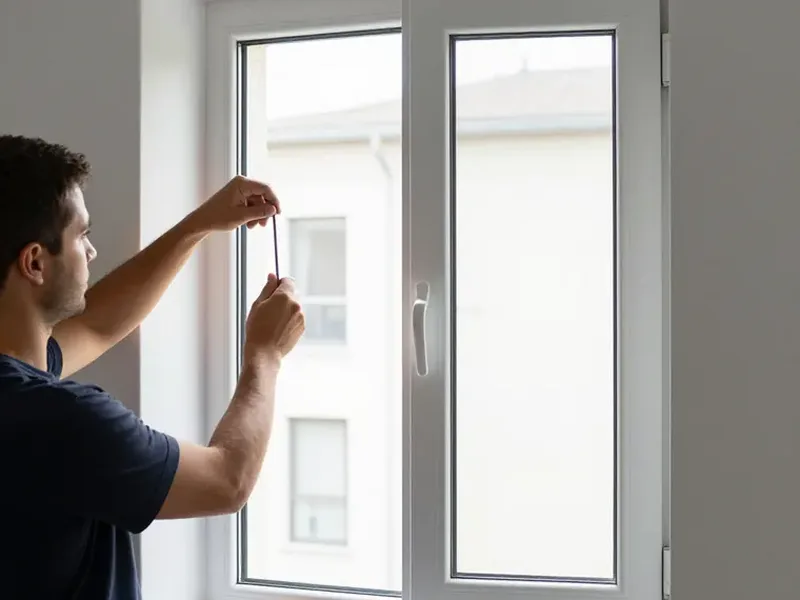 Window repair
