






Good to know
Penkid Window Lock in Kokshetau Fitted to Your Existing Window

Senior mosquito screen specialist at moskitnyesetki.kz
We supply and fit Penkid window locks in Kokshetau on windows that are already in use, with a free measuring visit and payment only after installation. The measurer checks your sash type, profile and floor, then picks the model and fixing that suit your window, so the lock works from day one.
What a Penkid window lock does and how it differs from a restrictor or a key handle
Three different devices are often sold under the same name of a window lock. Here is what each one actually stops, and which question to ask before choosing.
Lock, sash blocker or opening restrictor and what each one stops
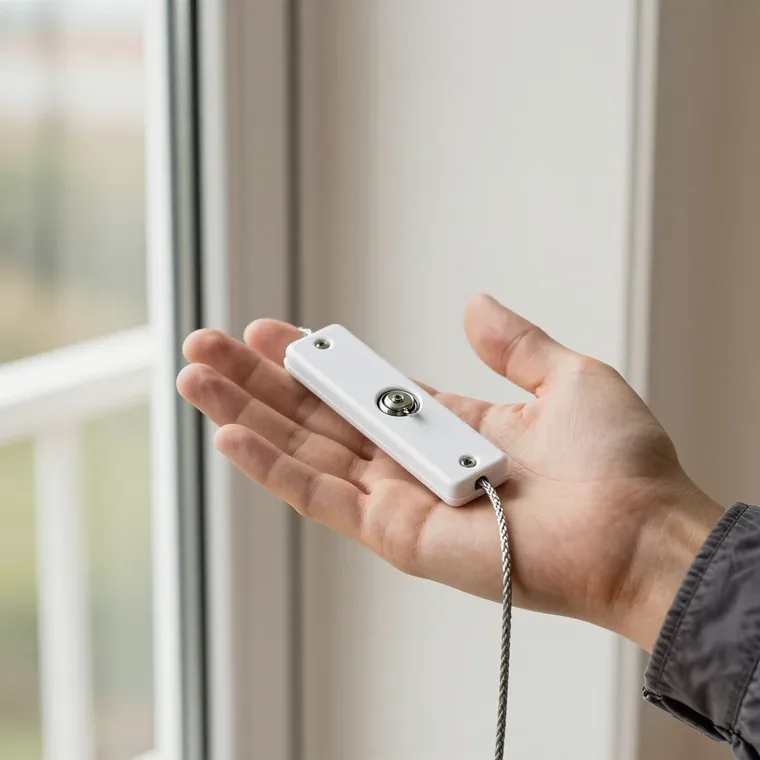
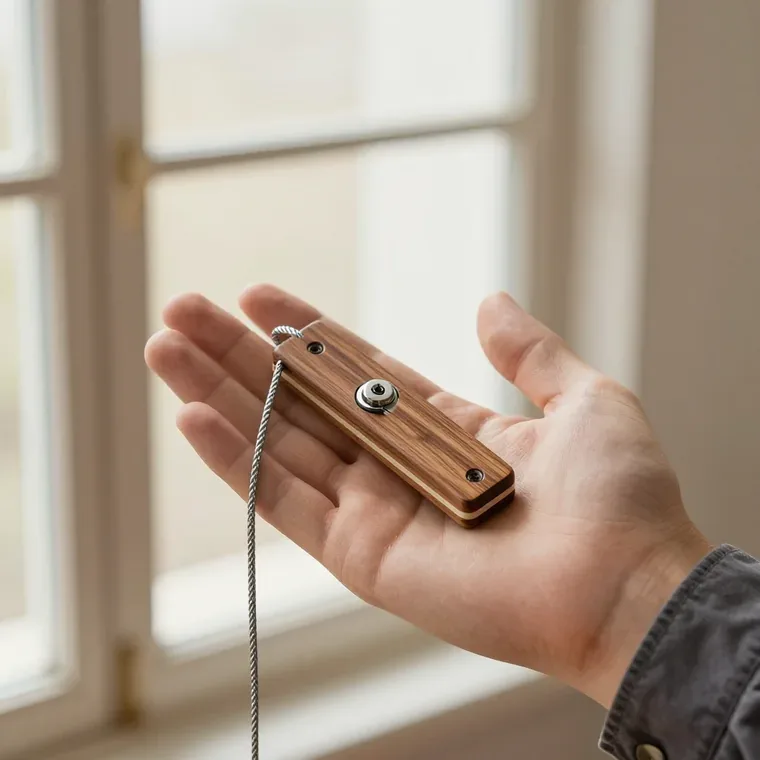
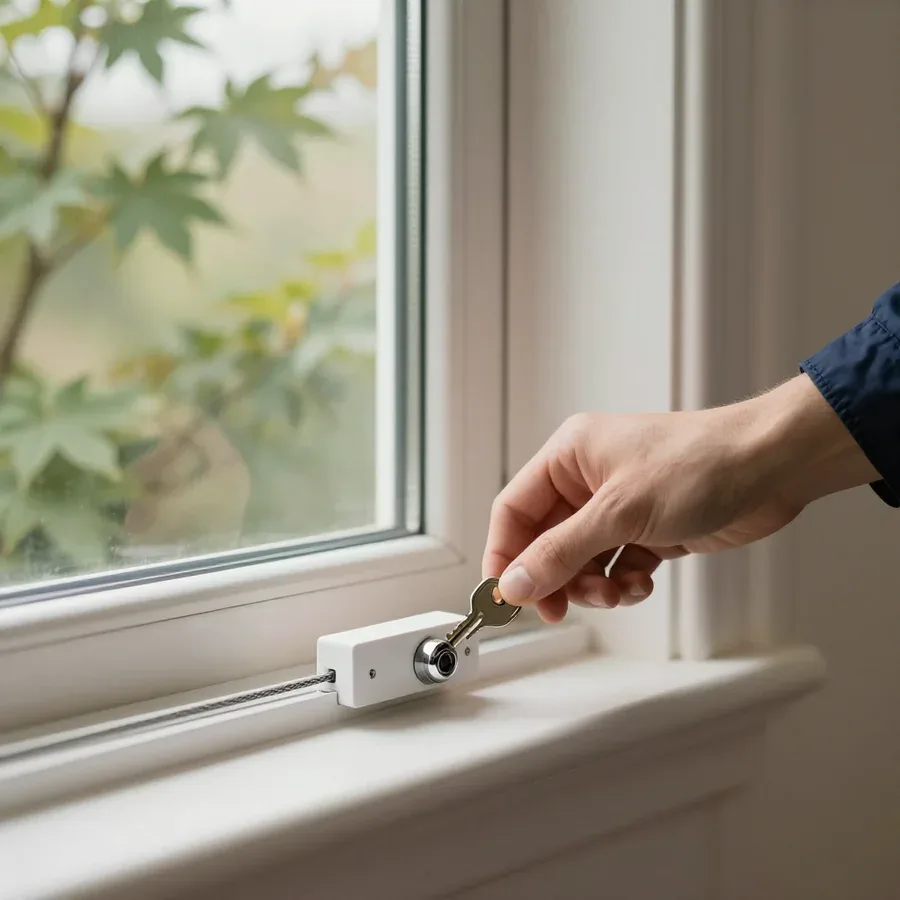
A handle lock stops the lever from turning, a blocker stops the moving panel from travelling, and a restrictor only limits how far it opens. The first is the simplest: it pins the lever in the closed position, so the window cannot be opened from the room side without a key. A blocker works lower down, at the profile, and holds that panel in place. An opening restrictor is a folding arm that lets the window swing out a set distance and then halts it. The right choice depends on what you are guarding against, because a restrictor still leaves a gap a small child can reach through.
Sash Lock and Jammer side by side
| Device | What it blocks | Best for |
|---|---|---|
| Penkid Sash Lock | Movement of the panel | Tilt-and-turn and casement windows |
| Penkid Jammer | Panel travel at the frame | Windows a child can reach |
| Handle lock | Turning of the lever | Quick everyday lock-off |
| Opening restrictor | How wide the window opens | Ventilation with a limit |
Matching a Penkid window lock to your sash, profile and floor
Matching a lock comes down to three things — how the leaf opens, what the profile is made of and how high the window sits. We take each factor in turn.
Casement, tilt-and-turn, balcony door and loggia window
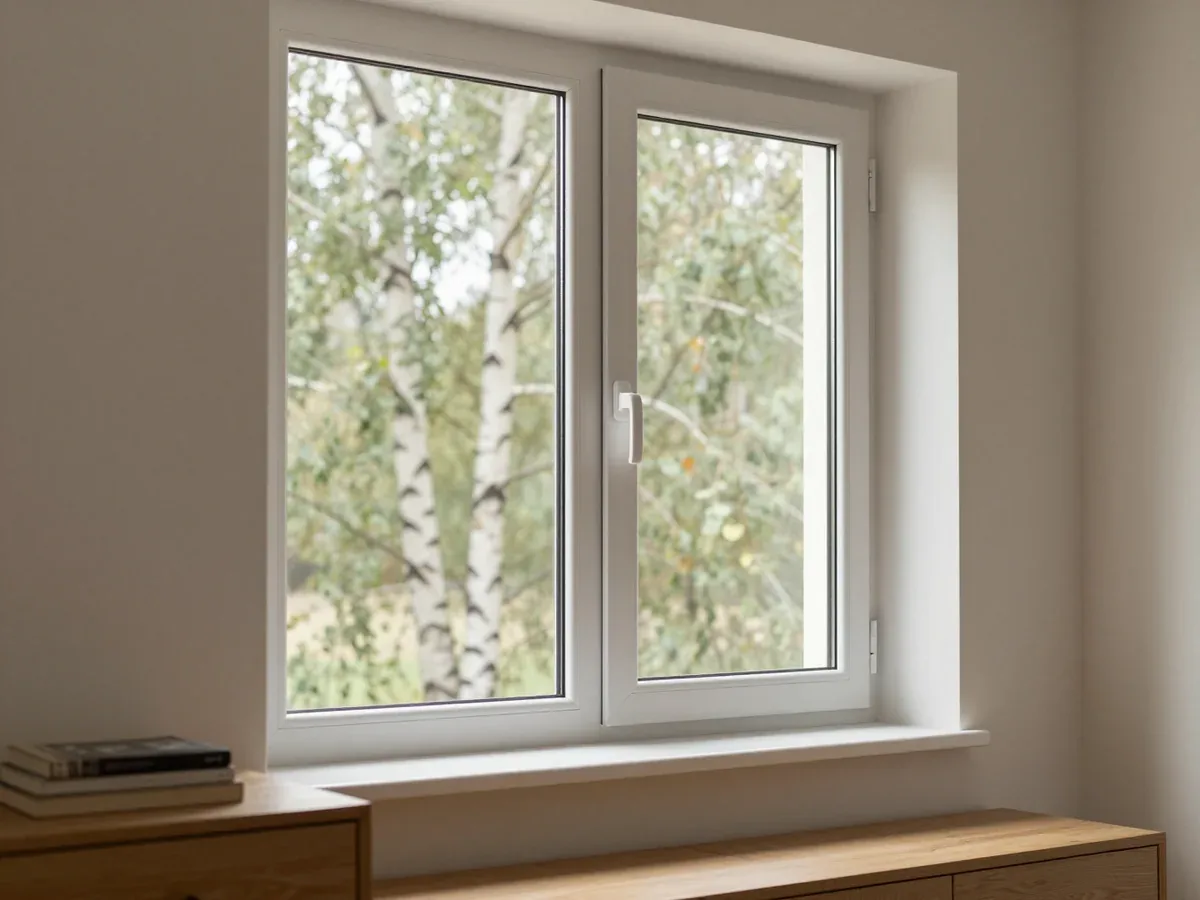
We fit Penkid window locks on casement and tilt-and-turn leaves, balcony doors and loggia windows, and the measurer confirms the opening type before ordering the part. A casement leaf swings on side hinges, so the lock sits on the handle side and blocks the swing. A tilt-and-turn unit moves two ways, and the hardware runs along a channel as it tilts, which narrows the safe mounting zone. Balcony doors carry a taller, heavier panel and take a lock rated for daily use, while loggia windows usually sit in a shallow opening where the lock has to clear the handle base. On a penkid window lock in Kokshetau the opening type decides the model, not the frame colour.
Plastic, wooden and aluminium windows and what changes
- Plastic (PVC): the usual frame in local flats; the screw goes into the reinforcement behind the profile wall.
- Wooden: the screw bites into solid timber, so knots and old paint are checked before drilling.
- Aluminium: a thin profile needs a wider base so the load does not pull on the metal.
- Balcony door: a heavier panel needs hardware rated for the extra weight and daily use.
- Existing child lock: if a builder's lock is already fitted, the measurer works around it or swaps it.
Ground floor, upper floor and windows onto a roof
On a ground floor or a window onto a roof, the lock is chosen for intrusion as well as for child safety, and the mounting is set so the leaf cannot be lifted out. A low window can be reached from the street or a ledge, so the measurer looks at what is outside the glass before picking a model — a balcony rail, a canopy edge or a flat roof all change the risk. Upper floors rarely need intrusion cover, and there the lock works mainly to stop a child opening past the limit. We choose the hardware for the profile and the floor together, because the same unit on the fourth floor and on the first asks for different parts.
Fitting a Penkid window lock on a window you already have
A lock goes onto a window that is standing and working, not onto a new one from the factory. Here is what the fitter does on site and whether the frame is left marked.
Can a lock go on a window that is already installed
Yes, we fit window locks on units that are already installed, including windows put in by another company, and the existing hardware stays in place. Every unit keeps its own handle, hinges and tilt mechanism, so the window goes on working exactly as it did before. Our fitter brings the matched lock, checks it against the real profile on site and mounts it without taking the moving part out of the frame. The same applies to balcony doors and loggia windows, which often need the lock more than a bedroom one does. The lock is added rather than swapped for the window's own mechanism, so nothing has to be reordered.
The fitting step by step and how long it takes
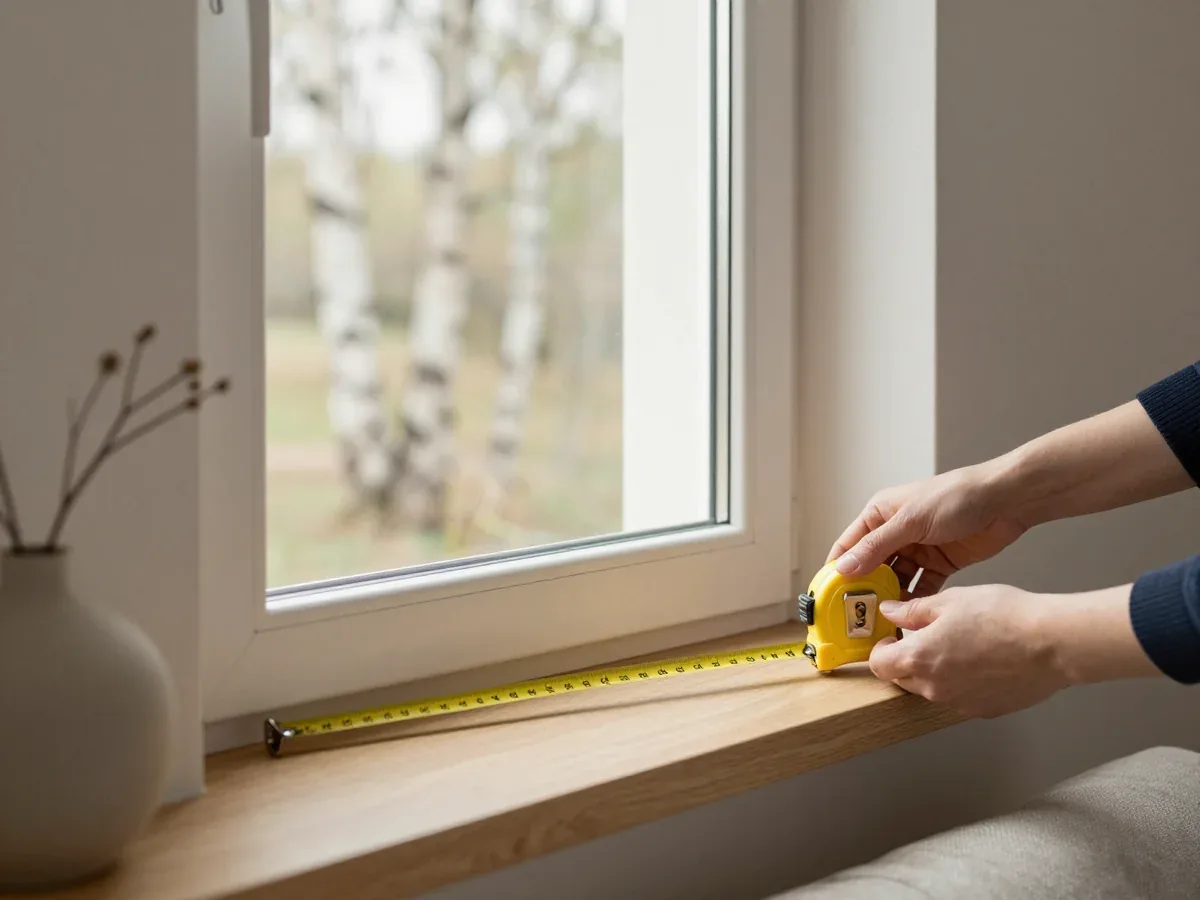
- Measuring visit: the measurer checks the sash, profile and floor and helps choose the model and fixing.
- Order fixed: the price is fixed in the order after measuring, so nothing changes on the day.
- Fitting visit: the specialist mounts the lock on the installed window without taking it out.
- Test: the sash is opened and closed with the lock on to confirm it works and still airs the room.
- Handover: you pay after installation by cash, card or Kaspi.
Does fitting a lock mean drilling the frame
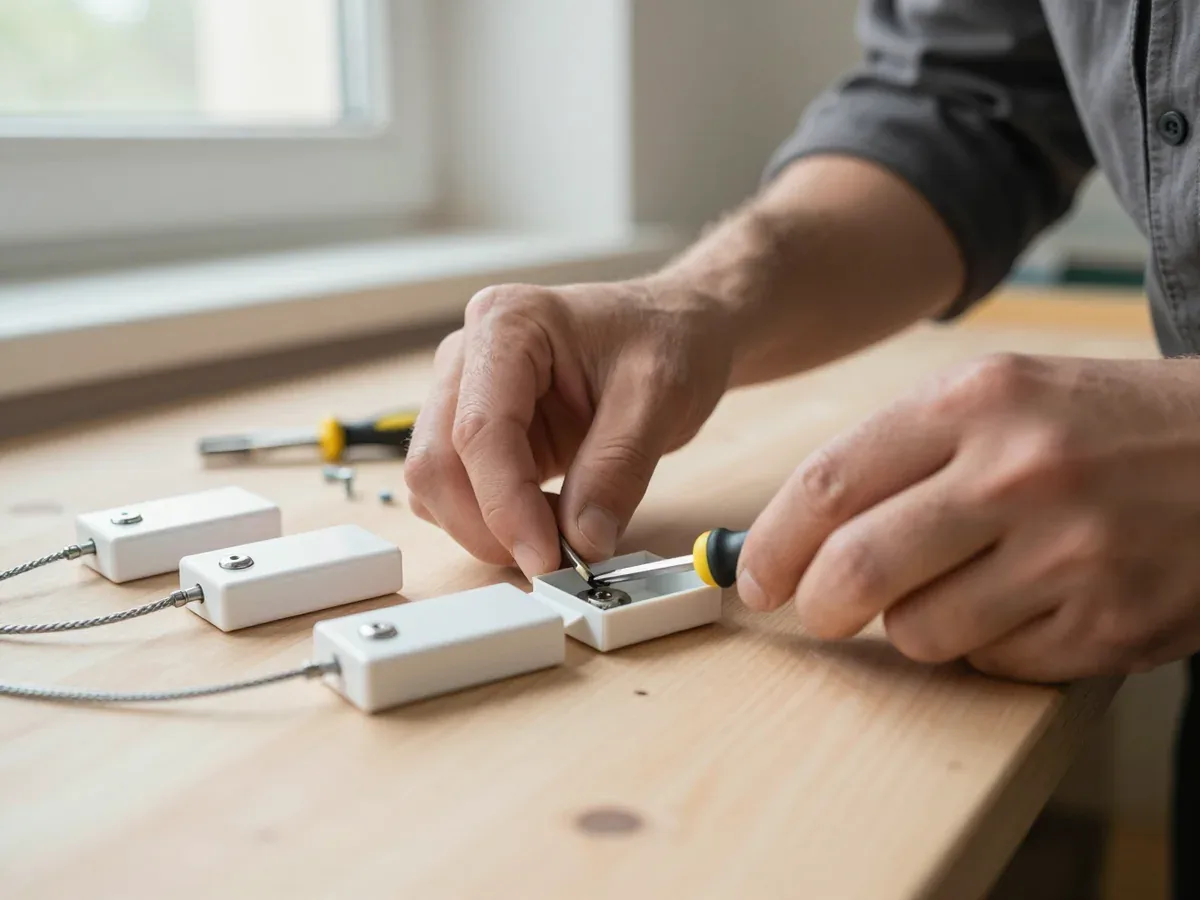
Fitting a lock means a small number of fixing points on the sash or profile, not a hole through the sealed glass unit, so the window stays airtight. The specialist picks the fastener for the profile and the floor, whether that is a Z-bracket, a pin or a magnet, and drills only where the hardware already carries load. Nothing is cut into the glass or the spacer, which is the part that keeps the unit sealed and dry. Those points sit where the window already bears weight, which is why a lock fitted this way does not loosen the sash or leave it draughtier than before.
Airing the room, the key and everyday use
A lock should not get in the way of normal life. We look at how you air a room with one fitted, whether a key is needed, and whether the hardware can come off later.
Keeping ventilation and the micro-vent mode
- Tilt position stays open: the sash still tilts for airing and the micro-vent mode keeps working, because the lock guards the opening rather than sealing it shut.
- Profile-mounted parts: the mechanism sits on the profile and sash, not on the handle, so the lever still turns for a gap.
- Blocker stays clear: the part stops the leaf swinging wide, yet a tilted gap for fresh air remains on the same window.
- Check after work: we tilt and close the leaf a few times once the hardware is on, so you see the airing position working.
Is a key needed and can the lock be removed later
Some models lock with a key and others with a button, and a fitted lock can be taken off later if the window no longer needs it. A handle lock blocks the turn itself, so the leaf cannot be opened even when the lever is moved. A keyed model suits a window a child can reach, because the key stays with an adult and the lever will not move without it. A button version is quicker for adults who open the same window many times a day: one press releases it, no small item to find. Removal is straightforward — the fixings come off the sash and the small screw holes are filled, leaving the window working as before.
Warranty, service and ordering a Penkid window lock in Kokshetau
Here is what happens after the lock is on your window — the cover you get, how a service visit works if something sticks, and how to book an appointment and pay only after the job is done.
Warranty cover and what to do if the lock sticks
If a lock starts to stick or a key is lost, our fitters look at it and replace the part or the fastening. Window repair work, labour and the parts we swap, carries a one-year warranty. A sticking lock is rarely the device itself — most often a bracket has shifted as the seasons move the frame, so a service visit usually means an adjustment rather than a new unit. Our repair team handles windows of any make, including KBE, Rehau, VEKA and Provedal profiles, and swaps the mounting when the old ones no longer hold. If the part itself has failed, the fitter brings a replacement and fits it on the same visit, so the window is not left without cover.
Booking a measuring visit and paying after fitting
- Get in touch: message us on WhatsApp and we reply within 5 minutes.
- Pick a time: the measurer comes at a convenient time, seven days a week.
- Sizing and advice: dimensions are taken and the fixing type and position are agreed on the spot.
- Fixed order: the price is fixed in the order once sizes are confirmed.
- Fitting and payment: the lock is fitted, tested, and paid for by cash, card or Kaspi.
How to choose a Penkid lock for your sash
A few points decide whether a window lock does its job. The list below sums up what matters before you choose and fit one.
- Know what you are buying: a handle lock, a sash blocker and a restrictor solve different problems, so decide first what the window needs to stop.
- Match it to the window: the opening type, the frame material and the floor all change which model and fixing will work.
- An installed window is fine: a lock can be added to a window already in use without replacing its hardware.
- Keep the room airing: a sensible fit leaves the tilt and micro-vent positions usable, so the room still gets fresh air.
- Ask about cover: confirm who services the lock if it sticks.
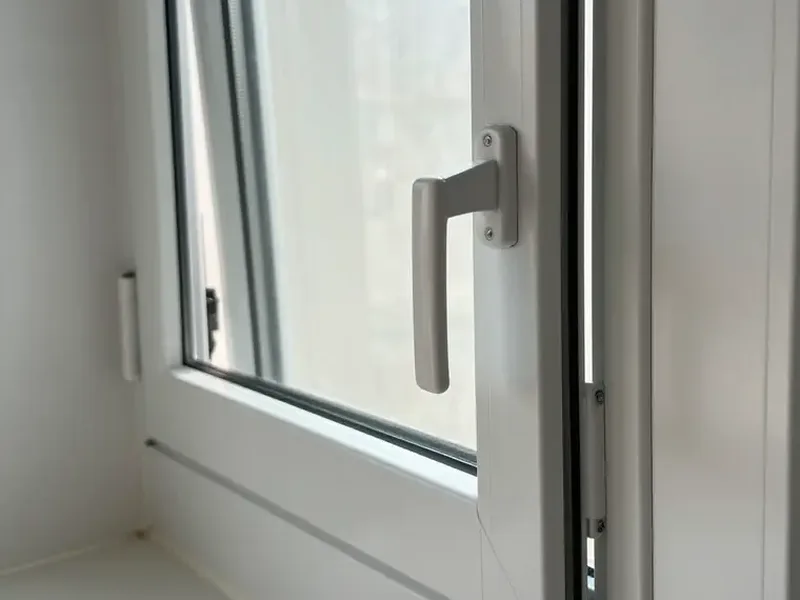 Limiters
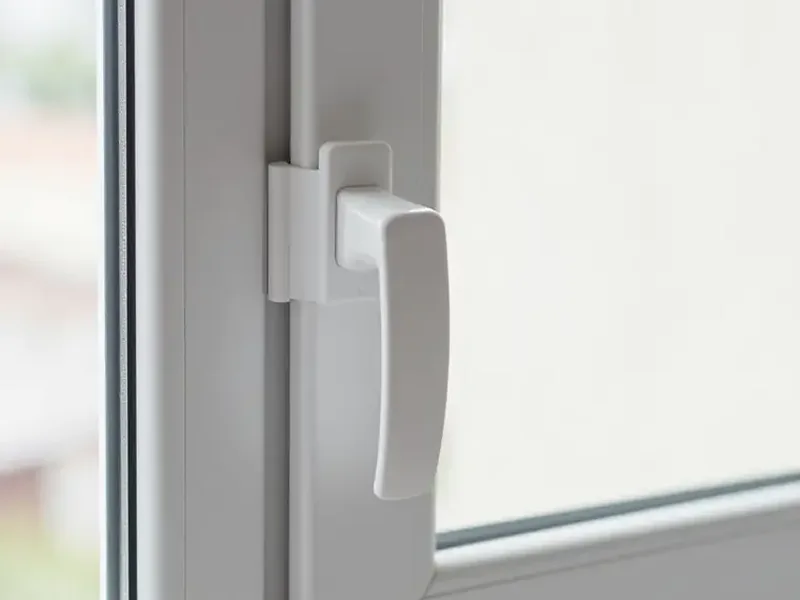 Blockers
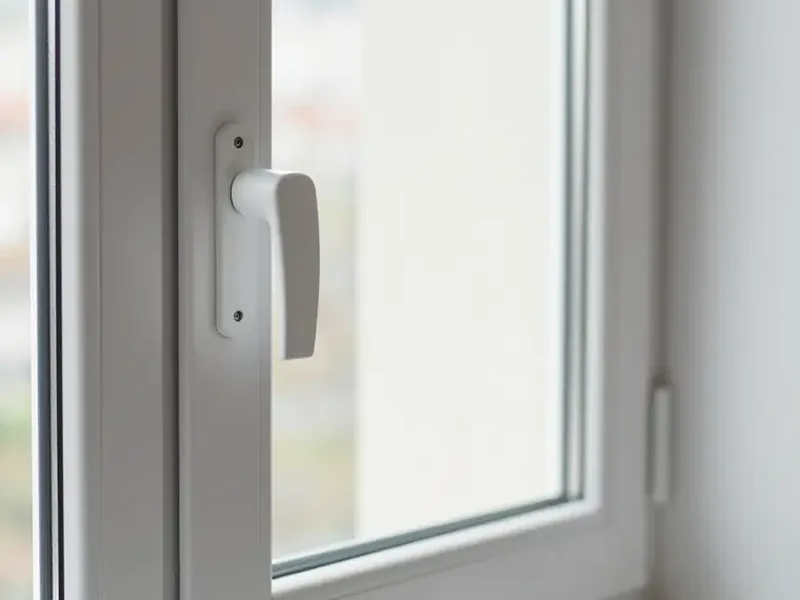 Key handles
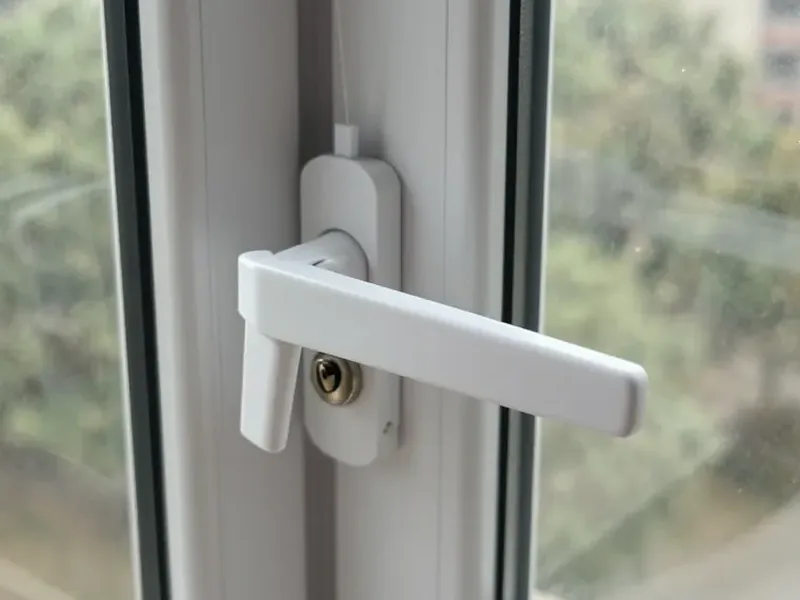 Child protection
 Window grilles
