
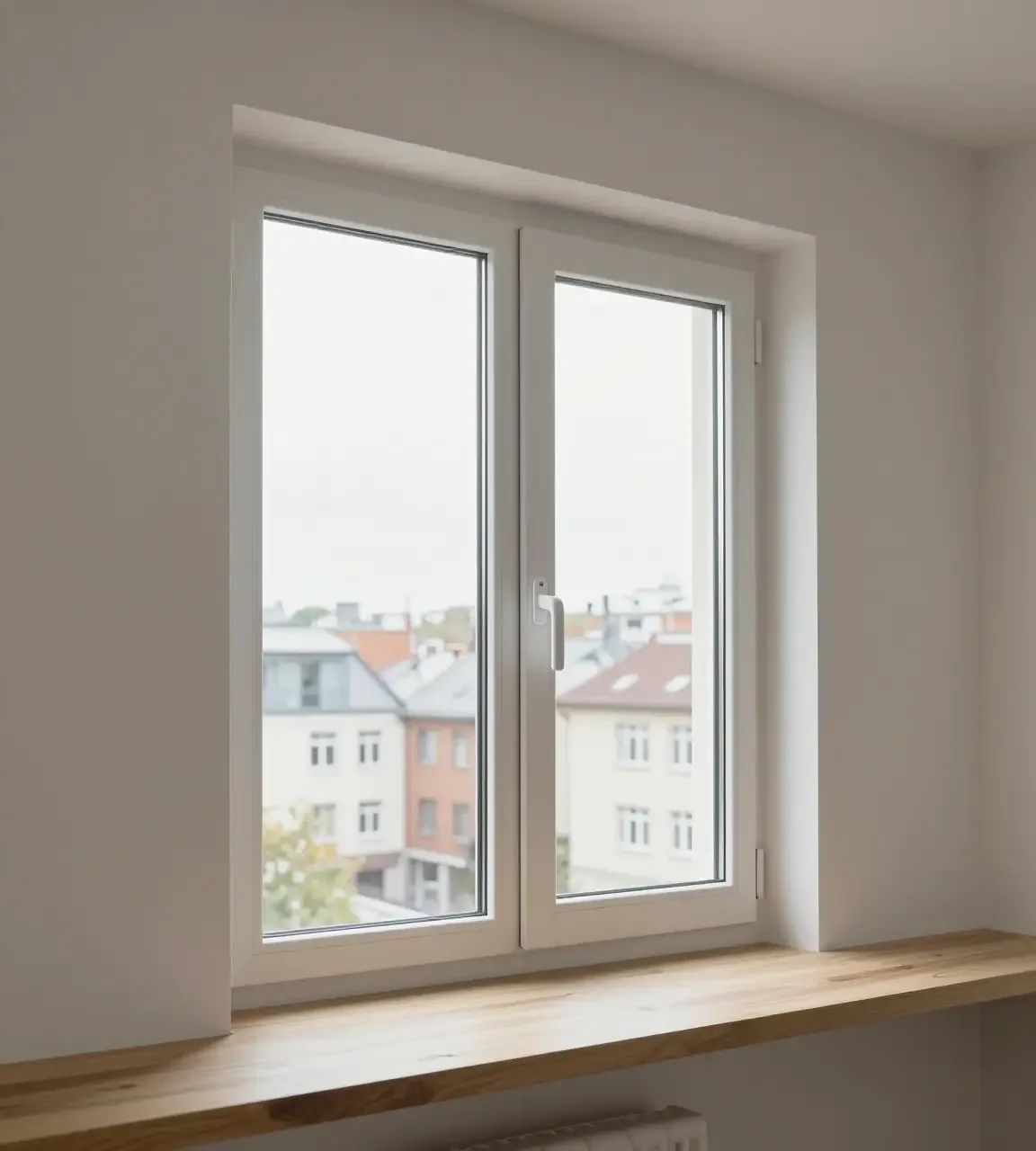
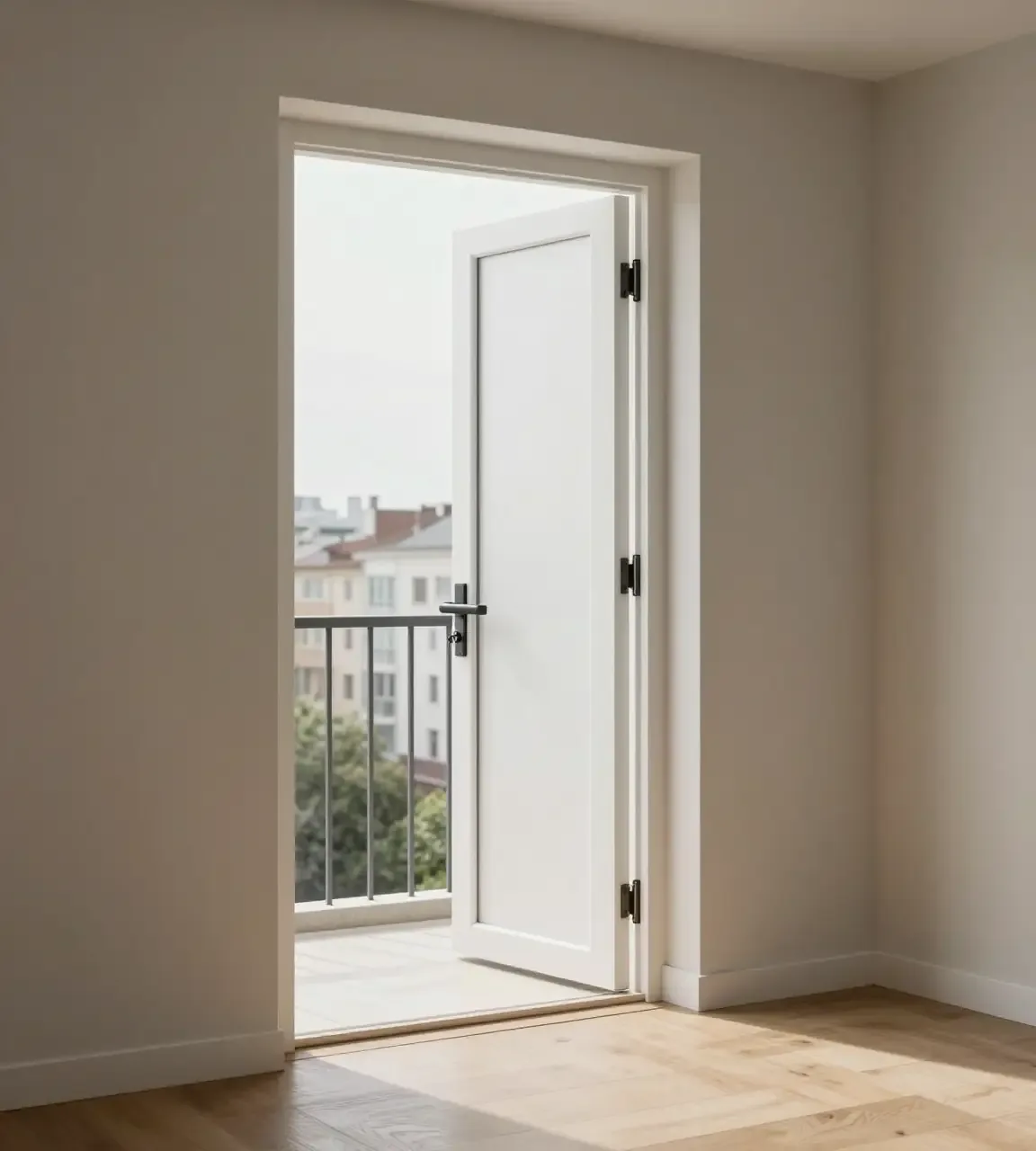
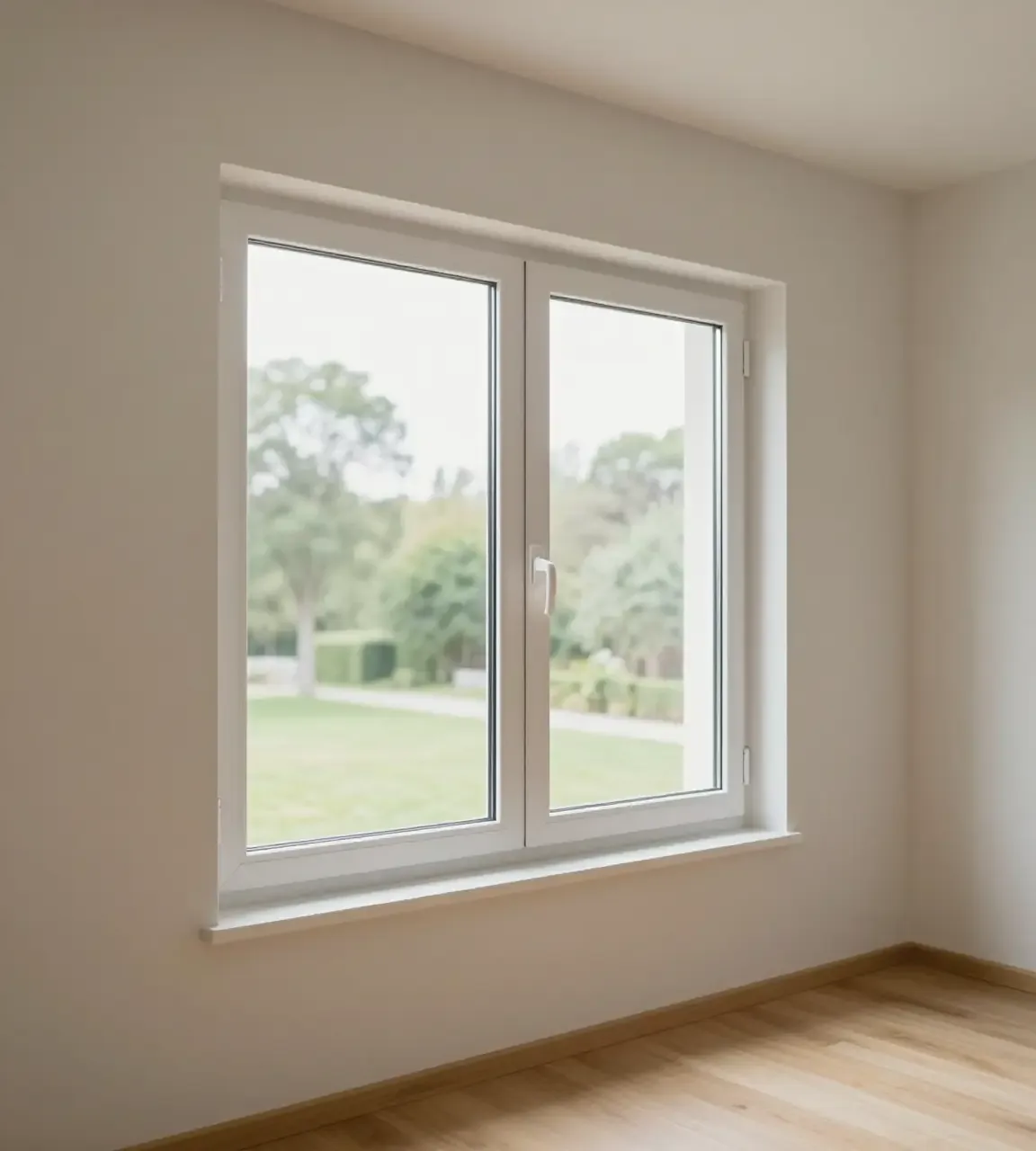
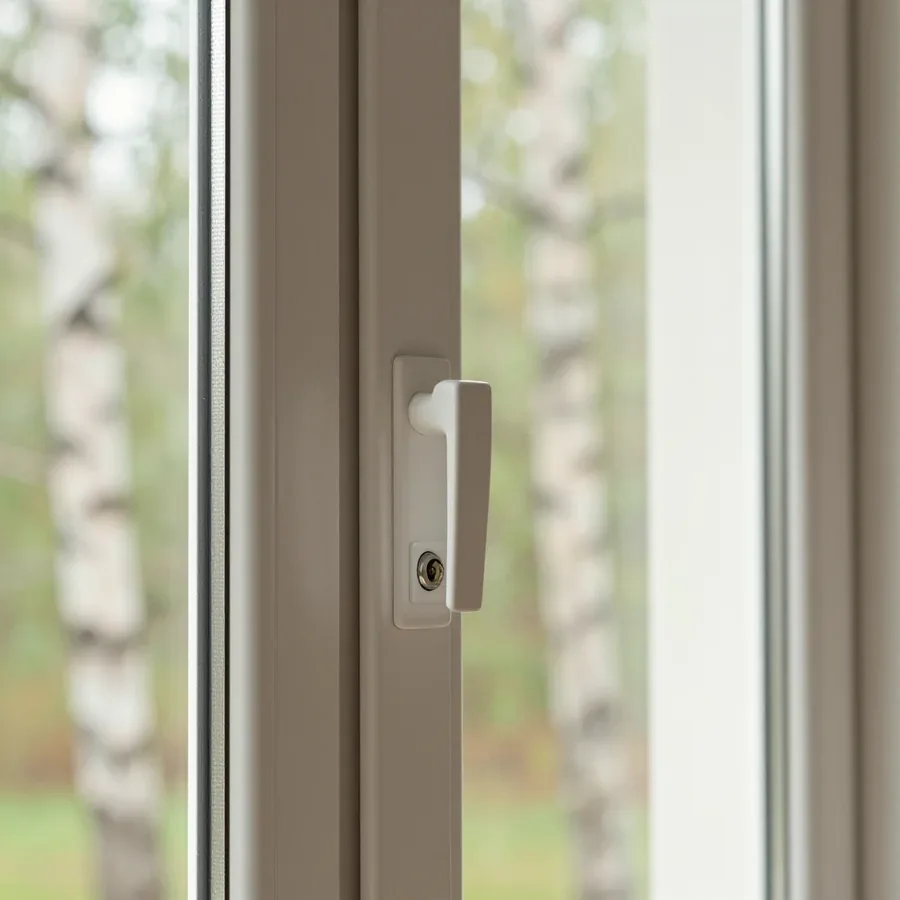
Locks the handle · key
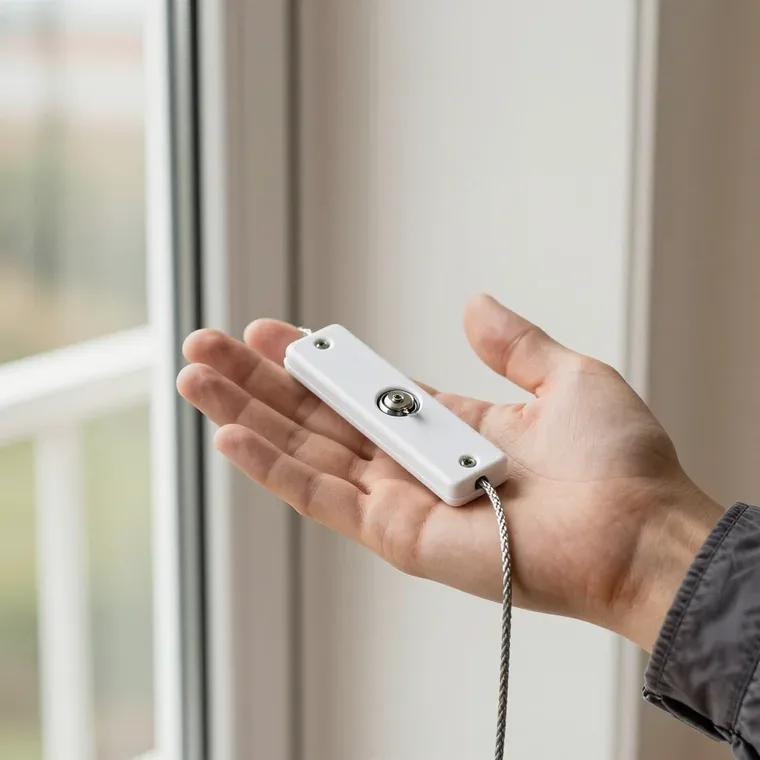
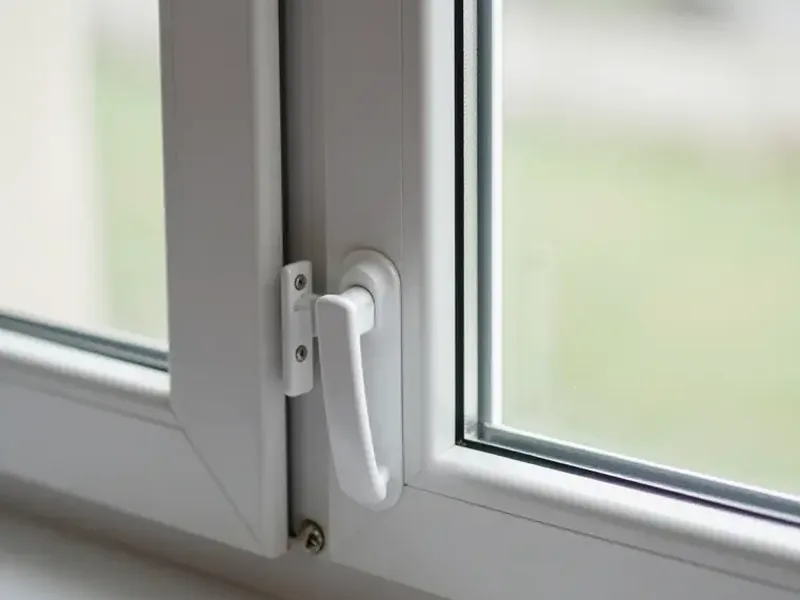
Penkid lock
Surface-mounted lock with cable. A child cannot open the sash without a key. Price from 2150 ₸ per item.


Penkid lock
Surface-mounted lock with cable. A child cannot open the sash without a key. Price from 2150 ₸ per item.
Comb limiter
Fixes the sash in several positions for safe ventilation. Price from 1050 ₸ per item.
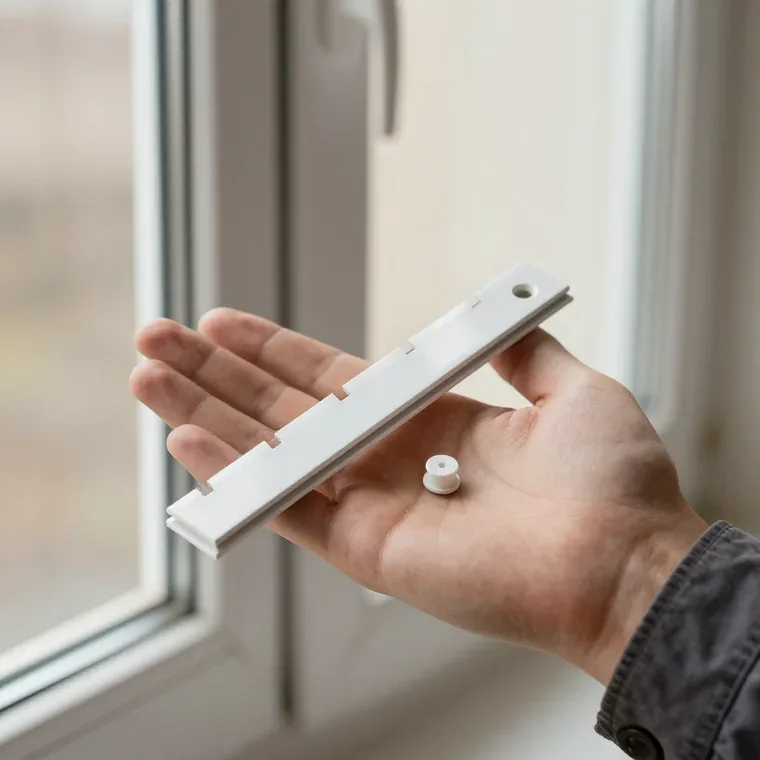
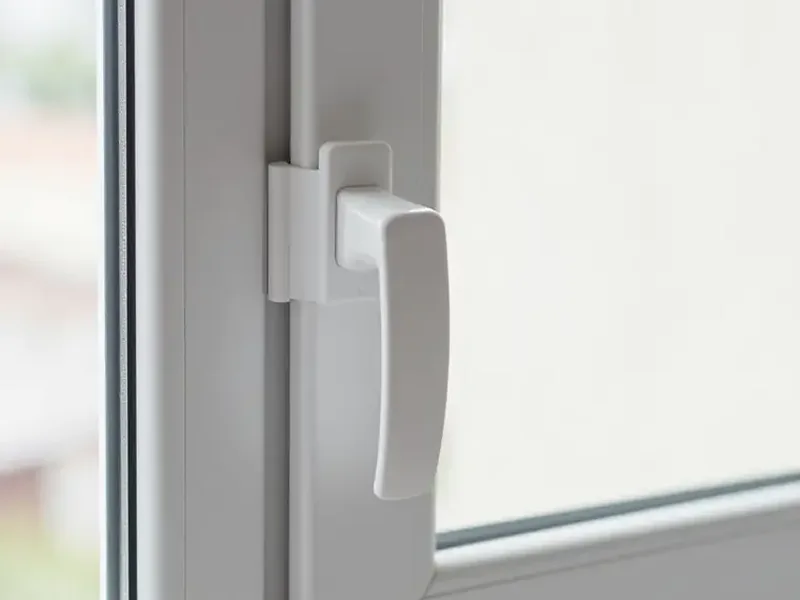
Sash blocker
Prevents a child from swinging the window open. Suitable for sliding and casement sashes. Price from 1200 ₸ per item.

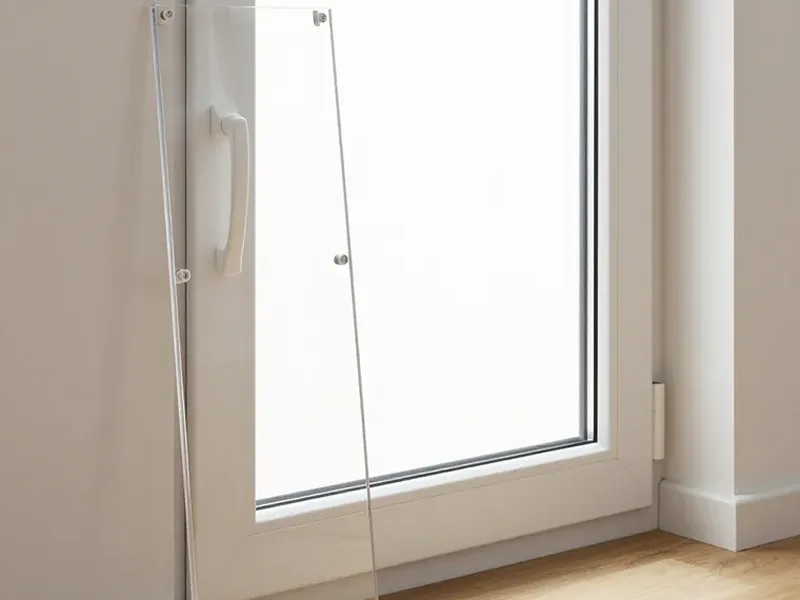
Transparent grille
Installed in the opening and withstands load. Price from 22000 ₸ per ready module.




5,097 reviews on review sites
Window safety is not about one device but a set of devices tailored to the child's habits and the type of sash.
Child window protection is a complex: a lock or key handle prevents opening the sash, a limiter sets a safe ventilation angle, a blocker fixes the sash, and a transparent grille covers the opening. For one apartment, two devices are enough; for a child's room on a high floor, three or four.
The kit is selected for a specific window: casement or sliding, with or without a balcony door. The measurer looks at the profile, the floor, and how the child uses the windowsill, and suggests a combination that does not interfere with ventilation.
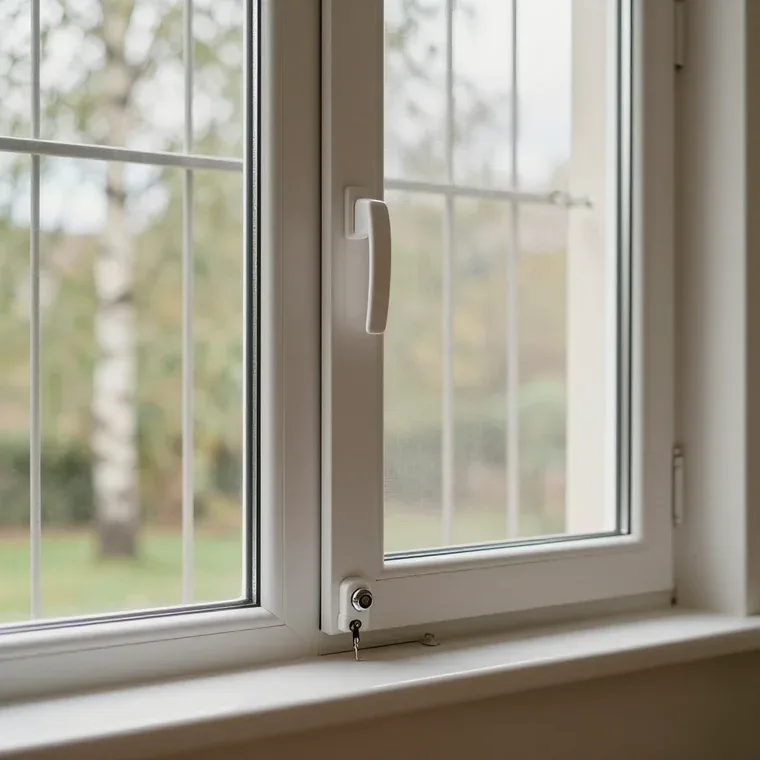
comb limiter with installation
production of a framed screen to size
measuring and consultation before ordering
Fixings are selected for the window profile and floor: from surface-mounted locks to Z-brackets and magnets.
Attached to the frame and sash, set the opening angle. Suitable for plastic and aluminum windows.
Fix the sash in the chosen position. The technician selects the pin length for the profile.
Do not require drilling the frame, hold the sash with a magnet. Suitable for rented apartments.
Five devices cover different scenarios: from locking the handle to a transparent grille in the opening.
Surface-mounted · with cable
Locks the sash, a child cannot open the window without a key. Mounted on the frame.
Rotary · locking
Replaces a standard handle, locks the sash with a key. Suitable for a child's room.
Ventilation · with installation
Fixes the sash in several positions. Prevents swinging the window open.
Locking · sliding
Prevents a child from sliding or opening the sash. Mounted on the frame.
Polycarbonate · for openings
Covers the opening and withstands load. Does not darken the room.
The cost depends on the device and installation; the exact amount is fixed after measuring.
| Type of item | Price |
|---|---|
| Window handle with keywith rotation lock | from 3 650₸ per item |
| Comb limiter with installationfor ventilation | from 1 050₸ per item |
| Cable limiter with lockadjustable angle | from 2 500₸ per item |
| Penkid lock with cablesurface-mounted | from 2 150₸ per item |
| Sash blockerfixes the sash | from 1 200₸ per item |
| Installation of blocker or child locktechnician service | from 2 750₸ per item |
| Surface-mounted child window lockwith flag | from 3 250₸ per item |
| Transparent polycarbonate grilleto window size | from 26 000₸ per m² |
| Transparent window grilleready module | from 22 000₸ per item |
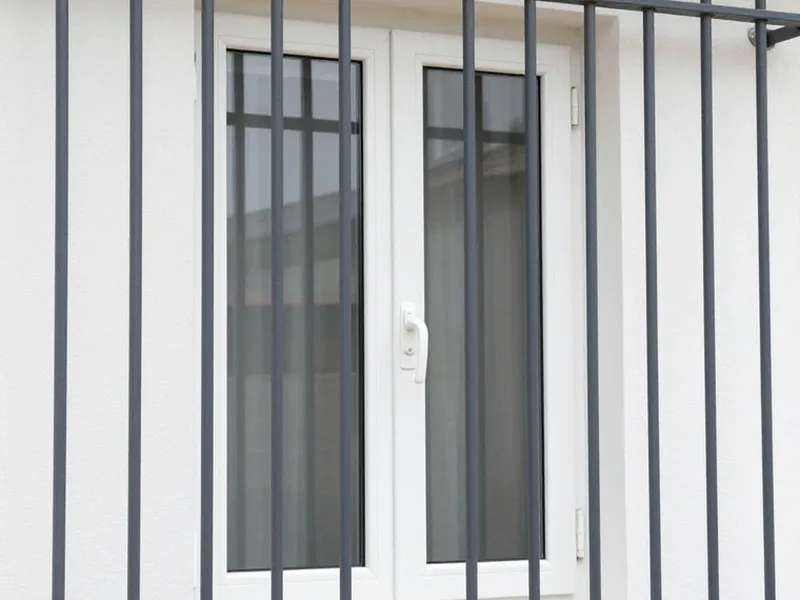
| Child safety window grillemetal | from 12 500₸ per item |
| Grille with mosquito screentwo in one | from 19 800₸ per m² |
| "Anti-Cat" screen as protectionreinforced mesh | from 13 000₸ per item |
| Turnkey child window protectionkit with installation | from 6 000₸ per window |
The price is fixed in the order after measuring.Payment after installation: cash, card or Kaspi.
Book a measuring visitFacts about our work: experience, warranty, measuring, installation and payment.
we work across Kazakhstan
for work and replaced components
free and at a convenient time
we deliver and install ourselves
cash, card or Kaspi
orders in Kazakhstan
in Almaty at Tole Bi, 83
on WhatsApp, we work without days off
From request to checking the devices.
You leave a request or write on WhatsApp. We respond quickly and clarify the task.
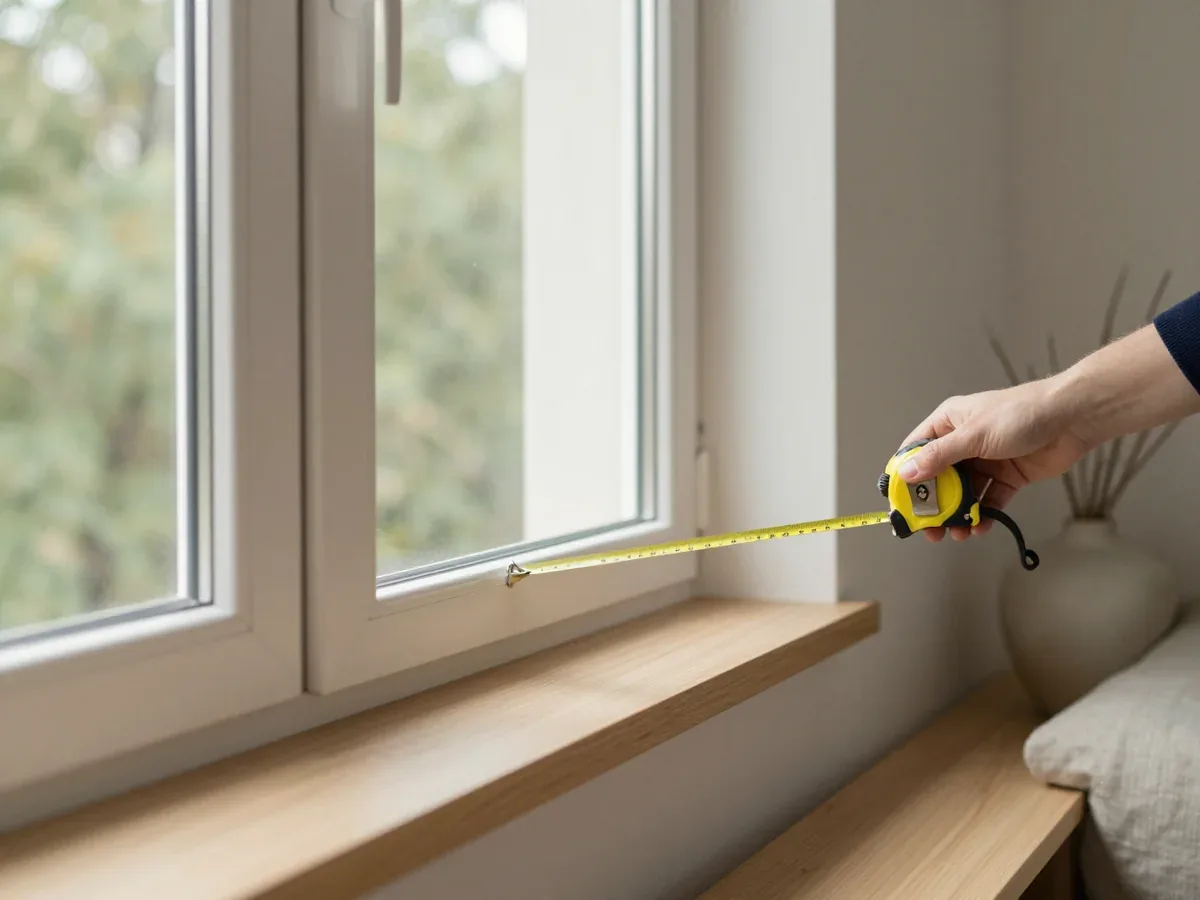
The measurer arrives at a convenient time, takes dimensions and suggests protection options.
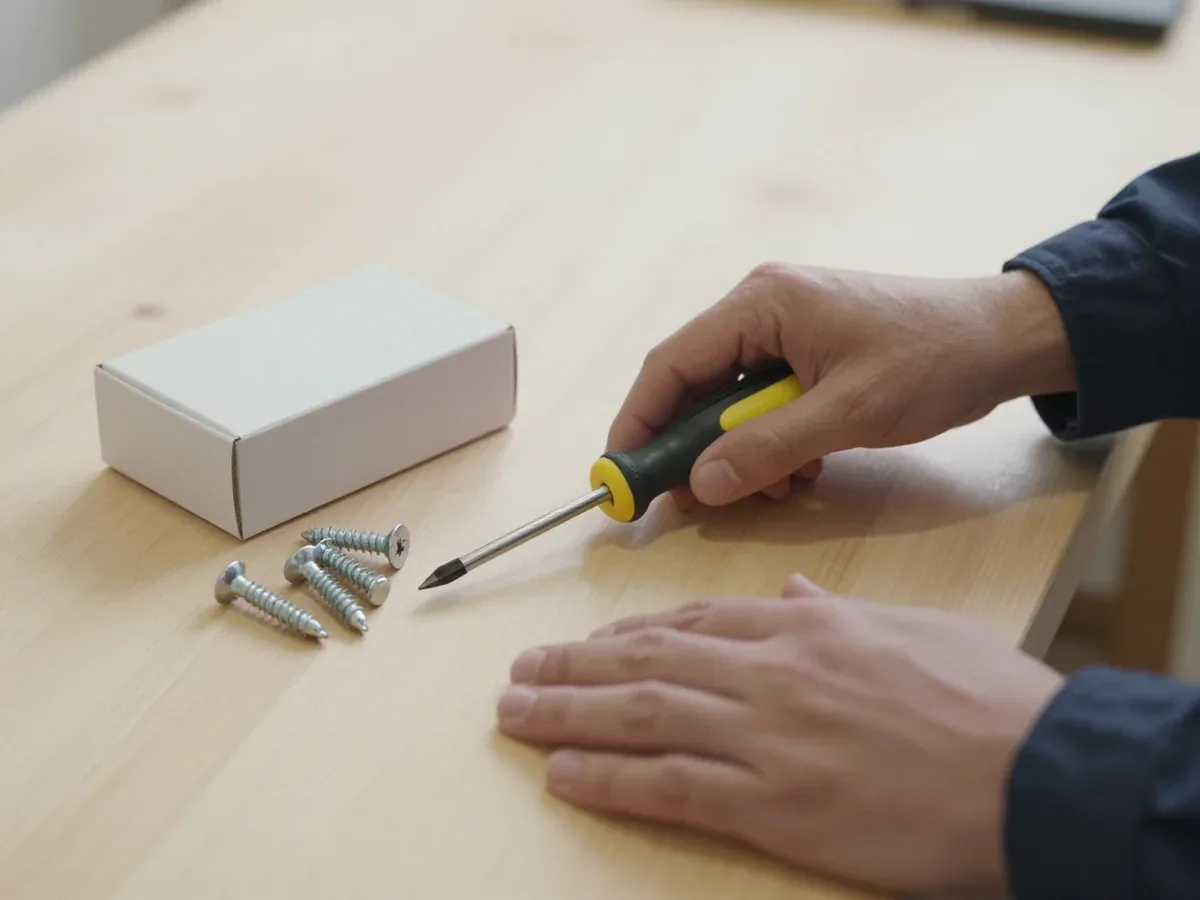
We agree on the number of sashes and the type of grille so that the kit covers all dangerous places.
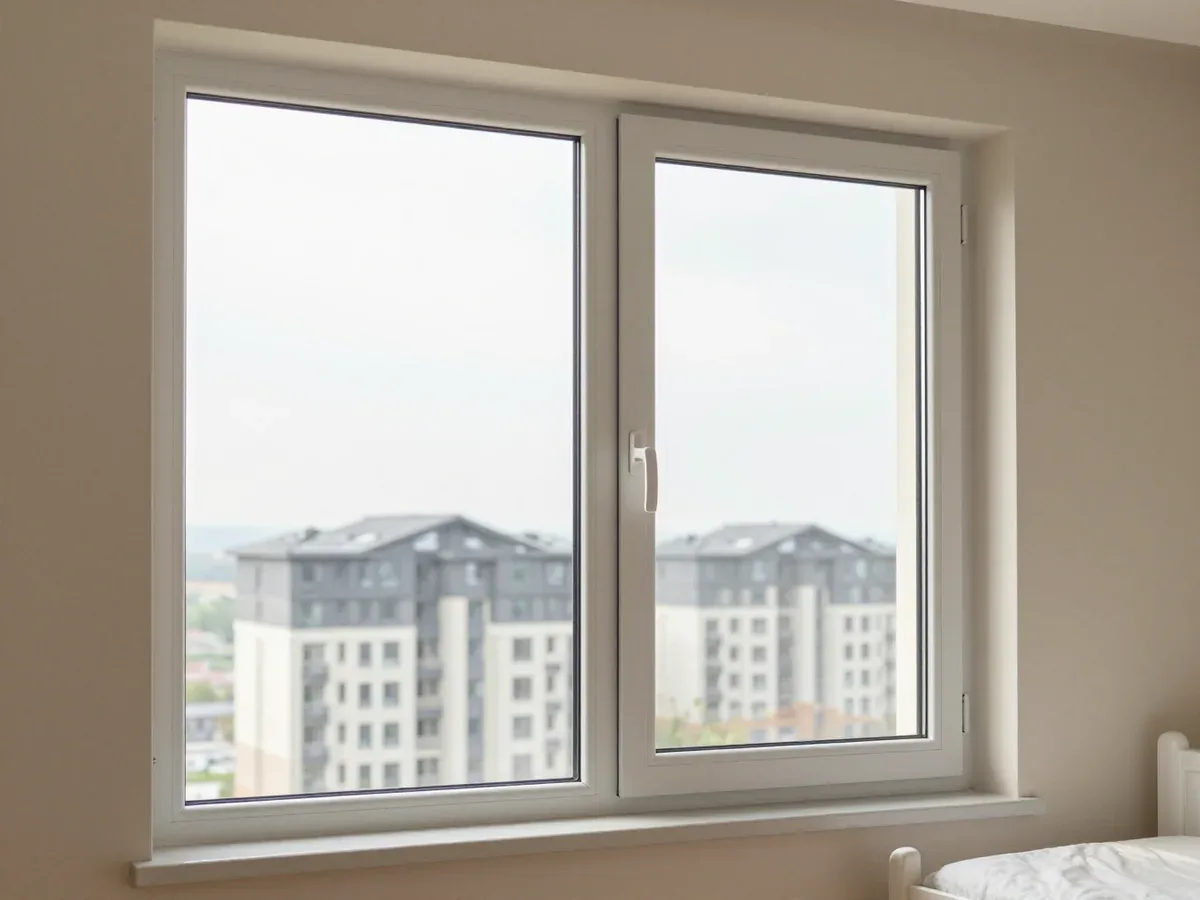
The technician installs the protection and checks the operation of each device.
Good to know

Senior mosquito screen specialist at moskitnyesetki.kz
We fit child window safety in Petropavlovsk on windows you already have, choosing between cable restrictors, opening blockers, key handles and guards for private houses. We measure for free, fix the price after measuring, install with our own fitters and take payment after installation. A one-year warranty covers the work.
A framed mosquito net looks like a barrier but holds nothing heavier than insects. It keeps bugs out; it does not keep a child in. Here is the difference, and how to combine a net with a real restraint.
We make framed nets from fibreglass or polymer mesh held in a light aluminium profile, and that border is designed to keep insects out, not to carry weight. The Standard (Fiberglass) fabric is fire-resistant and stable through temperature swings, but the thin aluminium edge and the corner joints are what give way first when something heavy pushes against the cloth. A curious toddler leaning on the netting can pop the whole unit out of its fasteners in a second, and the mesh itself stretches or tears under a load it was never meant to take. A unit that pops out under pressure gives a false sense of safety, so treat it as an insect barrier and put the real restraint on the sash itself.
We fit the restrictor or blocker to the sash and keep the net on its own frame, so both work on the same opening without interfering. A cable restrictor anchors into the sash and frame with short screws, a blocker sits on the opening side, and the screen frame then clips onto Z-brackets, pins or magnets that the measurer positions around those fittings. The two systems never share a fixing point, which is why they can sit side by side on a plastic, wooden or aluminium window. Fit the safety device first and the netting second, because the fastener position on the sash decides where the screen frame can sit.
| Screen type | Best next to | Removable from inside | Watch at measuring |
|---|---|---|---|
| Framed | Any sash device | In a minute | Fastener clearance on the sash |
| Sliding | Balcony and patio doors | Lifts out | Track depth and blocker position |
| Pleated | Doors and wide openings | Folds away | Frame depth by the handle |
| Roller | Large windows | Rolls up | Cassette space above the sash |
| Door screen | Balcony doors | Lifts out | Economy or Prestige profile fit |
Four device families cover almost every home, and the right one depends on the leaf, the floor and how fast an adult needs to open the window. Compare them side by side before choosing.
A cable restrictor lets the leaf open a set gap on a steel cable, a blocker pins it closed or slightly open, a key handle locks the turn, and a guard covers the opening from outside. A sash limiter works on tilt-and-turn frames and holds the leaf at one fixed angle. The cable device mounts at the hinge side, so the leaf swings only as far as the cable allows and still lets air through. A blocker sits on the frame and stops the leaf before the handle is reachable. A guard is a rigid frame bolted over the opening and swung open on hinges by an adult. The gap a restrictor allows is the deciding number, because a young occupant who can reach the handle through a wide gap defeats the fitting.
| Device | Suits | How an adult opens it | Main limit |
|---|---|---|---|
| Cable restrictor | Plastic and aluminium sashes | Release the cable end | Fixed gap only |
| Opening blocker | Any sash, upper floors | Key or button release | Needs clear handle access |
| Key handle | Plastic and wooden windows | Turn with the key | One handle per sash |
| Sash limiter | Tilt and turn windows | Press to release | Set angle only |
| Guard | Private houses | Opens on hinges | Not for flats |
A key handle with a removable key stops a young one turning the spindle, while a push-button blocker lets an adult open in one motion without hunting for a key. The key handle is the simpler retrofit on a plastic or wooden sash: it swaps onto the existing spindle and adds no parts to the frame. A push-button blocker suits a household where the window is opened many times a day, because a single press clears the leaf. On tilt-and-turn frames the limiter combines both ideas and releases with a press once the leaf is set to the chosen angle. Keep the key out of reach but in the same room, because a key stored in another room slows an adult in an emergency more than it slows a young one.
Most homes in Petropavlovsk already have their windows fitted, and nobody wants to replace a working frame to add a device. Here is what can be done on an existing window and in a rented flat.
We fit child window safety to windows that are already installed, drilling only into the sash or frame where the fastener needs to sit, never into the glass unit. The part itself is small — a cable, a blocker or a key handle — that stops the leaf from opening past a set gap, so the existing frame, glass and hardware stay as they are. The fastener is chosen at measuring for the profile and the floor, so the same part fits a plastic, wooden or aluminium window without a new one. At measuring we check the edge and the handle side first, because a fastener that suits a first-floor kitchen is not the one for a fifth-floor bedroom. Child window safety in Petropavlovsk is fitted this way on frames that are already in use, without removing the window.
A window device leaves a few small screw holes where the fastener sat, and those holes can be filled when it is removed. Nothing is cut into the frame, the glass unit is untouched, and the handle or hinge is not replaced, so the window works exactly as before once the part comes off. Agree with the landlord before fitting, and photograph the opening beforehand, so the small marks are expected rather than a surprise at handover. Fill the holes with a matching filler and the marks read as ordinary wear, which matters when a deposit is on the line. Keep the removed part and its screws together — refitting later takes minutes and needs no new drilling.
Wooden and aluminium sashes take the same device families but a different fastener, and a balcony door needs a blocker rated for a door leaf rather than a window sash. Timber holds a screw differently from a plastic profile, so the fixing point is chosen with that in mind, and aluminium needs its own bracket to avoid crushing the slim profile wall. A balcony leaf that swings open is the most common gap in a flat, so treat it as a window and fit a device there too. We fit screens and safety parts to plastic, wooden and aluminium windows, vent panes, loggia windows, gazebos and verandas, so one visit can cover a kitchen vent and a balcony door. Check the leaf swings inward before ordering — an outward-opening one takes a different part.
Once a child works out the handle, the window becomes a daily risk and a plain latch is no longer enough. The fix is a device the child cannot reach or turn, chosen for that exact sash.
We start with a key handle or a blocker with a lock on the panel the child uses, because a fitting the child cannot release is the fastest way to close the risk. A blocker fixes the movable part in the closed or slightly open position, so the gap stays narrow even when small hands push against the frame. A key handle replaces the standard fitting and keeps the window locked until an adult turns the key. Both take one short visit and need no change to the window itself. On the panel a child actually reaches, that is the whole job — the rest of the flat can wait. Fit it on that one unit, not on every window, so the budget goes where the daily risk is.
The risk starts as soon as a child can climb to the sill and reach the handle, and lasts until the child reliably understands the danger. Before that age a toddler can still pull up on furniture placed near the glazing, and a low sill shortens the distance to the lever. A mosquito net changes nothing here: it is built to keep insects out, not to carry weight, and it will not hold a child who leans on it. Watch how the child uses the room — a chair pushed to the sill or a habit of standing on the sofa arm tells you more than the birthday. A child who has never tried the lever can still copy an adult, so fit the guard before the first attempt rather than after it.
If a child still reaches the opening, the fitting is either set to too wide a gap or mounted on the wrong sash, and both are fixed at a second visit rather than by adding a second unit. A cable restrictor set to a wide gap leaves enough room for a small body to push through, even though the mechanism itself works. The same happens when the lock sits on a leaf the child does not use, while the reachable one stays free. We repair screens and change fastenings, so a loose bracket or a worn pin is sorted on the same call. Check the gap with the mechanism engaged, because a restrictor that allows a wide opening lets a small child reach through even when it works.
Two questions come up before every order, whether a guard is allowed in a block of flats and whether the hardware can be fitted by hand. Both have practical answers that decide the choice.
A fixed outside guard is normally accepted on private houses, while a flat in a block usually needs an opening guard or an inside sash device so the window still works as an escape route. On a private plot the grille protects the whole aperture and no shared rules apply, so a welded barrier on the ground floor is a common choice. In a multi-storey building the window is also the emergency exit for the room, and a grille that cannot be opened from inside blocks that route for adults as well as kids. Opening guards with a lockable leaf solve this, since they keep the barrier but swing free in seconds. Check the building rules and the escape route before ordering, because a fixed grille over the only way out of a room can be refused.
The common failures are a fastener chosen for the wrong profile, screws into the glass unit edge and a restrictor set to too wide a gap, and each of them is avoided by measuring the sash first. A self-tapping screw driven into the reinforcement channel of a PVC frame holds well, while the same screw into a hollow chamber pulls out under a youngster's weight. Drilling too close to the glazing bead cracks the seal and fogs the unit from inside. A limiter mounted on the frame rather than the moving leaf, or set to too wide a gap, lets a small body through even though the cable looks tight. A part screwed into the wrong spot can damage the hardware and cost more to repair than the fitting would have.
At the measuring visit we check the sash profile, the floor, the handle type and the opening direction, then choose the device and the fastener that fit that window. The profile decides whether a Z-bracket, a pin or a magnet will hold, and the floor decides how far the leaf may open on upper levels. Handle shape matters too, since a key-lock handle needs room to turn next to the frame rebate. The measuring visit also fixes the opening gap, so tell the measurer which windows the little one reaches, and the unit is set for those sashes.
From the first message to the fitted product, the process runs through a free measuring appointment, a fixed price and payment after installation. Here is how it works in the city and across the region.
We reply on WhatsApp within five minutes, book a free measuring appointment at a convenient time, fix the price after sizing and install the device. The measurer takes the sizes on site, checks the profile and the floor, and helps choose the fixings — Z-brackets, plungers or magnets — so the hardware matches the window rather than a generic template. Because the price is fixed once sizes are taken, the work you confirm matches what is done, and payment is taken after installation by cash, card or Kaspi. Ask the measurer to write the model and fixing type into the paperwork — that note is what a later call about a loose bracket is checked against.
We fit devices to windows, balcony doors, loggia windows, and the windows of gazebos and verandas, matching the hardware to the leaf rather than to a single window type. A balcony door usually carries a different lock from the narrow casement beside it: the leaf is wider, opens inward, and a child reaches its handle from a stool or a sofa arm. Loggia glazing often sits lower than the main room windows, and a gazebo leaf may stay open all summer. A balcony door and the window beside it often need different solutions, so list every opening the child can reach before the measurer arrives. Walk the flat room by room and note which handles sit below the child's shoulder height.
We give a one-year warranty on mosquito screens, take payment only after installation and work seven days a week. The same one-year cover applies to window repair, including labour and replaced parts, while window installation carries five years and glass unit replacement three. Buying direct means you order from the company that makes the parts, without a middleman. Ask for the warranty terms in writing at handover, so a later repair or a replacement fastener is covered without a discussion. If a bracket loosens, send a photo on WhatsApp before anyone travels. Keep the order sheet with the fixing type noted, so a replacement part matches the original on the first try.
Five points sum up what matters most when you secure the windows of a home where a small child lives.
Child safety on windows, hardware, lock, key
Konstantin Selenenkovsenior mosquito screen specialist, 10 years in the tradeOnline · replies within 5 minutes
Ask a questionYes, almost all child safety devices are installed on an existing window: a lock, a comb limiter or a cable restrictor is attached to the frame and sash without replacing the hardware. The surveyor selects a model for your profile, and the key handle can simply be replaced with a new one if needed.
It is worth switching to a model that the child cannot open on their own: a lock with the key kept out of reach, or a cable restrictor with a code mechanism. Also check whether the child can reach the handle from a chair or windowsill, and move furniture away from the window.
The balcony door should also be secured: a child can go out onto the balcony through it and climb on the railing. Usually the same lock or cable restrictor is installed on the door, and devices for the windows are chosen based on your situation.
If the key to the handle or lock is lost, do not force the window open: call a technician, who will carefully remove the lock or replace the handle. For cable models with a code lock, just remember the code, and it is better to make duplicates of keys right away.
The mounting method depends on the model: if the fixings go into the frame or sash, small holes remain, and this is discussed during the free measuring visit. For a rented apartment, discuss the model and mounting points with the surveyor in advance to agree this with the owner.
Yes, with caveats: grilles in apartment buildings are generally allowed if they do not spoil the facade's appearance or break your owners' association rules. Check the requirements with your management company before ordering, and we will select a transparent or hinged model to match.
Thank you. We will call you back within 10 minutes!
Your order number is on the receipt or in the SMS. Choose where to leave your review.
Write a review on WhatsApp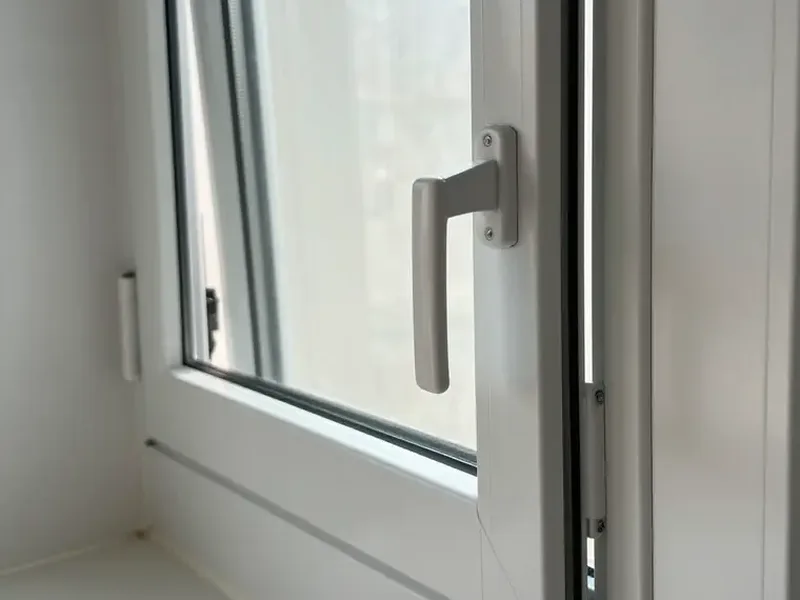 Window restrictors
 Metal grilles
 Transparent grilles
 Window blockers
 Penkid lock
