


Good to know
Pleated Mosquito Screens in Petropavlovsk

Senior mosquito screen specialist at moskitnyesetki.kz
We make pleated mosquito screens to measure for Petropavlovsk windows, balcony doors, terraces and gazebos. A folding screen runs on guides, folds to one side and does not block the sash. We measure for free, build a pleated screen in 40–60 minutes and cover it with a 1-year warranty.
How pleated mosquito screens work and where they beat a framed one
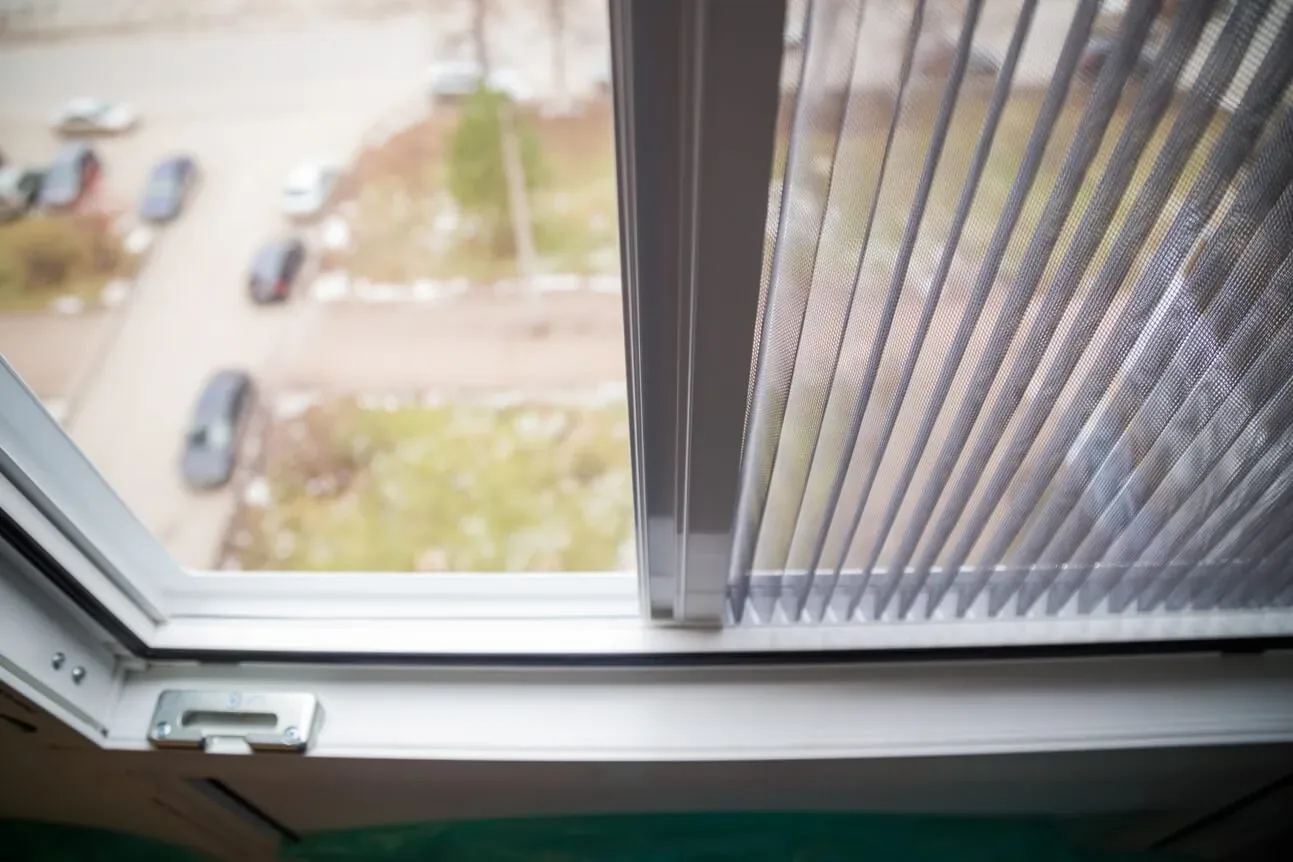
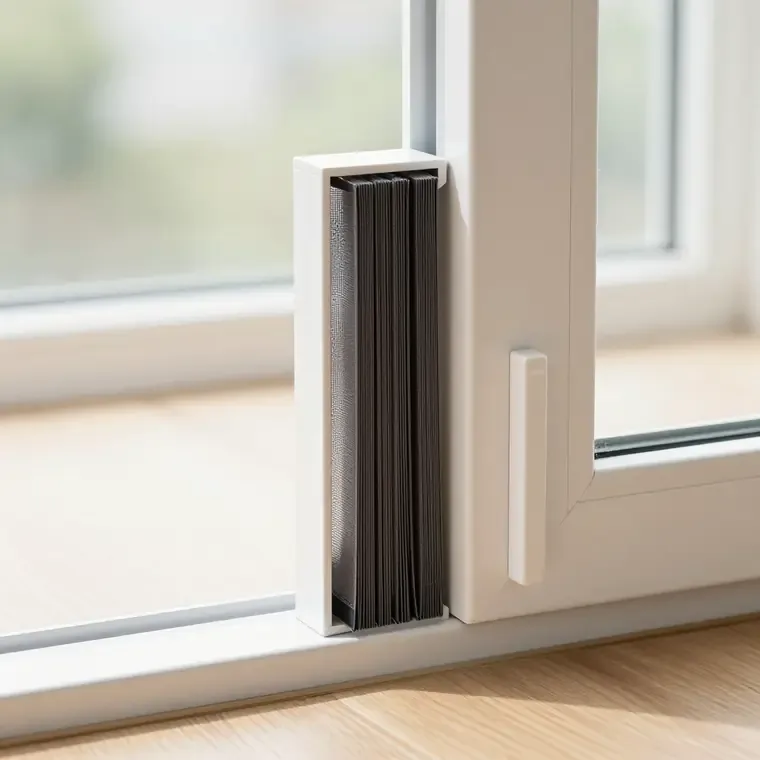
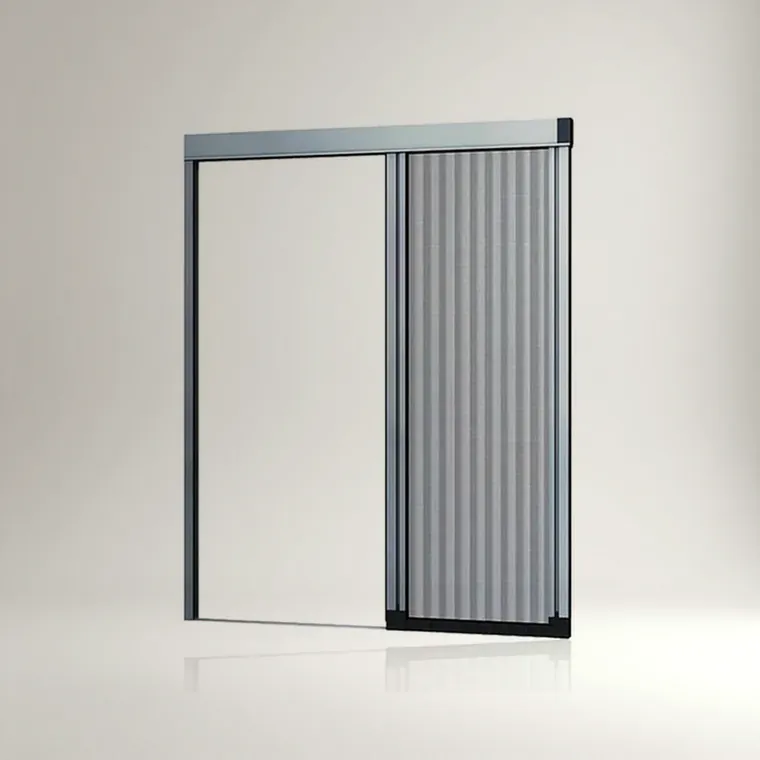
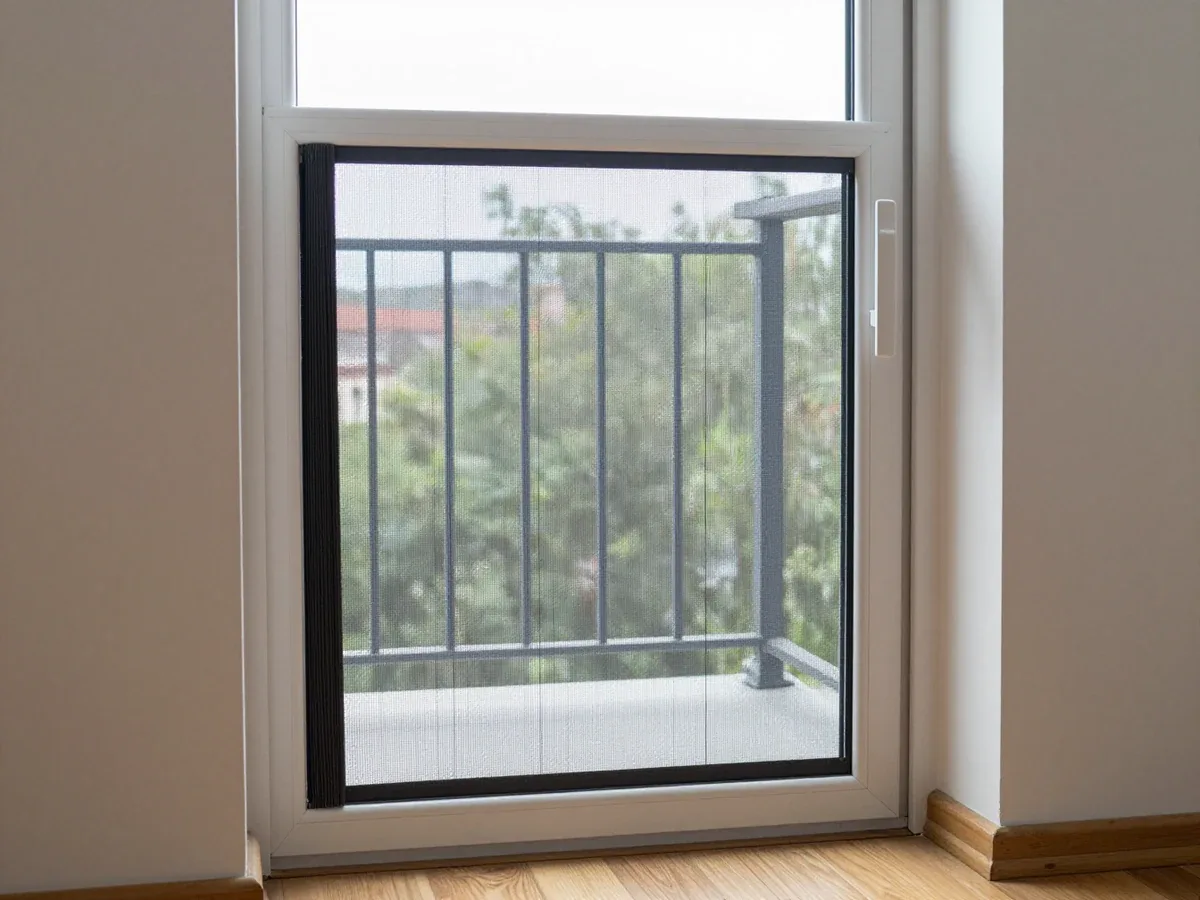
A pleated mosquito screen is a folding panel on guides that gathers to one side, so it never blocks the sash you open. Below we explain the mechanism and compare it with framed and sliding types.
What makes a pleated unit fold instead of sitting fixed
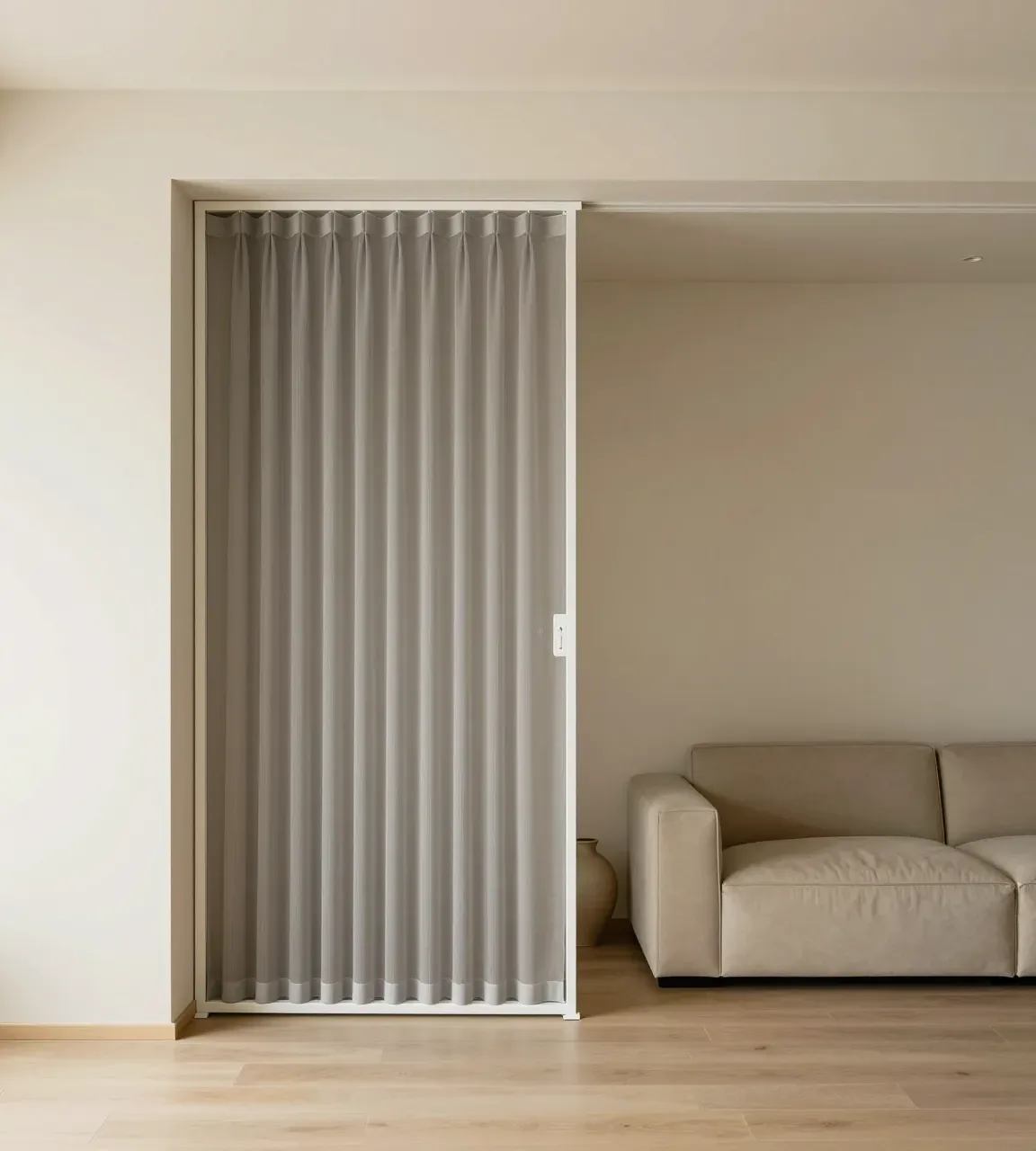
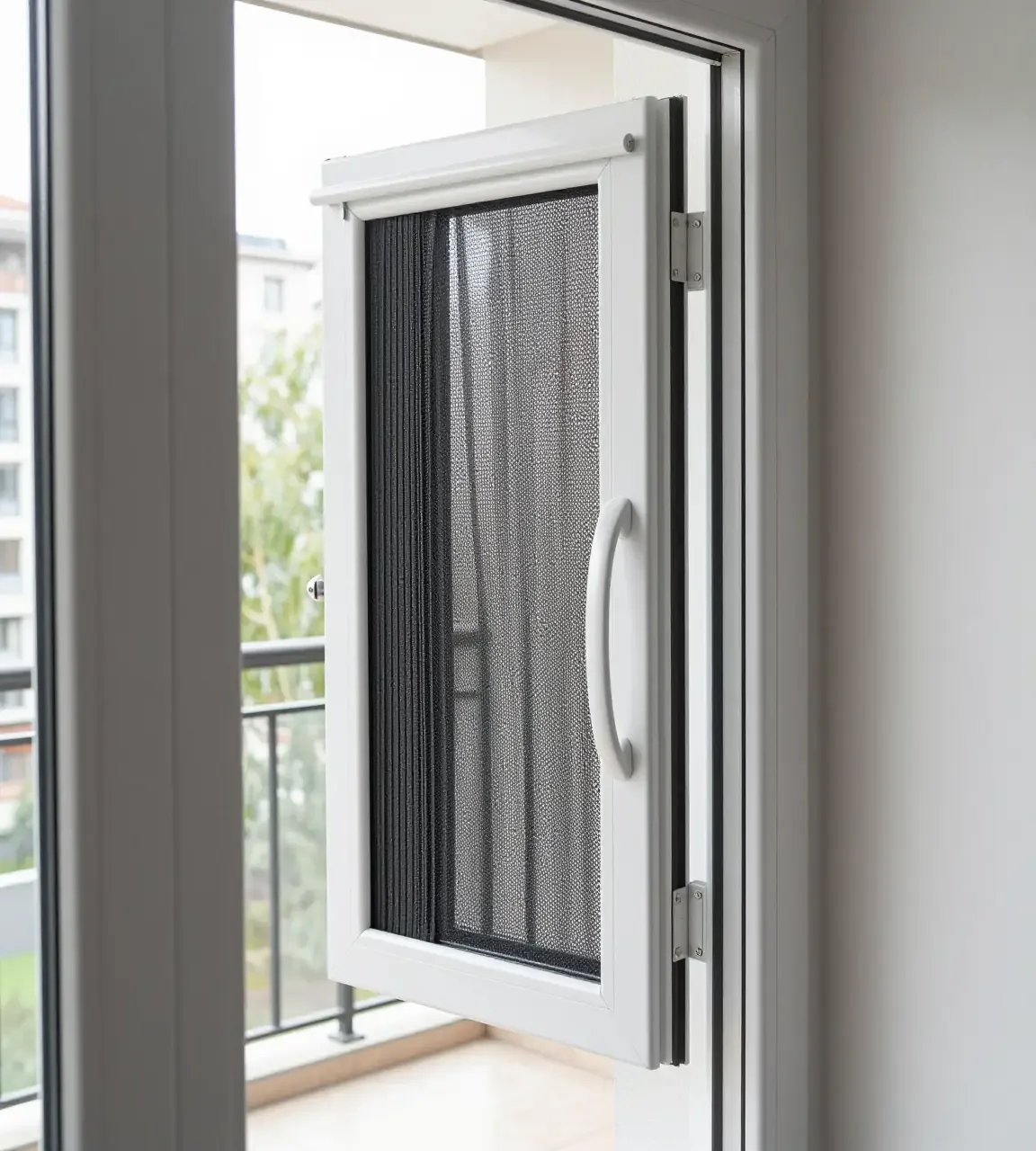
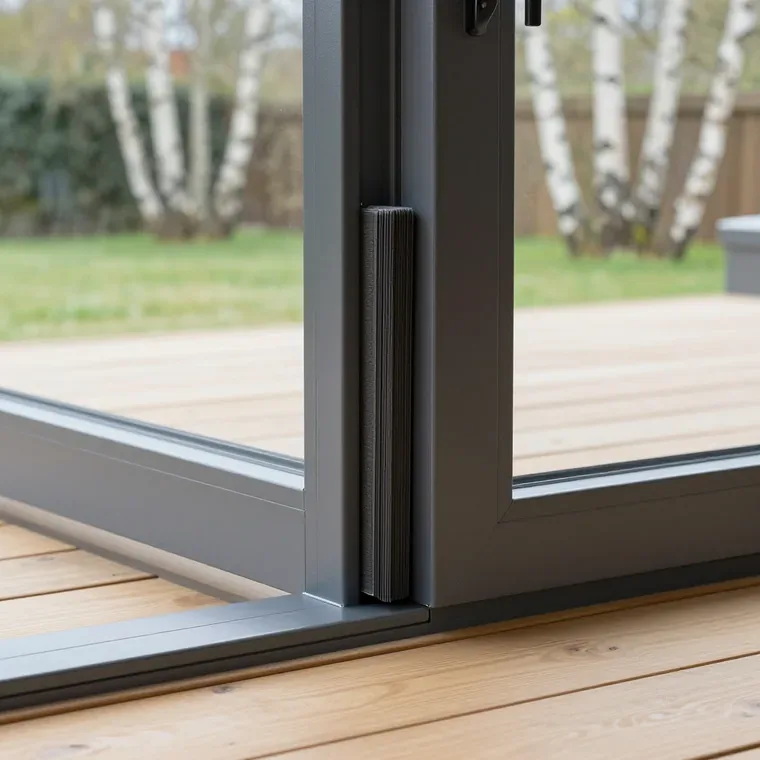
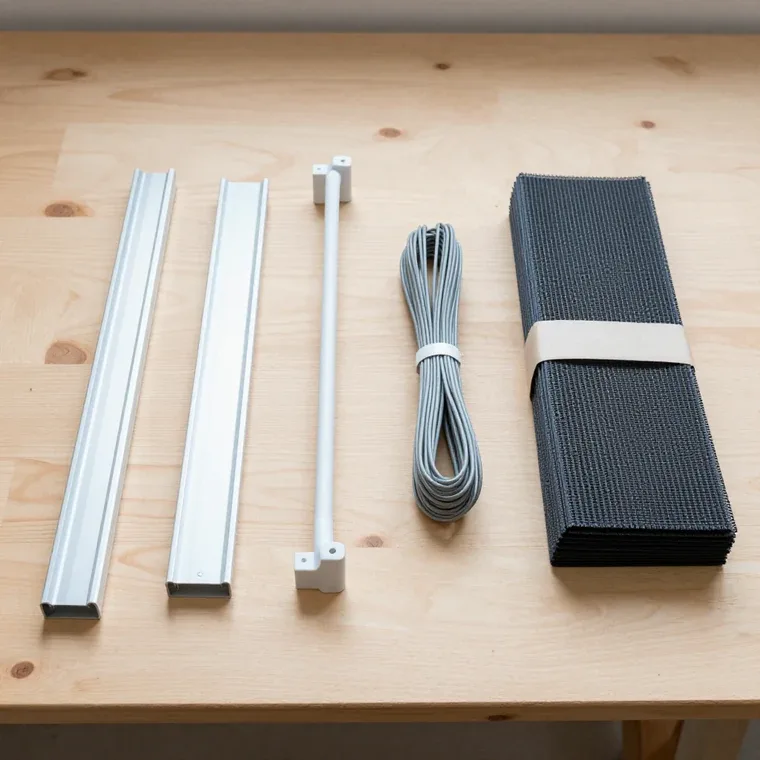
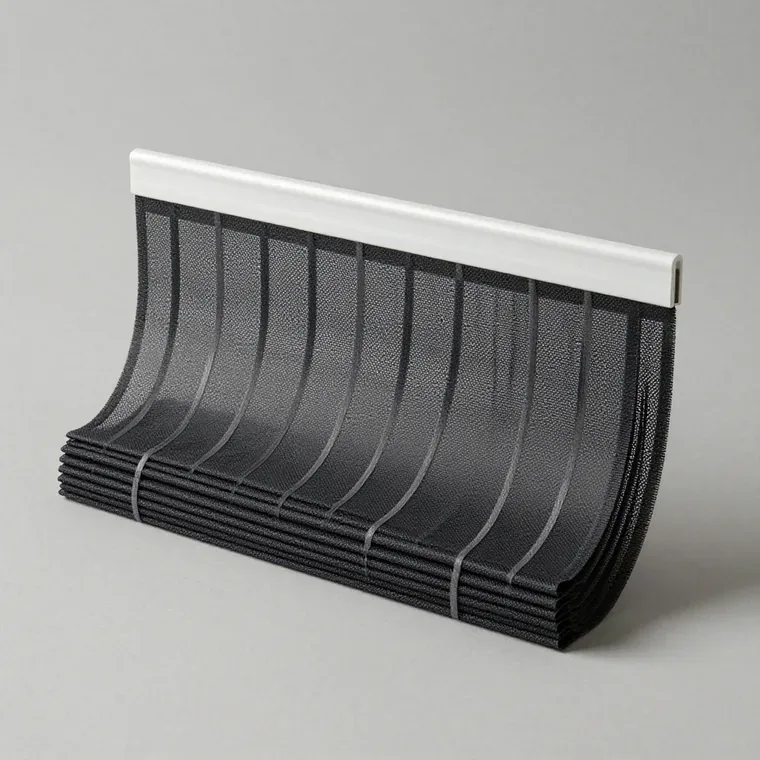
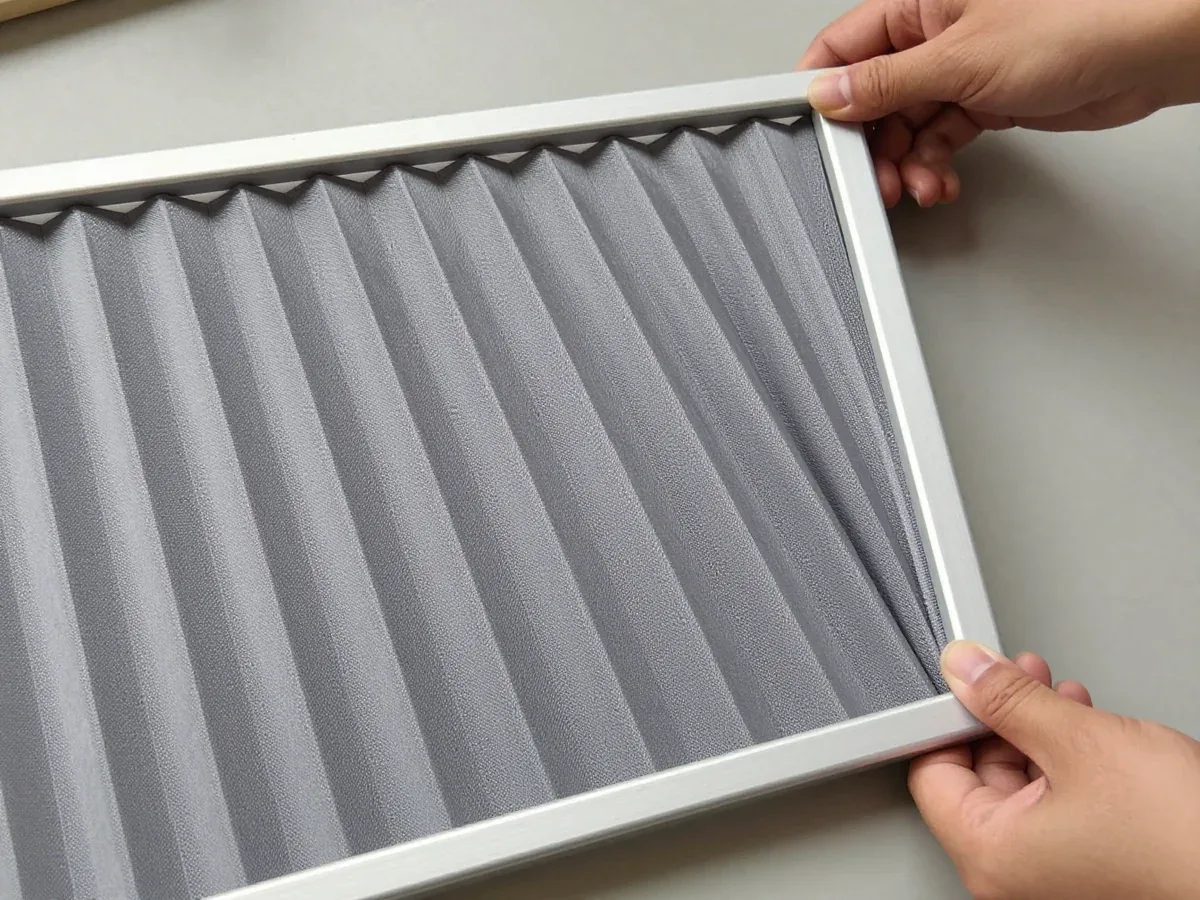
A pleated model is a concertina of mesh held between top and bottom guides, so it gathers into a neat stack at the side when you push it. The fabric is creased at even intervals and threaded onto a cord that runs through the folds, which keeps every pleat aligned as the panel travels along its track. A slim handle on the leading edge lets you pull the stack across the opening in a single motion, and the rails hold the fabric flat across the full width once it is closed. Because the mesh never leaves those rails, the folds keep their shape and the panel stays taut instead of sagging like a loose framed net. The tension cord does the quiet work — if it slackens, the pleats droop before anything else fails, so it is the first thing to check on an older unit.
Pleated, framed or sliding for a Petropavlovsk opening
| Screen type | How it opens | Best for |
|---|---|---|
| Framed | Lifts out of the frame | Standard windows, quick fit |
| Sliding | Slides along a track | Wide sills, loggias |
| Pleated | Folds to one side on guides | Doors, terraces, sashes in daily use |
Which openings take pleated mosquito screens and how they fit your window
A folding unit is not only a window fitting. Below we go through doors, terraces, wide panoramic openings and the different sash types a folding unit can be mounted on.
Doors, terraces and wide openings that suit a folding unit
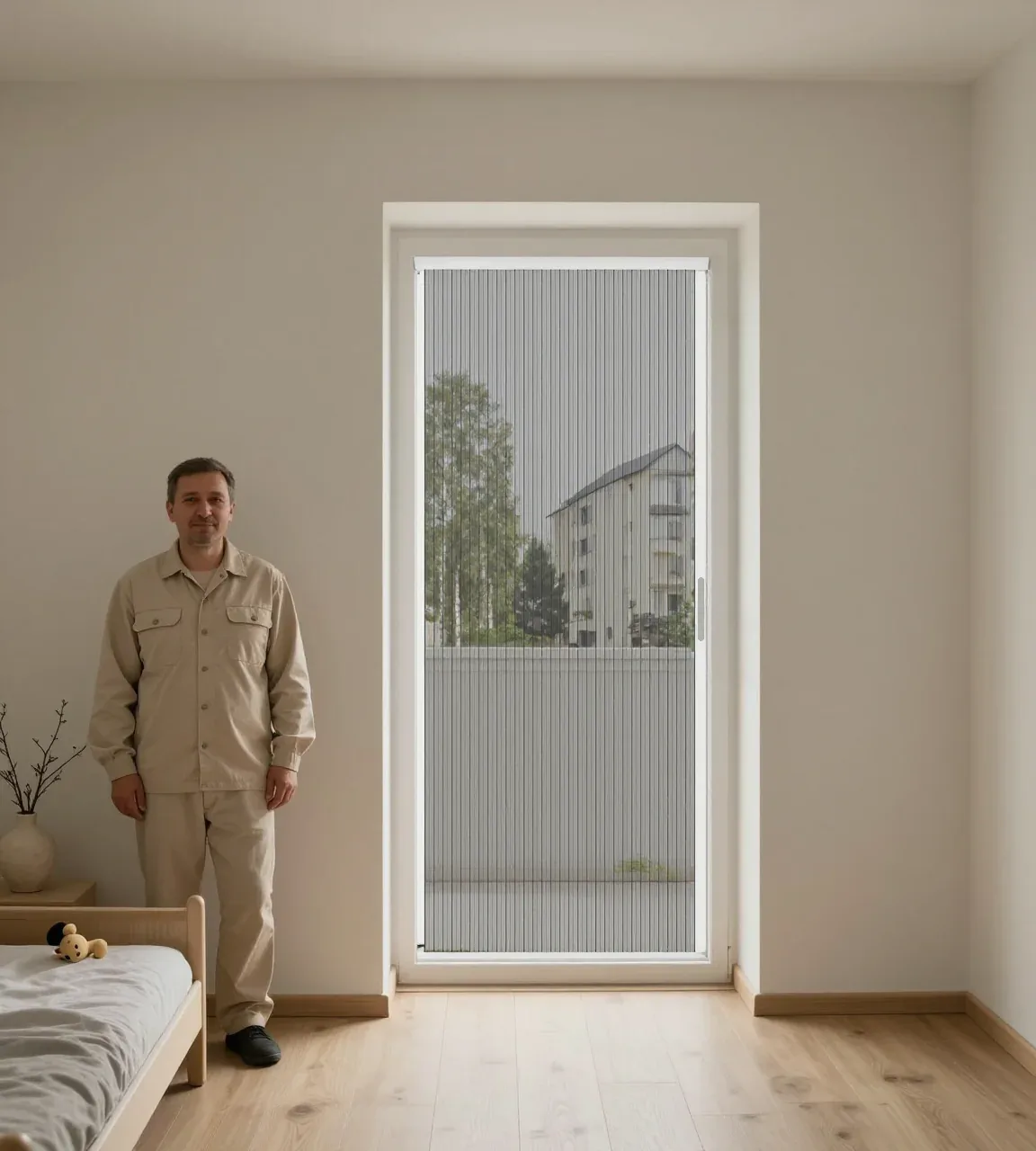
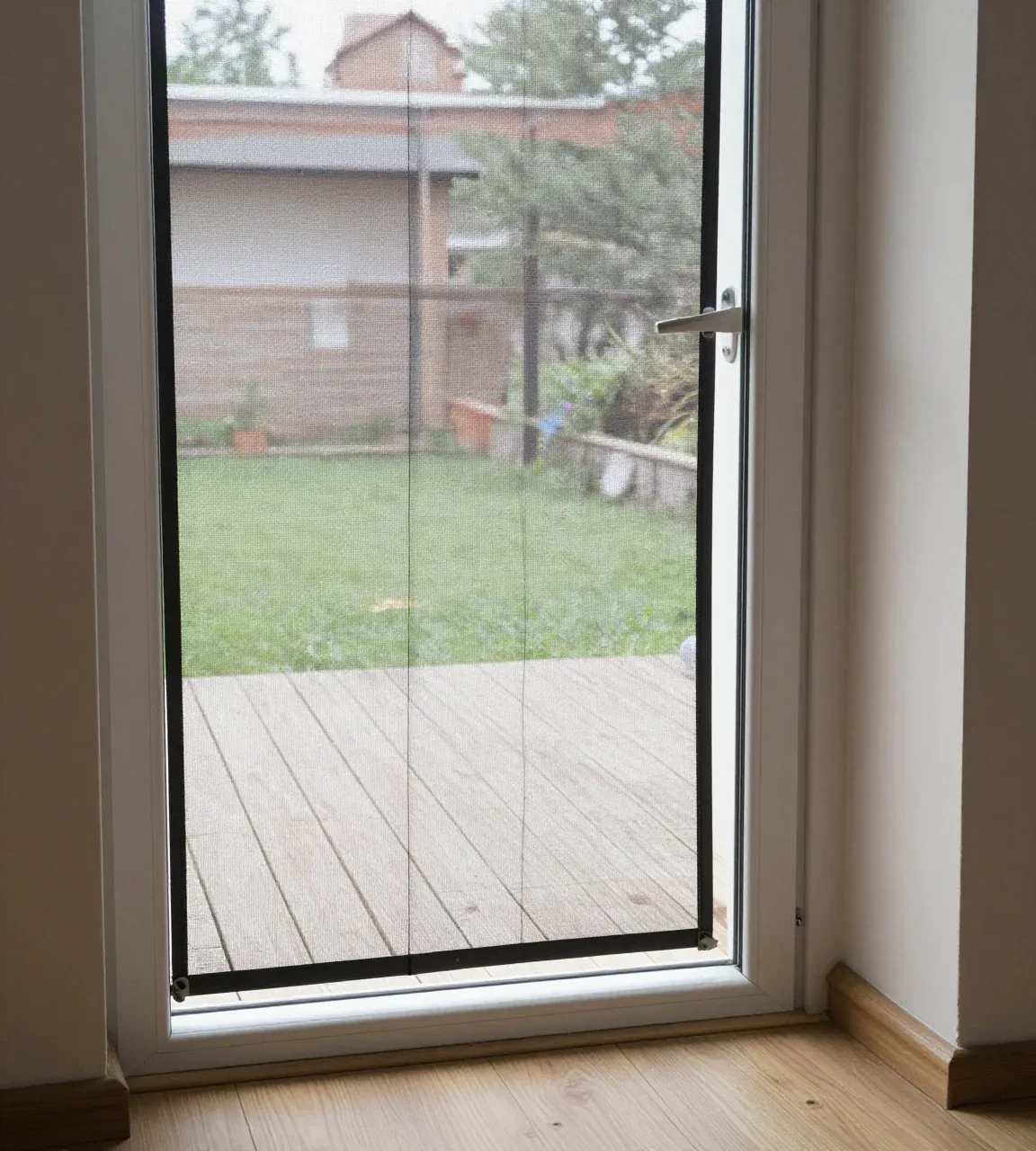
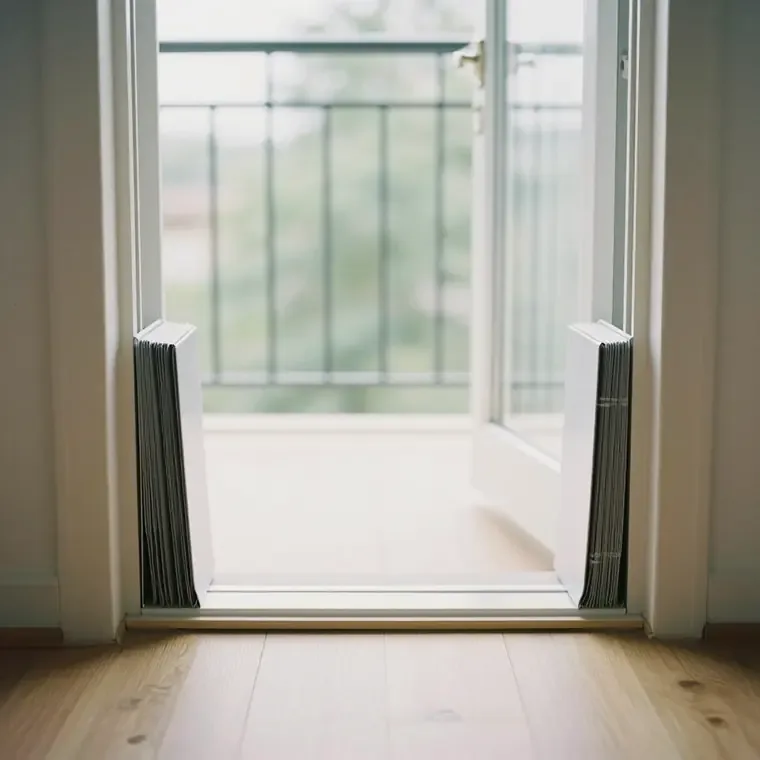
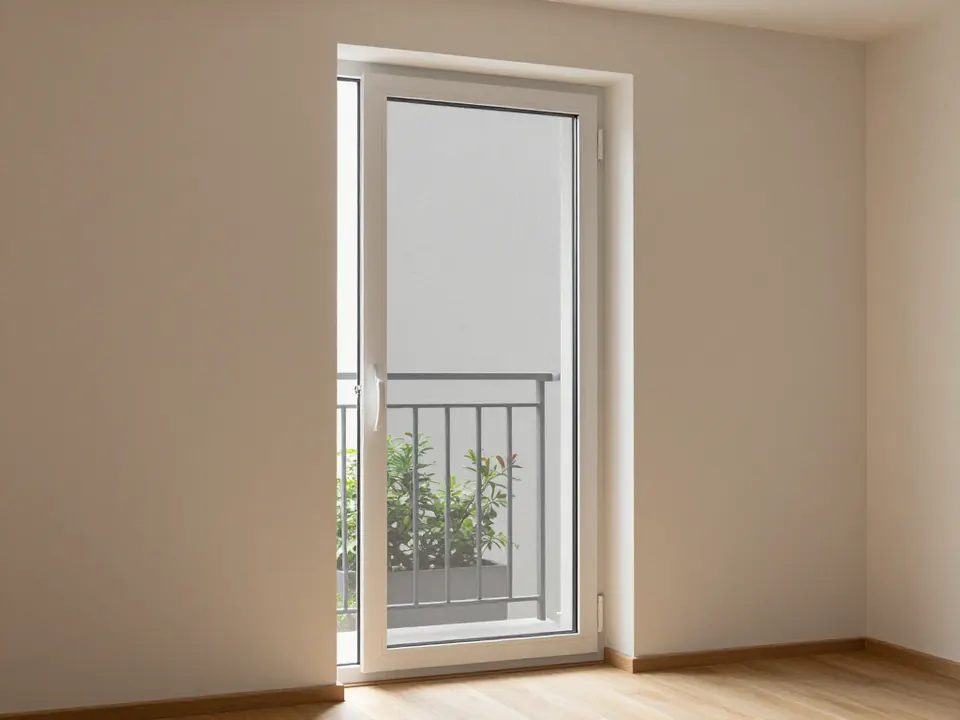
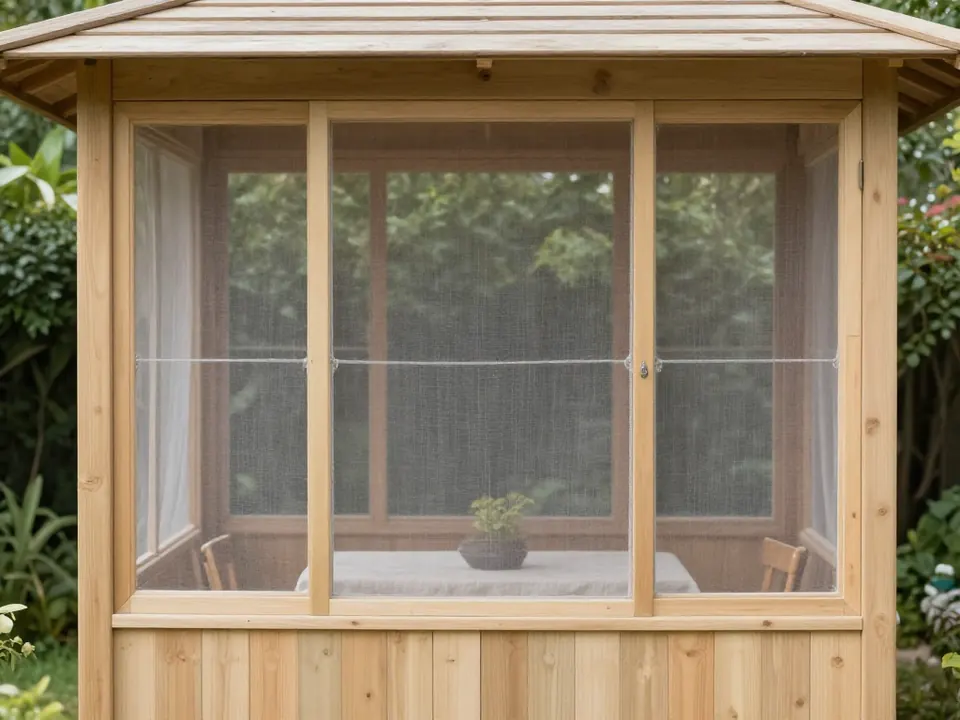
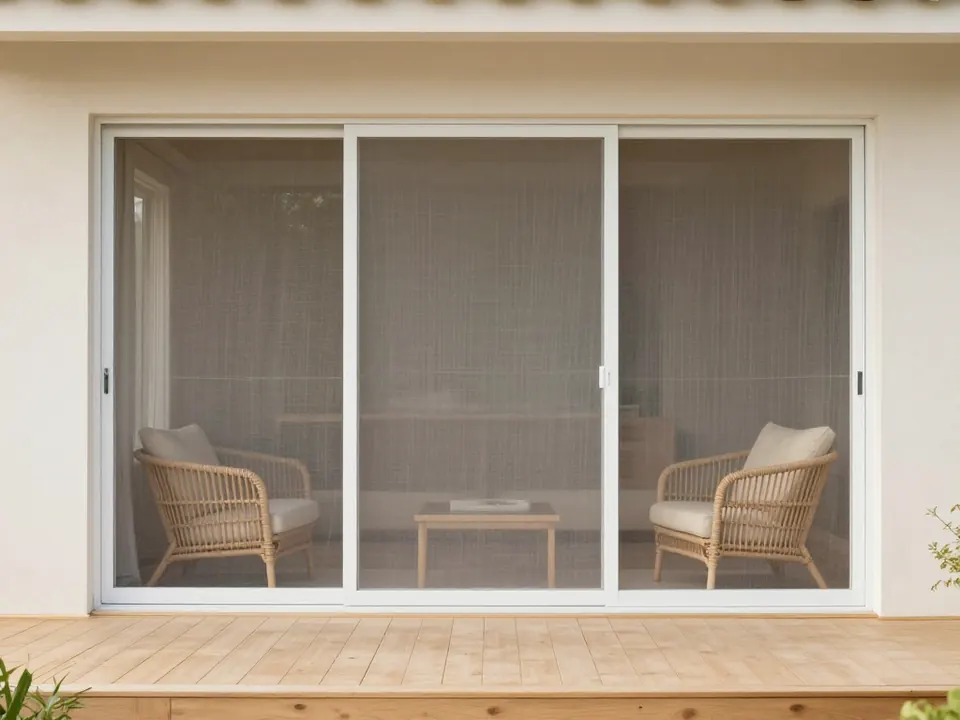
We fit folding mosquito screens on balcony and entrance doors, terraces, gazebos and wide panoramic openings, not just on standard sashes. A folding leaf gathers into a narrow stack at the side, so a doorway keeps its full clear width when the mesh is open — a fixed panel would cut that opening in half. On a terrace or gazebo the same leaf slides along the top track and covers a span that a hinged panel could not reach without a heavy centre post. On a door the screen takes the traffic of daily use, so the frame gauge matters more than on a window — that is why hinged door models come in the sturdier Economy 32×10 mm or Prestige 42×17 mm build, and we paint either one to match your window trim.
Plastic, wooden and aluminium windows under a folding unit
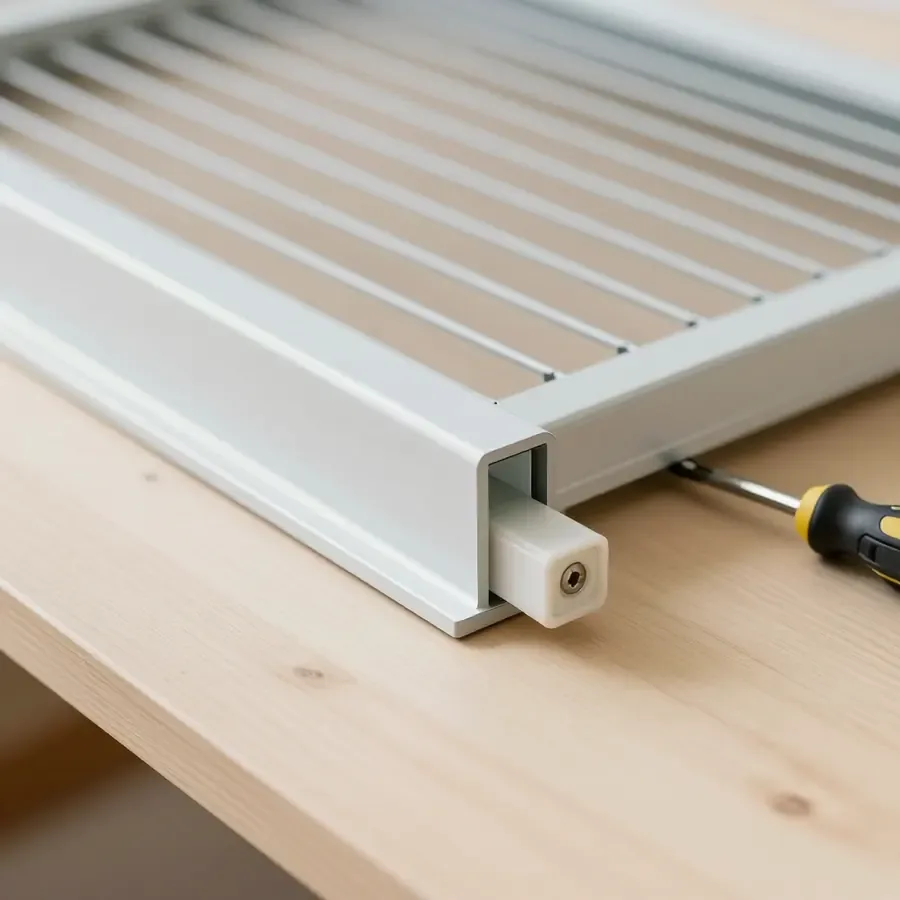
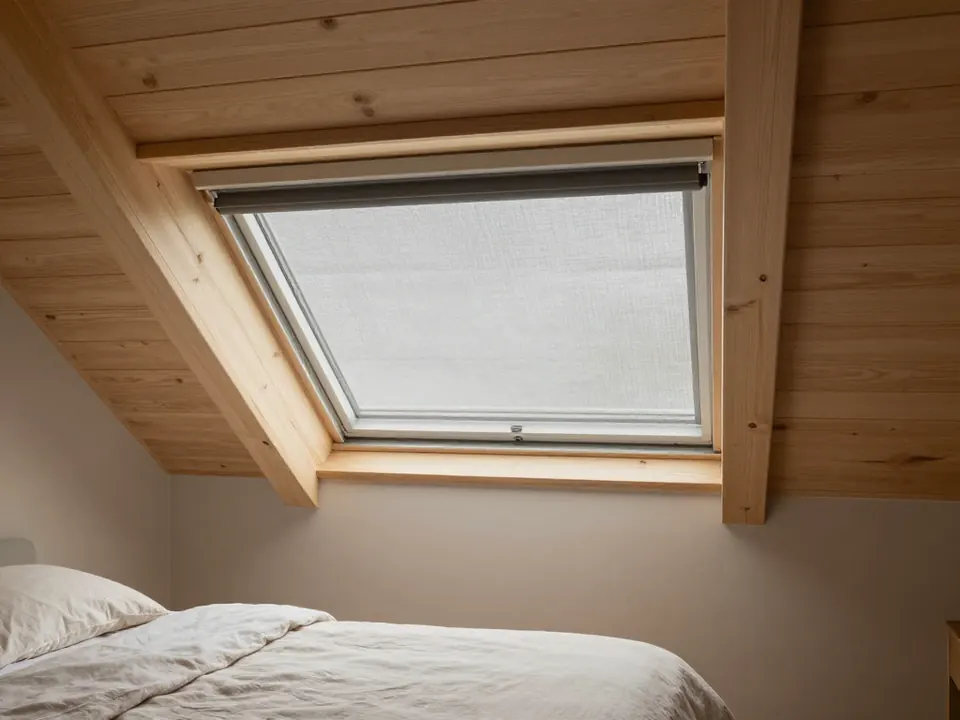
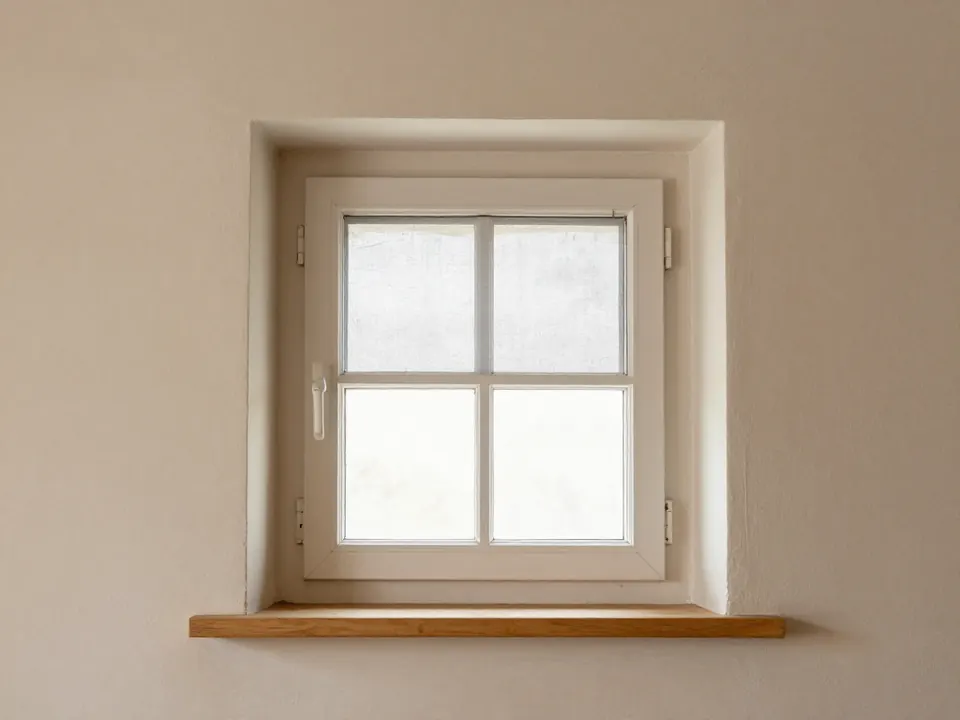
We mount folding units on plastic, wooden and aluminium sashes, transoms, loggia glazing and gazebo frames, matching the fixings to each material. A PVC sash with a deep rebate holds a bracket in a single spot, an old wooden casement needs another, and a slim aluminium surround gives the screw very little to bite into. So the kit is chosen on site: Z-shaped brackets for most PVC units, pins where drilling is unwanted, magnets where the sash has to stay untouched. An aged timber casement and a thin aluminium surround hold a fastener very differently, so the measurer picks Z-brackets, pins or magnets during the visit rather than shipping a universal kit — tell us the material when you book, and the trip takes a single pass instead of two.
Choosing the mesh for pets, pollen, dust and daylight
The mesh decides what the unit keeps out and how much light reaches the room. We stock five canvases, each built for a different problem, and the right pick depends on your street, your windows and who shares the flat.
Matching the mesh to a cat, pollen, dust or a dark room
| Mesh | What it solves | Key detail |
|---|---|---|
| Standard (Fiberglass) | Everyday protection | Fire and temperature resistant |
| UltraVue | Dark rooms | 25% more light and air |
| Anti-Cat (Pet Screen) | Scratching animals | Vinyl threads hold a small pet's weight |
| Anti-Pollen (Poll-Tex) | Allergy season | 0.25×1 mm cell |
| Anti-Dust | Dusty streets | Fine weave traps dust |
Why the animal net and the filtration net are not the same
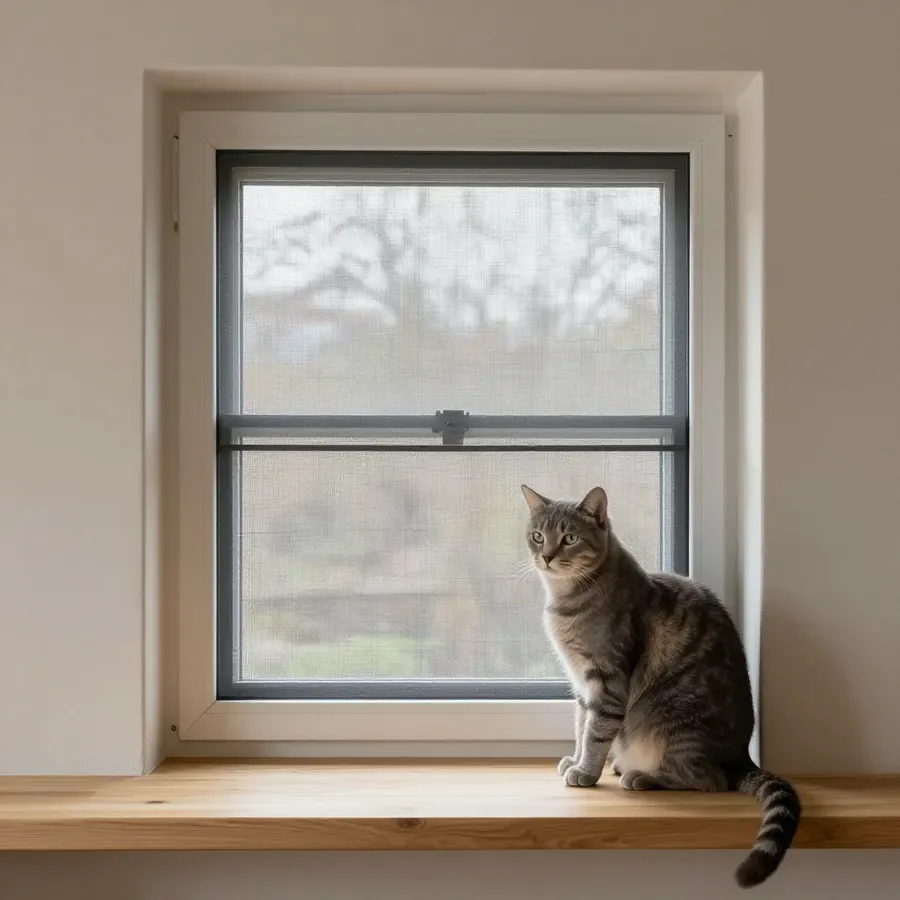
The pet canvas is built for strength, with vinyl threads that resist claws and carry the weight of a small animal, while the filtration one is built for fine capture, with a 0.25×1 mm cell that holds back pollen. The two look similar on a roll and behave nothing alike once fitted. A cat pushes and hooks at the weave every day, and a delicate filtration layer gives way where the stronger Pet Screen holds. Pollen, by contrast, needs a tight cell rather than thick thread, so a heavy animal canvas filters poorly. If both a cat and an allergy live in the same flat, we split the choice by opening — Pet Screen on the door the animal uses, Poll-Tex on the bedroom window — instead of forcing one canvas to do both jobs.
Measuring, making and fitting your pleated mosquito screen
From the first call to the moment the unit is up, this walkthrough shows how the risk of a wrong size is removed and what you get at the end of the job.
Why a free measure comes before any unit is built
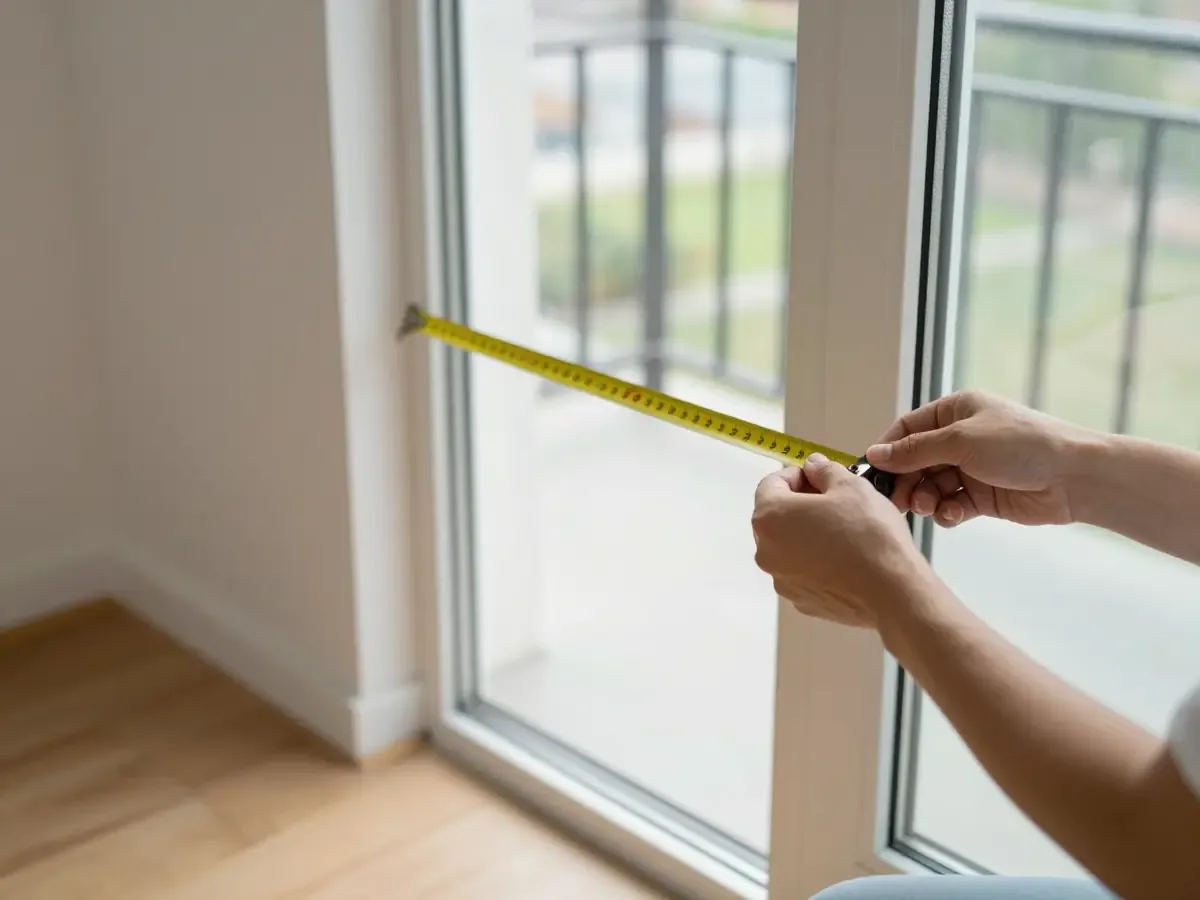
Measuring and consultation are free, and the measurer comes at a time that suits you to take sizes and help choose the design, mesh and fixings. The check covers the opening itself, the profile the frame will sit against and the sill it clears, so guides and handle are planned around real conditions rather than a rough sketch. We fix the agreed figure in the order on the day, which means no revision once the workshop starts cutting. A pleated mosquito screen in Petropavlovsk is built to the millimetre, so a self-taken size a few millimetres off shows up as a panel that drags on its guides or leaves a gap at the edge. Book the measure for a morning slot if the room faces the sun — daylight shows uneven gaps and tired seals far better than an evening appointment.
Build time, warranty and paying after installation
A folding unit is made in 40–60 minutes, carries a 1-year warranty, and you pay after installation by cash, card or Kaspi. Standard framed units take 10–15 minutes by comparison, so the folding model is the longer build of the two and worth scheduling as a single appointment. We deliver and install units on windows and doors, and our team stays open seven days a week. Because the price is fixed in the order after measuring, the figure you agree on the day of the measure is the figure you settle once the product is up. Ask for the warranty terms in writing at handover — the 1-year cover applies to the pleated item itself.
Colour matching, care through the seasons and repairs
Getting the frame colour right and knowing how to keep the folds clean decide how long a pleated screen looks and works like new. Here is how we finish and service them.
Painting the frame to match your windows
We paint the frame any colour to match your windows, so the screen reads as part of the window rather than an add-on. The profile is coated before assembly, which means the guides, the top rail and the bottom track all carry the same shade — no white edges showing at the corners. On a wood-grain sash we match the grain tone, on a dark aluminium frame we go darker still, and on a standard white profile we keep it white. A colour-matched frame matters most on a light façade or a wood-grain profile, where a white model would stand out against the sash. Ask the measurer to bring the colour card to the free visit — matching against a sample in daylight beats picking from a screen.
Cleaning, winter and repairing a torn unit
A folding model is cleaned in place with a soft brush, and if the mesh tears or a fold slips we repair the screen and replace the fixings. Run the brush along the folds once a month through summer, and wipe the guides with a damp cloth so grit does not chew the cords. In autumn, before the heating season, clear the bottom track of leaves and dust — that is where a folding unit jams first. Unlike a framed model, which lifts out from inside in a minute for winter, a pleated screen stays on its guides, so keeping the folds free of dust is what keeps it running smoothly year after year. If a cord snaps, we replace the fixings rather than the whole unit.
What to weigh up before ordering pleated mosquito screens
A few practical checks decide whether a folding net serves you for years or annoys you from the first week. Here is what is worth settling before you order.
- Match the format to the opening: a folding model earns its place on doors, terraces and sashes you open daily, where a fixed framed unit would get in the way.
- Choose the mesh by problem: decide on a pet, pollen, dust or a dark room first, because the net matters more than frame colour.
- Never order from a self-taken size: a free measure protects you from a product that drags on the sill or leaves a gap at the edge.
- Clarify terms up front: ask what the one-year warranty covers and confirm you pay only after installation.
- Keep the folds clean: brush grit out of the pleats and the unit will run smoothly season after season.
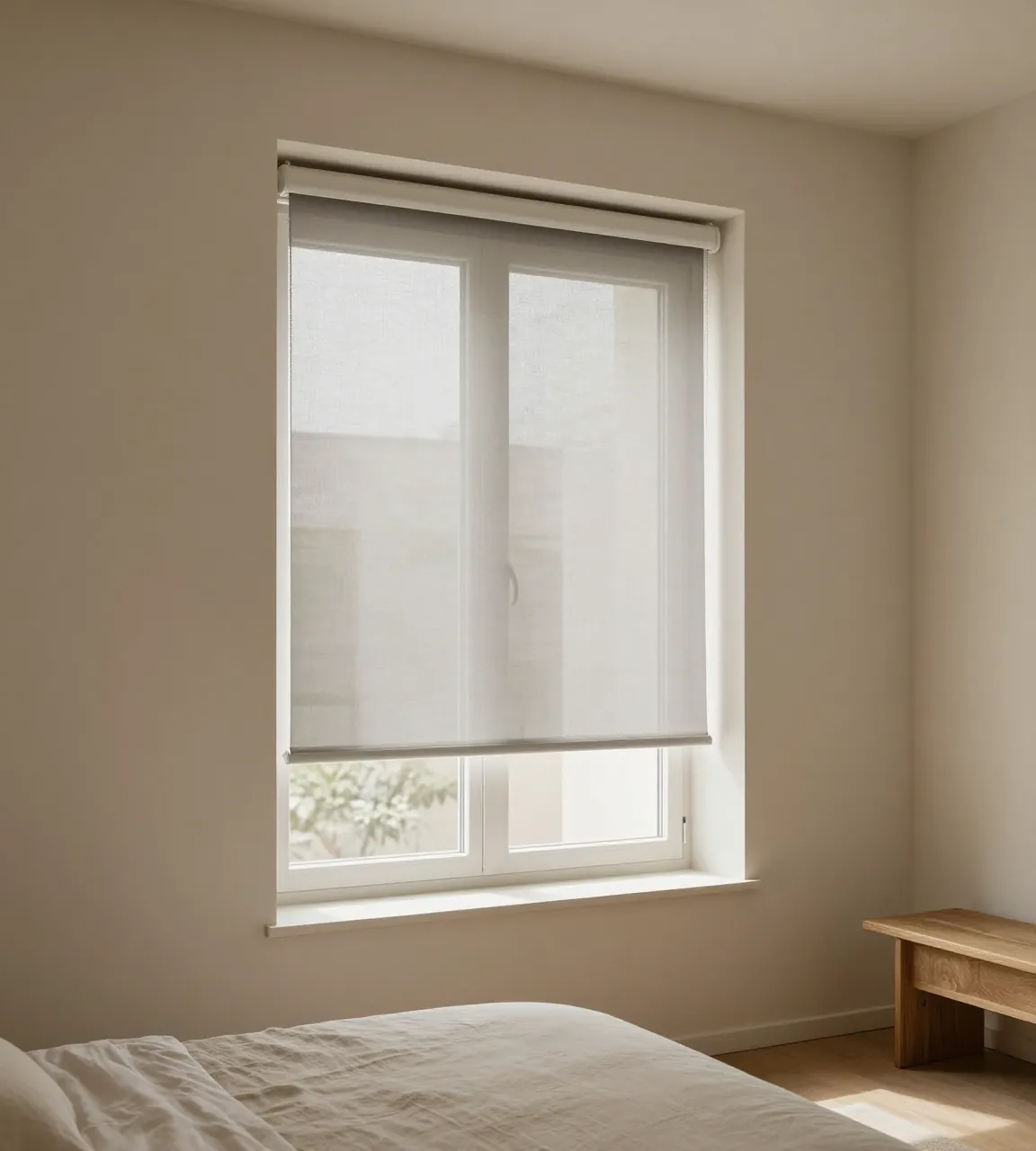 Roller screens
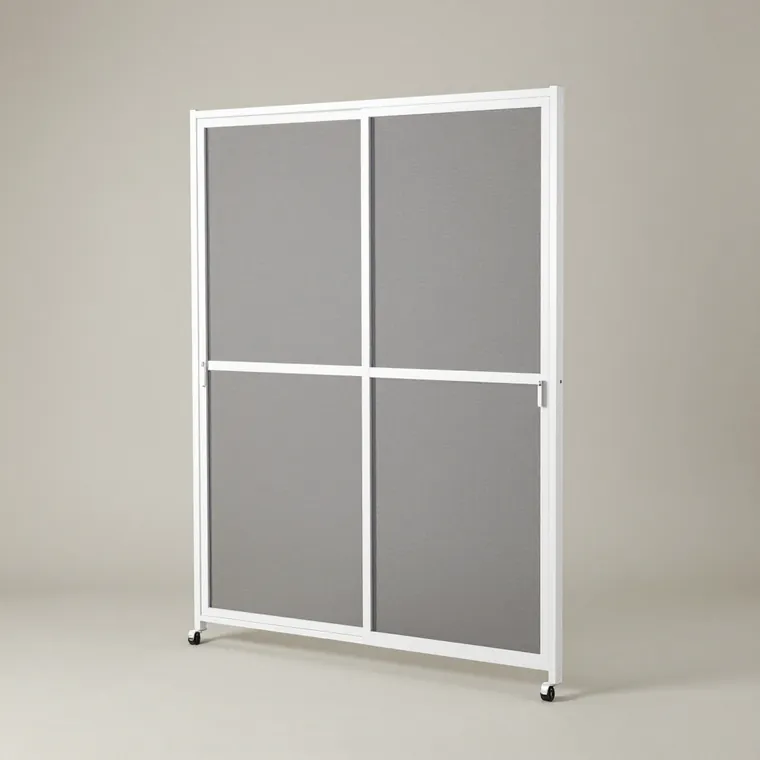 Sliding screens
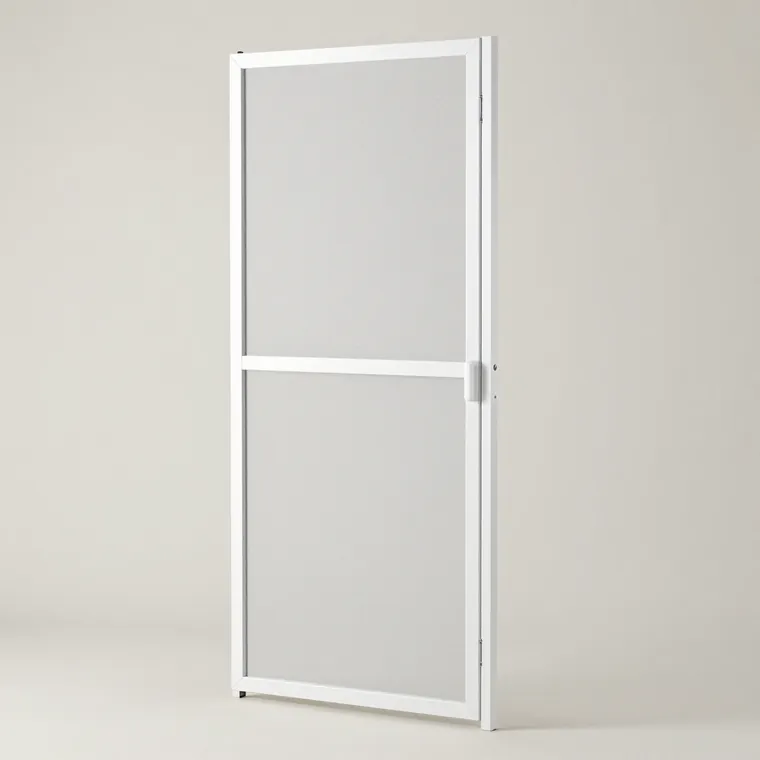 Door mosquito screens
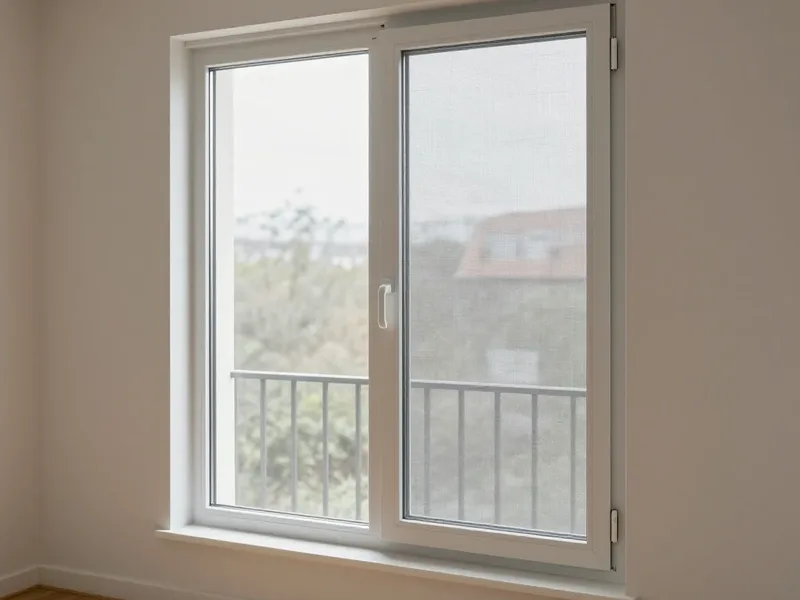 Internal screens
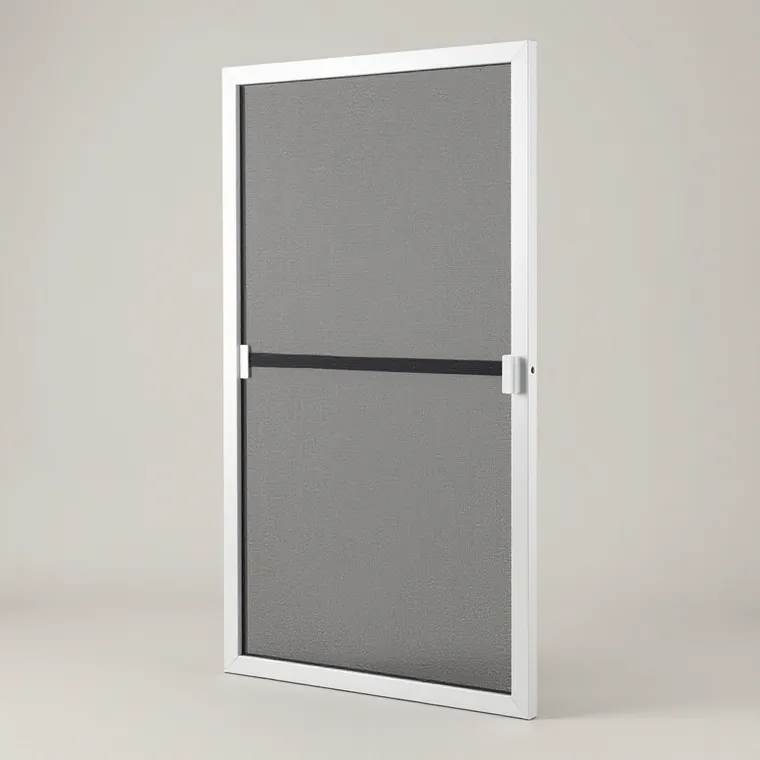 Framed screens