
Child protection · rotary
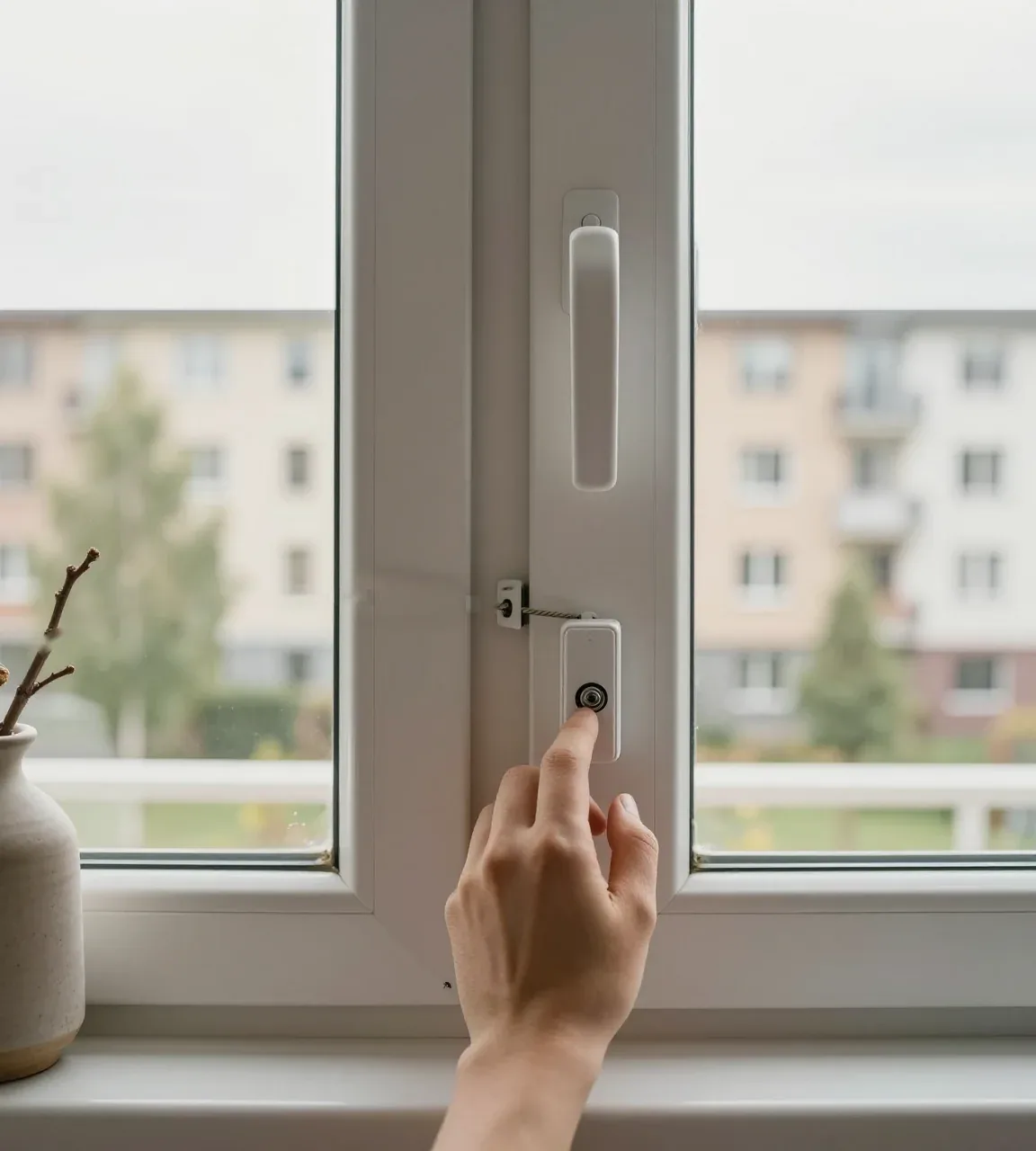
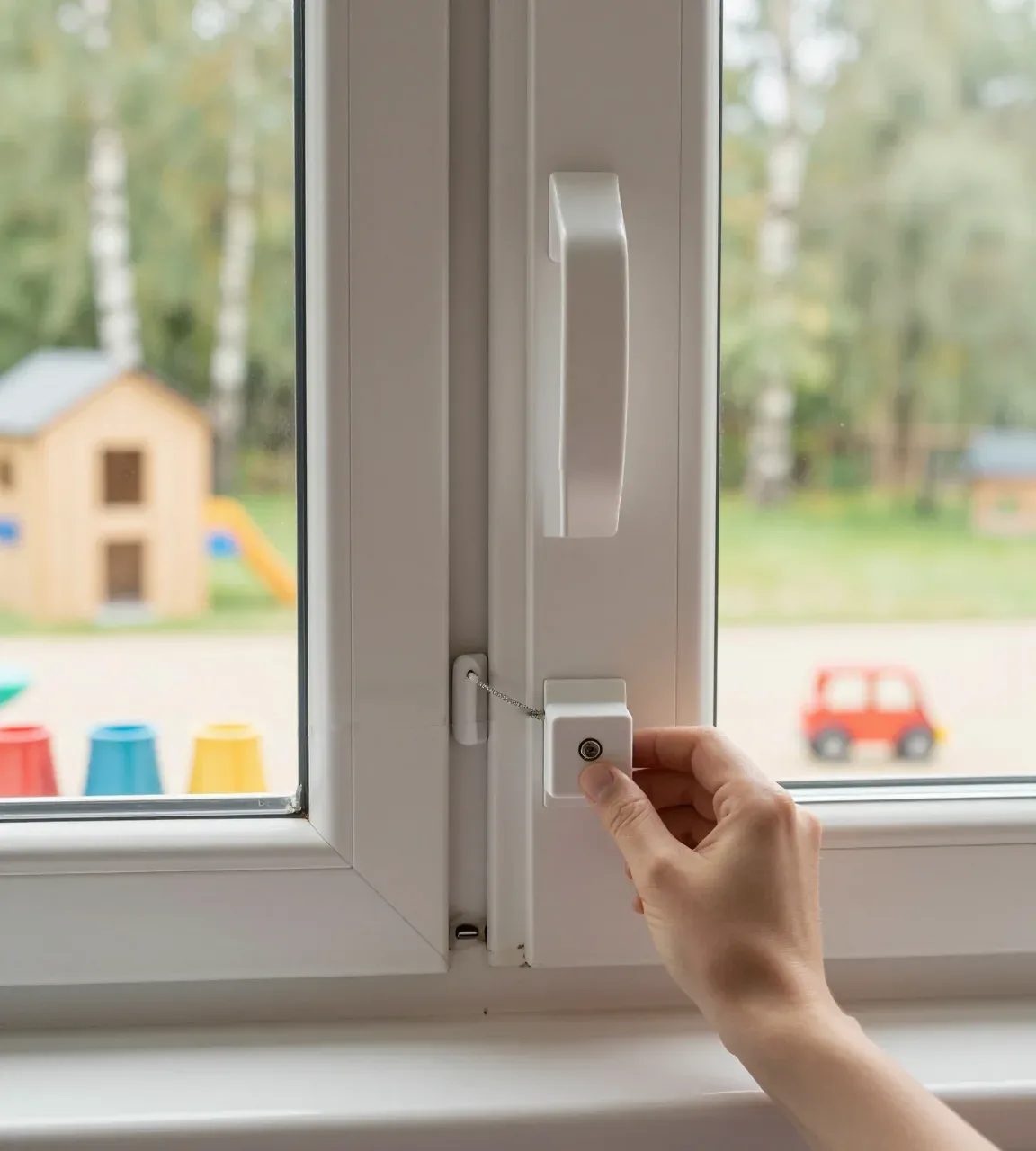
Sash blocker
Prevents child from opening sash wide. Price from 1 200 ₸ per item, frame mounting.
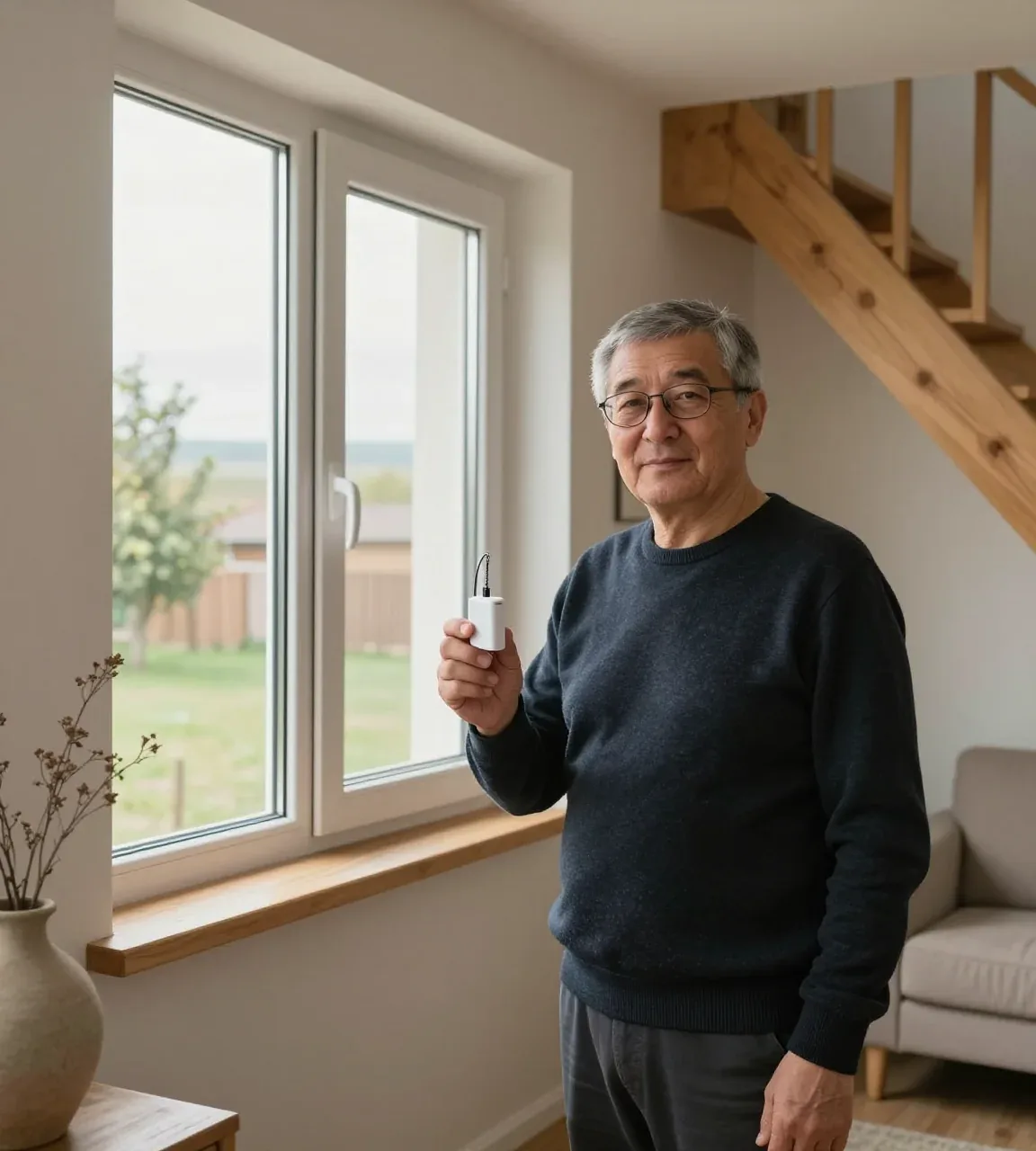
Sash blocker
Prevents child from opening sash wide. Price from 1 200 ₸ per item, frame mounting.
Handle blocker
Locks handle rotation with key. Price from 2 800 ₸ per item with key.

For sliding windows
Fixes sash of sliding window. Price from 4 000 ₸ per item.
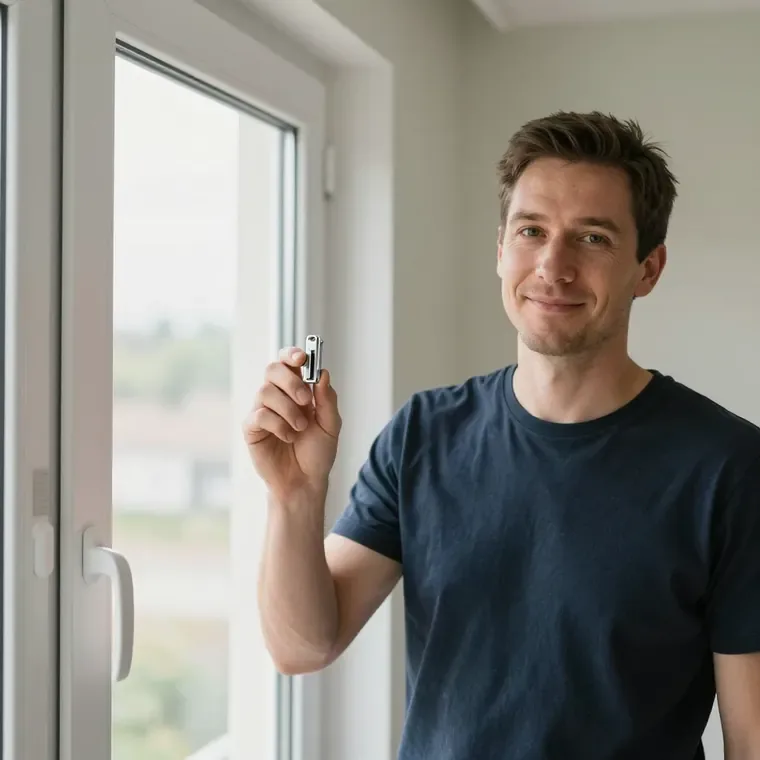
Hidden blocker
Not visible from outside or inside. Ask technician for price during measuring.




5,097 reviews on review sites
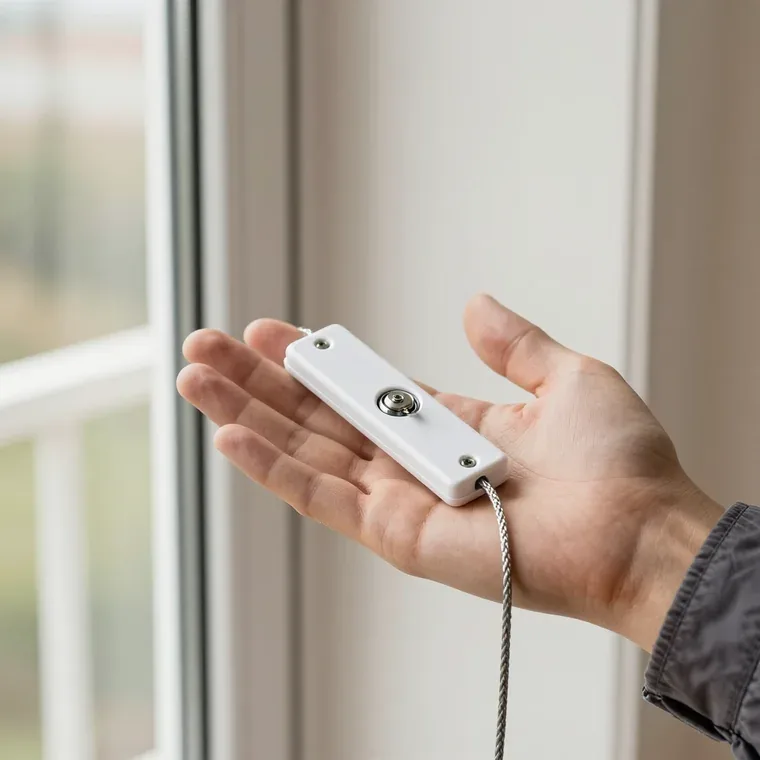
A device that prevents turning the handle or opening the sash without a key.
A window blocker is a mechanism that restricts sash movement or handle rotation. It consists of a body, a locking element (key or flag) and fixings. Depending on the model, the blocker either fixes the handle in the closed position or prevents the sash from opening wider than a set angle.
The device is installed on the frame or sash and is selected for the window type: plastic, wooden or aluminium. The blocker body is usually made of metal or durable plastic, and the locking element is made of metal. Separate models are used for sliding windows, and reinforced ones for balcony doors. A blocker helps protect children and pets from accidentally opening the window.
Price of basic sash blocker
Warranty on window repair and replaced components
Measuring and consultation by technician
The attachment method depends on the window material and installation location: frame, sash or door leaf.
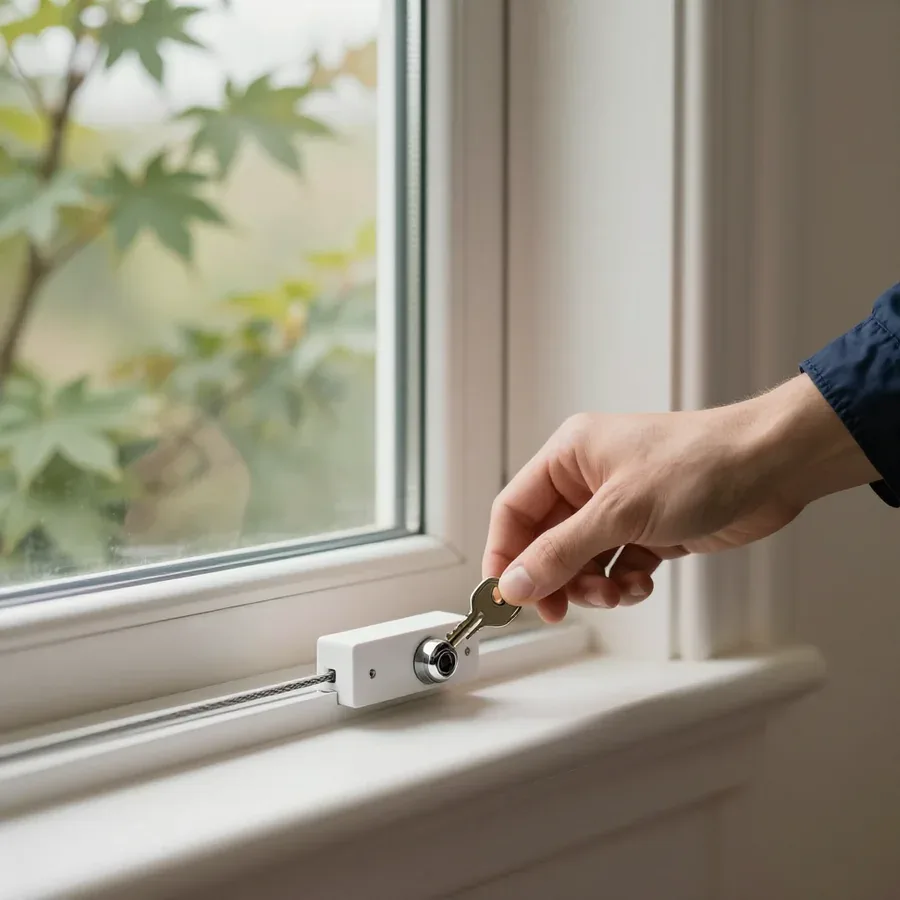
The sash blocker is screwed to the frame and sash. It prevents the sash from opening wider than a set angle.
Standard fixings are used for plastic windows, for wooden ones — taking into account profile thickness, for aluminium sliding windows — special models.
A door blocker is installed on the balcony door, and a sash blocker on sliding windows, which fixes it in the closed position.
To install into a plastic profile, you need self-tapping screws with a press washer and a drill with a depth stop so you don't damage the reinforcement. For a wooden frame, use countersunk wood screws, and for an aluminium profile, short screws with a fine thread pitch and a metal drill bit. The technician selects the fixings for the profile thickness and installation location so the restrictor holds securely.
Five versions for different tasks: child protection, ventilation limitation, hidden installation, sliding windows and cat protection.
Sash restrictor
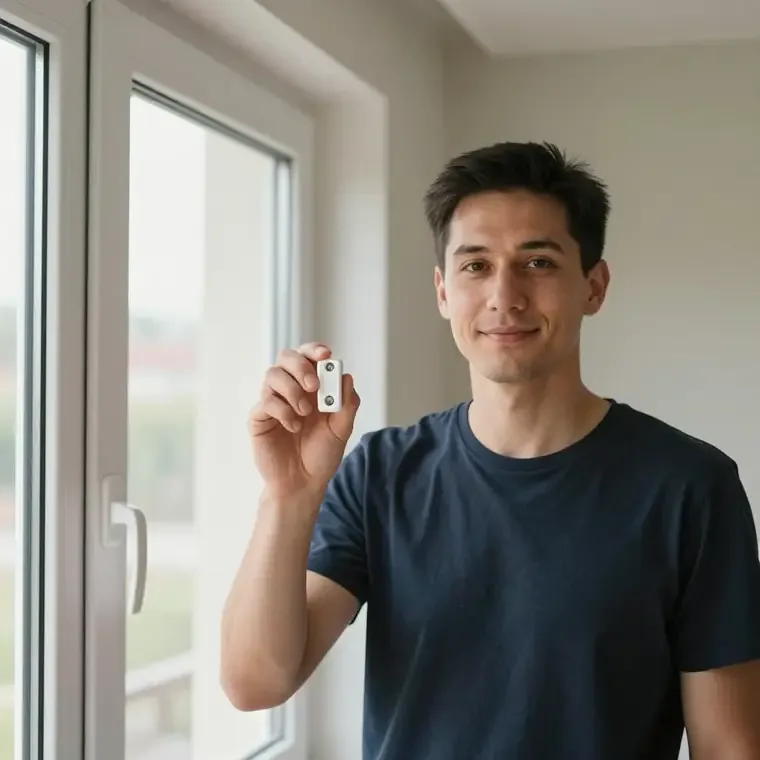
Prevents a child from opening the sash wide. A basic model for plastic and wooden windows.
With key

Locks the handle rotation, the key is removable. Suitable for windows with tilt-and-turn hardware.
Invisible installation
Installed inside the sash and not visible from outside. Ask the technician for the price during the measuring visit.
For aluminium sliders
Locks the sliding window sash in the closed position. For aluminium structures.
Reinforced locking
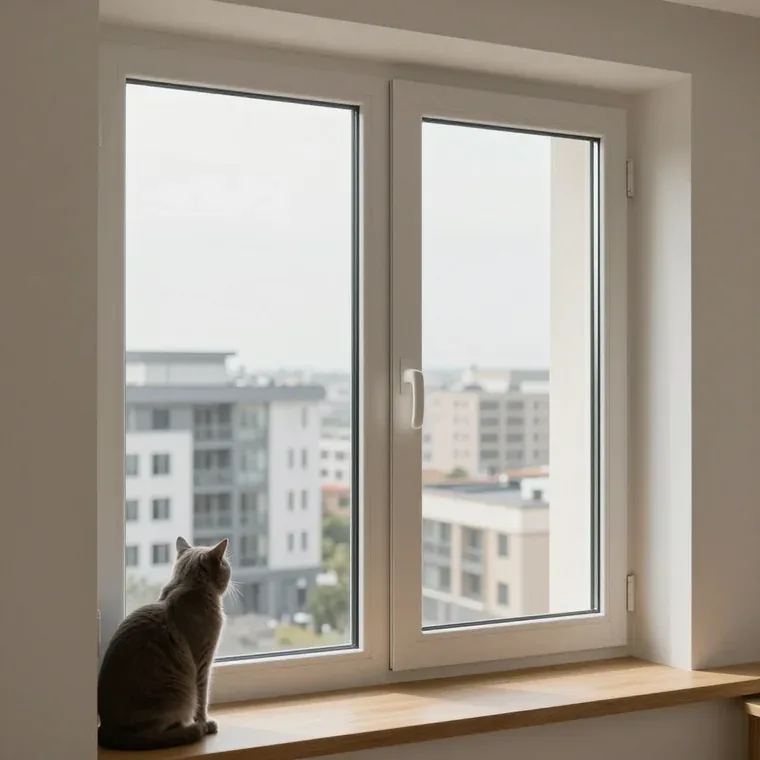
Prevents the animal from opening the window with its paw. Selected to match the window type and pet weight.
Cost of products and installation; the price is fixed in the order after measuring.
| Type of item | Price |
|---|---|
| Window sash blockerbasic model | from 1 200₸ per item |
| Handle rotation blockerwith key | from 2 800₸ per item |
| Blocker for sliding windowsfor aluminium sliding windows | from 4 000₸ per item |
| Installation of blocker or child lockframe mounting | from 2 750₸ per item |
| Child window locksurface-mounted, flag type | from 3 250₸ per item |
| Cable restrictor with locklimits opening width | from 2 500₸ per item |
| Penkid lock with cableremovable version | from 2 150₸ per item |
| Installation of latch lockfor window or door | from 6 800₸ per item |
| Window burglary protectionselection and installation | from 3 150₸ per job |
| Window handle with keylocks the sash | from 3 650₸ per item |
| Comb restrictor with installationfixes ventilation angle | from 1 050₸ per item |
The price is fixed in the order after measuringMeasuring and consultation are freePayment after installation: cash, card or Kaspi
Order a restrictorFacts about the company: experience, warranties, working conditions.
we work across Kazakhstan
the technician will come at a convenient time
for work and replaced components
cash, card or Kaspi
daily, by appointment
we reply within 5 minutes
you can order in 17 cities of Kazakhstan
the price is fixed after measuring
Four steps from request to performance check.
You leave a request, the technician arrives at a convenient time, inspects the windows and takes measurements.
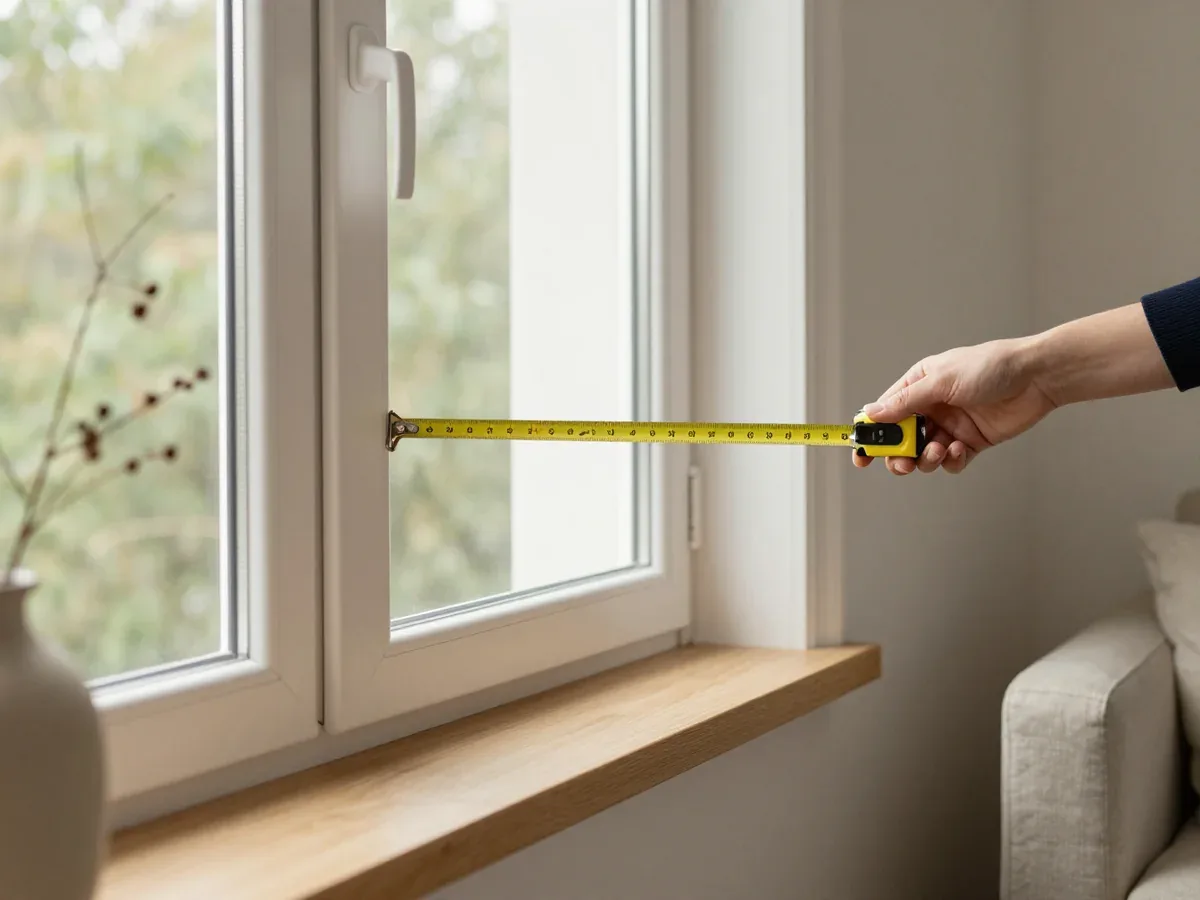
The technician helps choose a restrictor for the window type and task: child protection, cat protection or ventilation limitation. Agrees on the installation location and the sash opening side.
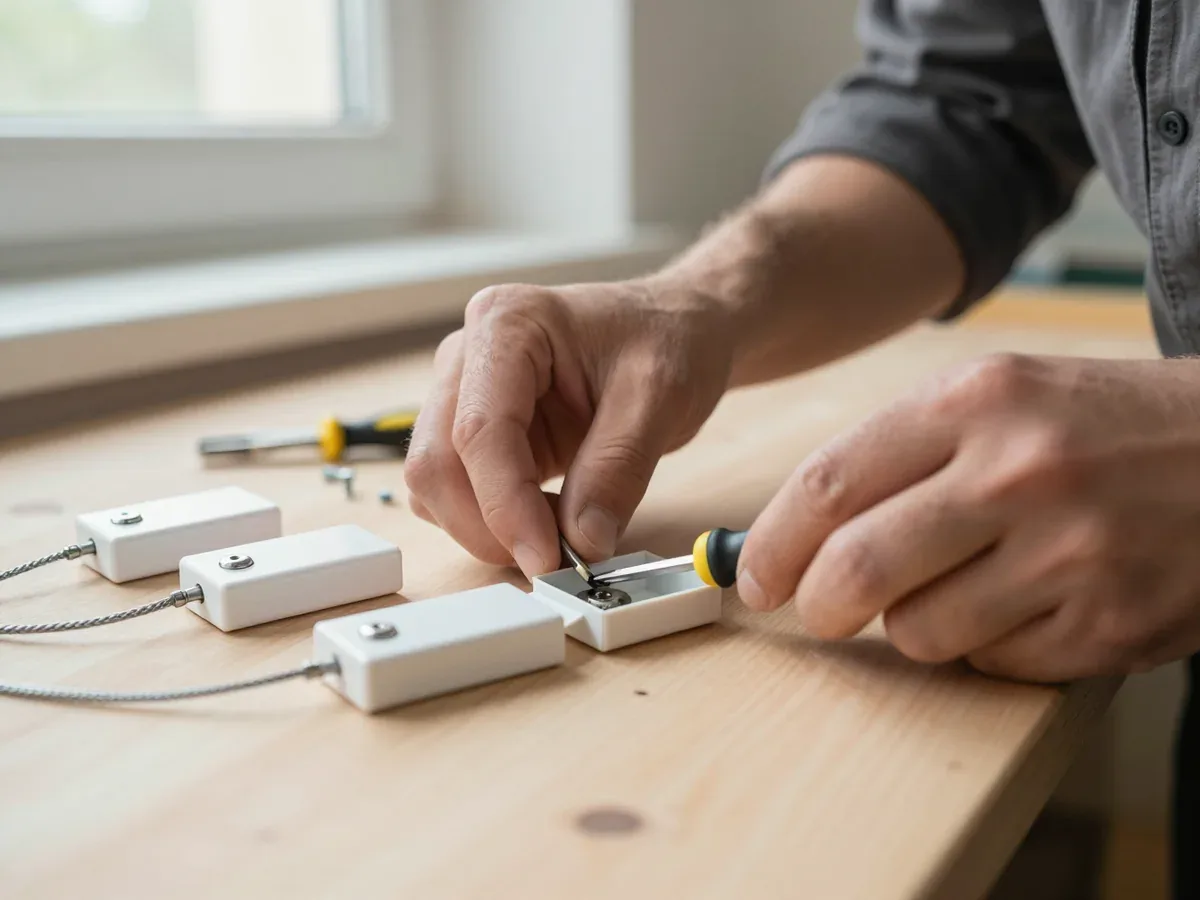
The restrictor is installed on the frame or sash taking into account the window material. The work is done neatly, without damaging the profile.
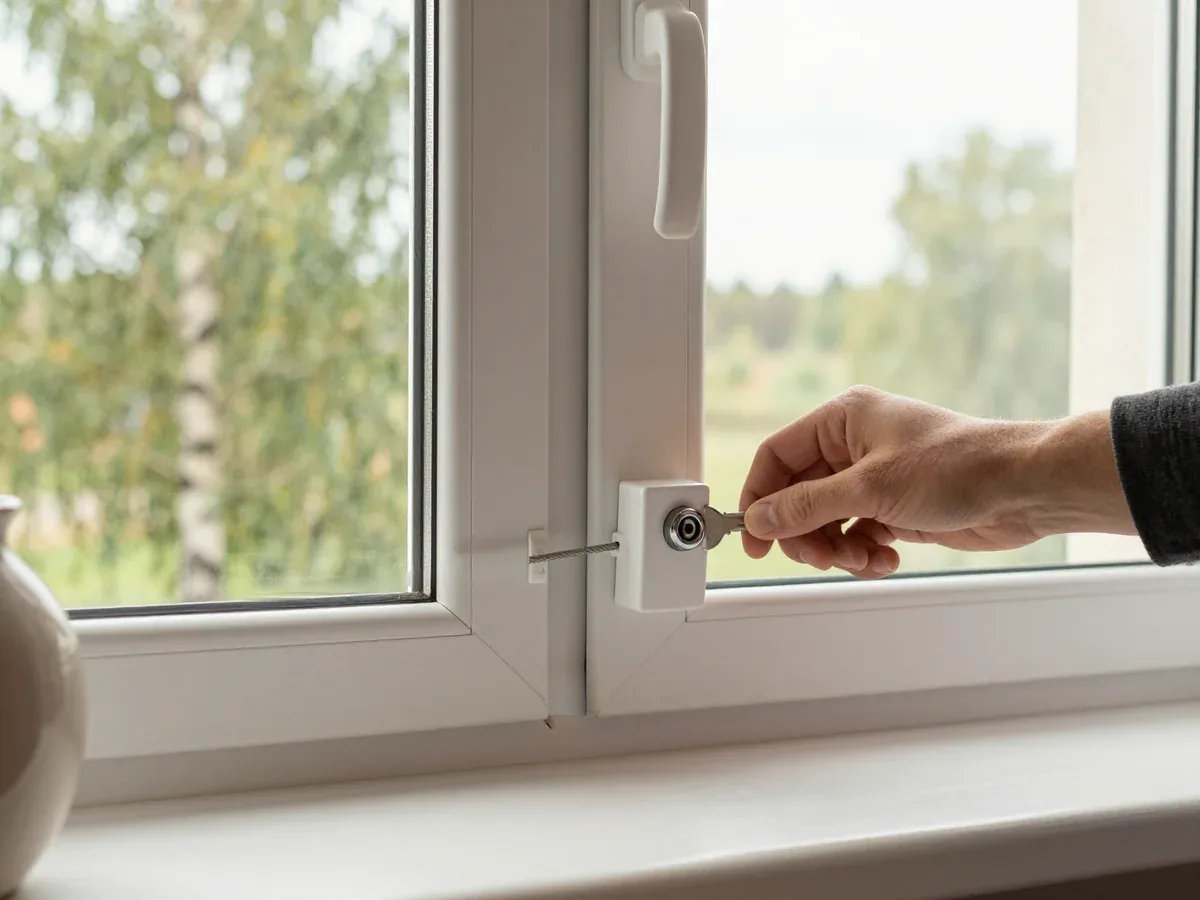
The technician checks the restrictor operation, shows how to use the key or flag, and answers questions.
Good to know

Senior mosquito screen specialist at moskitnyesetki.kz
We supply and fit window locks for child safety in Petropavlovsk, choosing the device and fixing to suit your sash, your child's age and your floor. Measuring and consultation are free, we reply on WhatsApp within five minutes and you pay only after installation by cash, card or Kaspi.
A family with a small child has several ways to secure a sash, and the right one depends on how far the child can reach and how often you air the room.
We match the device to the floor and the child's age, because a ground-floor opening and a top-floor one carry different risks, and a three-year-old reaches higher than a one-year-old. When choosing window locks for child safety in Petropavlovsk, it helps to start from the floor and the child's reach. Upstairs the priority is keeping the leaf fully shut, so a key lock or a cable restrictor works best there. Downstairs the danger is a child leaning on a partly open pane, and a restrictor with a narrow ventilation gap covers that case. Cable models suit deep reveals and inward-opening panes, while a key model fits narrow frame profiles. The same device can serve both floors, but the opening angle it allows should differ.
A blocker never attaches to "a window" in general — it grips one specific opening part and the hardware around it. The same model can sit firmly on one profile and poorly on another, so the material decides the fixing.
We fit protection to plastic, wooden and aluminium sashes, and the fixing is chosen for the profile and the floor rather than taken off the shelf. On PVC casements a Z-bracket or a pin fastener beds into the reinforcement behind the sash wall, while aluminium profiles are thinner and often need a shorter screw or a magnetic holder to avoid piercing the chamber. Timber takes standard screws well, provided the wood is sound where the mechanism lands. On older wooden units the sash may have dried and shifted, so the fixing point is checked on site before drilling — a bracket that fits a new PVC profile can sit loose in aged timber.
A sliding casement and a balcony door take a different model from a hinged one, and a mosquito net does not get in the way of fitting a lock on the frame. A sliding part travels sideways on a rail, so the stop has to block that horizontal path instead of the inward swing a hinged sash makes; balcony doors on a loggia usually need a longer arm because the moving side is taller and heavier. The number of opening parts matters too — on a two-part unit only the moving half carries the blocker, and the fixed side stays shut. A net covers the opening but not the mechanism, so the lock still works with the net in place — however, the mesh must be removed from inside for cleaning, which is worth planning before the fitting goes on.
Even a correct restrictor does nothing if a child can reach the release from the sill or from a chair left nearby, so fitting height and ventilation mode matter as much as the device type itself.
We set the lock high enough that a child standing on the sill cannot reach the release, while leaving the tilt position free so the room can still be aired. On a standard 1400 mm sash we mount the release in the upper third, above the reach of a child on tiptoe, and keep the opening to the tilt gap rather than a full swing. A two-year-old and a five-year-old need different clearances, and the release must sit outside both. Keeping ventilation open is the point: a restrictor that blocks tilt as well gets switched off by parents within a week, which defeats the purpose. The safe height is measured from what the child can climb on, not from the floor — a sofa or a radiator under the sash changes the answer, so the measurer checks the furniture around it, not just the frame.
| Child's age | Release height guidance | Opening allowed |
|---|---|---|
| Under 2 | Top of sash, out of reach standing | Tilt only, narrow gap |
| 2 to 4 | Upper third of the sash | Tilt plus short swing stop |
| 4 to 6 | Above shoulder height on the sill | Limited swing, key release |
| 6 and older | Standard fitting height | Full swing with key lock |
Two worries come up most often: that fitting a device means drilling into the sash, and that it will leave marks once the child is older. Both come down to the mounting method you pick.
Some devices screw into the profile and some clamp or stick on, and for a rented flat we choose the option that leaves the sash as it was. A screw mount is the more solid of the two and suits a sash that will stay in the family for years. A clamp or adhesive pad needs no hole at all, so the unit goes back to the landlord exactly as it came. We fit both on plastic, wooden and aluminium sashes, and the measurer brings the right fasteners for each rather than one universal set. A no-drill mount spreads the load over a pad rather than a screw point, so it holds well on a clean flat surface but is the wrong choice on a textured or curved one — the measurer checks the surface before deciding.
From the first call to a working window there is one measuring visit and one fitting visit, and money changes hands only once the device is in place and tested.
The measurer comes at a time that suits you, measures free of charge and fixes the price in the order, and you pay after installation by cash, card or Kaspi. He checks the sash profile, the opening direction and the fixing points on the frame, then helps you choose the device, the fittings and the colour so the part matches your windows. Because the price is locked in after measuring rather than quoted over the phone, the figure you agree on the day is the figure you pay — a change of mind about the device type is settled at the measuring visit, not after the fitter arrives. Ask for the chosen model to be written into the order: that line is what the fitter works from and what the warranty refers to later.
We give a warranty on the protection work, reply on WhatsApp within five minutes and are open seven days a week for orders across the city and the region. The warranty covers our labour and the parts we supplied, so a restrictor that stops latching or a key that turns stiffly is our job to put right, not yours to puzzle over. A warranty is only useful if someone answers when the lock sticks, so the five-minute reply and the seven-day week matter as much as the paper — a jammed mechanism in winter is a same-week fix, not a seasonal wait. Message us with a photo of the fitting before you order a replacement; in most cases the answer is an adjustment rather than a new part.
A window lock is only as good as the three decisions behind it: the device, the fixing point and the fit. Four checks catch most mistakes before a fitter arrives.
Types, choosing for children, balcony doors, removal
Konstantin Selenenkovsenior mosquito screen specialist, 10 years in the tradeOnline · replies within 5 minutes
Ask a questionA cable restrictor links the frame and the sash with a flexible cable and stops the window from opening wider than a set limit, while a push-button lock only blocks the handle. The cable type suits ventilation with a child, the push-button type is less visible and easier to look after.
For a child's room, a cable limiter with a lock or a handle with a key will work: they stop the little one from opening the sash but still allow ventilation. The choice depends on the window and the child's age; the technician will advise more precisely during a free measuring visit.
Yes, special models are available for balcony doors and loggias that are attached to the sash and frame taking into account the tilt-and-turn mechanism. A standard window restrictor may not fit, so the door type is clarified during measuring.
Carefully unscrew the fixings, remove the device and cover the holes in the profile with plugs so no marks remain. If the restrictor was glued on, remove the residue with a mild solvent without damaging the plastic.
Thank you. We will call you back within 10 minutes!
Your order number is on the receipt or in the SMS. Choose where to leave your review.
Write a review on WhatsApp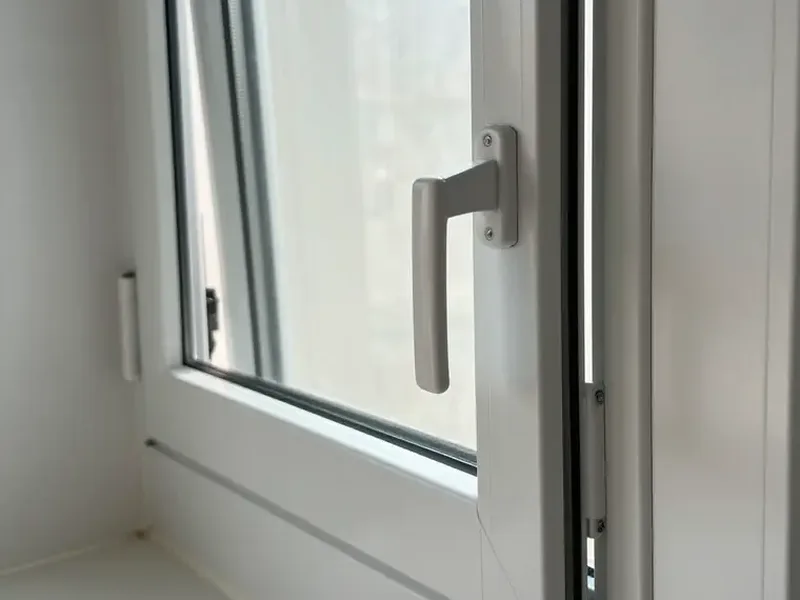 Window restrictors
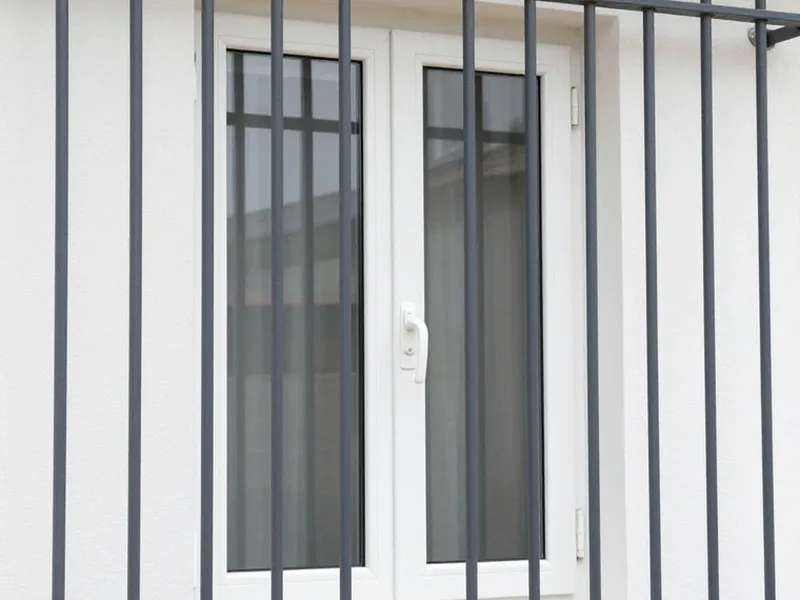 Metal grilles
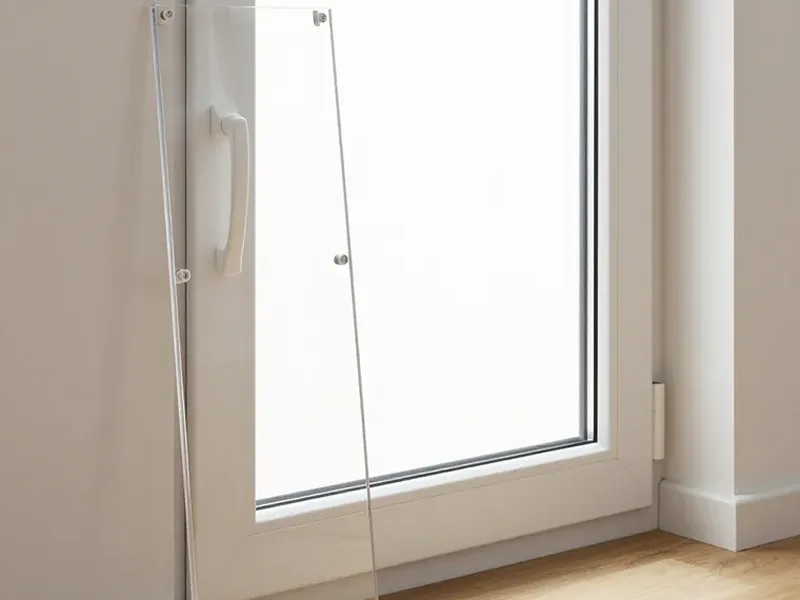 Transparent grilles
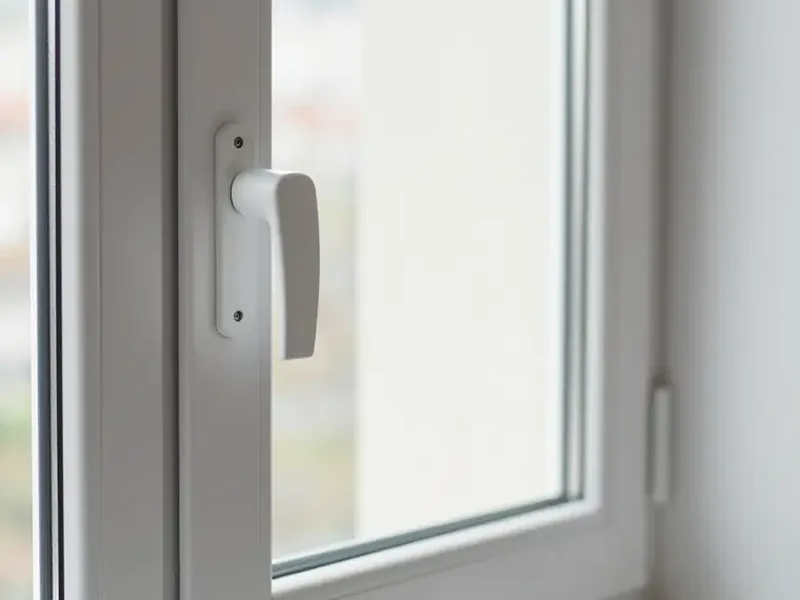 Window handles
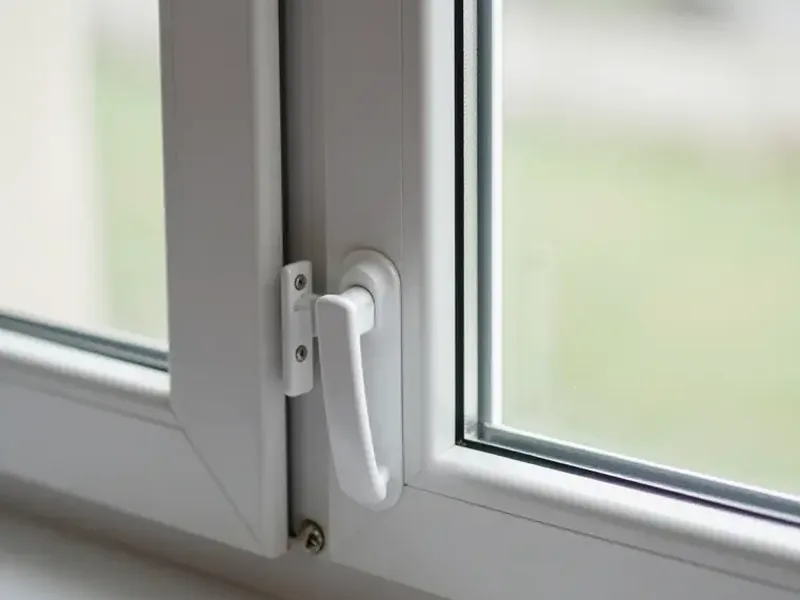 Penkid lock
