
Northern winter
Insulation
Insulation under the reveal removes condensation. From 19,900 ₸ per linear m.

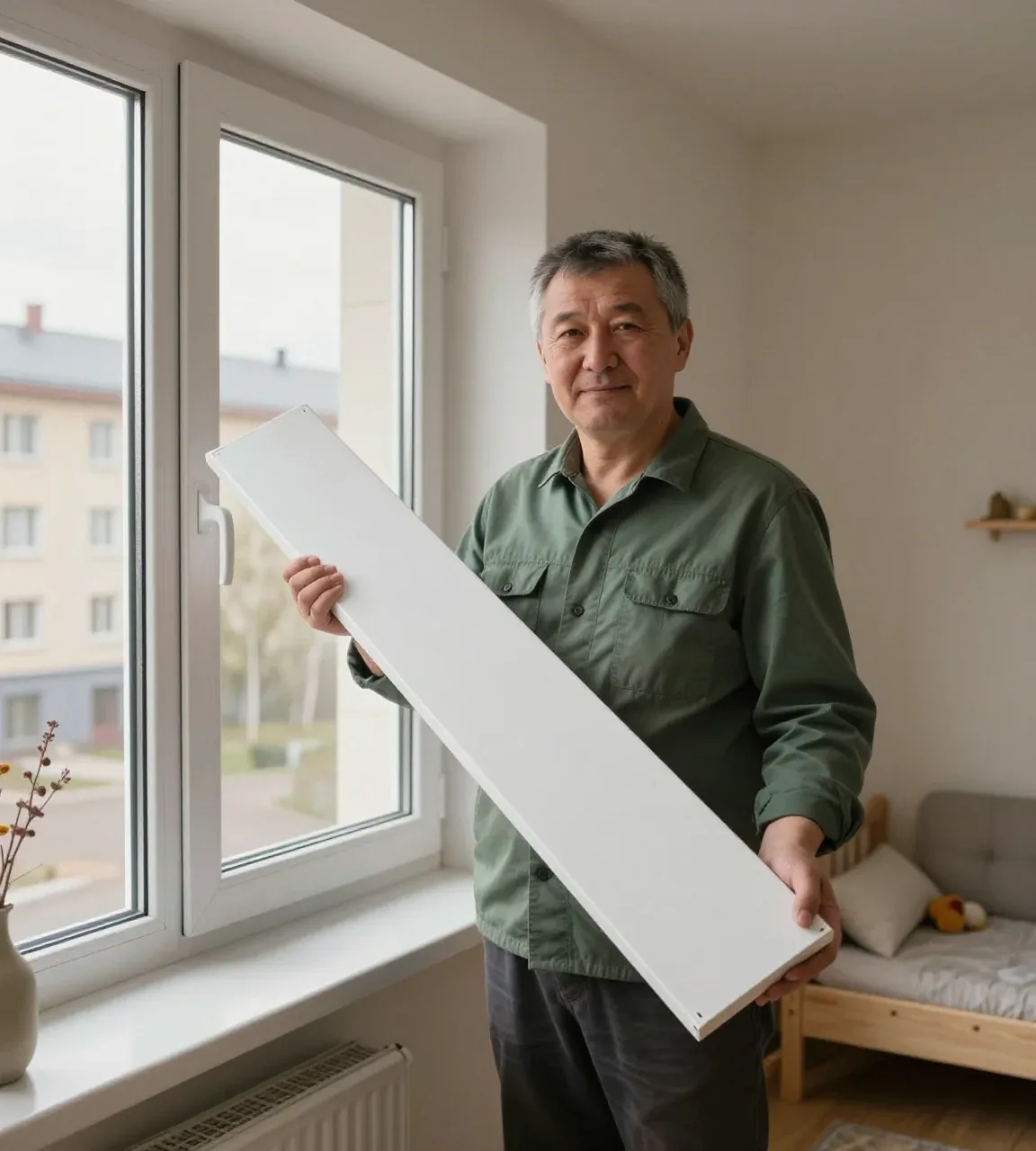
The main thing here is a warm corner, otherwise damp and mold come back every year
In Petropavlovsk winter is long and the frosts are hard. If the joint around the window is not insulated, the corner of the reveal freezes, moisture settles on it and dark spots appear. Simply painting over it will not fix this.
We lay insulation, cover the reveal with PVC sandwich panels and seal the joints. On the outside we make an exterior reveal and a sill flashing so that meltwater does not run under the frame.
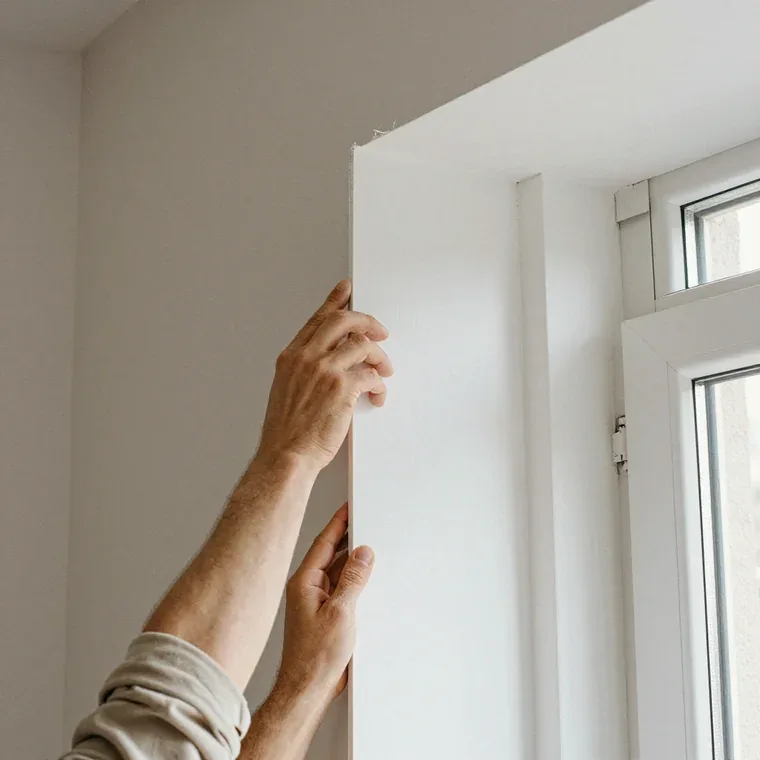
insulation, per meter
exterior reveal, per meter
measuring
Four winter problems
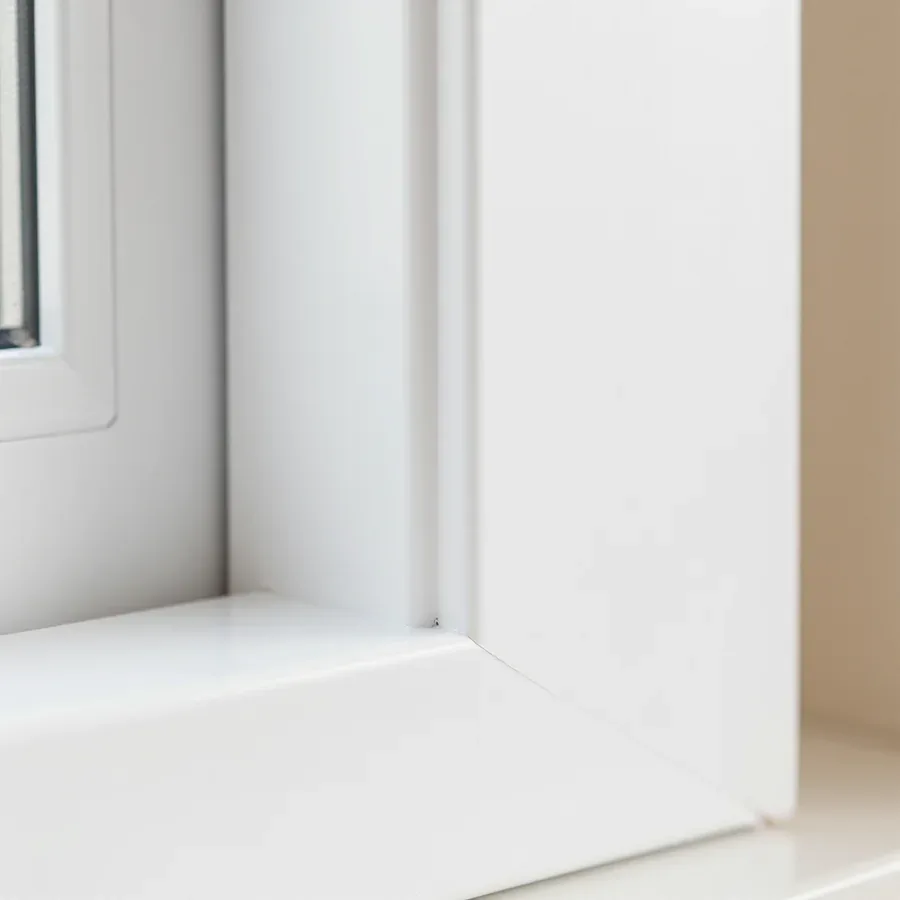
The joint freezes. We cover it with PVC reveals.
The plaster has cracked. We fit a sandwich panel.
We insulate and finish again.
Condensation goes away after insulation.
Five price list items
Under the reveal
A warm corner without damp.
With insulation
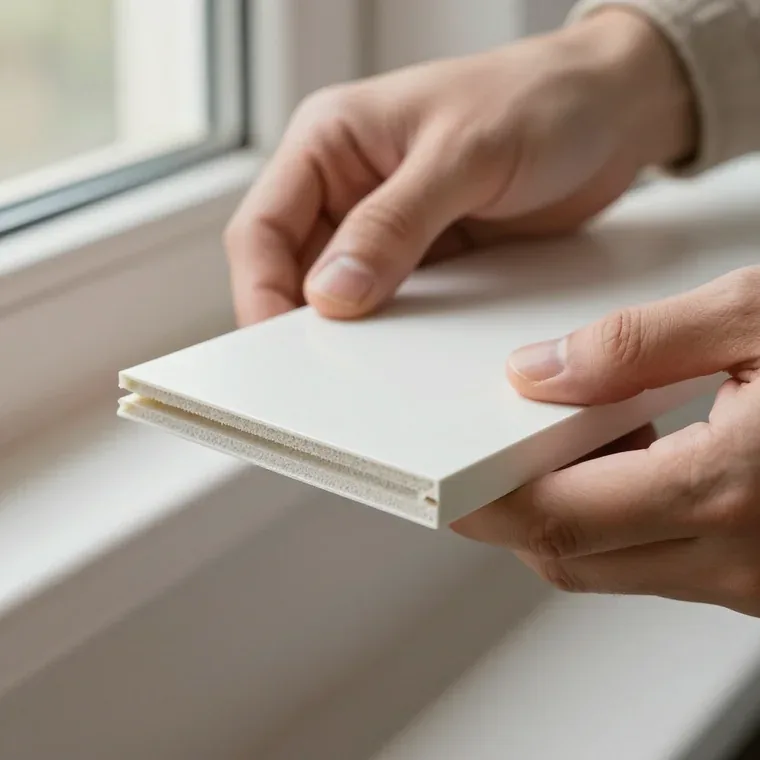
Does not crack in frost.
Outside
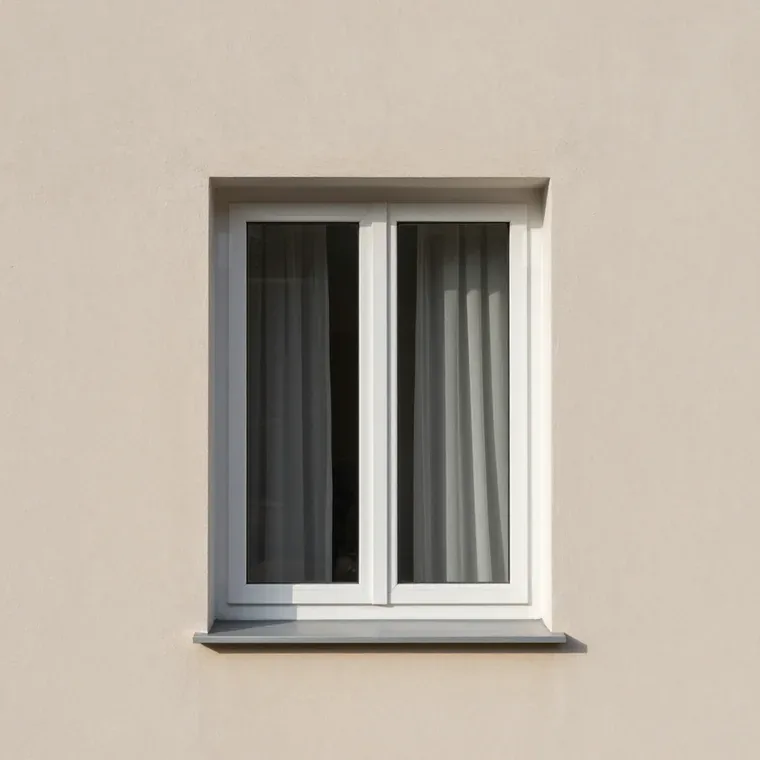
Protects the joint from snow.
Under the frame
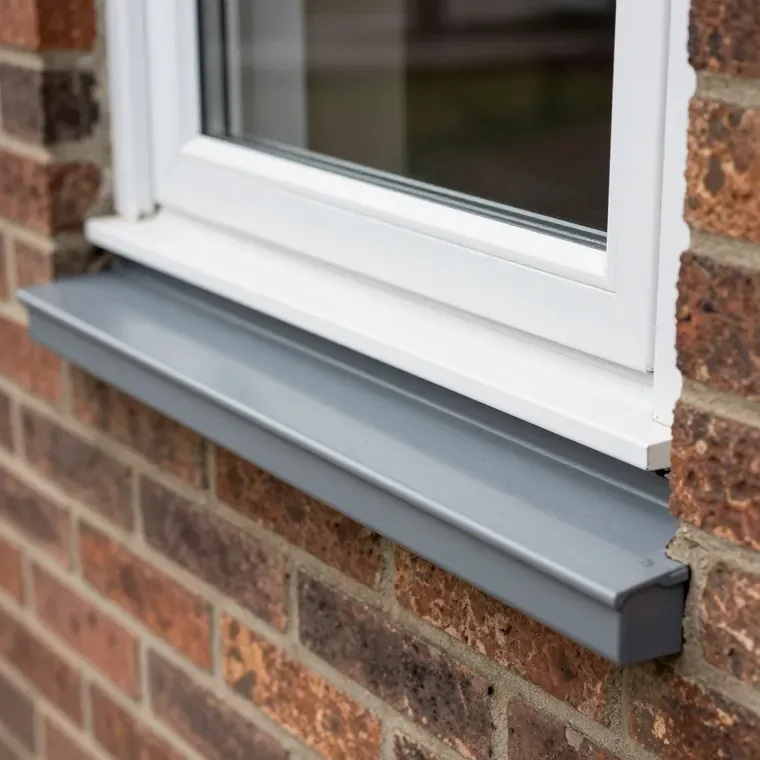
Against meltwater.
Exterior joint
Covers the foam from outside.
Cost per meter or window, total after measuring
| Type of work | Price |
|---|---|
| PVC reveals (sandwich panels), per linear mpanel with insulation inside | from 4 700₸ per linear m |
| Turnkey reveals for a standard windowthree sides and corners | from 15 000₸ per window |
| Plastered revealswith leveling and filling | from 3 000₸ per linear m |
| Exterior revealsprotects the joint from outside | from 4 500₸ per linear m |
| Plasterboard revealsready to paint | from 1 500₸ per linear m |
| Reveal insulationagainst freezing and condensation | from 19 900₸ per linear m |
| PVC window sill installationtogether with reveals | from 5 500₸ per linear m |
| Sill flashing installationwater drainage from the frame | from 3 250₸ per linear m |
| Sealing interior joints (liquid plastic)joints of the frame, reveal and window sill | from 1 500₸ per linear m |
| Sealing exterior jointsprotects the foam from moisture and sun | from 2 000₸ per linear m |
Price fixed after measuringFree measuringPay after the work: cash, card, Kaspi
Order a measuring visitHow we work
we work across Kazakhstan
on WhatsApp
we find cold spots
does not change
acceptance
no days off
external reveals and sills
cities
We work in winter too

Send a photo of the reveal, especially with moisture or stains. We will reply quickly.
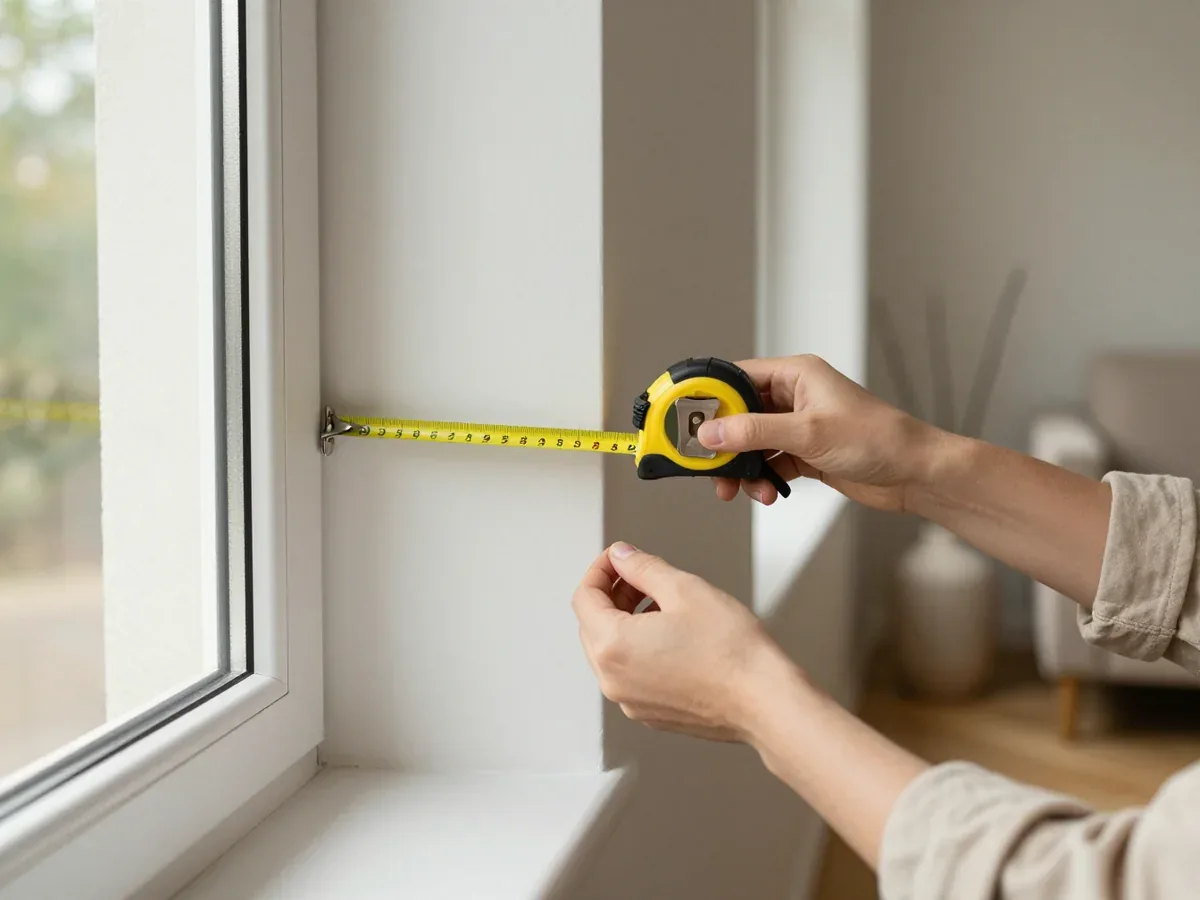
The surveyor checks cold spots and the seam, and gives you the price.

We treat the wall, insulate, install reveals, and outside — a reveal and a sill.
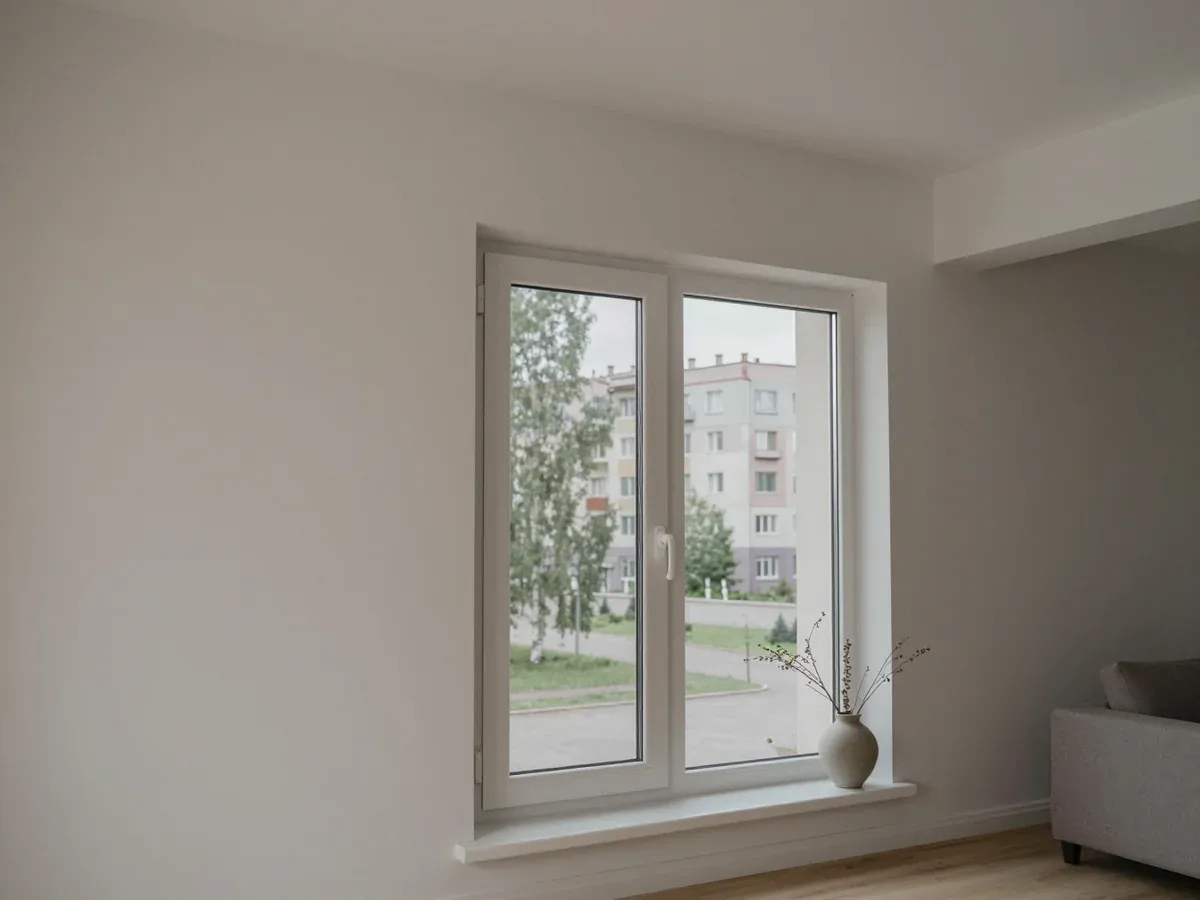
We check the corners. Payment — after acceptance.
Good to know

Senior mosquito screen specialist at moskitnyesetki.kz
We handle window reveal finishing in Petropavlovsk with our own fitters, a free measuring visit and payment only after installation. The measurer checks the opening, the window profile and the floor, then helps you choose the panel material, insulation and fixing. The price is fixed in the order after measuring, and we work seven days a week.
Three materials cover most reveals around here: PVC panel, sandwich panel and plaster. They differ in warmth at the opening, behaviour in damp rooms, care and whether a damaged section can be swapped without redoing the whole slope.
| Material | Warmth at the reveal | Care and repair |
|---|---|---|
| PVC panel | Moderate, relies on insulation behind it | Wipes clean, no painting |
| Sandwich panel | High, insulation built into the panel | Wipes clean, damaged section swapped |
| Plaster | Depends on the insulation layer | Repaintable, needs drying time |
We fit PVC and sandwich panels that need no painting, and a soft cloth with mild soap keeps them looking new for years. Both are cut to the slope and clipped or glued over the frame edge, so the finish sits flush with the opening without a wet trade on site. In kitchens and bathrooms the plastic surface shrugs off steam that would soften a painted edge over time. A sandwich type adds its own insulation layer, which matters on the north side of a flat in Petropavlovsk where the wall behind the reveal stays cold all winter. Avoid abrasive powders and solvents, because they dull the surface film faster than everyday dust does.
Reveal panels only work when the opening is read correctly. Width alone says little about how the finished reveal will sit, seal and stay white, so the visit is built around the whole geometry of the opening.
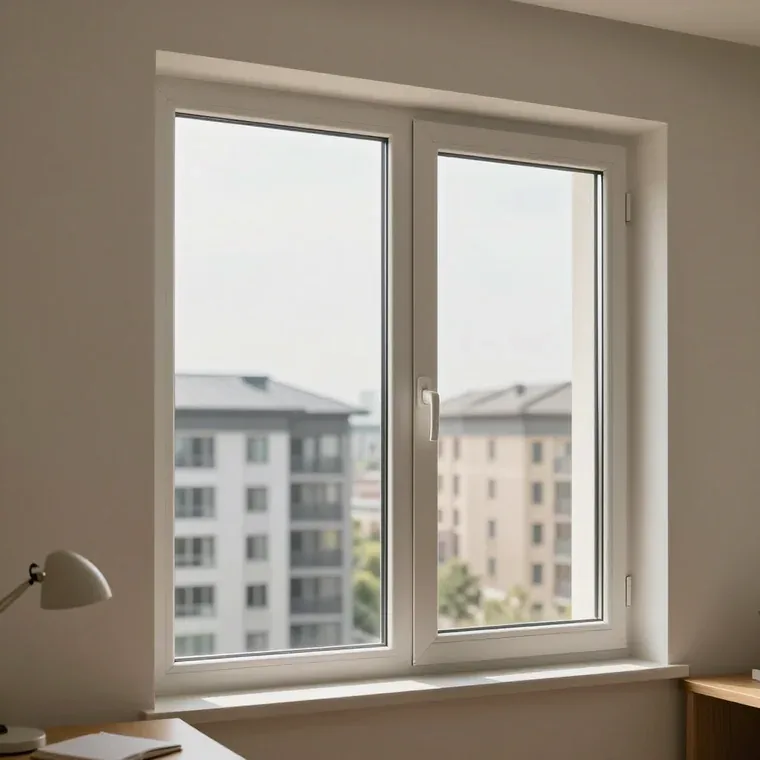
Our measurer records the depth of the reveal, the squareness of the corners, the profile and the floor level, not just the width. Measuring and consultation are free, and the specialist comes at a time that suits you, takes the sizes and helps choose the design, the mesh and the fixings. Getting window reveal finishing in Petropavlovsk right starts with this reading, because the board has to follow the real geometry of the opening rather than a rounded figure. How far back the panel can travel toward the frame depends on that first reading; the profile type decides which starter trim and which bracket will hold it. Floor level matters on balcony and door openings, where a board trimmed to a level line leaves a visible wedge along the sill.
A tape measure at home misses the wall thickness, the slope of the reveal and the profile depth, so boards sized to those numbers rarely sit flush. A PVC board ordered from a single width figure arrives either too tight to slide behind the starter trim or too loose to grip it, and the gap left at the edge is filled with sealant rather than structure. The slope is the usual culprit: plastered reveals lean inward by a few millimetres, and a rectangular board cannot follow that lean without being trimmed on site. The safest route is to let the fitter measure and trim on site, because the board is shaped to the actual opening rather than a rounded figure. Note the model and the floor number before the visit, since the fitter matches the fixing to both.
Draughts at a reveal rarely start with the panel. They come from the mounting seam behind it and from a thin or patchy insulation layer, and the way the panel is fixed decides whether that seam stays sealed.
Most draughts and condensation at a reveal come from the mounting seam and a thin or missing insulation layer, not from the board itself. The gap between the frame and the wall is bridged by foam and sealant, and that joint carries the whole thermal load at the corner. When the foam is applied in a narrow bead, or the old sealant has cracked and pulled away, outside air reaches the cold inner surface and drops it below the dew point. Water then collects on the plaster or plastic and, over a season, feeds dark spots of mould in the corner. Insulation packed loosely leaves air pockets that turn into condensation on the cold corner, so density matters as much as thickness. Press the layer in firmly and fill the seam continuously before the reveal goes on.
We match the fixing to the profile and the floor, using a starter profile, adhesive or mechanical fasteners depending on what the wall and frame allow. A starter profile gives a straight, rigid line for the panel and takes the sealant bead evenly along its length. Adhesive suits flat, sound plaster and leaves the frame untouched; screws and brackets suit heavier panels and walls that crumble at the edge. The fastener also has to work with the frame itself, since plastic, wooden and aluminium profiles take a screw differently. On an upper floor the reveal takes more wind load, so the fixing has to hold the panel against movement, not just keep it in place. Our measurer checks the profile and the floor and selects the fixing that fits both.
Two things govern the life of a reveal: how well the seam is sealed and how firmly the panel is fixed. Below we explain what wears out first and which guarantees cover the work around the opening.
A well-fitted PVC or sandwich reveal holds its shape for many years, and the two things that shorten its life are a damp seam and a loose fixing. A PVC panel needs no painting and wipes clean with a damp cloth, while a sandwich panel adds a foam core that stiffens the surface and resists a knock from a door handle or a carried box. The seam behind the board matters more than the board itself: foam that was compressed too thin or a gap left at the frame lets warm room air reach the cold wall, and moisture collects there season after season. A reveal that starts to yellow or lift at the edge is usually showing a seam problem underneath, not a fault in the panel.
We back our window work with clear terms, including a 5-year warranty on window installation and a 1-year warranty on window repair covering labour and replaced parts. Glass unit replacement carries its own 3-year warranty, so a reveal fitted around a new unit and a unit swapped later are both covered on paper. Payment follows the same logic: you settle after installation, by cash, card or Kaspi, once the panels are up and the seam is closed. Keeping the reveal dry and reporting a lifting edge early keeps a small fix from turning into a full re-panel.
Reveals are not only for plastic units. Timber, aluminium, balcony and loggia glazing and summer structures each need their own fixing approach, and the order of work matters too.
We fit reveals on plastic, wooden and aluminium units, and on balcony and loggia openings, choosing the fixing to suit each one. The same range covers small ventilation panes, loggia glazing and the surrounds of gazebos and verandas, where the profile is often thinner and the trim lighter. On aluminium units the profile is narrow, so the fastener has to sit without drilling through the thermal break. Timber shifts with the seasons, so the reveal fixing has to allow for that movement instead of locking the panel tight. Ask the measurer to note the material and the floor level in the order — on upper floors the bracket type changes, and a piece cut for a ground-floor surround may not fit the same opening higher up.
If the unit itself is faulty, we repair or adjust it first, then finish the reveal, so the new panels are not disturbed by later work. A sticking sash, a failed seal or a loose hinge is easier to reach before the trim closes the gap around the opening. We replace the seal on units of any manufacturer, including KBE, Rehau, VEKA and Provedal profiles, and adjust the sash travel while the surround is still open. In a new build the reveal is best finished after the walls settle, which is why we check the opening before cutting any panel. Finishing first and repairing later means removing the board again, and refitting a trimmed piece rarely returns to the same line. On a fresh building, book the finishing visit after the plaster around the surround has dried.
Five points decide whether reveal finishing looks right and holds for years: the material, the measured size, the joint, the fastening and the order of work.
Materials, insulation, sealing and fitting
Konstantin Selenenkovsenior mosquito screen specialist, 10 years in the tradeOnline · replies within 5 minutes
Ask a questionA PVC panel is a thin hollow profile, while a sandwich panel consists of two rigid layers with insulation inside. For an apartment in Petropavlovsk, sandwich panels are more often chosen: they are warmer and hold the reveal geometry more rigidly.
A thin board insulation, such as Penoplex, is placed in the gap between the frame and the wall, and the joint is foamed, then covered with a panel. The thickness is selected according to the width of the gap, so the exact option depends on the window.
Moisture settles where the reveal freezes due to poor insulation or an unsealed joint with the frame. If the cause is not eliminated, mould will return even after cleaning, so insulation and seams are checked first.
The joint is filled with sealant or liquid plastic along the entire length to close the gap between the panel and the windowsill. Before that, check whether there is a draught from under the windowsill, otherwise sealing will not help.
Yes, PVC and sandwich panels can be installed in a cold room if the mounting foam gains strength. Plaster reveals cannot be done in an unheated apartment in winter — the mortar will not set properly.
First, find the source of the draught: a gap under the windowsill, an unsealed joint with the frame, or a freezing seam. Then the problem area is opened up, re-foamed and sealed; sometimes the windowsill has to be removed.
Thank you. We will call you back within 10 minutes!
Your order number is on the receipt or in the SMS. Choose where to leave your review.
Write a review on WhatsApp



 Window replacement
 Window insulation
 Balcony glazing
 Seal replacement
 Window repair
