
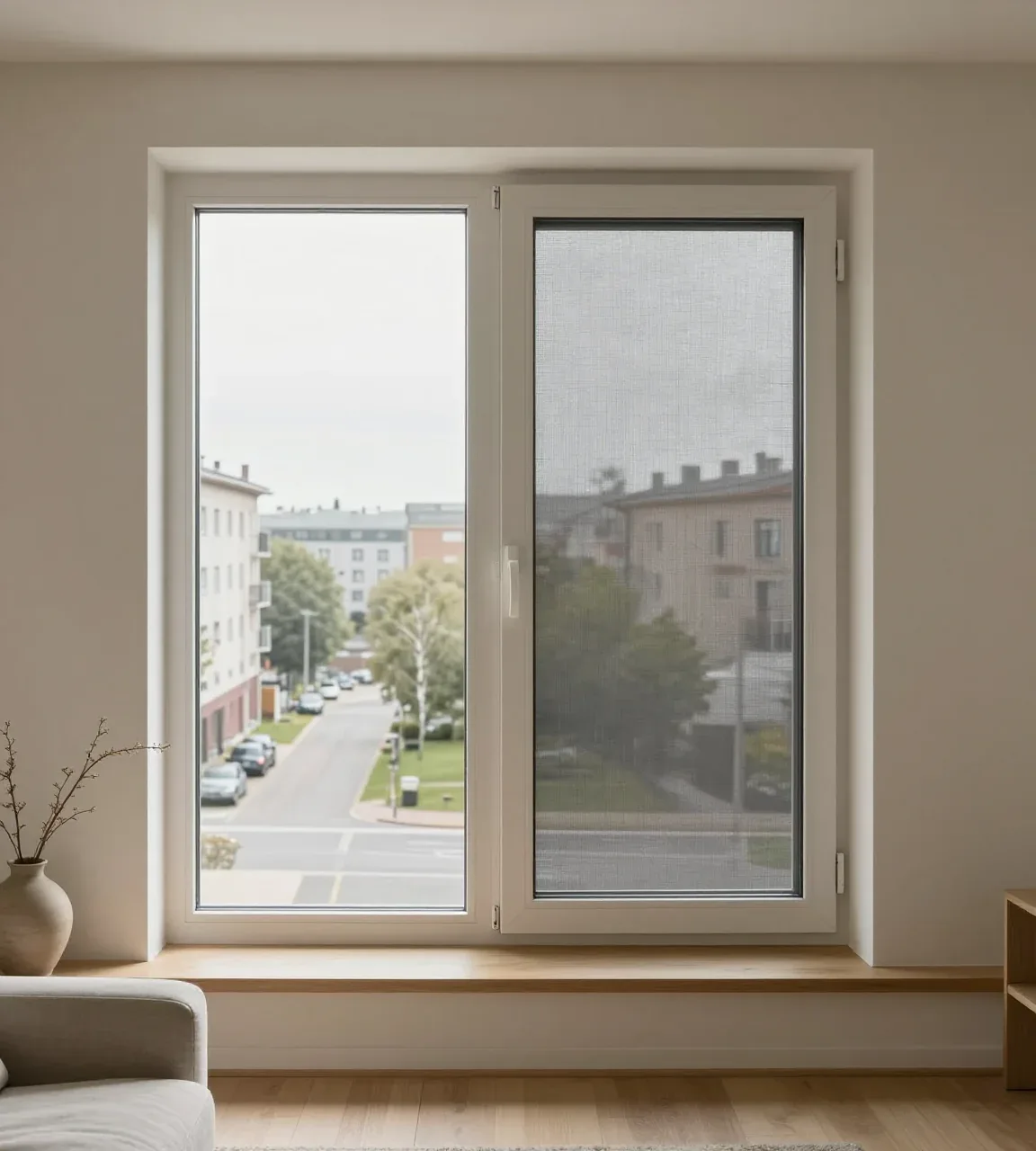
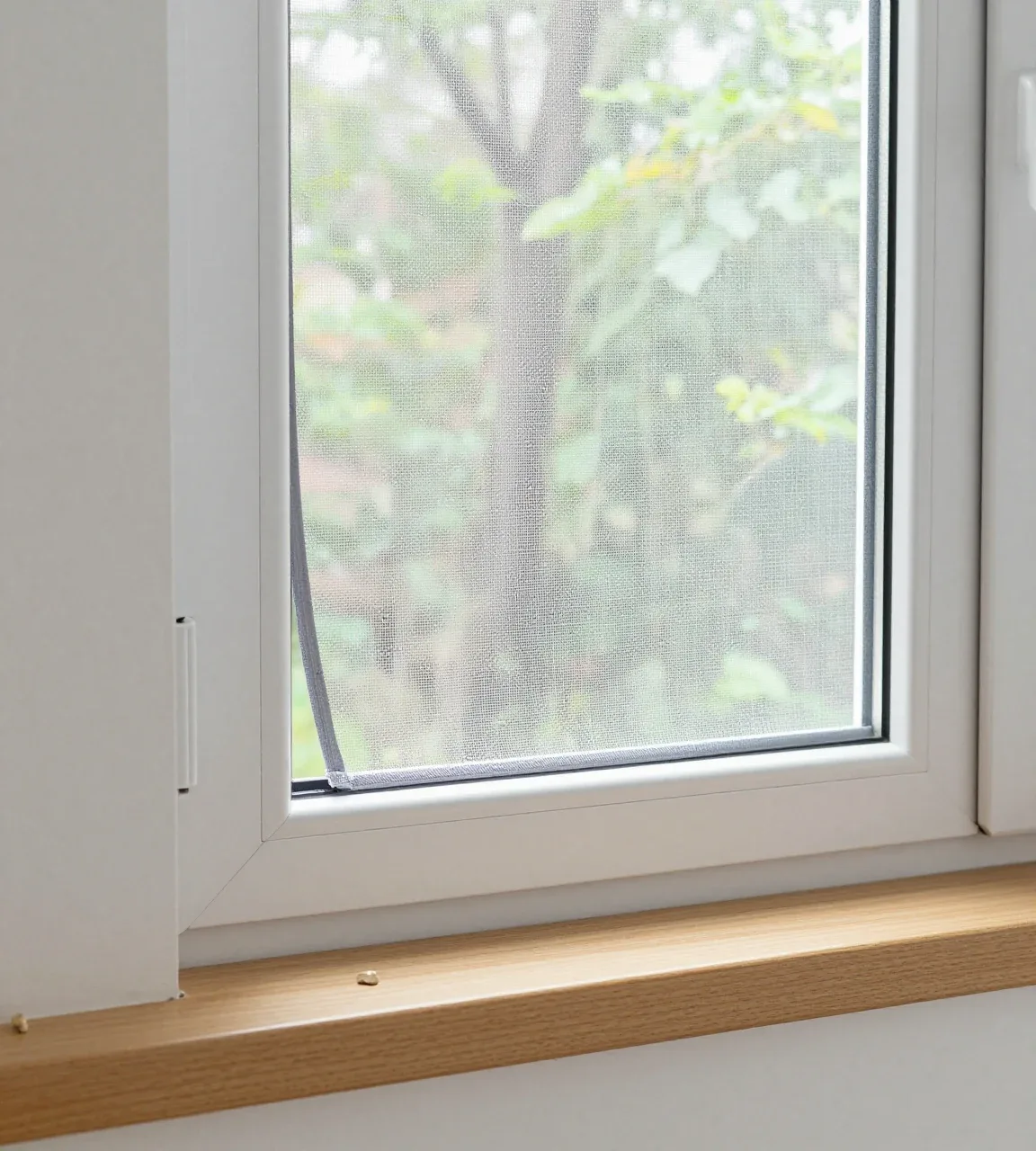
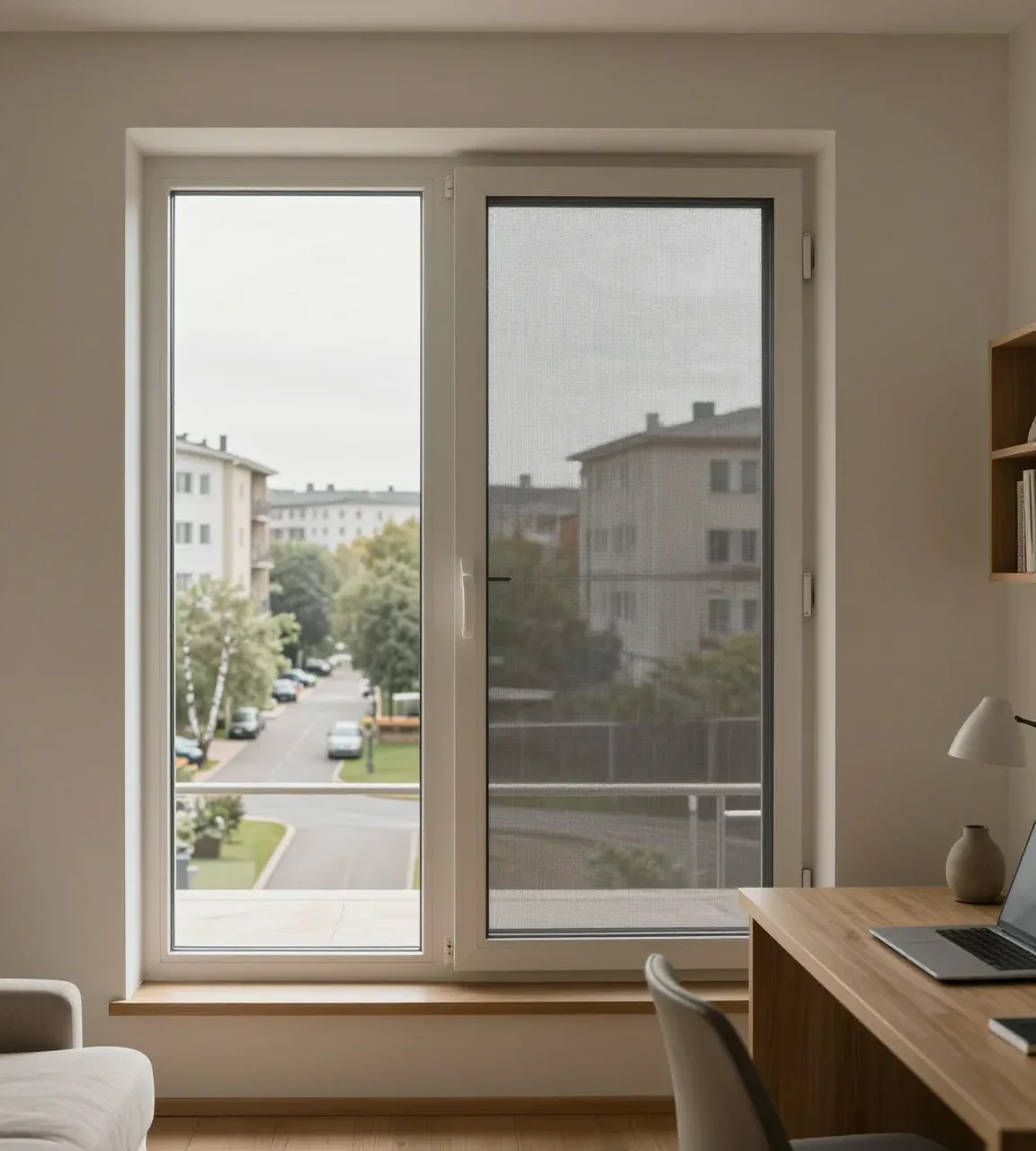
Dust and fluff · fine mesh
Anti-Dust
Fine mesh fabric traps road dust and poplar fluff. From 12 000 ₸ per m², ready-made item from 12 000 ₸.
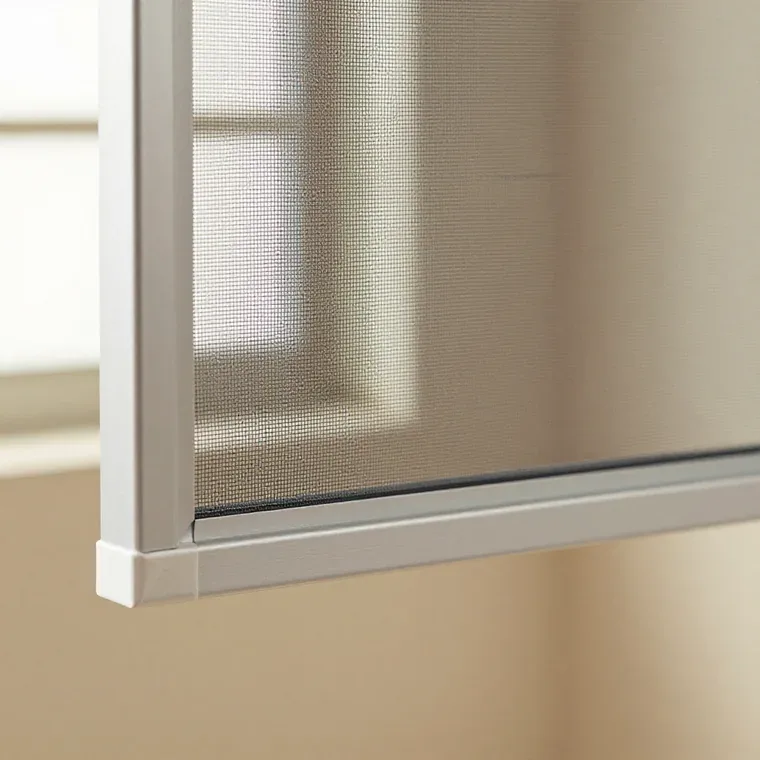
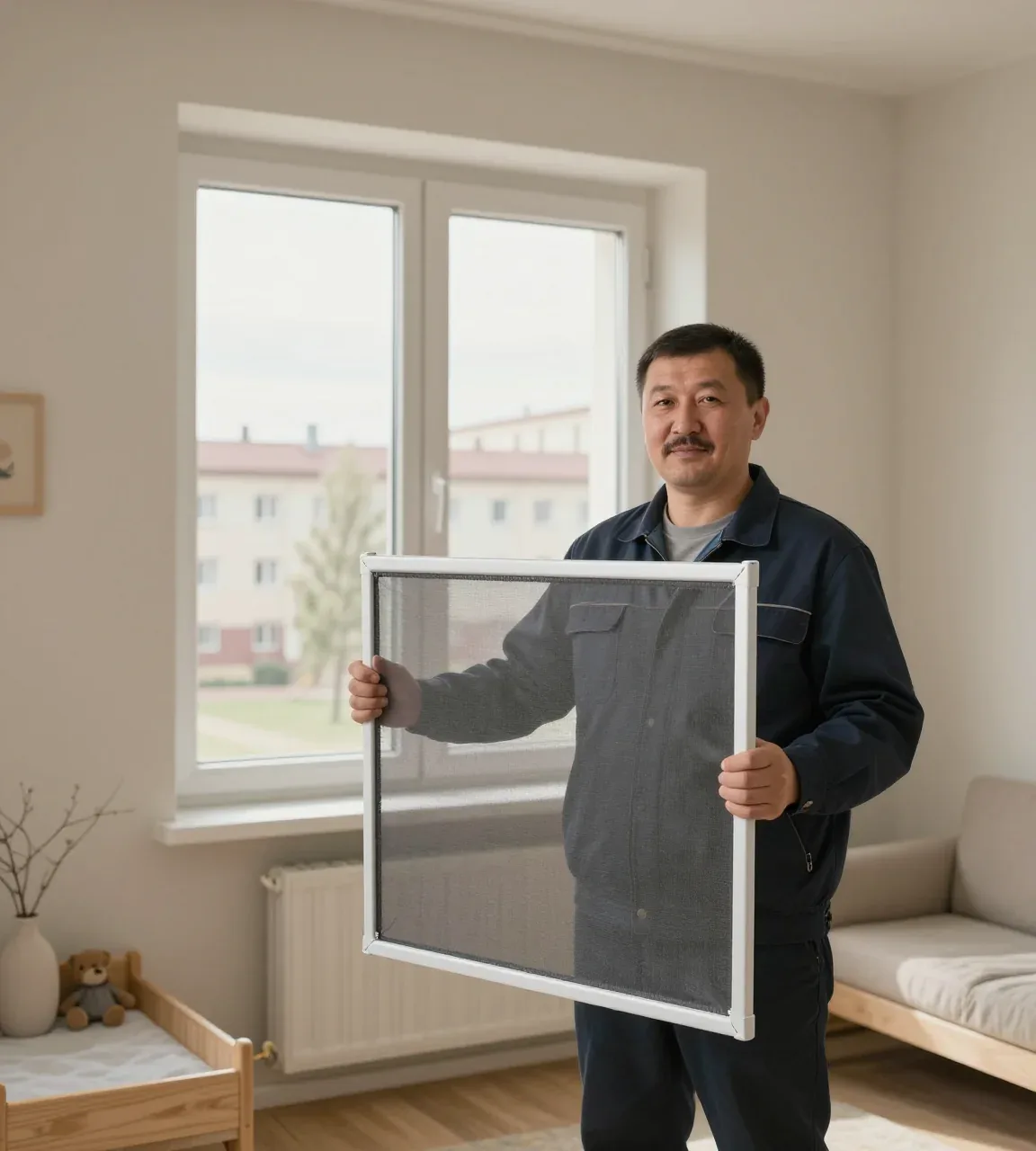
Anti-Dust
Fine mesh fabric traps road dust and poplar fluff. From 12 000 ₸ per m², ready-made item from 12 000 ₸.
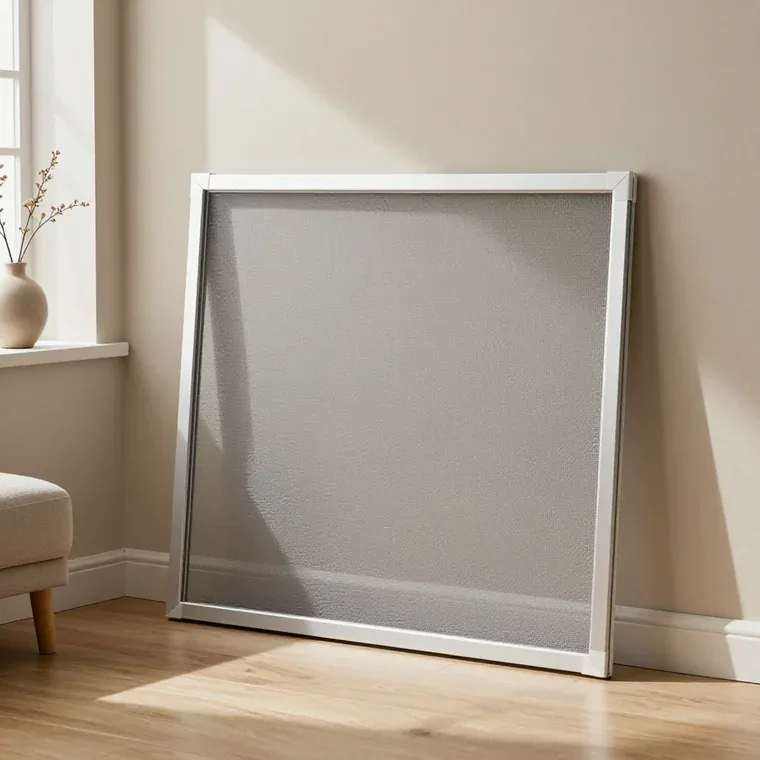
Standard
Fiberglass fabric for standard windows: non-flammable and resistant to temperature changes. Price from 12 000 ₸ per m².
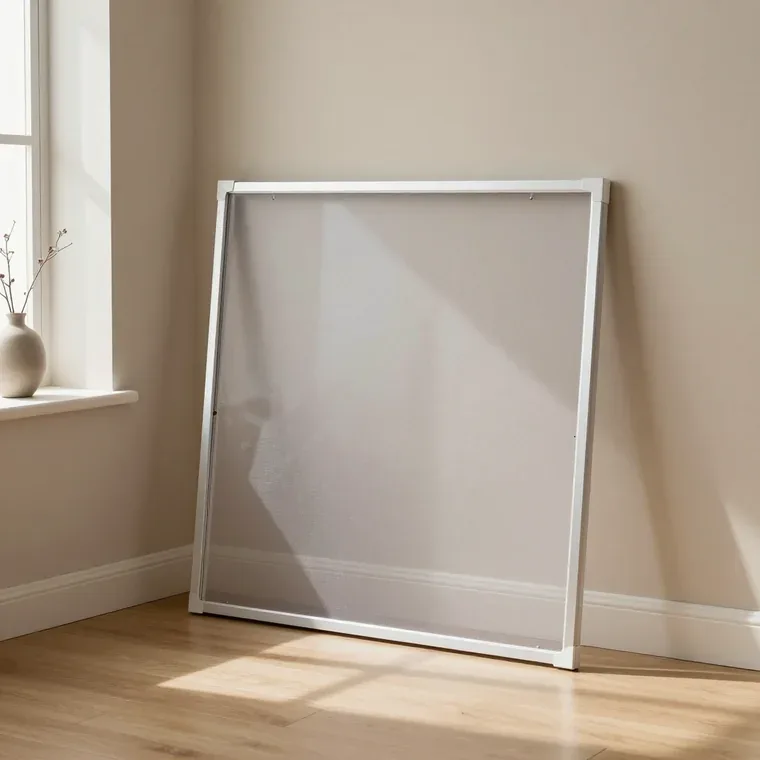
UltraVue
Lets through 25% more light and air than other fabrics in the range. From 12 000 ₸ per m².
Anti-Cat
Vinyl threads are several times stronger than standard fabric and withstand the weight of a small pet. From 12 000 ₸ per m².
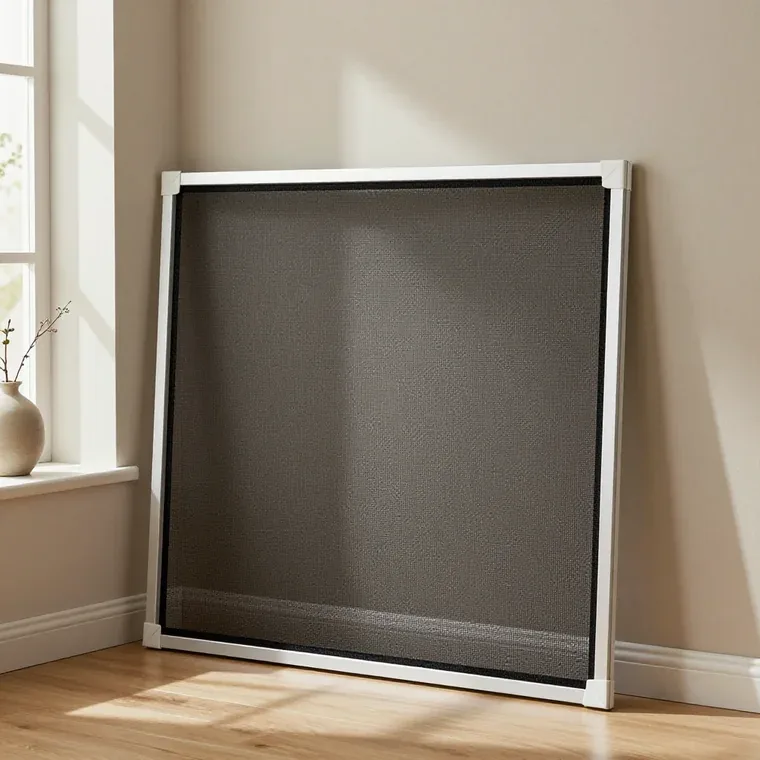
Anti-Pollen
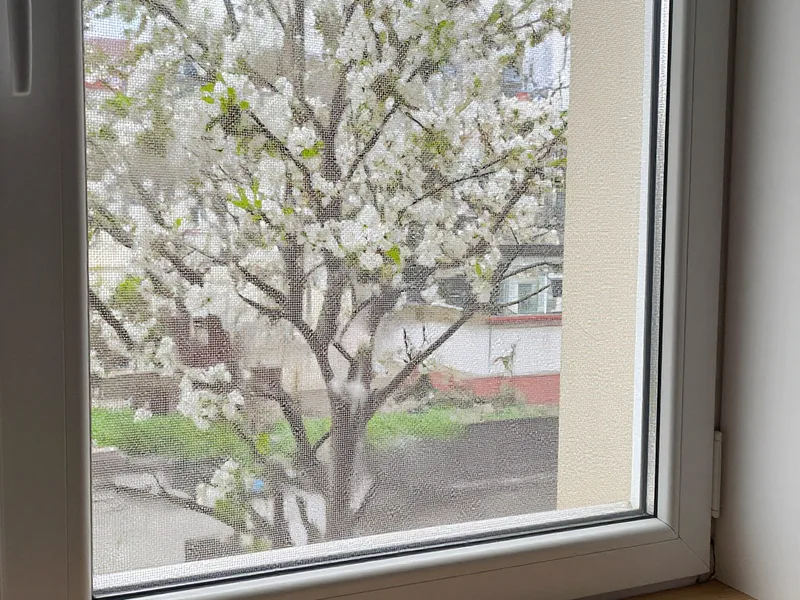
Hypoallergenic fabric with 0.25×1 mm mesh traps fine pollen. From 12 200 ₸ per m².



5,097 reviews on review sites
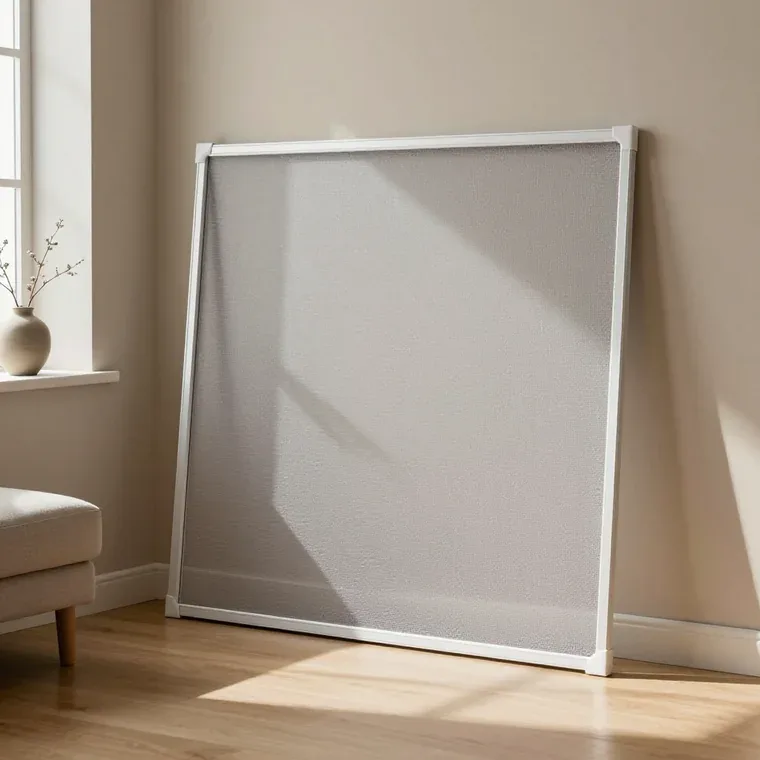
Dense weaving traps particles that a standard screen lets into the room
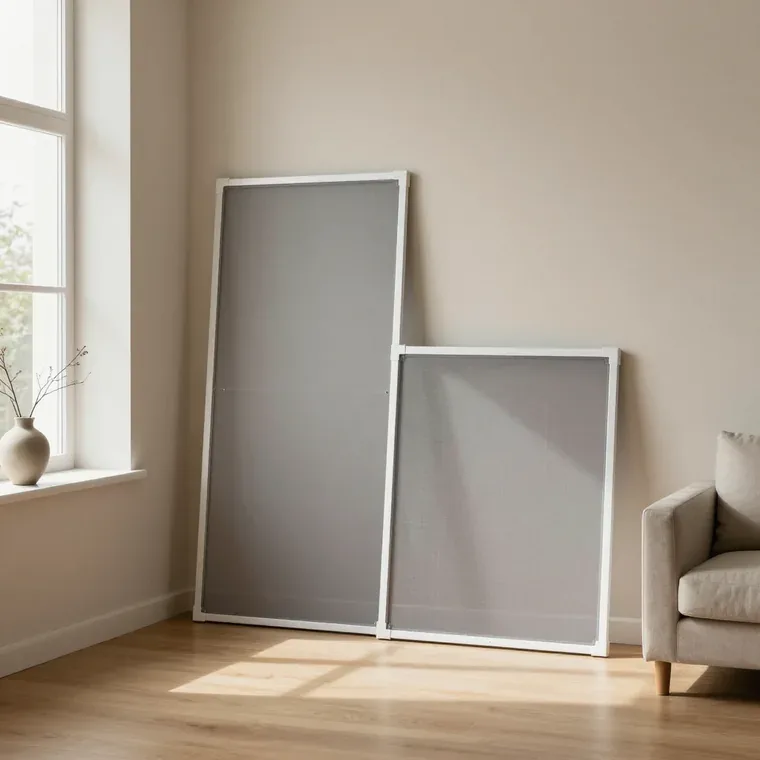
"Anti-Dust" fabric is a mesh made of synthetic threads with a denser weave than standard fiberglass. The small openings trap road dust, poplar fluff and small insects while still letting air through.
This fabric is fitted into a frame like a standard screen: it is stretched over the profile and attached to the window from the outside. The aim is to keep out what flies in from the street and reduce the layer of film on the windowsill.
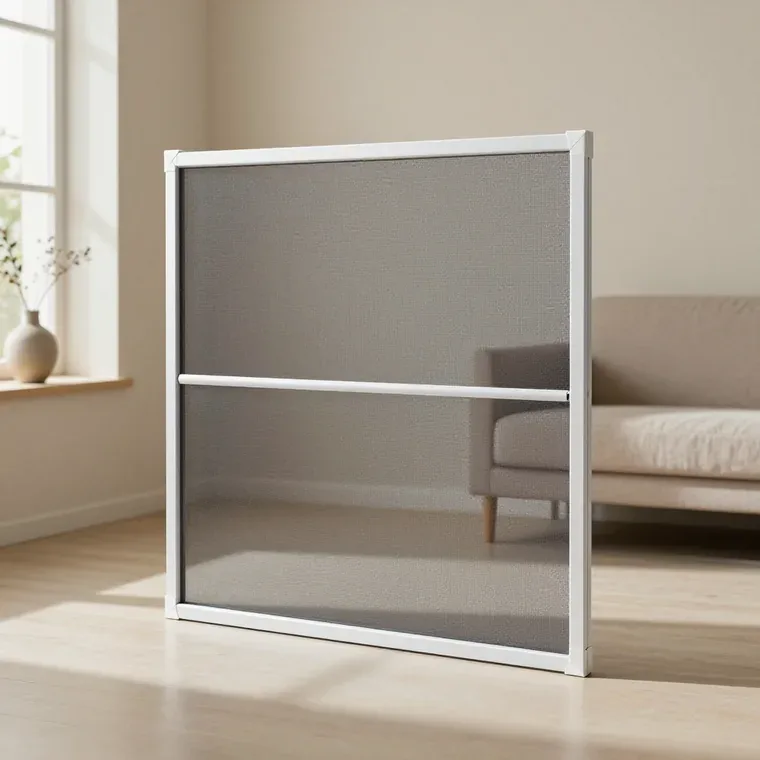
making a framed screen to your dimensions
warranty on mosquito screens
in the range: from standard to "Anti-Pollen"
The measurer selects fixings for the window profile and floor so the frame stays level and can be removed easily
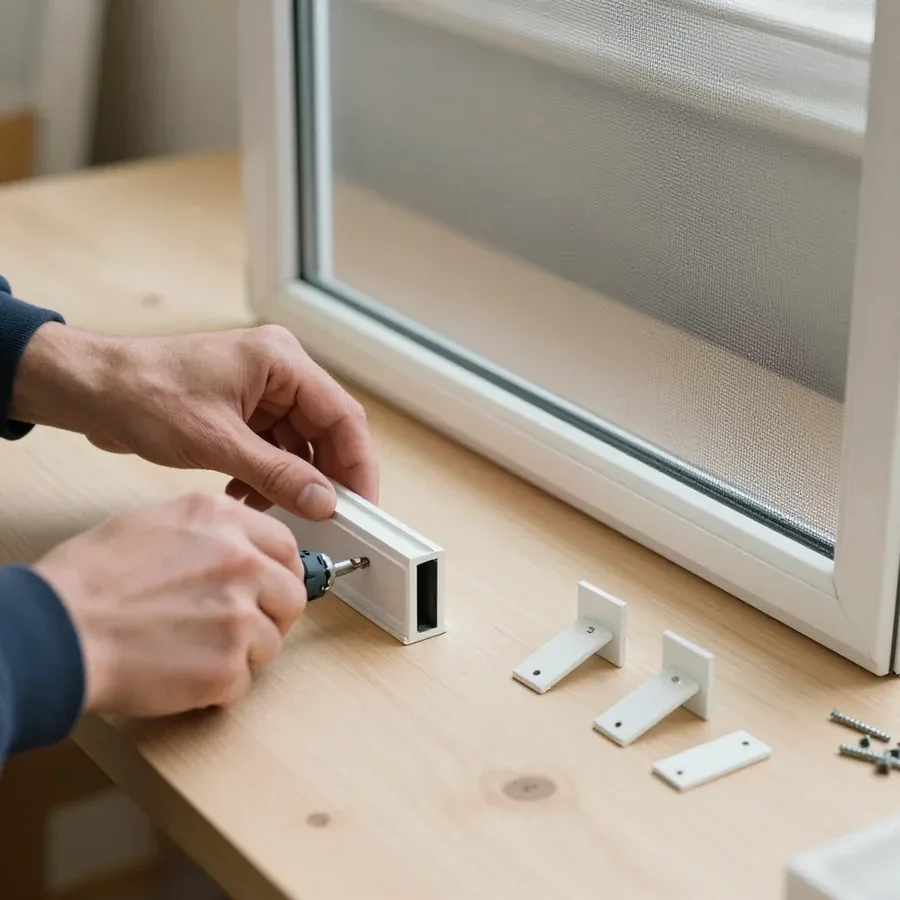
A classic option for external installation: the frame slots in and is secured with hooks. Suitable for most plastic windows.
Metal pins fit into matching holes on the window frame. The fixing holds the screen firmly and does not prevent removing it from inside.
Magnetic holders are convenient where the screen is removed often. The measurer checks whether the window profile can withstand such a load.
If the brackets have become loose or broken, they are replaced as a separate job. A set of Z-brackets is from 970 ₸ per set.
Framed, sliding, door and pleated screens. Our measurer will choose the right design for your opening free of charge.
Full price listPlastic, wooden and aluminium windows, vents, loggia, gazebo and veranda windows. The measurer chooses the fixing.
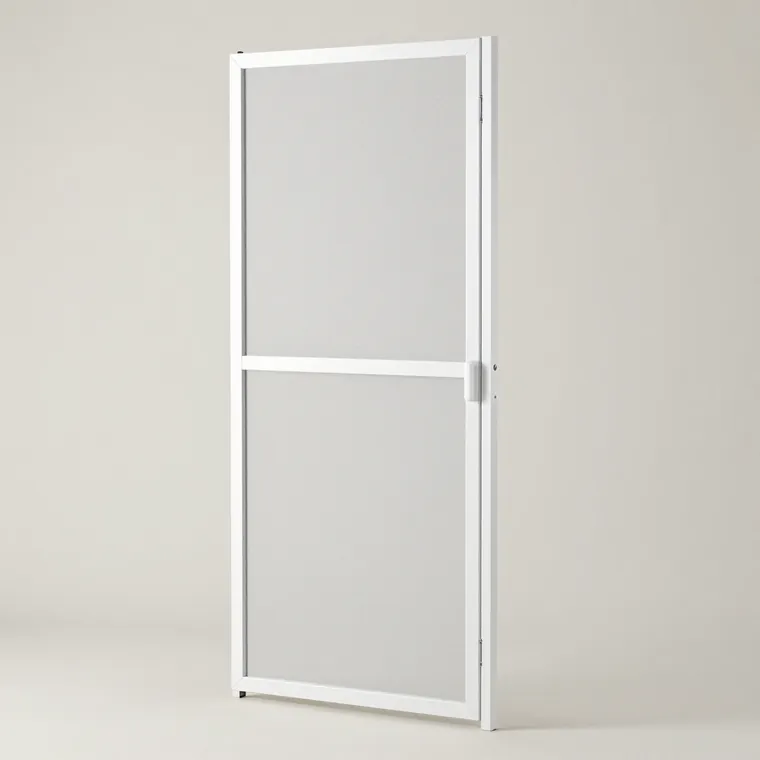
Balcony door: hinged, sliding or pleated screen
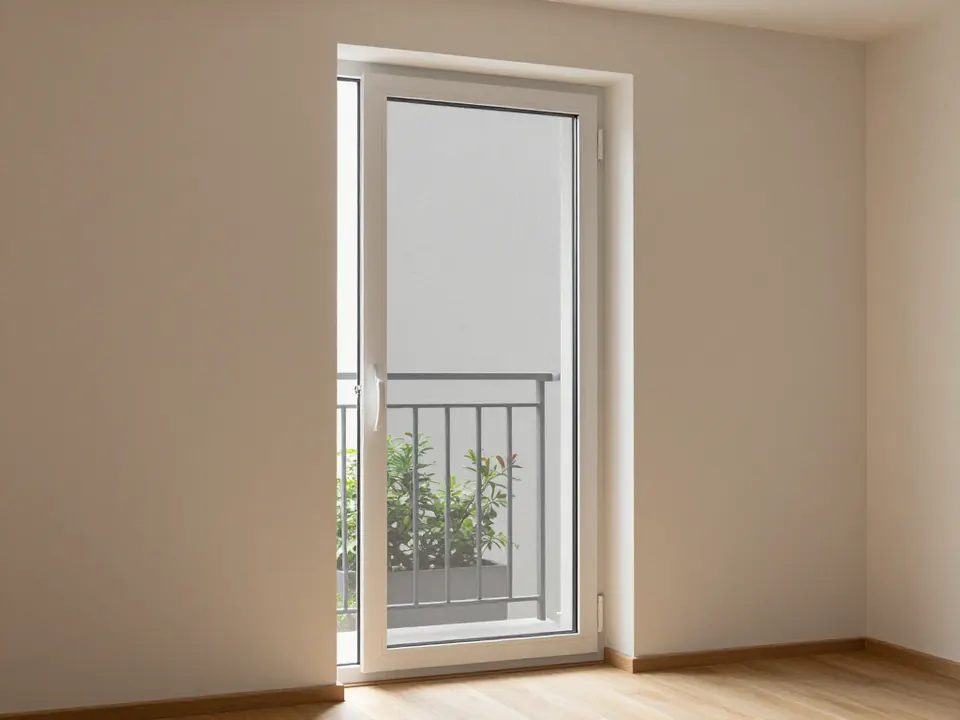
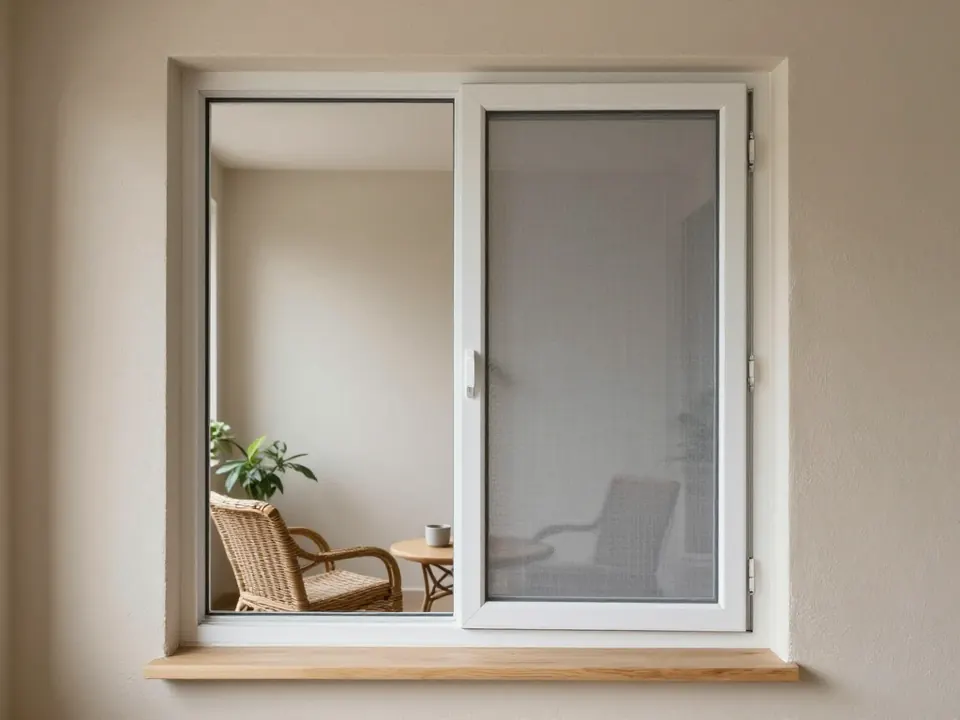
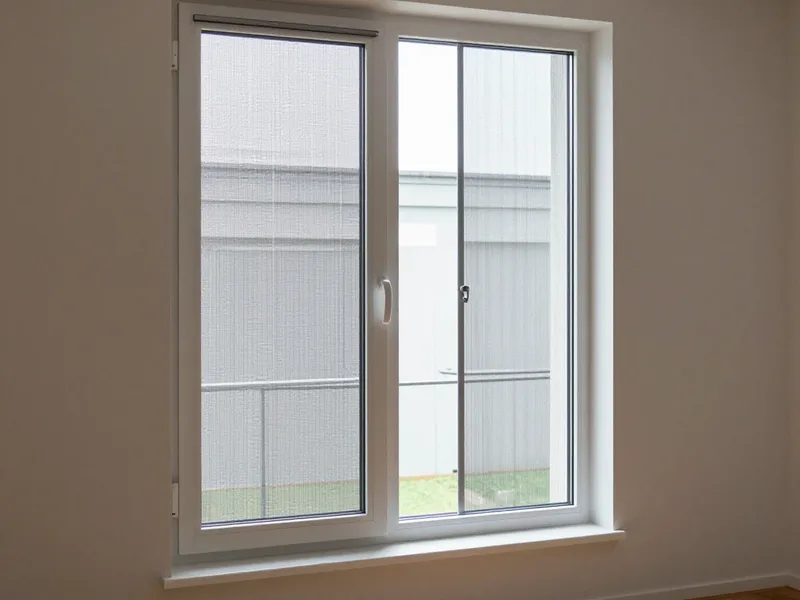
Framed screens for opening sashes
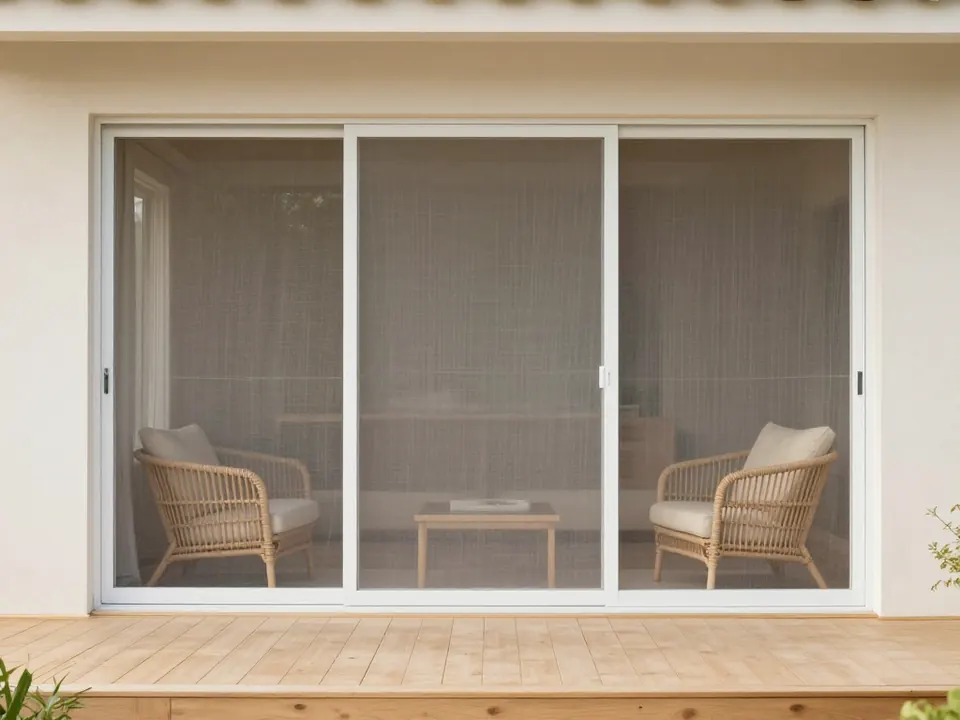
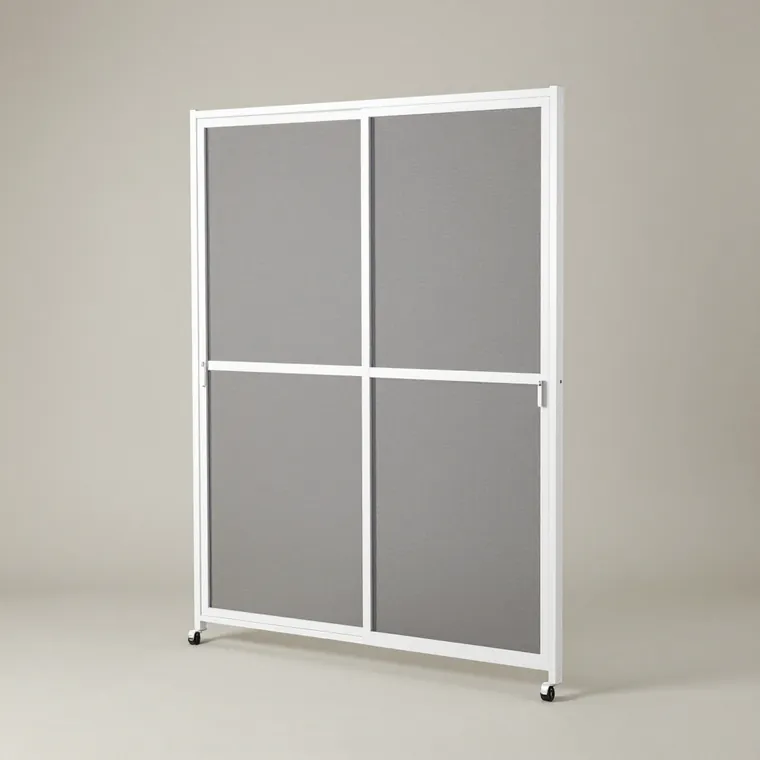
Wide openings: sliding and pleated screens
Large windows and doors to the terrace
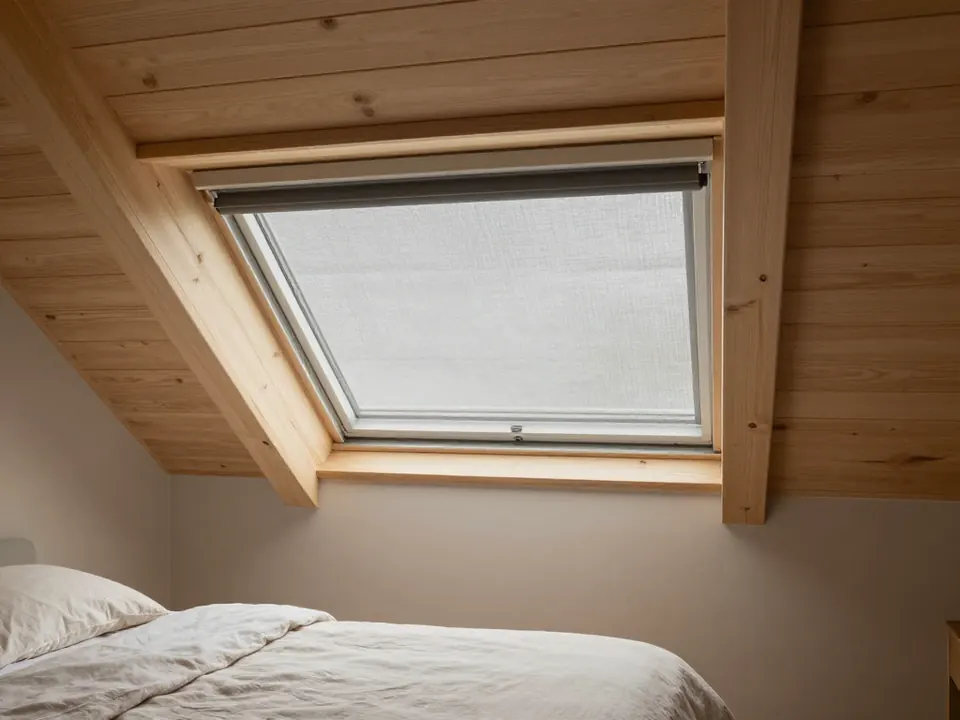
Sloped windows: the measurer chooses the fixing
Framed screen made to the exact size of the transom
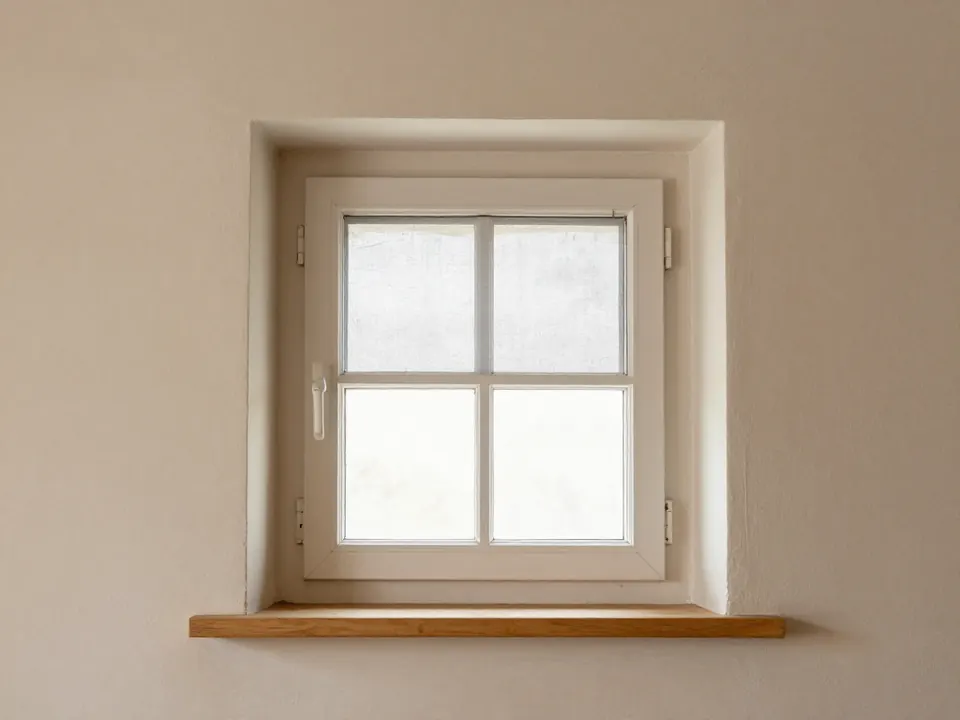
The table lists mesh types and work related to this page, including installation and production time
| Screen type | Price | Fitting | Options and prices | |
|---|---|---|---|---|
| "Anti-Dust" meshfine mesh fabric for dust and fluff | from 12 000₸ per m² | 1 600 ₸ | "Anti-Pollen" · 12 200 | |
| "Anti-Dust" framed mosquito screenready-made to your dimensions | from 14 500₸ per item | — | ||
| Frame re-meshing with "Anti-Dust" fabricreplacing the mesh in an existing frame | from 10 200₸ per job | — | ||
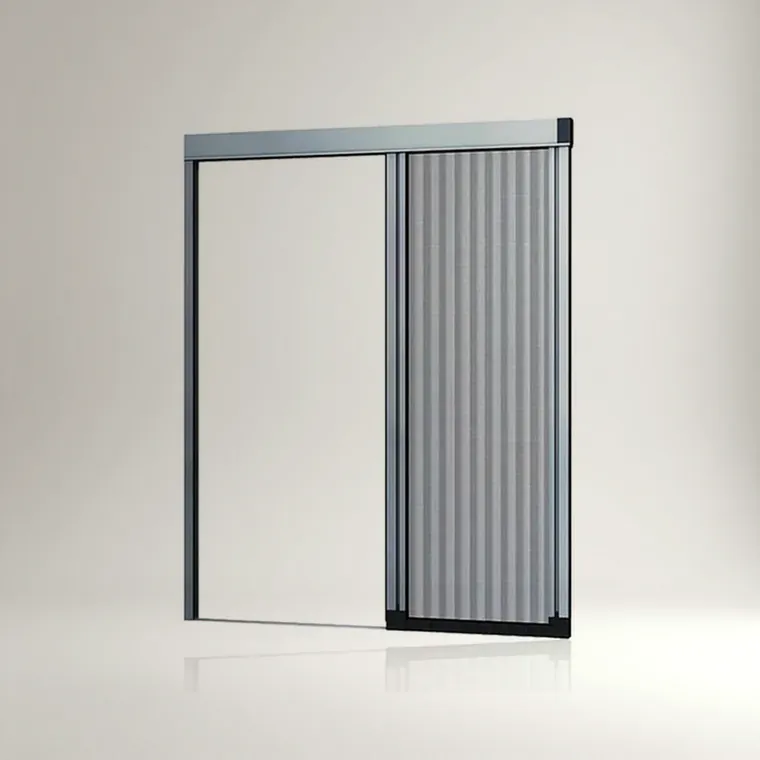 Pleated mosquito screen with "Anti-Dust" fabricsliding design for doors and large openings | from 31 500₸ per m² | — | ||
| Roller mosquito screen "Anti-Dust"lift mechanism, fabric in a cassette | from 30 000₸ per m² | — | ||
| Internal mosquito screen with reinforced fabricmounted inside the room | from 18 500₸ per item | — | ||
| Set of Z-bracketsreplacement fixings | from 970₸ per set | — | ||
| Measuring visit if the order is cancelledmeasuring and consultation are free with an order | from 2 500₸ per job | — |
The price is fixed in the order after measuringInstallation includes fitting the frame and removal of the old screenThe final estimate depends on the opening area, fixing type and profile colour
Calculate by your dimensionsMeasure the width and height of the opening to estimate the mesh area and price range before the surveyor arrives
1. Screen type
2. Mesh and design
3. Opening size, cm
In-house production, short lead time and a warranty on mosquito screens — no middlemen between the workshop and the window
we have been making mosquito screens since 2012
framed mosquito screen to your dimensions
we paint to match your windows: white, brown, grey
on mosquito screens
measuring and consultation are free
we fit to windows and doors, repair mosquito screens
you can order mosquito screens in 17 cities of Kazakhstan
we paint the profile to match your windows: white, brown, grey
Four steps from request to a finished screen on the window
Message us on WhatsApp — we reply within 5 minutes, clarify the window dimensions and a convenient measuring time.
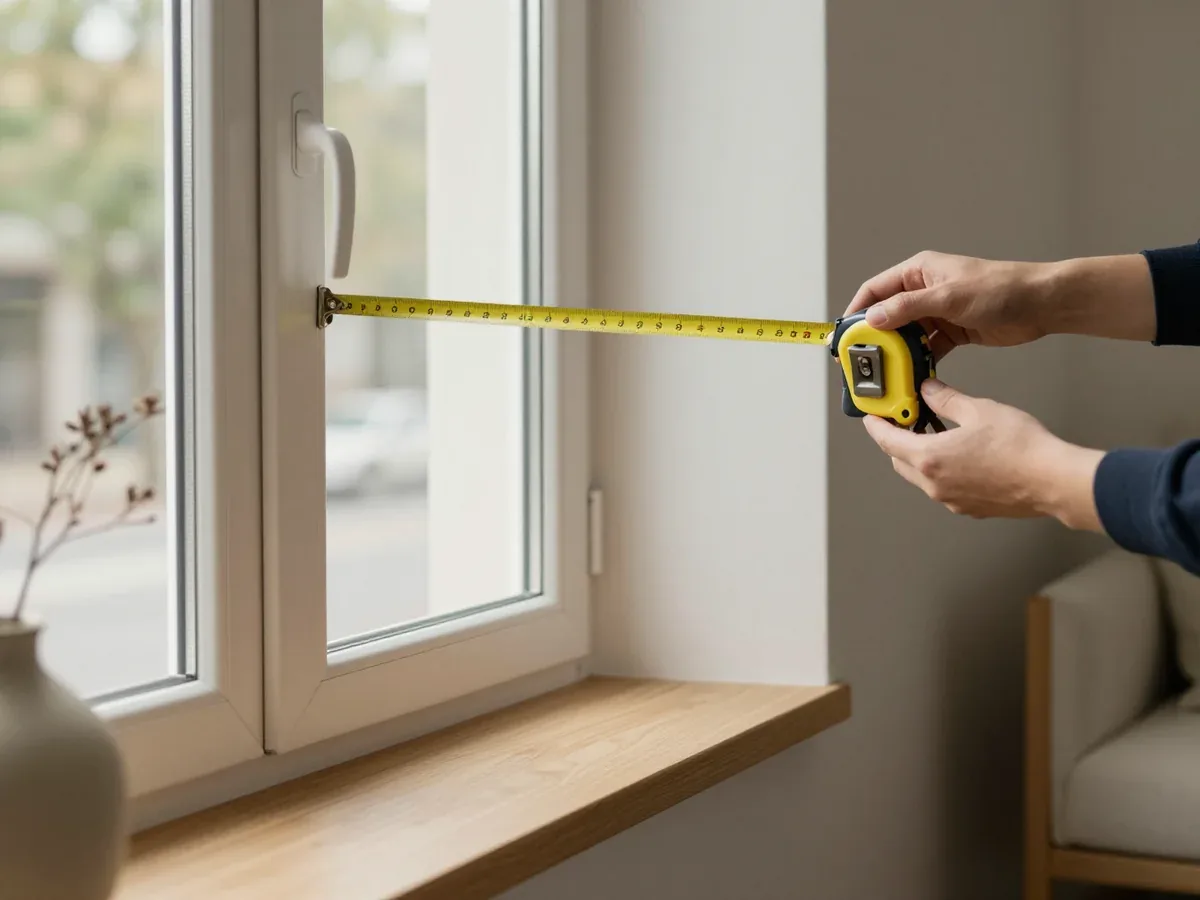
The surveyor measures the opening and selects fixings for the window profile.
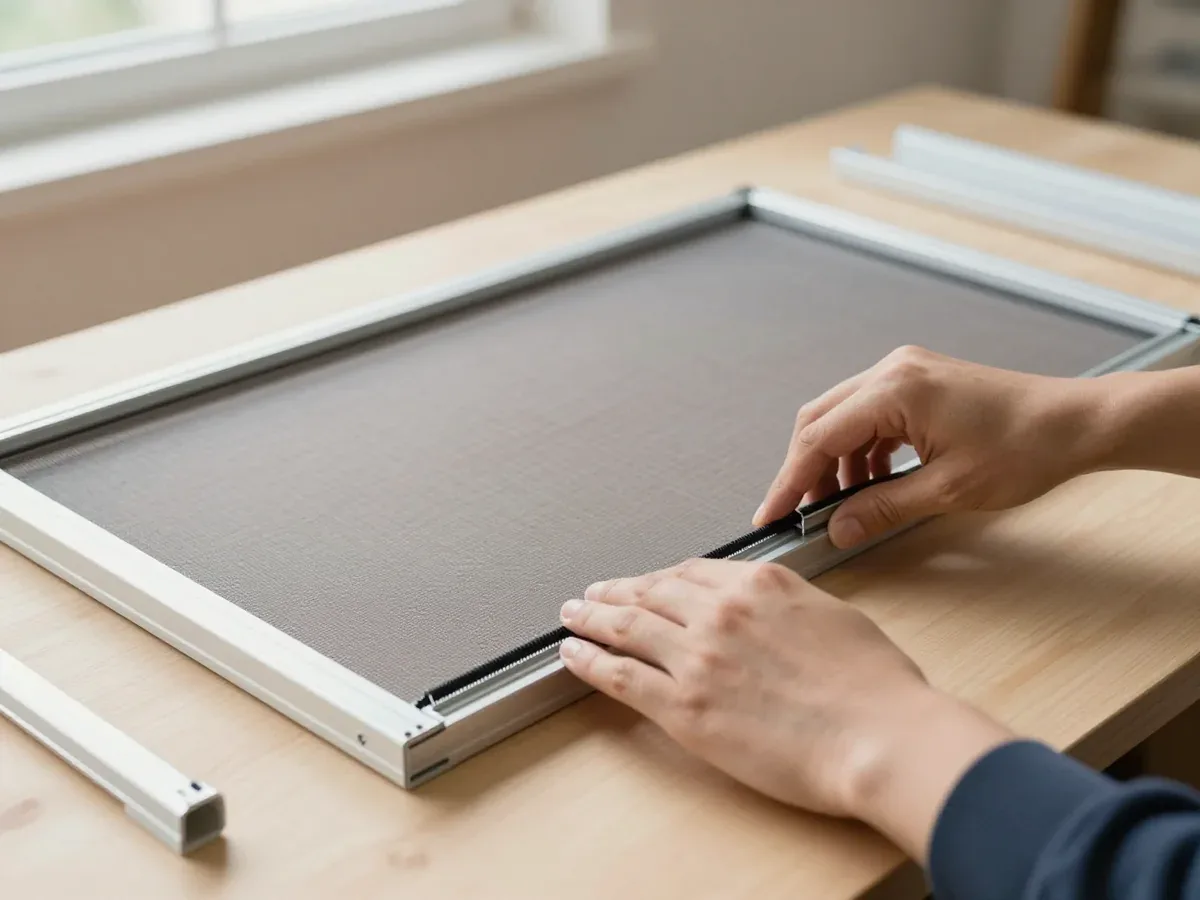
We make the framed screen with "Anti-Dust" mesh in our own production facility within 10–15 minutes according to the measured dimensions.
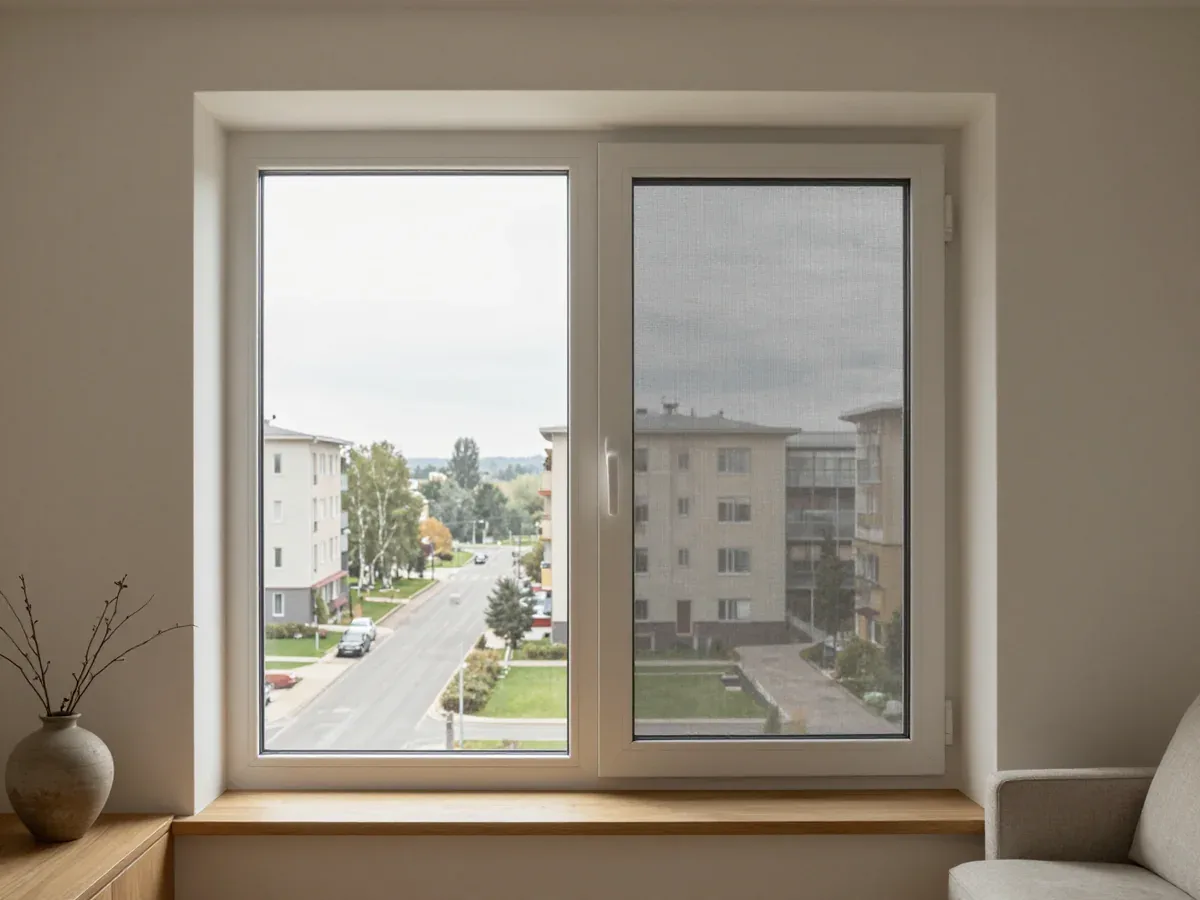
We fit the screen to the window or door and check that the frame moves smoothly.
Good to know

Senior mosquito screen specialist at moskitnyesetki.kz
We make anti-dust window screens to your exact size in Petropavlovsk, with free measuring, installation by our own fitters and a 1-year warranty. The fine Anti-Dust mesh holds back street dust while still letting air through, and you pay only after the screen is fitted, by cash, card or Kaspi.
Three canvases solve three different jobs — street dust, seasonal allergies, and basic insect protection. Here is what each one actually holds back and where the choice stops being obvious.
Our Anti-Dust mesh uses a reduced cell that traps fine street dust, while a Standard fiberglass screen is built mainly to keep insects out and lets the smallest particles pass. The difference sits in the weave, not in the frame: the same aluminium profile carries either canvas, so the deciding factor is how tight the threads sit against each other. A Standard (Fiberglass) sheet handles flies, mosquitoes and midges and stays stable through temperature swings, which is why it remains the default for most openings. The denser grid trades some airflow for a tighter catch and holds back the grey film that settles on sills near a road. A tighter weave also means you should clean it more often — dust that stays in the cell blocks airflow over time, so a quick wash each season keeps performance steady.
For seasonal allergies we recommend the Anti-Pollen Poll-Tex mesh, whose 0.25×1 mm cell is sized to catch fine grains that a standard screen lets through. That rectangular opening is deliberate: it is narrow enough to hold back the light summer particles drifting from poplar and grass, yet still passes air so the room does not go stuffy in July. The two finer canvases overlap but are not identical — if the main complaint is dust from a road, the dust-grade weave is enough; if it is sneezing season, the finer Poll-Tex cell is the better match. On a bedroom window facing a green belt, the Poll-Tex canvas earns its place over a dust one.
| Complaint | Canvas to start with | What it holds back |
|---|---|---|
| Grey dust on the sill | Anti-Dust | Fine street particles |
| Seasonal sneezing indoors | Anti-Pollen (Poll-Tex) | Light airborne grains |
| Insects only | Standard (Fiberglass) | Flies and mosquitoes |
| Dust plus strong wind | Anti-Dust | Coarse and fine dust |
A tighter mesh traps more dust but also changes how much daylight and moving air reach the interior. Here is what to expect from anti-dust window screens Petropavlovsk buyers fit most often.
A finer Anti-Dust cell dims a room slightly more than a Standard screen, but the difference is modest and most people notice it only on the darkest north-facing windows. The dense structure is exactly what traps fine street grit and pollen-sized particles before they settle on your sill, so the trade-off is brightness for filtration. On a bright south or west wall the loss is barely visible, since the eye adapts within a minute of walking in. On a shaded side, pick the mesh by the job: a bedroom that needs dust control can take the tighter fabric, while a living area that feels gloomy may suit a looser one. We paint the frame to match your windows, so the border does not add visual weight to a small opening.
If daylight matters more than fine dust, our UltraVue mesh lets in 25% more light and air than other meshes, so a dim interior stays bright. That figure comes from the structure itself: a looser build blocks less of the daylight that would otherwise cross the glass. For a flat on a lower floor facing a courtyard, or a kitchen where the window is the only source of air, this fabric often feels like no screen is fitted at all. The trade-off is honest — UltraVue is open, so it catches larger dust and insects rather than the finest particles. Match the mesh to whether the window faces a dusty road or a quiet yard, because a roadside front room and a sheltered bedroom rarely want the same fabric.
Size and fastening decide whether a screen sits flat and stays quiet in the wind. Here is what the measurer records on site and how the fixing is chosen for your opening.
Our measurer comes at a convenient time, takes the exact opening size, checks the window profile and helps you choose the mesh and fixings, and the price is fixed in the order after measuring. Measuring and consultation are free, and the visit is booked for a slot that suits you, since we work seven days a week. He notes the opening width, the depth of the rebate and the way the sash opens, because a screen for an outward-opening sash and one for a fixed opening are built differently. Because the figure is taken on site rather than guessed from a photo, a wrong measurement is not your problem — the screen is made to the recorded number, so it fits the opening it was built for.
| Fastening | Best for | How it holds |
|---|---|---|
| Z-shaped brackets | Standard profiles, higher floors | Clips onto the edge |
| Pins (plungers) | Profiles with a flat outer lip | Spring pins grip the profile |
| Magnets | Screens removed often | Magnetic strip holds the unit |
Anti-dust mesh is not only for a plastic window in a bedroom. The same fine weave goes onto timber and aluminium sashes, balcony doors, loggias, gazebos and verandas, and the fitting differs with each opening.
We fit protective screens on plastic, wooden and aluminium windows, and an older wooden frame is no obstacle — the measurer checks the profile and chooses a fastening that suits it. On standard PVC systems the mesh sits in guides or on Z-brackets, on aluminium sashes the slim section leaves room for pins, and on timber the frame is often painted to match the existing sash. Old wooden units frequently have uneven outer edges, so the fitter may favour brackets over magnets to keep the panel flush against the casing. That call is made at measuring, before the weave is cut and the frame welded, which is why we ask to see the opening itself rather than a photo. We paint the frame any colour to match your windows, so a new unit does not stand out on a restored facade.
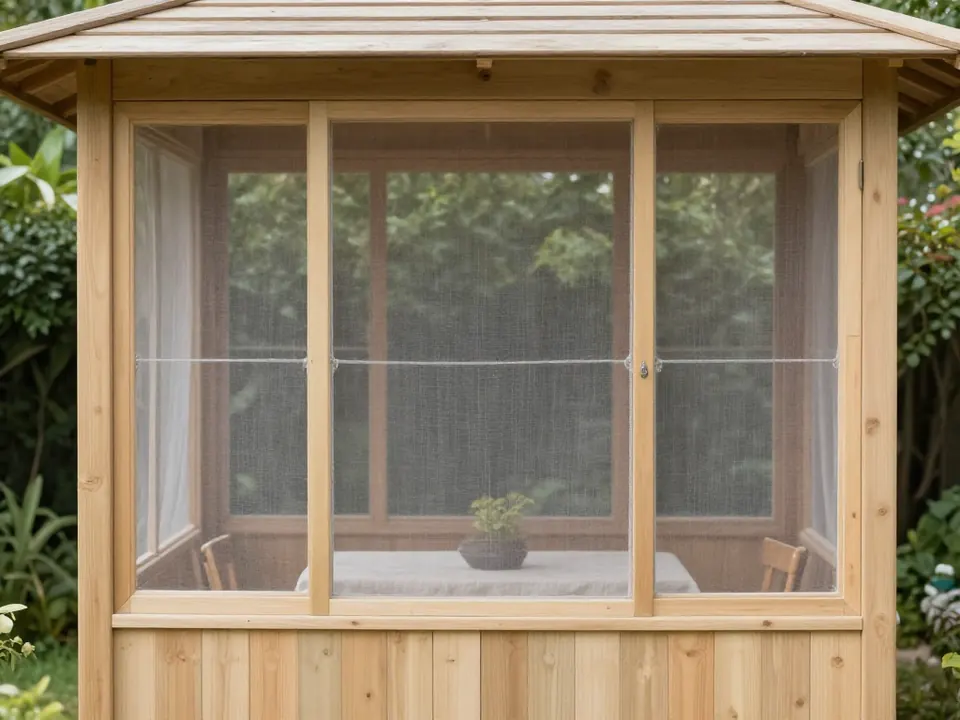
For balcony doors and larger openings we make hinged door screens with Economy 32×10 mm or Prestige 42×17 mm profiles, and we also cover loggias, gazebos and verandas. A door leaf takes far more daily handling than a window unit — every trip to the balcony pulls on the frame and hinges — so the heavier Prestige 42×17 mm section is worth considering where the door is opened many times a day. On a loggia or a covered veranda the same framed construction works, with the fastening chosen for the railing or the wall rather than a window profile. For gazebos a hinged leaf beats a fixed panel, because a fixed mesh blocks the passage. The measurer will advise which section and fixing fit your opening.
From measuring to payment the chain is short: we take sizes, build the screen and fit it, and you settle the bill afterwards. Below are the production times, what the warranty covers and how to look after the fine mesh.
A framed anti-dust screen made to your size takes 10–15 minutes to produce, and you pay after installation by cash, card or Kaspi. The measurer records the profile and the fixing points first, then the frame is cut, painted to match your windows and fitted on the same visit. A pleated screen takes longer — 40–60 minutes — because the cord and the cassette have to be threaded and tensioned by hand. We reply on WhatsApp within 5 minutes and work seven days a week, so a slot can be booked around your day. Because the price is fixed at measuring and the unit is built on the spot, there is no long wait between order and fitting — you see the finished product before you pay.
Dust, allergies, installation, care
Konstantin Selenenkovsenior mosquito screen specialist, 10 years in the tradeOnline · replies within 5 minutes
Ask a questionIt really does: Anti-Dust has a fine mesh that traps a noticeable portion of dust and fluff that would otherwise fly into the room. But it can't be completely airtight — some fine particles still get through, especially in strong wind.
For increased sensitivity to pollen and fluff, Anti-Pollen is more reliable: it has a 0.25×1 mm cell and an anti-allergenic canvas. Anti-Dust is good against dust and poplar fluff, but for a sensitive person Anti-Pollen is preferable.
Yes, but the fixings are chosen for the door: usually hinges or reinforced brackets so the canvas doesn't sag with frequent opening. The measurer will check the profile and suggest an option that won't obstruct passage.
If the window faces a road, construction site, or a yard with poplars and dust quickly accumulates on the windowsill, Anti-Dust is justified. For a quiet yard without dust, a regular canvas is sufficient.
The framed Anti-Dust screen can be removed from inside in a minute; it's better to take it down for winter so the canvas doesn't get clogged and worn. Store it in a dry place, rolled up or hung, to avoid creases.
You can wash it yourself: with a soft brush or sponge and soapy water without strong pressure, then let it dry. If not cleaned season after season, the fine mesh clogs with dust and airflow drops noticeably.
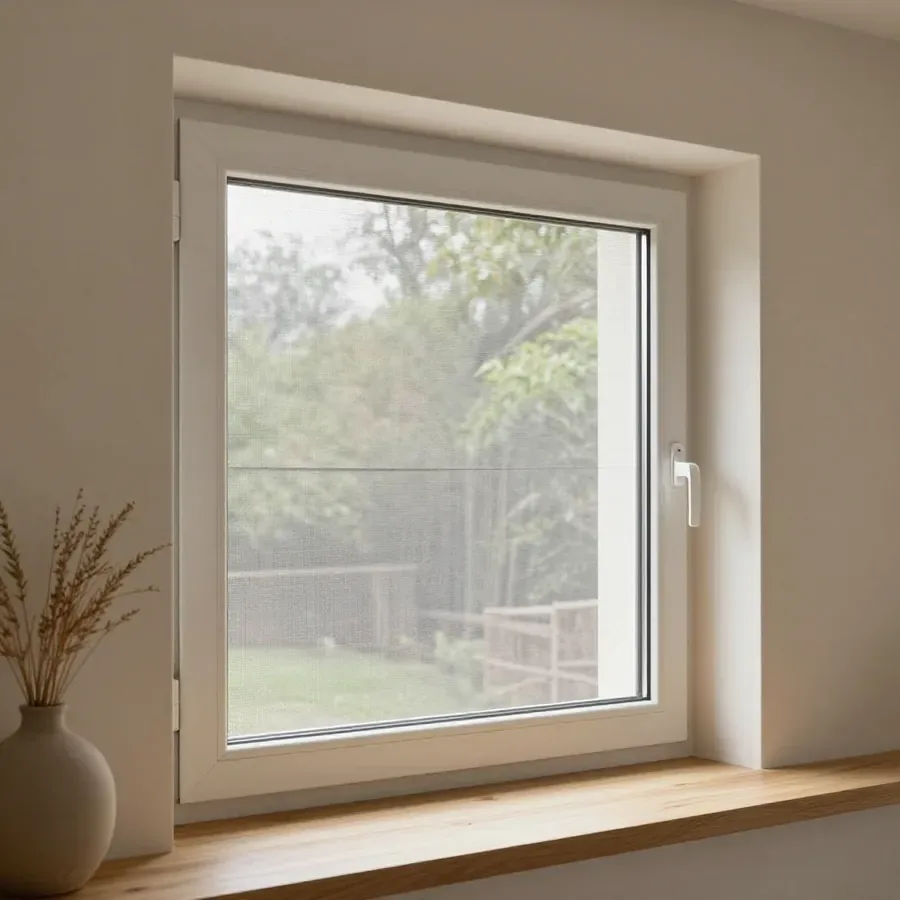 Care
A frame screen comes off in a minute: we show how not to bend the frame or lose the fixings.
April 15, 20268 min read
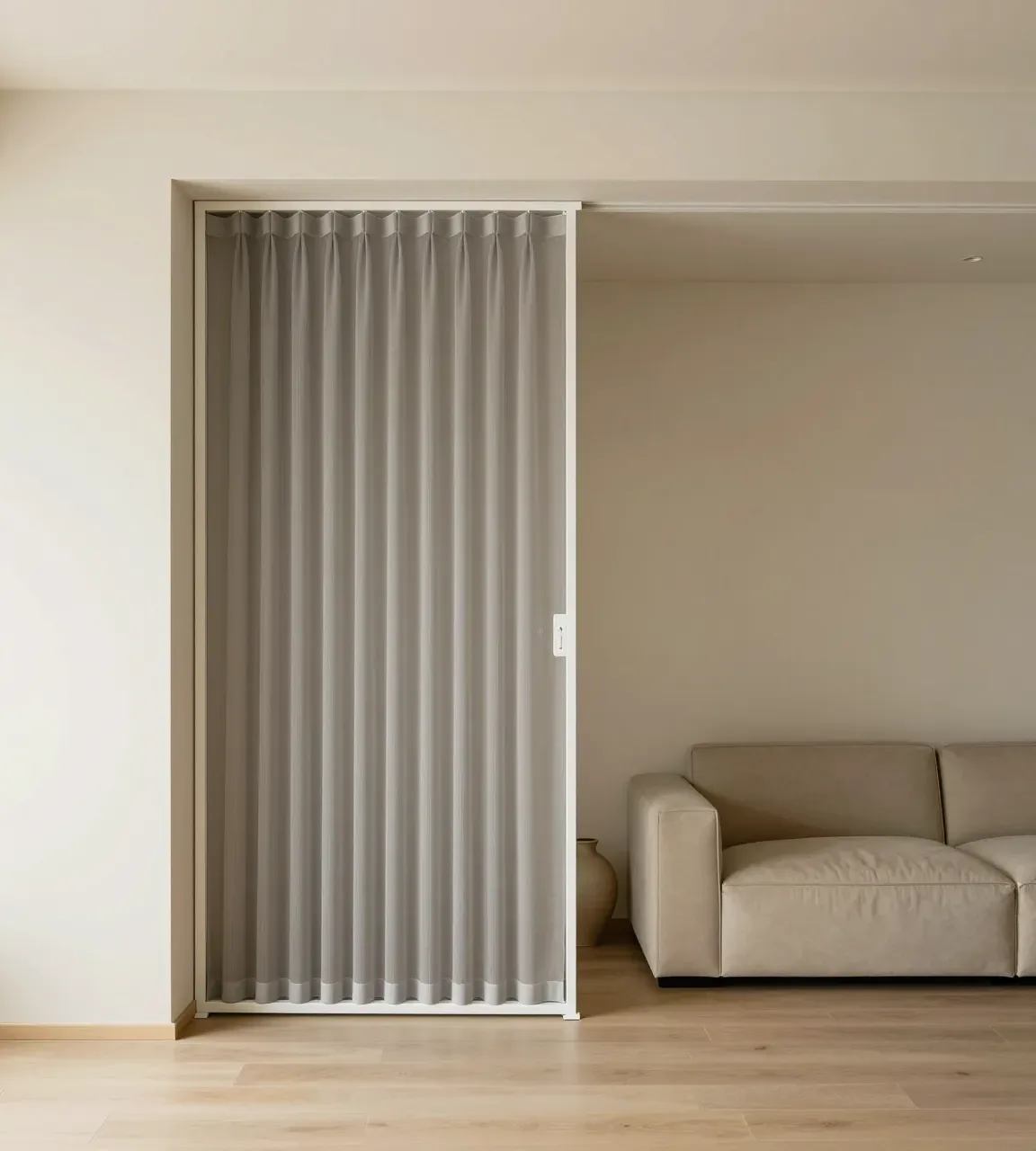 Choosing
We compare the price, lead time and how each screen performs on a door that you walk through every day.
March 2, 20268 min read
 Mesh types
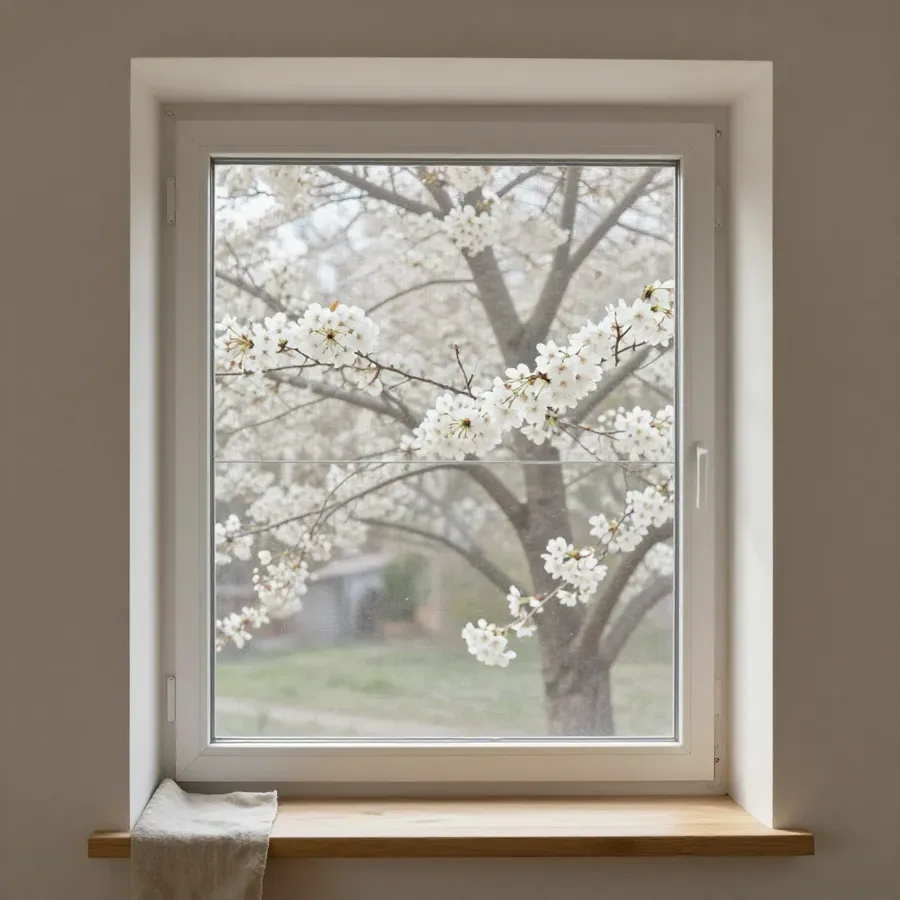
How Poll-Tex mesh with a 0.25×1 mm cell works and who it helps in pollen season.
February 17, 20268 min read
 Prices
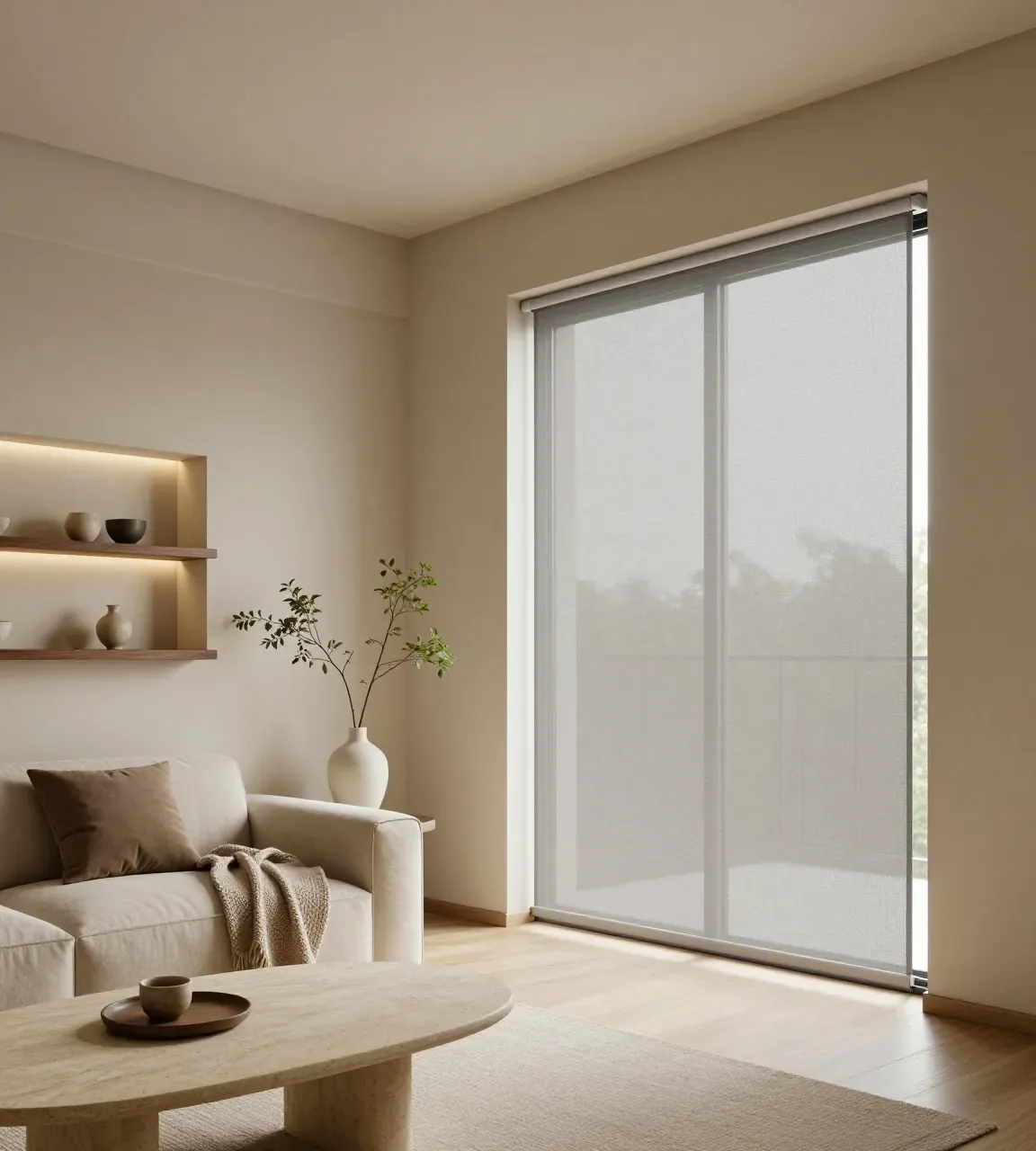
Price list breakdown: frame screen from 2 000 ₸ per m², installation 1 750 ₸, pleated from 28 000 ₸. Costing a 70×140 cm window.
February 1, 20268 min read
 Repair
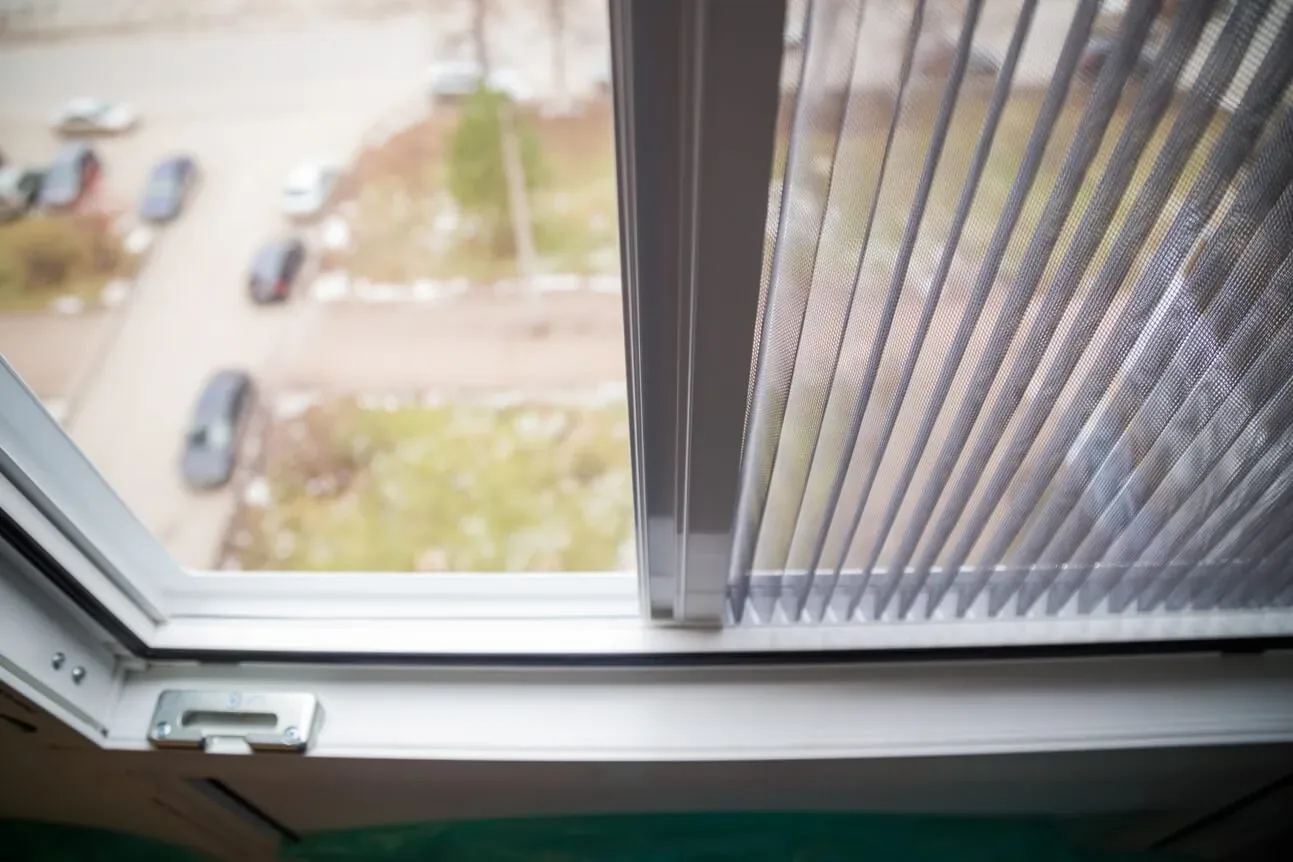
Worn fixings, a wrong measurement, wind on high floors. A set of fixings costs 290 ₸, installation 871 ₸.
January 14, 20268 min read
 Choosing
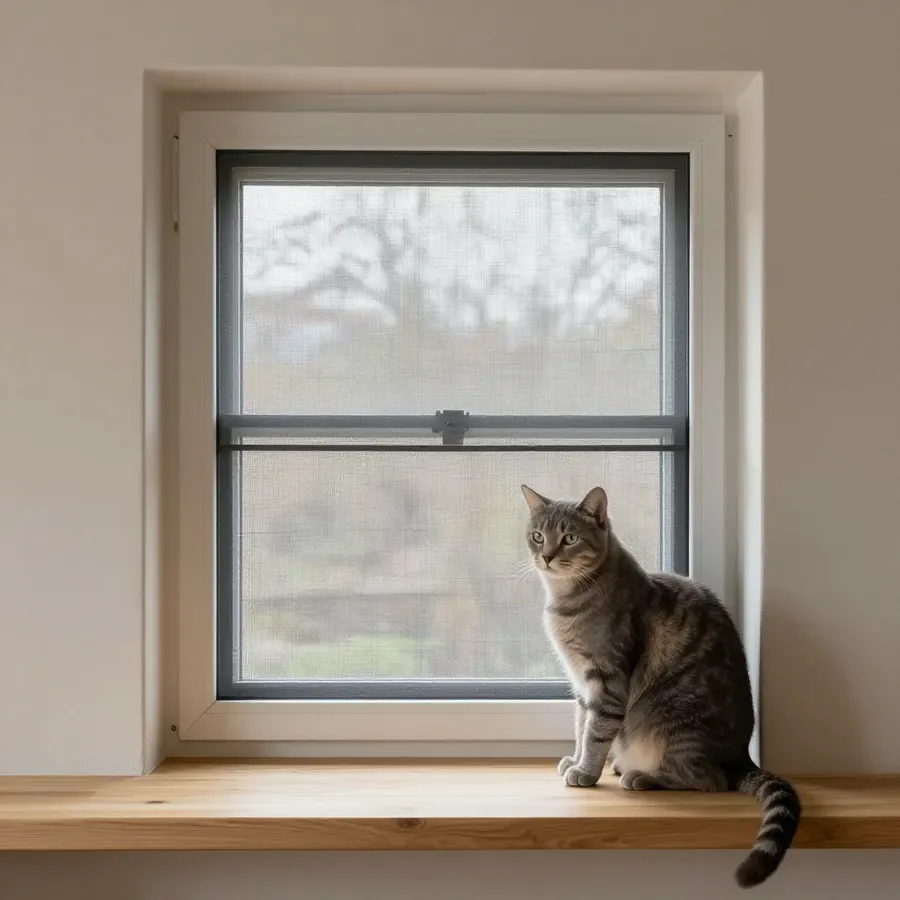
Anti-Cat mesh on vinyl threads, the fixings and what to do about gaps around the window opening.
December 23, 20258 min read
 Mesh types
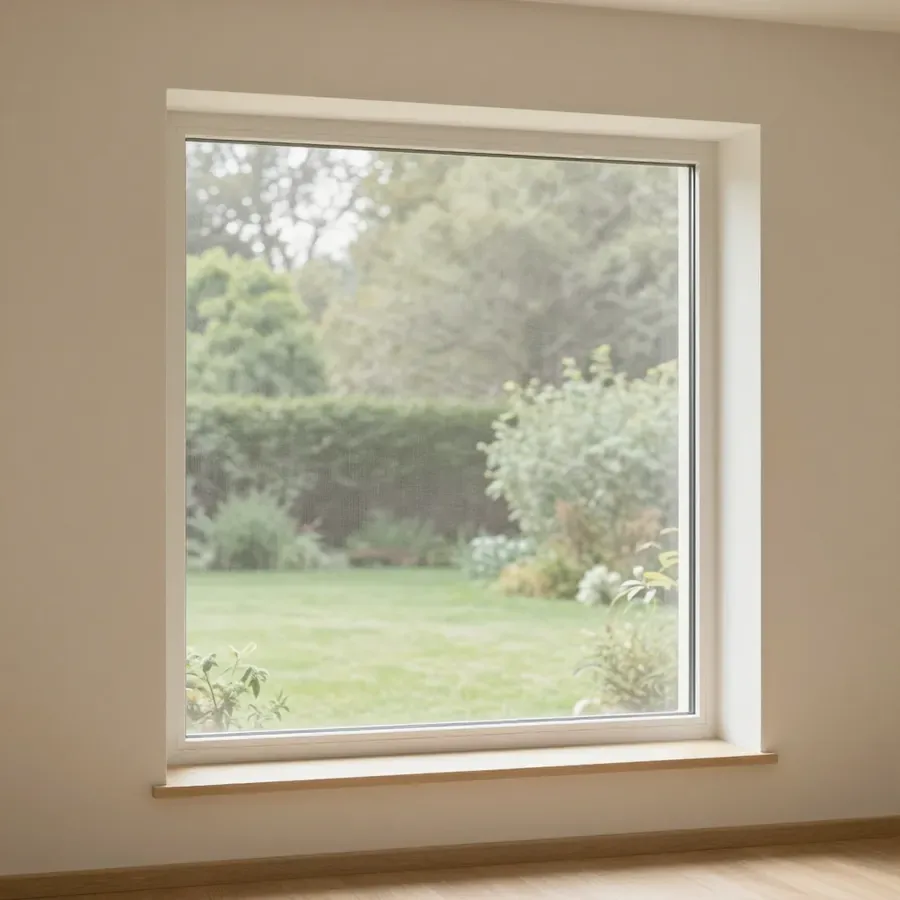
The mesh lets in 25% more light and air. Where the difference shows and where paying extra is not worth it.
December 11, 20258 min read
 Choosing
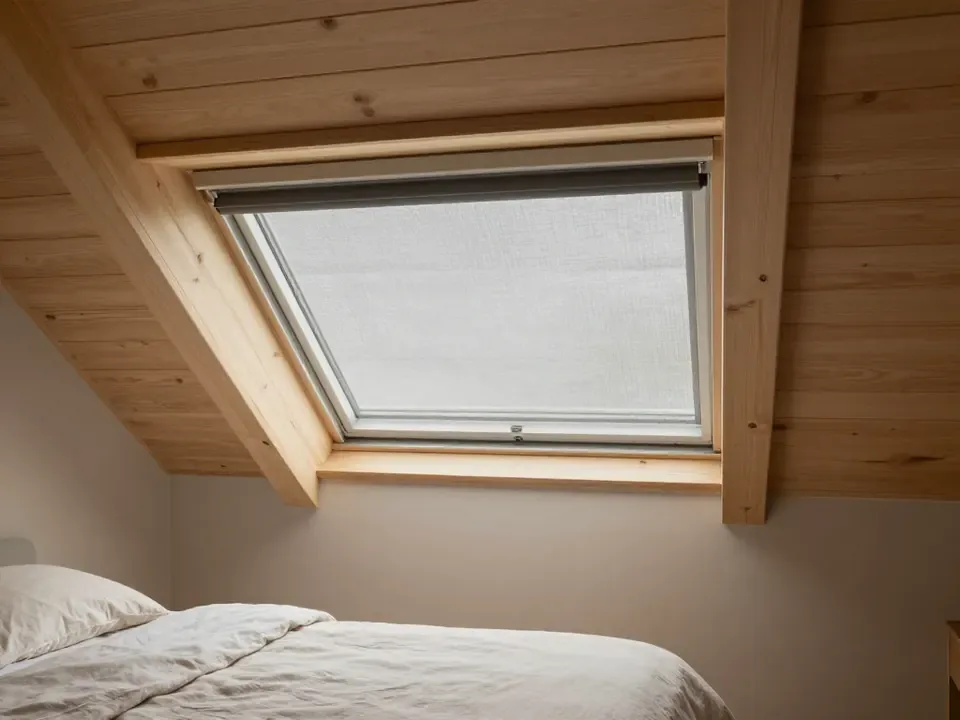
A tilted sash, outward opening and a roller screen at 15 000 ₸ per m²: what will suit your window.
November 21, 20258 min read
 Mesh types
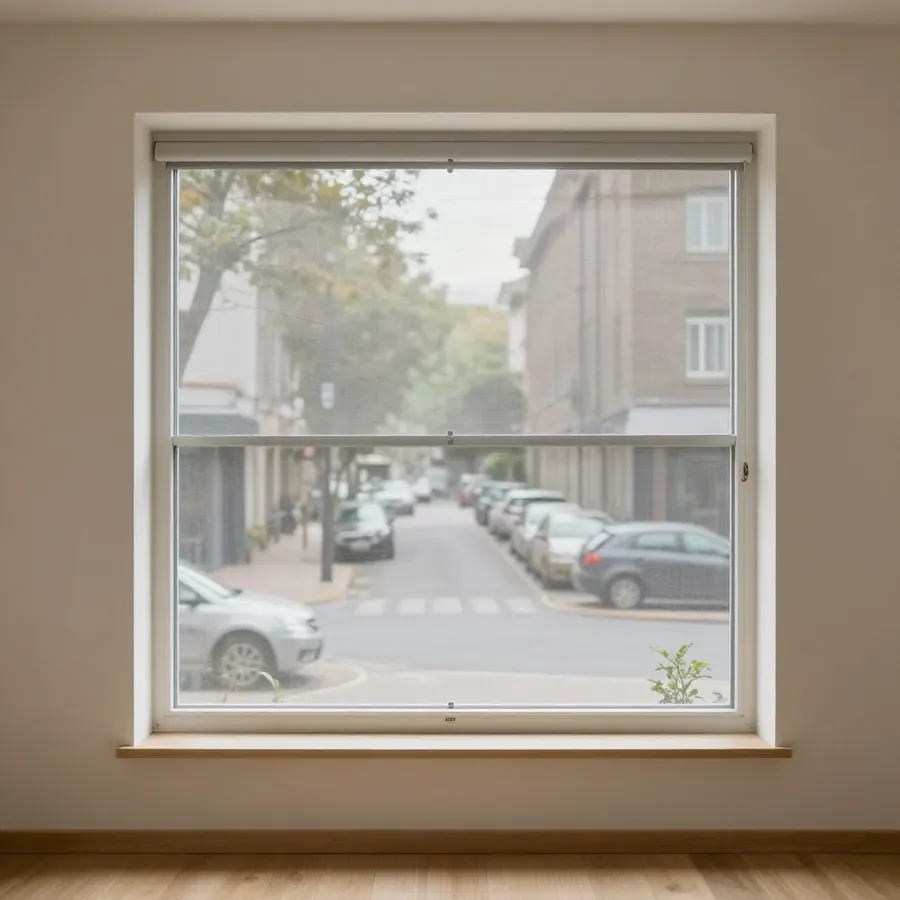
The mesh stops coarse and fine dust along with mosquitoes. When it is worth the price of 8 500 ₸ per m².
October 20, 20258 min read
Thank you. We will call you back within 10 minutes!
Your order number is on the receipt or in the SMS. Choose where to leave your review.
Write a review on WhatsApp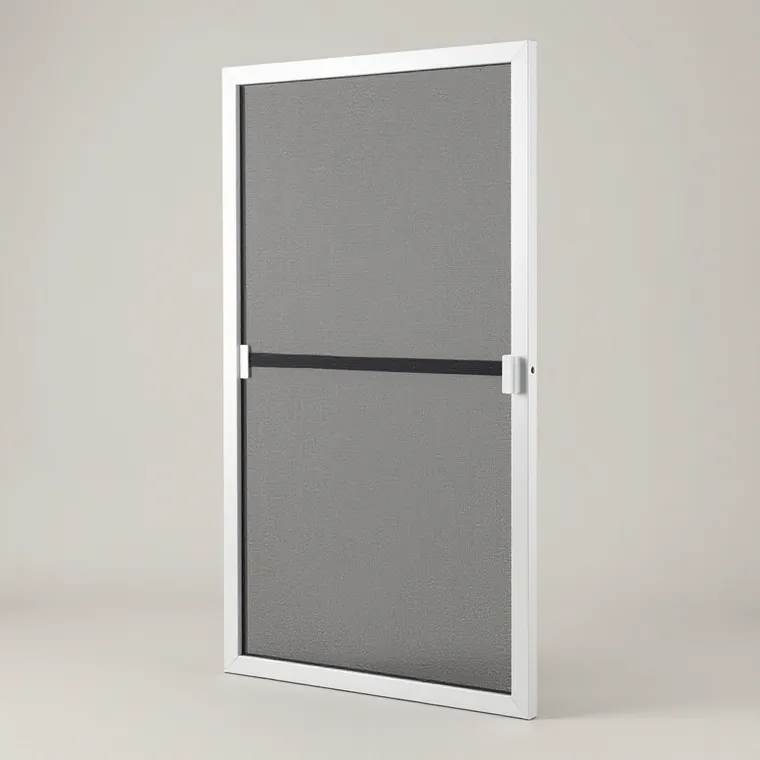
 Metal mesh
 "Anti-Cat" screen
 "Anti-Pollen" screen
 Ready-made screens
