









Good to know
Window Reveal Finishing in Oskemen

Senior mosquito screen specialist at moskitnyesetki.kz
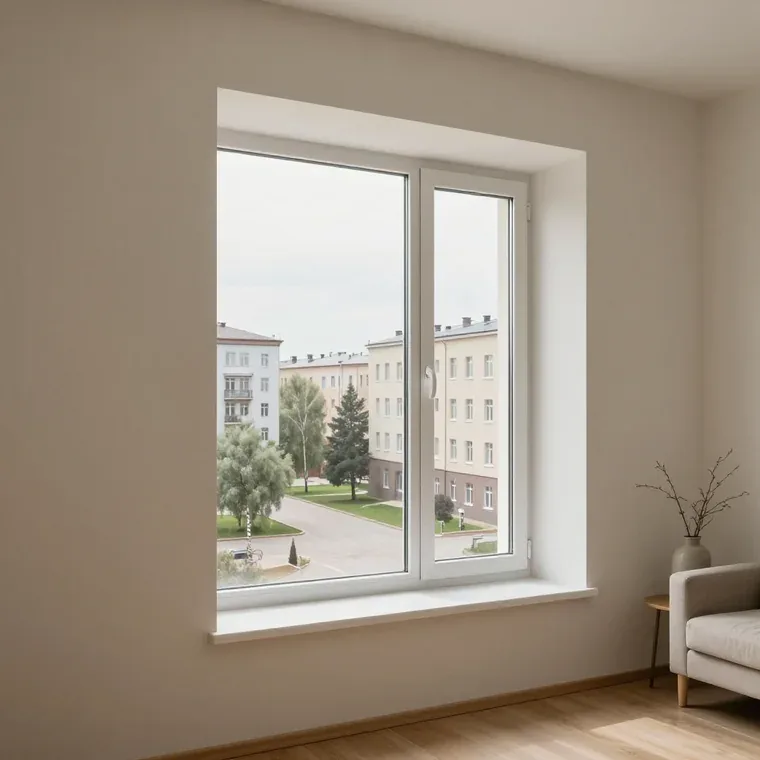
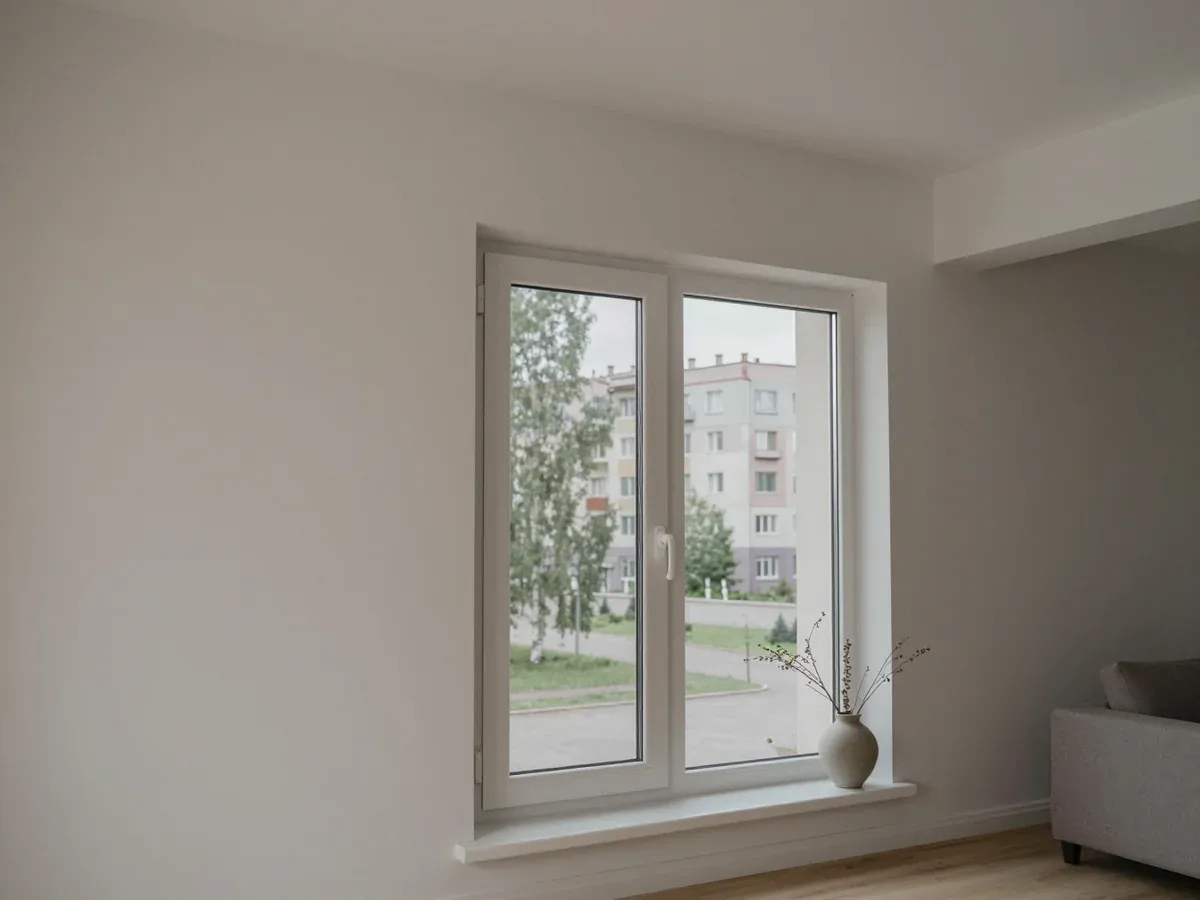
We handle window reveal finishing in Oskemen as a direct fitter, not an agency. We measure for free, help you choose the reveal material and fixings for your window, and fit the reveals with our own crews. The price is fixed in the order after measuring, and you pay only after installation.
Why window reveal finishing matters and what happens without it
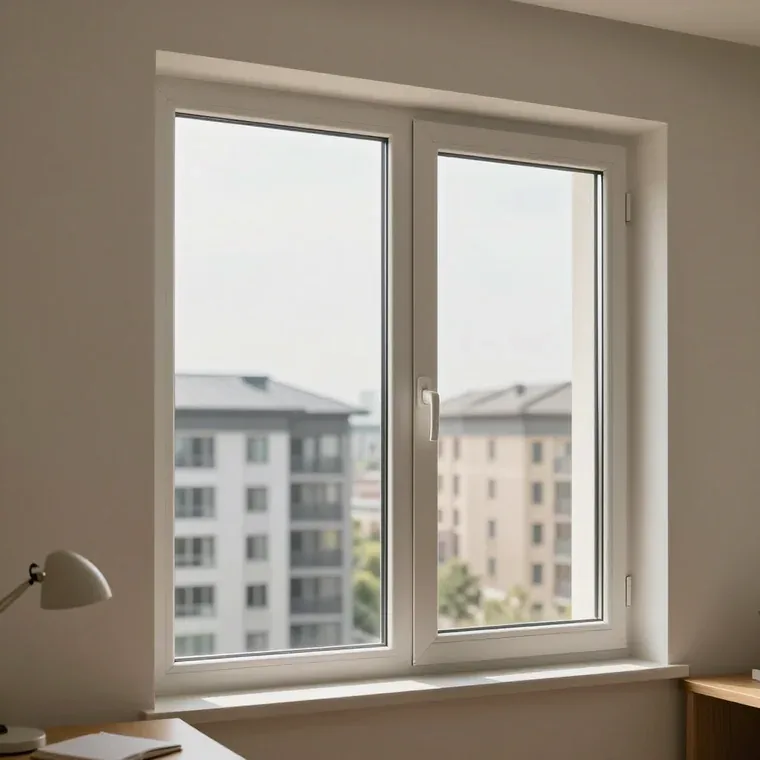
A reveal is not decoration over a window. It is the protective skin over the mounting joint, and once that joint is left bare, cold, draught and damp find their way in first.
What a reveal actually protects
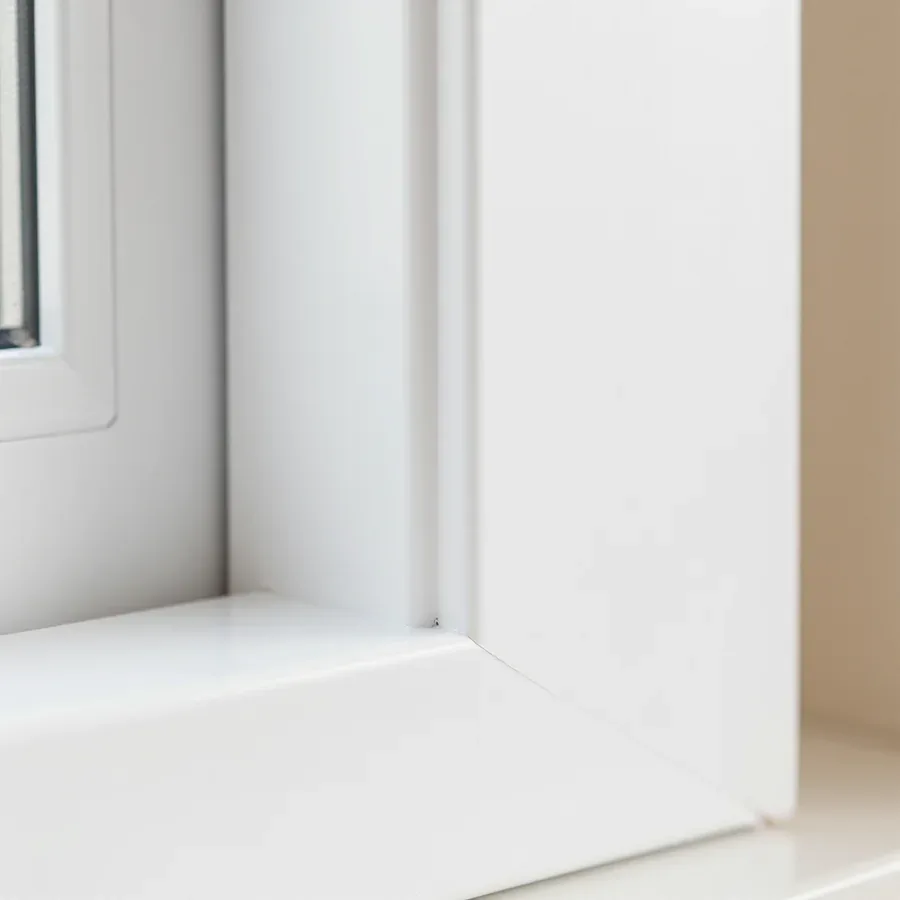
The reveal covers the mounting joint between the frame and the wall, and that joint is where cold, draught and moisture get in first. Behind the finished surface sits polyurethane foam, which fills the cavity of the seam but is not a finish in itself. Foam is open to ultraviolet light and to water vapour, and both break it down over time. A reveal panel and a bead of joint sealant give the foam a closed surface in front of it, so the joint keeps its shape and its insulating value. Skip that layer and the joint slowly turns into a channel for outside air. Proper window reveal finishing in Oskemen closes that joint before the panel goes on, so the joint holds its shape through the cold season.
Why reveals frost and grow mould in Oskemen winters
A reveal frosts when the joint behind it is under-insulated or left open, and the cold surface then collects condensation that turns into mould. On the inside, warm room air meets that chilled panel, drops its moisture there and feeds black spotting along the corners within a season. The fix is not a thicker cosmetic panel but closing the joint and insulating it before the finish goes on — otherwise the same spot returns next winter. When we insulate reveals, we check the foam line for gaps and voids first, then seal the joint and only then fit the panel. Residents of the city often call us about mould that keeps coming back after repainting, and in most cases the joint was never closed properly.
Which window reveal finishing material suits your window and room
The right material follows the opening, the wall and the room behind it. Below is a side-by-side comparison and a note on matching the choice to the frame and the building.
Plastic, sandwich panel or plaster compared
| Material | Best for | What to expect |
|---|---|---|
| Plastic (PVC) reveal | plastic windows, kitchens, wet rooms | wipe-clean surface, no painting |
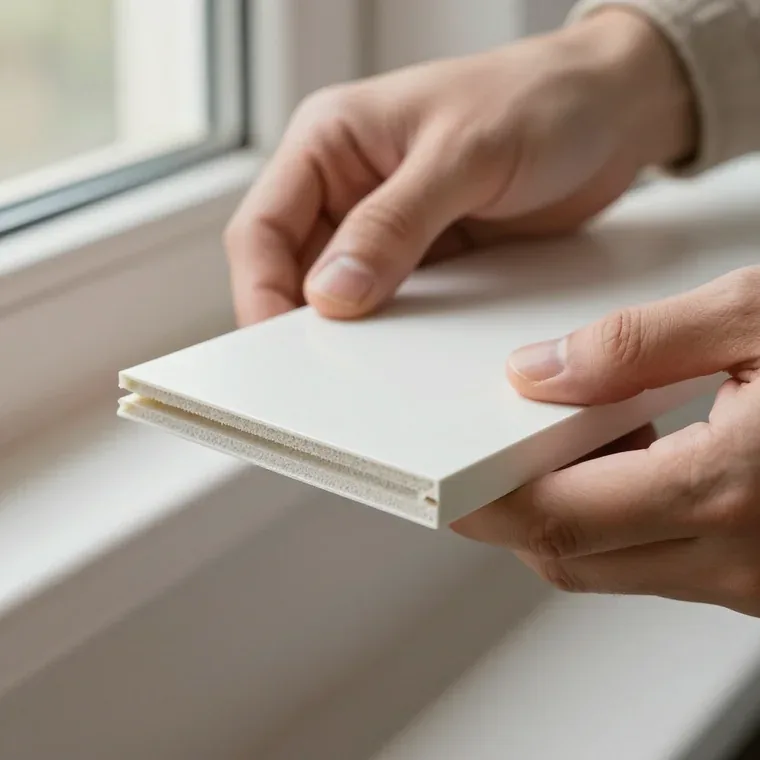
| Sandwich panel | panel blocks, quick turnaround | rigid insulated core, fast fit |
| Plaster reveal | seamless painted finish, living rooms | needs drying before decorating |
| Plasterboard | dry interiors, custom shapes | light, needs a sealed base |
Matching the reveal to wooden, aluminium and panel-block frames
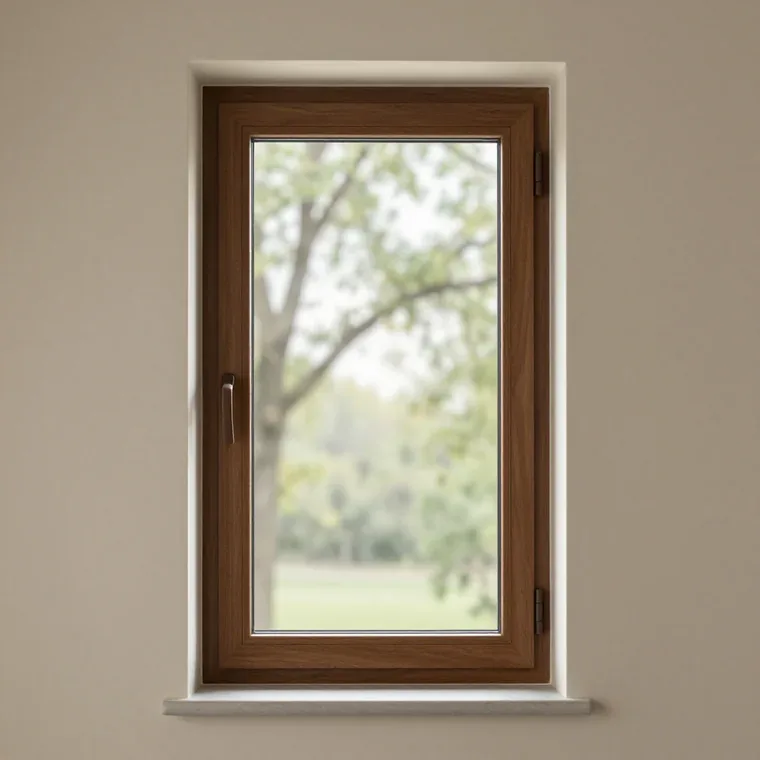
We fit reveals on plastic, wooden and aluminium frames, and the measurer matches the material and fixings to the profile and the wall. Wooden frames in older blocks sit in walls that shift, aluminium profiles are narrow, and panel-block walls are uneven by a few millimetres — each case changes which option and which fixing is right. On older wooden units the frame moves with the seasons, so a reveal glued tight to it can crack — the fixing has to allow for that movement. That is why the free measuring visit matters more than a catalogue: the measurer reads the profile and the wall, then names the option that will hold.
Exterior window reveal finishing and sills that keep water out
The outside of a reveal does the quiet work: it turns rain and snow away from the mounting seam before they reach the foam. Skip it and the seam pays for it.
Why the outside reveal matters as much as the inside
We finish reveals both inside and outside, because the exterior side is what shields the mounting seam from rain, snow and sun. The outside reveal slopes the water off the frame, and the sill beneath it carries that water away from the wall instead of letting it pool against the seam. Foam left open to the weather breaks down under UV and repeated freeze-thaw cycles, and once it crumbles the seam stops holding air. An exterior reveal without a working sill just moves the water sideways — the sill has to carry it away from the wall, not trap it against the seam. When we quote the outside work, we check the sill line first: a reveal fitted over a sill that drains back toward the frame will leak again within a season, whatever the reveal itself is made of.
Fitting reveals in cold weather
Reveal work can run in cold weather, but the seam and adhesives need the right conditions, so the timing is planned around temperature rather than forced. Expanding foam needs a surface above freezing to cure properly, and seam sealant will not bond to frost or to a damp frame. In an Ust-Kamenogorsk winter the practical approach is to protect the opening, do the dry fitting and trimming, and seal the seam in a gap when the temperature allows it. Rushing a winter fit is what causes callbacks — a seam sealed in the wrong conditions fails quietly and only shows up as a cold spot months later. Ask what temperature the sealant is rated for before the work is booked, not after the first frost.
Repairing old reveals or replacing them
Old reveals do not always need to come off entirely. Below is where a repair is enough and where the material has to be replaced.
When a reveal can be repaired and when it has to go
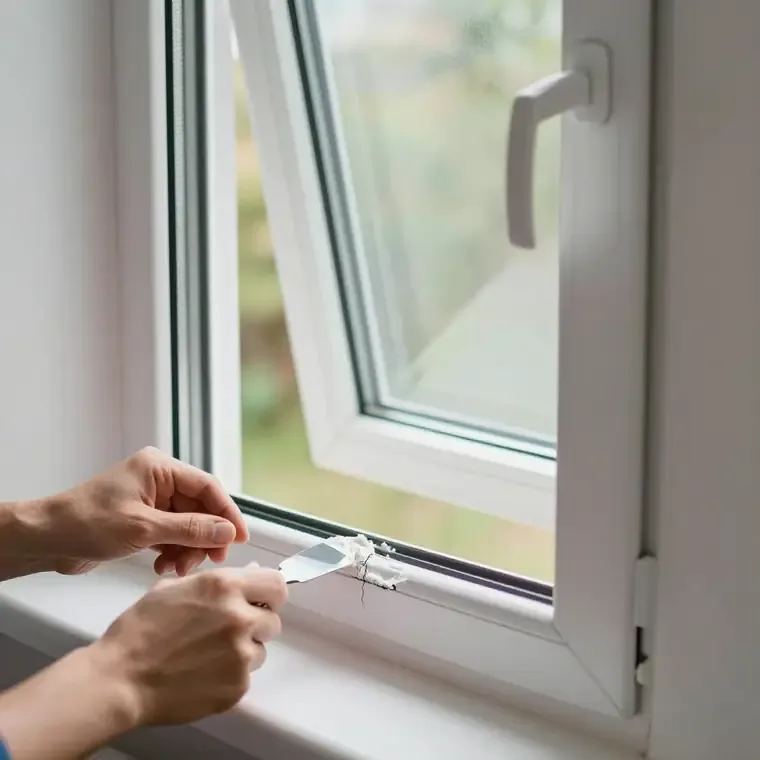
We repair reveals when the panel or plaster is sound and only the seam, sealant or surface is failing, and replace them when the material itself is cracked, loose or damp through. A plastic reveal that has pulled away from the frame but still sits flat gets re-fixed and re-sealed; a sandwich panel with soft, swollen edges goes, because the core has already taken water. Plaster that crumbles to the touch across a whole slope is replaced rather than skimmed, since a new coat will not bond to a dusty base. Surface damage is the easy part. A repair that skips the seam behind the surface is wasted work — the visible damage is usually the symptom, not the cause.
Do new reveals mean removing the window
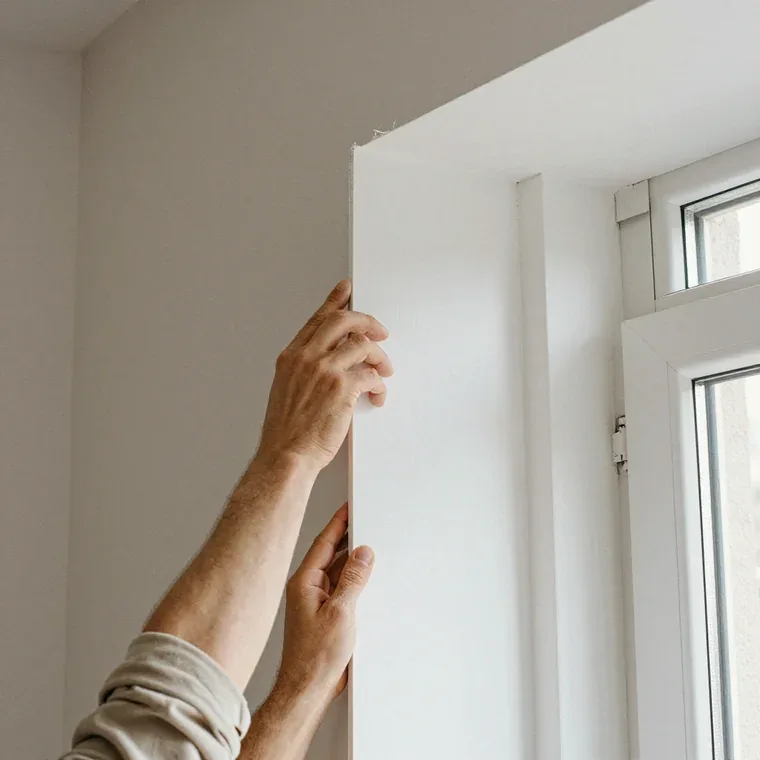
New reveals do not require taking the glazing out — the work happens around the frame, and the frame stays where it is. A plastic reveal is fixed to the frame on one edge and to the wall on the other, so the slope bridges the gap without touching the glass or the sashes. The old finish comes off down to the mounting seam, the gap is insulated and sealed, and the new panel or plaster goes on against the frame that is already in place. Keeping the glazing in place is also what protects the seam you are trying to fix, so the reveal is worked to the frame rather than the frame being disturbed.
The free measuring visit, fitting and warranty
From the first visit to the final payment, the order runs in a clear sequence: we measure, you approve the material and fixings, and the price is locked in before any work starts.
How the free measuring visit and the order run
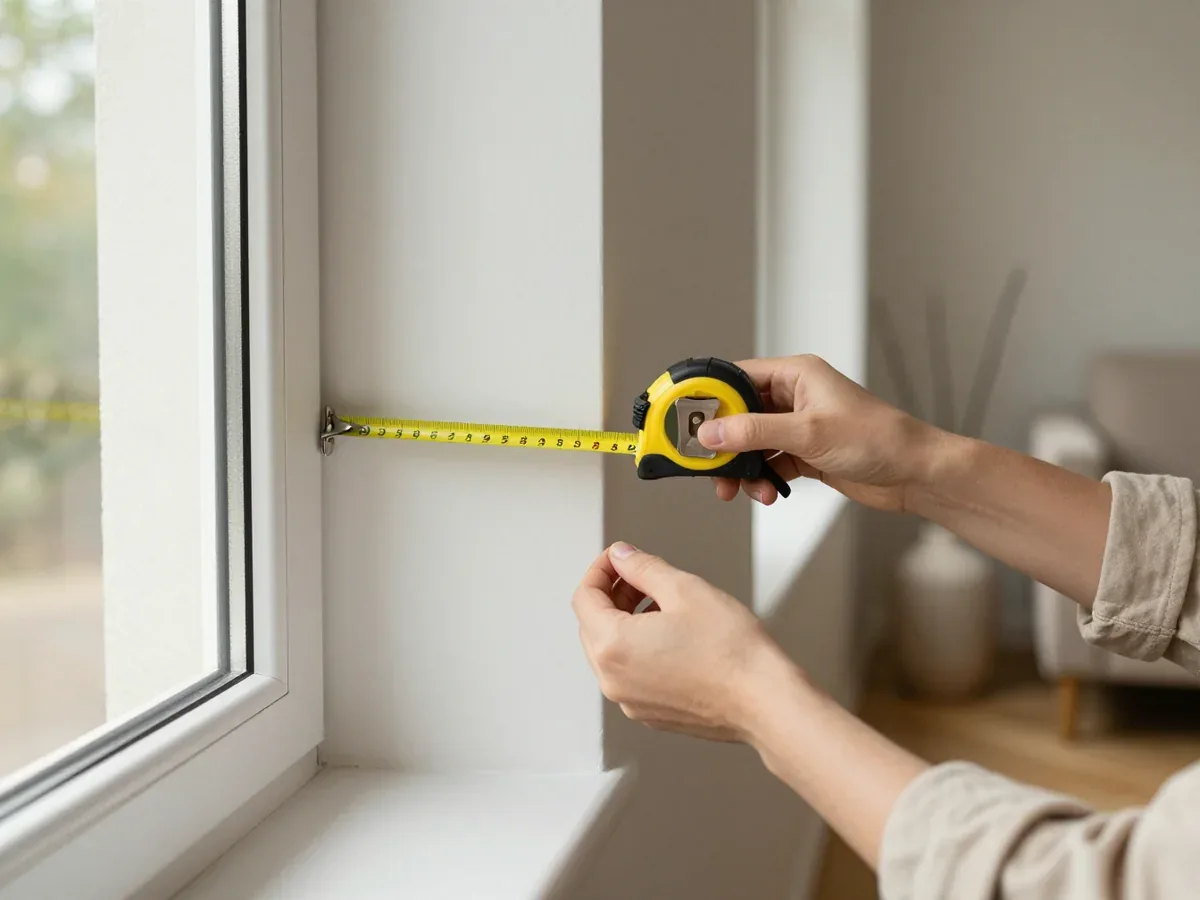
Measuring and consultation are free — the measurer comes at a convenient time, takes the sizes and helps choose the material and fixings, and the price is fixed in the order after measuring. For reveal finishing in Oskemen, the same visit covers the reveal material, the mesh type and the bracket for your profile and floor level. The measurer checks whether Z-brackets, plunger pins or magnets suit the frame, since a reveal that sits on the wrong fixing works loose within a season. A framed screen made to your size takes 10–15 minutes to produce, a pleated one 40–60 minutes. Getting the fixing right at the measuring stage is what prevents a reveal from working loose later, so the visit is a decision point, not a formality.
Warranty, payment and how to reach us
You pay after installation by cash, card or Kaspi, and repair work carries a 1-year warranty on labour and replaced parts, with a 5-year warranty on installation. Glass unit replacement is covered for 3 years, and the mosquito screens we make carry a 1-year warranty. We reply on WhatsApp within 5 minutes and are open seven days a week, so a question about a reveal that has started to shift gets an answer the same day. A warranty is only as good as who stands behind it — we work with our own crews rather than subcontractors, so the same team answers for the result.
The essentials of window reveal finishing and repair
Five points cover the whole task: what a reveal does, which finish suits, why the outside matters, when to repair, and how the measuring call settles the rest.
- Purpose first: a reveal seals the mounting seam, so warmth and dryness come first — appearance is the second concern, never the leading one.
- Material trade-off: plastic and sandwich panels go up fast and wipe clean, while plaster gives a seamless surface but needs drying time.
- Outside counts too: the exterior reveal and sill shed rain and meltwater, and a gap there lets water back into the seam whatever was done indoors.
- Repair or replace: sound boards can be refinished, but cracked, loose or damp ones have to come off before new panels go on.
- One call settles it: free measuring fixes the finish, the fixings and the price ahead of any work, so nothing shifts mid-task.
 Window replacement
 Window insulation
 Balcony glazing
 Window adjustment
 Seal replacement
