



Good to know
Pleated Mosquito Screens in Oskemen

Senior mosquito screen specialist at moskitnyesetki.kz
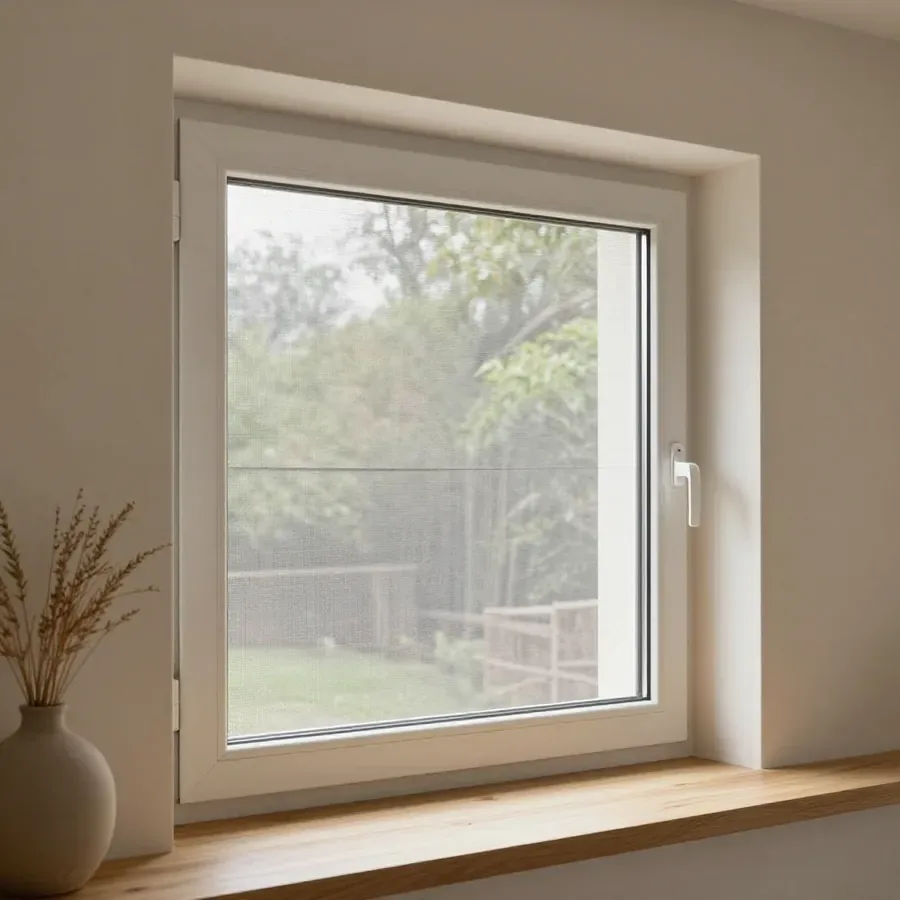
We make pleated mosquito screens to your exact size and fit them on windows, doors and wide openings across Oskemen. A pleated screen folds into a slim stack, so it suits balcony doors and portals where a fixed framed screen gets in the way. Measuring and consultation are free, and every screen carries a 1-year warranty.
Pleated mosquito screens pleated or framed for your window door or opening
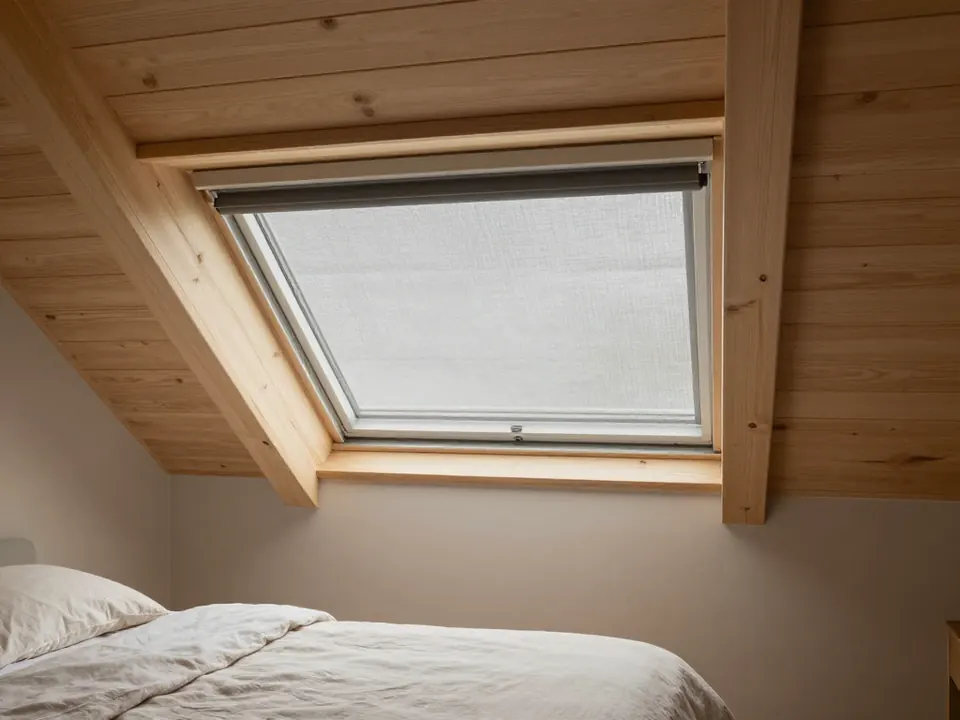
Pleated and framed models solve different tasks. What suits your case depends on the span itself and on how often you walk through it during the day.
How a pleated screen folds and where it beats a framed one
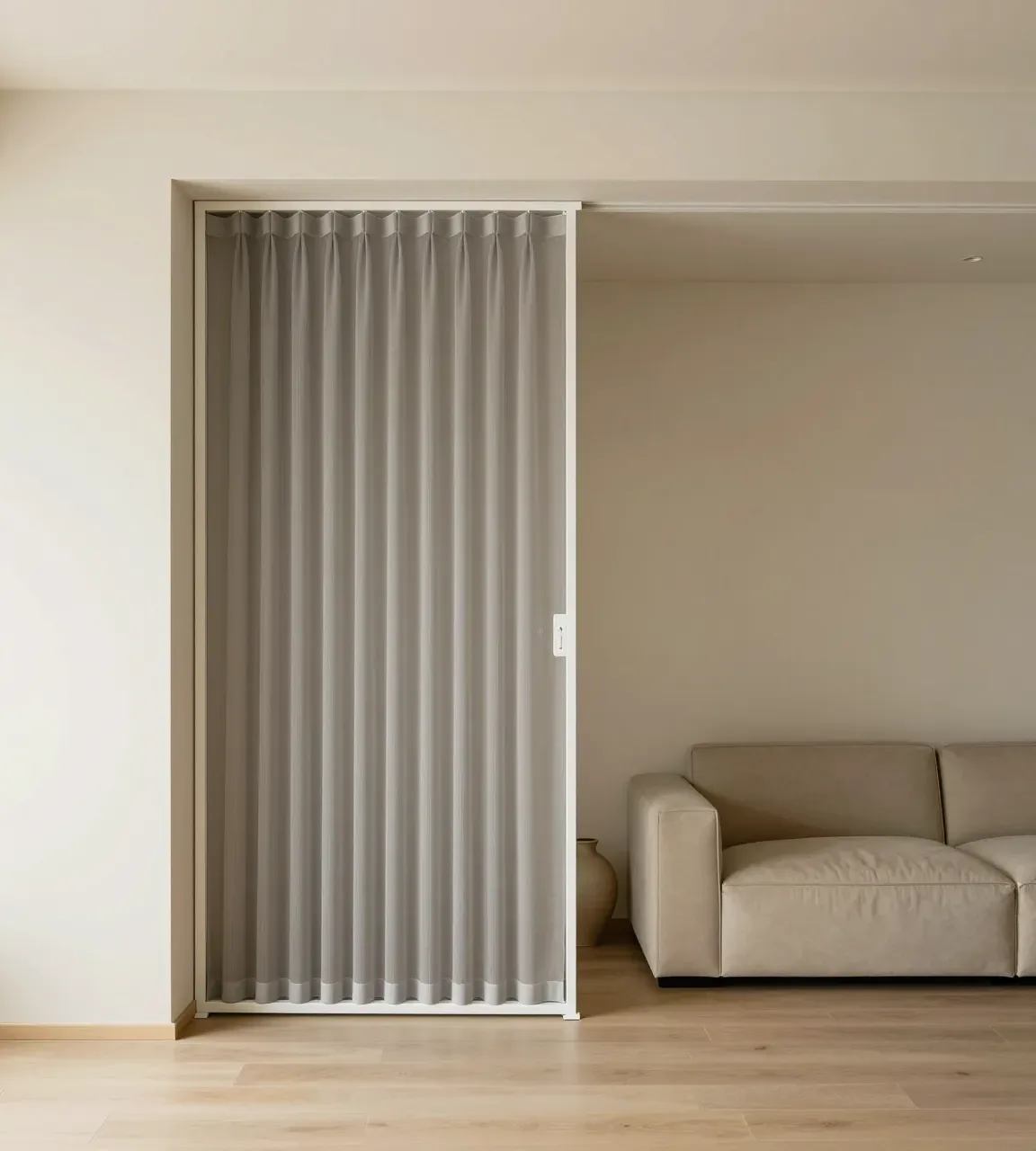
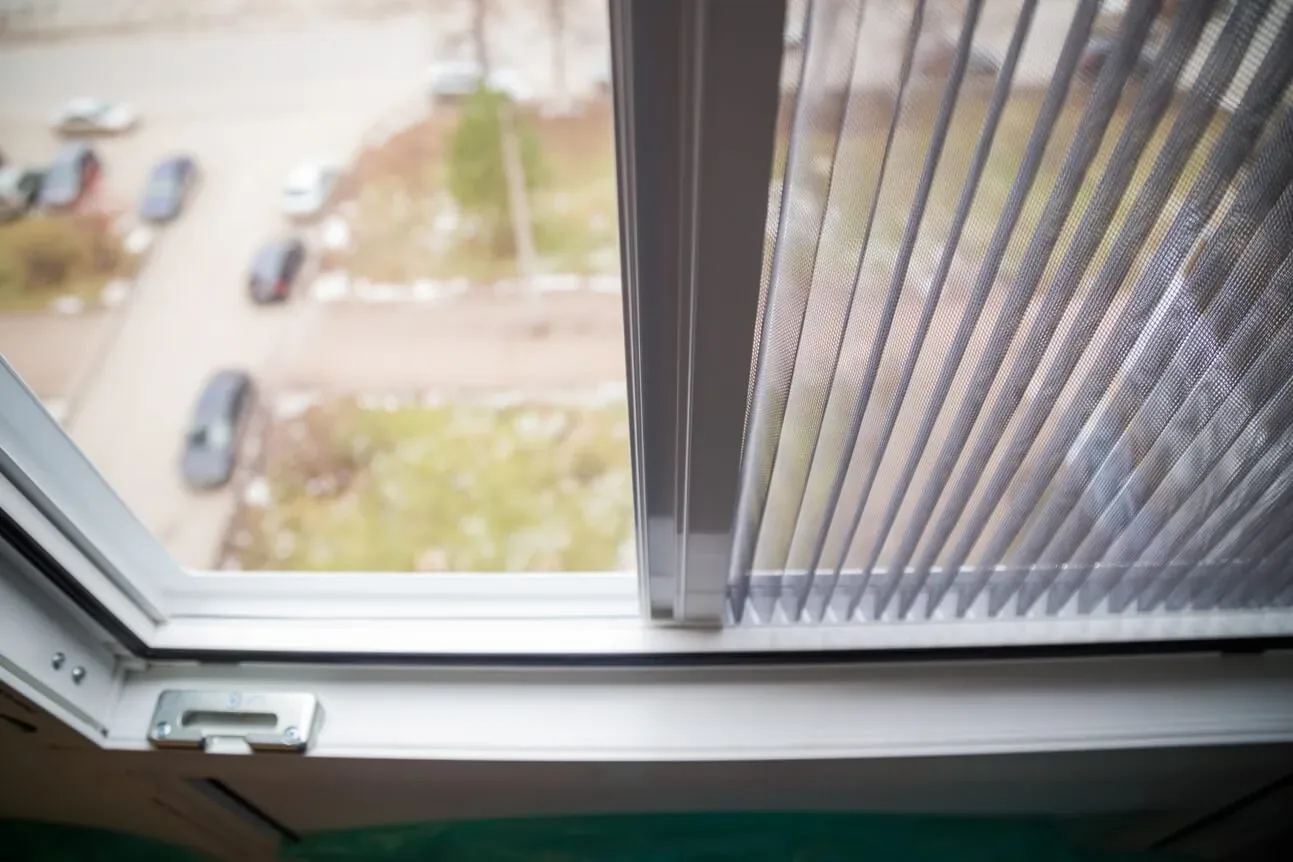
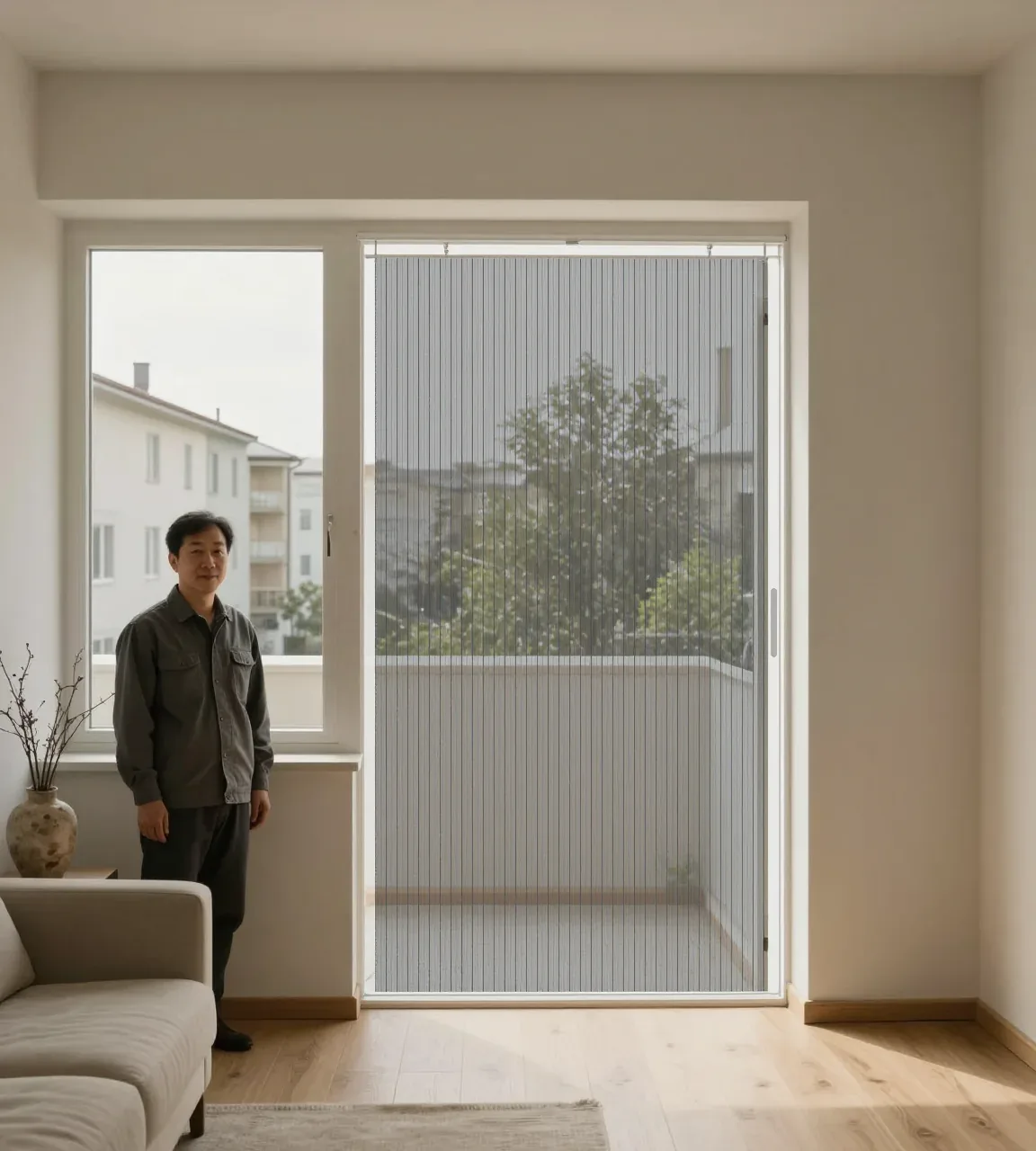
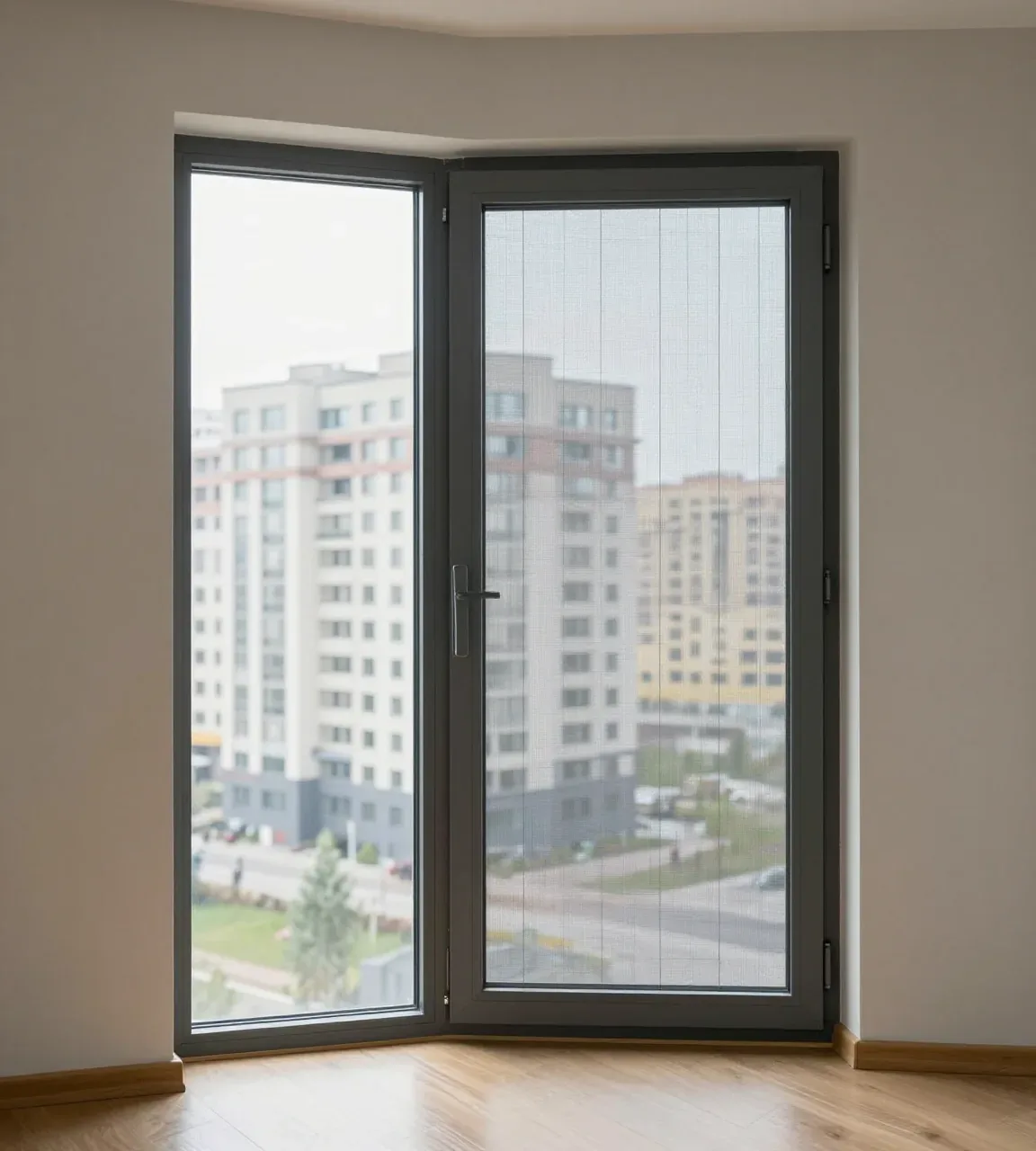
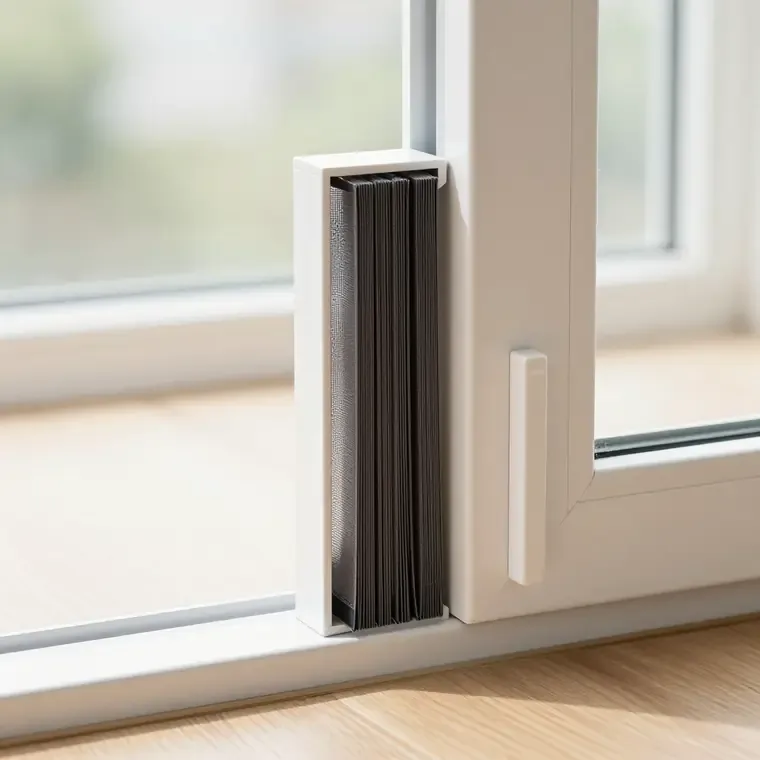
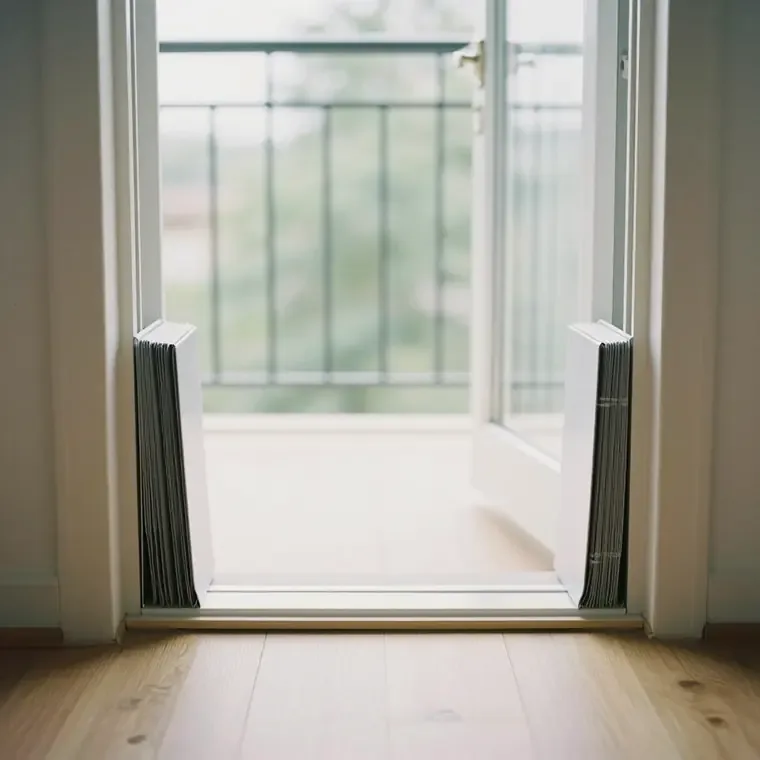
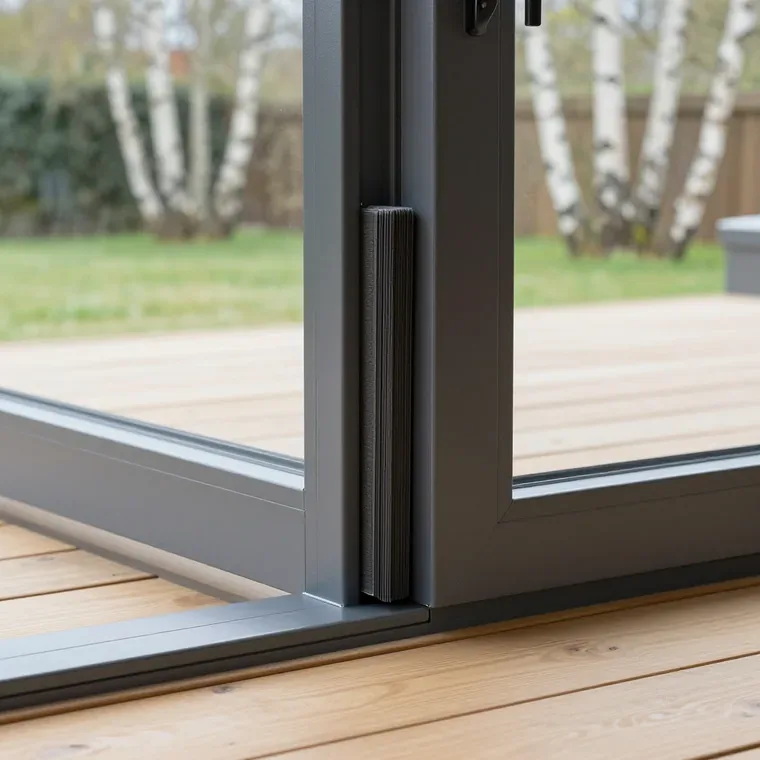
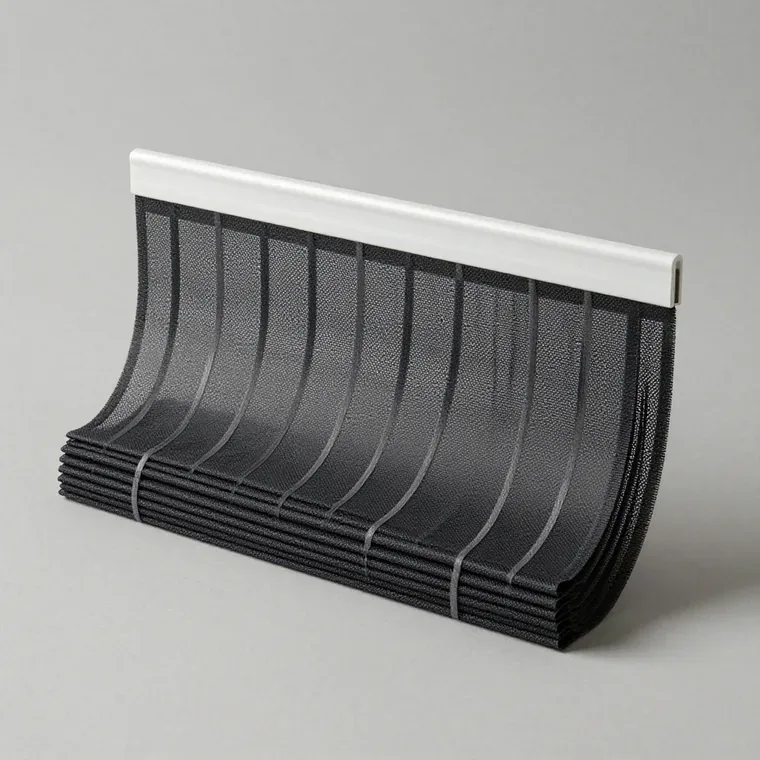
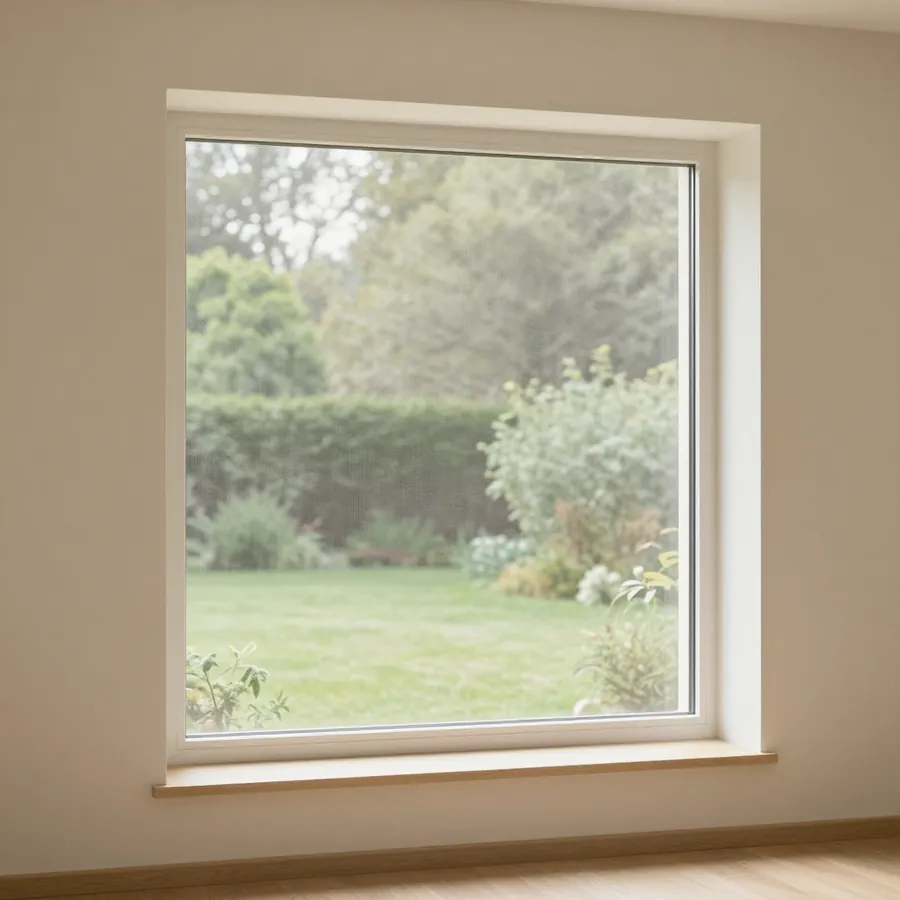
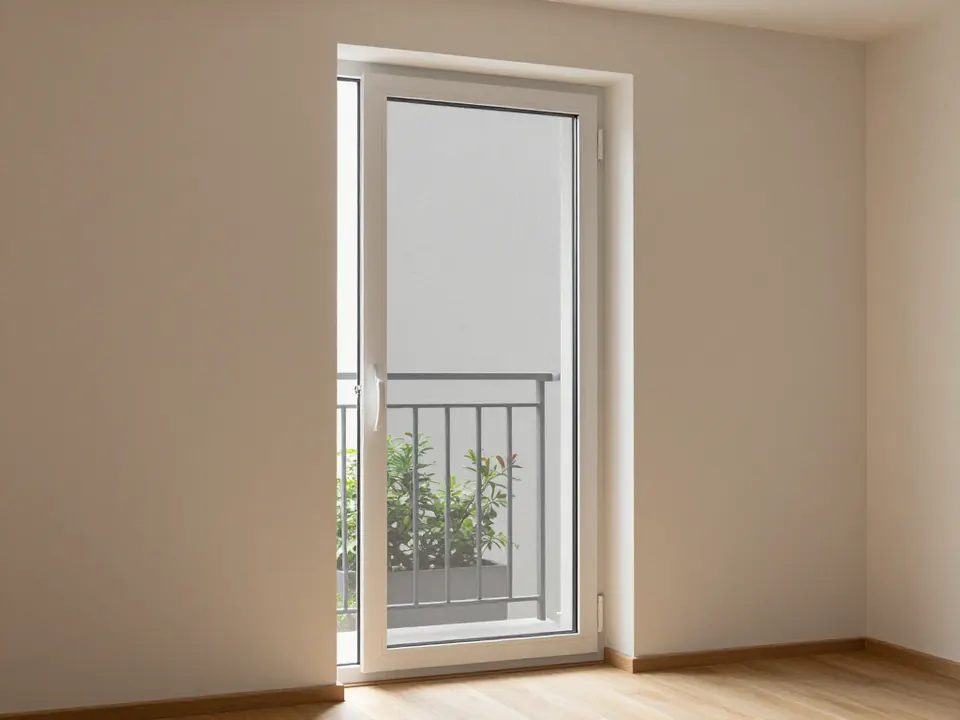
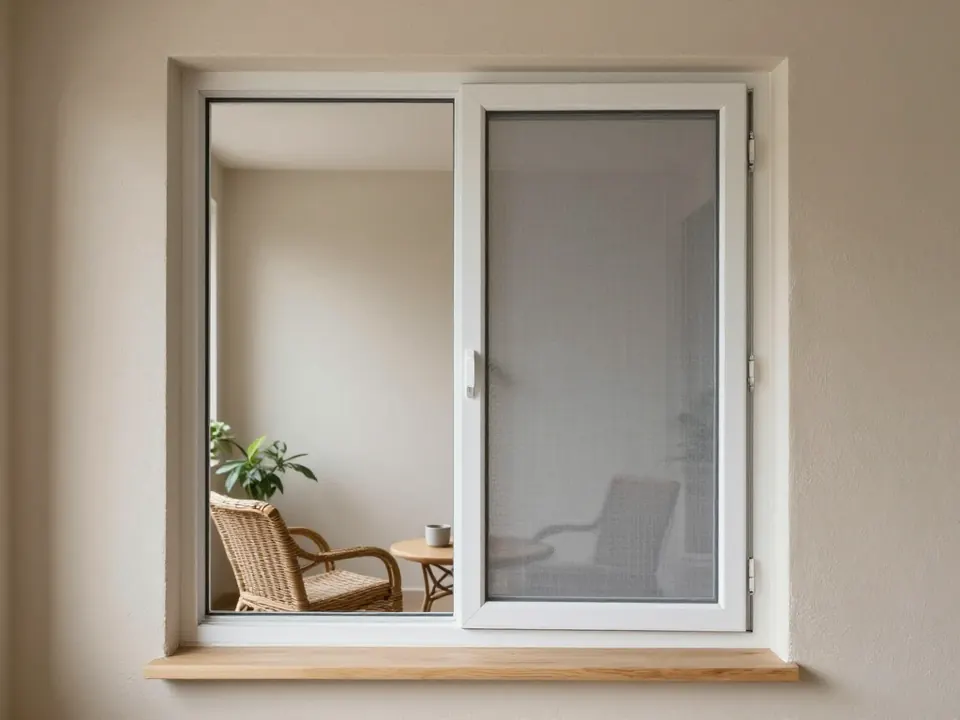
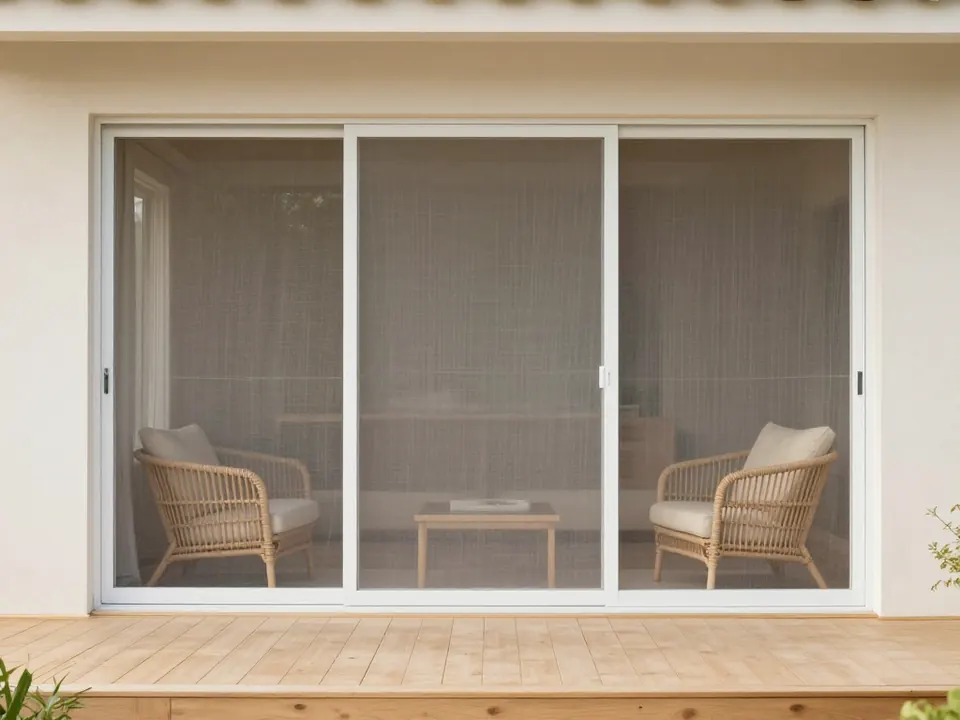
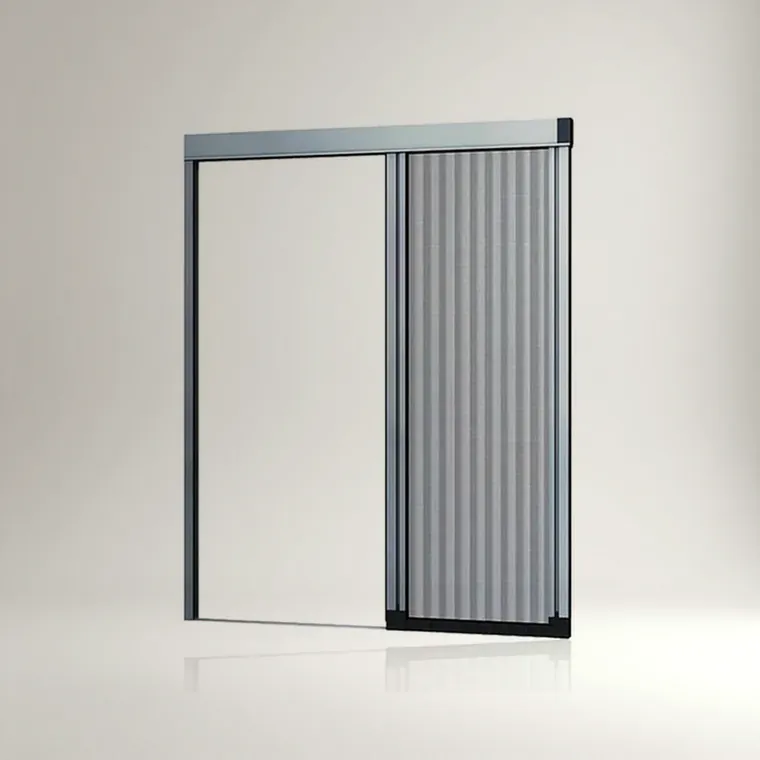
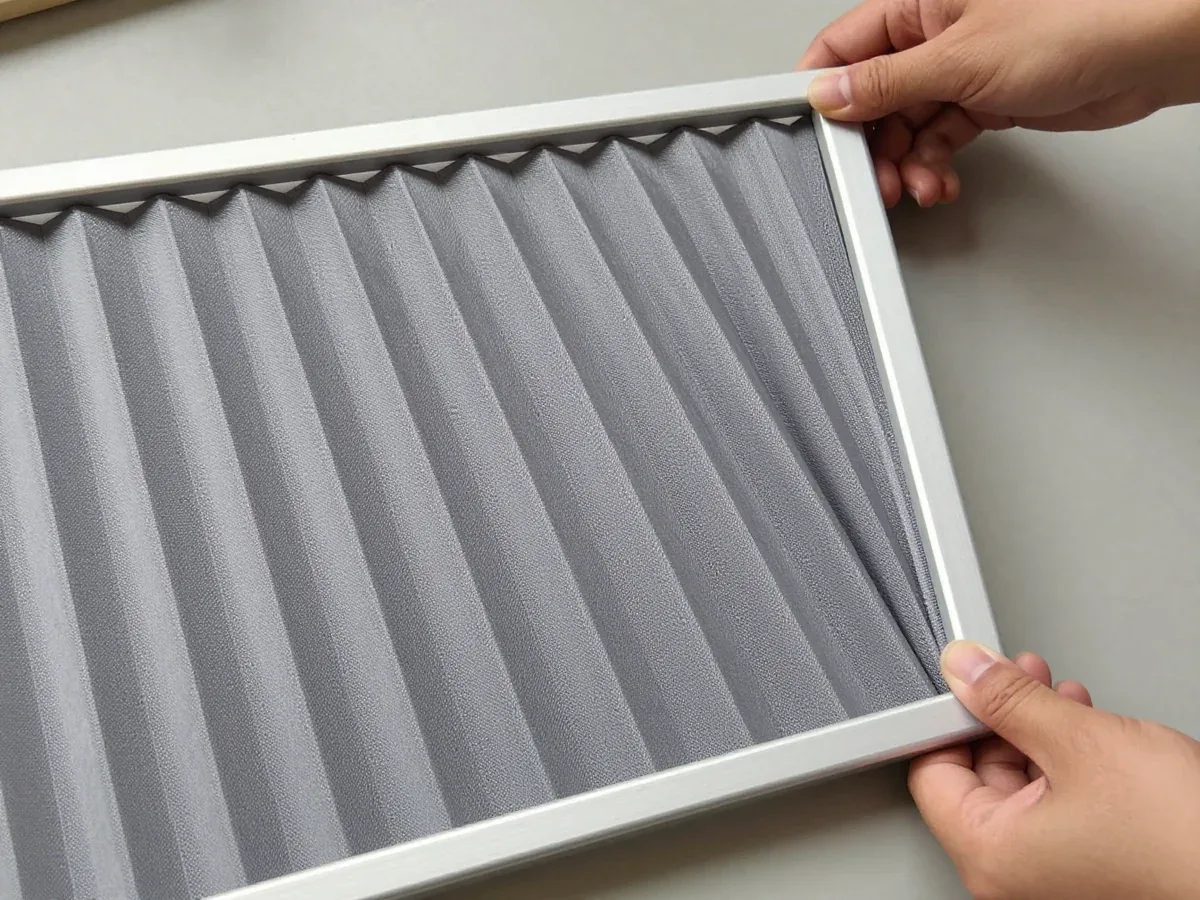
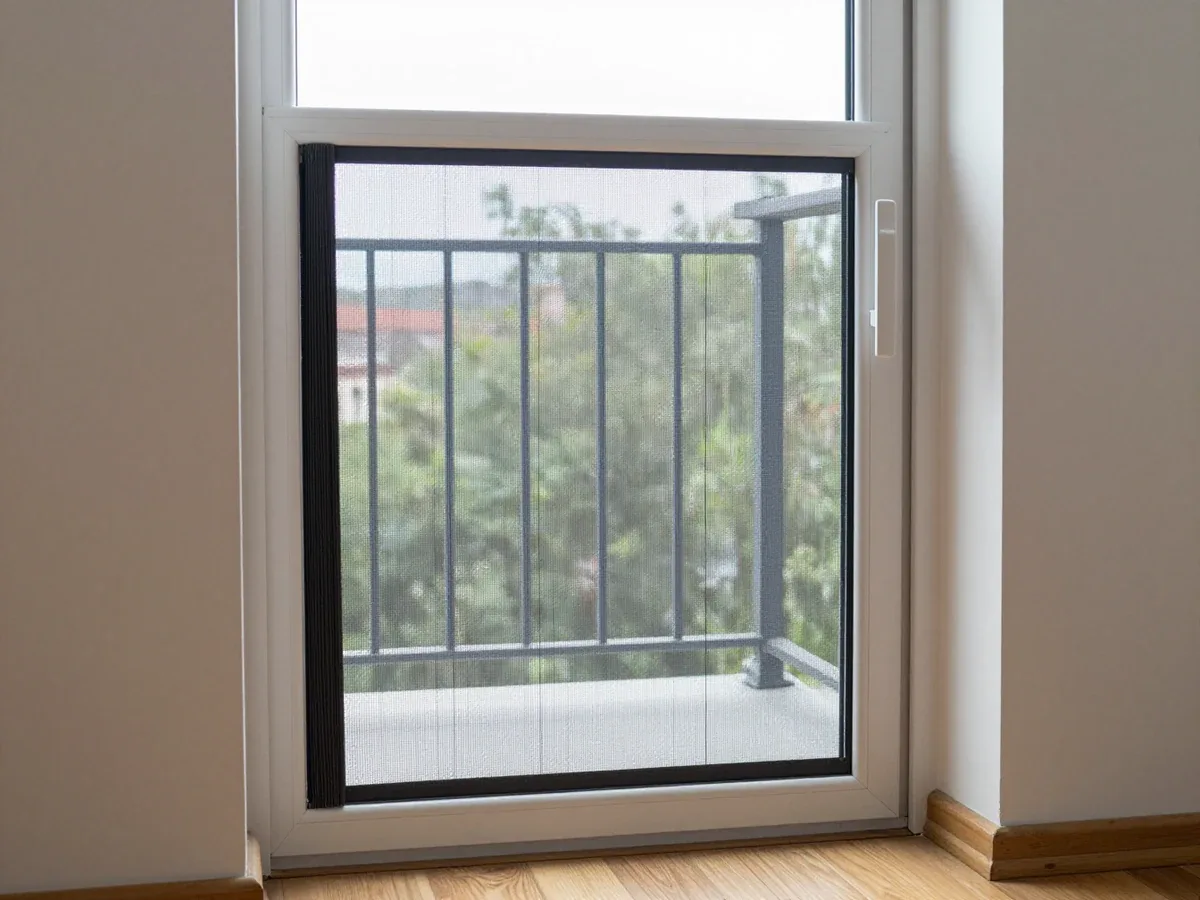
A pleated mosquito screen gathers into a narrow stack along the side of the opening, so the passage stays clear every time you open the door or window. The folding mechanism works like an accordion on its tracks: the fabric compresses at the edge and unfolds back across the span in one movement. A rigid model, by contrast, sits on pins or brackets and has to be lifted off whenever you want the way free. On a door you use many times a day, the folding action saves you lifting that rigid model off its pins each time and putting it back. The tracks keep the fabric aligned, so the stack does not catch on the frame or drop out of its runner.
Matching the screen type to a window, balcony door or portal
| Screen type | Best for | How it opens | Passage left clear |
|---|---|---|---|
| Pleated | Balcony doors, portals, loggias | Folds to the side | Full width |
| Framed | Small windows, vent panes | Lifted off pins | None |
| Pleated | Windows opened often | Slides along tracks | Half or full |
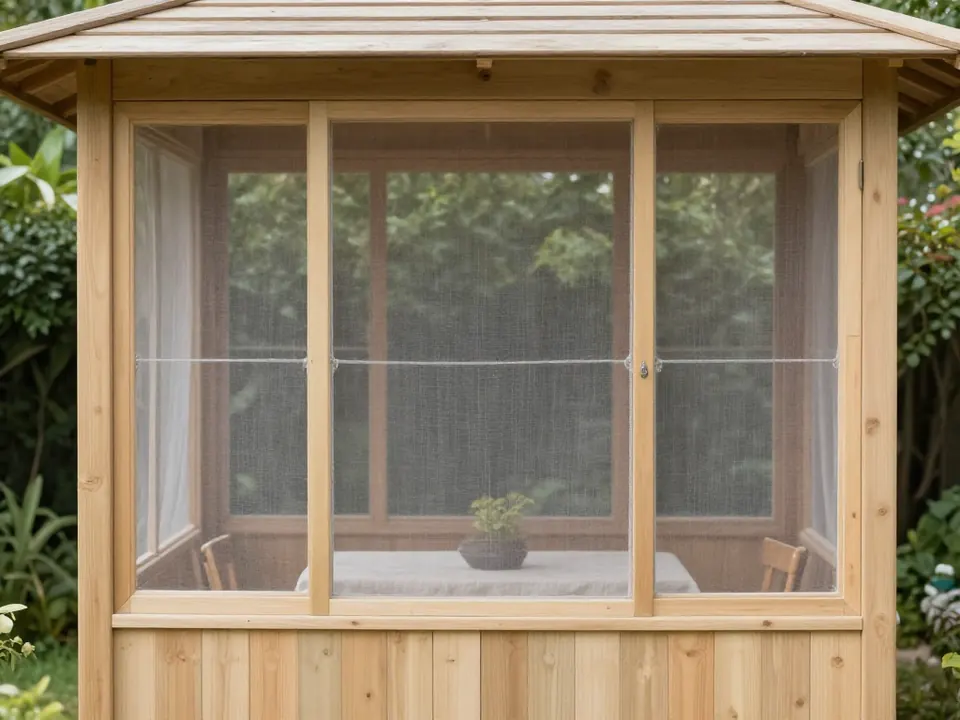
| Framed | Gazebos and verandas | Fixed panel | None |
Choosing pleated mosquito screens for pets dust pollen and daylight
The mesh decides what passes through your screen and how long the whole unit lasts. Each household problem has its own answer, and picking by problem works better than picking by price.
Which canvas suits a cat, street dust, pollen or a darker room
| Problem | Canvas | Key property |
|---|---|---|
| Dark room, weak airflow | UltraVue | 25% more light and air |
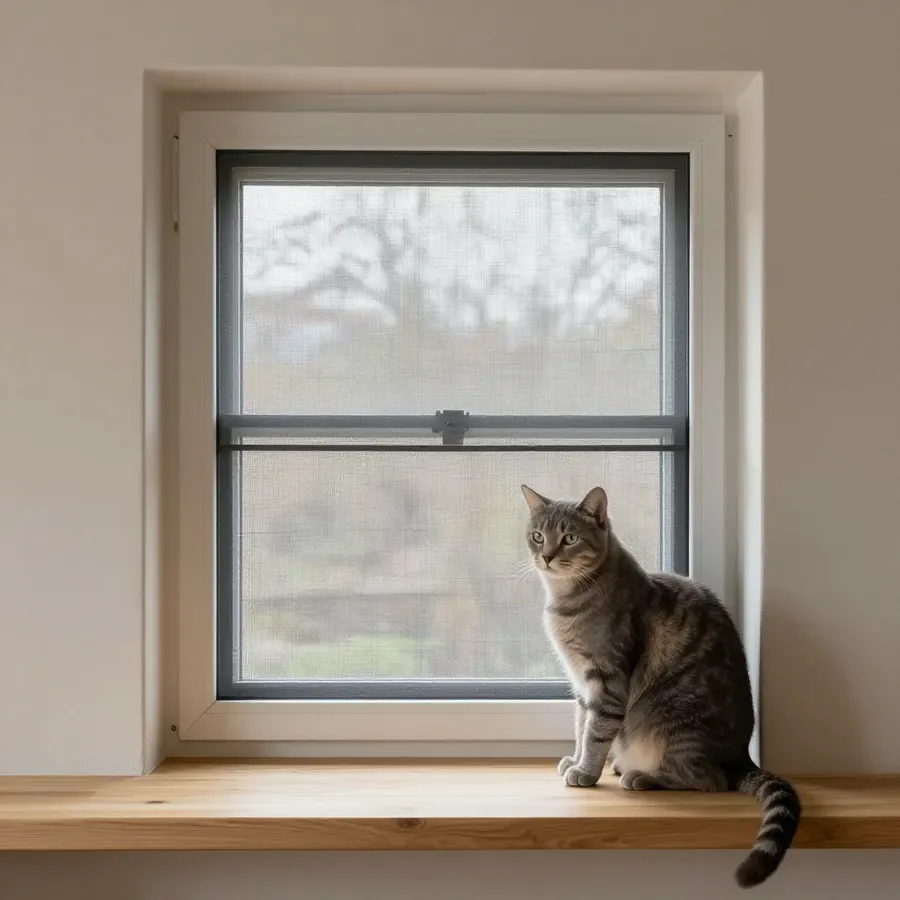
| Pet clawing at the mesh | Anti-Cat (Pet Screen) | Holds the weight of a small animal |
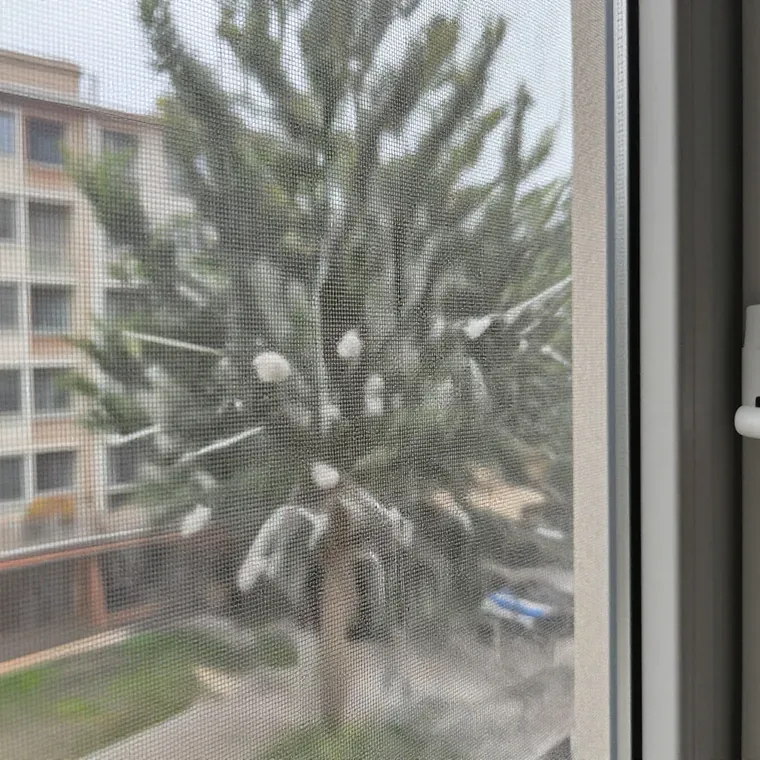
| Pollen season | Anti-Pollen (Poll-Tex) | 0.25×1 mm cell |
| Street dust and grit | Anti-Dust | Tight weave for fine particles |
| General use | Standard (Fiberglass) | Fire-resistant, tolerates temperature swings |
| Heavy-traffic openings | Metal mesh | Rigid, hard to deform |
What to do when a pet tears the mesh
A torn canvas is re-meshed rather than thrown away, and we also replace fastenings when they wear out. Re-meshing keeps the existing frame and profile, so a damaged unit goes back on the window as a working one instead of heading for the bin. Anti-Cat (Pet Screen) withstands the weight of a small animal because its vinyl threads are several times stronger than ordinary fibreglass, which is why cat owners in Oskemen often ask for it on balcony doors first. We repair screens and change fastenings, and the work is covered by our 1-year warranty. If a pet has already gone through one opening, switching it to Anti-Cat costs less over time than re-meshing the same spot again.
Pleated mosquito screens fixings and fitting without drilling into your frame
The fixing method depends on your window profile and the floor you live on. We pick it during the visit, before the unit is assembled, so the finished product mounts cleanly without a stray hole in the sash.
How the measurer picks Z-brackets, pins or magnets
The measurer chooses Z-shaped brackets, pins (plungers) or magnets to suit your window profile and floor, so the unit sits firm without a random hole in the sash. On PVC and aluminium sashes the Z-bracket hooks over the edge and needs no drilling at all; pins push into the existing groove of a wooden profile; magnets hold a light folding product where the surface is thin and a bracket has nowhere to grip. The choice is made on site because two flats in the same block can carry different sashes, and the measurer checks each opening separately during the free measuring visit. On an upper floor the fastener has to hold against wind load, which is why the decision is taken on site rather than from a catalogue.
From free measuring to a smooth-gliding screen
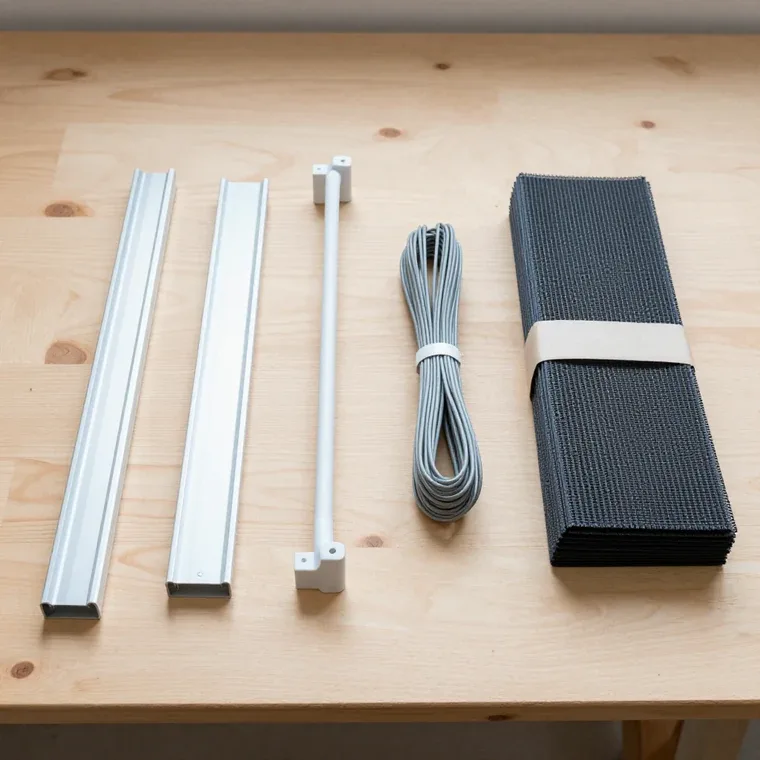
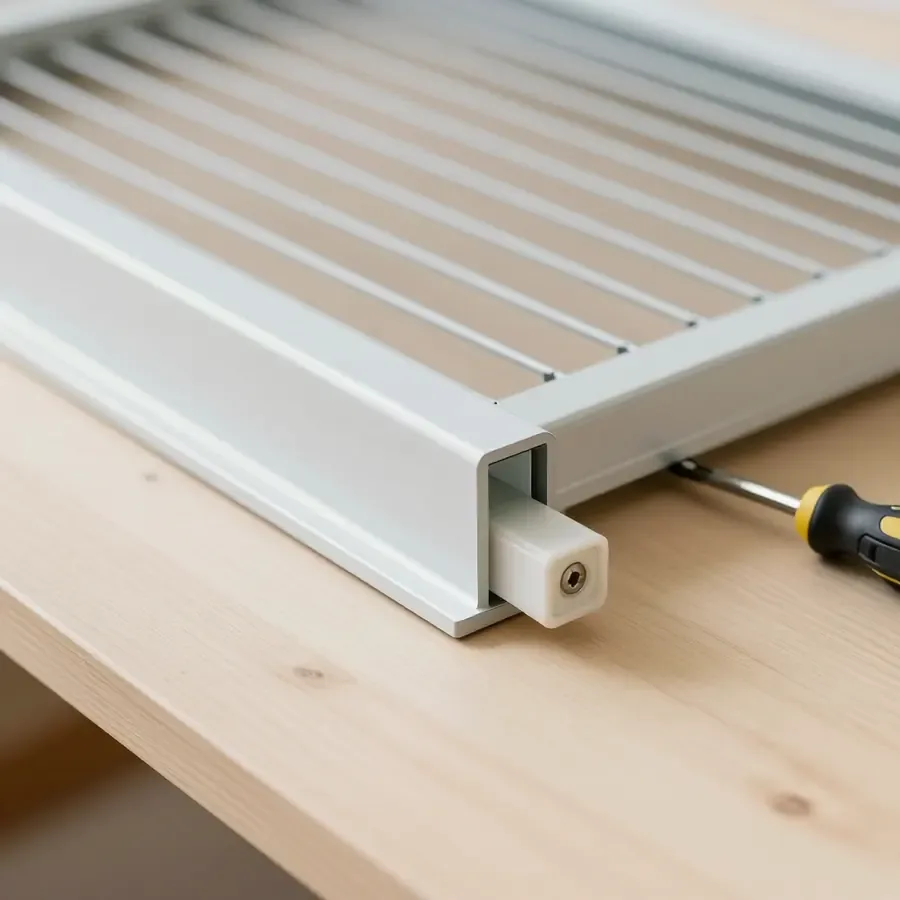
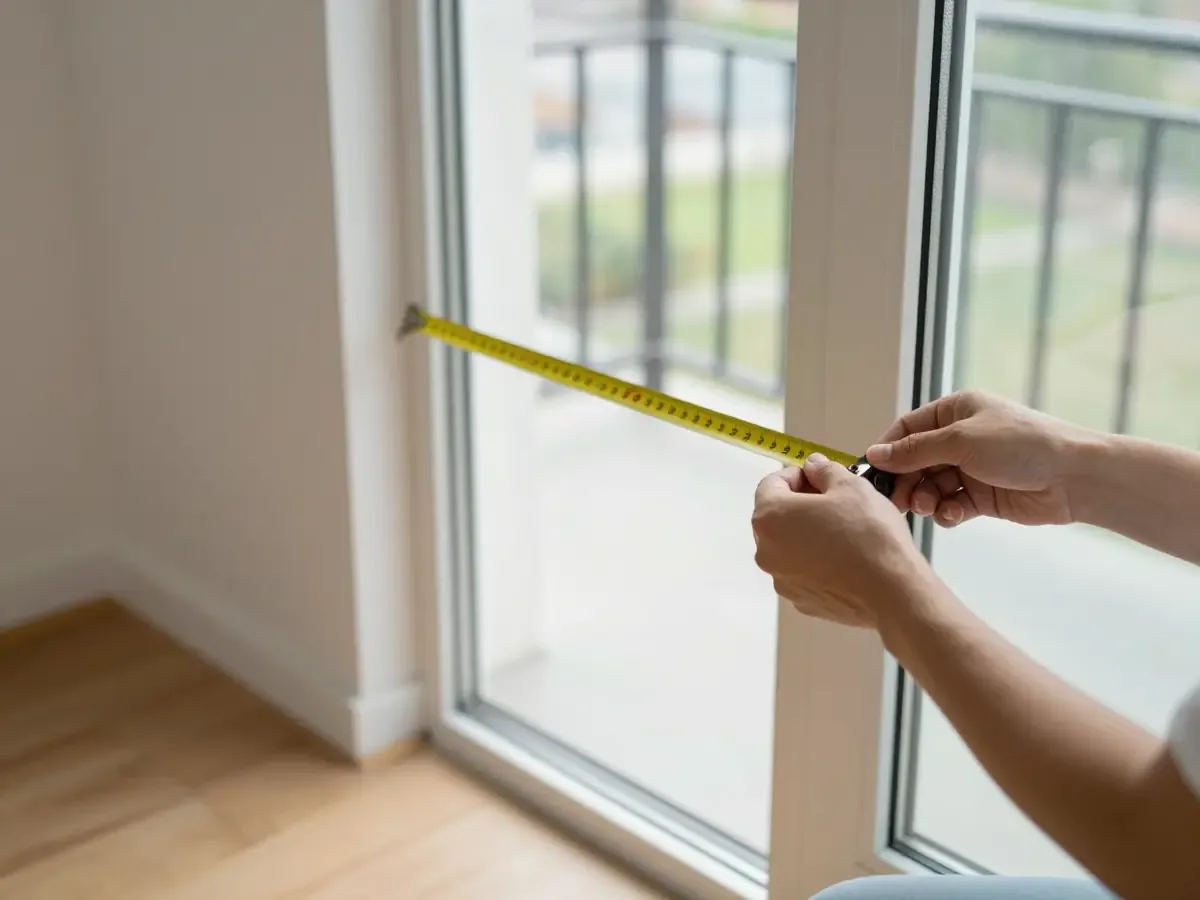
Measuring and consultation are free, a model is assembled in 40–60 minutes, and you pay only after installation by cash, card or Kaspi. The measurer arrives at a time that suits you, takes the sizes, and helps pick the design, mesh and fastenings; the price is then fixed in the order, so nothing shifts between the visit and the finished product. A framed unit for a standard window takes 10–15 minutes to build, while the folding one needs the longer slot because the guides and the folding canvas are put together by hand. A screen that slides evenly with no catch at the ends is the sign the guides were set square, so test the full travel before the fitter leaves.
Profiles, colour and sizes for your opening
The profile decides how rigid the product feels and how neat it looks, while every size is taken from your actual opening, including wide portals. Below is how we pick both.
Economy or Prestige and painting the frame to match
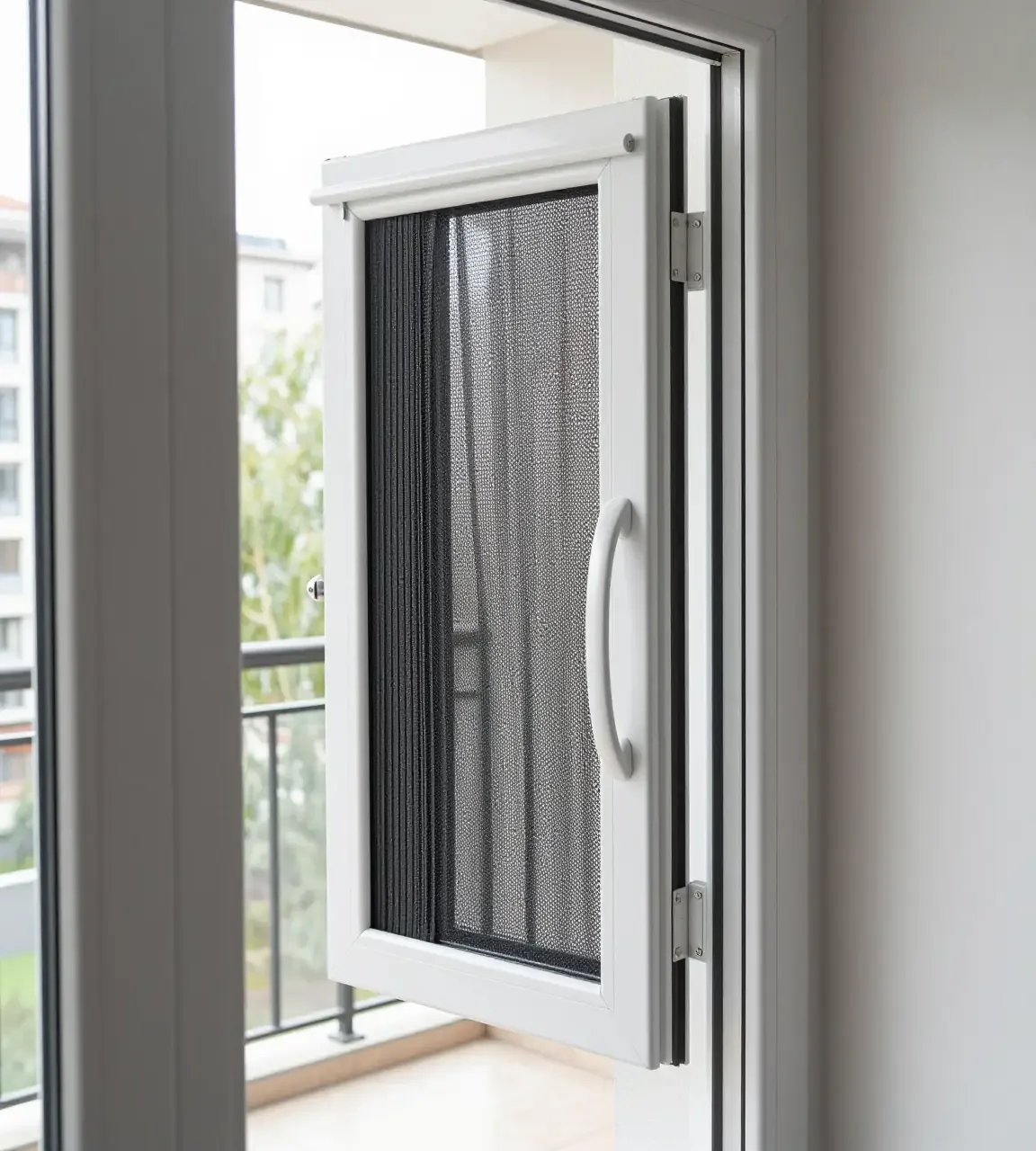
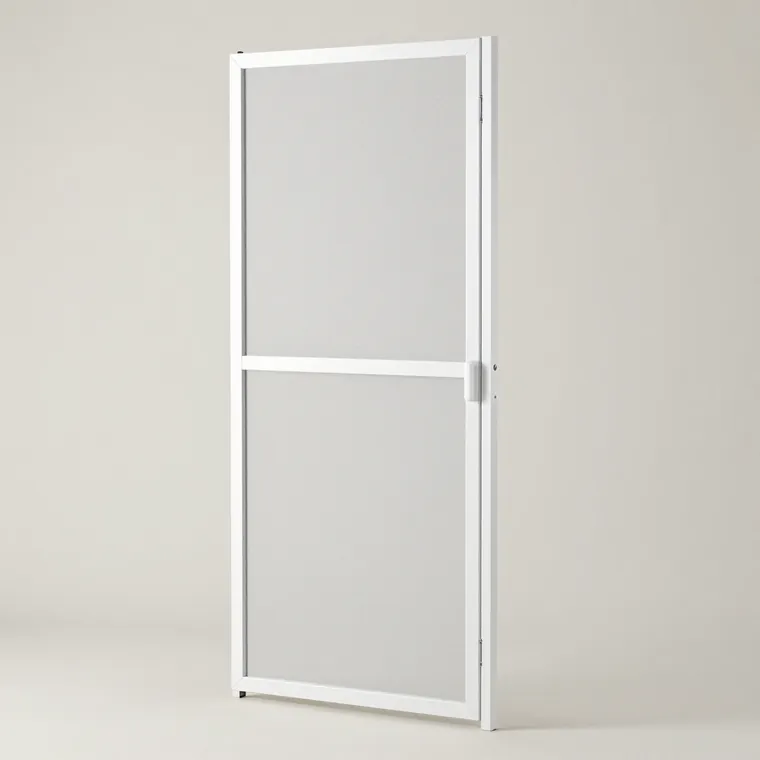
Hinged door screens come with an Economy 32×10 mm or a Prestige 42×17 mm profile, and we paint the surround any colour to match your windows. Economy suits a standard window leaf where low weight matters, while the deeper Prestige section gives a balcony door more backbone. Painting happens after the profile is cut to size, so the colour follows the whole perimeter rather than just the visible face. A heavier Prestige bar holds a large leaf straighter over years of use, while Economy keeps a standard window light and unobtrusive. On tall leaves the choice shows up first at the handle edge, where a thin section starts to flex sooner — ask the measurer to check that edge before the order is fixed.
Custom sizes and wide portals
Every screen is made to your measured size, and a folding model can cover a wide portal that a single framed panel cannot. We build pleated mosquito screens oskemen homeowners order for terraces, loggias and glazed verandas, where the opening runs wider than a standard window and a fixed panel would block the walk-through. The measurer records the full span, the height and the depth of the reveal, then the guides are set so the leaves stack tight to one side. For a very wide gap, splitting the span into two folding leaves keeps each stack narrow and the walk-through clear. Measure the clear opening rather than the outer edge when you plan a portal unit — a few centimetres saved at the stack side keep a doorway usable.
Winter, cleaning, repairs and the warranty
A pleated screen needs little looking after, but cold weather and dusty folds each have a couple of rules that keep the sliding mechanism working for years.
Cleaning the folds and handling the cold months
- Soft brush first: run a dry brush along the folds to lift street dust before it settles into the guide tracks and hardens.
- Vacuum on low: use low suction with a brush nozzle so the fabric keeps its shape instead of stretching.
- Clean the guides: wipe grit from the tracks with a damp cloth — trapped sand is the main reason a panel starts to drag.
- No wet scrubbing: clean the canvas with a barely damp cloth only, then leave it fully open to dry before folding it back.
- Winter care: the unit stays fitted through the cold months and needs only its track kept clear of ice and packed snow.
What the 1-year warranty covers and how repairs work
Every mosquito screen carries a 1-year warranty, and we repair them and replace fastenings when a mesh wears, a runner jams or a bracket loosens. The warranty covers the frame, the folding mechanism and the fixings we supplied, and a repair visit uses the same fasteners the measurer chose for your window profile and floor. If a pet tears the canvas, we can swap just the mesh rather than the whole unit. The price of the original work is fixed in the order after measuring, so nothing changes between the quote and the finished product. Keep that order with the agreed size and canvas: a warranty claim is checked against what was agreed at measuring, and it is the fastest way to confirm your unit was built to spec.
What to check before choosing pleated mosquito screens
A short recap of what decides whether a pleated screen serves you well: the opening, the mesh, the fixing and the care afterwards.
- Folding panels for doors and wide openings: the fabric gathers to the side and frees the passage zone, which matters on balcony doors and portals where a fixed frame gets in the way.
- Mesh follows the problem: Pet Screen for a cat, Poll-Tex for pollen, Anti-Dust for street dust, Ultravue when a room needs more daylight.
- Fixings match the frame and the floor: Z-brackets, pins or magnets are chosen after measuring, not picked at random.
- Sizes are taken for the exact opening: portals and non-standard frames are measured on site, so the fabric glides without catching.
- Care and warranty close the loop: brushing the pleats and rails keeps the unit running, and repairs cover normal wear.
 Door mosquito screens
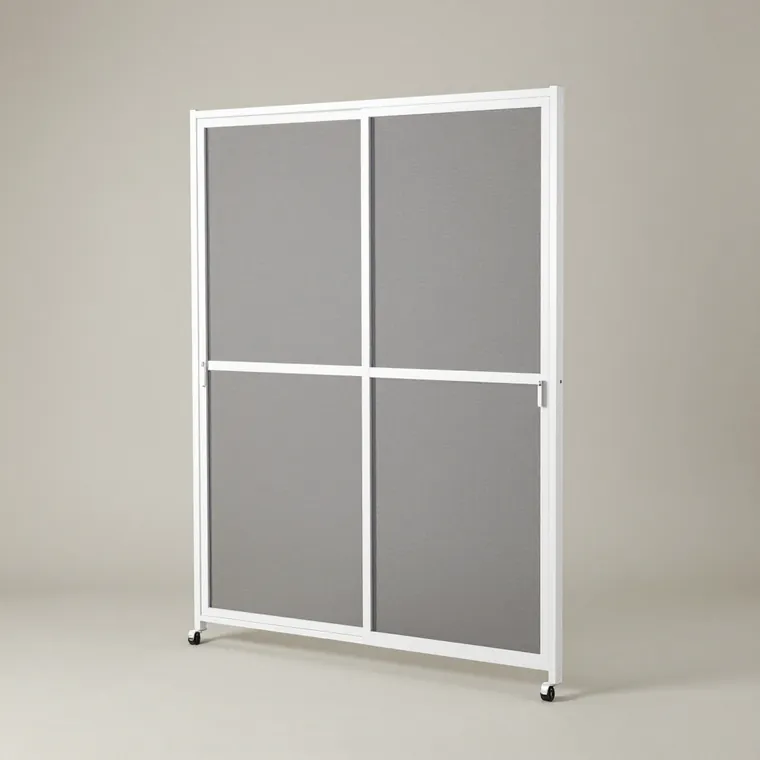 Sliding screens
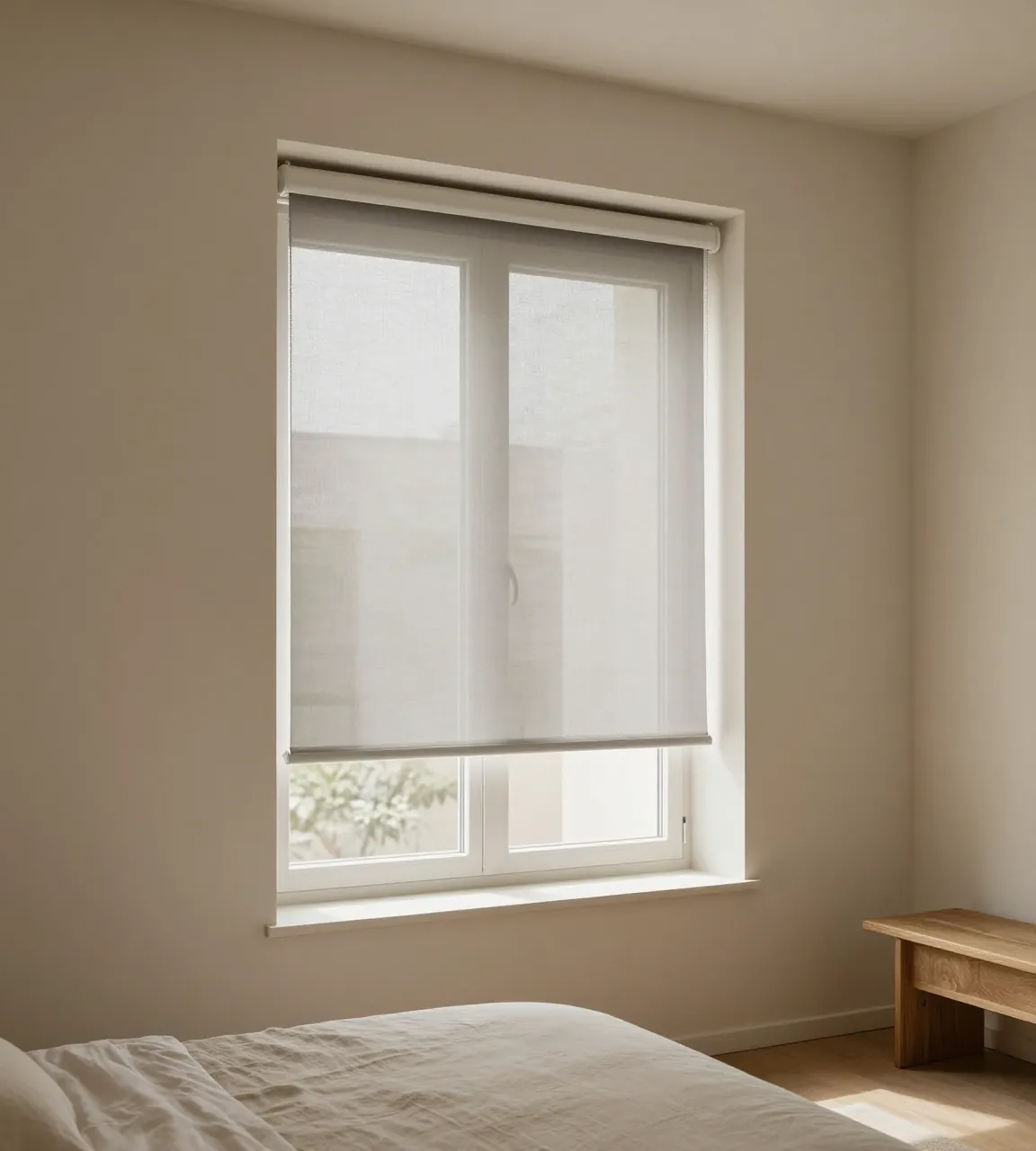 Roller screens
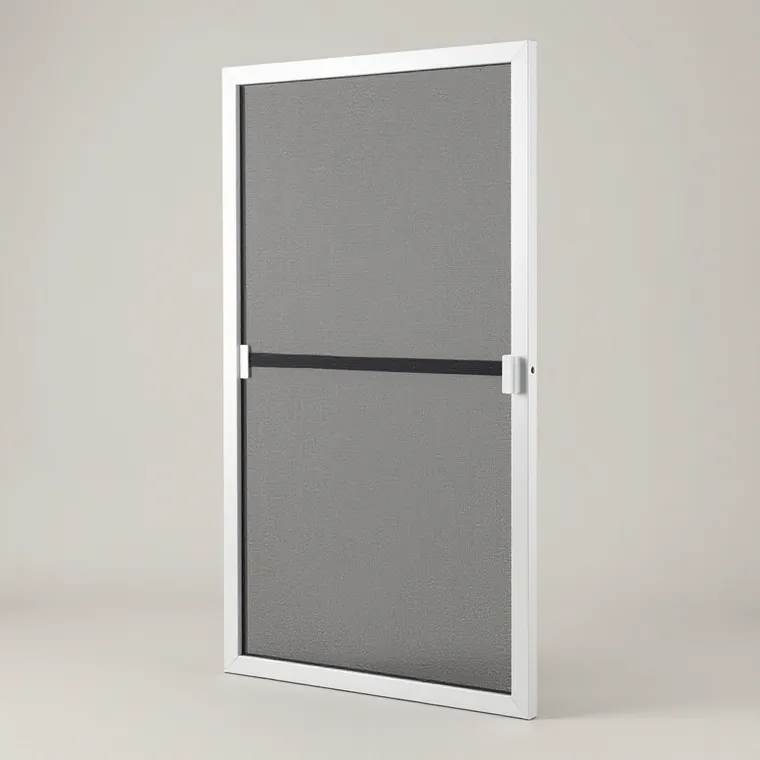 Framed screens
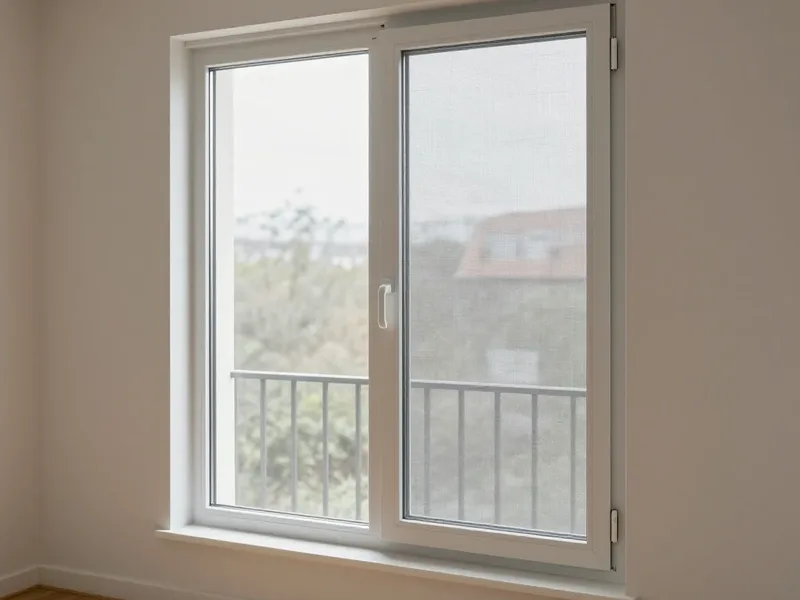 Internal screens