
Wooden frames
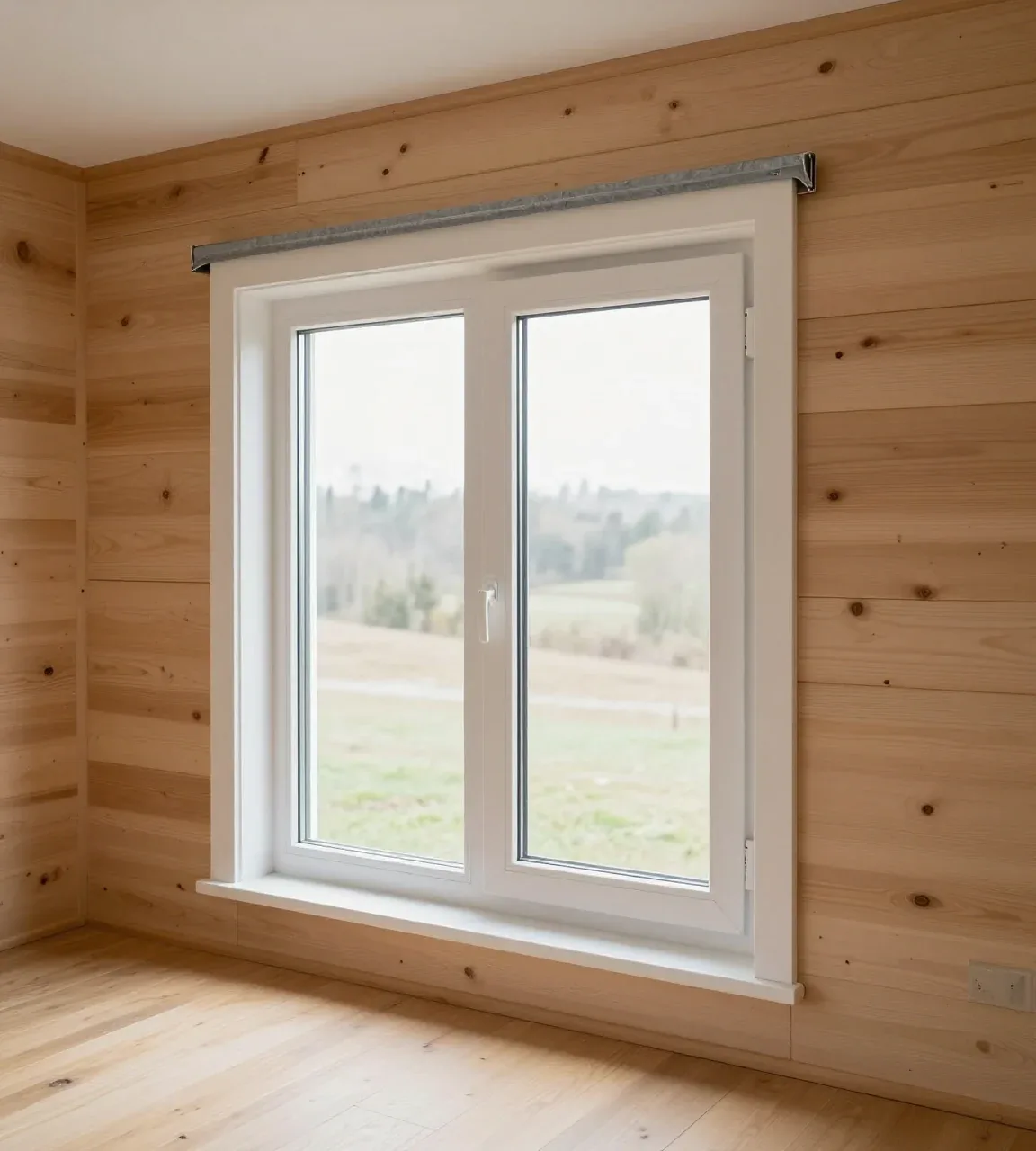
Swedish technology
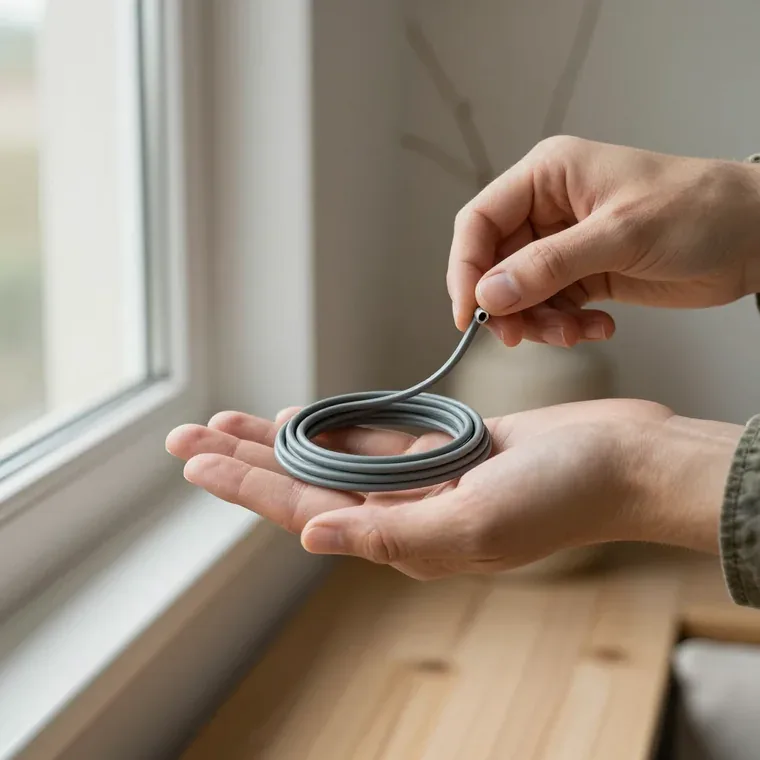
We mill a groove and fit rubber — the old window stops draughting. From 4 200 ₸ per linear metre.
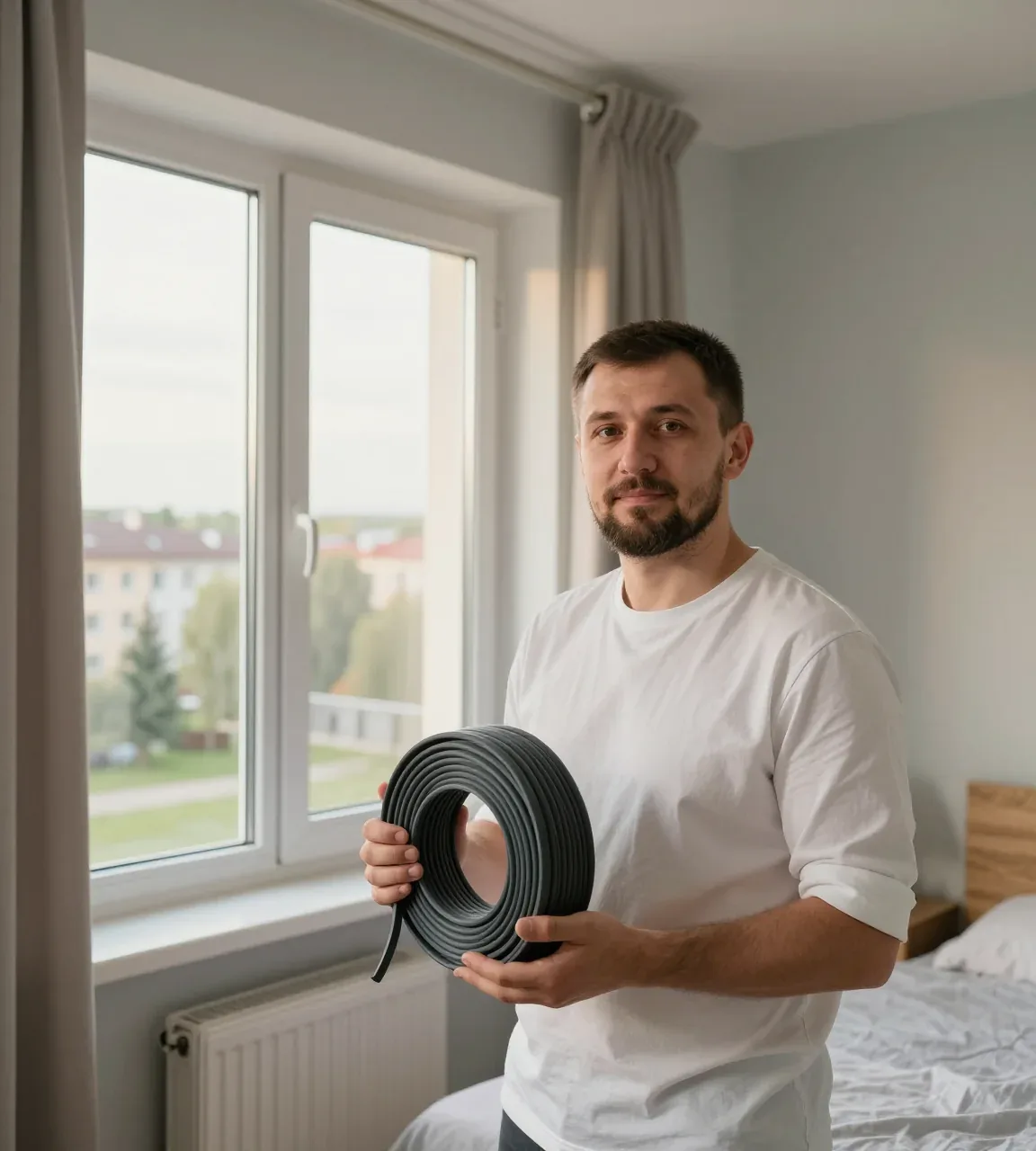
Swedish technology
We mill a groove and fit rubber — the old window stops draughting. From 4 200 ₸ per linear metre.
Sill
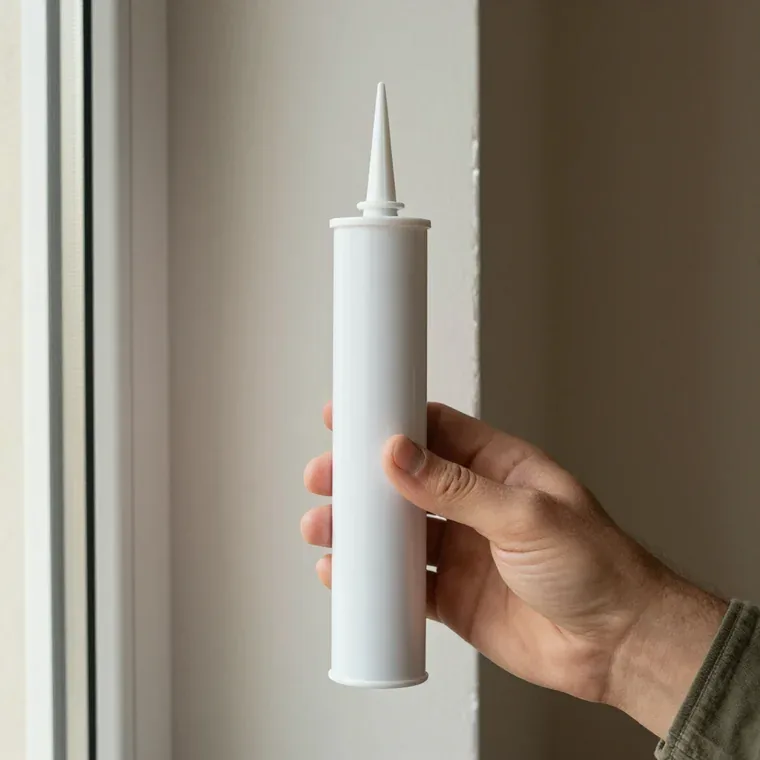
An open seam under the sill lets in cold and meltwater. We seal from 2 000 ₸ per linear metre.
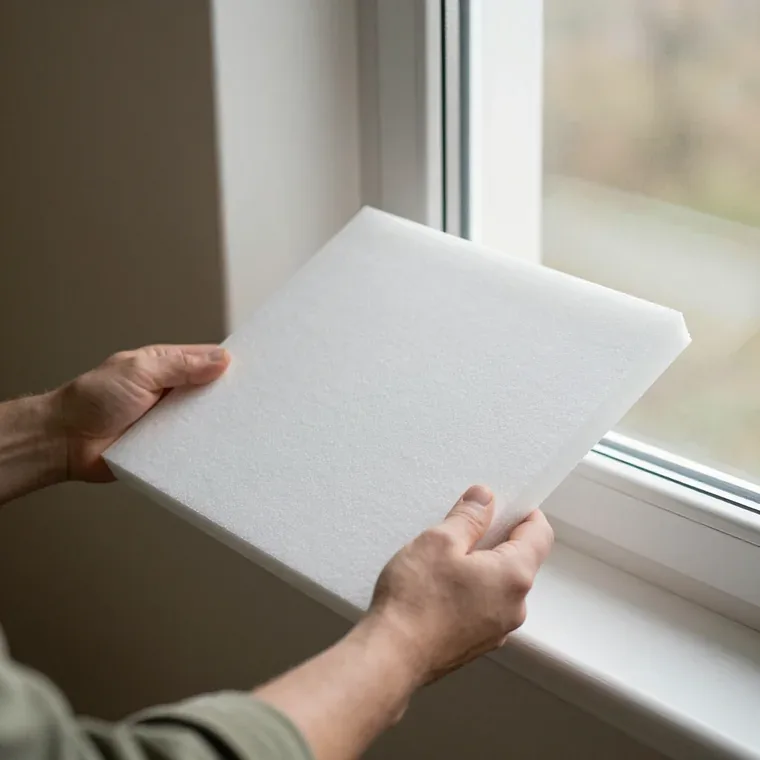
Loggia
We insulate the loggia from inside so it stops chilling the flat. From 6 800 ₸ per m².
Double-chamber unit
We replace a thin single-chamber unit with a double-chamber one; the master will give the timeframe and price after measuring.



5,097 reviews on review sites
Winters here are long and damp, with hard frosts and smog. A window must be tight, otherwise heat escapes and mould appears on the reveals.
Cold comes through gaps in the wooden frame, the seam under the sill, the loggia sashes and thin glass. The master finds the weak spots, seals them and adjusts the sashes, and if needed suggests replacing the single-chamber unit.
Oskemen winters are damp, and wet cold air quickly damages seams and reveals. That is why we always check both the seam outside and the reveal inside.
full insulation of one window
warranty on work and components
warranty on double glazing replacement
These are the problems our masters see in flats and country houses.
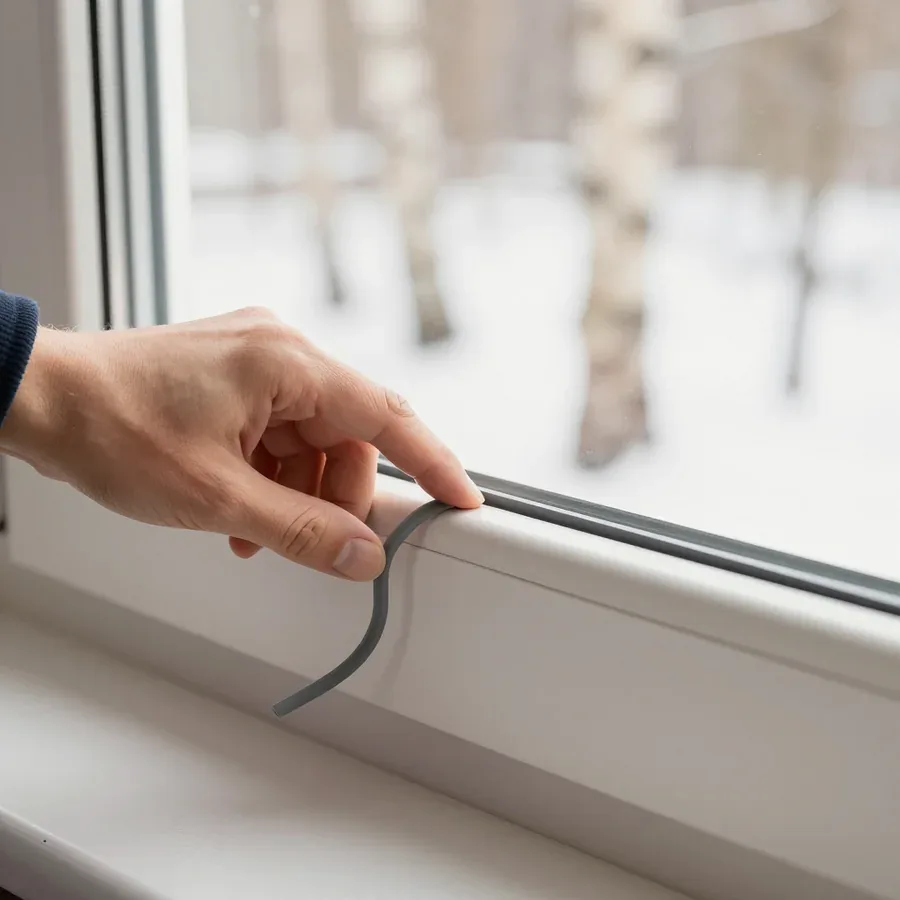
Gaps have appeared in the wooden sash, and in frosty weather a cold draught blows through the room.
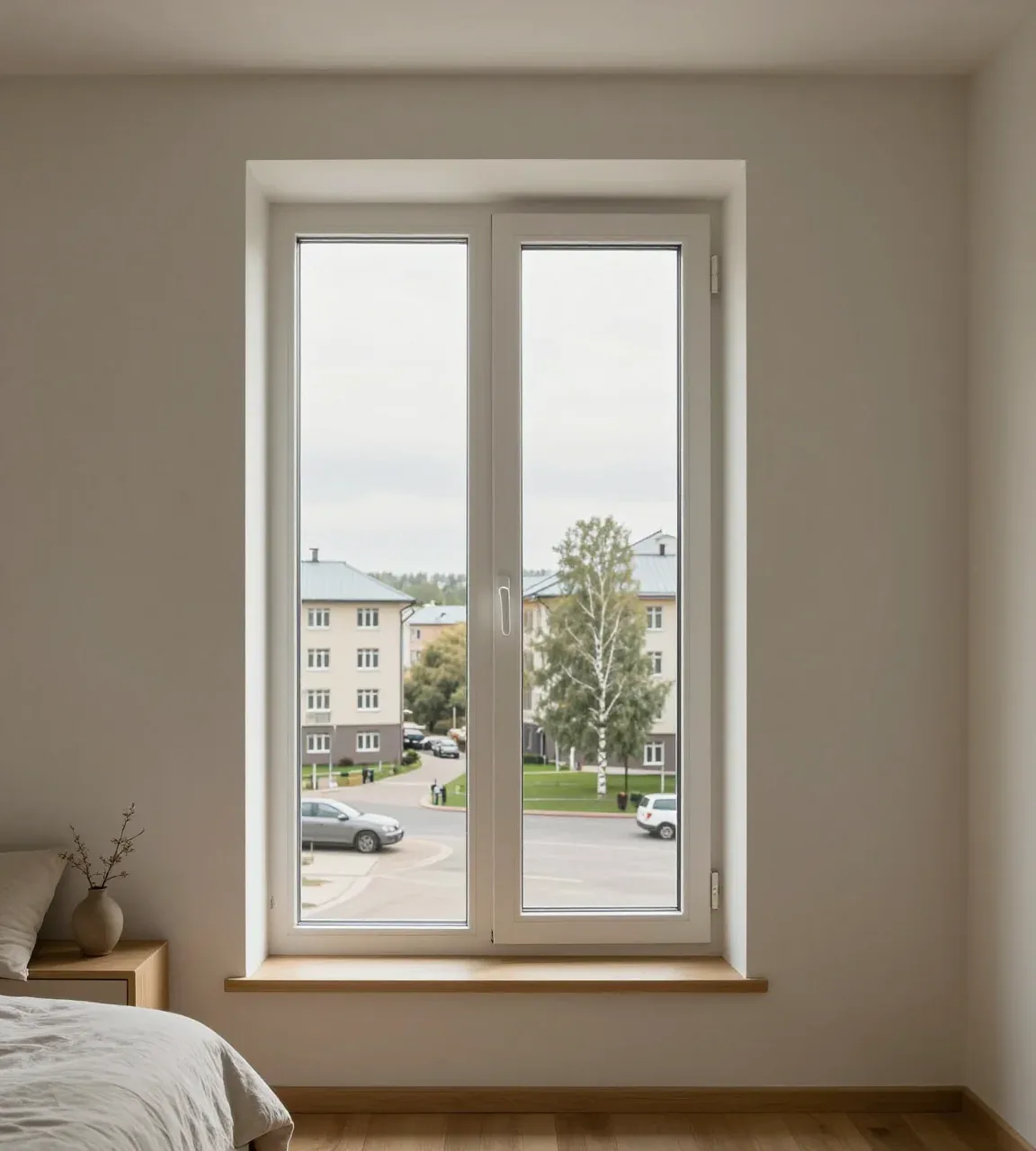
In spring meltwater leaks under the sill, and in winter cold air comes from there.
The balcony sashes don't close tightly, so the bedroom next to it gets cold.
One pane and one chamber can't cope with severe frost.
The master explains what each job will achieve and offers only what is needed.
old wood
New rubber is hidden in the sash groove, so the frame looks the same.
outside the window
Dense sealant keeps meltwater and cold from getting under the frame.
from inside
Insulation on walls and floor, and the balcony stops being a fridge.
damp corner
We insulate and finish it anew so mould doesn't come back.
when the cause isn't visible
The image will show cold zones in the frame, seam and wall.
The total depends on the window and the set of works; the master will give it during the inspection.
| Type of work | Price |
|---|---|
| Full window insulationrubber, seams, compression | from 3 800₸ per window |
| Rubber sealreplacement | from 1 000₸ per linear metre |
| Draught-proofingwe fix | from 3 500₸ per sash |
| Internal seamliquid plastic | from 1 500₸ per linear metre |
| External seamunder the sill | from 2 000₸ per linear metre |
| Revealinsulation and finishing | from 19 900₸ per linear metre |
| Window sillno draughts | from 15 000₸ per job |
| Swedish technologywooden windows | from 4 200₸ per linear metre |
| Extra compressionlong sashes | from 1 700₸ per item |
| Inter-frame contourthird layer | from 2 800₸ per window |
| Thermal camerawindow diagnostics | from 9 000₸ per job |
| Loggia insulationfrom inside | from 6 800₸ per m² |
The price is fixed in the order after measuringMeasuring and consultation are freePayment after installation: cash, card, Kaspi
Call a technicianHow we work.
on work and new parts
warranty on unit replacement
fixed after inspection
work: cash, card, Kaspi
on WhatsApp for a window photo
we visit any day
we accept requests daily
we work across Kazakhstan
From request to a warm window.

Write on WhatsApp what is wrong with the window, attach a photo of the frame, sill or balcony.
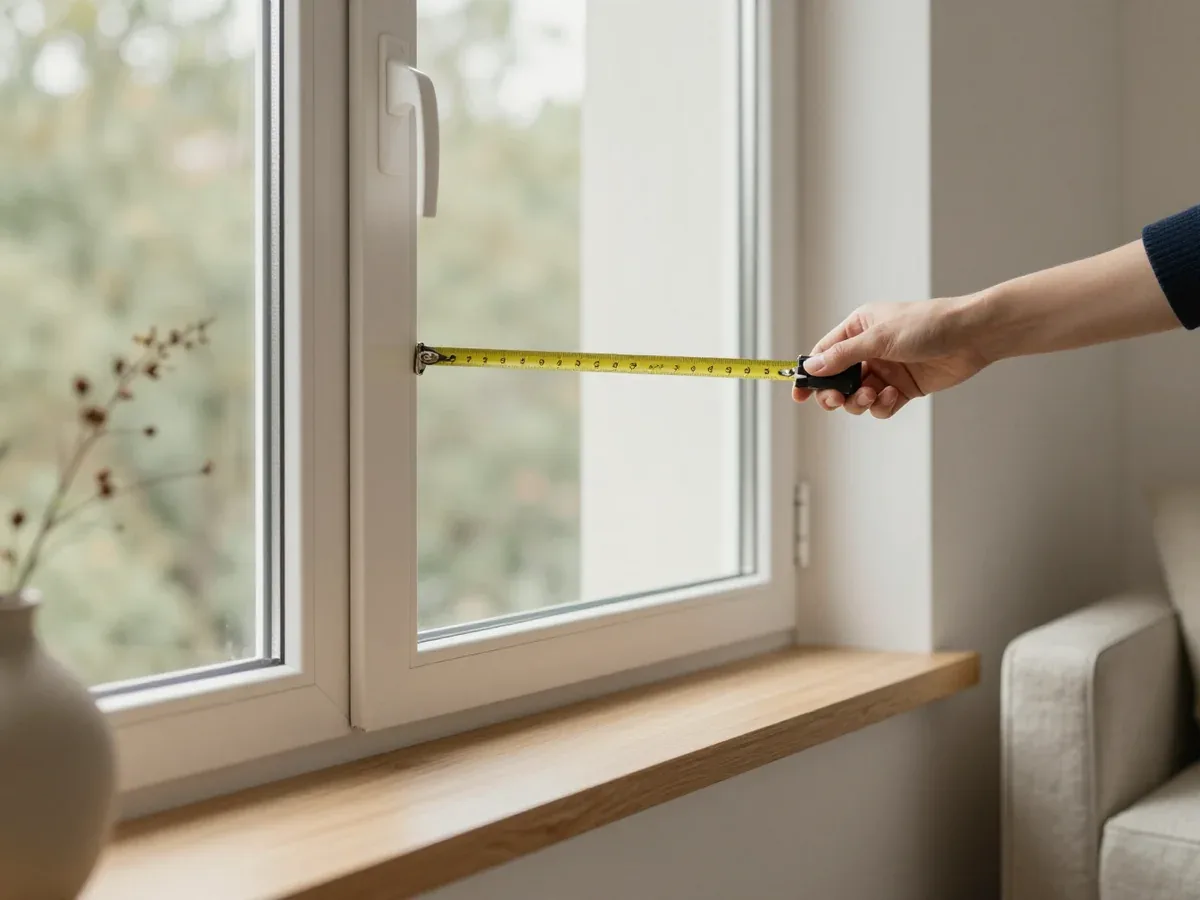
The technician checks the window, with a thermal imager if needed, and gives the price.
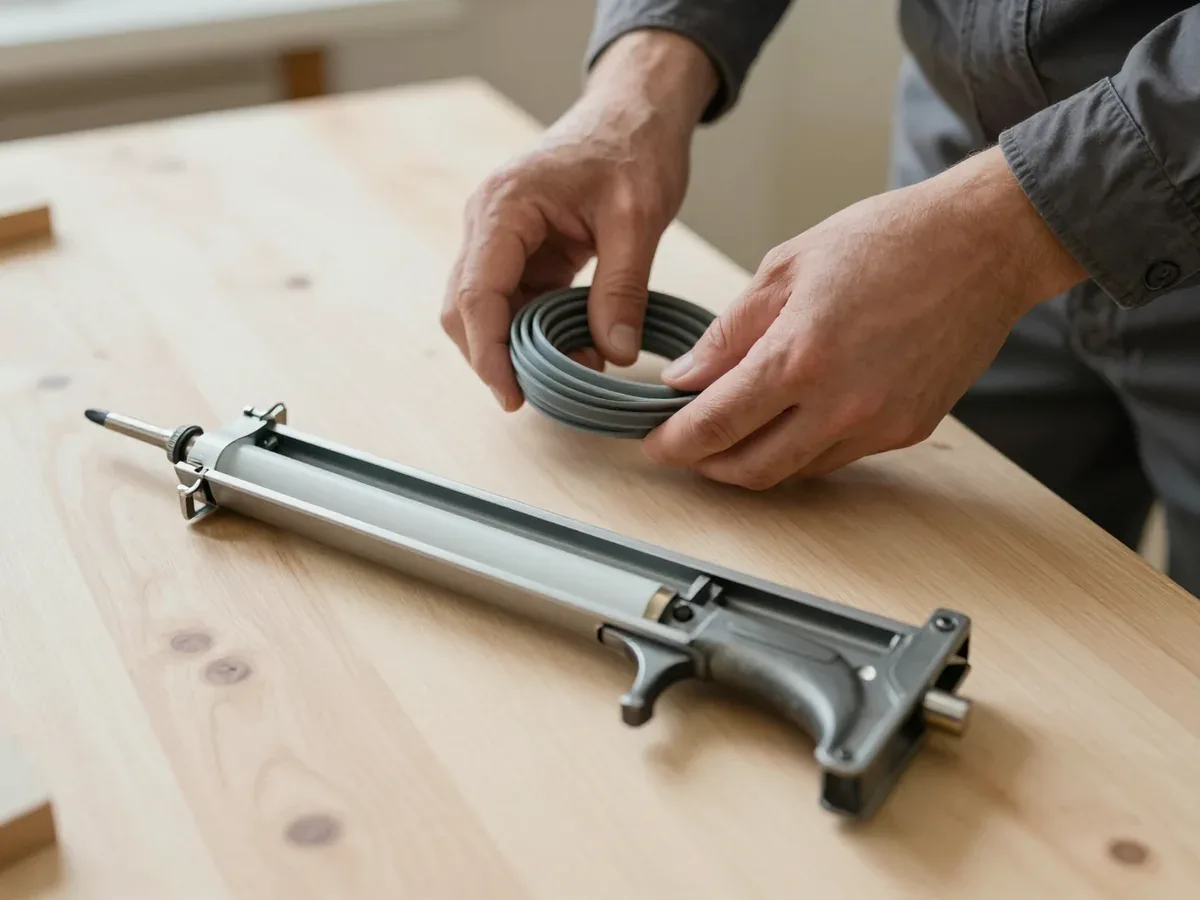
We seal sills and joints, install rubber seals, adjust sashes, and insulate the reveal if needed.
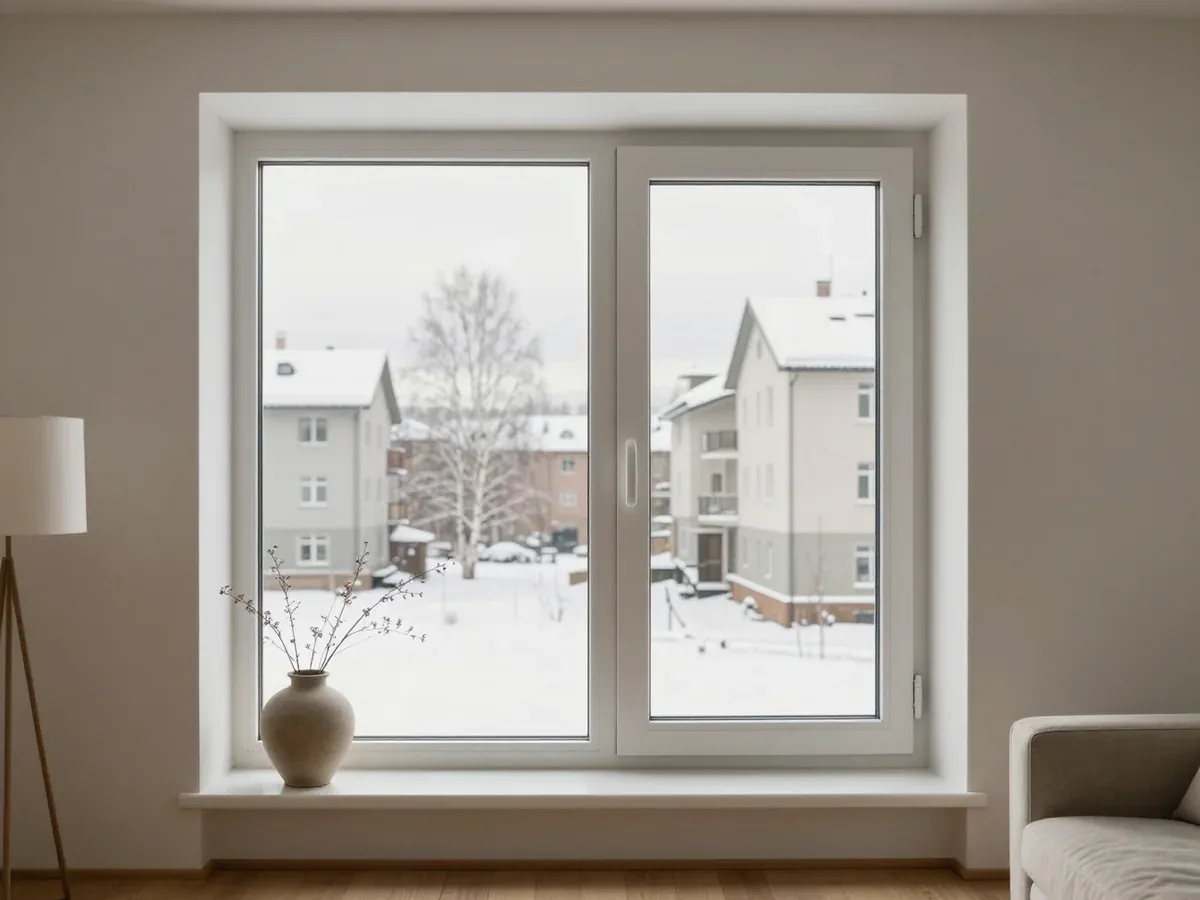
We check the window for draughts and only then take payment.
Good to know

Senior mosquito screen specialist at moskitnyesetki.kz
We handle window insulation in Oskemen as a direct contractor with its own fitters. We start with a free measuring visit, find where the cold enters, then replace seals, adjust sashes and rework slopes, swapping the glass unit only when it is the real culprit. The price is fixed after measuring, and you pay once the work is done.
Insulation starts with finding the real source of the chill, not foam or fresh rubber, by checking four zones the measurer inspects on every visit before anything is ordered.
Water running down the glass or black spots on the slope mean warm indoor air is meeting a cold surface, and the location of that surface tells you which part of the glazing is losing heat. Condensation that collects in the lower corners of the pane usually points to a failed glass unit, while damp along the slope edge points to a gap behind the frame. Mould that keeps returning after you wipe it is the same signal in slower form, since the moisture source was never removed. Treating the wrong zone leaves the mould to come back within a season, so read the pattern before ordering any work.
Not every cold pane needs replacing, and not every one is worth insulating. Three scenarios cover almost every case, and the signs below show which one a unit falls into.
| Scenario | Typical sign | What we do |
|---|---|---|
| Reseal and adjust | Sash closes unevenly, draught at the rebate | New seal, hardware adjustment |
| Replace the glass unit | Glass itself is cold, condensation between panes | Swap the unit, keep the frame |
| Replace the whole window | Frame is warped or rotten | Full window replacement |
Plastic units respond best to seal and hardware work, wooden ones often need the frame itself tightened and painted, and aluminium frames usually fail at the thermal break rather than the seal. On a plastic sash the weak points sit at the rebate and the hinges, so a fresh seal plus an adjustment restores most of the warmth. Timber is a different job: dried-out putty and shrinking boards let air pass through the opening long before the seal gives out. Aluminium profiles lose heat where the inner and outer sections meet, and no amount of new sealing fixes that joint.
Insulation is a sequence of steps, not a single procedure, and their order decides whether the result holds through winter or cold finds a new path within weeks.
A single unit takes well under a day for gasket and adjustment work, and we confirm the exact slot after measuring; you only need to clear the sill and give us access to the sashes. The fitter works from the room side, so furniture stays put apart from what sits under the opening. If foam or sealant goes into a joint, leave the opening closed and unwashed until it cures — wiping it down too early breaks the fresh gasket. Window insulation in Oskemen follows the same order, so the timing holds for local flats. We answer on WhatsApp within five minutes if a visit needs moving, and we are open seven days a week for tenants home only at weekends.
A worn seal and a loose sash cause most draught complaints on otherwise sound units. Here is when the gasket needs replacing and what a winter tune-up changes.
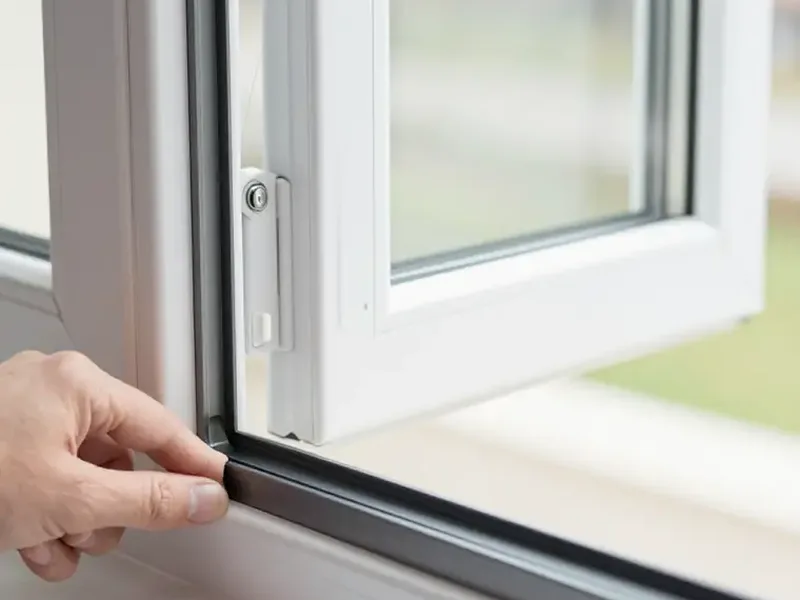
A seal that has gone hard, flattened or pulls away from the rebate is done, and we replace gaskets in windows of any manufacturer, including KBE, Rehau, VEKA and Provedal profiles. The rubber strip sits in the rebate between the moving leaf and the frame, and once it loses elasticity the gap opens at the corners first. We swap the strip for a new one cut to the profile groove, so it seats without stretching or pinching at the hinges. Press a fingernail into the rubber — if the dent stays instead of springing back, it has lost its memory and no amount of tuning will bring the draught under control.
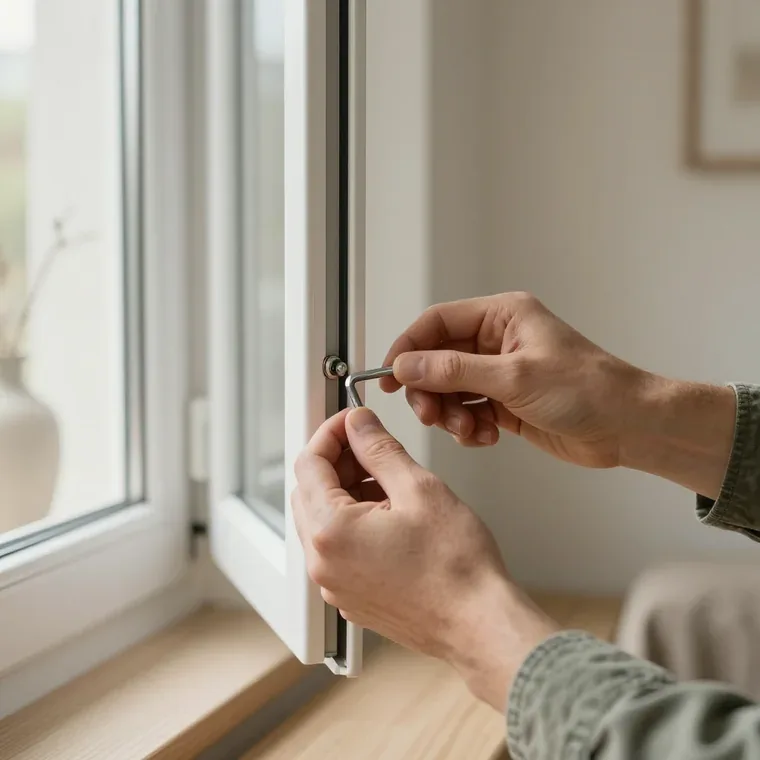
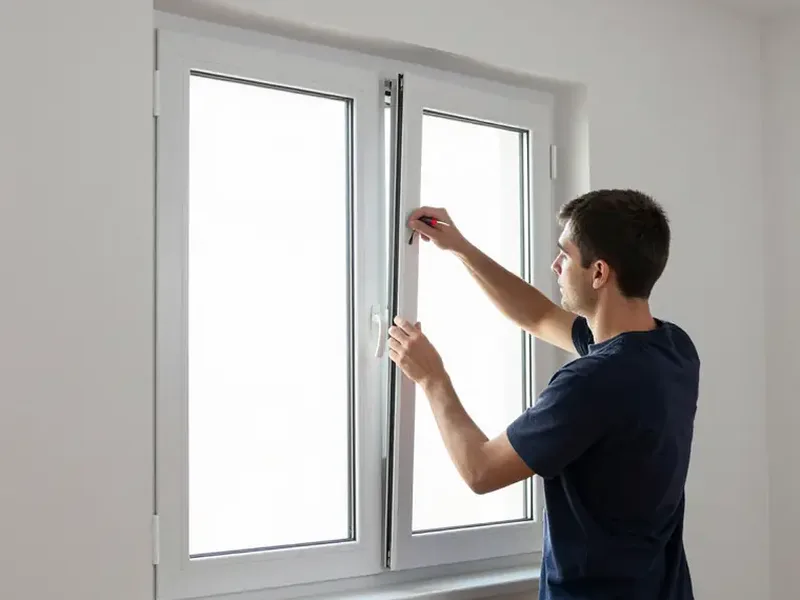
Winter adjustment moves the leaf tighter against the frame so the gasket compresses evenly along the whole rebate, and we set it as part of the insulation visit rather than as a separate job. The eccentric pins on the hinges turn a few millimetres, pulling the moving part inward; the same turn on the bottom and top keeps the gap even, which matters on tall balcony doors where one corner lifts. On wooden frames the leaf shifts with seasonal humidity, so the autumn setting may sit loose by January. This only helps while the hardware still pulls it in; if the hinges are worn, tightening them strains the mechanism, so we check the fittings first.
A fresh seal and winter adjustment may change nothing, as the chill is not coming through the sash. What remains to inspect sits around the frame: slopes, sill joint and glazing.
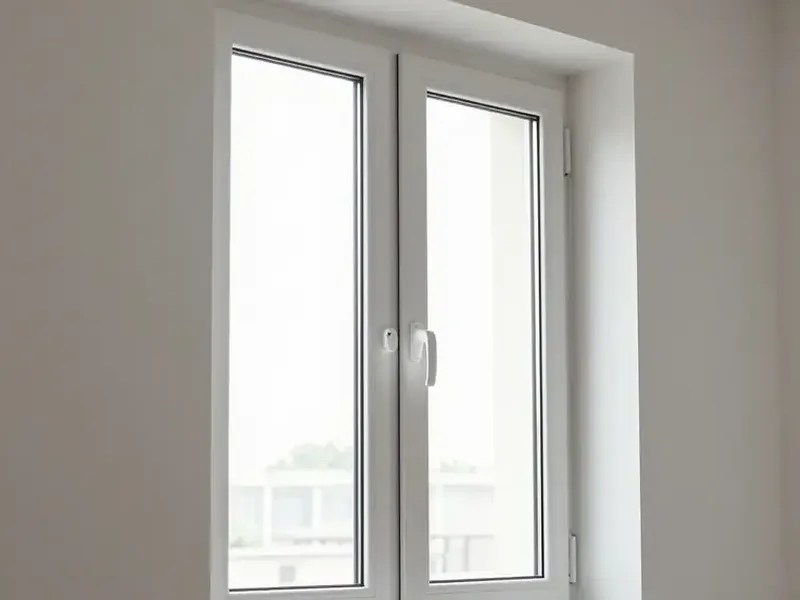
A slope that feels chilly or a sill that lets air in at the joint means the leak sits behind the frame, and no seal on the sash will fix it. Run a hand along the inner edge where the slope meets the wall and where the board meets the frame; a steady draught there points to a gap between the block and the opening rather than to the hardware. Foam alone behind a slope will crack as the building settles, so the joint needs a flexible sealant laid over it — otherwise the same draught returns the following winter. On panel buildings the board often hides a second gap underneath, which is why pressing foam into the visible crack rarely holds.
If the pane frosts across the middle or the spacer inside is fogged, the glazing has failed and replacing it is the only fix that holds. We can turn that around within a single day when urgent, and our warranty on glass unit replacement runs for three years. A failed unit loses its insulating gas long before it looks broken, so frost in the centre of the pane is a more reliable sign than visual inspection of the edges. Insulation work in Oskemen often stops at the seals because the glazing was never tested this way — a five-minute look at the pane on a cold morning tells you whether the budget should go into the unit instead of the fittings.
A window order is easier to trust when you see the whole path from first call to final payment, with warranty terms written down for each kind of job.
| Work | Warranty | What it covers |
|---|---|---|
| Window repair | 1 year | Labour and replaced parts |
| Glass unit replacement | 3 years | The new sealed unit |
| Window installation | 5 years | The fitting itself |
Insulation works best as a sequence of decisions rather than a single job, so the order of checks matters as much as the materials used.
Insulation without replacement, diagnostics, materials and timelines
Konstantin Selenenkovsenior mosquito screen specialist, 10 years in the tradeOnline · replies within 5 minutes
Ask a questionYes, if the double glazing unit itself is intact and does not fog up from the inside, insulation without replacement helps: we replace the seal, adjust the closing pressure, and seal the seams. But if the double glazing unit has lost its seal, it will need to be replaced.
Check the seal by touch: if it is hard, cracked, or does not spring back, the seal is the issue. Condensation or ice between the panes, however, points to a faulty double glazing unit.
Freezing along the edge of the glass is often caused by a broken seal in the double glazing unit or poor closing pressure. First, the seal and adjustment should be checked, but if ice appears inside the double glazing unit, replacement is needed.
For insulation we use rubber seal, seam sealant, and, if necessary, insulation for the reveals. Service life depends on operating conditions, but quality materials last several years.
Insulating one window usually takes about an hour; in an apartment with several windows it takes longer. It is best to clear the windowsill in advance so the technician can work comfortably.
They are different: adjustment only tightens the closing pressure of the sash, while insulation includes replacing the seal and sealing the seams. Adjustment is often part of a package, but on its own it does not remove the cold from the apartment.
Thank you. We will call you back within 10 minutes!
Your order number is on the receipt or in the SMS. Choose where to leave your review.
Write a review on WhatsApp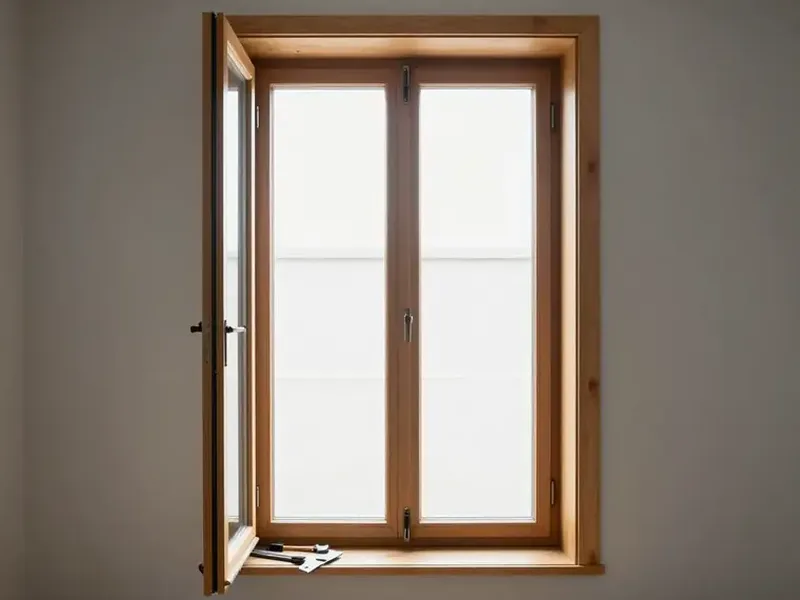 Wooden window repair
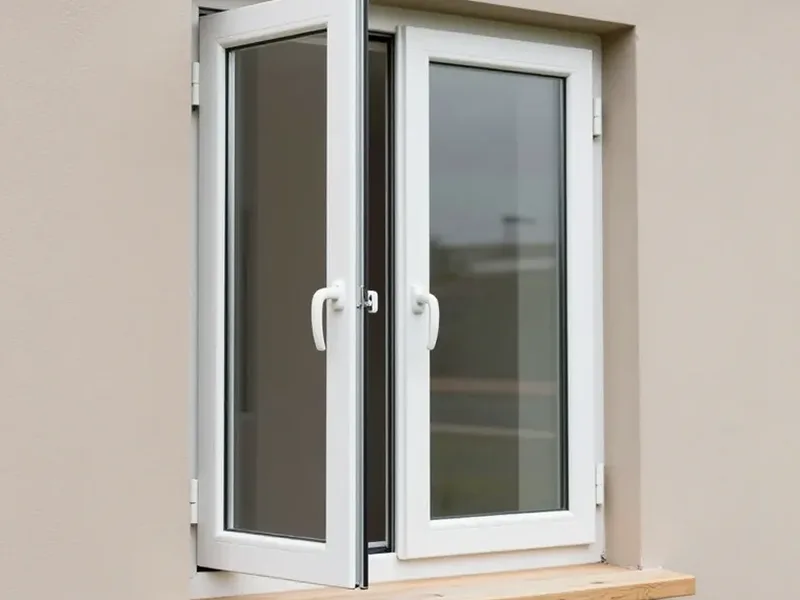 Balcony glazing
 Seal replacement
 Reveal finishing
 Window adjustment
