
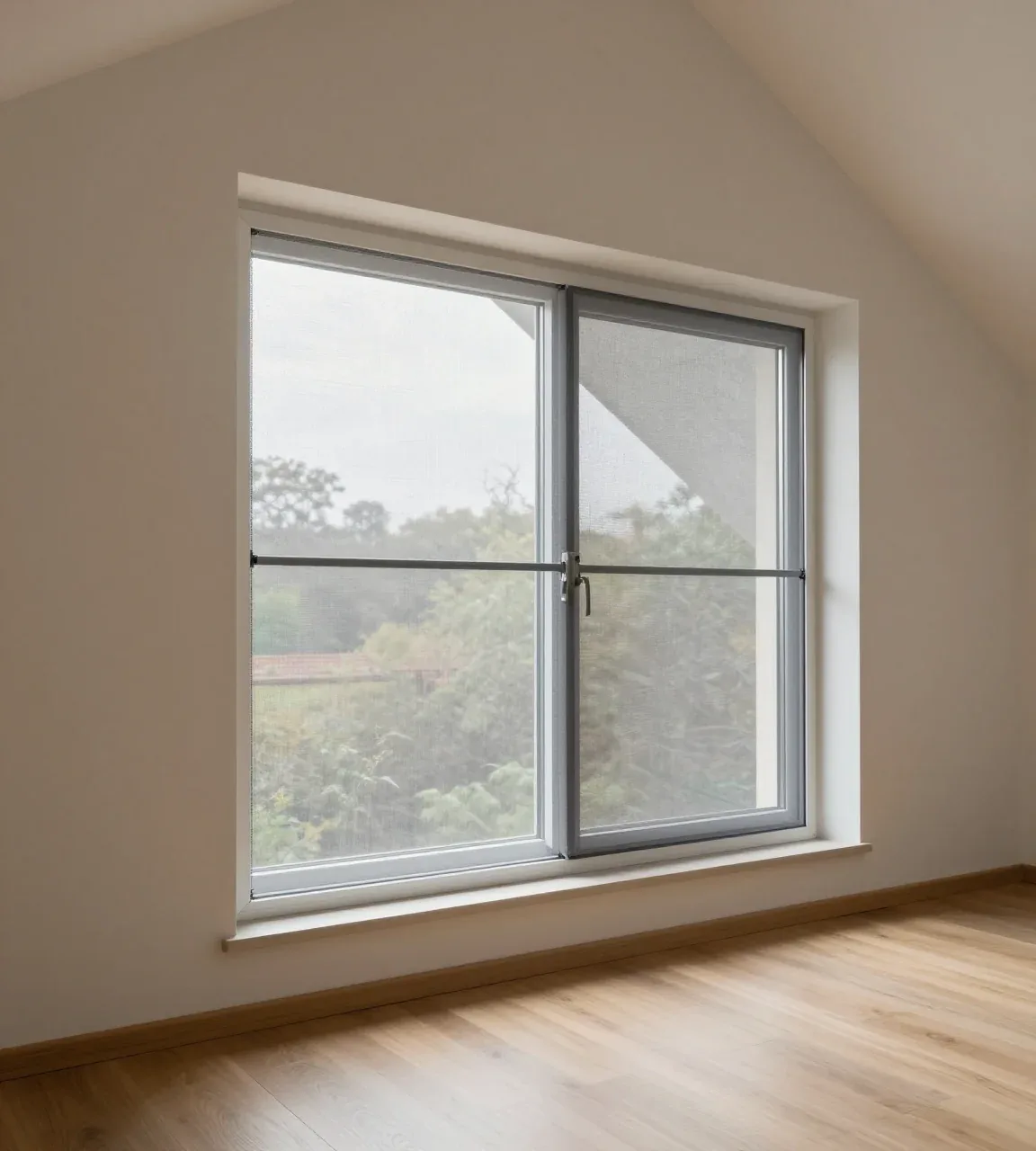
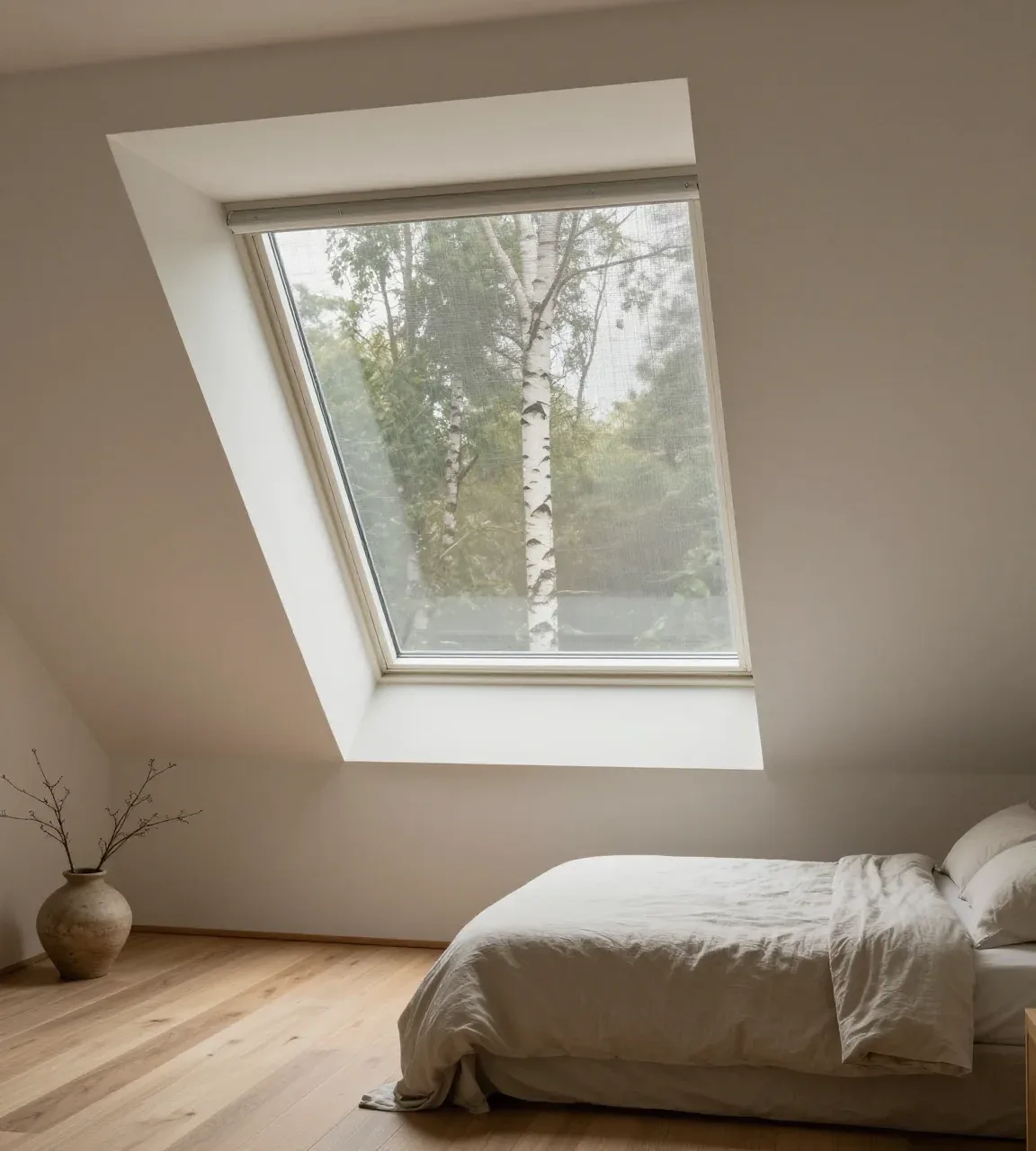
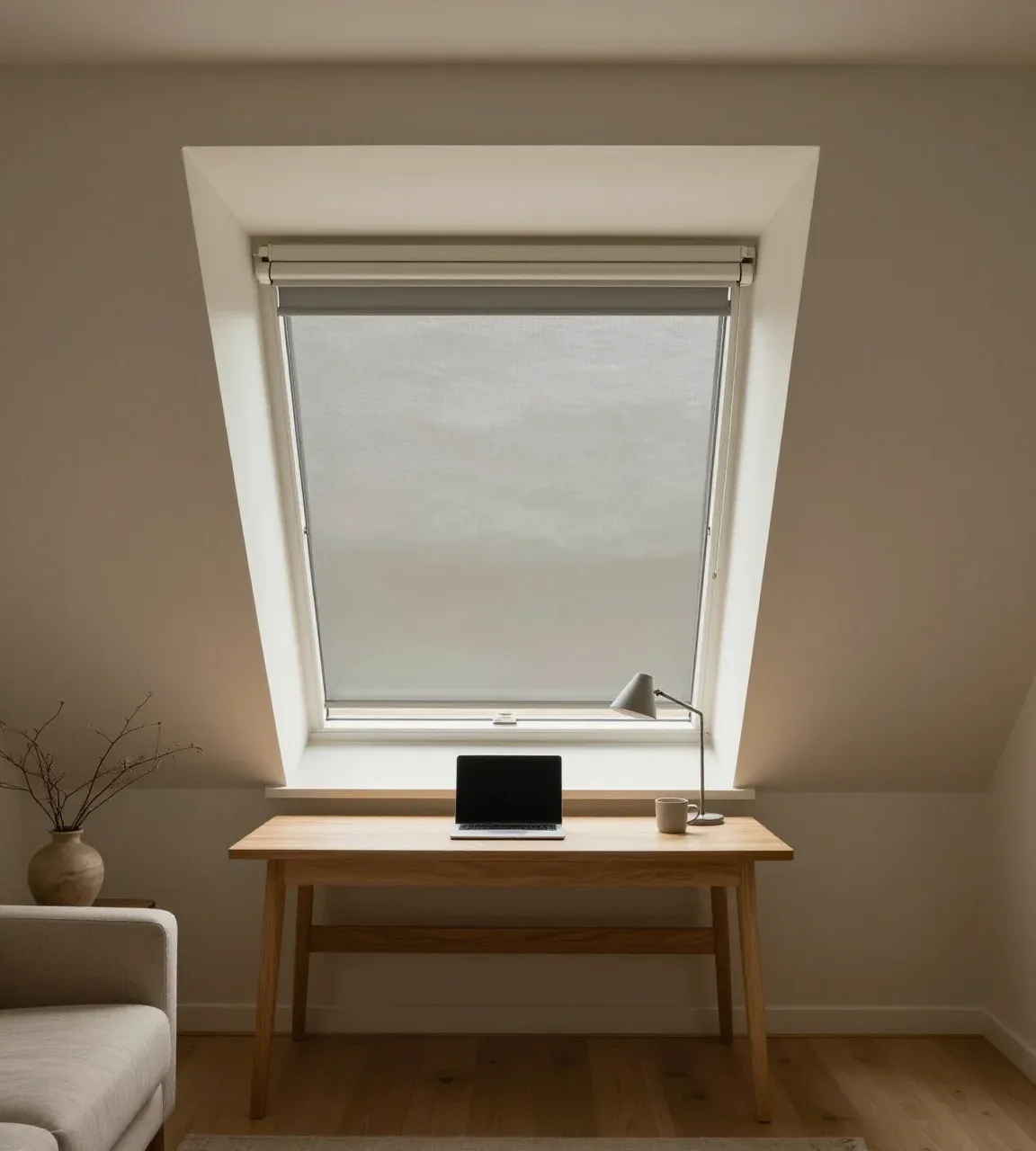
For inclined windows · in a cassette
Roller screen
The mesh rolls into a cassette and runs along guides in the reveals. Price from 93 000 ₸ per item, fitting separately.
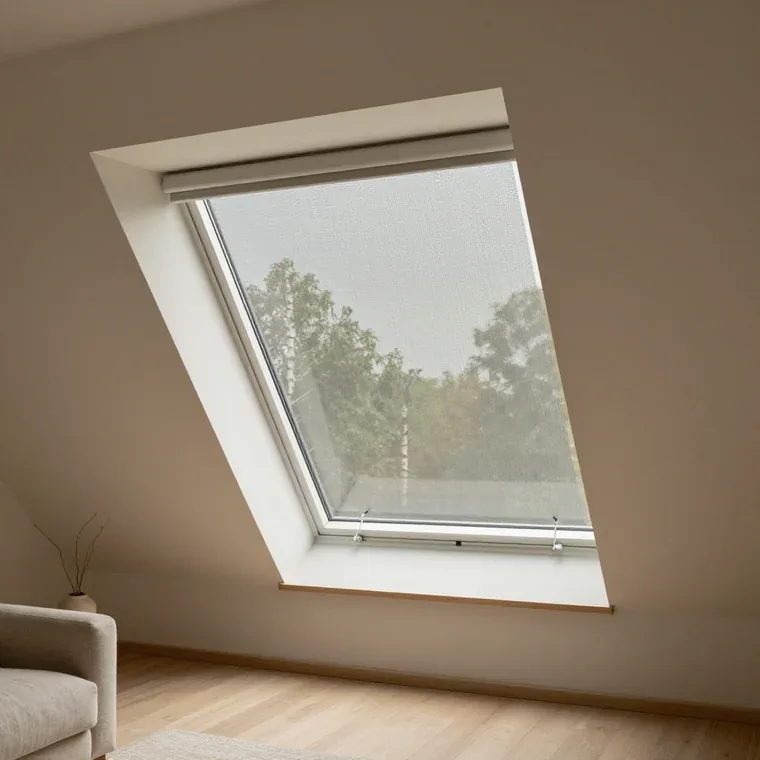
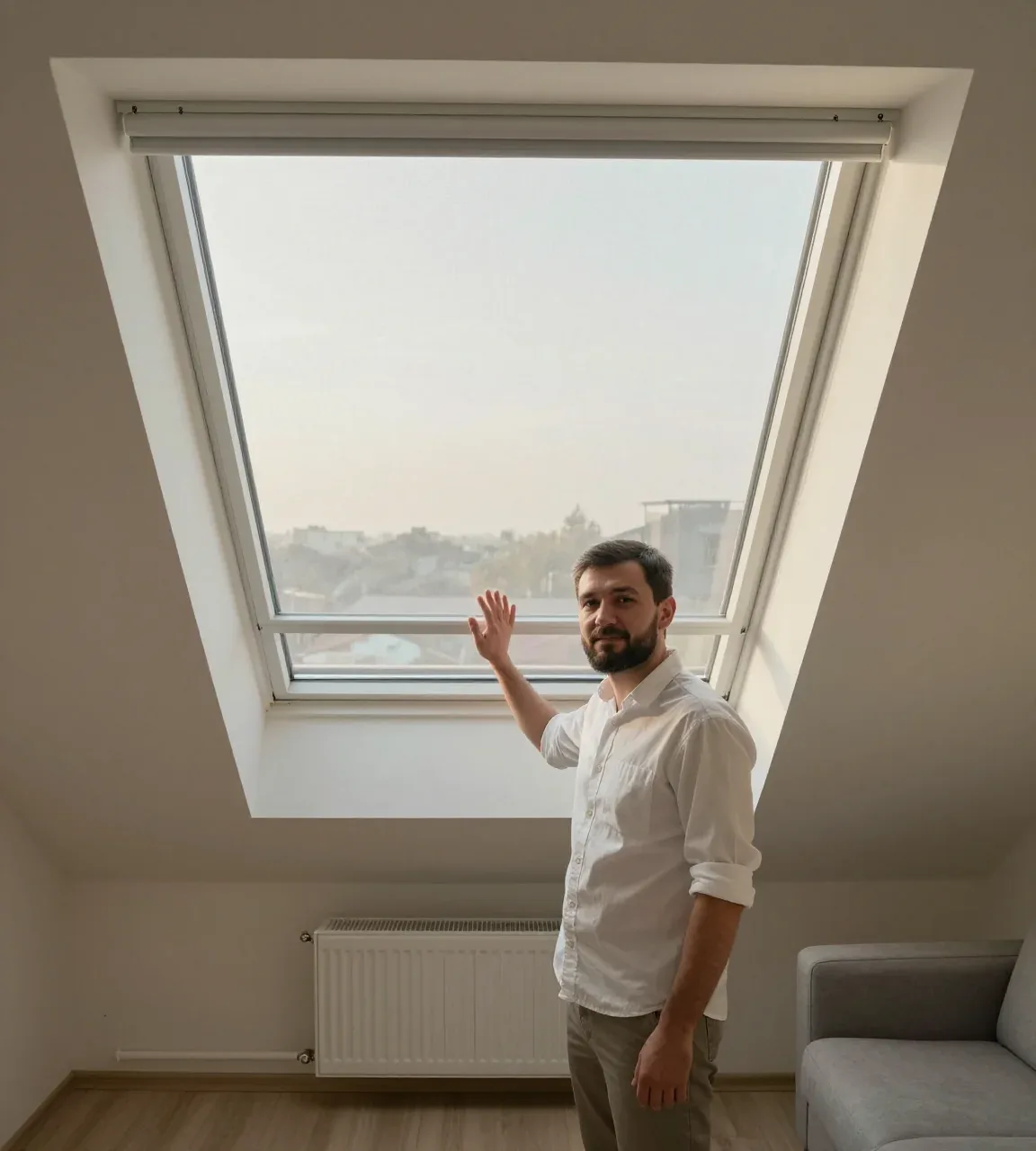
Roller screen
The mesh rolls into a cassette and runs along guides in the reveals. Price from 93 000 ₸ per item, fitting separately.
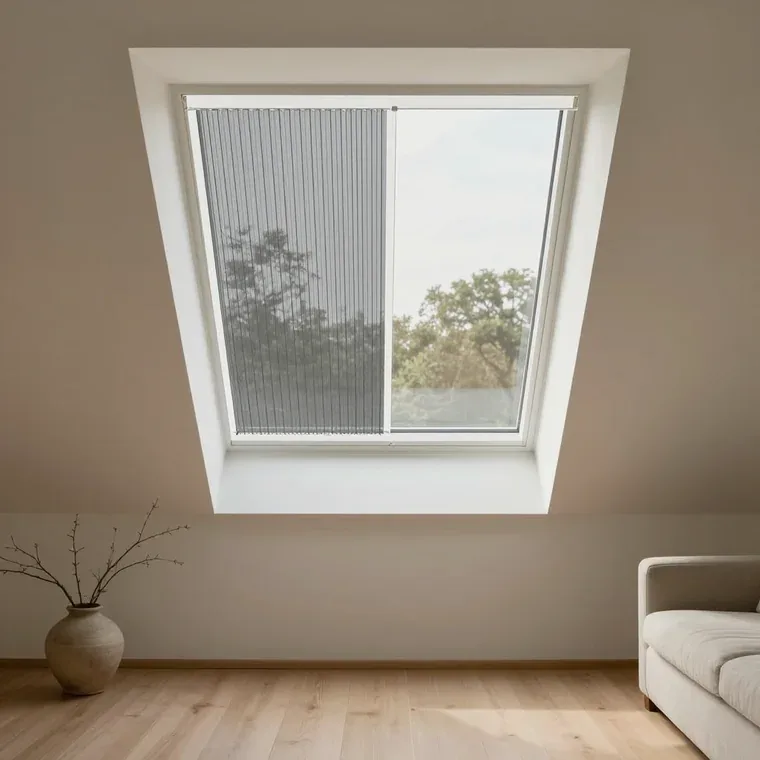
Pleated screen
Folds like an accordion and takes up minimal space in the reveals. Price from 50 500 ₸ per item.
Anti-Cat
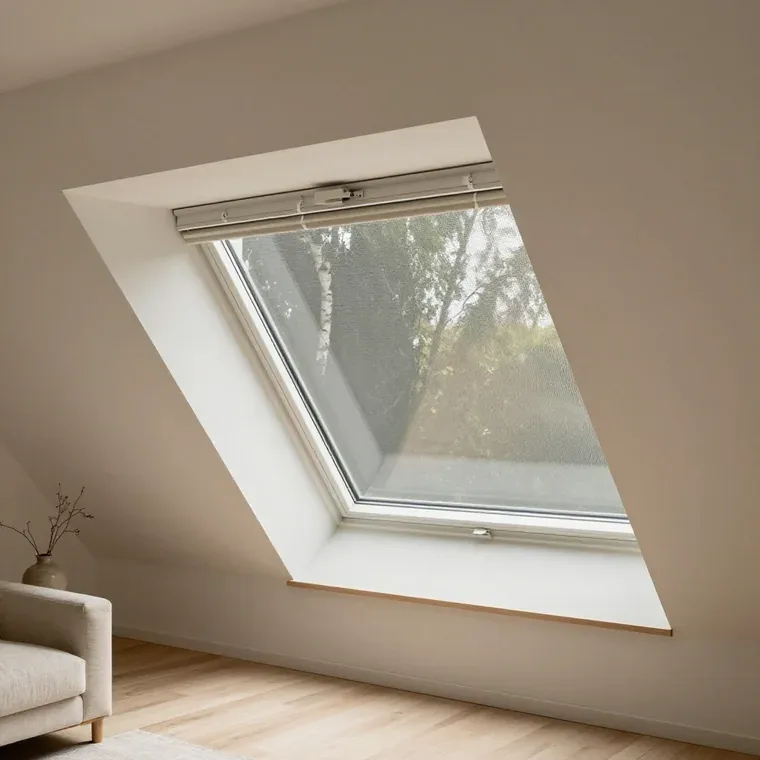
Vinyl threads are several times stronger than standard mesh and withstand the weight of a small pet.
Anti-Pollen
Hypoallergenic mesh with a fine weave traps pollen under the roof.
UltraVue
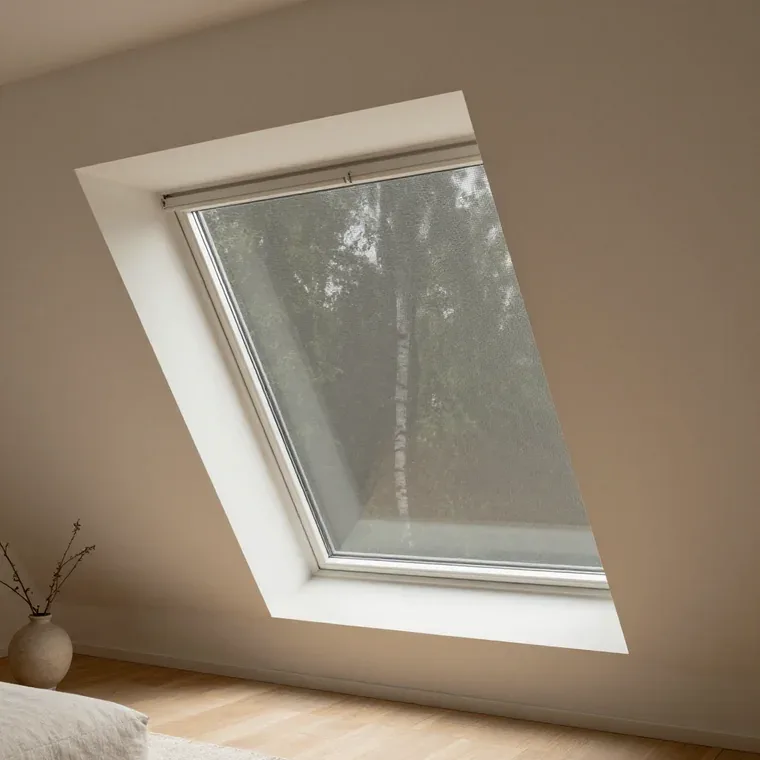
Lets through 25% more light and air than other meshes — important for an attic.



5,097 reviews on review sites
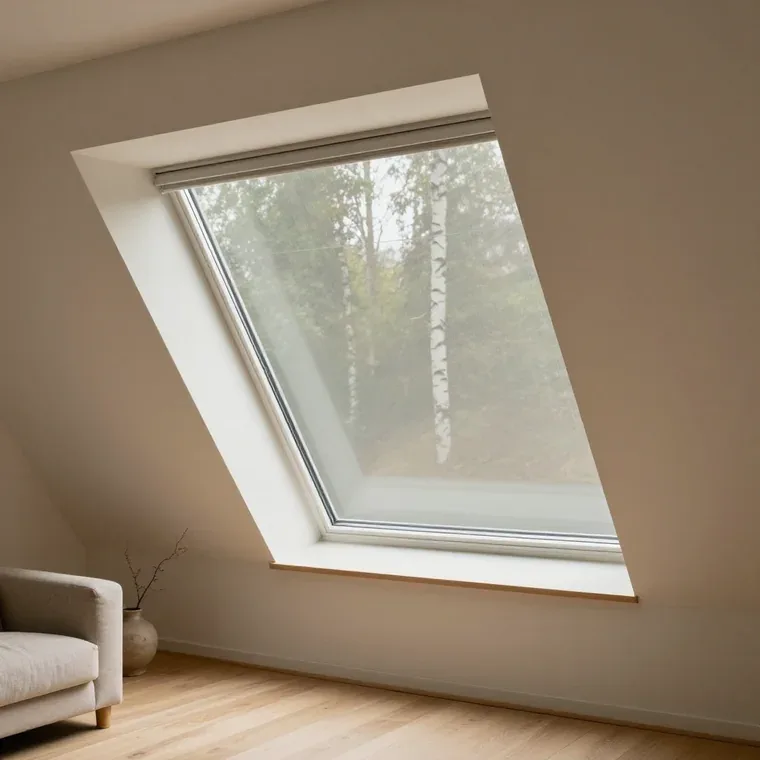
An inclined window opens outwards, so the screen is mounted in the reveals on guides, not on the frame as with a standard window.
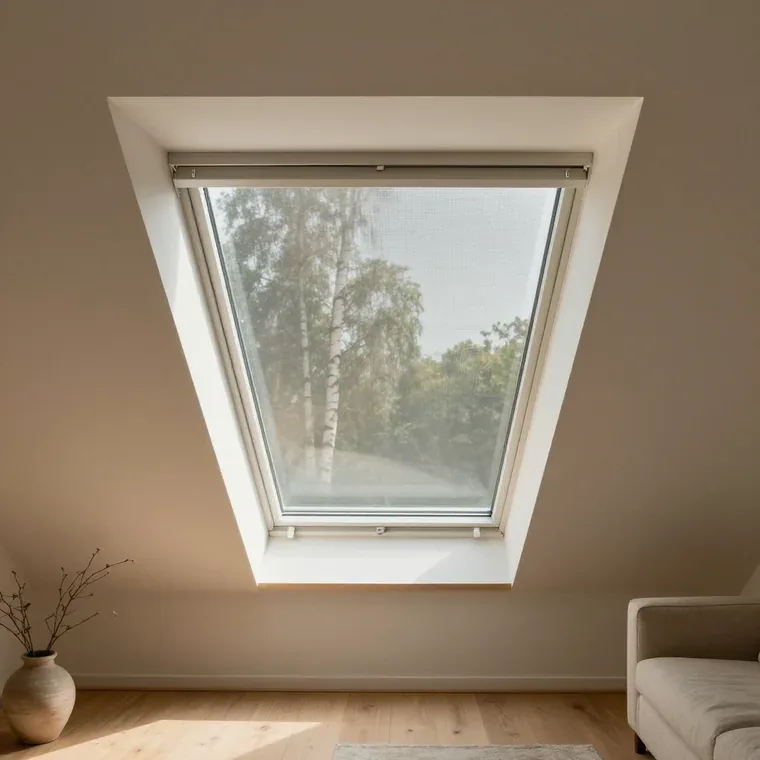
A skylight window is set at an angle to the wall and opens outwards, so a standard framed screen won't stay on it. Skylight screens are mounted in the reveals: the mesh runs along guides following the slope and covers the opening when the sash is open.
The design consists of the mesh, a profile and a mechanism — a cassette for roller screens or folds for pleated ones. Fixings are chosen to match the window profile and floor level: Z-shaped brackets, plungers or magnets.
making a framed screen to your dimensions
warranty on mosquito screens
from standard fiberglass to Anti-Pollen
The surveyor selects the fixing for an inclined window: it's important that the mesh runs along the reveals and doesn't stop the sash opening outwards.
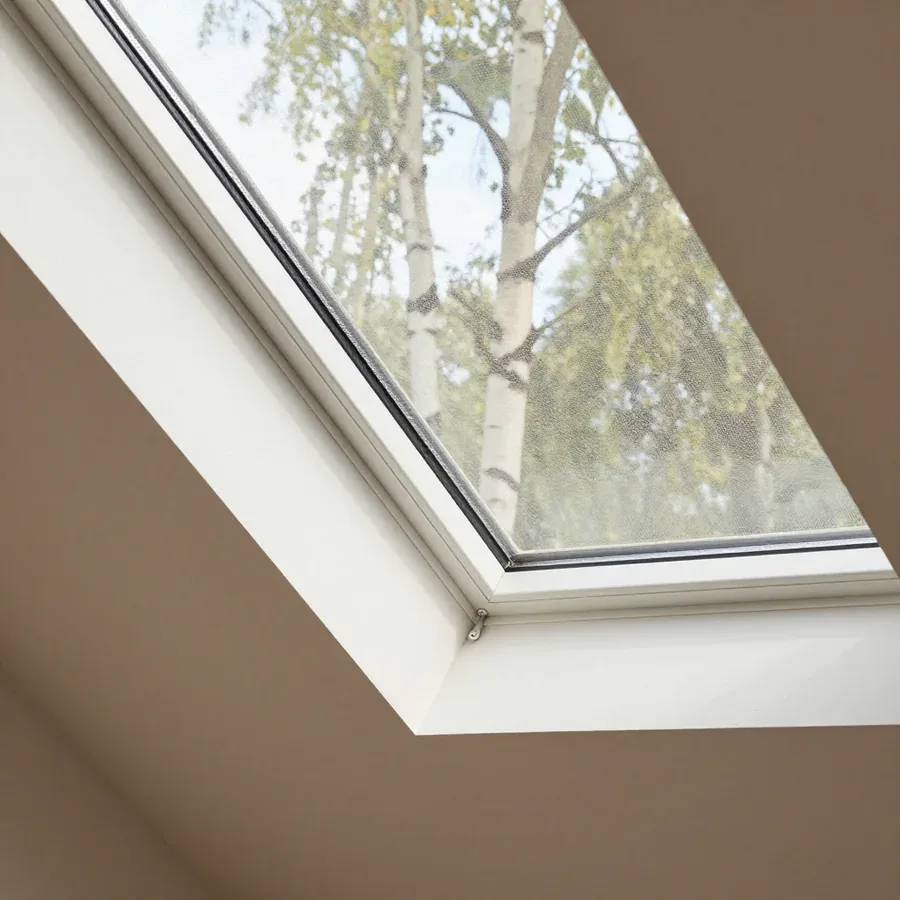
The mesh moves along the window slope on guides fixed in the reveals.
Z-shaped brackets or plunger pins are chosen to match the window profile and floor level.
For a high window, a control rod is fitted so you can reach the screen.
Replace with choosing where to mount the guides in the reveals depending on the reveal depth and the outward travel of the sash
On a slope the mesh gets more sun and dust, so the choice is between light transmission, strength and pollen protection.
Fiberglass · basic
Fiberglass is resistant to fire and temperature changes, suitable for everyday protection.
Ultravue · more light
Lets through 25% more light and air than other meshes — for a dark attic.
Pet Screen · heavy-duty
Vinyl-coated threads are several times stronger than standard mesh and can withstand the weight of a small pet.
Fine mesh · dust protection
Traps dust that rises under the roof and does not block ventilation.
Poll-Tex · 0.25×1 mm
Hypoallergenic mesh with 0.25×1 mm cells traps pollen during the flowering season.
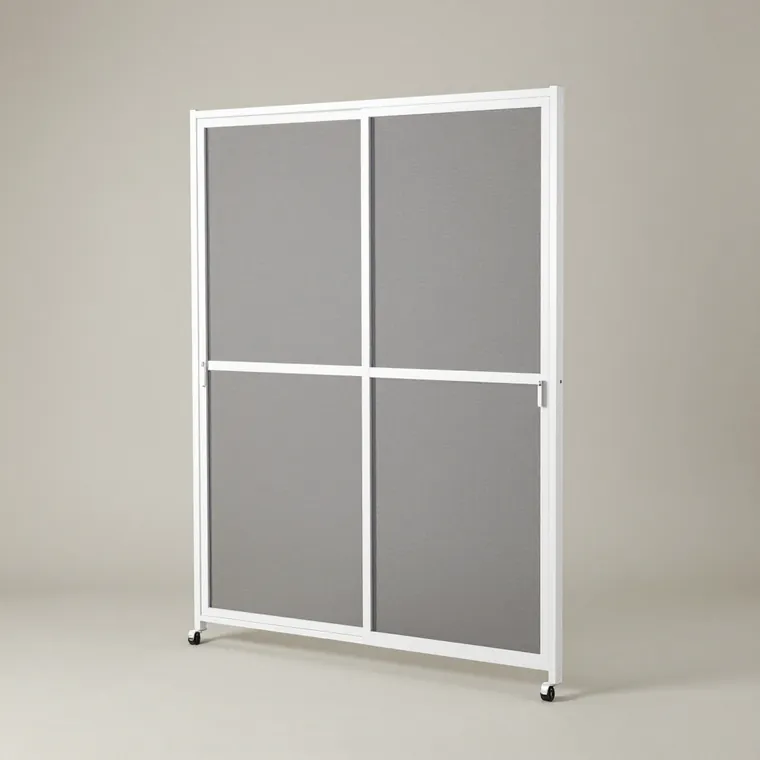
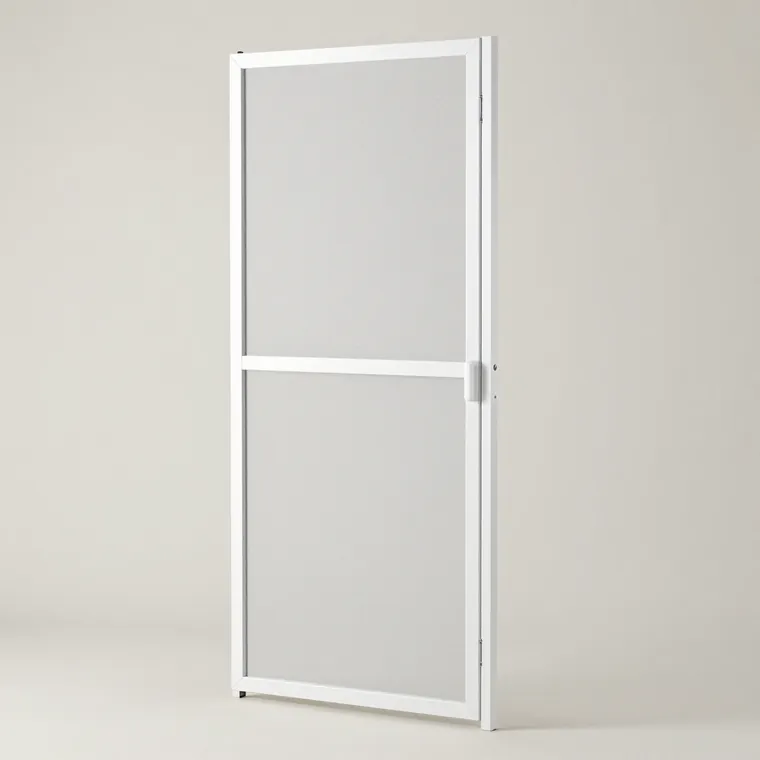
Framed, sliding, door and pleated screens. Our measurer will choose the right design for your opening free of charge.
Full price listPage price list: screen types, installation and repair; the price is fixed in the order after measuring.
| Screen type | Price | Fitting | Options and prices | |
|---|---|---|---|---|
| Roller mosquito screen for skylight windowsin a cassette, for inclined windows | from 93 000₸ per item | 3 350 ₸ | Roller mosquito screen for windows · 16 200 ₸ per m² | |
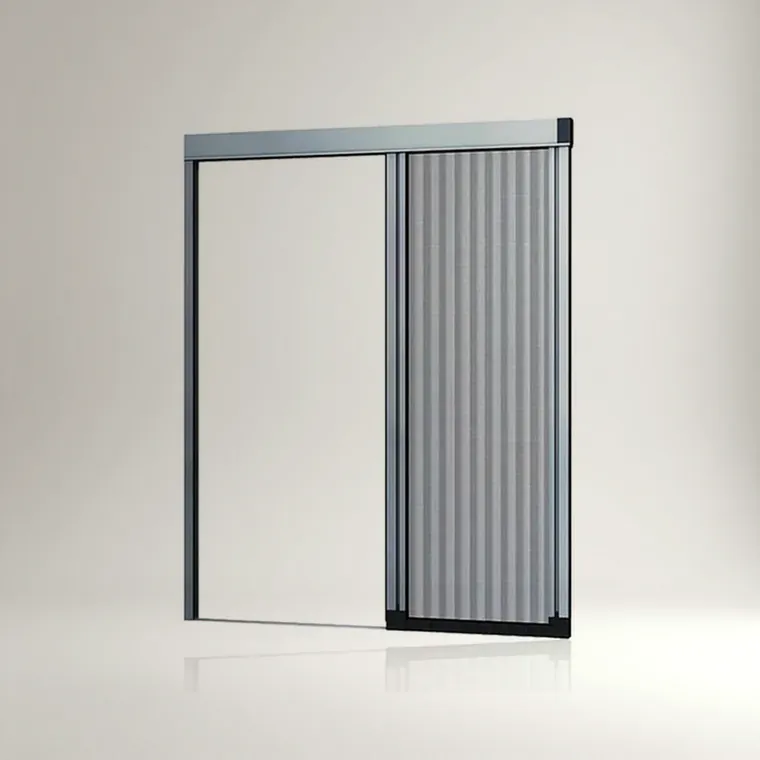 Pleated mosquito screen for skylight windowsfolds like an accordion | from 50 500₸ per item | — | Pleated mosquito screen, standard mesh · 29 500 ₸ per m²Pleated mosquito screen for windows · 25 000 | |
| Pleated mosquito screen fittinginstallation on a window | from 3 450₸ per item | — | ||
| Pleated screen repair, cord replacementmechanism restoration | from 8 500₸ per job | — | ||
| Mosquito screen repairminor repairs | from 2 500₸ per item | — | ||
| Measuring visit if the order is cancelledif cancelled after measuring | from 2 500₸ per job | — |
The price is fixed in the order after measuringMeasuring and consultation are freeMeasuring includes taking the reveal dimensions, checking how the sash moves and choosing the fixings
Book a measuring visitEnter the width and height of the opening and choose the mesh — the calculator will show a preliminary price.
1. Screen type
2. Mesh and design
3. Opening size, cm
We have been making mosquito screens since 2012 in our own production facility and install them ourselves, without intermediaries.
making mosquito screens since 2012
on mosquito screens
in Almaty at 83 Tole Bi: we make, deliver and install ourselves
we paint the profile to match your windows: white, brown, grey
profile painting to match the window as a separate option
mosquito screens can be ordered in 17 cities of Kazakhstan
we reply on WhatsApp within 5 minutes
we work every day
Four steps from request to a finished screen in the reveal
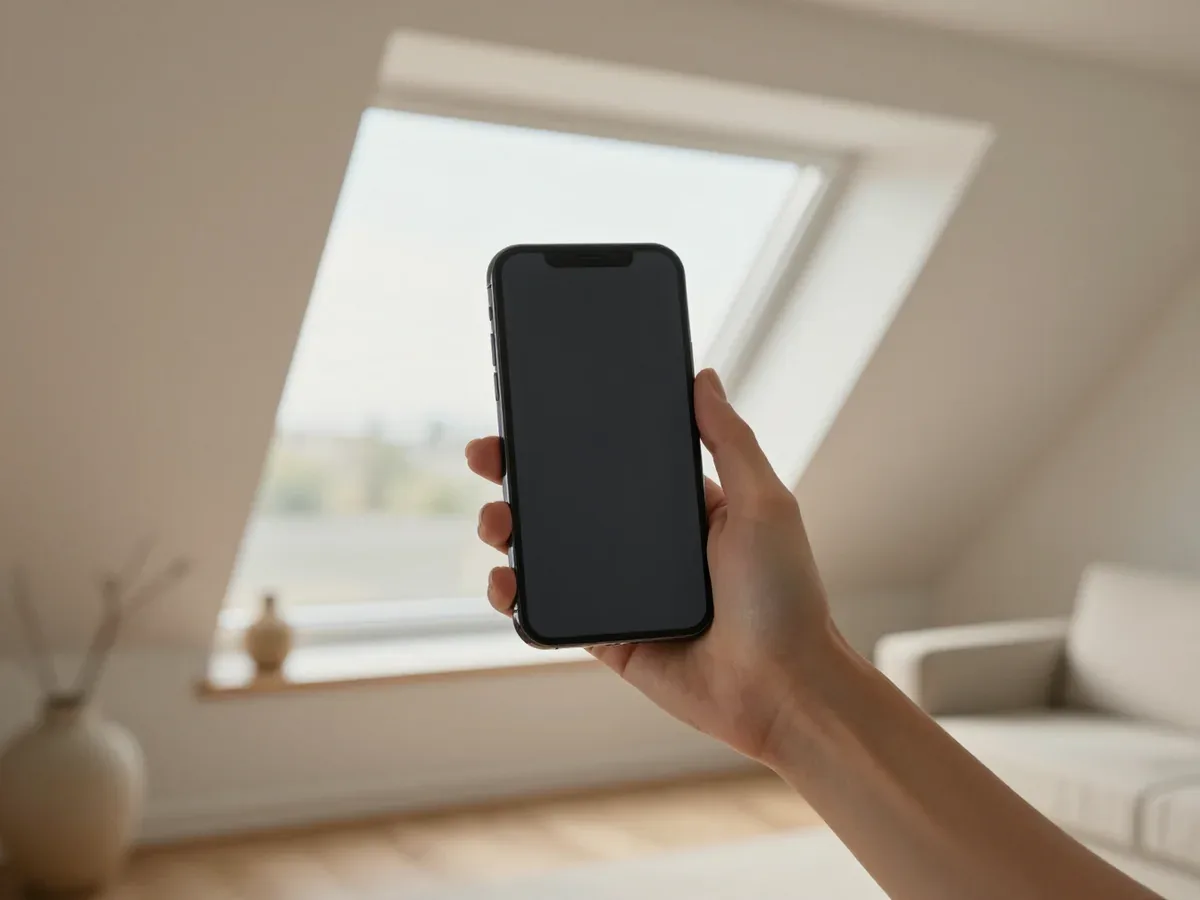
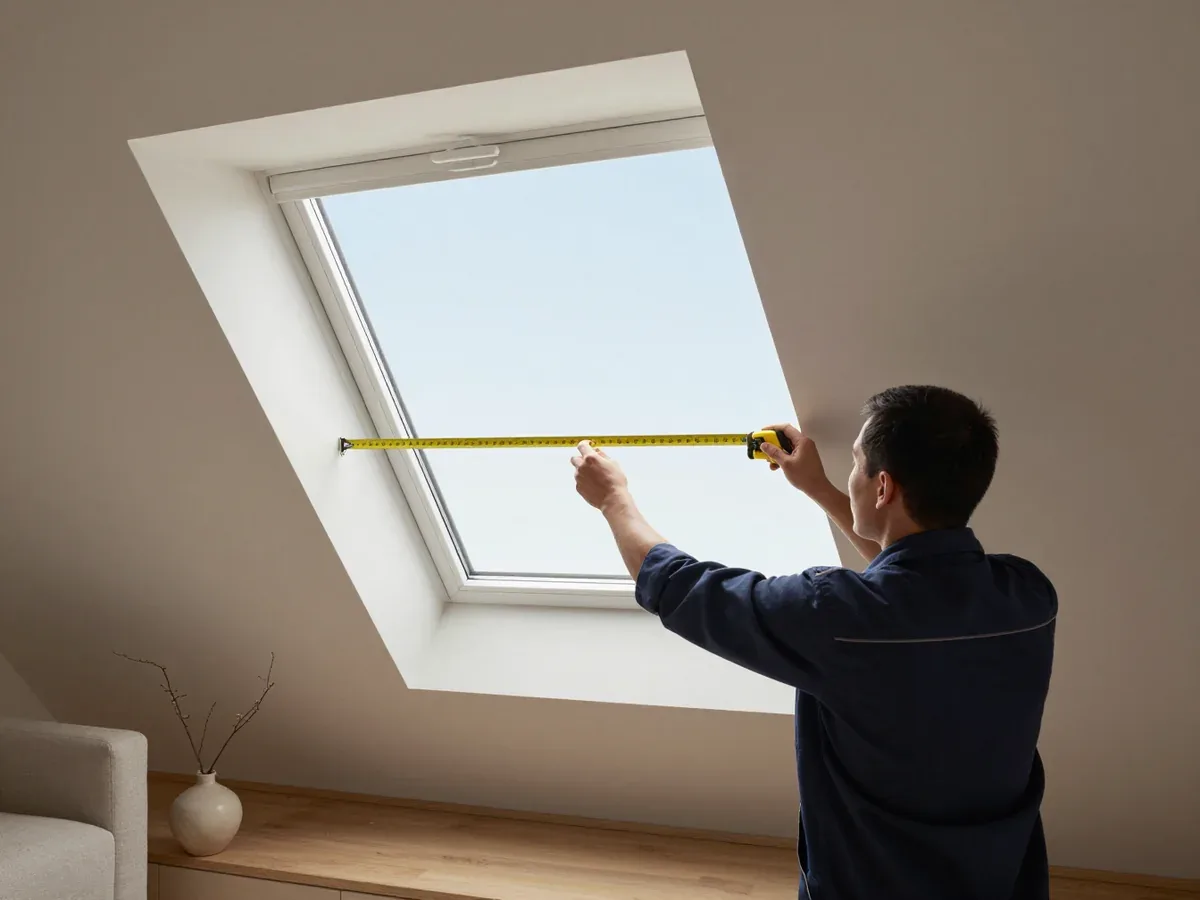
We take your request, the measurer arrives at a convenient time, takes dimensions and helps you choose the design and mesh.
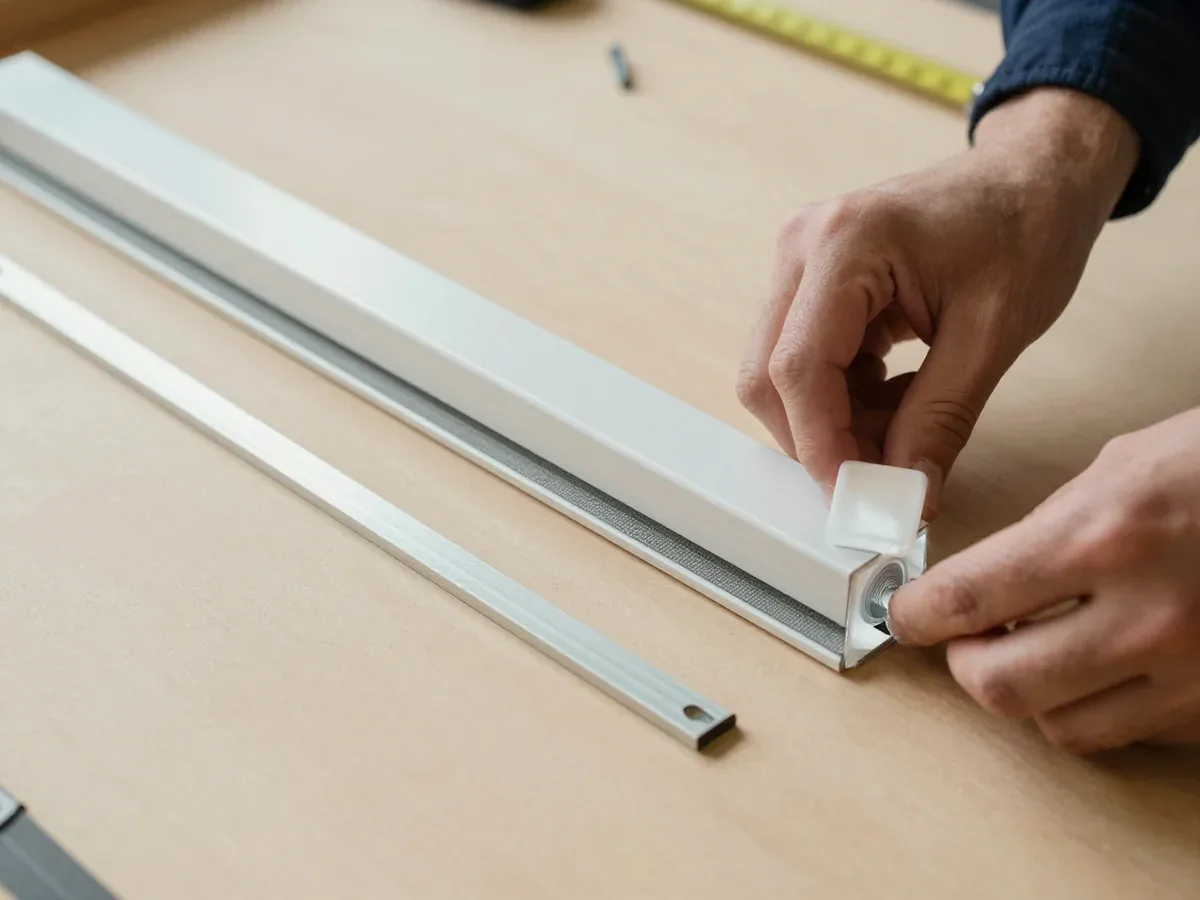
We make a framed screen to your dimensions in 10–15 minutes, a pleated screen in 40–60 minutes.
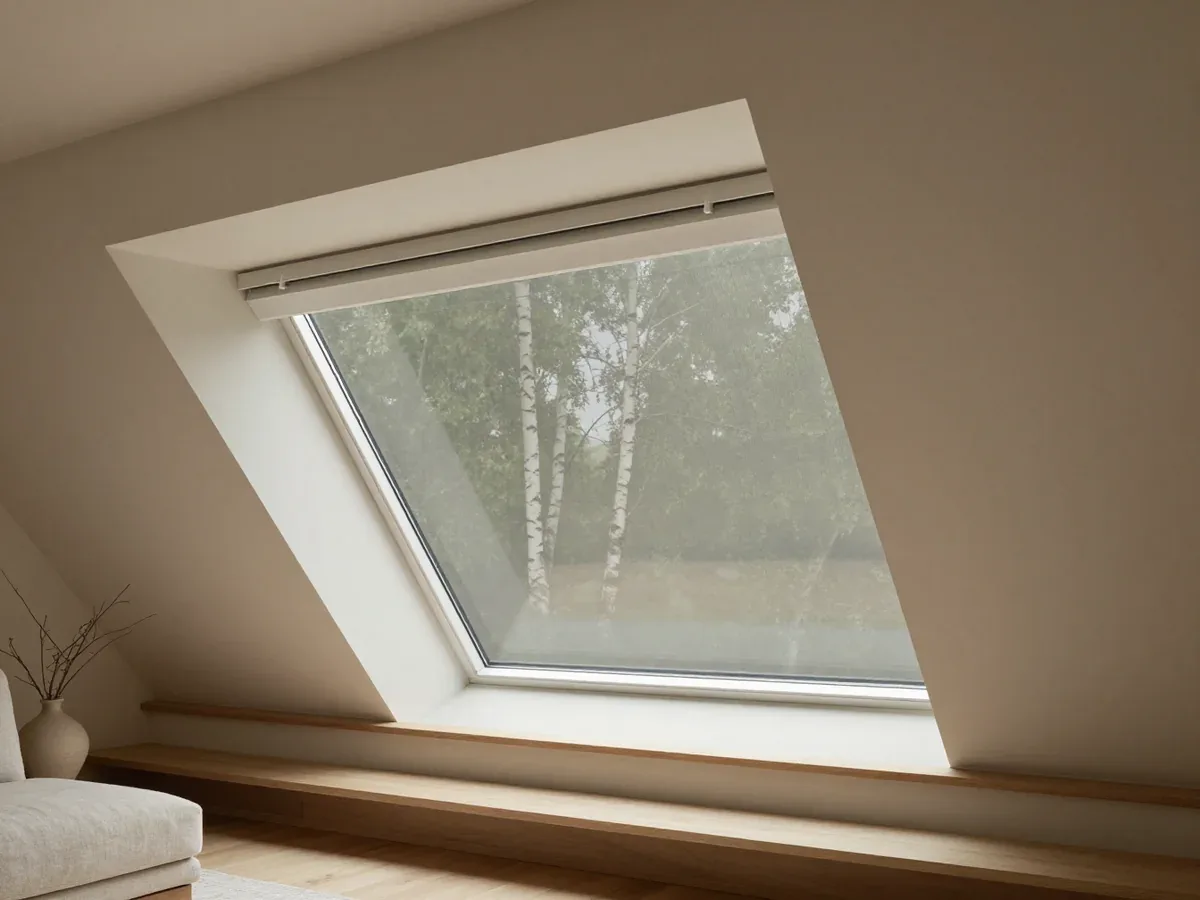
We check that the mesh moves smoothly along the full height of the reveal and is secure at the top point.
Payment after installation: cash, card or Kaspi.
Good to know

Senior mosquito screen specialist at moskitnyesetki.kz
We make roof window mosquito screens in Oskemen to your exact sash size, with free measuring and fitting. We help you choose the mesh and the fixing for a sloped frame, build a framed screen in 10–15 minutes and a pleated one in 40–60 minutes, and back every screen with a 1-year warranty.
A sloped roof window is not a vertical one, and that single fact changes how a screen has to sit, open and be removed. Here is what actually works on a roof window.
A roof window opens on a tilted axis, so the mesh has to follow the same geometry instead of hanging flat like it does on a wall window. On an inclined frame the leaf swings out and up, which means the cloth sits on a plane that leans away from the room rather than standing upright. A framed unit built to the sash geometry keeps its edges parallel to the profile, so the fabric stays taut and the gaps stay even along all four sides of the opening. A pleated model works on the same principle but folds into a slim cassette instead of swinging out. Because the sash tilts, gravity pulls a loose panel down, so the fixing has to hold it against the slope rather than just rest on top.
The mounting hardware is what keeps the net on a sloped sash, and it is chosen per unit rather than pulled off a shelf — the fitter matches it to the reveal. Three options cover most units.
| Mounting | Best for | How it holds on a slope |
|---|---|---|
| Z-brackets | Most framed nets | Clips the edge to the profile |
| Pins (plungers) | Slim reveals | Spring pins seat into the sash |
| Magnets | Frequent removal | Pulls off by hand, no tools |
We fit window mosquito screens in Oskemen to plastic, wooden and aluminium units, and the frame material decides which hardware and profile we bring. Plastic takes Z-brackets straight onto the edge, while aluminium usually needs pins because the reveal is narrow and the metal lip is thin. Timber is the least predictable: the wooden reveal is often deeper than a plastic one, so a bracket has no flat face to grip and spring pins carry the net instead. In every case we paint the outer profile to match your units, so the hardware stays the only visible difference. A timber reveal often lacks a flat edge for a bracket, so the measurer checks it before the net is built rather than after.
A roof window is measured on the tilt, not on the flat, and that is the step most people get wrong when ordering alone. Here is how the measuring visit runs.
Measuring and consultation are free, and the measurer comes at a time that suits you to take the sash sizes and check the reveal. He opens the window to the working position, runs the tape along the frame on the slope and notes the depth of the reveal, because the unit sits inside that pocket rather than flat against a wall — the reading is taken on the incline itself. The same appointment covers the profile type, the floor and the fixing you want, so dimensions and fastenings are decided together instead of over two separate trips. Measurements taken on the incline have to account for the frame depth, so an order placed from a flat reading alone usually comes out short. This is also where roof window mosquito screens oskemen customers order to their own size get their exact dimensions.
A roof window is often the main source of daylight in a loft, so the mesh you pick matters more here than on a wall window. Five options cover most needs.
| Mesh | What it is for | Key property |
|---|---|---|
| Standard (Fiberglass) | Everyday use | Resists fire and temperature swings |
| UltraVue | Maximum daylight | 25% more light and air |
| Anti-Cat (Pet Screen) | Homes with a cat | Vinyl threads hold a small animal |
| Anti-Pollen (Poll-Tex) | Allergy season | 0.25×1 mm cell |
| Anti-Dust | Dusty air | Fine weave traps dust |
We paint the frame any colour to match your windows, so the unit reads as part of the window rather than an add-on. Hinged door screens come with the Economy 32×10 mm or Prestige 42×17 mm profile, and the measurer brings both so you can compare them against the window before deciding. The surround is the part you see every day from inside the loft, and a mismatched tone draws the eye straight to it. On a dark frame a white panel stands out against the glass, so matching the colour is what keeps the loft looking clean from inside. Ask for a colour sample next to your frame in daylight rather than under a lamp — glazing above passes a cooler light than a ceiling bulb.
Production speed and warranty are the two things people ask about before ordering, so here they are in plain terms.
A framed unit made to your size takes 10–15 minutes and a pleated one 40–60 minutes, so most orders are ready the same visit. We cut the frame to the exact sash size taken during the free measuring, fit the chosen canvas and add the fastenings before you leave. A pleated screen takes longer because the folded mesh has to be tensioned by hand across its full travel. The framed version is the quicker build and the one most loft windows get, since it lifts out from inside for cleaning. In our practice the pleated design earns its extra time on windows you open every day — the mesh folds away instead of swinging into the room. Ask for the build that matches how often you actually open the sash, not the one that finishes fastest.
A screen on a roof window lives through snow, sun and dust, so a little care each season keeps it taut and in place.
A framed screen lifts out from inside in a minute, and we recommend removing it for winter so snow load and frost do not stretch the fabric. The unit unclips from its Z-brackets or pins without touching the sash. Standard fiberglass handles temperature swings well, but ice settling on a horizontal surface overnight is what loosens the weave over a full season. Store it flat on a shelf rather than leaning it against a wall, because a unit left on edge slowly bows and stops meeting the sash flush. In our practice, the screens that come back in spring still tight are the ones kept flat and dry. Before refitting, wipe the mesh with a damp cloth.
We repair screens and replace fastenings, so a torn fabric or a worn bracket does not always mean a new unit. A small hole in the corner, a stretched weave or a snapped pin can usually be sorted without remaking the whole product, and it goes back on the same sash. Z-brackets bend when a window is slammed, magnets lose grip once their counterscrew loosens, and plastic pins wear thin after several seasons of clipping. A unit that keeps slipping is usually a fixing problem rather than a mesh problem, so check the brackets before replacing the whole product. Send a photo of the damage on WhatsApp and we reply within five minutes; a fastening swap is usually done during the same visit.
A window screen only works when geometry, fixing and fabric all match the tilted sash. Here is what to keep in mind before ordering one for a loft window.
Installation, canvas, light transmission, measuring and fixings
Konstantin Selenenkovsenior mosquito screen specialist, 10 years in the tradeOnline · replies within 5 minutes
Ask a questionYes, a screen can be fitted on turn-and-tilt roof windows, but the fixings are selected for the sash mechanism. The surveyor will check how the frame moves when opening so that the screen does not interfere with the hardware.
In that case, choose Anti-Pollen: this canvas has a 0.25×1 mm mesh and traps pollen and fine dust. If light and air are the priority, look at UltraVue.
The screen does let light through, but denser canvases darken the attic more. For small windows, it is better to choose UltraVue: it lets through 25% more light and air than other canvases.
Yes, measuring and consultation are free, and the surveyor will come at a convenient time. They will take the dimensions of the sloped window and help you choose the design, canvas and fixings.
The type of fixing depends on the window profile and floor: the surveyor may suggest Z-shaped brackets, plungers or magnets. For sloped roof frames, guided rails with canvas that are fixed in the reveals are often more suitable.
A framed screen for a roof window must be designed for the slope and window profile. A standard vertical frame may not fit or may interfere with the sash, so the surveyor selects the design.
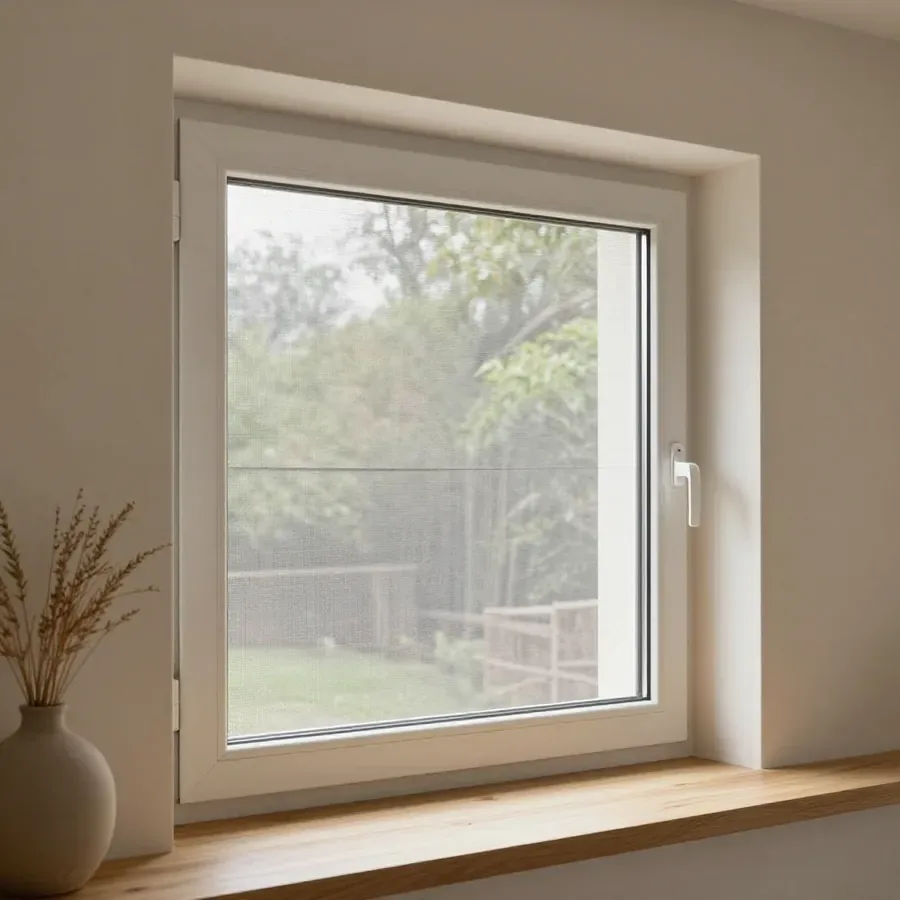 Care
A frame screen comes off in a minute: we show how not to bend the frame or lose the fixings.
April 15, 20268 min read
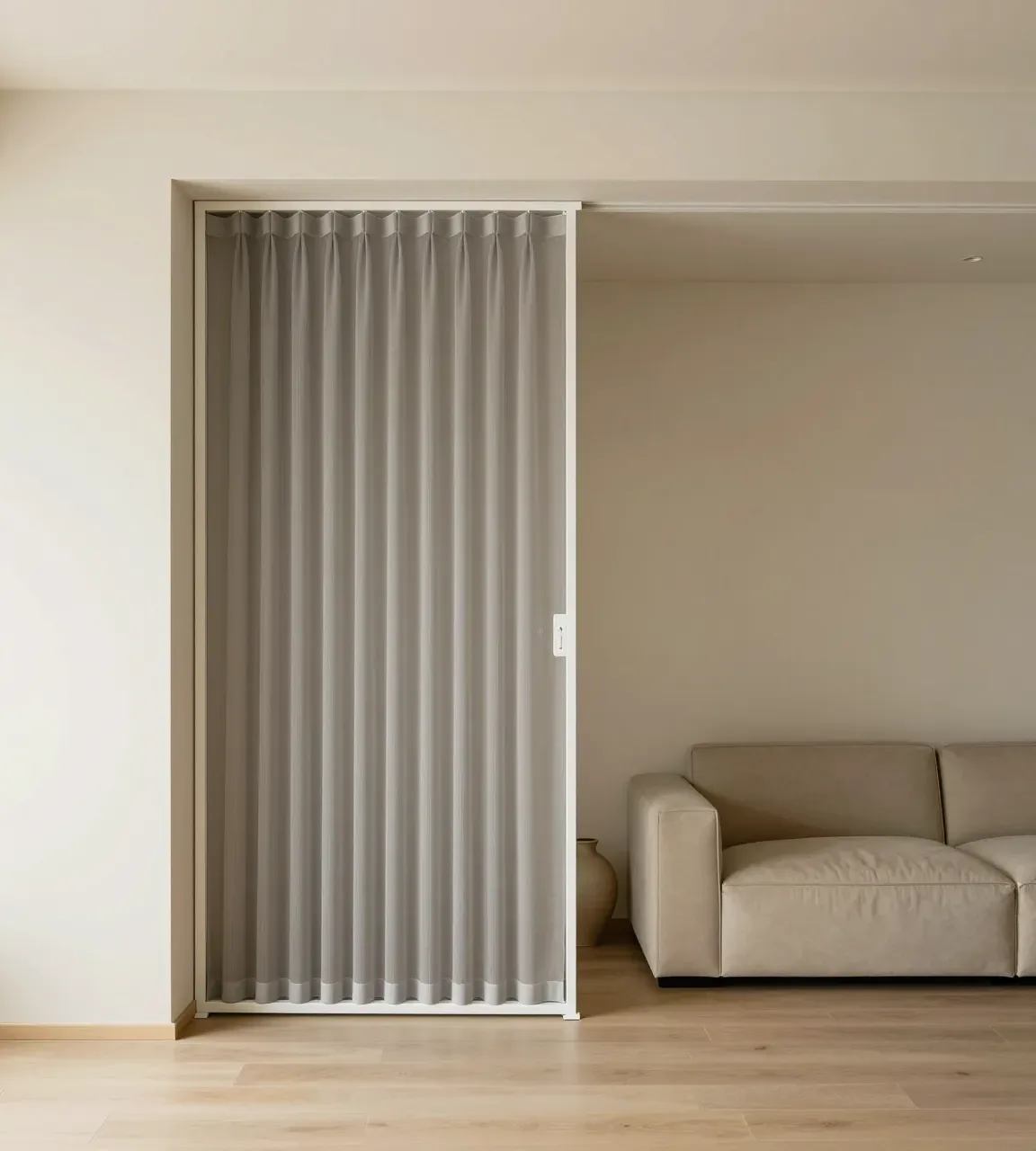 Choosing
We compare the price, lead time and how each screen performs on a door that you walk through every day.
March 2, 20268 min read
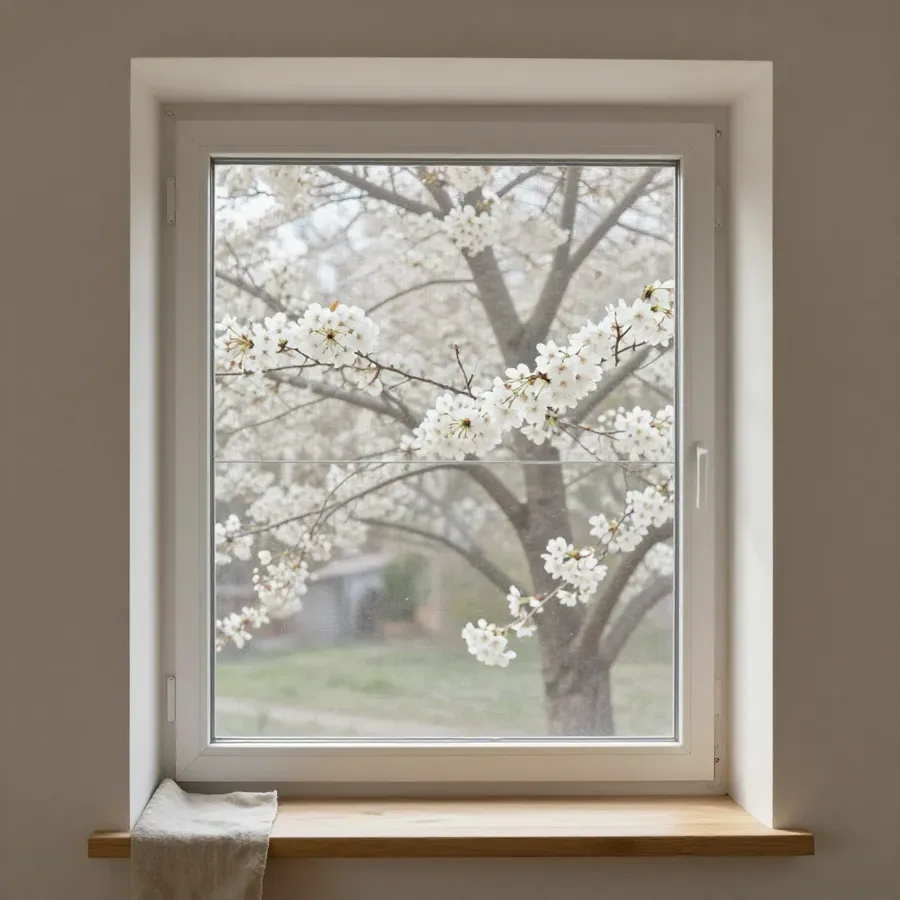 Mesh types
How Poll-Tex mesh with a 0.25×1 mm cell works and who it helps in pollen season.
February 17, 20268 min read
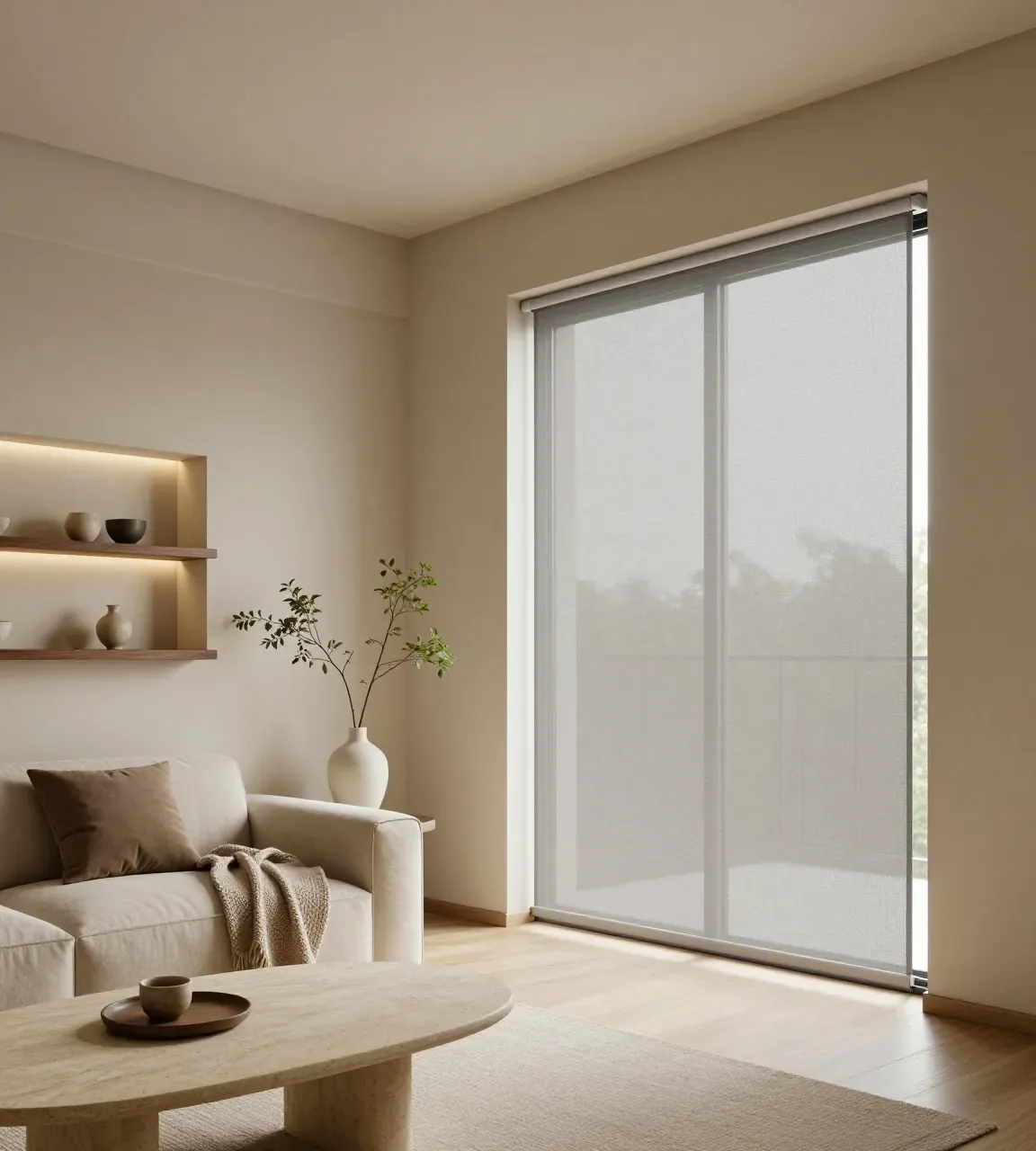 Prices
Price list breakdown: frame screen from 2 000 ₸ per m², installation 1 750 ₸, pleated from 28 000 ₸. Costing a 70×140 cm window.
February 1, 20268 min read
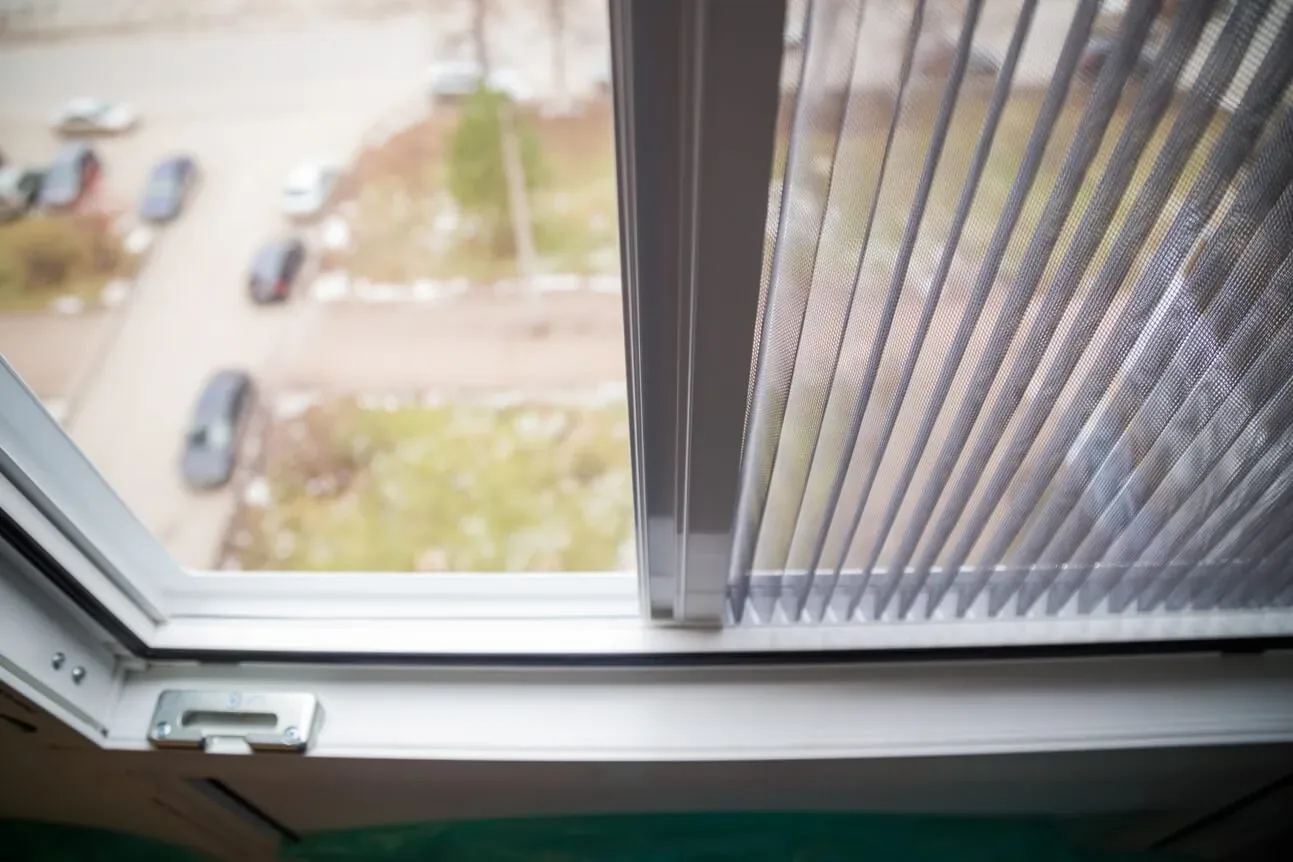 Repair
Worn fixings, a wrong measurement, wind on high floors. A set of fixings costs 290 ₸, installation 871 ₸.
January 14, 20268 min read
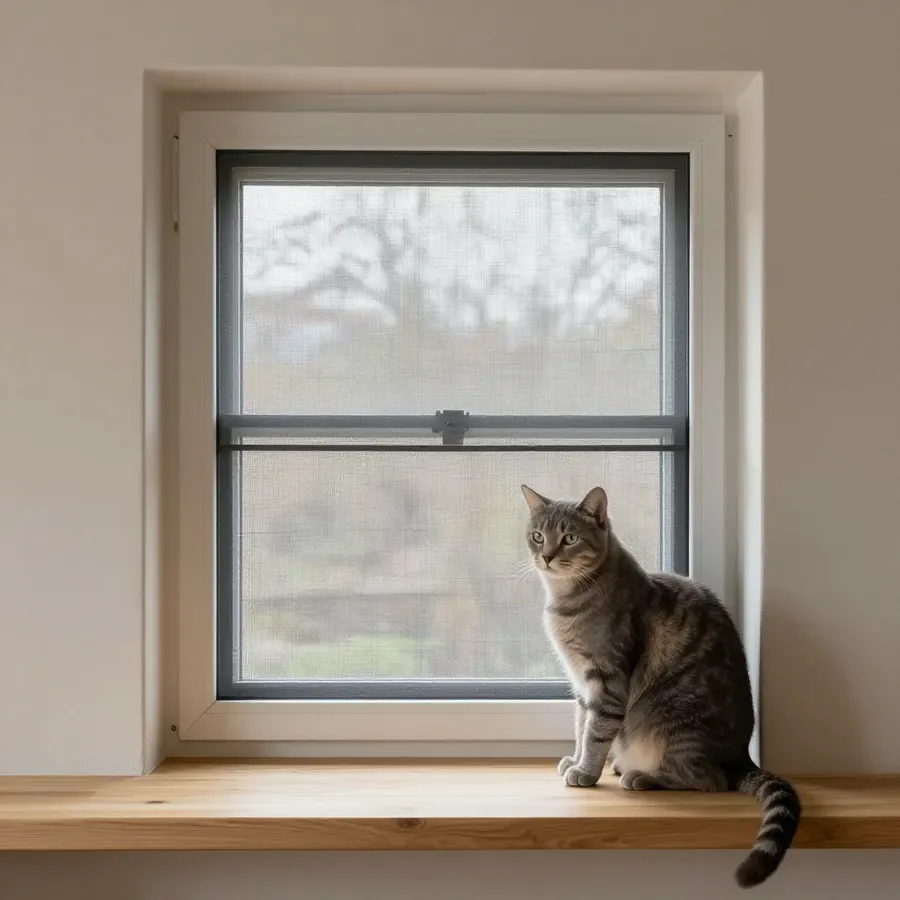 Choosing
Anti-Cat mesh on vinyl threads, the fixings and what to do about gaps around the window opening.
December 23, 20258 min read
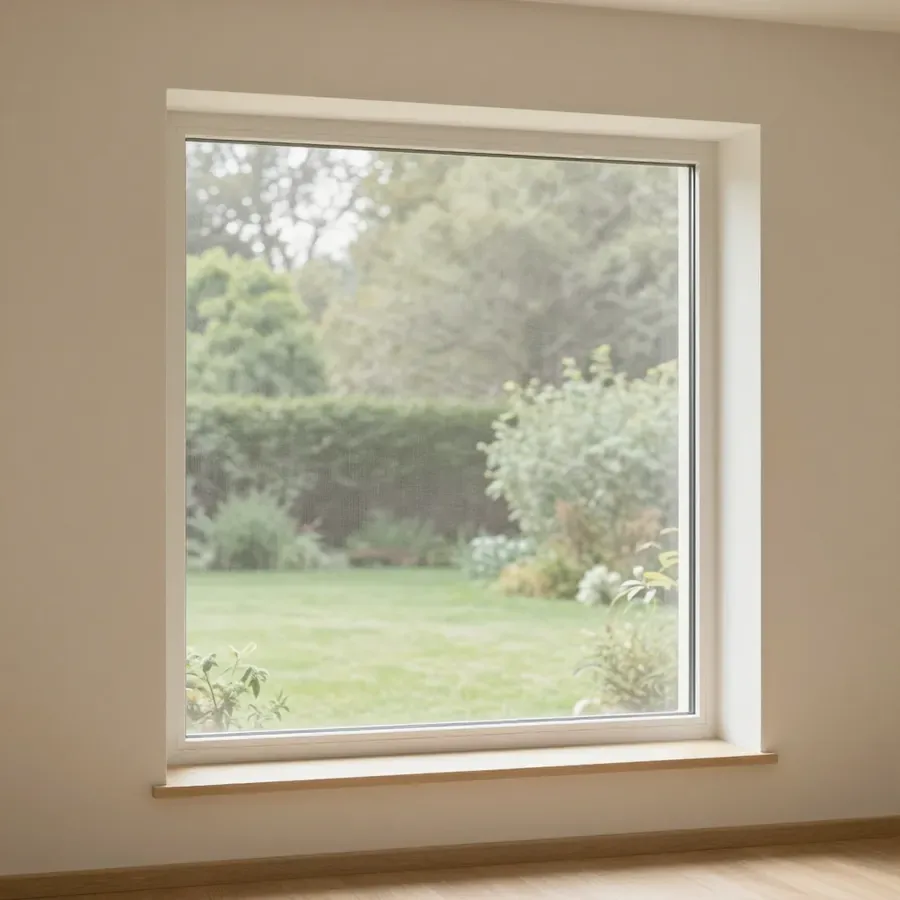 Mesh types
The mesh lets in 25% more light and air. Where the difference shows and where paying extra is not worth it.
December 11, 20258 min read
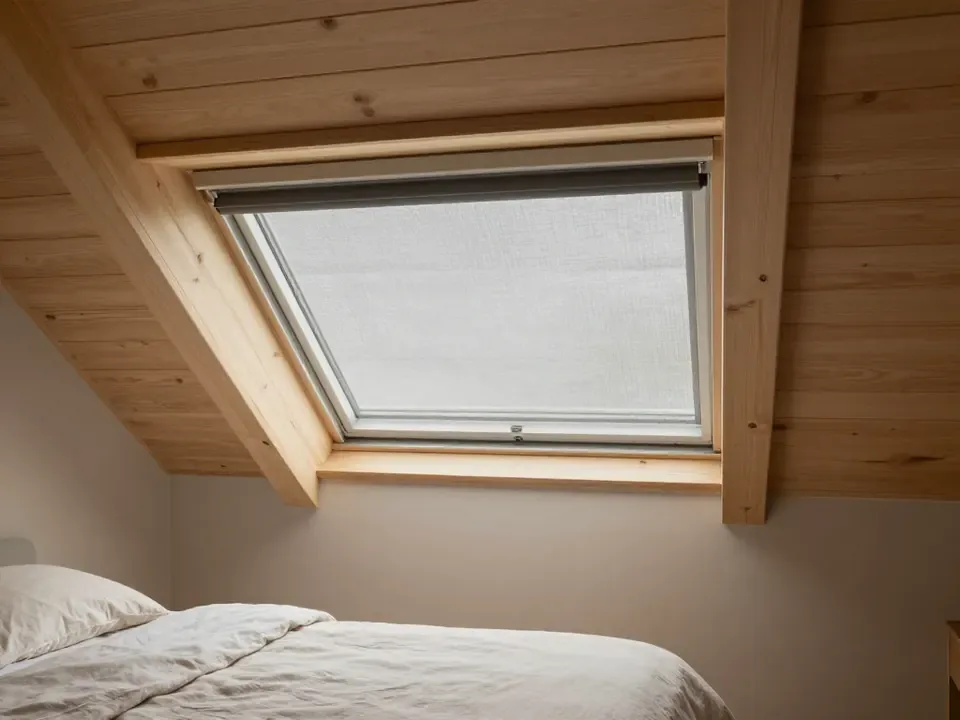 Choosing
A tilted sash, outward opening and a roller screen at 15 000 ₸ per m²: what will suit your window.
November 21, 20258 min read
 Mesh types
The mesh stops coarse and fine dust along with mosquitoes. When it is worth the price of 8 500 ₸ per m².
October 20, 20258 min read
Thank you. We will call you back within 10 minutes!
Your order number is on the receipt or in the SMS. Choose where to leave your review.
Write a review on WhatsApp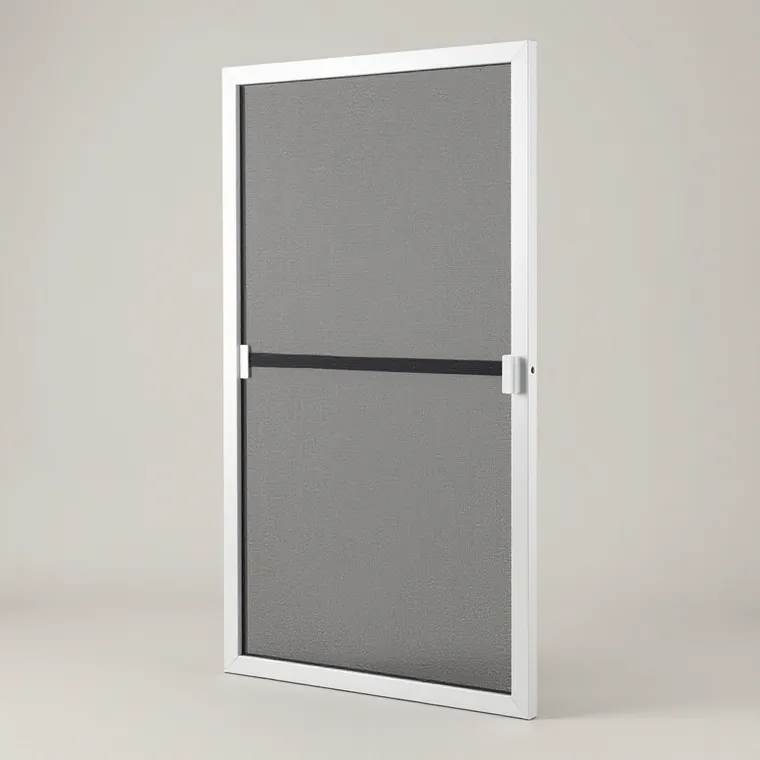
 Balcony screens
 Vent window screen
 Loggia screen
 Terrace screen
