
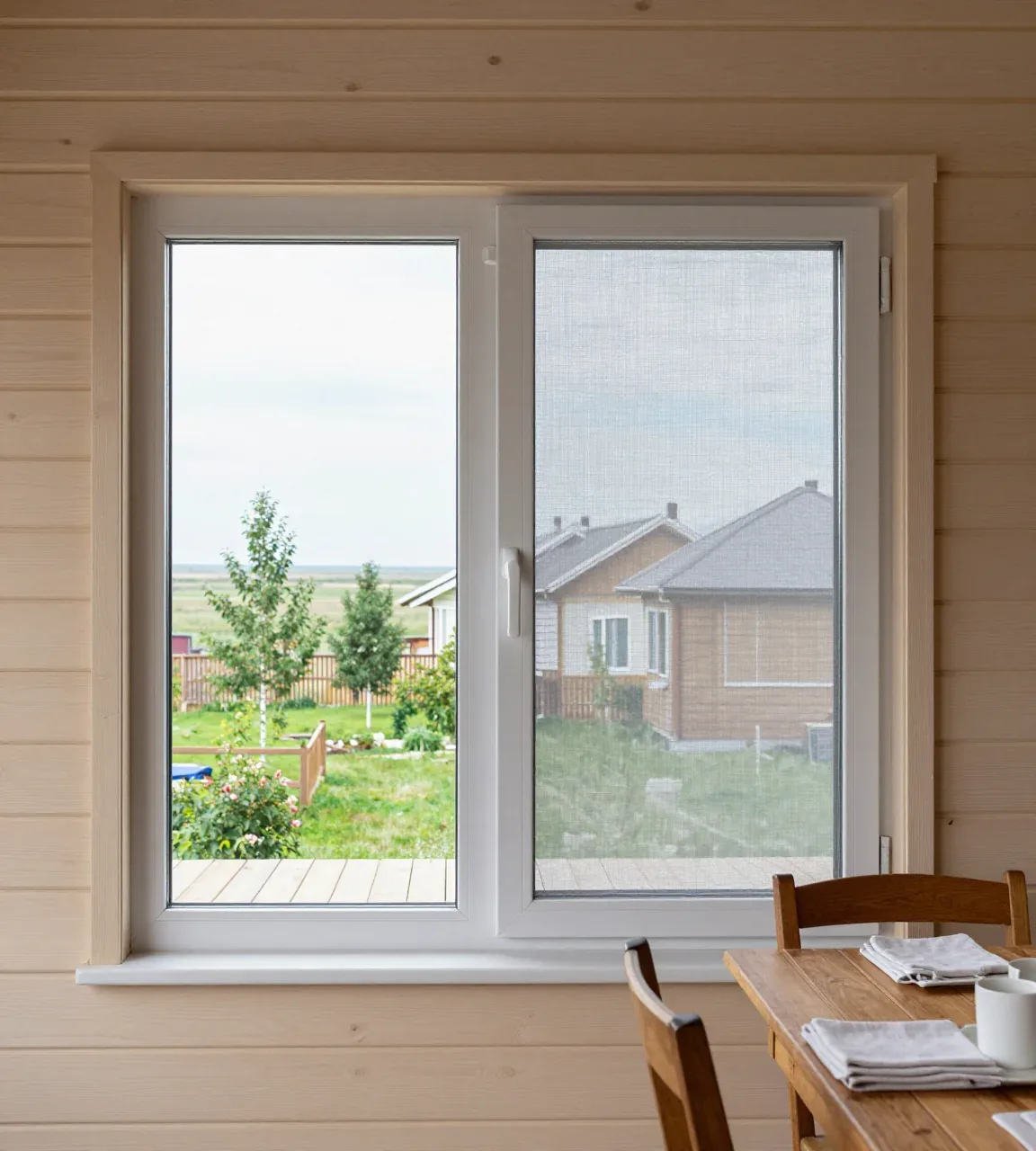
City dust
Anti-Dust
Traps dust that comes from the streets on windless days. In a frame — from 6 900 ₸ per m².
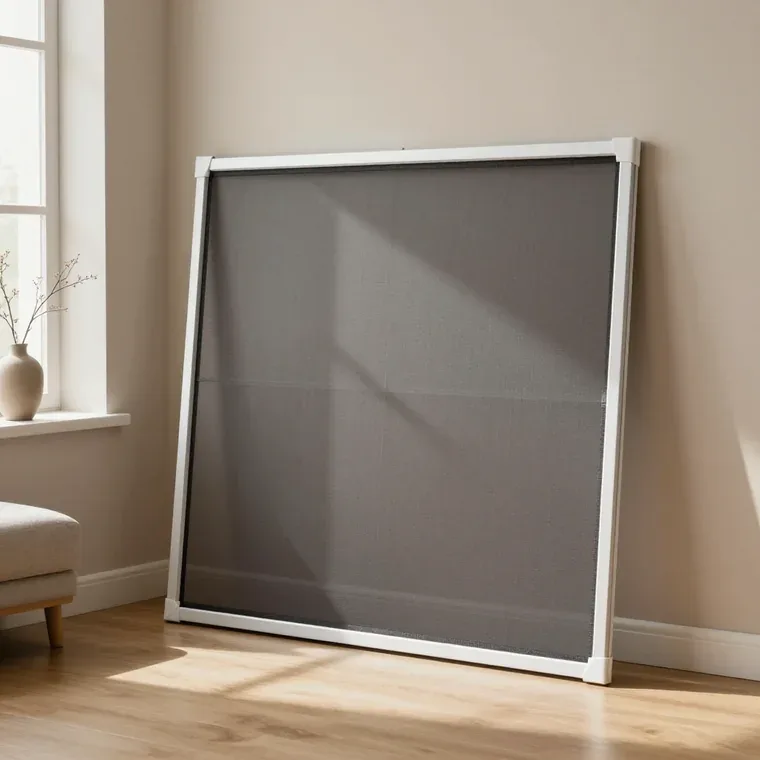
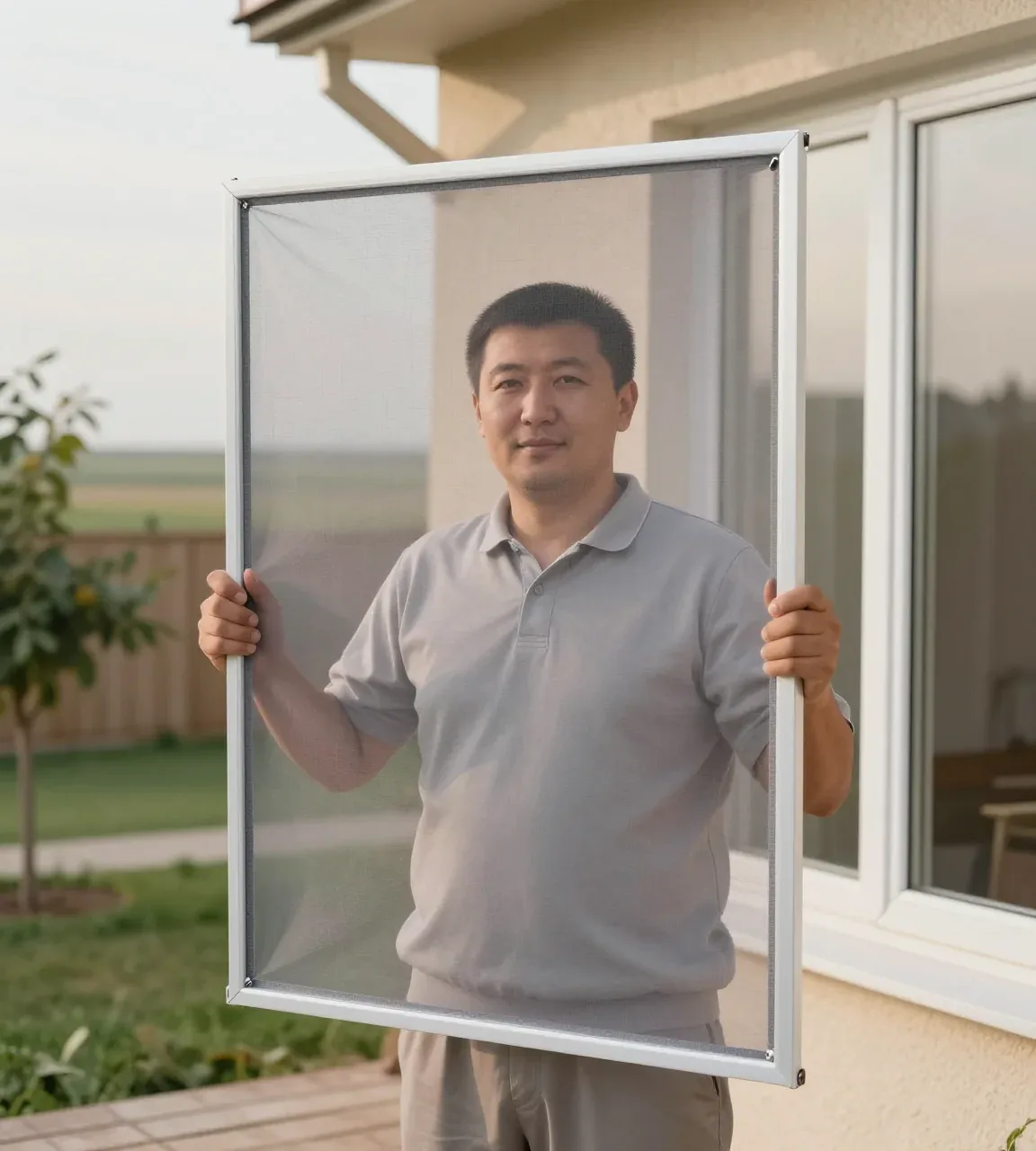
In summer there are many mosquitoes near the Irtysh and Ulba rivers, and dust in the city. Screens on the veranda solve both problems.
We cover veranda windows with framed screens, the exit with a hinged door mosquito screen, and wide openings with pleated screens. We choose the mesh based on your home: "Anti-Dust" for streets with traffic, "Anti-Cat" for cats, steel for large dogs.
Oskemen stands by two rivers, and summer evenings here are full of mosquitoes. And in windless weather dust hangs over the city, so for verandas near roads we recommend a denser mesh.
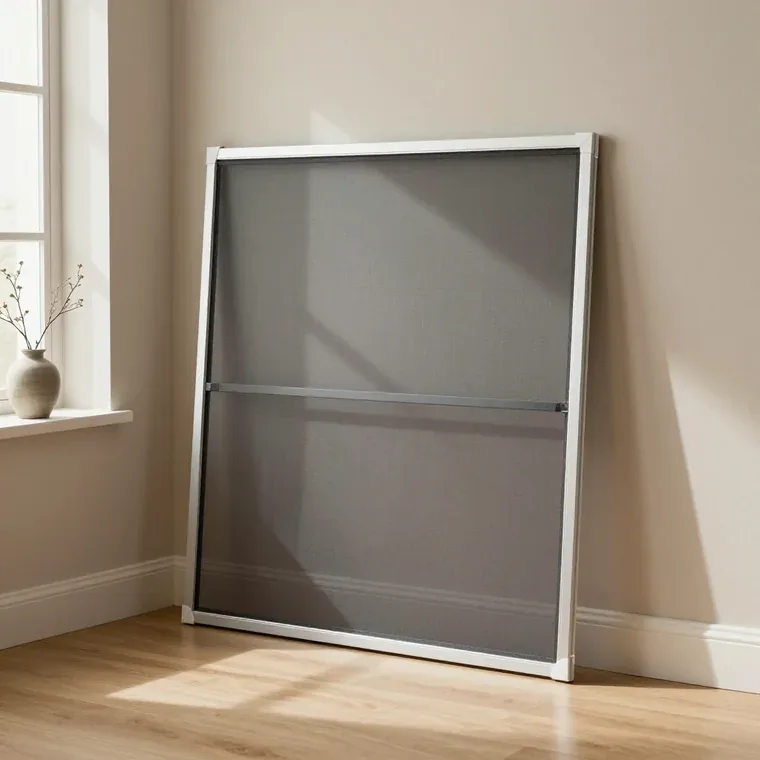
production of framed screen
measuring and mesh selection
warranty on mosquito screens
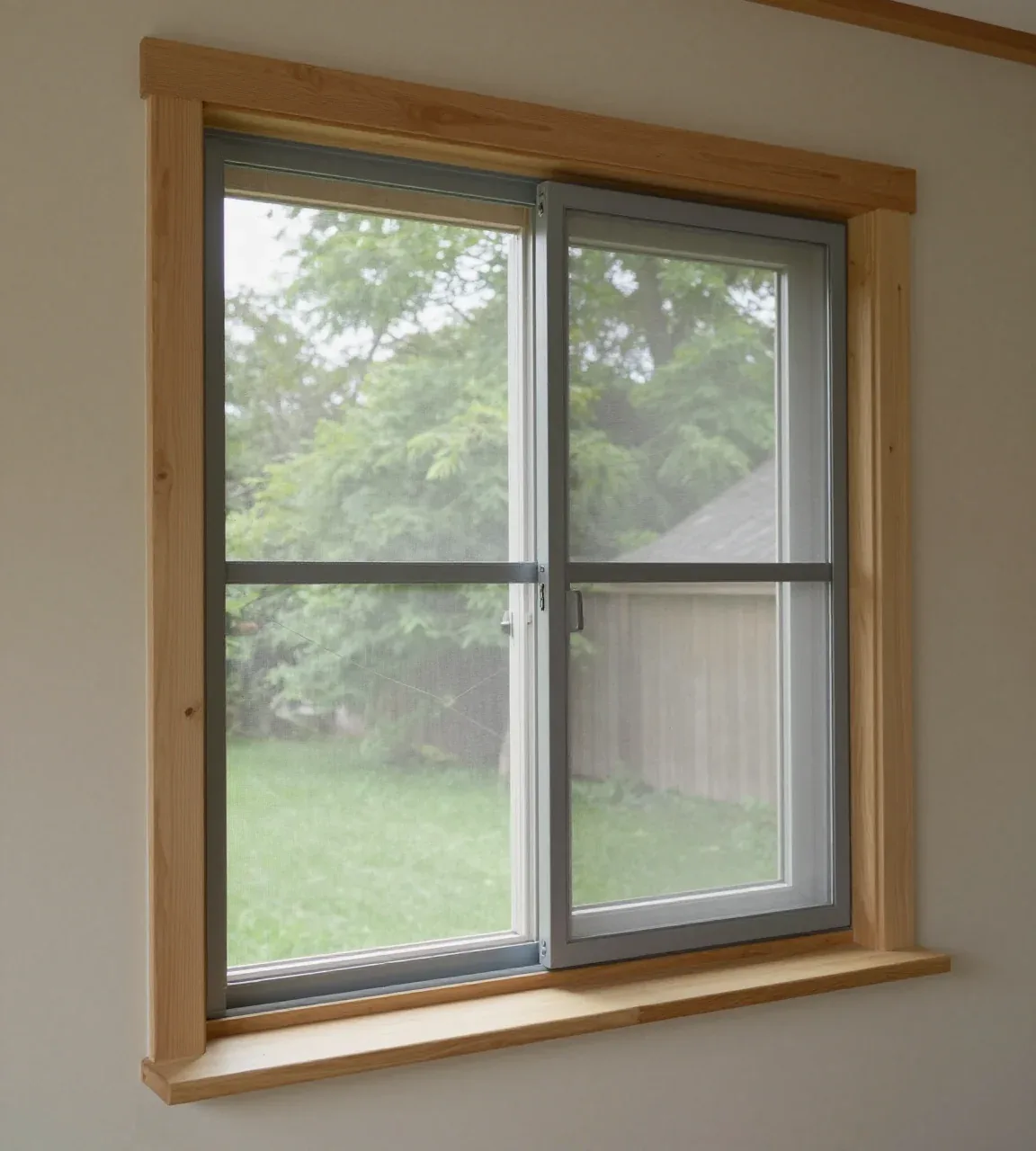
For logs, timber, plastic and aluminium.
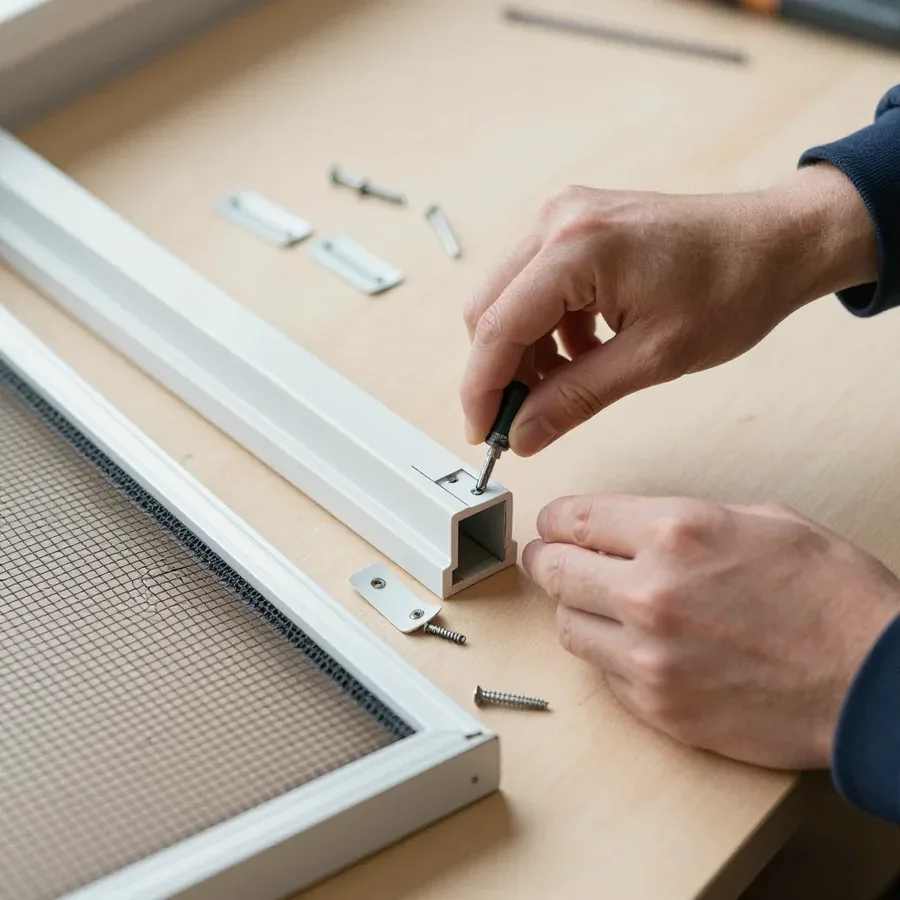
If the opening has no rebate, we attach brackets directly to the wood.
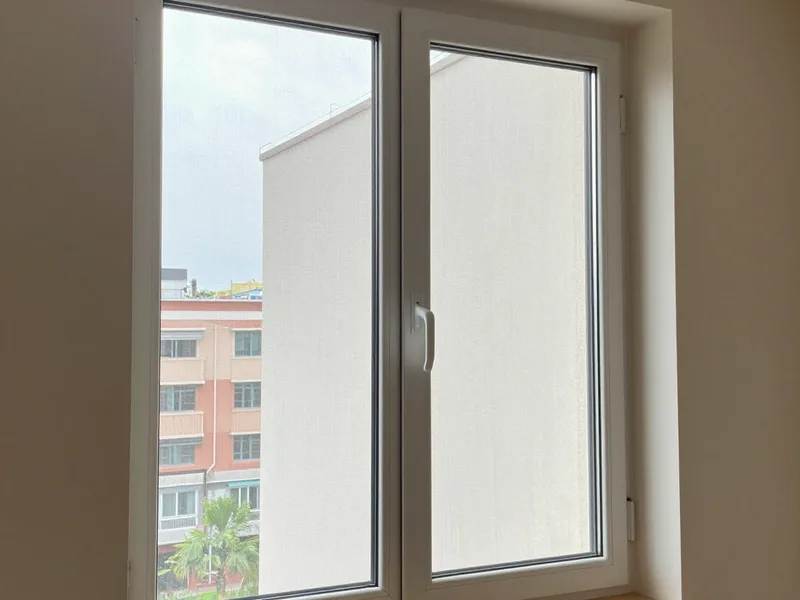
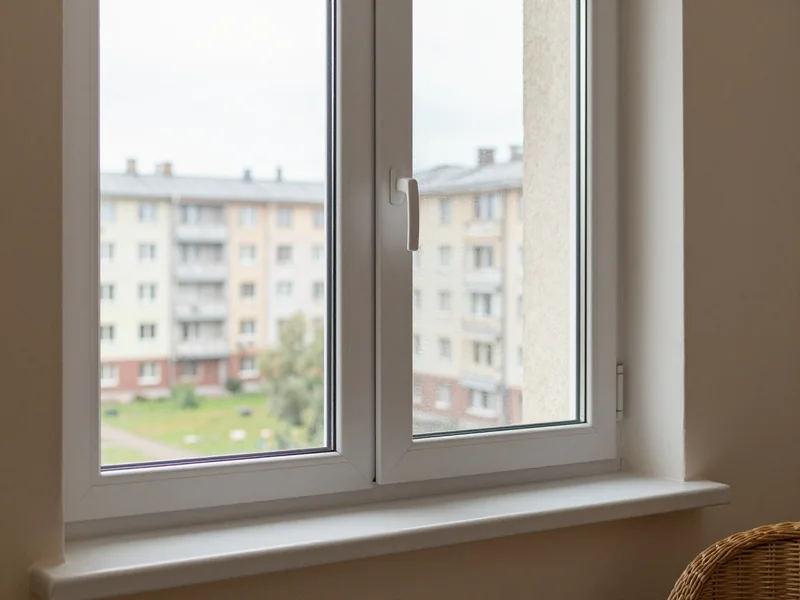
On plastic frames, the screen is removed from inside.
Hold the frame in the opening and prevent it from falling out.
Door with profile 32×10 or 42×17 mm and door closer.
The design is chosen based on the opening, the mesh based on the task.
windows, sashes
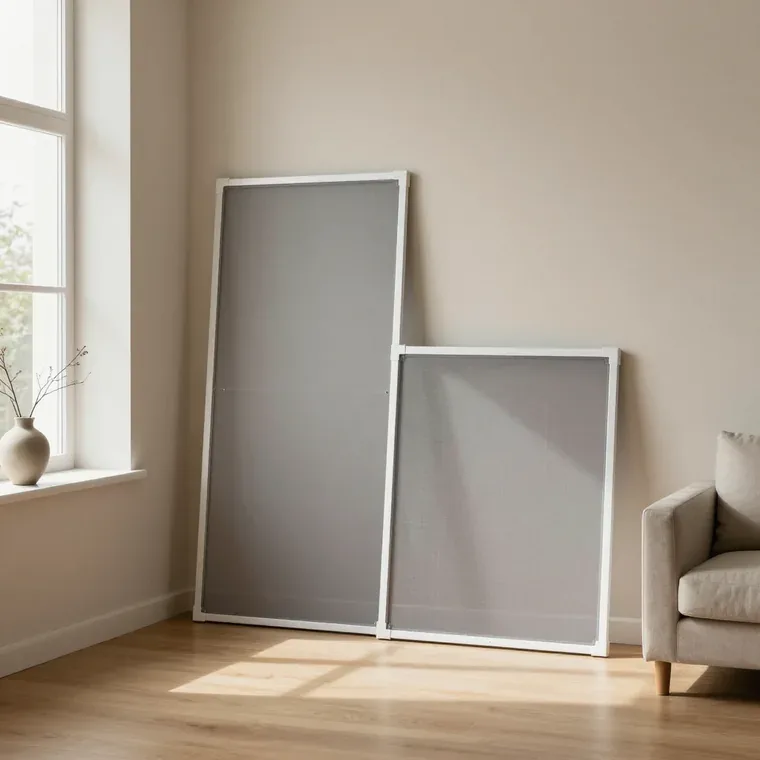
Removable frame exactly to the opening.
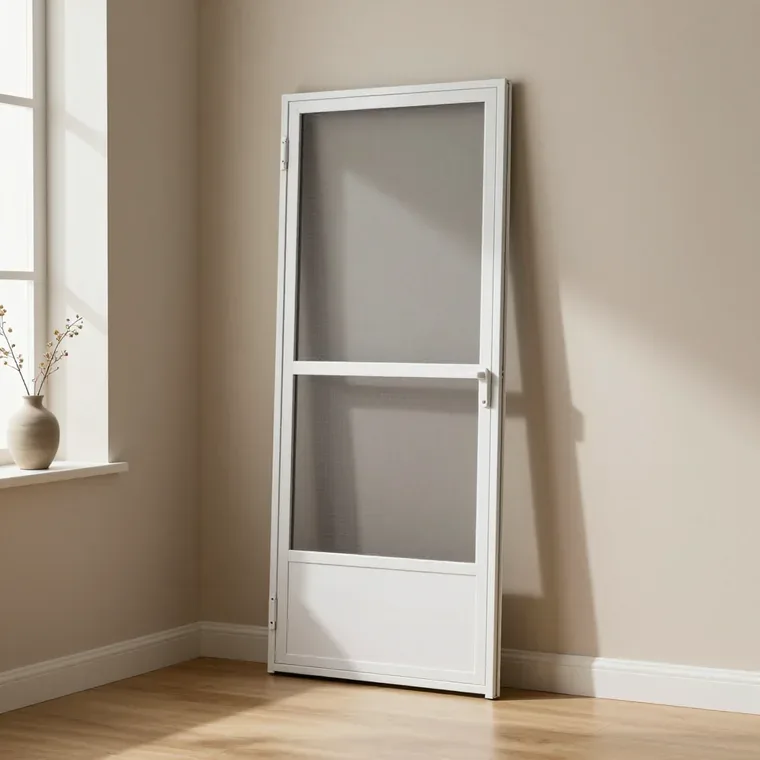
exit
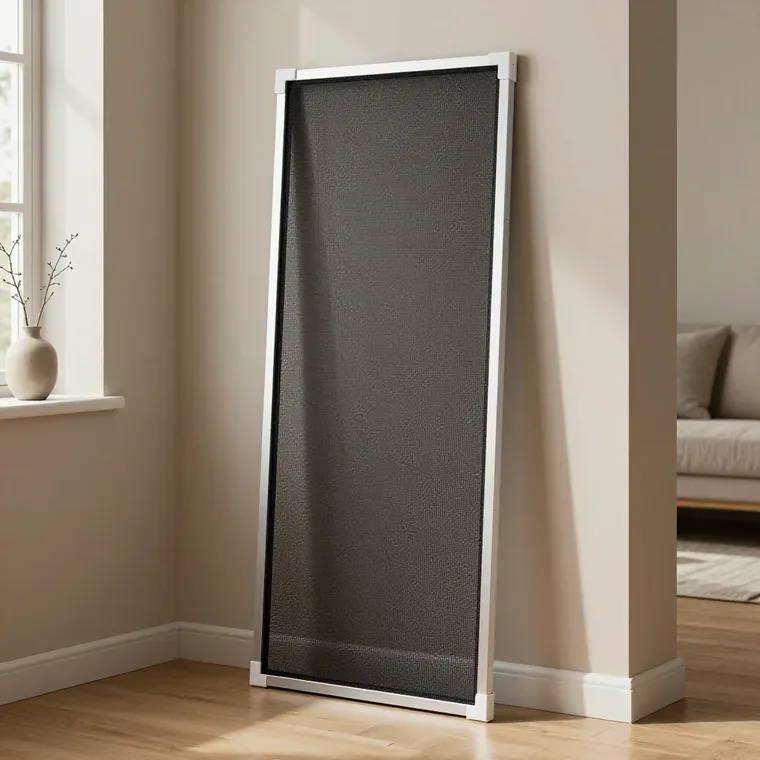
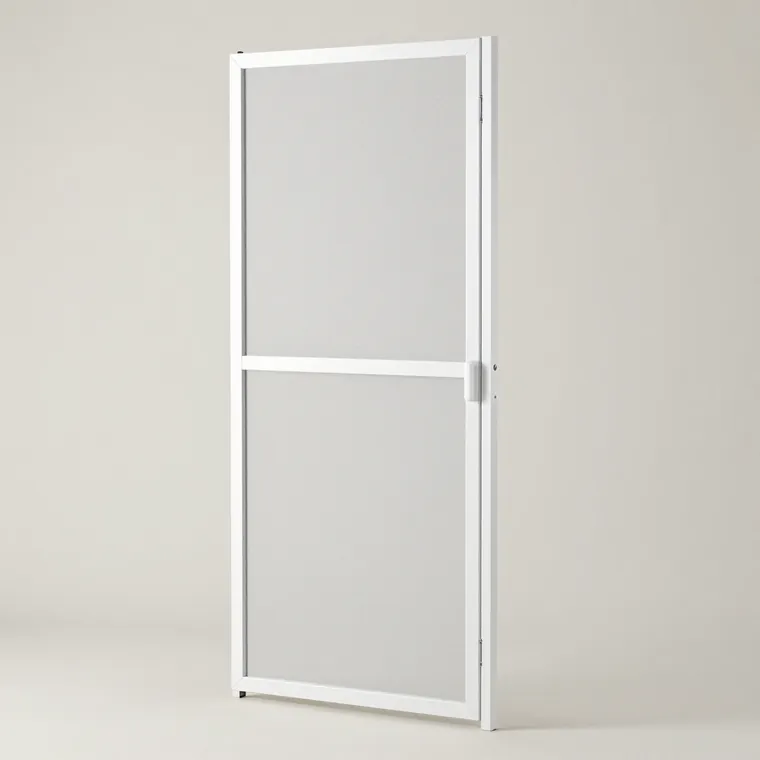
On hinges, with handle and door closer.
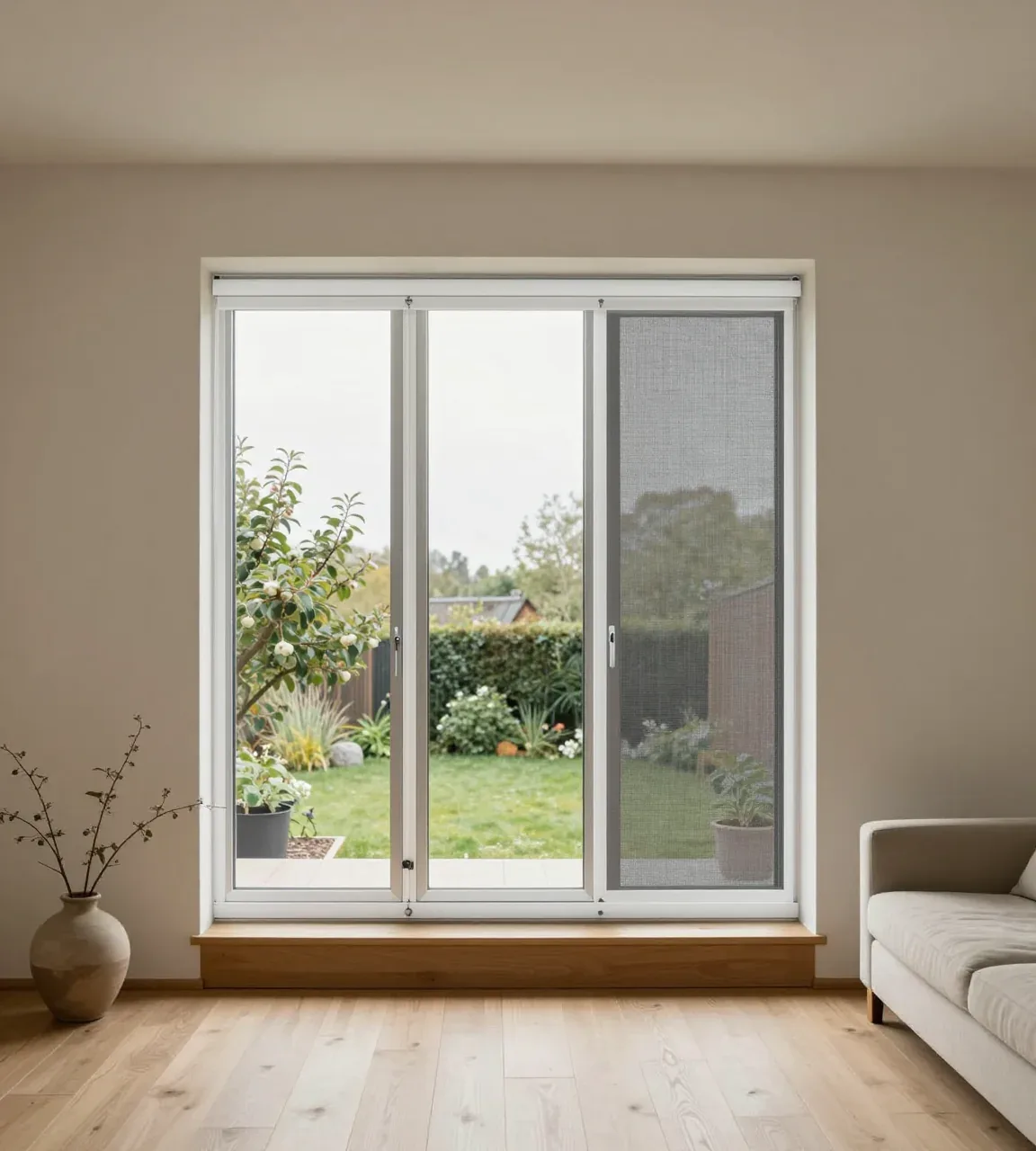
panorama
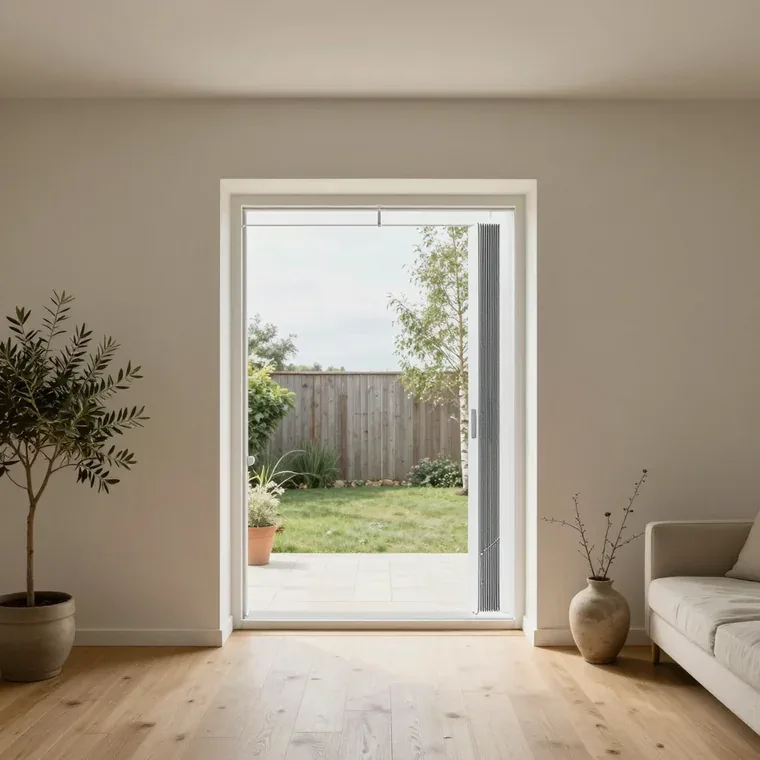
Accordion to the side.
large dog
Durable mesh for door.
film veranda
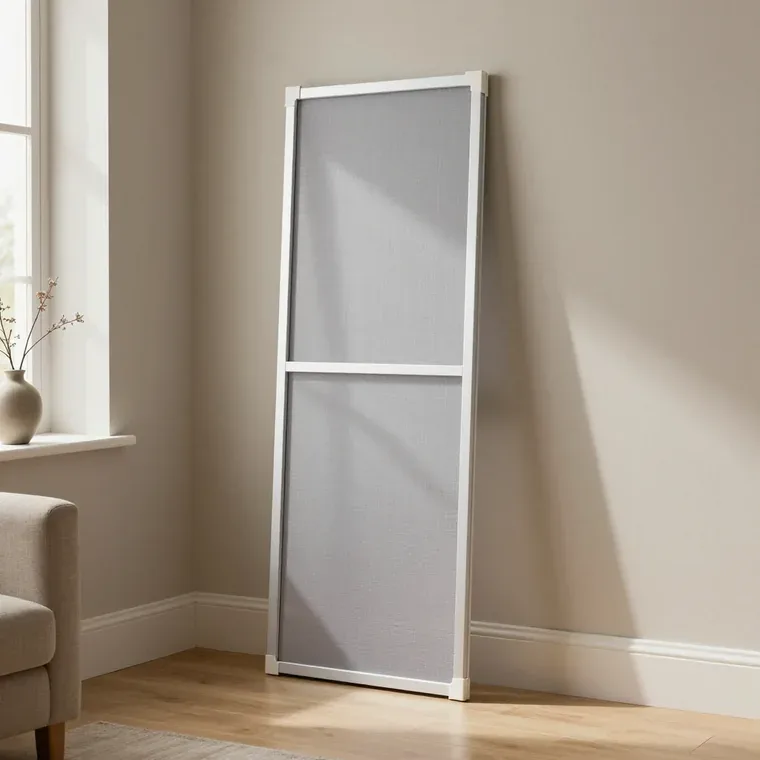
Mesh for soft windows.
Five meshes for different needs: from mosquito protection to a barrier against pollen and cat claws.
Fiberglass, fire-resistant and tolerant of temperature swings
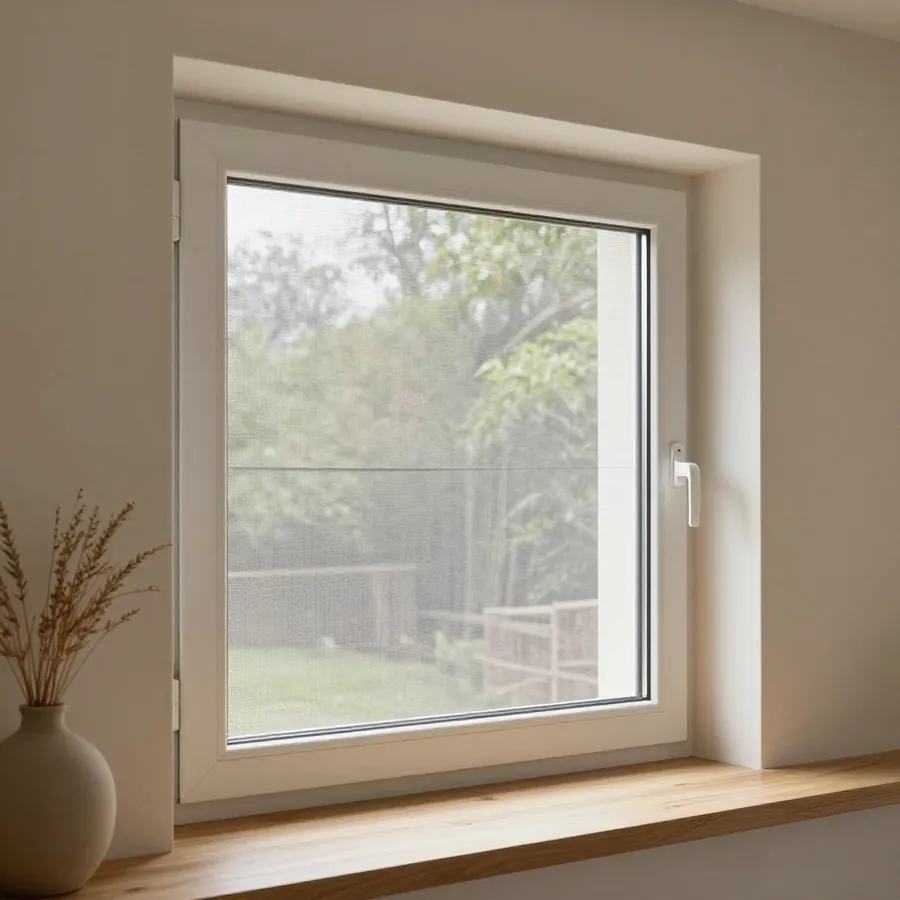
A universal mesh for casement windows and balconies that keeps out mosquitoes and midges.
0.25×1 mm mesh, hypoallergenic
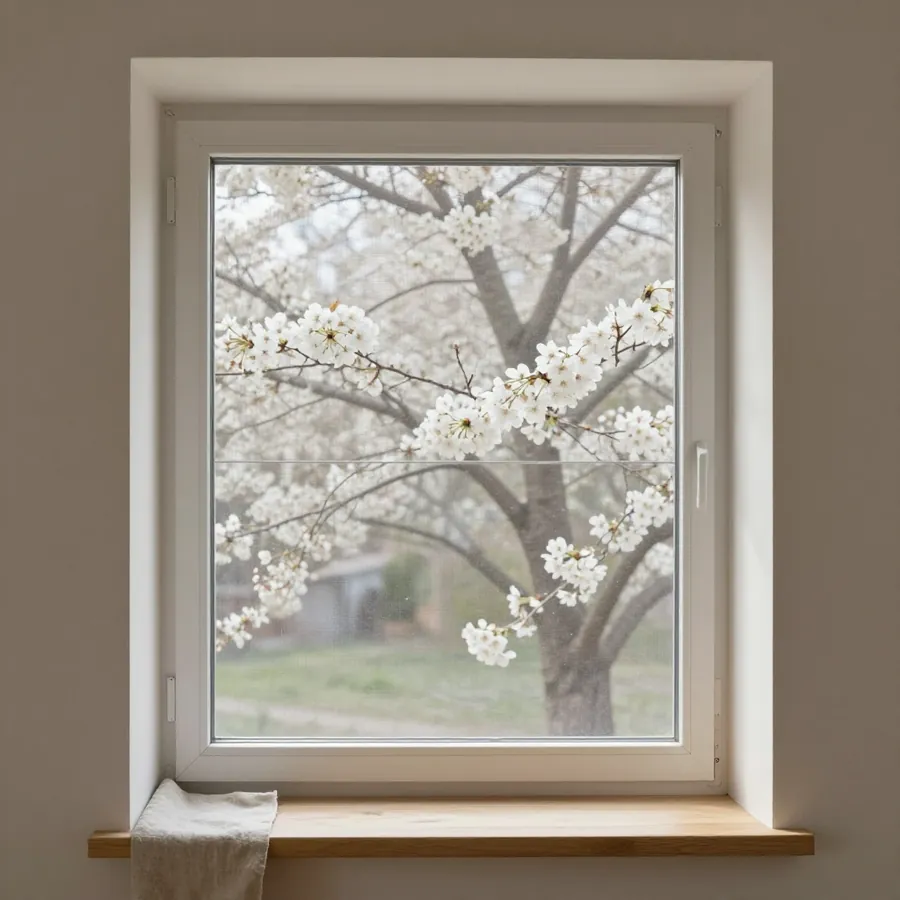
Traps plant pollen during the flowering season, suitable for allergy sufferers.
Vinyl threads several times stronger than standard mesh
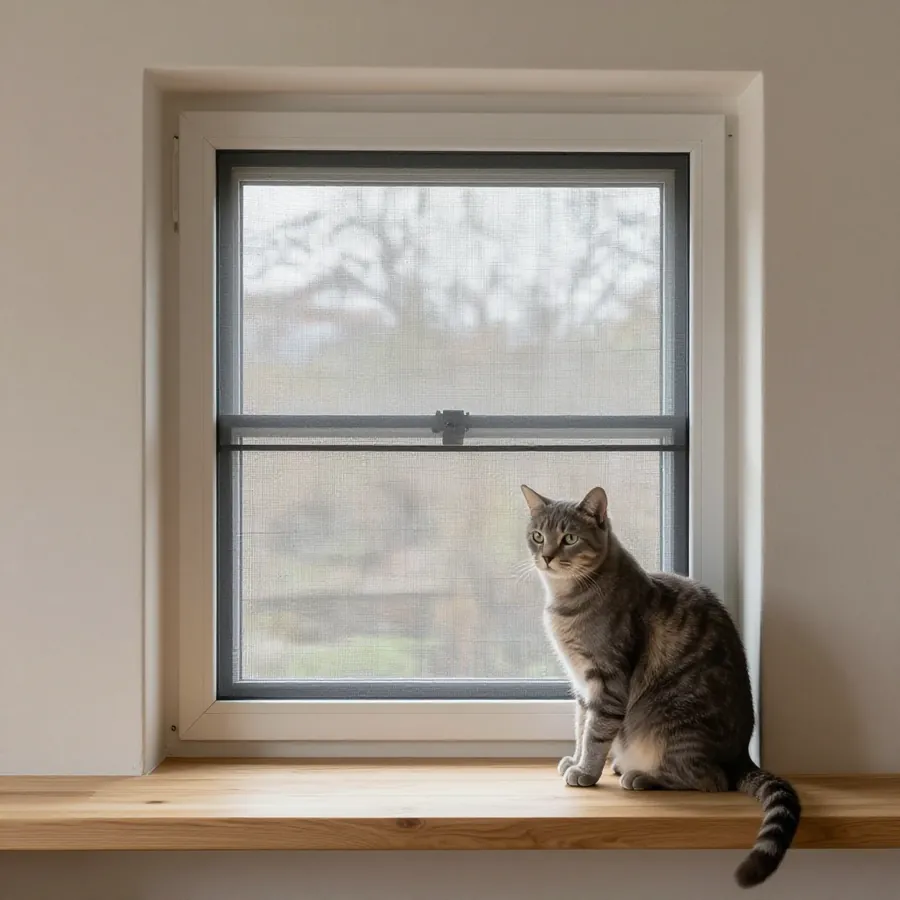
Withstands the weight of a small pet trying to climb onto the windowsill.
Fine mesh that traps dust from the road
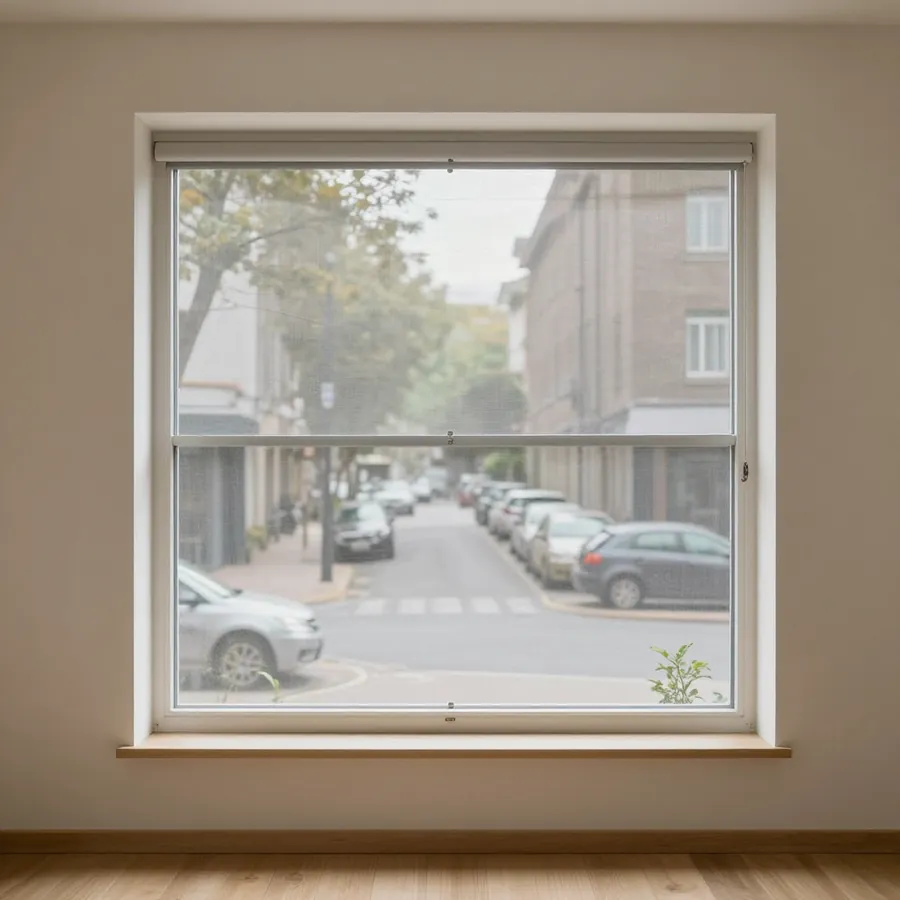
For homes near highways and on lower floors, where the windowsill quickly turns grey.
Lets through 25% more light and air
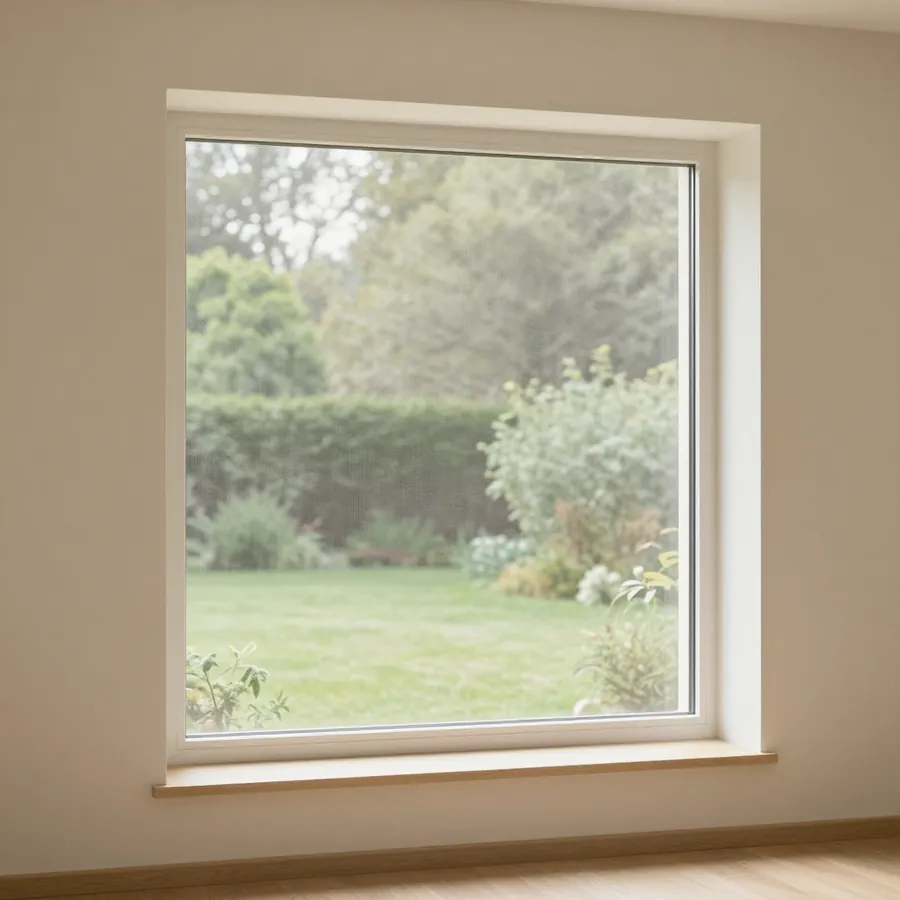
For rooms where it's important not to darken the opening: the mesh is almost invisible against the light.
Framed, sliding, door and pleated screens. Our measurer will choose the right design for your opening free of charge.
Full price listThe amount depends on size, type of design and mesh; we will give you the exact price during measuring.
| Screen type | Price | Fitting | Options and prices | |
|---|---|---|---|---|
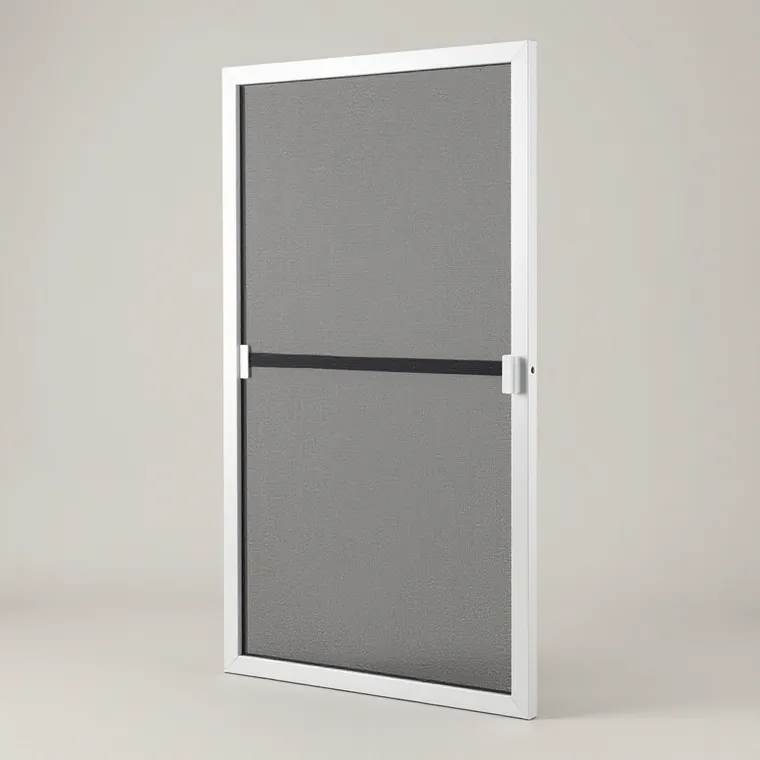 Framed mosquito screenwindows and openings | from 6 900₸ per m² | 1 600 ₸ | Door in Prestige profile · 19 500 | |
| For soft windows of the verandafilm | from 10 500₸ per m² | — | ||
| Hinged door mosquito screenon hinges | from 15 200₸ per piece | — | ||
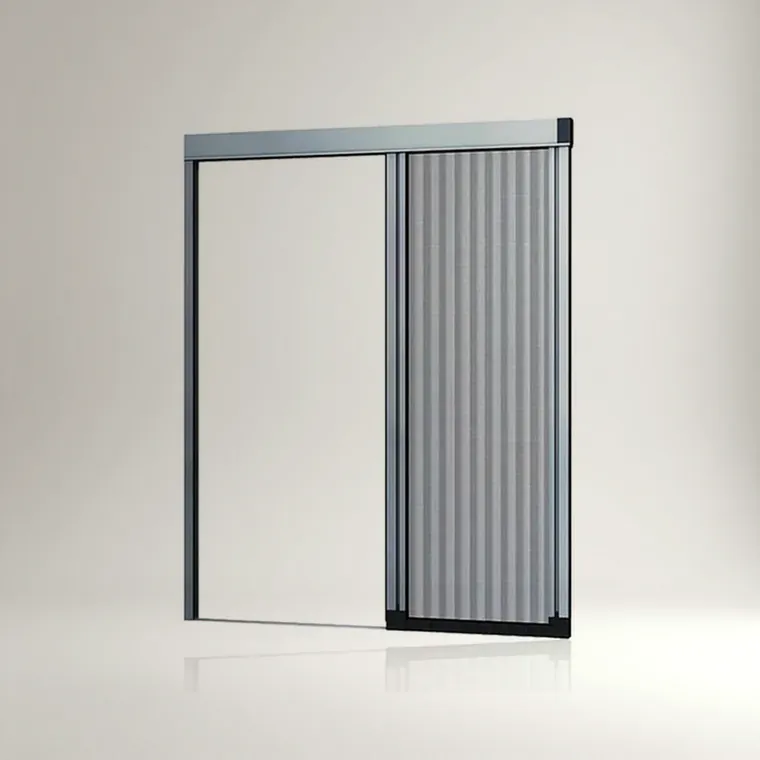 Pleated dooraccordion | from 32 000₸ per piece | — | Pleated for panorama · 43 500 ₸ per m² | |
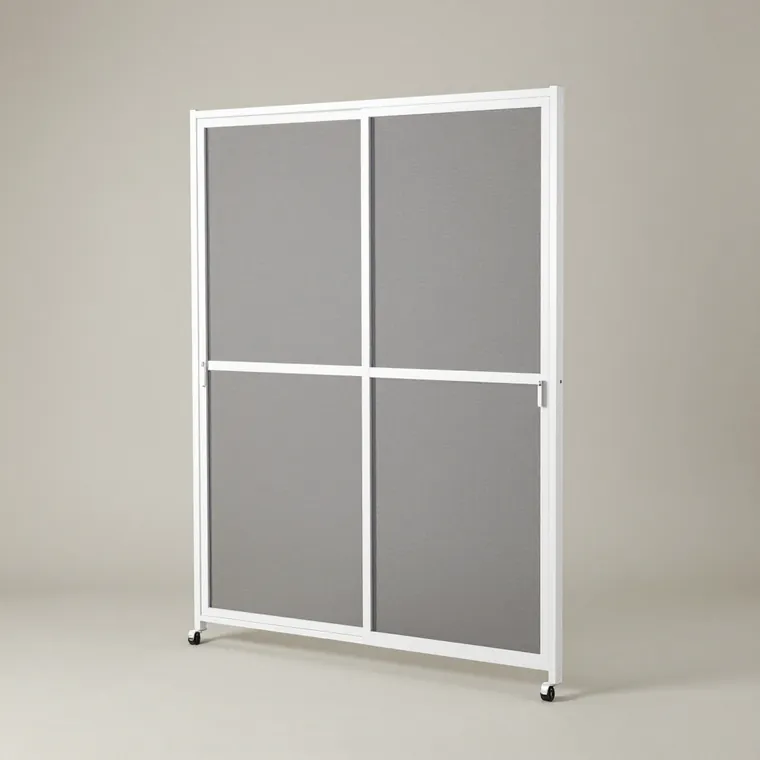 Slidingfor sliding doors | from 17 400₸ per m² | — | ||
| Rollerfor door | from 18 400₸ per m² | — | ||
| Steeldurable mesh | from 11 500₸ per m² | — | ||
| ZIPside rails | from 50 000₸ per m² | — |
The price is fixed in the order after measuringMeasuring and consultation are freePayment after installation: cash, card, Kaspi
Call a measurerEnter the width and height of the opening to understand the approximate amount.
1. Screen type
2. Mesh and design
3. Opening size, cm
About our work.
for production
to make
on a day that suits you
and steel mesh
profile in any colour
on screens
fitting
making screens
How it works.

Message us on WhatsApp: which openings to cover and whether you have a cat or dog.
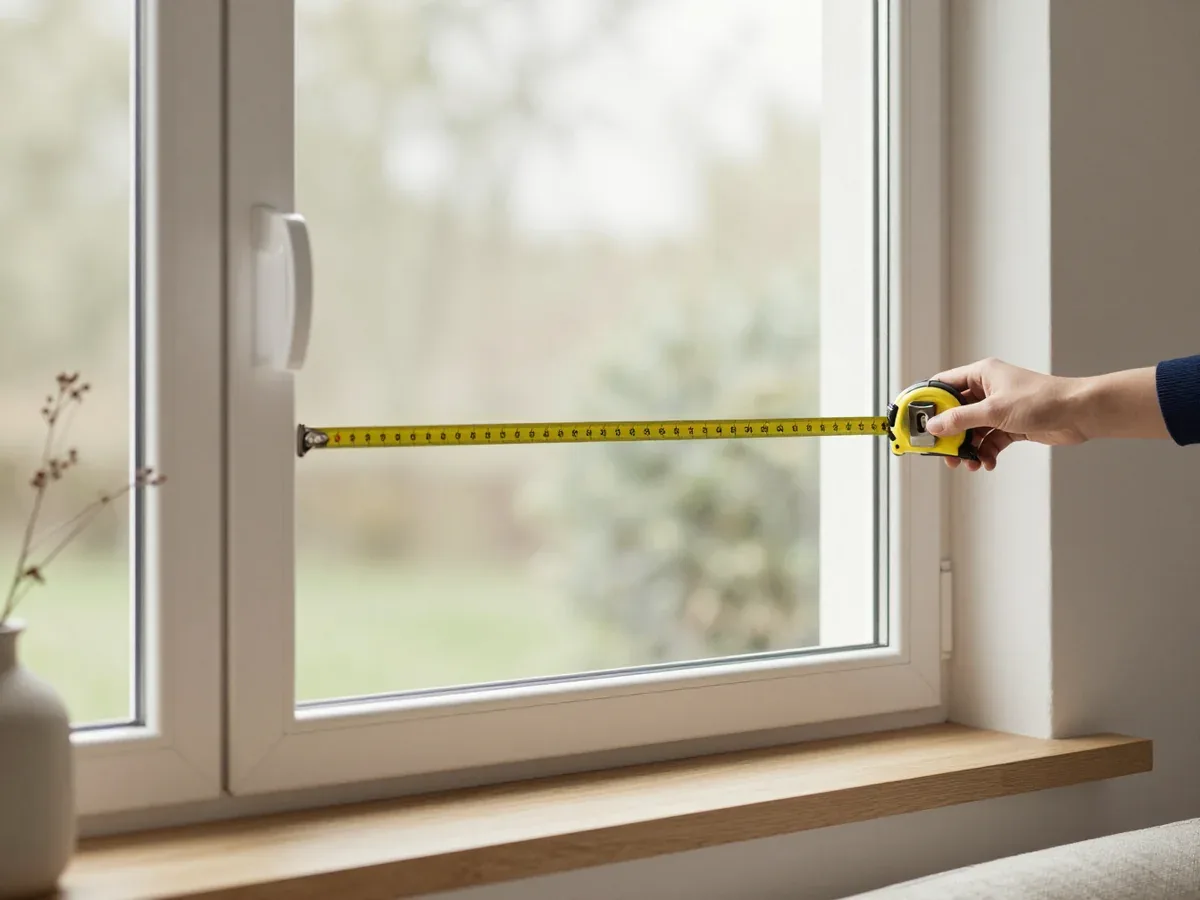
The surveyor takes measurements and checks the frame material: log, timber, plastic.
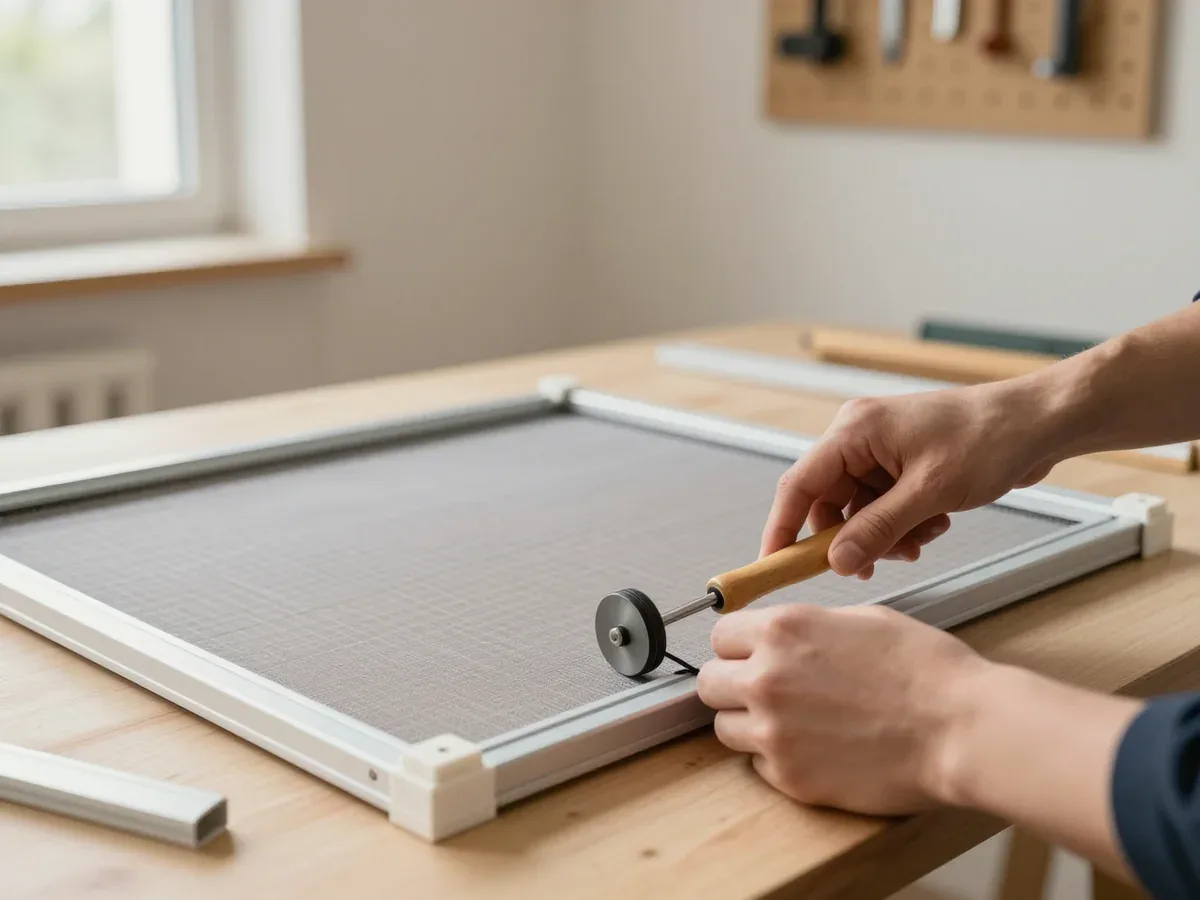
We make the frame in 10–15 minutes, pleated screens in 40–60 minutes.
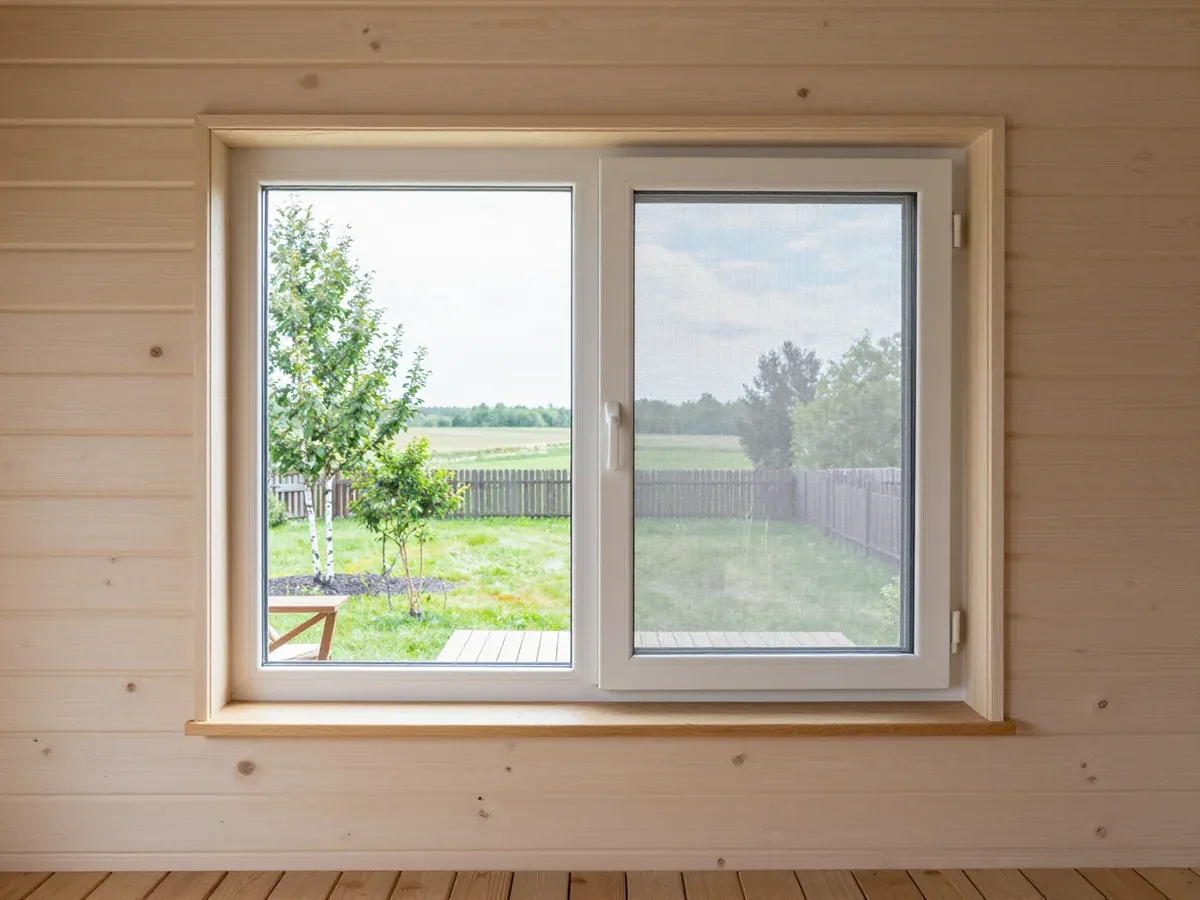
We install the screens and take payment after you check them.
Good to know

Senior mosquito screen specialist at moskitnyesetki.kz
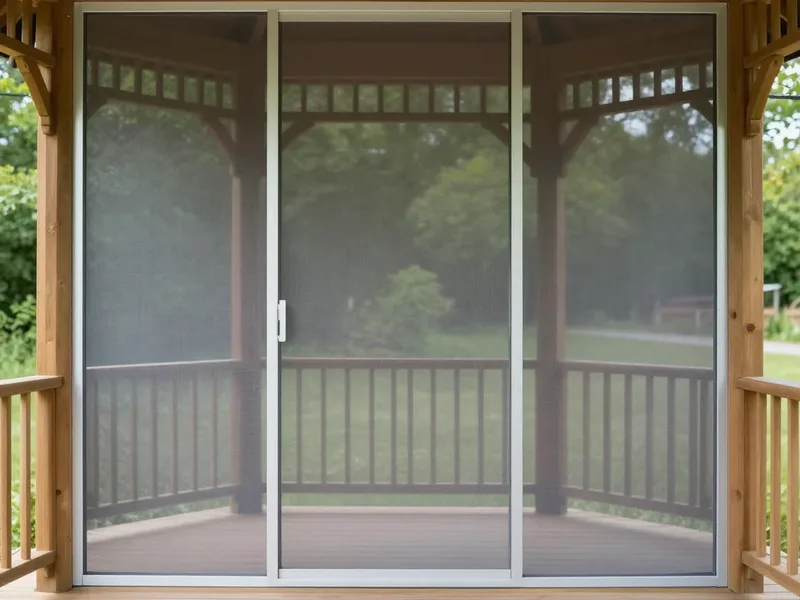
We make veranda mosquito screens in Oskemen to your exact opening size, whether it is a wide terrace, a gazebo or a summer-house veranda. We bring free measuring, help you pick the mesh and fixings, and fit the screen to wood, plastic or aluminium. You pay only after installation.
A veranda or gazebo has a wide span and a non-standard frame, so the type is chosen for the gap rather than copied from a window.
For a wide span we recommend a sliding model, while a framed one suits smaller windows and a pleated design works best on a door. A sliding panel travels along a track and needs a flat sill and enough side clearance, so it is the usual pick for a terrace where the opening runs several metres. A framed version is the simplest option for a single window and lifts out of its guides without tools. A pleated variant folds into a slim stack, which keeps a doorway usable where a swinging leaf would catch the furniture. A sliding unit keeps the whole gap clear because the panel travels sideways instead of swinging out, which matters where chairs and a table sit close to the frame. Veranda mosquito screens in Oskemen are made to measure, so the panel follows the exact width of your opening.
| Structure | Screen type that fits | What the measurer checks |
|---|---|---|
| Wide terrace opening | Sliding model | Opening width and floor level |
| Veranda door | Pleated or door unit | Door swing and threshold |
| Small veranda window | Framed unit | Window profile and sill |
| Wooden gazebo | Framed or pleated | Post spacing and fixing points |
| Aluminium veranda | Sliding or fixed | Profile depth and flatness |
The fabric decides what actually stops at the veranda line — midges, grit, flower dust or a pet's claws — and how much daylight still reaches the room inside.
We offer five canvases for screens, and the right one depends on what bothers you most, from UltraVue that lets in 25% more light and air to Anti-Pollen with a 0.25×1 mm cell. The fibreglass weave handles the everyday job of keeping midges out and resists fire and temperature swings. UltraVue suits a shaded glazed area where daylight matters. The Poll-Tex weave traps the fine grains that drift from poplar and flowering trees. Pet Screen is built for households where a cat or dog leans on the frame. Anti-Dust takes the heavier mineral grit that blows in from the street. We also fit metal netting and the Krylo canvas where a stiffer surface is wanted. If trees stand close to the veranda, a finer cell catches flower dust but also clogs faster, so plan on rinsing that fabric more often than a plain one.
For a glazed space with a cat or dog we fit Pet Screen, whose vinyl threads are several times stronger than a plain weave and hold the weight of a small animal. Flower dust calls for the opposite approach: the Poll-Tex canvas with its 0.25×1 mm cell catches the fine grains that ordinary fibreglass lets through, which matters on a terrace facing poplar or birch. The two needs rarely overlap, and when they do, the owner usually wins on the lower half of the opening. A dog or cat pushes against the lower part of a screen most, so the stronger fabric pays off there even when the rest of the opening would be fine with Standard.
The fixing is what holds the unit steady in wind and keeps it from damaging the window, so it is matched to your profile and floor rather than taken as one universal part.
Our measurer picks the fixing for your window profile and floor, choosing between Z-shaped brackets, pins (plungers) or magnets. Brackets hook over the frame and stay put on a wide range of plastic, wooden and aluminium profiles; pins sit in drilled seats and suit sashes where a bracket would foul the moving part; magnets hold a light unit and come off in seconds. The measurer checks the gap on site, decides which of the three fits, then notes it on the order so the workshop builds the item with the right seats. On an upper floor the wind load on a veranda unit is higher, so the choice leans toward fittings that grip the frame rather than magnets that only hold a light panel.
On a gazebo or an uneven span we mount the frame where the structure is flat and solid, and the measurer notes any gap that needs a filler before fitting. A timber post that looks straight can be slightly twisted, so it is checked with a level rather than trusted to the eye — that avoids a panel that rubs when it slides. A gazebo frame often sits off-plumb after a season of frost, and a shim under the bracket corrects the seat without drilling a second set of holes. We fit these products to plastic, wooden and aluminium structures, including loggias and covered terraces, and the same visit decides whether the unit goes inside or outside the frame. Ask for the level check on any older timber — it is the step that most often prevents a rubbing panel later.
Measuring sets the size and the price, so it comes first, while making a panel to your own dimensions takes from ten minutes once the sizes are known. Here is how the site visit and workshop time work together.
Measuring and consultation are free, and the measurer comes at a convenient time, takes the sizes and helps choose the design, fabric and fixings. The visit covers the profile, the fabric type — Standard, UltraVue, Anti-Pollen, Anti-Cat or Anti-Dust — and the brackets that suit your window profile and floor, so nothing is decided blind. We paint the surround any colour to match your windows, and the measurer notes that choice on the order. He records the gap at several points, because an enclosure surround is rarely perfectly square and a single reading can leave a unit that sticks. Ask for the fixing type to be written into the order too — magnets, Z-brackets or pins behave differently on an uneven wooden edge, and the note saves a second visit.
A framed unit made to your size takes 10–15 minutes, while a pleated one needs 40–60 minutes. The profile is cut and assembled on the spot, the fabric is rolled into the surround and the finished piece is checked against your gap before it leaves the bench. Pleated models take longer because the folded cloth is threaded and tensioned by hand, so those are usually booked as a separate slot. Because the framed version is assembled quickly, the same appointment can often cover measuring and making, which saves a second trip to the enclosure. If your span needs several pieces, tell us the count when you book — the workshop plans the slot around it rather than fitting them one by one across a week.
Once a mosquito net is up on the veranda it stays there for years, and how the unit is painted, taken down and repaired decides how long it keeps doing its job. Here is what we do at each stage.
We paint the frame any colour to match your windows and veranda. The aluminium profile is powder-coated before assembly, so the shade holds on the sun-facing side of an open terrace where bare metal would fade within a couple of seasons. On a wooden gazebo we match the paint to the posts and the fascia board; on a glazed veranda the frame follows the window trim, so it reads as part of the glazing rather than a separate panel bolted on. A shade picked to echo the posts makes the whole assembly look built-in, which matters most on an open terrace where every detail stays in view.
A framed mosquito net comes off from inside in a minute and is best removed for winter, and every unit we fit carries a 1-year warranty. We repair the units and swap worn fastenings — Z-brackets, pins or magnets — when a unit starts to rattle or a corner pulls away from the opening. Storing the panel flat rather than leaning it against a wall keeps the aluminium from warping, so it drops back into the same fixings next season without any adjustment. If a mesh tears near a corner, the frame usually survives and only the cloth is replaced, which costs less than a new build.
A screen system works when three choices line up: the design fits the opening, the mesh answers the problem, and the mounting suits the structure it hangs on.
Installation, selection and timelines
Konstantin Selenenkovsenior mosquito screen specialist, 10 years in the tradeOnline · replies within 5 minutes
Ask a questionYes, we install screens on plastic, wooden and aluminium bases, including logs and timber. The measurer selects the fixings to match the profile: Z-brackets, plungers or hinges, so the structure holds securely.
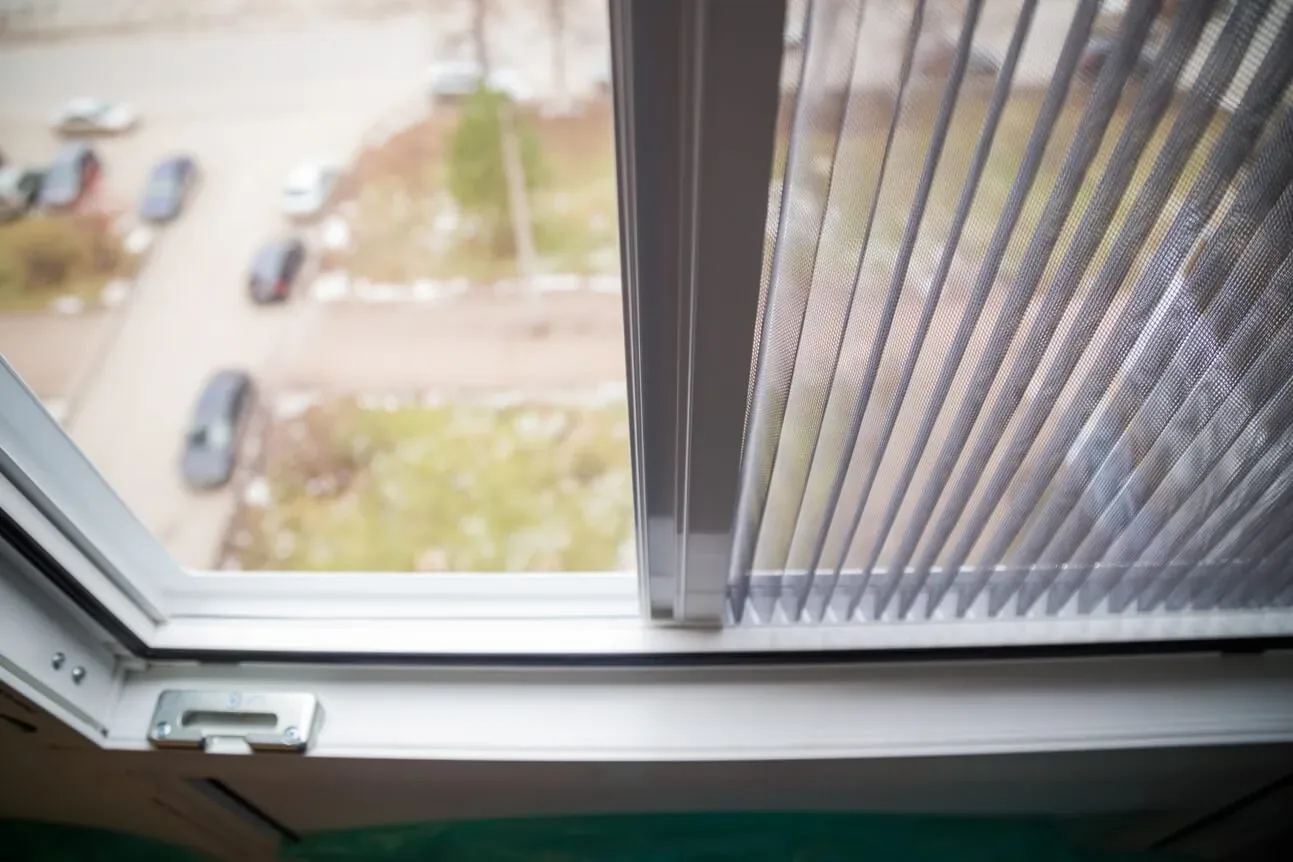
A pleated screen folds like an accordion and slides aside with one movement, taking up no space and requiring no removal of the mesh. A framed screen has to be taken off and put back, which is inconvenient every day on a large opening.
A standard mesh can be torn from its fixings in strong wind, so reliable brackets or pins are important on open openings. If a cat roams the veranda, choose "Anti-Cat": the vinyl threads are several times stronger and can hold the weight of a small animal.
For a wide opening, a framed screen is made to measure, but the leaf becomes heavy and flaps in the wind. For large veranda openings, a pleated or sliding structure is more convenient, while framed screens are installed on individual windows and doors.
If the mesh is torn, stretched or no longer holds in its fixings, first assess the repair: sometimes it is enough to replace the mesh or fixings. When the profile is warped or the screen flaps over its entire area, it is usually easier to install a new structure.
Time depends on the screen type: a framed one to your dimensions takes 10–15 minutes, a pleated one 40–60 minutes. Measuring and consultation in Oskemen are free, and we work without days off.
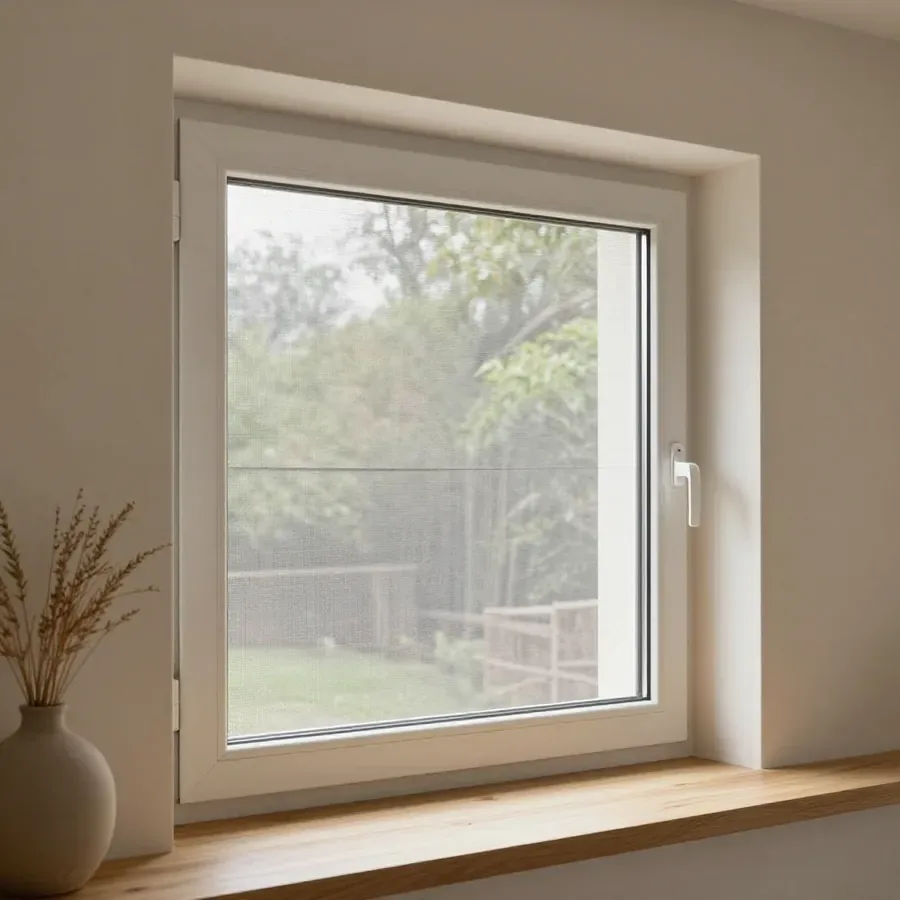 Care
A frame screen comes off in a minute: we show how not to bend the frame or lose the fixings.
April 15, 20268 min read
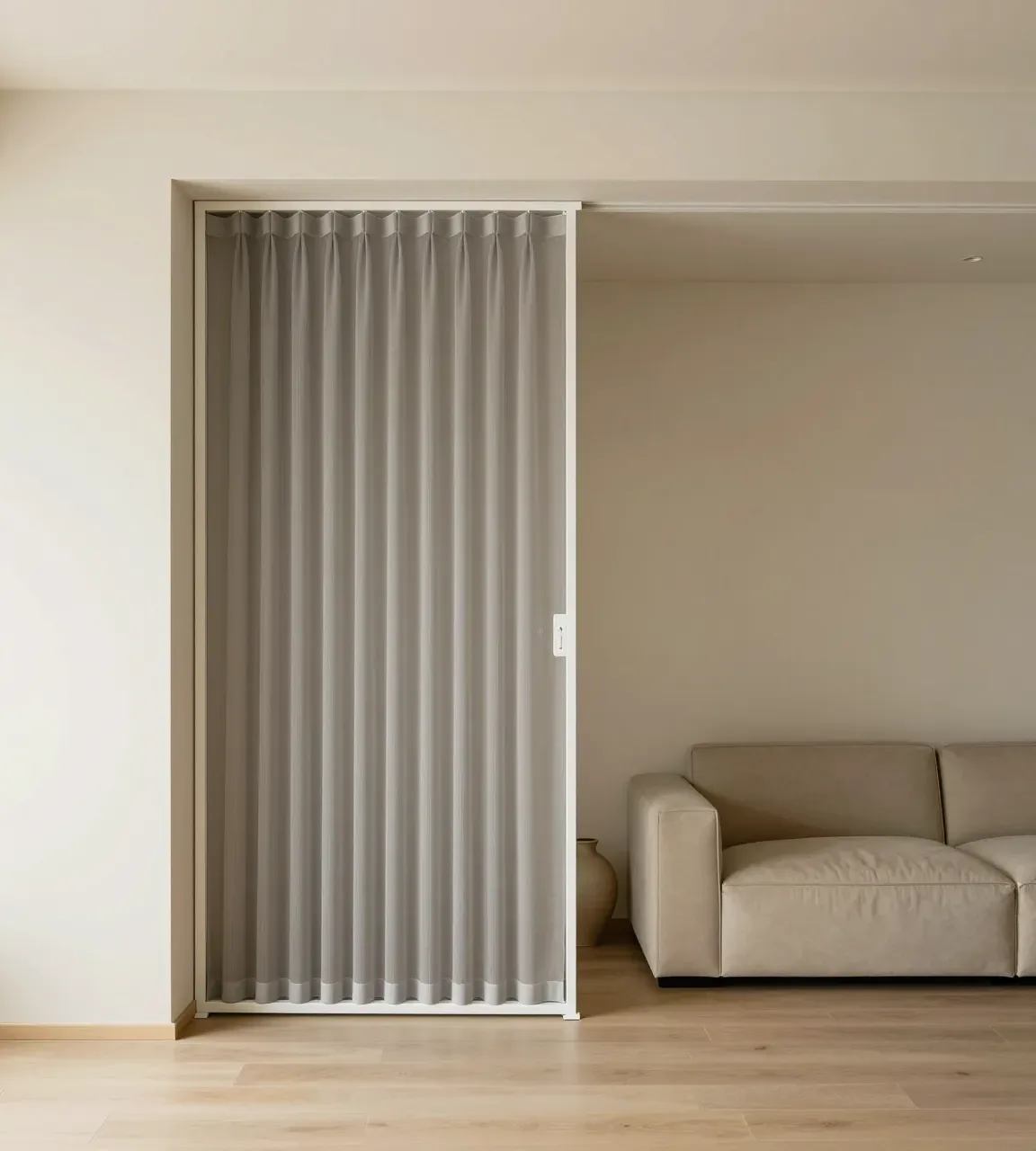 Choosing
We compare the price, lead time and how each screen performs on a door that you walk through every day.
March 2, 20268 min read
 Mesh types
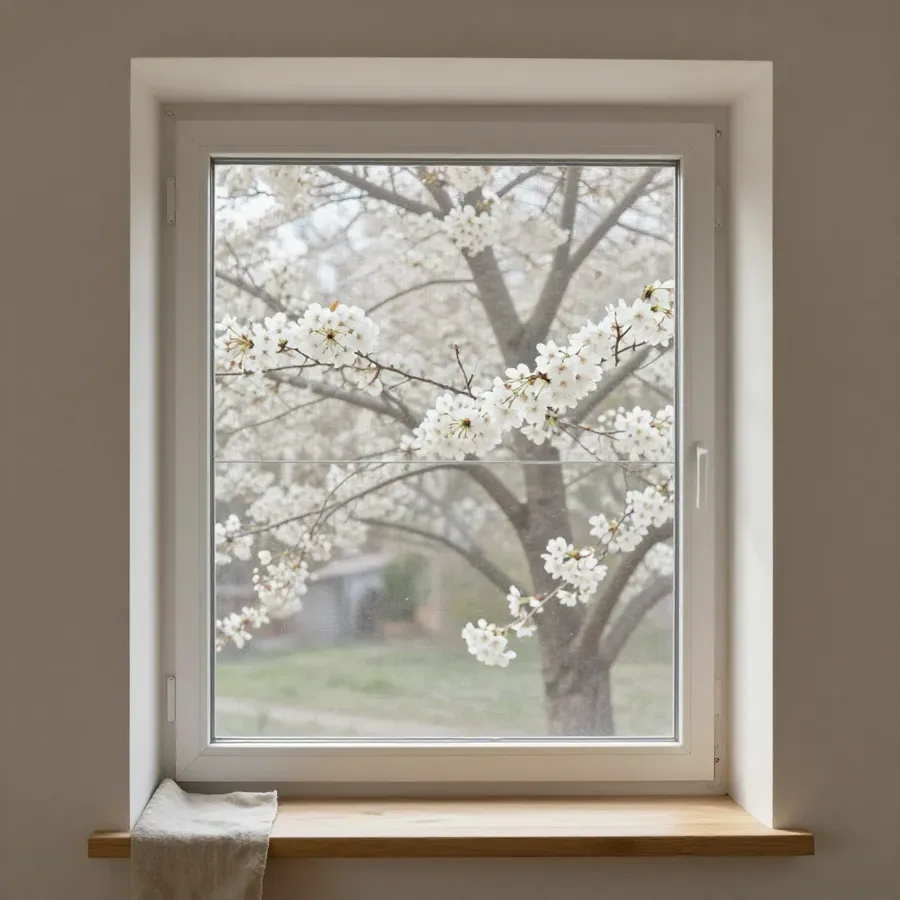
How Poll-Tex mesh with a 0.25×1 mm cell works and who it helps in pollen season.
February 17, 20268 min read
 Prices
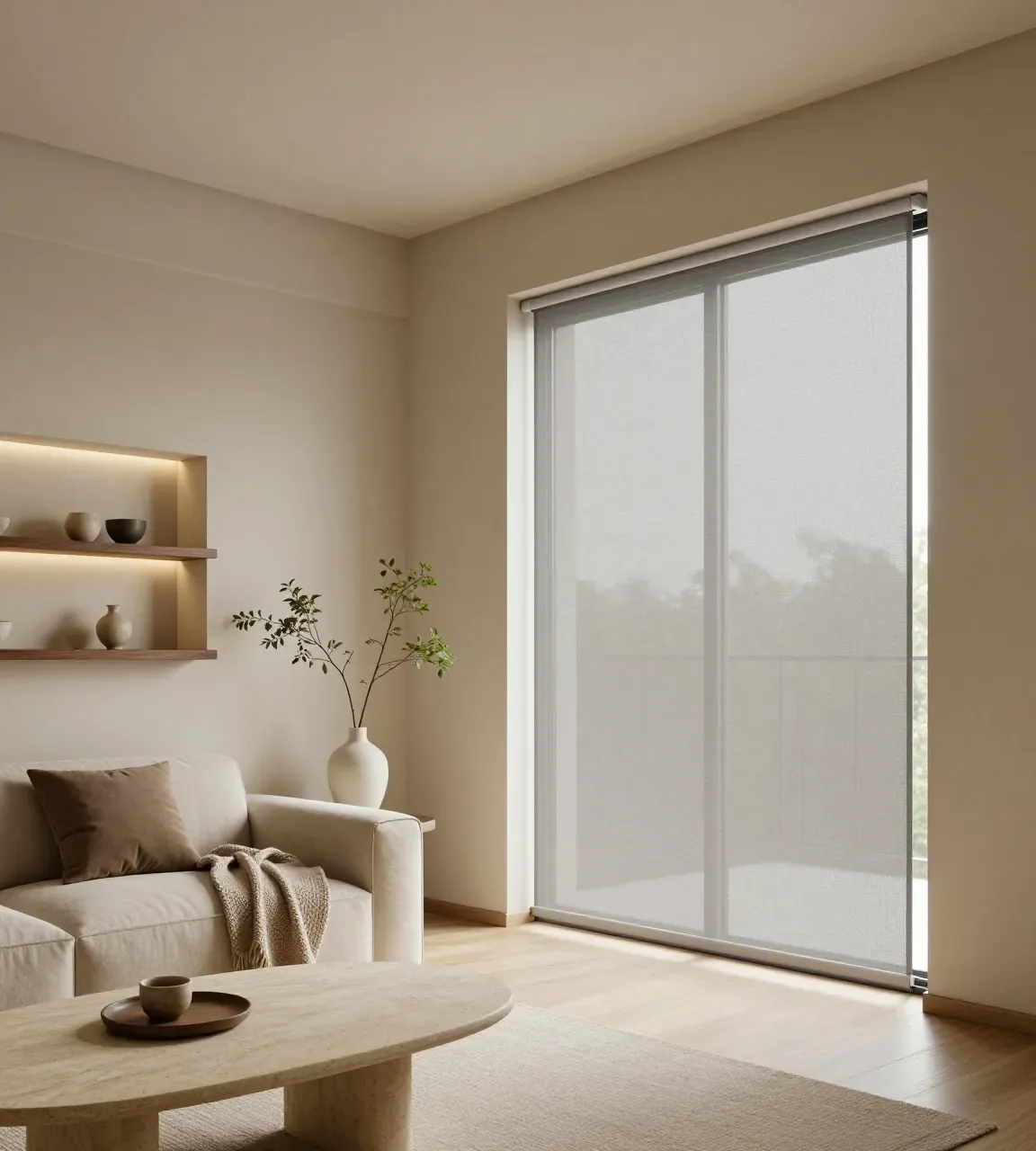
Price list breakdown: frame screen from 2 000 ₸ per m², installation 1 750 ₸, pleated from 28 000 ₸. Costing a 70×140 cm window.
February 1, 20268 min read
 Repair
Worn fixings, a wrong measurement, wind on high floors. A set of fixings costs 290 ₸, installation 871 ₸.
January 14, 20268 min read
 Choosing
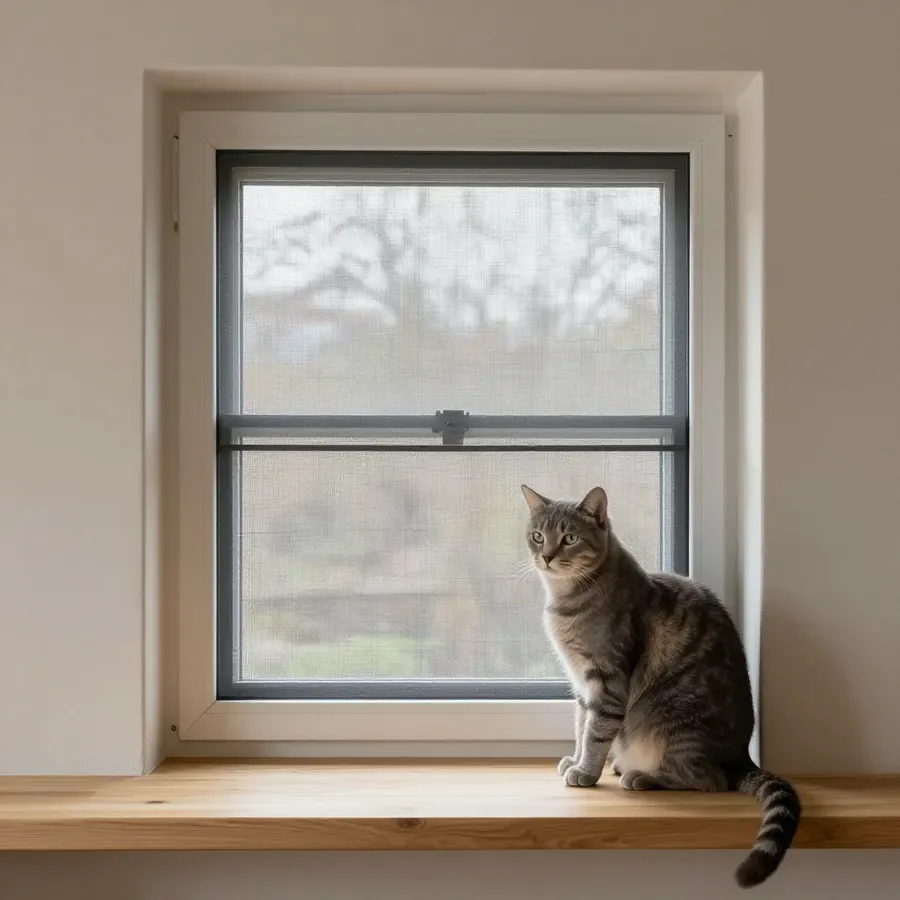
Anti-Cat mesh on vinyl threads, the fixings and what to do about gaps around the window opening.
December 23, 20258 min read
 Mesh types
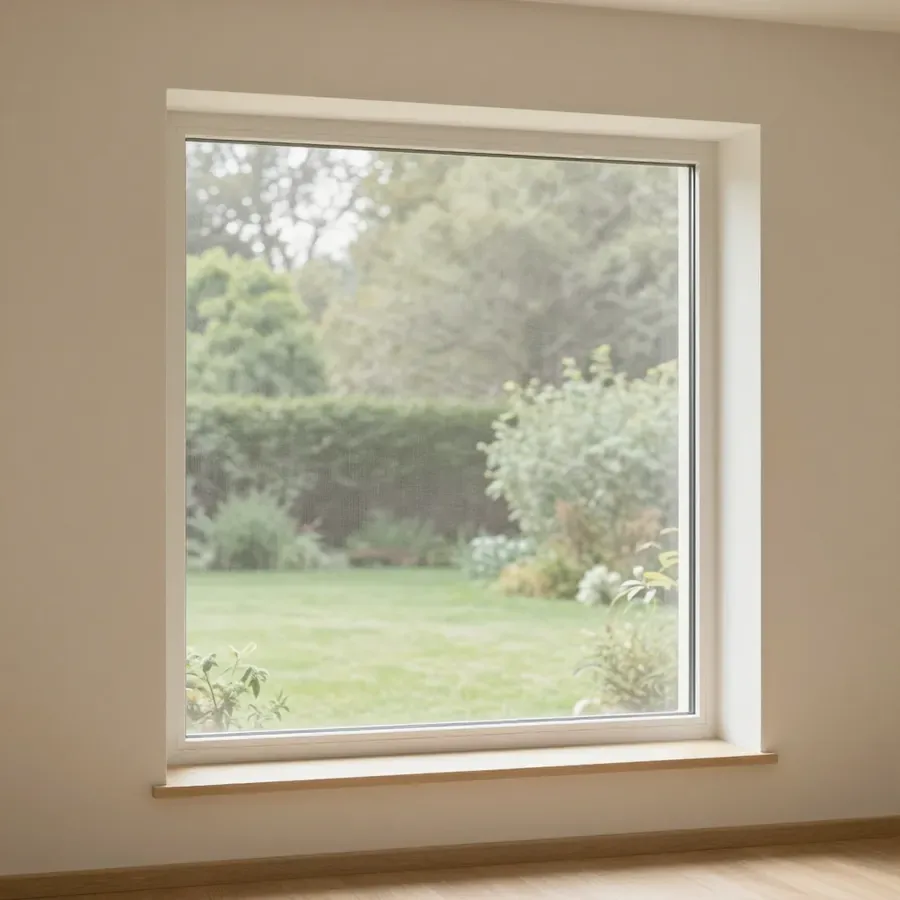
The mesh lets in 25% more light and air. Where the difference shows and where paying extra is not worth it.
December 11, 20258 min read
 Choosing
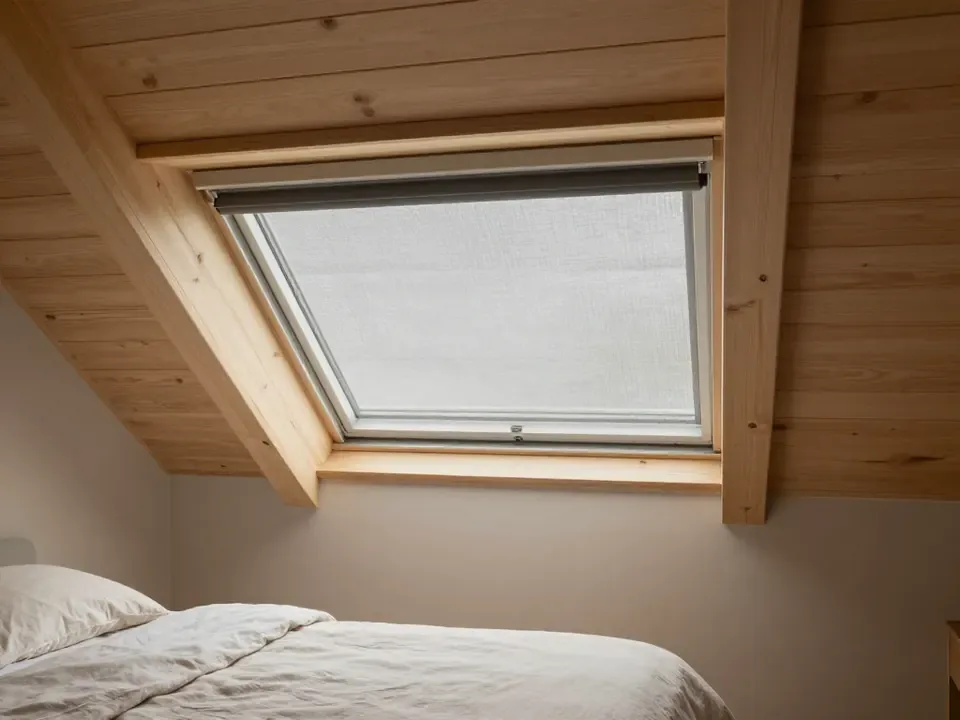
A tilted sash, outward opening and a roller screen at 15 000 ₸ per m²: what will suit your window.
November 21, 20258 min read
 Mesh types
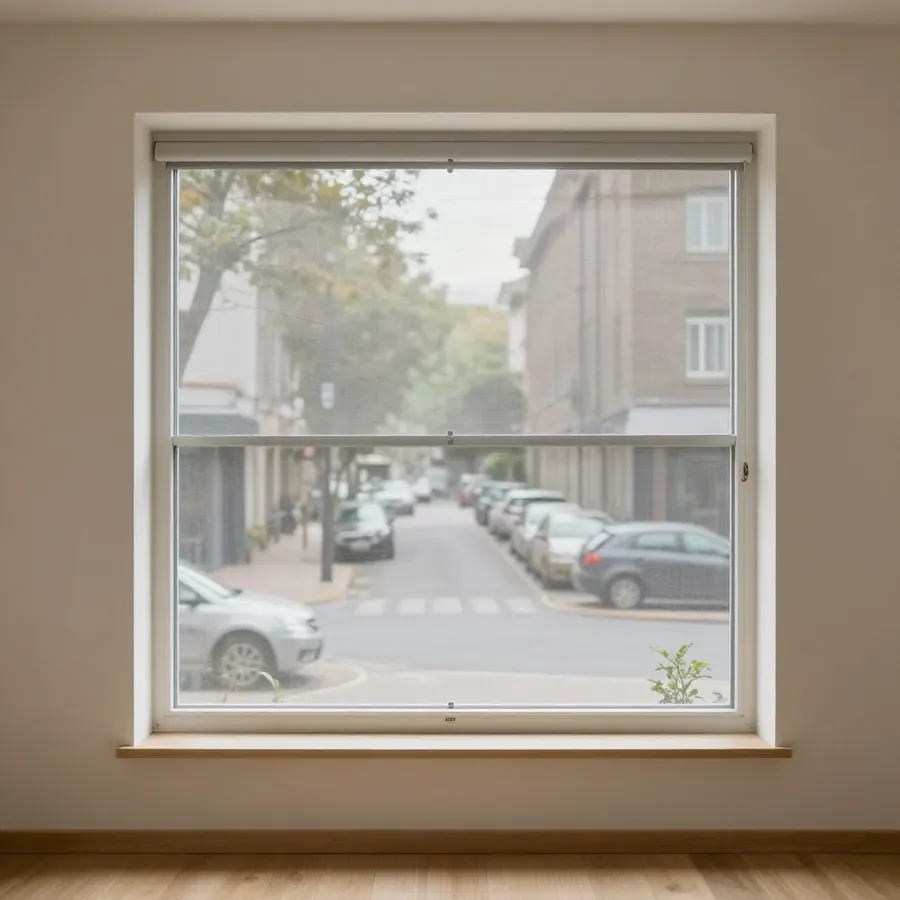
The mesh stops coarse and fine dust along with mosquitoes. When it is worth the price of 8 500 ₸ per m².
October 20, 20258 min read
Thank you. We will call you back within 10 minutes!
Your order number is on the receipt or in the SMS. Choose where to leave your review.
Write a review on WhatsApp


 Screens for gazebos
 Screens for balconies
 Screens for loggias
 Ready-made screens
