
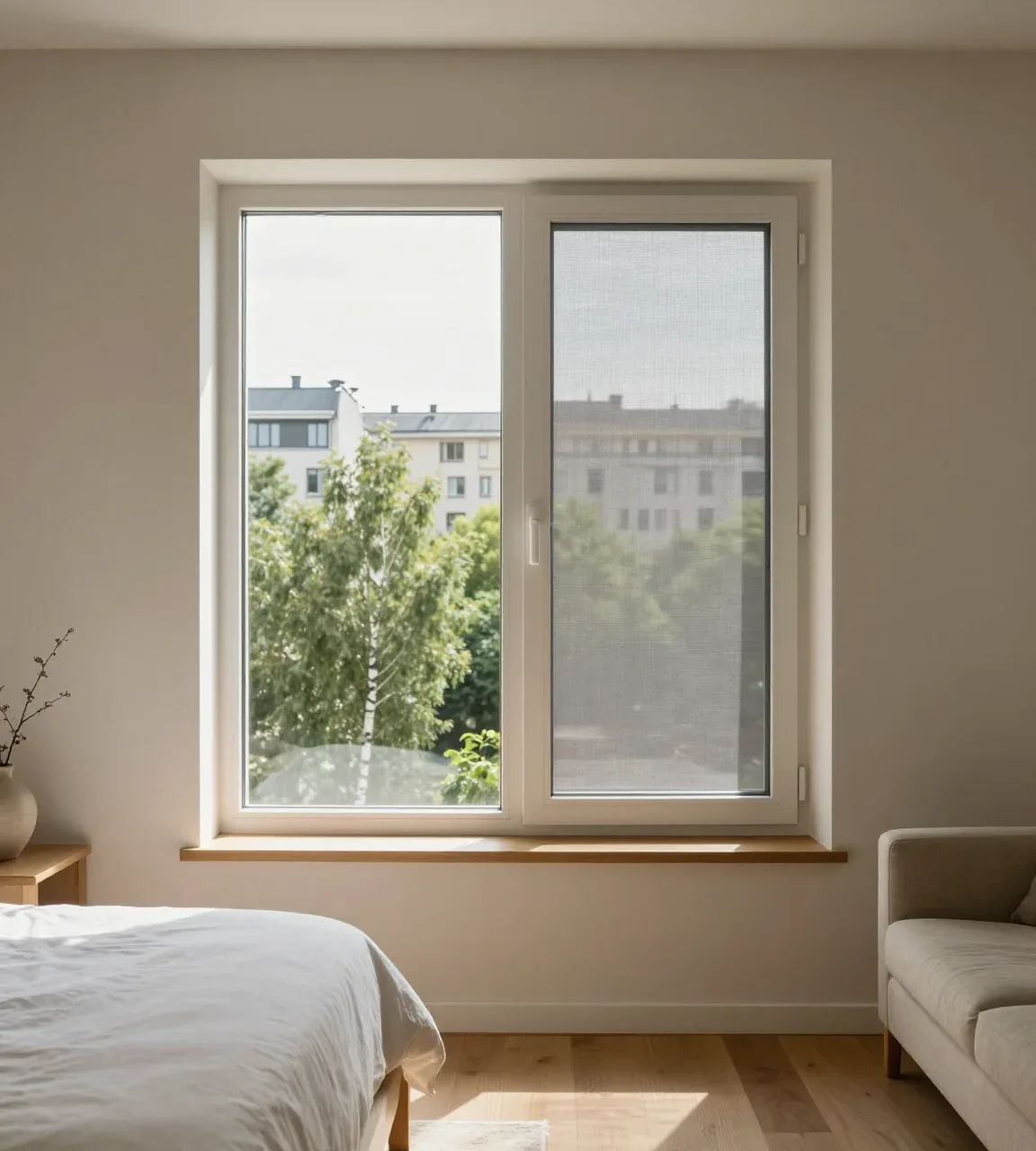
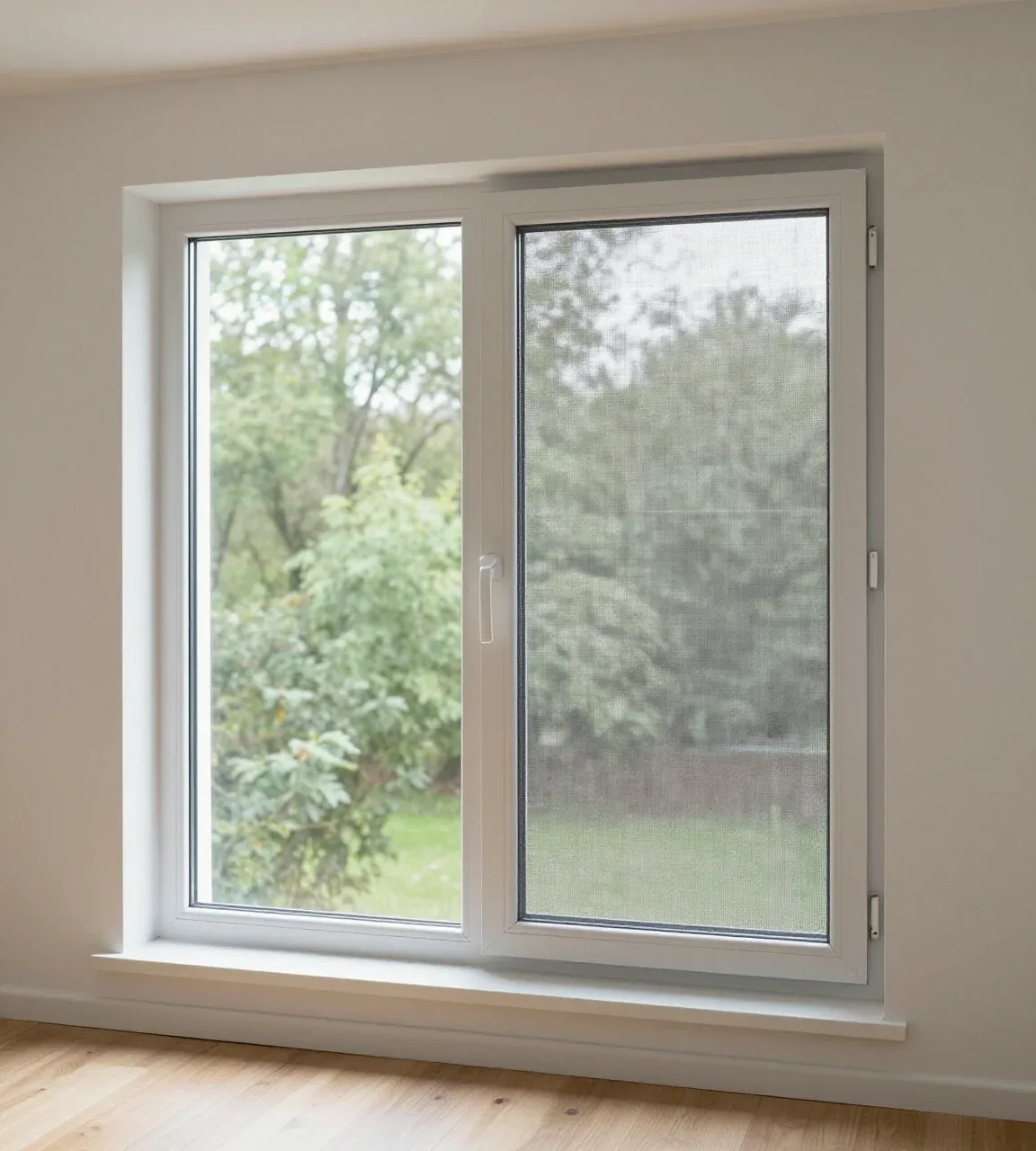
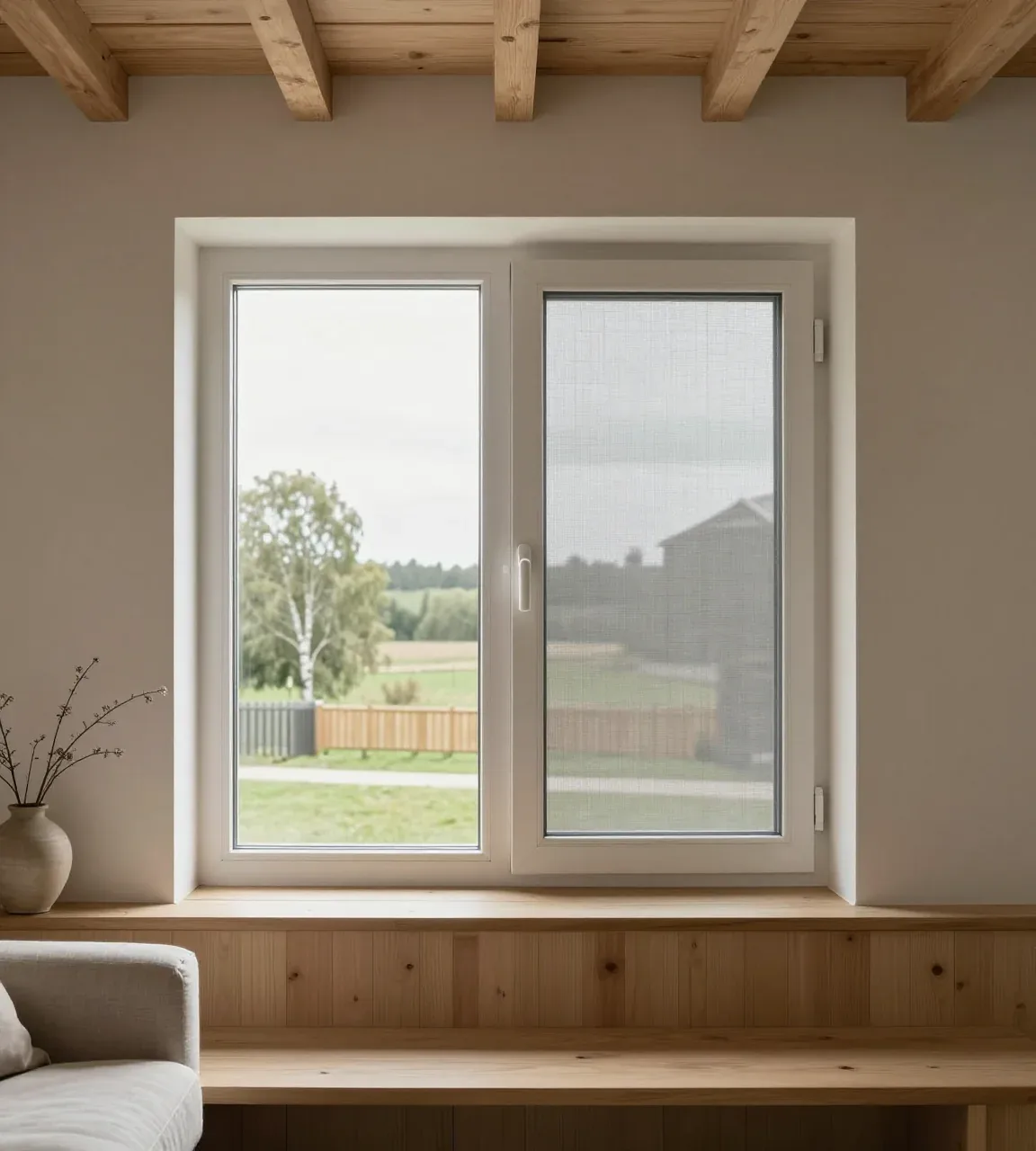
Mosquitoes and flies · Fiberglass
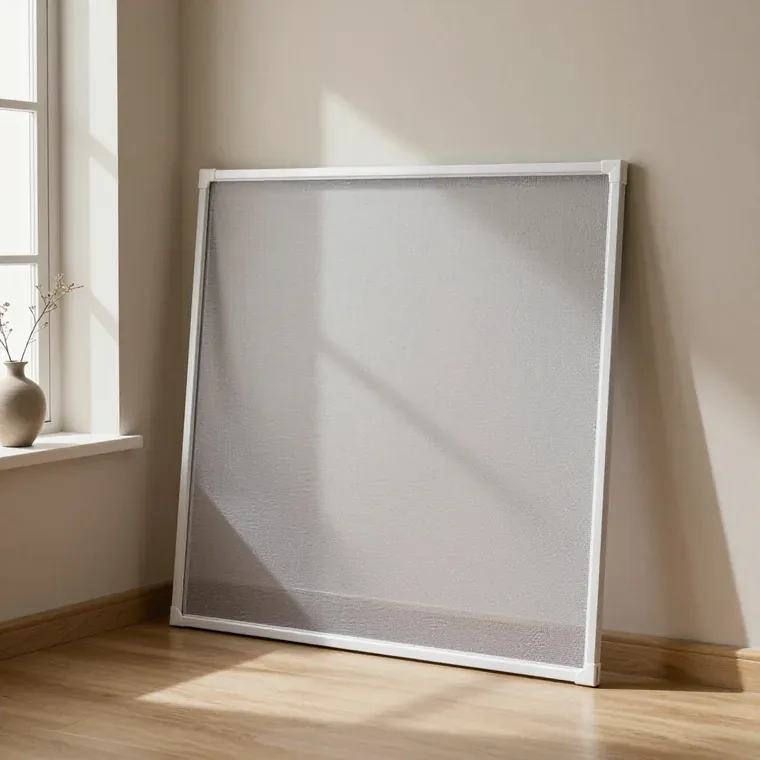
Standard mesh
Fiberglass resists fire and temperature changes and keeps its shape in the sun. Price from 6000 ₸ per m².
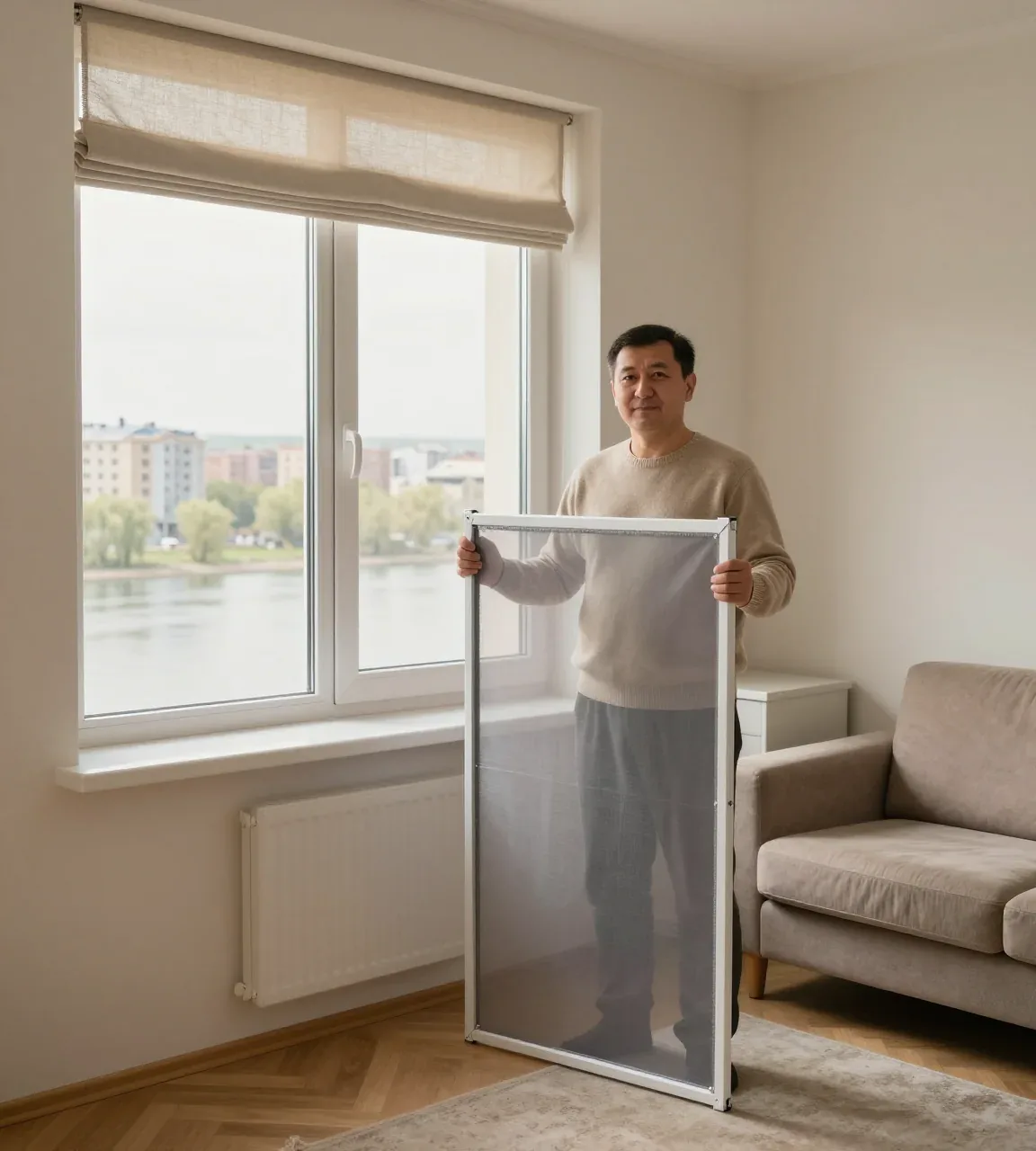
Standard mesh
Fiberglass resists fire and temperature changes and keeps its shape in the sun. Price from 6000 ₸ per m².
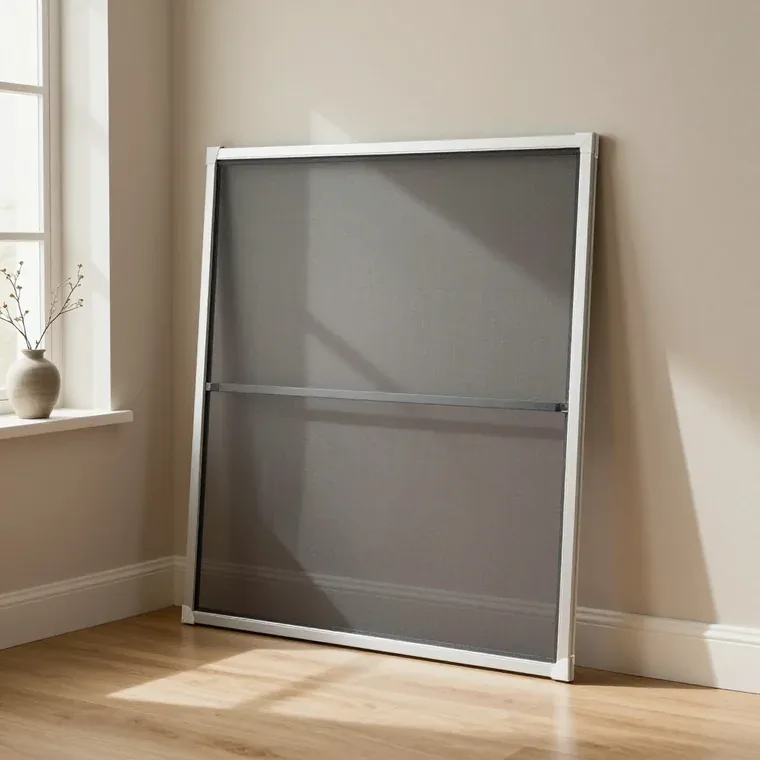
UltraVue
Lets through 25% more light and air than other meshes. Price from 6000 ₸ per m² with a profile for your window.
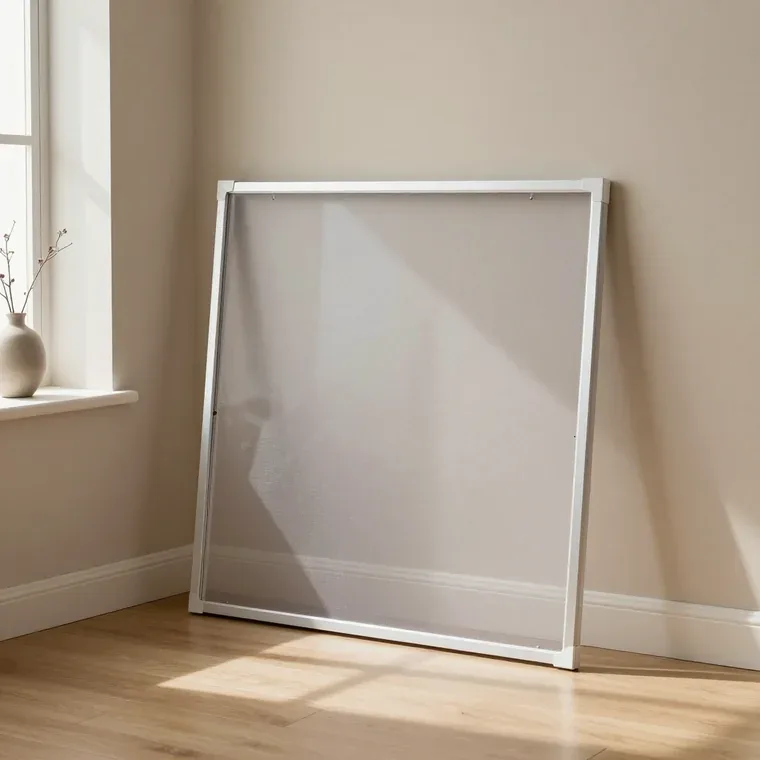
Anti-Cat
Vinyl threads are several times stronger than standard mesh and withstand the weight of a small pet. From 12000 ₸ per m².
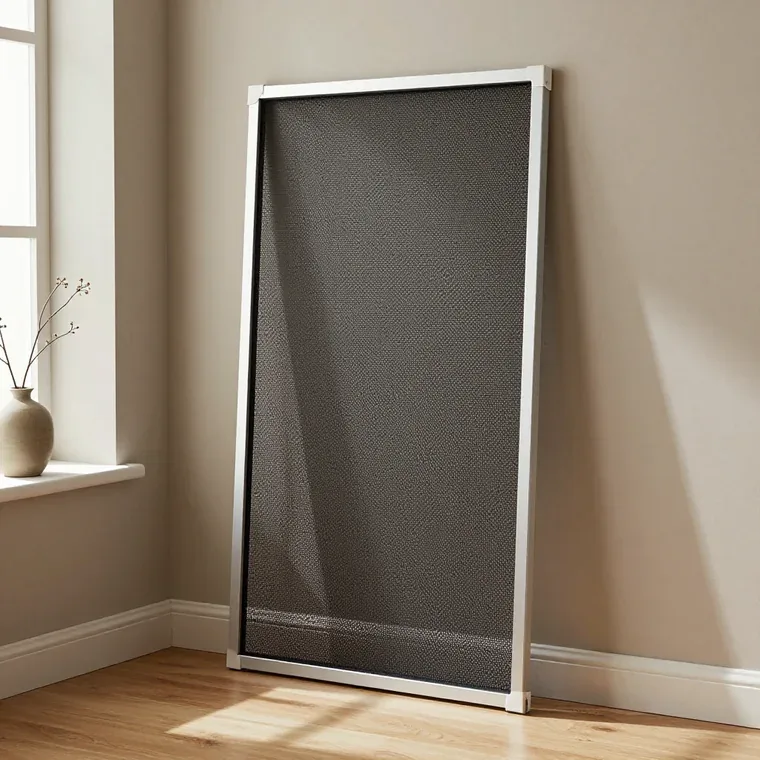
Anti-Dust
The fine mesh traps dust and small insects while the window stays ventilated. From 11800 ₸ per m².
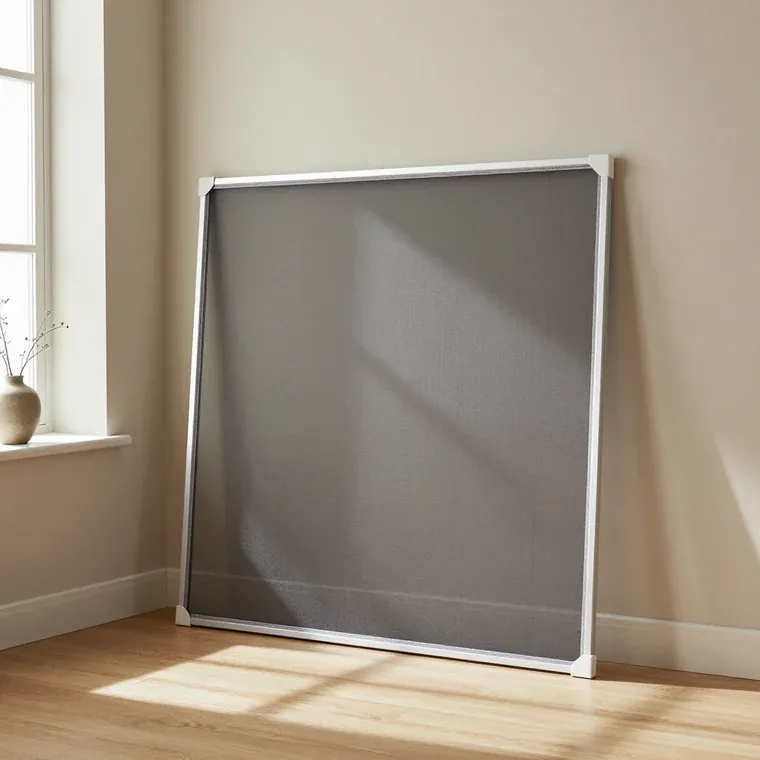
Anti-Pollen
The 0.25×1 mm mesh traps pollen, and the fabric is hypoallergenic. Price from 12200 ₸ per m².



5,097 reviews on review sites
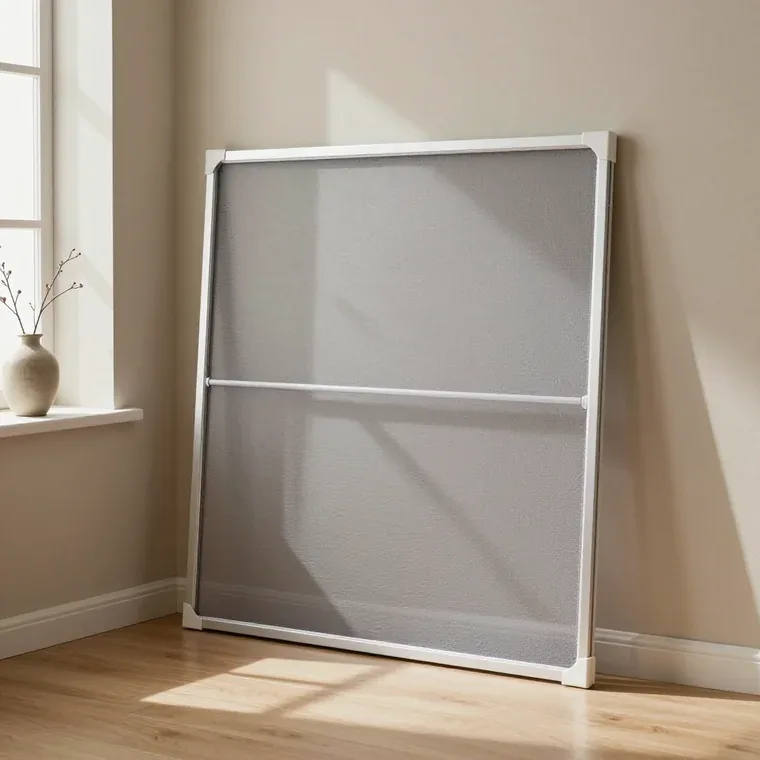
A removable structure for a sash: aluminium profile, mesh in a spline and corner connectors
A framed screen is a rigid frame made of aluminium profile with the mesh rolled in using a spline. Corner pieces join the profile around the perimeter, so the frame keeps its shape and does not sag on the sash.
The structure is removable: it is fitted to one window or door sash and can be taken off from inside when needed. A surveyor takes the dimensions for your opening, and making a framed screen takes 10–15 minutes.
from standard fiberglass to "Anti-Pollen" and "Anti-Cat"
that is how long it takes to make a frame to your dimensions
manufacturer's warranty on mosquito screens
The surveyor selects the fixing for your window profile and floor: from external brackets to internal pins
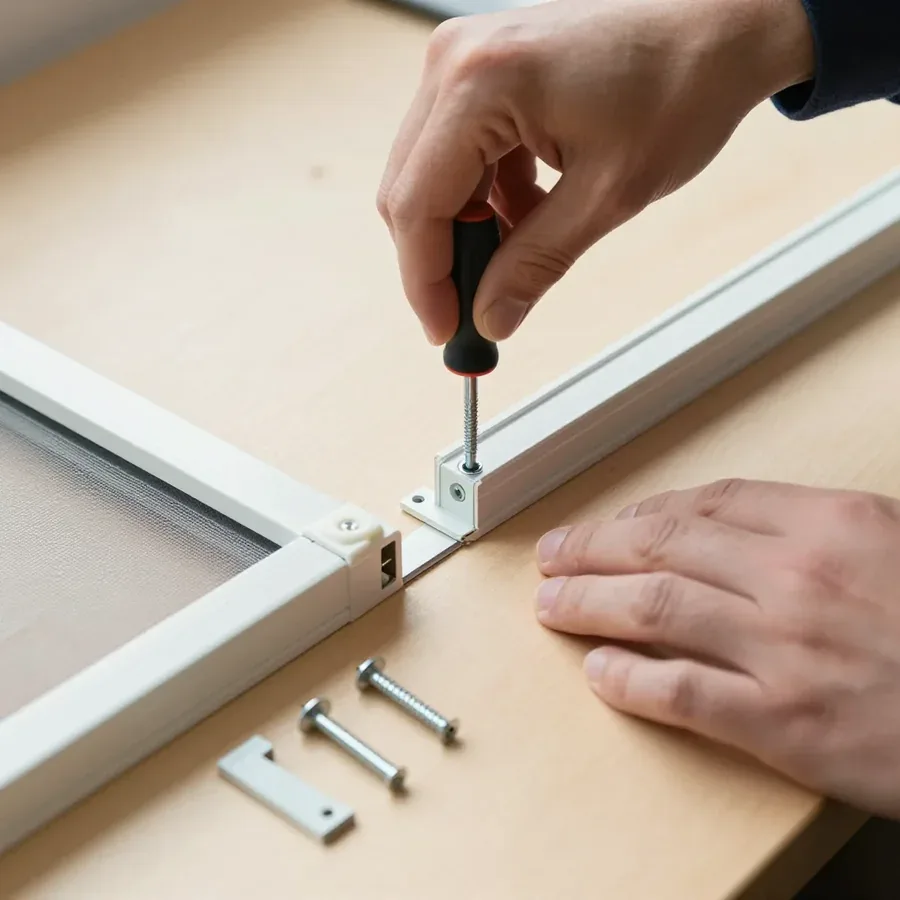
Metal brackets hook the frame from outside onto the window profile. They hold the screen on opening sashes and on high floors.
Spring-loaded pins secure the frame in the opening from inside. They are convenient where the screen is often removed, for example for the winter.
Magnetic holders suit lightweight screens and even frames. They come off in one movement, without tools.
Before the season, check how the frame sits in the opening and inspect the fixings: the hooks should not be bent, the pins should spring freely, and the magnetic holders should fit tightly. If the frame wobbles or comes off with effort, the fixing should be tightened or replaced.
Five meshes for different tasks: from basic mosquito protection to a barrier against pollen and claws
Fiberglass · basic
Resistant to fire and temperature changes, suitable for most windows.
Ultravue · more light
Lets through 25% more light and air than other meshes.
Pet Screen · durable
Vinyl threads are several times stronger than standard mesh and can hold the weight of a small pet.
fine mesh
Traps dust and small insects while still letting the window ventilate.
Poll-Tex · 0.25×1 mm
Hypoallergenic mesh with a 0.25×1 mm cell that traps pollen.
Plastic, wooden and aluminium windows, vents, loggia, gazebo and veranda windows. The measurer chooses the fixing.
Balcony door: hinged, sliding or pleated screen
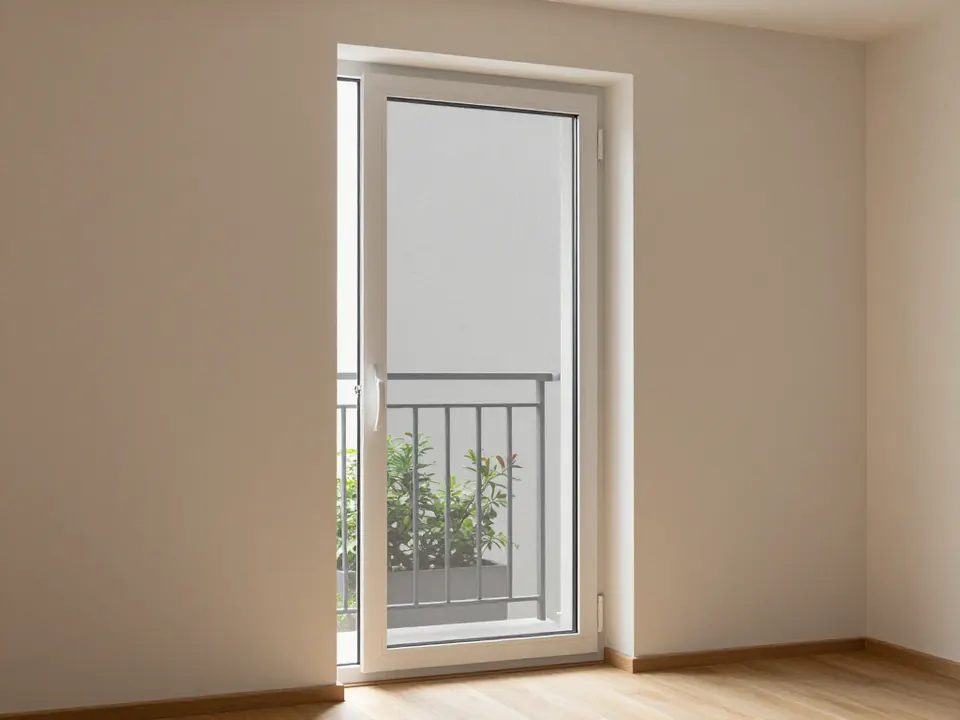
Framed screens for opening sashes
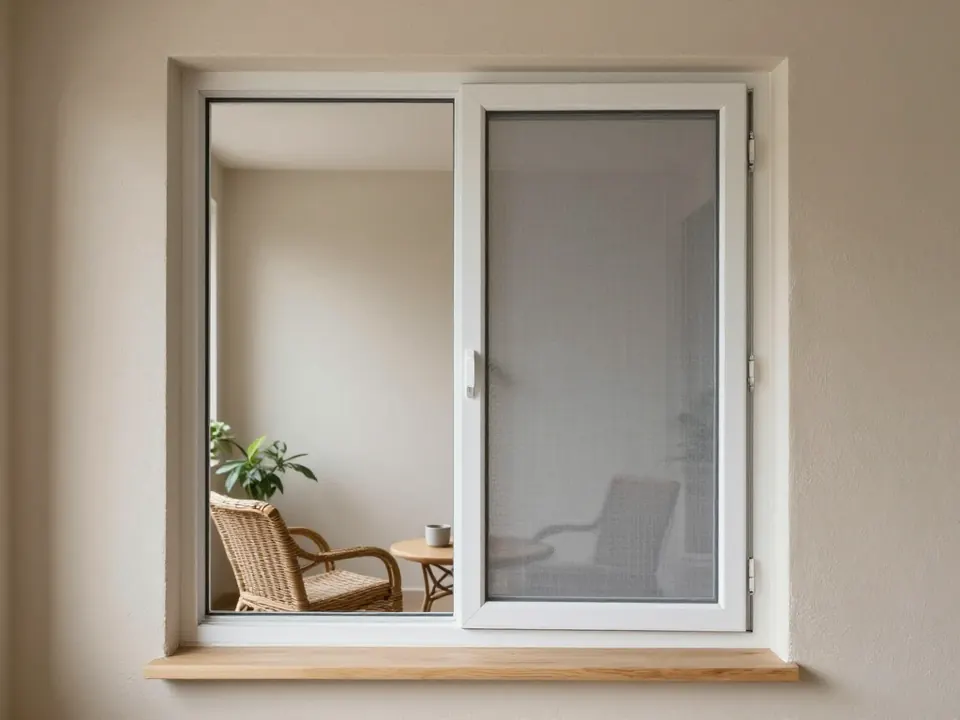
Wide openings: sliding and pleated screens
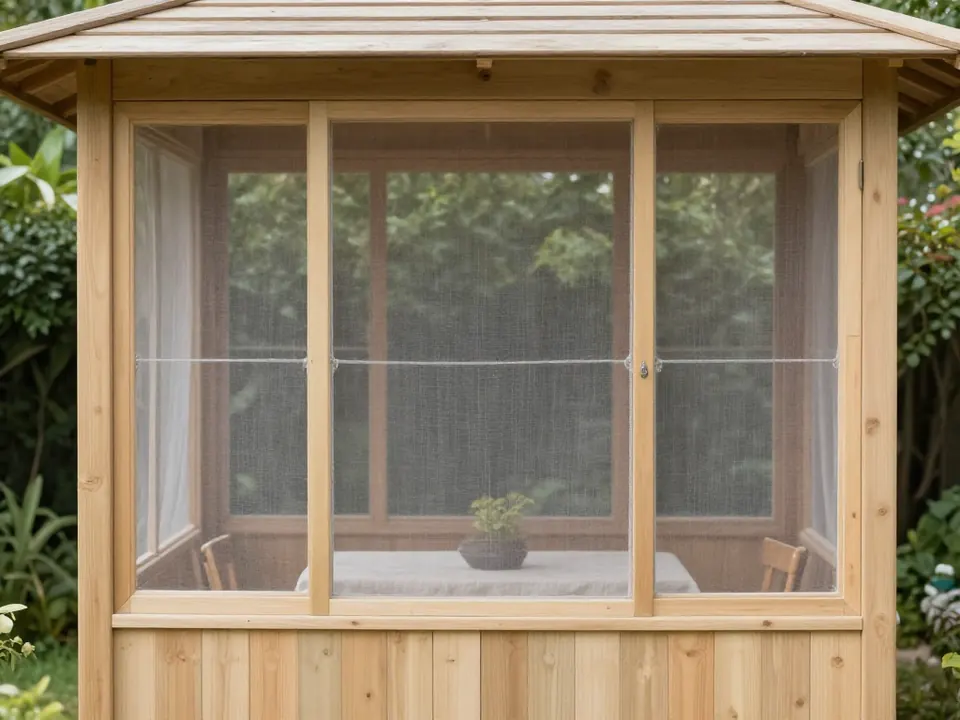
Large windows and doors to the terrace
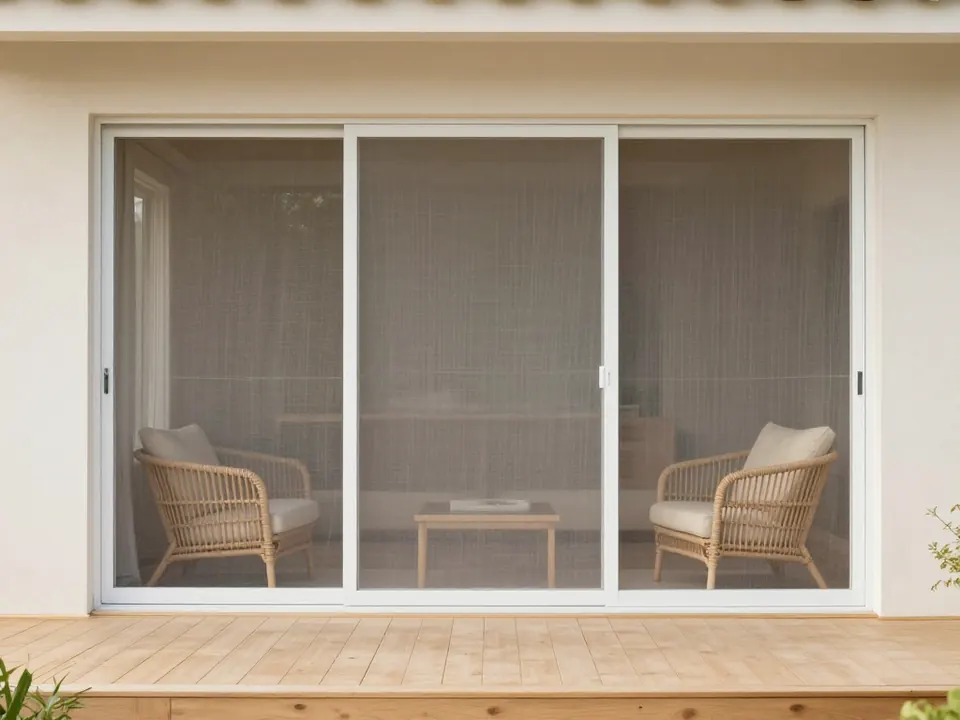
Sloped windows: the measurer chooses the fixing
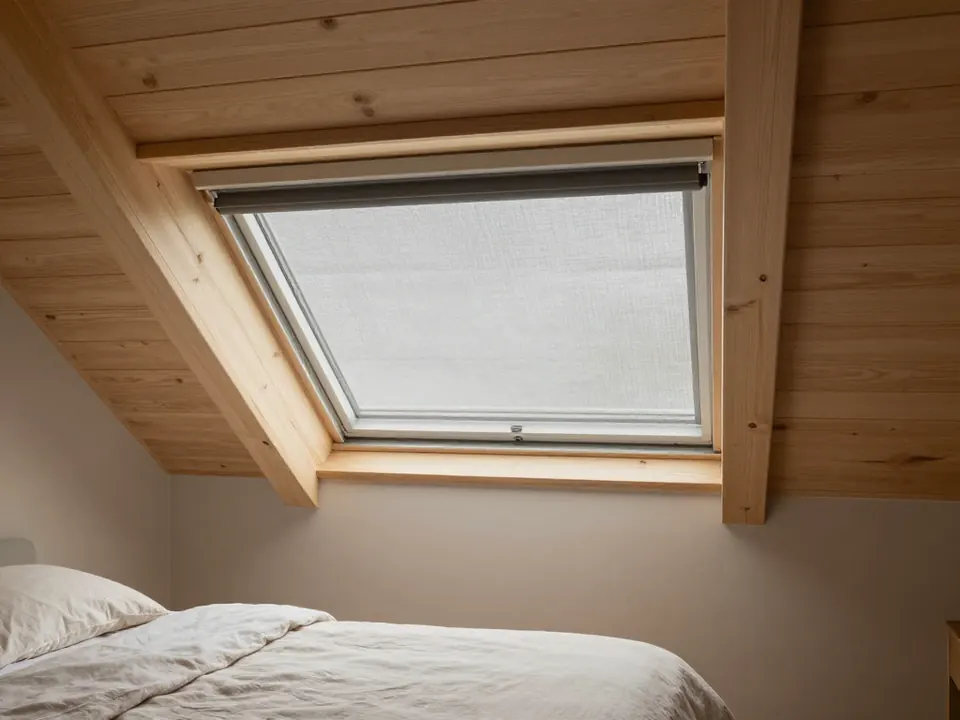
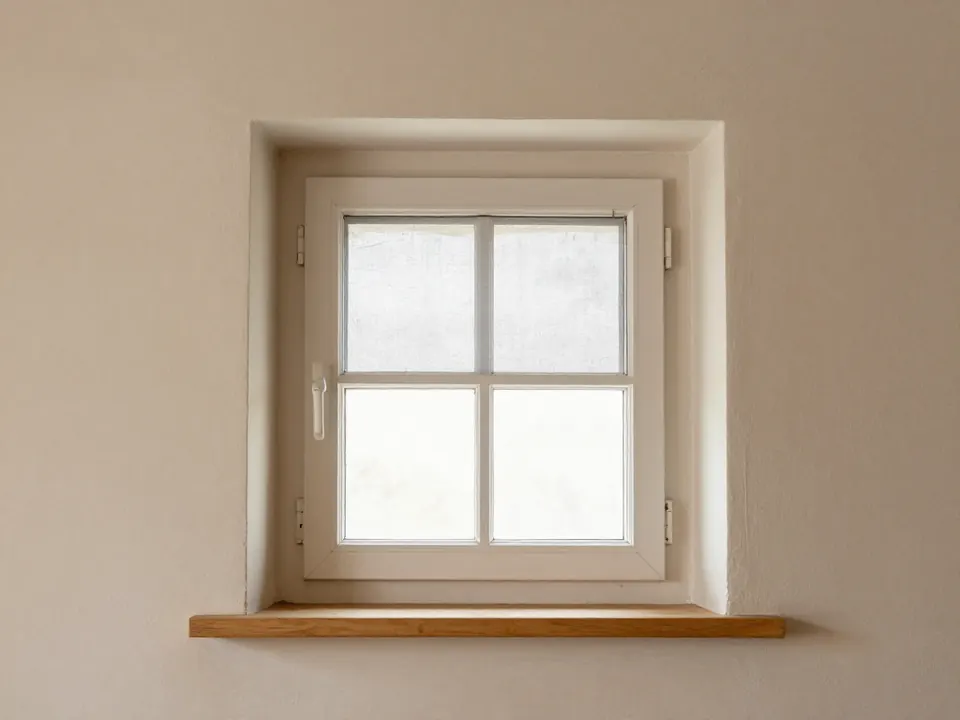
Framed screen made to the exact size of the transom
Products, fixings and labour are priced as shown on this page; the final amount is confirmed in the order after measuring
| Screen type | Price | Fitting | Making | Options and prices |
|---|---|---|---|---|
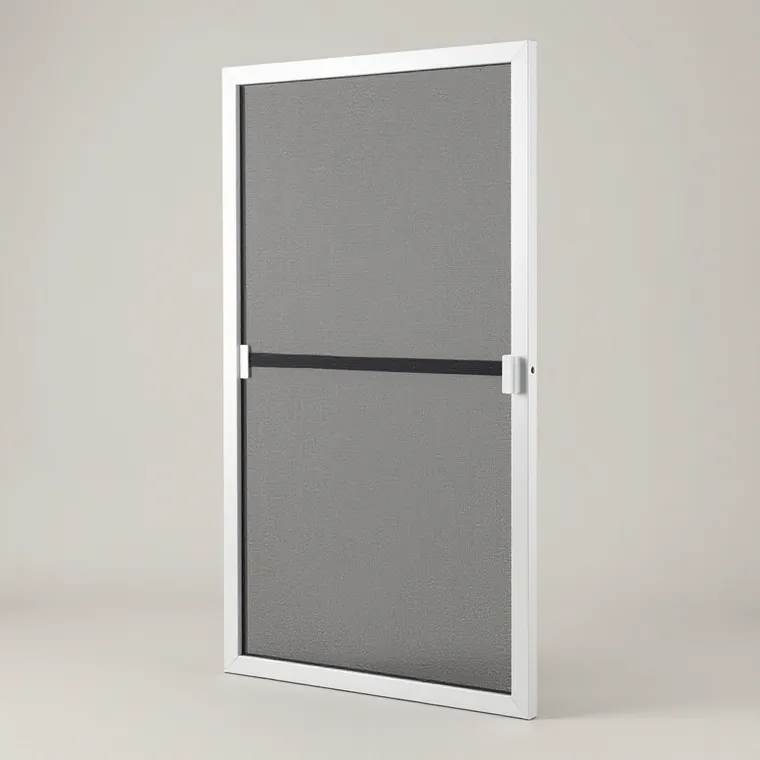 Framed mosquito screen, Standard meshfiberglass | from 6 000₸ per m² | 1 600 ₸ | 10–15 minutes | Framed mosquito screen for a standard window · 5 800 ₸ per item"Krylo" · 9 900"Anti-Cat" · 12 000"Anti-Dust" · 11 800"Anti-Pollen" · 12 200 |
| Screen on plungerspins | from 8 000₸ per m² | — | — | |
| Replacement of fixingsZ-brackets | from 970₸ per set | — | — | |
| Re-meshing the frame with Standard meshwithout frame replacement | from 3 000₸ per job | — | — |
The price is confirmed in the order after measuringMeasuring and consultation are freePayment after installation: cash, card or Kaspi
Book a mosquito screen measuring visitEnter the width and height of the opening, choose the mesh and fixings — the calculator will show a preliminary price
1. Screen type
2. Mesh and design
3. Opening size, cm
Facts about production and service that matter when ordering a framed mosquito screen in Oskemen
We have been making mosquito screens since 2012 at our production site in Almaty, 83 Tole Bi.
Warranty on mosquito screens is 1 year, on window installation — 5 years.
We paint the profile white, brown, grey or another colour to match your windows.
How a framed screen differs from pleated and roller screens in frame rigidity and ease of removal.
Measuring and consultation are free; the surveyor will come at a time that suits you.
We deliver and fit screens on windows and doors, repair them and replace fixings.
Standard, UltraVue, Anti-Cat, Anti-Dust and Anti-Pollen, as well as metal mesh.
Mosquito screens can be ordered in 17 cities of Kazakhstan.
Four steps from request to a screen on the window
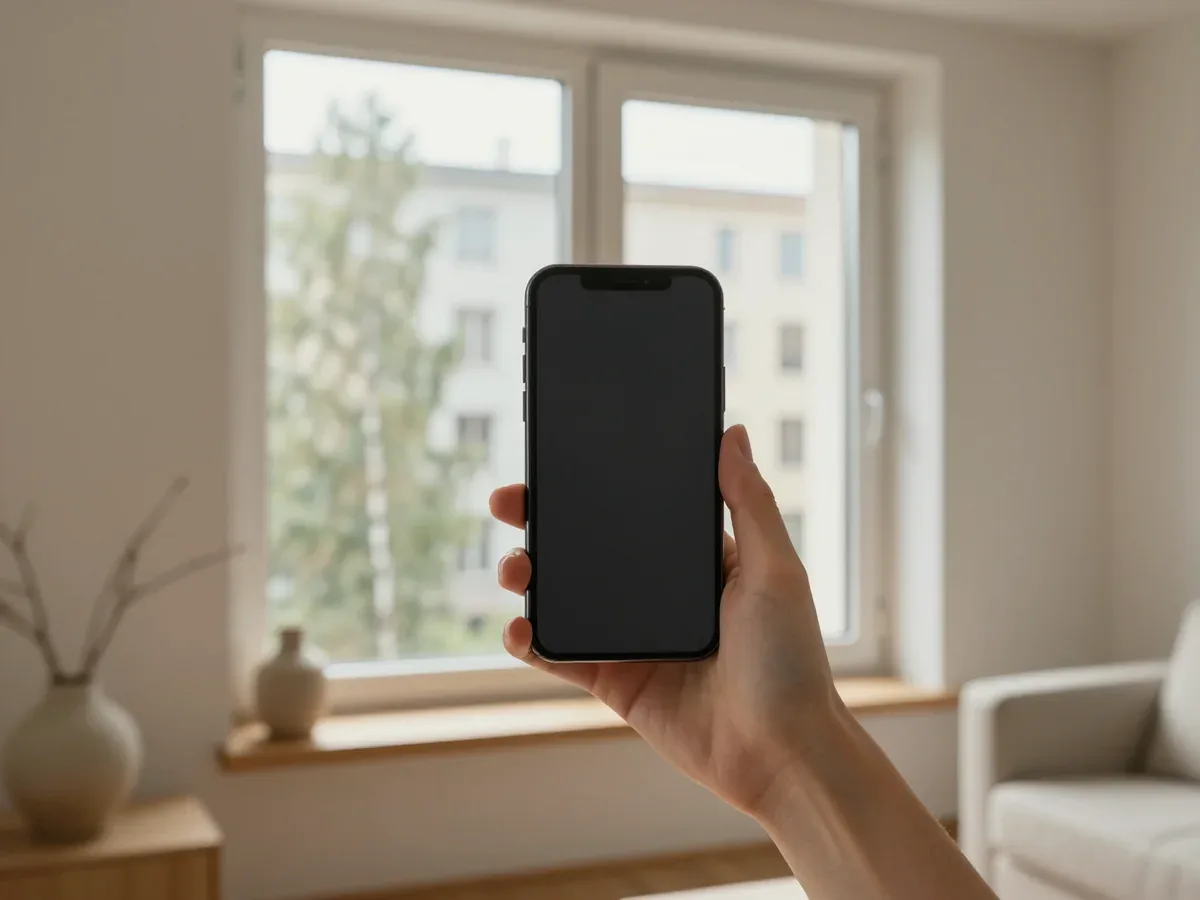
You write on WhatsApp — we reply within 5 minutes, clarify the window size and the task.
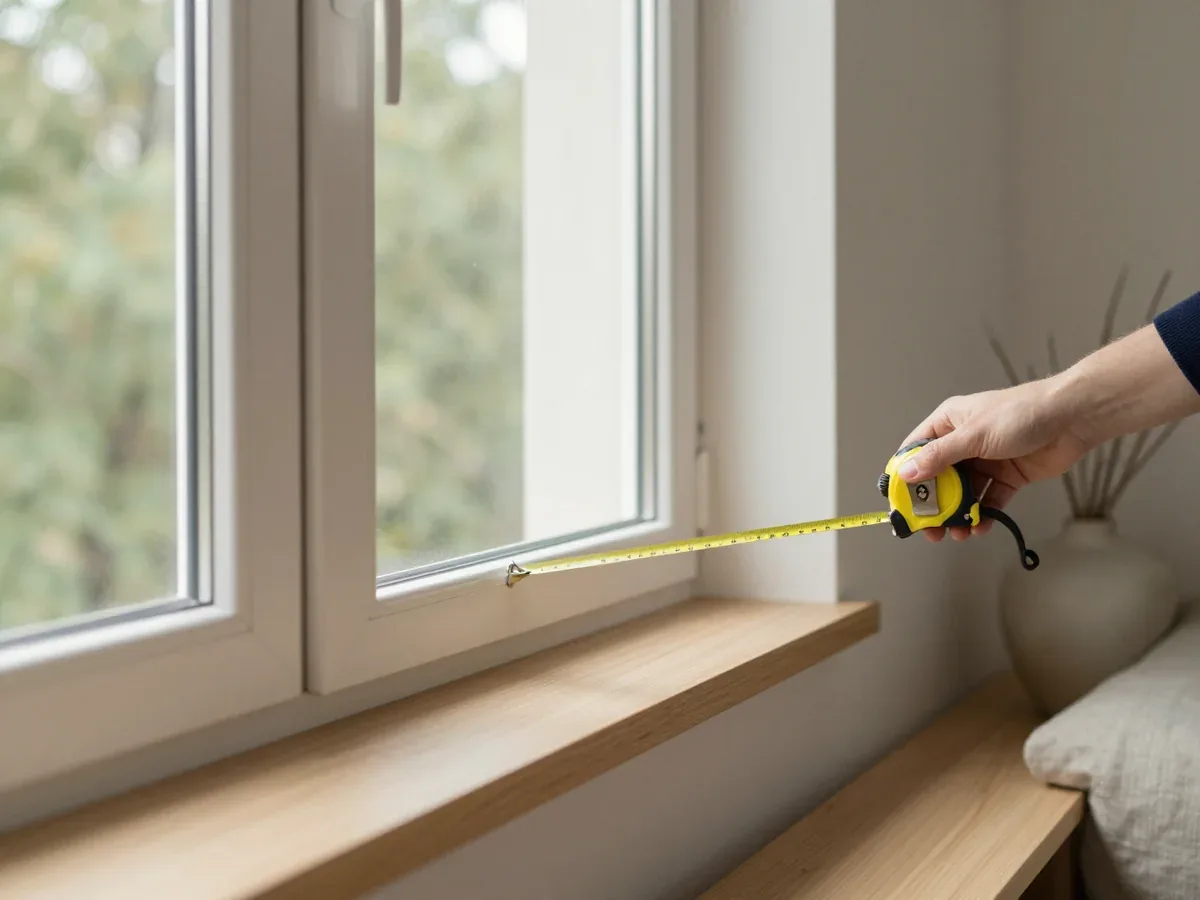
What the technician clarifies by phone before the visit: number of sashes, opening side, profile type.
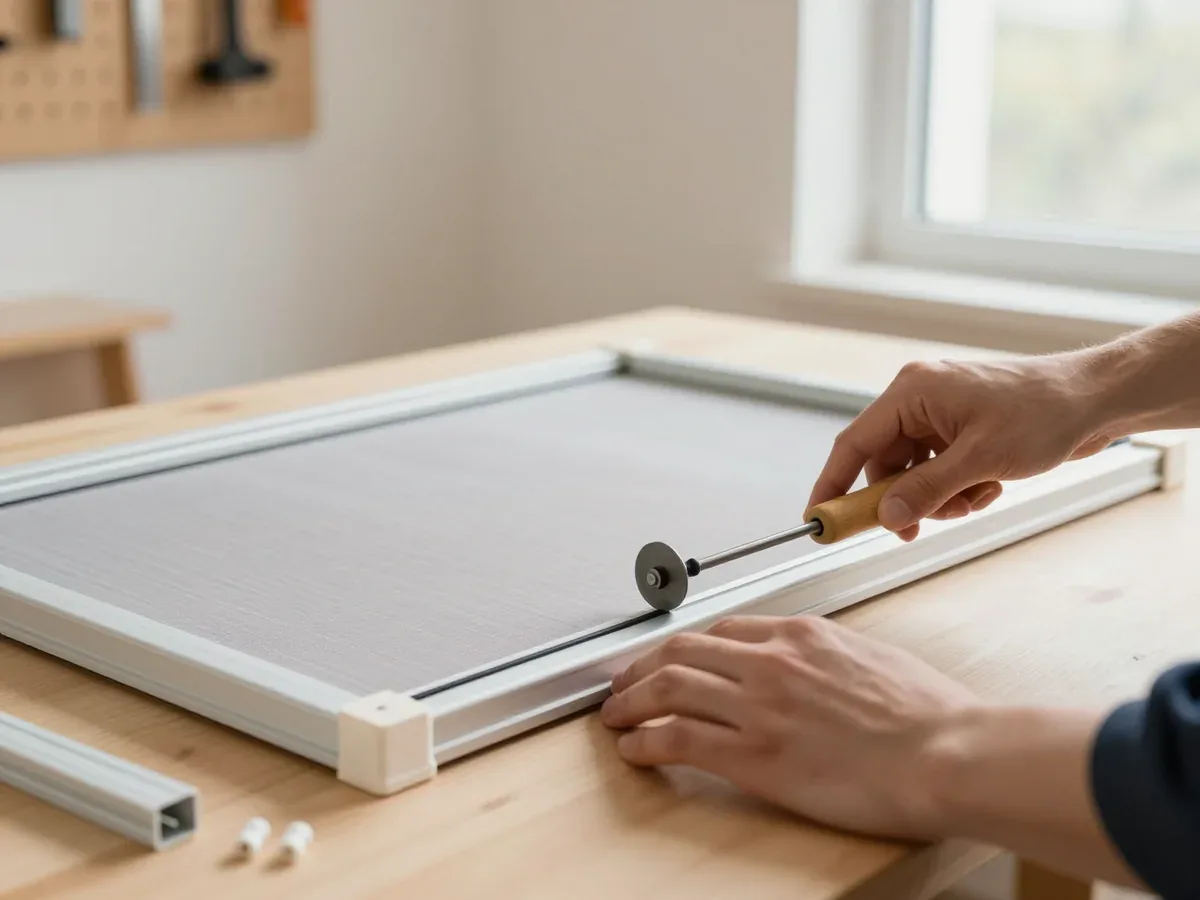
The frame is assembled to your dimensions at the production site, and the mesh is rolled into the profile with cord.
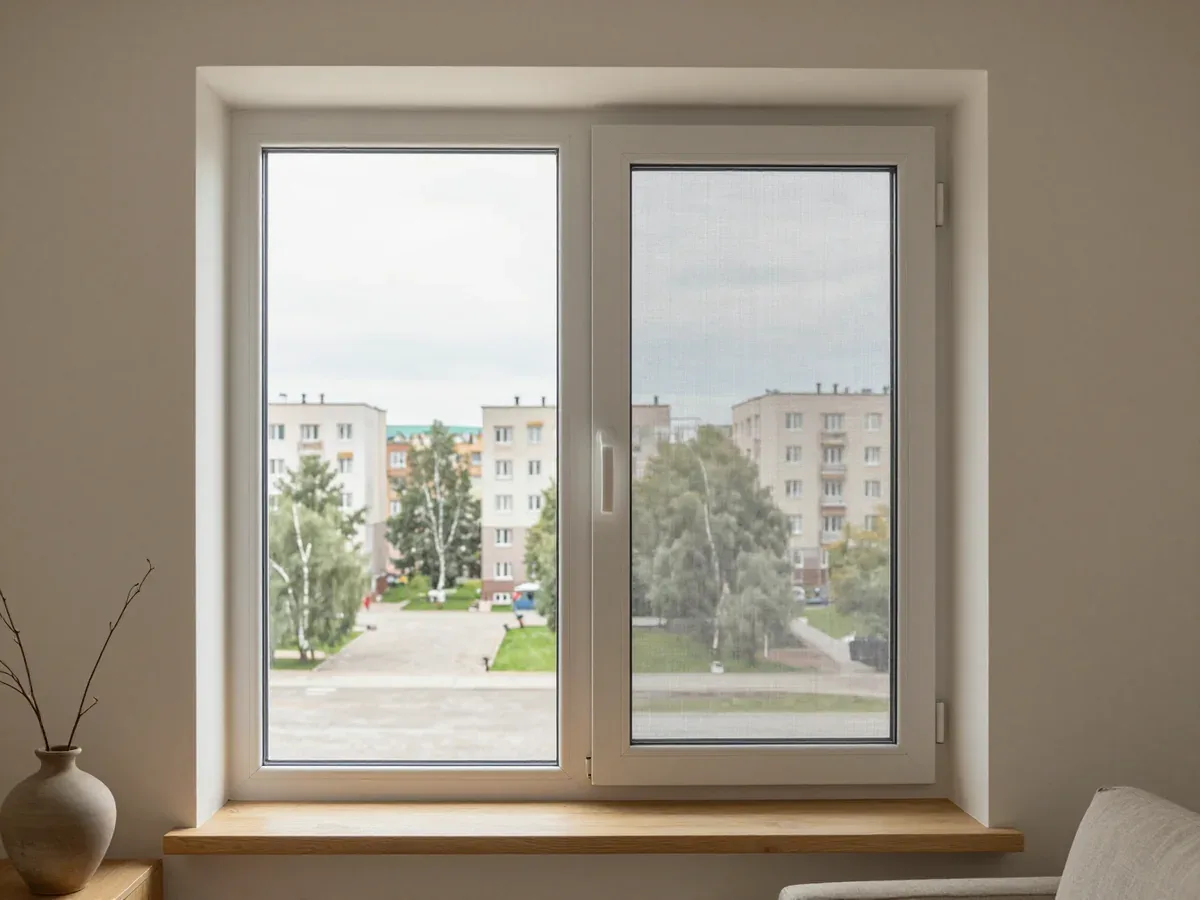
We deliver and fit the screen on the window or door, and check the movement and fixings on site.
Good to know

Senior mosquito screen specialist at moskitnyesetki.kz
Framed mosquito screens in Oskemen are built to your exact window size, with the mesh and fastener chosen for your profile and floor. We measure for free, paint the frame to match your windows, make a standard frame in 10–15 minutes and fit it on plastic, wooden or aluminium windows, with a 1-year warranty.
A frame is not the only way to keep insects out. The right type depends on the opening, whether you take the mesh off for winter, and how wide the aperture is.
A framed screen is the right choice for a standard opening you want to open freely and remove for the winter, while a sliding or pleated model suits balcony doors and wide openings. We build framed mosquito screens in Oskemen for plastic, wooden and aluminium sashes, and the panel lifts out from inside in about a minute. A fixed insert held on pins costs less in construction and works on a narrow sash you rarely open, but pulling it off for the cold months takes more effort than lifting a frame. Roller and pleated versions make sense where the sash swings into a walkway. If the aperture is small and stays shut most of the season, an insert on pins saves money up front; open the sash daily and a frame pays back in convenience.
For a balcony door we build a hinged leaf on an Economy 32×10 mm or Prestige 42×17 mm section, and for loggias, gazebos and verandas we fit the unit to the actual aperture. A hinged door model differs from a window unit in section depth and hinges, so sizing it against a window section will not work. We measure plastic, wooden and aluminium openings, including sashes on loggias and covered terraces, and the measurer checks which way the leaf swings before choosing the section. A swinging leaf carries real weight, so the section has to match the door, not the sash beside it. On a non-standard aperture, ask for the depth first — a shallow Economy section on a heavy leaf wears its hinges faster than a Prestige one.
The mesh decides what a screen keeps out and how much light reaches the room. We pick it by the job it has to do, not by the name on the sample.
| Mesh | Best for | What it does |
|---|---|---|
| Fiberglass (standard) | everyday windows | flame-resistant, handles temperature swings |
| Ultravue | darker rooms | lets in 25% more light and air |
| Pet Screen | homes with cats | vinyl threads hold a small animal's weight |
| Anti-dust | street-facing windows | tighter weave traps fine dust |
| Poll-Tex | allergy sufferers | 0.25×1 mm cell filters pollen |
| Metal | high-traffic openings | rigid, hard-wearing sheet |
Ultravue lets in 25% more light and air than other meshes, so a room that felt dim behind a standard screen stays bright. The weave is finer than fiberglass but keeps its strength, and it suits living rooms and kitchens where the window is the main light source. Anti-dust, by contrast, uses a tighter weave to trap fine dust from the street, and that density cuts daylight more noticeably. Ultravue works well on upper floors where street dust is less of an issue than brightness. If your window faces north and already gets little sun, the finer mesh makes a visible difference, while a dense anti-dust sheet darkens the room further. Ask for both samples side by side at the measuring visit and hold them against the glass — that comparison settles the choice faster than any description.
The fastener is never a random pick: it follows the profile and the floor the flat sits on. Below are the three types we use and the logic behind each one.
The measurer picks the fastener for your profile and floor, choosing between Z-shaped brackets, pins (plungers) or magnets. On a standard PVC sash with a flat outer lip, Z-brackets hook over the edge and hold the screen flush; on narrower or aluminium profiles, spring pins sit in the groove and leave the sill clear; magnets suit openings taken down and refitted often. Height matters as much as the material: wind load on a ninth-floor panel is not the same as on a ground-floor kitchen unit, so one bracket is not copied from flat to flat. Our measurer checks sash depth, the gap to the reveal and the opening direction before writing the fixing into the order. On upper storeys the wind load is higher, so the fixing is chosen with a reserve rather than by habit.
Most screens of this type are held by brackets or pins that grip the frame without drilling through the glass unit, and the measurer confirms the method on site. Z-brackets hook onto the existing sash, pins press into the groove, and magnets pair with a thin steel strip fixed to the edge — none of these touch the sealed glass unit itself. If the profile already carries holes from an older screen, we match the new fixing to those points instead of adding fresh ones, so the profile keeps its original look and no extra holes weaken the sash. A hinged door screen is the exception: it carries real weight, so it gets a stronger fixing than a window panel.
From the first message to a mesh panel on your opening, the process runs through a few clear steps. Here is what happens at each one and how long it takes.
Measuring and consultation are free, the measurer comes at a convenient time, and a screen built to your size takes 10–15 minutes. During the visit we take the dimensions of the opening, check the profile and the floor level, and help you choose the mesh and the fastening. A pleated model is a longer job at 40–60 minutes because of its folding mechanism. Once the sizes are set, the profile is cut, painted to match your windows and fitted with the mesh you picked. A measurement taken on site beats one you send us yourself, because the product has to sit in the opening without gaps or skew — a millimetre off at the corner shows up as a draught along the whole edge. Ask the measurer to check the opening for square before anything is cut.
You pay after installation by cash, card or Kaspi, we work seven days a week, and the price is fixed in the order after measuring. That order is the number you agree to on the day of the visit — it does not move afterwards, whatever the workshop does with the build. We also reply on WhatsApp within 5 minutes, so a question about a slot or a size does not sit unanswered for a day. Settling up after the mesh is on the window removes the risk that a finished unit misses the opening: you see the result first, then pay. If the window sits in a room you use on weekends, book the visit for a Saturday or Sunday and the fitting happens around your schedule.
A screen lasts for years with basic care, and most complaints come from small things: a finish that clashes, fabric left up all winter, a bent bracket. Here is how we handle the look, seasonal removal, repairs and cover.
We paint the screen frame any colour to match your windows, so it blends into the profile instead of standing out as a bright rectangle on the facade. The coating goes on before the fabric is fitted, and the aluminium profile comes in two door sizes, Economy at 32×10 mm and Prestige at 42×17 mm, both tinted to match your sashes. On white plastic profiles the match is straightforward; on wood and aluminium we take a sample of the existing finish and work from it. Agree on the shade at the measuring visit together with the fabric, so nobody has to redo a finished product after it is already hanging in the opening.
A screen lifts out from inside in a minute and is best removed for the winter, and we repair screens and replace fasteners, with a 1-year warranty on mosquito screens. The unit is a rigid rectangle, so it comes away without tools once the fasteners are released, and storing it flat in a dry room keeps the profile straight until spring. When something goes wrong, a torn panel is usually replaced rather than stitched, and bent brackets or worn pins are swapped as separate parts, which restores the fit in the opening without buying a new unit. We also deliver and fit screens on windows and doors across the city and replace fastenings on frames we did not make. If the fabric tears mid-season, message us on WhatsApp and we will reply within five minutes with the next step.
A few decisions made at the start save trouble later, so here is the short version worth keeping next to the measuring notes.
Measuring, light transmission, strength, fitting
Konstantin Selenenkovsenior mosquito screen specialist, 10 years in the tradeOnline · replies within 5 minutes
Ask a questionThe size is taken from the clear opening of the sash, not from the outer edge of the frame, so the screen fits tightly and leaves no gaps. Measuring is free, the technician comes at a convenient time and selects the fixings on the spot.
A standard mesh blocks some light but does not create a noticeable shadow. If you want maximum light, choose "UltraVue": it lets through about 25% more light and air than other meshes.
"Anti-Cat" uses vinyl threads instead of thin fiberglass, so claws do not cut through it and it is several times stronger than standard. Such mesh can hold the weight of a small pet, but it does not prevent the pet from opening the window itself.
A framed screen is fitted if the door is rarely used and the opening is small; otherwise it would have to be removed every time you go out. For frequent use, a hinged door screen is more convenient: it opens like a door and is mounted on the "Economy" or "Prestige" profile.
Yes, framed screens are also fitted to wooden windows. The fixings are selected to match the profile: most often these are Z-brackets or plungers that do not damage the varnish, and the exact option will be determined by the measurer on site.
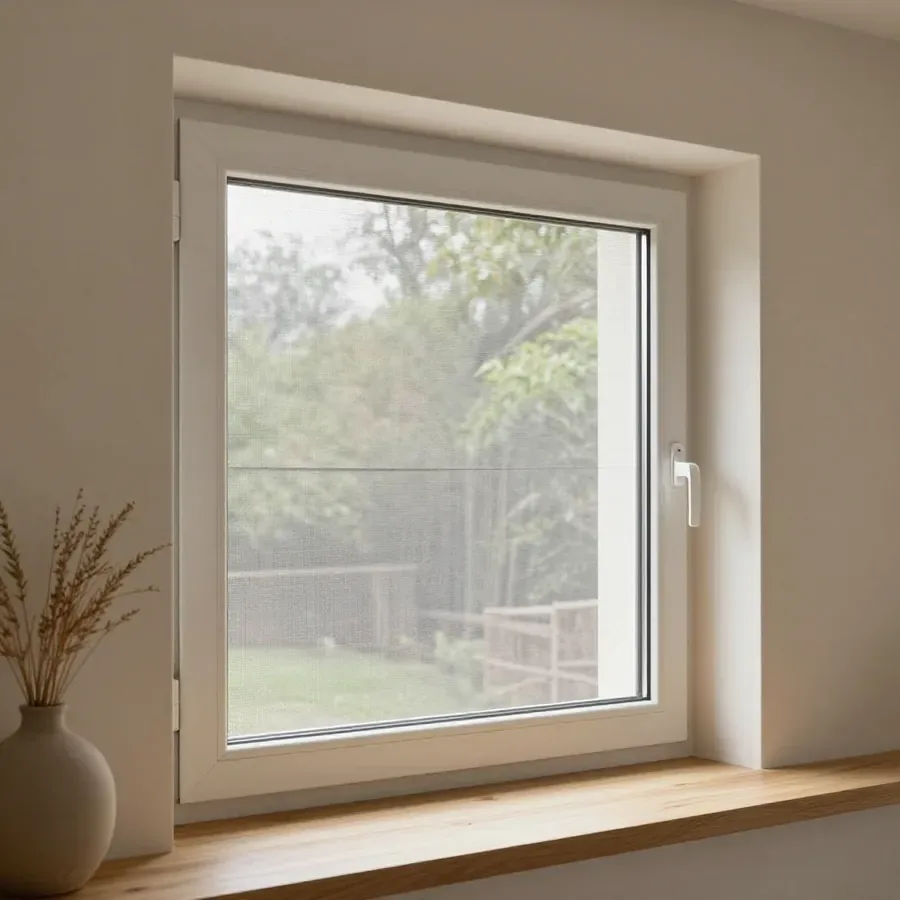 Care
A frame screen comes off in a minute: we show how not to bend the frame or lose the fixings.
April 15, 20268 min read
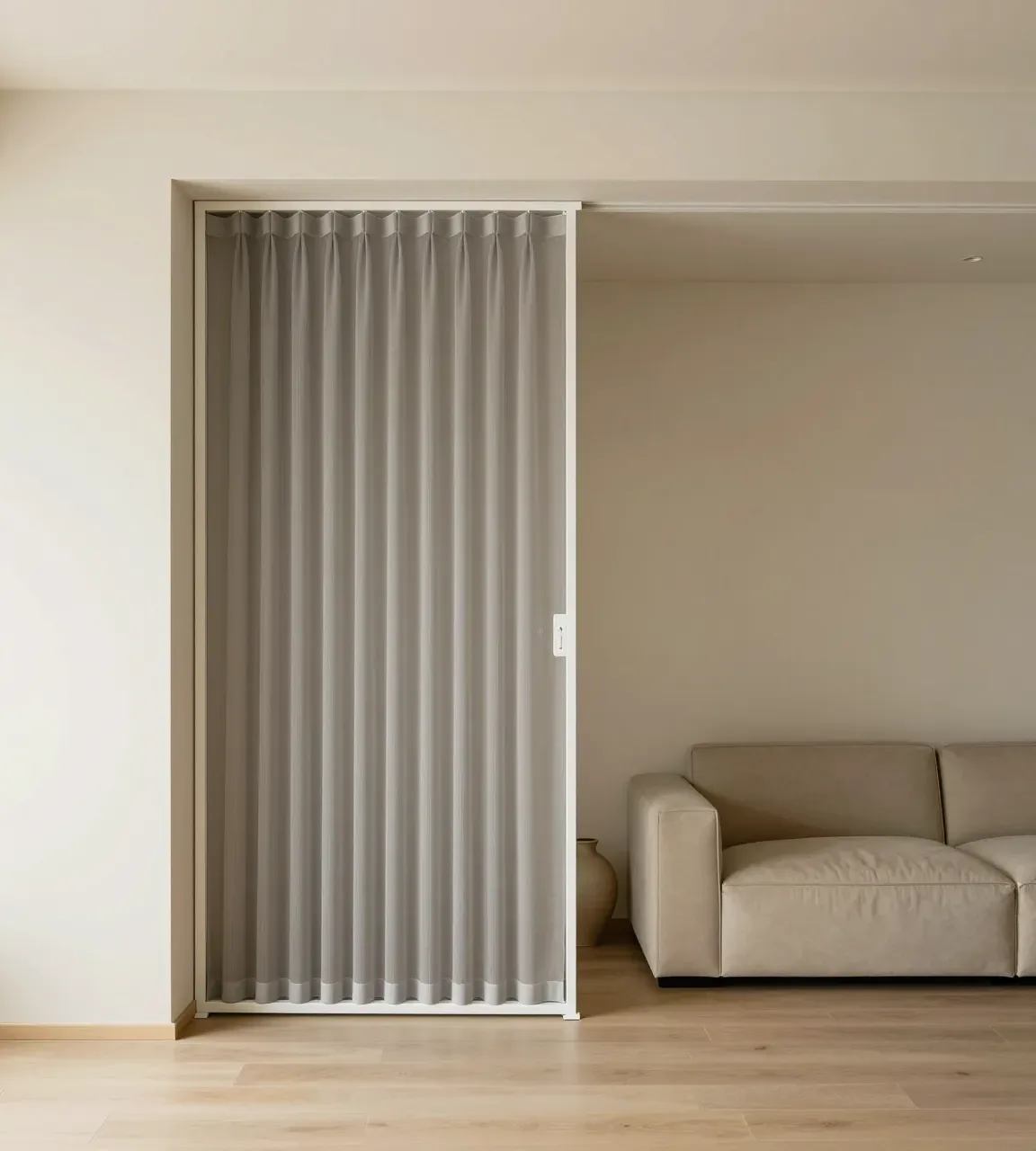 Choosing
We compare the price, lead time and how each screen performs on a door that you walk through every day.
March 2, 20268 min read
 Mesh types
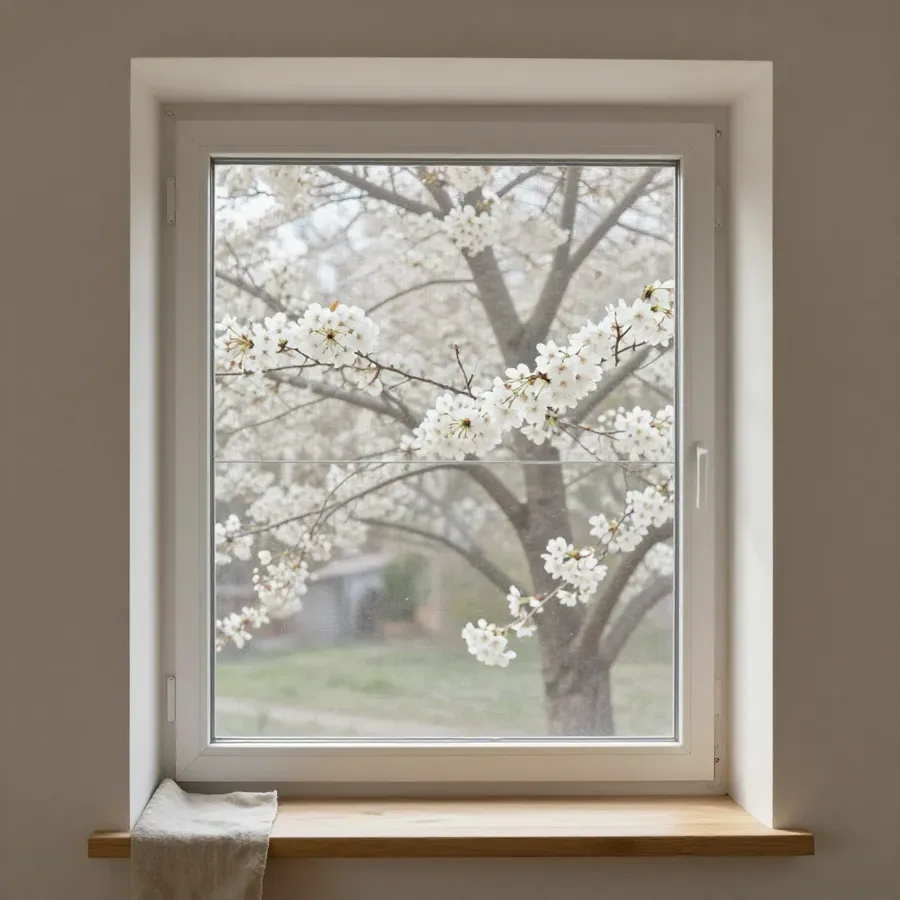
How Poll-Tex mesh with a 0.25×1 mm cell works and who it helps in pollen season.
February 17, 20268 min read
 Prices
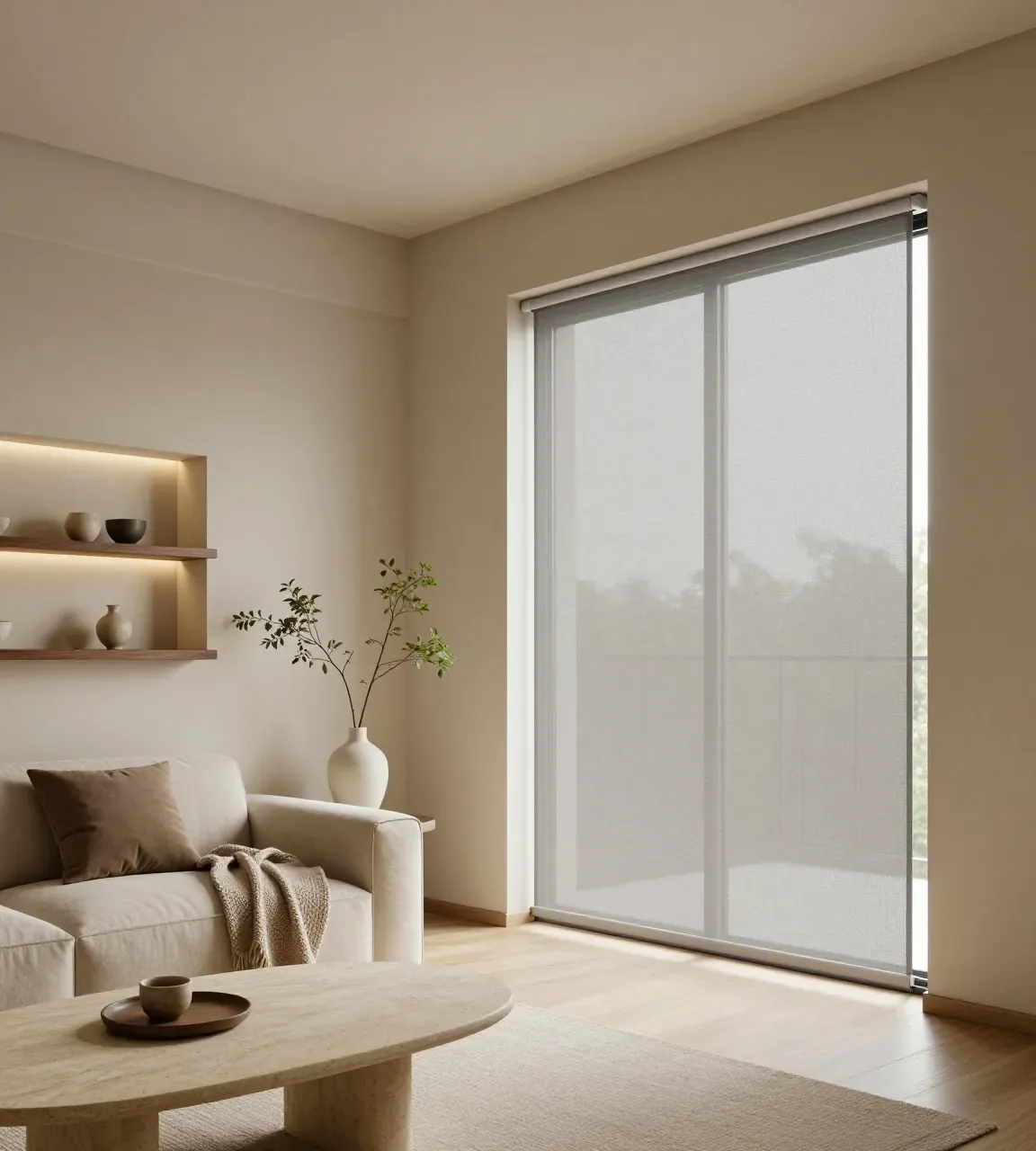
Price list breakdown: frame screen from 2 000 ₸ per m², installation 1 750 ₸, pleated from 28 000 ₸. Costing a 70×140 cm window.
February 1, 20268 min read
 Repair
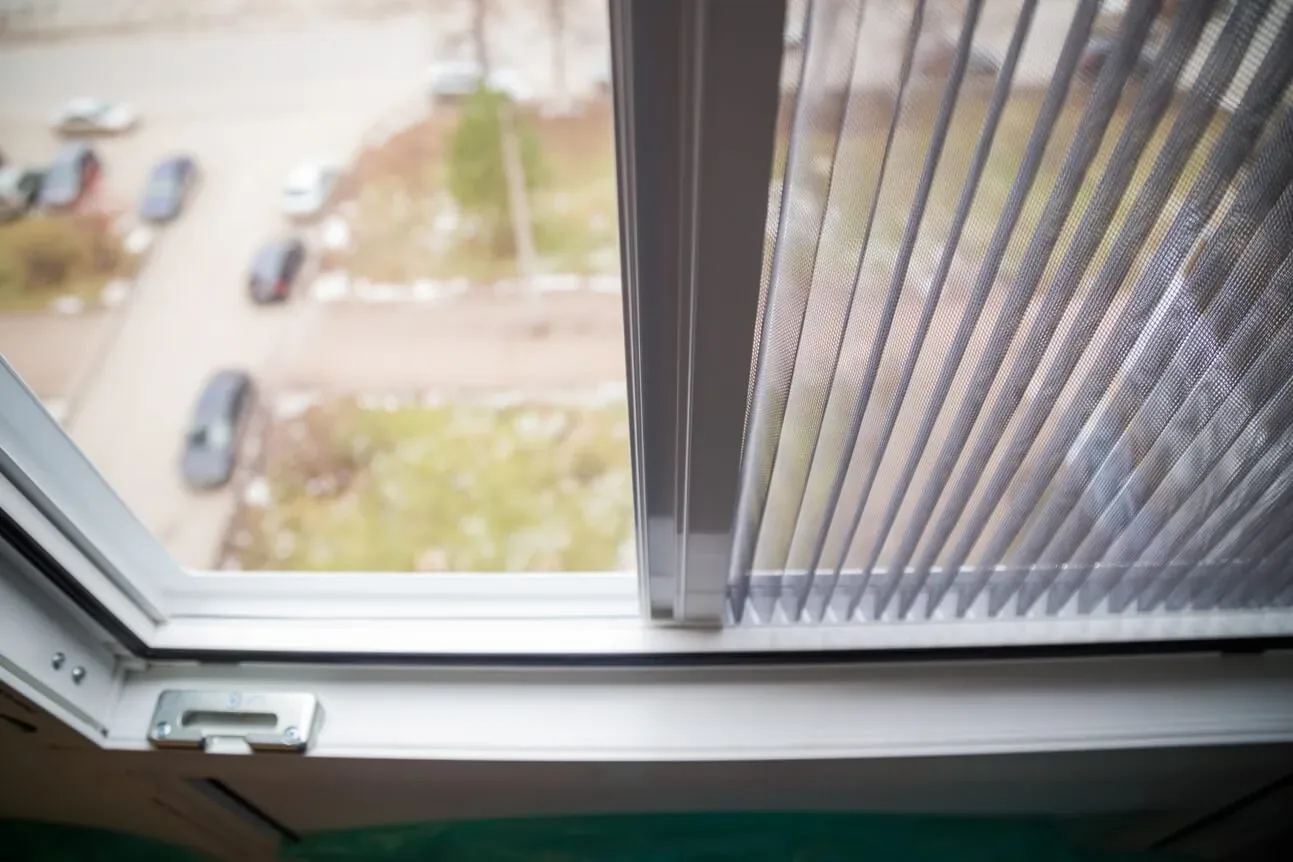
Worn fixings, a wrong measurement, wind on high floors. A set of fixings costs 290 ₸, installation 871 ₸.
January 14, 20268 min read
 Choosing
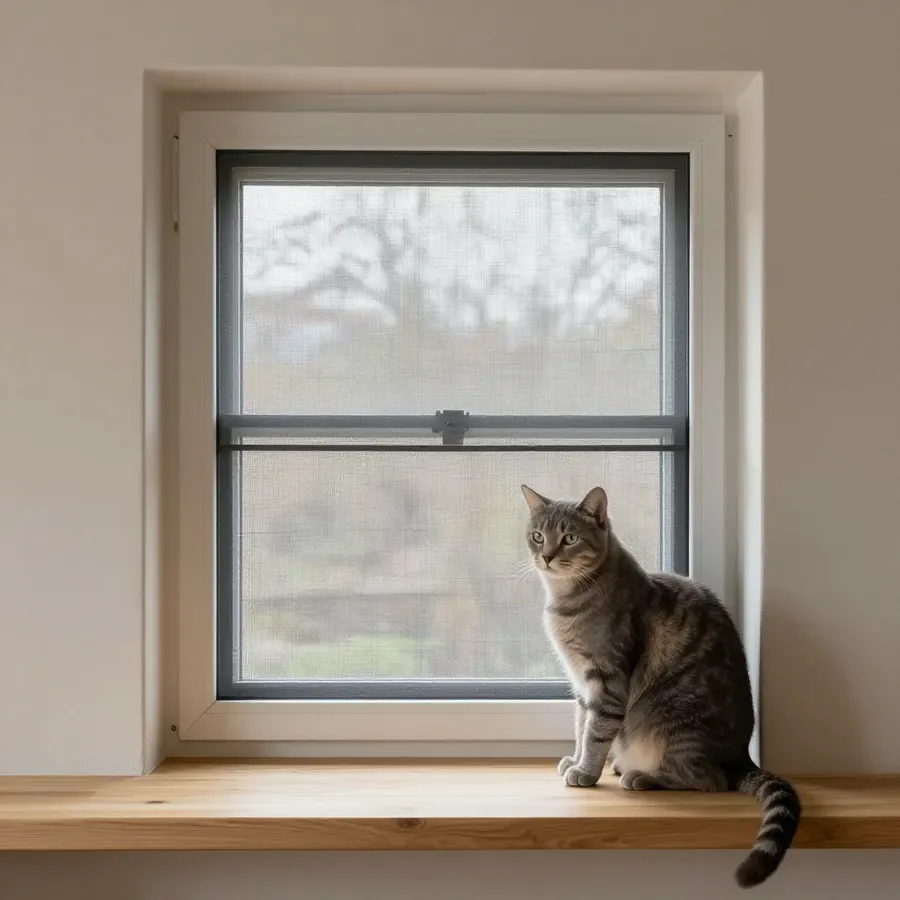
Anti-Cat mesh on vinyl threads, the fixings and what to do about gaps around the window opening.
December 23, 20258 min read
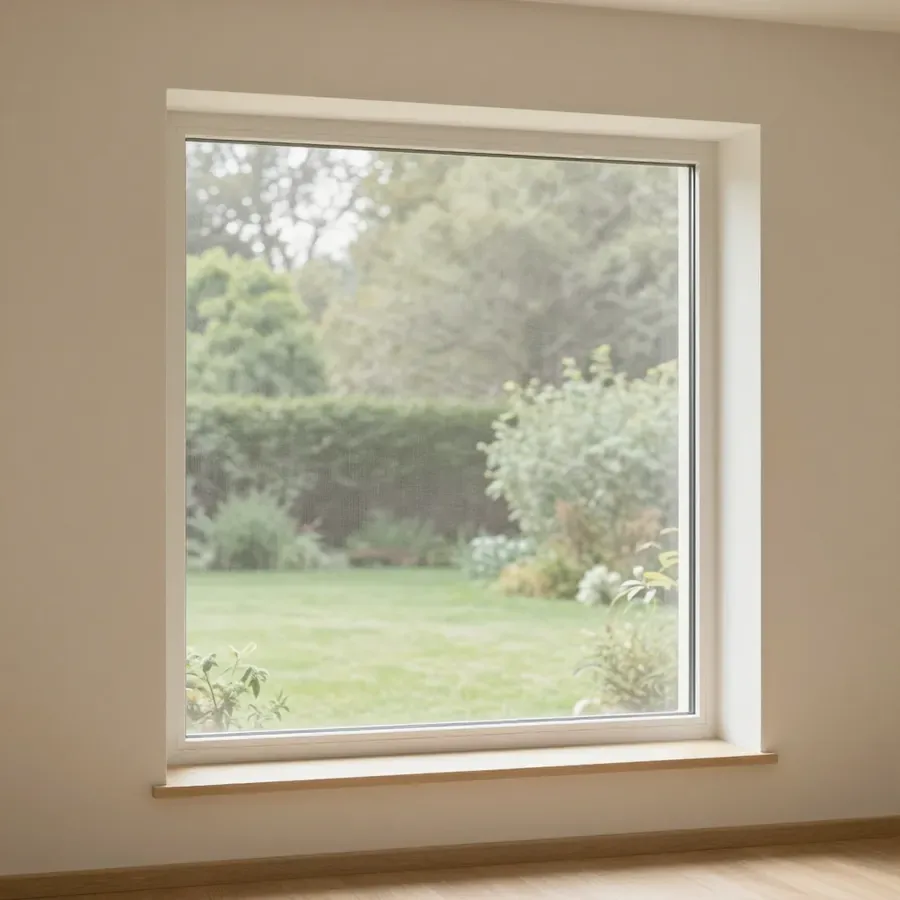 Mesh types
The mesh lets in 25% more light and air. Where the difference shows and where paying extra is not worth it.
December 11, 20258 min read
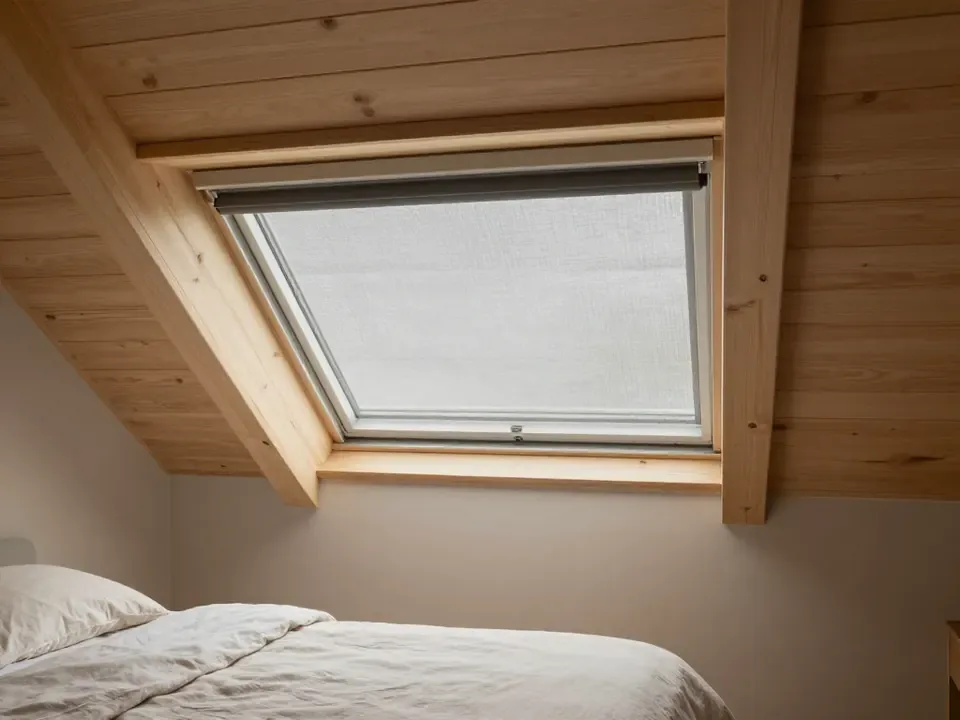 Choosing
A tilted sash, outward opening and a roller screen at 15 000 ₸ per m²: what will suit your window.
November 21, 20258 min read
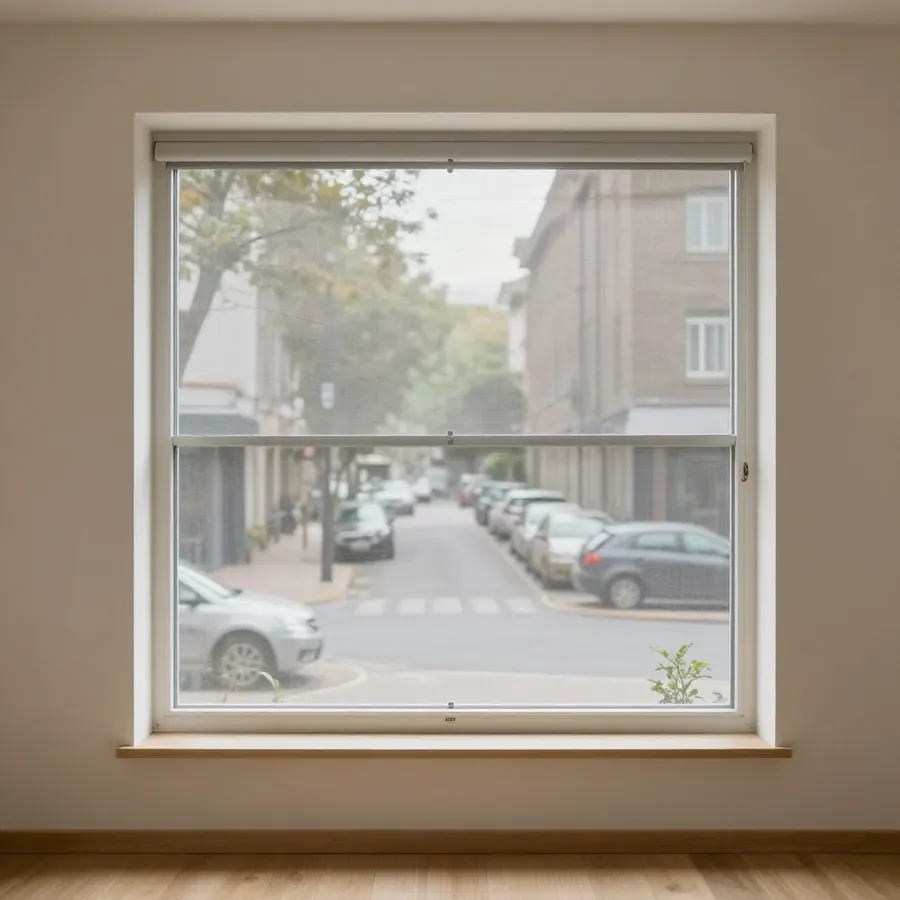 Mesh types
The mesh stops coarse and fine dust along with mosquitoes. When it is worth the price of 8 500 ₸ per m².
October 20, 20258 min read
Thank you. We will call you back within 10 minutes!
Your order number is on the receipt or in the SMS. Choose where to leave your review.
Write a review on WhatsApp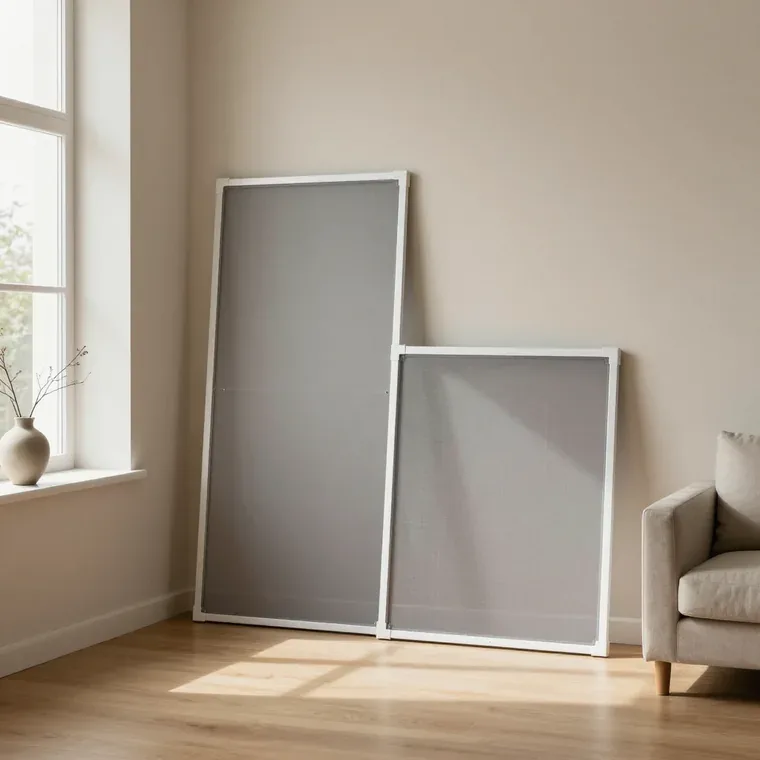 Ready-made screens
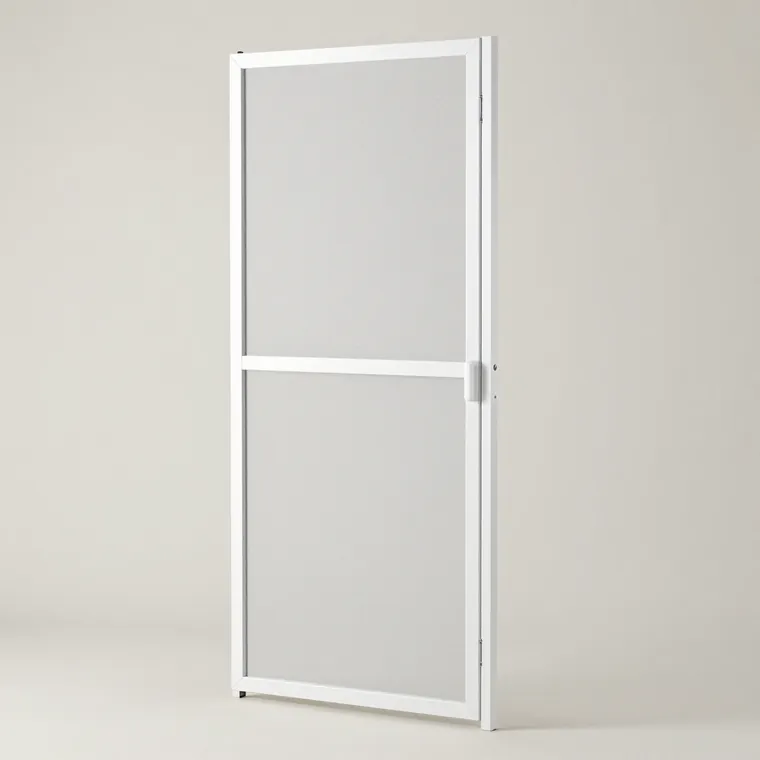 Mosquito doors
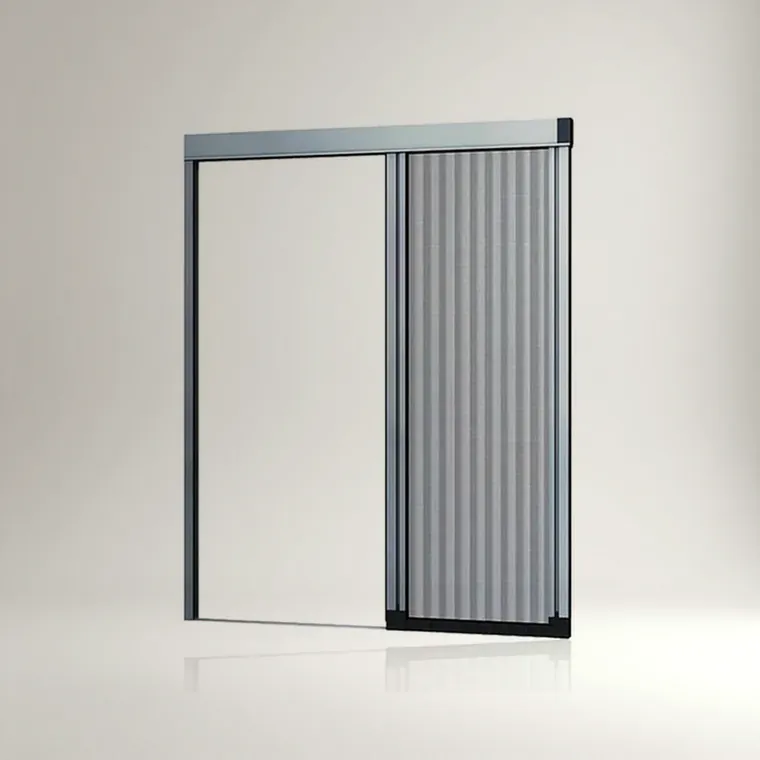 Pleated screens
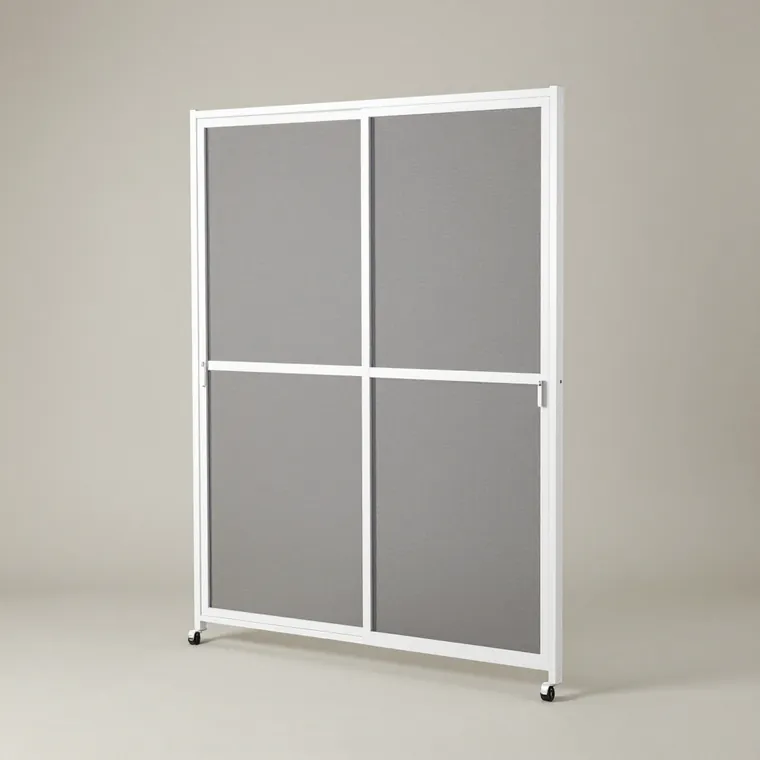 Sliding screens
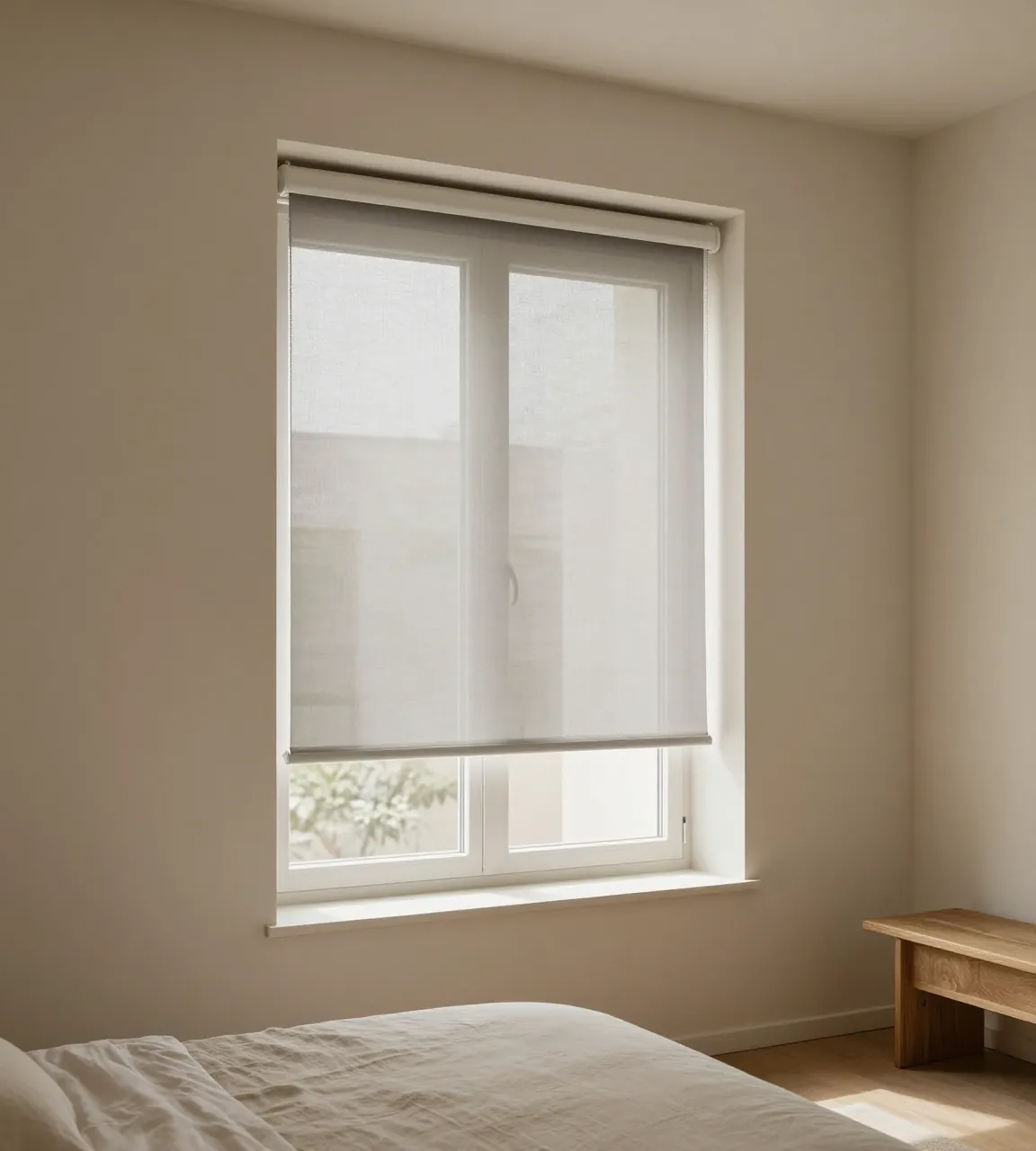 Roller screens
