
Burglary protection · metal
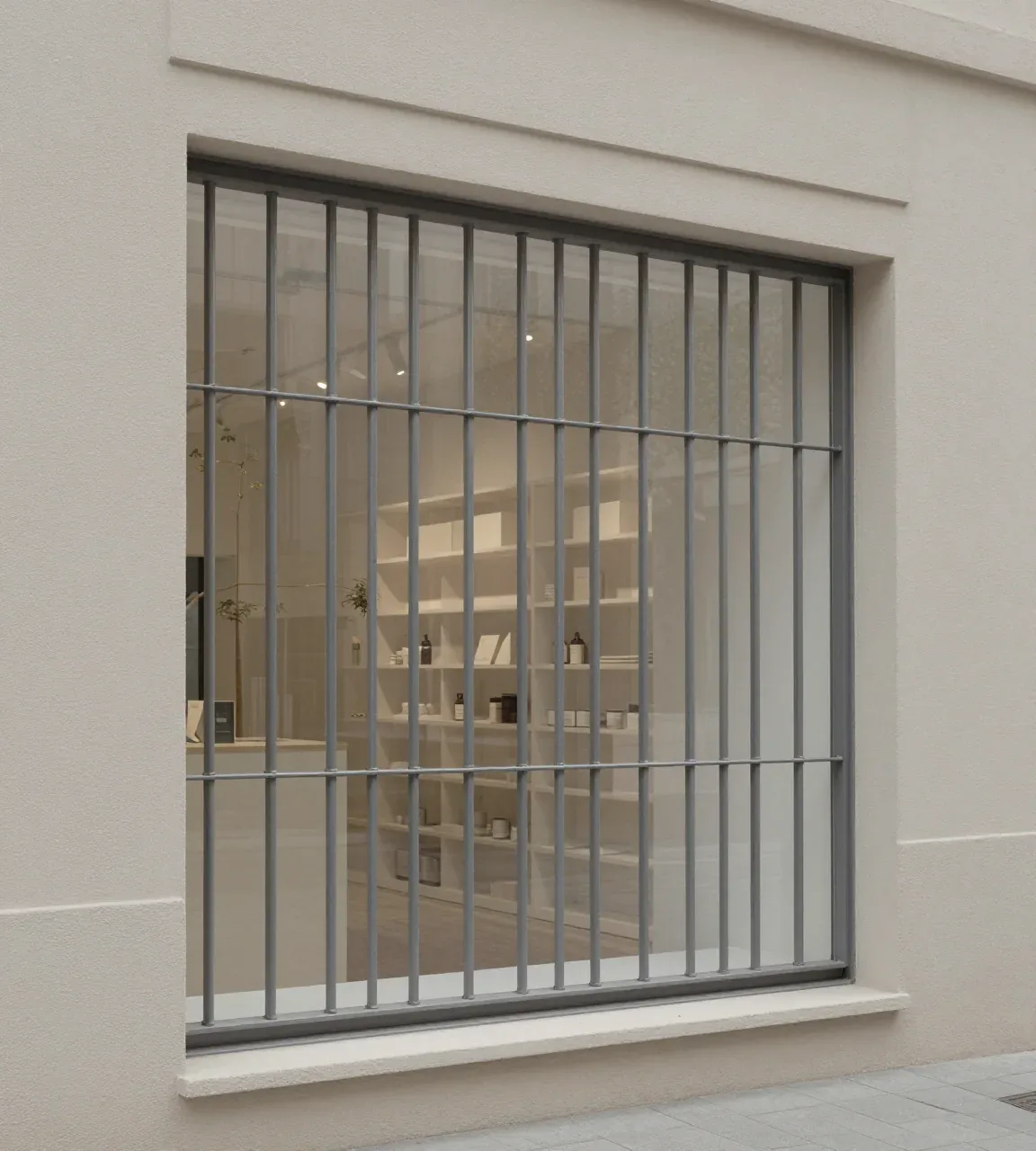
Welded grilles
Standard pattern, price from 7 500 ₸ per m², installation — from 4 500 ₸ per m².
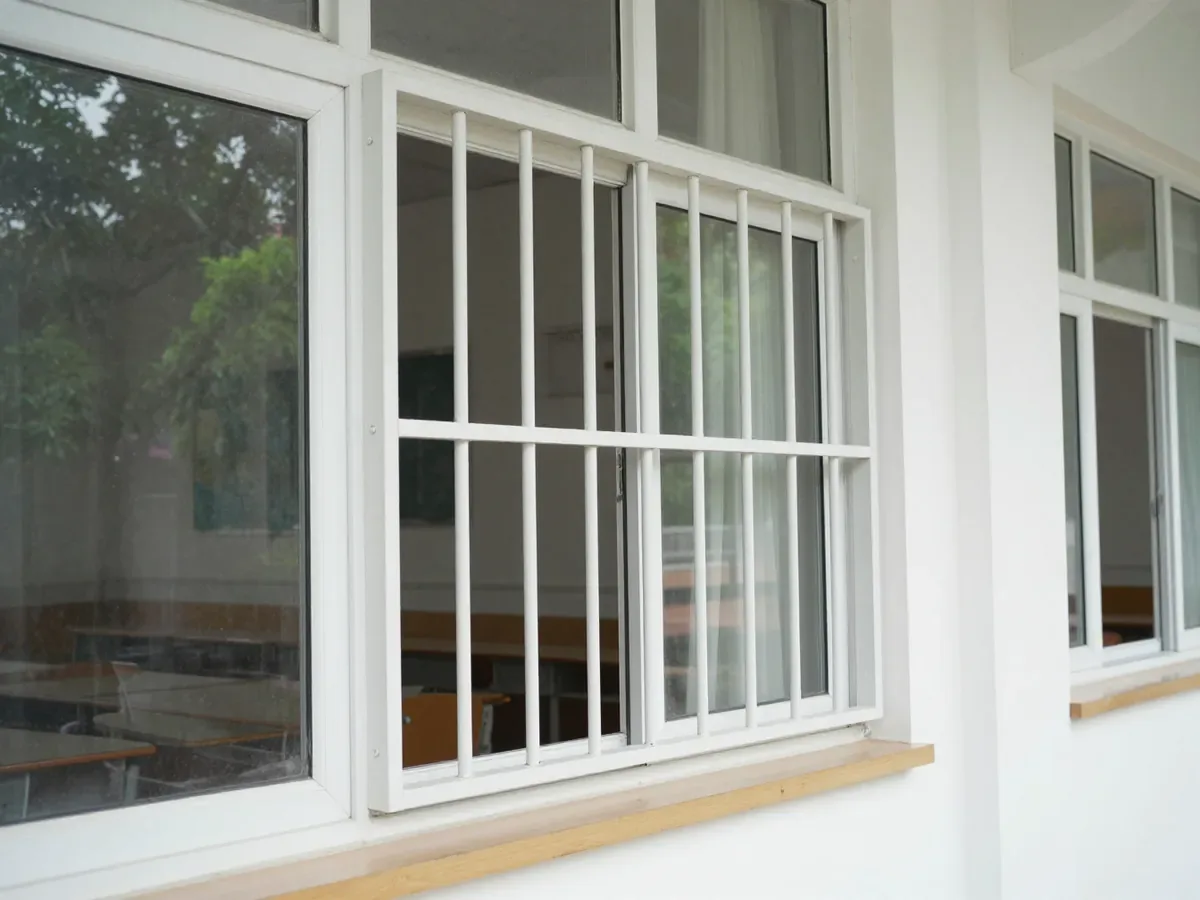
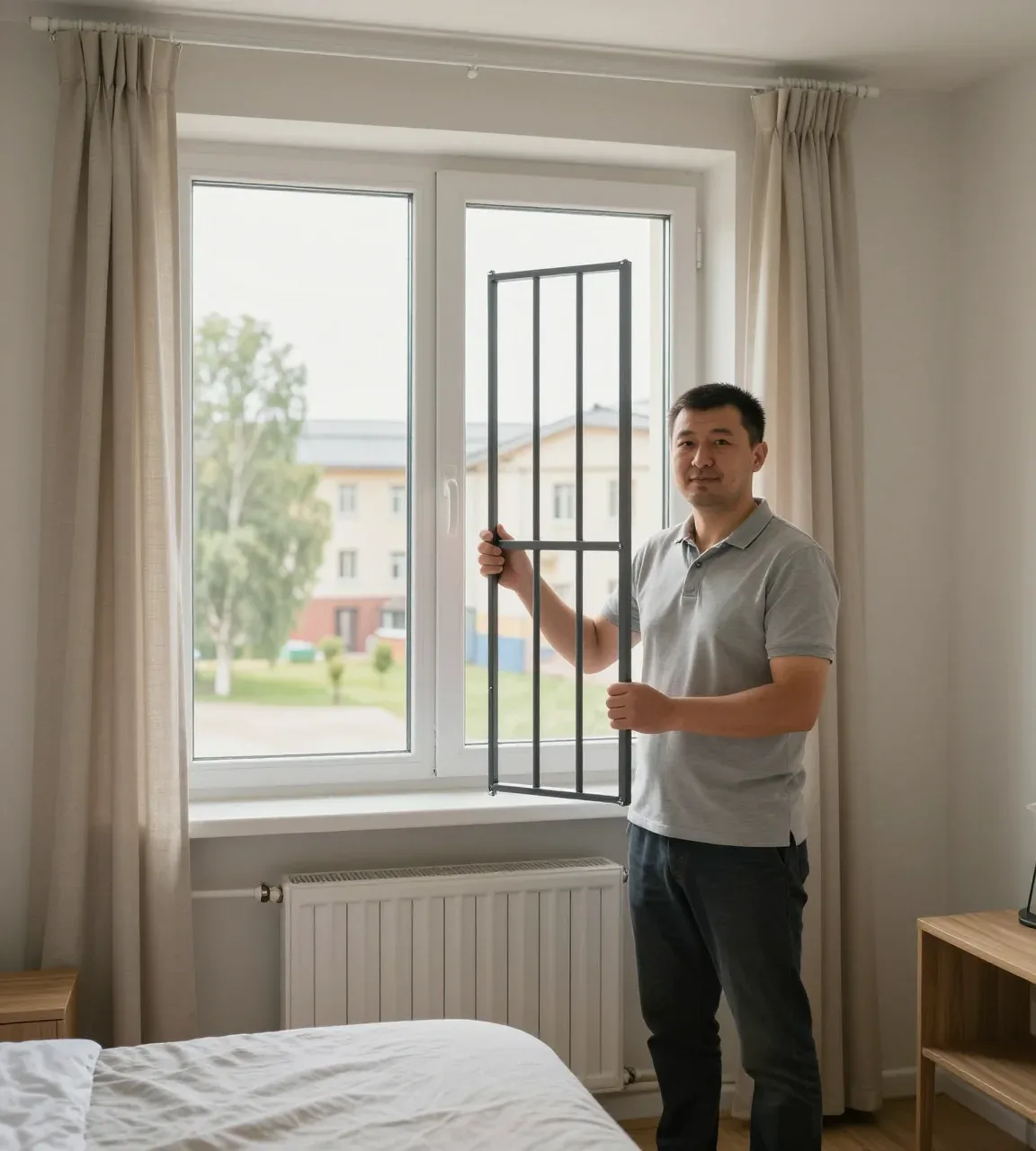
Welded grilles
Standard pattern, price from 7 500 ₸ per m², installation — from 4 500 ₸ per m².
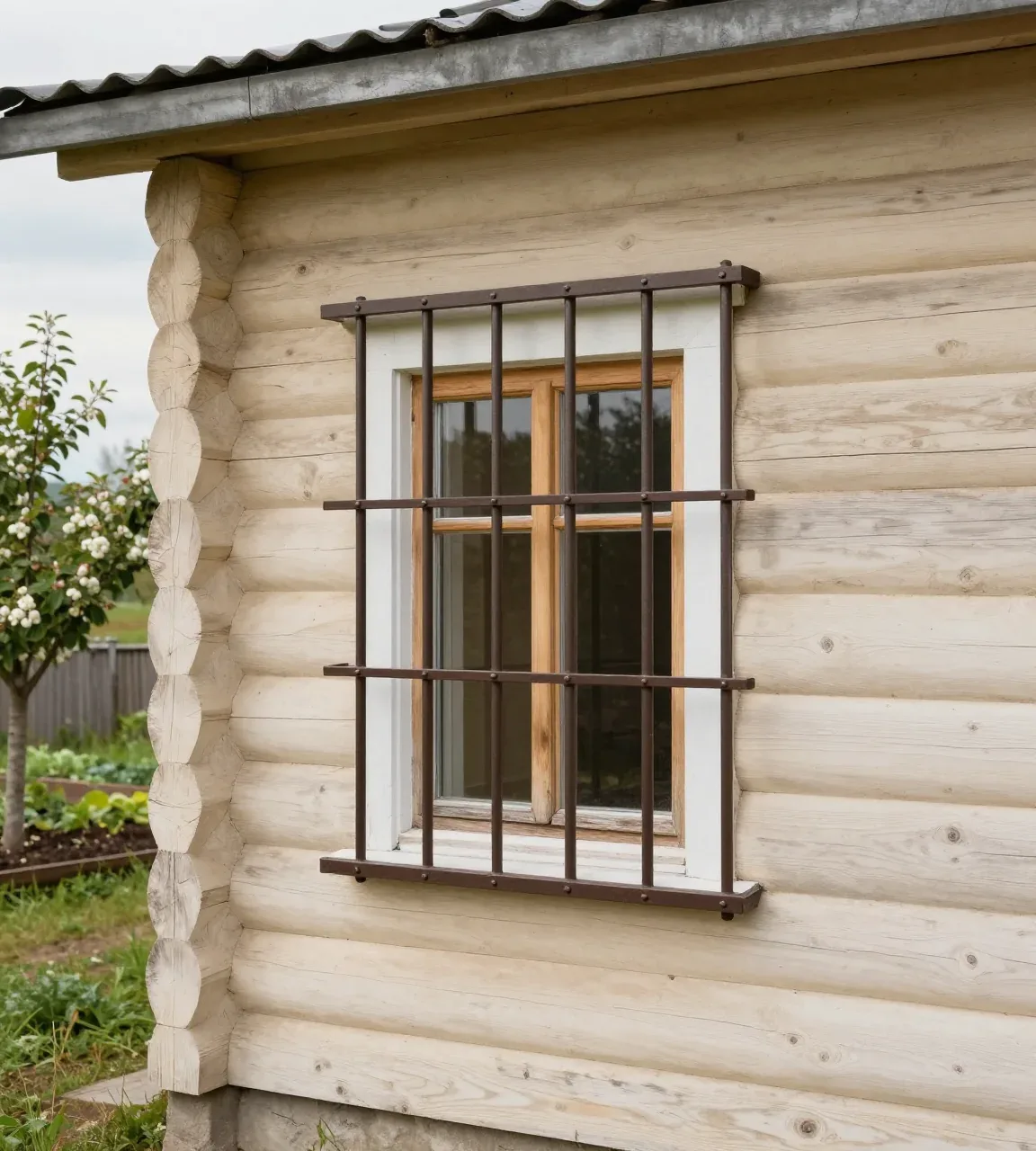
Forged grilles
Forged pattern to match the facade, price from 26 000 ₸ per m² including installation.
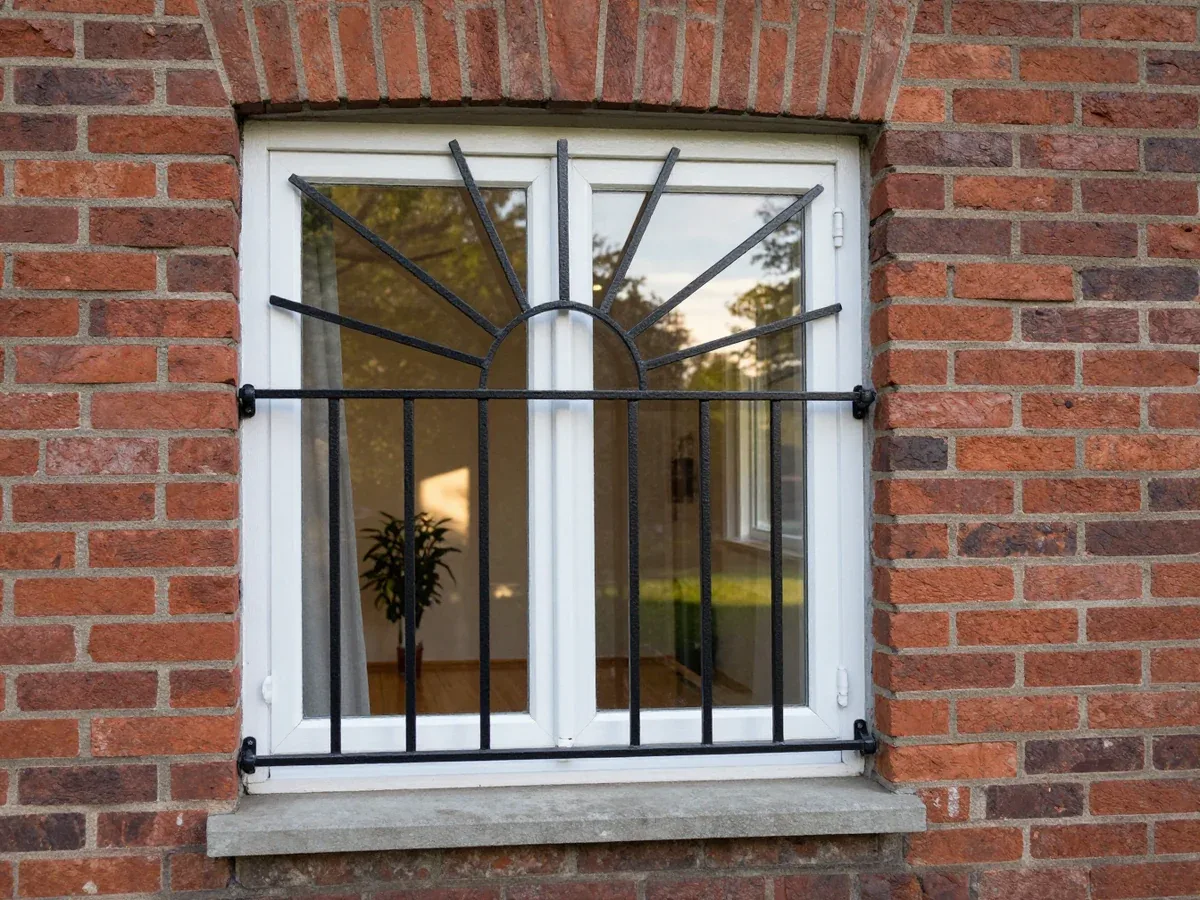
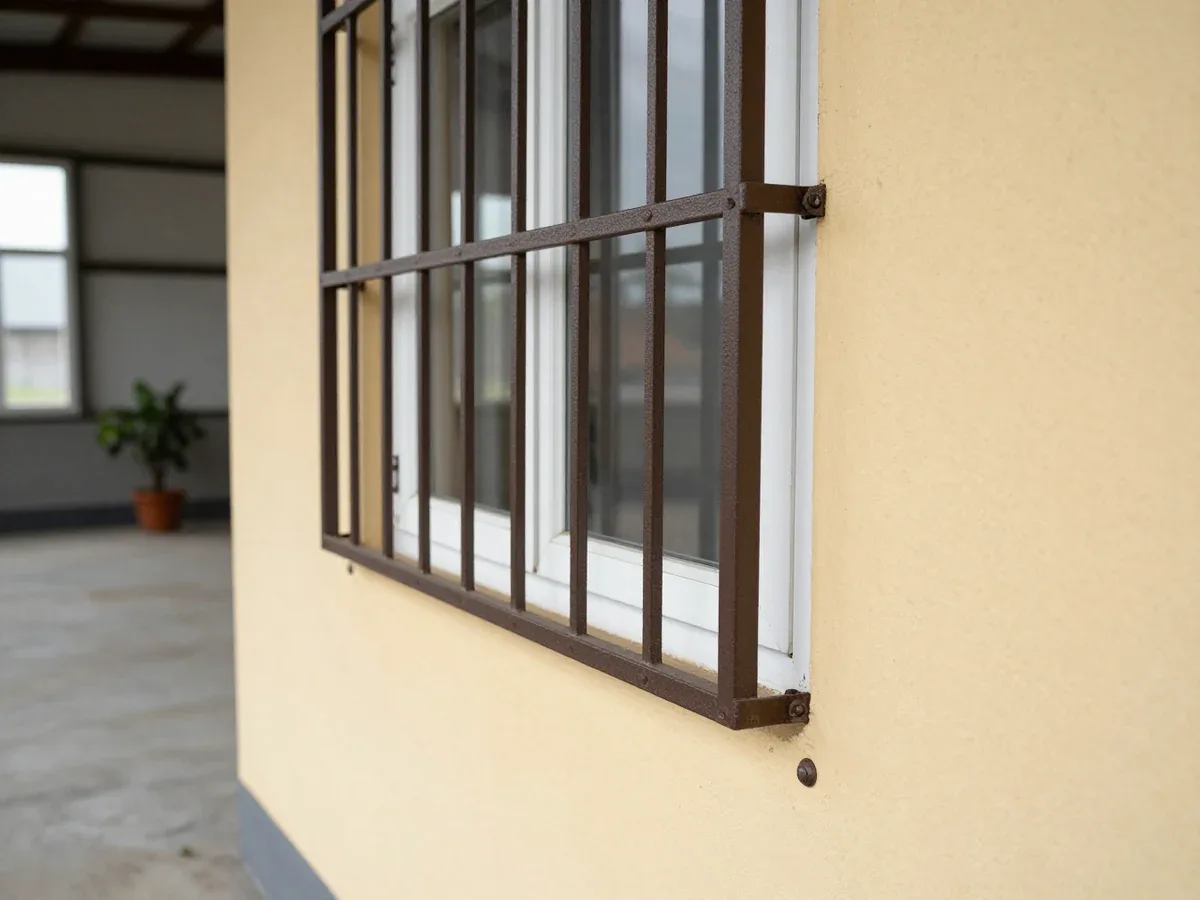
Convex grilles
Convex shape for flowers on the windowsill, price from 26 500 ₸ per m².
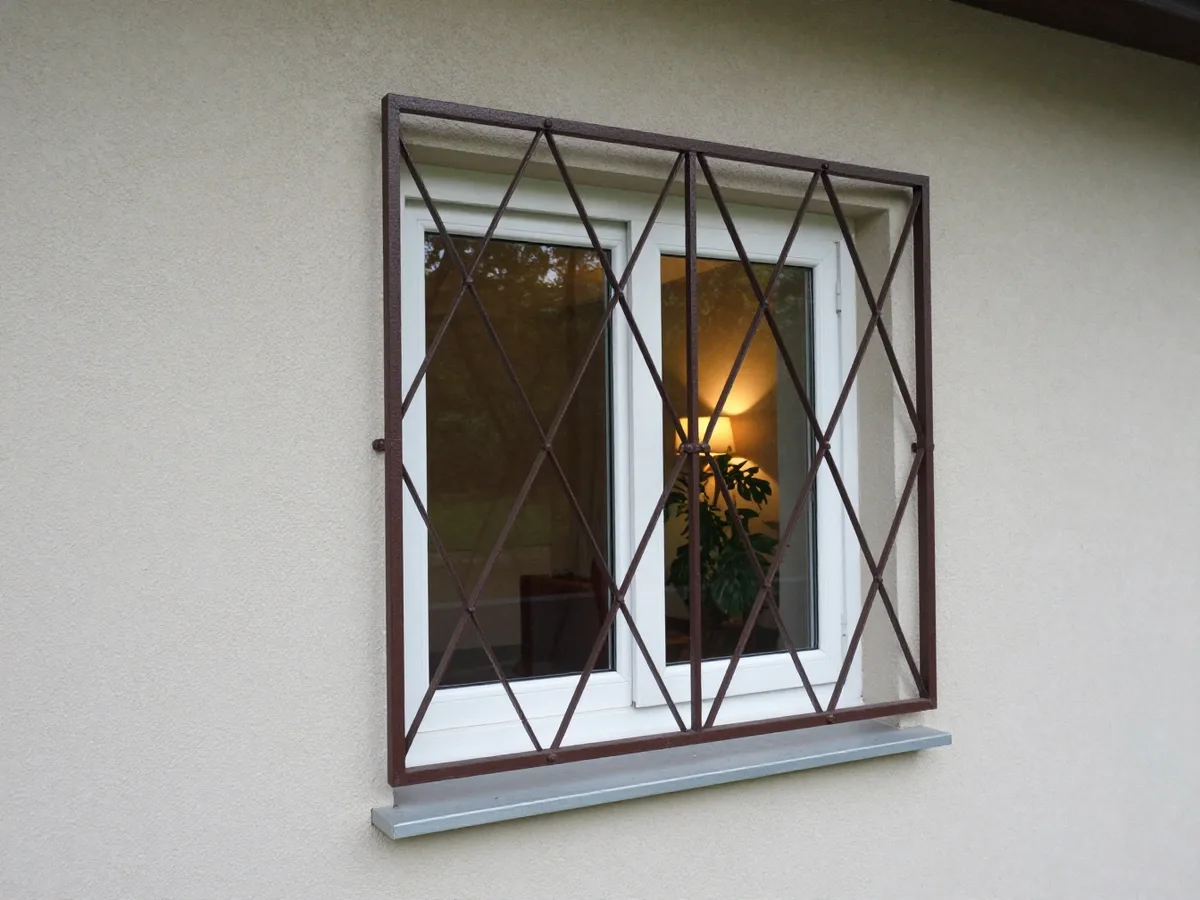
Decorative
Laser-cut pattern to match your facade, price from 25 000 ₸ per m².



5,097 reviews on review sites
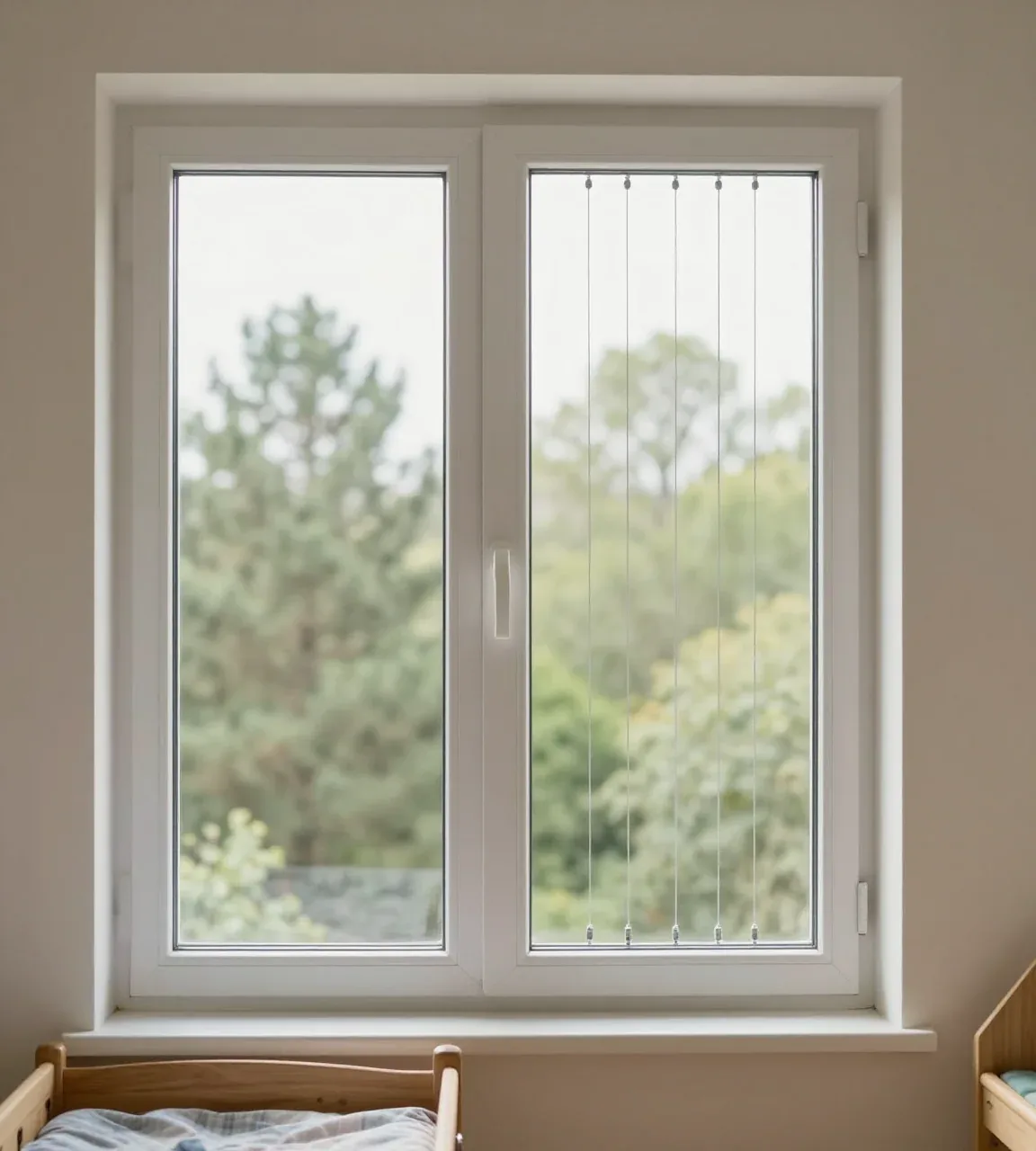
A metal or transparent structure in front of the window: protects against falling out, burglary and vandalism.
A window grille is a frame filled with rods, strips or transparent polycarbonate, mounted outside or inside the opening. It blocks access to the sash and prevents falling out of an open window.
The structure consists of a load-bearing frame, infill and fixing units to the window frame or wall. For balconies, basements and shop windows, the pattern and dimensions are selected to fit the opening, while separate fall-prevention models are installed in children's rooms.
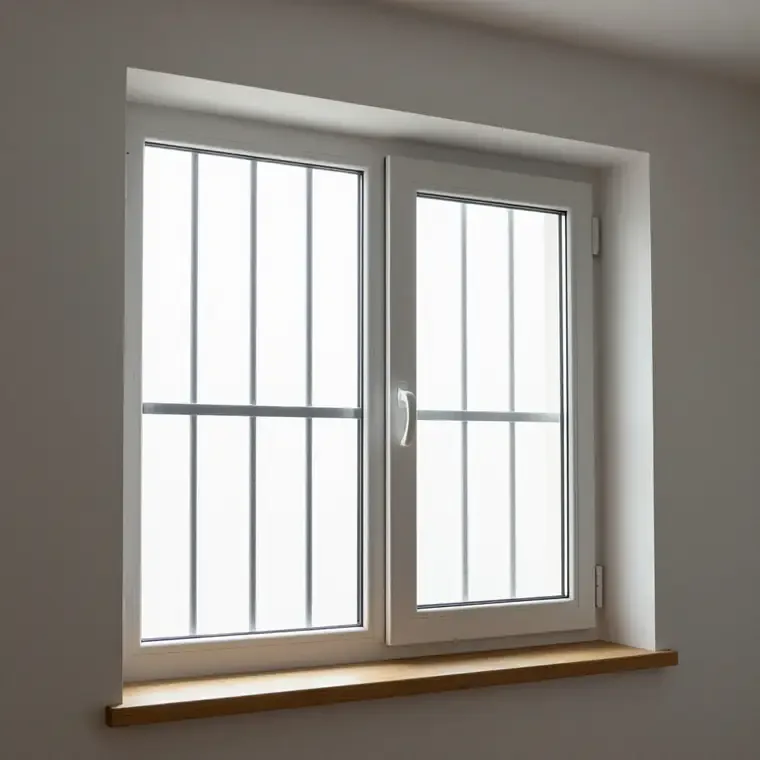
Welded grille with standard pattern
Installation of window grille
Warranty on mosquito screens
The surveyor selects the fixing method based on the window profile and floor: this determines how to remove the grille for cleaning.
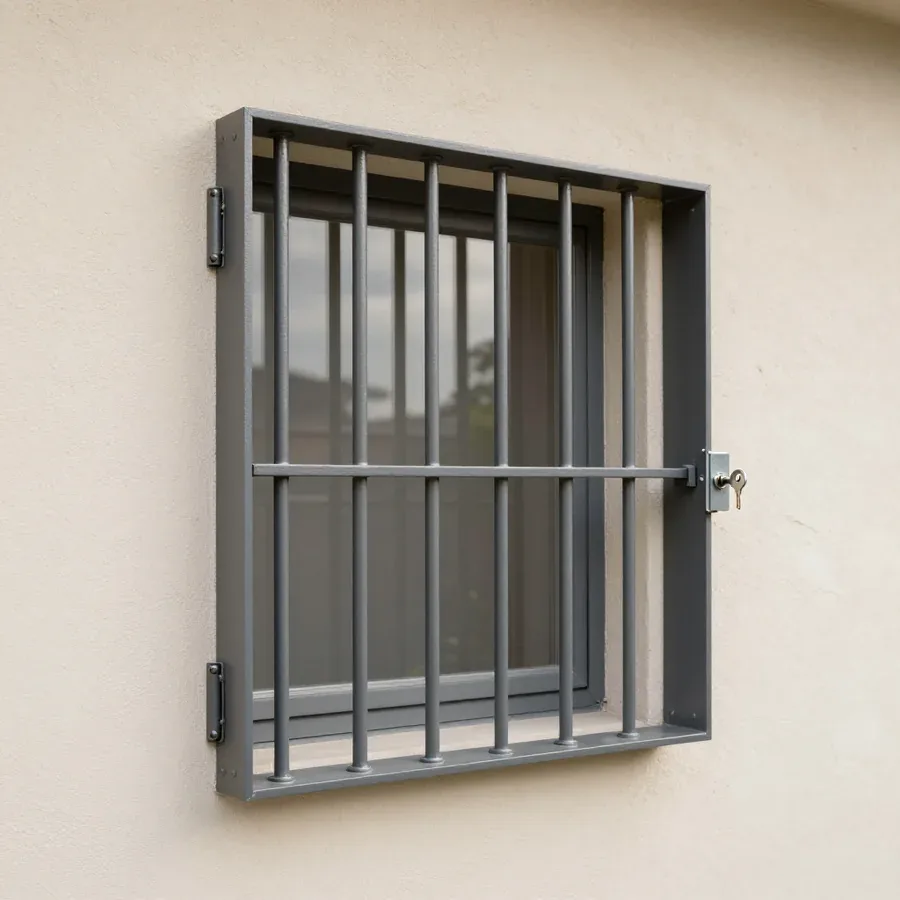
Attach the grille to the window frame from outside, leaving a gap for ventilation and water drainage.
A removable option for fixing the grille to the window frame.
Suitable for lightweight structures and transparent panels where quick removal is needed.
Removal of old grille — from 4 000 ₸ per item, powder coating — from 5 500 ₸ per m².
Prices by structure type and work; the price is fixed in the order after measuring.
| Type of item | Price |
|---|---|
| Welded grilles (standard pattern)standard pattern | from 7 500₸ per m² |
| Forged grillesartistic forging | from 26 000₸ per m² |
| Convex (bulged) grillesconvex shape | from 26 500₸ per m² |
| Decorative grilles (laser cut)laser cutting | from 25 000₸ per m² |
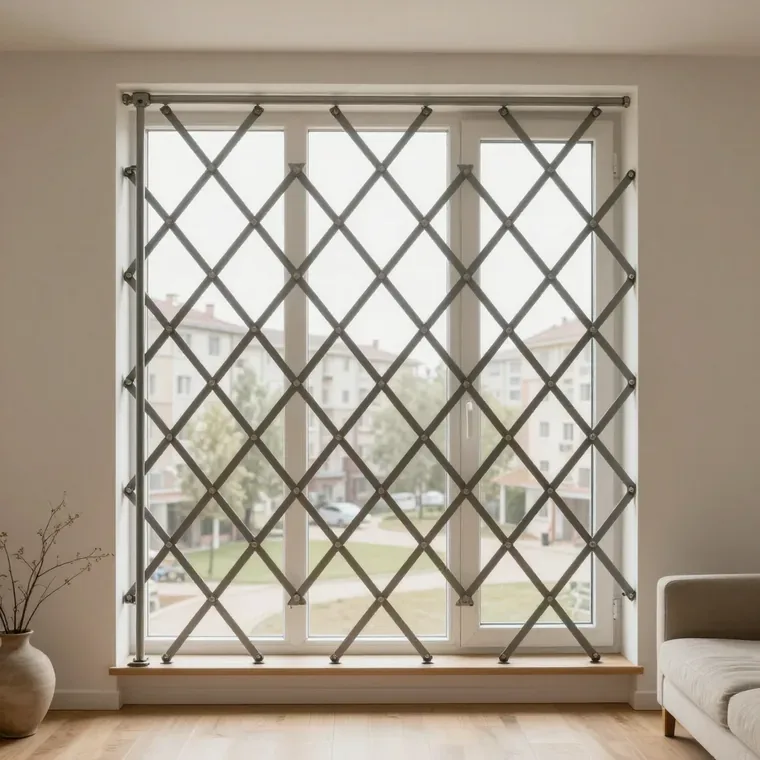
| Sliding accordion grillessliding design | from 28 000₸ per m² |
| Hinged grille leaf (extra charge)extra charge per leaf | from 15 000₸ per leaf |
| Transparent grille (polycarbonate)transparent panel | from 26 000₸ per m² |
| Aluminium fall-prevention grillefall prevention | from 12 200₸ per item |
| Grille with mosquito screen (2 in 1)two in one | from 19 800₸ per m² |
| Powder coating of grillepowder coating | from 5 500₸ per m² |
| Grille installationinstallation | from 4 500₸ per m² |
| Removal of old grilleremoval of old | from 4 000₸ per item |
| Child safety window grilleschild fall prevention | from 12 500₸ per item |
The price is fixed in the order after measuring.Measuring and consultation are free.Payment after installation: cash, card or Kaspi.
Calculate by your dimensionsFacts about production, measuring, installation and warranty without intermediaries.
The price is fixed after measuring.
For work and replaced components.
The measurer will come at a convenient time and help with the choice.
We will paint the profile to match your windows: white, brown, grey.
We reply within 5 minutes.
We accept requests every day.
We deliver and install on windows and doors.
You can order in 17 cities of Kazakhstan.
From request to the finished structure on the opening.

You write on WhatsApp, we reply within 5 minutes and clarify the task.
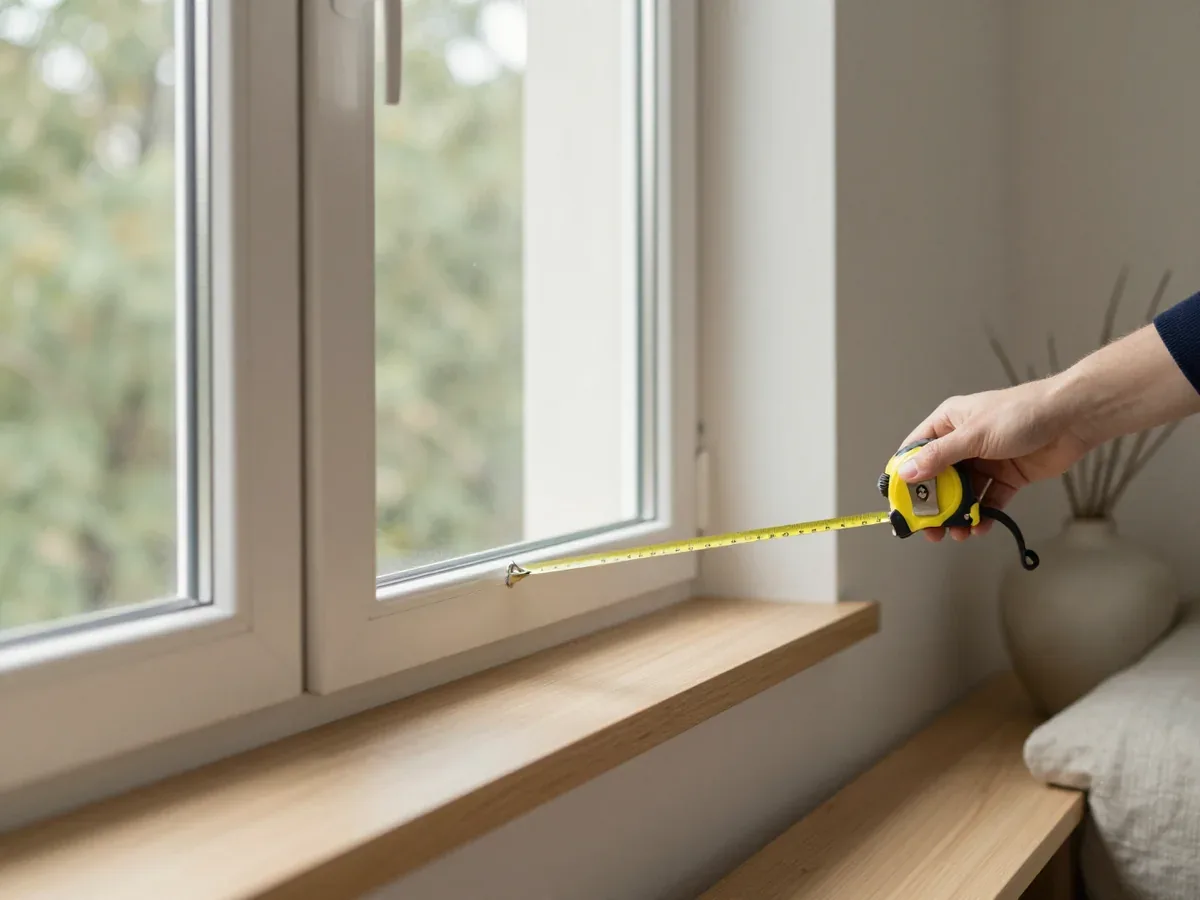
The measurer arrives, takes dimensions and helps choose the structure and fixings.
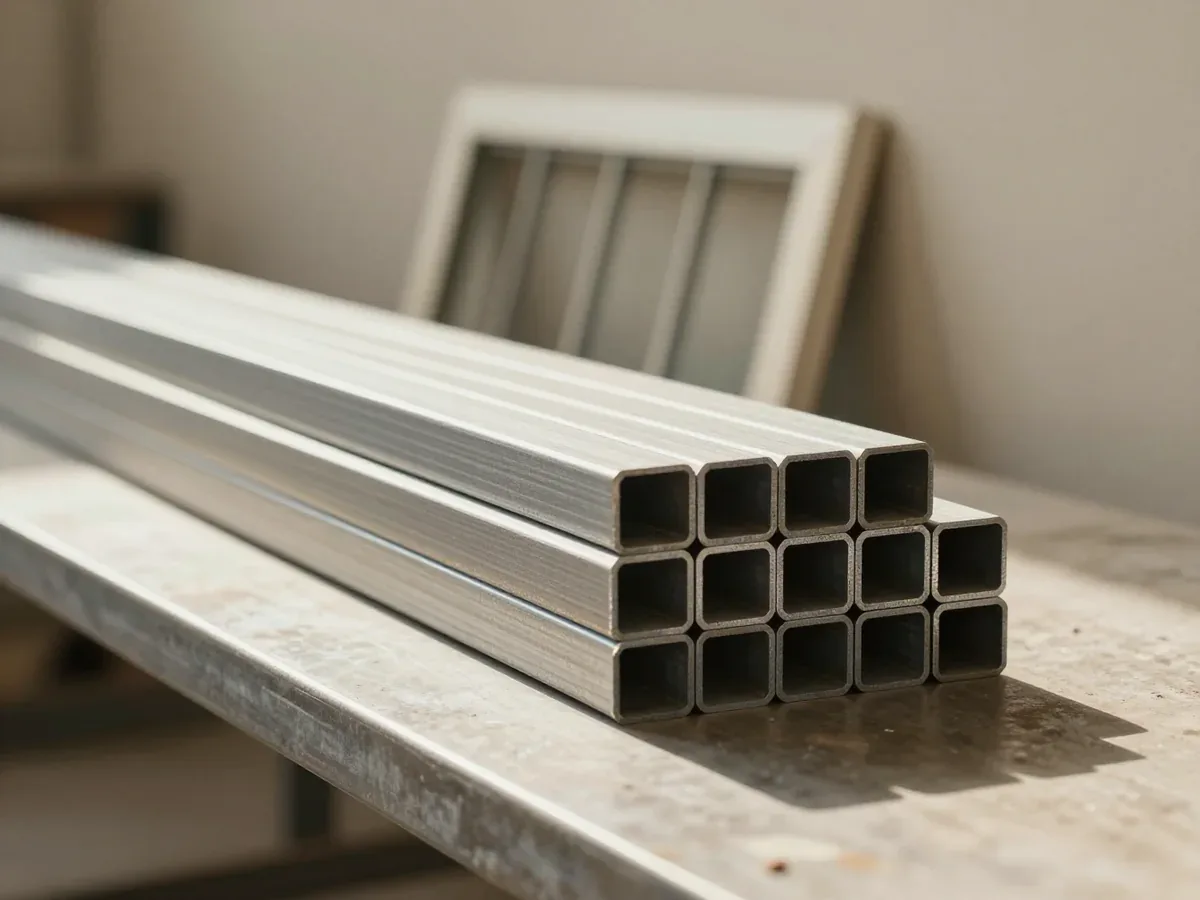
We make a framed screen in 10–15 minutes, a pleated one — in 40–60 minutes.
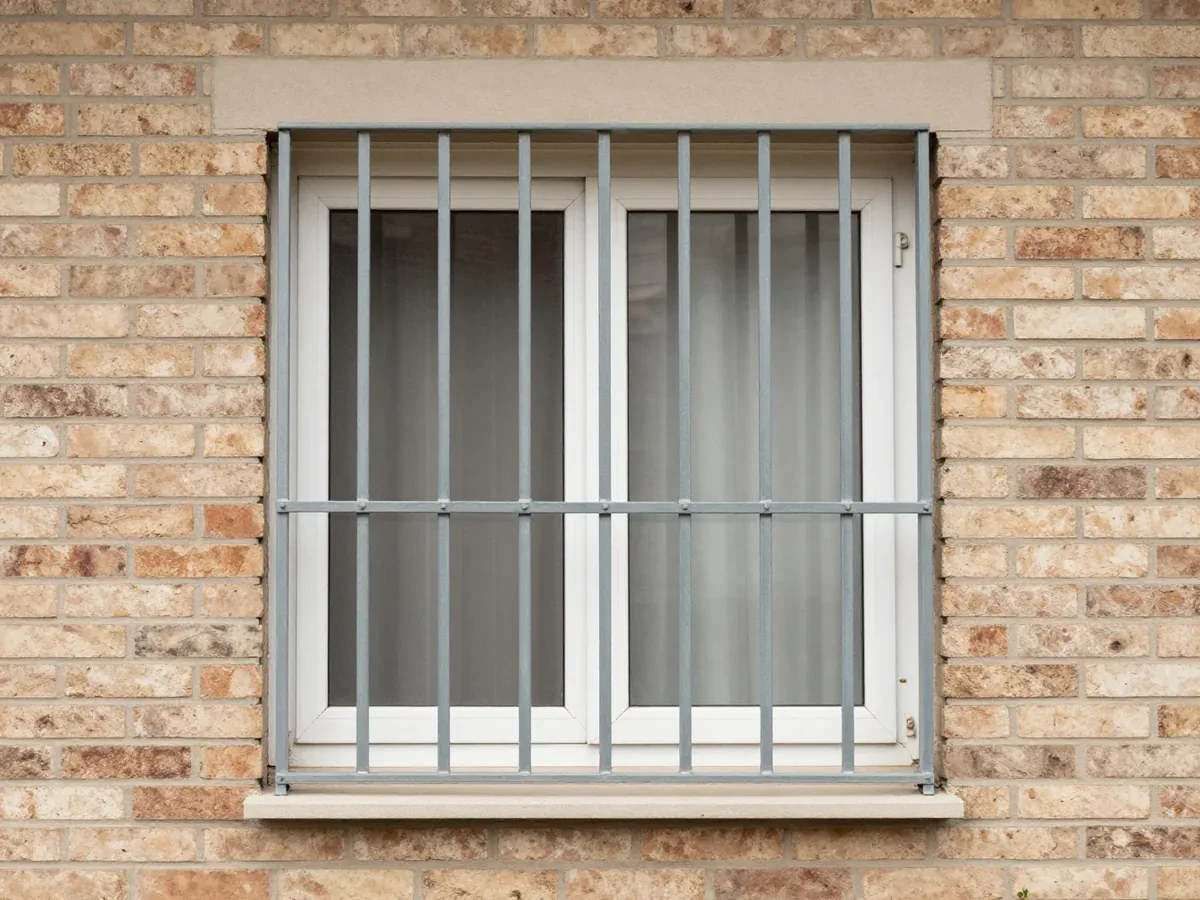
Inspect the fixings, check the sash movement and that there are no gaps at the frame, make sure the grille can be removed for cleaning.
Good to know

Senior mosquito screen specialist at moskitnyesetki.kz
We make window grilles oskemen homeowners order by custom size and install them on plastic, wooden and aluminium windows across the city. We measure for free, choose the fixing for your window profile and floor, paint the frame to match your windows, and you pay only after installation. A one-year warranty covers the work.
The right model is picked against three things at once: the window it goes on, the level it protects and the job you need it to do — child safety, break-in resistance or an open view.
We offer both clear grilles that keep the view open and forged metal grilles with a decorative pattern, and the right pick depends on whether you want the opening to disappear behind the metal or to stand out. Clear models use slim bars set in a light frame, so from across the room you notice the street, not the steel. Forged work carries a heavier profile and a visible pattern that reads as part of the facade — it suits entrance groups and openings facing the street. Both are steel, primed and painted, and both take the same bracket-and-pin fixings. A clear barrier reads as almost invisible from inside, so it suits living rooms and upper floors where the view matters more than the guard look.
On the ground level and in a private house the barrier is mostly a shield against break-in, while higher up it is usually about child safety and keeping the facade tidy. A low window sits within reach of the street, so the bar spacing, the profile thickness and the way the frame is anchored into the wall all carry weight. Higher up, the threat shifts: an open sash and a curious child matter more than a crowbar, and the guard is often specified to stay visually light so it does not break the line of the building. On a ground floor the fixing and the bar spacing matter more than the pattern, because the guard has to resist force rather than just look neat.
| Option | Fit to the opening | Colour match | Fixing choice |
|---|---|---|---|
| Custom size from us | Exact, measured on site | Frame painted any colour | Chosen for your profile and floor |
| Ready-made grille | Approximate, gaps at edges | Limited stock colours | One standard fixing |
| Used grille | Unknown history, may not fit | Whatever it was | Reused, wear unknown |
Metal over a window is not the only way to make a home safer. Each device does a different job, and the right answer for a flat or a house is usually a combination rather than a single product.
A fixed barrier across the opening stops a child from reaching the openable leaf at all, and we set the bar spacing so a small body cannot pass between the bars. The metal stands between the room and the glass, so a toddler who climbs onto a sill meets a solid frame rather than an open gap. We plan the spacing and the fixing together with the way the leaf swings, because the opening still has to admit air on a hot afternoon. On a tilt-and-turn unit the panel is mounted so the moving part clears it in both positions.
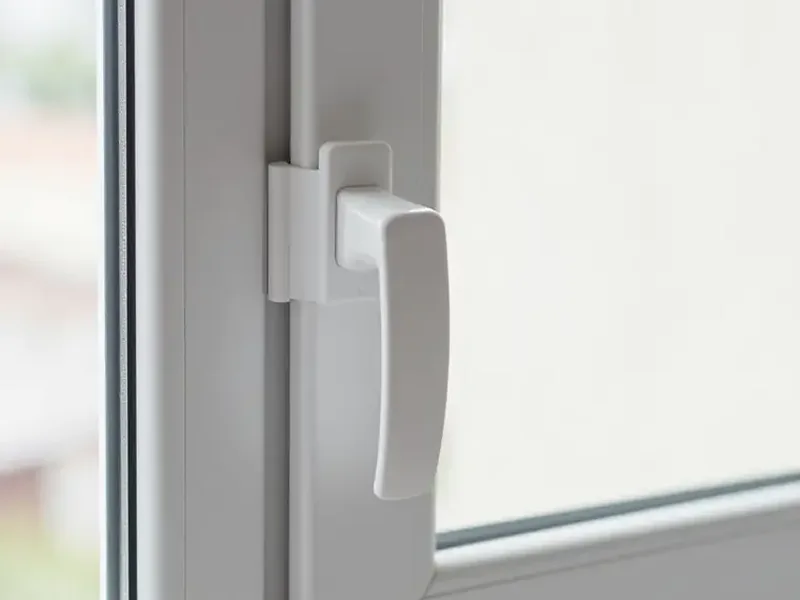
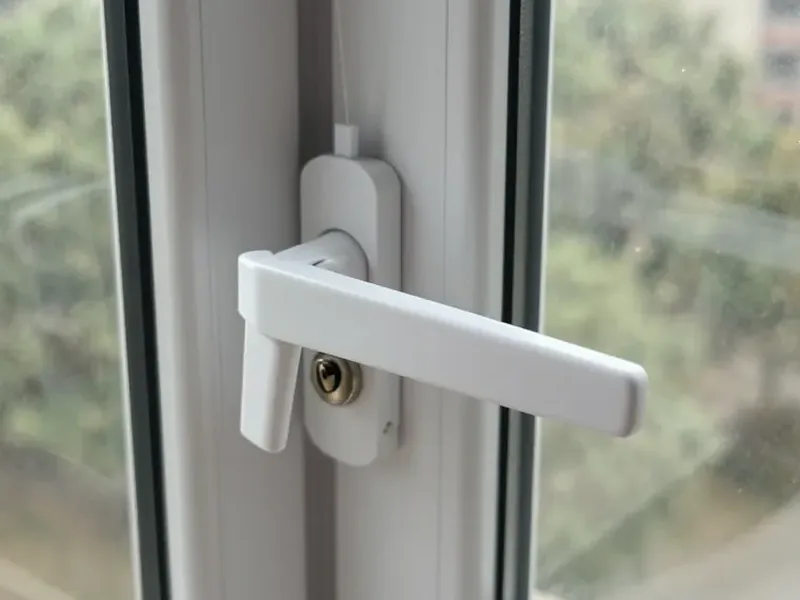
We fit opening restrictors to limit how far a leaf swings, locks to hold it shut, and grilles as the outer barrier, and most homes need a mix rather than one product. A restrictor is a small arm on the moving part that stops it swinging past a set angle, so a child can lean out but not climb through. A lock keeps the unit closed and is the right choice for a room you rarely air. The steel guard is the only one of the three that stays in place when the leaf is wide open. A restrictor and a lock work on the opening mechanism, so they fail if the handle is forced, while the barrier sits outside and does not depend on the fittings.
On a ground floor the grille is the part that makes an opening slow and noisy to force, which is what actually discourages a break-in. A metal profile bolted through the frame into the wall takes minutes and tools to bend, and the noise carries to neighbours and the street. The fasteners matter more than the pattern: a decorative panel held by short screws into plaster gives way faster than a plain frame on long anchors. Thieves pick the easiest opening on the block, so a well-fixed grille on one ground-floor unit often shifts attention to a neighbour's unprotected one.
The guard fits almost any window when the mount matches the profile underneath it. Here is how the fixing works, what changes between materials, and how the panel lives alongside a mosquito net.
We fit grilles to plastic, wooden and aluminium units, plus balcony glazing, gazebos and verandas, and the mount is chosen so it grips without drilling through the sealed profile. On PVC the bracket usually sits in the rebate or on the outer edge rather than the glass bead, so the sealed unit stays untouched. Timber takes pins into solid wood, never into the glazing putty. Aluminium systems are thinner, so the fitter checks wall thickness before choosing a fastener. A plastic profile has hollow chambers inside, so a fixing that looks solid on the surface can crush the chamber if it is placed without checking where the reinforcement runs. Ask the fitter to show you the fixing point on your own unit before anything is drilled — that one check prevents most callbacks.
The measurer chooses between Z-shaped brackets, pins and magnets based on your profile and floor, so the panel holds firmly and the sash still opens. Z-brackets bolt to the sash and let the panel lift out; pins sit in small drilled seats and leave a cleaner line on the reveal; magnets suit units you open daily and want the guard off in seconds. On a sashes-and-fixed-light opening the fitter splits the mounts so the opening leaf is never trapped. The higher the floor and the wider the opening, the more the mount has to carry wind load, which is why the same guard can need a different bracket two floors up. Tell the measurer which ones you actually open in summer — that single answer decides between pins and magnets.
A grille and a mosquito screen can share one opening, with the net on the inner frame and the guard outside, so each one does its own job without blocking the other. The screen sits in its own frame with clips or a Z-mount, while the brackets fix to the outer face, so the two never share a screw hole. On a tilt-and-turn leaf both have to clear the handle and the opening arc. Plan both at the measuring visit, because the screen frame and the brackets need to sit at different depths or they will fight for the same few millimetres. If you already own a screen, bring its depth to the visit — the fitter will check the clearance before the guard is made.
From the first call to a finished barrier on your wall is four steps. Here is what happens at each stage and what you walk away with.
Measuring and consultation are free, and the measurer comes at a time that suits you, takes the sizes and helps you choose the design, the bars and the fixings. He checks the profile, the depth of the reveal and the floor you are on, because a ground-floor opening and a fifth-floor one take different brackets. On the day you also settle the colour of the frame and the mesh, so nothing is guessed later from a photo on a phone. The visit is also where the price is fixed in the order, so the number you agree on the day is the number you pay after fitting. Ask the measurer to show you the fixing he plans to use on your opening while he is still standing at it.
A framed screen made to your size takes 10 to 15 minutes and a pleated screen 40 to 60 minutes, and we deliver and install grilles on openings and doors once your order is ready. The frame is cut and assembled to the sizes taken at your opening, then brought to the flat and set on the brackets the measurer chose. Fitting is done with the sash in place, so there is no need to clear the room or take it out. Because the barrier is cut to the size taken on site, the wait is mostly production, so booking the measuring visit early is what shortens the whole job. If you have several openings, have them measured in one trip — it saves a second visit and keeps the whole set on the same schedule.
You pay after installation by cash, card or Kaspi, and a one-year warranty covers the screens we make, with the price fixed in the order after measuring. The fitter mounts the barrier, checks that the sash opens and closes freely past it, and only then takes payment. The one-year cover is on the screen itself; installation carries five years and glass unit replacement three, so a barrier fitted alongside new units sits under the longer term for the frame work. Paying after the product is on the wall means you check the fit, the colour and the swing of the sash before any money changes hands. Keep the order sheet with the agreed price — it is the reference if anything needs adjusting within the year.
The barrier does not have to spoil the look of a window. We look at colour matched to the profile, how much light and air the bars take away, and how to keep the barrier clean over the years.
We paint the grille frame any colour to match your windows, so the barrier reads as part of the window rather than a separate metal grid on the facade. The frame is steel, and the finish is chosen from the same palette as the profile — white, anthracite, brown or a colour picked from a sample you bring to the measuring visit. On a wooden house the painter can match the timber tone instead of a standard shade. The fitter takes the profile colour at measuring and the workshop mixes it before the frame is welded, not after. A colour matched to the profile hides the barrier from across the street, which matters most on the street-facing side of a house. On a corner plot, ask for the same shade on both facades so the grilles do not read as two different jobs from the road.
A guard with thin bars and a wide spacing blocks very little light and does not stop air moving through an open sash, so the room stays bright and ventilated. Bars of 8–10 mm on a 12–15 cm pitch leave most of the opening clear, and the loss of daylight is a few percent rather than a visible shadow line across the room. Airflow is set by the sash, not the grille — an open casement still vents at full rate behind the bars. For a clear grille the workshop can thin the bars further on the upper floors, where the barrier is a fall guard rather than a security screen. The bar spacing is the real lever on light, so a barrier planned for a dark north-facing room can use fewer, thinner bars than one on a sunny south wall.
A framed panel lifts off from inside in a minute for cleaning, and we repair grilles and replace worn fixings when a bracket loosens over the years. The frame is powder-coated, so routine care is a damp cloth along the bars twice a season and a touch-up only where the paint has been chipped by a ladder or a moved pot. Z-brackets and pins wear faster than magnets on a sash that is opened daily, and a loose bracket is a ten-minute swap rather than a new grille. Lifting the frame off for the winter also protects the coating from ice and grit on the lower floors. Cleaning the glass is far easier with the grille off, so plan the removal for the same day you wash the windows rather than fighting the bars in place.
Your order goes straight to the craftsmen who will stand at your opening with a drill, not to a call centre that passes the job along. Below is why that matters and how the appointment is arranged.
We are the direct contractor with our own fitters, not an aggregator, so the specialist measuring your opening is the same person answerable for the metalwork that ends up on it. Surveying, welding the frame and anchoring it to the wall stay inside a single crew, and those hands carry the blame if the fit is off. With a middleman the measuring, the fabrication and the mounting sit with separate firms, and when something is wrong each points at the other. In our practice the awkward cases are never the bars themselves — they are the corner that turned out 8 mm out of square, and somebody has to own that. Window grilles in Oskemen ordered this way come with a one-year warranty, and the craftsman who signed the paperwork is the one returning on it.
We install steelwork on windows and doors, on ground-level and upper-level flats, and on balcony glazing, gazebos and verandas across Oskemen. Plastic, wooden and aluminium frames all take a grille, and the fasteners are chosen for the profile and the storey rather than pulled from one box. A door unit takes more daily knocks than a window unit, so it is worth saying at the survey that the opening is a door and not a casement — the frame and the anchors are picked differently. Our fitters work seven days a week, so a Saturday appointment on a top storey is normal rather than an exception.
Message us on WhatsApp and we reply within 5 minutes, we are open seven days a week, and we book the free survey at a time that suits you. The measurer takes the sizes, helps choose the design, the mesh and the fixings, and the price is then fixed in the order — it does not move afterwards. Sending a photo of the opening with your message lets the measurer bring the likely brackets and colours on the first call instead of a second trip. For a framed grille the wait is short once the size is confirmed, and fitting follows as soon as the frame is ready.
Before you order, four choices decide whether a barrier works for you or fights you every day — the task, the opening, the anchoring and the terms.
Child safety, ventilation, installation, care
Konstantin Selenenkovsenior mosquito screen specialist, 10 years in the tradeOnline · replies within 5 minutes
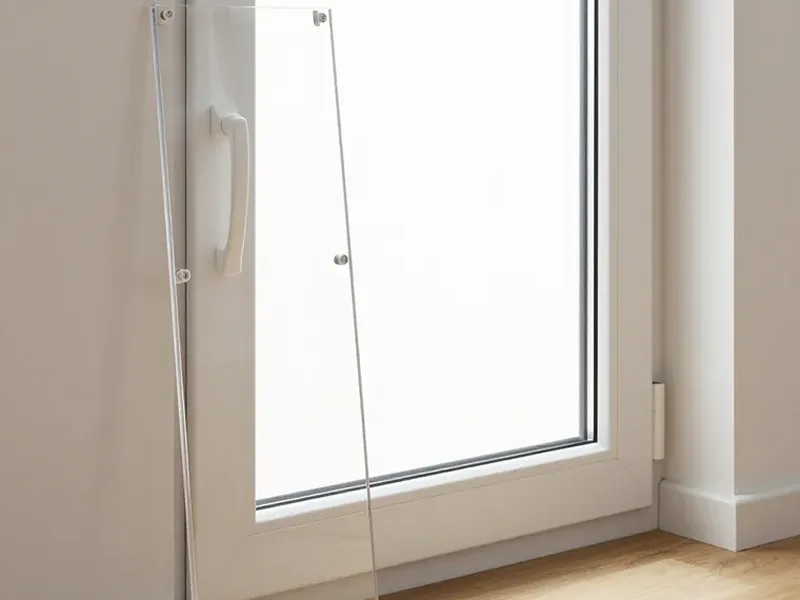
Ask a questionA transparent polycarbonate panel or an aluminium grille with closely spaced bars works best: it prevents falls and doesn't darken the room. Forged and welded grilles with a large pattern are less suitable if a child could put their head through.
Yes, you can ventilate through a vent window or use a supply valve, but you won't be able to open the leaf. If the grille is hinged, its leaf opens like a door on hinges, and you can open the window freely.
Yes, grilles are most often ordered for private houses and ground floors — they protect against break-ins. For such windows, metal welded or forged structures with reliable fixings are usually chosen, and transparent panels are added for child safety.
Yes, there are designs where the grille and mosquito screen are installed on the same window. For example, you can order a framed screen with fixings to the grille or use special profiles that hold both the screen and the protection.
Transparent polycarbonate grilles are lighter and don't darken the room, but they are more about fall protection than burglary protection. Forged grilles are stronger and more reliable against break-ins, but they block the view more and look more massive.
It's enough to periodically wipe the grille with a damp cloth and inspect the fixings. If the coating is damaged, clean and touch up that spot so the metal doesn't rust; powder coating lasts a long time with careful handling.
Thank you. We will call you back within 10 minutes!
Your order number is on the receipt or in the SMS. Choose where to leave your review.
Write a review on WhatsApp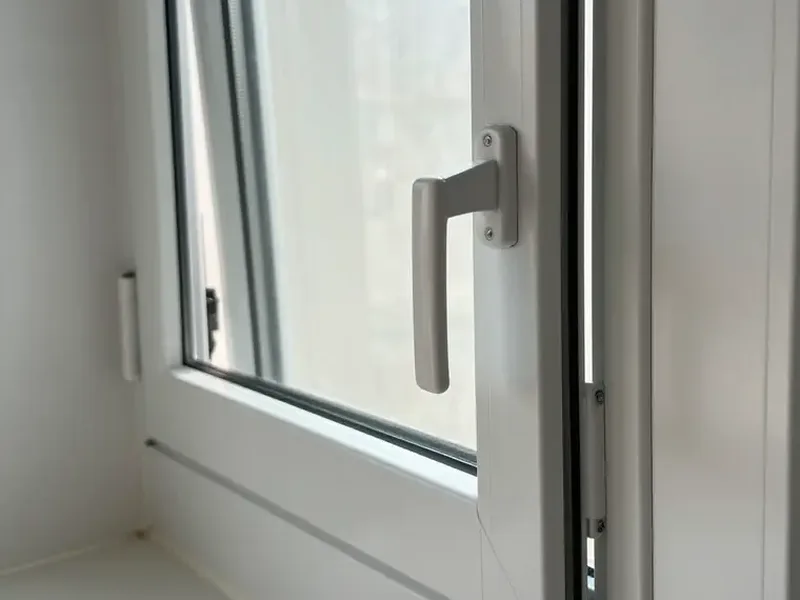 Window restrictors
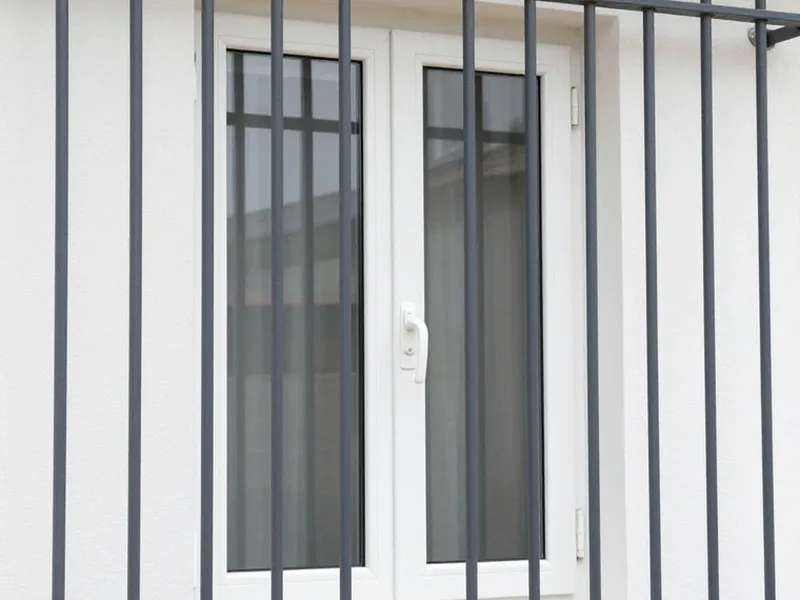 Metal grilles
 Transparent grilles
 Window blockers
 Child safety window protection
