
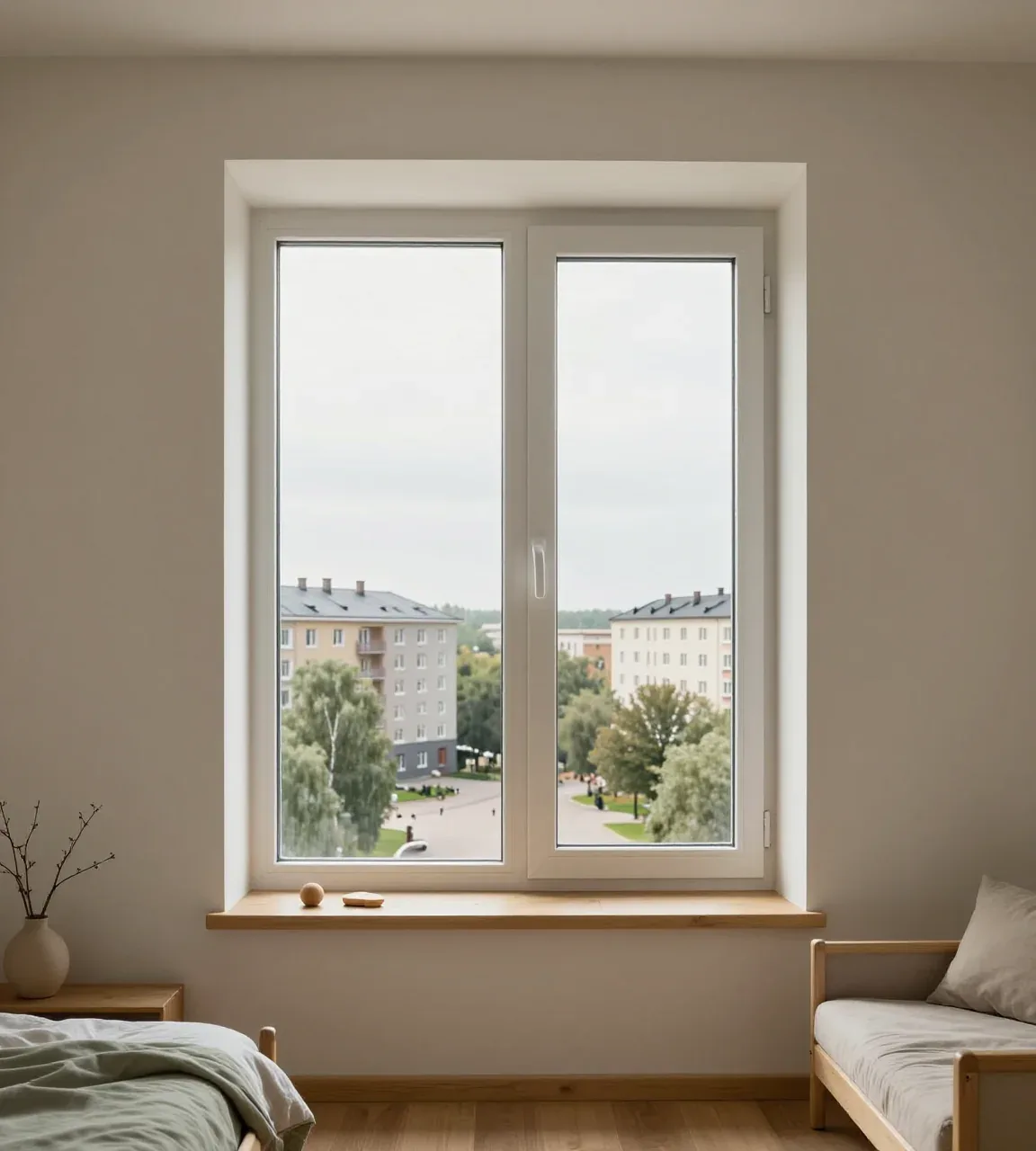
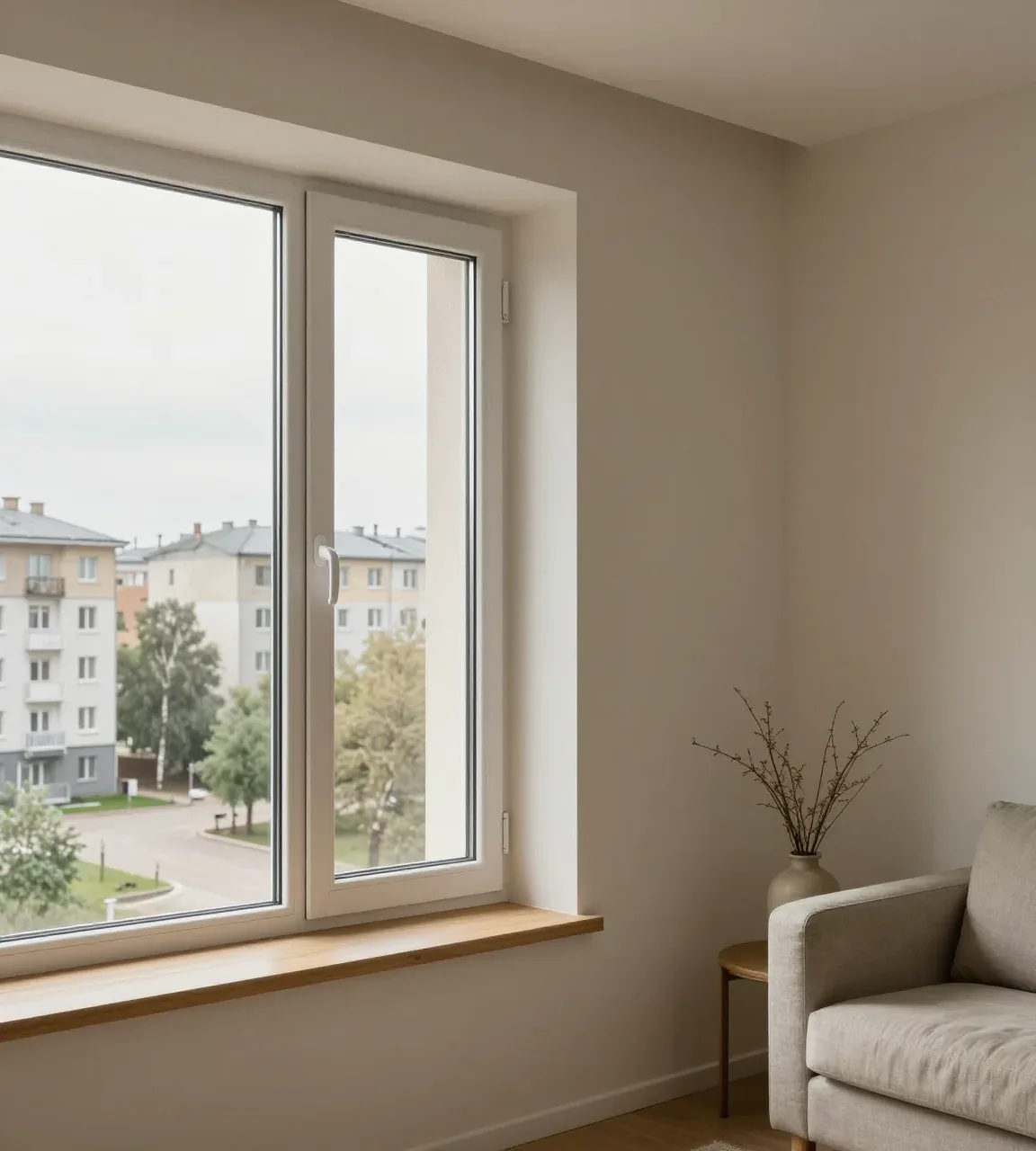
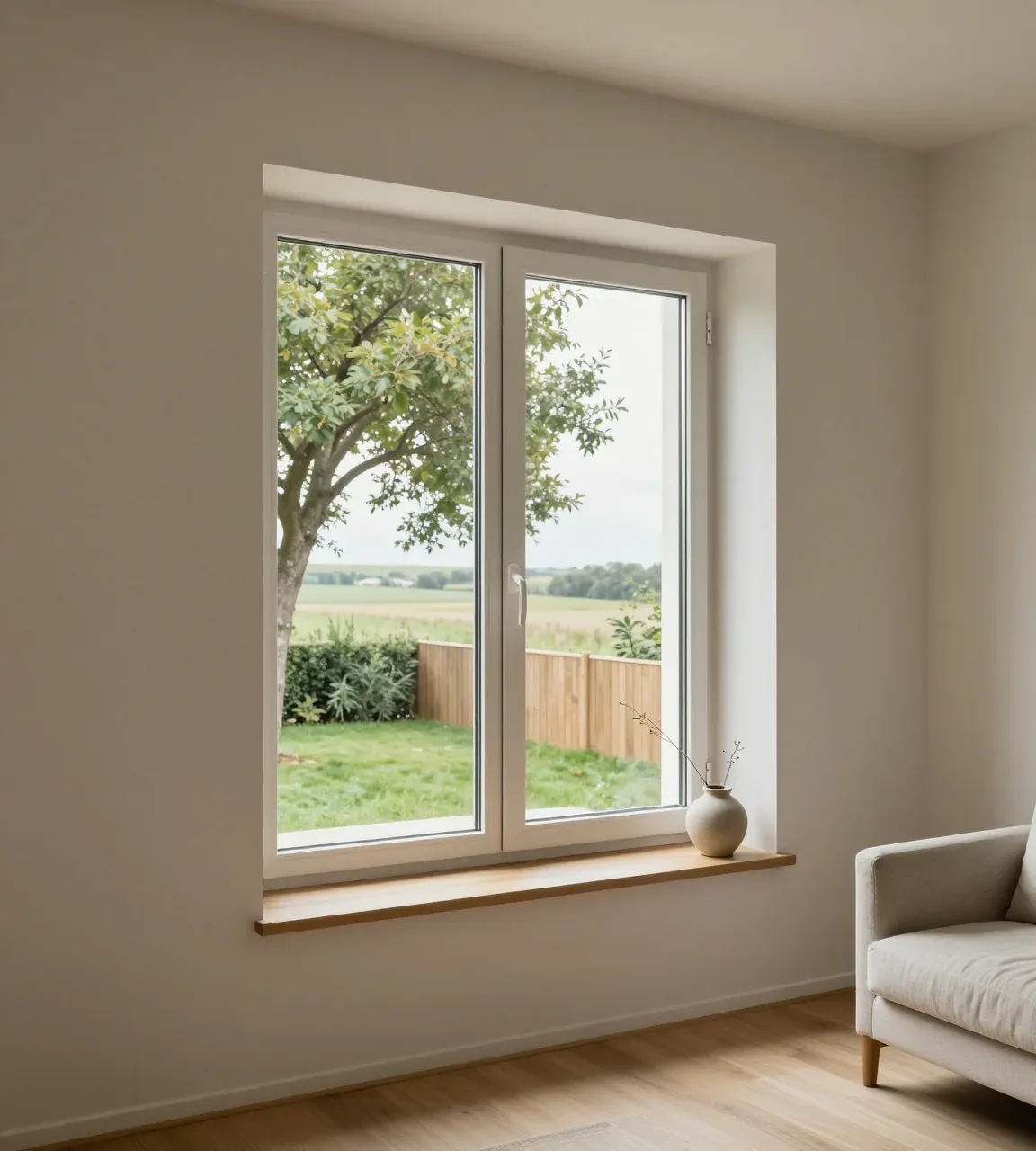
Sash pressure and movement · adjustment
Sash adjustment
Simple adjustment of sash pressure and movement — from 3 000 ₸ per sash. Complex adjustment with removal and rehanging — from 4 000 ₸.
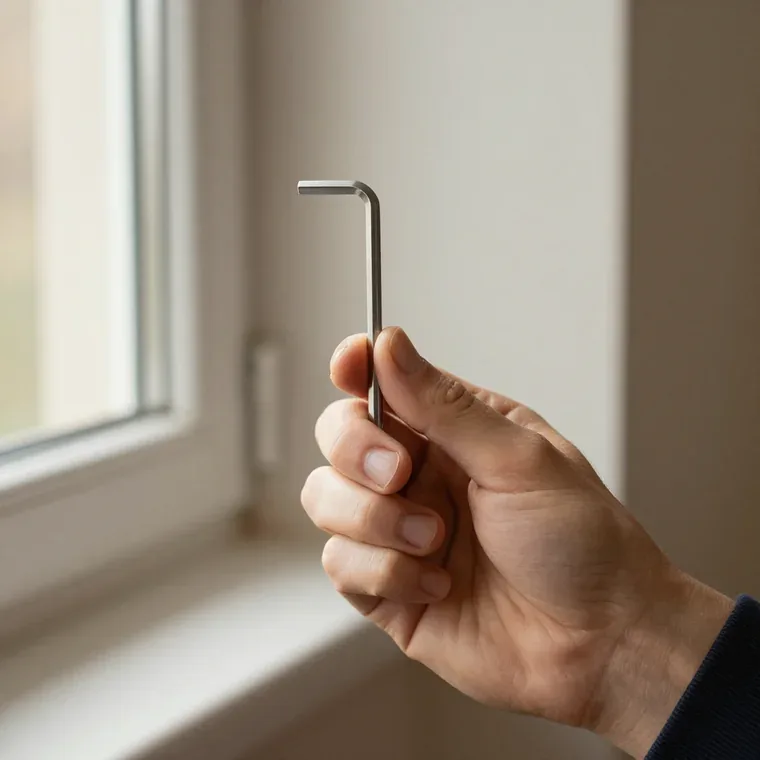
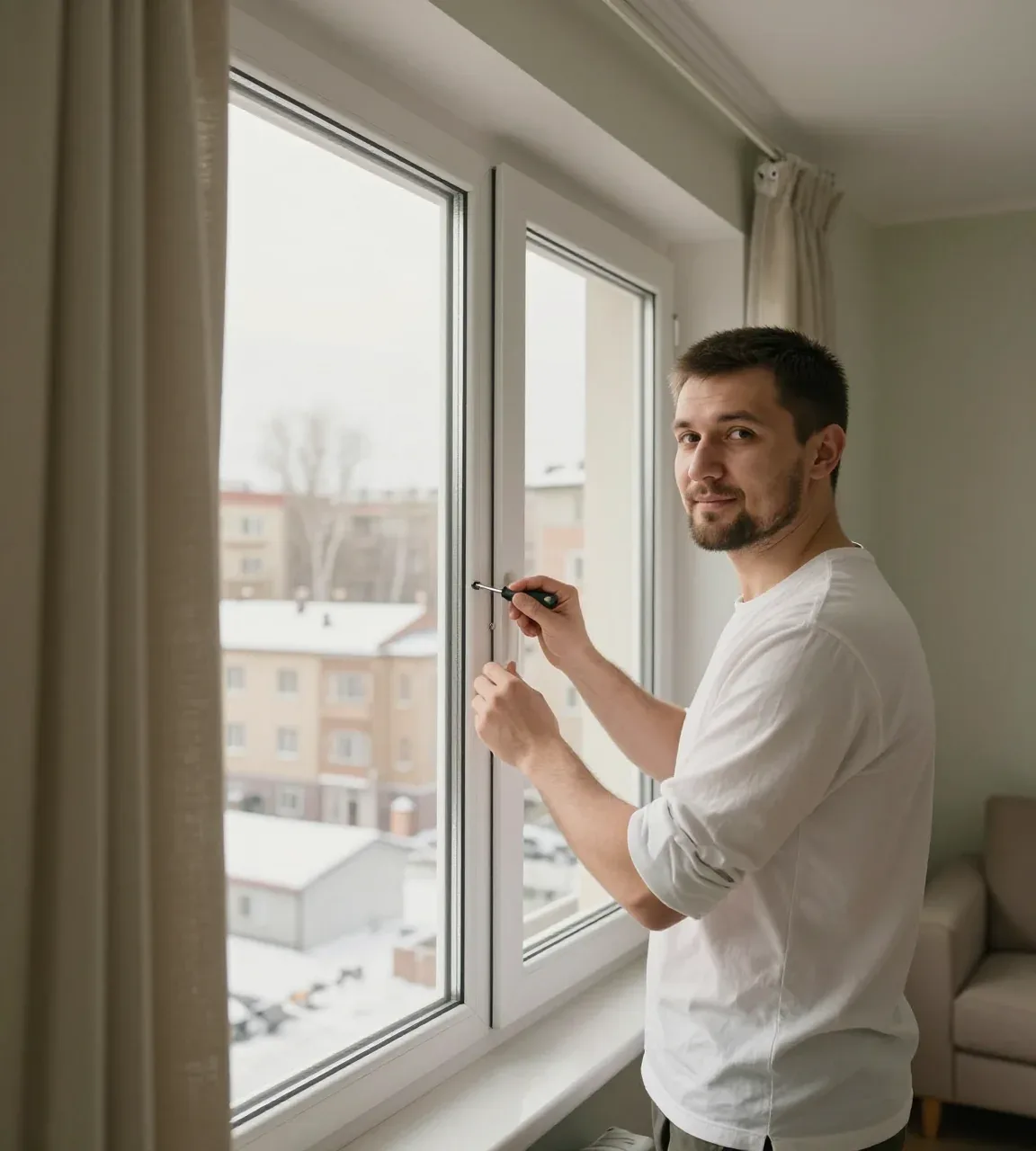
Sash adjustment
Simple adjustment of sash pressure and movement — from 3 000 ₸ per sash. Complex adjustment with removal and rehanging — from 4 000 ₸.
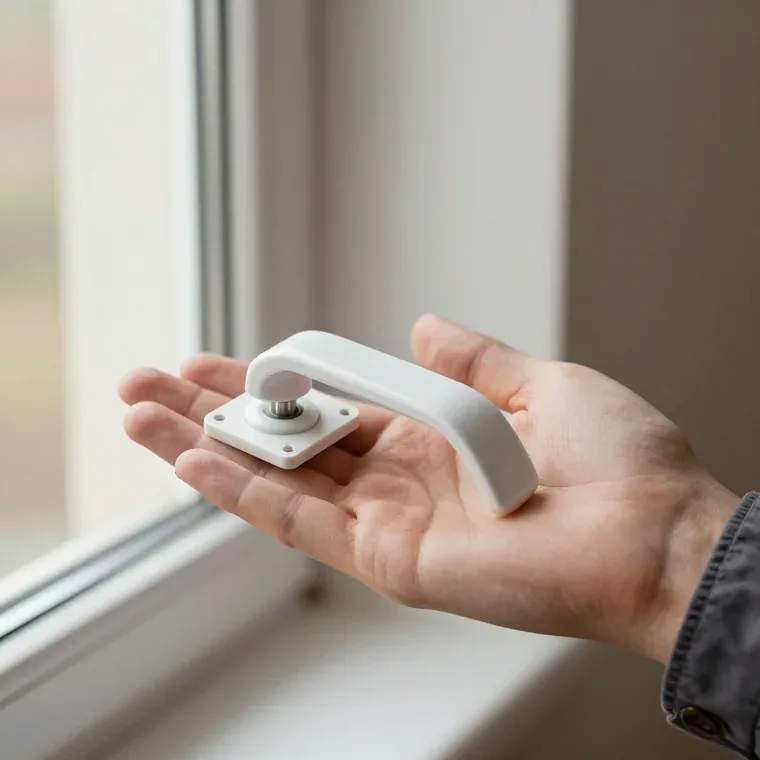
Handle replacement
We match the handle to your window profile — from 2 750 ₸ per item. Hinge replacement for worn hinges — from 4 750 ₸.
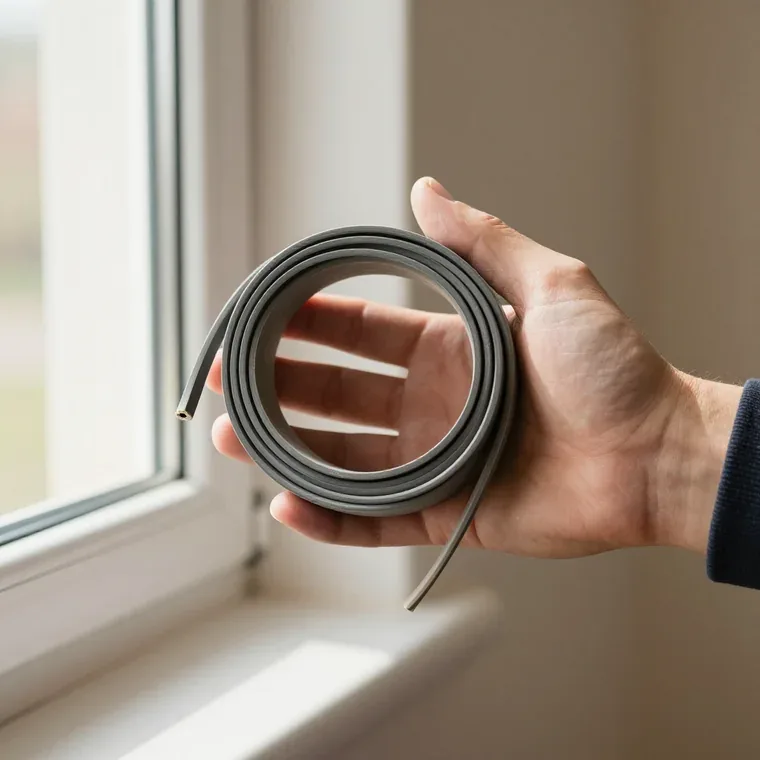
Seal replacement
We replace seals in windows from any manufacturer — from 1 000 ₸ per linear metre around the sash perimeter.
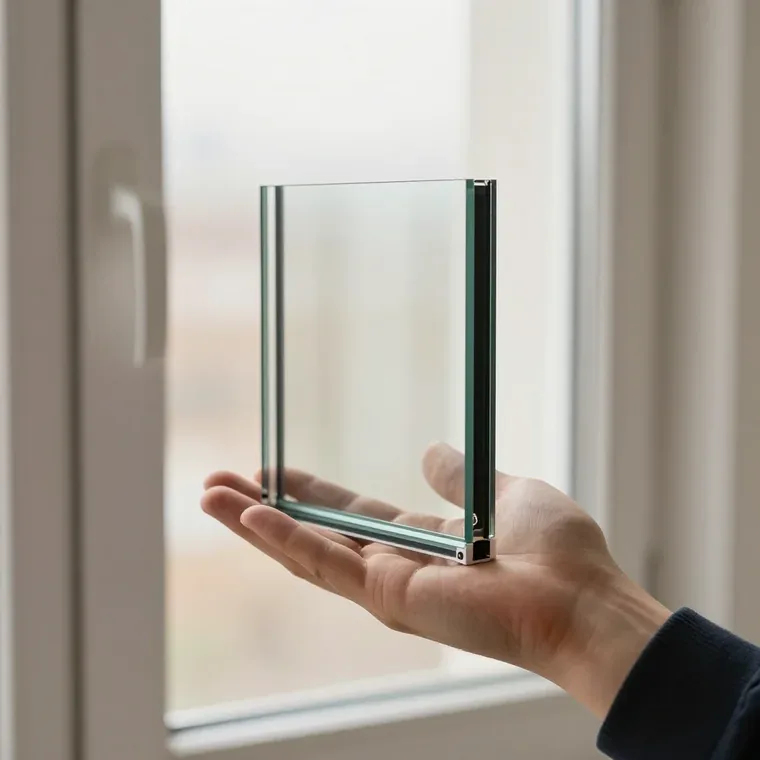
Double glazing
Double glazing replacement — from 19 500 ₸ per m². Urgent manufacturing and replacement are possible within one day.
Reveals and drip sills
PVC window sill installation — from 5 500 ₸ per linear metre, external drip sill — from 3 250 ₸ per linear metre, fitted on site.



5,097 reviews on review sites
The technician inspects the sashes, pressure and hardware, fixes the cause and checks how the window closes.
Window repair is work on what is already in the opening: sashes, pressure, hardware, seal and double glazing. The technician comes to the site, inspects the window, identifies the cause and does the work on the spot.
During the inspection, the technician checks the pressure around the entire sash perimeter, hinge movement and handle condition, the integrity of the seal and the double glazing itself. Adjustment and replacement only concern worn parts, while intact elements — the frame, working hinges, undamaged double glazing — stay in place.
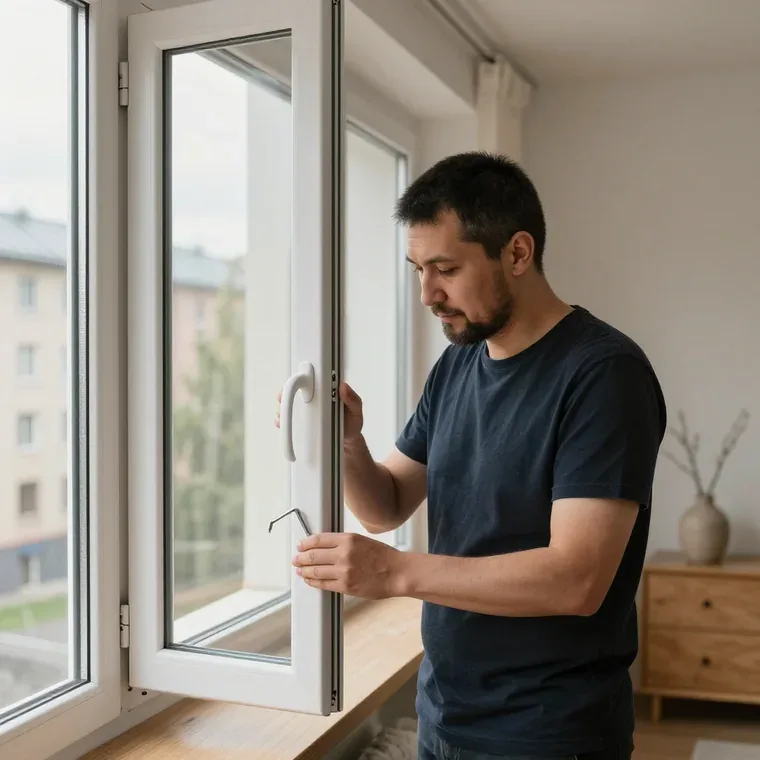
we check how tightly the sash fits against the frame
we check hardware movement and hinge wear
we assess integrity along the entire contour
Six typical requests: what is happening with the window and what work the technician performs.
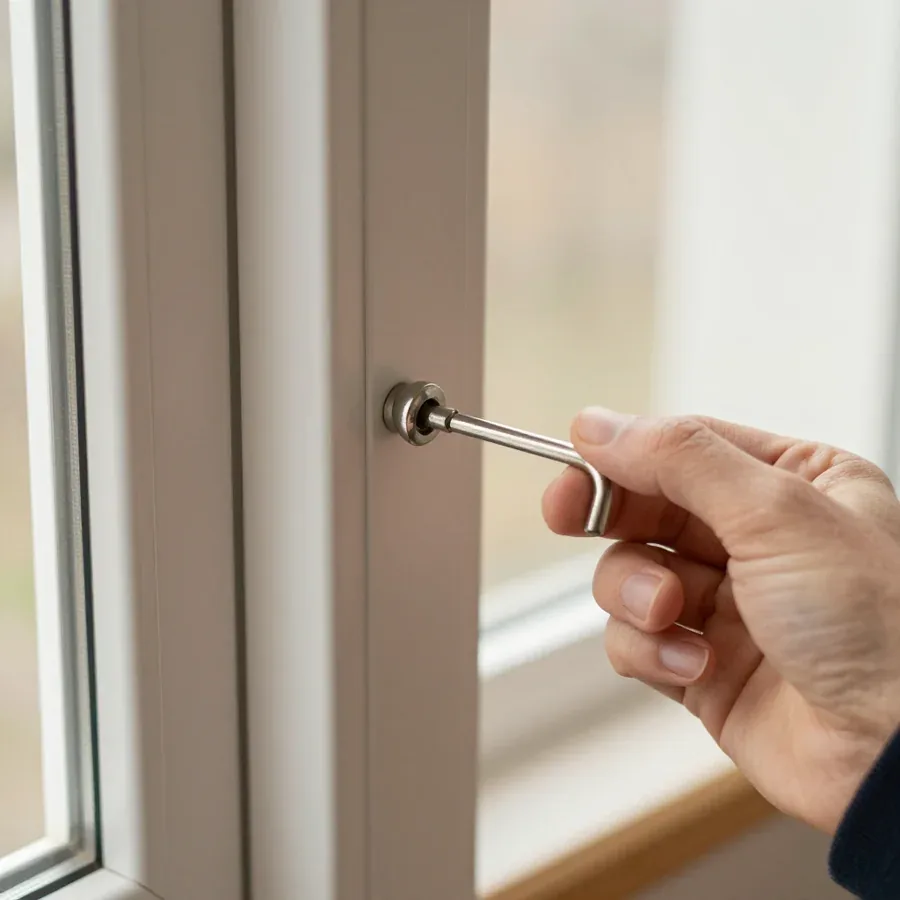
We check the pressure around the perimeter and the condition of the seal: adjust the sash and replace the seal.
The sash doesn't reach the frame or the handle won't turn — we adjust the hardware.
The sash catches on the frame when closing — we adjust the hinges and replace them if worn.
The handle spins or has broken off — we install a new one to match your window profile.
Moisture on the reveal — we adjust the compression, replace the seal and insulate the reveal.
The glass is damaged — we replace the double glazing to the size of the opening.
Five areas of work: from adjusting sashes to finishing reveals and fitting sills.
Compression and sash movement
We set the compression around the perimeter and the sash movement, and remove and rehang the sash if needed.
Handles and hinges
We replace handles to match the window profile and hinges when worn, and restore the mechanism.
Windows from any manufacturer
We replace seals in windows from KBE, Rehau, VEKA, Provedal and other manufacturers.
Including urgent
We replace double glazing to the size of the opening; urgent production and replacement within one day.
Window sill and external sill
We fit PVC window sills and external sills with on-site adjustment, and insulate the reveal.
Price list for work and components; the final cost is fixed by the technician in the order after measuring.
| Type of work | Price |
|---|---|
| Call-out and inspection by a technicianwithout ordering a repair | from 3 600₸ per job |
| Simple sash adjustmentsash pressure and movement | from 3 000₸ per sash |
| Complex adjustment with sash removalwith removal and rehanging | from 4 000₸ per sash |
| Window handle replacementmatched to the window profile | from 2 750₸ per item |
| Hinge replacementwhen hinges are worn | from 4 750₸ per item |
| Hardware repairrestoring the mechanism | from 7 800₸ per job |
| Sash hardware replacementfull set per sash | from 10 000₸ per sash |
| Seal replacementaround the sash perimeter | from 1 000₸ per linear metre |
| Double glazing replacementsized to the opening | from 19 500₸ per m² |
| Broken glass replacementglass as part of the unit | from 8 000₸ per m² |
| PVC window sill installationfitted on site | from 5 500₸ per linear metre |
| Drip sill installationexternal drip sill | from 3 250₸ per linear metre |
| Mosquito screen repairmesh and fixings | from 2 500₸ per item |
| Air vent installationinto the window profile | from 6 000₸ per item |
The price is fixed in the order after measuringThe estimate consists of sash work, components to match the profile and the size of the revealCheck with the technician before ordering: hardware model, availability of parts for the profile, scope of reveal work
Ask about the cost of workEight facts about the company: warranties, schedule, payment, coverage and free measuring.
for work and replaced window components
for window installation
for double glazing replacement
the surveyor will come at a convenient time and help you choose
after installation: cash, card or Kaspi
in Oskemen we accept from 09:00 to 19:00
we reply to messages within 5 minutes
window repair in 17 cities of Kazakhstan
Four steps from your request to checking the sashes together with the owner.

You describe the problem, the technician clarifies the details and agrees a convenient visit time.
The technician shows the worn seal or hinges and discusses with you what to replace and what to adjust.
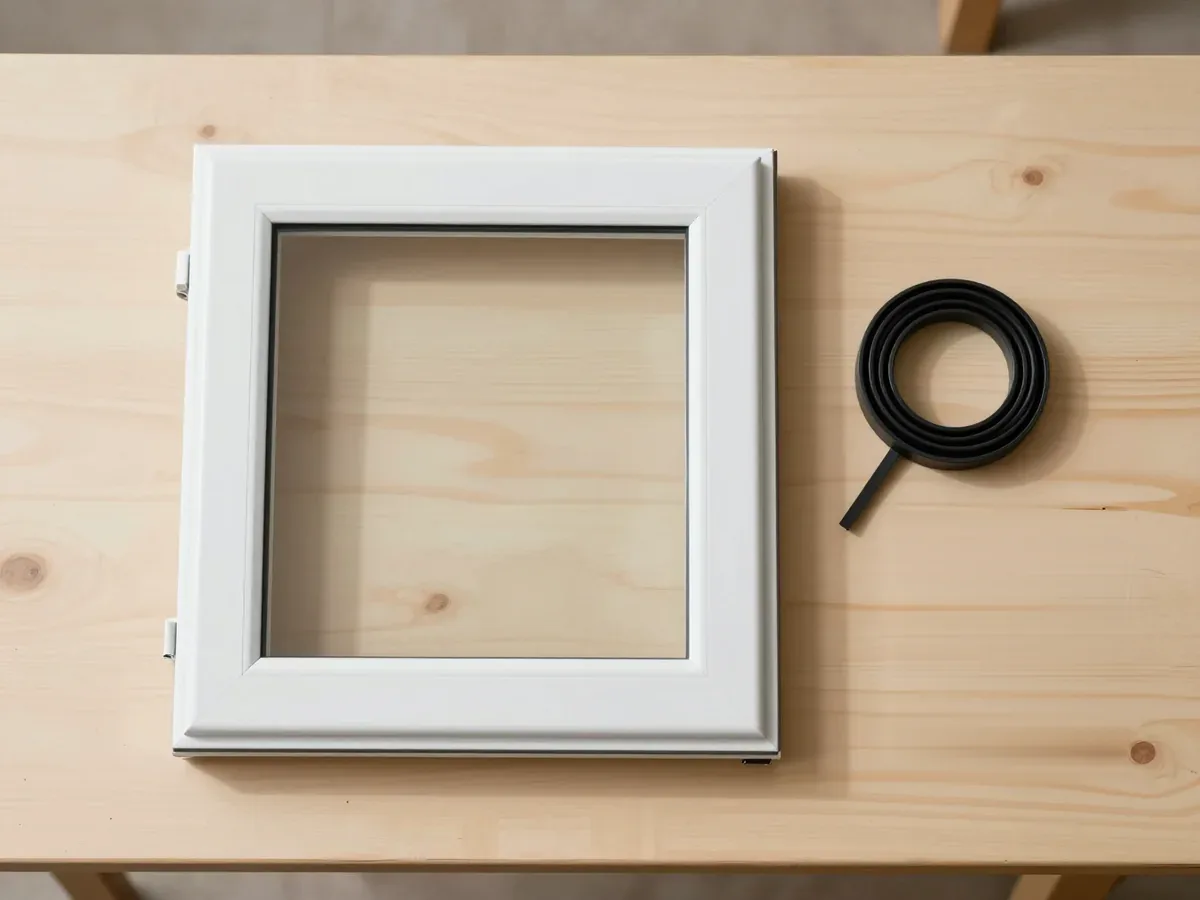
Performs adjustment or replacement of components, selecting parts for your profile.
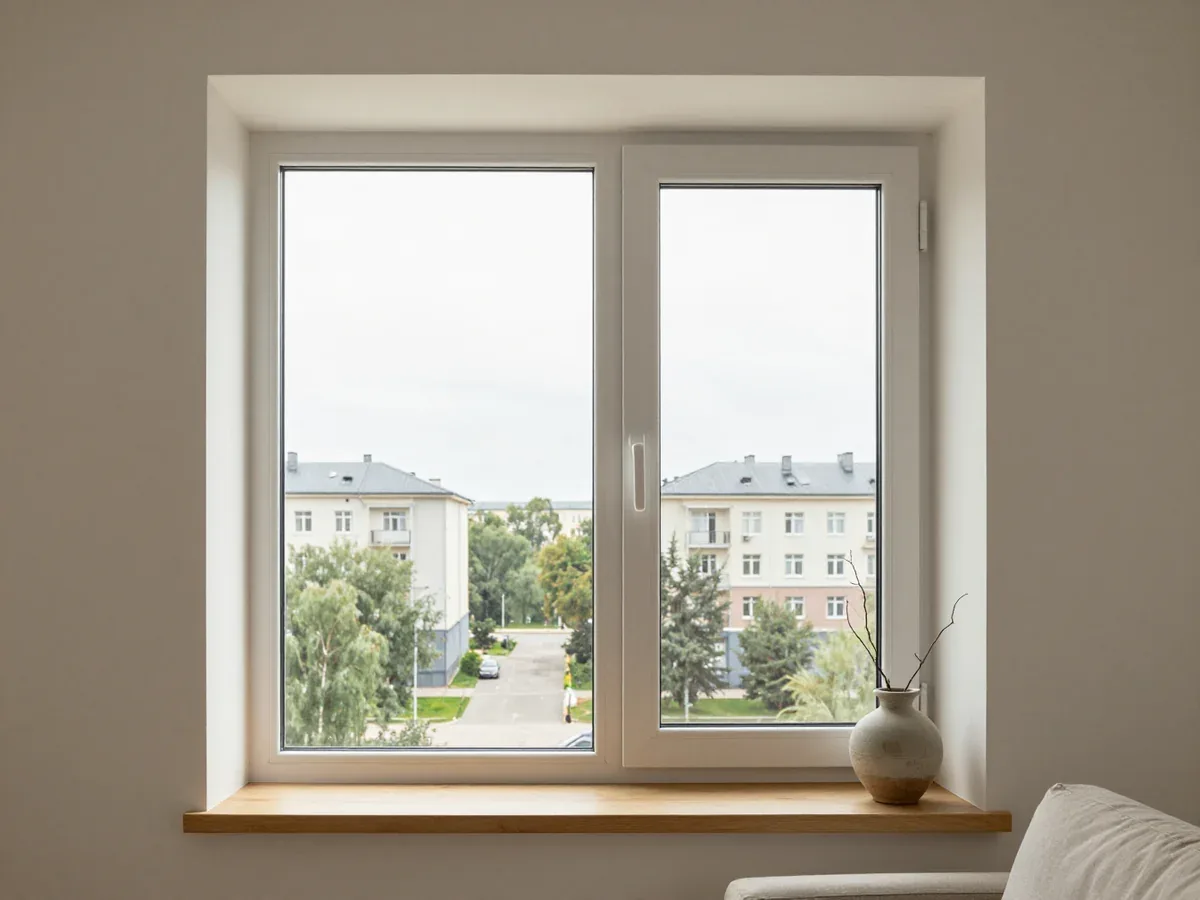
Together with you checks the compression and closing of the sashes, and shows what has been done.
Good to know

Senior mosquito screen specialist at moskitnyesetki.kz
We handle window repair in Oskemen as a direct contractor with its own crews, not a middleman. We fix draughts, adjust sashes, replace seals on windows of any brand and swap glass units, including urgent next-day work. Measuring is free, you pay after the job, and repair carries a one-year warranty.
Nearly every complaint about a draught comes down to one of four points: the sash press, the seal, the hardware, or the mounting seam. We read the symptom first, because each of those four points shows up differently.
A draught that appears only in wind points to the seal or the mounting seam, while a draught that is constant and localised at the handle usually means the sash is not pressed against the frame. Wind-driven air pulses — you feel it on gusty days and nothing on still ones, so residents often blame the weather rather than the joinery. A steady trickle near the handle tells a different story: the leaf sits slightly off the frame and the gap stays open whatever happens outside. On older wooden units the same test works, though the leak often runs along the lower edge where the wood has dried and shrunk. Run a hand along the rubber first and then along the frame edge — if the cold air comes from behind the frame, no adjustment will fix it and the seam needs attention.
We see a dropped or sticking sash most often as a hardware and adjustment problem, not a reason to replace the unit, and in the majority of visits it is corrected on site. The leaf catches at the bottom corner because the hinges have slowly shifted under the weight of the glass, and that same load pulls the corners out of square over the years. On tilt-and-turn units the handle may also stop turning fully, which is usually the locking cam rather than the whole mechanism. Our crews carry common hinge and cam parts on the van, so window repair in Oskemen often finishes within the first visit instead of a second appointment. A leaf that catches at the bottom corner usually means the hinges have shifted, so the fix is a hinge adjustment rather than a new seal.
| Symptom | Likely cause | What we do |
|---|---|---|
| Cold air along the leaf edge | Worn seal | Replace the seal |
| Leaf catches or drops | Shifted hardware | Adjust hinges and press |
| Draught behind the frame | Open mounting seam | Insulate and seal the seam |
| Constant draught, no gap visible | Combined seal and press | Adjust first, then reseal |
The repair-or-replace question is decided by the condition of the frame and the hardware, not by the age of the unit. Below is where that line sits in practice.
We advise repair whenever the carcass and profile are sound and the fault sits in the moving parts, the gasket or the glass unit, because those are the components that wear out first. Hinges, handles and locking gear take the daily load of opening and closing, and rubber strips compress year after year until they stop sealing. A pane that has fogged between its layers is a sealed assembly failure, not a carcass failure, and it swaps out on its own. A unit that still closes squarely and holds its shape is almost always cheaper to keep than to replace, since the outer structure is the most expensive part and it rarely fails. Before agreeing to a new one, ask what exactly has failed — if the answer names only the strip, the fittings or the glass, the outer structure is doing its job.
Replacement becomes the honest answer when the surrounding structure itself is warped, cracked or rotten, or when the profile has lost its geometry so far that no adjustment holds for long. On wooden units, soft or crumbling timber around the corners cannot be saved by fresh paint. On aluminium and plastic profiles, a visible bow means the sash no longer meets the surround evenly along its length. A carcass that has visibly bowed will keep pulling the sash out of line after every adjustment, so repeated callbacks on the same opening are a signal to stop repairing. Two or three returns to one unit within a season tell you more than any single inspection.
We insulate these units without replacing them when the outer structure is intact, and in most homes that means a fresh gasket, a seam treatment and a hardware tune rather than a new one. The rubber strip is the first target, since a compressed one lets cold air through along the whole perimeter. The mounting seam between carcass and wall comes next, followed by the slopes, which often hide gaps that no amount of sash adjustment will close. Insulation only pays off when the draught source is closed first, so sealing a seam while the strip is still worn simply moves the cold air to the next gap. Trace the draught with a hand or a lit candle before buying any materials.
A repair visit is rarely one operation. It is a set of jobs matched to the fault in front of us, and each job solves a different problem. Here is what each one covers.
We replace the seal on units of any manufacturer, including KBE, Rehau, VEKA and Provedal profiles, because the rubber strip is a consumable that ages the same way regardless of the brand stamped on the sash. The gasket runs along the whole contour, and every profile system presses it into its groove slightly differently, so the replacement has to match the groove depth and the closing gap rather than just the size. A strip that has gone hard and shiny no longer springs back when you press it, and that loss of elasticity, not a visible crack, is the real reason a unit starts to whistle in wind. Run a fingernail along the contour before booking anything: if the rubber stays dented, the draught is coming from the gasket, not from the sashes.
We replace a cracked or fogged glass unit, and urgent manufacturing and replacement can be done within a single day for a surcharge on the glazing itself. The panel is ordered to the exact dimensions taken from the opening, and the sash is reglazed on site, so the frame keeps its profile, handles and hinges. Fogging between the panes means the sealed cavity has failed and no cleaning will bring the clarity back, so the panel is swapped rather than repaired. Energy-saving double glazing follows the same route when a household wants to cut heat loss through older panes. Check the spacer bar at the edge: a milky or corroded line is the first sign the cavity is going, often months before the mist becomes obvious.
Repair is not only about plastic. Wood and aluminium behave differently, and the material decides how a sash is adjusted, which seal goes in and what hardware can be reused. Here is what each type asks of us.
We service plastic units on the common profiles found in local homes, including KBE, Rehau, VEKA and Provedal, and the profile brand rarely changes the repair itself. A sticking sash, a worn seal or a dropped hinge is dealt with the same way across these systems: adjust the hardware, replace the rubber, check the seam between frame and wall. The profile matters most when a seal or a hardware part is ordered, so knowing the brand up front shortens the visit and avoids a second trip for the right component. On our practice, most plastic frames need only adjustment and a new seal rather than deep work. Note the profile name from the stamp on the frame before you call — that one detail saves a whole extra appointment.
We repair wooden units too, and the work differs from plastic because wood moves with moisture and the repair often involves the frame surface as well as the hardware and seal. A wooden sash that sticks in humid weather and frees up in dry weather is showing seasonal movement, so the fix has to allow for that movement rather than lock it tight. That means sanding and repainting a swollen edge, fitting a seal that compresses without forcing the sash, and adjusting hinges with a small gap left for expansion. On older frames the surface is often the first thing to fail, not the joinery. A wooden unit that sticks in humid weather and frees up in dry weather is showing seasonal movement, so the fix has to allow for that movement rather than lock the sash tight.
We take on aluminium units as well, including those on loggias, verandas and gazebos, where the frame is thinner and the hardware is built for lighter sashes. These systems use narrower profiles, so the seal sits in a tighter groove and wears faster where the sash meets the frame. Aluminium frames conduct cold faster than plastic, so on a loggia the seal and the seam matter more than the frame itself when the goal is to stop a draught. We check the rubber first, then the corner joints, then the fixings into the wall. A draughty aluminium loggia unit is usually a seal or seam problem, not a frame problem — start there before considering anything bigger.
From the first message to the final check, each stage follows a predictable order. Here is what happens at every step, when you pay and how long the work takes.
We reply on WhatsApp within five minutes, work seven days a week and come to your home, so the unit is repaired on site without being taken to a workshop. A message can describe the fault in a few words, and the technician arranges a call-out at a time that fits your day, including weekends. On arrival the specialist inspects the sash, the seal and the fittings, then confirms the scope before starting. Sending a photo of the unit with the first message lets the technician bring the likely parts along, which often turns a two-visit call-out into a single one. That photo also helps the master estimate how long the visit will take.
Measuring and consultation are free, the measurer comes at a time that suits you, and the price is fixed in the order after measuring so it does not move once work starts. During the call the measurer takes exact sizes, discusses the mesh and fixings and answers questions about how the unit will behave afterwards. The measurer checks the profile and the floor level before choosing fixings, because the right bracket for a ground-floor unit is not always the right one higher up. Agreeing the scope on paper at this stage keeps the final bill identical to the quoted figure, and the customer knows the cost before any part is ordered.
You pay after the work is done, by cash, card or Kaspi, and most single-unit repairs are finished within one call-out rather than spread over several days. The technician completes the adjustment, seal or part replacement on site, then walks you through the result. Because payment follows the repair, the final check happens with you present, which is the moment to test the handle, the press and the seal before the specialist leaves. A quick check of the closing action on every sash saves a second appointment later, and the technician shows you how to repeat the test yourself.
Coverage and the question of who actually turns up often matter more than the repair itself. Here is what our terms cover and how to tell a direct contractor from a middleman.
Repair carries a one-year term that covers both the labour and the components we replaced, so a seal or a hardware item that fails within twelve months is put right under it. The same coverage applies whether we changed a worn gasket on a KBE or Rehau sash or swapped a failed handle, hinge or lock, and it is recorded in the order after measuring. A gasket that starts letting in draughts again or a fitting that works loose falls inside that period rather than becoming a new paid job. A warranty that names the replaced components matters more than one that only covers labour, because those are what usually fail first after a repair.
| Work | Coverage |
|---|---|
| Window repair, labour and parts | 1 year |
| Glass unit replacement | 3 years |
| Window installation | 5 years |
A direct contractor sends its own crews and can name the components it will use, while a middleman passes the job to someone you never meet and cannot answer for the work. Ask which team will actually do the repair and whether the same people handle the warranty call, because a middleman often cannot ensure the original crew returns. A firm with its own fitters knows which gasket profile sits in your sash and which fasteners hold the frame, so a return visit is a short task rather than a fresh investigation. In our practice the person who measures is the person who fits, and the same team comes back if something needs attention within twelve months. That continuity, not a glossy advert, is what such a promise is really worth.
A short recap of what decides a repair: the symptom, the state of the frame, the window material, and the terms a contractor puts in writing before work starts.
Repair and adjustment, Timelines and season, Technician visit, Parts and double glazing
Konstantin Selenenkovsenior mosquito screen specialist, 10 years in the tradeOnline · replies within 5 minutes
Ask a questionYes, a sagging sash is usually put back in place by adjusting the hinges and levelling. If the hinges or fixings are worn, they are replaced — the technician will determine this during inspection.
We repair windows in winter too: adjustment, replacement of handles, hinges and seals are done with the window closed, without cooling down the apartment. Replacing a double glazing unit is also possible in cold weather, but depends on the window and the weather.
More often it's an adjustment: the sash is levelled and the pressure is tightened so it moves freely again. If the cause is worn hinges or broken hardware, the technician will replace the parts on site.
First the pressure is checked: if the sash doesn't fit tightly, adjusting the hardware helps. When the seal has hardened or torn, it is replaced — the technician will say for sure after inspection.
Yes, we work seven days a week, so you can book a visit for Saturday or Sunday. Measuring and consultation are free.
We do repair wooden windows: we replace seals, tighten sashes, and eliminate draughts. Switching to plastic is worth it only if the frame is badly rotted — the technician will advise on inspection what's best.
Yes, the technician arrives with their own tools and the necessary components for your hardware. If a part is rare, it is ordered and the work is done after it arrives.
If condensation appears between the panes or the glass fogs up from the inside, the double glazing unit is no longer sealed and needs replacing. When the problem is only draughts or loose pressure, adjusting the hardware is enough.
Thank you. We will call you back within 10 minutes!
Your order number is on the receipt or in the SMS. Choose where to leave your review.
Write a review on WhatsApp Window replacement
 Balcony glazing
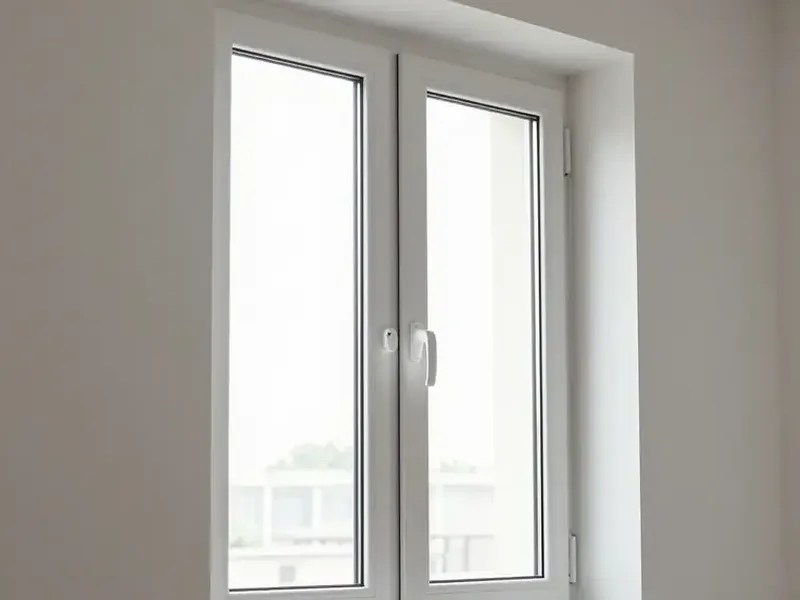 Reveal finishing
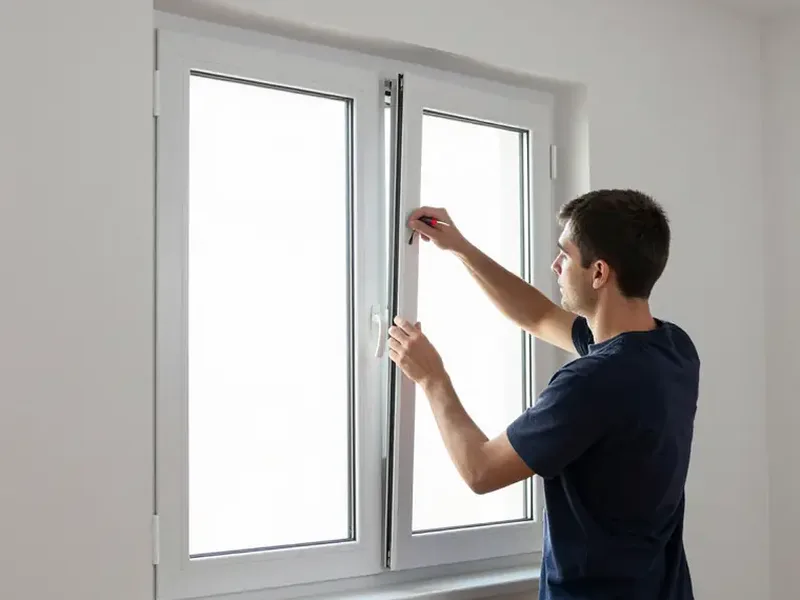 Window adjustment
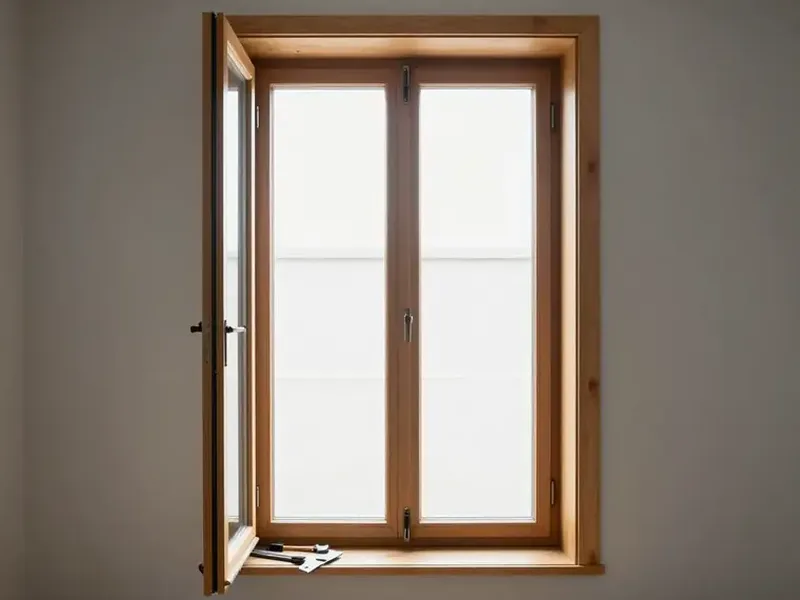 Wooden window repair
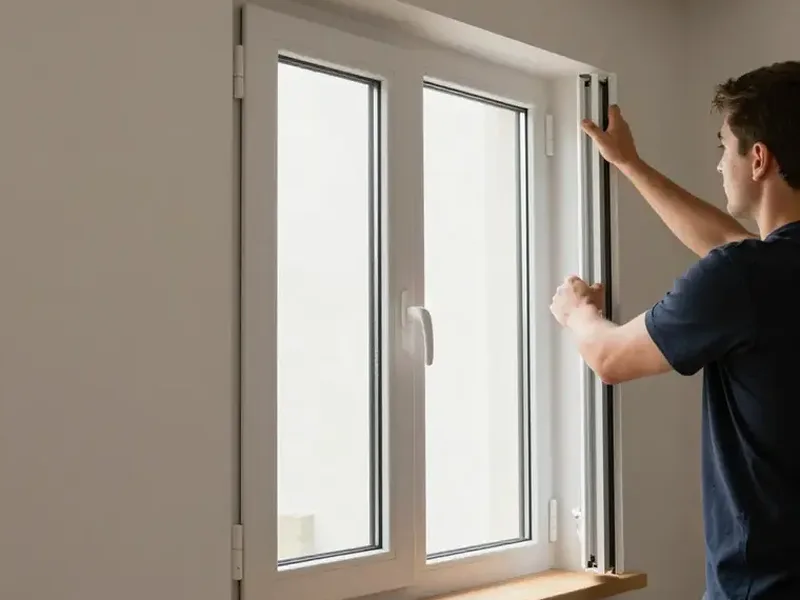 Plastic window repair
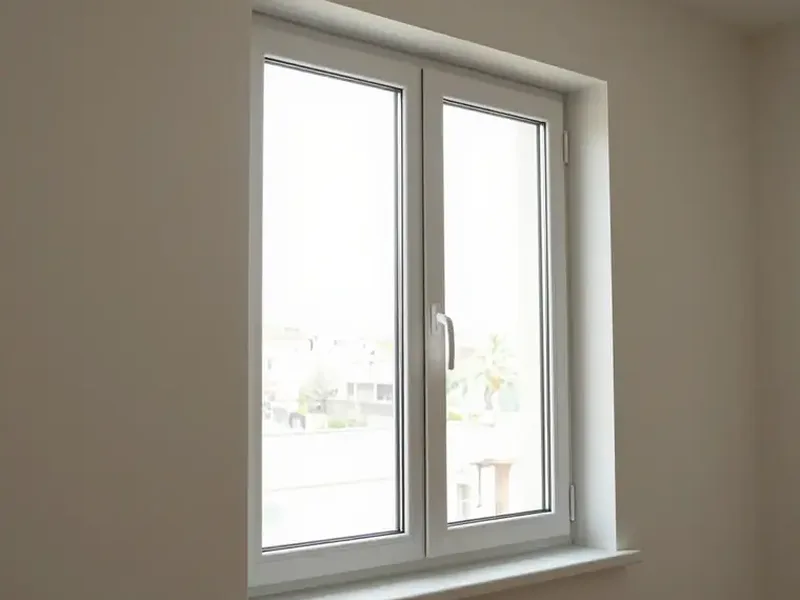 Window insulation
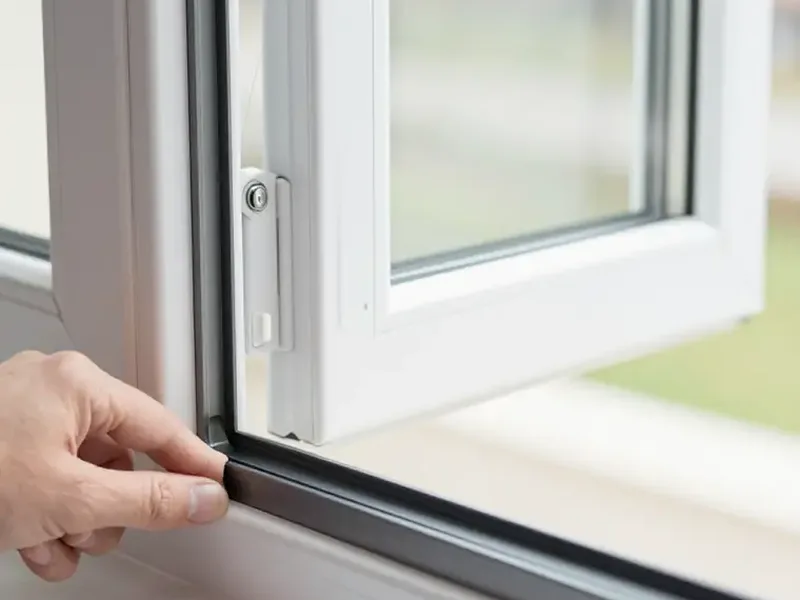 Window seal replacement
