










Good to know
Window Reveal Finishing in Semey

Senior mosquito screen specialist at moskitnyesetki.kz
We handle window reveal finishing in Semey as a direct fitter with our own crew. We start with a free measuring visit, help you pick PVC, sandwich or drywall panels for your window and room, insulate and seal the joints, then fit the panels. You pay after installation.
Which window reveal finishing panels suit your window and room
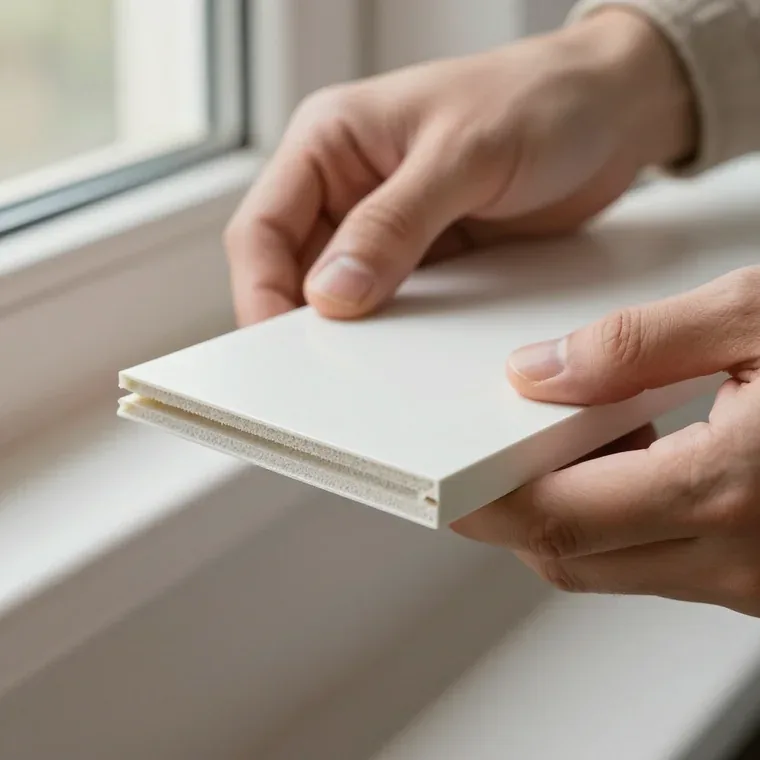
Three materials cover almost every opening: PVC, sandwich and drywall. The choice follows the opening type, the room and how much moisture the reveal will see. Window reveal finishing in Semey starts with that material choice.
PVC and sandwich panels compared side by side
| Panel type | What it is | Best for |
|---|---|---|
| PVC panel | Hollow or solid plastic board, cut to size | Kitchens, halls, normal-humidity rooms |
| Sandwich panel | Two rigid sheets with insulation between | Cold walls, bedrooms, street-facing rooms |
| Drywall reveal | Plasterboard with filler and paint | Curved openings, painted interiors |
Matching the reveal to the opening and the room
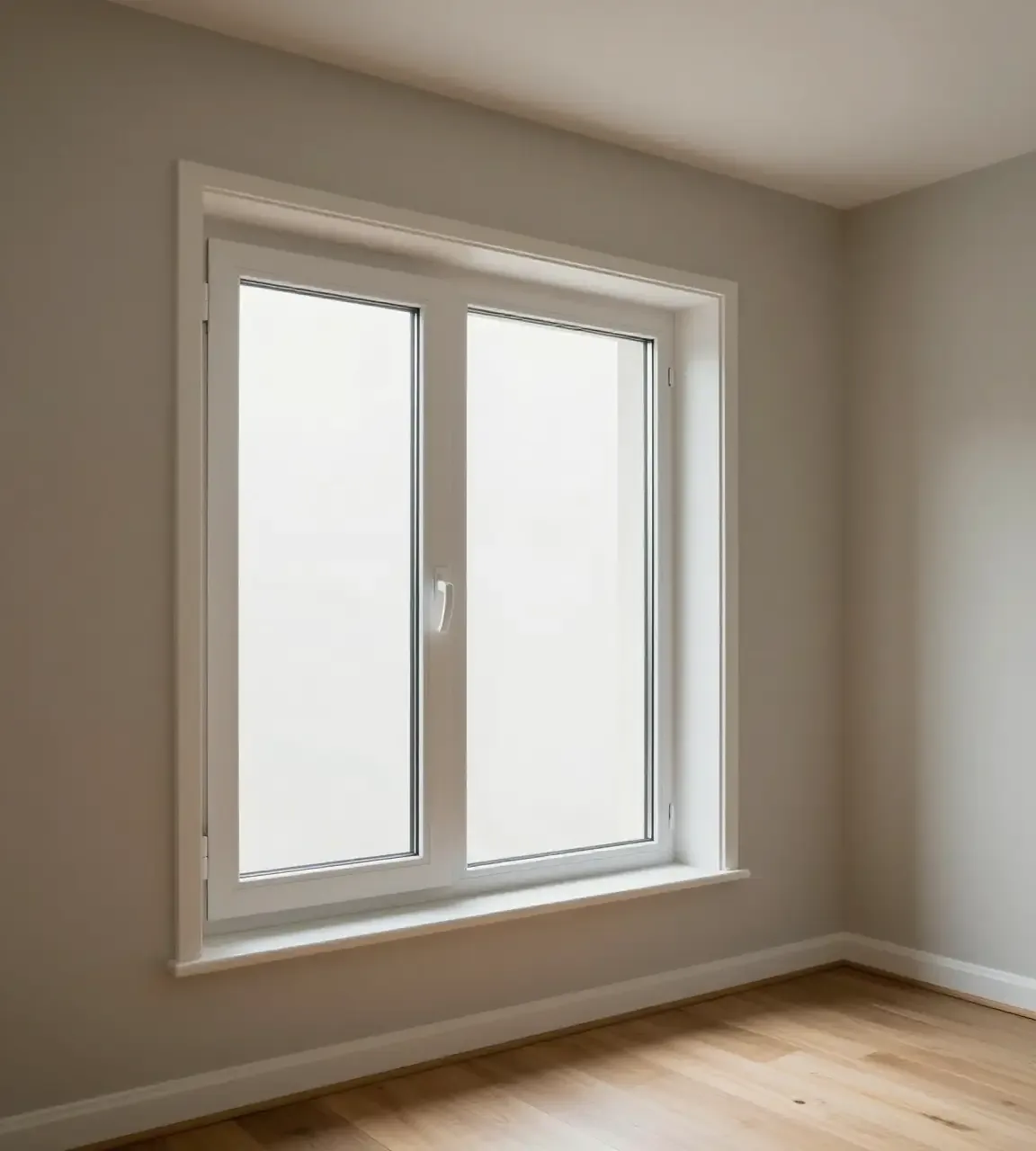
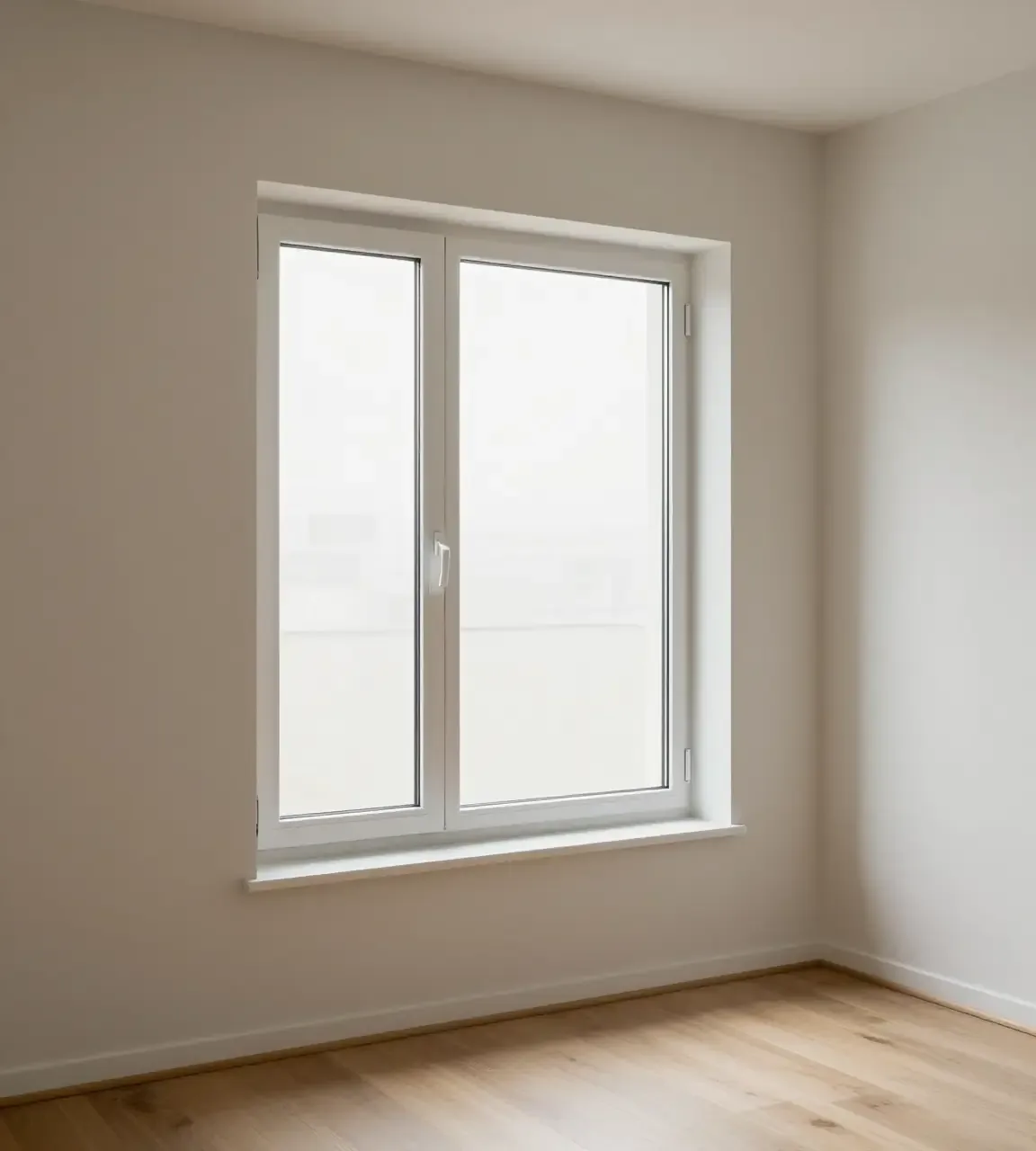
We finish reveals on plastic, wooden and aluminium frames, and on balconies and loggias the same panels work once the joint is sealed against wind and rain. On timber frames the panel sits on battens so air still moves behind it, and corner trims and architraves close the outer edge on every type. Colour is not a limit: we paint the frame any colour to match your existing units, and the panels come in the same range. On a timber frame the reveal should stay slightly ventilated, otherwise trapped moisture works its way back into the wood. Where the opening is deep, a wider architrave covers the extra depth without a visible seam.
Insulating and sealing window reveal finishing so they stop condensing
Condensation on a reveal and a draught along the sash usually share one cause: an untreated gap between the frame and the wall. Below we cover how that cavity is insulated and how the joints get sealed.
Why reveals condense and how insulation fixes it
A reveal condenses when the wall behind it stays cold, so we fill the cavity between the window and the wall with insulation and foam before any panel goes on. Mineral wool or penoplex board goes into the space, expanding foam closes the deeper voids, and only then does the finishing board cover the assembly. This stops cold air from reaching the inner surface, so the surface stays closer to room temperature and moisture stops settling on it. Insulation only works if the vapour side stays sealed, so the inner joint is closed with sealant after the board is fixed, not before. Skipping that last step is the usual reason a freshly insulated reveal starts showing damp patches within one heating season.
Sealing the joints and keeping PVC reveals clean
- Inner joint: sealed with silicone along the profile so no draught passes behind the panel.
- Outer edge: closed against rain and wind, especially on balconies and loggias.
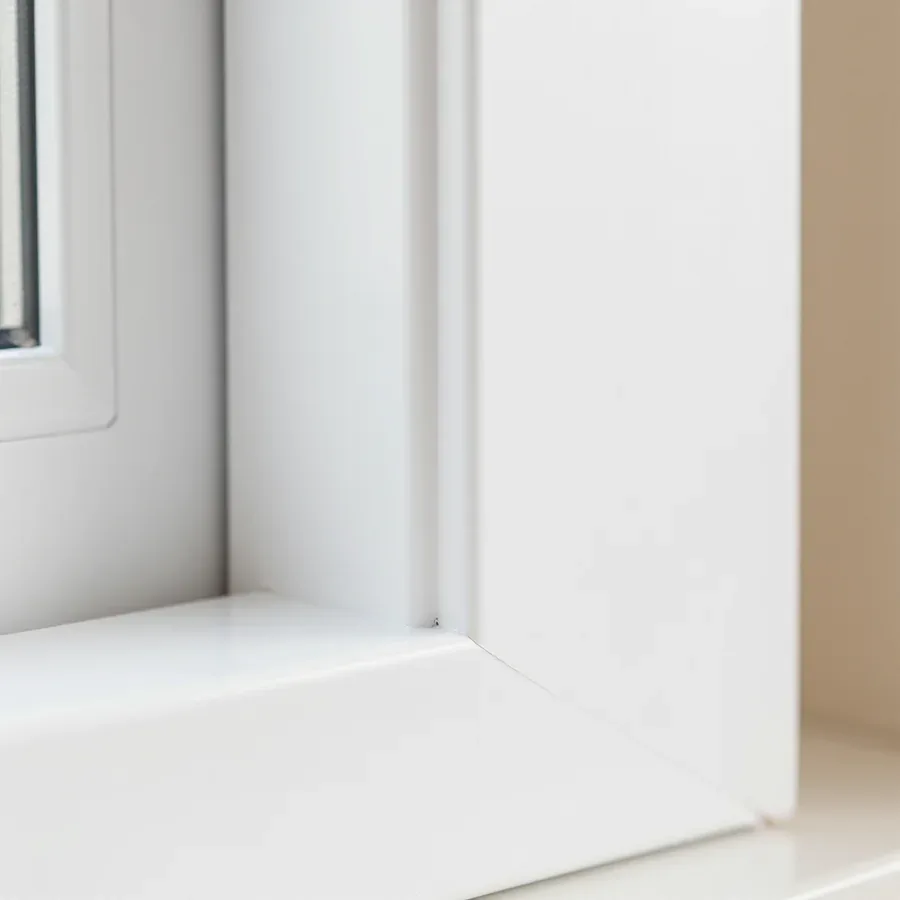
- Corners: finished with corner pieces so the cut edges stay protected.
- Cleaning: wipe PVC with a damp cloth and mild soap, never with solvents or abrasives.
- After the work: we clear dust and offcuts and leave the reveal ready to use.
How the free measuring visit and window reveal finishing fitting run
Measuring comes before any cutting or fixing, and it costs nothing. From that first visit the job follows clear stages, which we set out below.
What the measurer checks and what you prepare
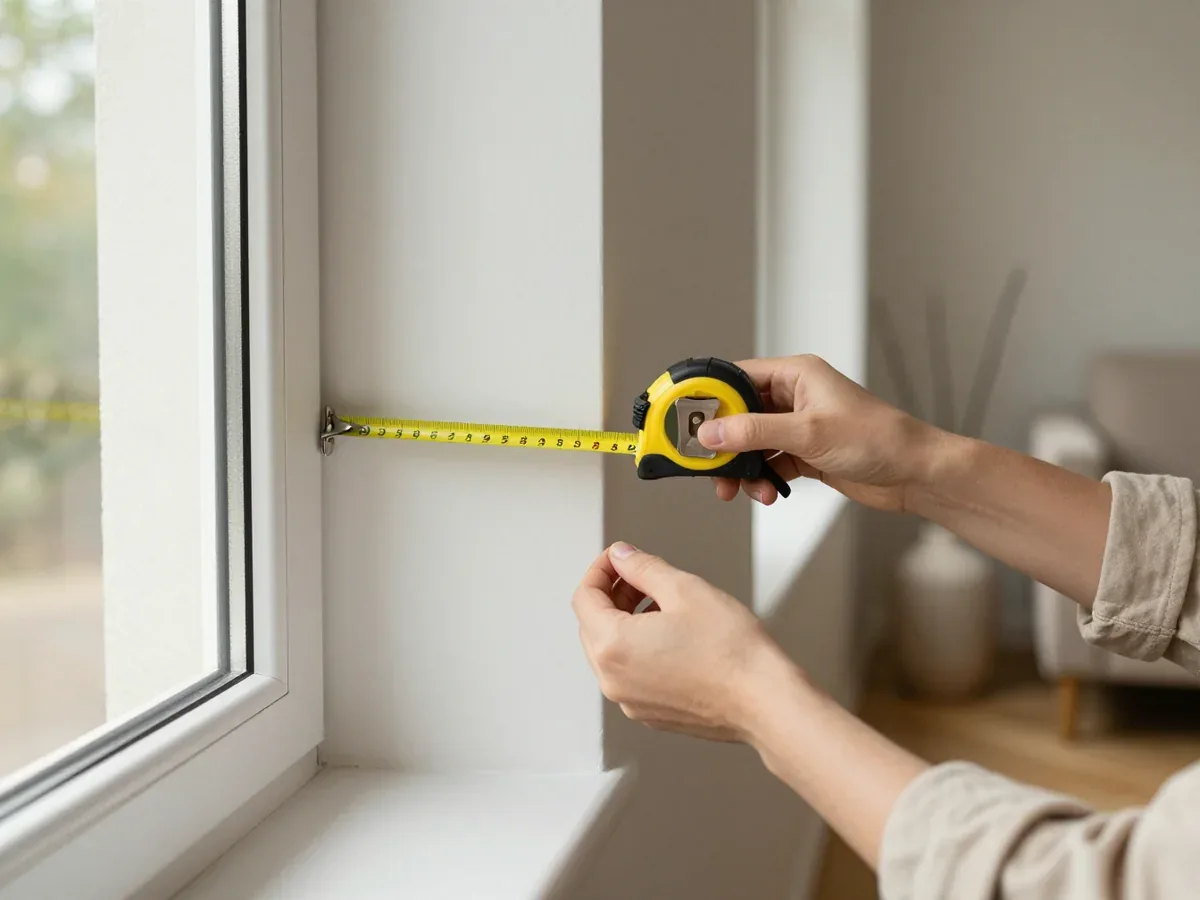
The measurer comes at a time that suits you, takes the opening size, depth and frame, and helps you choose the panel, mesh colour and fixings on the spot. He also notes the reveal angles, the gap between the frame and the wall, and how the sill sits, since each of those changes how a starter strip is fixed. You need to clear the sill and the space around the opening so the tape measure reaches the corners, and tell us if the reveal has damp patches or loose plaster underneath — those get sorted before the new surface goes up. Measuring and consultation are free, and we reply on WhatsApp within five minutes if a question comes up later. Depth matters more than width here, because a shallow reveal limits which board and insulation will fit without moving the frame.
Fitting stages and how long the work takes
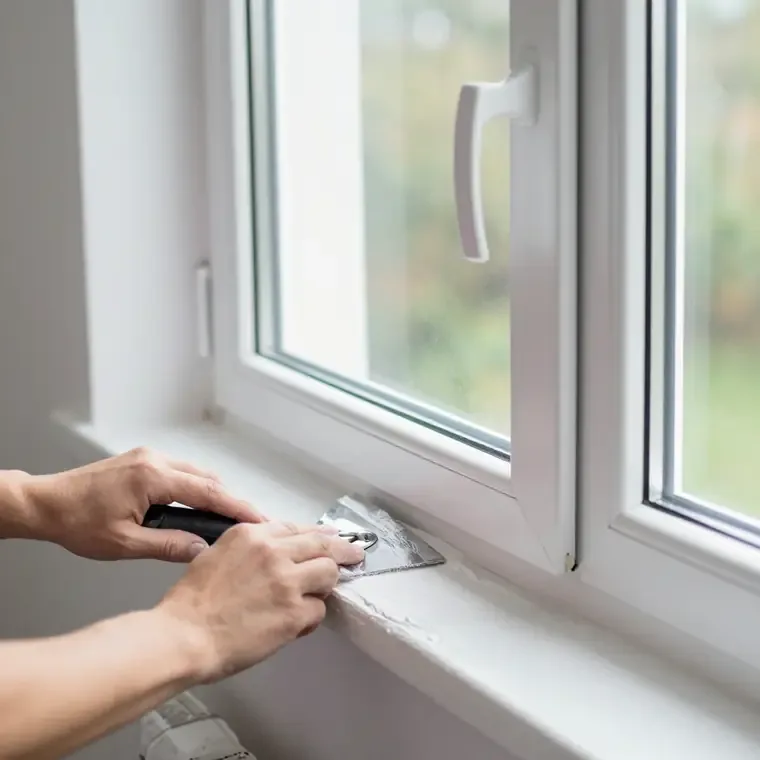
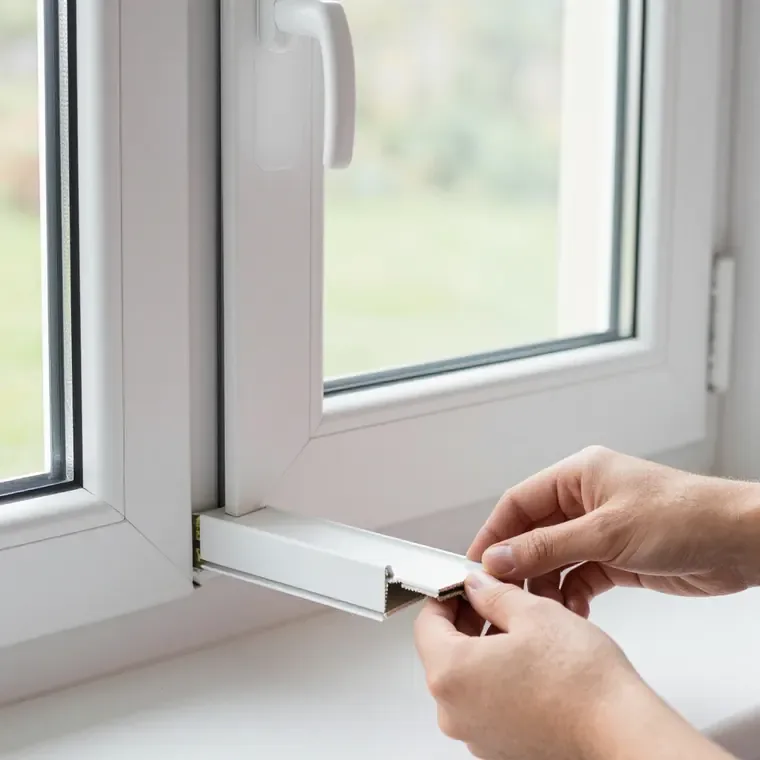
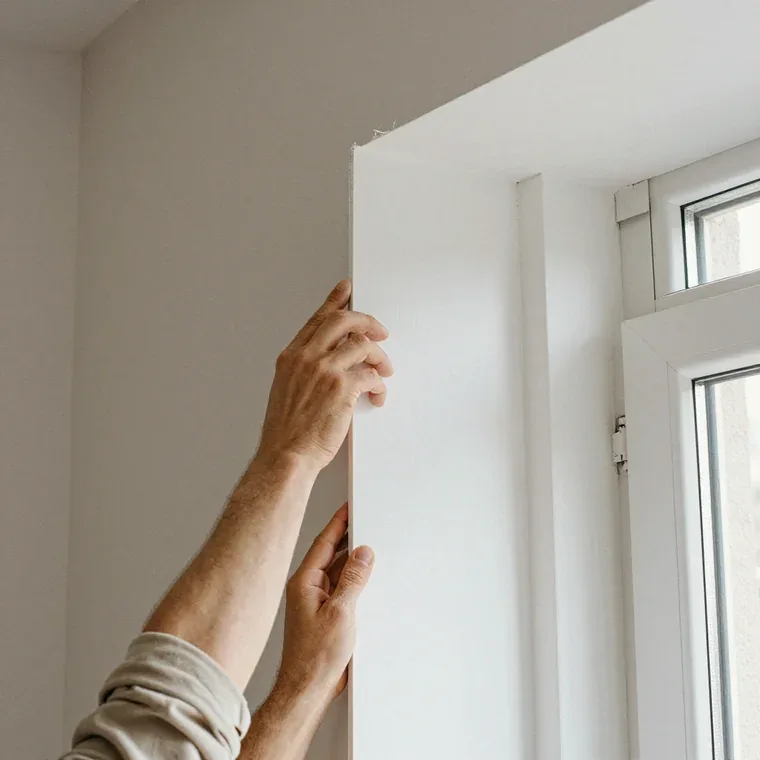
Fitting one unit usually runs through the same stages, and we agree the exact timing after the measuring visit when the board type is fixed. The elements are cut to size beforehand, so the on-site work is mostly fixing and sealing rather than cutting, which keeps dust in the room to a minimum. On the day, we set the starter strip along the frame edge, seat the boards on it and close the outer corner with an F-trim and corner pieces, then seal the joints against draughts. Old trim and loose foam come off first, and the floor and sill are covered before anything is lifted into place. Working in that order, a single opening is normally finished within a working day, and the room is left swept.
Repairing tired reveals or replacing them
Old reveals rarely fail all at once: scuffs, dried sealant and a loose trim can be fixed on their own, while a crack or damp insulation behind the panel means replacement. The frame itself usually stays in place.
When a repair is enough and when to replace
If the surface is only scuffed or the sealant has failed, we reseal the joint or swap the damaged panel on its own; if it is cracked through or the insulation behind it is wet, the reveal is replaced. A scuff on a PVC face is cosmetic, and a bead of hardened sealant along the frame edge is cut out and renewed in under an hour without touching the glazing. Cracking through, a soft or crumbling core, or a cold draught running down the slope points to a different job: the old reveal comes off, the layer behind it is checked and the new panel goes on. The sash and frame stay in place throughout, so no glazing is disturbed. A reveal that keeps coming back damp after resealing usually hides a failed insulation layer, so replacing the panel alone will not stop it.
Doing the reveals together with window work
Reveals are often ordered together with repair, adjustment or a new seal, so the joint is closed once and the frame and reveal are finished as one job. We change the seal on units of any manufacturer, including KBE, Rehau, VEKA and Provedal profiles, and adjust sashes that have dropped or stopped closing flush. A glass unit can be made and swapped within one day at a surcharge on the unit itself. Our repair work carries a one-year warranty on labour and replaced parts, and the reveal is measured on the same visit. Doing the adjustment first and the reveal second avoids opening a freshly sealed joint twice, which is why we plan the order of work before the visit.
Warranty, payment and ordering from a direct fitter
Terms are the part buyers check last and worry about most. Here is what our guarantee covers, how payment works, and why the team that measures your reveal is the team that fits it.
What the warranty covers and how payment works
We give a 1-year warranty on window repair covering labour and replaced parts, a 5-year warranty on installation and a 3-year warranty on glass unit replacement, and you pay after fitting by cash, card or Kaspi. The repair cover includes both the work of our fitter and any part we swap out, so a failed seal or a loose fixing is handled under the same terms. Payment happens once the job is finished and you have seen the result, not before. The price is fixed in the order after measuring, so the figure you agree at the visit is the figure you pay once the work is done. Ask for the terms in writing at the measuring stage and keep them with the order — that document is what you refer to if a joint opens up a season later.
Why ordering from a direct fitter matters
We are a direct fitter with our own installers, not an aggregator, so the same specialists measure, fit and answer for the result. The measurer who records your reveal depth is the person whose colleagues return to install the panels, which removes the handover where sizes get lost between a sales office and a subcontractor. We reply on WhatsApp within 5 minutes and work seven days a week, so a question about a fixing or a draught does not wait until Monday. With a direct fitter there is one point of contact for the reveal, the repair and the seal, which matters when a draught turns out to come from the frame rather than the reveal — the same installers can trace it instead of sending you between two contractors.
What determines how long window reveal finishing lasts
Five points cover the whole job: what goes on the reveal, why insulation comes before panels, what the measuring visit decides, when repair still works, and which terms belong in the order.
- Panel choice: PVC and sandwich panels cover most rooms, while drywall suits curved or painted openings.
- Insulation first: a reveal that condenses needs insulation and a sealed joint before any panel goes on.
- Measuring decides: reveal depth and the profile set which panel and which fixings will fit.
- Repair or replace: scuffs and failed sealant are repairable, but cracked panels or wet insulation mean replacement.
- Terms to check: warranty scope, payment after installation and a price fixed in the order.
 Window replacement
 Balcony glazing
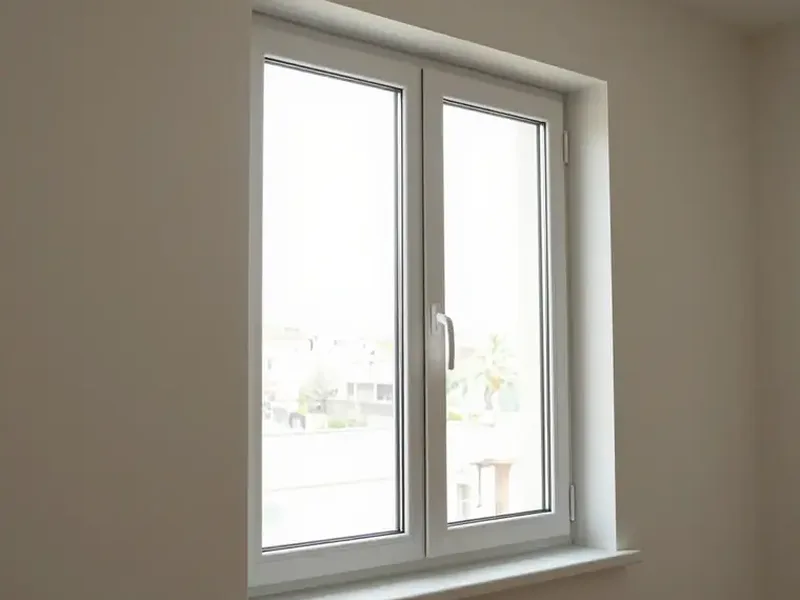 Window insulation
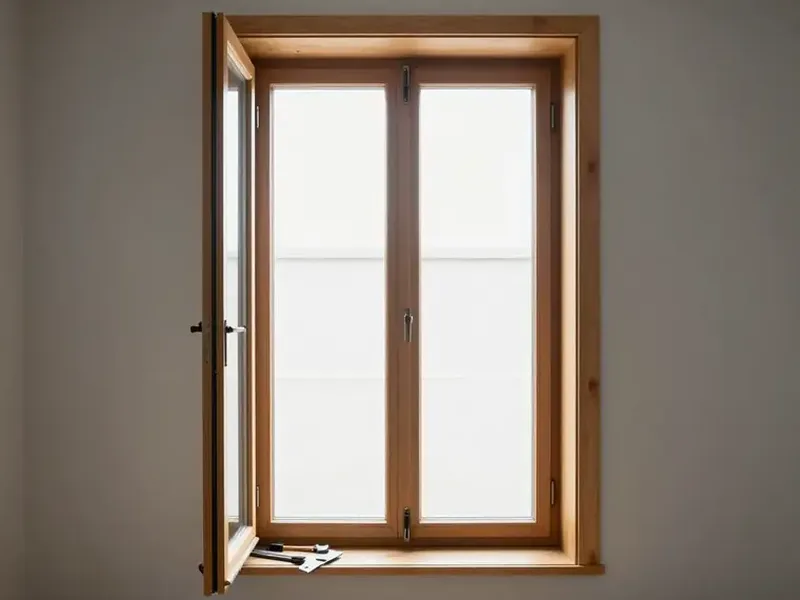 Wooden window repair
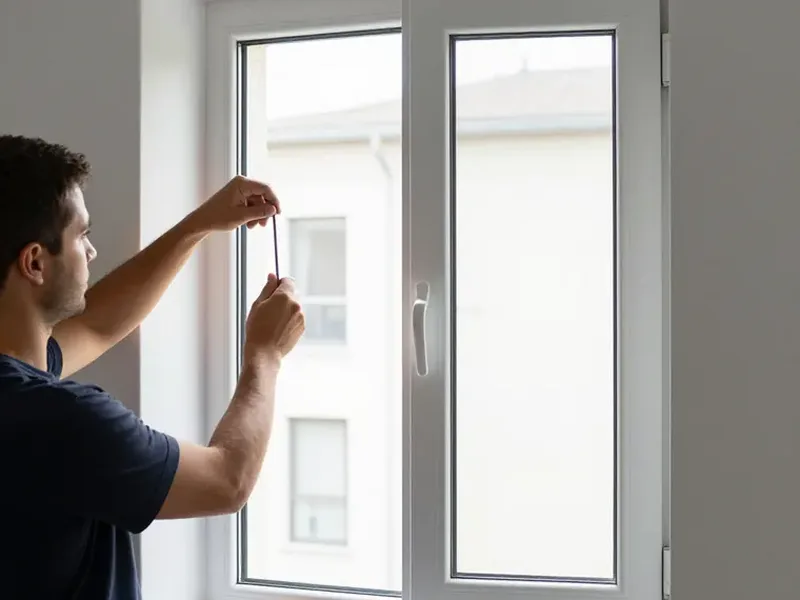 Window repair
