
Fall protection · welded
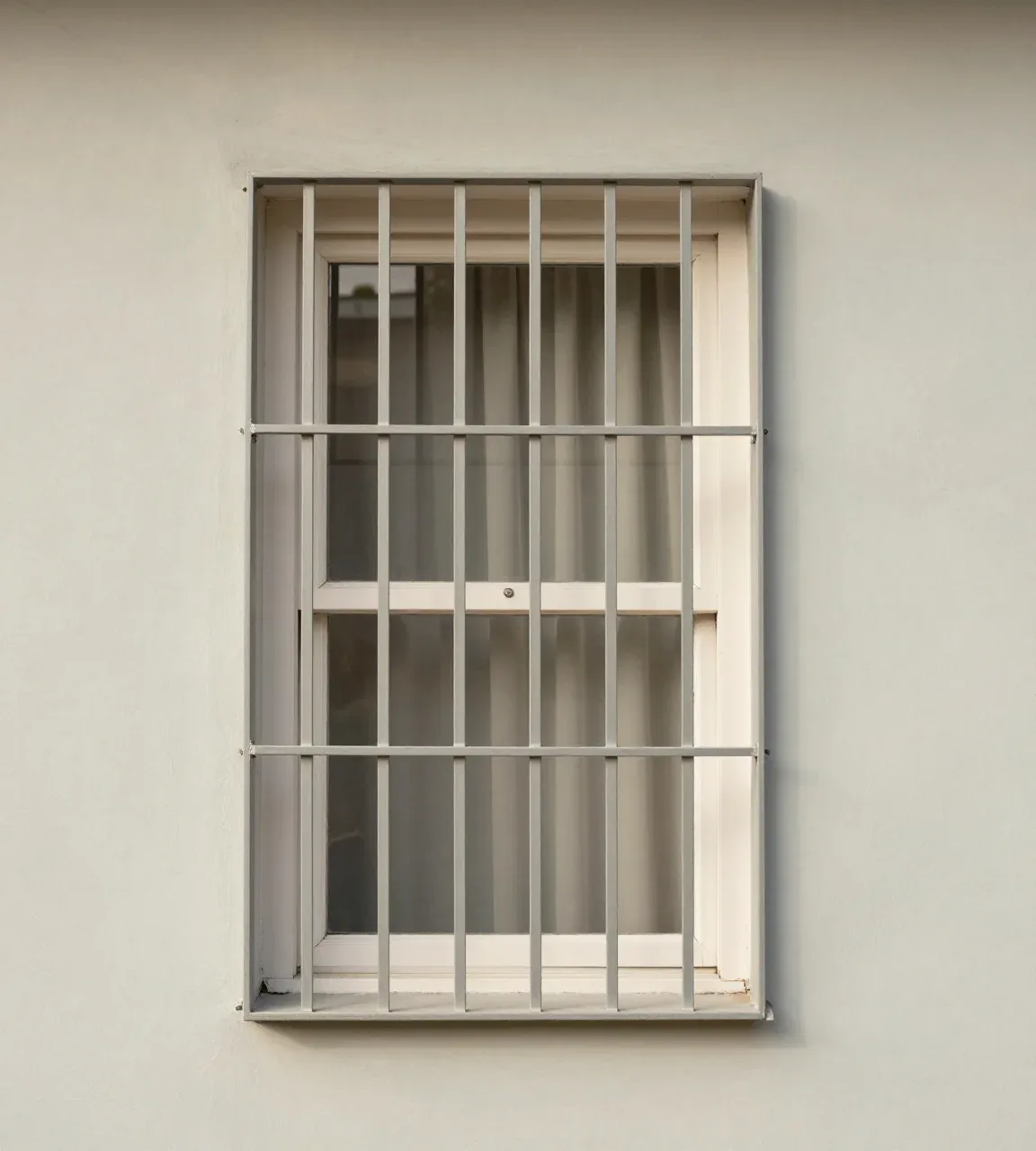
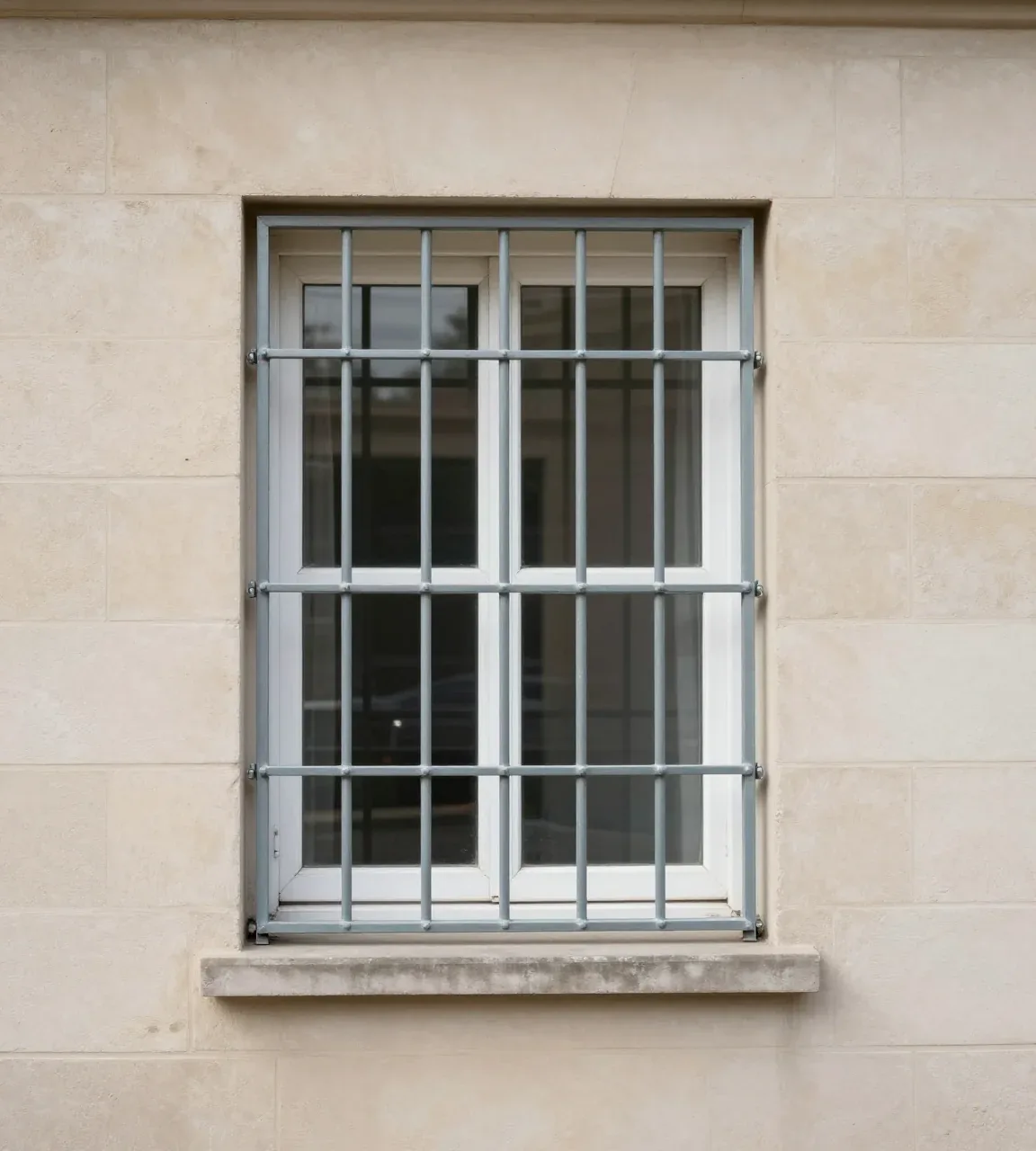
Welded grille
Standard pattern made of steel rod. Price from 7 500 ₸ per m², fitting separately.
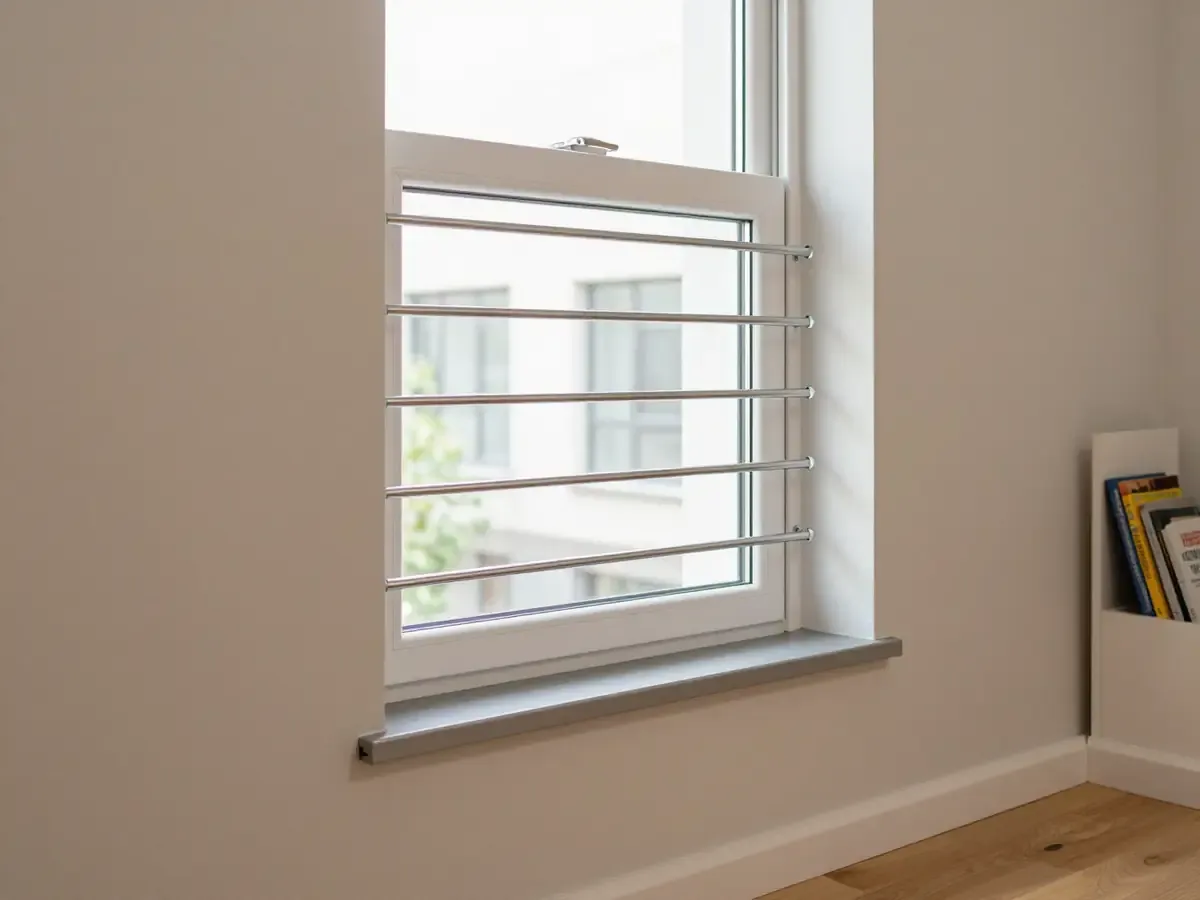
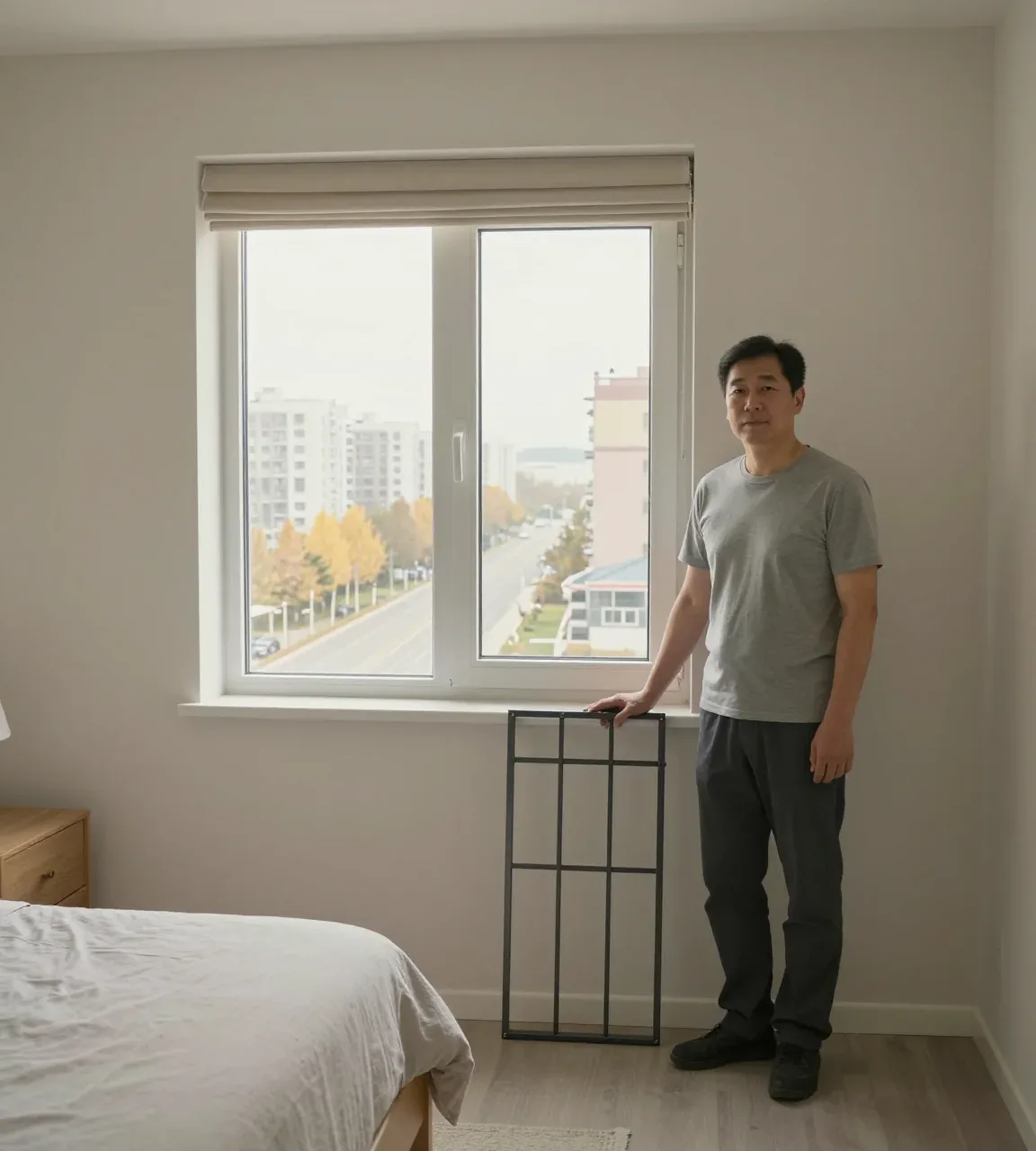
Welded grille
Standard pattern made of steel rod. Price from 7 500 ₸ per m², fitting separately.
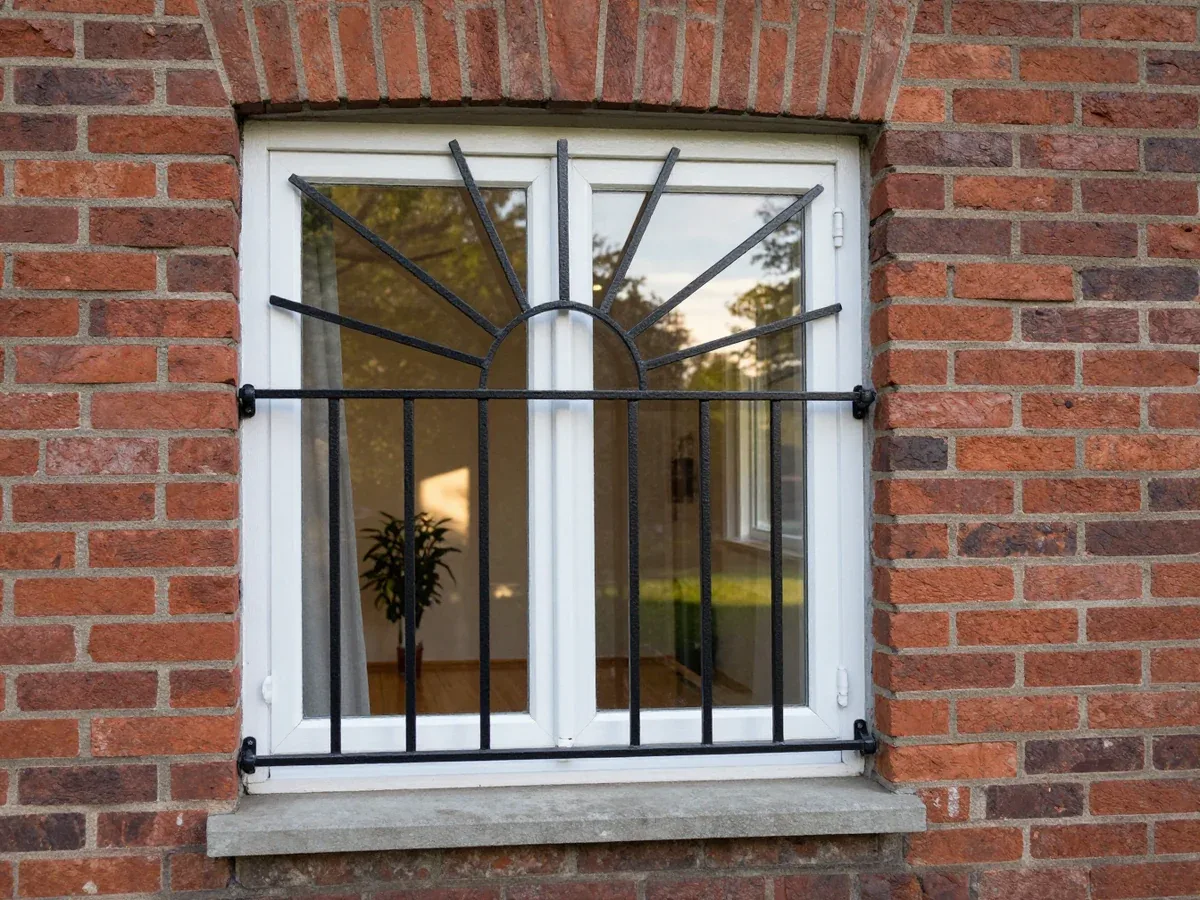
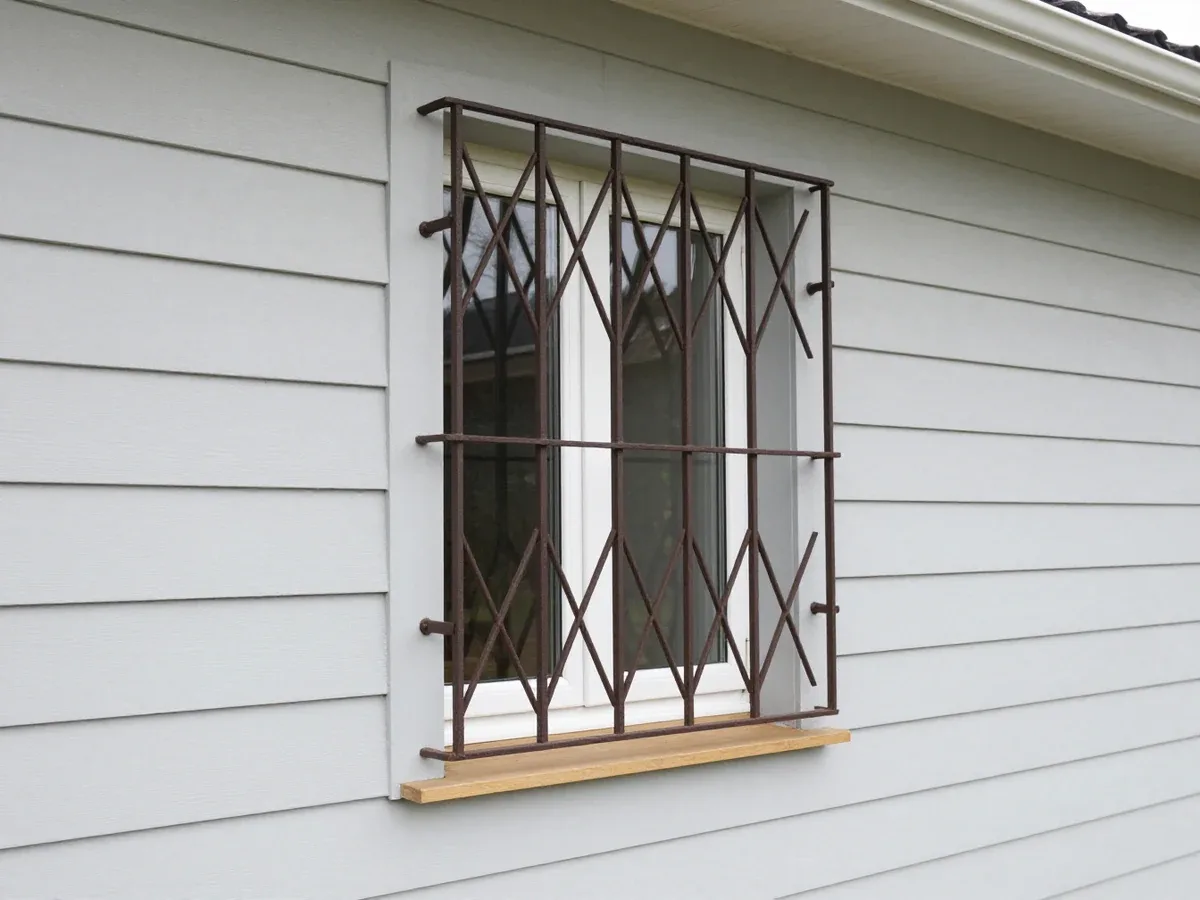
Forged grille
Pattern matched to the house facade. Price calculated individually, painting and fitting are charged separately.
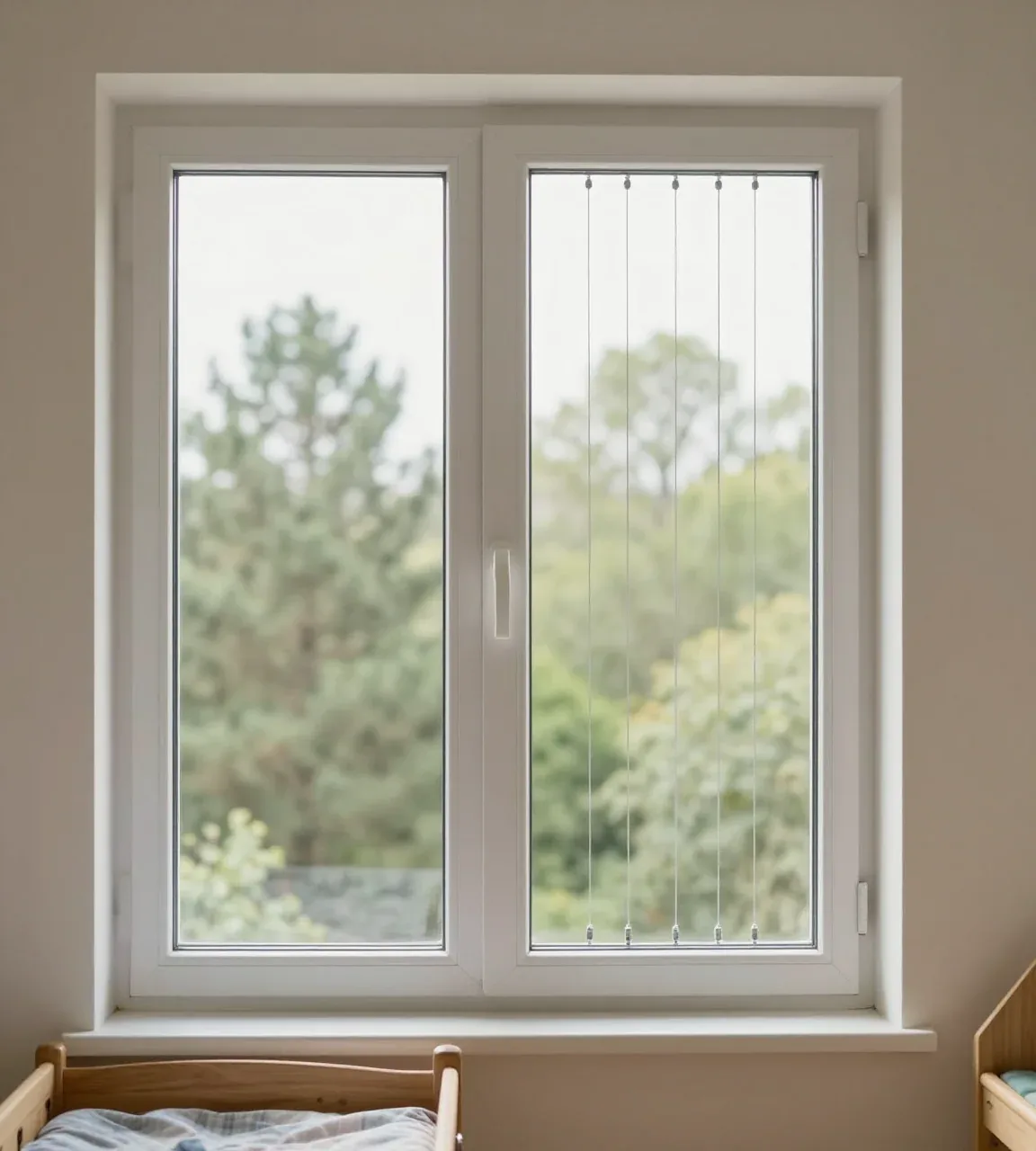
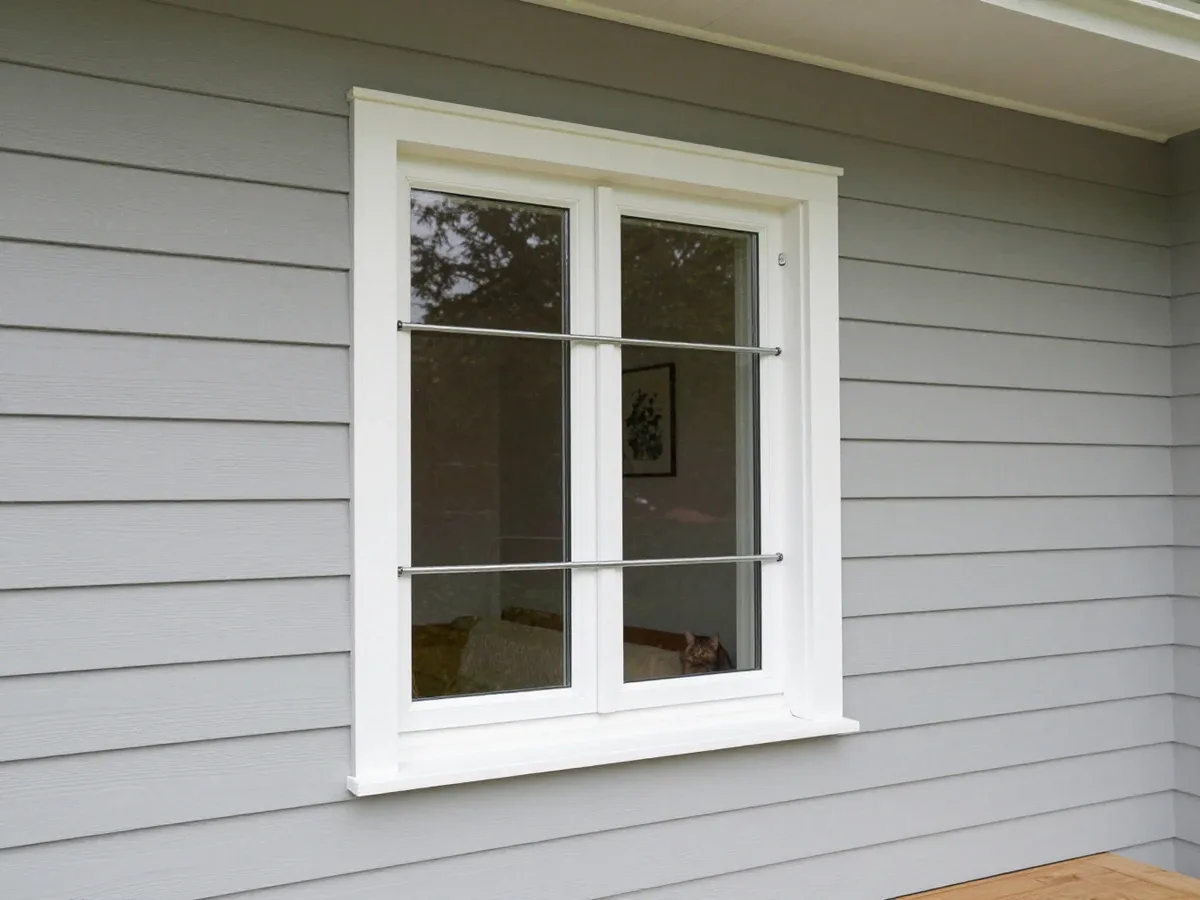
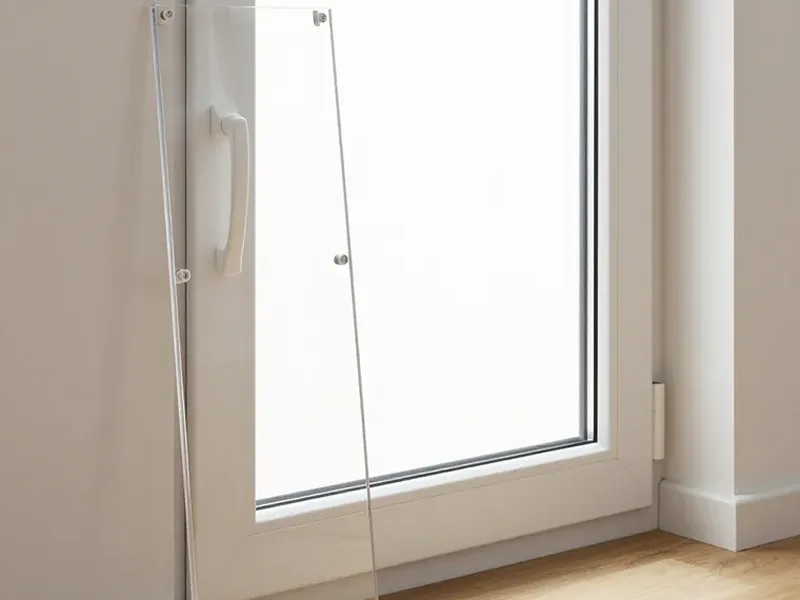
Transparent grille
Polycarbonate instead of frequent rods. Price calculated individually, light in the room is preserved.
Hinged leaf
Surcharge from 15 000 ₸ per leaf on top of the grille price. Opens with a key for cleaning the glass.
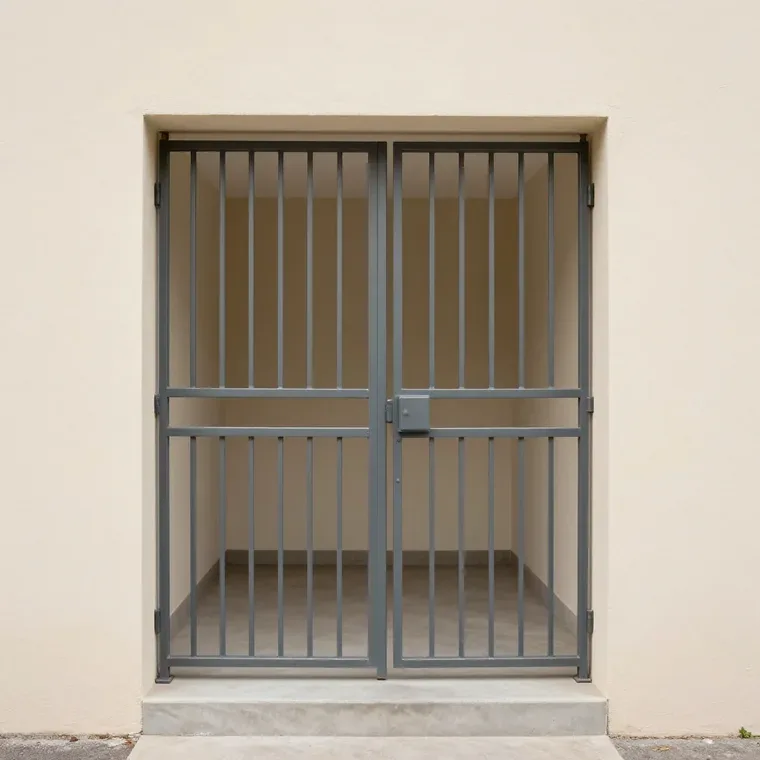
Decorative grille
Laser cutting to a sketch. Price from 25 000 ₸ per m², the pattern is agreed before manufacturing.



5,097 reviews on review sites
A window grille is a frame with rods or a panel that is fixed outside or inside the opening. It blocks access to the leaf and prevents falling out of the window.
The structure consists of a frame, rods or a panel, fixings and a coating. The frame matches the dimensions of the opening, the rods set the pattern and strength, the fixings hold the grille on the wall or window profile, and the coating protects the metal from corrosion.
The grille is fitted to plastic, wooden and aluminium windows, vents, windows of loggias, gazebos and verandas. For a ground-floor apartment it blocks access from the street, for a house with children it limits opening of the leaf, for a facade it supports the look of the building.
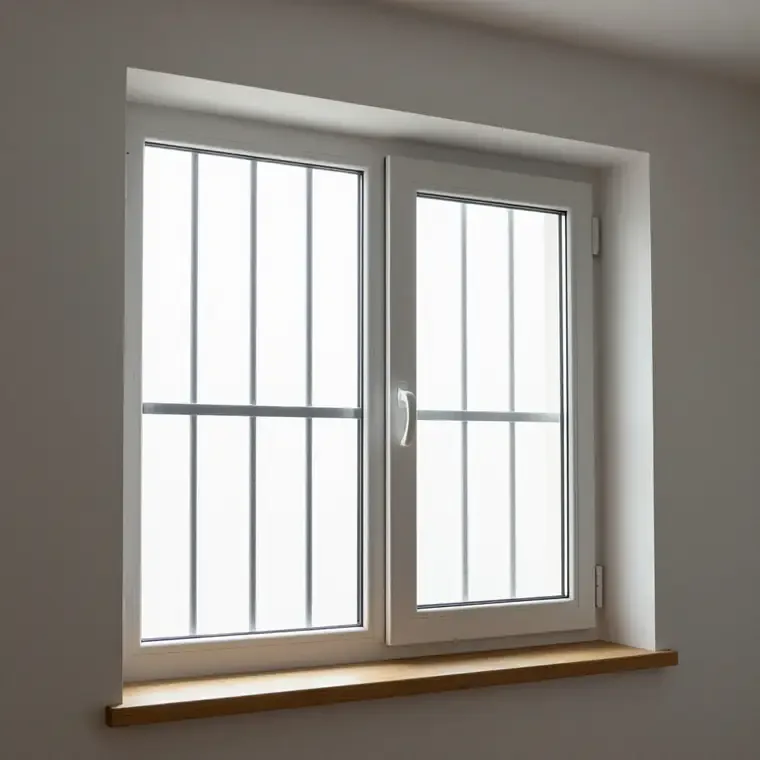
price per m² of a welded grille with a standard pattern
measuring visit and consultation by the surveyor on site
grille fitting per m², charged separately from the product
The surveyor selects the fixing for the window profile and floor: Z-shaped brackets, plungers or magnets. The choice determines how the grille holds and how it is removed.
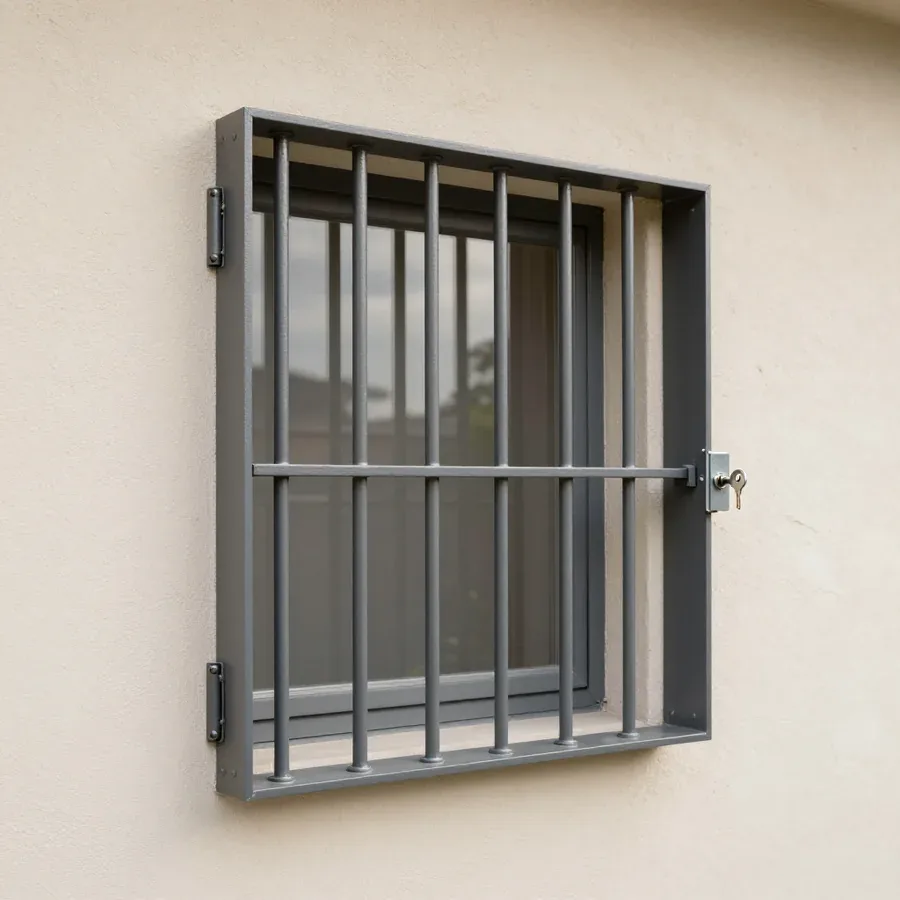
Fix the grille to the wall or reveal, leaving a gap for ventilation. Suitable for fixed and hinged structures on the ground floor.
Point fixings into the window profile. The surveyor checks the spacing against the frame so as not to damage the double glazing and hardware.
A removable option for lightweight grilles. They hold the panel on the leaf and allow it to be removed without tools.
Surcharge from 15 000 ₸ per leaf. Opens with a key for cleaning the glass and access to the window.
The table lists grille types and services: fitting, painting, removal of the old one. The price is fixed in the order after measuring.
| Type of item | Price |
|---|---|
| Welded grillestandard pattern | from 7 500₸ per m² |
| Forged grilleartistic forging | from 26 000₸ per m² |
| Cast grilleconvex | from 26 500₸ per m² |
| Decorative grillelaser cutting | from 25 000₸ per m² |
| Sliding grilleaccordion | from 28 000₸ per m² |
| Hinged leafsurcharge | from 15 000₸ per leaf |
| Transparent grillepolycarbonate | from 26 000₸ per m² |
| Aluminium grillefall protection | from 12 200₸ per item |
| Grille with mosquito screen | from 19 800₸ per m² |
| Powder coatingcorrosion protection | from 5 500₸ per m² |
| Grille installationfitting | from 4 500₸ per m² |
| Removal of old grilledismantling | from 4 000₸ per item |
| Child safety grillefall protection | from 12 500₸ per item |
The price is fixed in the order after measuring.Measuring and consultation are free.Payment after installation: cash, card or Kaspi.
Get a price after measuringEight facts about our work: production, lead time, colour, warranty, measuring, fitting and coverage.
The price is fixed after measuring.
For work and replaced components.
5-year warranty on window fitting.
We accept requests every day.
Measuring and consultation are free; the surveyor will come at a convenient time.
We deliver and install on windows and doors.
You can order in 17 cities of Kazakhstan.
We reply on WhatsApp within 5 minutes.
Four steps from request to a finished grille on the window.

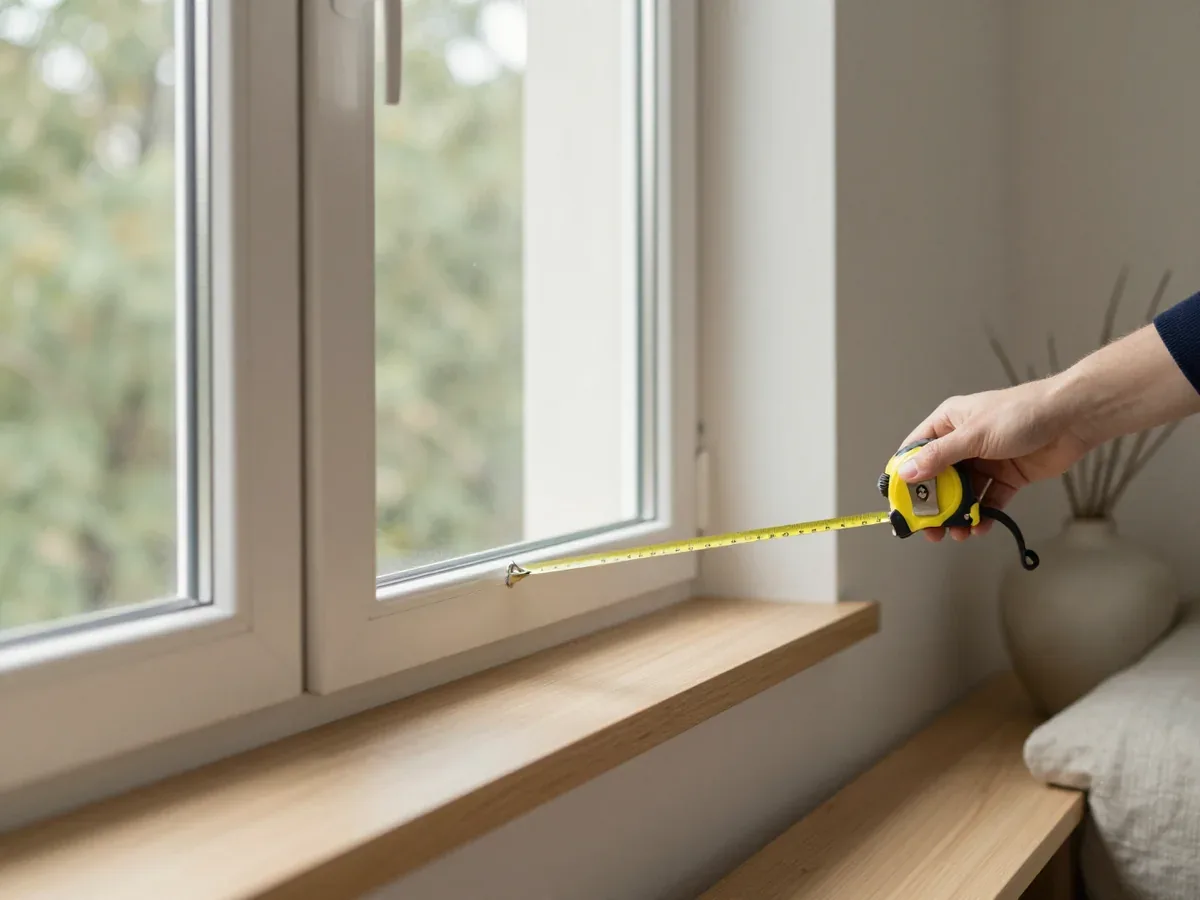
You send the dimensions or a surveyor visits. They measure the opening and help choose the pattern and fixings.
The grille is made to your dimensions at the production facility. Painting and a hinged sash are added on request.
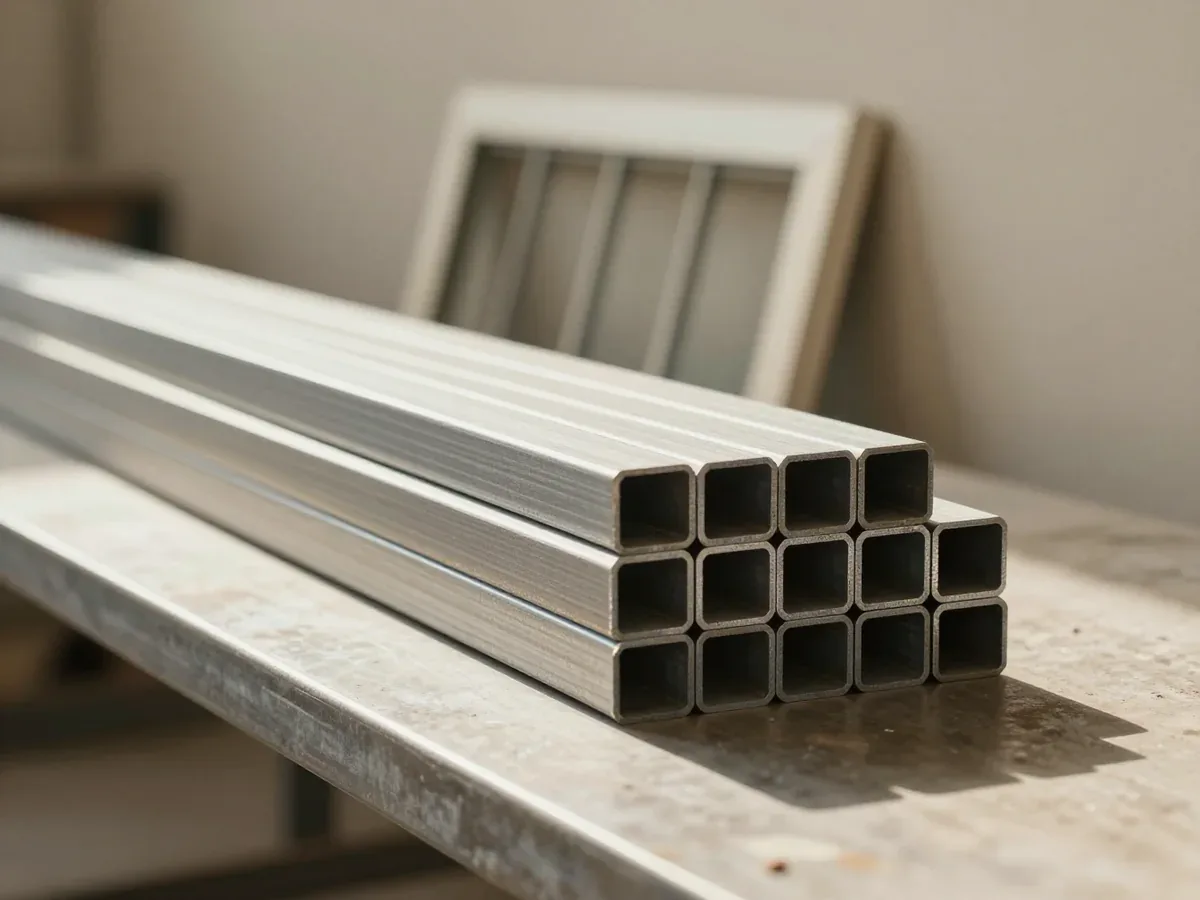
The technician brings the grille and installs it on the window or door. Removes the old structure if needed.
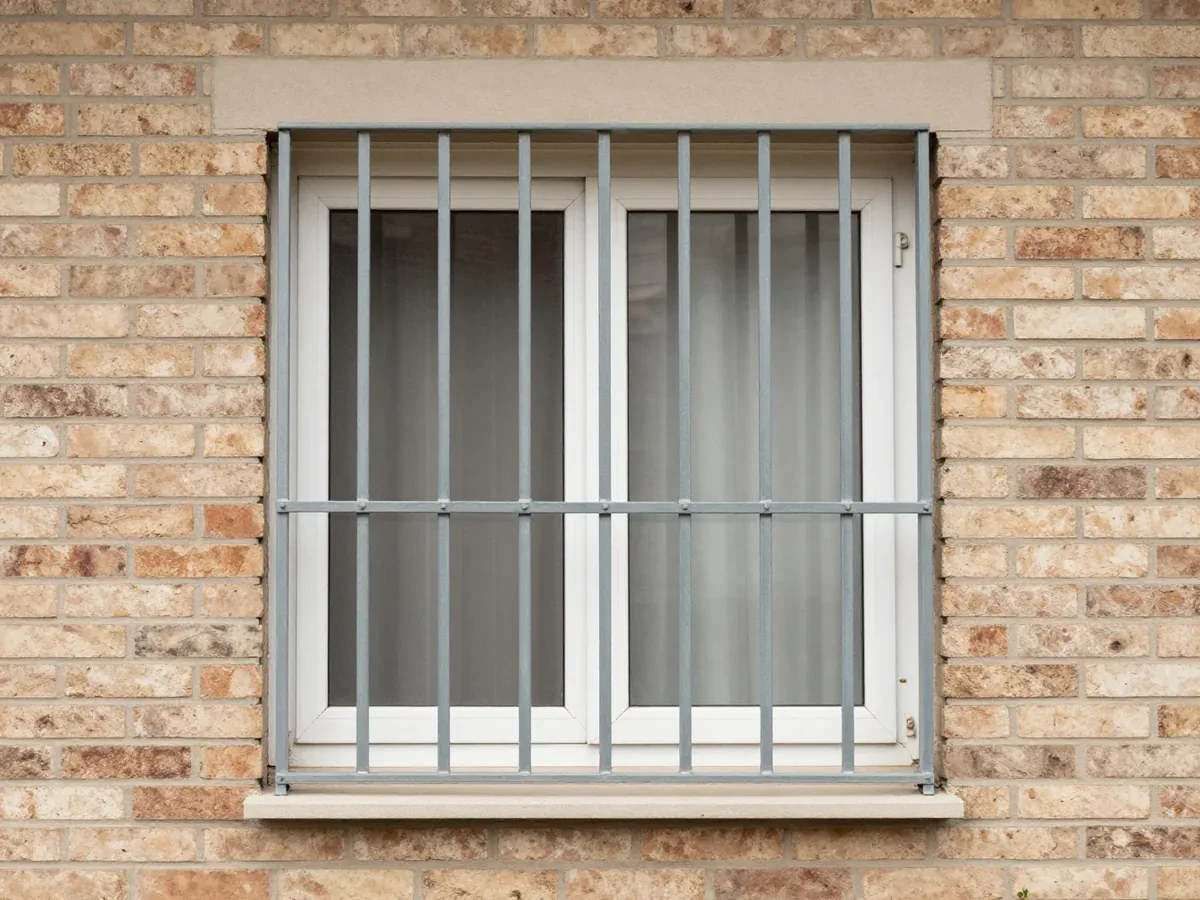
Check that the frame is level, the hinged sash and lock work, and there are no gaps between the grille and the window.
Good to know

Senior mosquito screen specialist at moskitnyesetki.kz
We make window grilles in Semey to your exact sizes and install them with our own fitters, not through a middleman. The measuring visit and consultation are free, the price is fixed in the order after measuring, and you pay only once the grilles are up. We answer on WhatsApp within five minutes.
A grille solves one of three jobs — a break-in, a child at an open sash, or the look of the facade. State the job first; the type follows from it, not from the window.
Most buyers in Semey order a grille for one of a few reasons, and that reason decides the construction far more than the sash does. A first-floor flat facing a courtyard wants hard steel a person cannot bend or lever, while a family with a toddler on the fourth floor wants a restrictor the child cannot open but an adult can release in a fire. A facade-sensitive front on a quiet street often takes a clear screen that reads as almost no obstacle at all. These goals pull in different directions: physical strength, safe opening and visual lightness rarely peak in the same build. When you order window grilles in Semey, the job you name at the start is what the fitter builds around.
| Type | What it protects best | Effect on light and view | Where it suits |
|---|---|---|---|
| Clear panel | Deterrence, view kept | Almost no loss | Upper floors, facade-sensitive fronts |
| Welded metal | Hard physical barrier | Noticeable shadow lines | Ground floor, balconies, back doors |
| Combined frame | Both, at a cost | Partial | Mixed facades, corner windows |
We fit grilles to plastic, wood and aluminium frames, and the frame material decides the fixing rather than the grille itself. On a plastic profile the fixing point matters more than the weight of the unit, so the measurer checks the reinforcement inside the frame before choosing hardware. Wood frames take a different screw path and want the timber sound around it, while aluminium sashes are thinner and call for a bracket that spreads the load over a wider spot. The same clear screen can hang on all three, yet the wrong anchor on a thin aluminium sash pulls loose within a season. Ask what sits behind the fixing before you compare options, because the frame, not the product, sets how long the install holds.
A grille, an opening restrictor and a window lock each solve a different part of the problem, and on one opening you often need two of the three rather than one.
For a child at an open sash the restrictor does the daily work and the barrier is the backstop, so we usually recommend both rather than one. That small arm or cable limits how far the sash swings — a hand's width instead of a full opening — and it costs a fraction of a barrier. The metal section takes over when the arm is released, when a toddler climbs on a sill, or when an older child works out the latch. We fit these to plastic, wood and aluminium frames, and the frame can be painted to match the surround so the room keeps its light. A limiter that only opens a hand's width stops the fall but still lets a child reach the handle, so check the gap with the sash open before signing off.
On a ground floor or a reachable balcony a lock alone rarely convinces an insurer or a burglar, and a physical grille is what counts. Locks and handles stop the casual pull; they do not stop a person who has decided to climb. A welded metal section fixed into the opening turns an aperture into a wall you can still see through, and a balcony panel closes the route from the outside staircase or the neighbouring roof. Ground-floor flats near courtyards, car parks and rear walls carry the highest risk, and that is where a barrier earns its place first. The weakest point on a first-floor unit is usually the sash you leave tilted overnight, so pair the grille with a lock on that sash specifically.
The mounting method is settled at the measuring visit, matched to your profile and the floor you live on. That decision decides whether the frame stays intact and whether the sash still opens freely.
Our measurer picks the hardware to suit the profile and the floor, using Z-brackets, pins or magnets rather than a universal method. Z-shaped brackets hook over the edge on most plastic units and leave the sash clear. Pins, also called plungers, suit narrower profiles where a bracket has nowhere to sit. Magnets hold a light inner guard without a single hole. On upper floors the metal catches more wind, so an identical barrier on the fifth floor and on the first can take different hardware. A bracket that holds firm at ground level may need a deeper anchor higher up. Ask the measurer to name the mounting type and show you where it will sit before the order is signed.
In a rented flat the barrier can be fixed so the frame is left as it was, but the method has to be agreed before anything is drilled. Magnet mounts and clamp-style brackets avoid holes in the profile altogether, while pins leave small marks that a landlord may notice at inspection. Get the landlord's written agreement on the mounting points first, because a guard removed at the end of a tenancy still leaves the holes it was hung on. Photograph the profile before and after the job. If the lease forbids drilling, say so at the measuring visit and the layout will be planned around removable mounts from the start.
A barrier and a mosquito screen can share the same opening, and we plan the two together so neither blocks the other's removal. The mesh panel usually sits in its own frame closer to the glass, with the metal outside it on the same brackets. That order keeps the netting reachable for washing and lets you lift the guard off from inside without touching the mesh. Order both in a single measuring visit, because two separate calls often produce hardware that fights for the same edge. The measurer also checks that the screen frame clears the guard's mounting points. Book the pair together and the opening gets a clean plan.
Work moves through clear steps: a free measuring visit, a price fixed on paper, production to your sizes, installation, then payment once everything is up. Each stage is short and you know what comes next.
The measurer comes at a time that suits you, takes the sizes and helps you choose the design, the finish and the fixings, and the call-out costs nothing. He looks at the frame, the reveal and the floor level before settling on Z-brackets, pins or magnets, because the same unit on the fourth floor and on the ground floor can take different hardware. You see the colour sample against your own frame there and then, and each panel is specified to the millimetre rather than to a rough opening figure. Have the sash open and the room clear before he arrives — the mounting decision depends on seeing the frame and the reveal, not just the glass.
| Stage | What happens | Who does it |
|---|---|---|
| Measuring | Sizes taken, design and fixings chosen | Measurer |
| Paperwork | Price fixed, dimensions confirmed | You and the measurer |
| Production | Made to your dimensions | Our workshop |
| Installation | Fitted and checked | Our fitters |
| Payment | Settled once it is up | You |
You pay after the grille is installed, by cash, card or Kaspi, and the warranty terms are written into the paperwork rather than left to memory. Nothing is due at the measuring stage, and the figure agreed there does not move later unless you change the design yourself. The one-year warranty on our screens covers the labour and the parts we supplied, and a claim is handled by the same fitters who put the barrier up. Keep the order sheet with the fixing details — a claim goes faster when the fitter can see which hardware was used and on which wall.
Paint, rust protection and seasonal removal decide how long a grille keeps its look on a local facade. Each of the three is simple on its own.
We paint the frame any colour to match the glazing, so the grille reads as part of the opening rather than an addition to it. The same shade goes on the bars, the welded sections and the brackets, which is where a mismatched finish usually shows first. On a block of flats the effect matters more than owners expect: a grille in the frame's own colour disappears into the facade, while stock white or grey draws the eye from the street. Bring a profile sample or the profile name to the measuring visit, because a colour matched from a phone photo rarely survives daylight. A sliver of the sill in a pocket settles the shade in seconds.
A grille fixed with a removable method comes off for cleaning the glass or the season, and we show you how at installation. Panels on pins or magnets lift out from inside in about a minute, so washing the panes behind them stops being a two-person job with a ladder — on upper floors that matters for safety as much as convenience. Label the unit and its opening before the first removal, because two of them made to similar sizes rarely swap back cleanly. A strip of masking tape with the room name saves a frustrating half hour in spring, when the winter set comes down and the glass gets its first proper wash.
A house looks finished when every grille reads as a single decision rather than several. Here is how matching, outbuilding openings and street view fit together.
We plan the grilles and the balcony grille together so the colour, spacing and finish match across the facade. The frame gets painted to the shade of your profiles, and a single painter handles every panel in the batch, which is why the tone holds from the first sash to the last balcony section. Bar spacing is set once for the whole set, so a narrow kitchen opening and a wide loggia door read as the same design from the street. Order the balcony grille in the same batch, because a second production run months later can drift in shade even from identical paint. That single batch also saves another measuring visit and another installation day.
We fit grilles on flat sashes, loggia openings, and the glazing of gazebos and verandas, not only on apartment openings. Plastic, wooden and aluminium frames all take the same fixing logic, though the bracket changes with the profile and the floor. A veranda or gazebo opening is usually wider than a flat sash, so the frame section and the number of anchor points go up accordingly. An unheated veranda swings harder in temperature than a flat, so the finish on those panels matters more than the bar thickness. Ask for the paint system used on outbuilding sets before you approve the colour, and check that the frame is primed rather than coated once.
A facade stays consistent when the colour, spacing and projection match from one opening to the next, which is a planning job rather than a fitting one. Projection is the measurement most often skipped: a grille set 60 mm off the wall casts a shadow line, while one set 120 mm out starts to look like a separate structure bolted on. Spacing that changes by 20 mm between neighbouring openings is visible from the pavement even when the colour is identical. Check the projection against the reveal before ordering, because a panel that stands proud of the wall reads as a cage from the street. Measure the reveal depth on the ground floor and the upper floor separately, since they rarely match.
A window barrier stays on the facade for years, so the decisions worth getting right are the few you make before the first hole is marked on the frame.
Protection, fixings, fitting, care
Konstantin Selenenkovsenior mosquito screen specialist, 10 years in the tradeOnline · replies within 5 minutes
Ask a questionYes, when installing window grilles in Semey, fixings are usually placed into the frame or wall without piercing the profile through. The method depends on the window: the surveyor will choose an option that keeps the chamber and double glazing intact.
For pets, a fine mesh and a rigid welded construction matter more than just the rod thickness. A transparent grille will also work if the pet does not jump at the canvas from a run-up — it depends on the window and the animal's character.
On the ground floor, welded or forged grilles with a hinged leaf under lock and wall fixing are installed. Transparent anti-vandal models look neater, but their strength should be discussed with the surveyor for the specific window.
In a panel building, they are more often fixed into the wall or frame via brackets; in a private house, options depend on the wall material. The exact fixing type is selected by the surveyor based on the window profile and floor, so there is no universal solution.
Yes, for this a hinged leaf with a lock or a removable fixing is made — then the window opens freely. The specific option depends on how often you ventilate and which leaf opens.
The shade is matched by sample: bring a fragment of the profile or a photo of the facade, and the surveyor will agree on the powder coating colour. This way the structure blends with the window rather than clashing in tone.
If a grille is not suitable, use an opening restrictor or a leaf blocker — they prevent the window from opening wider than a safe limit. But with the window open, only a grille can fully protect a child, so they are often combined.
Thank you. We will call you back within 10 minutes!
Your order number is on the receipt or in the SMS. Choose where to leave your review.
Write a review on WhatsApp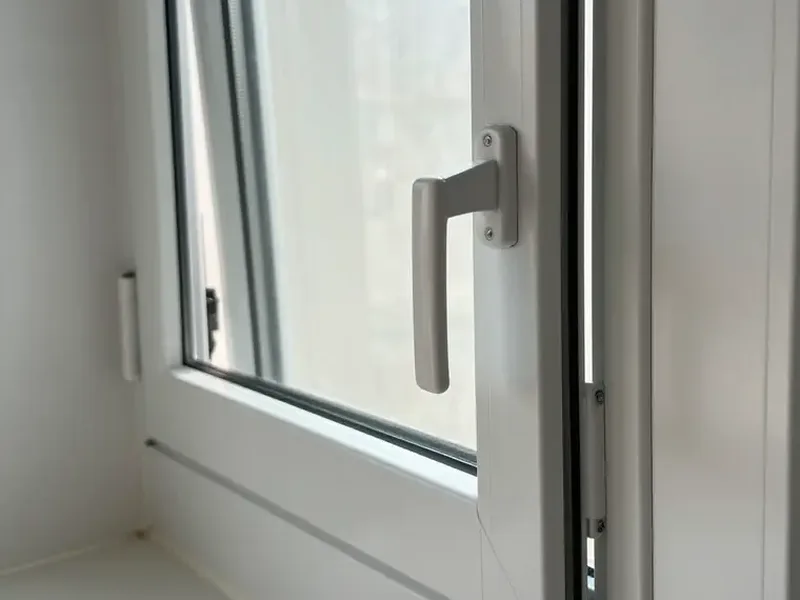 Window restrictors
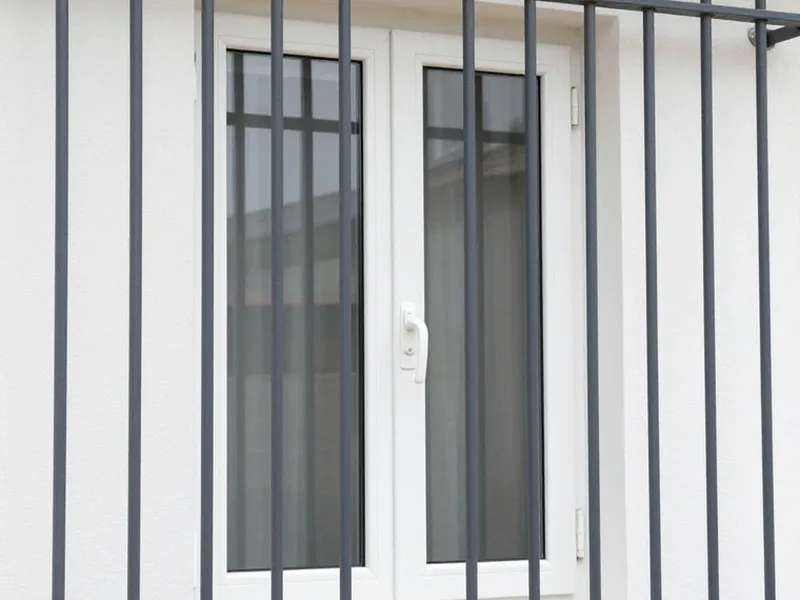 Metal grilles
 Transparent grilles
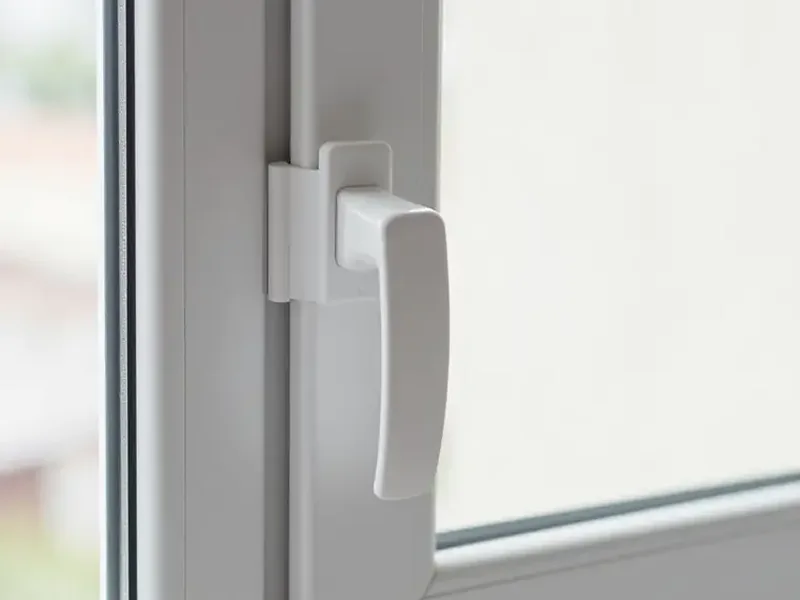 Window blockers
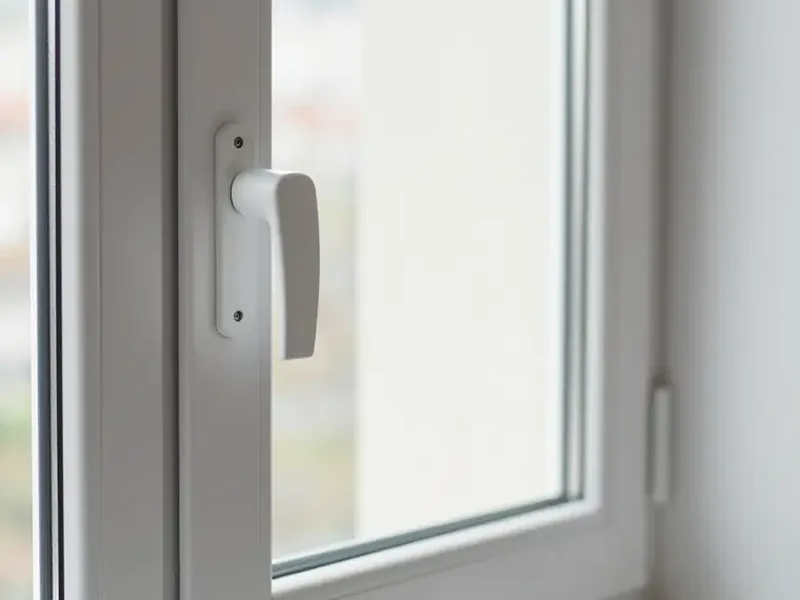 Window handles
