





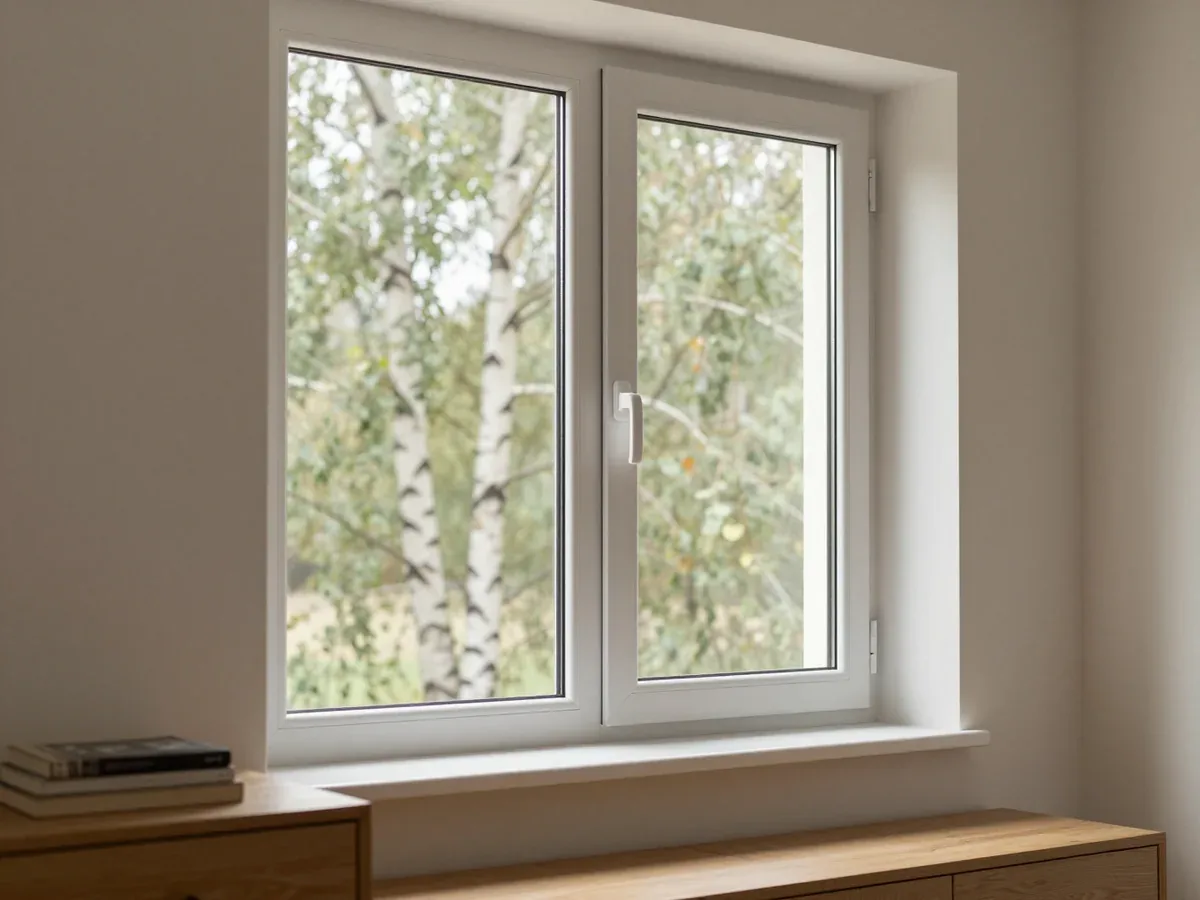
Good to know
Penkid Window Lock in Semey Fitted and Explained

Senior mosquito screen specialist at moskitnyesetki.kz
We supply and fit a Penkid window lock in Semey on plastic, wooden and aluminium windows, balcony doors and loggia sashes. Our own fitters come for a free measuring visit, pick the fixing for your profile and floor, and mount the lock on the spot. You pay after installation, and the work carries a one-year warranty.
What a Penkid window lock adds to an ordinary window
A window lock of this type is not a handle and not a grille — it is a separate anchor point that holds the sash to the frame. Here is the task it solves and where it sits on the window.
How a Penkid window lock holds a sash shut
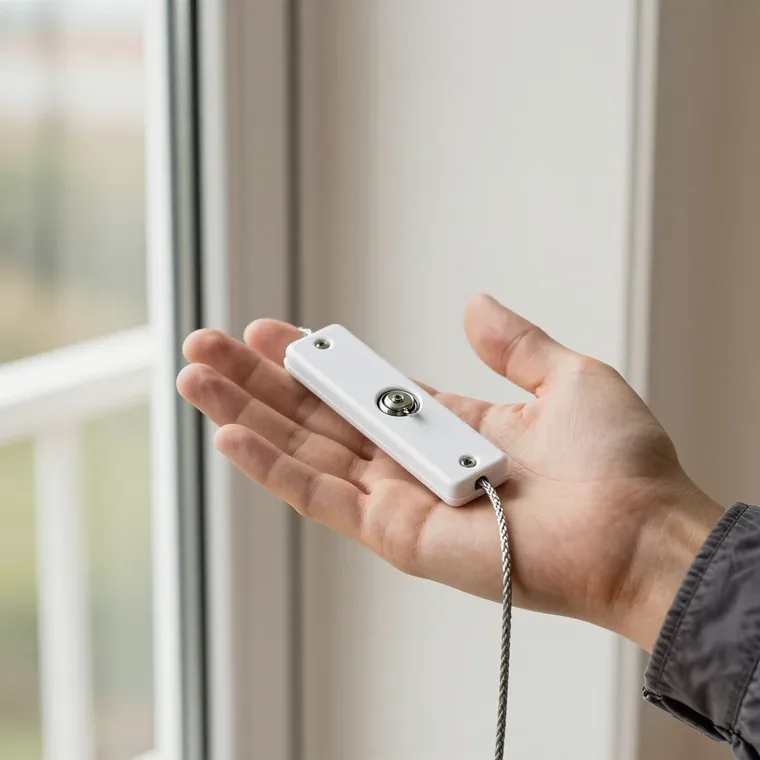
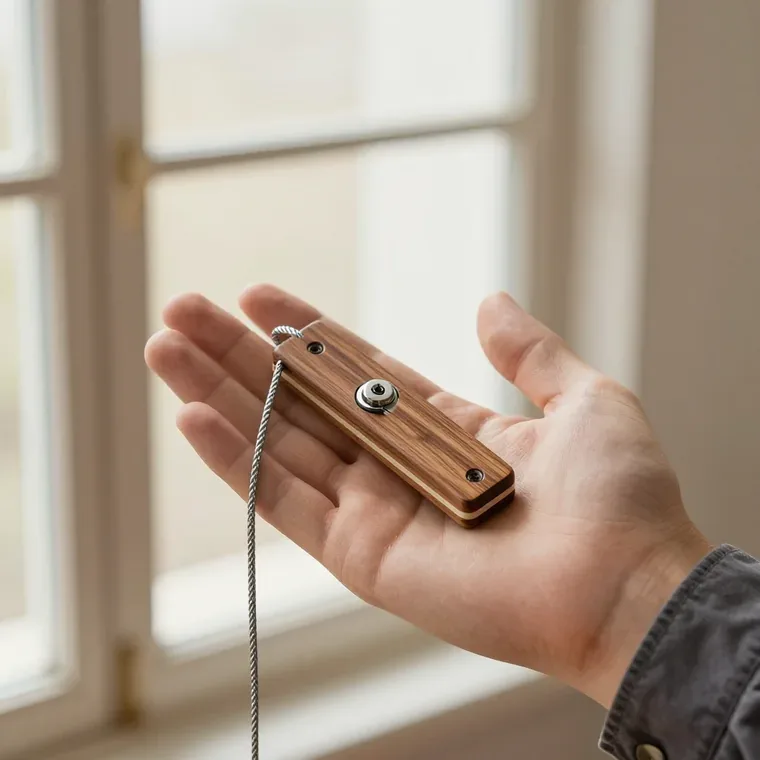
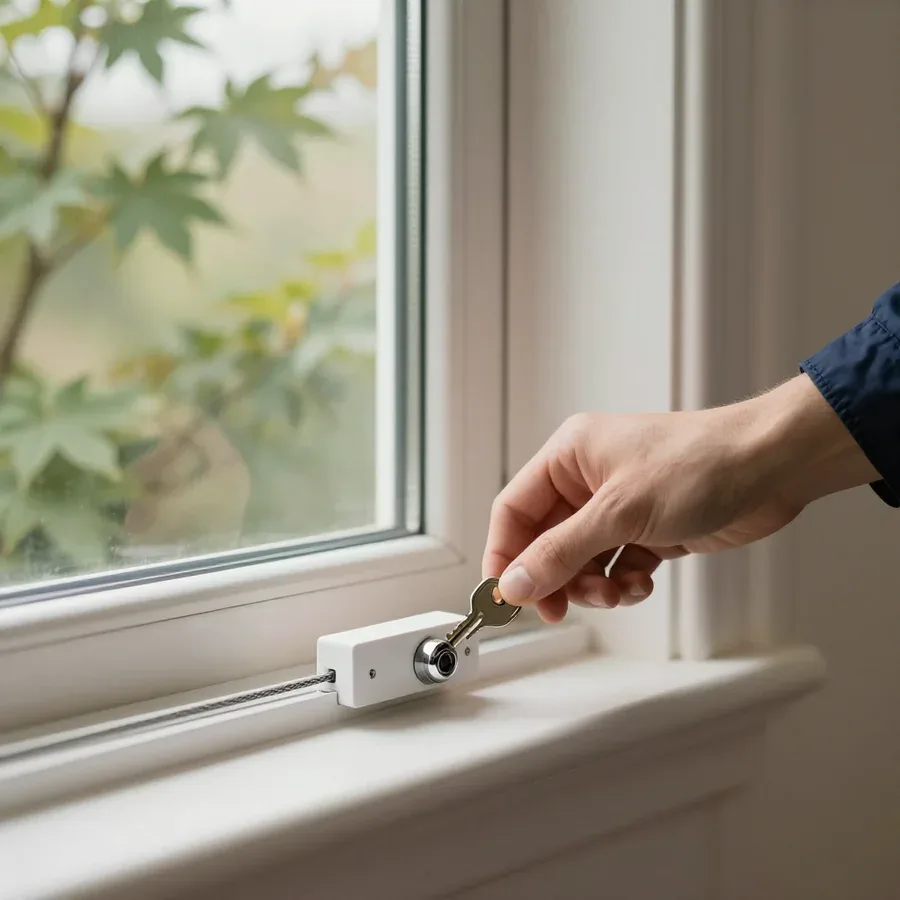
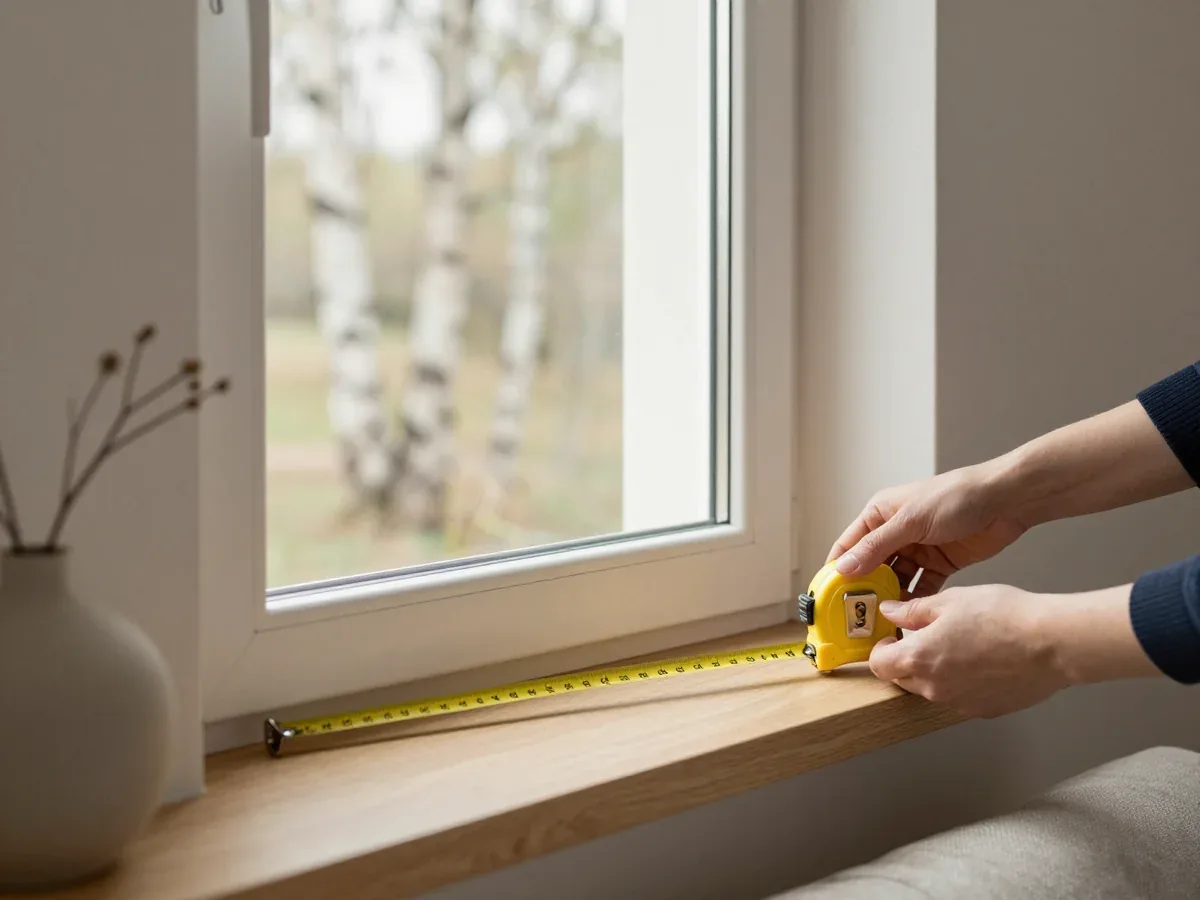
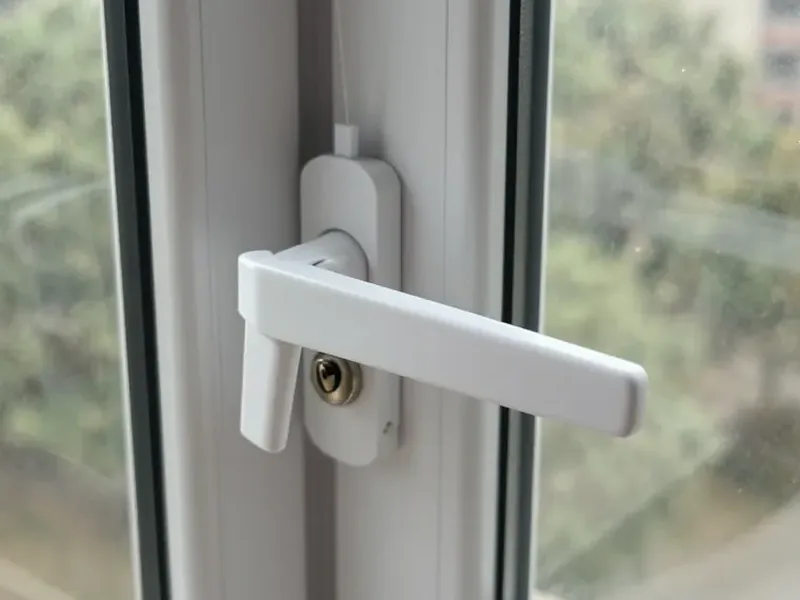
Such a lock is a separate mechanical stop that fixes the sash to the frame at a set gap, so the window can be locked partly open for air but not swung wide. The body mounts on the frame, the striker or pin sits on the leaf, and the two meet at a distance you choose when fitting. Turning the key or the knob closes that gap to a few centimetres and holds it there under push. The useful part is the fixed gap — it keeps airflow going while the opening stays too narrow for a child to climb through, which a plain latch cannot do. Check the gap with a tape before you tighten the screws: two or three centimetres of play is enough for draught, and anything wider defeats the purpose.
Lock, key handle, restrictor or grille and how they differ
- Key handle: blocks turning so the window stays shut, but does nothing once it is left ajar for air.
- Restrictor: limits how far the leaf swings on its hinges, yet a strong push can widen the opening over time.
- Grille: covers the whole opening with bars and takes the full fall risk, at the cost of light.
- Penkid lock: adds a separate fixing point that works alongside a handle, a restrictor or bars rather than replacing them.
- Choosing by risk: a handle keeps the window shut, a lock covers safe airing, bars cover full fall protection.
Will a Penkid window lock fit your sash, profile and floor
Whether a lock fits is decided at the window, not on a shop shelf. The material, profile width, floor and existing hardware all narrow the choice before anything is drilled.
Matching the lock to plastic, wooden and aluminium windows
We fit a Penkid window lock on plastic, wooden and aluminium windows, on vent sashes, loggia windows and balcony doors, and the profile material decides which fixing the measurer brings. PVC units usually take a bracket straight onto the frame edge, while timber and aluminium need a different approach because the casing is assembled differently. On a balcony door the lock sits where the handle side meets the frame, so the leaf still closes flush against the seal. Vent sashes are the tightest case — the opening is small, so the lock body has to sit clear of the hinge side. On timber and aluminium the edge is often narrower than on PVC, so the fixing point is marked on site rather than guessed from a picture.
Choosing the fixing for your profile and floor
| Fixing type | Best for | What the measurer checks |
|---|---|---|
| Z-shaped brackets | Standard PVC sashes | Frame edge width and sash gap |
| Pins (plungers) | Narrow or timber profiles | Drill point and frame depth |
| Magnets | Light sashes, quick release | Sash weight and hardware type |
Fitting a Penkid window lock yourself or calling a fitter
A lock can be fitted by hand, but a hole drilled in the wrong spot cannot be moved afterwards. Below is what a fitting visit involves and when a specialist is the safer choice.
What the fitter does during the visit
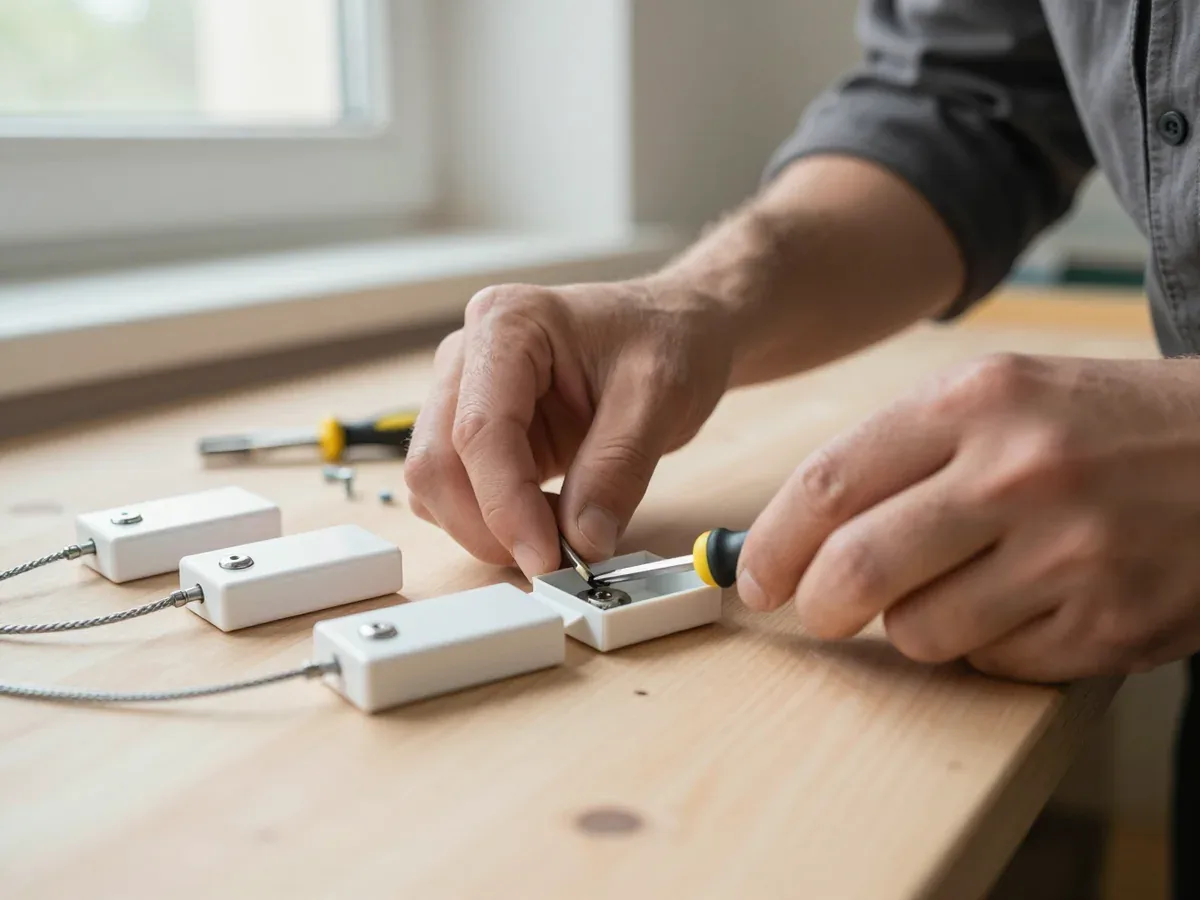
Our fitter marks the anchor point, drills only where the chosen mount needs it, mounts the lock and tests the moving leaf in front of you, and the whole job is done during one visit. He checks the profile width first, because a Z-bracket, plunger or magnet sits differently on Economy and Prestige frames, then sets the hardware so the leaf pulls down evenly instead of catching at one corner. Drilling is skipped where the mount allows a clamp fit, and he wipes the swarf off the rubber before closing the window. We fit this hardware as part of a normal measuring visit, and the measurer takes sizes and helps pick the mesh and fixings at the same time. Ask him to show the window closing on the lock before he leaves — a latch that catches on the seal will wear the rubber within a season.
When to call a fitter instead of drilling yourself
Call a fitter when the leaf is aluminium, when the window sits above the first floor, or when the fittings are a brand you cannot match — a wrong hole cannot be moved once drilled. Aluminium profiles are thinner at the edge than plastic, so a self-tapping screw placed a few millimetres off centre splits the chamber instead of gripping it. Upper floors add a second problem: leaning out to mark the frame edge is unsafe, and the mount has to hold against a stronger draft load. Mixed fittings make it worse, because the lock plate must line up with a keep that is already fixed in place. A self-fitted lock that misses the frame edge by a few millimetres still lets the window flex, so it feels locked but is not held.
Keeping a child safe and still airing the room
Window safety is not only about keeping a sash shut. It is also about airing a room without leaving an opening a child can slip through, and about not blocking the mesh that is already on the frame.
Safe airing in a child's room
A Penkid window lock set to a narrow gap lets the room air while the opening stays too small for a child to pass through, and the sash cannot be swung wide from inside. The restrictor holds the leaf at one fixed position, so the handle turns but the panel stops where you set it. Ventilation still works through the opening, and the room does not turn stuffy overnight. On tilt-and-turn sashes the same fitting limits the swing mode while leaving the tilt position usable for slow airing. Set the limit before the child can reach the handle, and check it again after any window adjustment — a leaf that drops slightly changes the clearance, and a restrictor that was tight in spring may sit looser by autumn.
A lock on a window that already has a mosquito screen
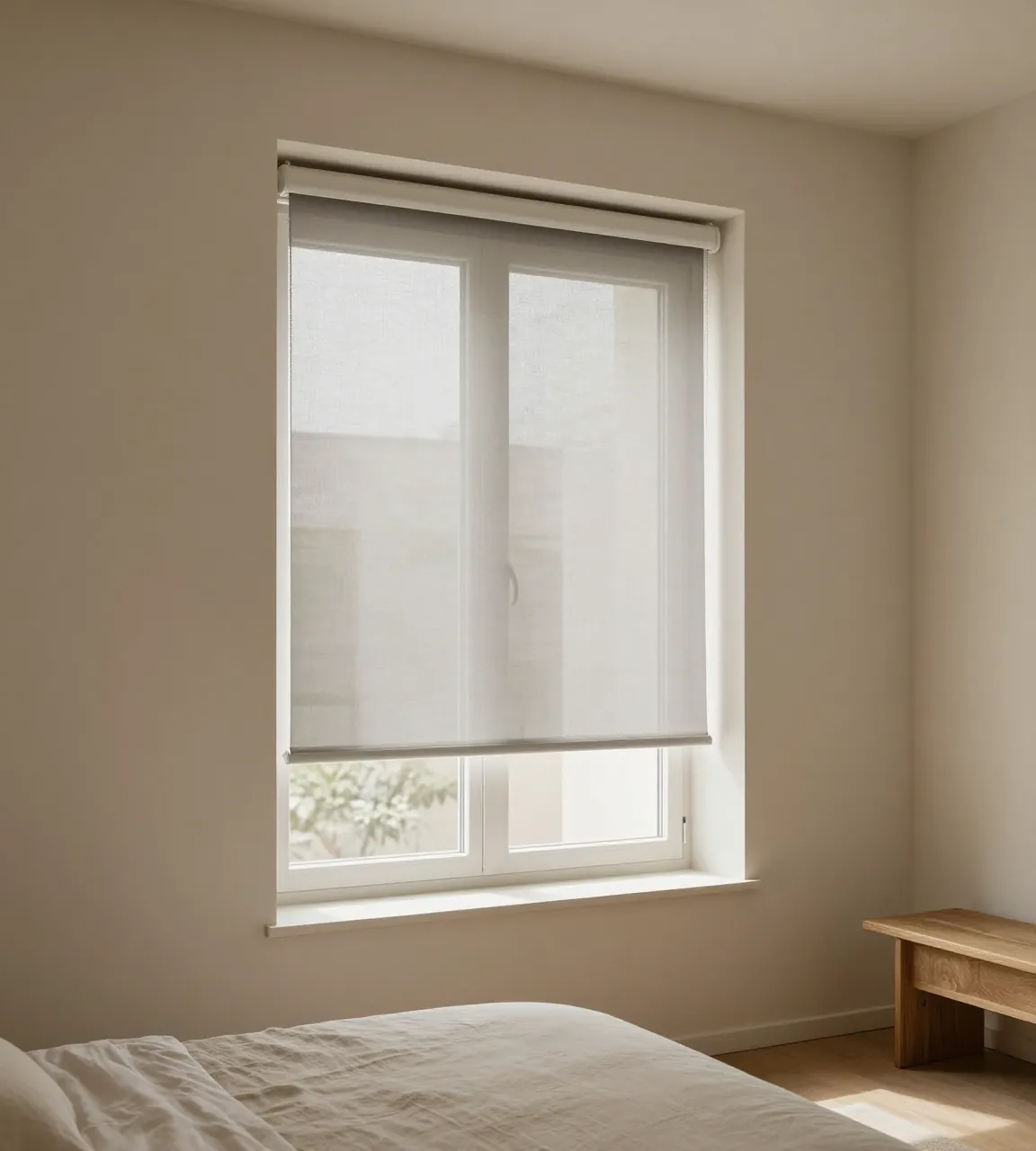
A Penkid window lock works alongside a mosquito screen, and we check the casing clearance during measuring so the mesh and the fitting do not fight for the same edge. A framed model sits in its own guides and lifts out from inside in a minute, so the lock goes where the panel still comes free for winter removal. When the net is a roller or a pleated type, the fixing moves to the opposite side of the casing, and the lock body stays clear of the sliding profile. Our measurer brings the Z-brackets, pins and magnets to the visit and tries them on your profile before anything is drilled. Fit the lock where the screen still comes free, otherwise you will be unscrewing it every November before the mesh comes down.
Warranty, care and ordering a Penkid window lock in Semey
Once the lock is on, three things still matter: what is covered if something goes wrong, how to look after the fitting, and whether other window work can ride along on the same appointment.
Warranty, payment and what happens after fitting
Window repair work, including the fitting of the lock, carries a one-year warranty on labour and replaced parts, you pay after installation by cash, card or Kaspi, and the price is fixed in the order after measuring. That cover applies to the fitting and to any part we swapped out on the day, so a sticking key handle or a loose fixing is our job to sort, not yours. A Penkid window lock in Semey comes with the same terms, so the warranty visit follows the same simple route. Payment waits until the work is done and you have checked the lock yourself, with no deposit before the fitter arrives. Keep the order sheet: it records the fixing type and the gap set on the day, which is what a warranty visit is checked against.
Adding a seal change or a screen to the same visit
- Gasket swap: we change the seal on KBE, Rehau, VEKA and Provedal frames so the sash closes tight against fresh rubber.
- Mosquito mesh: a framed screen made to your size takes 10–15 minutes, a pleated one 40–60 minutes, and we paint the frame any colour.
- Winter routine: a framed screen lifts out from inside in about a minute, and removing it for the cold months keeps mesh and fixings in shape.
- Single appointment: the fitter sets the lock against the renewed gasket, so the gap is measured once rather than twice.
When a Penkid lock solves the protection task
A short recap of what decides whether a Penkid window lock works on your window, how it is fitted and what you get once the job is done.
- Separate fixing point: the device holds the leaf at a set gap and does not replace a handle, a restrictor or a grille.
- Chosen at measuring: the unit and its fixing follow the profile material, the hardware and the floor, so they are picked on site.
- Drill point matters: installation is quick, but a wrong hole in aluminium or on an upper-floor unit cannot be moved later.
- Safe airing: a narrow set gap keeps a child's room aired while the leaf stays put instead of swinging wide.
- Once fitted: the work carries a one-year warranty, payment follows installation, and the price is fixed in the order.
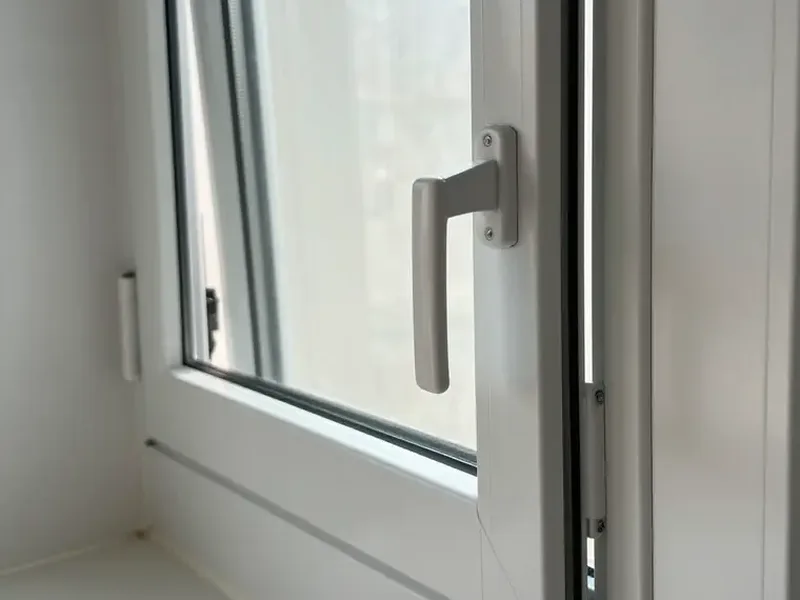 Limiters
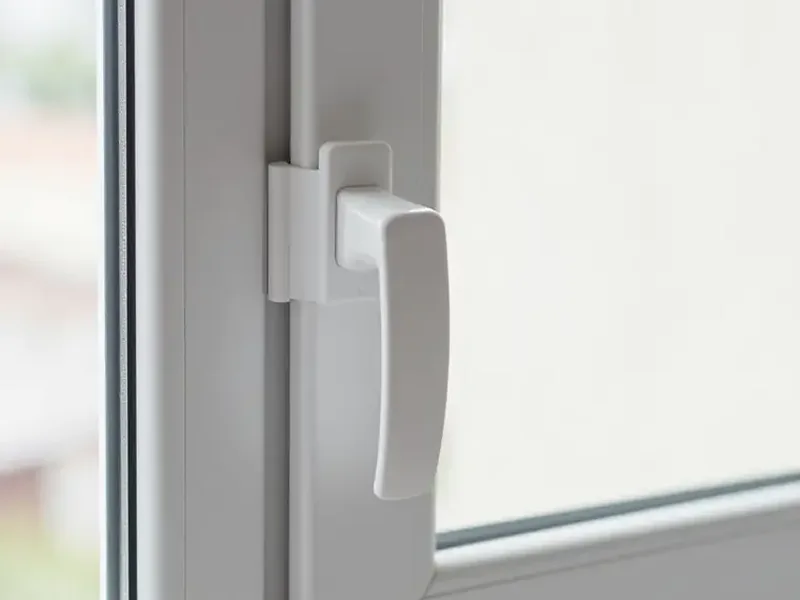 Blockers
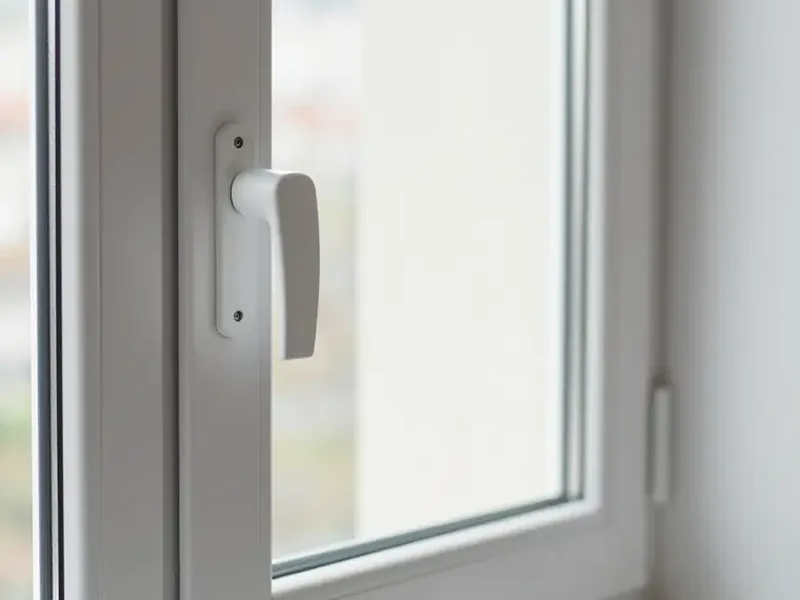 Keyed handles
 Child safety
 Roller screens
