
Pollen and allergens · Poll-Tex
Anti-Pollen
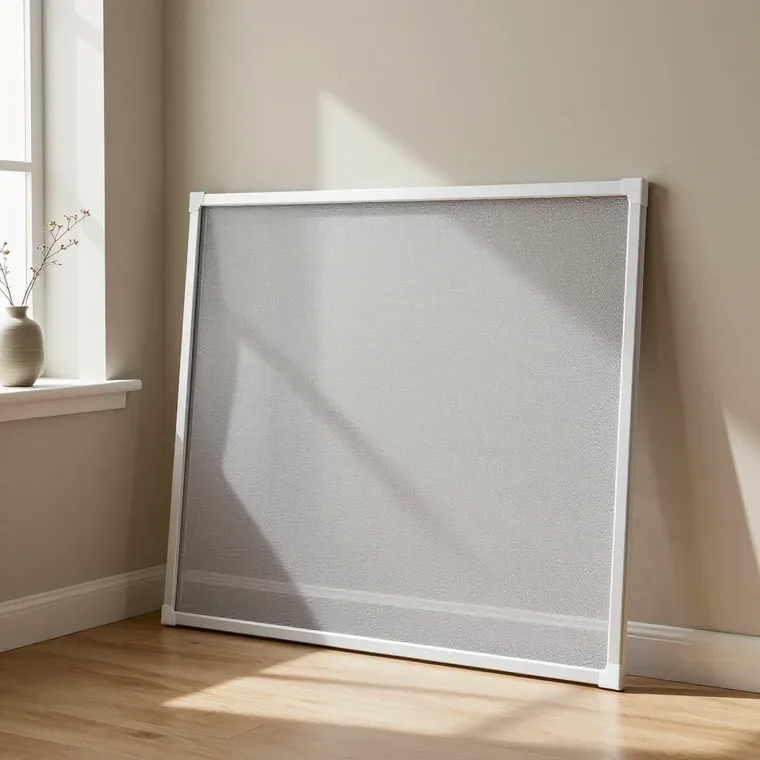
The 0.25×1 mm mesh traps fine pollen. Hypoallergenic fabric. Price from 12 200 ₸ per m².
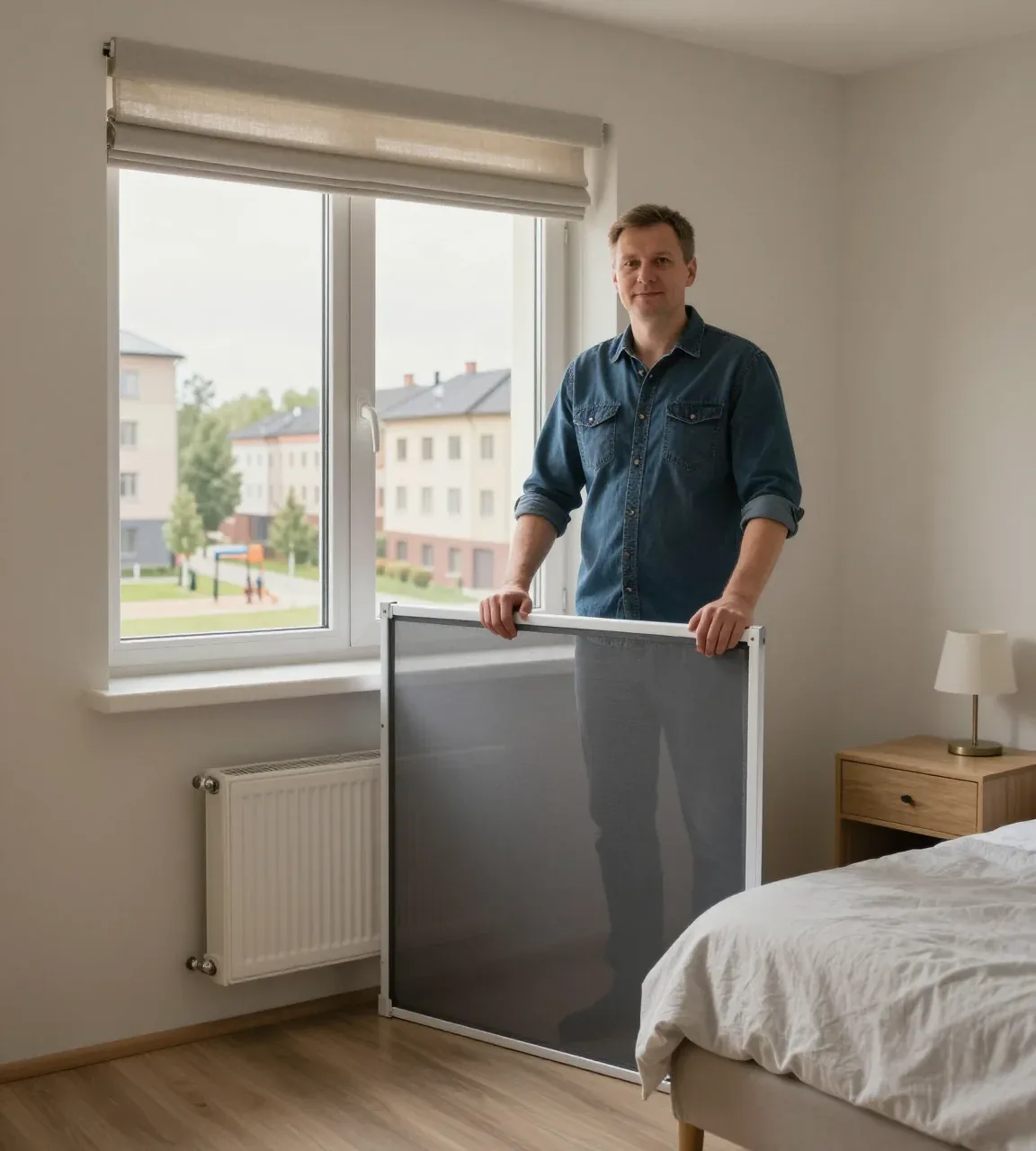
Anti-Pollen
The 0.25×1 mm mesh traps fine pollen. Hypoallergenic fabric. Price from 12 200 ₸ per m².
Anti-Dust
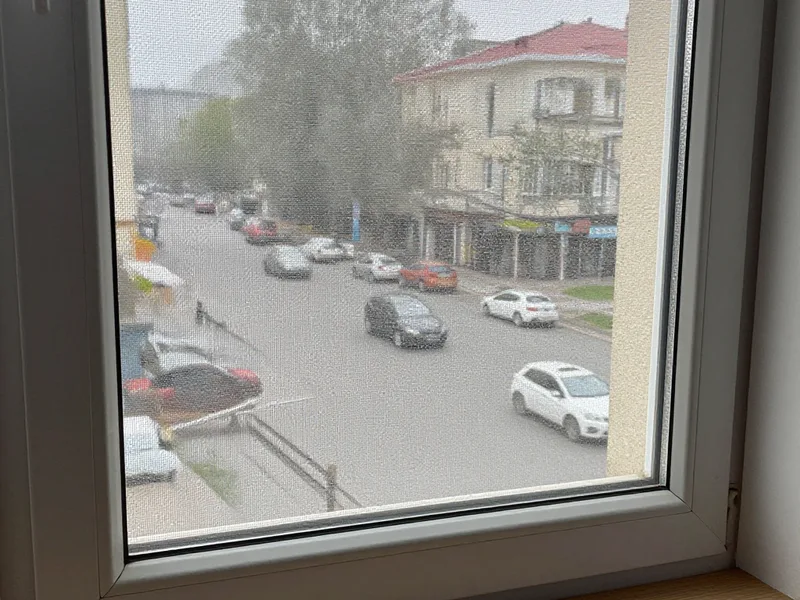
Fabric for protection against dust and poplar fluff. Price from 11 800 ₸ per m².
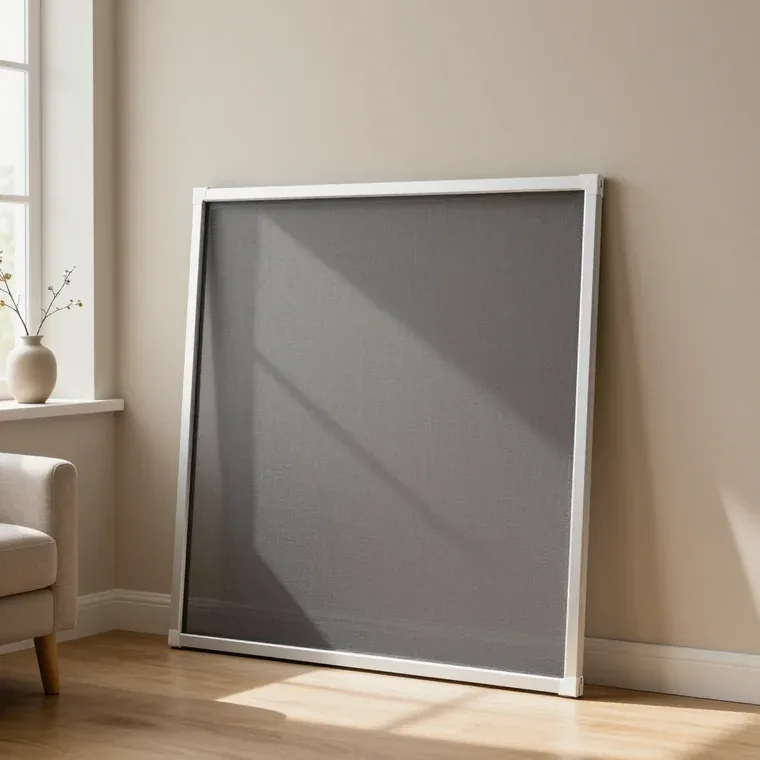
UltraVue
Lets through 25% more light and air than other fabrics. Price from 12 200 ₸ per m².
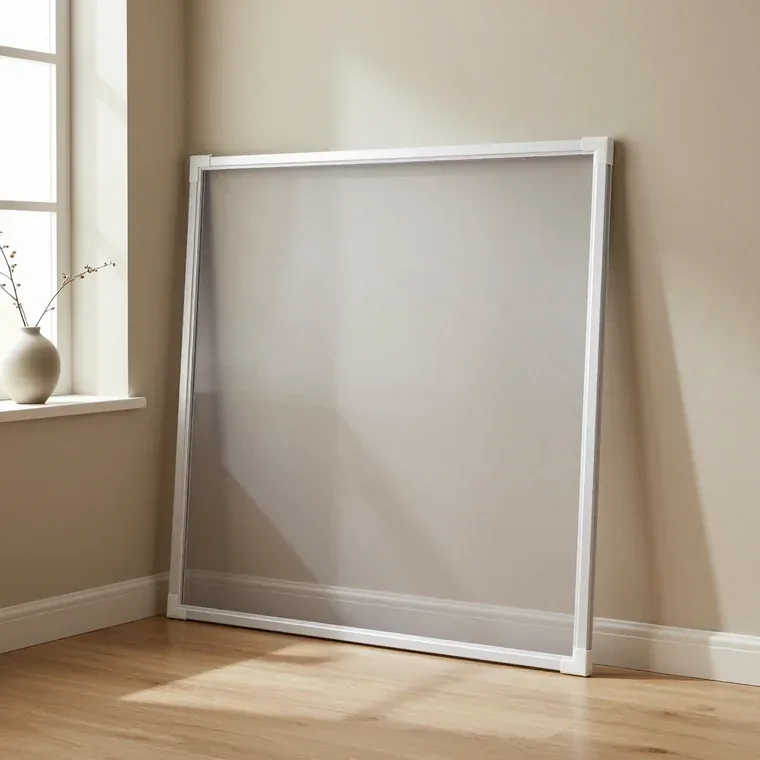
Anti-Cat
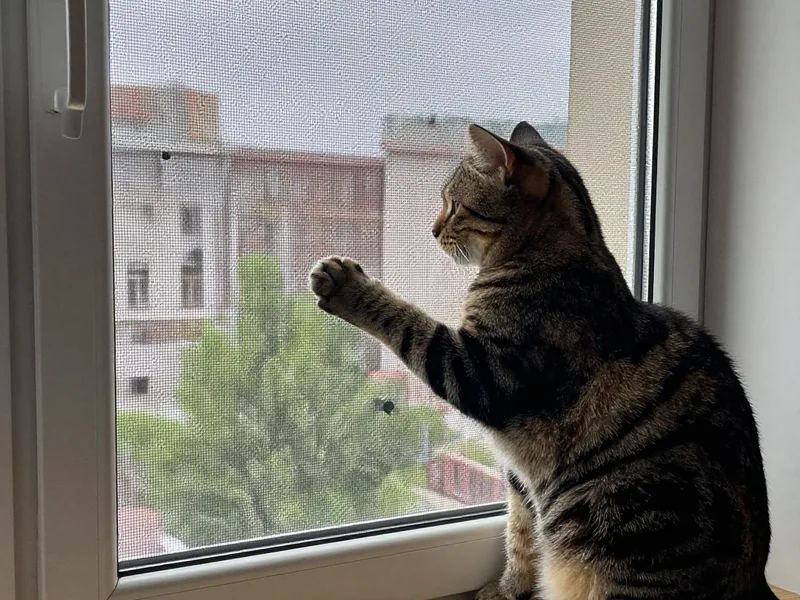
Vinyl threads withstand the weight of a small pet. Price from 12 200 ₸ per m².
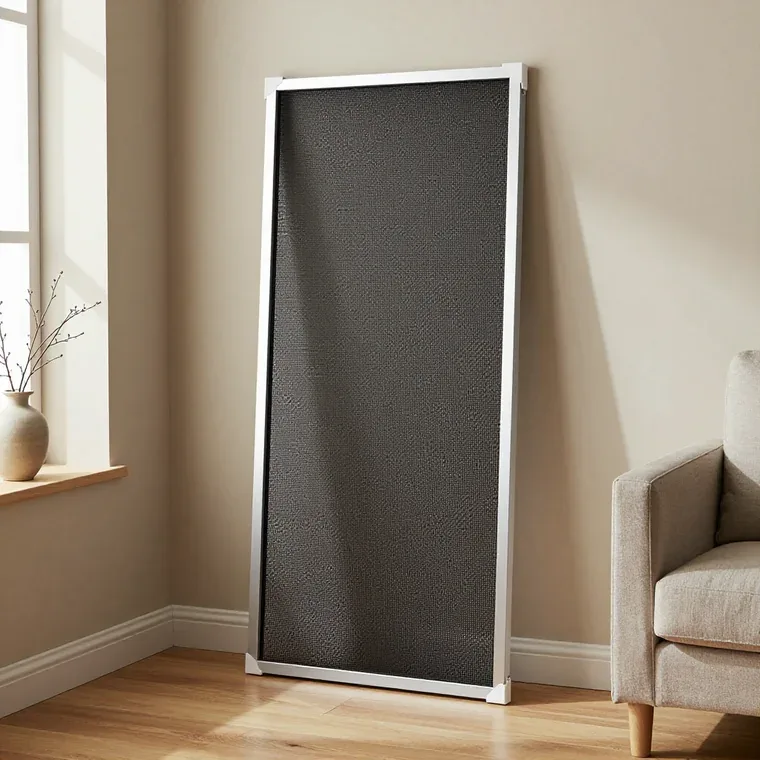
Standard
Fiberglass resistant to fire and temperature changes. Price from 12 200 ₸ per m².



5,097 reviews on review sites
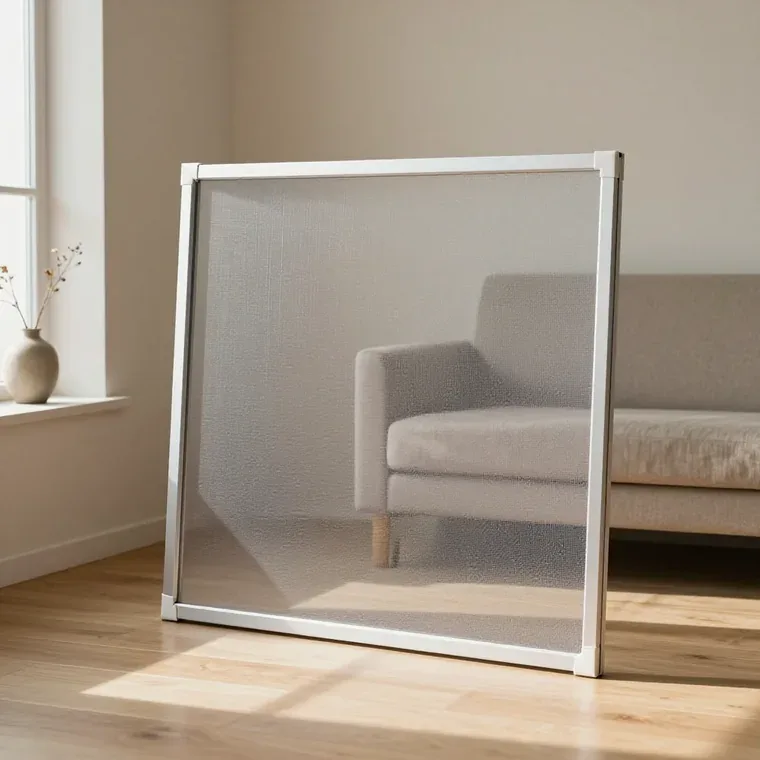
Poll-Tex fabric with a 0.25×1 mm mesh traps fine pollen and suits homes near alleys and fields.
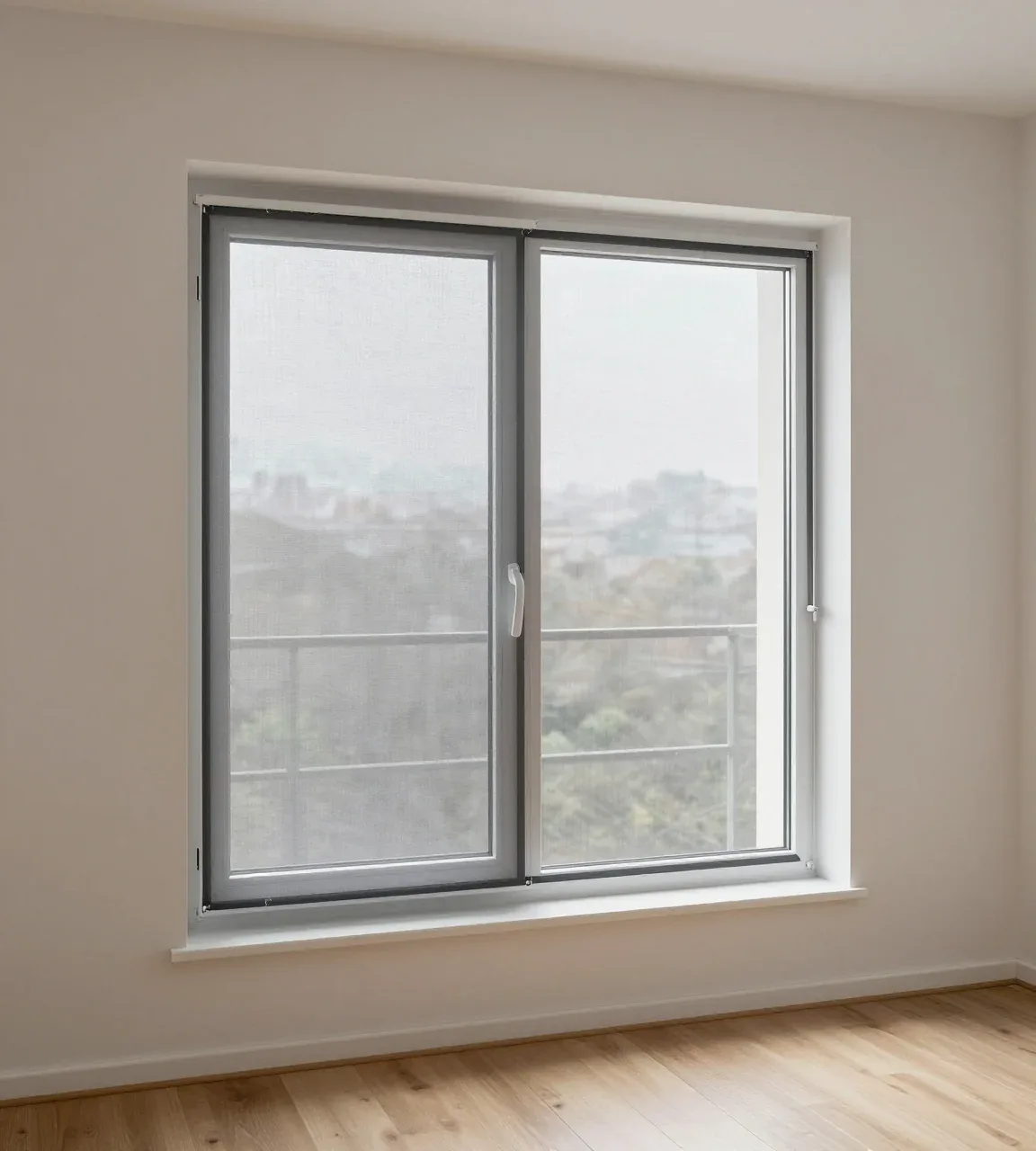
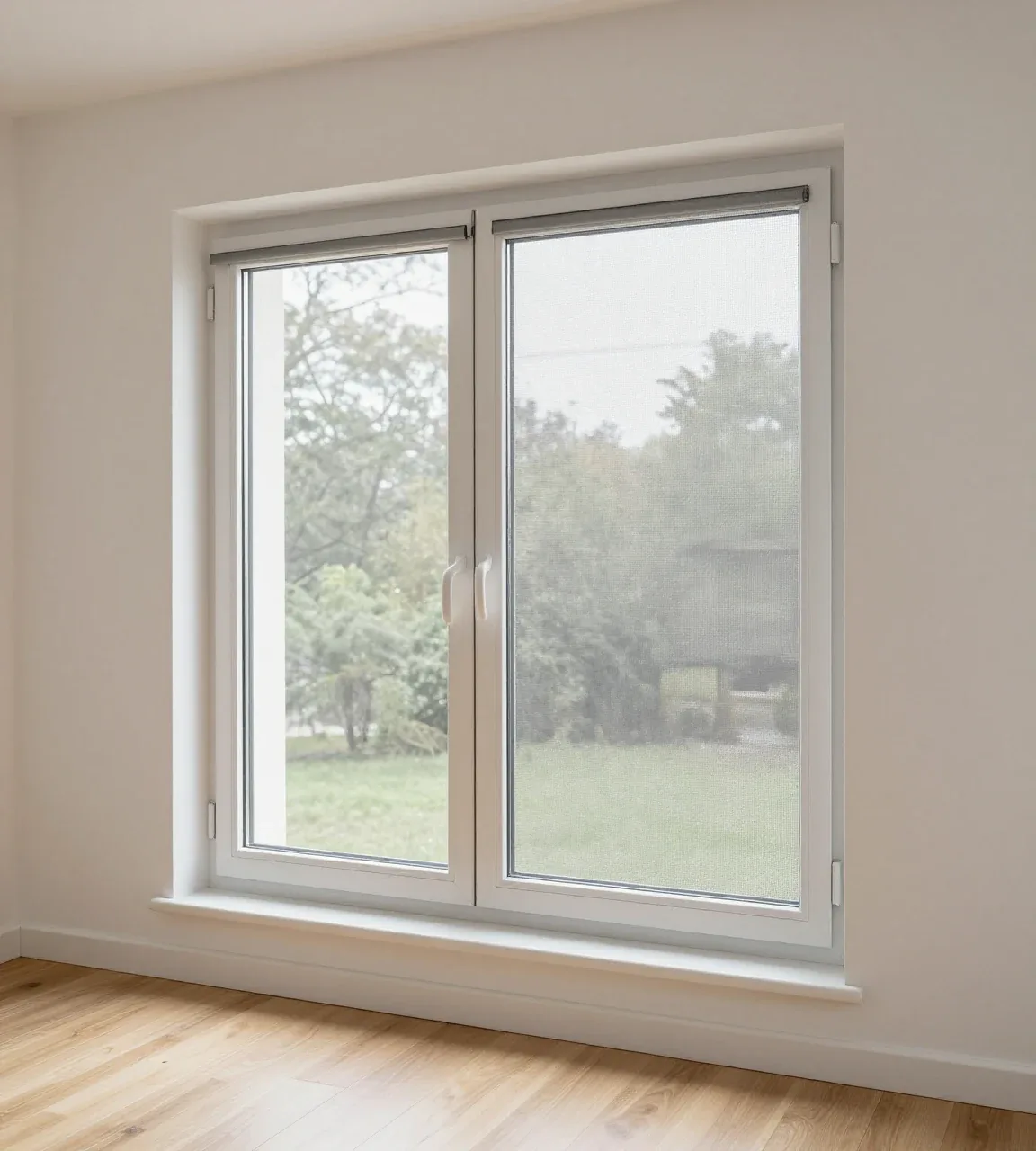
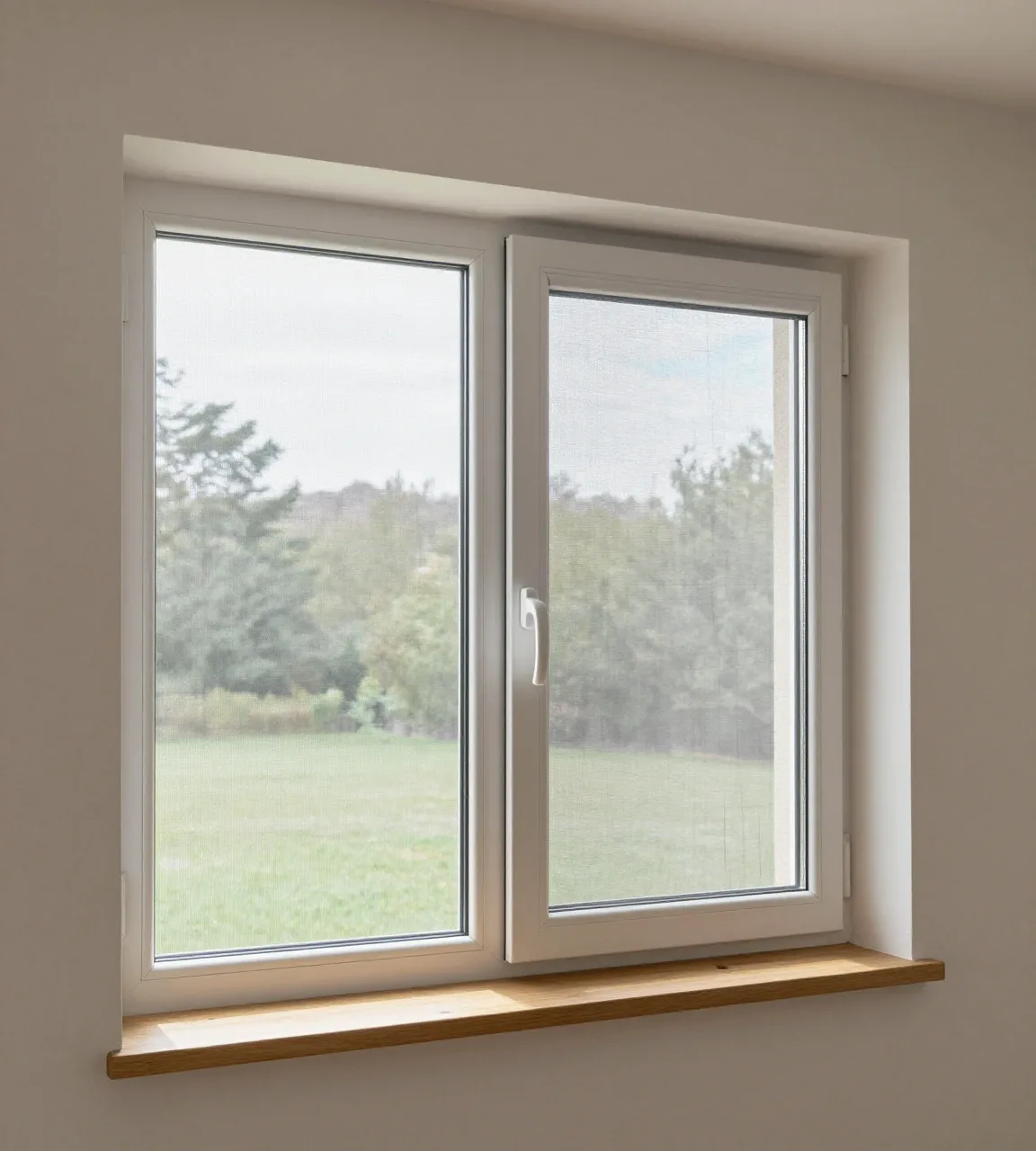
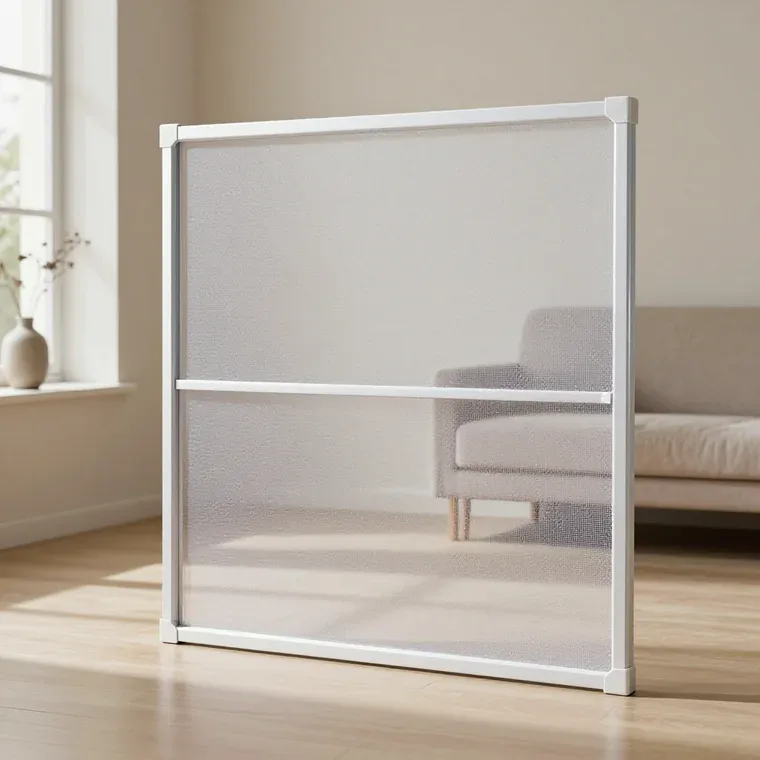
The Anti-Pollen mesh is a framed design with Poll-Tex fabric. The mesh size is 0.25×1 mm: it traps fine pollen particles that pass through a standard mesh. The fabric is hypoallergenic, so it is installed in children's rooms and bedrooms.
The frame is made to your dimensions, and the fabric is stretched over the profile. The screen is fixed to the window outside and removed from inside in a minute. For loggia, gazebo and veranda windows, the fixing is chosen according to the profile and floor.
Poll-Tex fabric mesh
making a framed screen
warranty on mosquito screens
The measurer chooses the fixing for the window profile and floor: Z-shaped brackets, plungers or magnets.
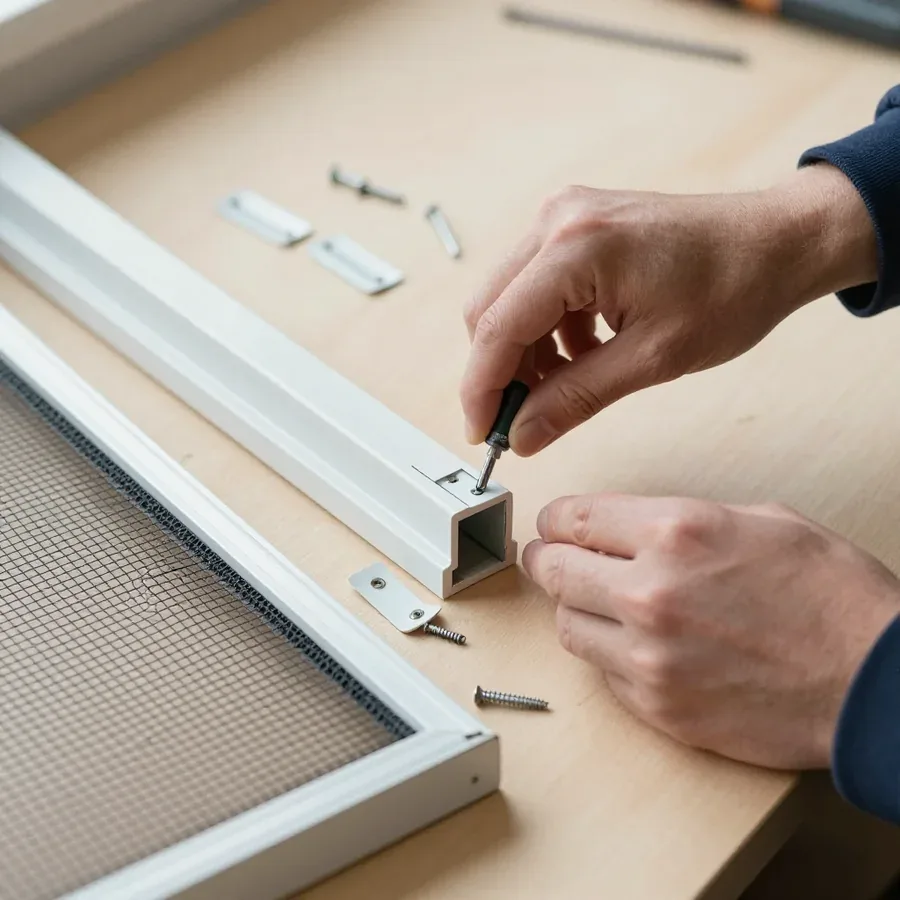
Suitable for most plastic windows. Fixed to the frame outside, the screen slots into the grooves.
Metal plungers are screwed into the frame, and the screen is held on them. Easy to remove for winter.
For windows with a smooth profile and loggias. The screen is held by magnets and removed without tools.
If the old brackets are worn out, the technician will replace the set. Price from 970 ₸ per set.
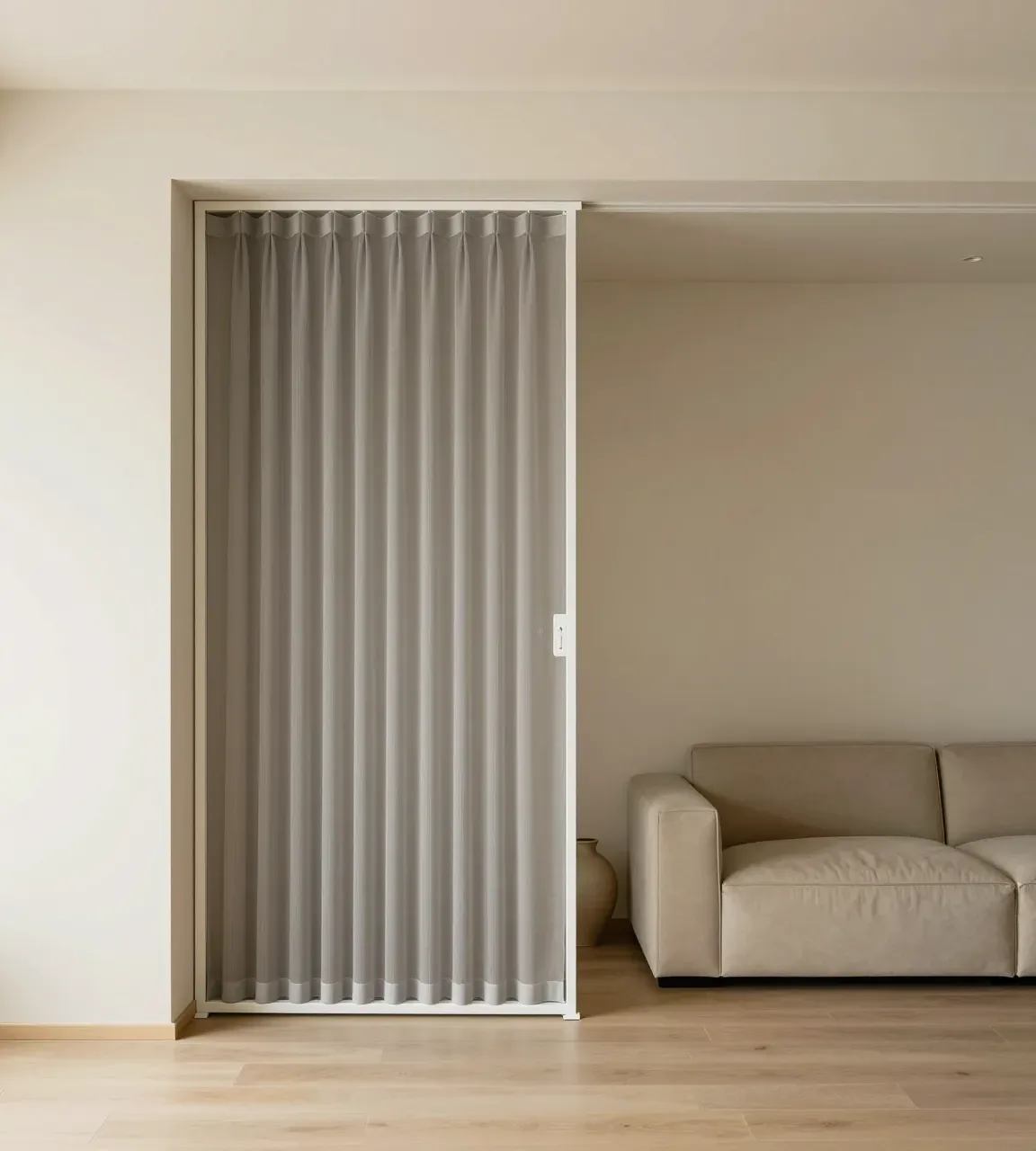
Framed, sliding, door and pleated screens. Our measurer will choose the right design for your opening free of charge.
Full price listPlastic, wooden and aluminium windows, vents, loggia, gazebo and veranda windows. The measurer chooses the fixing.
Balcony door: hinged, sliding or pleated screen
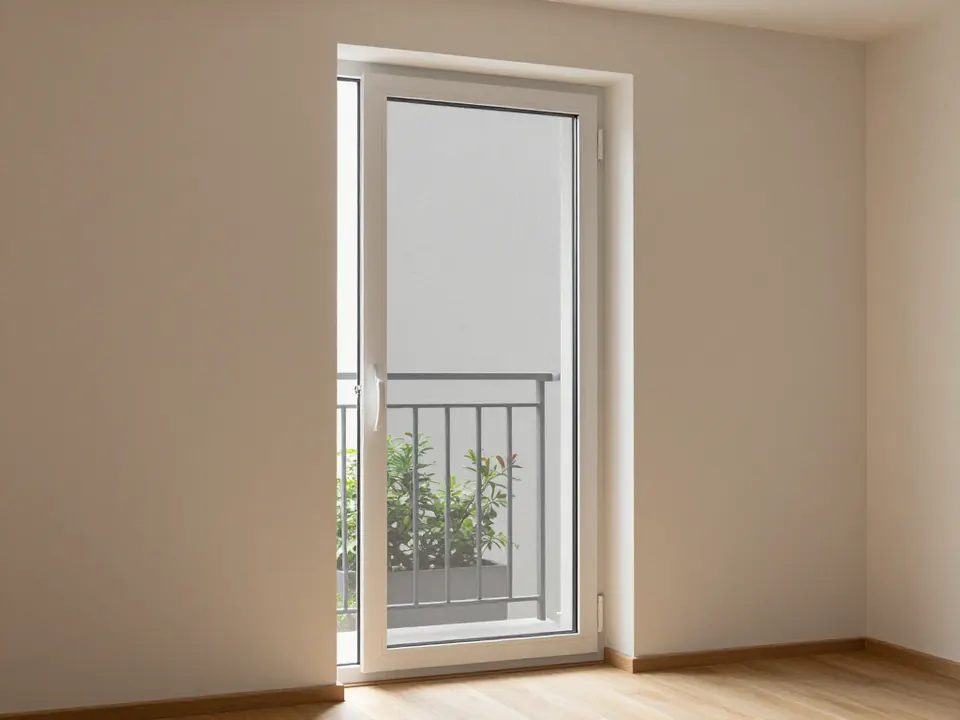
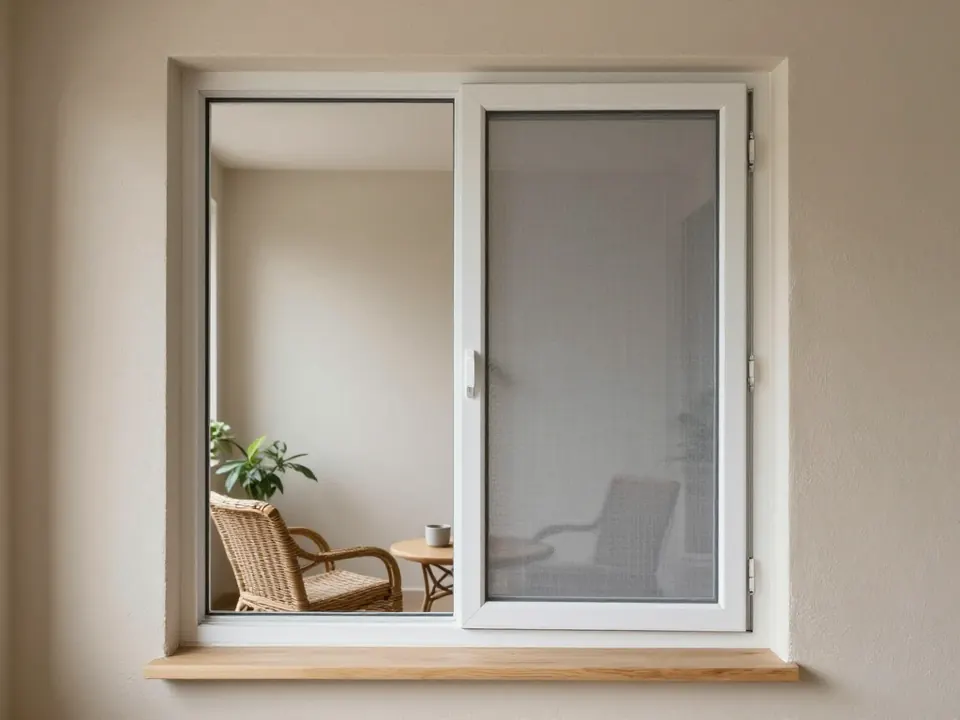
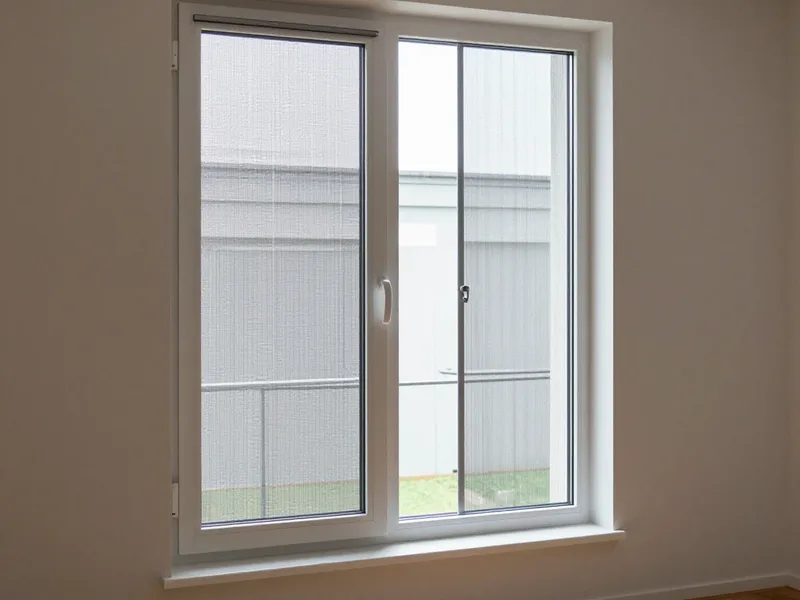
Framed screens for opening sashes
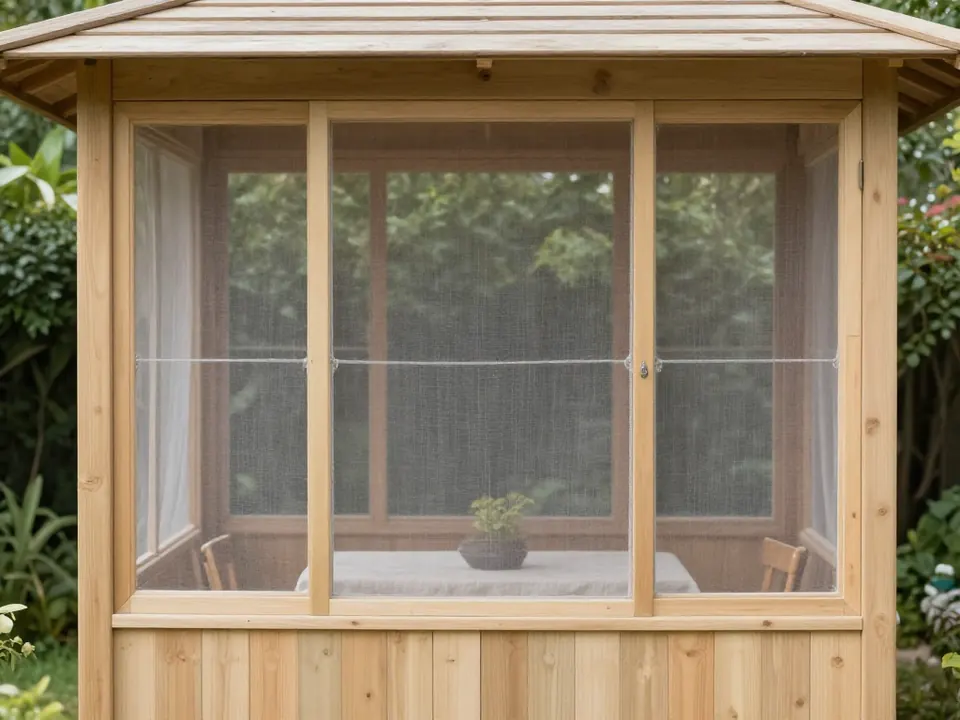
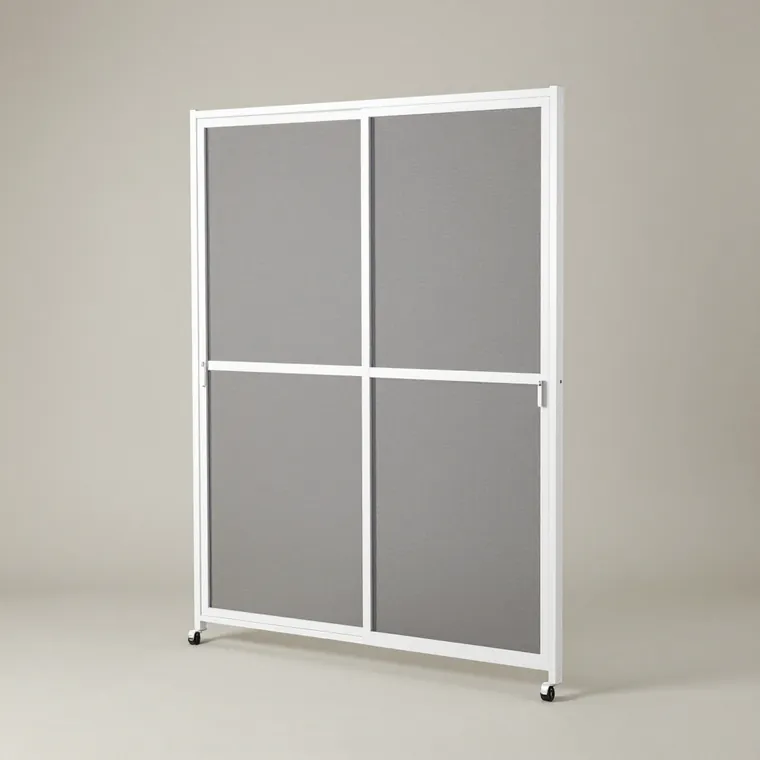
Wide openings: sliding and pleated screens
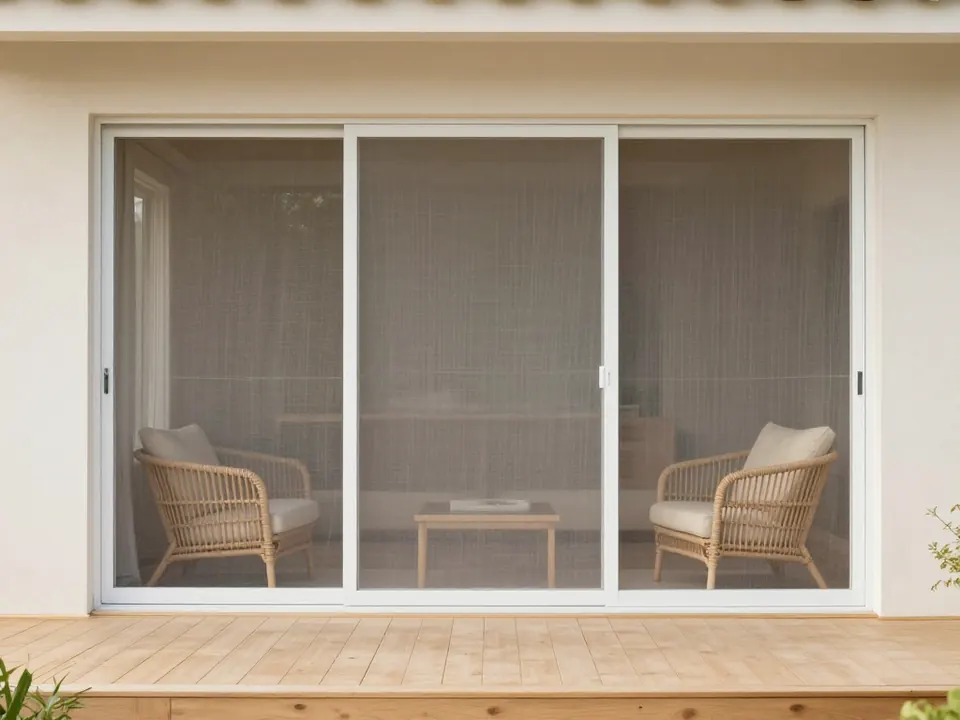
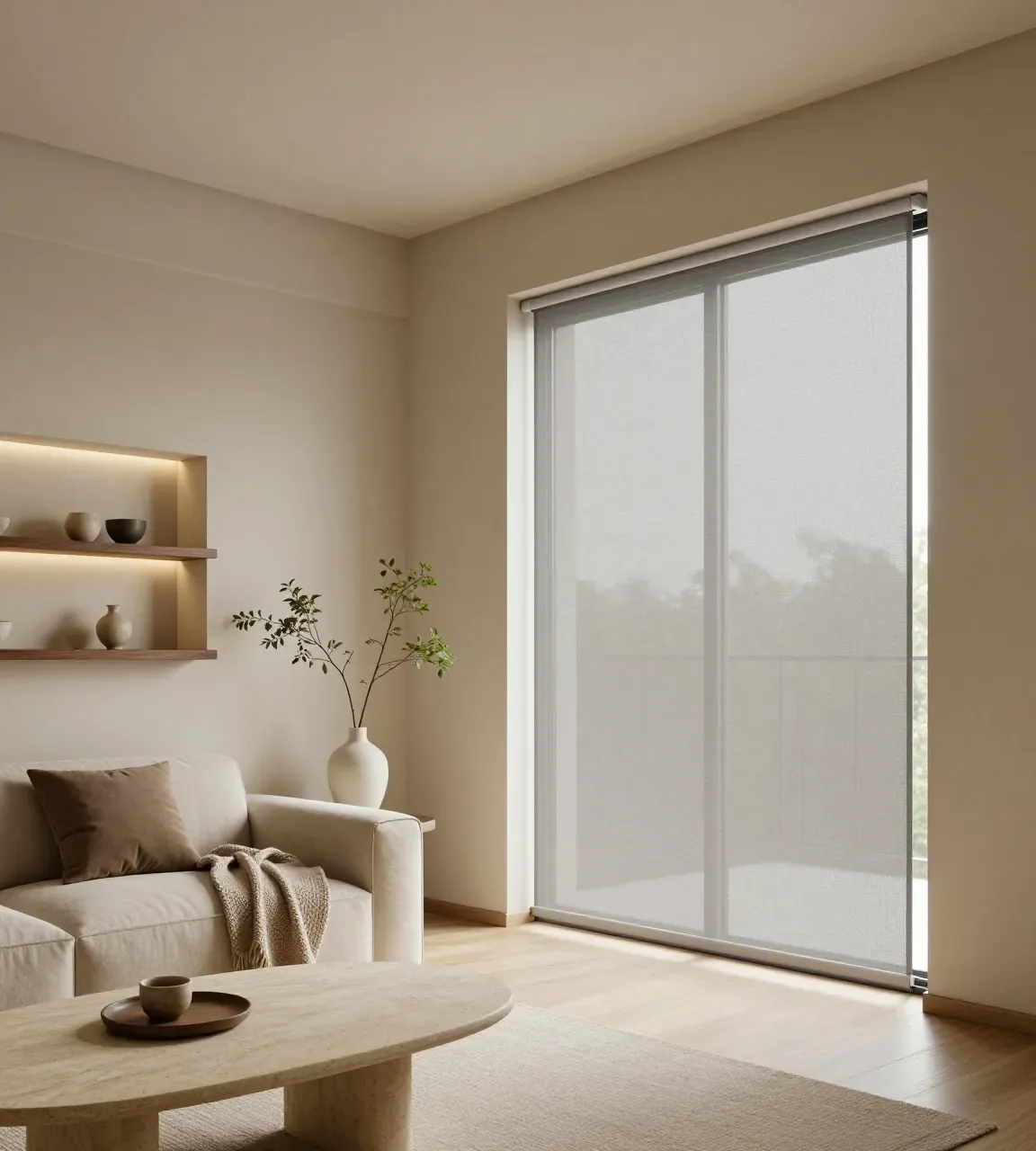
Large windows and doors to the terrace
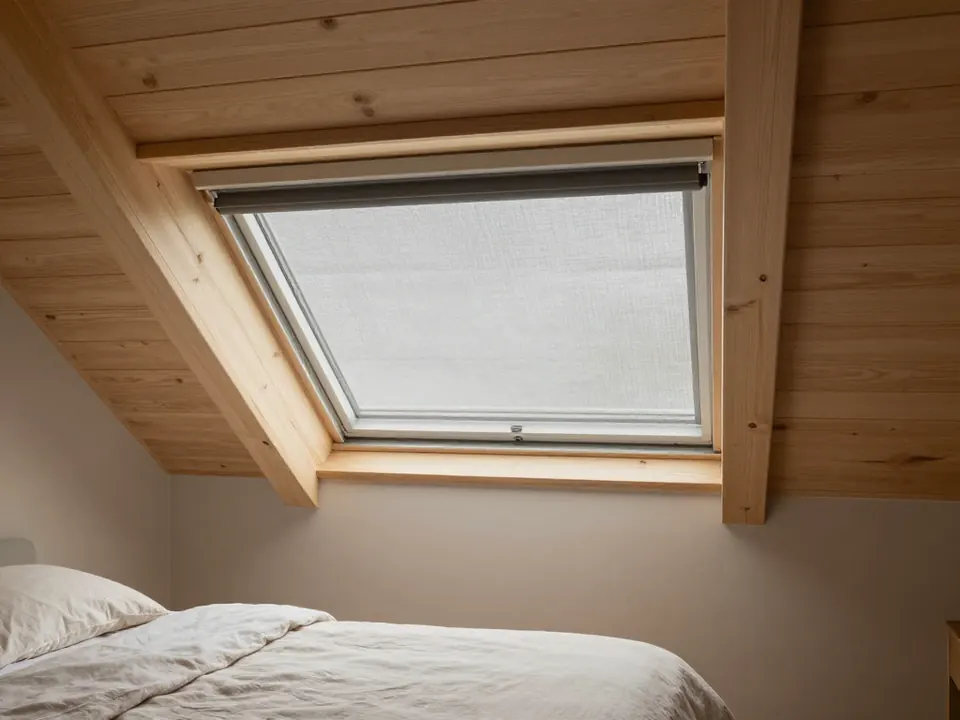
Sloped windows: the measurer chooses the fixing
Framed screen made to the exact size of the transom
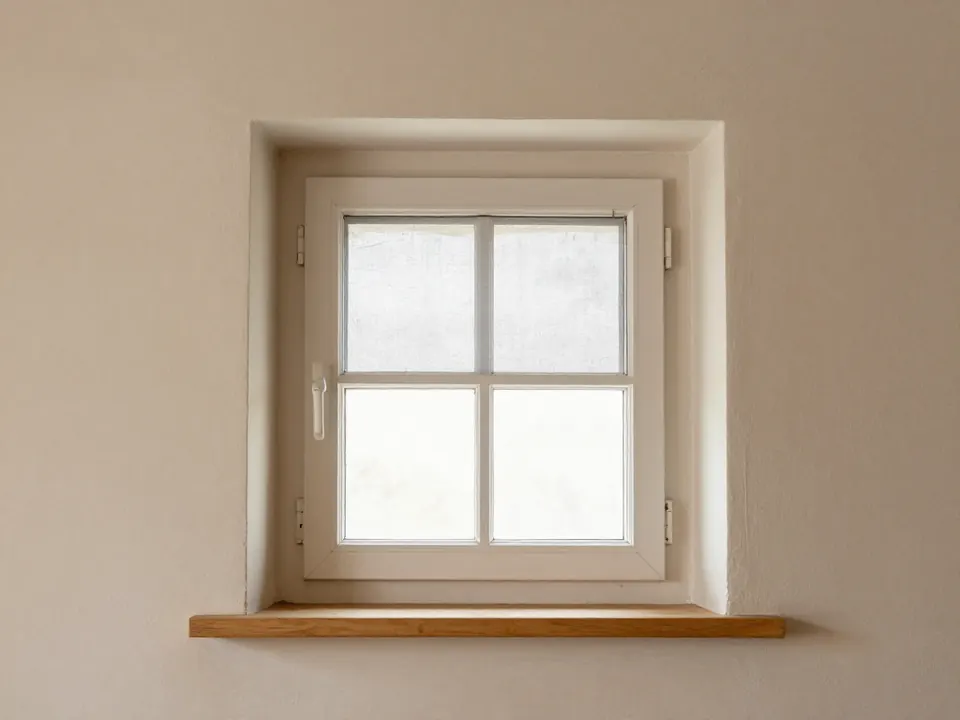
The cost depends on the mesh area, fixing type and profile colour. The exact price is confirmed after the measuring visit.
| Screen type | Price | Fitting | Options and prices | |
|---|---|---|---|---|
| Anti-Pollen mesh (Poll-Tex)Poll-Tex fabric | from 12 200₸ per m² | 1 600 ₸ | "Anti-Dust" · 11 800 | |
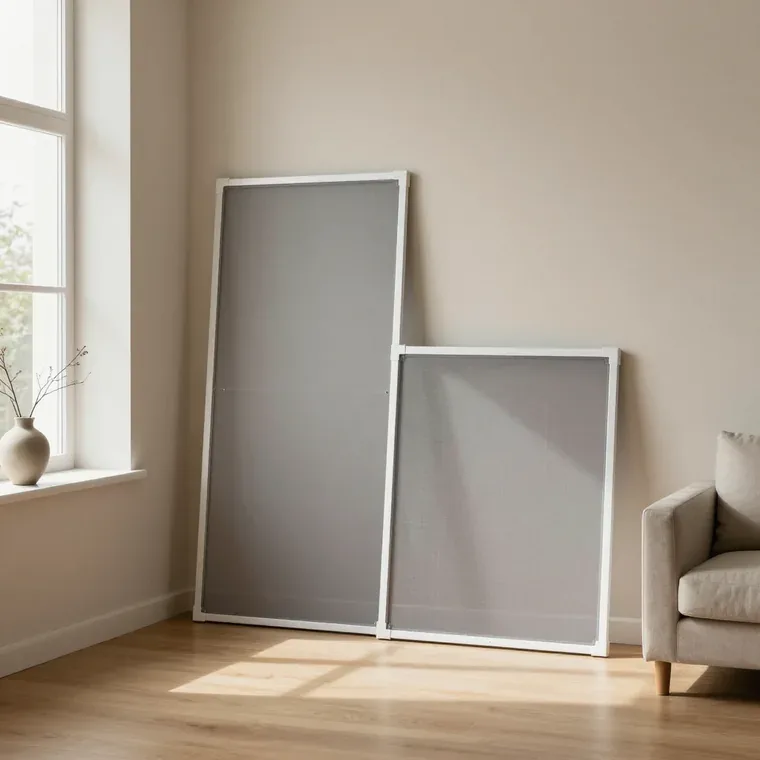
| Anti-Pollen mesh per unitready-made unit to your dimensions | from 17 000₸ per unit | — | ||
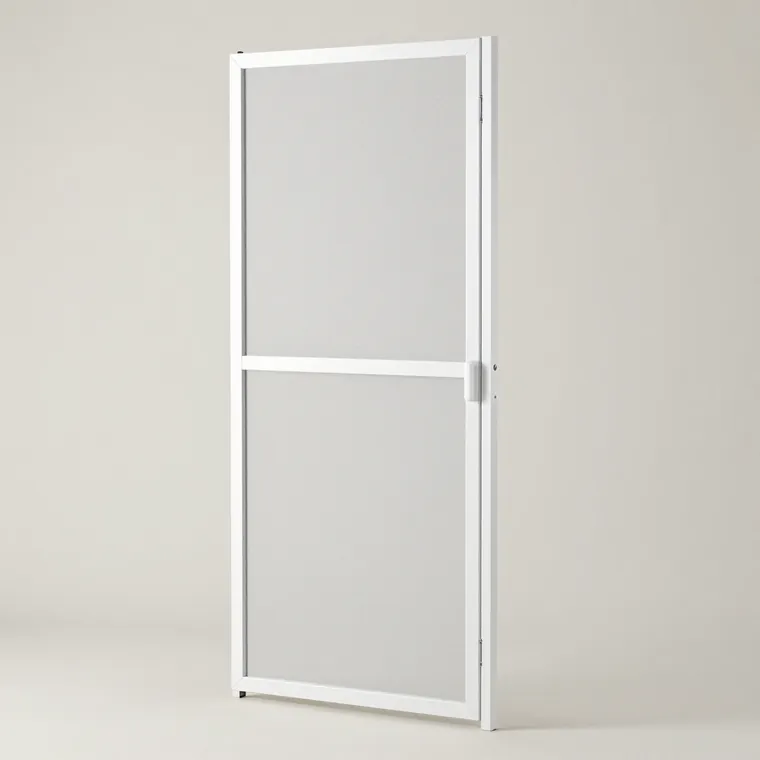 Anti-Pollen door mosquito screenfor door openings | from 33 500₸ per unit | — | ||
| Frame re-meshing with Anti-Pollen fabricreplacing the fabric in the frame | from 17 500₸ per job | — | ||
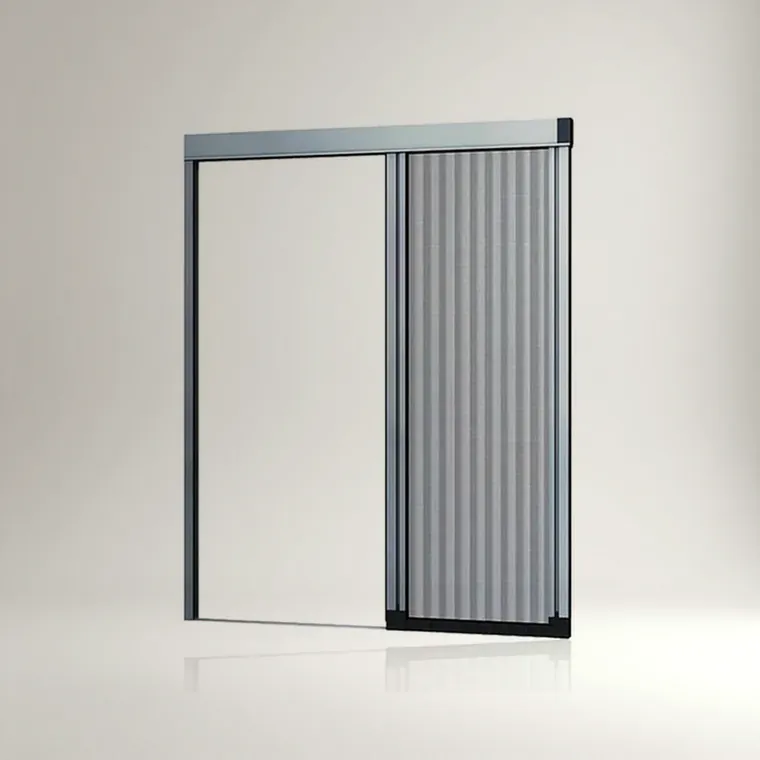 Pleated screen with Anti-Dust fabricsliding design | from 31 500₸ per m² | — | ||
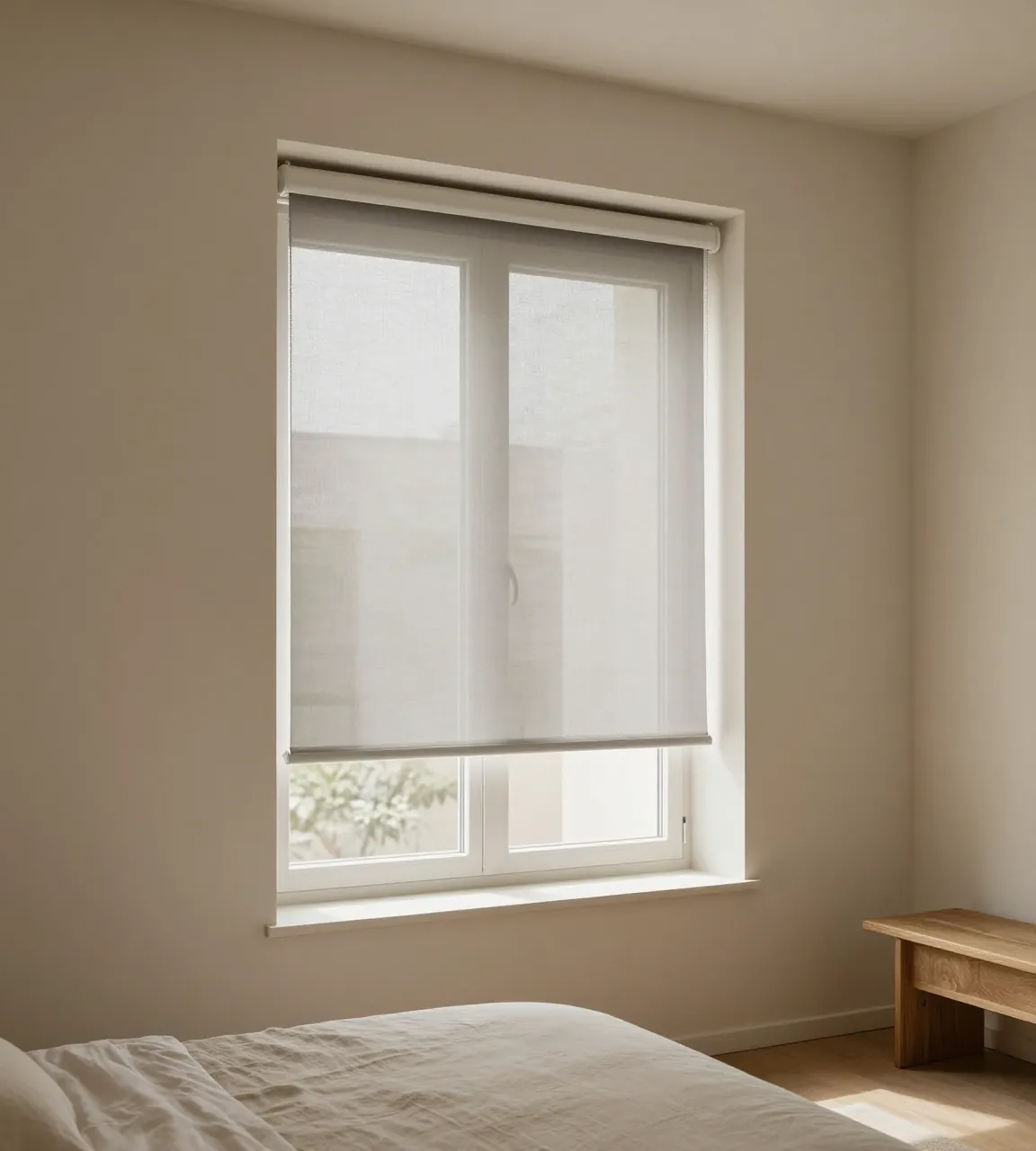 Roller mosquito screen with Anti-Dust fabricroller mechanism | from 30 000₸ per m² | — | ||
| Replacement of fixings (Z-brackets)bracket set | from 970₸ per set | — | ||
| Measuring visit if the order is cancelledif the order is cancelled | from 2 500₸ per job | — |
Ask the technician which payment methods are available in your city and request that the final amount be fixed in the order before fitting.Compare the cost of a framed screen and a pleated one for the same area to choose the design that fits your budget.
Book a measuring visitEnter the window width and height to calculate the cost of the "Anti-Pollen" mesh to your dimensions.
1. Screen type
2. Mesh and design
3. Opening size, cm
Facts about the company and the mesh that matter when choosing a window screen in Semey.
We have been making mosquito screens since 2012 at our own production facility in Almaty.
1-year warranty on mosquito screens.
We paint the screen profile white, brown, grey or another colour to match your windows.
We make a framed screen to your dimensions in 10–15 minutes.
The "UltraVue" mesh lets through 25% more light and air than other meshes.
The measurer will come at a convenient time, take dimensions and help you choose the design.
We deliver and install screens on windows and doors, repair them and replace fixings.
Mosquito screens can be ordered in 17 cities of Kazakhstan.
Four steps from request to installed screen.

During the measuring visit, the technician checks the sash, the condition of the reveal, the floor and the profile type — this determines which design and fixings suit your window.
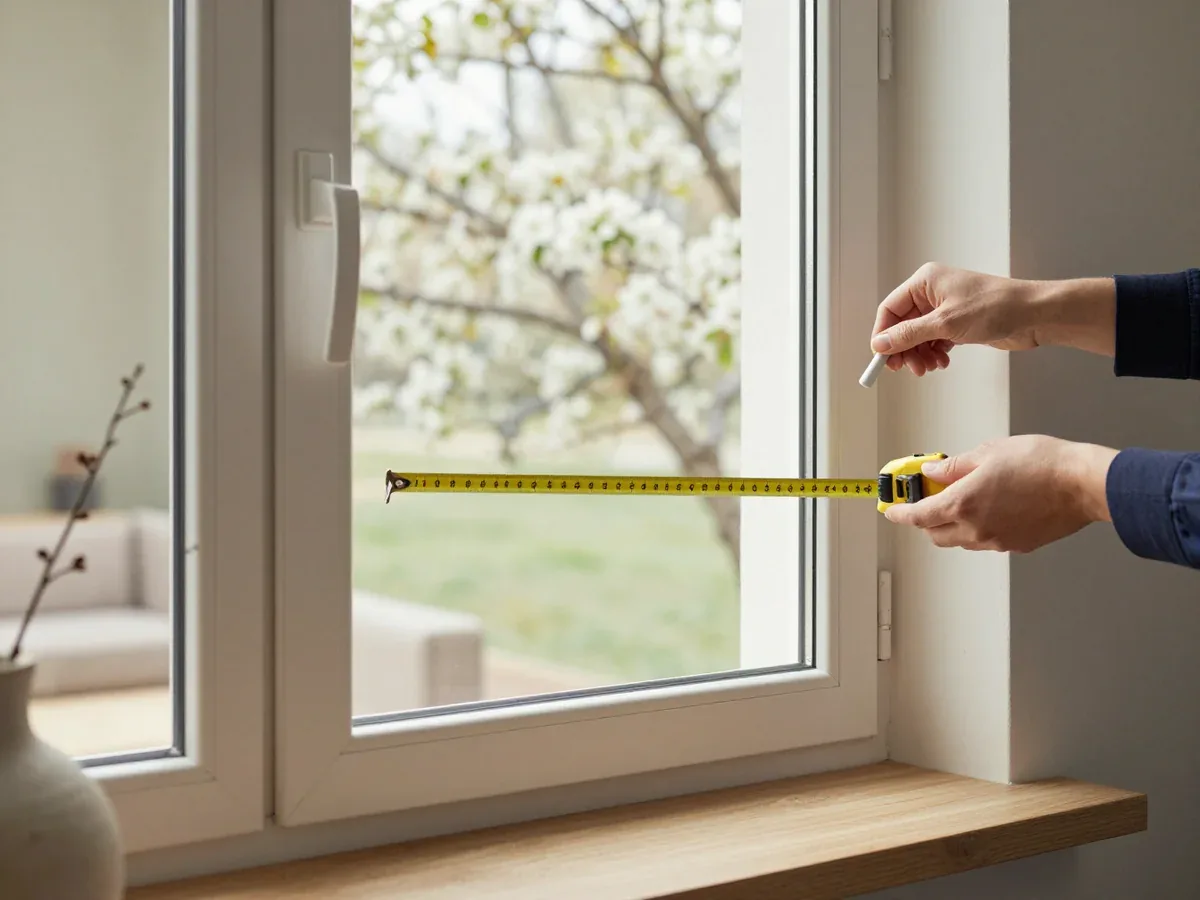
We make a framed screen in 10–15 minutes, a pleated screen in 40–60 minutes. We paint the profile in the required colour.
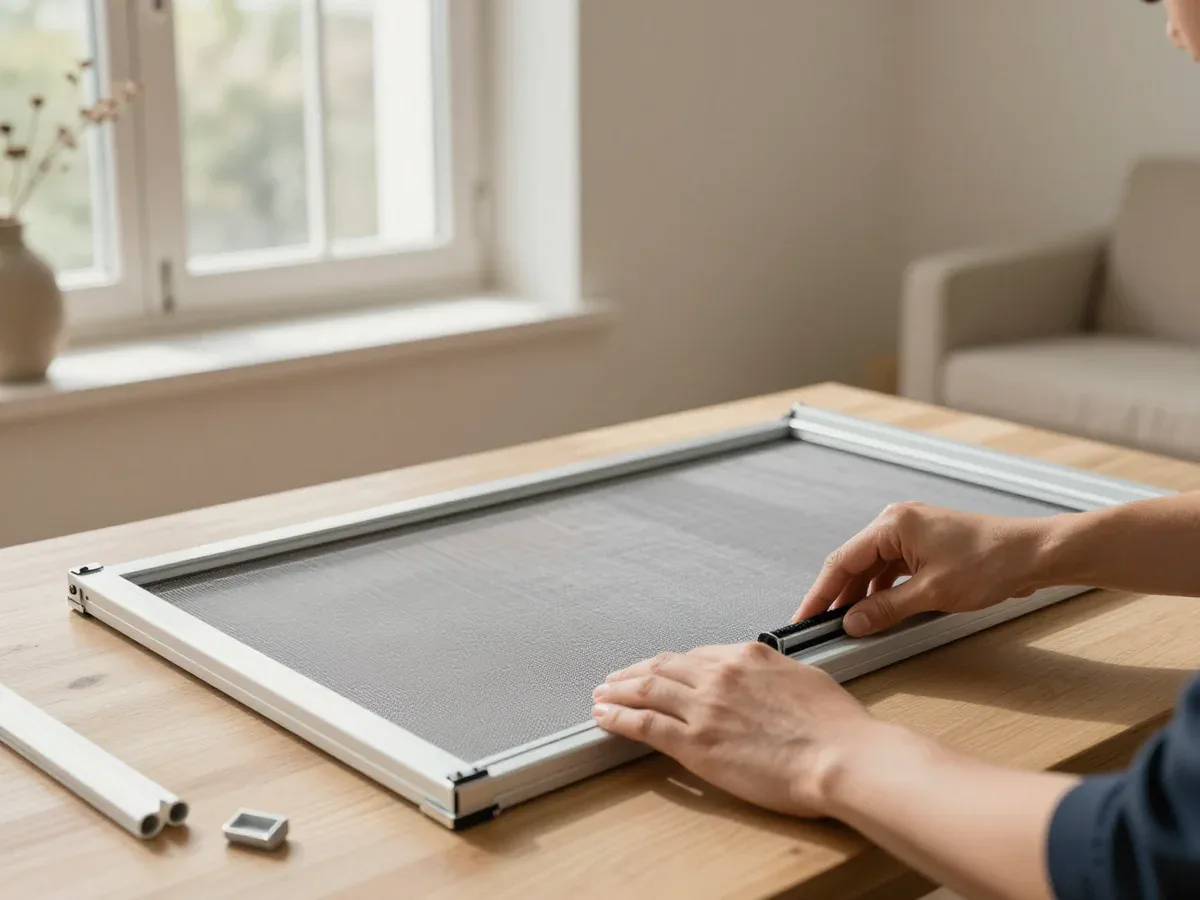
After fitting, check the sash: it should open and close freely, the mesh should be evenly tensioned, and the gaps around the perimeter should be equal.
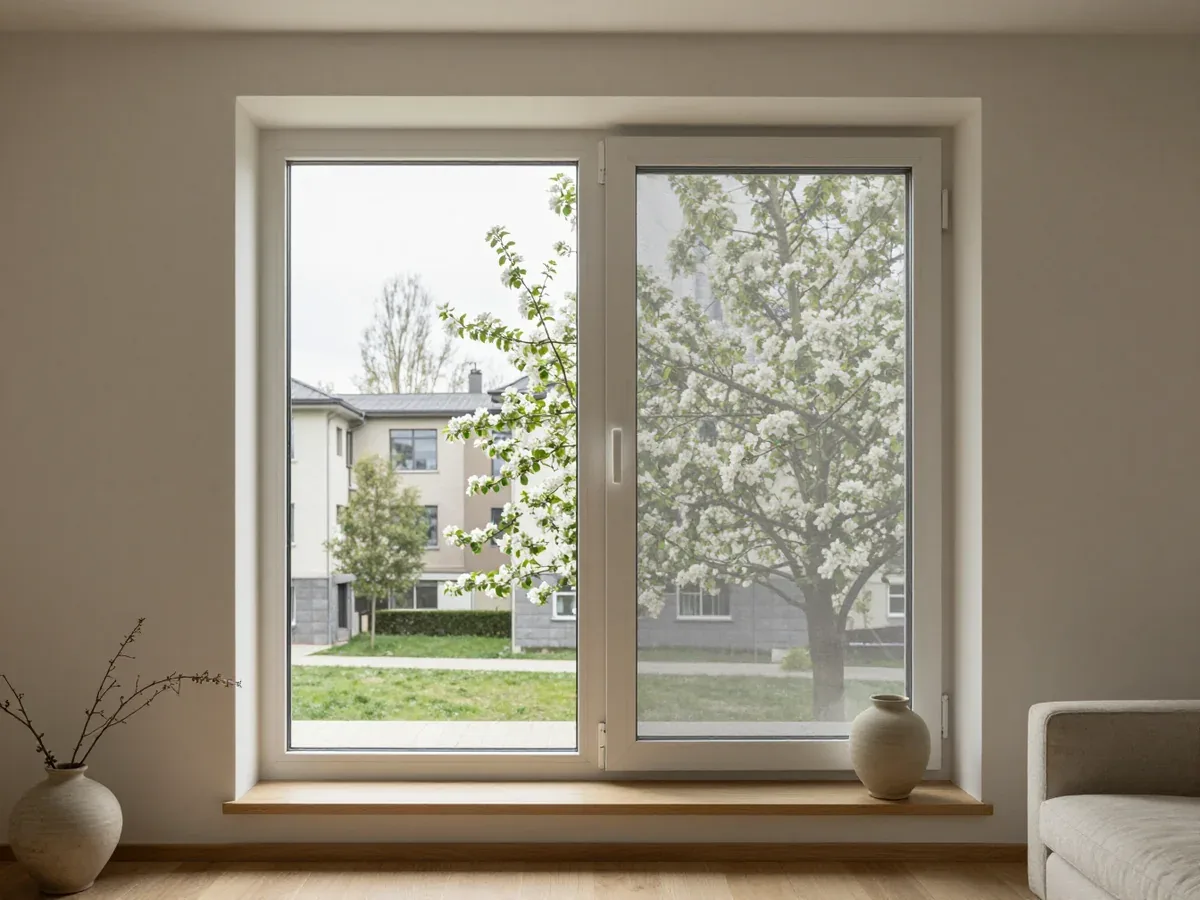
Payment after installation: cash, card or Kaspi. The price is fixed in the order after the measuring visit.
Good to know

Senior mosquito screen specialist at moskitnyesetki.kz
We make anti-pollen window screens in Semey to your exact window size, using Poll-Tex mesh with a 0.25×1 mm cell that holds back fine pollen while still letting air through. Measuring and consultation are free, a framed screen is built in 10–15 minutes, and every screen carries a 1-year warranty.
Anti-pollen mesh differs from anti-dust by weave density and purpose, a distinction buyers in Semey often miss when two similar names appear on the same price sheet.
Our Anti-Pollen (Poll-Tex) mesh has a 0.25×1 mm cell, fine enough to catch the pollen grains and fine street dust that slip through a standard screen. A Standard (Fiberglass) sheet leaves a much wider opening, so the lightest particles pass straight into the room and settle on sills. The 0.25×1 mm weave holds those grains at the surface, where you can wipe or rinse them off. The cell is a compromise, not a filter — it holds back the smallest particles a woven mesh can while keeping the weave open enough for airflow, so it works best on windows facing a dusty street.
| Mesh | Weave | Best for |
|---|---|---|
| Anti-Pollen (Poll-Tex) | 0.25×1 mm cell | pollen season, fine street dust |
| Anti-Dust | medium weave | coarse dust, everyday use |
| Standard (Fiberglass) | open weave | airflow, general insect protection |
The usual worry about a tight weave is that the room will turn dim and stuffy. We look at how much daylight and airflow a Poll-Tex screen actually changes.
A Poll-Tex panel cuts a little more daylight than an open standard mesh, but the difference is modest and most rooms stay bright, because the weave blocks particles rather than sealing the window. The canvas carries a 0.25×1 mm cell — tight enough to catch pollen grains, yet the openings still let air move across the pane. A standard fiberglass mesh has a wider structure, so it passes slightly more of it, but also lets dust and pollen straight through. The drop on a normally lit window is barely noticeable once your eyes adjust. If a room is dim, put the tight weave on the sunniest windows and a lighter one where daylight is short.
One mesh does not fit every opening. Window type, floor height and door use change the choice of canvas, profile and fixing, settled by the measurer before cutting any frame.
We fit anti-pollen window screens semey to plastic, wooden and aluminium windows, and to vent panes, loggia windows, gazebos and verandas, so the frame type rarely limits the choice. A standard casement takes a framed screen; a loggia glazed in aluminium takes the same Poll-Tex canvas on a slimmer frame. Wooden windows are the one case where we look at the rebate first, because old timber sashes vary in depth and the frame has to sit flush rather than proud. The window material matters less than the frame profile and how the screen sits against it, so the measurer checks the profile before recommending a fixing.
For a balcony door we suggest a sliding or hinged door screen, and where a cat or dog is at home the tougher Anti-Cat (Pet Screen) weave is safer than fine pollen mesh. Hinged door screens come on Economy 32×10 mm or Prestige 42×17 mm profiles, and the heavier Prestige suits a wide leaf that takes knocks. Anti-Cat holds the weight of a small animal on vinyl threads, while Poll-Tex keeps its 0.25×1 mm cell for pollen. A pet tests the mesh at the same spot daily, so the sensible split is Anti-Cat on the door the animal uses and Poll-Tex on windows that only need pollen filtration.
Marketplace listings sell fixed sizes with no measure or fitting. Here is how an order runs from free measure to a finished screen installed and paid on the spot.
| Type | Build time | Notes |
|---|---|---|
| Framed | 10–15 minutes | cut to your measured size |
| Pleated | 40–60 minutes | folds aside, suits doors and wide openings |
| Metal mesh | 10–15 minutes | heavier weave, same frame |
We deliver and install screens on windows and doors, and you pay after installation by cash, card or Kaspi, with the price fixed in the order once measuring is done. The fitter mounts the frame on the brackets or pins chosen at the measure, checks that the mesh sits flat and the edge closes against the profile, then hands over the finished piece. Paying after the mesh is up means you check the fit and the fixing before any money changes hands, so a wobbly frame or a gap at the edge gets sorted on the spot. Ask the fitter to show you how the frame lifts out from inside before he leaves.
A window screen stays in place for years, so the details that matter are the finish, the seasonal routine and what happens when something tears or wears out.
We paint the screen frame any colour to match your windows, so the protective screen reads as part of the window rather than an add-on. The surround is aluminium, primed and coated in the shade you pick at the measure, whether that is the white of a standard plastic profile or the brown of a laminated one. On hinged door screens the same finish goes onto either the Economy 32×10 mm or the Prestige 42×17 mm profile. Colour is chosen once, before the surround is cut, because repainting a finished unit means stripping and recoating it. A matched surround is less noticeable from inside and holds its look longer than a stock white one, so settle the shade during the free measure.
A few decisions decide whether an anti-pollen screen serves you for years. Here is the short version to carry to the measuring visit.
Insect protection, installation, ventilation, care
Konstantin Selenenkovsenior mosquito screen specialist, 10 years in the tradeOnline · replies within 5 minutes
Ask a questionYes, the 0.25×1 mm cell is so small that not only mosquitoes but also midges and small insects cannot get through. For windows near water or greenery, this noticeably reduces the number of flying visitors in the home.
Yes, we re-mesh the frame with new "Anti-Pollen" fabric if the profile is intact and holds the fixings. The technician will remove the old mesh, install the anti-allergen fabric and put the frame back in place.
The fabric breathes: air passes through the fine mesh, though the flow is slightly weaker than with a standard mesh. For constant ventilation, a slightly open sash is enough, and the room will not feel stuffy.
A framed mesh can be removed from inside in a minute without tools. For the winter, it is better to take it down so the fabric does not crease or collect dirt, and in spring simply put it back.
Yes, for a door we make a hinged mesh with "Anti-Pollen" fabric in the "Economy" or "Prestige" profile. The hinges withstand frequent opening, and the fine cell also traps pollen.
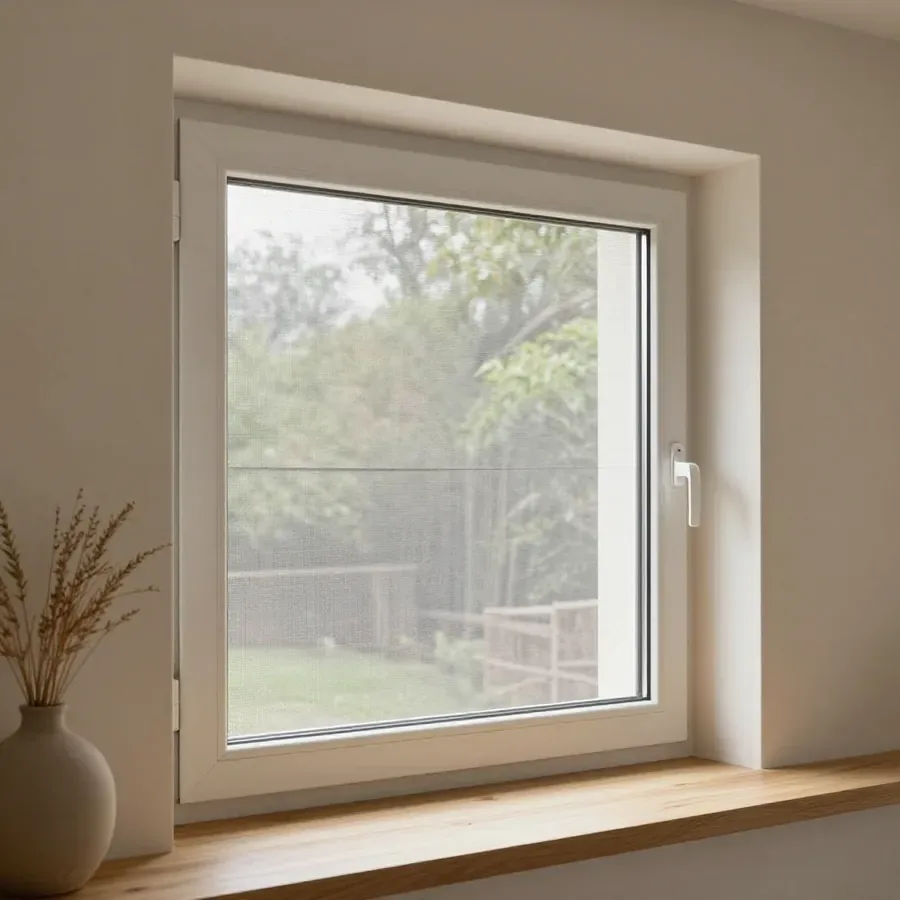 Care
A frame screen comes off in a minute: we show how not to bend the frame or lose the fixings.
April 15, 20268 min read
 Choosing
We compare the price, lead time and how each screen performs on a door that you walk through every day.
March 2, 20268 min read
 Mesh types
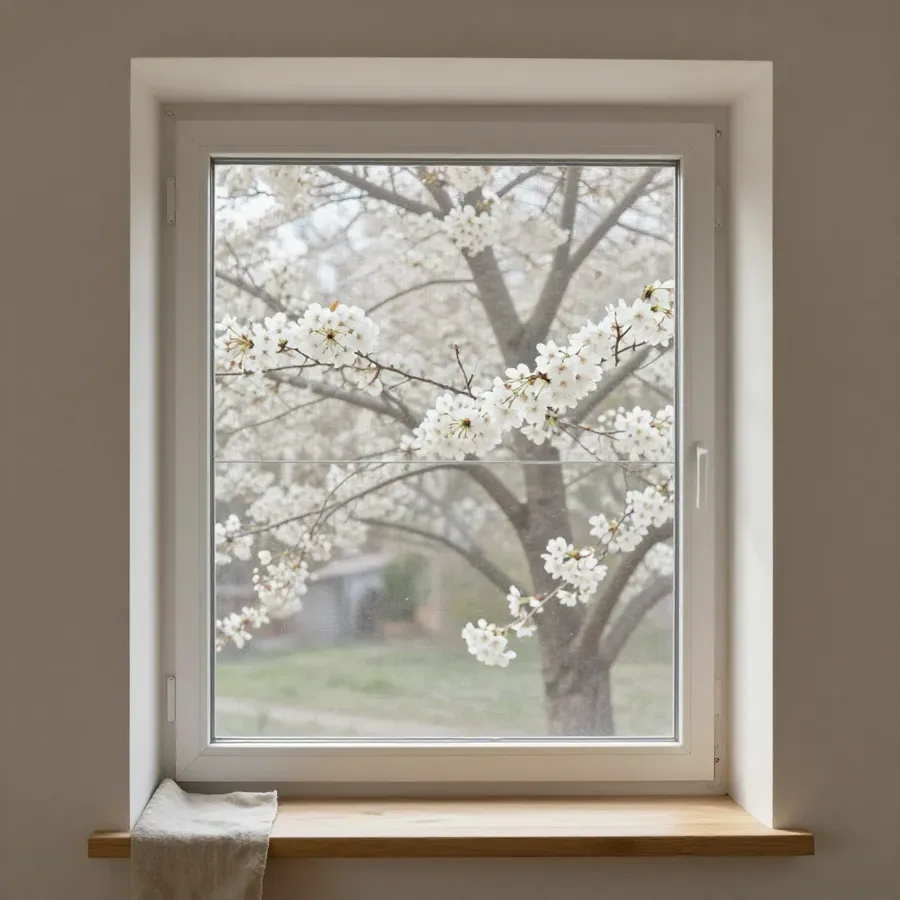
How Poll-Tex mesh with a 0.25×1 mm cell works and who it helps in pollen season.
February 17, 20268 min read
 Prices
Price list breakdown: frame screen from 2 000 ₸ per m², installation 1 750 ₸, pleated from 28 000 ₸. Costing a 70×140 cm window.
February 1, 20268 min read
 Repair
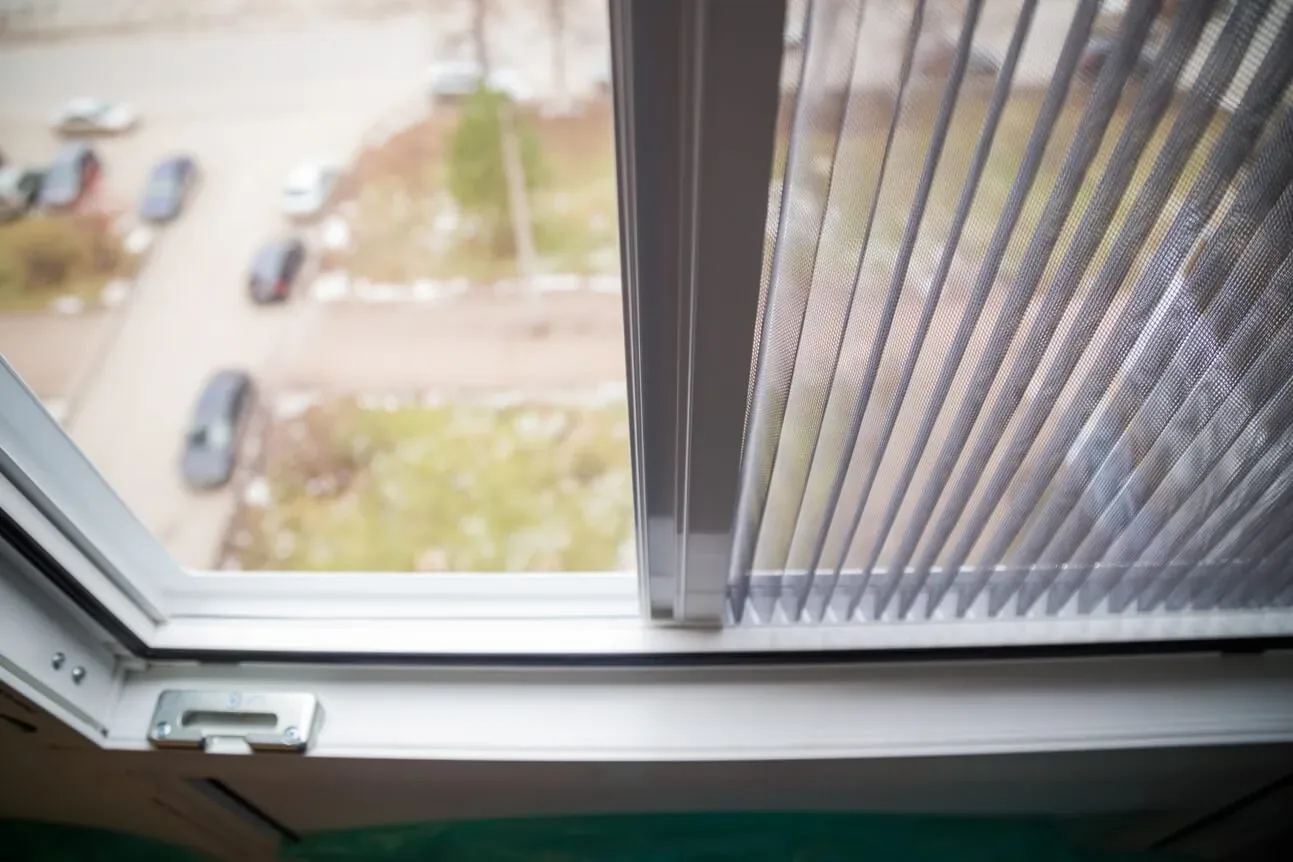
Worn fixings, a wrong measurement, wind on high floors. A set of fixings costs 290 ₸, installation 871 ₸.
January 14, 20268 min read
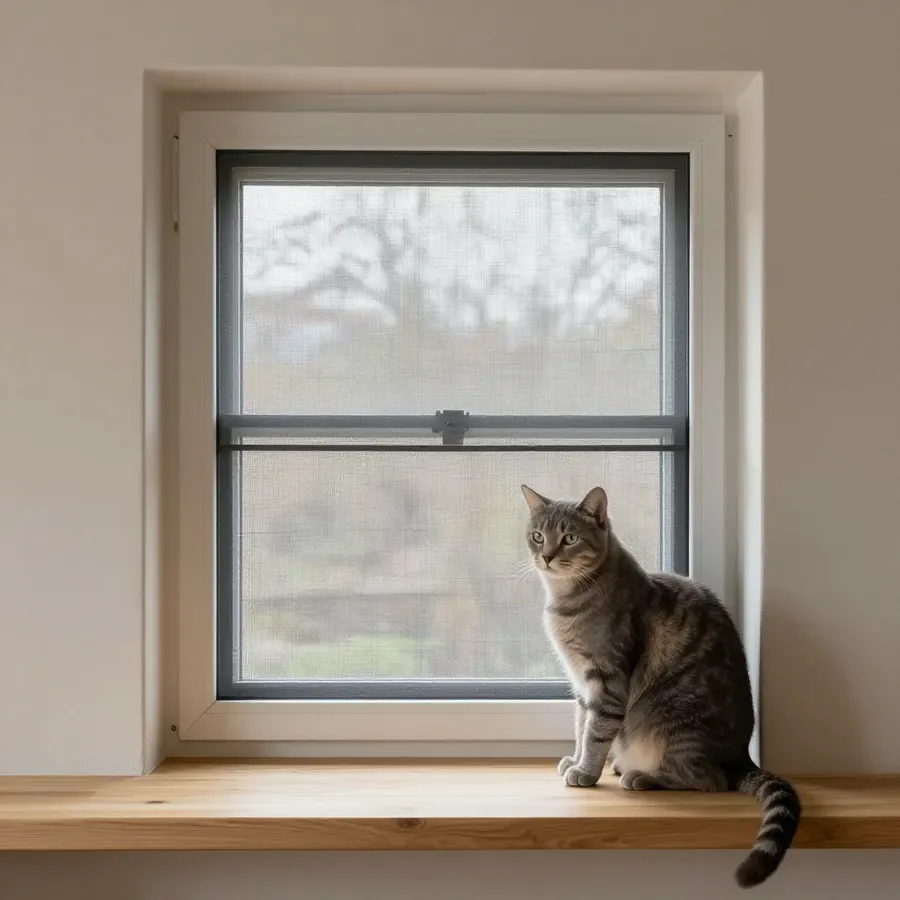 Choosing
Anti-Cat mesh on vinyl threads, the fixings and what to do about gaps around the window opening.
December 23, 20258 min read
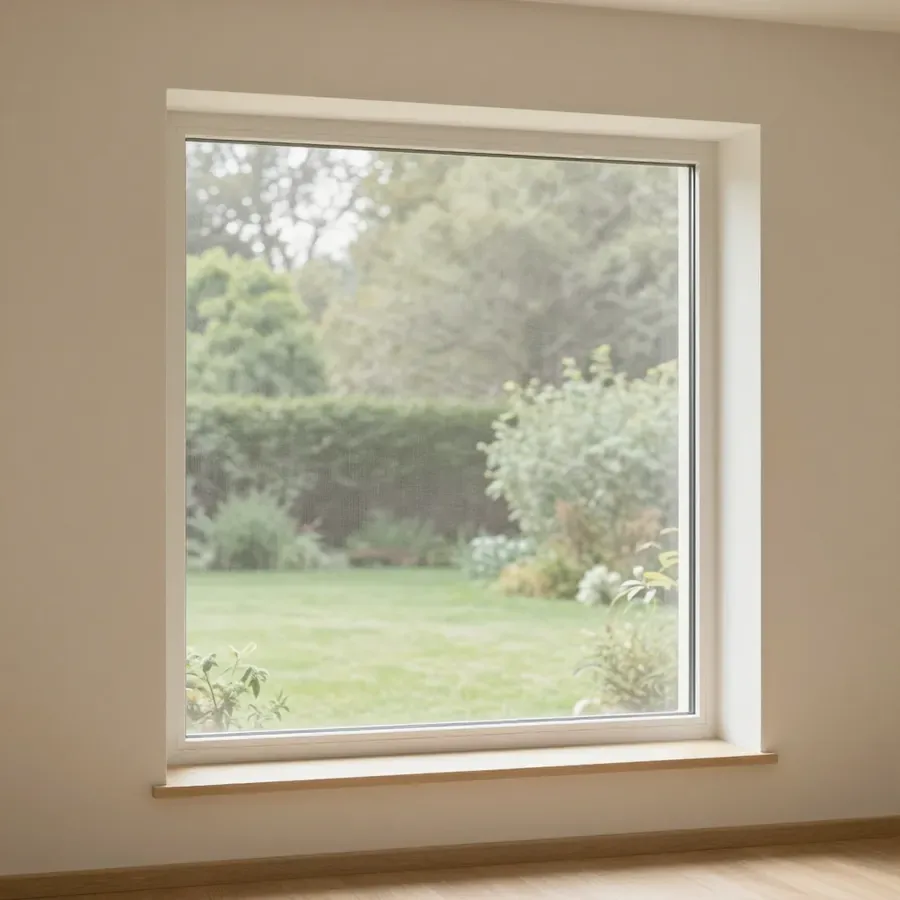 Mesh types
The mesh lets in 25% more light and air. Where the difference shows and where paying extra is not worth it.
December 11, 20258 min read
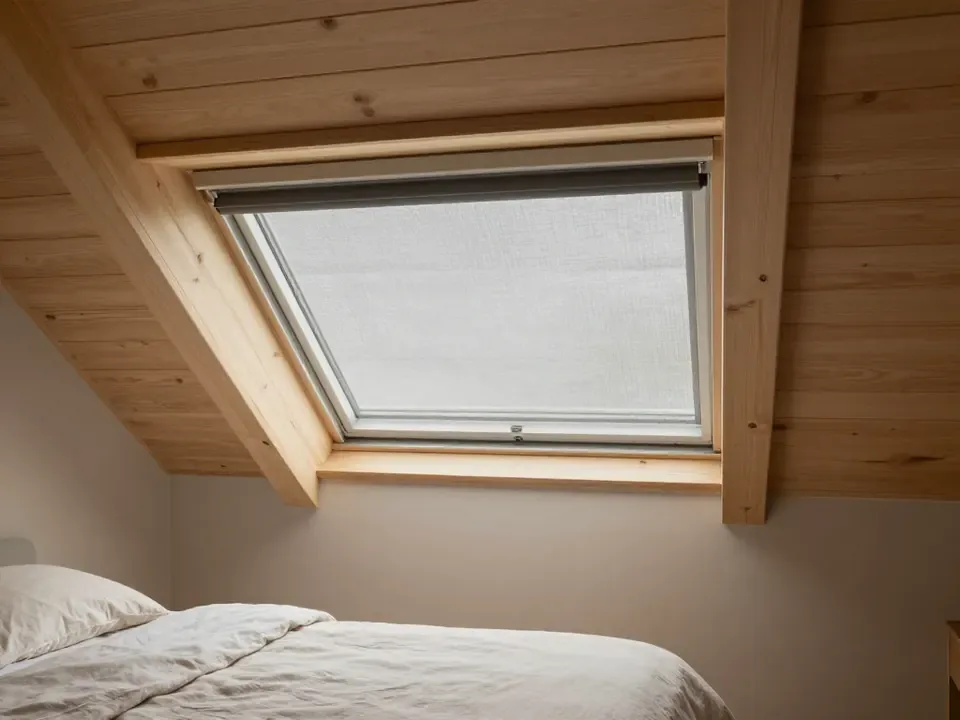 Choosing
A tilted sash, outward opening and a roller screen at 15 000 ₸ per m²: what will suit your window.
November 21, 20258 min read
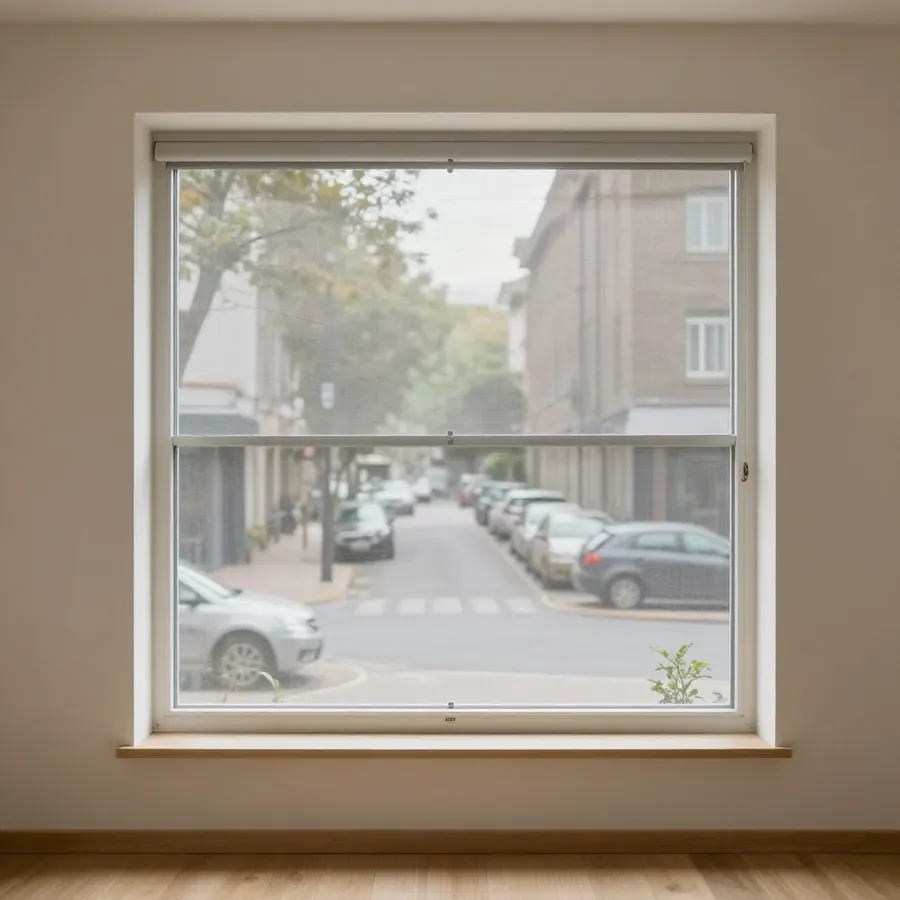 Mesh types
The mesh stops coarse and fine dust along with mosquitoes. When it is worth the price of 8 500 ₸ per m².
October 20, 20258 min read
Thank you. We will call you back within 10 minutes!
Your order number is on the receipt or in the SMS. Choose where to leave your review.
Write a review on WhatsApp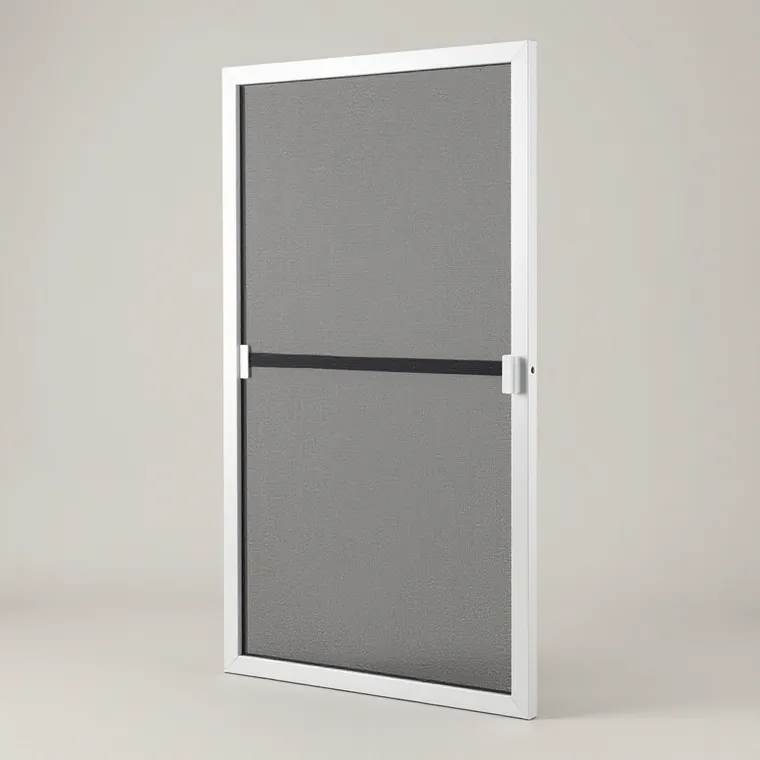
 Metal mosquito screen
 "Anti-Cat" mosquito screen
 "Anti-Dust" mosquito screen
 Ready-made mosquito screens
