
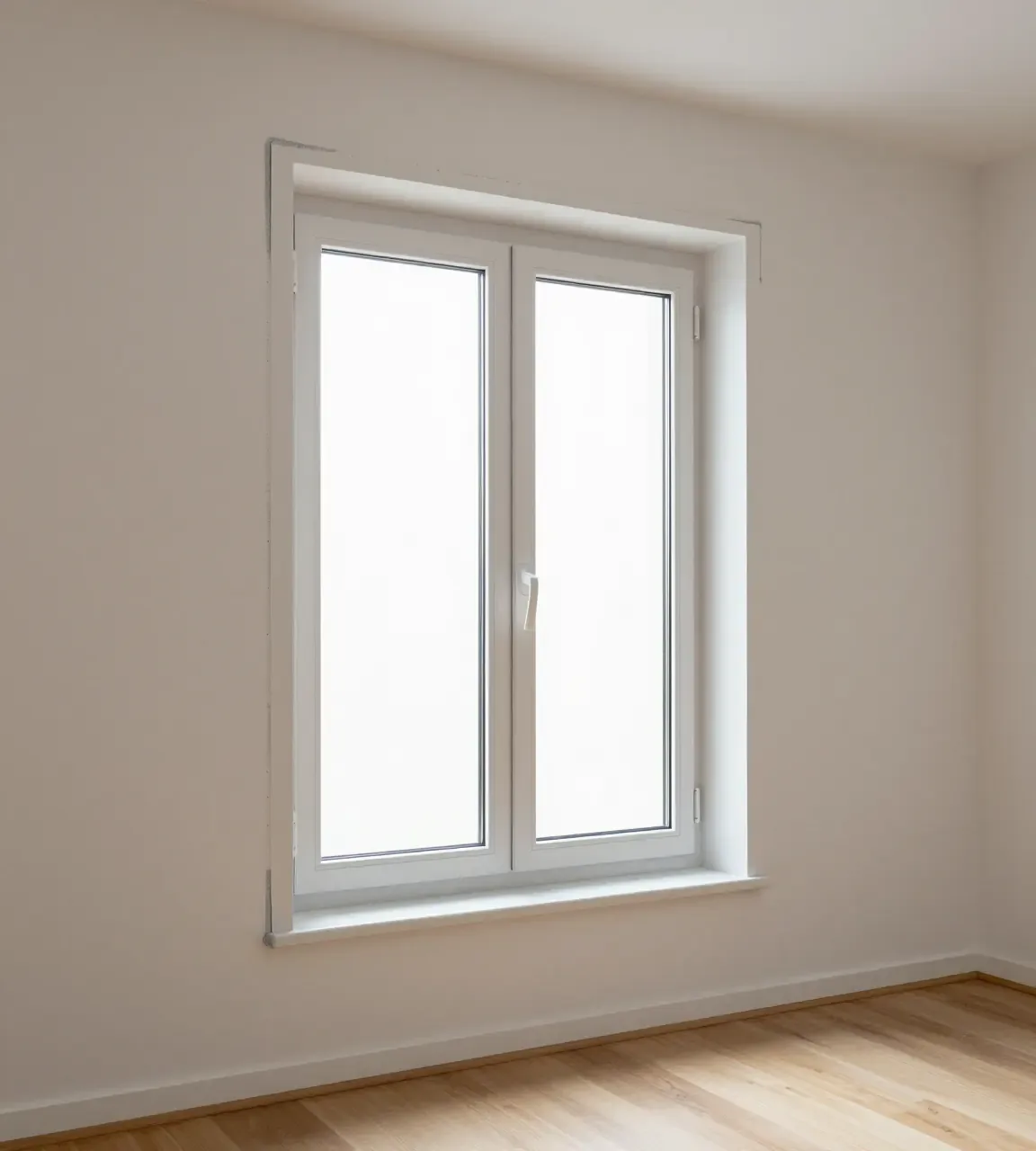
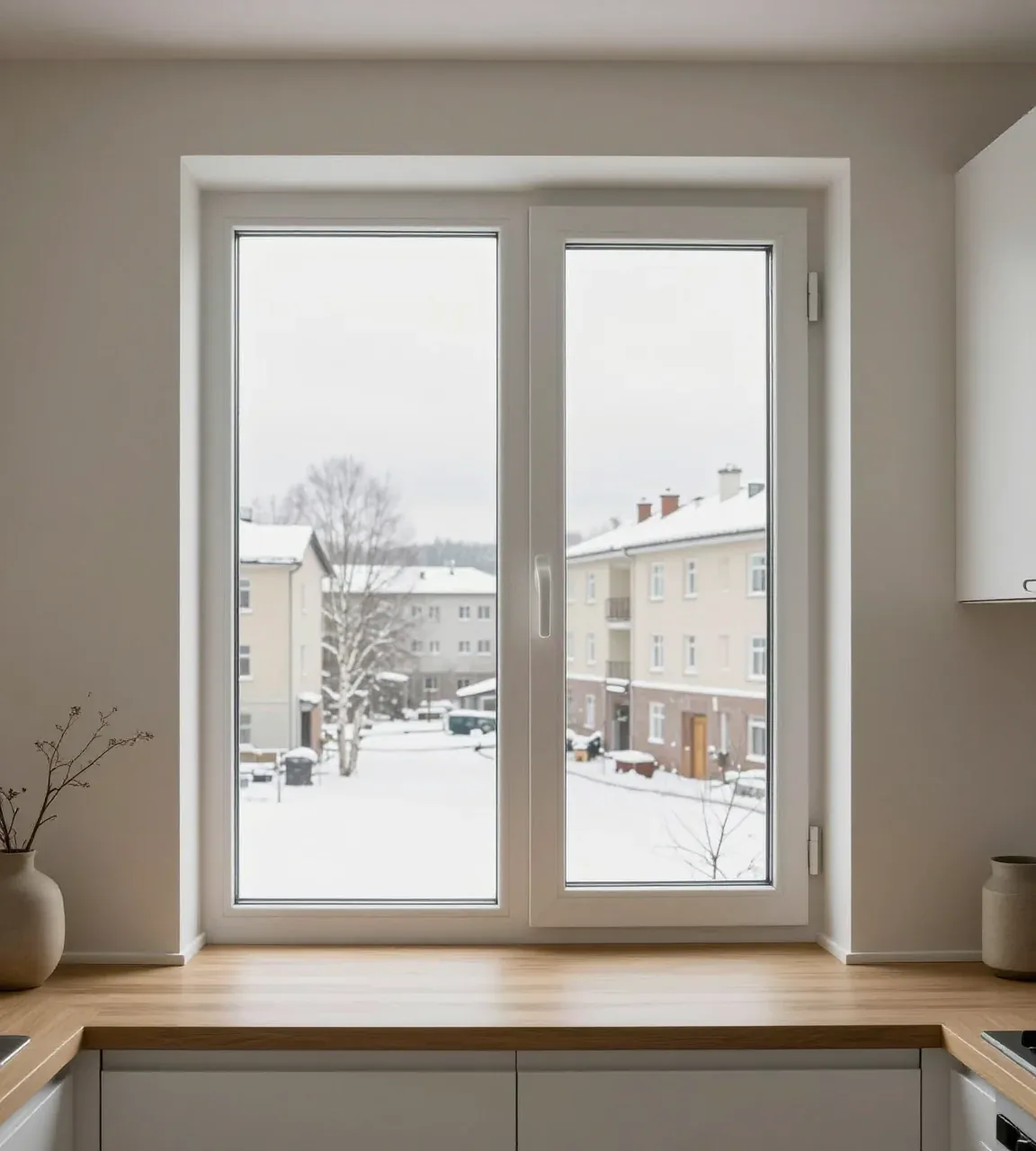
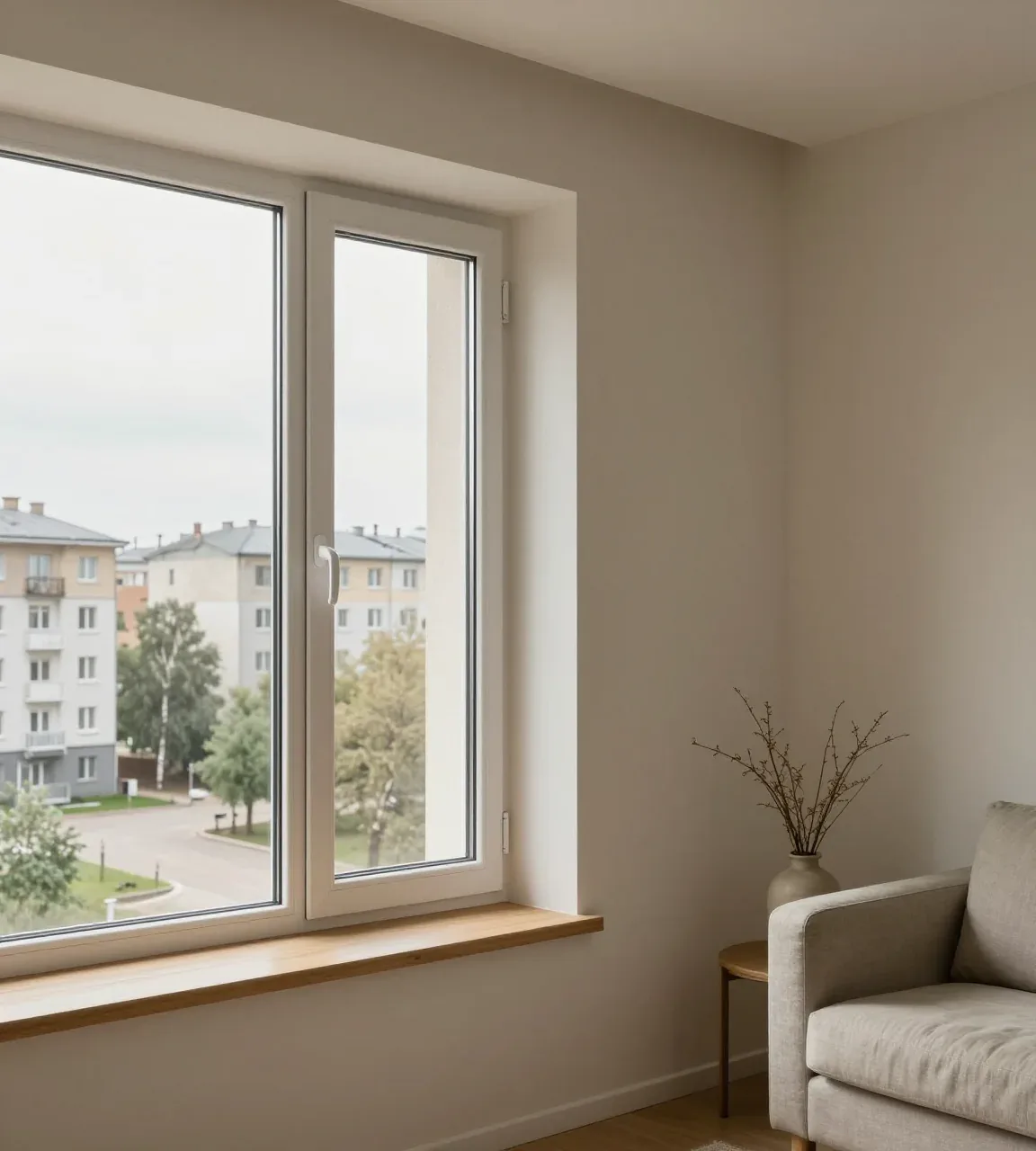
Wind · Sash
Seal
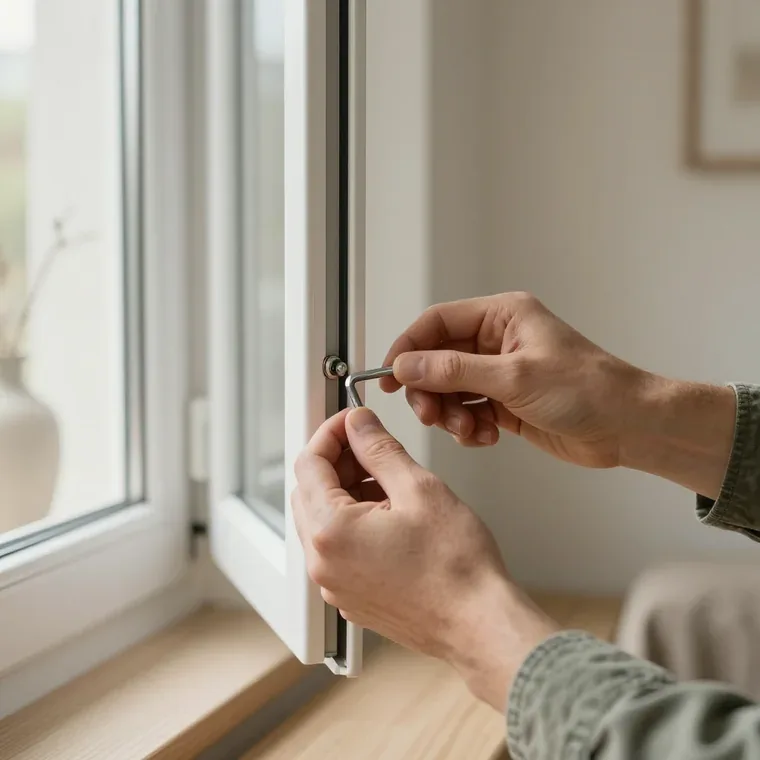
Fresh rubber and adjustment — and curtains no longer move from draughts. From 1 000 ₸ per linear m.
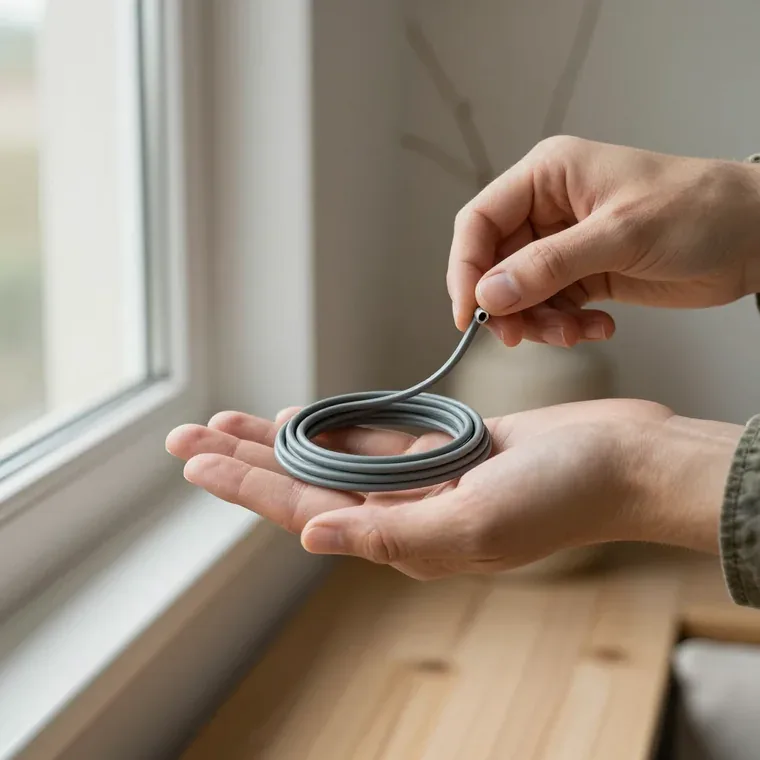

Seal
Fresh rubber and adjustment — and curtains no longer move from draughts. From 1 000 ₸ per linear m.
Seams
We dry and seal the seam around the frame on both sides. Inside — from 1 500 ₸ per linear m.
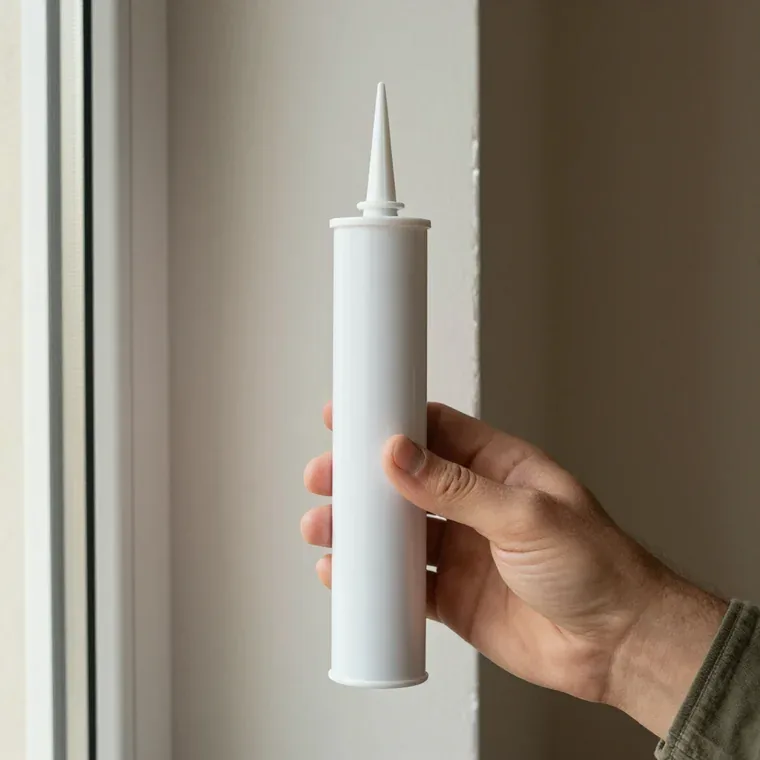
Reveals
We insulate the reveal where moisture and mould collect. From 19 900 ₸ per linear m.
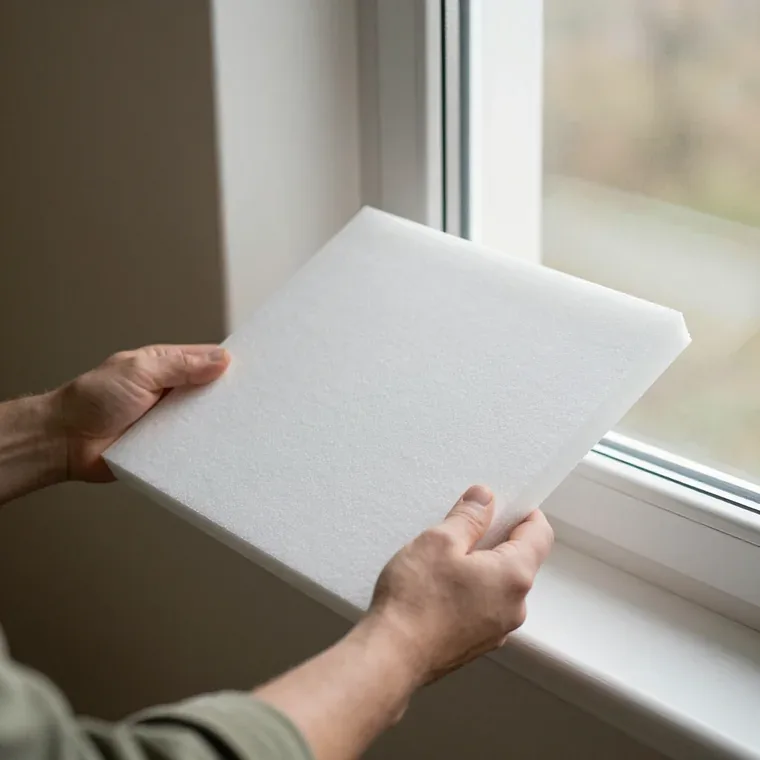
Window sill
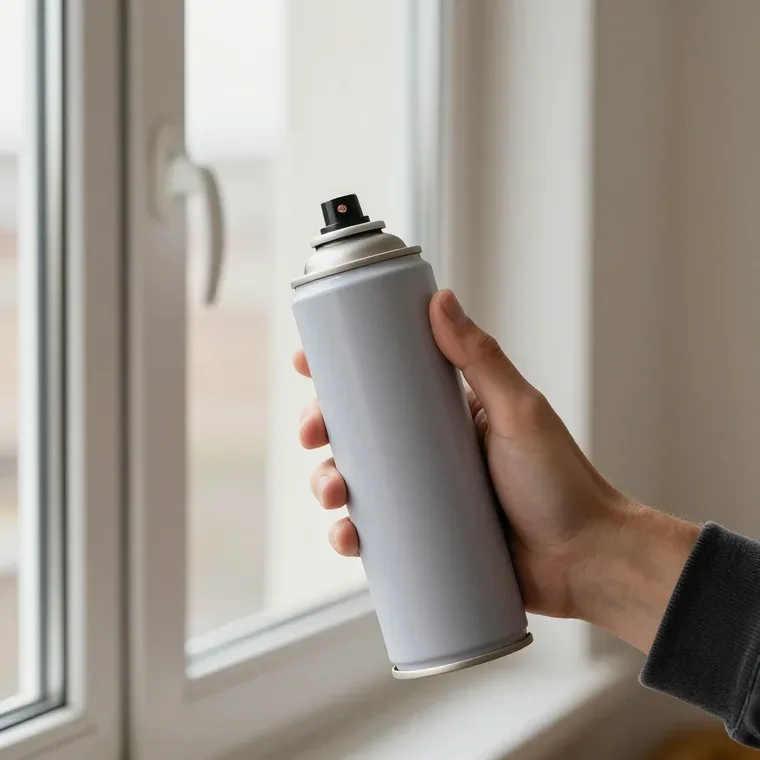
We fill the gap under the windowsill with foam and seal it — from 15 000 ₸.



5,097 reviews on review sites
The six most common window problems are solved by four works: rubber, adjustment, seams and reveals.
Draughts and frost are usually removed by new rubber with winter pressure. A wet seam is sealed with liquid plastic and sealant. Mould on the reveal is treated by insulating the reveal, and cold from the floor — by foaming under the windowsill.
Frosty windy winters and hot summers in Semey wear out both the rubber and the foam of the installation seam. The technician will check the whole window and offer only the works you really need.
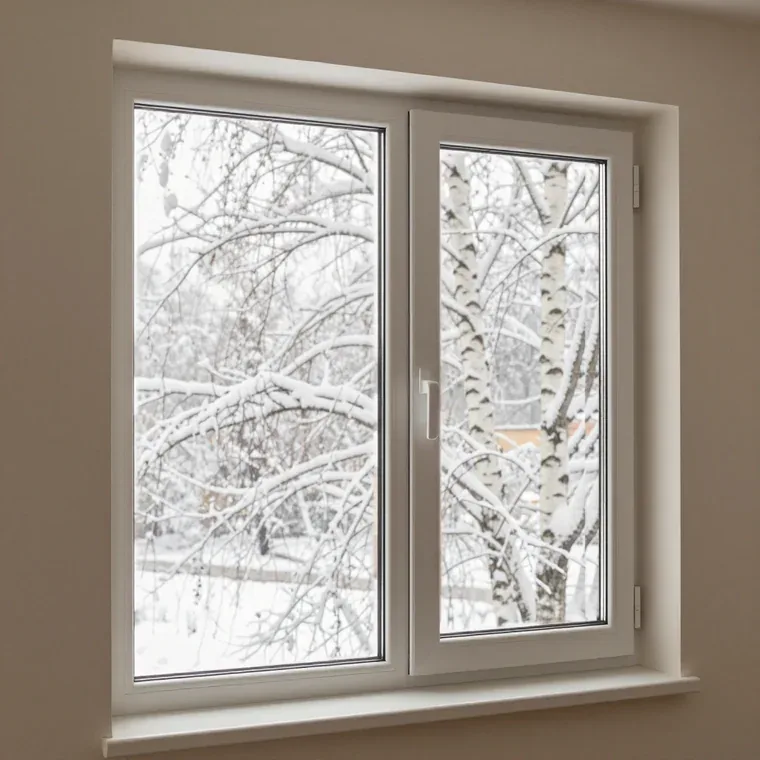
full window service: rubber, pressure, seams
warranty on works and parts
reply in WhatsApp
Four signals worth checking.
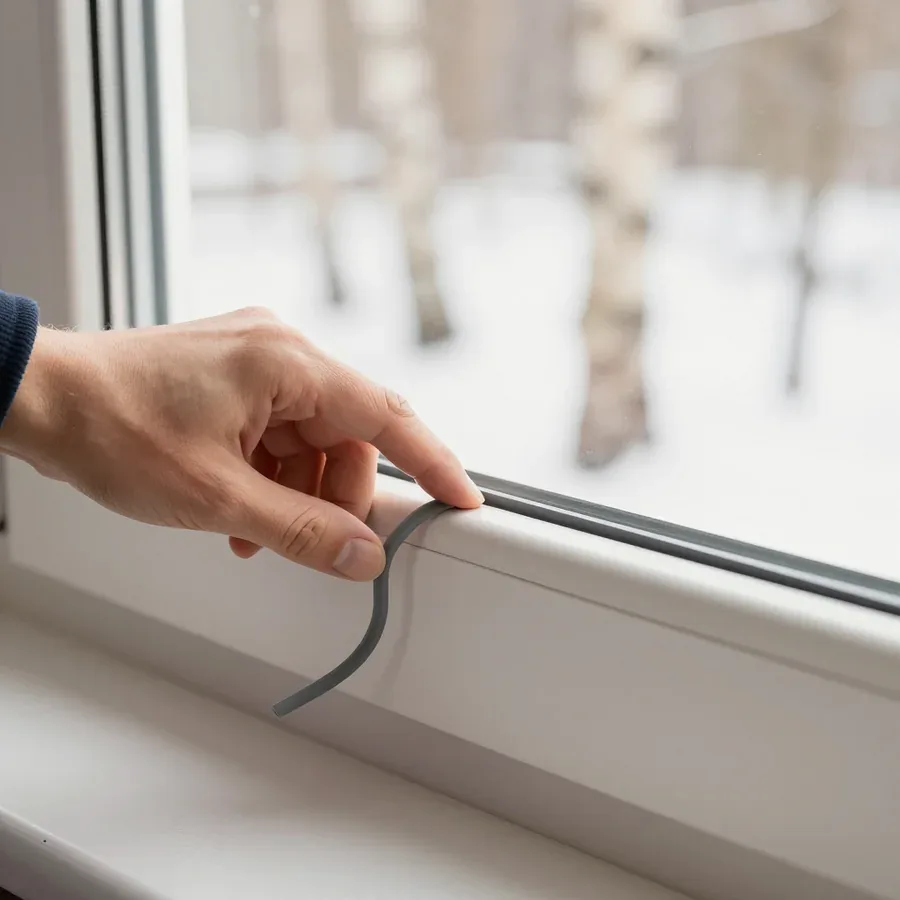
The sash lets air through: the rubber is worn or the summer pressure is set.
The foam around the frame is wet, the wall next to the window is cold.
The cold reveal is damp, mould grows in the corners.
There is a void under the windowsill, cold sinks to the floor.
Sometimes one item is enough, sometimes three — we decide after the inspection.
sash is noisy and draughty
We lay the seal in one piece, then tighten the cams.
seam on the room side
A layer of liquid plastic keeps household vapour out of the foam.
grey stains in the corner
Insulation goes under the finish, the corner no longer gets cold.
icy floor
We foam the void and seal the joint with the windowsill.
facade side
Sealant outside protects the foam from rain and wet snow.
The cost depends on the works needed, the technician will name it after the inspection.
| Type of work | Price |
|---|---|
| Full window servicemain works | from 3 800₸ per window |
| Seal replacementsash rubber | from 1 000₸ per linear m |
| Sash draught sealingclosing the gap | from 3 500₸ per sash |
| Inner seamliquid plastic | from 1 500₸ per linear m |
| Outer seamsealant | from 2 000₸ per linear m |
| Revealinsulation and finish | from 19 900₸ per linear m |
| Window sillfoam and seam | from 15 000₸ per job |
| Swedish technologywood | from 4 200₸ per linear m |
| Micro-liftsash no longer sags | from 1 700₸ per item |
| Between framesthird contour | from 2 800₸ per window |
| Thermal cameradiagnostics | from 9 000₸ per job |
| Balconyinside | from 6 800₸ per m² |
The price is fixed in the order after measuringMeasuring and consultation are freePayment after installation: cash, card, Kaspi
Leave a requestSeveral reasons to call us.
on the technician's work and installed parts
rubber fits KBE, Rehau, VEKA and Provedal
after inspection the price is written down and does not increase
cash, bank card or Kaspi
usually how long a reply takes in WhatsApp
Saturday and Sunday are working days too
we book inspections during this time
we work across Kazakhstan
From request to a dry window.

Take a photo of the window and briefly describe the issue: curtains move, water on the glass or stains in the corner.
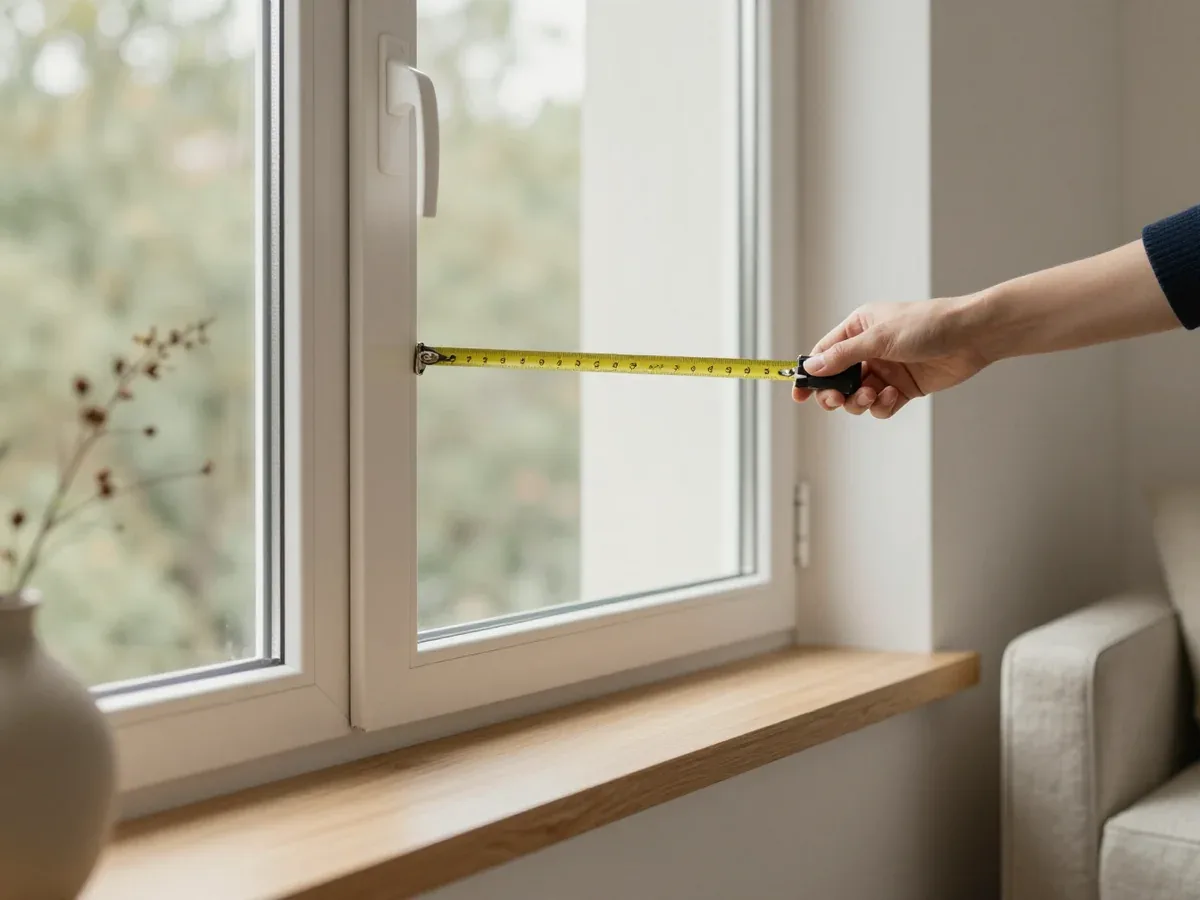
The technician checks the windows with his hand and a candle, examines the seam and reveal, and gives an estimate.
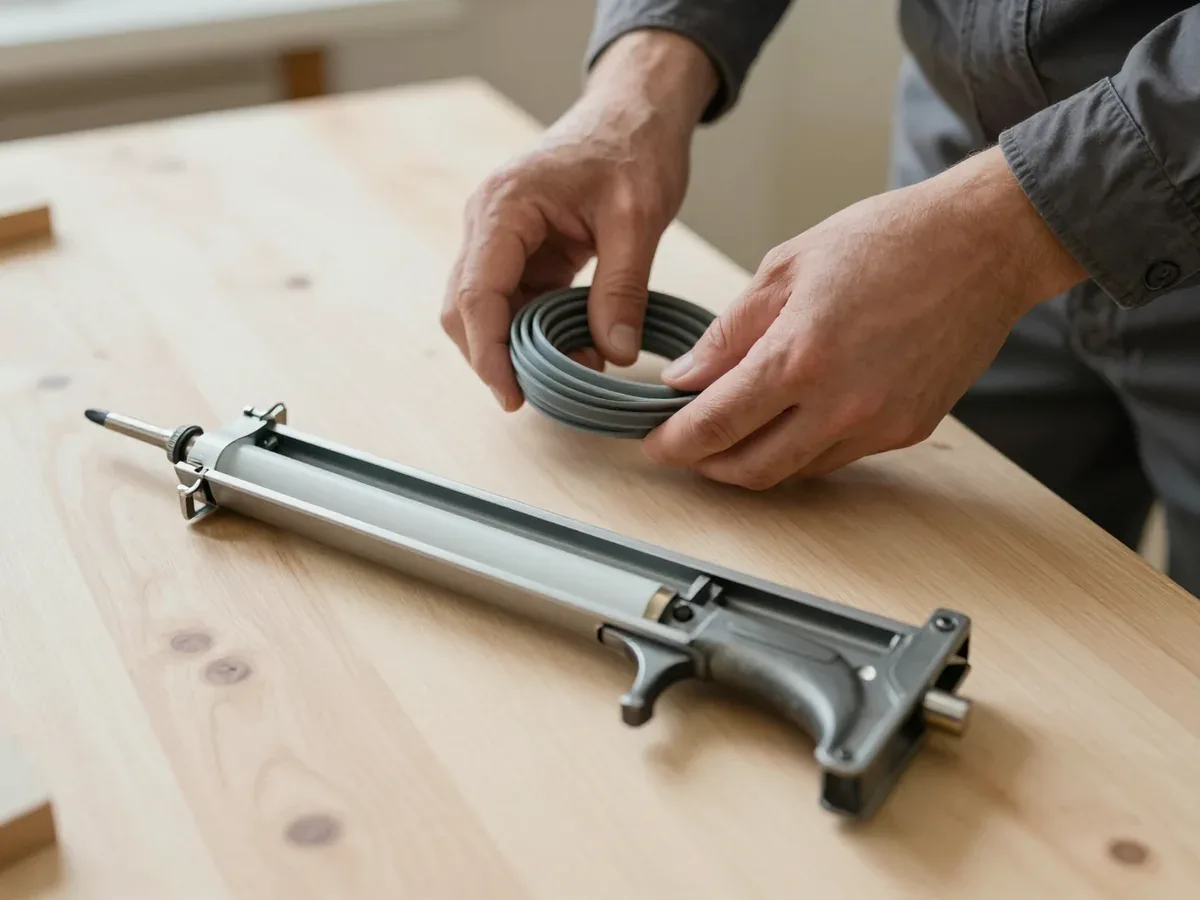
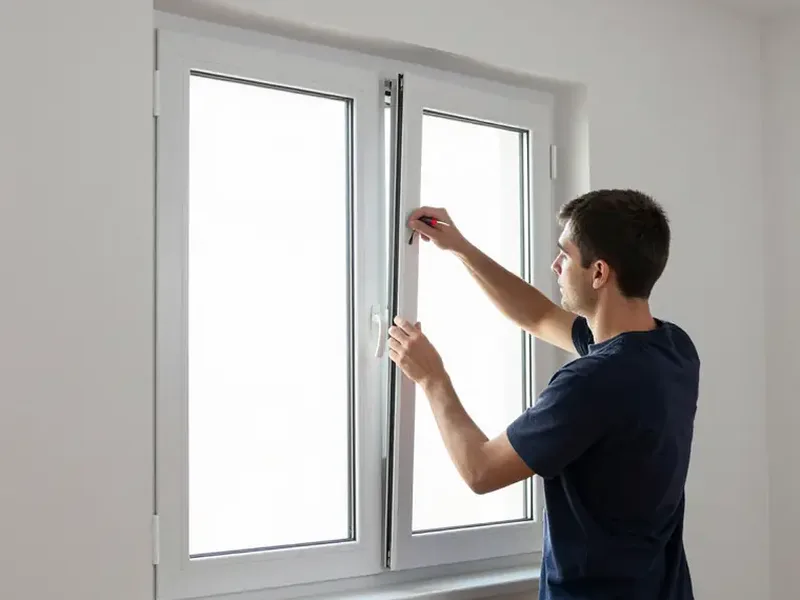
We replace the rubber, tighten the pins, seal the seam on both sides, and foam the bottom.
The candle by the sash no longer flickers — that means it's done, and you pay.
Good to know

Senior mosquito screen specialist at moskitnyesetki.kz
We handle window insulation in Semey as a direct contractor with our own fitters, not a middleman. We start with a free measuring visit, find where the heat actually escapes, then fix the seal, the sash pressure or the glass unit as your window needs. You pay only after the work is done.
A closed sash does not mean a sealed opening. Heat leaves through four predictable spots, and each needs a different fix before any insulation work makes sense.
| Fix | Symptom it solves | What we check |
|---|---|---|
| Seal replacement | Draught along the leaf | Gasket condition, frame groove |
| Pressure adjustment | Loose leaf, corner draught | Hinge and locking points |
| Glass unit replacement | Cold pane, condensation inside | Pane thickness, spacer |
| Full opening insulation | Cold seam, mould at the edge | Foam, vapour barrier, slope |
Repair fixes a broken part such as a handle, a hinge or a cracked pane, while insulation restores the whole heat barrier around an opening that still opens and closes. A handle that will not turn is a repair job; a leaf that closes but still lets air past the rubber is an insulation job. The two overlap only when hardware failure has already damaged the seal, and then both steps run in one visit. Most chilly sashes are not broken at all, so a repair call booked for a draught often turns into insulation once the fitter checks the gasket and the pressure. Window insulation in Semey follows the same logic, so the diagnosis comes before any work is booked. Ask for the diagnosis before the work is booked — it decides whether you pay for a part or for the full barrier.
Insulation is not one product you spray into a gap. It is a short sequence of steps that restores the seal, the pressure and the seam around your window, chosen for a sharply continental climate.
We replace the gasket in units of any manufacturer, including KBE, Rehau, VEKA and Provedal profiles, and match the material to the temperature swing the unit sees. A seal that stays flexible in deep cold keeps its pressure far longer than a stiff one, so the grade of the seal matters more than its thickness. The same logic applies to the glass unit: a sealed chamber that has lost its gas no longer insulates, and the frame around it can only do so much. We work through the seal, the pressure and the seam first, and only then judge whether the glass unit itself needs attention. In our practice, most draughts traced to a unit here come from the seal and the hardware, not from the glass.
The frame material decides how much of the insulation work is even possible without replacing the unit. Plastic, wood and aluminium each fail in their own way.
| Frame type | Where it loses heat | What we do |
|---|---|---|
| Plastic | Seal and sash pressure | Replace seal, adjust hardware |
| Wood | Frame joints and paint | Seal joints, restore finish |
| Aluminium | Cold bridges in profile | Target seam and glass |
We insulate glazing in flats, private houses, loggias, gazebos and verandas, and the same free measuring visit applies to all of them. The measurer checks the frame, the seam and the glass unit, then helps choose the design, mesh and fixings on the spot. In a private house the work often runs across several rooms in one visit, while a loggia or balcony usually needs just one or two units. Our installation covers plastic, wooden and aluminium frames, including small vent panes and the glazing of covered terraces. A gazebo or veranda pane is often single-glazed and unheated, so the fix there leans on the seam and the seal rather than on a heavier glass unit. Ask for the measuring visit to include every unit you plan to treat — a second trip for one forgotten pane costs more time than a wider first check.
The order runs in a fixed sequence so nothing is left to guesswork. Measuring comes first, the price is confirmed before any work starts, and the job ends with a verification you can see for yourself.
Measuring and consultation are free, the measurer comes at a time that suits you, takes the dimensions and helps choose the fixings, and we work through the winter season too. The specialist inspects the profile depth, the sill clearance and the opening type, then notes which brackets, pins or magnets will hold the mesh on your opening and floor. Once the numbers are written down, the price is confirmed in the order and does not move afterwards. A winter visit is actually the best time to take measurements, because the draught and the chill spots show themselves exactly where they will be felt all season.
A good insulation job should not need a second visit, but you should know exactly what is covered if something still feels wrong once the cold sets in.
Repair work carries a one-year warranty on both the labour and the parts we replace, and if the draught returns within that period we come back and put it right. The same year covers the gasket we fit when we swap a worn seal for a new one, which is the part that fails most often on older frames. Larger work sits under separate terms: installation carries five years, and a replaced glass unit three years. Your fixed price, agreed after measuring, does not move because a seal turned out to be stiffer than expected. Keep the order sheet from the measuring visit, because the fixed price and the listed parts on it are what the warranty is checked against.
Restoring the seal and the pressure cuts the draught that feeds condensation on the frame, but a cold glass surface can still fog if the glass unit itself is the weak point. Mould follows the same path — it settles in the slopes where warm indoor air meets a cold edge, not on the insulation strip you can see. Noise drops once the gaps close, though a single-chamber unit will still pass traffic rumble that a thicker one would block. Condensation that gathers at the bottom of the pane rather than on the frame usually means the glass unit, not the seal, so it is worth checking before blaming the insulation.
A few decisions separate a warm room from a draughty one, and each of them is cheaper than replacing a whole unit. Here is what matters most when the chill comes back.
Window insulation, seal, installation joint, condensation
Konstantin Selenenkovsenior mosquito screen specialist, 10 years in the tradeOnline · replies within 5 minutes
Ask a questionMost often the draft comes not from the double glazing but from a worn seal, weak sash pressure or gaps in the installation joint. In most cases window insulation in Semey does not require replacing the double glazing — new seals, adjustment and sealing the joints are enough.
For a sharply continental climate with frosty winters, an elastic rubber or TPE seal that does not stiffen in the cold is better. Brush seals are used less often, more for sliding structures, so the technician selects the specific type for your window.
You can clean the seal, switch the hardware to winter mode and close gaps at the reveals. If the rubber has hardened or there is a draft from the installation joint, it is better to call a technician: they will replace the seal and seal the joint.
The joint under the windowsill is insulated with polyurethane foam, sealed and protected from moisture, and covered on the outside with a vapour-permeable material. There is no need to remove the window itself — the work is done around the perimeter of the opening and under the windowsill.
On a balcony, window insulation starts with seals, sash pressure and joints, and in severe cold, insulation of the reveals and the windowsill unit is added. If the balcony is unheated, it is important not to trap moisture inside — the technician will suggest a scheme for your structure.
Condensation indicates moisture in the air or poor ventilation, not always poor insulation. Check the ventilation and ventilation mode, and if the glass fogs up at the edge, show the window to a technician: the issue may be the joint or the double glazing.
Thank you. We will call you back within 10 minutes!
Your order number is on the receipt or in the SMS. Choose where to leave your review.
Write a review on WhatsApp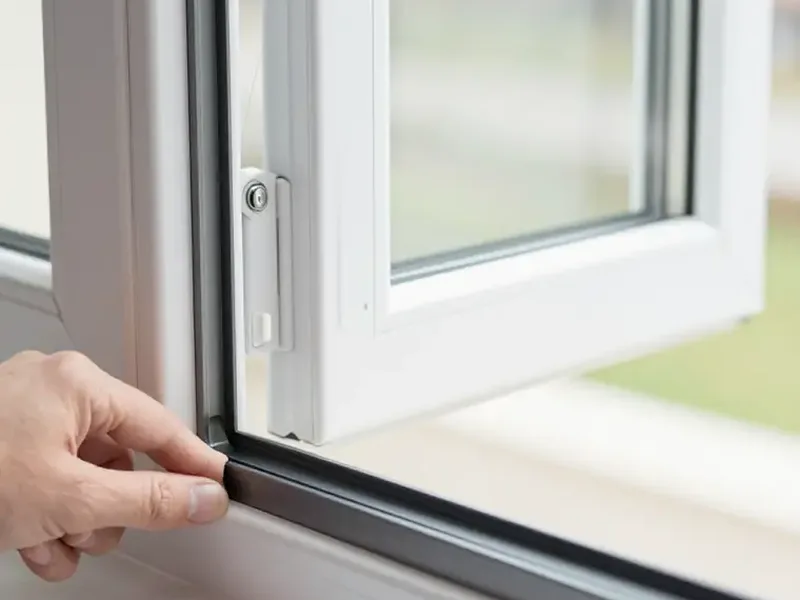 Seal replacement
 Reveal finishing
 Window adjustment
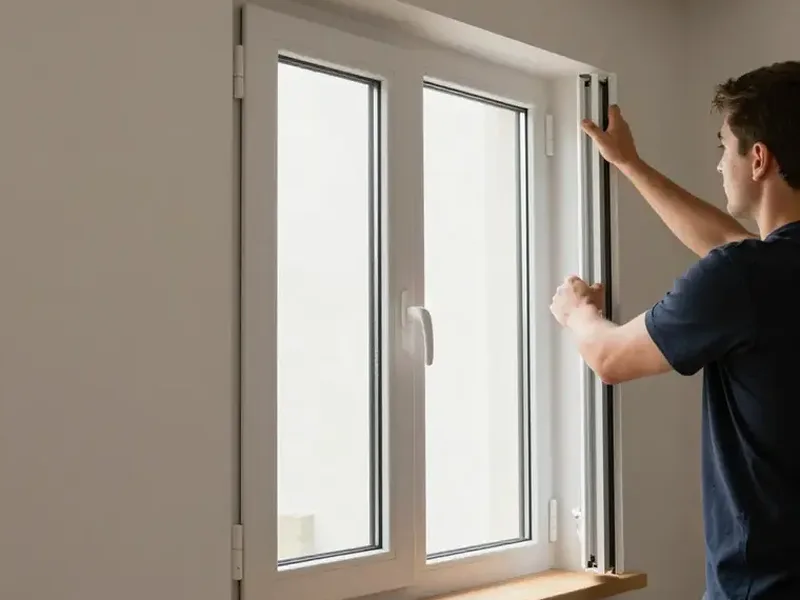 PVC window repair
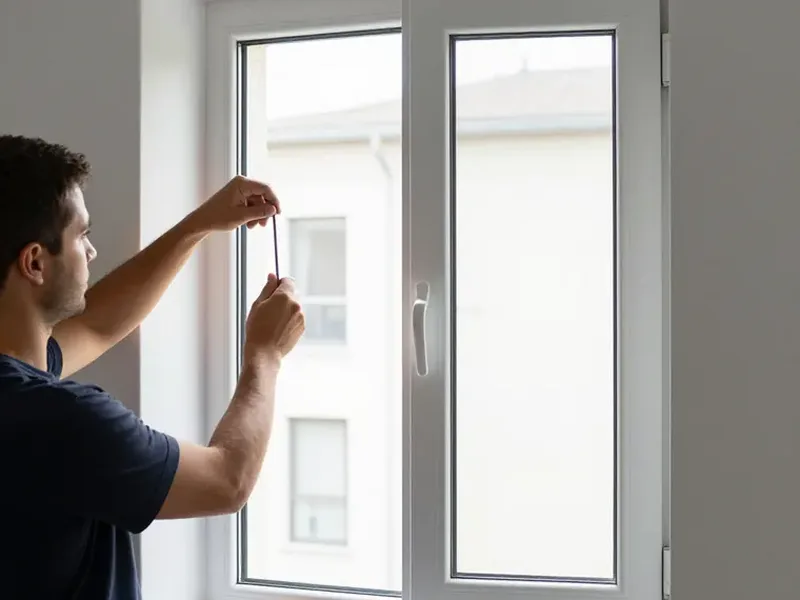 Window repair
