
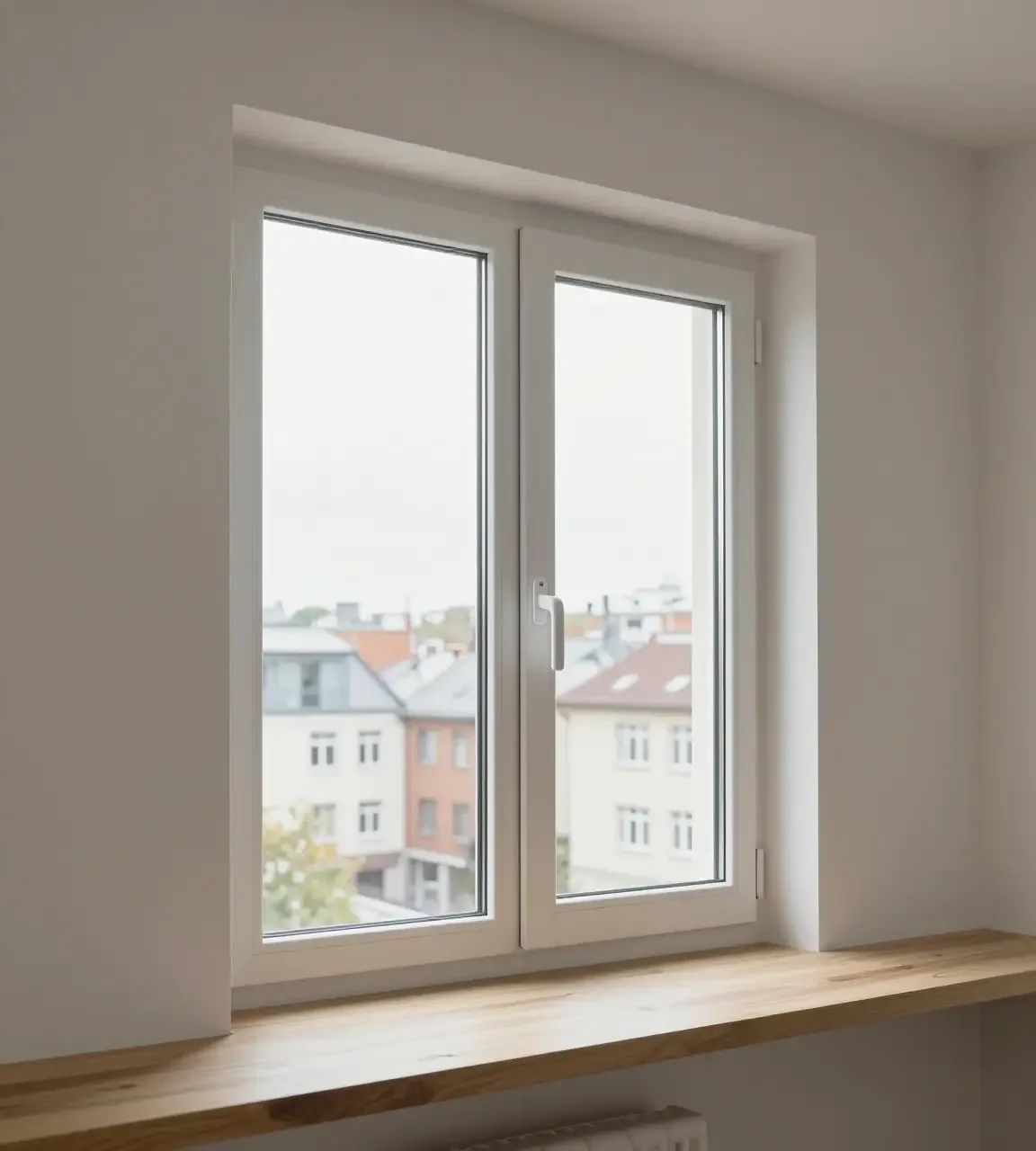
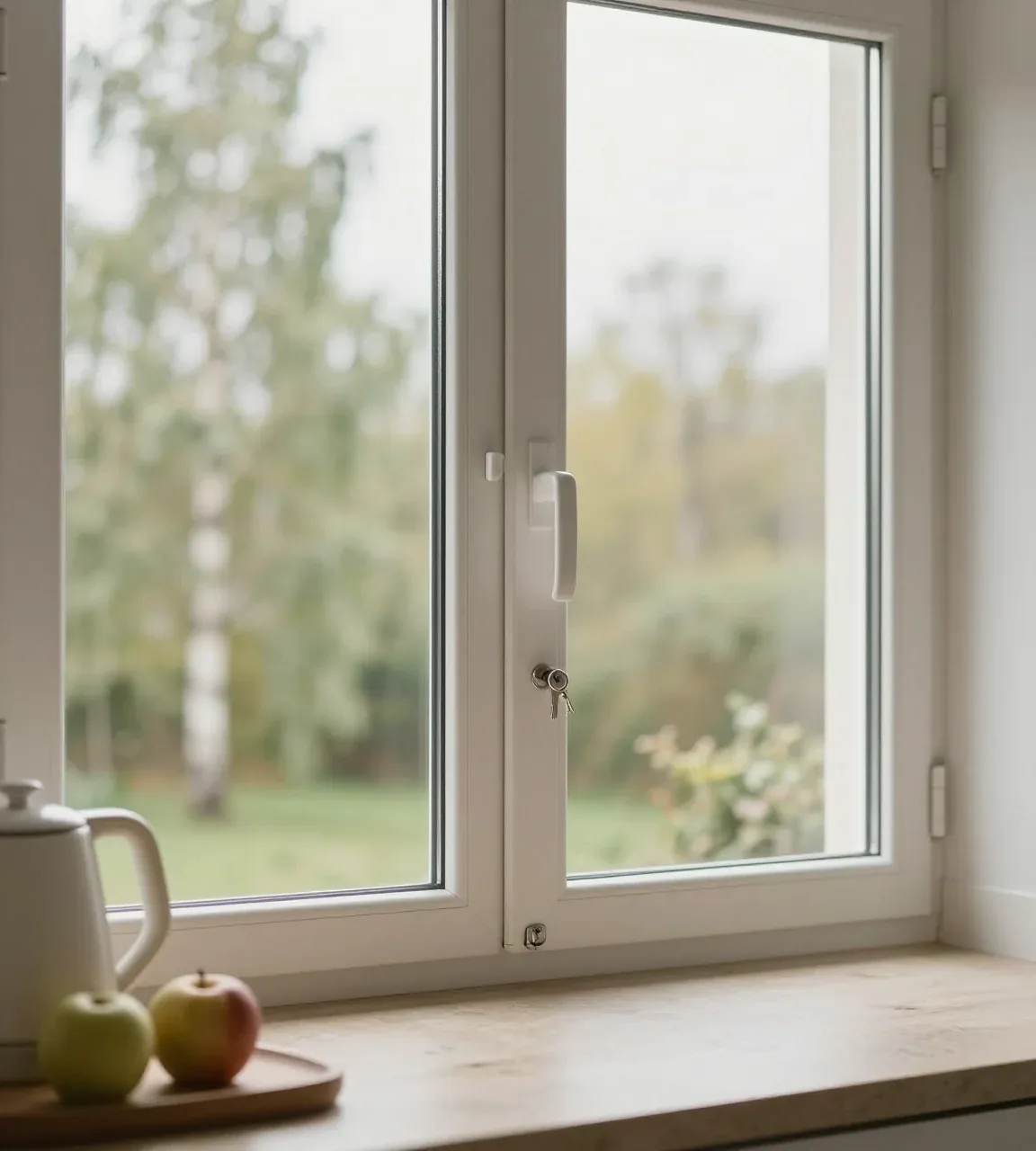
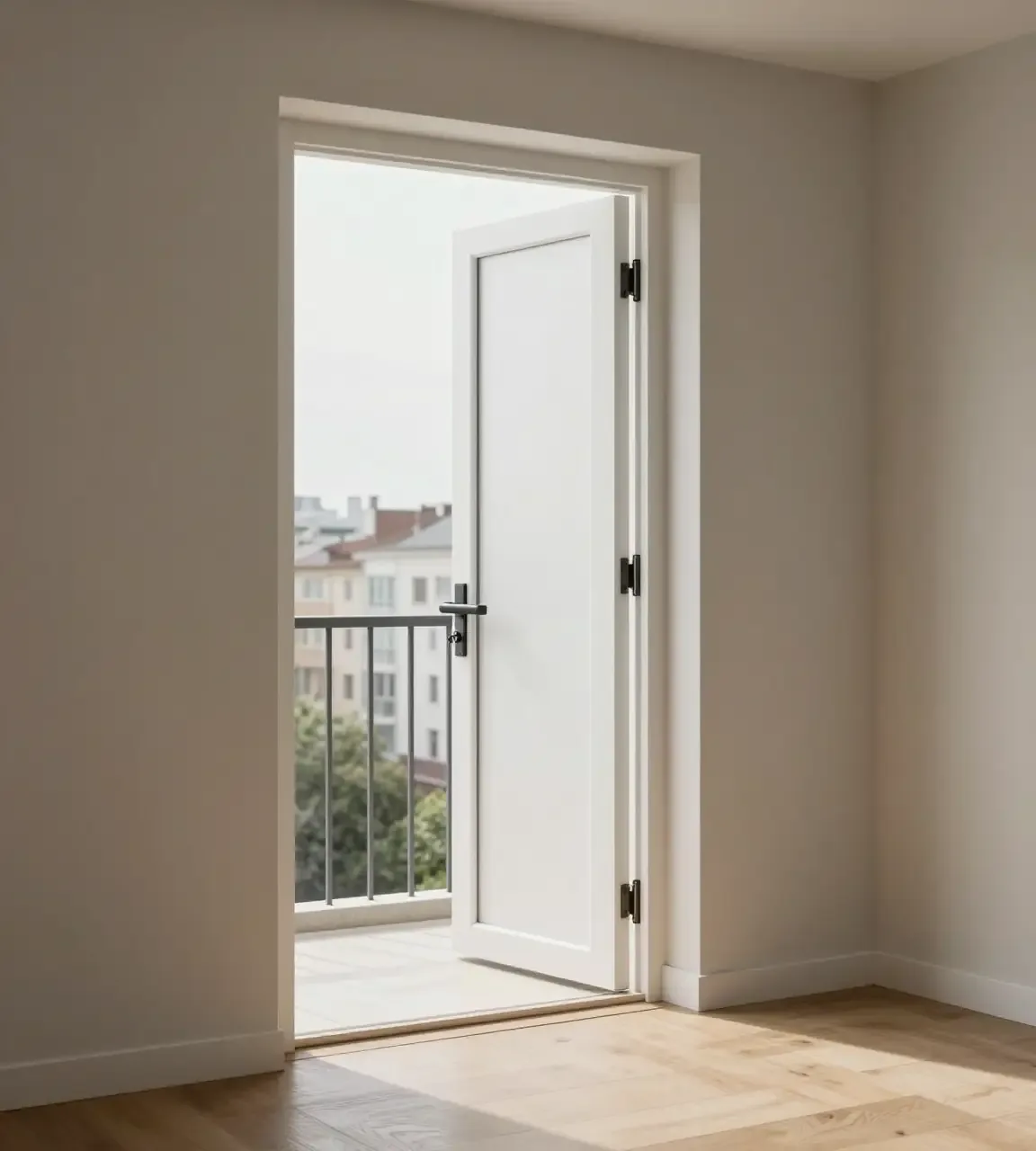
Lockable handle · plastic
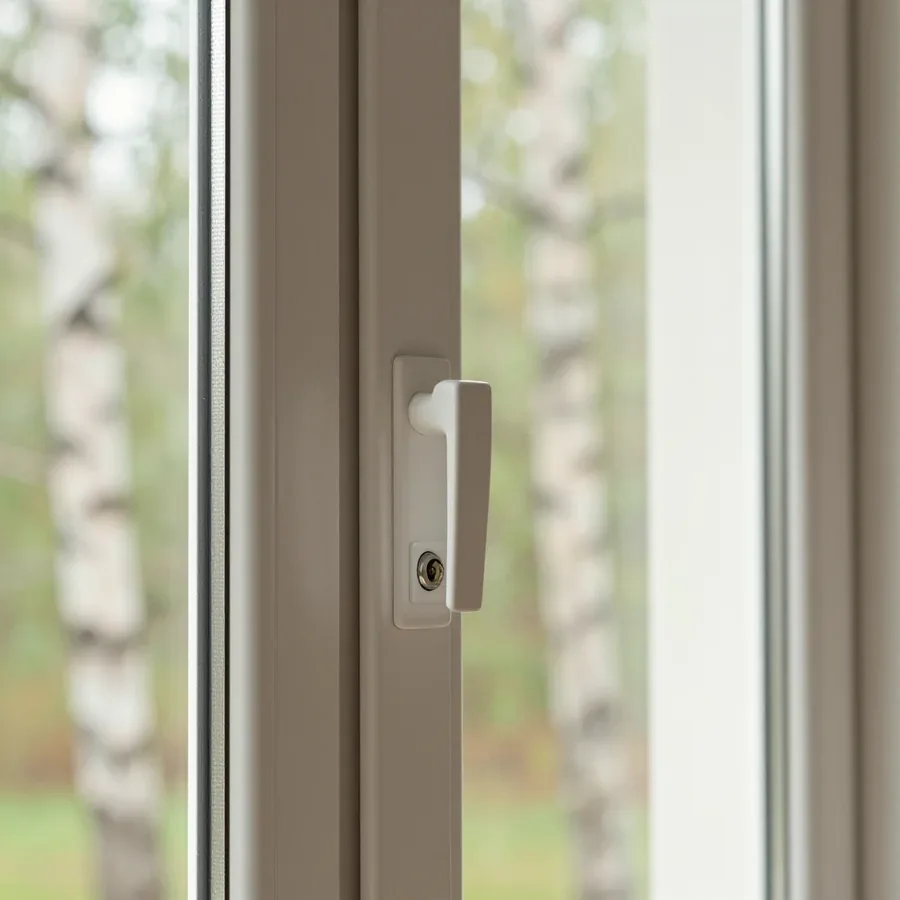
Lockable handle
A child cannot turn the handle without a key. Price from 3650 ₸ per item with fitting, suitable for plastic, wooden and aluminium windows.


Lockable handle
A child cannot turn the handle without a key. Price from 3650 ₸ per item with fitting, suitable for plastic, wooden and aluminium windows.
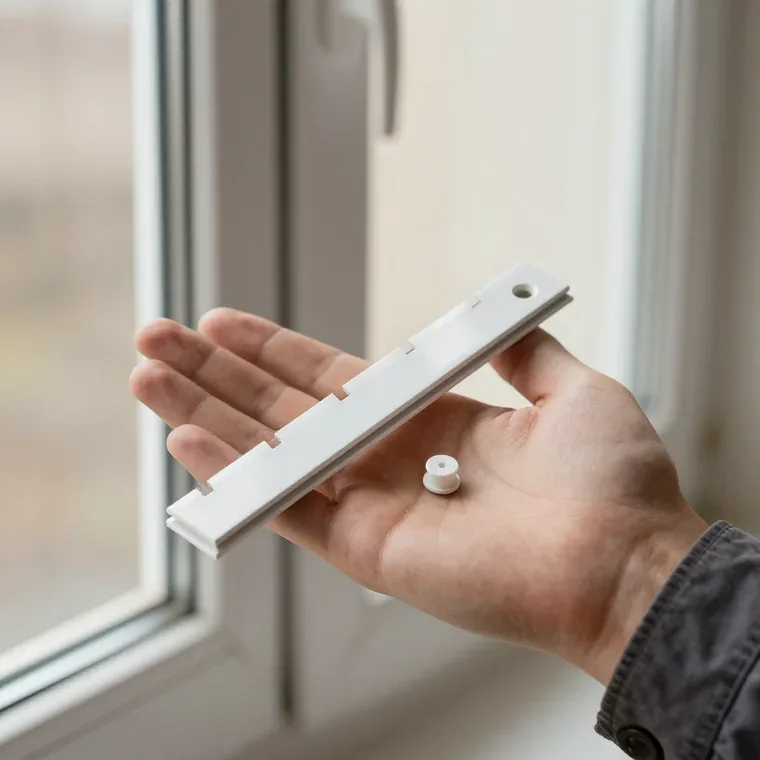
Comb
Sets a safe gap for ventilating a child's room. Price from 1050 ₸ per item with installation, attaches to the frame without routing.
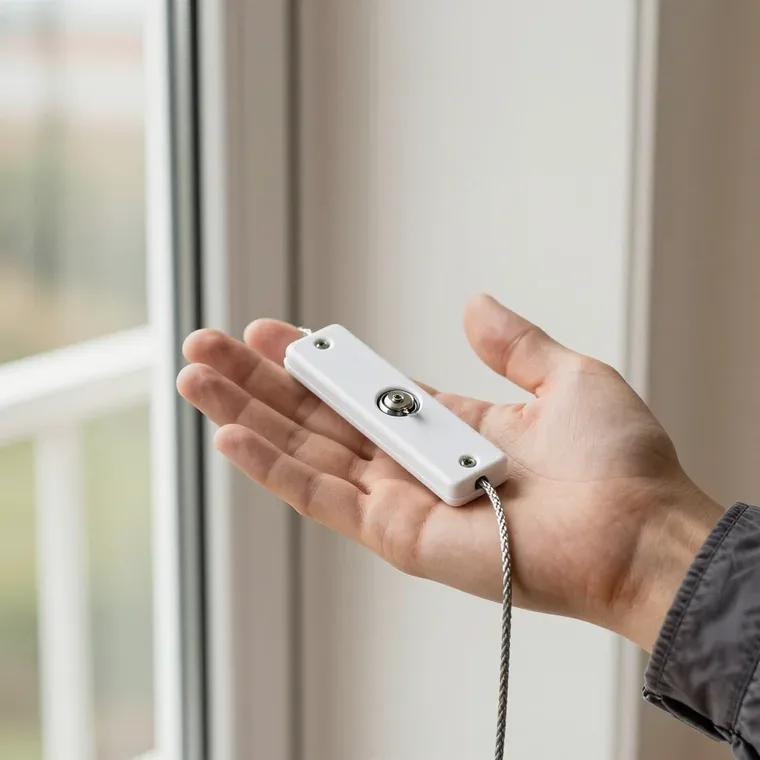
Cable
The sash opens only to the cable length and locks with a key. Price from 2500 ₸ per item with fitting.
Blocker
Locks the sash in the closed position, suitable for sliding windows. Price from 1200 ₸ per item with installation.

Grille
A transparent or child safety grille prevents leaning on the mosquito mesh. Price from 12500 ₸ per item with fitting.




5,097 reviews on review sites
It is not a single product but a set of devices for a specific window and child's age: lock, limiter, blocker or grille.
Child window protection is a system of several devices that prevent a child from opening the sash or falling out of the opening. A lock secures the handle, a limiter sets a safe gap, a blocker stops the sash, and a grille closes the opening to prevent leaning on the mesh.
The kit is selected for the window: plastic, wooden or aluminium, for a vent, loggia or balcony door. The surveyor checks the profile, floor and how the child uses the windowsill, and suggests the right devices.
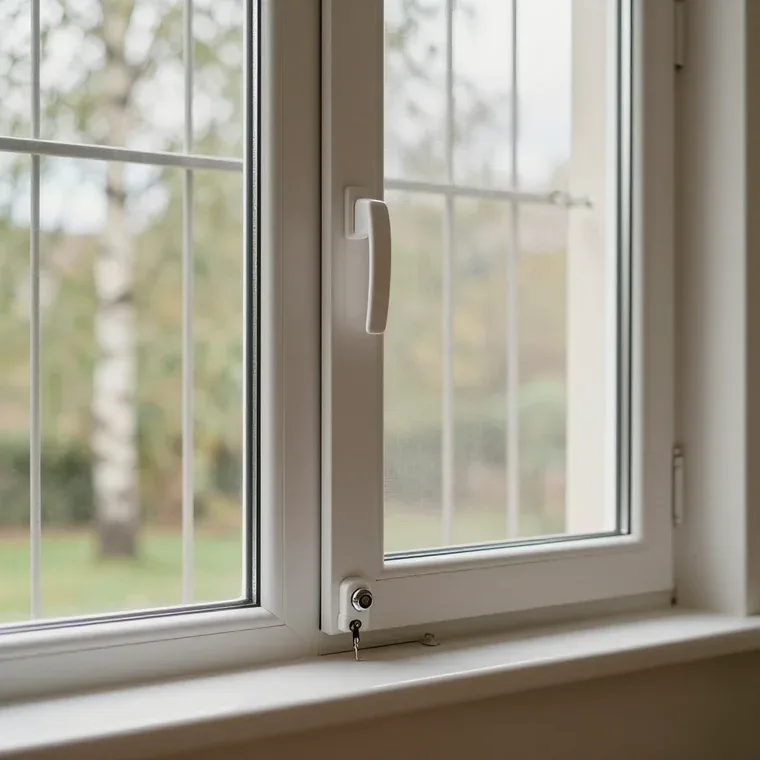
comb limiter with installation
warranty on work and components
measuring and specialist consultation
Fixings are selected for the window profile, frame material and floor: surface-mounted models, recessed elements, cable systems and grilles on brackets.
A lock or blocker is attached to the sash and frame on the outside of the profile. For a rented apartment, this avoids routing into plastic.
A lockable handle and some limiters are mounted in the seat of the old handle. Works on plastic, wooden and aluminium windows.
A cable limiter is attached to the frame and sash; magnetic holders work on thin profiles. The surveyor checks the floor and sash width.
In plastic profiles, fixings are screwed into the reinforcing insert; in wooden frames, into the solid wood with a seal; on aluminium profiles, clamp elements are used without cutting into the thin walls.
Five designs for different tasks: lock the handle, limit the opening gap, stop the sash, or cover the opening with a grille. Price is per unit including fitting.
With cable · key
Locks the sash to prevent opening; the key is kept by an adult. For windows and balcony doors.
Plastic, wood, aluminium
Replaces a standard handle; it can only be turned with a key. Supplied with fitting.
Ventilation gap
Holds the sash slightly open at a chosen step; a child cannot squeeze through. With installation.
Sliding windows
Locks the sash in the closed position; suitable for sliding windows in a child's room.
Prevents leaning
Covers the opening so a child cannot lean on the mosquito screen. With fitting.
Price list for devices and works: device price, fitting and installation time are shown in the rows.
| Type of item | Price |
|---|---|
| Lockable window handlewith fitting | from 3 650₸ per item |
| Comb limiterwith installation | from 1 050₸ per item |
| Cable limiter with lockwith fitting | from 2 500₸ per item |
| Penkid lock with cablewith fitting | from 2 150₸ per item |
| Sash blockerwith installation | from 1 200₸ per item |
| Installation of blocker or child locklabour | from 2 750₸ per item |
| Child window lock (surface-mounted, flag type)with fitting | from 3 250₸ per item |
| Transparent grille (polycarbonate)with fitting | from 26 000₸ per m² |
| Transparent window grillewith fitting | from 22 000₸ per item |
| Child safety window grillewith fitting | from 12 500₸ per item |
| Grille with mosquito mesh (2 in 1)with fitting | from 19 800₸ per m² |
| "Anti-Cat" mesh as window protectionwith fitting | from 13 000₸ per item |
| Turnkey child window protectionkit with fitting | from 6 000₸ per window |
Price is fixed in the order after measuringMeasuring and consultation — freePayment after installation: cash, card or Kaspi
Book a measuring visitEight facts about our work: experience, warranties, measuring, fitting, coverage and payment.
we work across Kazakhstan
on works and replaced components
measuring and consultation are free
warranty on window installation
the price is fixed after measuring
cities of Kazakhstan where you can order
cash, card or Kaspi
we reply on WhatsApp
Four steps from request to checking the device on the window.
What window details to prepare for the request: profile type, photo of the sash, floor. This helps the technician choose the right device in advance.
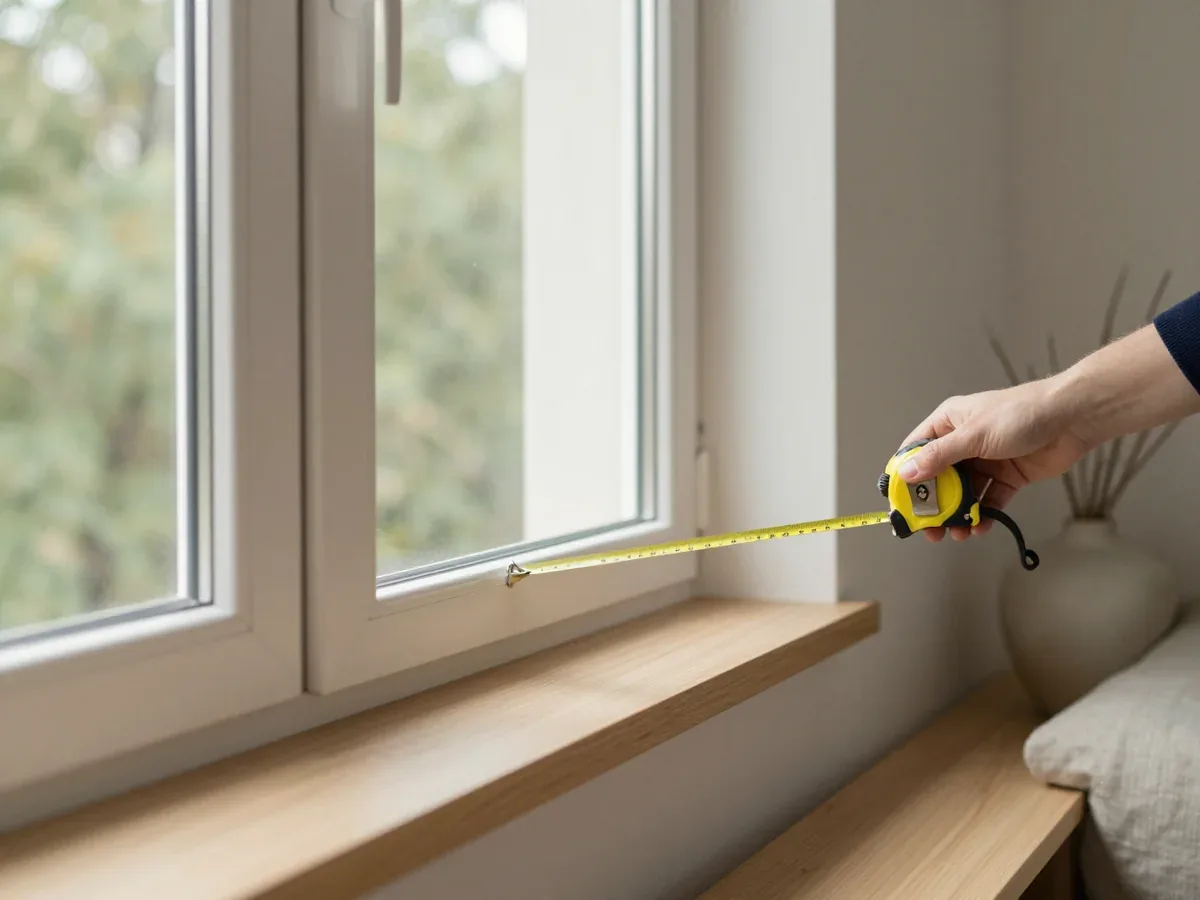
What the technician checks on the window before fitting: sash width, hardware movement, clearance for the device.
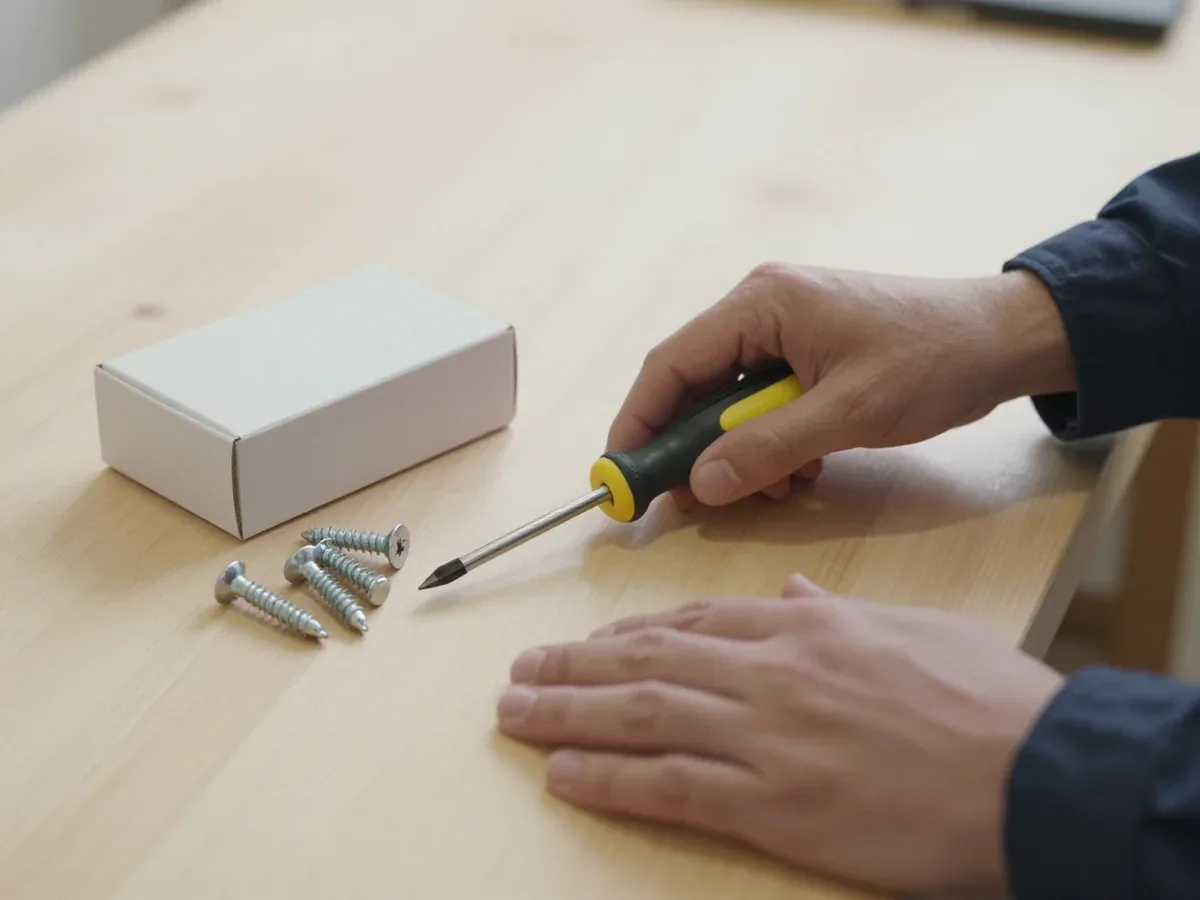
The technician installs a lock, limiter, blocker or grille on the window, door or loggia.
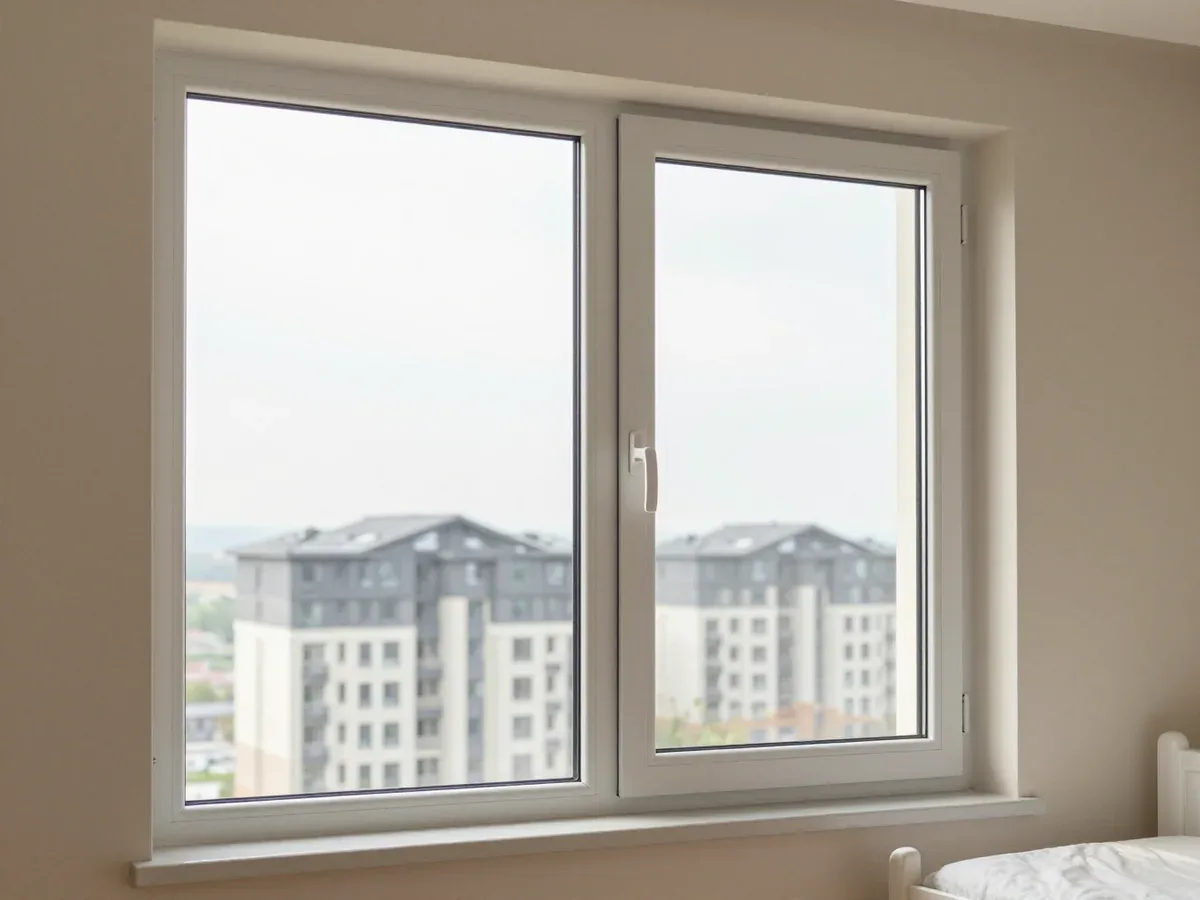
We check how the device works and show how to use the key and how to remove it for winter.
Good to know

Senior mosquito screen specialist at moskitnyesetki.kz
We fit child window safety in Semey as a direct installer, not a marketplace: window guards, opening restrictors and child locks, measured free of charge and matched to your frame and floor. We fit on plastic, wooden and aluminium windows, paint frames to match, and you pay only after installation.
A mosquito net keeps insects out and lets air in. It is not built to hold a child. Treating the two jobs as one is where the danger starts, so here is what each thing really does.
Our insect screens are made for bugs and airflow, not for load, so a toddler leaning on the fabric pushes straight through the frame. The range covers Standard (Fiberglass), UltraVue, Anti-Cat (Pet Screen), Anti-Pollen (Poll-Tex), Anti-Dust, metal mesh and the Krylo canvas, and every one of them is a light barrier stretched on a thin surround. Ultravue lets in 25% more light and air than other weaves, which tells you how open the fabric is. Poll-Tex has a 0.25×1 mm cell, sized for pollen grains, not for weight. A panel that flexes under a hand is a warning sign, not a safety feature; treat any weave as a barrier against bugs only.
Anti-Cat (Pet Screen) is several times stronger than standard mesh thanks to vinyl threads that carry the weight of a small animal, but it is still a screen, not a fall guard. The extra strength sits in the weave, while the surround and its fixings stay the same light construction as on a Standard (Fiberglass) panel. A pet pushes sideways and drags; a falling body drops straight down with far more force, and the frame gives way before the fabric does. Strength against claws and strength against a falling body are different tests, so never size a screen as if it were a guard.
Three device types solve three different problems: a barrier, a limit on how far the sash travels, and a block on the handle itself. Here is what each one does and when households here pick it.
| Device | What it does | Best for |
|---|---|---|
| Window guard | Fixed barrier across the opening | Ground-floor rooms, wide low sashes |
| Restrictor | Caps how far the sash opens | Bedrooms, kitchens, everyday airing |
| Handle lock | Stops the handle turning | Balcony doors, upper floors |
| Handle blocker | Covers or jams the handle | Sashes a child can already reach |
For a toddler who cannot yet reach the handle, a restrictor is usually enough; for a climber, a guard adds a physical barrier. A restrictor keeps the sash open a few centimetres, so air moves but the gap stays too narrow for a body to pass. A guard is a rigid frame over the opening and works where the sill sits low or the window is wide. The choice turns on the youngster, not the device: a two-year-old who pushes on furniture needs a barrier, while a four-year-old who only leans out is held by a limit. A handle lock sits highest and suits the little one who has already learned to stretch. Safety grows with age, so plan to add a lock once they learn to stretch and pull, rather than relying on one device forever.
If your child already works the handle, we fit a key lock or a handle blocker so the sash cannot be opened without an adult. We mount the hardware on the frame and sash directly, and the fitter picks the fixing for your profile and floor — Z-brackets, plungers or magnets — so nothing works loose under daily pulling. A key lock buys time, but keep the key out of reach and agree a single hiding spot so no adult is locked out in a hurry. On balcony doors we usually combine a lock with a restrictor, since the door is the widest opening in the flat and the one a child reaches first.
Plastic, timber and metal profiles, sliding panels and balcony leaves each take different hardware. This section shows how we match a device to the sash, the storey and the way your household actually opens its windows.
We fit protection on plastic, wooden and aluminium windows, and the specialist picks the fixing to suit the profile rather than forcing one bracket on every sash. A KBE, Rehau, VEKA or Provedal profile has its own wall thickness and its own place where a bracket can bite without cracking the sash or blocking the seal. On timber units he checks the wood is sound before drilling, and on metal he looks for the internal rib he can anchor into. The same casement can take a different bracket on the ground floor and on the tenth, so the storey matters as much as the material. Child window safety in Semey starts with the same on-site check, so the guard is chosen for the sash in front of you. Ask to see where the hardware will sit before drilling.
Sliding panels and balcony leaves get their own restrictors and locks, because hardware built for a hinged casement will not hold a panel that travels sideways. A slider moves along a track, so the mechanism has to block that travel rather than limit a swing; a leaf onto a loggia needs a lock that keeps it from being pushed open at all. On such an opening the risk is often a young one stepping out rather than falling, so a lock that keeps it shut can matter more than a guard. We fit screens and protection to plastic, wooden and aluminium windows, opening vents, loggia glazing and the leaves of verandas, and the surveyor confirms on site which mechanism your track and threshold will accept.
| Fixing | Where it suits | Why |
|---|---|---|
| Z-brackets | Deep frames, most hinged sashes | Spread load across the profile |
| Pins and plungers | Slim sashes, tight reveals | Hold without a wide footprint |
| Magnets | Light, often-opened vents | Quick release for cleaning |
| Track stops | Sliding panels and doors | Block sideways travel |
Ventilation and protection do not cancel each other out. The trick is to open a narrow gap that lets air move while the sash stays too tight for a child to climb through.
A restrictor holds the sash at a narrow gap, so fresh air comes in while the opening stays too small for a child to pass through. The hardware mounts on the frame and limits how far the leaf swings, and most models set that limit in two or three fixed positions. On a tilt-and-turn window the same device allows full tilting for airflow but blocks the wide swing a toddler could squeeze through. We fit these on plastic, wooden and aluminium frames, and the fixing is chosen to match the profile and the floor. Set the gap before the child learns to push, because a device adjusted after the fact is often loosened by a determined toddler who has already watched the sash open wide.
A screen and a restrictor work together on the same window, the mesh keeping insects out while the safety fitting keeps the opening small. We fit protection on windows and doors, and the two pieces do not interfere if the opening is measured with both in mind. A framed net sits on Z-brackets, pins or magnets chosen by the measurer for the profile and the floor, and the restrictor mounts on a separate part of the frame. This is the part worth planning early: on a window that needs both, the order of fitting decides whether the net can still be removed by hand. Fit it so it lifts out for cleaning without touching the limiter, or the two will fight each other every season.
From the first call to a working guard on your window, the path follows three steps. Here is how the measuring visit, the installation and the order itself work when you deal with the installer directly.
Measuring and consultation are free, and the measurer comes at a convenient time to take sizes and help choose the device, mesh and fixings. He checks the profile, the sill depth and the floor level, because a guard that suits a deep sill sits differently from one on a narrow plastic frame. The measurer also confirms which brackets suit the opening: Z-shaped arms, pins or magnets. We paint the screen frame any colour to match your windows, so he brings the shade card too. Have the kid's room ready and point out which openings they reach, so the measurer can prioritise the real risk rather than treat every unit alike.
We deliver and install on windows and doors ourselves, and a framed screen made to your size takes 10-15 minutes while a pleated screen takes 40-60 minutes. The fitter brings the product already cut to the measured size, so the work is assembly and fixing rather than waiting on a workshop. On a standard plastic unit the brackets go straight into the frame; on wood or aluminium the fixing is chosen to avoid splitting or stripping the profile. We fit to plastic, wooden and aluminium windows, balcony doors and loggias. Book the visit for a time when the little one is out of the room, because the drill and the open panel are the two moments a curious toddler should miss.
We are a direct installer with our own fitters, not an aggregator, so the same team measures, fits and answers for the work afterwards. That matters when a bracket loosens or a restrictor needs adjusting: the person who returns is the person who was in your flat the first time. A guard bought off a shelf arrives without a fitting plan, and the bracket you guess at is often the part that fails first. Ordering direct also means the price is fixed in the order after measuring, and you pay after installation by cash, card or Kaspi. A proper fitting plan is what separates a device that holds for years from one that rattles loose within months.
Once the device is on your frame, the questions shift from fitting to cover, payment and service. Here is how warranty, settling the bill and repairs work in practice, without guesswork.
We give a 1-year warranty on mosquito screens, and the cover for a guard, restrictor or lock is confirmed in your order after measuring. The warranty on the screen itself is separate from our 5-year warranty on window installation and our 3-year warranty on glass unit replacement, so read which line applies to your device. Frames we paint to match your windows fall under the same screen terms, and replaced fixings carry the cover noted in the order. Ask what the warranty covers before fitting, because a device that fails at the fixing and one that fails at the mechanism are handled differently.
You pay after installation by cash, card or Kaspi, and the price is fixed in the order once measuring is done. Nothing is charged at the measuring visit, which is free, and the measurer takes sizes, helps choose the mesh and fixings, and writes the agreed scope into the order. The figure you sign is the figure you settle once the device is on the frame and checked with you. A price fixed after measuring protects you from surprises, so read the order before fitting starts and raise any extra window then. If a second opening is added later, it goes into a new order with its own fixed figure, so nothing is settled on a verbal estimate.
A few practical points decide whether a window is genuinely safe for a small child, and they are worth settling before anything is bought or fitted.
Handles, regulations, installation, care
Konstantin Selenenkovsenior mosquito screen specialist, 10 years in the tradeOnline · replies within 5 minutes
Ask a questionNot every surface-mounted lock fits a butterfly handle because its shape and movement are different. The surveyor selects a model for this handle or suggests a sash limiter so the protection works reliably.
Yes, internal blockers and limiters do not change the facade and do not require approvals. External grilles on the facade are sometimes restricted by building rules, so it is better to clarify this before ordering.
Most likely, the model is not strong enough or the fixing is placed inconveniently for you and conveniently for the child. The technician will check the fit and replace the protection with a more resistant one, such as a key lock or a cable limiter.
Yes, in most cases the protection is installed on an already installed window and does not require changing the hardware. The surveyor examines the profile and sash and selects a fixing that will fit without altering the window.
Surface-mounted locks and limiters do not interfere with washing the glass and can be removed in a minute if needed. The transparent grille is wiped together with the glass using a soft cloth, without abrasives, to avoid scratching the canvas.
Sliding sashes are fitted with travel limiters and locks that prevent the sash from sliding wider than a safe gap. For a balcony door, a model is selected for the sash type so that an adult can open it easily and a child cannot.
Thank you. We will call you back within 10 minutes!
Your order number is on the receipt or in the SMS. Choose where to leave your review.
Write a review on WhatsApp Window restrictors
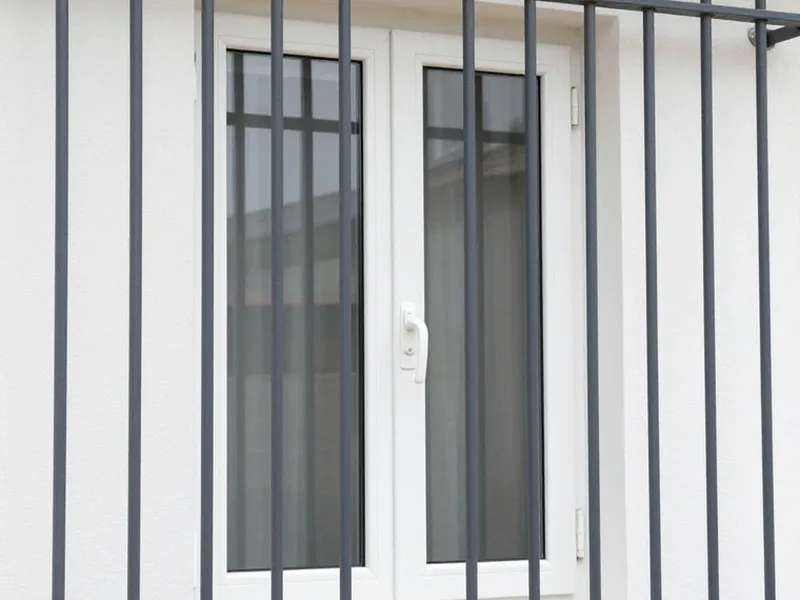 Metal grilles
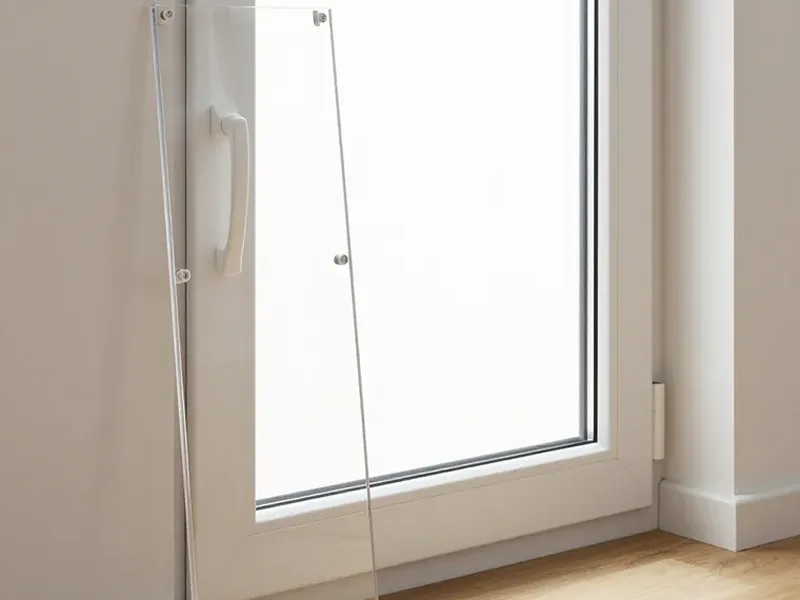 Transparent grilles
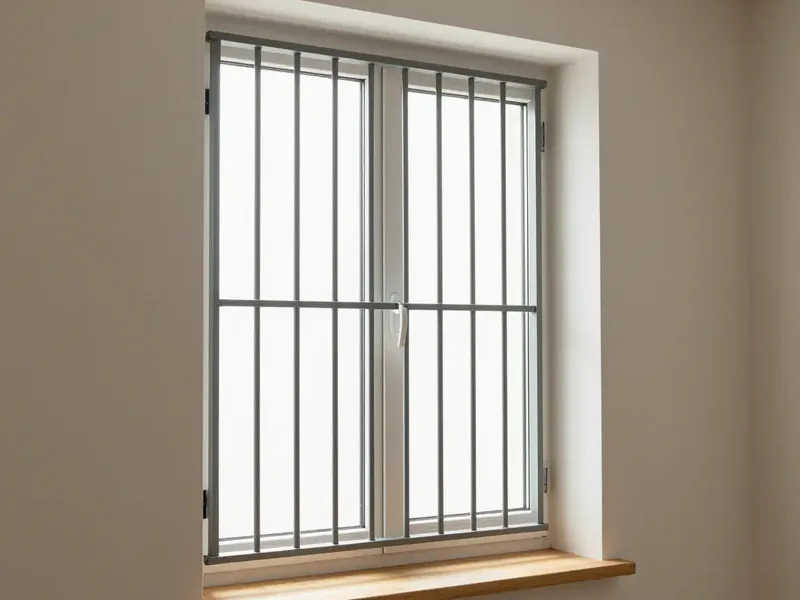 Window grilles
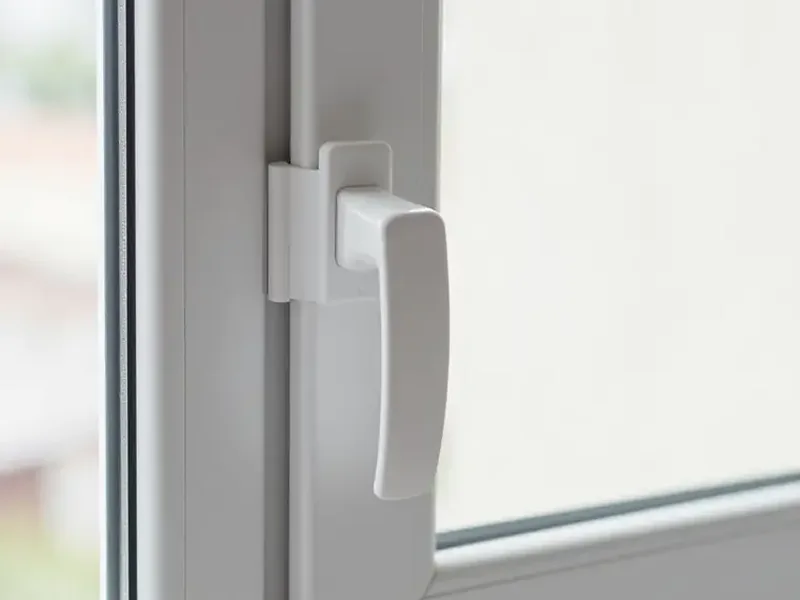 Window blockers
