
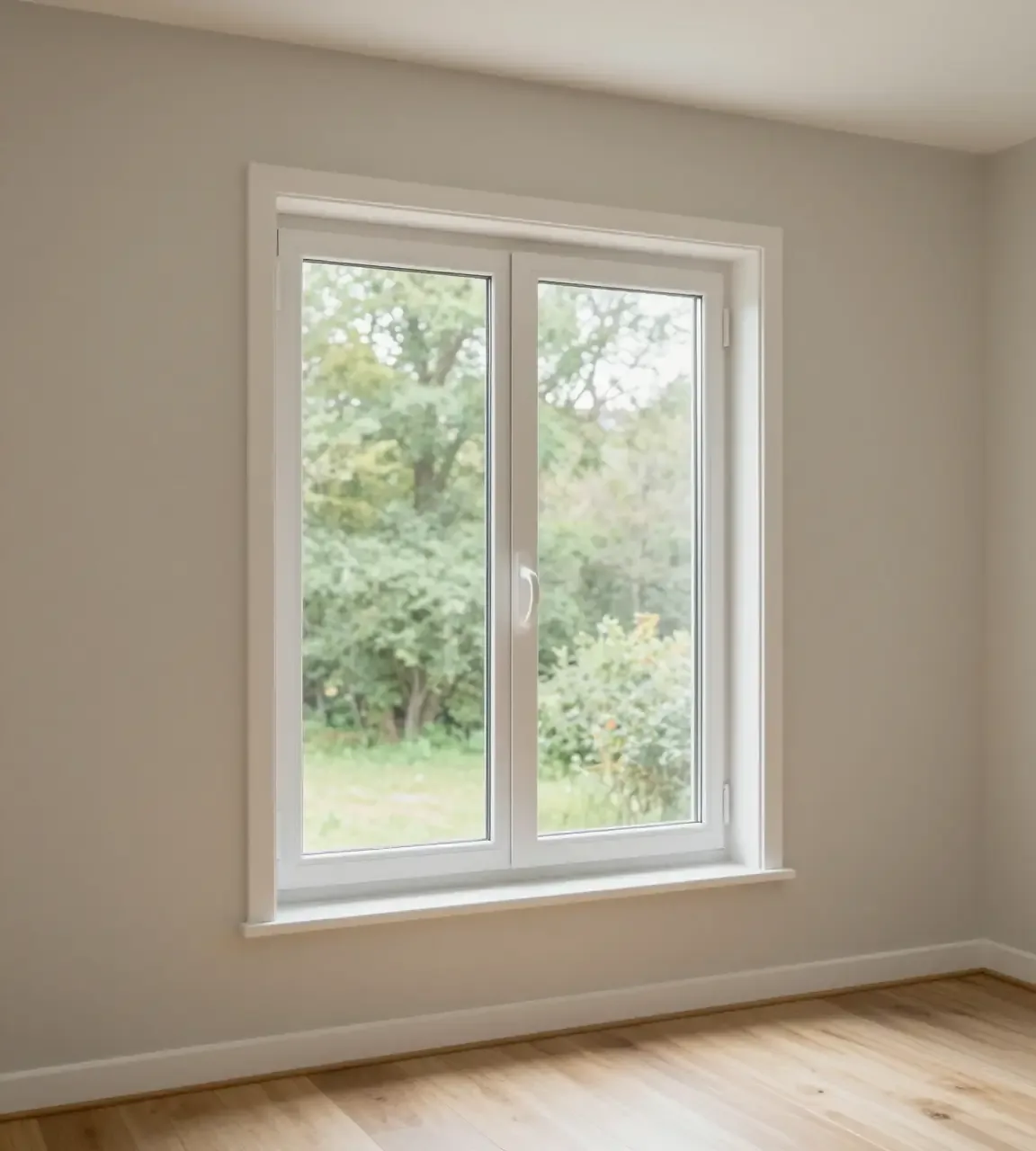
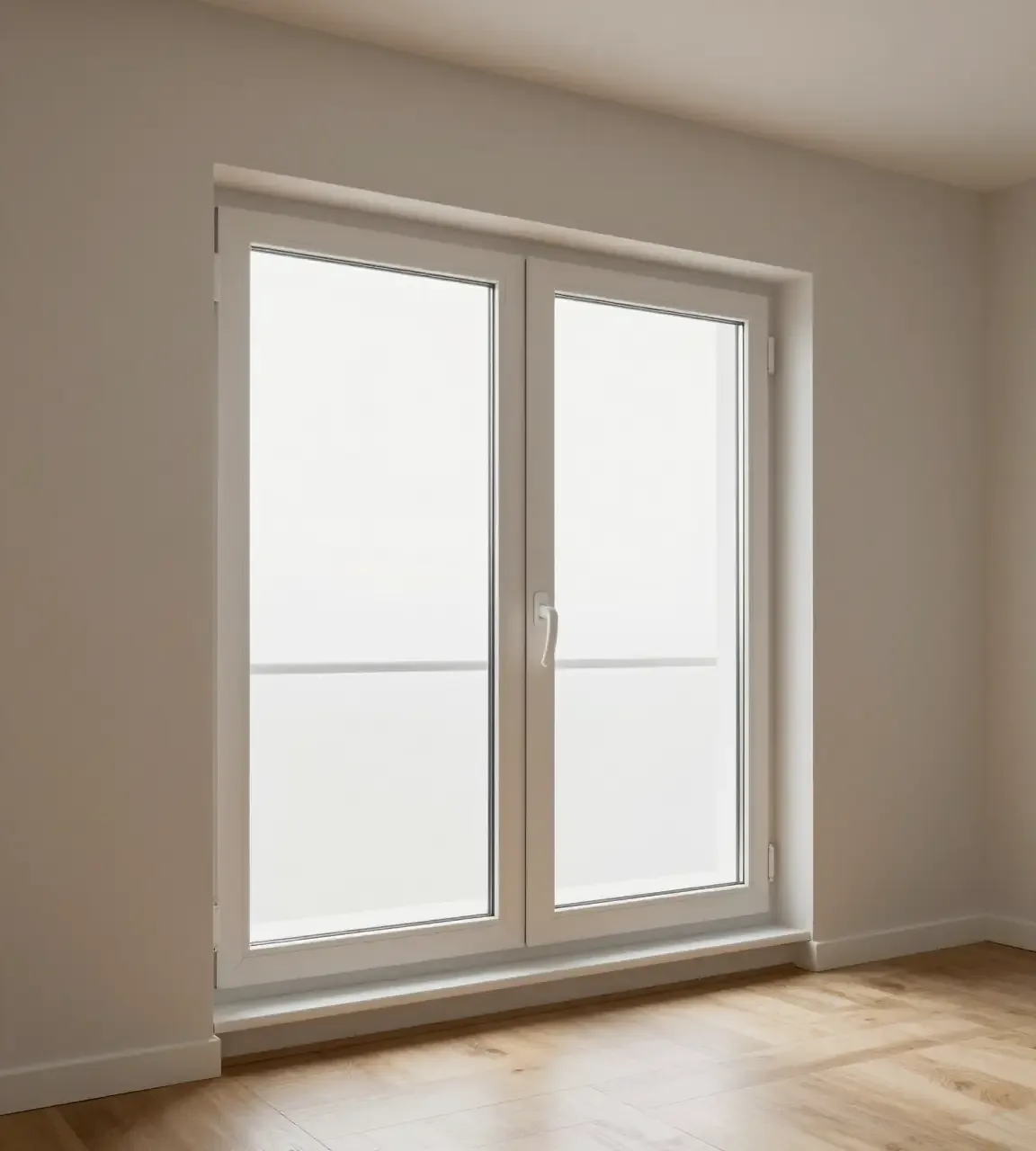
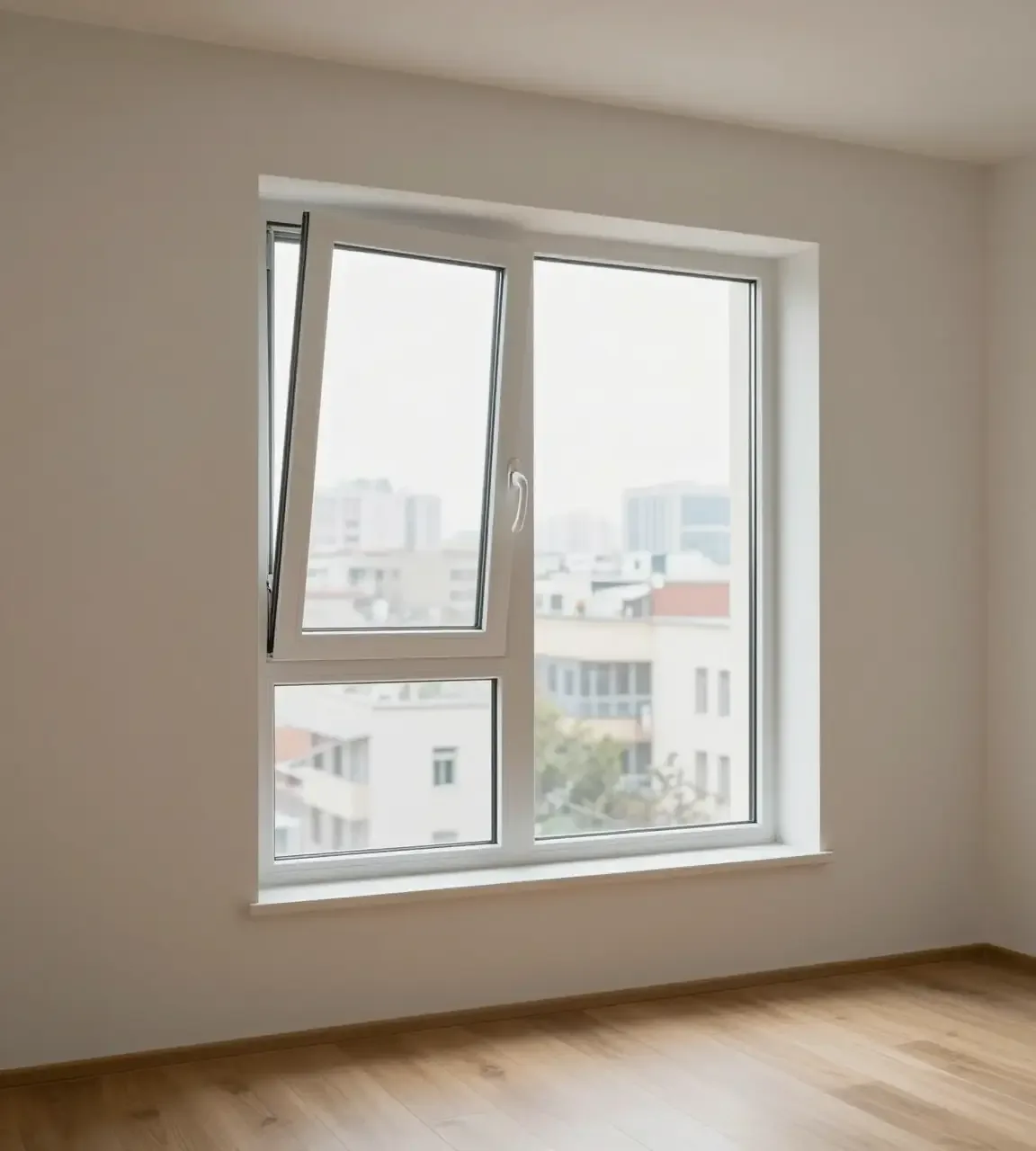
Seasonal seal pressure · winter/summer
Seasonal adjustment
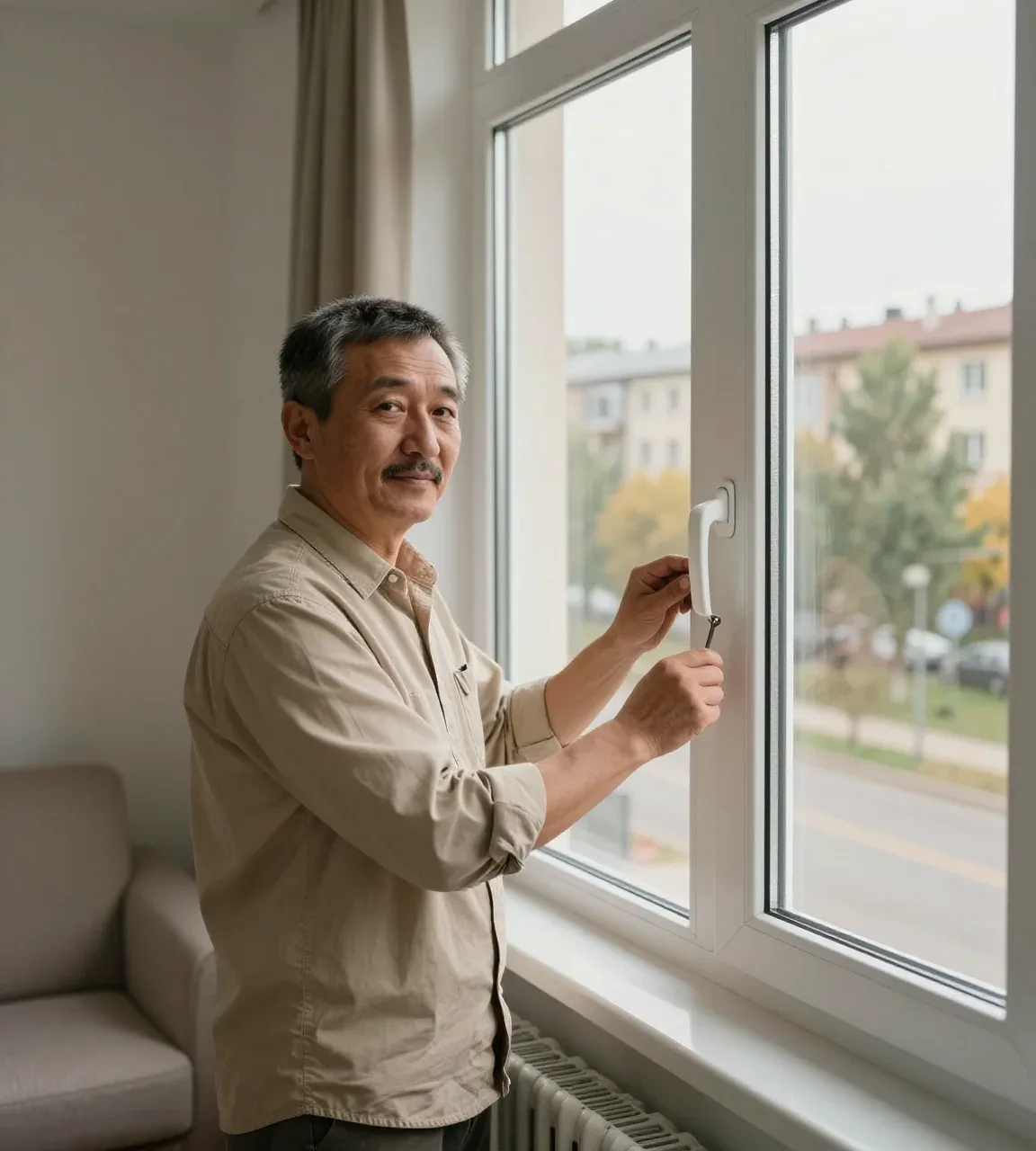
Switching the seal pressure for the season — from 3 000 ₸ per window. The technician will set the sashes for cold or warm weather.
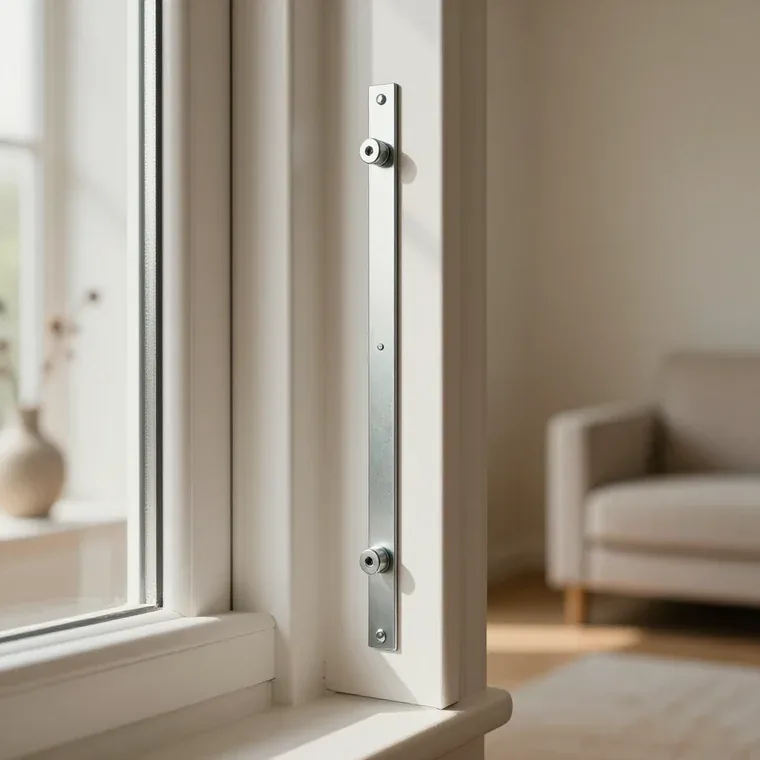
Seasonal adjustment
Switching the seal pressure for the season — from 3 000 ₸ per window. The technician will set the sashes for cold or warm weather.
Hinge adjustment
The sash catches the frame — from 3 000 ₸ per sash. We'll tighten the hinges and align the geometry.
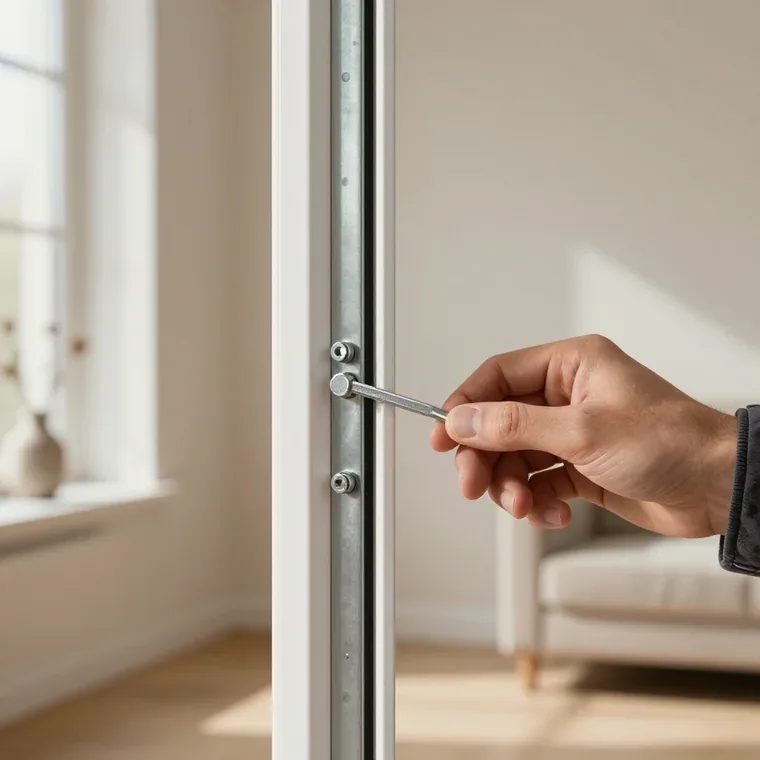
Locking cam adjustment
Draught at the handle — from 3 500 ₸ per sash. We'll adjust the locking cams around the seal perimeter.
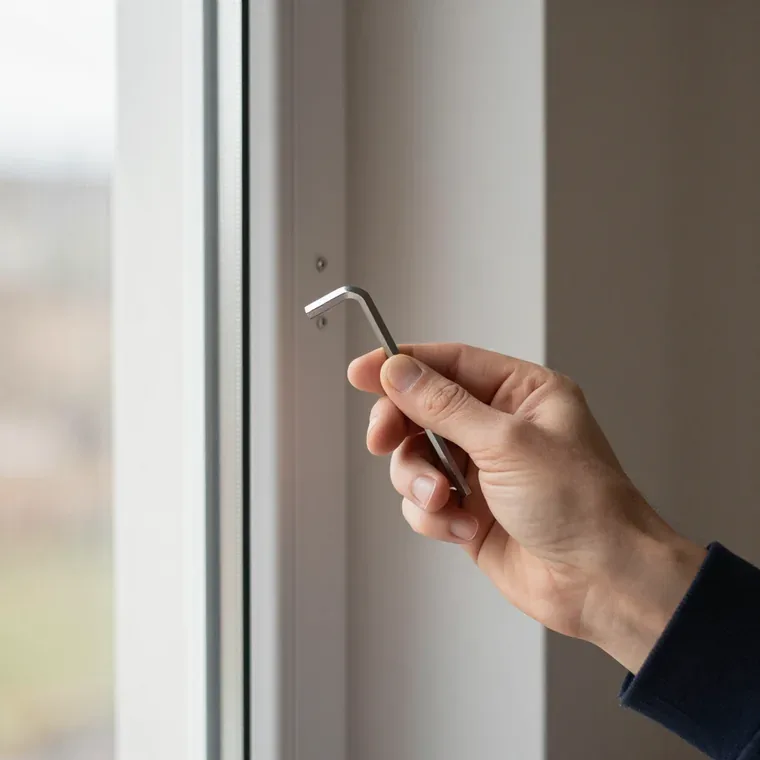
Door adjustment
The balcony door has sagged — from 6 000 ₸ per item. We'll set the hinges and the leaf seal pressure.
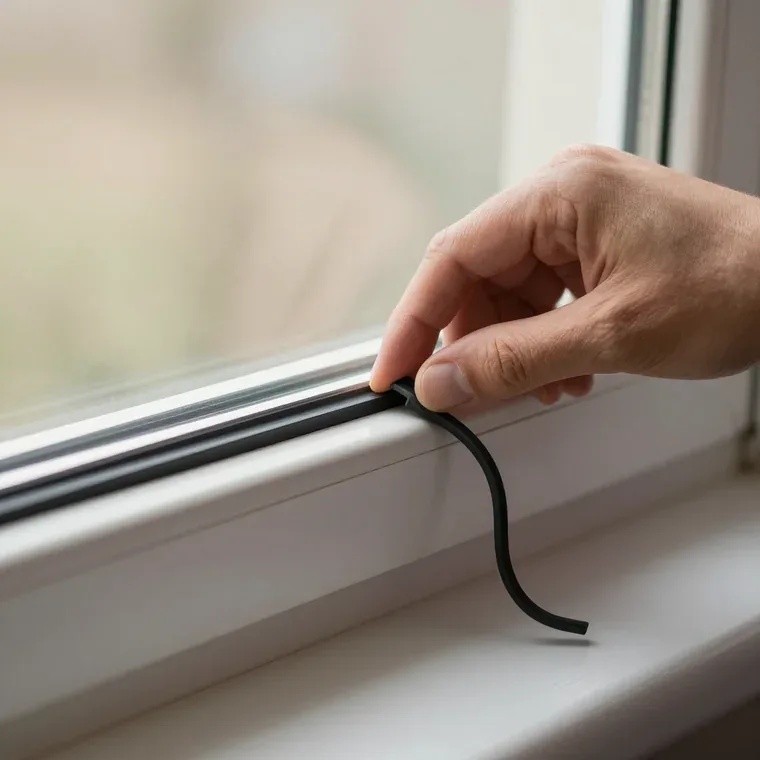
Hardware repair
The handle turns stiffly — from 1 250 ₸ per sash for cleaning and lubrication. We'll restore the mechanism movement.



5,097 reviews on review sites
Adjustment means setting the seal pressure, hinges and locking cams without replacing the window: the technician restores tight closing of the sash.
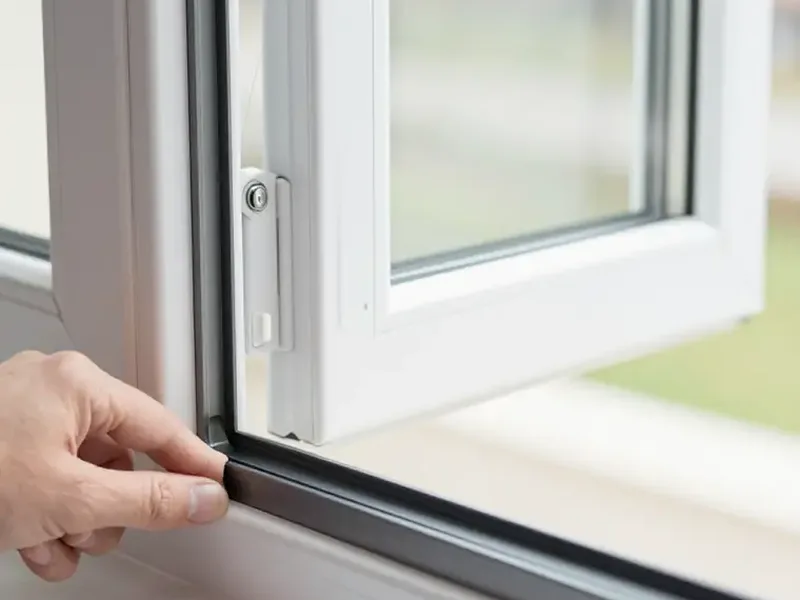
Plastic window hardware consists of a hinge group, locking cams around the sash perimeter, and a handle with a locking mechanism. Adjustment changes the position of the locking cams and hinges so that the sash presses evenly against the frame and doesn't catch the reveals.
The work doesn't require replacing the window: the technician adjusts the existing components and checks closing around the entire perimeter. Warranty on window repair — 1 year for work and replaced components.
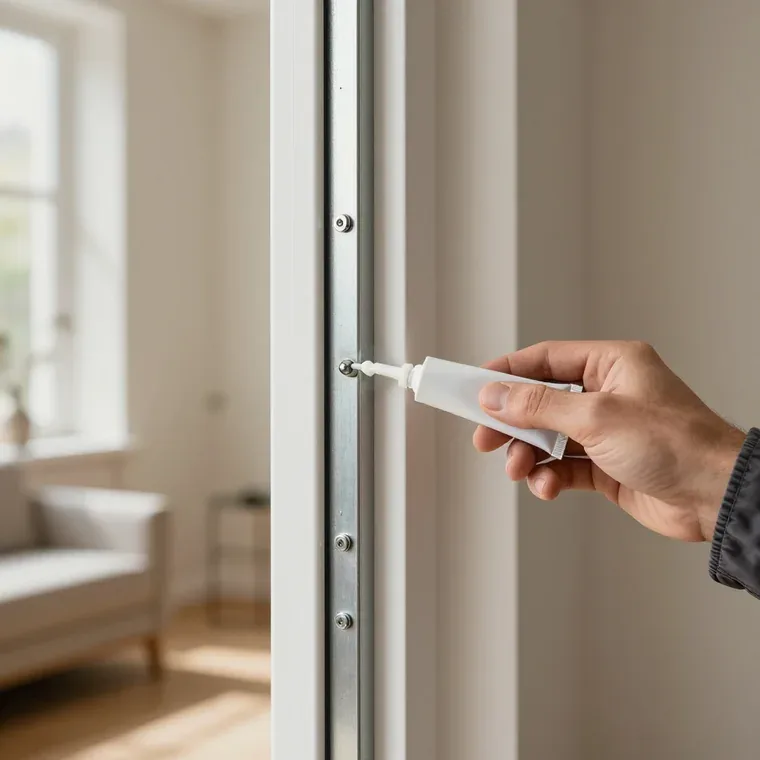
warranty on window repair and replaced components
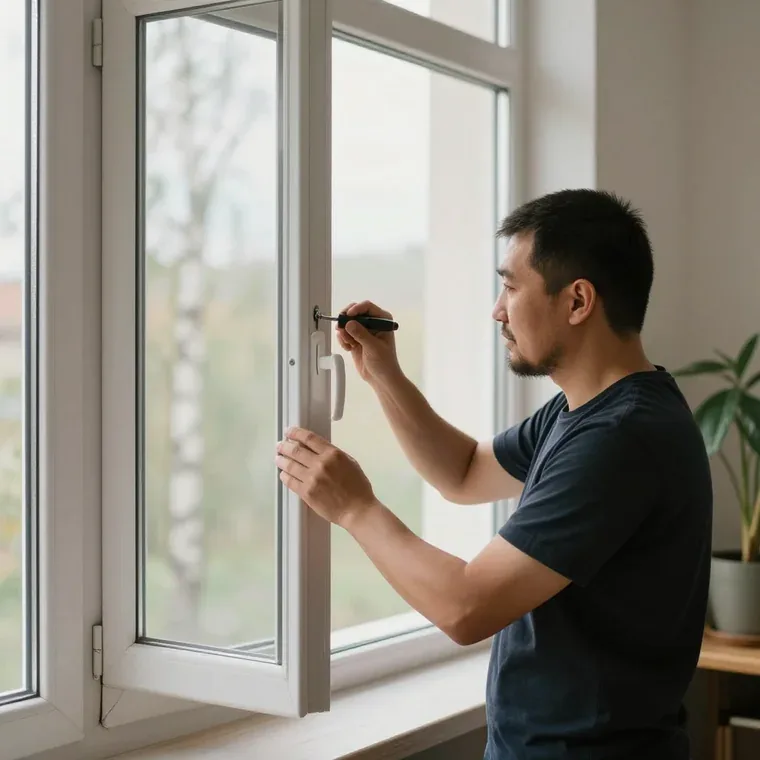
simple sash adjustment with setting the seal pressure and hinges
response on WhatsApp to an adjustment request
The technician inspects the window, finds the cause of loose closing and adjusts the hardware components on site.
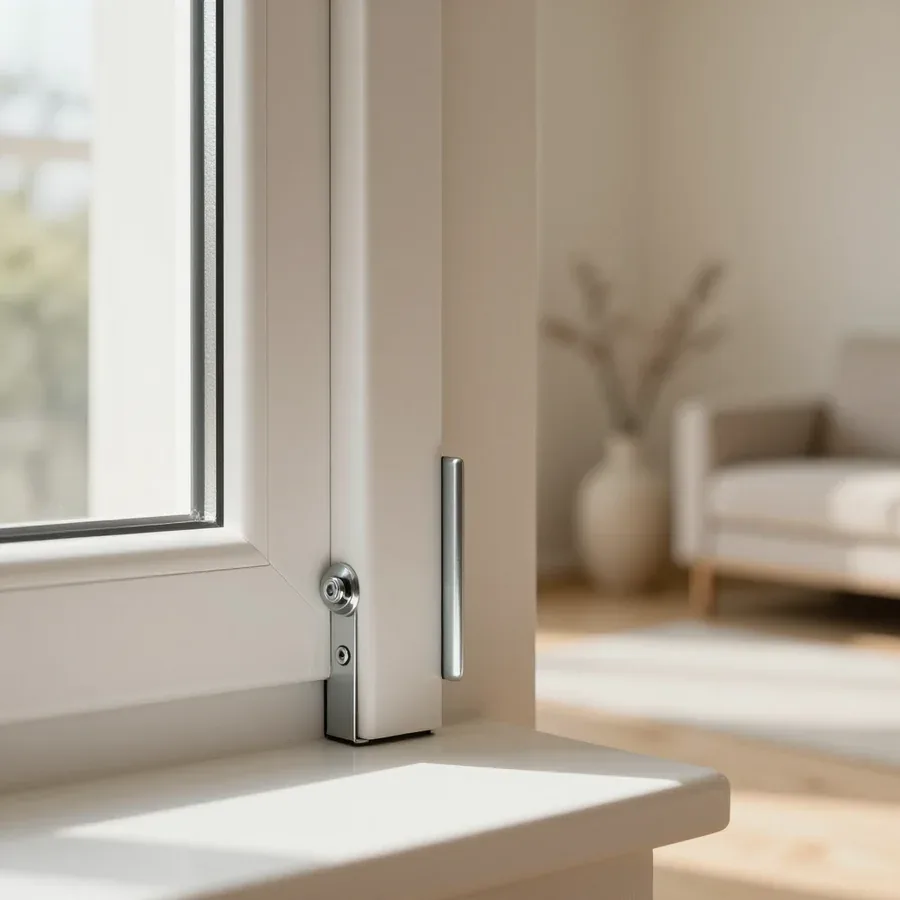
The technician checks the seal pressure around the perimeter, the handle movement and the sash position to understand which component has shifted.
Tightens the hinges and adjusts the cams and compression so the sash closes without effort or gaps.
Checks the sash movement, compression tightness around the perimeter and no draughts at the handle and edges.
If parts are worn, the technician selects and replaces them — ask the technician about the cost of work and parts.
Main types of adjustment work: seasonal compression, hinges, cams and balcony door. Price is per unit of work.
per window
Adjusting compression for the season so there are no draughts around the perimeter in winter.
per sash
Tightening hinges when the sash catches the frame or has sagged.
per sash
Evening out compression around the perimeter if there is a draught at the handle or edge.
per item
Adjusting hinges and compression of the balcony door leaf.
per job
Restoring the mechanism if the handle turns stiffly.
The cost depends on the type of work and the number of sashes; the technician confirms the exact amount after inspection.
| Type of work | Price |
|---|---|
| Simple sash adjustmentbasic setting of the seal pressure and hinges | from 3 000₸ per sash |
| Complex adjustment with sash removalwhen the sash is removed to access the hardware | from 4 000₸ per sash |
| Balcony door adjustmenthinges and door leaf seal pressure | from 6 000₸ per item |
| Seasonal winter/summer adjustmentswitching the seal pressure for the season | from 3 000₸ per window |
| Draught eliminationadjusting the seal pressure around the perimeter | from 3 500₸ per sash |
| Window handle replacementselecting a handle to match the hardware | from 2 750₸ per item |
| Hardware repairrestoring the mechanism operation | from 7 800₸ per job |
| Opening a jammed sashwhen the sash is stuck in the closed position | from 2 400₸ per sash |
| Comprehensive window servicingadjustment and maintenance of all components | from 10 000₸ per window |
| Hardware cleaning and lubricationprevention of stiff movement | from 1 250₸ per sash |
| Micro-lift or extra seal pressure installationadditional sash seal pressure | from 1 700₸ per item |
| Winter slot ventilation installationsupply valve for winter mode | from 7 600₸ per item |
The price is fixed in the order after measuring.Conditions under which the price does not change after inspection: what the technician records in the order and what additional charges are possible only by agreement.Payment after installation: cash, card or Kaspi.
Book an adjustmentCheck the warranty, schedule and payment terms — the technician confirms these conditions before starting work.
What to clarify about warranty claims: how a warranty case is recorded and what documents are needed
we accept requests daily
What to clarify about payment: when to pay and whether a receipt or act is needed for reporting
we replace seals in KBE, Rehau, VEKA, Provedal windows
to an adjustment request
How to choose a time for the visit: which hours are more convenient to let the technician in if there are children or pets in the flat
in the order after measuring
in Kazakhstan you can order the service
From request to checking the result — four steps.

You write on WhatsApp — we reply within 5 minutes and clarify the address and the problem.
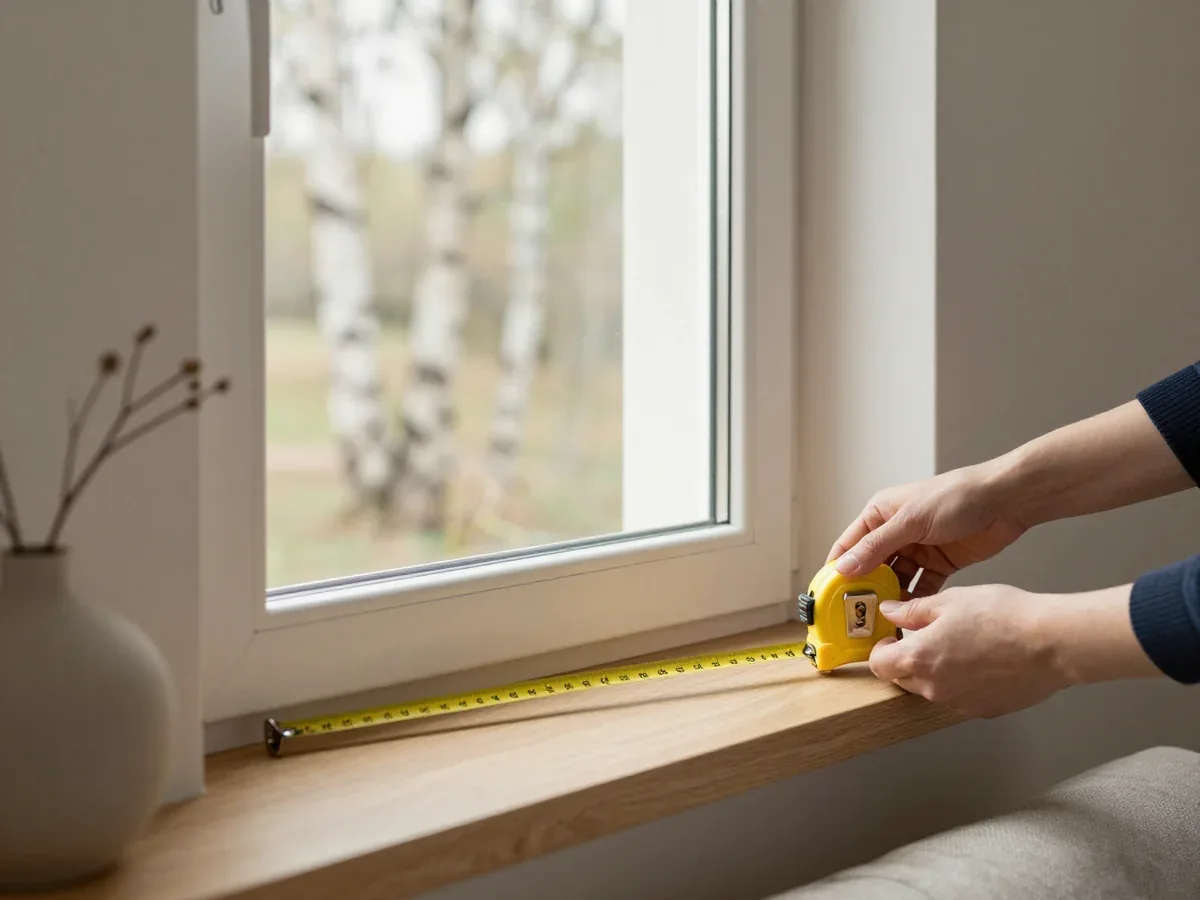
We agree on a convenient time for the technician's visit and fix the scope of work.
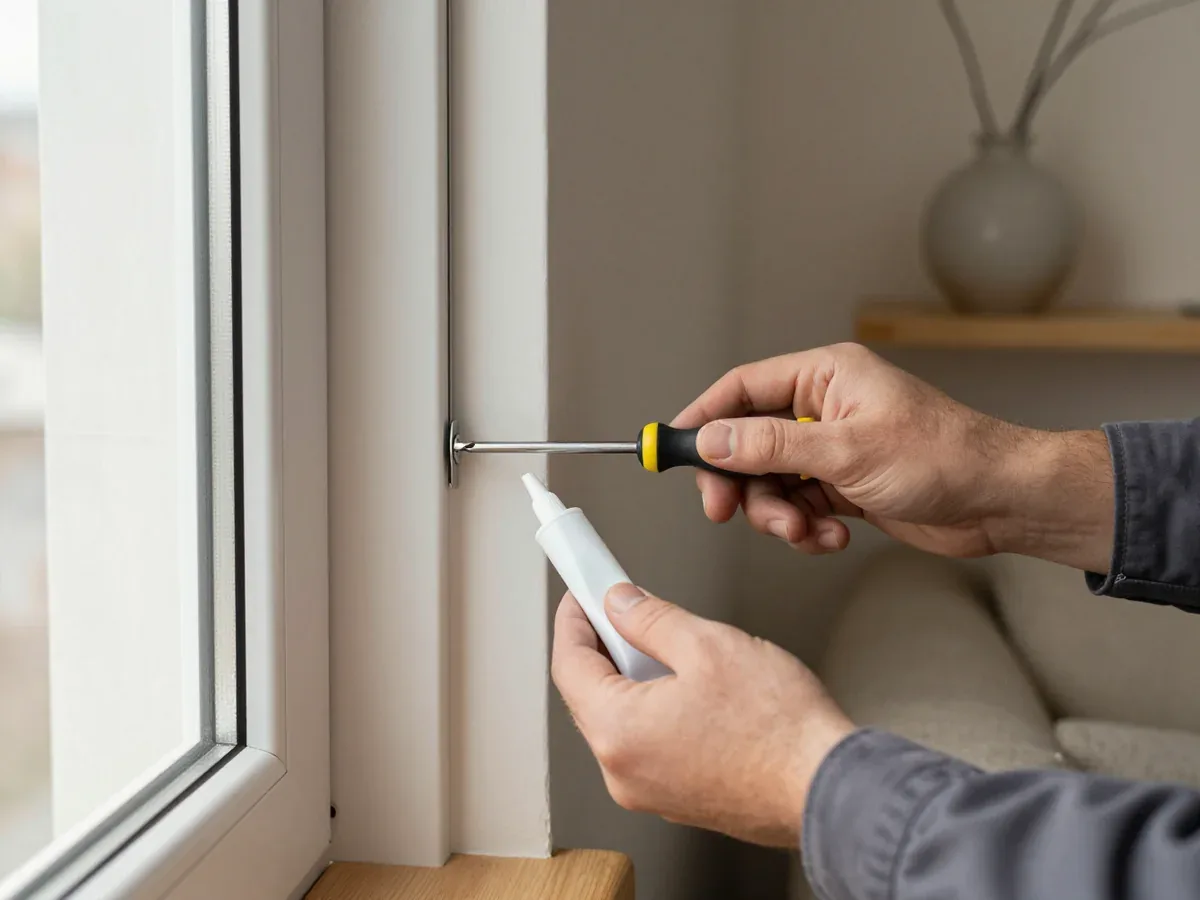
The technician confirms the list of work on site, and the client clarifies details before starting — for example, which sashes to adjust and what preferences to take into account.
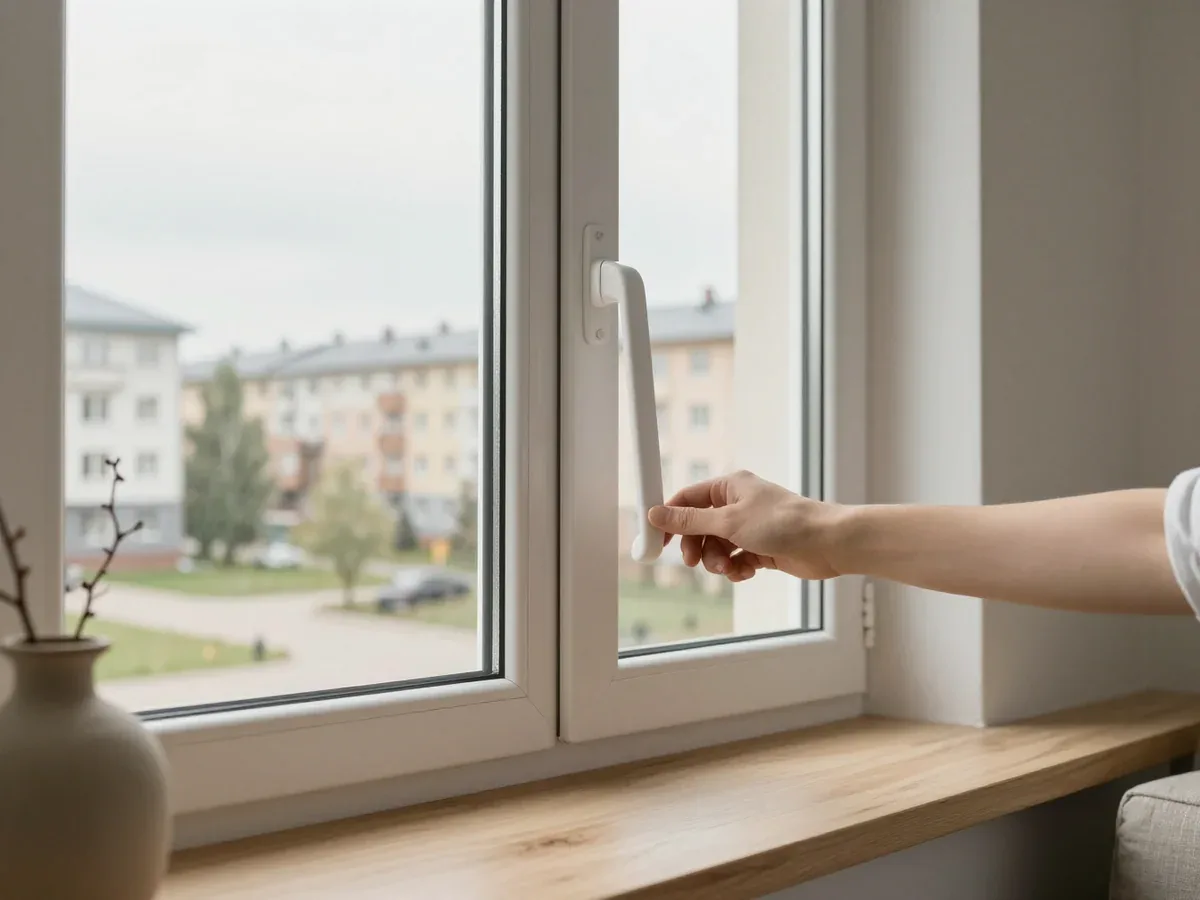
You check the result and pay after completion: cash, card or Kaspi.
Good to know

Senior mosquito screen specialist at moskitnyesetki.kz
We handle pvc window adjustment in Semey with our own fitters, not subcontractors. A visit covers diagnosis, sash position, hinge and pressure settings, plus a check that the window closes tight before we leave. Work and replaced parts carry a 1-year warranty, and you pay after the job is done.
A window rarely fails all at once. More often it is a slipped pressure setting, a dropped sash or a flattened seal. Here is how to tell which case you have.
A draught around the leaf, a corner that catches the frame at the bottom, and a handle that needs a push to lock are the three classic signs of a unit that only needs adjusting. Draughts usually come from locking cams set too loose, so the leaf no longer pulls tight. Catching at the bottom means the hinges have dropped a few millimetres under the weight of the glass unit, and the corner now scrapes. A stiff handle points to the same misalignment, because the locking bar cannot slide freely into its keep. None of these faults involves the profile or the glass itself. If the leaf catches only in cold weather, the frame has shifted with temperature, not worn out — a seasonal reset usually fixes it without touching the hardware.
We replace the seal or a hardware part when the leaf still lets air through after the pressure is set to maximum, or when a hinge is cracked and no longer holds the leaf in line. Setting pressure is a five-minute job with an Allen key; once the cams are fully turned in and a paper strip still pulls out of the gap without resistance, the gasket itself is the problem. The same applies to fittings: a hinge with a worn pin will drift back out of adjustment within weeks, so tightening it only postpones the visit. A flattened gasket feels soft and leaves a grey line on your finger — that is the moment to swap it, before the draught reaches the room. We cover window repair with a one-year warranty on labour and replaced parts.
An adjustment is not a matter of turning screws at random. It follows a sequence: diagnose the fault, set the position of the sash, tune the pressure, then check the result. Here is what the fitter touches, and why.
Our fitter works on three axes — the hinge screws move the leaf up, down and sideways, the cam or eccentric pin sets how hard it presses against the frame, and the handle mechanism ties the two together. A panel that has dropped a few millimetres over a season usually rubs the frame at the bottom corner; a quarter turn on the lower hinge lifts it back into line. The pressure cam sits on the same hardware and controls how tightly the seal is squeezed along the perimeter. The leaf almost never needs to come off for a standard adjustment; only a badly dropped one on a wide window is lifted out to reset the hinges safely. This is the core of a pvc window adjustment in Semey, and it is the same sequence our fitters follow on every visit.
| What we adjust | Symptom it fixes | Typical time on site |
|---|---|---|
| Hinge position, up or sideways | Leaf catches or rubs the frame | 10–15 min |
| Pressure cam or eccentric pin | Draught around the perimeter | 5–10 min |
| Handle and lock mechanism | Handle sticks, spins or won't latch | 10–15 min |
| Seal check and lubrication | Squeaks, stiffness, uneven closing | 5–10 min |
The sharply continental climate here — hot summers and hard frosts — forces the pressure setting to work in two modes. Here is when and why it should be switched.
In winter the sash should press harder against the seal to keep the cold out, and in summer it should sit looser so the rubber is not crushed flat by the heat and the hardware is easier to turn. The setting is controlled by the cams on the sash edge: turn them one way and the leaf pulls tighter into the frame, turn them the other and it eases off. Most hardware allows two or three positions, and the difference between them is a few millimetres of travel at the gasket. We set the pressure to match the season whenever we carry out a window adjustment local homeowners book ahead of the cold snap. Leaving the winter setting on through July flattens the seal within a couple of seasons — the rubber loses its bounce and starts to leak the following cold spell.
Windows across the city come from different manufacturers and carry different hardware inside. Here is what we adjust, and where adjustment stops and replacement begins.
We adjust windows on KBE, Rehau, VEKA and Provedal profiles, and the same visit covers plastic, wooden and aluminium frames. Our fitters also work with tilt-and-turn sashes, fixed lights, balcony doors and the small ventilation panes that many local installers fit. Hardware is the part that matters most during a call-out: a Roto or Maco mechanism adjusts the same way regardless of whose frame it sits in, so the profile logo on the spacer bar rarely changes the job. What does change it is the condition of the cams, the hinge arms and the locking rail, which we inspect before touching any screw. The brand of the frame tells you almost nothing about how long the visit will take. The mechanism inside it does.
A lever that turns freely usually means the spindle has stripped or the mechanism slipped out of its lock position, while one that resists is often a sign of a dropped sash jamming the cams. A grip that turns but the sash stays shut points to a broken gearbox or a seized locking point. None of these faults call for a new window, and most resolve within a single visit once the fitter identifies which part failed. A wobbly grip on its base is usually just two screws that worked free over years of use. Before swapping the part, check whether the sash closes flush at the top corner; if it does not, the grip is the symptom, not the cause.
Whether the problem comes back matters as much as the repair itself. Here is how our warranty works, when you pay, and what booking a visit actually looks like.
Our window repair carries a 1-year warranty that covers both the labour and any parts we replaced, so if the same problem returns within the year we come back at no charge. The record lists the exact defect, the hardware we swapped and the date. A sash that starts catching again on the same hinge falls under that entry; a handle that loosens on the opposite side does not. The warranty follows the specific defect, not the whole unit — a new draught in a different corner is a fresh job, while a returning one is ours to fix. Keep the order sheet: it names the issue, and that wording is what we check first when you call.
Adjustment is the cheaper path for a sash that drags, whistles or will not lock, and it stays a small job as long as the hardware is still whole.
Common problems, DIY fixes, calling a technician, checking the result
Konstantin Selenenkovsenior mosquito screen specialist, 10 years in the tradeOnline · replies within 5 minutes
Ask a questionThe sash is tightened with a hex key through the screws on the hinges, and the pressure is adjusted with the cams around the perimeter. Without experience, it is easy to overtighten the hardware, so if in doubt, it is better to call a technician for adjustment.
If the handle turns without resistance and does not secure the sash, the cause is often a broken mechanism or a sheared pin. Adjustment will only help if the hardware is intact; otherwise, repair is needed — the technician will determine on site.
Most often, a sagging sash can be leveled by adjusting the hinges without replacement. New hinges are needed if the old ones are worn out or damaged — the technician decides after inspection, depending on the window.
Not always: condensation is more often related to indoor humidity, poor ventilation, or worn seals, not to the pressure. Adjustment helps only if the glass fogs up due to draughts around the perimeter.
Close the sash and run your hand along the perimeter — there should be no draught, the handle should move smoothly, and the sash should not catch on the frame. Check the pressure on all sashes and ask the technician to show you what has been adjusted.
Everything is done on site: hinges, cams, and pressure are adjusted right in the apartment or house. The sash is taken to the workshop only for serious hardware breakdowns; for routine adjustment, this is not required.
Thank you. We will call you back within 10 minutes!
Your order number is on the receipt or in the SMS. Choose where to leave your review.
Write a review on WhatsApp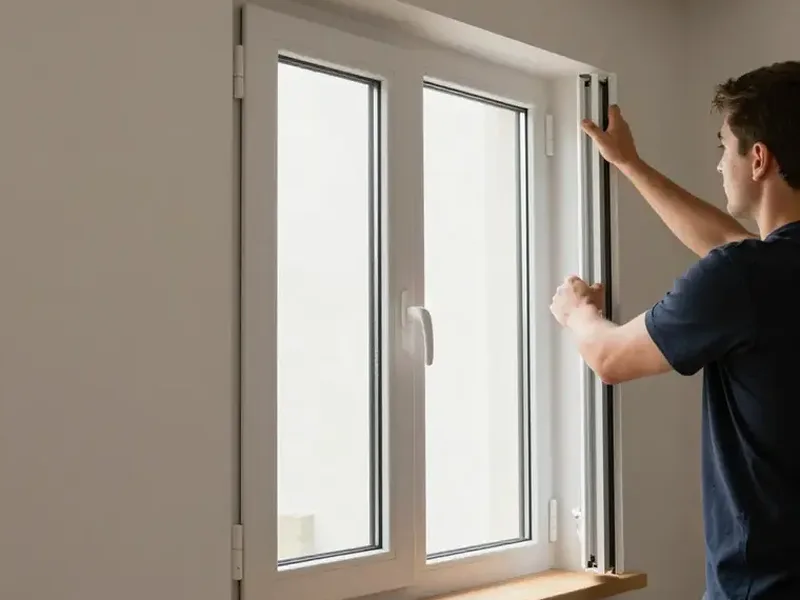 Plastic window repair
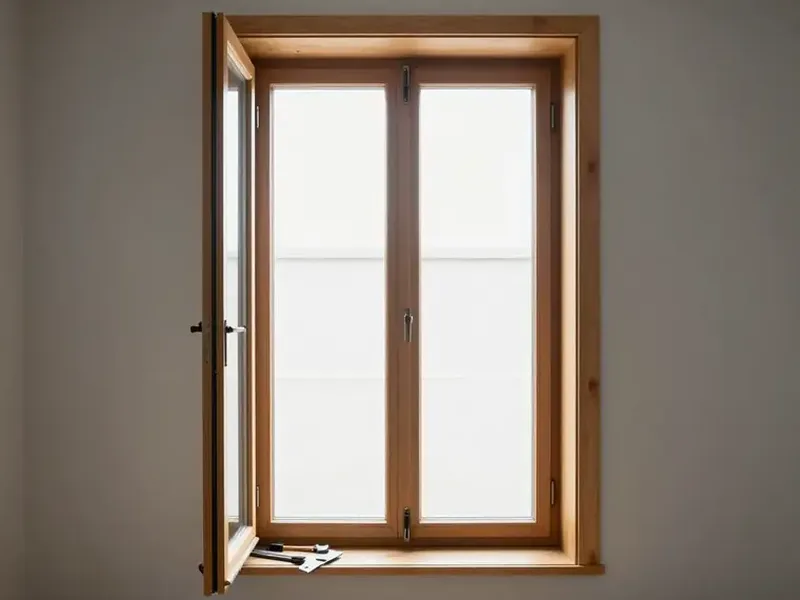 Wooden window repair
 Window seal replacement
 Window insulation
 Balcony glazing
