
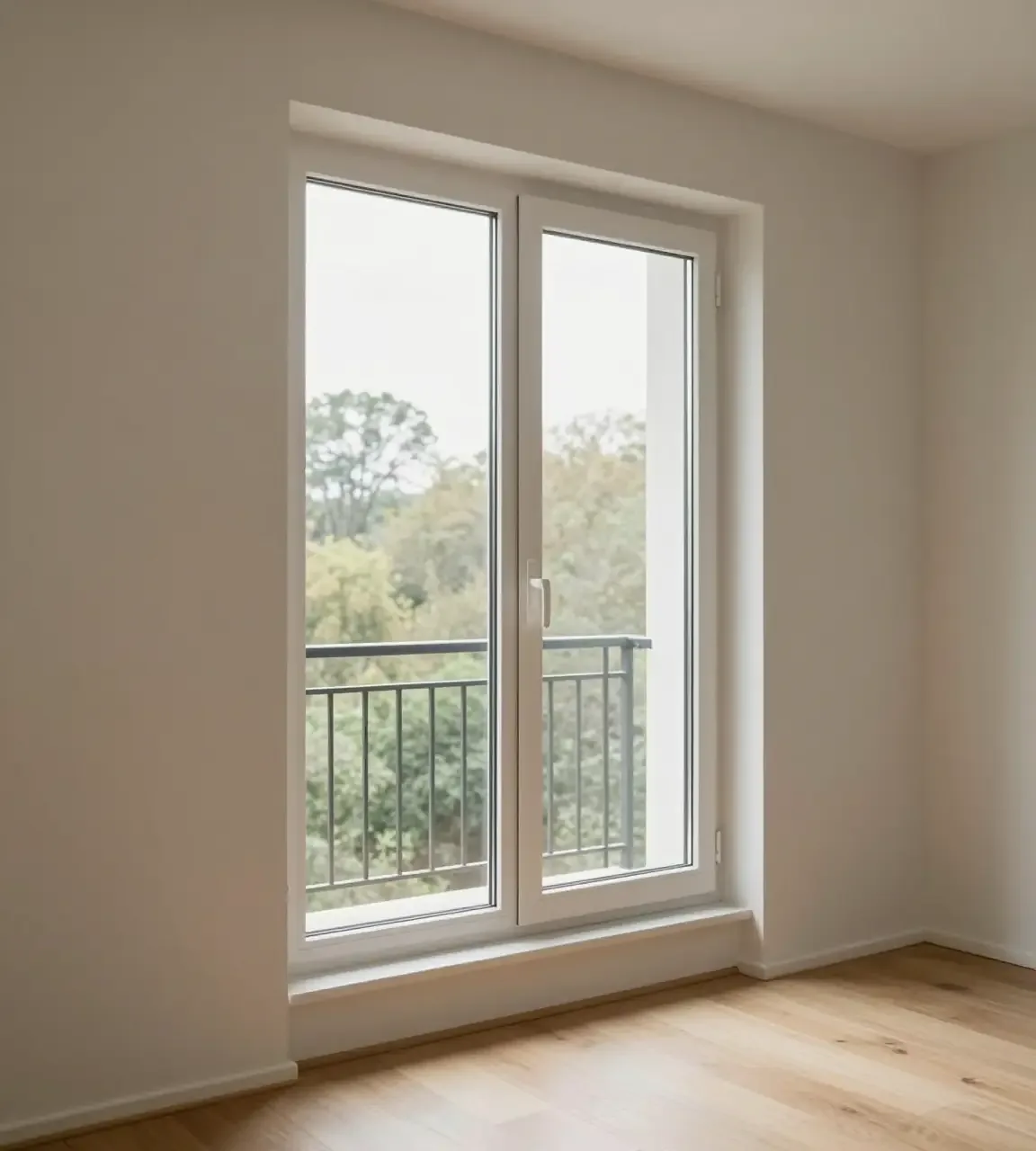
Private house · courtyard
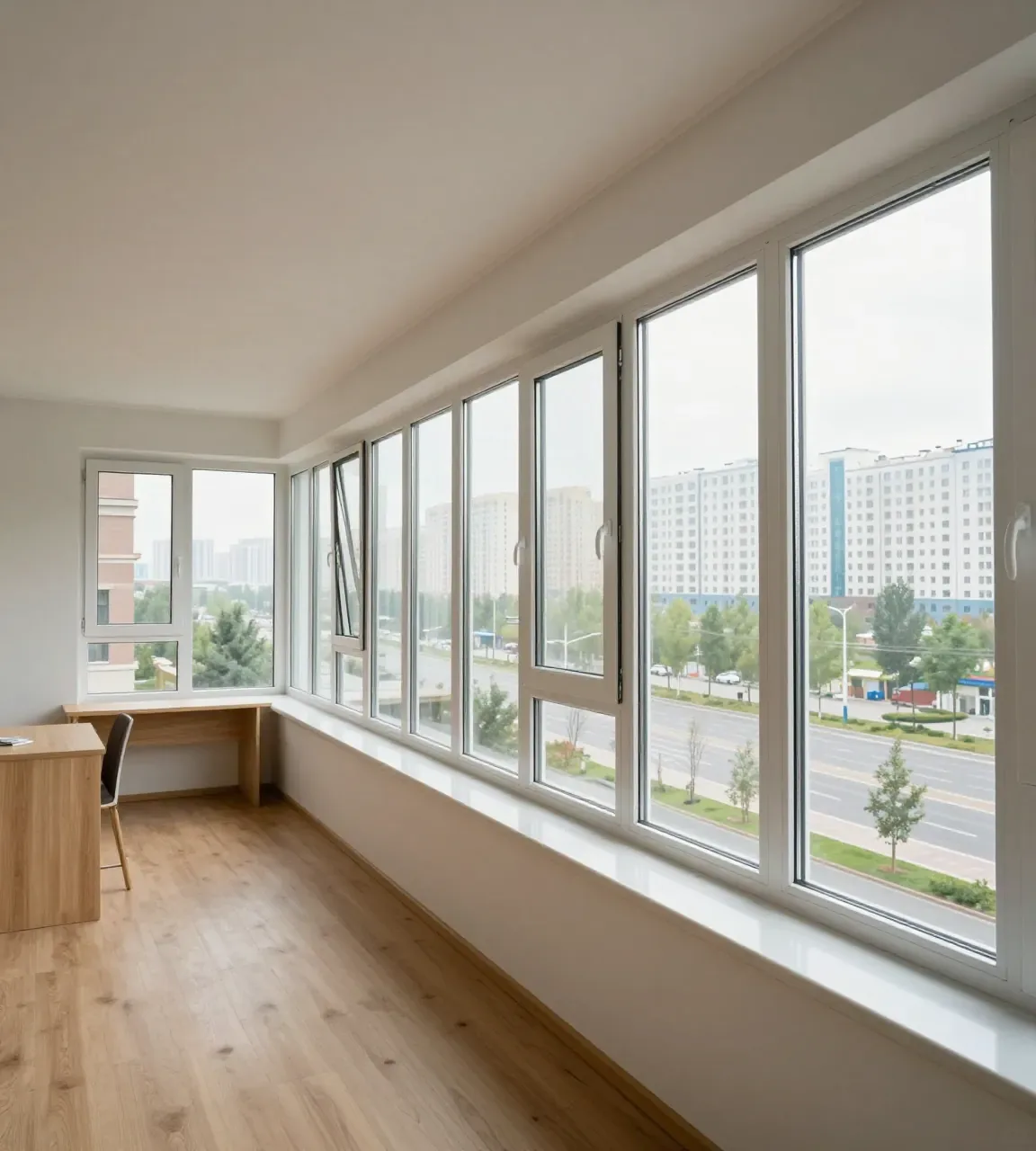
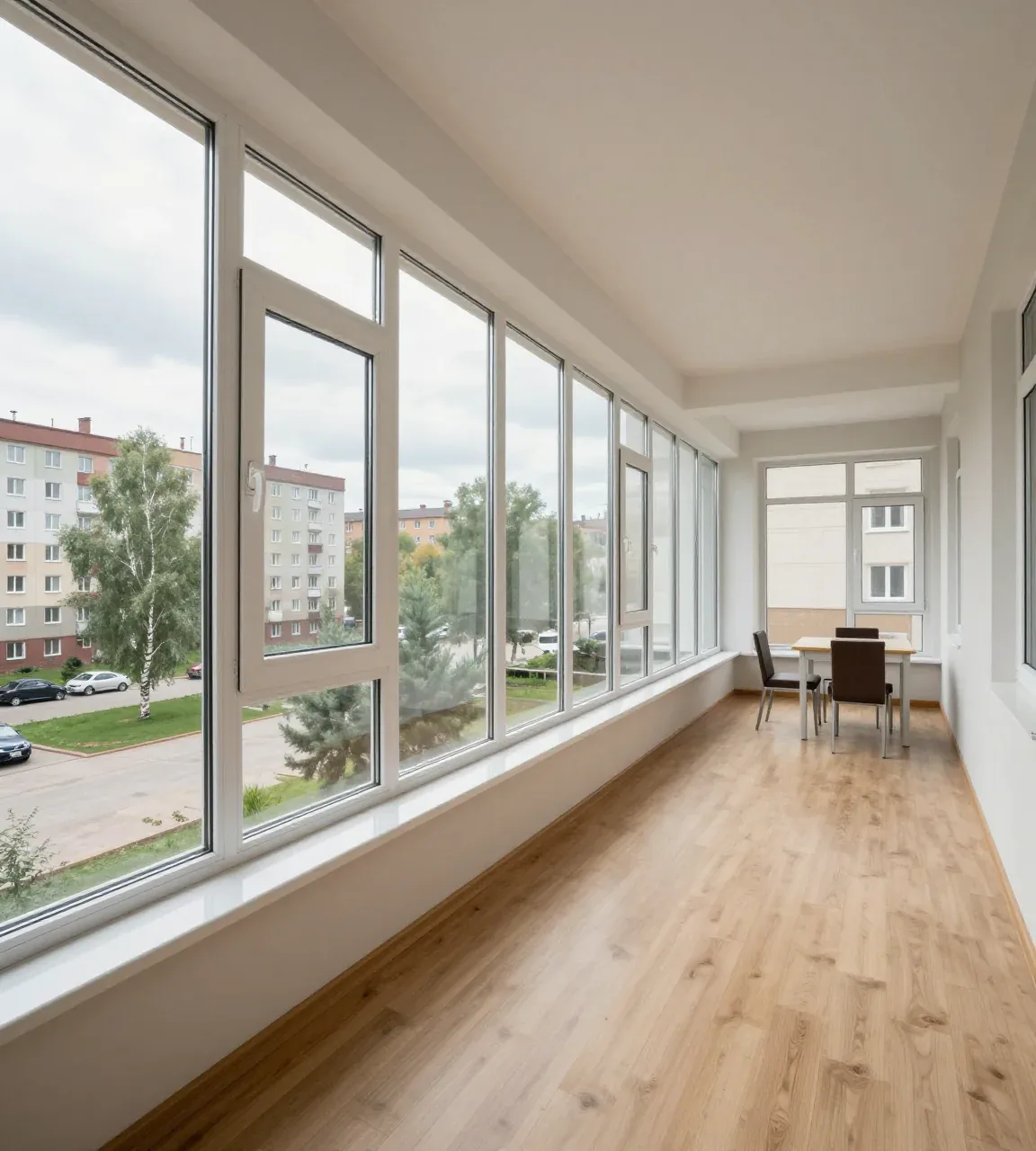
Loggia
Glazing by area, profile chosen to suit the house. From 37 500 ₸ per m².
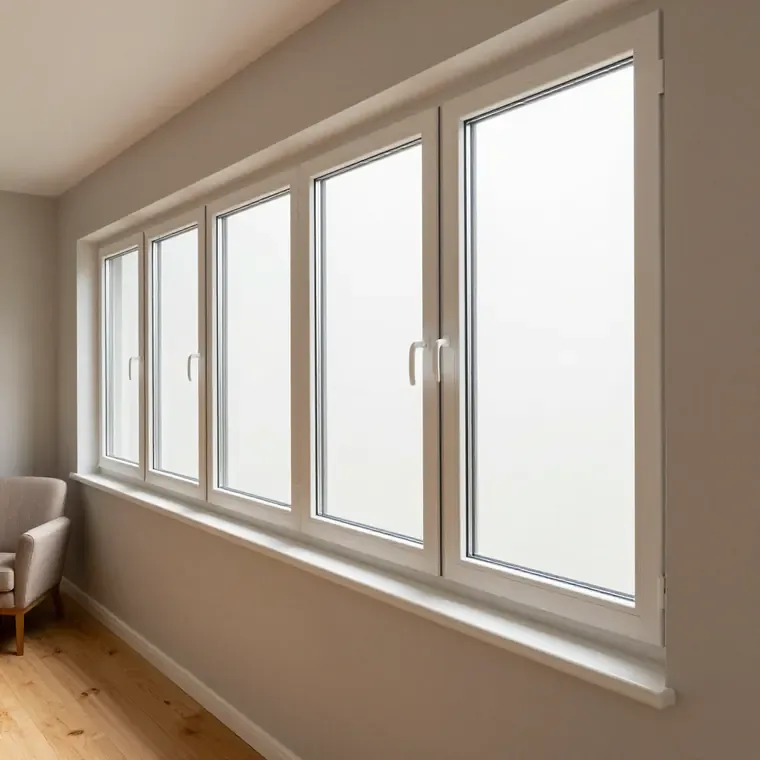
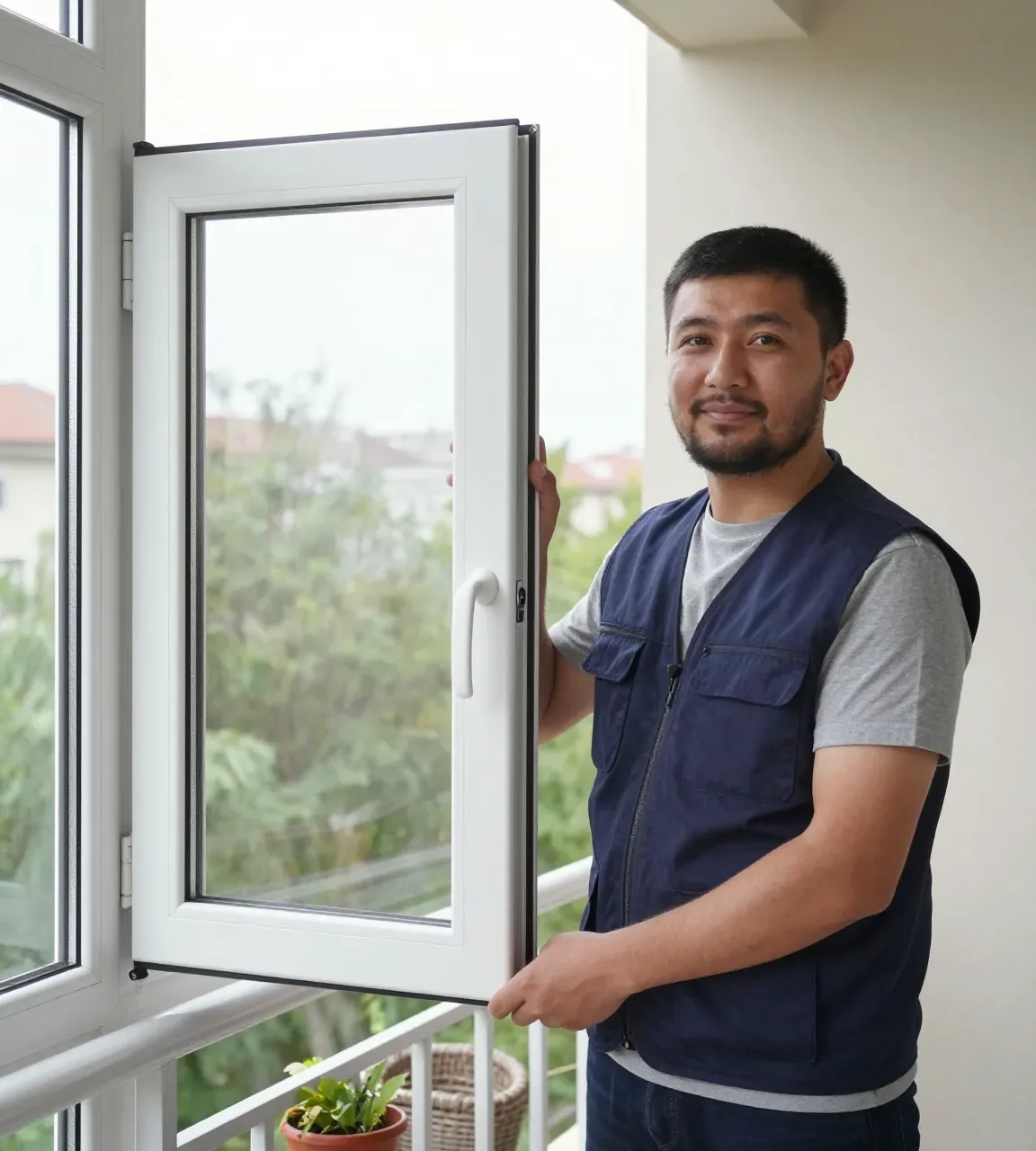
Less dust in the flat, a dry balcony and storage space all year round
Taraz is warm for most of the year, but the wind often carries dust. A glazed balcony catches it before it reaches the rooms. In summer you open the sashes, and the screens keep mosquitoes out.
For a storage room and drying laundry, aluminium sliding frames are used; for a lounge, PVC. Old Khrushchevka balconies are often clad outside, and loggias get a windowsill.
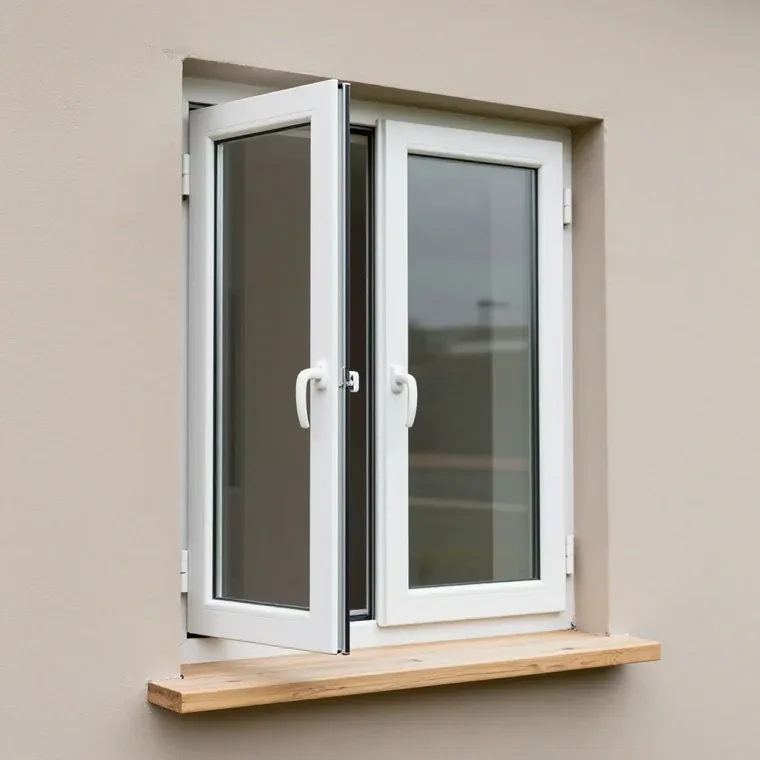
aluminium glazing
screen per m²
reply on WhatsApp
Four reasons we hear most often
An open balcony doesn't stay clean. Sliding aluminium will close it off.
PVC profile with double glazing and insulation will make it one.
Dried out in the sun. We install new ones.
Extending the frames gives more room and a wide windowsill.
Items we put together your order from
Calculated per m²
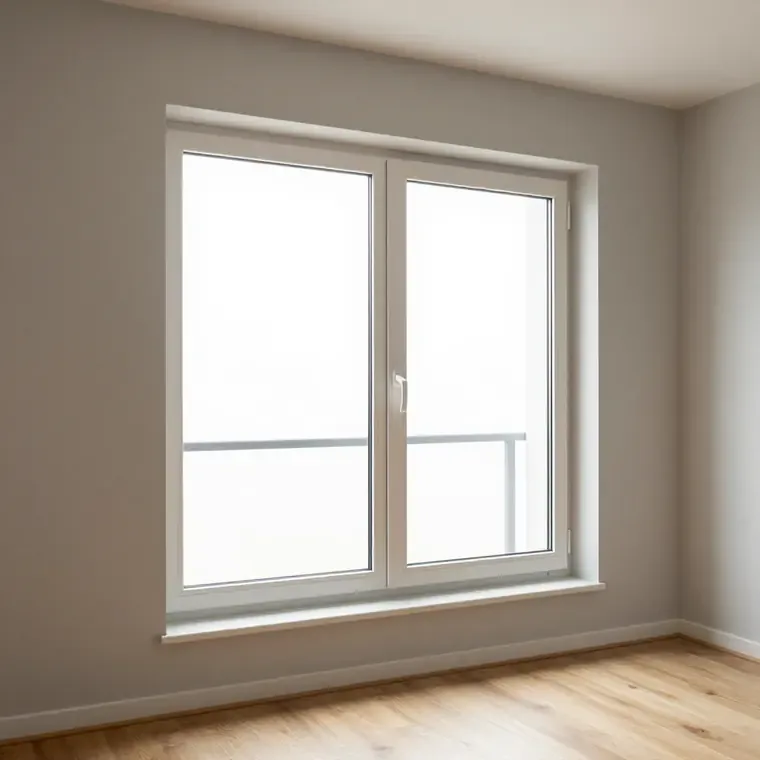
Any openings, including bay windows.
Sliding
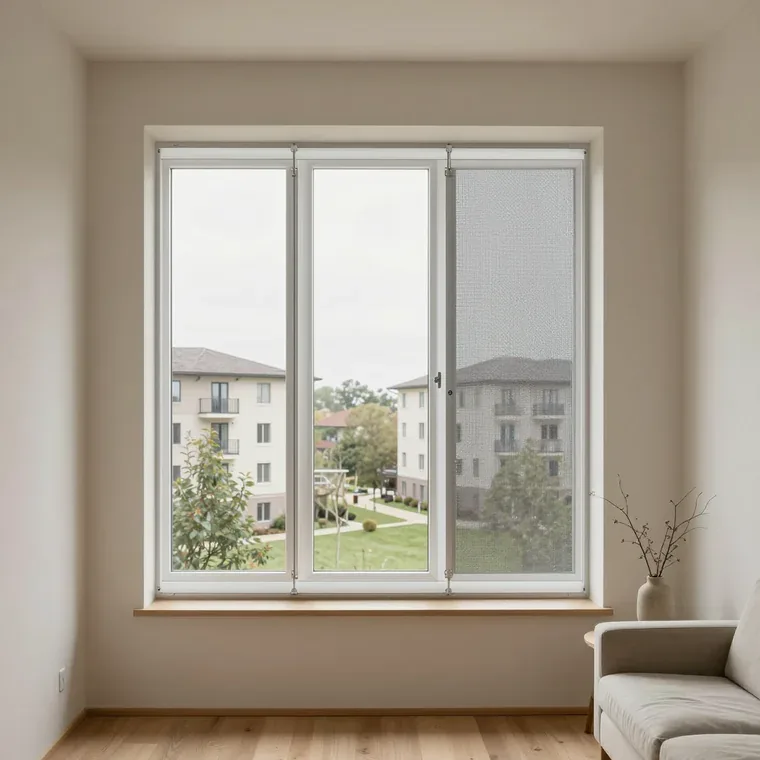
Storage and drying laundry.
Sliding
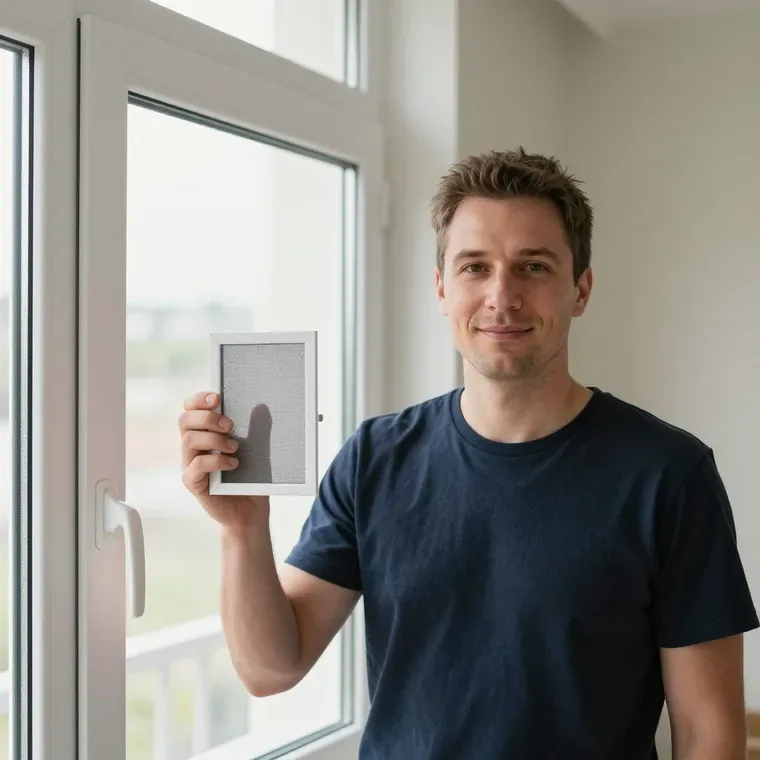
Ventilation on warm evenings.
Exterior
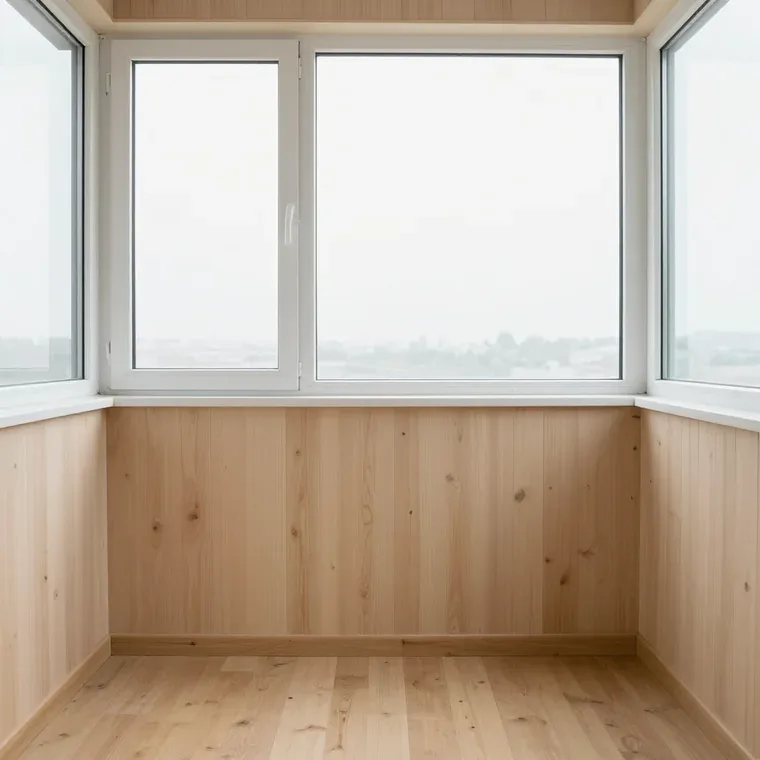
Hides the old railing.
Per metre
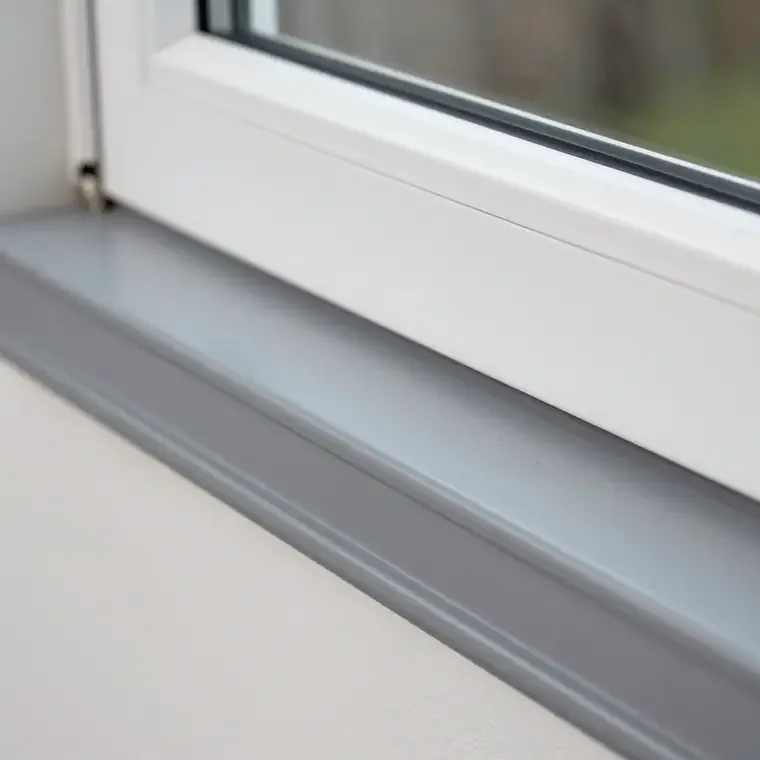
Drains water away from the frames.
Guide prices for the work; we'll give you the total after measuring your balcony
| Type of work | Price |
|---|---|
| Cold balcony glazing (aluminium)sliding aluminium frames | from 158 000₸ per balcony |
| Warm balcony glazing (PVC)PVC profile and double glazing | from 202 500₸ per balcony |
| Balcony glazing, per m²calculated by opening area | from 37 500₸ per m² |
| French (panoramic) glazingfloor-to-ceiling glass | from 322 500₸ per balcony |
| Balcony extensionextended along the windowsill | from 214 000₸ per balcony |
| Balcony roof or canopyfor upper floors | from 49 000₸ per balcony |
| Removal of old glazingframe removal and disposal | from 5 000₸ per balcony |
| Exterior balcony claddingcorrugated sheet or siding | from 73 000₸ per balcony |
| Interior balcony insulationfor warm glazing | from 6 800₸ per m² |
| PVC windowsill installationinside the balcony | from 5 500₸ per linear metre |
| Sliding mosquito screen for balcony and loggiafor new frames | from 17 400₸ per m² |
| Drip sill installationdrains water away from the frame | from 3 250₸ per linear metre |
Price is fixed in the orderFree measuring visitPayment after work: cash, card, Kaspi
Book a measuring visitWhat you should know about us
we work across Kazakhstan
on WhatsApp
inspection and samples
no extra charges
acceptance
every day
we select right away
cities
A simple process
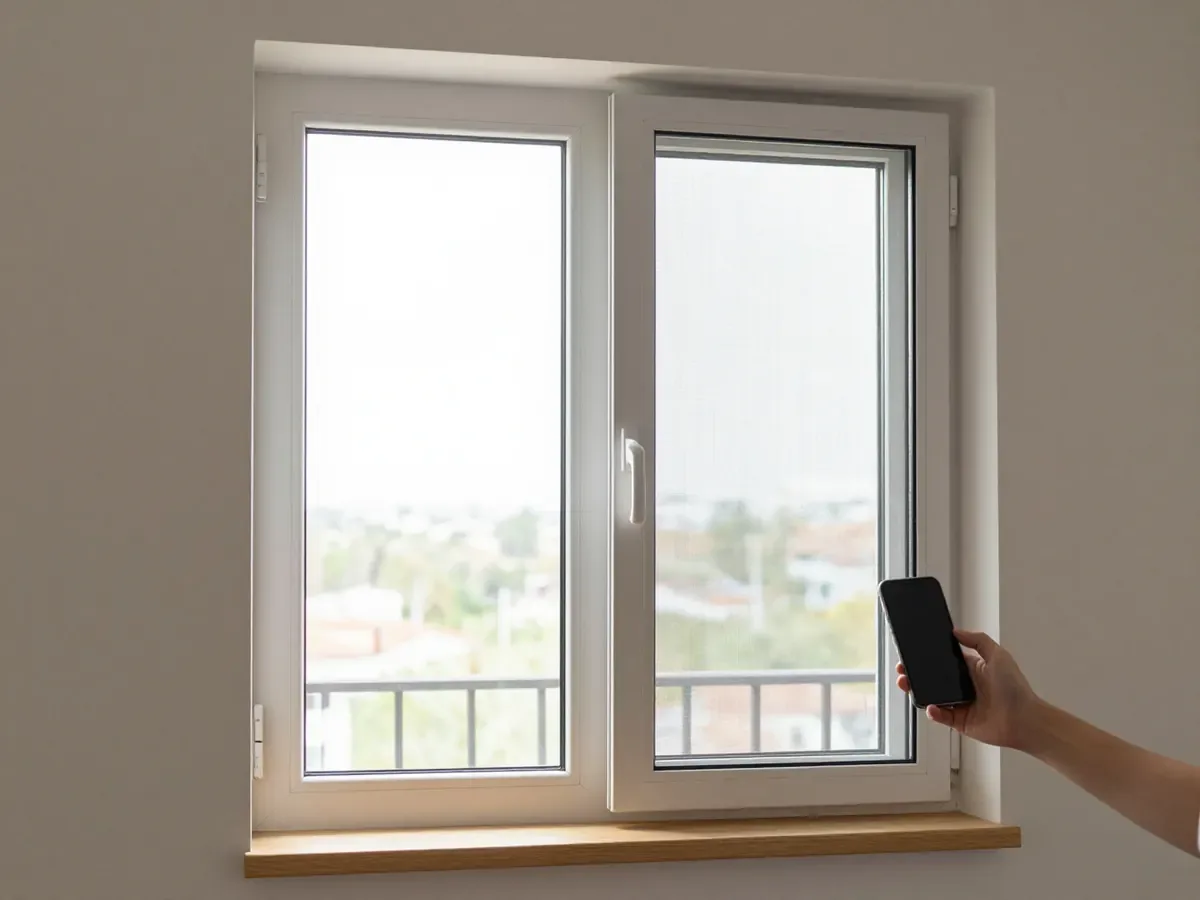
Send photos and tell us if you need screens, cladding or a windowsill.
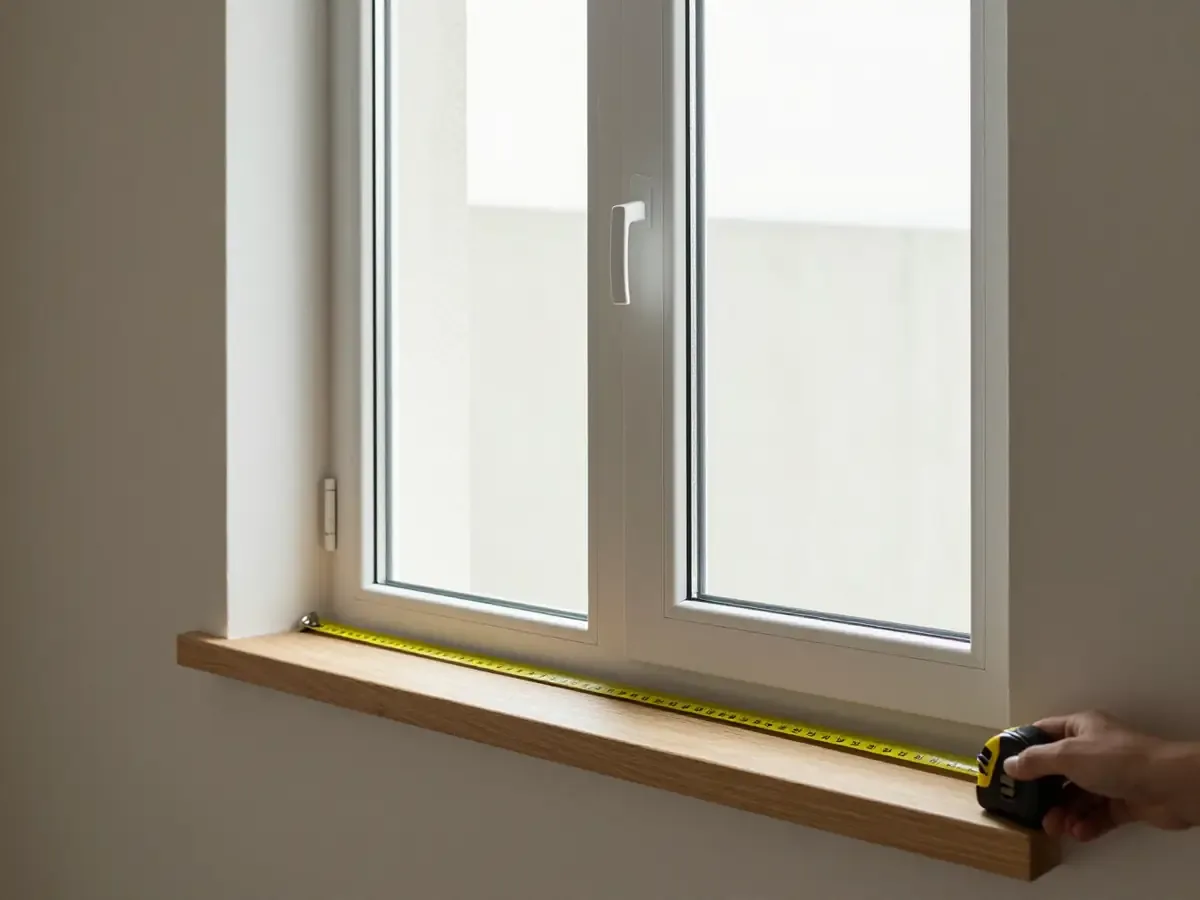
We measure the opening and edges, check the slab, give you the price and put it in the order.
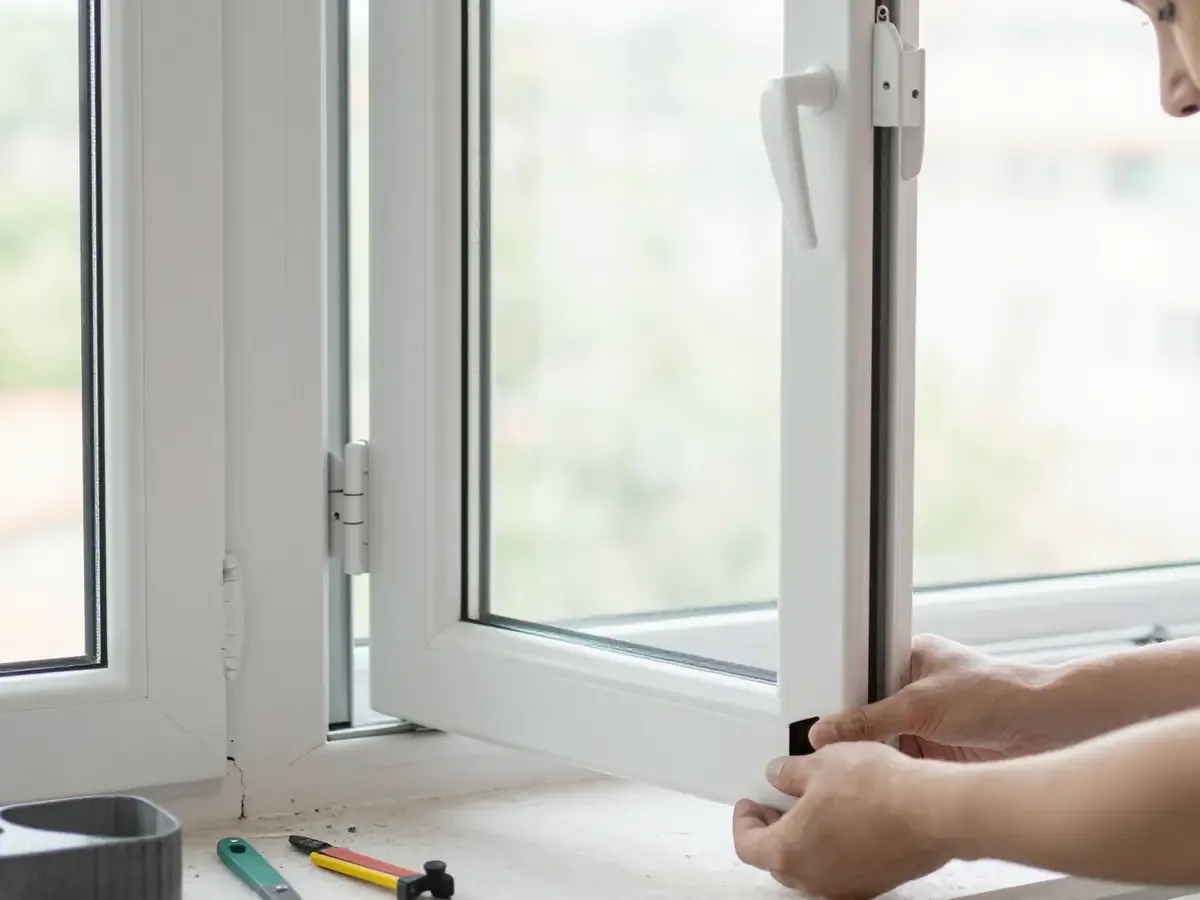
We install frames and the drip sill, then screens, cladding and the windowsill.
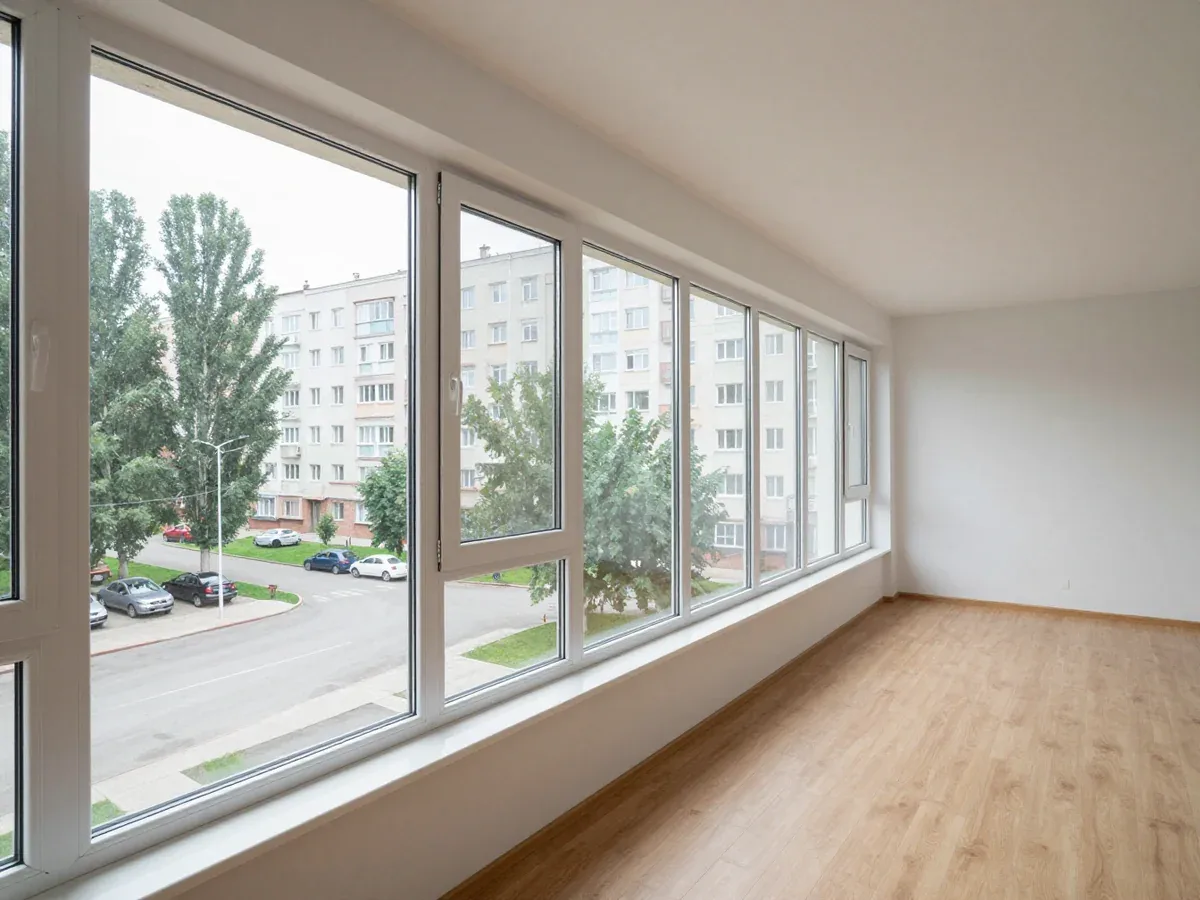
We check the sashes and screens; payment after acceptance.
Good to know

Senior mosquito screen specialist at moskitnyesetki.kz
We handle balcony and loggia glazing in Taraz as a direct contractor with our own installers. A free measuring visit comes at a time that suits you, the measurer checks the opening and fixings, and the price is fixed in the order afterwards. Window installation carries a 5-year warranty, glass unit replacement 3 years.
The type of glazing decides how warm, quiet and usable a balcony becomes. Here is how the warm option differs from the cold one, and how to match either to the space you actually have.
| Option | Build | Best for |
|---|---|---|
| Warm glazing | Multi-chamber profile, double-glazed unit | Balconies joined to living space or used year-round |
| Cold glazing | Lighter profile, single pane | Storage balconies and unheated loggias |
| Panoramic glazing | Floor-to-ceiling panels | Wide openings with a view |
For a heated balcony we recommend a multi-chamber profile with a double-glazed unit, and our measurer confirms the exact combination on site. Chamber count and pane build work together: a thicker unit holds warmth better, but adds weight the profile and fixings must carry. On a loggia that opens onto a living room, profile depth and pane thickness are chosen so the new line matches the existing windows rather than standing out. Our measurer comes at a convenient time, takes sizes and helps pick the construction, so the glazing fits the opening instead of being trimmed later. More chambers help, but the seal between profile and wall decides whether that warmth reaches the room — which is why the measuring visit matters more than the catalogue.
Condensation on a glazed balcony is one of the most common complaints we hear. Below we explain where the damp comes from and which parts of the construction and ventilation remove it for good.
Condensation appears when warm damp air meets a cold surface, so a single pane or a failed seal turns the inner surface into the coldest point in the room. Cooking, drying laundry and breathing add water vapour, and a cold pane pulls that vapour onto the surface within minutes. Single glazing and worn seals worsen the problem, because the temperature drops fastest where the barrier is thinnest. Taraz winters with sharp night frosts push the inner pane below the dew point, and the damp then collects in the same corner and feeds mould on the slopes. Wiping the pane treats the symptom; the durable fix is a warmer glass unit plus a working seal, otherwise the damp returns to the same corner each winter.
Traffic rumble is one of the most common reasons people decide to glaze a balcony. How much sound the finished build holds back depends on a few specific parts of the assembly.
A double-glazed unit with a wider air gap between the panes cuts traffic rumble far better than a single pane, and the gasket matters as much as the glazing itself. Most of the acoustic work happens in that gap: a wider spacer slows the sound wave before it reaches the inner pane. The outer profile then has to keep the noise out of the room, which is why the seal, the hardware and the closing pressure of the sashes carry real weight. A loose sash or a flattened gasket lets noise slip through the smallest opening. Sound finds the tiniest gap, so a well-sealed build with a modest unit often beats a thick pane in a loose surround.
From the first call to a finished balcony there are a few clear steps. Here is what the specialist does on site and what actually happens on the day the glazing goes in.
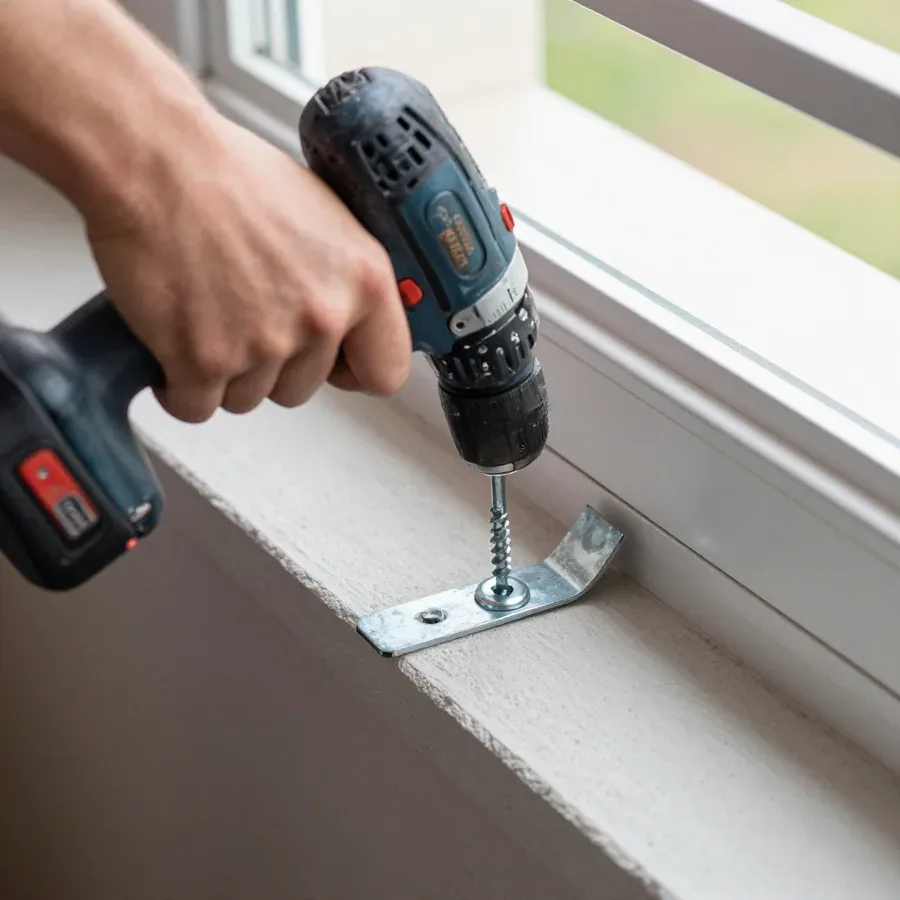
The measurer comes at a time that suits you, takes the exact sizes, checks the opening and the floor, and helps choose the frame, panes and fixings; measuring and consultation are free. Our specialist photographs the loggia, notes the window system and the storey, and confirms which brackets the opening can take before anything is ordered. The price is fixed in the order after measuring, so the figure you agree is the figure you pay. Getting the fixings right at this stage is what prevents a return visit, because the bracket type depends on the window design and the height above ground. This is how balcony and loggia glazing in Taraz is planned before any work begins.
The most common mistakes are measuring the aperture by hand instead of on site and choosing fixings before the window system and storey are known. A tape measure taken from inside the flat misses the true reveal depth, and a bracket picked from a photo can fail on a sloped or narrow opening. On upper floors the wind load changes which fixing holds, so the choice belongs to the specialist, not the buyer. A frame that is a few millimetres out will not seal, and no amount of sealant makes up for a bracket chosen for the wrong window design.
A panel block, an old wooden opening and an aluminium profile each bring their own quirks to a glazing job. The same visit often covers the work that goes alongside it.
We fit glazing on plastic, wooden and aluminium openings, including loggia windows, gazebos and verandas, and each type gets a fixing suited to its profile. Panel blocks dominate the residential districts, and there the parapet is usually thin concrete that carries little weight, so a light aluminium construction works better than a heavy warm one. Older timber needs the opening checked for rot before anything is fixed to it, while aluminium loggia profiles take Z-brackets straight into the metal. Hinged screens for balcony doors come in Economy 32×10 mm or Prestige 42×17 mm profiles, and the measurer picks the fastener — Z-brackets, plungers or magnets — to match your window and floor. In a panel block the wall and opening decide what the construction can carry, so the measurer checks that surface before recommending a build.
A few decisions settle most of the glazing before any work starts. Work through them in order and the choice of system, glass and fixings becomes straightforward.
Choosing glazing, insulation, profile and checking the technician
Konstantin Selenenkovsenior mosquito screen specialist, 10 years in the tradeOnline · replies within 5 minutes
Ask a questionFor a panel building, cold aluminium glazing is often the better fit — it is lighter and does not overload the slab. Warm PVC is installed if the parapet is strong and insulation is planned; the measurer checks this on site.
Insulating right away is not required: glazing goes in first, then insulation and sealing can follow if desired. Doing it the other way round can damage the finish during installation, so it is better to plan the stages in order.
Yes, balcony glazing is done in winter: modern profiles and installation materials are designed for sub-zero temperatures. The main thing is that measuring and installation take place under suitable conditions, and that sealing is done carefully.
For cold glazing, aluminium is used — it is light and does not rust; for warm glazing, PVC with a multi-chamber profile. The choice depends on whether you will heat the balcony and what load the slab can take.
Ask for the quote and order terms from a company, not a private individual: a direct contractor does the installation and is responsible for the warranty. Clarify who exactly will come to install and where to turn if something breaks — a middleman usually passes you on to a subcontractor.
Cold glazing protects from wind and precipitation but does not retain heat, while warm glazing with a multi-chamber profile and double glazing keeps a comfortable temperature. The choice depends on whether you plan to use the balcony all year round.
Thank you. We will call you back within 10 minutes!
Your order number is on the receipt or in the SMS. Choose where to leave your review.
Write a review on WhatsApp



 Window replacement
 Reveal finishing
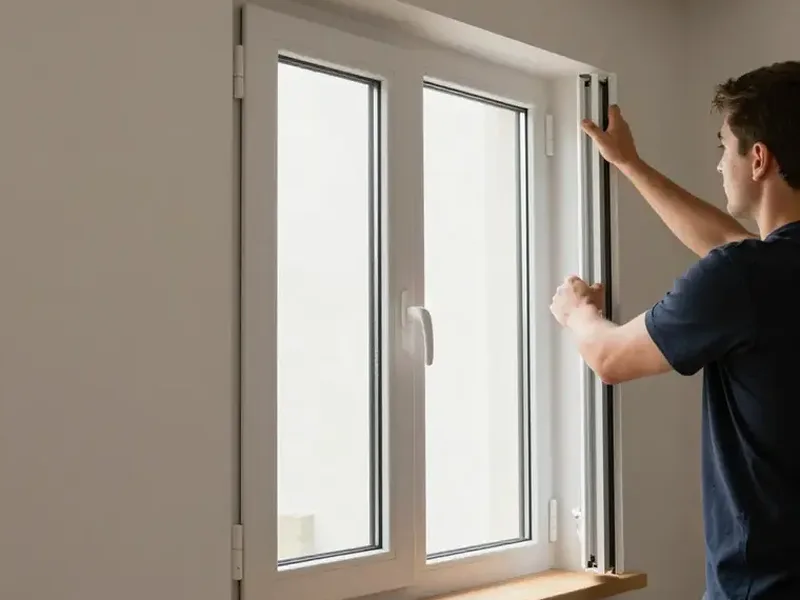 Plastic window repair
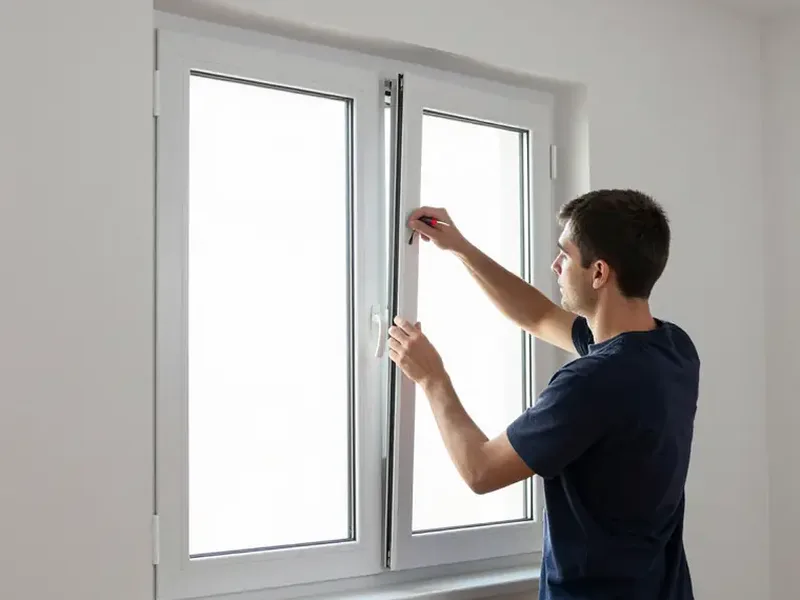 Window adjustment
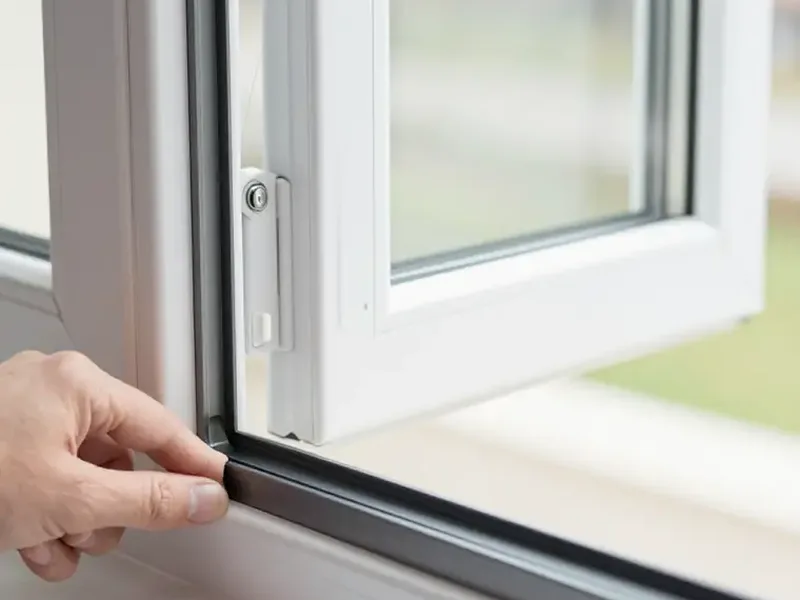 Seal replacement
