



Good to know
Anti-Pollen Window Screens in Taraz

Senior mosquito screen specialist at moskitnyesetki.kz
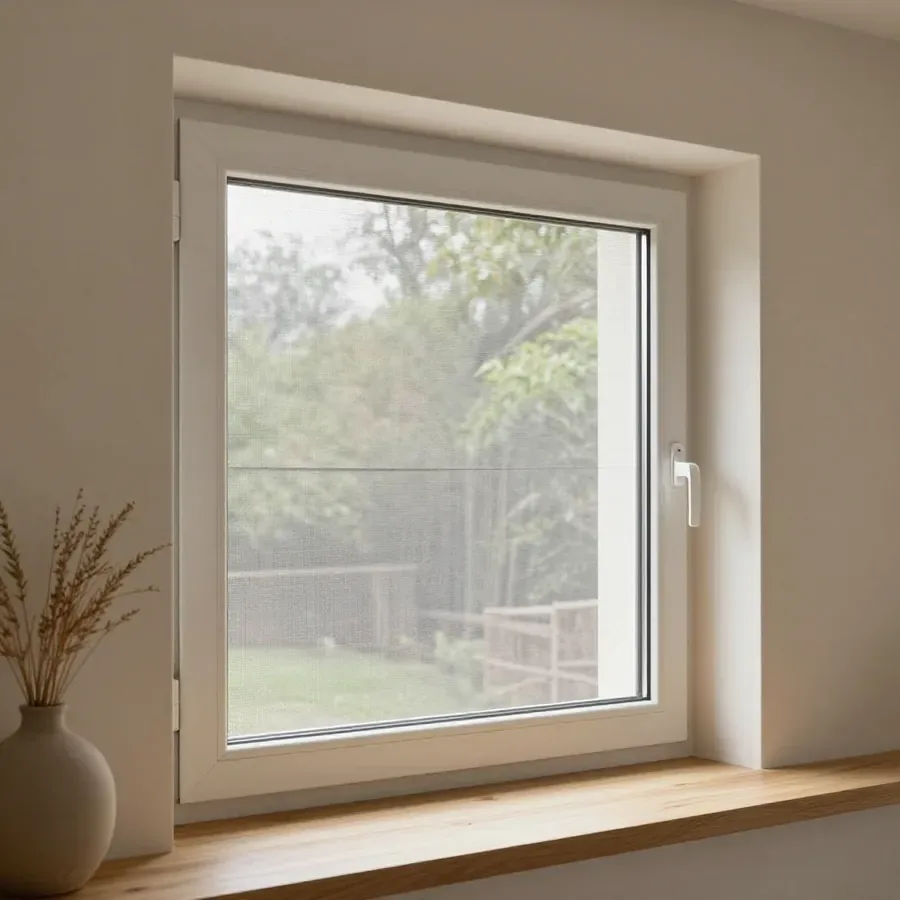
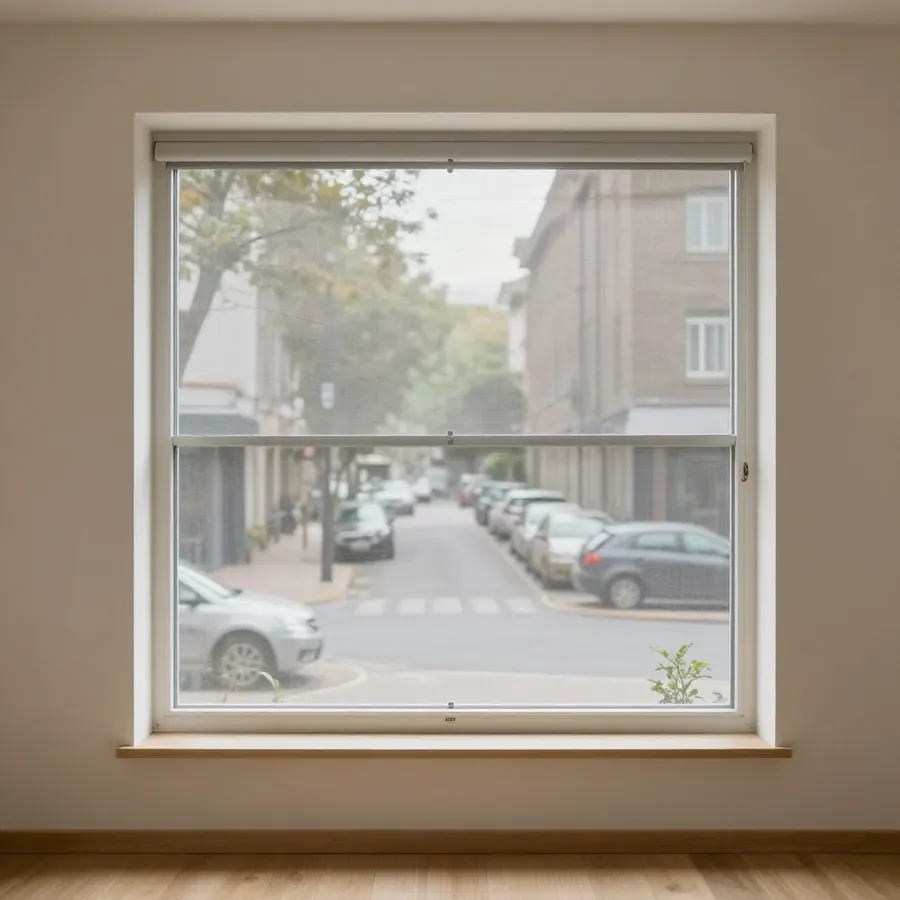
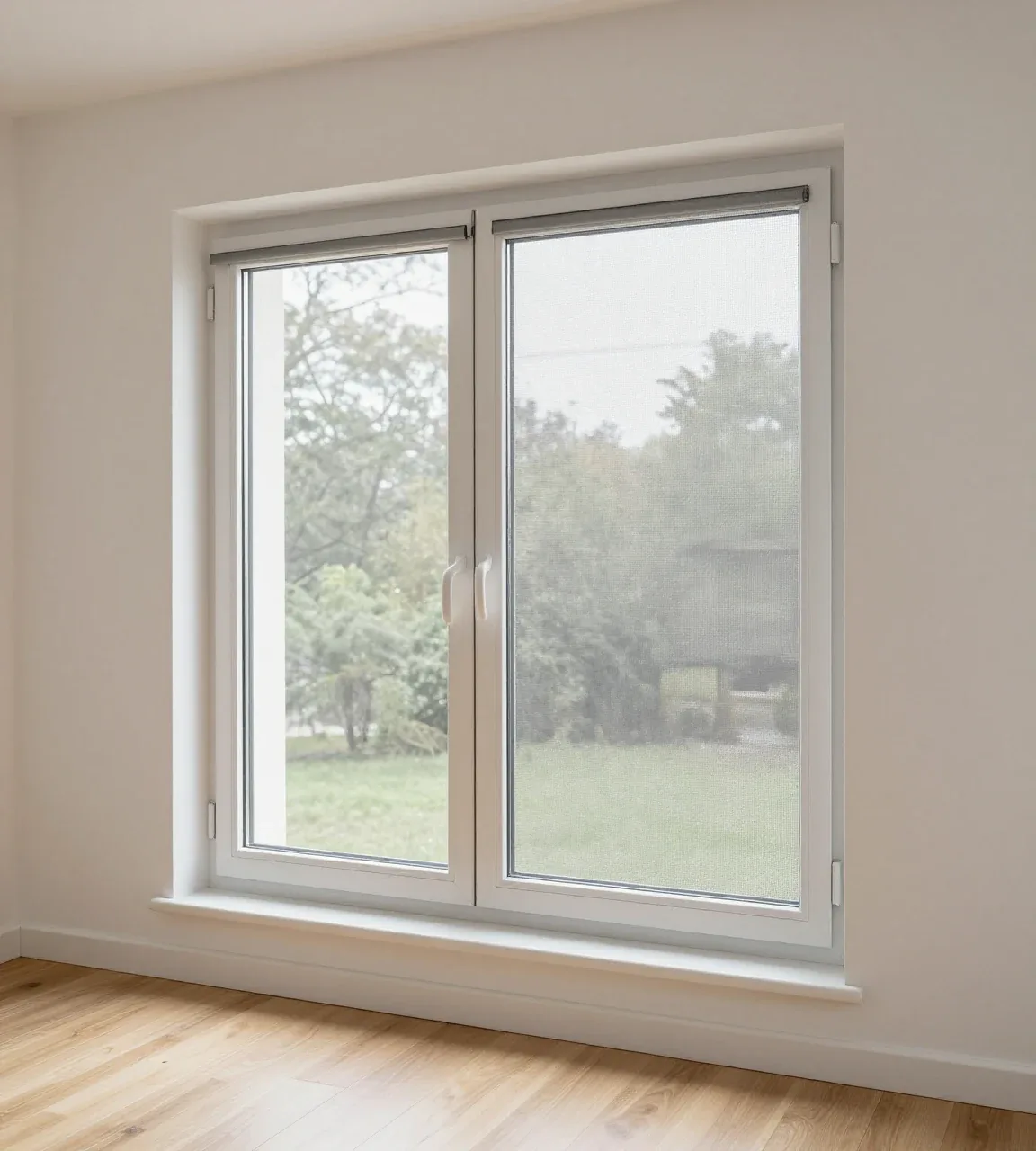
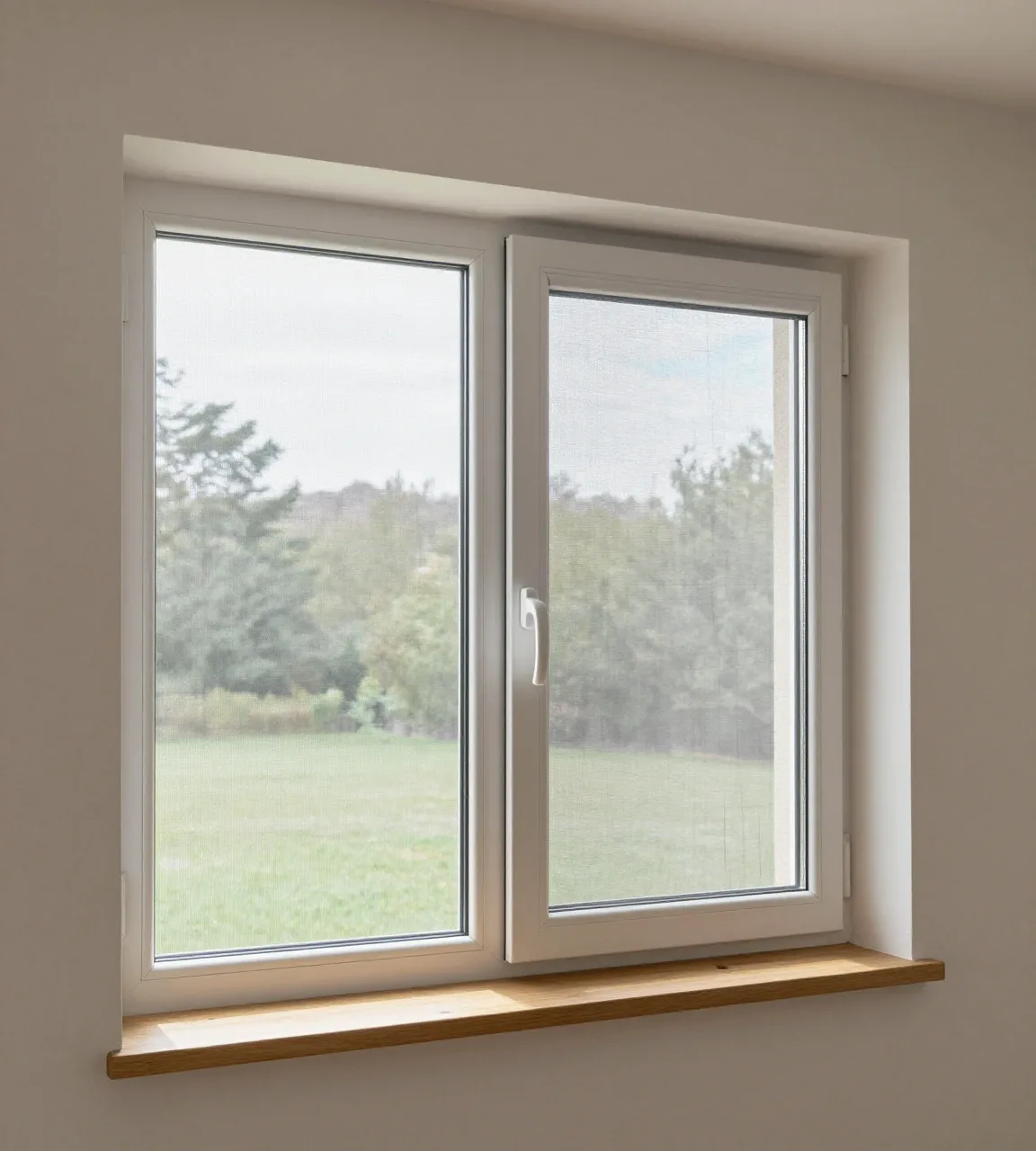
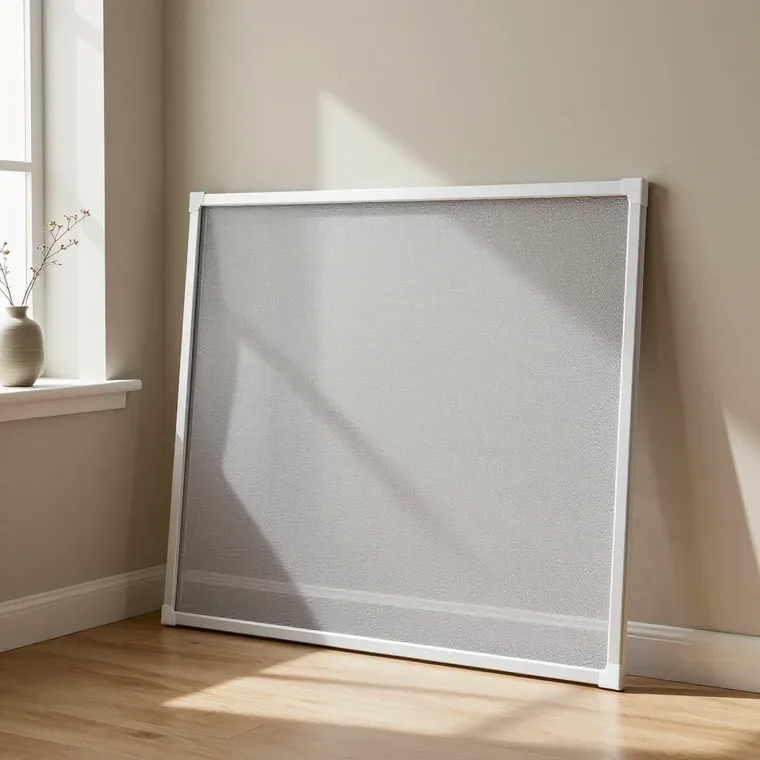
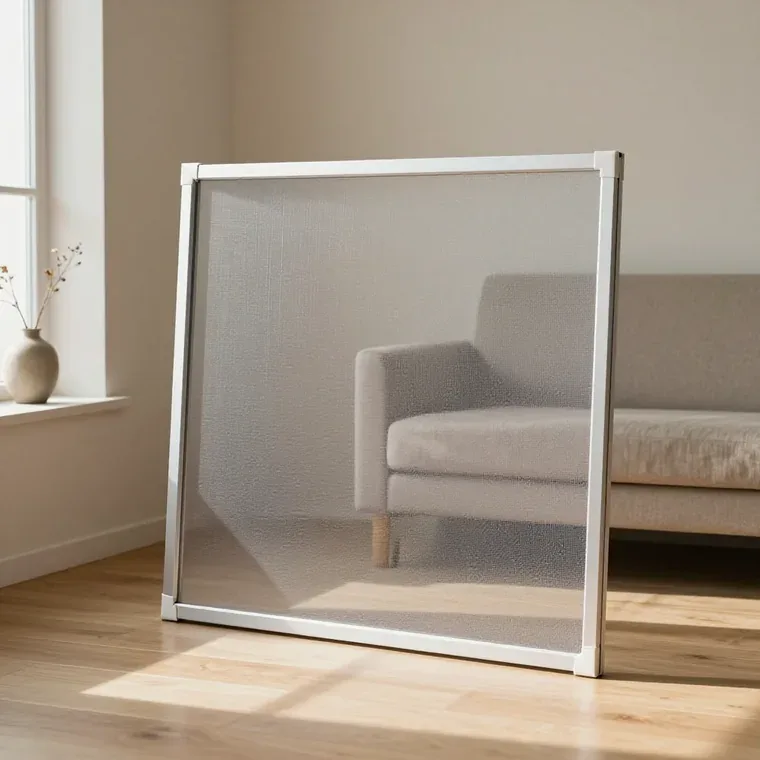
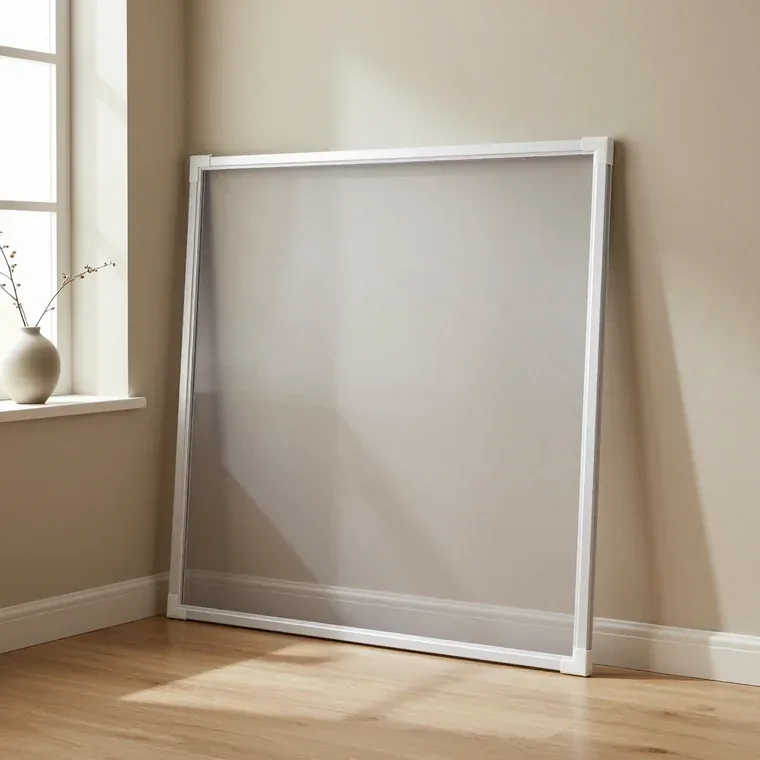
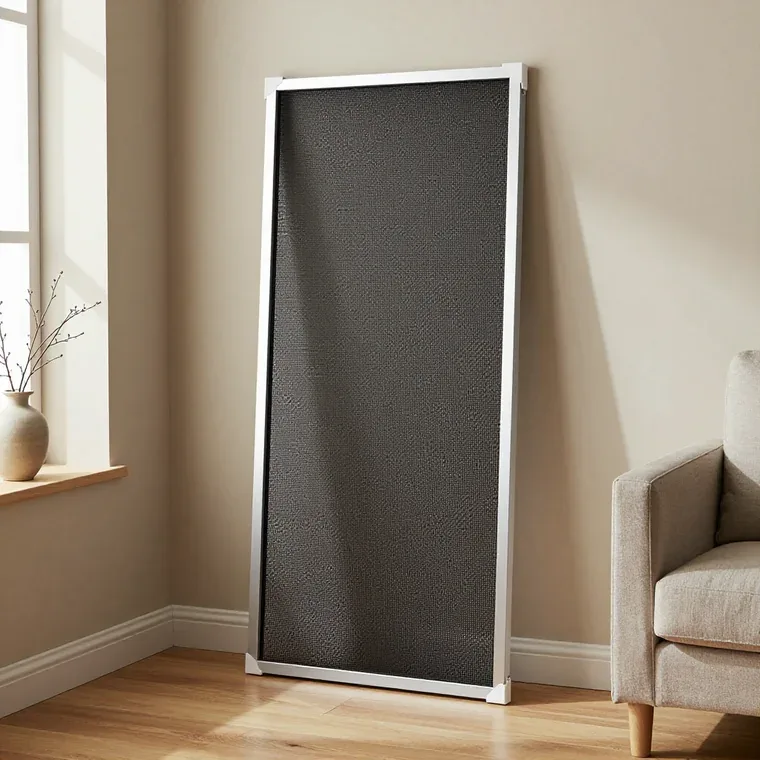
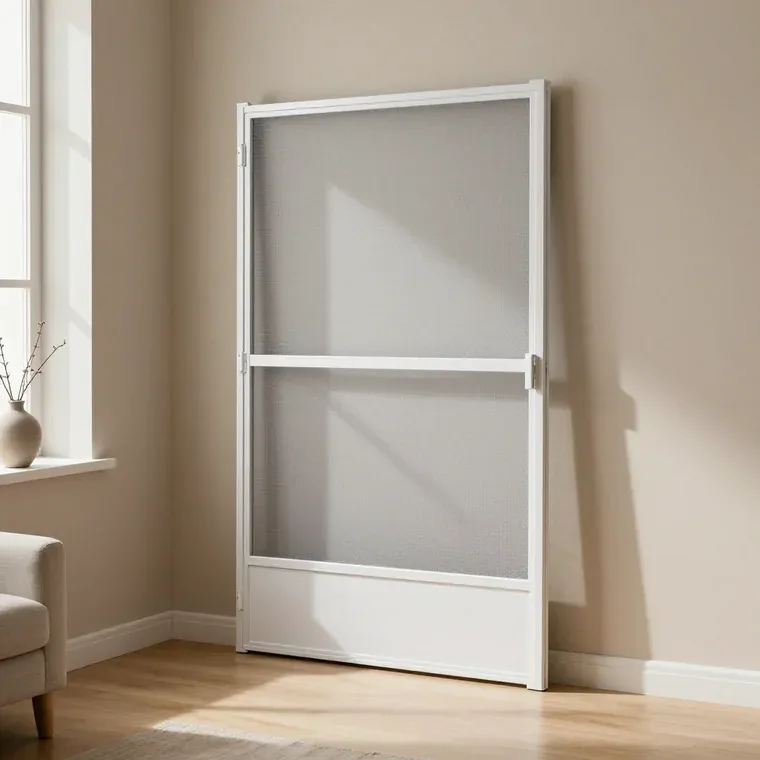
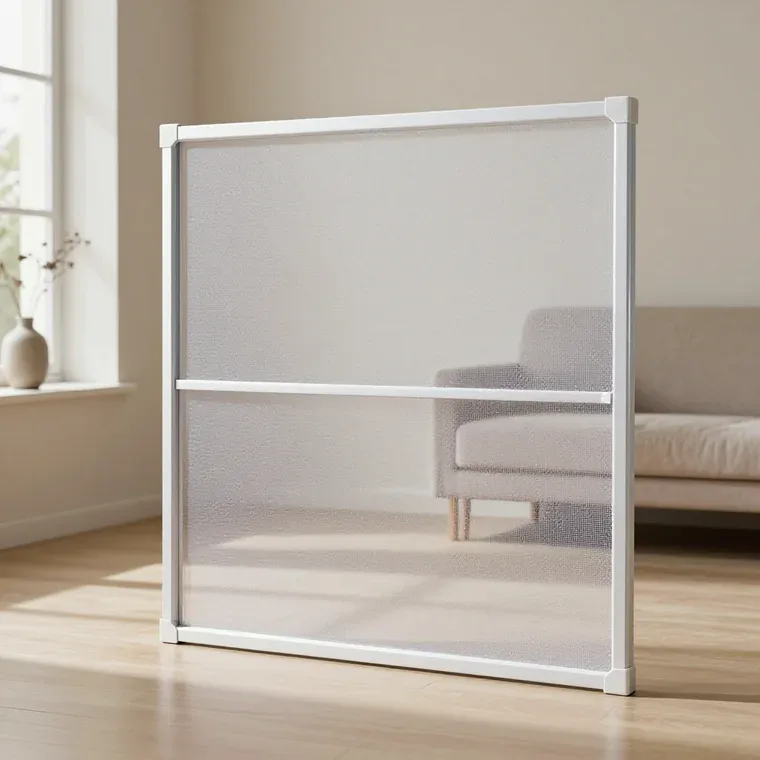
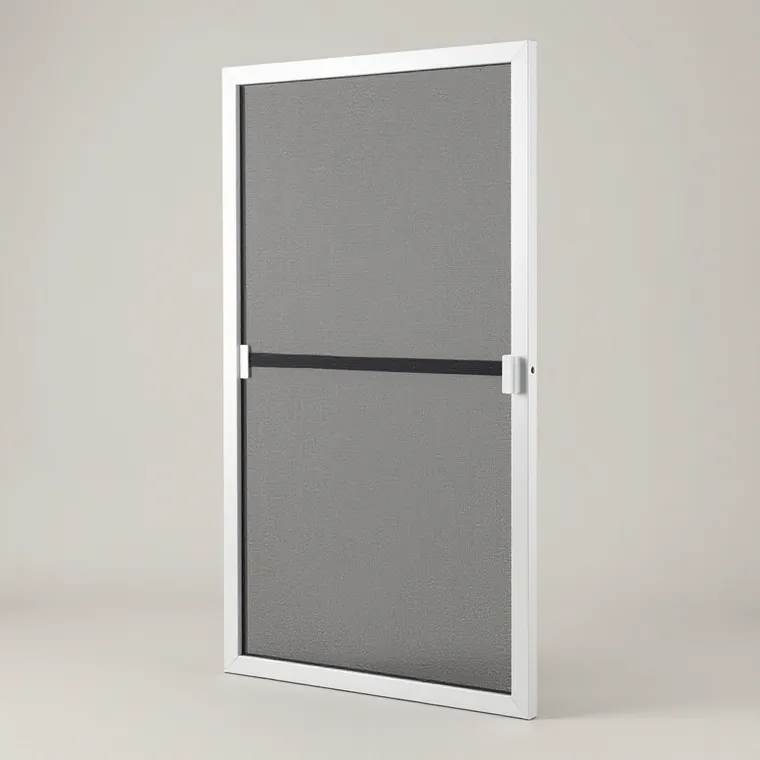
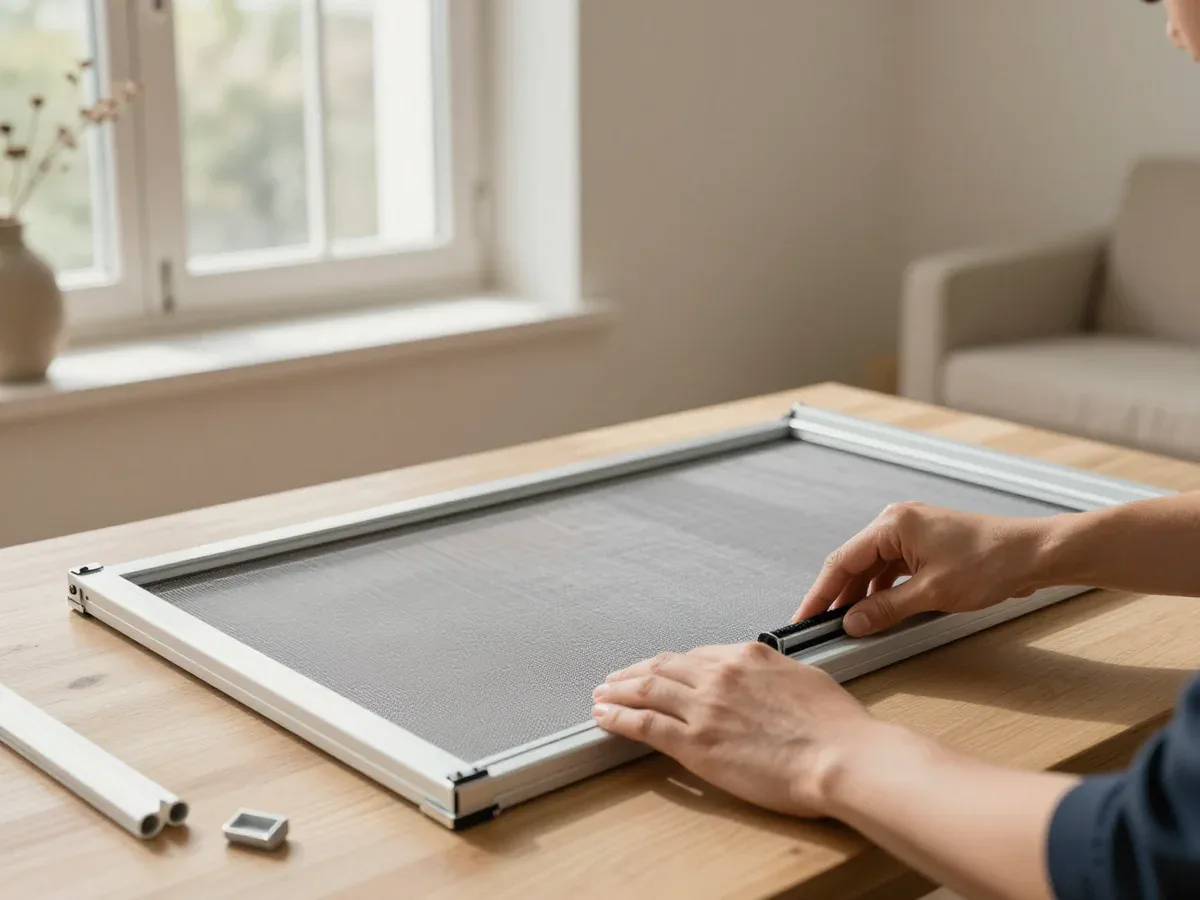
We make anti-pollen window screens in Taraz with Poll-Tex mesh and a 0.25×1 mm cell that holds back pollen and fine dust while air still moves through. Measuring and consultation are free, a framed screen takes 10–15 minutes to build, and every screen carries a 1-year warranty.
What Poll-Tex anti-pollen mesh holds back and how it beats dust and standard mesh
Anti-Pollen is not a marketing label but a specific weave with a measured cell. Below we explain what that weave traps, what slips through, and how the cloth compares with the two nearest options.
The 0.25×1 mm cell and what it actually catches
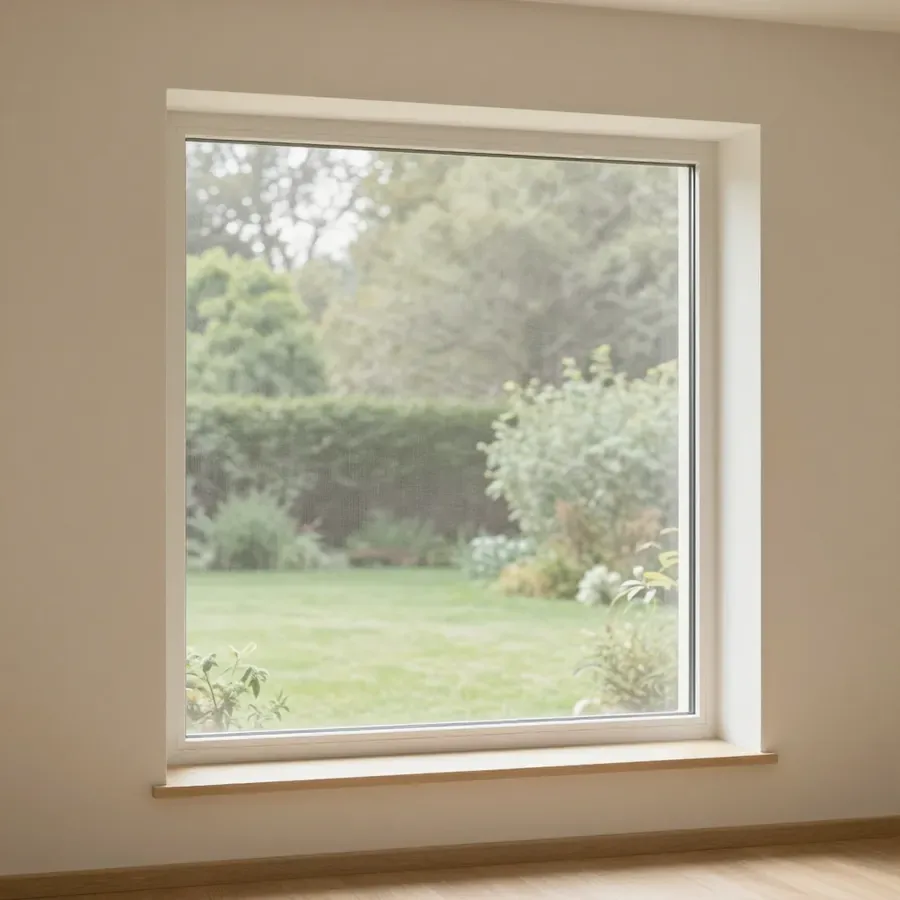
Our Anti-Pollen (Poll-Tex) mesh has a 0.25×1 mm cell, fine enough to hold back pollen grains and light street dust while air still passes through. The weave works like a shallow filter, not a solid barrier: particles larger than the gaps settle on the threads, and the remaining space stays free for ventilation. Poplar fluff, flowering-tree pollen and the grit that blows along busy streets are the fractions this cloth is built around. It does not stop gas, odour or the smallest combustion particles, so treat it as a mechanical screen, not an air purifier. Because the cell is tight, plan on rinsing the weave from the room side every few weeks in the dusty season rather than waiting for it to look grey.
Anti-Pollen against Anti-Dust and Standard Fiberglass
| Mesh | Cell and build | Best for |
|---|---|---|
| Anti-Pollen (Poll-Tex) | 0.25×1 mm fine cell | Pollen and fine dust |
| Anti-Dust | Denser than standard | Coarse street dust |
| Standard (Fiberglass) | Open weave, fire and temperature resistant | Everyday insects, airflow |
| UltraVue | Lets in 25% more light and air | Bright rooms, open views |
Who benefits from anti-pollen window screens in Taraz and when to order
The mesh is not for every home, so this part is about who actually gains from it and which season gives the best result. We look at the households that feel the difference and the timing that saves waiting.
Households where pollen is the real problem
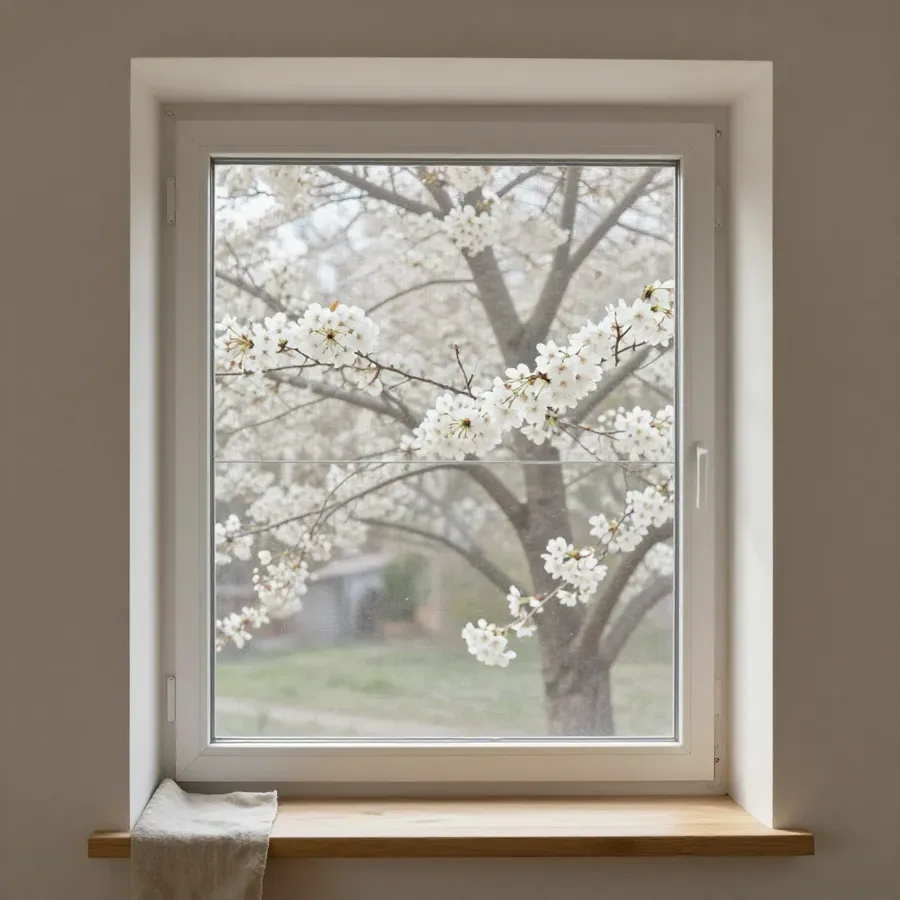
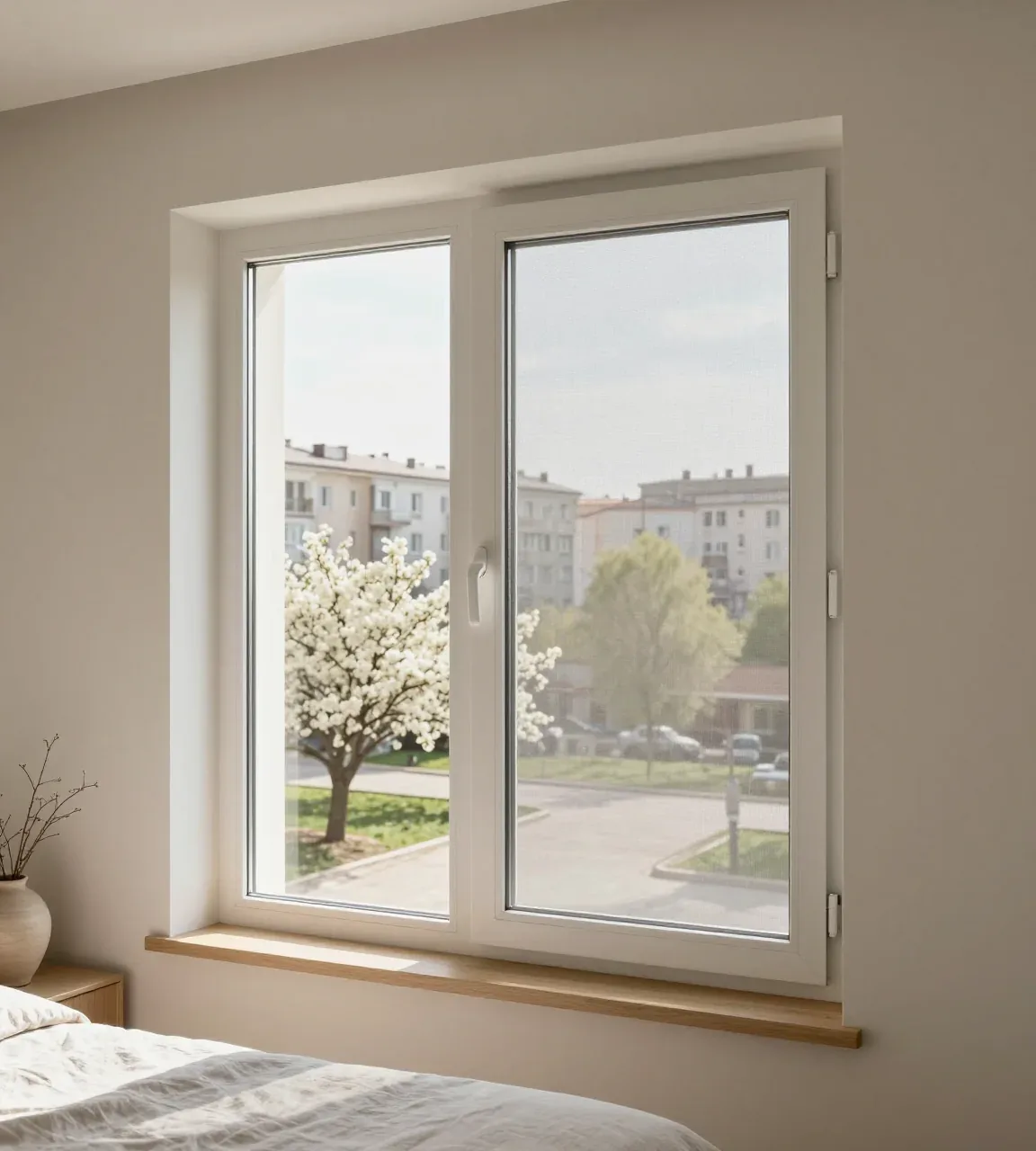
Such screens make the most sense for households with hay-fever sufferers, small children or anyone who keeps sashes up through the spring and summer pollen peak. The Poll-Tex canvas holds a 0.25×1 mm cell, fine enough to stop plant pollen from drifting in with the evening breeze while air still passes through. In our practice the difference is clearest in flats facing green belts and courtyards planted with poplar and elm, where summer heat pushes people to ventilate from morning to night. Anti-pollen window screens Taraz households order most often for these rooms, and the same canvas works on old wooden sashes and new sealed units. The screen only helps while the window is open behind it, so fit it on the rooms you actually ventilate rather than every window in the flat.
When in the season to book the measuring visit
- Early spring: order before the first pollen wave so the frame is fitted and tested ahead of the days you sleep with the sash up.
- Before summer heat: plan airflow for the rooms you ventilate most, since one fitted frame cools better than a wide-open sash.
- After a dusty spell: rinse the weave instead of waiting for the season to end, because settled pollen blocks airflow once dry.
- Any day of the week: we are open seven days a week and run the free measuring visit at a time that suits you.
Which windows and openings take anti-pollen window screens
The mesh is not limited to modern plastic units. Here are the frame types and openings where such screens work without rebuilding the window.
Plastic, wooden and aluminium frames
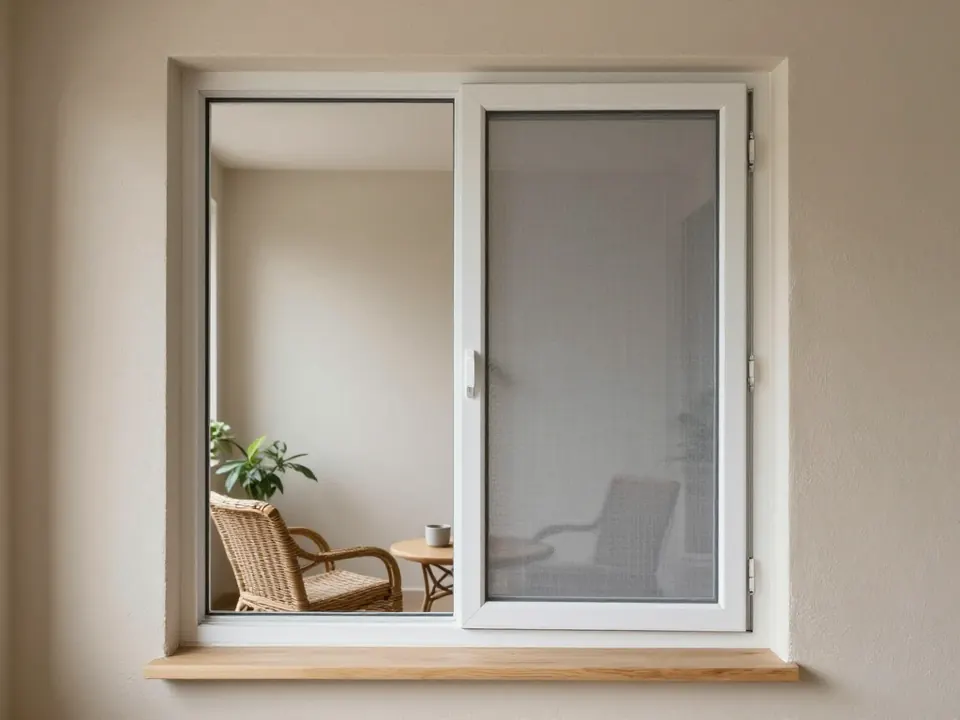
We fit anti-pollen window screens on plastic, timber and aluminium windows, so an old wooden frame in a Taraz house is no obstacle. The screen is a separate framed panel that sits on the outside, which means the existing sash, glass unit and handles stay untouched. On plastic units the profile is uniform, so the surround depth is predictable and the panel lines up cleanly. Aluminium frames on loggias and commercial glazing are usually slimmer, and the brackets are matched to that narrower profile. Wooden frames are the variable case: the profile depth and the flatness of the outer rebate differ from one building to the next, especially in older housing stock. On older wooden frames the fixing choice matters more than the mesh, because the profile depth varies — the measurer checks it before the order is fixed.
Small vents, loggia windows, gazebos and verandas
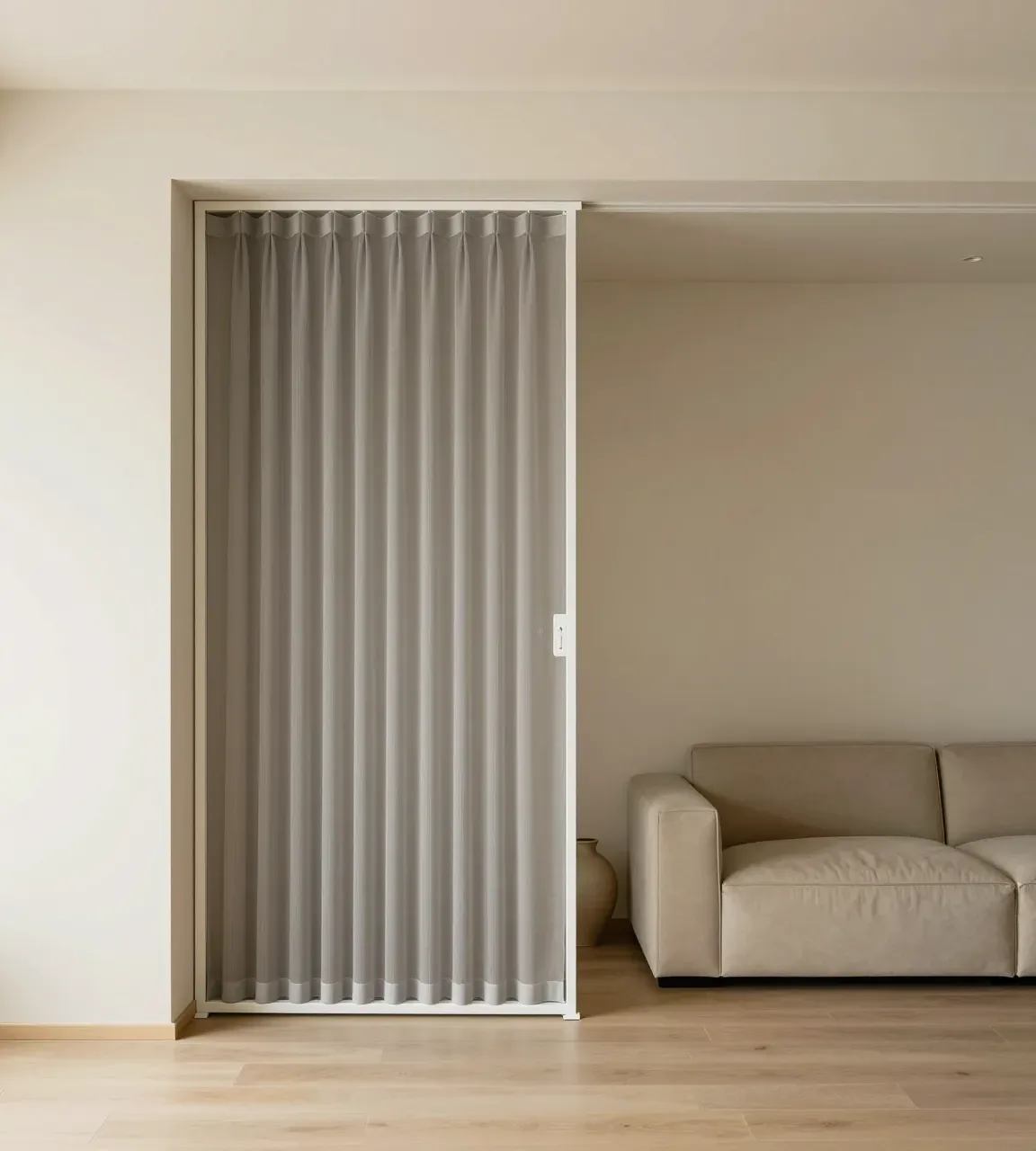
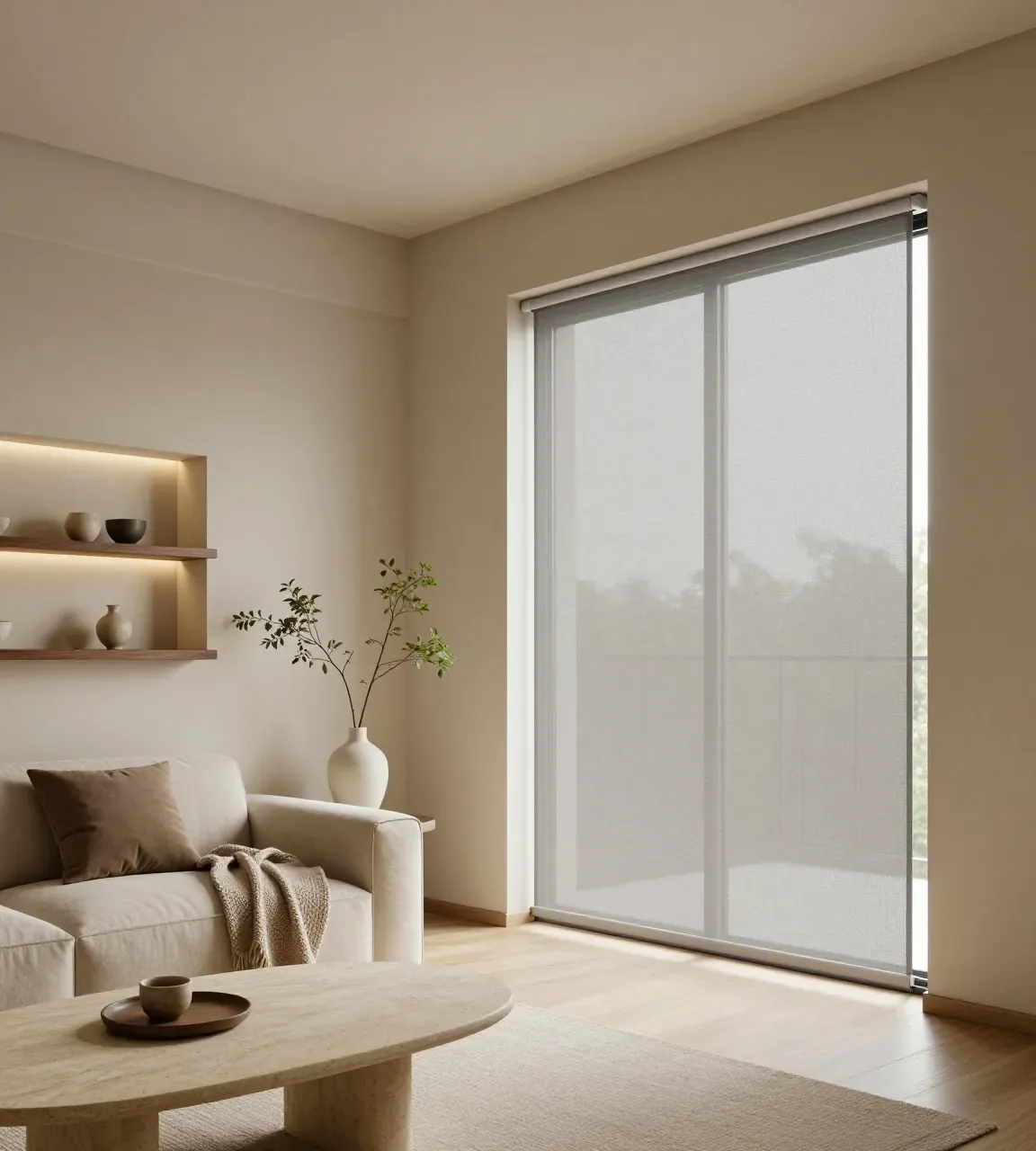
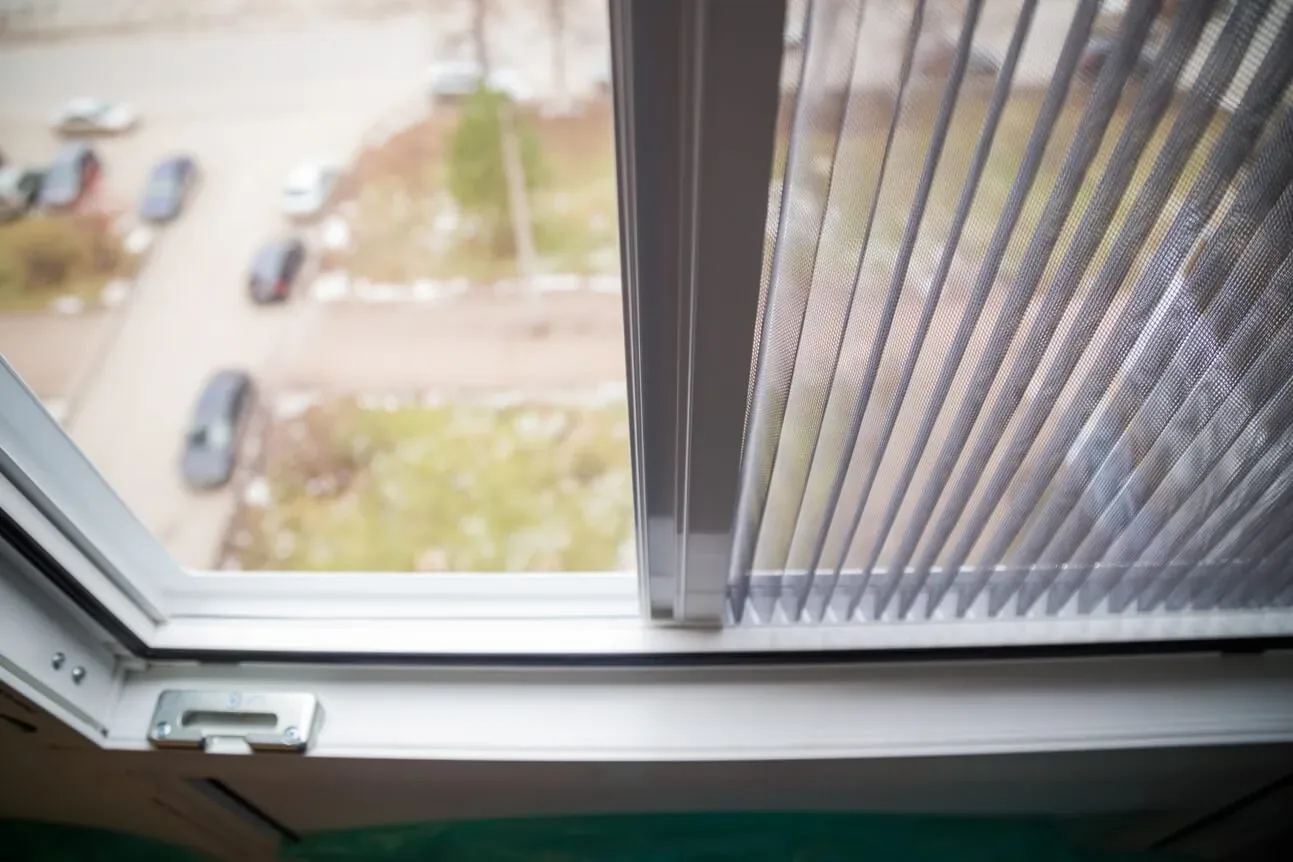
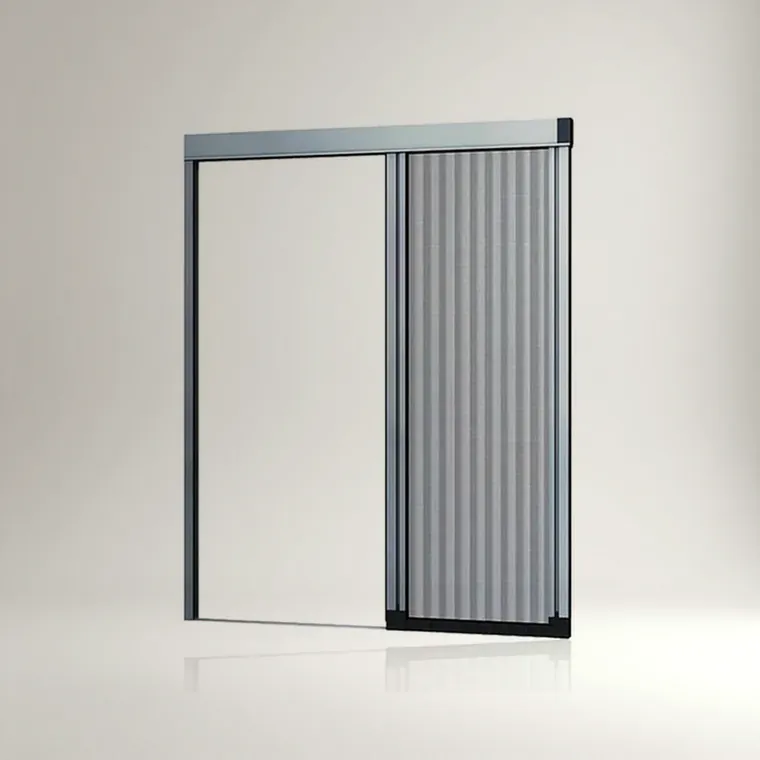
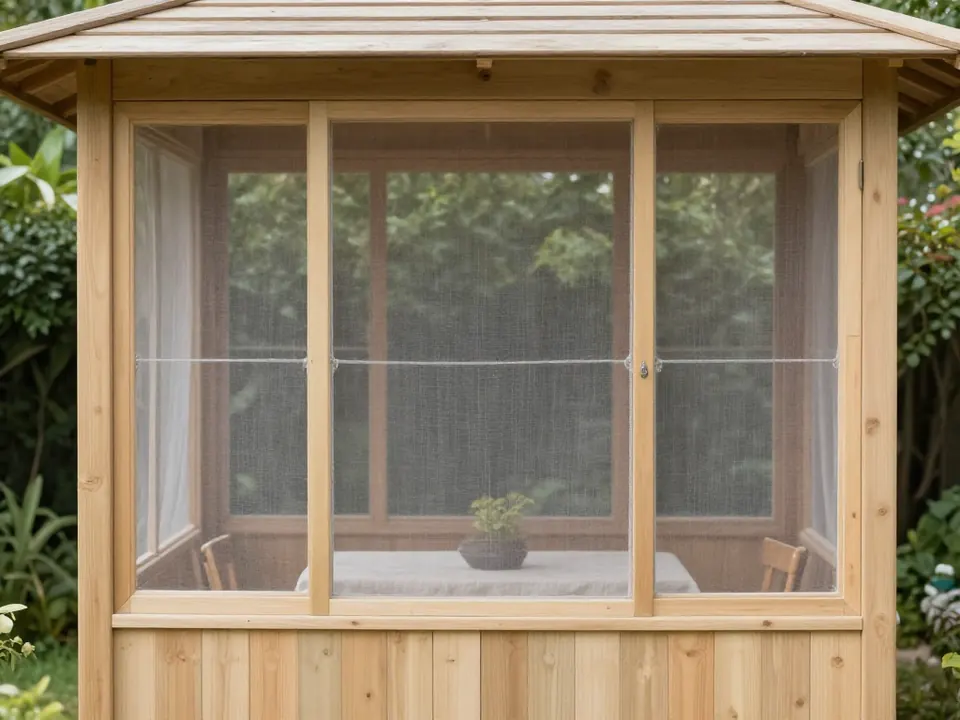
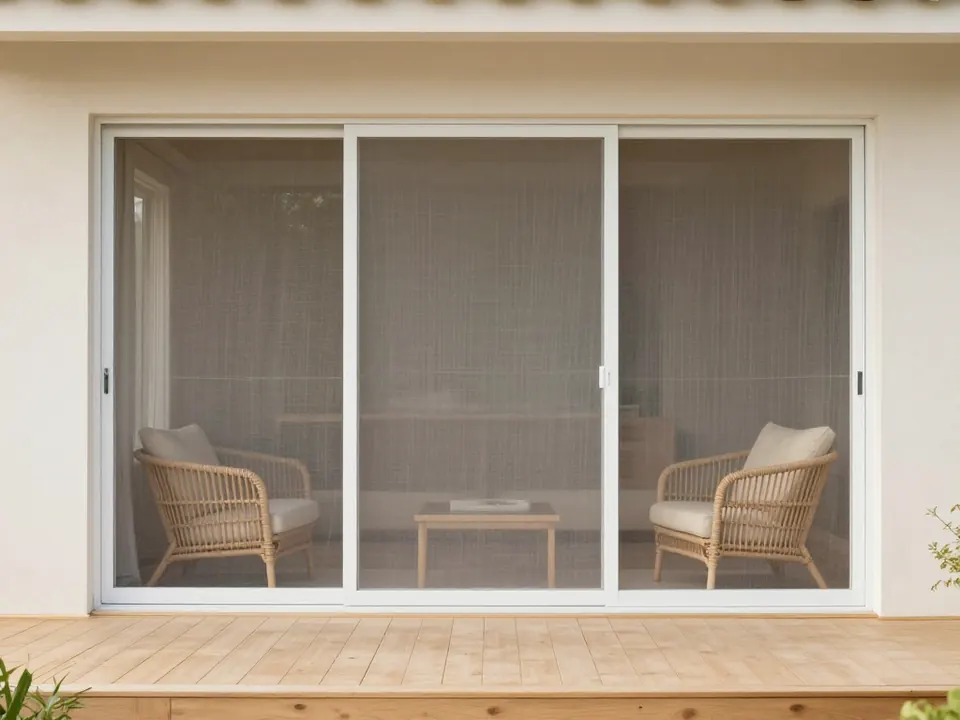
Beyond standard windows, we fit screens on small vents, loggia windows, gazebos and verandas, and a pleated screen suits a balcony door that opens and closes all day. A small vent takes a compact framed panel, and the same Z-brackets or pins used on a full window hold it in place. Loggia glazing often runs floor to ceiling, so the panel is sized per section rather than per whole opening. Gazebos and verandas are open structures, and there the surround is fixed to the timber or metal post instead of a window profile. A pleated screen takes 40–60 minutes to build rather than 10–15, so if the balcony door is the priority, book it as a separate item on the same visit.
How the fixing is chosen for your frame and floor
People picture a mesh torn away by the first gust, so the attachment point gets more questions than the fabric itself. In practice the choice is narrow and technical, settled during the measuring visit.
Z-brackets, pins or magnets and who decides
| Fixing | How it holds | Typical fit |
|---|---|---|
| Z-brackets | Hook over the frame edge | Most plastic windows |
| Pins (plungers) | Push into the channel | Slim sashes, vents |
| Magnets | Grip by magnetic pull | Frequent on-and-off use |
Why the frame is not drilled and how removal works
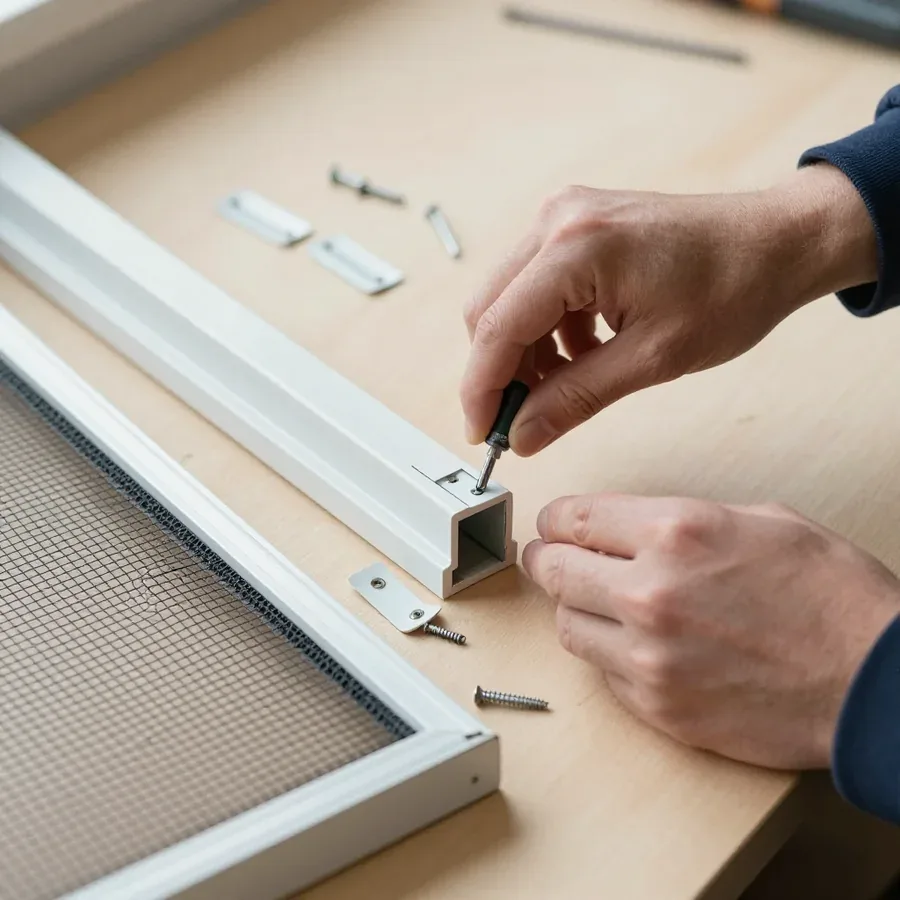
The attachment is designed to carry the mesh without drilling your window frame, and a framed unit lifts out from inside in about a minute. The aluminium surround takes the load, while brackets, pins or magnets grip the sash itself, so the profile keeps its shape and the seals stay tight. Because taking it down is that quick, removing the panel for winter is a one-person job — store it flat rather than leaning it on a corner, which is where aluminium bends. On upper floors the wind load is higher, so the measurer selects for grip rather than for how easily the panel comes away, and that trade-off is settled before production, not after. A loose corner bracket is the usual cause of rattling in a draft, so check the fit each autumn rather than tightening it mid-winter.
Measuring, build time, payment and the 1-year warranty
From the first call to a screen on the frame, here is what happens at each step, when you pay, and what the warranty covers afterwards.
From the free measuring visit to the fitted screen
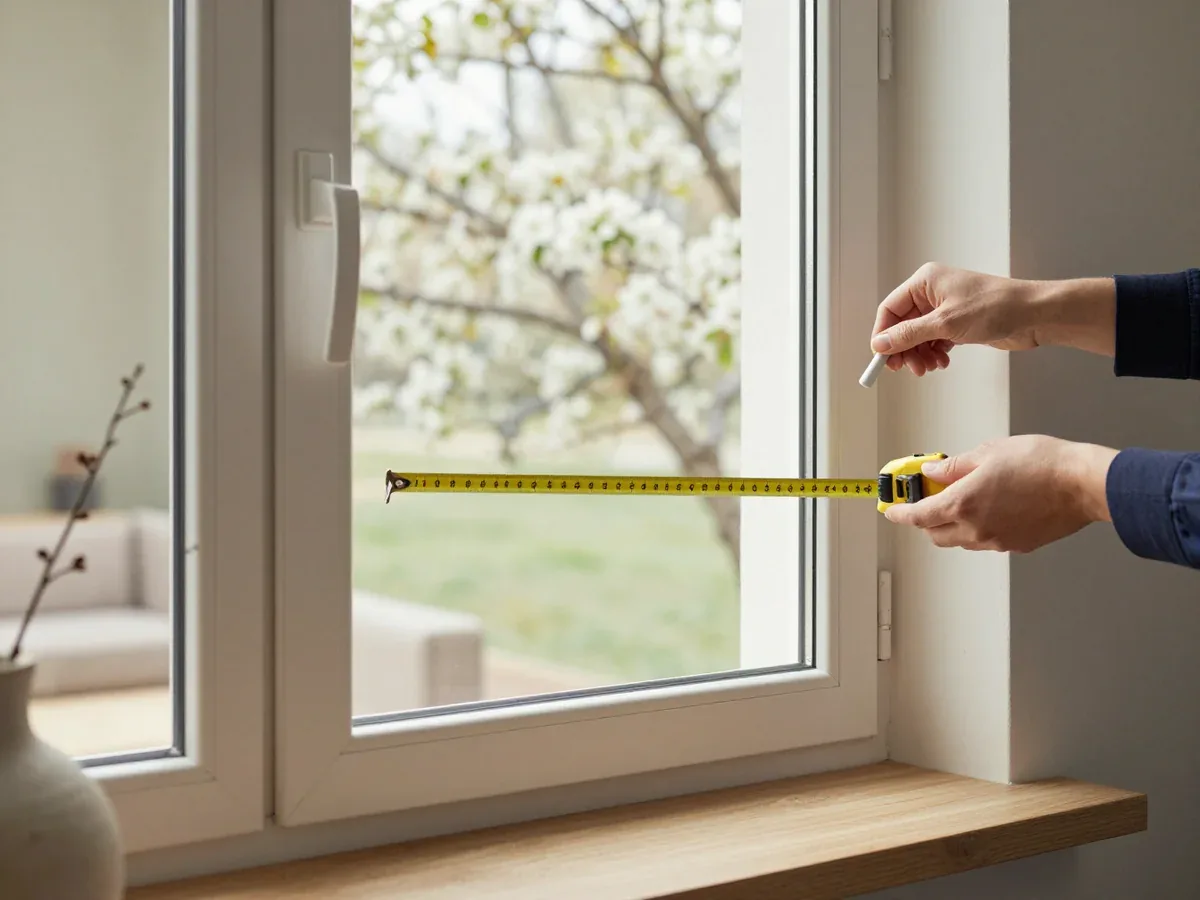
Measuring and consultation are free, the measurer comes at a time that suits you, and a framed screen made to your size takes 10–15 minutes to build. On site the measurer takes the opening sizes, checks the profile and the floor, and helps you pick the design, the mesh and the fixings, so the Z-brackets, pins or magnets match the frame rather than being guessed at. A pleated screen is a longer job at 40–60 minutes, and we open seven days a week so the visit can land on a weekend. The price is fixed in the order after measuring, so the number you agree at the visit is the number you pay — no re-quote once the screen is on the surround.
Paying after installation, repairs and what the warranty covers
You pay after installation by cash, card or Kaspi, and every mosquito screen carries a 1-year warranty, with repairs and fixing replacement handled by our own fitters. That means no third party between you and the person who made the frame: if a bracket pulls loose or a corner works free, the same team that fitted the panel comes back to it. If the mesh tears, the surround usually survives, so ask about replacing the mesh alone before assuming the whole unit has to be rebuilt — a single panel swap costs far less than a new surround. We reply on WhatsApp within 5 minutes, and we also repair screens and change fasteners on units we did not make.
What to consider when choosing an anti-pollen window screen
A short recap of what decides the result when the mesh is chosen for pollen rather than for insects alone, and which points to check before the order is placed.
- Poll-Tex mesh: the 0.25×1 mm cell is built for pollen and fine dust, not just insects.
- Households with allergy sufferers: the screen pays off most on the rooms that are actually ventilated.
- Frame types: plastic, wooden and aluminium frames all take the screen, and small vents or balcony doors are covered too.
- Fixing choice: brackets, pins or magnets are matched to the frame and floor, so upper-floor windows hold without drilling.
- Order flow: free measuring, a fixed price after the visit and payment after installation keep the job predictable.
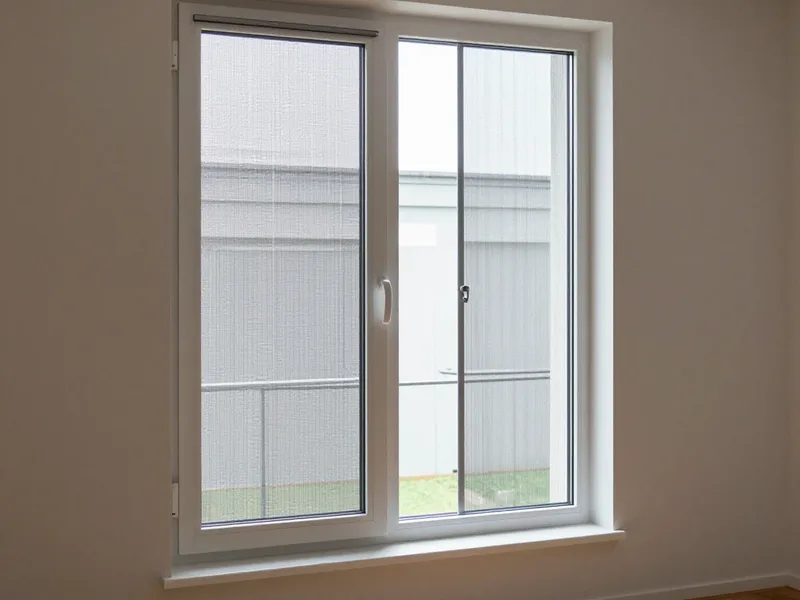 Metal mosquito screen
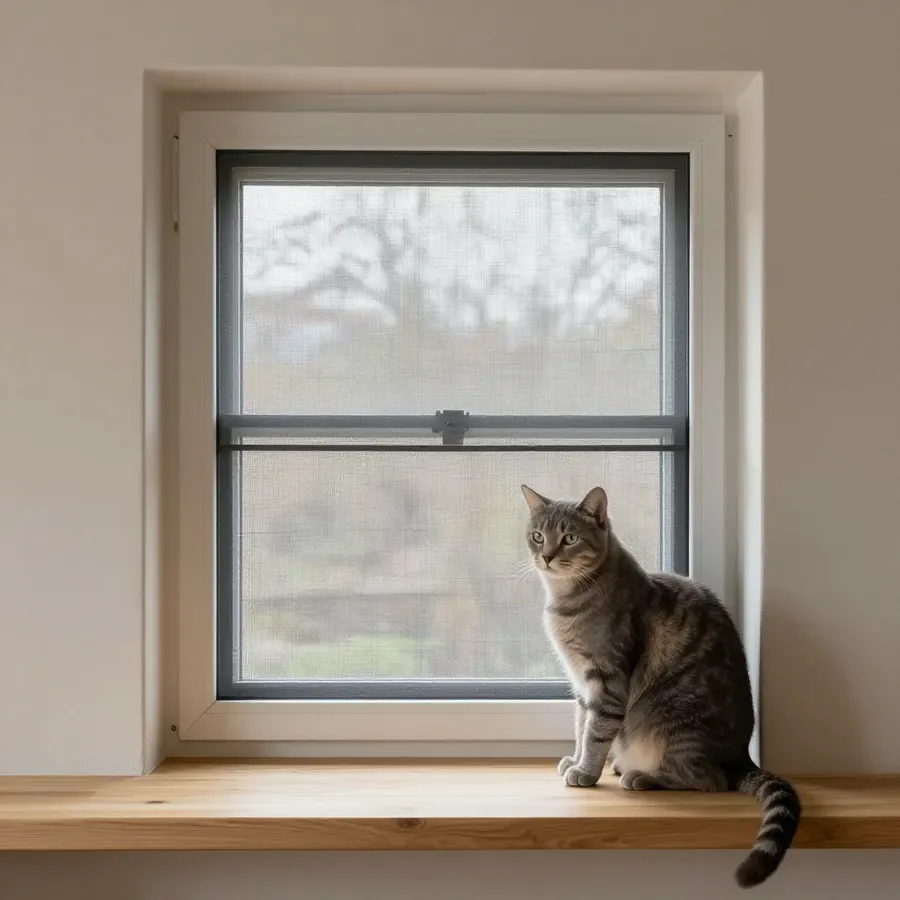
 "Anti-Cat" screen
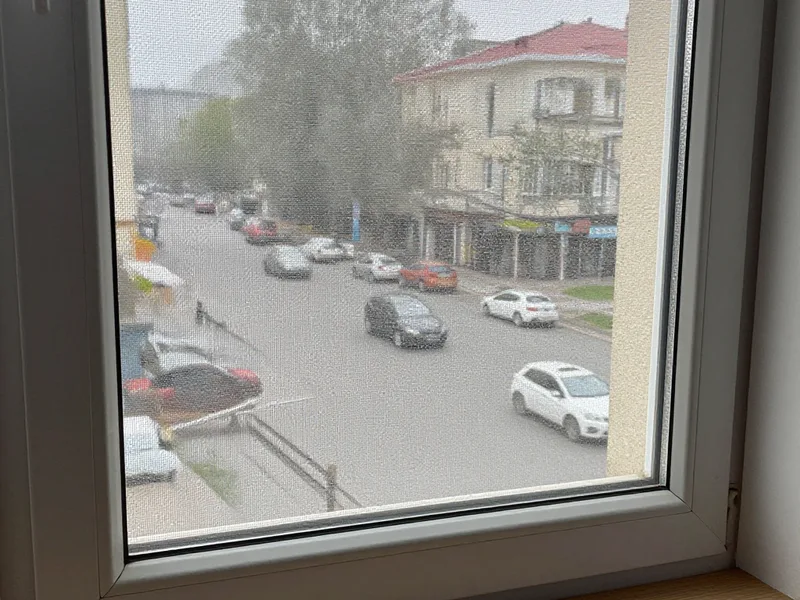 "Anti-Dust" screen
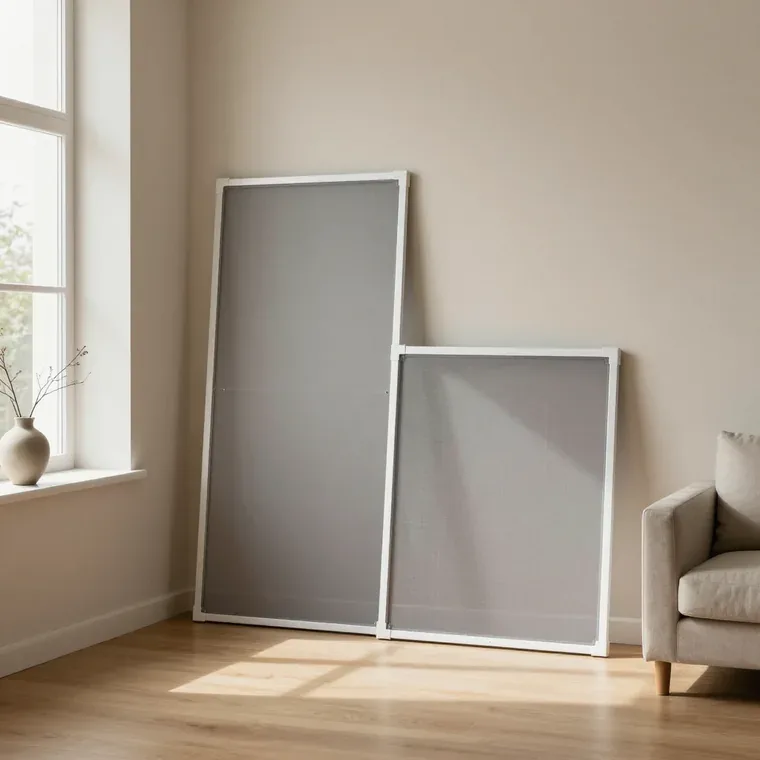 Ready-made mosquito screens