





Good to know
Penkid Window Lock in Taraz Fitted By Our Craftsmen

Senior mosquito screen specialist at moskitnyesetki.kz
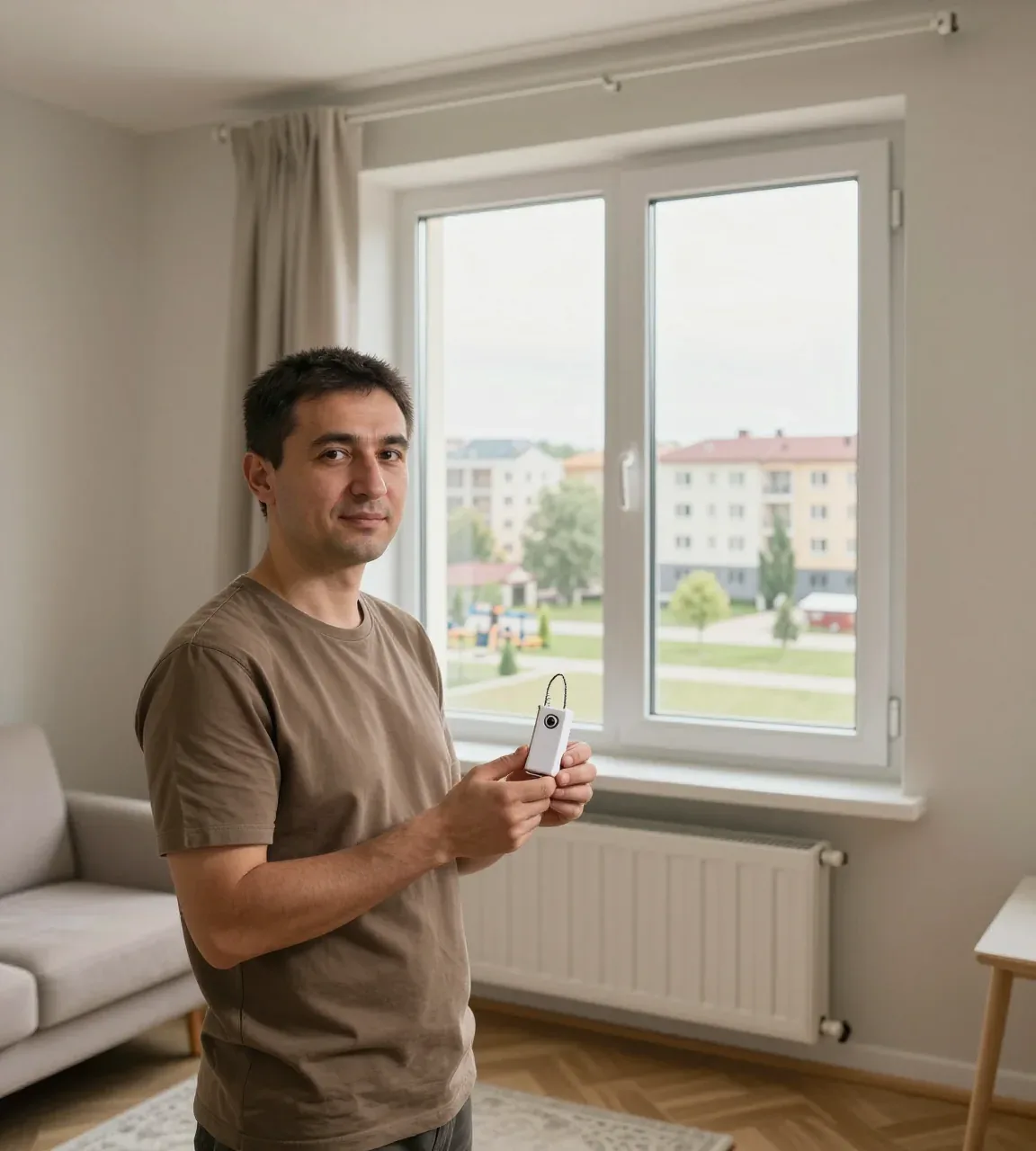
A Penkid window lock in Taraz is a sash blocker that stops a window from being opened wide while still letting the room air out. We measure your window for free, pick the fixing for your profile and floor, and fit the lock with our own fitters. You pay after installation.
What a Penkid window lock does on a window and a balcony door
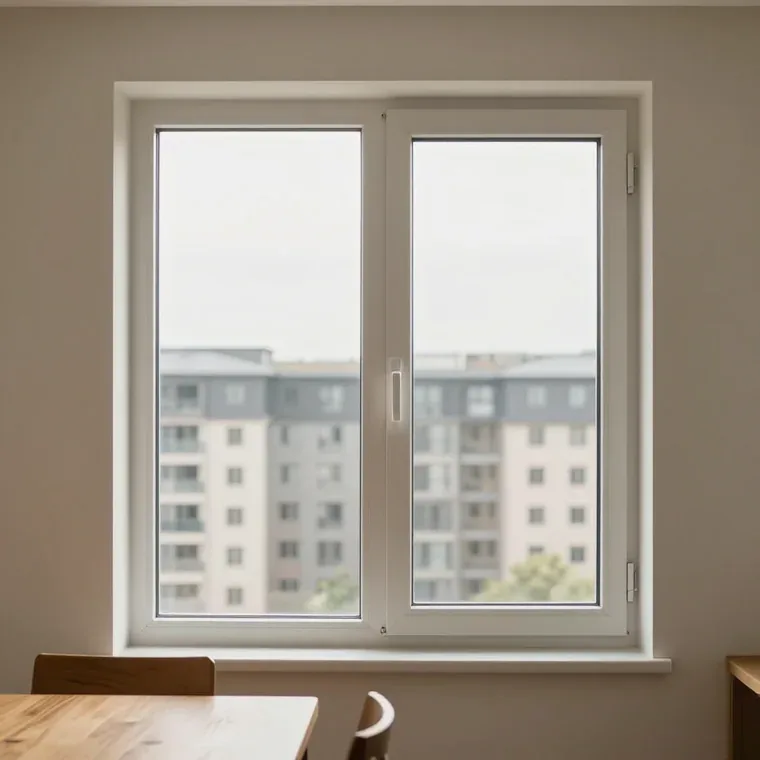
A window lock is not the same as a door lock or a key handle. It is a small blocker that limits how far a sash opens, and that is what makes it useful in a home with children.
How a Penkid lock differs from a door lock and a key handle
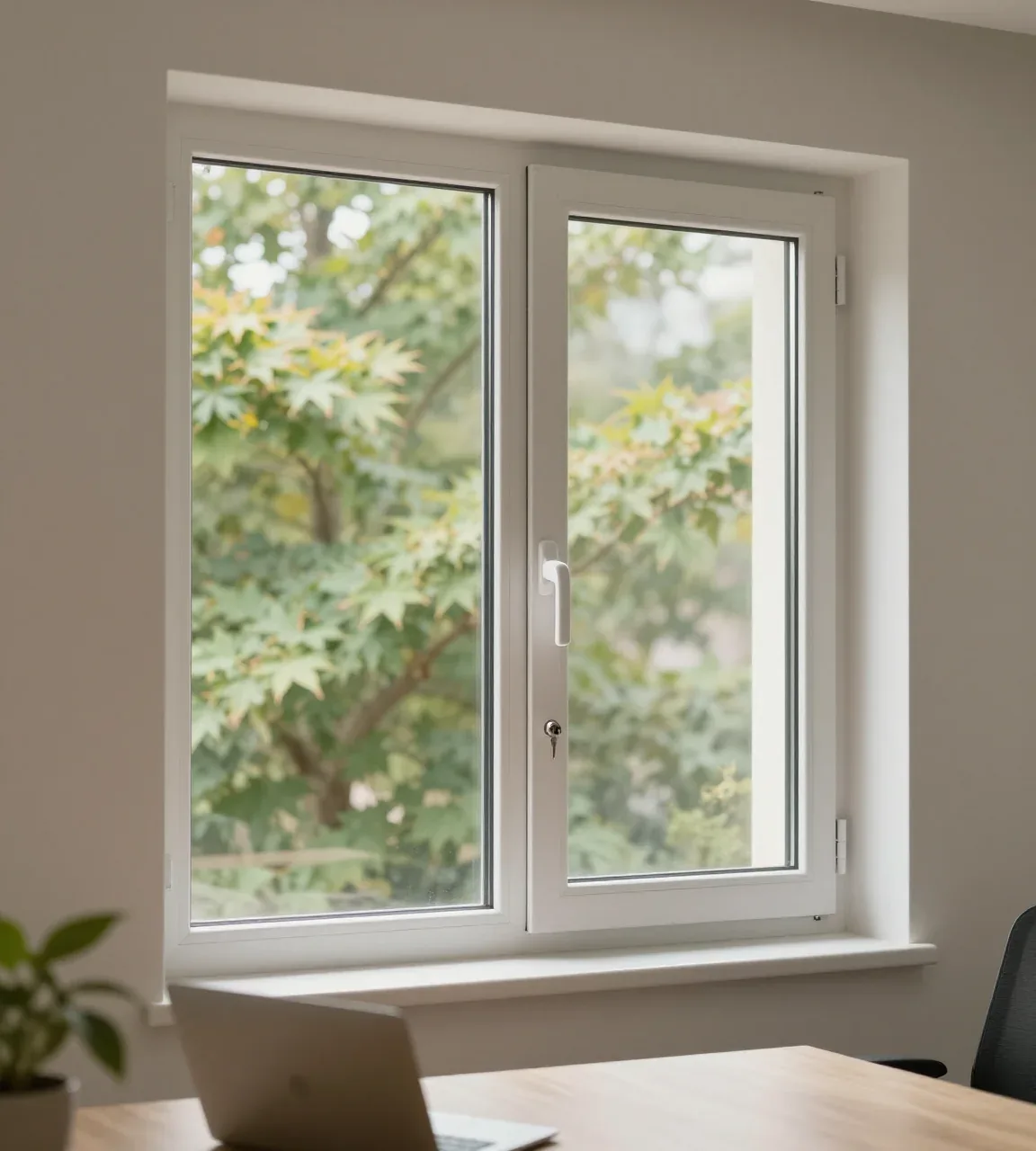
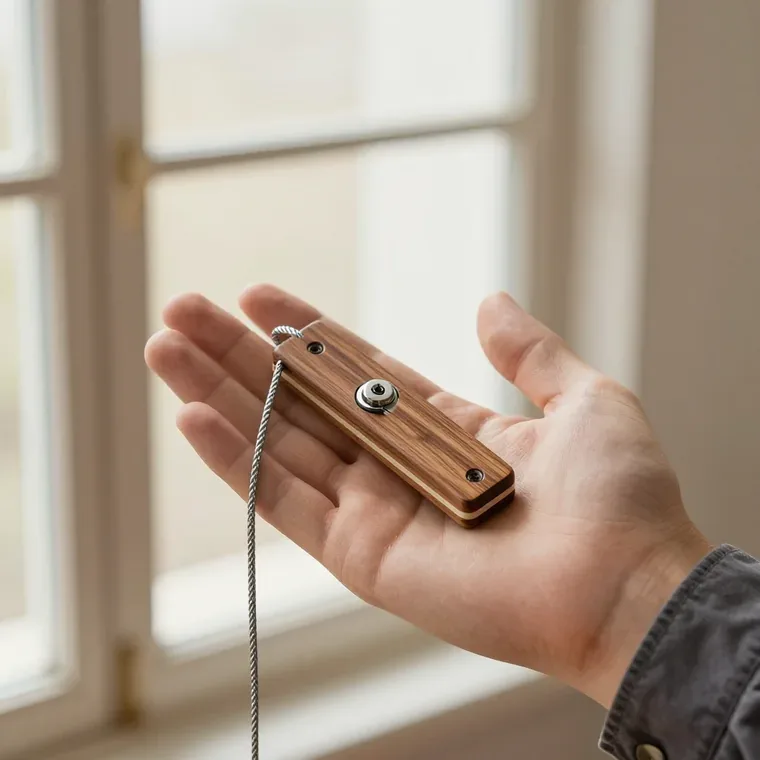
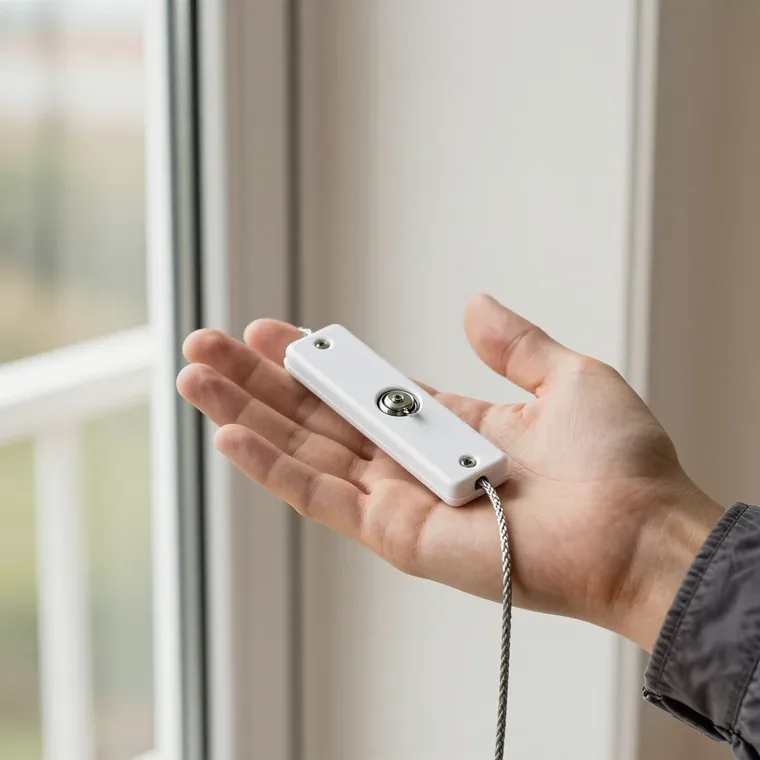
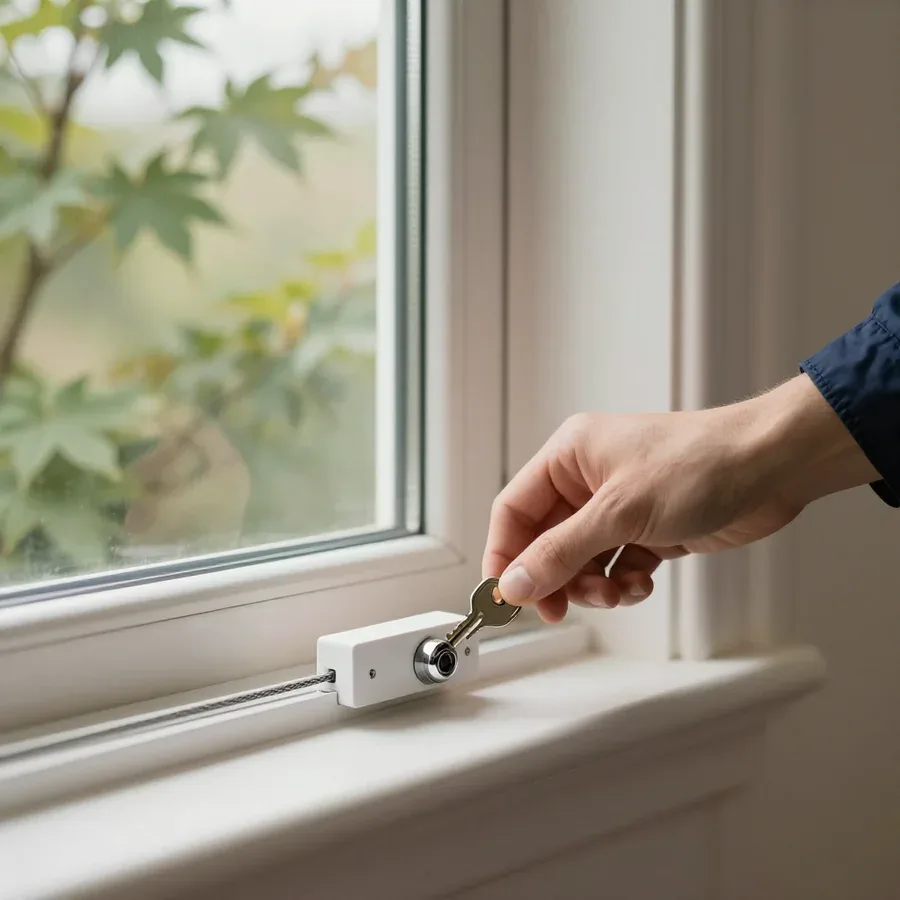
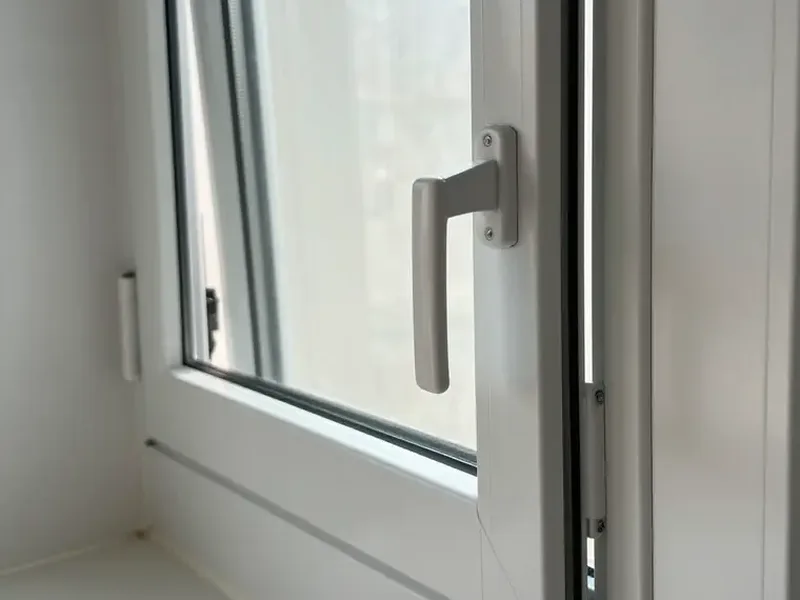
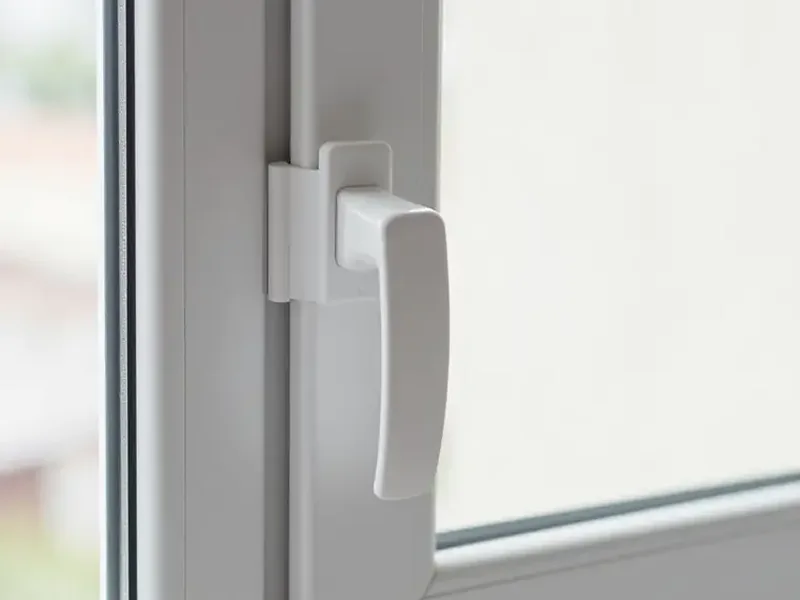
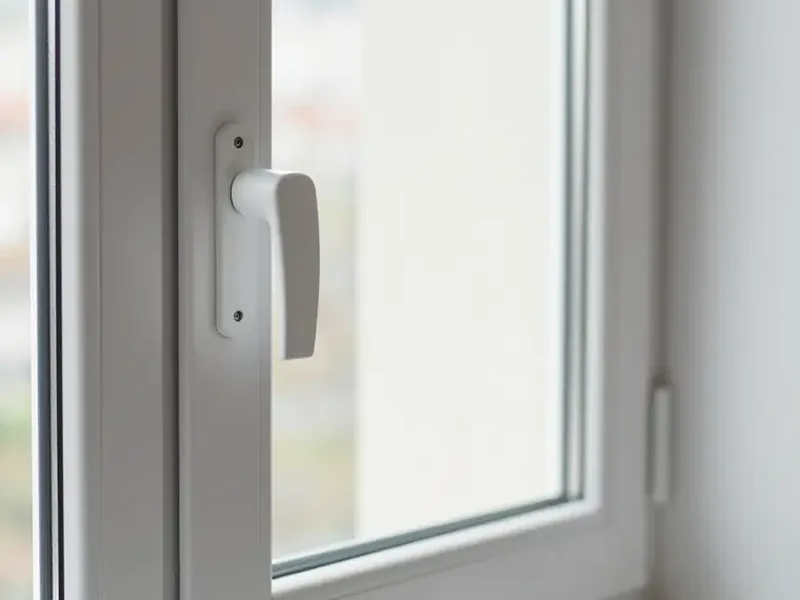
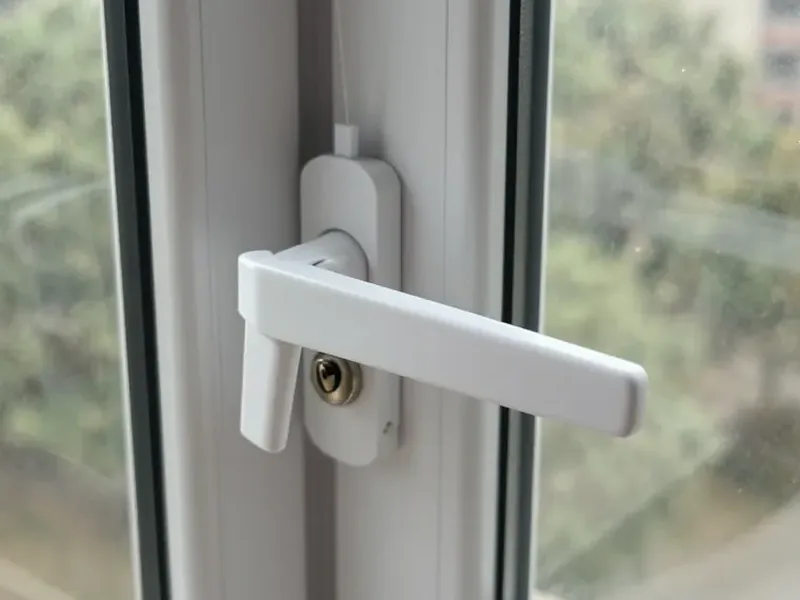
A sash blocker is not a door lock and not a handle with a key, so it limits the opening instead of locking the whole unit shut. The part mounts on the frame and the movable leaf and stops it at a set gap, usually wide enough for air but too narrow for a child to climb through. A key handle works the other way round: once turned, it seals the window completely and the room stops ventilating. Opening restrictors do a similar job on older wooden frames, but they are set once and rarely adjusted. Because the blocker leaves a gap, the window still ventilates, which a key handle does not do once it is turned.
Who the lock protects and where it belongs in the flat
- Bedroom windows: the room where a child is left alone the longest, so the blocker goes here first.
- Living room sashes: often next to a sofa, which a child uses as a step up to the fitting.
- Balcony doors: a wide opening at floor level, so the gap is set narrow from the start.
- Kitchen vent panes: small units that are easy to reach from a chair or counter.
- Children's rooms: the leaf a child can open from bed without an adult noticing.
Choosing a Penkid window lock for your sash, profile and floor
The right lock depends on three things: the type of window, the profile it is made of, and how high the sash sits. Here is how we narrow it down before anything is ordered.
Lock, cable or turn latch and which suits your window
| Type | How it holds the sash | Best for |
|---|---|---|
| Lock with key | Blocks the handle, opens with a key | Windows adults open daily |
| Cable lock | Limits the gap on a short tether | Children in the room |
| Turn latch | Small rotating catch on the frame | Low sashes and balcony doors |
Will it fit plastic, wooden or aluminium windows
We fit Penkid locks on plastic, wooden and aluminium windows, and on vent panes, loggia windows and the glazing of gazebos and verandas. What our fitter checks on site is the width of the profile, the depth of the rebate and whether the leaf swings inward or tilts. A narrow vent pane takes a smaller catch than a full balcony leaf, and timber often needs a longer screw than aluminium because of its density. We have been making mosquito screens for years, so one visit covers both the lock and any screen you want on the same opening. The material matters less than the shape of the profile.
How the fixing is matched to the profile and the floor
Our measurer chooses the fixing for your window, using Z-shaped brackets, pins or magnets depending on the profile and how high the floor is. On a ground-floor kitchen window with a deep rebate, a pin fixing usually sits flush and leaves nothing proud of the frame; on a slim aluminium profile the Z-bracket spreads the load without drilling into the glazing bead. Magnets suit sashes that are opened rarely and should stay visually clean — a loggia pane, for instance, or a gazebo panel. The measurer checks the bracket against the actual frame before the order is fixed, so you are not guessing from a photo. On an upper floor the fixing is picked for load, not just for a neat fit.
Fitting a Penkid window lock without drilling through the frame
Many people worry that a lock means holes in a new window. In most cases the blocker is fixed to the sash and frame with the fittings that come with it, and the profile itself stays whole.
Can the lock go on without drilling the profile
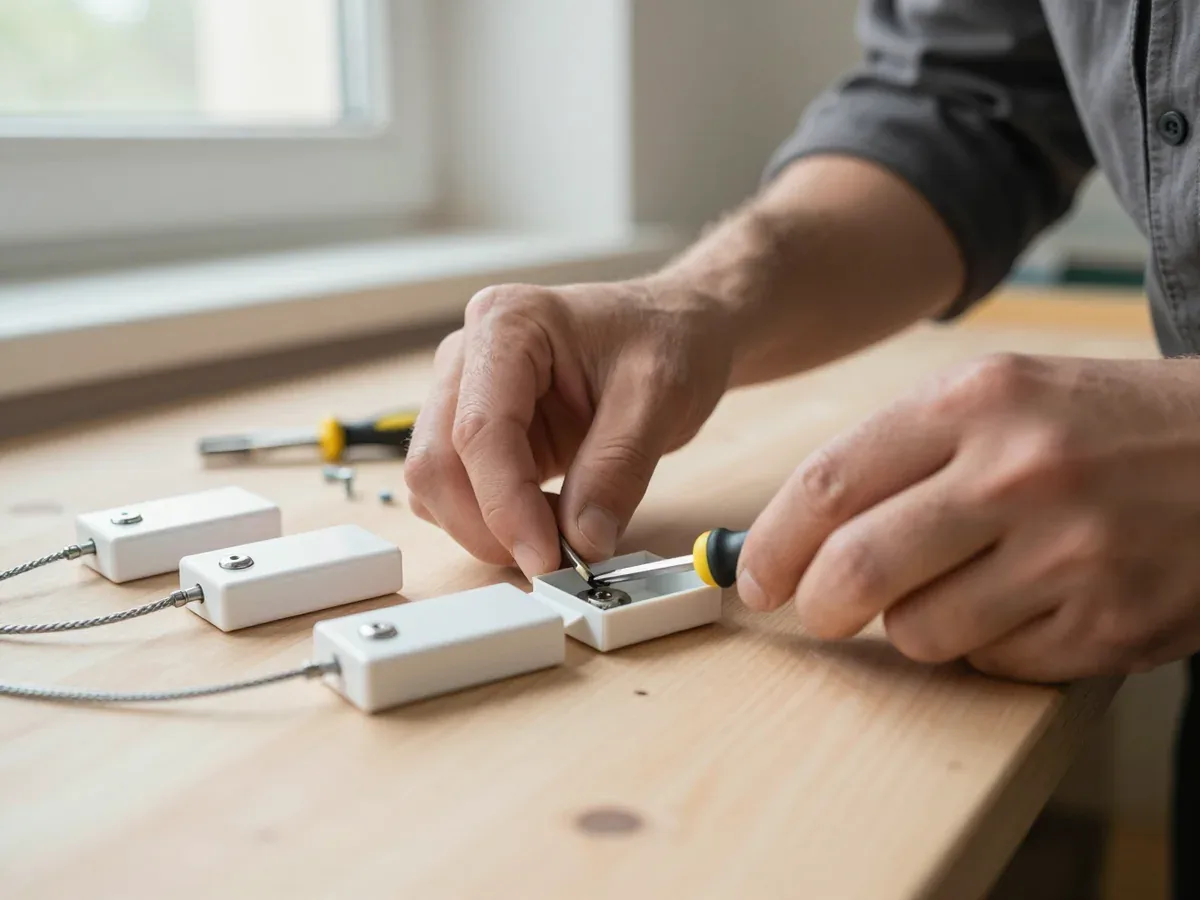
We fix the lock using the mounting points the window already has wherever the model allows it, so the profile is not drilled through and the window keeps its shape. The bracket or pin sits on the edge of the moving leaf, not inside the tilt-and-turn mechanism, which means the hardware keeps working as before. On plastic, wooden and aluminium windows the same approach holds, because the fixing grips the outer edge rather than cutting into the chamber. The measurer checks the rebate depth and the width first, then picks the bracket that matches. If a model does need a fixing point, the measurer marks it first and shows you where it will sit before any work starts.
Taking the lock off later without marks on the window
- Undo the fixing first: release the bracket or pin before lifting the lock off.
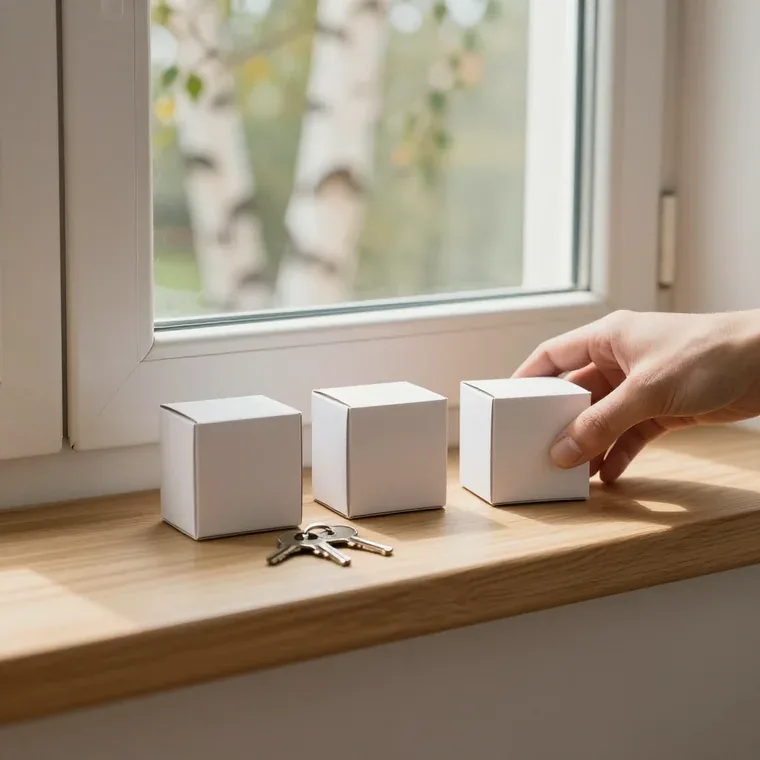
- Keep the parts together: bag the mounting piece, screws and key so the set stays complete.
- Wipe the contact point: clean the spot where the fixing sat.
- Check the leaf after removal: open and close it fully to confirm nothing drags.
- Store it dry: a lock kept away from damp refits without a stuck mechanism.
Airing the room while the Penkid window lock stays on
The point of a blocker is that the window still opens a little. That opening lets air in on a hot day while the sash stays too narrow for a child to climb through.
How much the sash opens with the lock in place
With the lock on, the sash opens to a fixed limit that lets air through but is too tight to pass, and that limit is chosen when we fit it. We set the stop on the catch itself, so the panel travels only as far as the fixing allows and then holds firm against it. A tight limit suits a bedroom where the window stays open all night, while a wider one works for a kitchen that needs a quick airing. On an upper floor the opening can be set narrower, because a broad slot catches the wind and strains the fixing.
Daily habits that keep the protection working
- Re-engage after airing: click the blocker back on the moment the window is closed, before anyone leaves.
- Clear the sill: move chairs, boxes and planters away so nothing becomes a step up.
- Check the limit monthly: an opening that has crept wider needs the stop reset.
- Dust the moving part: a clean catch turns freely and does not stick.
- Teach the routine: everyone in the flat closes the window the same way.
Measuring, fitting and warranty for a window lock in Taraz
A Penkid window lock Taraz homeowners order from us starts with a free visit, not with a purchase. Our measurer takes the sizes, checks the profile and the floor, and only then is the order and the price fixed.
What happens on the free measuring visit
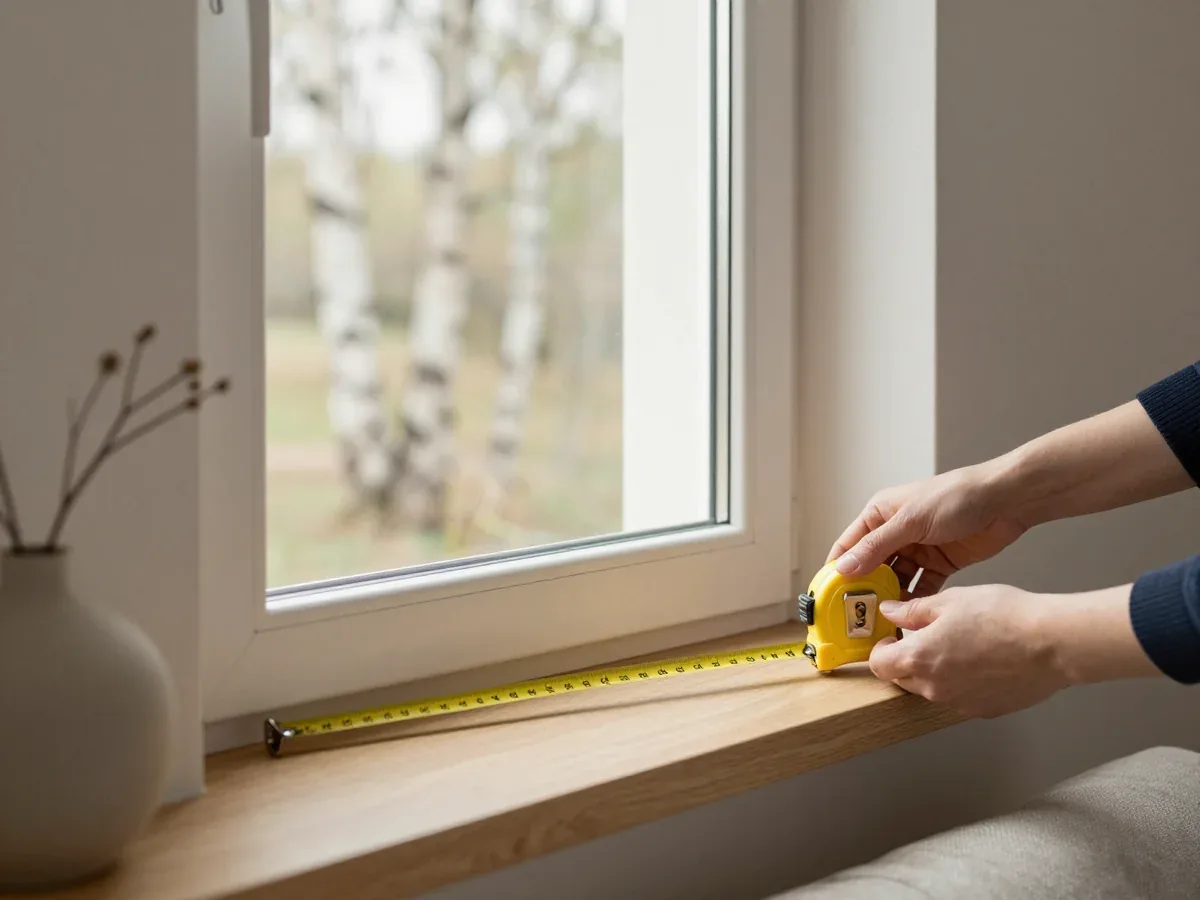
Our measurer comes at a time that suits you, takes the sizes, checks the profile and the floor, and helps you choose the lock and the fixing before anything is ordered. Measuring and consultation cost nothing, and the appointment covers the whole job: the sash, the opening gap, the bracket type and the colour of the parts. The measurer looks at where the frame sits, how far the sash travels and whether the sill is in the way, then writes the sizes into the order. The sum you agree that day is the sum you pay, with nothing added later. The appointment is also where the opening gap is agreed, so it is worth showing the specialist where the child actually plays rather than just pointing at the window.
Fitting day, payment and what the warranty covers
Our own fitters install the lock, you pay after installation by cash, card or Kaspi, and the figure is the one fixed in the order after measuring. Payment is taken once the lock is on and you have tried it yourself. We are open seven days a week, so a weekend slot can be booked. The lock and its fitting are covered by a 1-year warranty, and a repair call, labour and replaced parts included, is covered for the same period. Because the fitters are ours and not a subcontractor, a return for an adjustment goes through the same team that did the first job.
Care, sticking parts and replacing a fixing
- Clean the catch: wipe dust off the moving part so it turns without force.
- Lubricate lightly: a drop of oil on the pivot keeps the mechanism free.
- Tighten loose screws: a bracket that shifts is re-seated before it wears the frame.
- Replace one part at a time: a single fixing can be swapped without a new lock.
- Call for a stuck unit: if cleaning does not free it, the fitter checks alignment.
Tasks the Penkid lock solves
The points below sum up what decides whether a window lock works on your opening, and what to check before work starts.
- Purpose: a window lock limits how far a casement opens and keeps the gap too narrow to pass through; it is not a door lock and not a key handle.
- Model choice: the right fitting depends on the window type, the profile and the floor, so the fixing is matched on site rather than guessed.
- Frame condition: most fittings go on without drilling through the profile, and the lock can be removed later without leaving holes.
- Airing: the gap the lock leaves is what lets the room breathe while the leaf stays fixed in its narrow position.
- Order and price: a free measuring visit settles the model, the fixing and the final price before any work begins.
 Restrictors
 Blockers
 Keyed handles
 Child safety
 Window grilles
