
Flame flickers
Seal
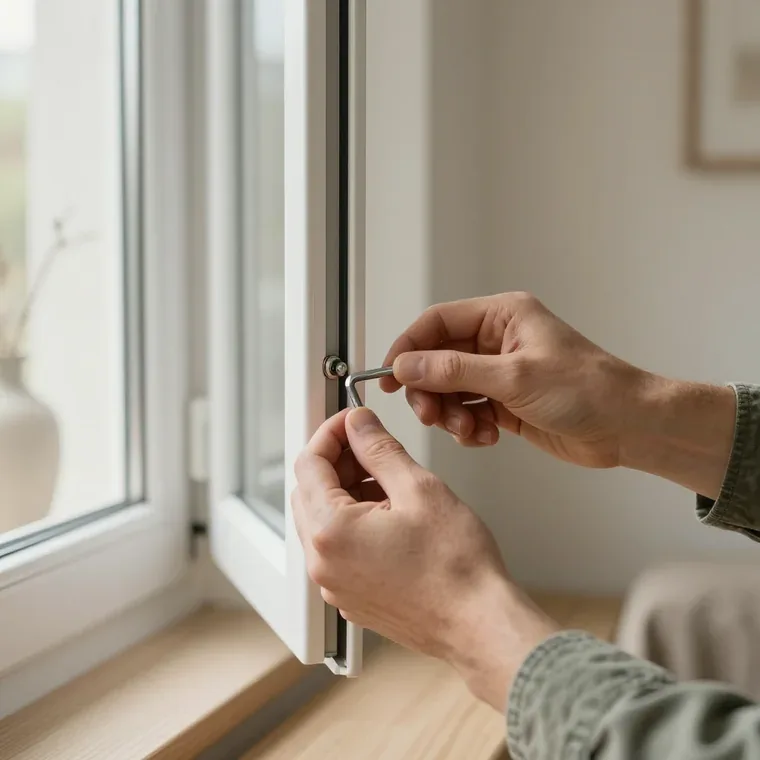
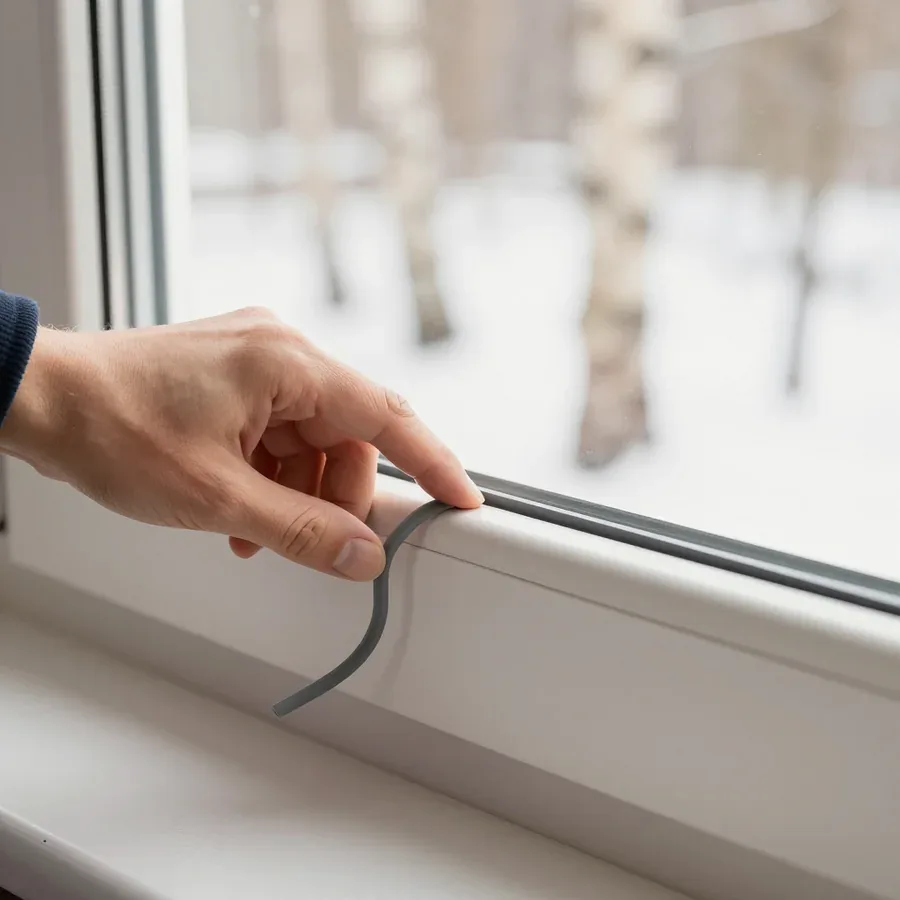
We replace the sash seal and switch cams to winter mode. From 1 000 ₸ per linear m.
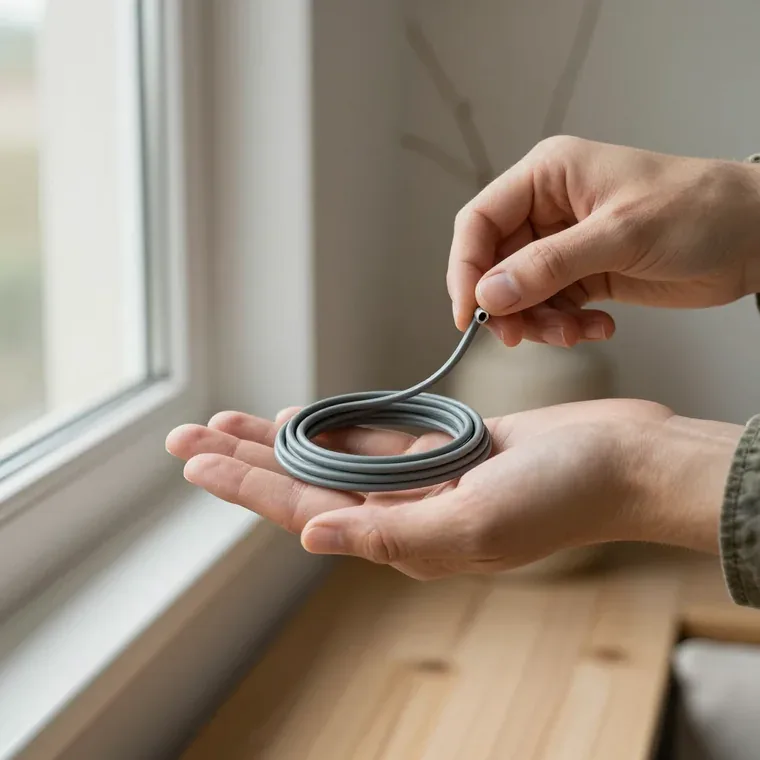
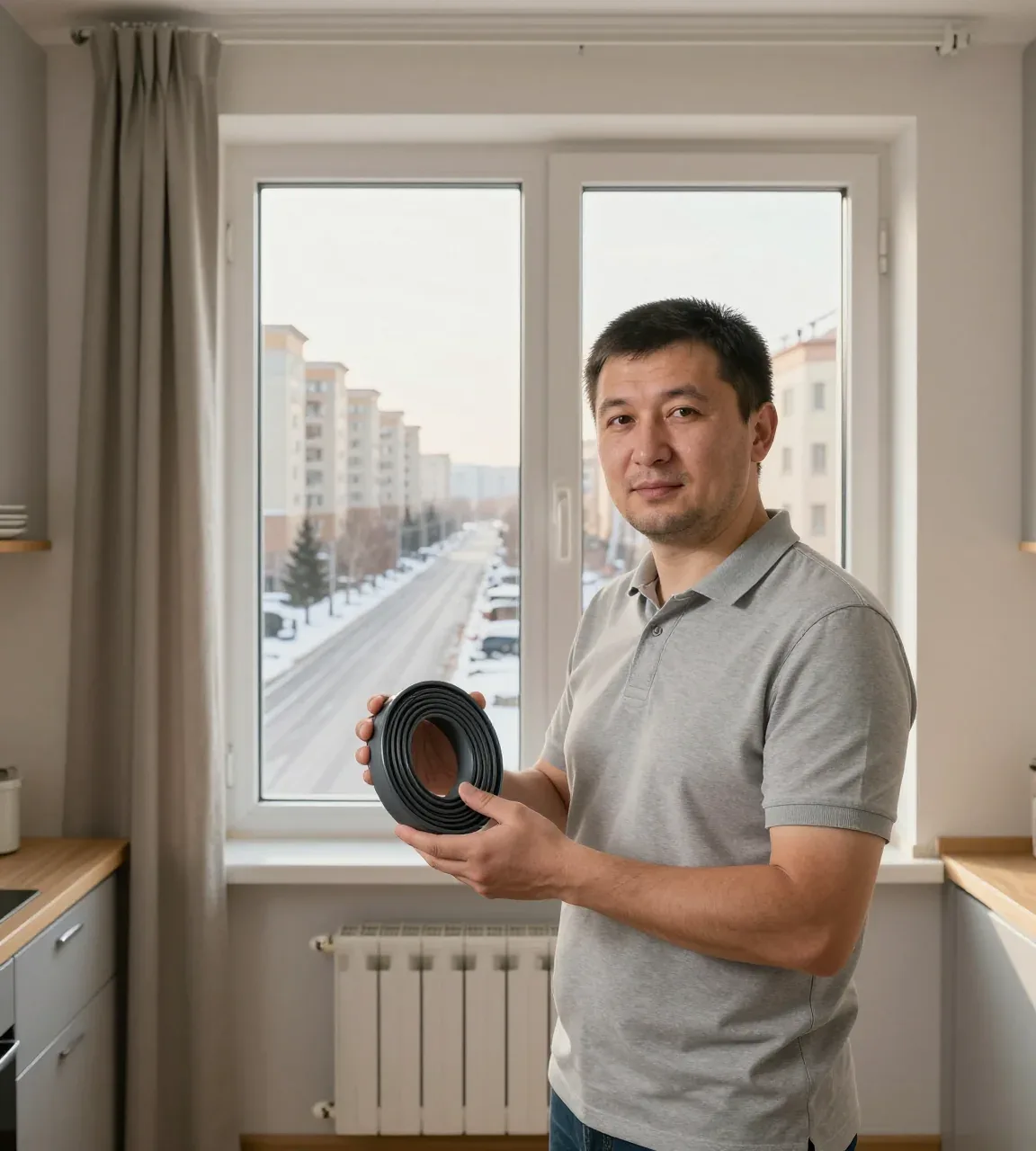
Seal
We replace the sash seal and switch cams to winter mode. From 1 000 ₸ per linear m.
Vapour barrier
A layer of liquid plastic at the frame stops foam from absorbing moisture. From 1 500 ₸ per linear m.
Reveal
We insulate the reveal, and the corner stops getting cold and damp. From 19 900 ₸ per linear m.



5,097 reviews on review sites
You don't need to tape up windows for winter. Just fix the cause of the cold — worn seal, open joint or cold reveal.
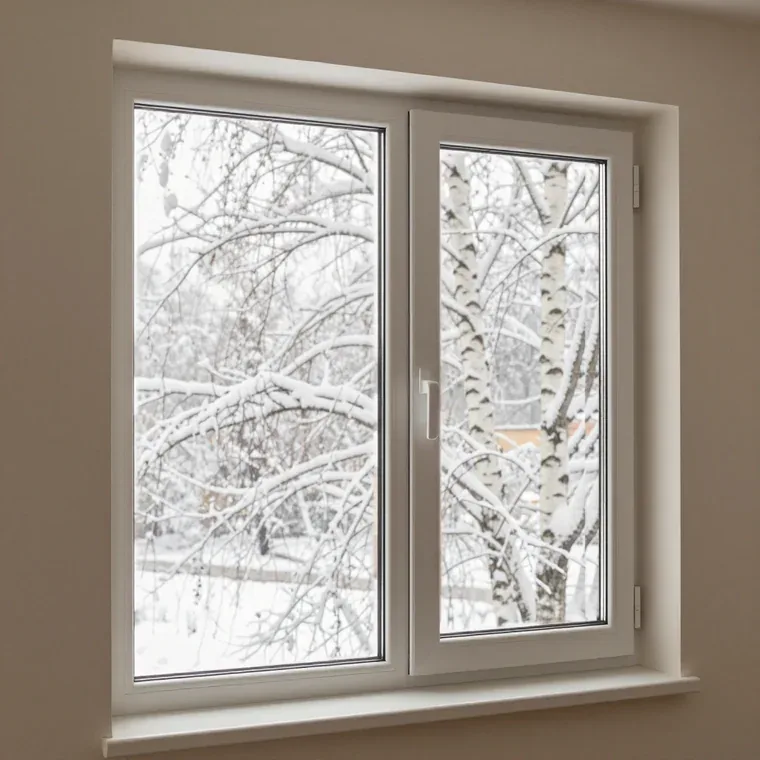
Film and cotton wool cover the window until spring and block ventilation. We do it differently: replace the seal, switch cams to winter mode, seal the joint around the frame and, if needed, insulate the reveal and window bottom. The window opens as usual.
In winter Taraz has windy frosty days, and in summer strong heat, so joint foam ages faster. After our work the window keeps heat all winter without taping.
linear metre of seal including labour
warranty on work and parts
payment after work, cash and card accepted
Four situations we see most often.
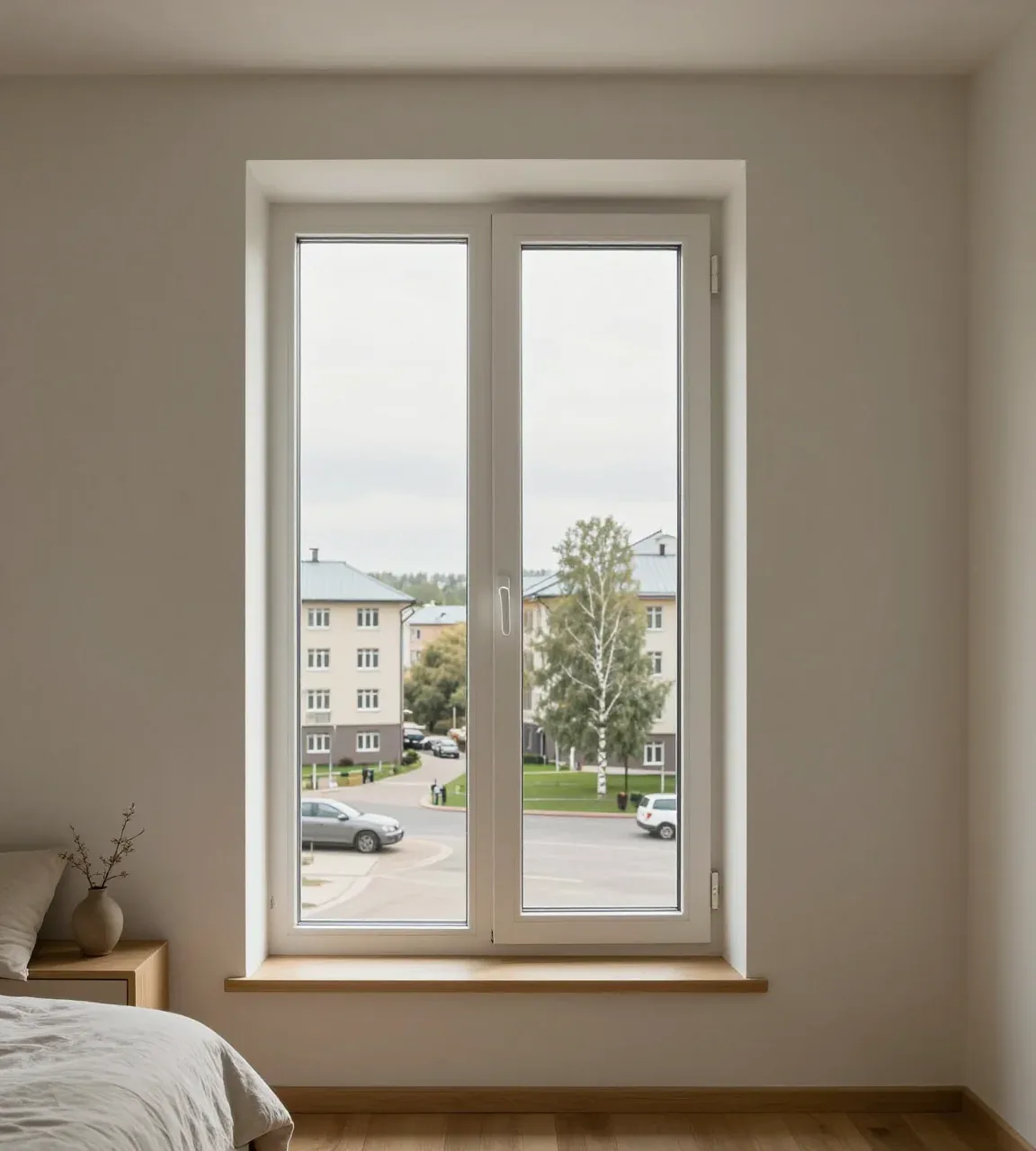
The hob flame near the window bends — meaning the sash lets air through.
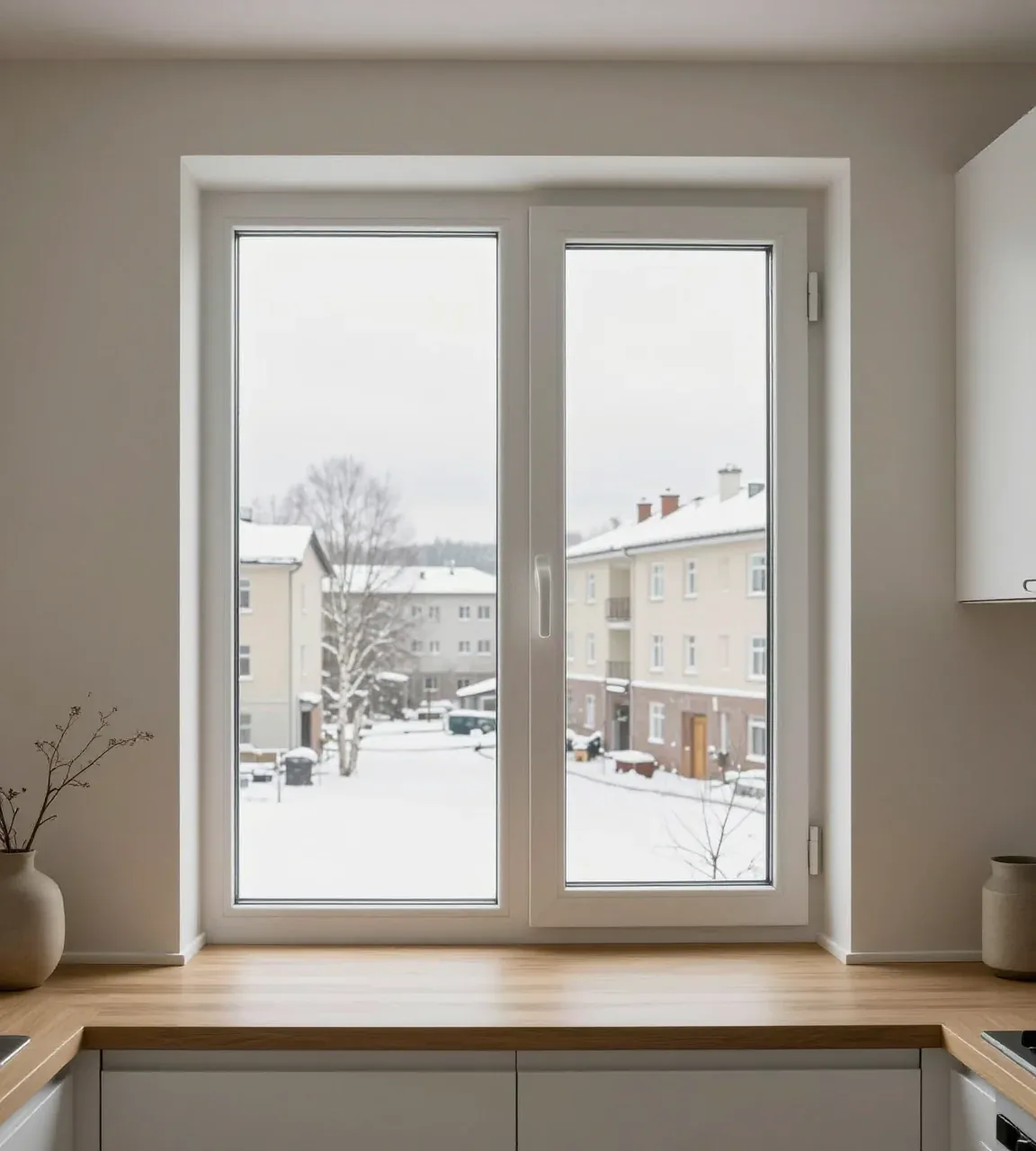
The joint is damp, and cold comes through the wall next to the window.
A reveal without insulation sweats, and mould grows in the corner.
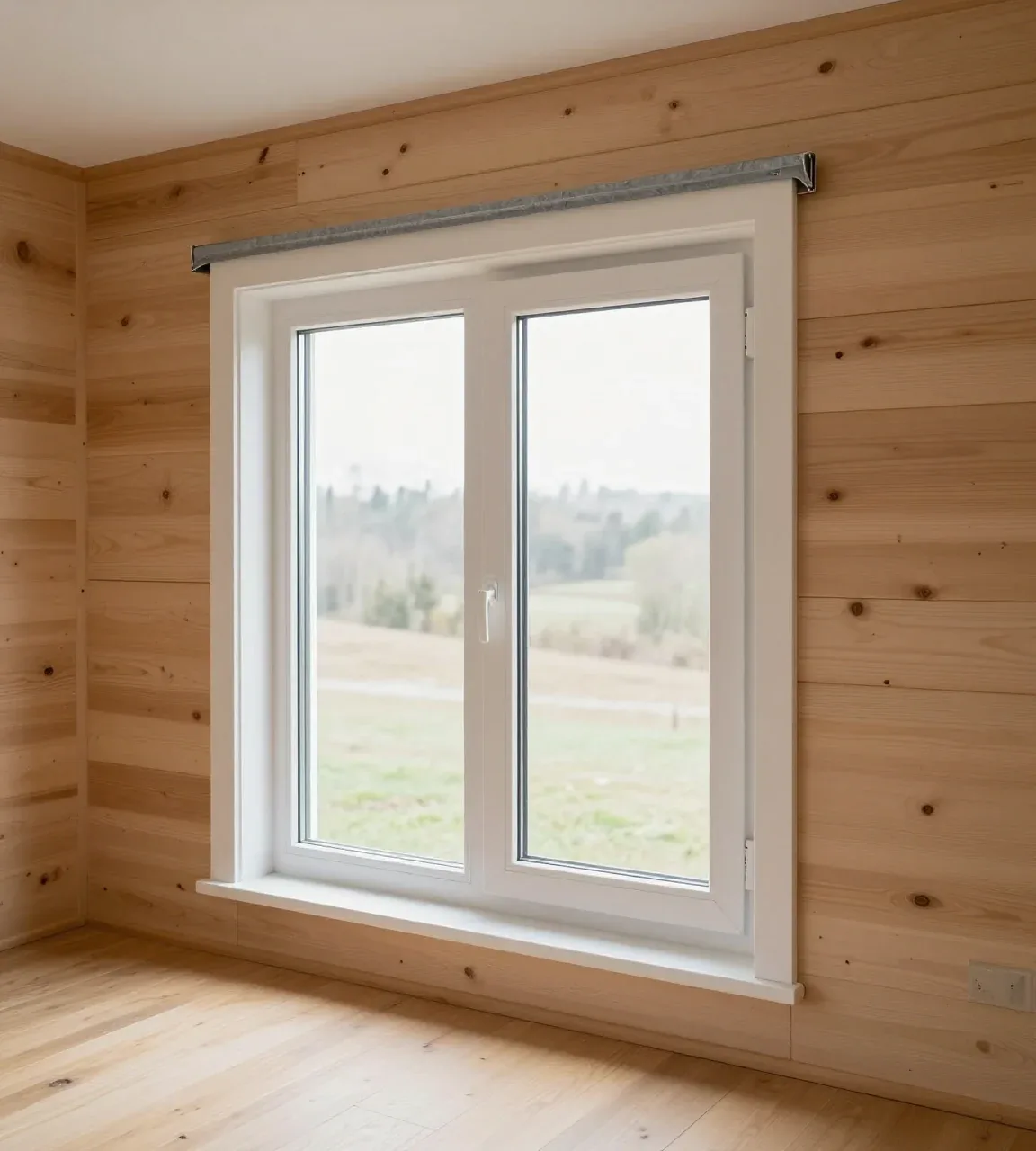
There's a void under the sill, and cold comes up from the floor.
The window still opens, and heat stays in the room.
PVC sashes
New contour and winter cam position.
joint indoors
Liquid plastic protects foam from steam.
outside
Sealant protects the joint from weather.
damp corner
Insulation under the finish.
frost at the bottom
An extra seal contour.
The price depends on the work needed; the technician will give it after inspection.
| Type of work | Price |
|---|---|
| Full window serviceseal, cams, joint | from 3 800₸ per window |
| EPDM sealaround the perimeter | from 1 000₸ per linear m |
| Draughty sashrepair | from 3 500₸ per sash |
| Joint vapour barrierliquid plastic | from 1 500₸ per linear m |
| Facade jointsealant | from 2 000₸ per linear m |
| Insulated revealturnkey | from 19 900₸ per linear m |
| Window bottom and sillfilling voids | from 15 000₸ per job |
| Swedish methodfor wooden frames | from 4 200₸ per linear m |
| Micro-liftfor heavy sashes | from 1 700₸ per item |
| Inter-frame sealthird contour | from 2 800₸ per window |
| Thermal imagerwindow snapshot | from 9 000₸ per job |
| Balconyinsulation from inside | from 6 800₸ per m² |
The price is fixed in the order after the measuring visitMeasuring and consultation are freePayment after fitting: cash, card, Kaspi
Book a technicianOur working principles.
warranty on repairs and parts
KBE, Rehau, VEKA, Provedal and others
before work starts, no extra charges
after checking, by a convenient method
and we will reply on WhatsApp
including weekends
requests every day
we work across Kazakhstan
Workflow.

Send a photo of the window and describe what you noticed: the flame flickers, the seam is wet or there are stains on the reveal.
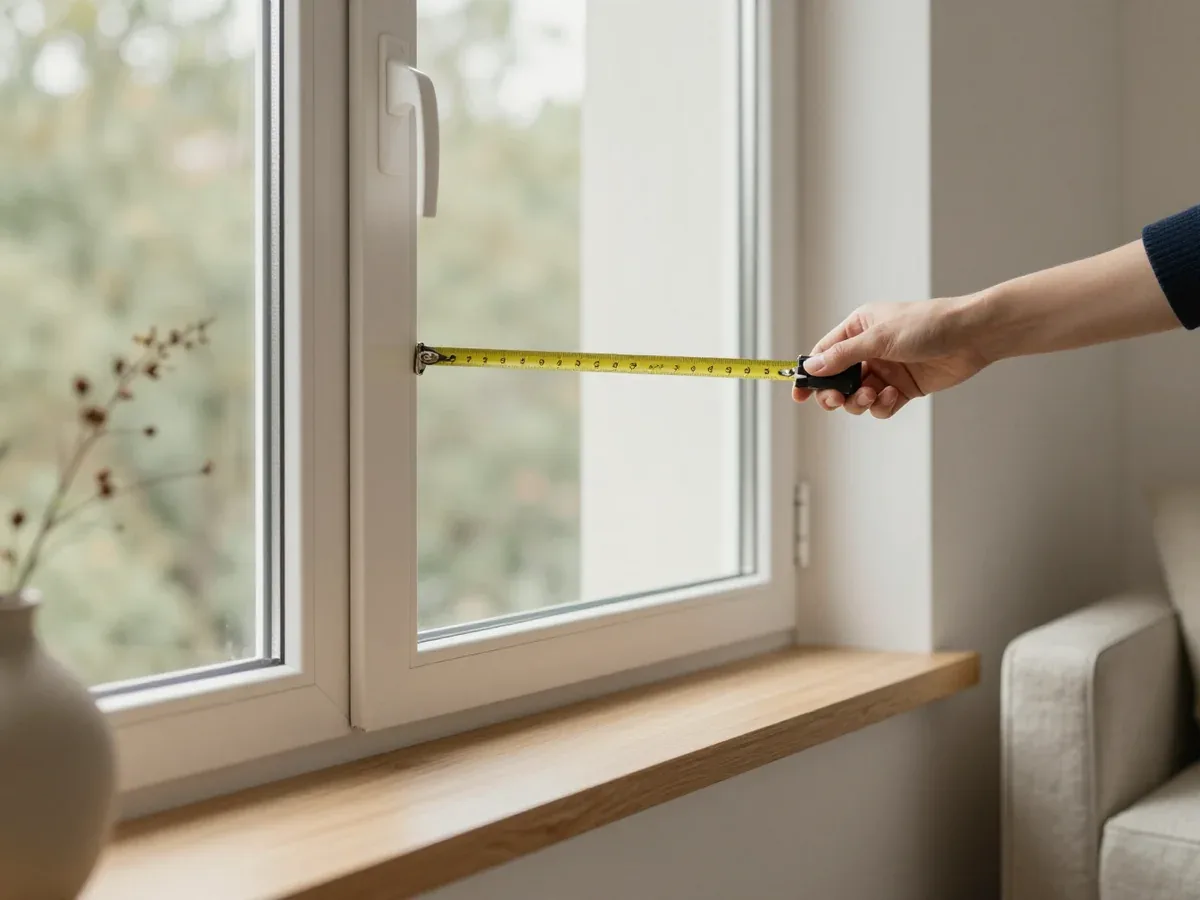
The technician finds the heat leaks and gives the price for the work.
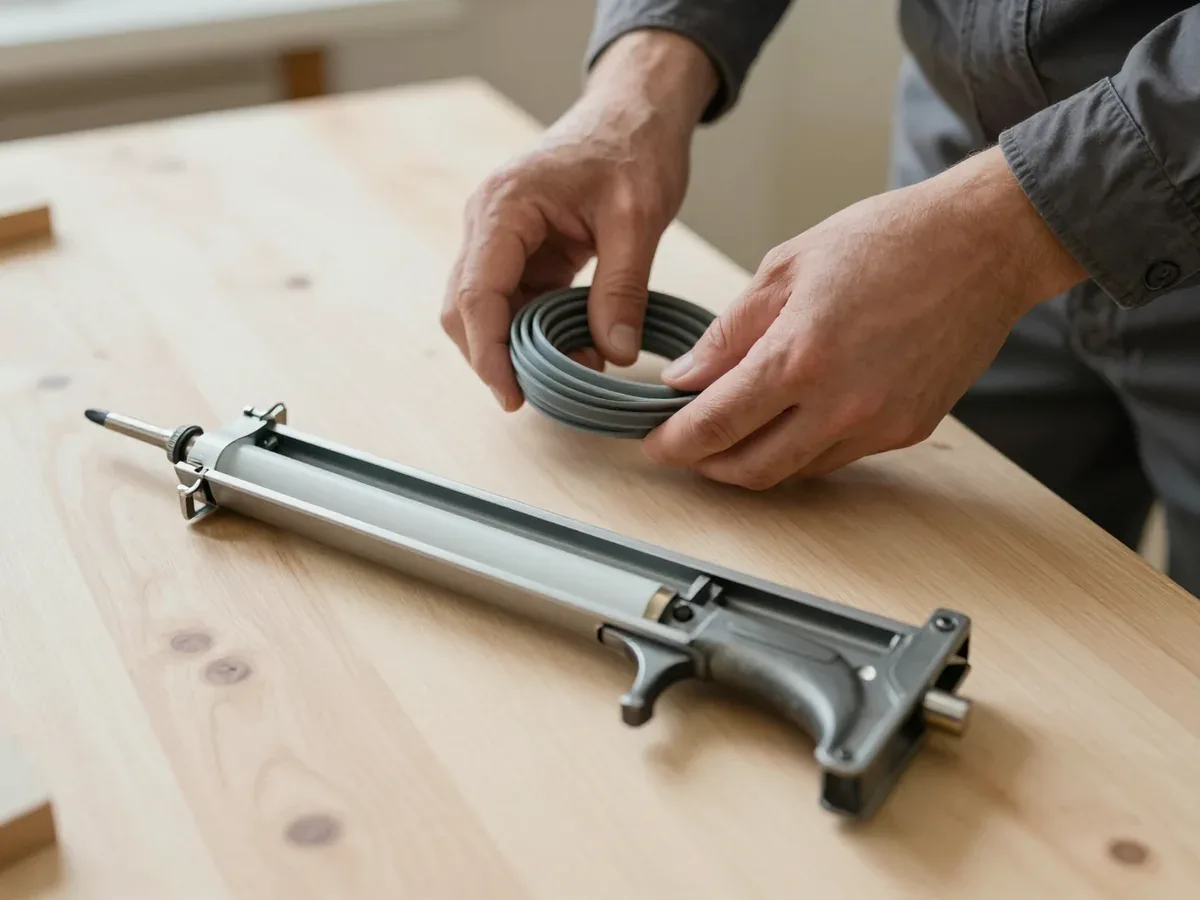
We replace the seal, set the cams to winter mode, seal the seams and insulate the reveal if needed.
We check the window with a candle, and after that you pay.
Good to know

Senior mosquito screen specialist at moskitnyesetki.kz
We handle window insulation in Taraz as a direct contractor with our own fitters. We trace where the draught enters, then replace seals, seal the frame joint, insulate slopes or swap the glass unit when that is the real fix. Measuring is free, the price is fixed after it, and you pay once the work is done.
A closed window that still feels chilly is not one problem but five possible ones, and the fix depends entirely on which part is leaking. We start by finding the actual source before touching anything.
A lit candle or a strip of paper moved slowly along the casing, sash and slope reveals most leaks without any equipment, and a thermal camera only confirms what the paper already found. Proper window insulation in Taraz begins with this kind of check, so the source is confirmed before any work starts. Hold the flame or strip about a centimetre from the surface and sweep it at a steady pace; a flicker or a pull tells you exactly where the outside air crosses. Repeat the same pass along the seal, the hinges and the sill line, because a single opening often hides behind the hardware. A newly installed unit that still feels chilly usually points to an installation fault rather than the product itself. Test on a cold, windy day with the heating off.
These four jobs get mixed up constantly, and paying for the wrong one is the most common mistake. Here is what each actually does and when it is the right call.
| Job | What it fixes | When it is the right call |
|---|---|---|
| Seal replacement | Draught along the sash | The rubber is cracked, flat or hard |
| Joint sealing | Draught at the frame perimeter | Gaps sit between frame and wall |
| Slope insulation | Condensation on slopes | Water beads on the reveal, not the glass |
| Glass unit replacement | Cold glass itself | The whole inner pane feels cold |
If the inner glass surface is cold to the touch across its whole area, or the sash is out of square, no amount of sealing will help and the glass unit or the hardware has to be dealt with. A single-chamber unit in an older frame often fails this test, and replacing just the glass keeps the frame you already have instead of a full swap. We check sash geometry first: a corner that will not pull tight usually means worn hinges, not a poor seal, and insulating over that gap only hides the fault for a season. On our visits we measure the glass surface and the reveal separately, because the two readings point to completely different jobs. Ask us to test the pane before you approve any insulation work — it is the cheapest way to avoid paying twice.
The material of the frame decides which parts can be adjusted and which have to be replaced, so the same draught can mean different work on a plastic, wooden or aluminium unit.
We insulate plastic, wooden and aluminium units, and on wooden frames the seal and the joint usually need work first because the frame itself can be saved. On a plastic frame the weak point is most often the seal or the glass unit, while the profile itself holds its shape for years. An aluminium frame conducts cold through the metal, so the joint and the thermal break matter more than the seal alone. On a wooden frame the wood moves with the seasons, and the gap opens along the joint where the sash meets the casing. A wooden unit that is only draughty rarely needs replacing, and keeping it is often cheaper than a new plastic one while preserving the look of the facade.
Glazing on loggias, verandas and gazebos is insulated the same way as apartment units, but they face more wind and temperature swing, so the gasket and joint get more attention. On a loggia the frame sits outside the heated zone, and the joint between frame and wall takes the first hit from wind. A gazebo or veranda has thin walls and no constant heat, so the gasket works harder than indoors. Our fitters service these openings across the city and in 17 cities of Kazakhstan, and the same seal brands fit all of them. An unheated veranda moves with the seasons, so a gasket that is perfect indoors can dry out faster there and is worth checking before each cold season.
The order runs in a fixed sequence, and knowing it in advance removes most of the guesswork about timing, materials and what you pay for.
The measurer comes free at a time that suits you, takes the sizes, helps pick the right gasket for your opening and fixes the price in the order before any work starts. On site we check the sash surface, the rebate width and how tightly the leaf closes, because a strip that is too thick for the groove stops the hardware from locking. We fit new weatherstripping in units of any manufacturer, including KBE, Rehau, VEKA and Provedal, so the brand of the profile does not limit which one you can have. The measurer brings samples and explains how each behaves against draught, dust and street noise. Nothing is ordered until the sizes and the price are written down and you agree to them.
Most sealing and joint work on a single unit is finished within a visit, and it can be used again once the foam has set, which the fitter confirms before leaving. We handle plastic, wood and aluminium sashes, including small openings and loggia glazing, and the measurer picks the fasteners for the profile and the floor level. Payment is taken after installation — cash, card or Kaspi — so the job is judged on the finished result, not on a promise. Plan the visit for a dry day, since foam and sealant cure poorly in damp air and a rushed cure is the usual reason a seam starts leaking again the next season.
Some of this work is within reach of a careful owner and some of it is not, and the difference matters for both the result and what is covered afterwards.
Repair and insulation carry a one-year warranty on both the labour and the parts we replace, and you pay after the work is done by cash, card or Kaspi. A gasket that fails early is redone rather than sold to you twice. Because the price is fixed in the order after measuring, the warranty and the invoice refer to the same agreed scope, which makes a claim straightforward if anything needs revisiting. The measurer comes at a convenient time, takes the sizes and helps choose the seal and fixings, and we answer on WhatsApp inside five minutes — handy when a leak appears and you are unsure whether it needs a visit. A vague scope, not a bad part, is what most often causes a dispute.
A cold room almost always traces back to a single weak point, and matching the correct remedy to that point is what keeps the heat inside through winter.
Choosing a method, diagnostics, materials, condensation
Konstantin Selenenkovsenior mosquito screen specialist, 10 years in the tradeOnline · replies within 5 minutes
Ask a questionFirst, the technician checks what the window is made of and where exactly the heat is lost: plastic windows usually get a new seal and foamed joint, while wooden sashes are insulated as well. The method is chosen after an inspection, not from a single sign.
Run your hand along the perimeter of the sash, the reveals and under the windowsill — the cold comes from a specific gap. A thin piece of paper clamped by the sash will show if the rebate is drafty, and a damp spot on the reveal will point to a freezing joint.
Yes, if the profile and double glazing are intact and the heat escapes through the rebate, the hardware or the installation joint. In panel buildings, the joints and reveals are more often affected, and insulating them solves the problem without a new window.
Condensation on the glass usually indicates high humidity in the room or poor ventilation, not poor insulation. It is worth ventilating more often and checking whether a cold spot remains at the edge of the double glazing — if so, an inspection is needed.
EPDM seal, polyurethane foam with a vapour barrier and insulation for reveals are used. The service life depends on the window and conditions, but the seal and joint retain heat for several years under normal use.
If the cold comes along the edge of the frame and double glazing, the window itself is freezing; if it comes along the perimeter of the frame and reveals, the joint is to blame. A thermal imager during the inspection helps to check more accurately, and the work is chosen based on that.
Thank you. We will call you back within 10 minutes!
Your order number is on the receipt or in the SMS. Choose where to leave your review.
Write a review on WhatsApp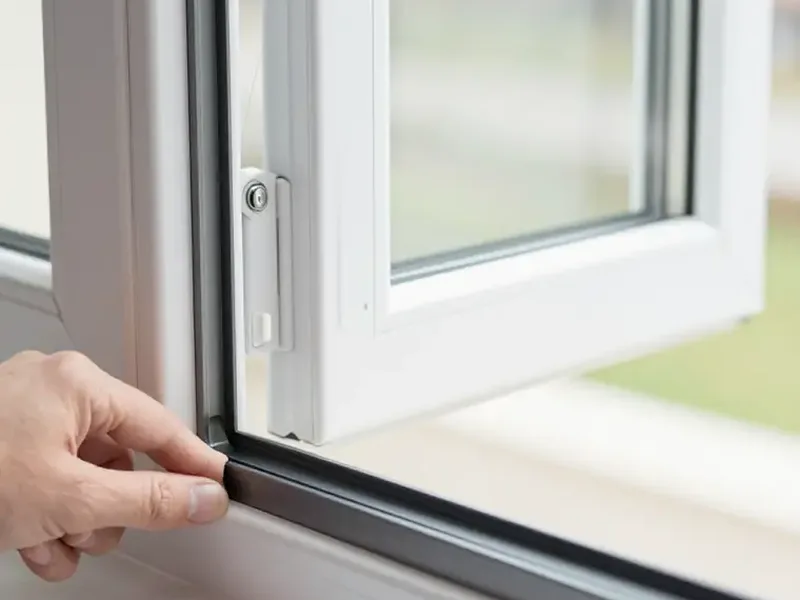 Seal replacement
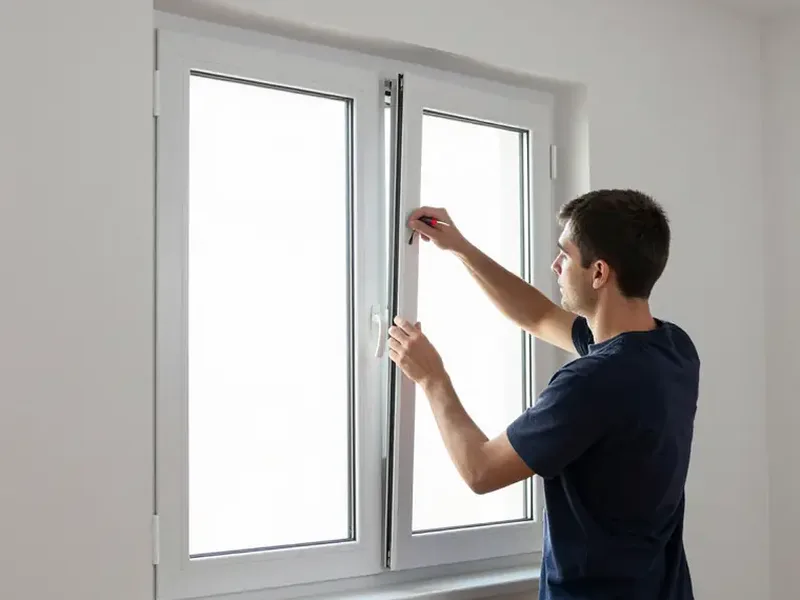 Window adjustment
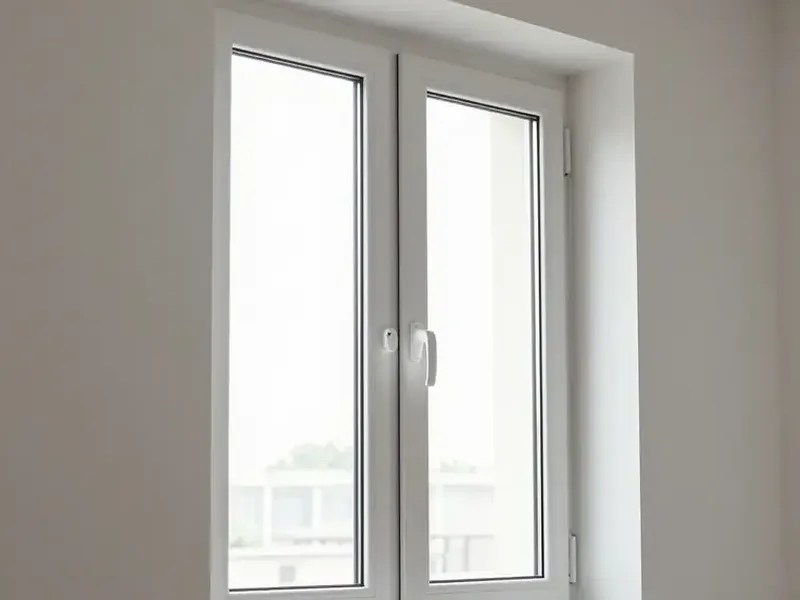 Reveal finishing
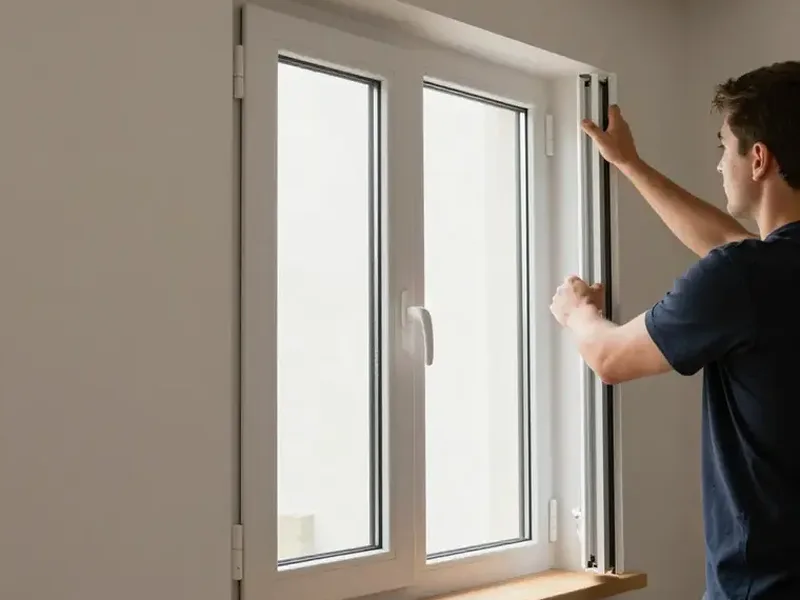 PVC window repair
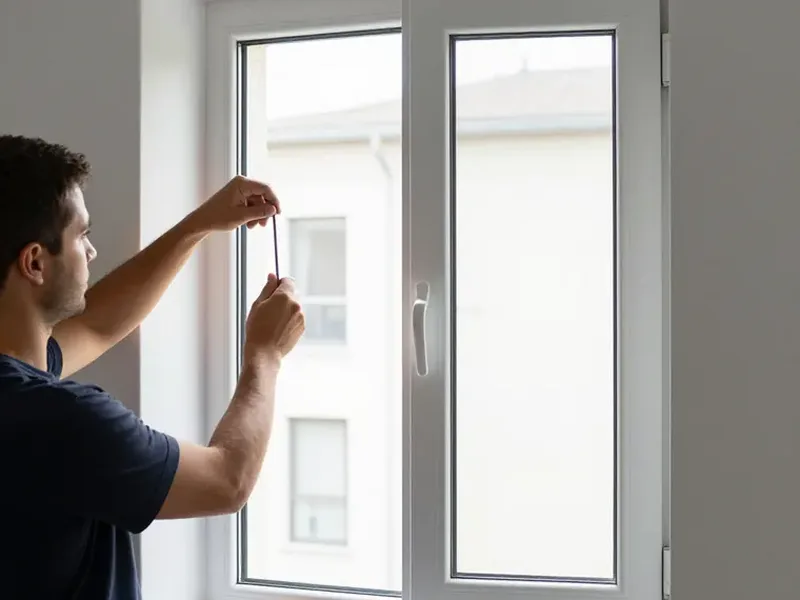 Window repair
