
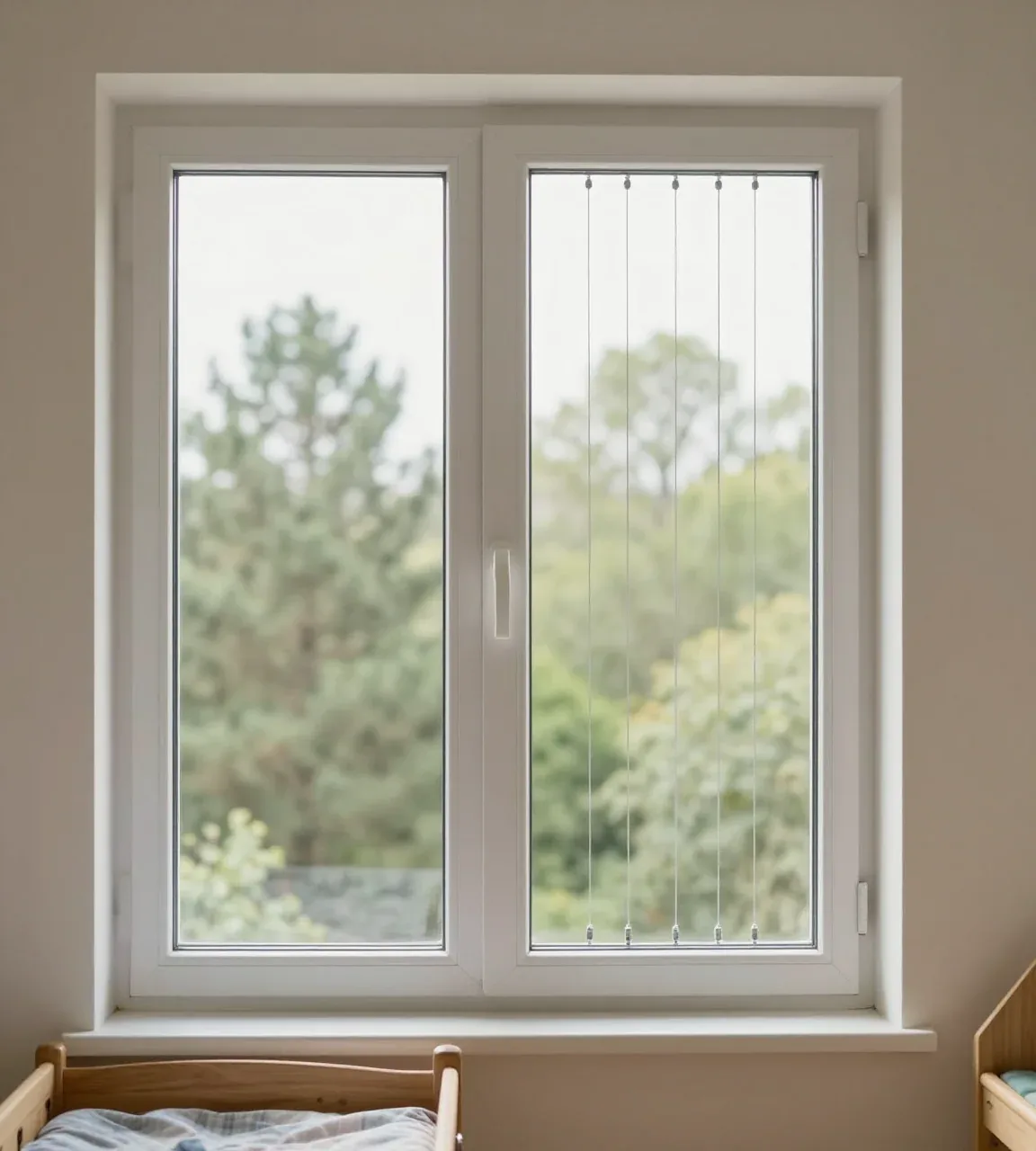
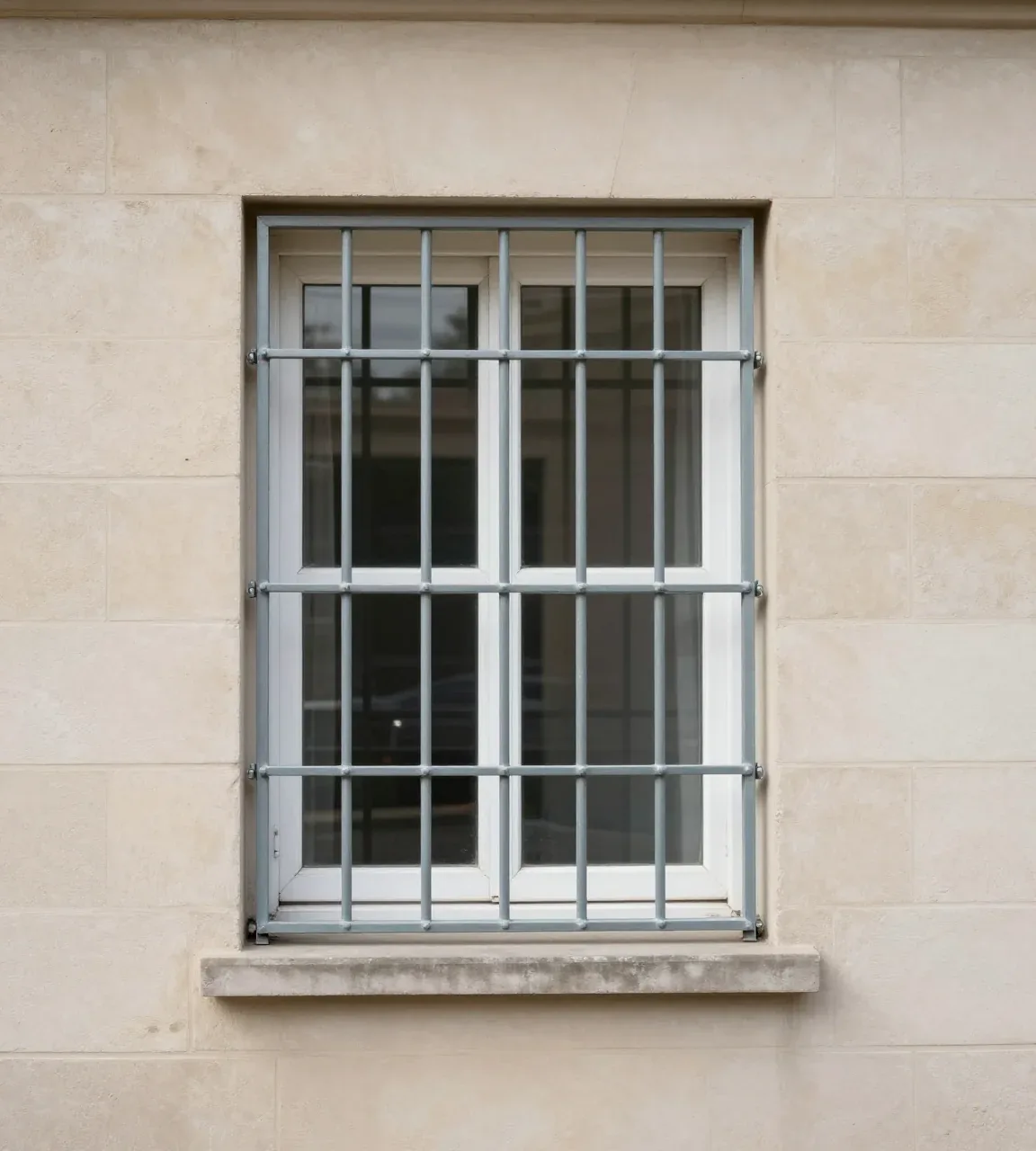
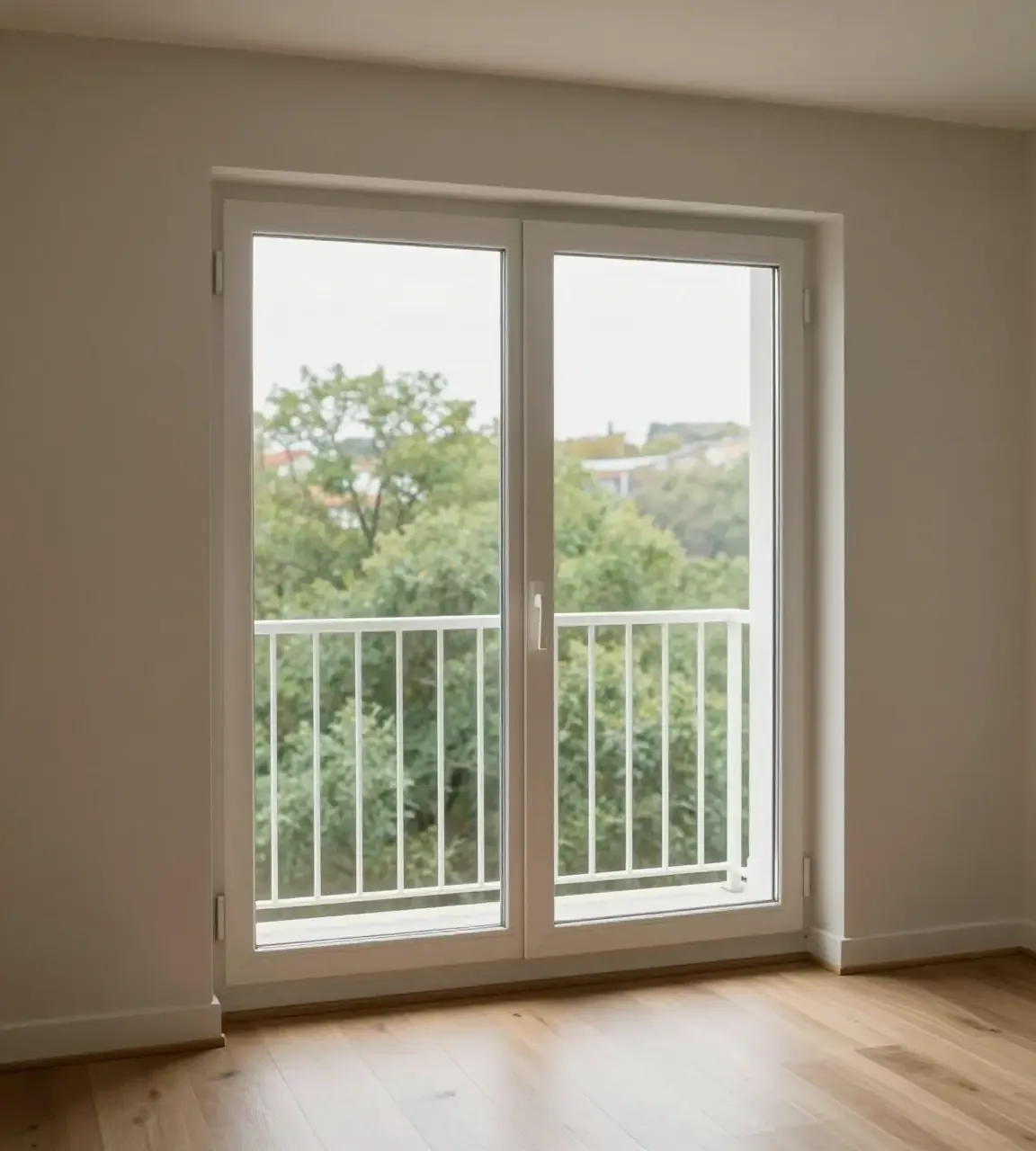
Ground floor · welded
Standard welded
Simple pattern, a mass solution for protecting the opening. Price from 7 500 ₸ per m².
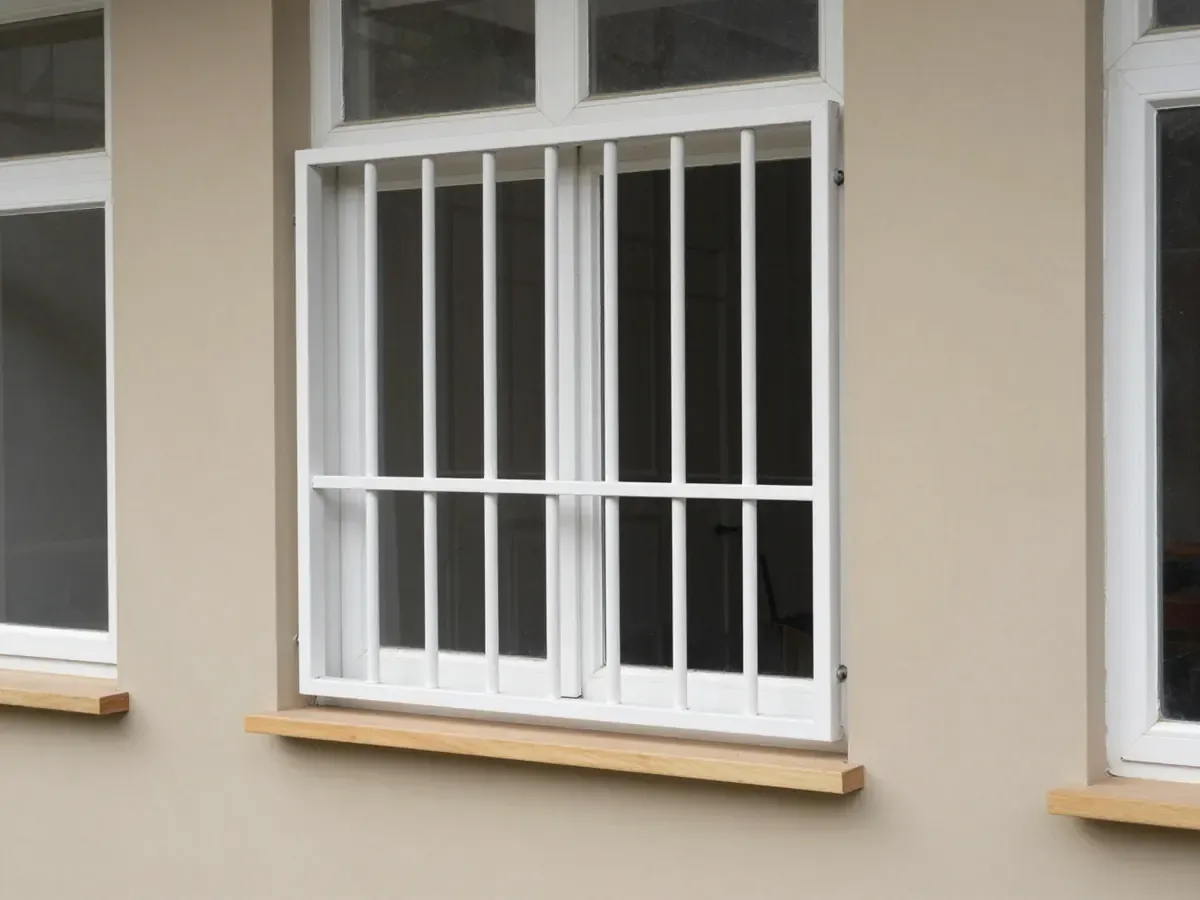
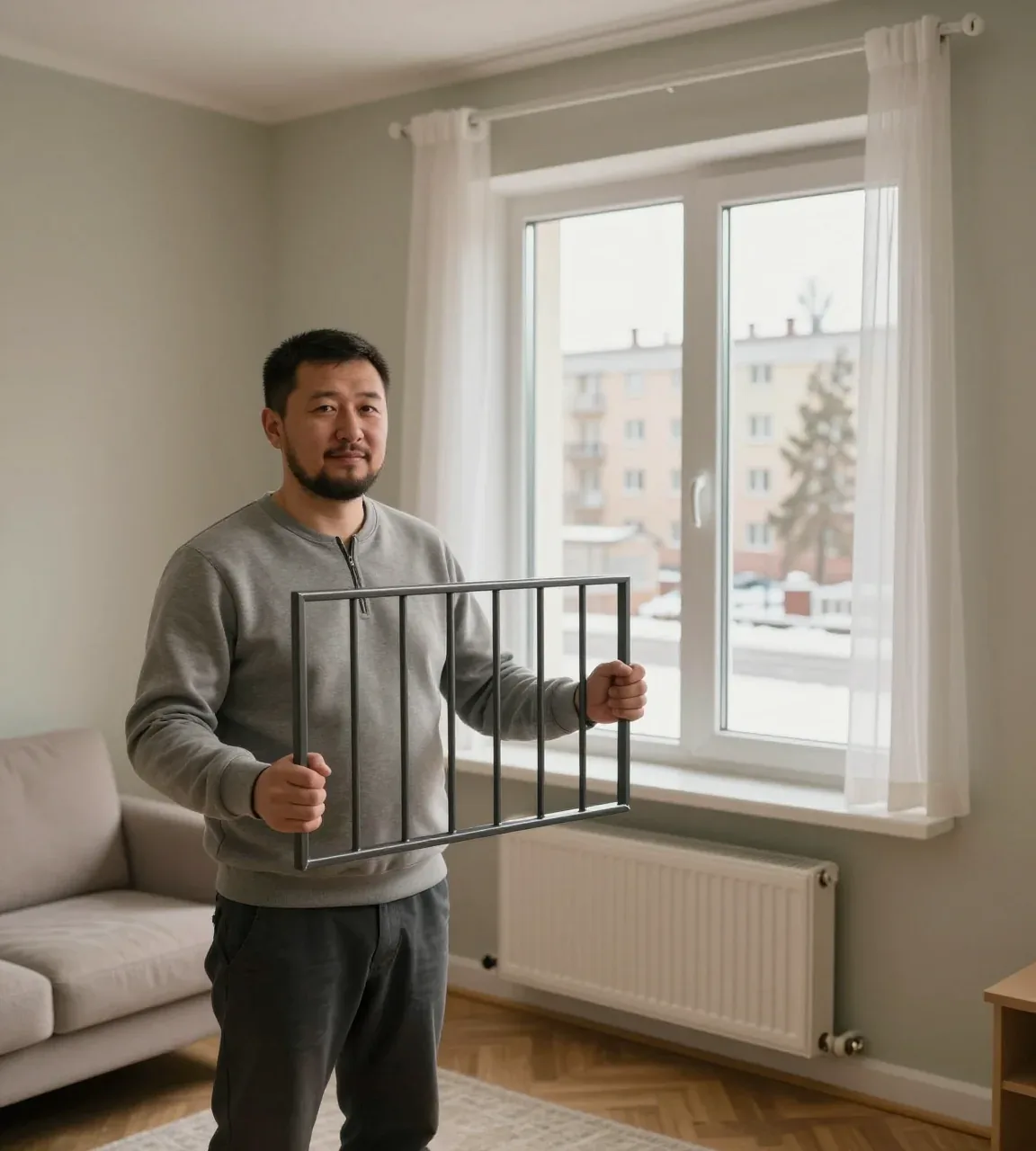
Standard welded
Simple pattern, a mass solution for protecting the opening. Price from 7 500 ₸ per m².
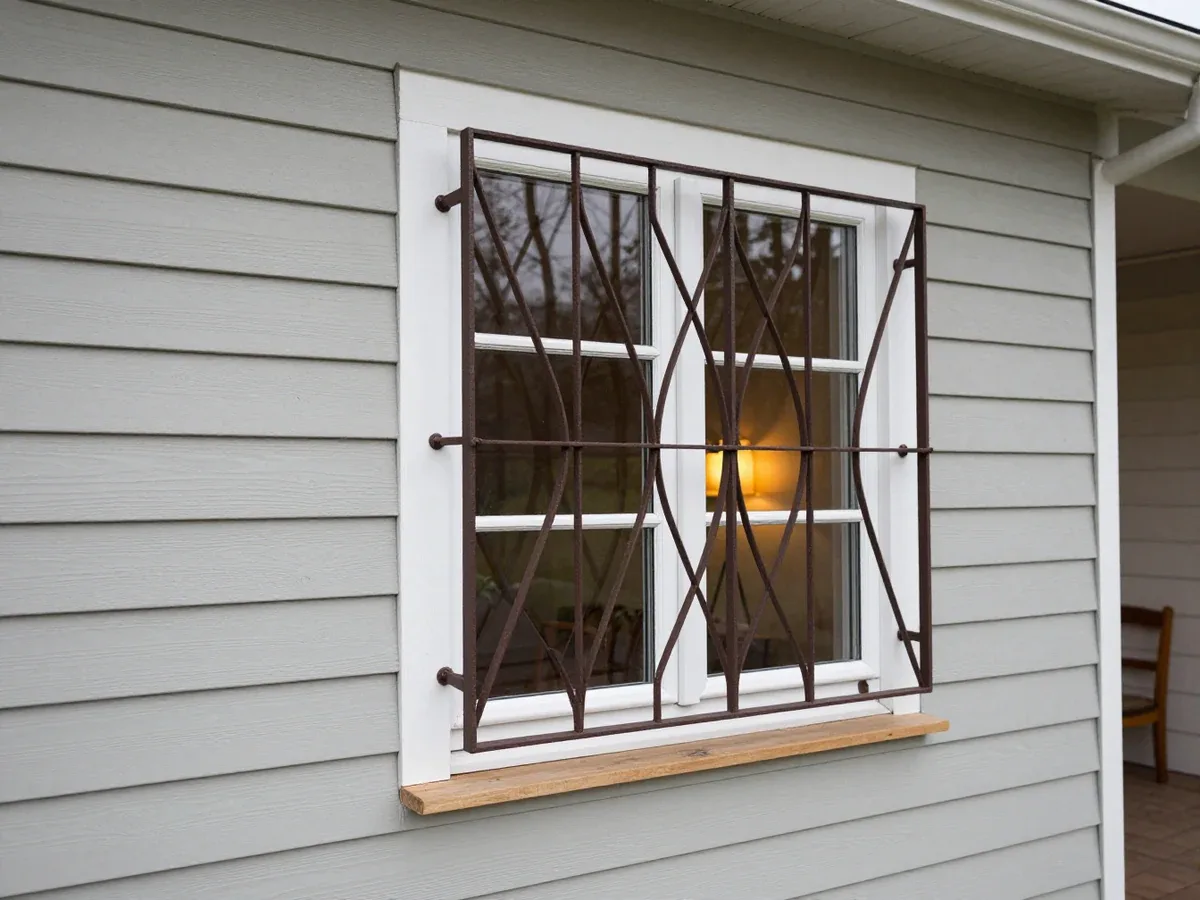
Forged
Forged pattern for the facade and entrance area. Price from 26 000 ₸ per m².
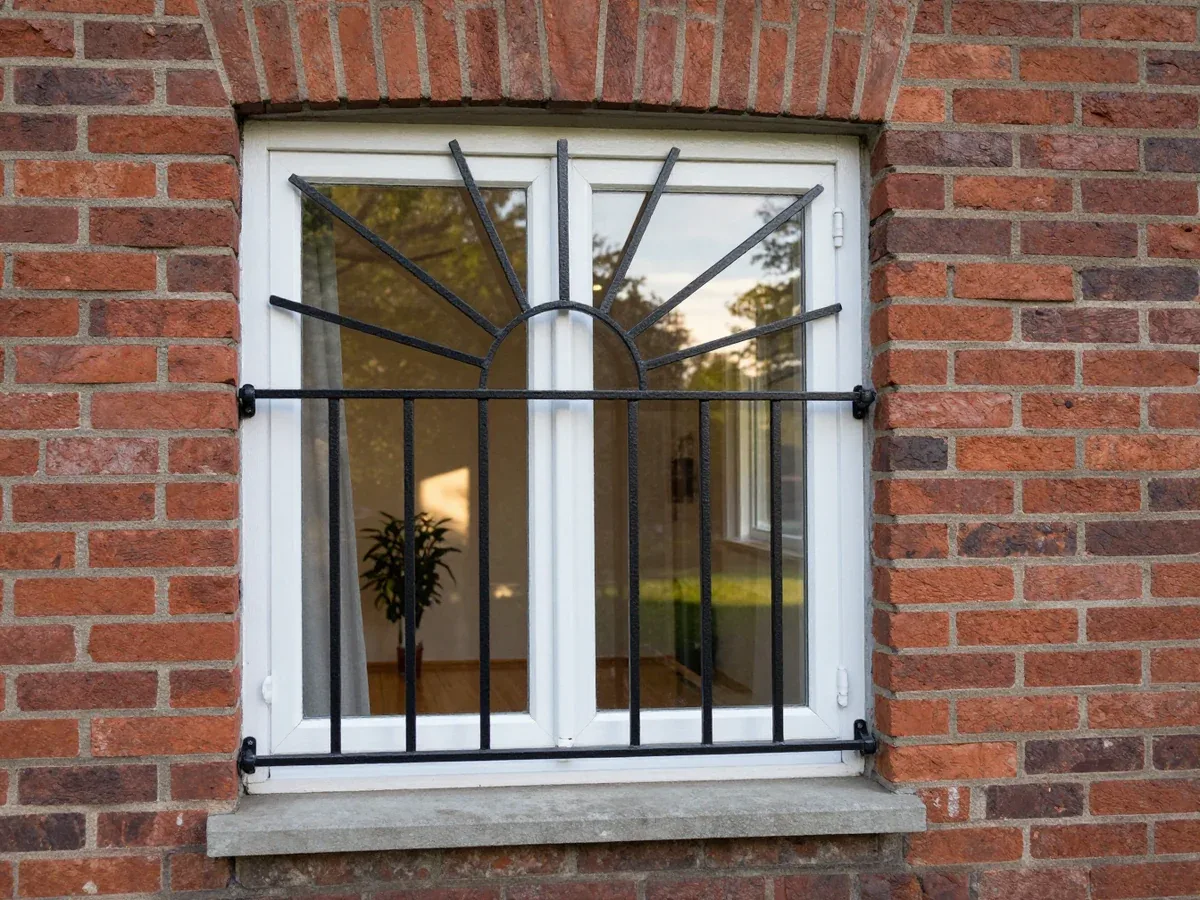
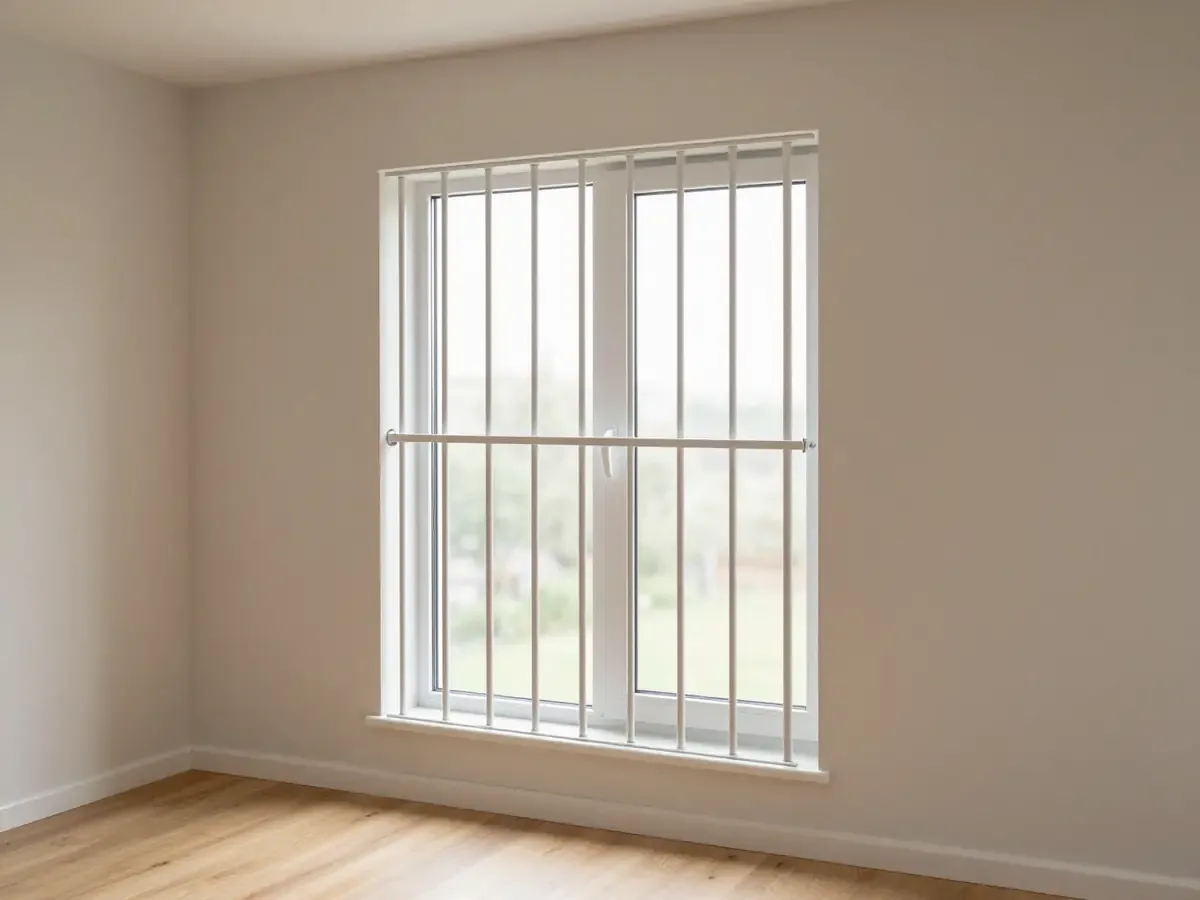
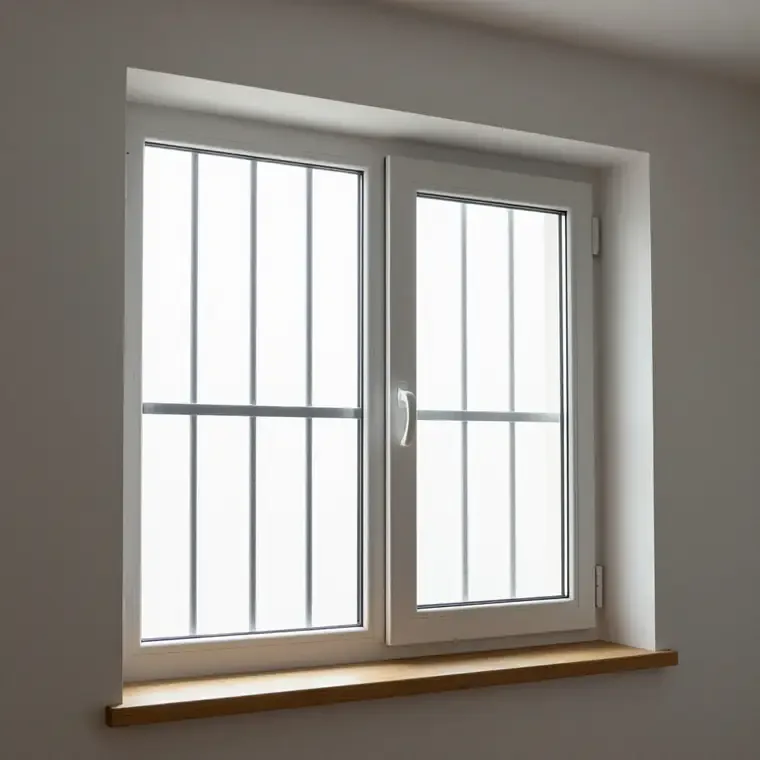
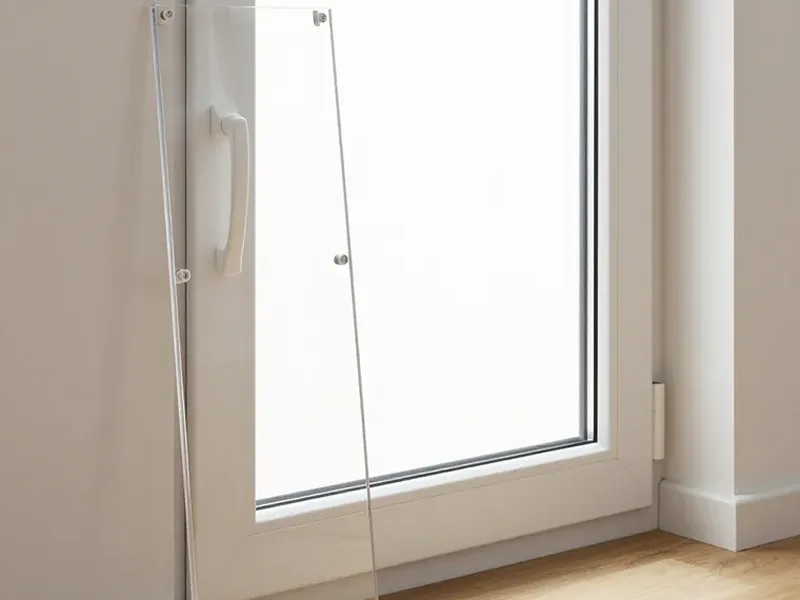
Transparent
Polycarbonate preserves the view and light. Price from 26 000 ₸ per m².
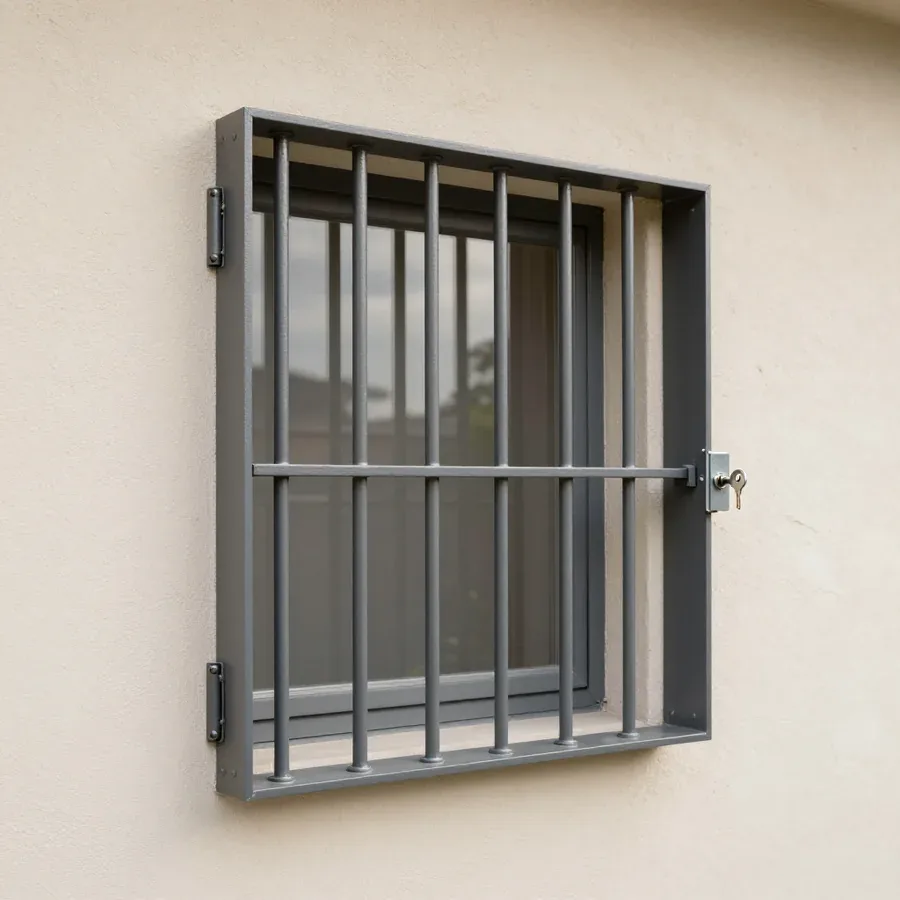
Hinged leaf
Hinged leaf with a lock for window cleaning. Surcharge from 15 000 ₸ per leaf.
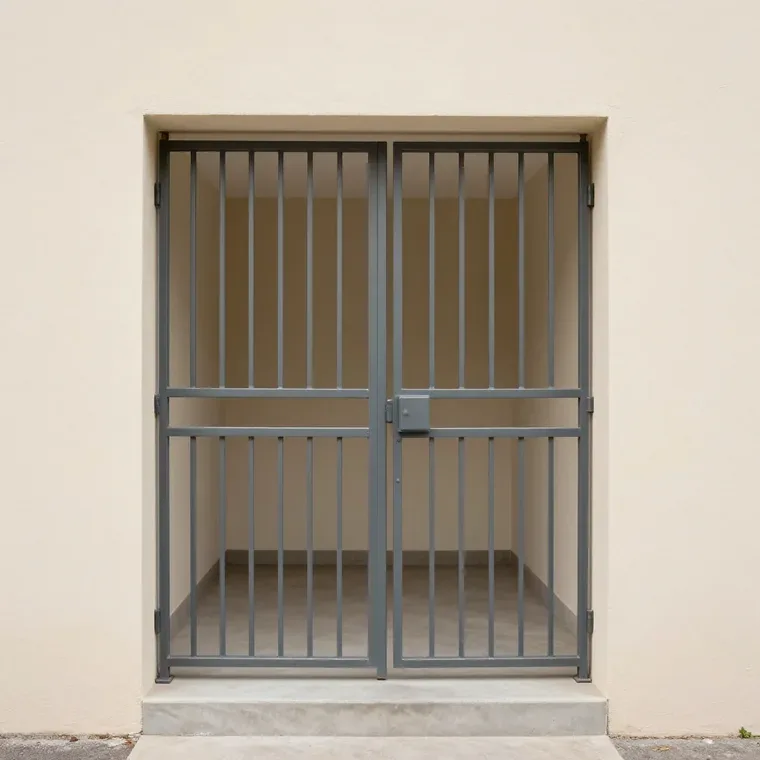
Decorative
Laser-cut pattern to match the look of the house. Price from 25 000 ₸ per m².



5,097 reviews on review sites
Frame, rods, crossbars, fixings and coating — the basis of any window grille.
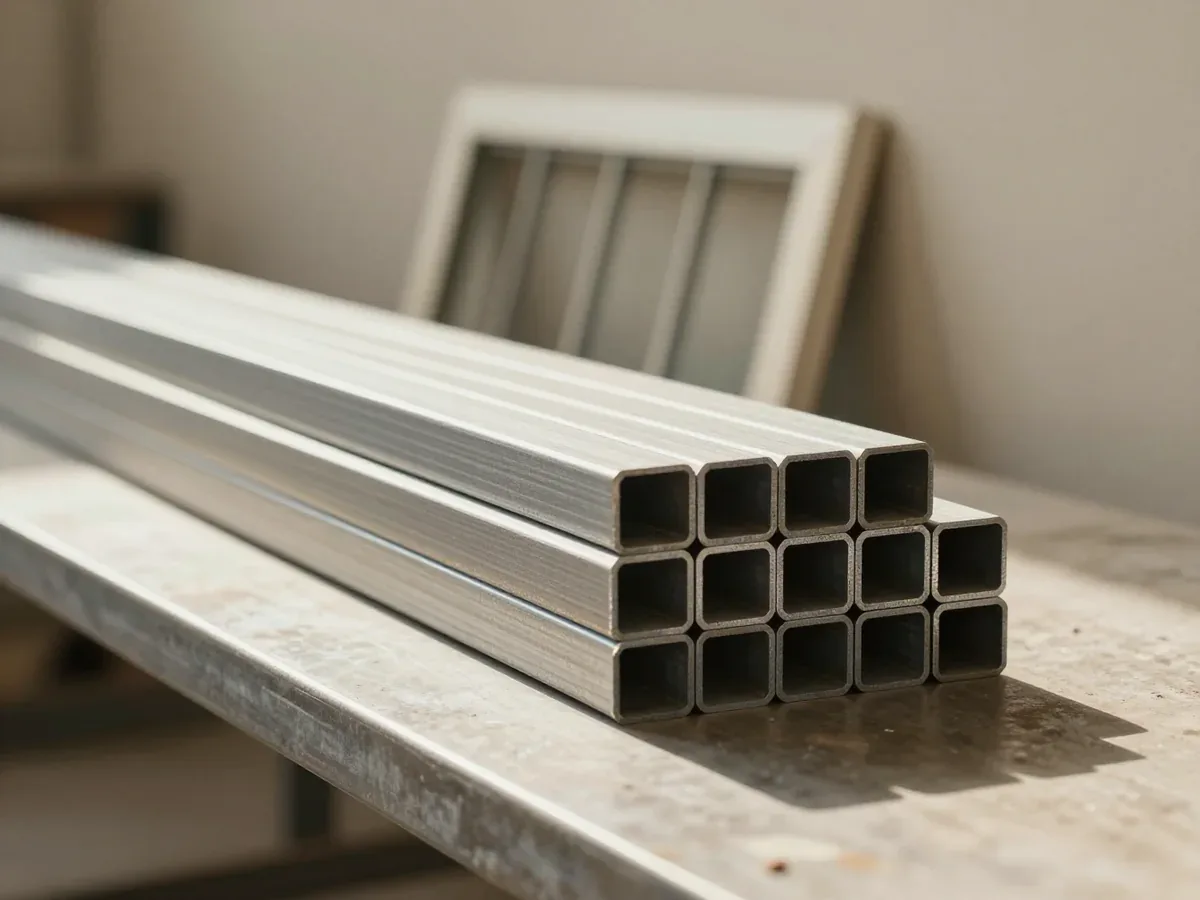
The frame is assembled from steel profile to the size of the opening, with rods and crossbars inside at a spacing that sets the pattern. The finished structure is primed and powder-coated, and the fixings are selected for the window profile and floor.
The design is chosen by task: welded covers the opening with a simple pattern, forged and blown work on the facade, transparent polycarbonate leaves the view open, decorative is based on laser cutting.
price per m² for a standard welded grille
grille installation per m² on a window
aluminium fall-prevention grille per item
The fixing is chosen for the window material, reveal depth and floor: into the wall, into the reveal or into the frame.
Anchors into the opening give a rigid fit on the ground floor and for heavy forged panels.
Fixings into the reveal hide the fixing points and suit deep openings in panel buildings.
Brackets to the profile of a plastic, wooden or aluminium window without drilling the wall.
The hinged part is hung on the side where it does not interfere with opening the frame and does not rest on the windowsill.
Removal and disposal of the old structure — from 4 000 ₸ per item, the new one takes its place.
Prices by type and work: fitting, painting, removal and extras.
| Type of item | Price |
|---|---|
| Standard welded grillesimple pattern, mass solution | from 7 500₸ per m² |
| Forged grilleartistic pattern | from 26 000₸ per m² |
| Blown grilleconvex shape | from 26 500₸ per m² |
| Decorative grillelaser cutting | from 25 000₸ per m² |
| Sliding accordion grillefolding design | from 28 000₸ per m² |
| Hinged leafsurcharge to grille | from 15 000₸ per leaf |
| Transparent grillepolycarbonate | from 26 000₸ per m² |
| Aluminium fall-prevention grillelightweight design | from 12 200₸ per item |
| Grille with mosquito screen | from 19 800₸ per m² |
| Powder coatingcolour to match windows | from 5 500₸ per m² |
| Grille installationfitting to window | from 4 500₸ per m² |
| Removal of old grilleremoval and disposal | from 4 000₸ per item |
| Child safety grillefall protection | from 12 500₸ per item |
price is fixed in the order after measuringmeasuring and consultation are freepayment after installation: cash, card or Kaspi
Book a measuring visitExperience since 2012, own production, painting to match windows and fitting in 17 cities.
we work across Kazakhstan
for work and replaced components
the price is fixed after measuring
measuring and consultation at no cost
we deliver and install on windows and doors
we make, deliver, install and repair
you can order in 17 cities of Kazakhstan
we reply on WhatsApp within 5 minutes
Four steps from request to a finished grille on the window.

Write on WhatsApp or call, we reply within 5 minutes and clarify the task.
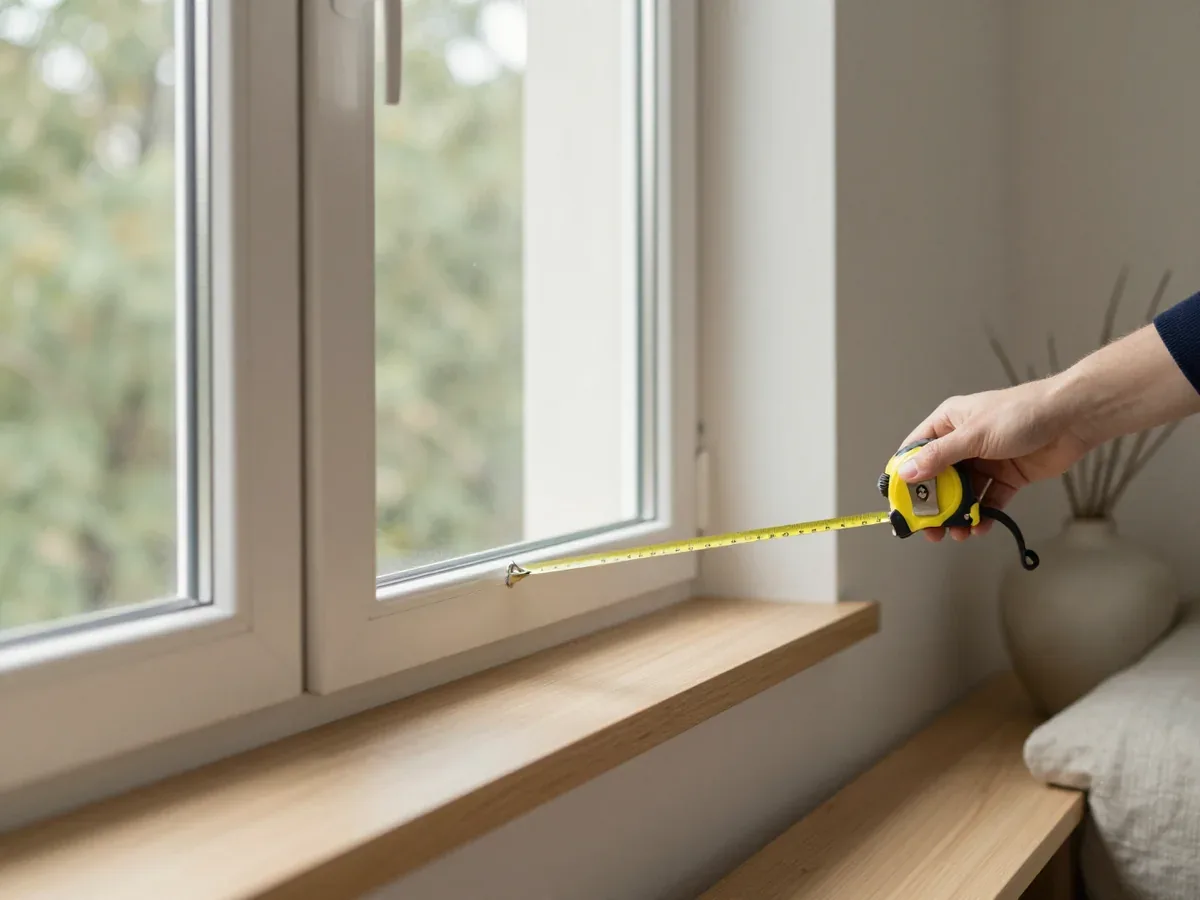
We agree on the day and time of the visit, the technician records the width and height of the opening, the depth of the reveal and the opening side of the leaves in the form.
The unit is made at our own production facility according to the measured sizes and window colour.
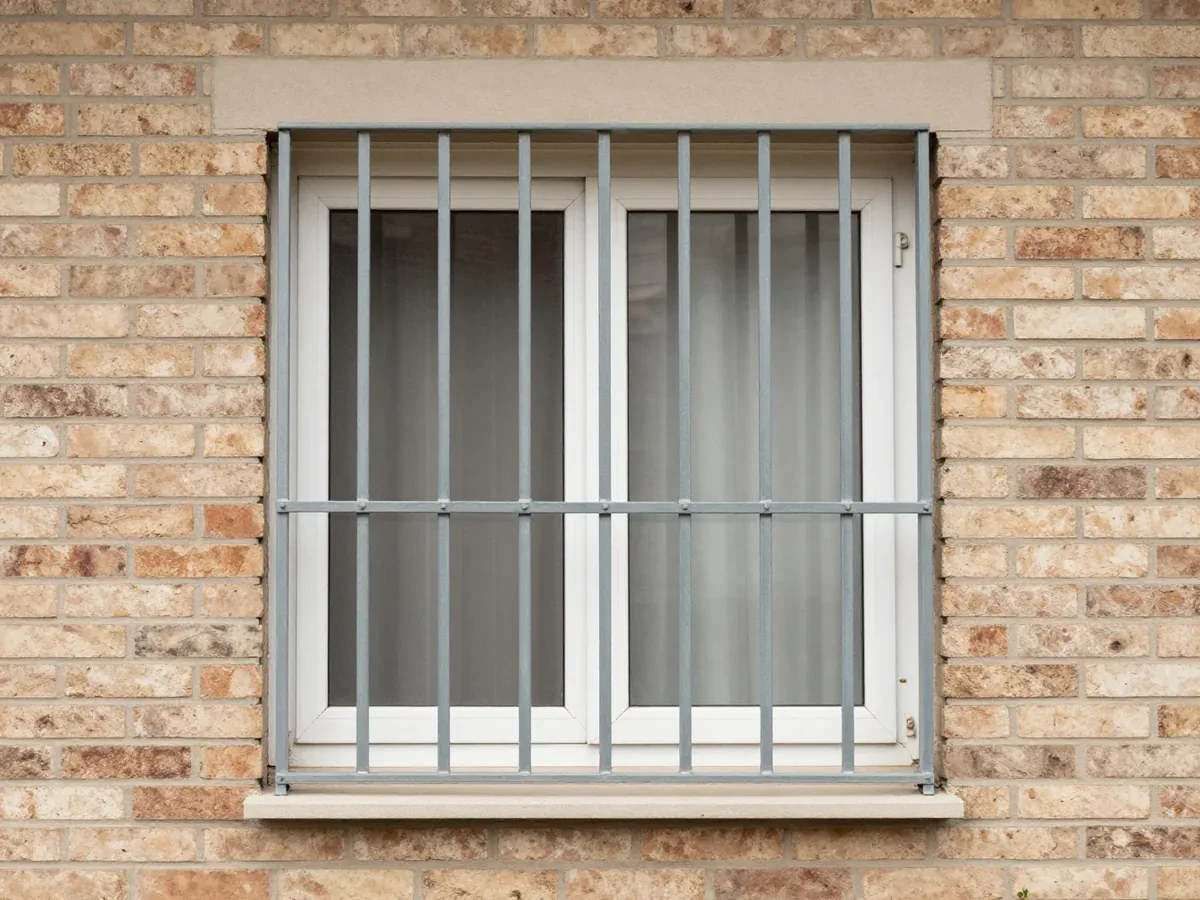
We deliver, install on the window and sign off the work together with you.
Good to know

Senior mosquito screen specialist at moskitnyesetki.kz
We make and install window grilles in Taraz with a free measuring visit, a price fixed in the order after measuring, and payment only after installation by cash, card or Kaspi. Our own fitters fit grilles to plastic, wooden and aluminium windows, paint the frame to match your profile, and cover the work with a warranty.
A protective screen does one of three jobs: keeping a break-in out, a child in, or the view open. Decide your job first; type, bar pitch and fixing follow.
We fit grilles to plastic, wooden and aluminium frames, and the level of the flat decides the fixing and bar pitch more than the material does. A ground-level opening is the one an intruder reaches, so it takes heavier brackets and tighter pitch; a fifth-storey one is chosen for the child at an open pane, not the burglar. A private house mixes both: street-facing ground openings lean towards security, while upstairs bedrooms lean towards child safety and an escape section. Our measurer settles this on site, checking the reveal, level and sash opening. A ground-level opening without proper anchoring is the weak point, so ask what holds it before discussing colour.
We also fit grilles on balcony and loggia units, small vent panes, and the glazing of gazebos and verandas, not only on flat apartment openings. A vent pane takes a small fixed frame with fine pitch, while a loggia unit often runs the full height and needs a hinged section so you can still clean the glass. A gazebo or veranda unit is open to weather and to the garden, so the protective screen there is chosen for rust resistance and for how easily it comes off, not for burglary. For those outdoor frames we paint the barrier to match the window and pick a finish that survives rain.
Welded, forged and clear grilles combine protection and appearance differently. We break down what each gives on a window, so the choice rests on your rooms and street.
| Type | What it protects | How it looks |
|---|---|---|
| Welded metal | Strong barrier against forced entry | Solid bars, blocks much of the view |
| Forged metal | Security with decorative patterns | Ornamental, reads as a facade feature |
| Clear grille | Barrier with the view kept | Near-invisible sheet, flat profile |
A clear grille keeps daylight and the street view almost intact, which is why it is chosen for living rooms and openings people look out of every day. A polycarbonate sheet with a slim surround lets most light through, so a room that was dark behind welded bars reads as an ordinary opening again. Window grilles Taraz homeowners choose keep the outlook open while still closing the opening to entry. The panel sits outside the glass, and its frame stays narrow enough not to cut into the opening. Such a barrier still needs a surround and fixings, so the outlook is kept but the opening stops being fully openable unless it has a hinged section.
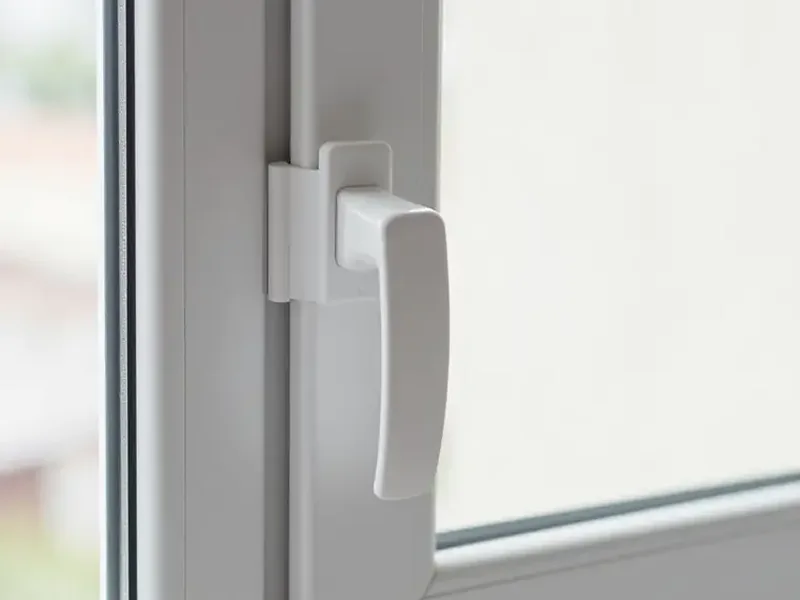
We match the grille and its fixing to the unit it sits on, whether that is plastic, wood or aluminium, so the frame keeps working as it should. On plastic profiles we use Z-brackets or pins that grip the opening without drilling through the sealed chamber, and on aluminium units the same fittings go into the profile wall. A wooden frame moves with the seasons more than a plastic one, so the fixing there has to allow for that movement or the bars will work loose. Fixings are picked on the measuring visit, before the order is placed, and the fitter checks each one against the profile and the floor level.
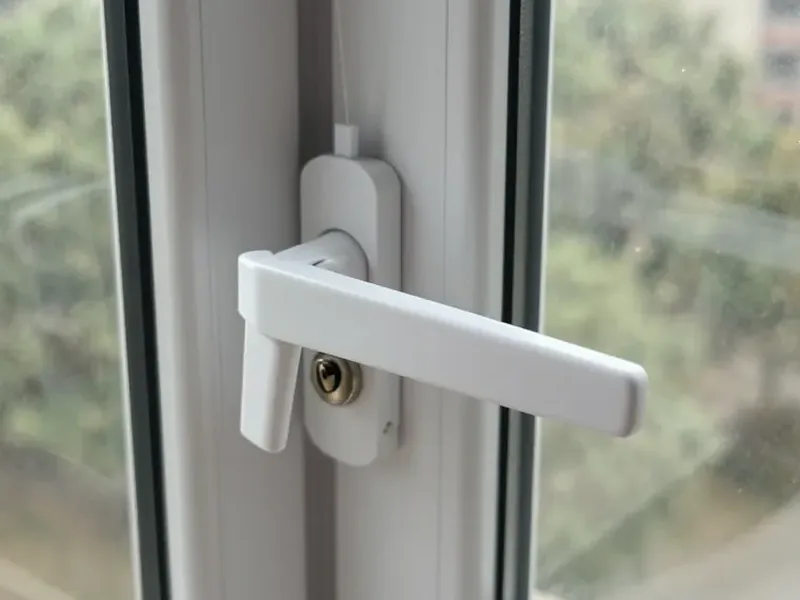
Clear spacing between bars and the type of sash decide whether a barrier holds a toddler back. Match both to the child's age and size, and test at handover.
The clear opening between bars decides whether a small body can pass, so it is chosen for size first and look second. A toddler's head is the widest rigid part and catches first, so the opening must be narrower than that head across the temples. Shoulders matter on an older toddler who tries to turn sideways. On a standard flat unit, keep the clear opening tight enough that a head cannot pass at any height a toddler can reach, and repeat the same spacing on the hinged section so there is no wider slot. A barrier too wide to hold anyone back but narrow enough to look heavy is the worst of both — measure the head and shoulders, not the frame.
When we hand over a child-safe barrier, we check the spacing, fixing and opening of any hinged section with you before we leave. The fitter compares the measured opening from the order against the finished barrier on the frame, then opens and closes the hinged part a few times so you see how it moves. We show you where the release sits and how it works, because a hinged section nobody in the flat can open is a hazard of its own. Test the opening with your own hand at toddler height, not eye level, because bars can flex slightly where they meet the frame.
A hinged section in a window guard gives a way out through the gap in a fire. Here is how it is built and checked at handover.
A hinged escape section is the part of the barrier that swings open on hinges and is held shut by a lock, so the gap behind it can still be used to get out. The panel is cut into the field as one piece, framed to match the rest of the bars and set on two or three hinges along one side. The locking mechanism sits on the opposite edge and turns with a key or a handle. On welded grilles the passage is usually a separate frame bolted into the fixed field; on clear grilles it is a framed panel matching the bar pattern. Hinges and the catch are the weak points, so the section is only as strong as the hardware you choose.
We open and close the escape section with you at handover so you know the catch works and the panel swings freely before we leave. The fitter turns the key or handle through a full cycle, checks that the leaf clears the fixed bars, and shows you which way it opens and where the key lives. If the panel catches on the frame or the mechanism feels tight, it is adjusted on the spot rather than left for later. A catch that is stiff in summer can seize in winter, so open the section once a season rather than only when you first get it.
The fixing is chosen around the profile and the floor it sits on. Here is how a grille goes on without damaging the frame or blocking the sash.
| Fixing | Suits | Removal |
|---|---|---|
| Z-shaped brackets | Most plastic and aluminium frames, ground floor | Unscrews with a screwdriver |
| Pins (plungers) | Frames where drilling is unwanted | Lifts out of the seat |
| Magnets | Light grilles on upper floors | Pulls off by hand |
| Through-frame bolts | Heavy welded grilles, private houses | Tools needed |
A grille can be fixed into the opening around the frame or onto the frame itself, and the choice decides how much of the profile you touch. Fitting into the reveal means the anchors go into the wall or plastered edges, so the profile stays whole and its drainage and seal are never crossed. Fitting onto the frame puts the barrier closer to the glass and looks tighter from the room, but every hole lands in the profile, and on a plastic unit that means working around the reinforcement inside it. The reveal route suits older blocks with wide plastered openings; the frame route suits new builds where the opening is tight and the unit must sit flush.
We fix the grille so the sash still opens, the handle still turns and the unit keeps its warranty, because we do not drill where the frame carries its seal. On a plastic window the load-bearing zone is the steel reinforcement inside the profile, and an anchor that misses it holds only in the thin outer wall. We mark the fixing points against the sash swing first, so the barrier never fouls the handle or the opening arc. The 5-year warranty on window installation stays valid as long as the frame is not drilled through its seal or drainage channel. A grille fixed through the drainage channel or the seal is the usual reason a window starts to leak.
A metal barrier and a mosquito mesh share one opening without fighting each other when fitting order and fixing are planned first, so check this before the fitter arrives.
We fit the metal barrier and mosquito screen on the same opening so the mesh sits inside the protective line and both can be reached and removed on their own. The metal part goes on first, fixed to the reveal or frame with Z-brackets, pins or magnets chosen for your profile and floor. The framed mesh then mounts on its own guides inside that line, so nothing has to come down to reach the fabric. Because we make the housing to your size, the two never share a fixing point and neither blocks the other. If the mesh goes on last and tight to the bars, you cannot lift it out for cleaning without tools, so leave a finger gap at the edge.
A framed screen comes off from inside in a minute even with the metal barrier fitted, and we show you how at handover so nothing has to come down for it. The unit releases from its guides with a short pull, clears the bars and lifts away whole, with no tools and no need to touch the brackets. We fit these across the city and in 17 cities of Kazakhstan, and the same release works on plastic, wooden and aluminium windows, on vent panes and on loggia windows. Removing the mesh for winter also protects the fabric from ice and from the weight of snow pressed against the metal.
A free visit, a figure locked into the paperwork, fitting and payment at the end form one clear sequence. Below is what each stage gives you and what our guarantee covers.
The visit is free, the specialist comes at a time that suits you, takes the sizes and helps choose the design, the mesh and the fixings. On site he checks the profile, the reveal depth and the floor, then writes the measurements into the paperwork so the grille is made to the actual opening rather than to a rough estimate. That same appointment settles the mesh and the mounting hardware, whether Z-brackets, pins or magnets, because the choice depends on the frame and the height above ground. The person who measures decides the fixing, so the more you tell them about the floor and the child, the better the panel fits.
The figure is fixed in the paperwork once sizes are taken, and you pay after installation by cash, card or Kaspi, so nothing is paid before the grille is on the wall. Between the visit and fitting the amount does not move: what was written down is what you settle once the work is finished. For a door section or an opening that needs an escape panel, the specialist notes it in the same document, so the extra frame is priced at that stage. An amount locked in early protects you from a quote that grows once the metal is made, a common complaint about private welders.
A grille is a small purchase that must fit your window, floor and reason for ordering. Here is the short version of what to settle before ordering.
Strength, installation, appearance, corrosion protection
Konstantin Selenenkovsenior mosquito screen specialist, 10 years in the tradeOnline · replies within 5 minutes
Ask a questionFor windows where a child may climb on the grille, choose a welded structure made of thick rod or a forged one — they are stiffer and deform less. Thin decorative grilles are not designed for such loads, so when ordering, tell the manager that strength matters.
Yes, if the grille is fixed not to the profile but to the wall or reveals — then the window warranty remains valid. Fixing into the frame is used only in extreme cases, and it is better to agree this with the window company.
Transparent grilles made of thin rod or with a polymer coating matching the window color block the view the least. You can also choose a decorative forged one with a simple pattern — it looks lighter than a standard welded grille.
A transparent grille is made of thin metal and is almost invisible, but it is weaker against burglary than a welded grille made of thick rod. For real protection against break-ins, choose welded or forged structures with reliable fixing into the wall.
In Taraz conditions with sharp temperature changes, steel with powder coating or galvanizing performs best. Such a coating protects against moisture and corrosion, but once a year the grille should be inspected and chips touched up.
If the grille is removable, it is taken off its fixings from inside the room, and after washing it is put back in place. A fixed structure cannot be removed, so for windows that are often washed outside, choose a hinged or removable model in advance.
Thank you. We will call you back within 10 minutes!
Your order number is on the receipt or in the SMS. Choose where to leave your review.
Write a review on WhatsApp Window restrictors
 Metal grilles
 Transparent grilles
 Window blockers
 Child safety
