
High floor · child
Opening stop
The sash opens to a narrow gap, the button returns full travel. Installation — from 2 150 ₸ per item.


Opening stop
The sash opens to a narrow gap, the button returns full travel. Installation — from 2 150 ₸ per item.
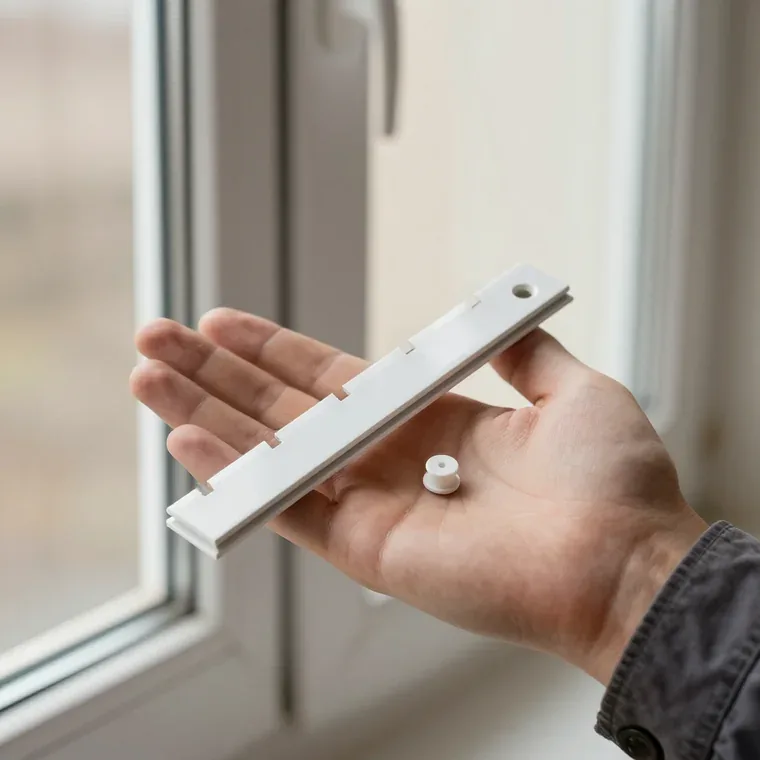
Comb
A metal bar holds the sash at the chosen notch, the wind won't swing it open. With installation — from 1 050 ₸ per item.
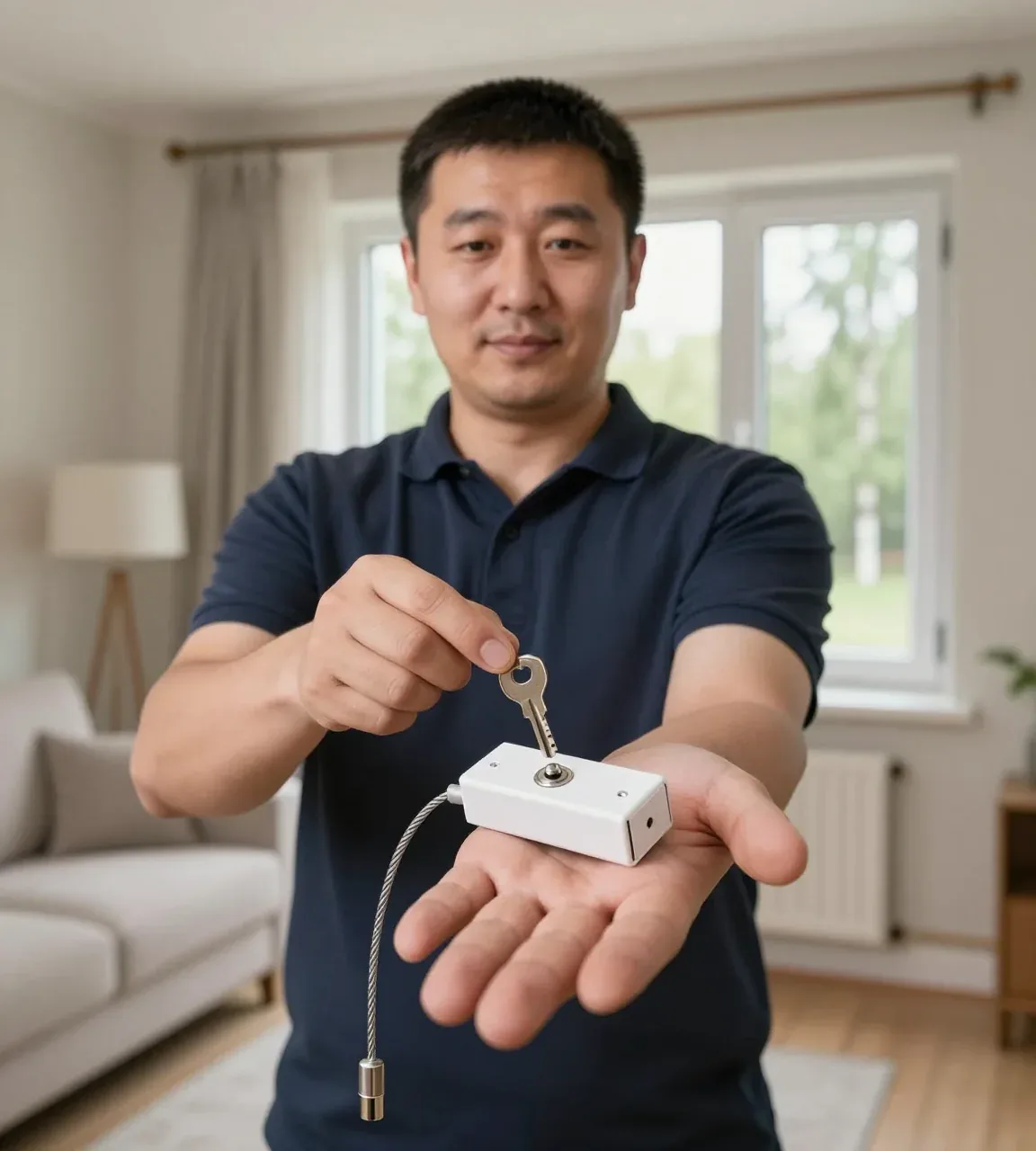
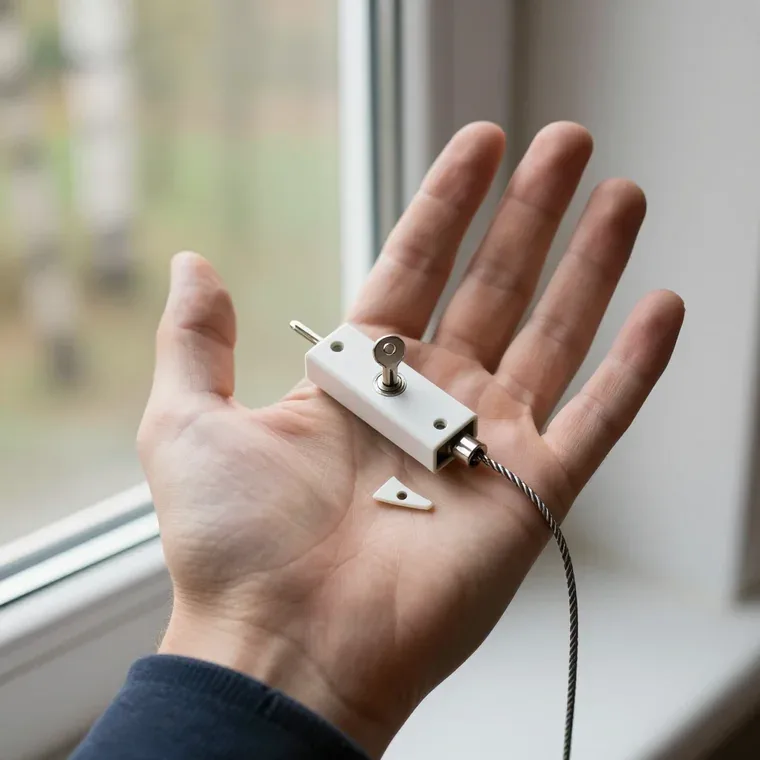
Cable with lock
Without a key it won't open wider than the gap, the cable has a strong sheath. From 2 500 ₸ per item.
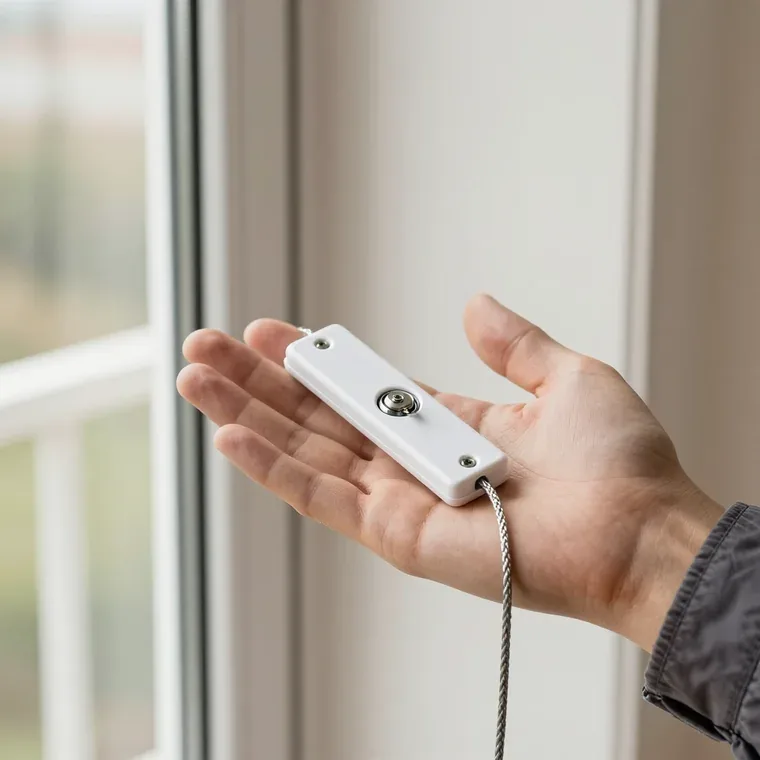
Fixer
The sash stays in the desired position and doesn't slam, even when the door is open. From 1 200 ₸ per item.
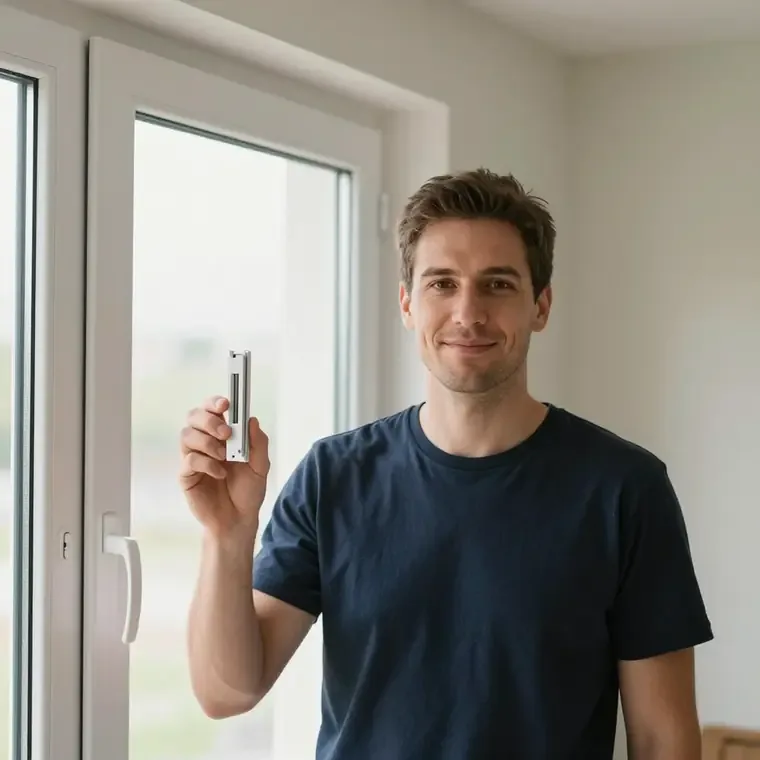
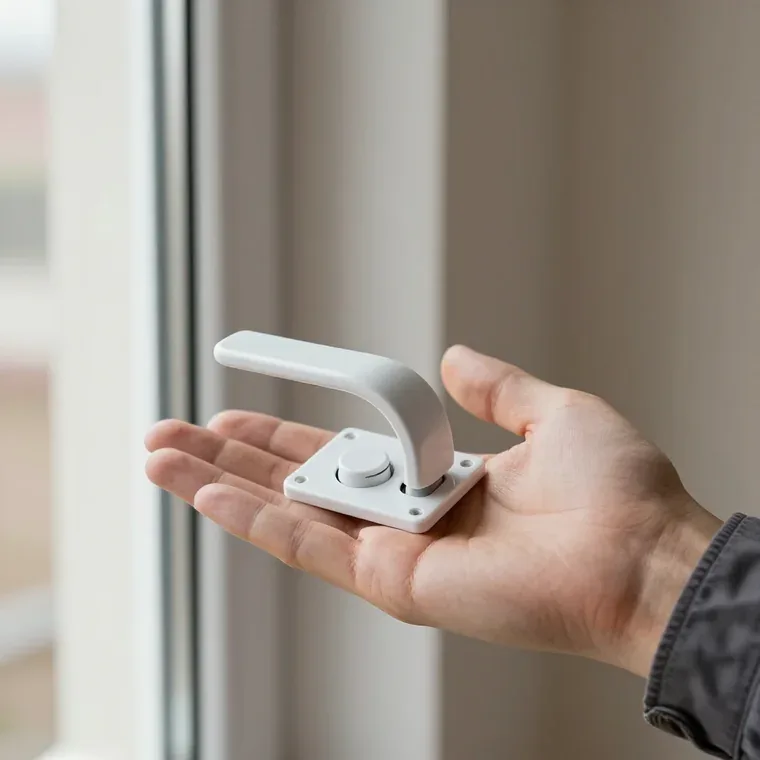
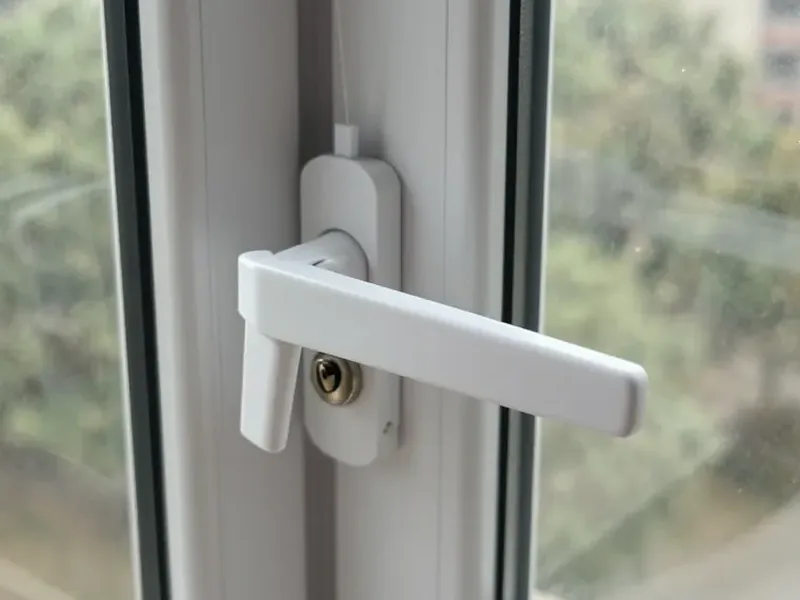
Child lock
A surface-mounted lock with a flag that a child can't turn. Price — from 3 250 ₸ per item.



5,097 reviews on review sites
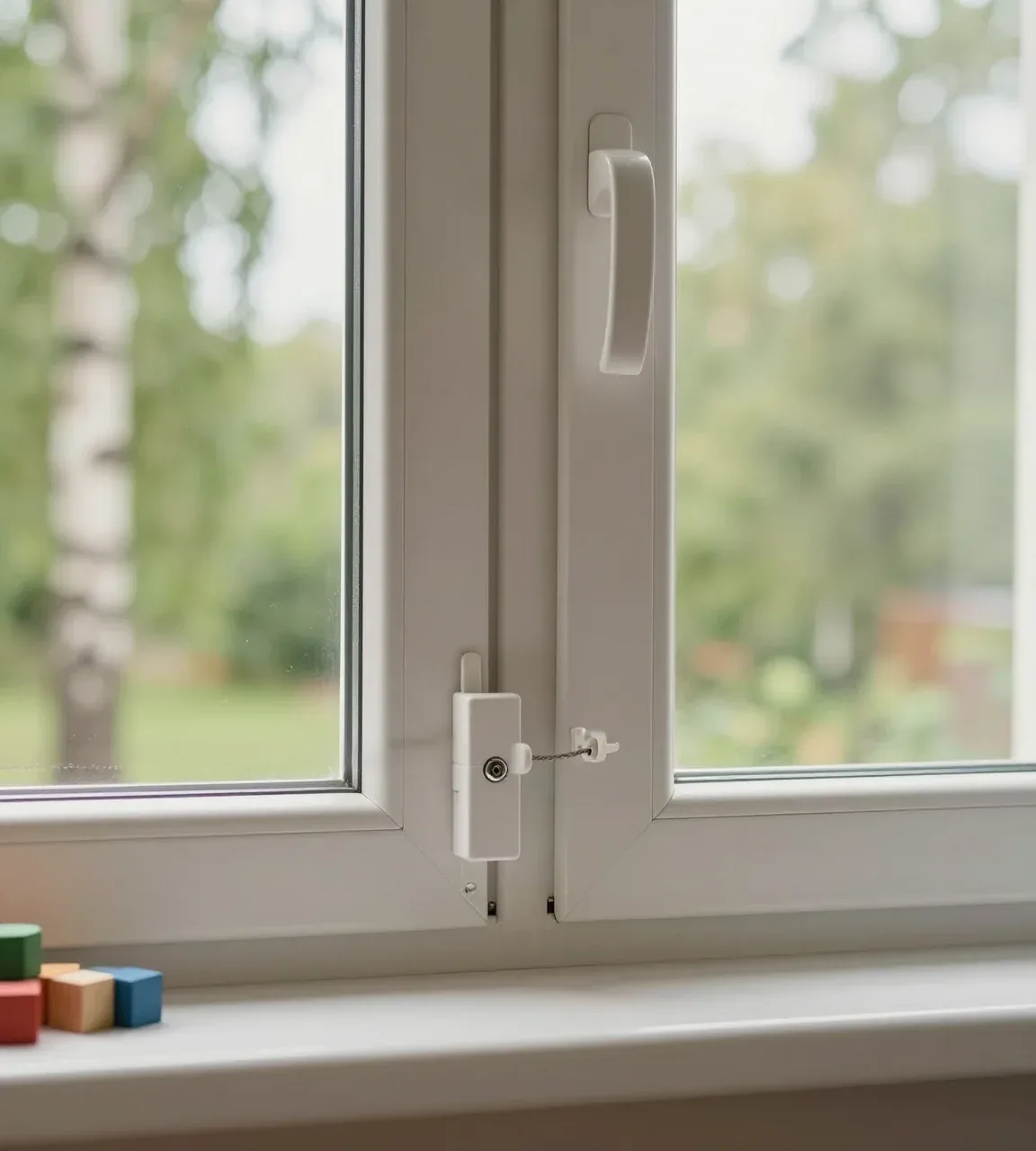
A stop, cable or comb between the frame and sash sets the opening limit
The limiter consists of two parts: one is attached to the frame, the other to the sash. When the window is opened, the sash reaches the stop and stays at a gap through which air passes.
In Kostanay with its winds, this is also protection against slamming: the sash isn't torn by a gust or hit against the reveal. Only an adult can release the limiter by pressing a button or opening it with a key.
price of comb including work
measuring and consultation
we accept requests without days off
Four cases for which protection is most often installed
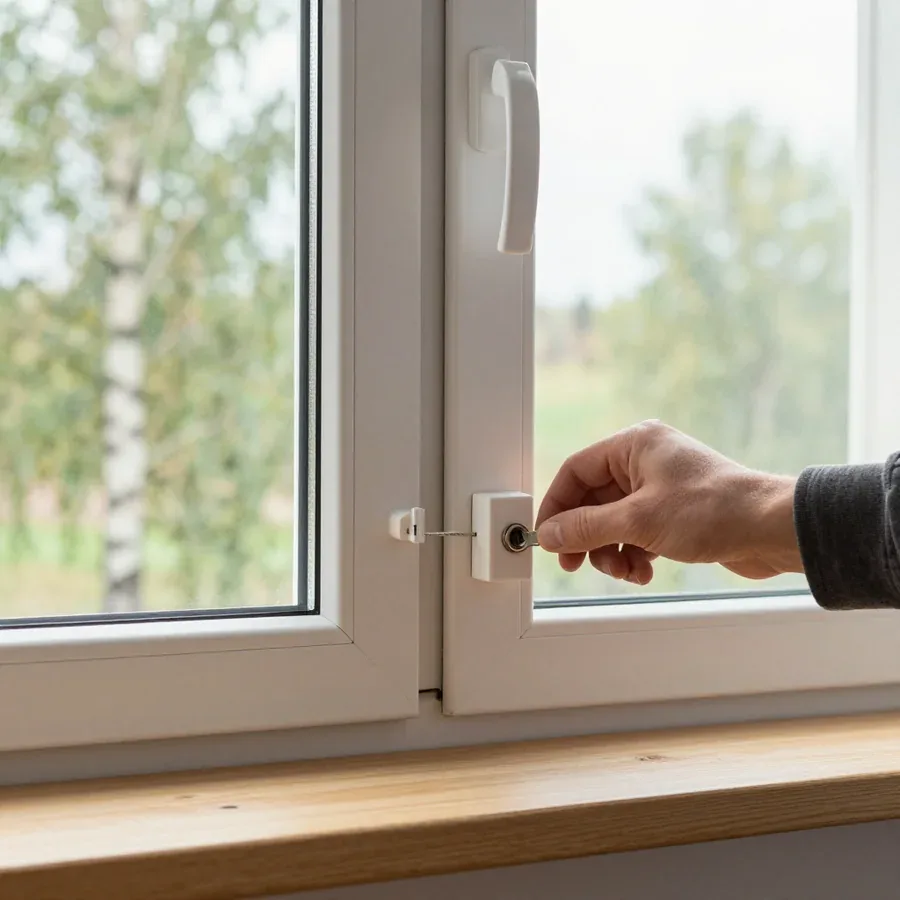
Children quickly learn how to turn the handle. The stop won't let the window open wider than the gap.
You want to keep the window open, but the wind swings it open. The comb holds the sash firmly.
A pet can slip off the windowsill. It won't squeeze through the narrow gap.
In an office or apartment with a nanny, a cable with a lock is convenient: only someone with the key can open the window.
Prices per sash; the total for your apartment or office will be confirmed after measuring
| Type of item | Price |
|---|---|
| Comb limiter with installationholds the sash in the wind | from 1 050₸ per item |
| Installation of opening limiterfitting and check | from 2 150₸ per item |
| Cable limiter with locksheathed cable, key | from 2 500₸ per item |
| Opening limiter (product)without installation | from 2 000₸ per item |
| Replacement of limiterremoval and installation of new one | from 1 200₸ per item |
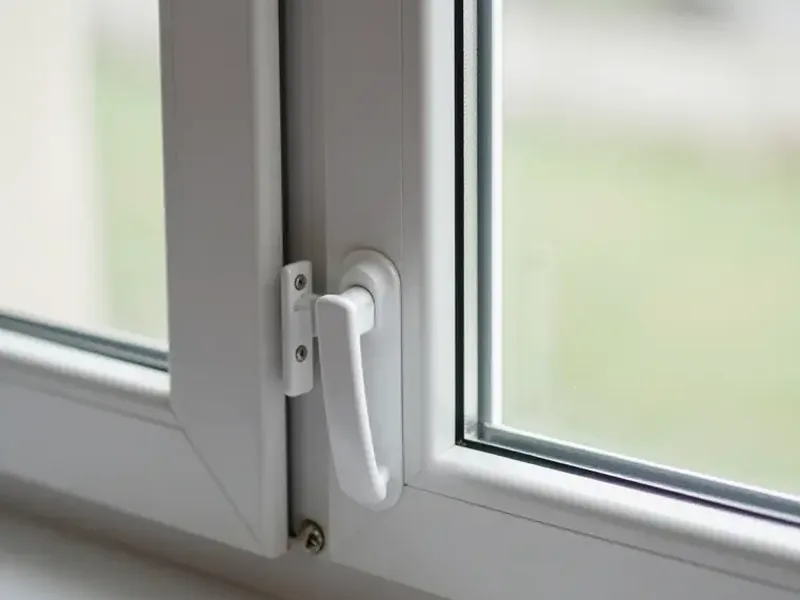
| Penkid lock with cablebutton and cable | from 2 150₸ per item |
| Blocker for sliding windowsfor sliding sashes | from 4 000₸ per item |
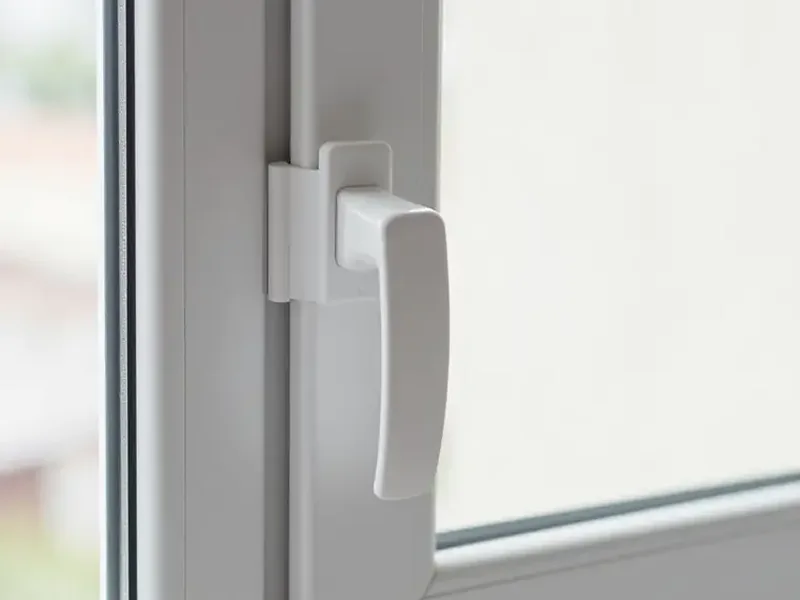
| Sash blockerprevents slamming in a draught | from 1 200₸ per item |
| Child window lock (surface-mounted, flag)flag lock | from 3 250₸ per item |
| Installation of blocker or child locktechnician's work | from 2 750₸ per item |
| Window handle with keylocks with a key | from 3 650₸ per item |
The amount is fixed in the order after measuringMeasuring and consultation are freePayment after installation: cash, card, Kaspi
Book a measuring visitA few facts about our work
we work across Kazakhstan
on WhatsApp, no queues
the measurer will help choose a model on site
fixed after measuring
installation and your check
from 09:00 to 19:00
plastic, wood and aluminium
cities of Kazakhstan
Simple and in one visit
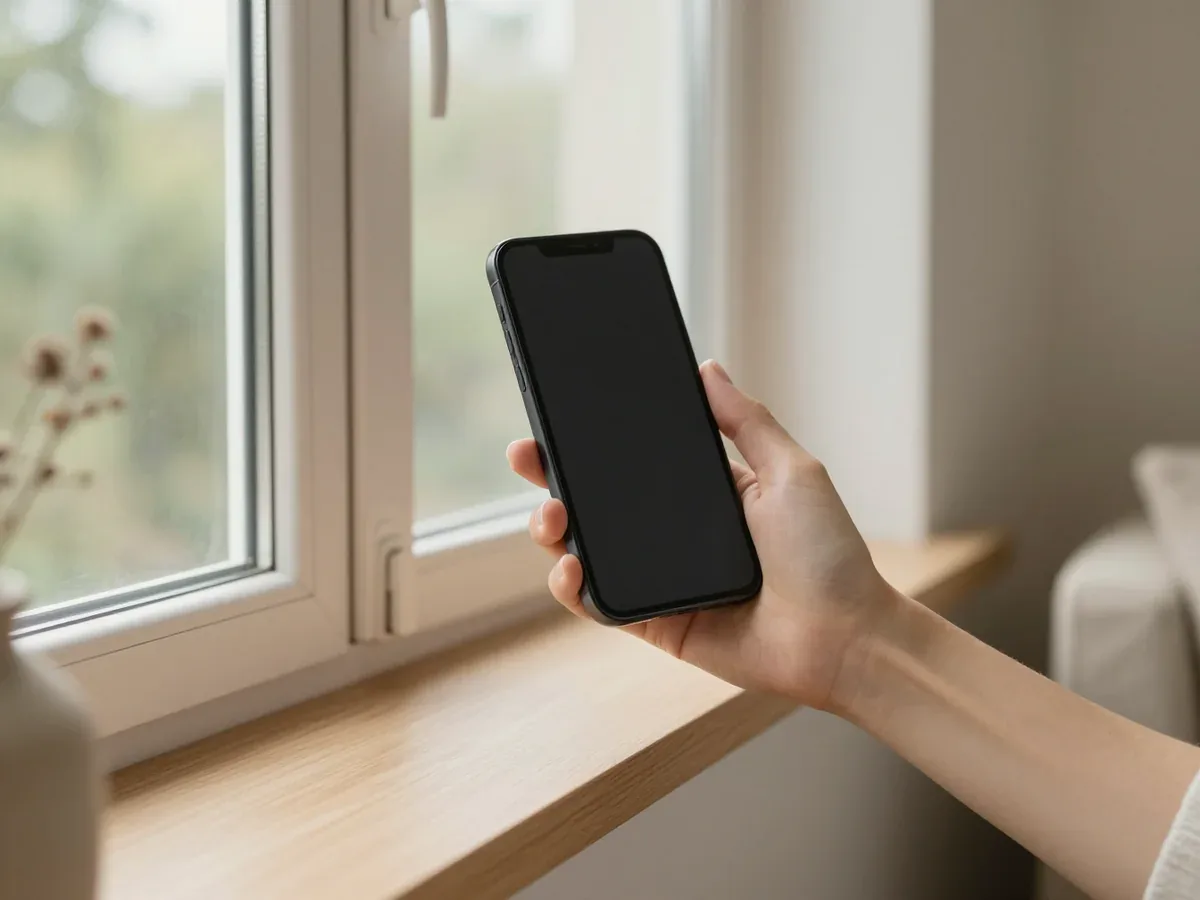
Tell us on WhatsApp how many windows you have and what you need protection from. We'll reply quickly and agree on a time.
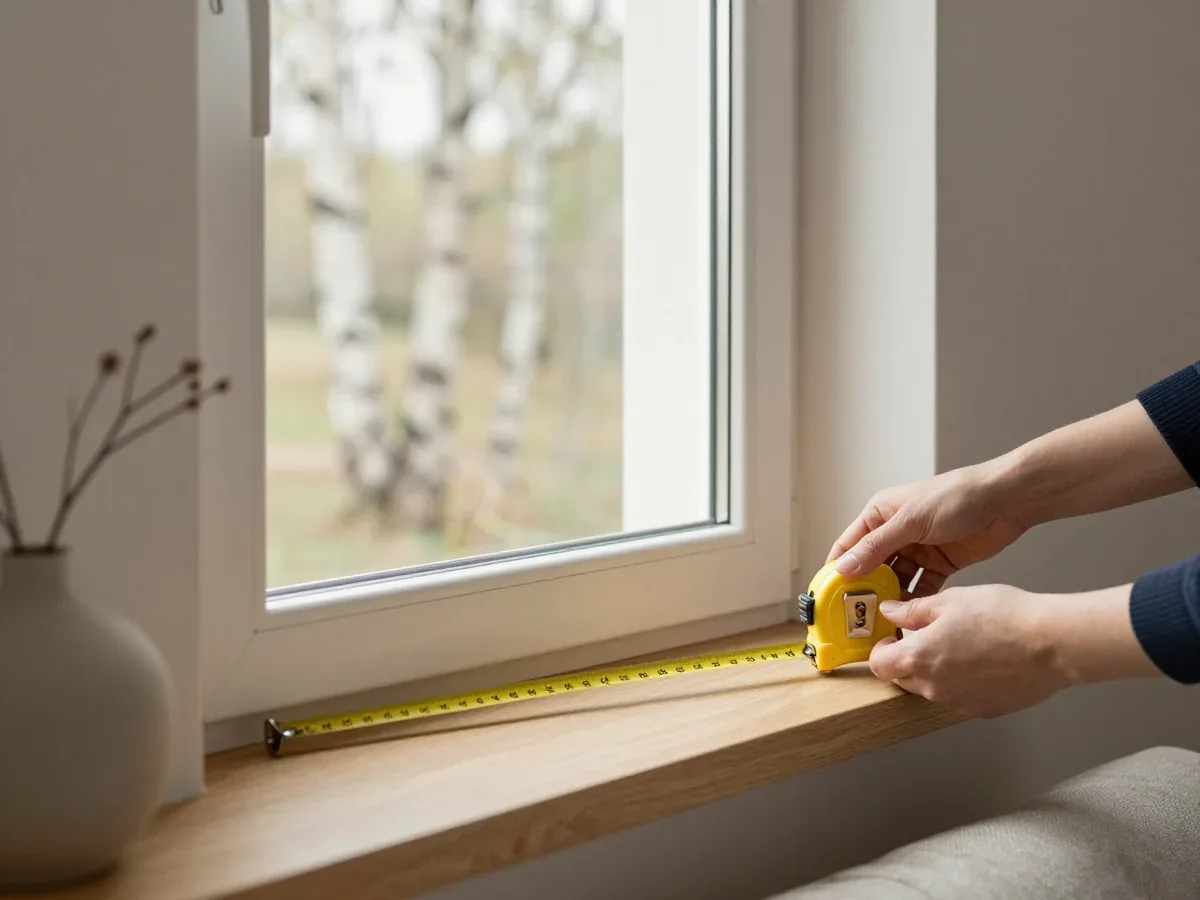
The measurer inspects the windows, suggests a model for each sash and gives a price that will go into the order.
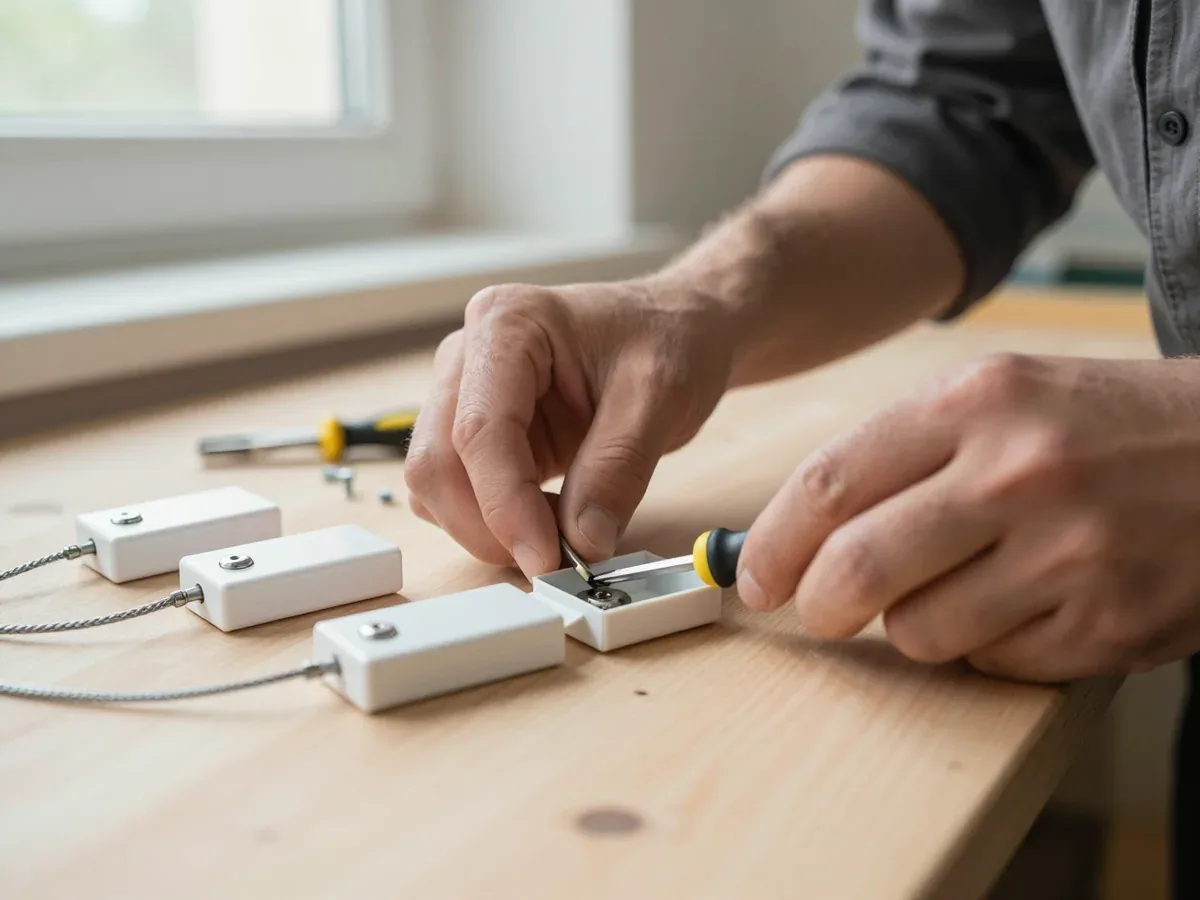
We install restrictors and fixings, check that the sashes close tightly and there are no draughts.
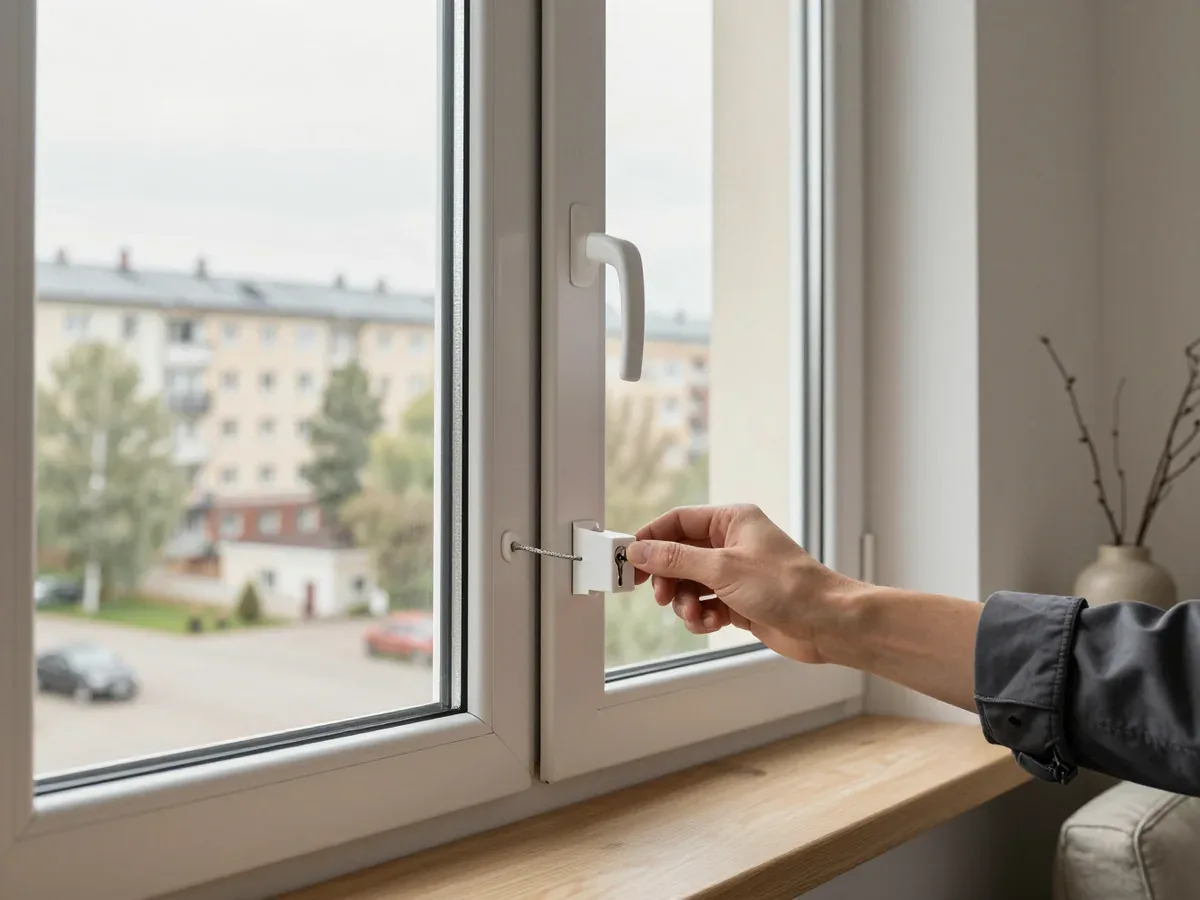
We show you how to remove the protection and hand over the keys. Payment after you have checked everything.
Good to know

Senior mosquito screen specialist at moskitnyesetki.kz
We supply and fit window restrictors in Kostanay on plastic, wooden and aluminium windows, balcony doors and sliding sashes. Our own fitters measure for free, choose the fixing for your profile and floor, and install on site. You pay after installation by cash, card or Kaspi, and the price is fixed in the order once measuring is done.
A sash can be limited in several ways — a restrictor, a keyed latch, a lock or a grille — and each solves its own problem. The choice depends on the risk you cover and the type of leaf you have.
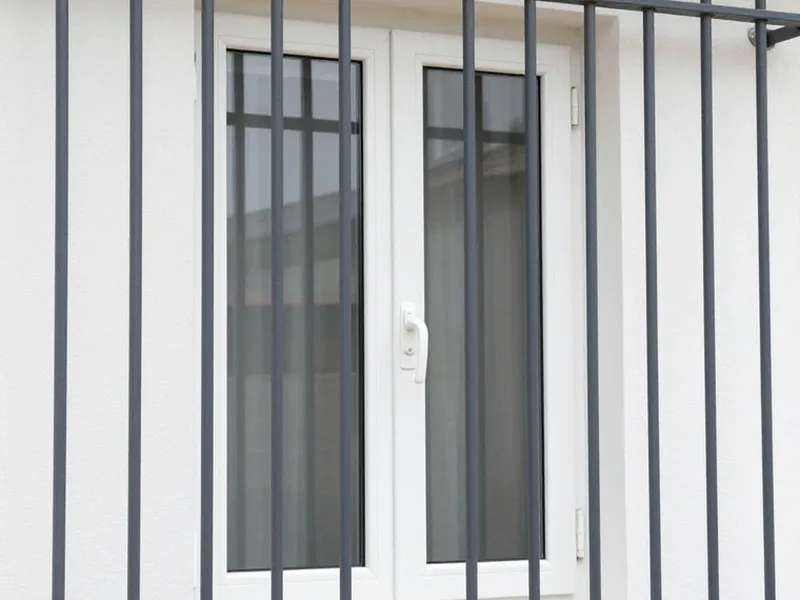
A restrictor lets the leaf open to a fixed angle for ventilation, a key lock shuts it completely, and a grille covers the opening from the outside to stop a fall. The first is the lightest option and keeps fresh air moving through the room. A keyed latch holds the sash closed until an adult turns the key, which suits openings a child can already reach. A metal barrier on the outer wall is the heaviest solution, usually chosen for ground-floor and courtyard-facing openings. For a household with a small child who already climbs onto the sill, a limiter alone is not enough: it holds the angle but not the weight, so pairing it with a barrier or a lockable latch makes more sense.
A restrictor kit contains the body, a strike plate and the screws, while a cable blocker adds a steel tether and a key; our fitter supplies the parts that match your profile. The standard set covers most plastic sashes out of the box. A tether version gives the leaf a longer travel and is the usual pick for a balcony door, where it swings wide. On a turn-and-tilt opening, a plain limiter holds the angle more reliably than a tether, which can sag over time. When we measure, the fitter checks the profile, the floor level and the frame material, then selects Z-brackets, pins or magnets to suit them — the fixing decides how firmly the device sits, so it is worth getting right at the start.
The same restrictor will not suit every window. The type, the profile material and the floor decide which fixing and which device you need, so we match all three before anything is ordered.
| Fixing type | Best for | Drilling | When we choose it |
|---|---|---|---|
| Z-brackets | Heavy sashes, upper floors | Yes, into frame | Load must be spread along the profile |
| Pins (plungers) | Standard tilt-and-turn sashes | Small pilot holes | Quick release needed for cleaning |
| Magnets | Light removable sashes | None | Profile must stay untouched |
On a tilt-and-turn window we fit a restrictor with a fixed opening angle, on a sliding leaf and a balcony door a separate type, and on loggias, gazebos and verandas we match the device to the wide opening. We install on plastic, wooden and aluminium profiles, including small vents and full-height balcony leaves, and the fitter checks the weight of the leaf before choosing the model. Window restrictors Kostanay customers order are matched to the sash type, profile and floor before fitting. A wide leaf on an upper floor needs a bracket that carries load into the frame rather than into the corner of the opening. On the tilt-and-turn leaf the restrictor must not block the ventilation position — otherwise the sash stops working in the tilt mode and residents prop it open instead.
If a child lives in the flat, a restrictor is the first device to put on the window — but fitting height and device type decide how much protection it actually gives.
We fit a window restrictor so the child cannot reach the handle or the mechanism itself, and the leaf opens only to a safe ventilation angle. Our measurer sets that height against the child's reach, not against a standard mark on the frame — a tall five-year-old clears a handle that a toddler cannot. The device goes on the opening leaf, on the handle side, so the release button or key sits above the small hand's line of sight. A cable or folding arm then holds the sash at a gap of a few centimetres, wide enough for air, too narrow for a shoulder. In our practice the common mistake is fitting low and calling it done. Even a correctly set angle does not replace supervision — the device lowers the risk, it does not cancel the rule of never leaving a small child at an open window.
A restrictor holds the opening angle, but it is not rated for the weight of a child leaning on the leaf, so a high-risk home adds a grille or a lock. The cable or arm resists the push of a hand, not forty kilos of body pressed against the frame. A key lock stops the leaf being opened wider; it does not carry load either. A protective grille on the outside is the part that takes weight, and it works alongside the restrictor rather than instead of it. If a child already climbs onto the sill, the safer combination is a restrictor plus a grille, not one part trusted on its own. Fit the restrictor first, then judge whether the opening needs the grille behind it.
Fitting a restrictor takes little time, but it starts with a measure. That first appointment is where the device and the fixing are matched to your window, your frame and your floor.
Measuring and consultation are free with us: the measurer comes at a time that suits you, takes the sizes and helps you choose the design, the fixing and the type of device. He checks the profile of the sash, the way it opens and the height of the handle before anything is ordered. For plastic, wooden and aluminium units the fixing differs — Z-brackets, pins or magnets — so the measurer decides on site rather than from a photo. If you also want insect screens, he can take those sizes in the same appointment, since we make framed screens to your size in 10–15 minutes and pleated ones in 40–60 minutes. Show every unit you have in mind at once — it is easier to see where one type of restrictor suits and where another does, and you avoid calling the fitter out twice.
A window restrictor is a simple fitting, yet it still asks for attention: the mechanism needs occasional care, and the installation itself is covered by a warranty. Here is what to expect over the years.
We give a 1-year warranty on the fitting and on the hardware we install, and how long the unit lasts depends on the mechanism type and on how often the leaf is opened. A cable or folding arm under daily load works for years, while a basic latch on a rarely used vent lasts longer still. When something wears out, we replace the fixing and adjust the mechanism rather than leaving the frame loose. On a plastic, wooden or aluminium profile the same rule applies: a worn screw or bent bracket is a small item, not a new sash. If the leaf starts to stick or the limiter stops holding its angle, call a fitter early — neglected wear on the fastening costs more to put right than a single replacement.
A window restrictor works for years when it is matched to the sash, the profile and the reach of a small child. The points below sum up what decides whether the fitting holds up.
Child safety, types of designs, installation and removal, balcony doors
Konstantin Selenenkovsenior mosquito screen specialist, 10 years in the tradeOnline · replies within 5 minutes
Ask a questionFor this case, a cable restrictor with adjustable length or a comb with locking in the desired position will work. During the free measuring visit, they will check your window and select a model that keeps the sash within the set limit.
The restrictor is designed to keep the sash from swinging open, but hanging on it is not advisable: the load from body weight exceeds the design limit. Reliability depends on the model and proper fixing, so the device is selected for the specific window.
These devices serve different purposes: a restrictor prevents the sash from opening wide and leaves a gap for ventilation, while a key lock fully secures the window. They are often used together: a restrictor for everyday ventilation and a lock to prevent independent opening.
For sliding sashes, a standard swing window restrictor is not suitable; a special sliding blocker is needed. It is selected based on the profile design and the direction of sash movement, which is clarified during the measuring visit.
Yes, the device can be removed, leaving small holes from the fixings that are easy to conceal. For rentals, it is better to discuss the fixing method with the measurer: adhesive-based models hold less securely than screw-fixed ones.
Yes, a restrictor can be installed on a balcony door, but the fixing is selected based on the door and profile design. During the measuring visit, they will check which model is suitable for your door.
Thank you. We will call you back within 10 minutes!
Your order number is on the receipt or in the SMS. Choose where to leave your review.
Write a review on WhatsApp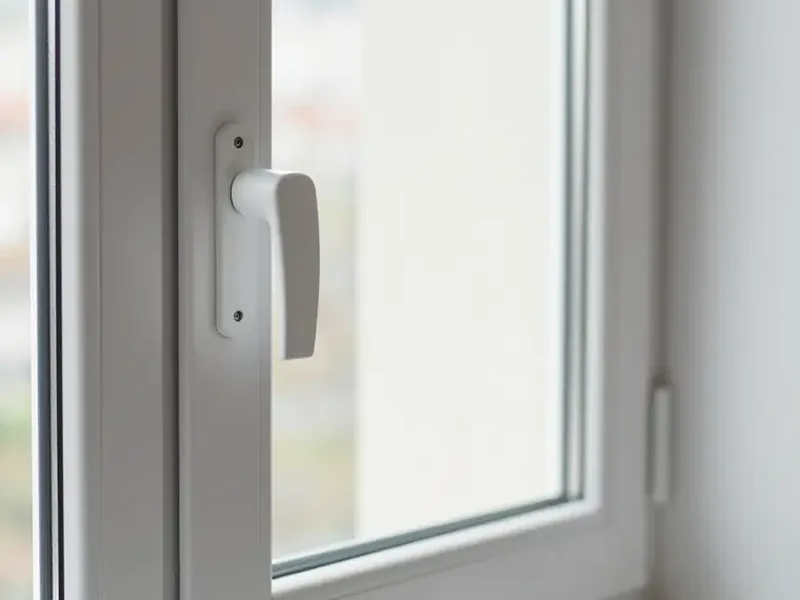 Window handles
 Blockers
 Penkid lock
 Child protection
 Metal grilles
