





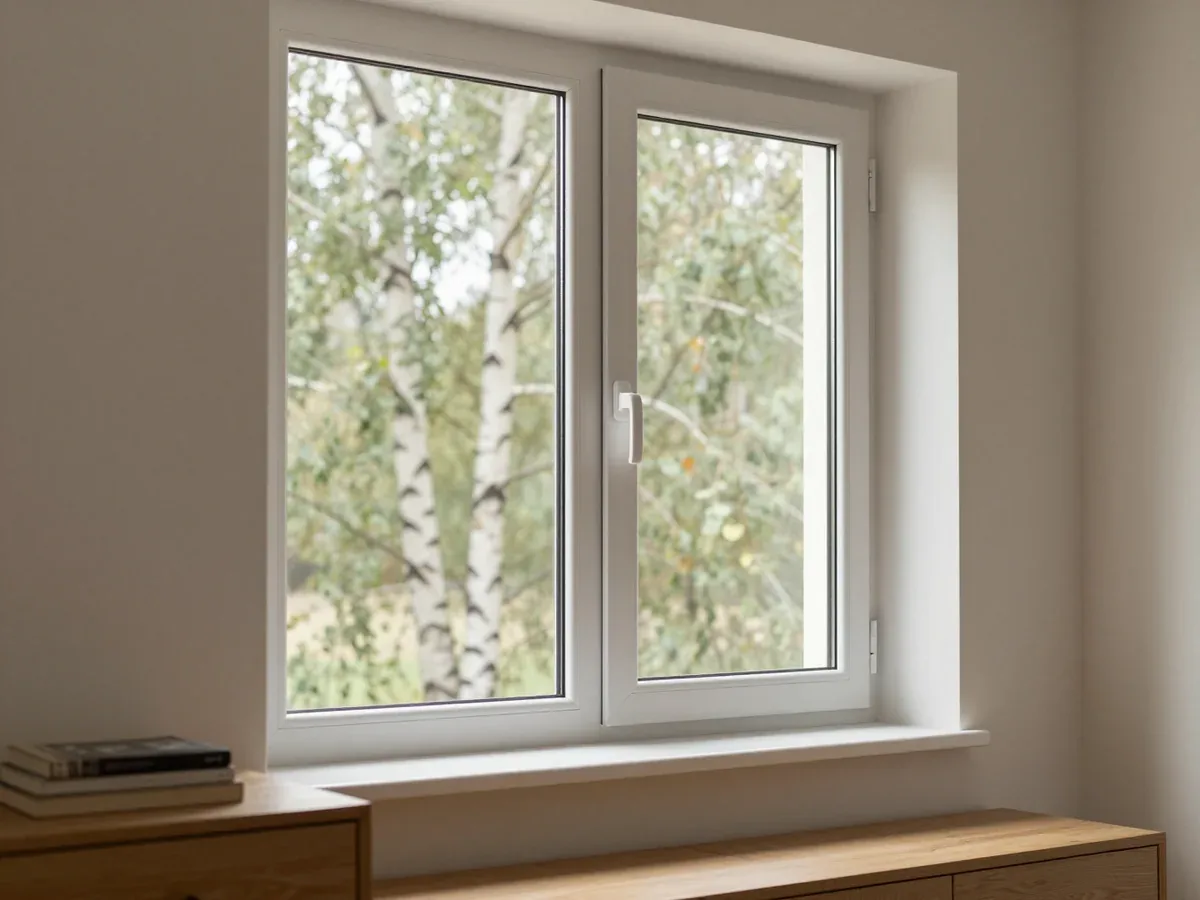
Good to know
Penkid Window Lock in Kostanay Fitted to Your Window

Senior mosquito screen specialist at moskitnyesetki.kz
A Penkid window lock in Kostanay is fitted by our craftsmen's own fitters after a free measuring visit, so the device matches your sash type, profile and floor. We fit child cable locks, sash blockers and handle locks on plastic, wooden and aluminium windows, check the opening after fitting, and you pay only once the work is done.
What a Penkid window lock does and where it belongs on your window
A window lock is not one part but a family of devices with different jobs. We explain what each one actually stops and where on the window it is fitted.
Lock, restrictor or blocker and which one solves your problem
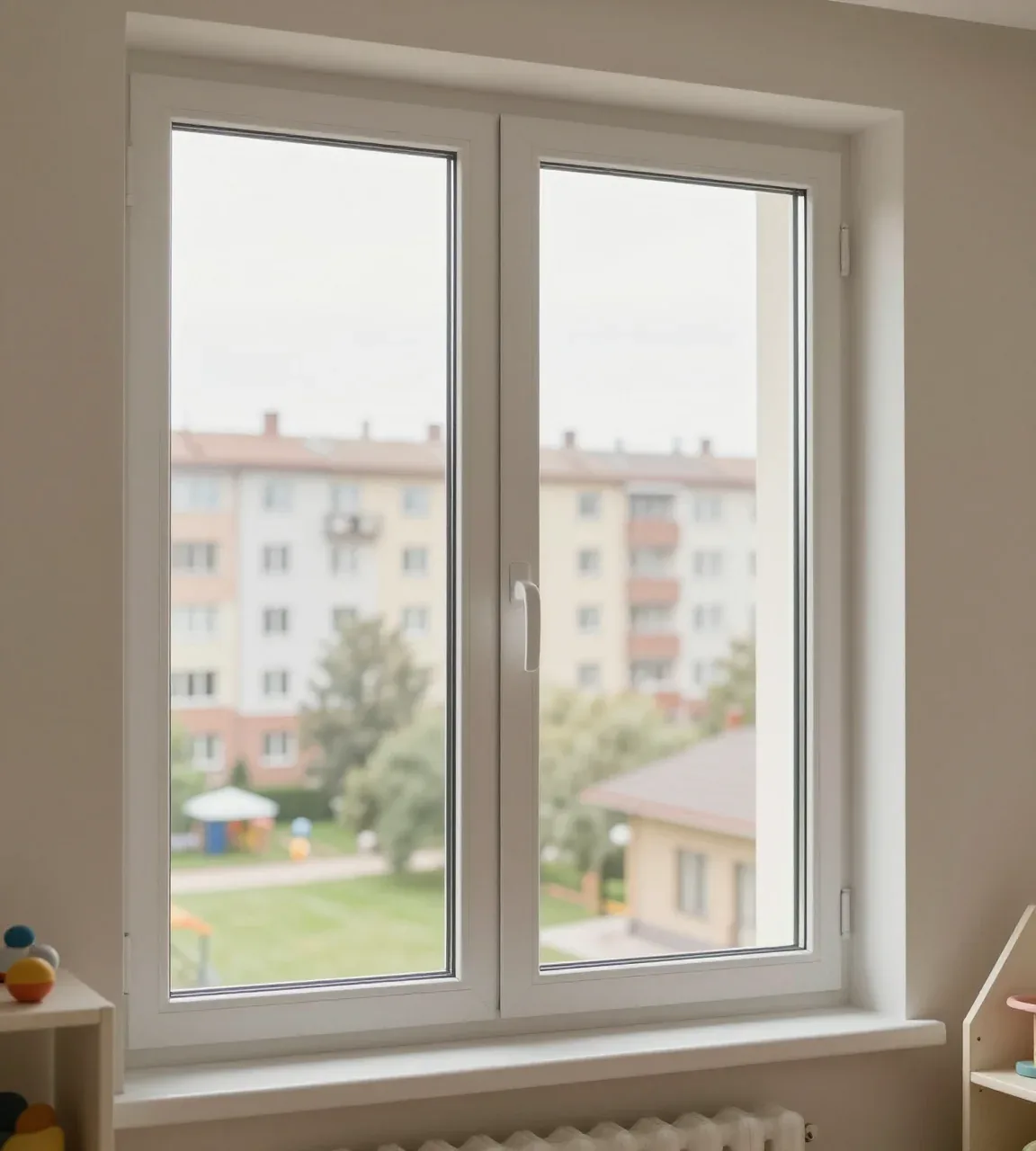
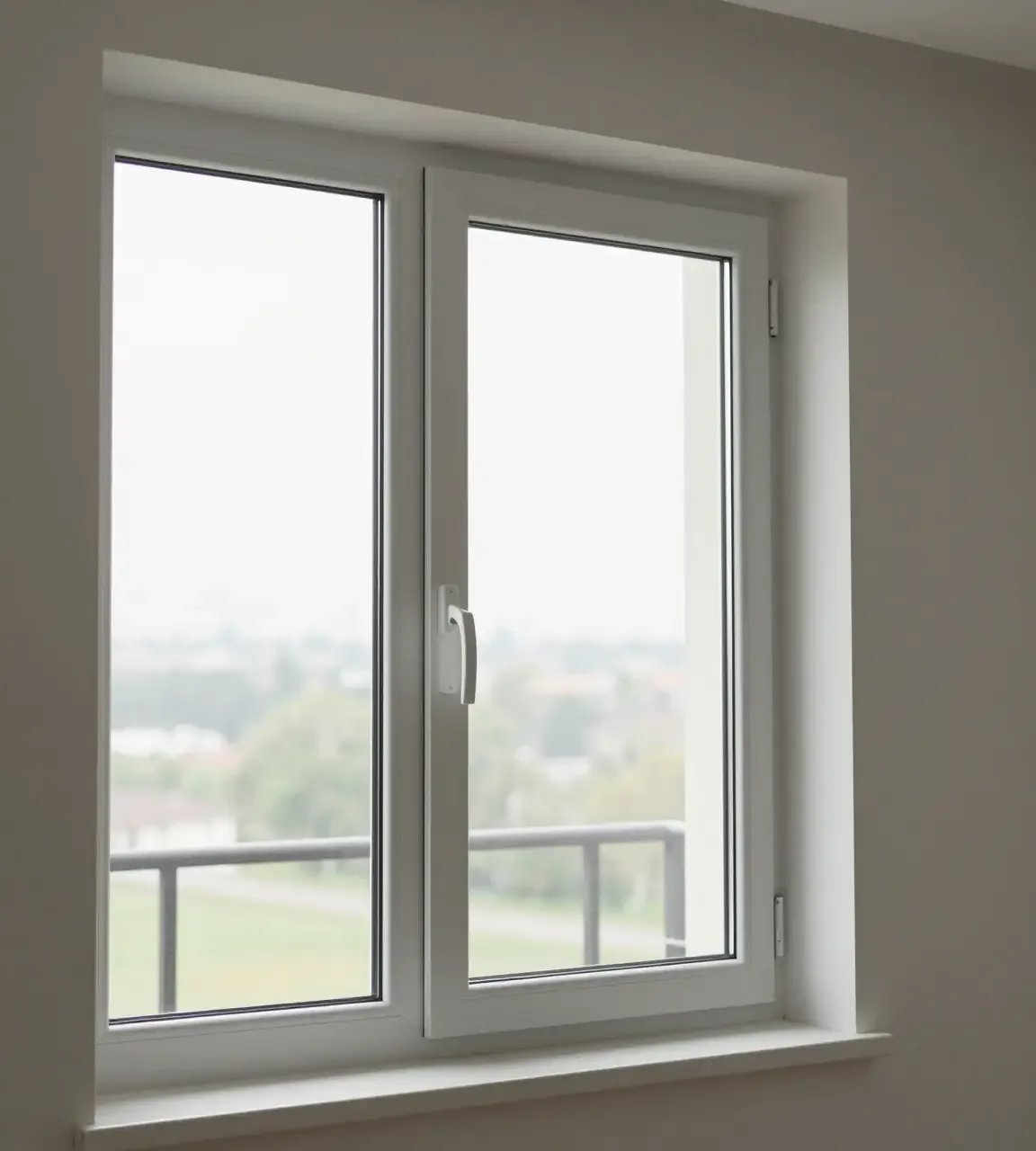
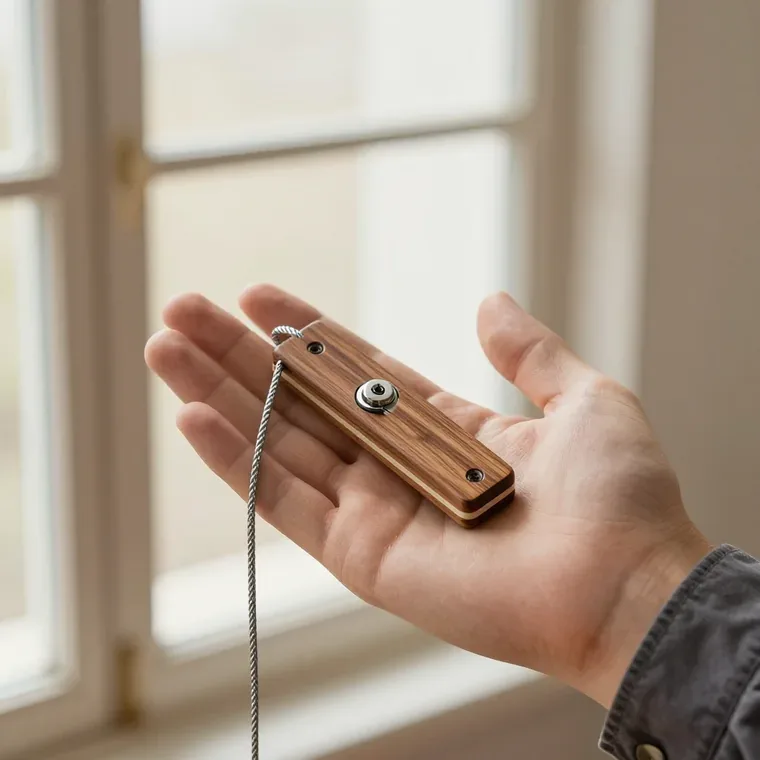
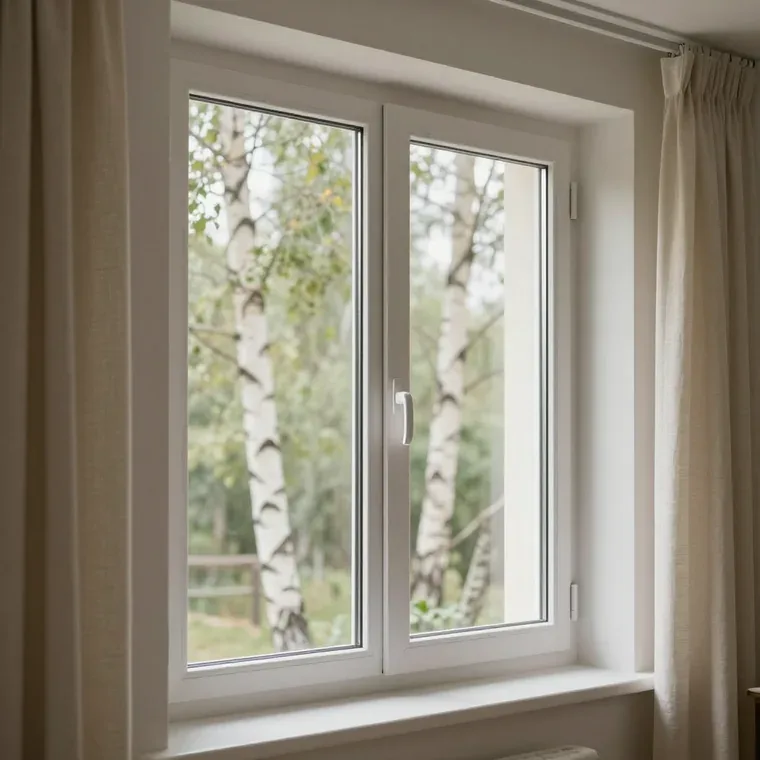
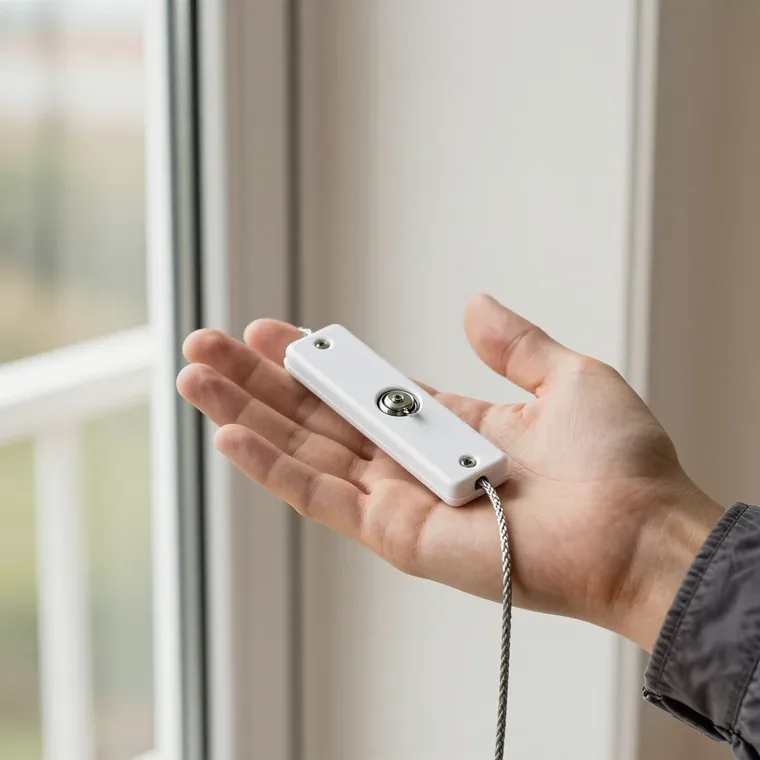
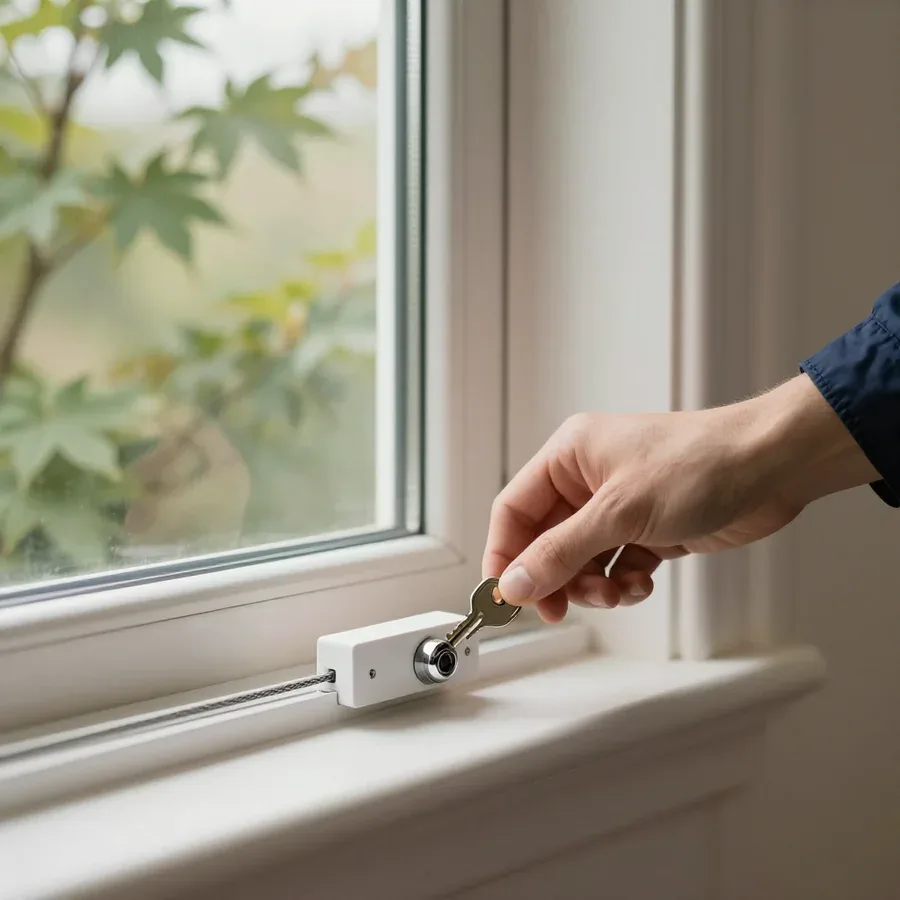
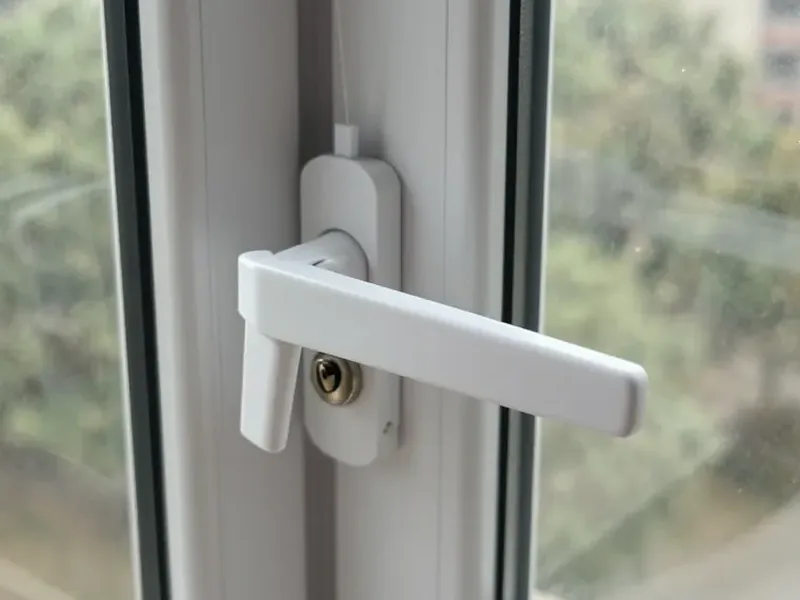
A cable lock stops a child from opening the sash wide, a restrictor caps the opening angle, and a handle lock blocks the handle itself, so the right pick depends on what you are preventing. A sash blocker works differently again: it sits between the leaf and the frame and holds the panel at a set gap, usually around 10–12 cm, which keeps a small body from passing through while still letting air in. A handle lock is the simplest of the four and needs no drilling at all — it clamps over the handle and stops the turn without a key. On a tilt-and-turn window the risk usually sits in the tilt position, where a cable lock alone leaves a gap wide enough for a small body, so the device has to be matched to the way the leaf actually moves.
Where the device sits on the sash, frame or handle
We mount the device on the leaf, the frame or the handle depending on the model, and most child locks are fixed to the panel and frame rather than drilled through the glass unit. A cable lock runs from a bracket on the frame to one on the leaf, so the panel travels only as far as the cable allows. Handle models clamp onto the lever and leave the profile untouched. Fixing points on the frame are chosen where the profile has a solid chamber behind it, because a screw into a hollow chamber holds nothing and works loose within a season. Our measurer checks that chamber before drilling and picks the fastener to suit the profile.
Will a Penkid window lock fit your sash, profile and floor
Compatibility depends less on the lock model than on the window material, the opening mechanism and the profile it sits in. Here is what our measurer checks before anything is ordered.
Matching the lock to plastic, wooden and aluminium windows
We fit window locks on plastic, wooden and aluminium windows, and the material changes the fasteners and the fixing depth rather than the type of lock you can use. PVC holds a screw firmly in the reinforcement chamber, aluminium is thinner-walled and needs a shorter fastener or a rivet through the wall, and timber grips best in the solid core of the frame. On laminated or hollow aluminium frames the fixing point often moves inward, closer to the glass, because the outer wall alone will not carry the load. Our measurer checks the section and the reinforcement on site rather than from a photo. A wooden frame moves with the seasons, so a lock fitted tight in summer can bind by winter; leaving a millimetre of travel at the fixing point keeps the mechanism working all year.
Sash type, profile and floor and how they change the fixing
| What we check | Why it matters | What it decides |
|---|---|---|
| Leaf type | Swing and tilt-and-turn leaves move differently | Lock model |
| Window material | Plastic, wood and aluminium hold screws differently | Fastener depth |
| Profile width | Narrow and wide sections have different fixing zones | Bracket or pin type |
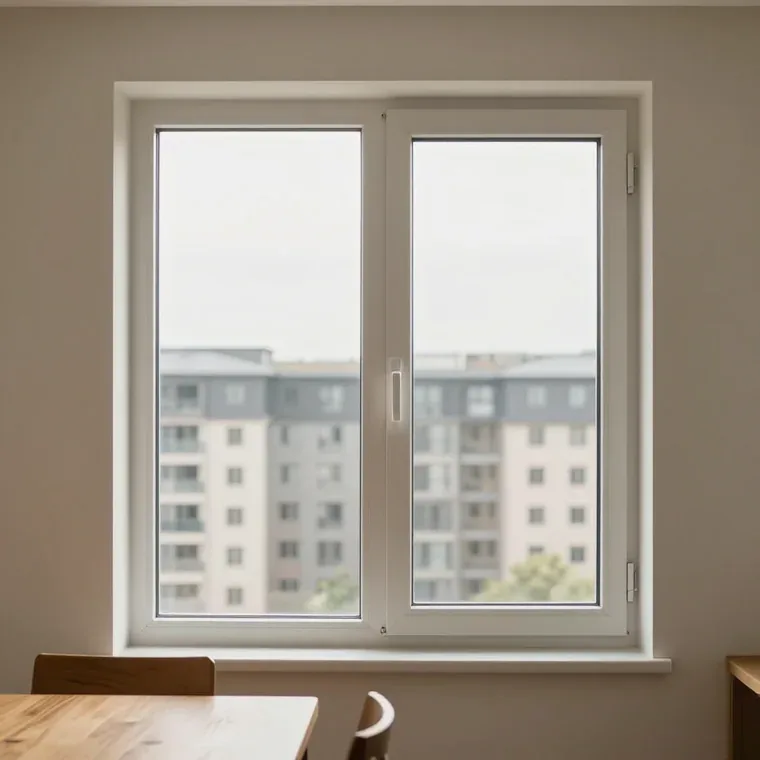
| Floor level | Higher floors load the open sash with wind | Fixing strength |
| Existing mesh | A screen on the same sash limits access to the frame | Mounting point |
How the free measuring visit and fitting work
The service runs in clear steps, from measurement to the final check, and each step removes a specific risk. Here is what the specialist does, what the installer does, and how you confirm the hardware actually holds.
What the measurer checks and why the visit is free
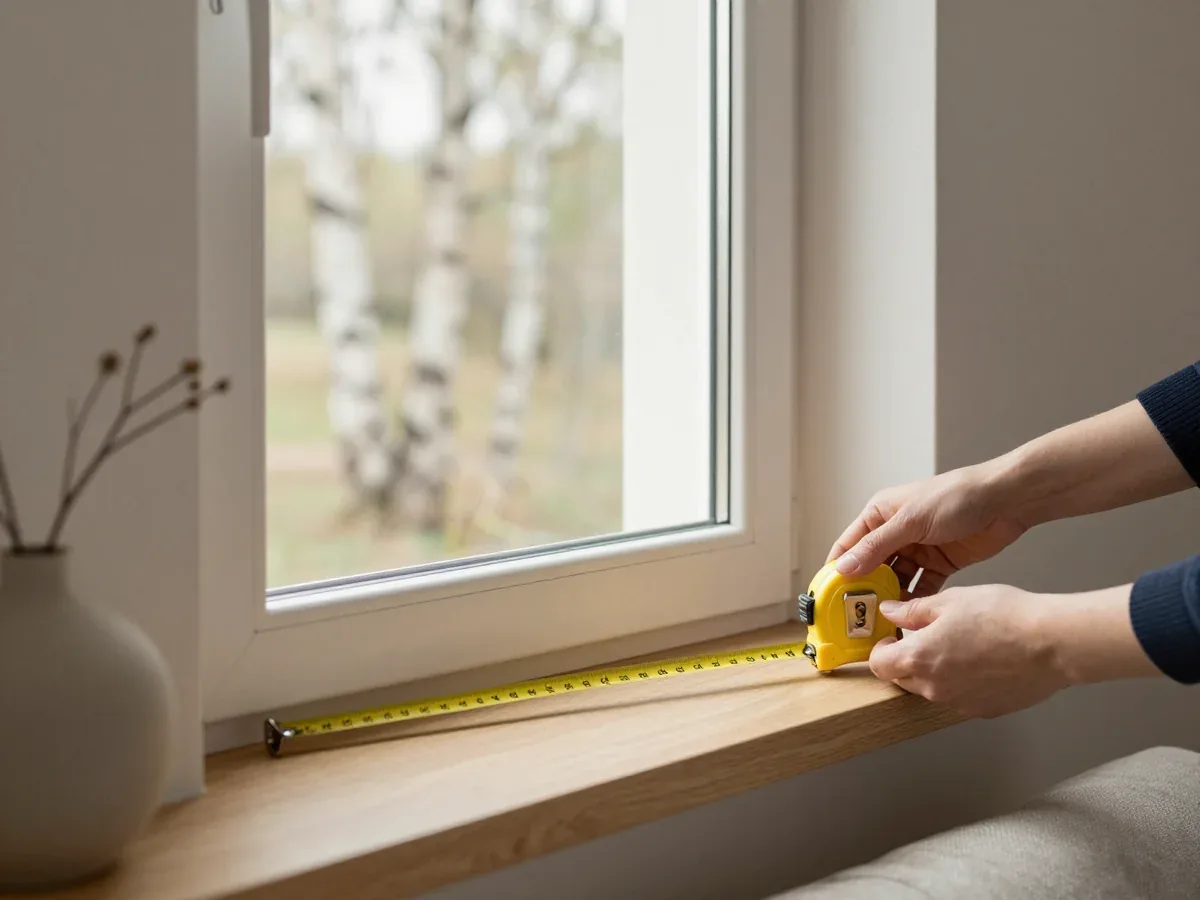
Measuring and consultation are free, and our specialist comes at a time that suits you, takes the sizes, and helps choose the design, the mesh and the fixings so the lock matches the window you already have. The same person measures and advises, so the bracket type — Z-brackets, pins or magnets — is picked against your actual profile and floor rather than from a photo. He records the opening width, the frame depth and the handle position, then confirms which side the mechanism should sit on. He also opens and closes the leaf during the visit, because a panel that already drags or drops will not hold a lock reliably until the hinges are adjusted.
Fitting, checking the opening and paying after installation
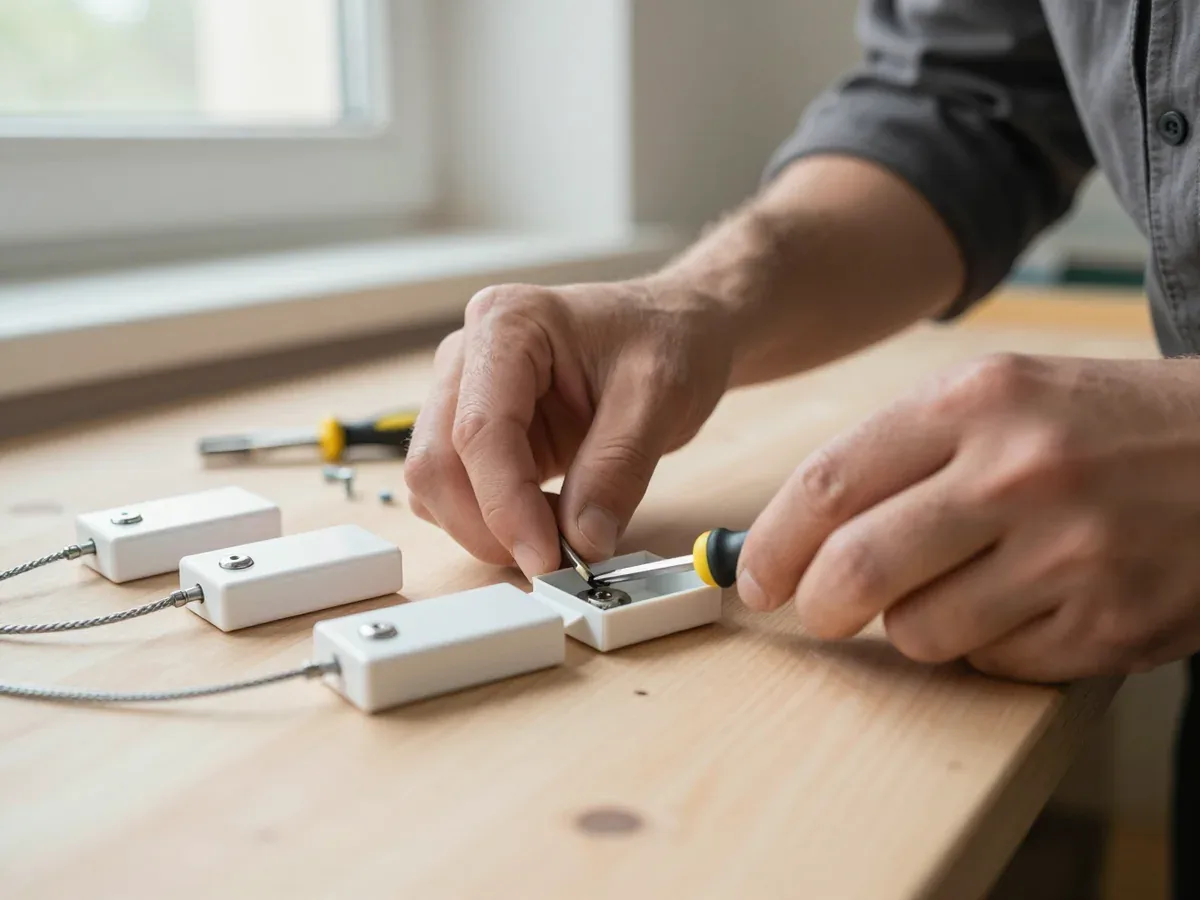
Our own installers fit the device, test the sash and the lock in front of you, and you pay after installation by cash, card or Kaspi, with the price fixed in the order once measuring is done. The work takes one visit, and the fitter adjusts the striker so the leaf closes without force and the mechanism engages on the initial turn. He then shows you how the opening stops at the set gap and how to release it from inside. The check that matters is the one a child would try, pulling the panel while the lock is engaged, so ask the installer to show you that test rather than just turning the key.
Keeping the window usable with a lock and a mosquito screen
A lock should not turn a working window into a nuisance. We look at two everyday situations — insect mesh sharing the same leaf, and ventilation through the day in flats you do not own.
A lock and a framed screen on the same sash
We combine a lock and a mosquito screen on one casement by choosing a mounting point the mesh outline does not cover, and a framed unit still lifts out from inside in a minute, so it can come off for winter as usual. The fastener the measurer picks — Z-brackets, plungers or magnets — sits clear of the aluminium profile, so both parts keep working without touching. On a hinged door the guard runs on Economy 32×10 mm or Prestige 42×17 mm profiles, and the lock position is marked before either part is fixed. The screen has to come off before the mechanism can be reached for cleaning, so the fixing point is placed where the surround clears the lock body rather than behind it.
Ventilation, rented flats and sashes you cannot drill
The window stays ventilated with a lock in place, because the hardware limits how far the leaf opens rather than sealing it, and for a rented flat we pick models that fix to the leaf and handle without drilling the frame. A handle-mounted unit needs no holes at all, while a restrictor uses the existing screw points of the fitting. Tenants get the same free measuring visit as owners, and the measurer notes which fixing leaves the surround untouched. A restrictor set to a narrow gap still lets air through, but the opening has to be narrow enough that a child cannot get a shoulder into it, so the setting is a compromise you agree with the fitter on site.
Ordering a Penkid window lock in Kostanay and what happens after
Ordering here runs through a measuring visit and an agreed order, and something remains after fitting: service, spare parts and a point of contact. Below is how that works and what to weigh when you pick who does the job.
Booking a visit and reaching us
You book a Penkid window lock by messaging us on WhatsApp, where we reply within five minutes, and we work seven days a week so the measuring visit lands on a day that suits you. Measuring and consultation cost nothing, and the measurer comes at a time you choose, takes the sizes and helps pick the design, the mesh and the fixings. Send a photo of the open leaf and the handle with your message, because the window type and profile are usually clear from a picture and the fitter arrives with the right fasteners already in the van. A framed screen made to your size takes 10–15 minutes to assemble, a pleated one 40–60 minutes, so most jobs are finished in a single visit. If you are arranging a Penkid window lock in Kostanay, the same visit covers the measuring and the order.
Service, repairs and the warranties that apply
We repair screens and replace their fastenings, and the warranty terms we state are the ones written in your order, covering the work and parts we supply on the terms agreed at measuring. The price is fixed in the order once measuring is done, and you pay after installation by cash, card or Kaspi, so nothing is settled before the device is on your window and checked. Screen work carries a one-year warranty on labour and replaced parts, window installation five years, and glass unit replacement three. Keep the order sheet, because a warranty claim is settled against what was written there, and a lock adjusted later by someone else is the usual reason a claim gets refused.
How to match a Penkid lock to your situation
Five points decide whether a Penkid lock suits your window, and each is worth checking before anything is ordered or fitted.
- Type of device first: a lock, restrictor or handle blocker solves different problems, so decide whether you are stopping a child, capping the opening angle or blocking the handle.
- Fixing follows the window: window type, material, profile width and floor level pick the fastener, which is why the part is chosen on site rather than from a catalogue photo.
- Measuring settles fit: a free visit confirms compatibility before anything is bought, and the price is fixed in the paperwork once sizes are taken.
- Lock and mesh together: both can share one sash when the mounting point clears the frame, and the mesh still lifts out for winter.
- Paperwork and payment: paying after installation and keeping the written sheet are what protect you if a claim is ever needed.
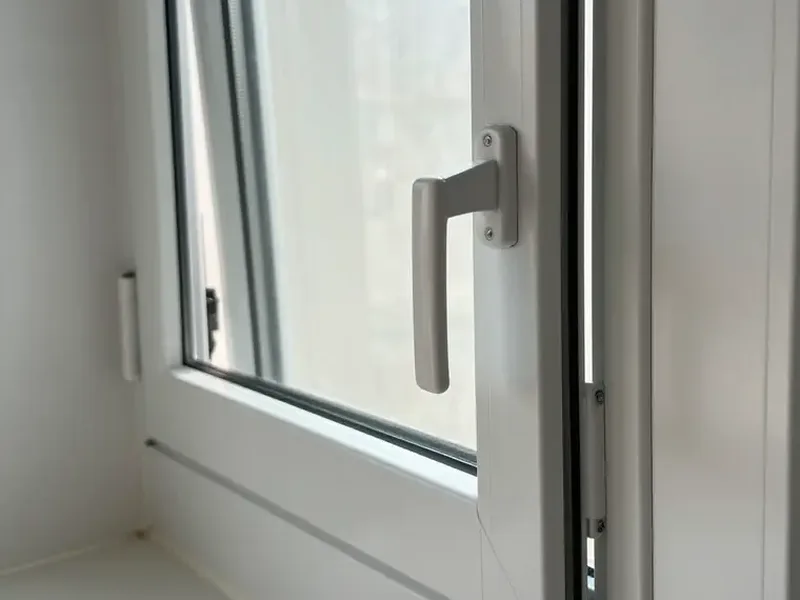 Limiters
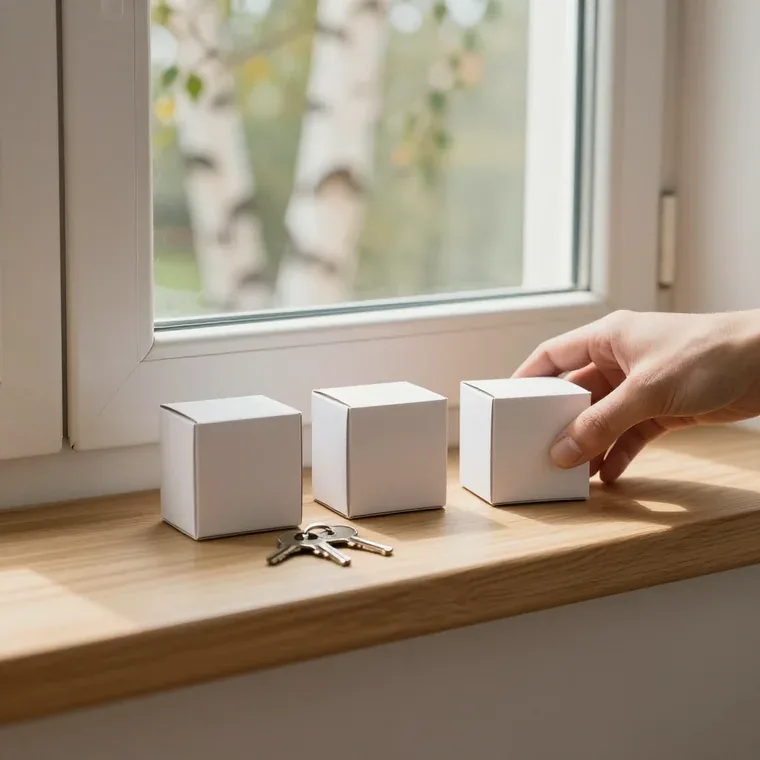
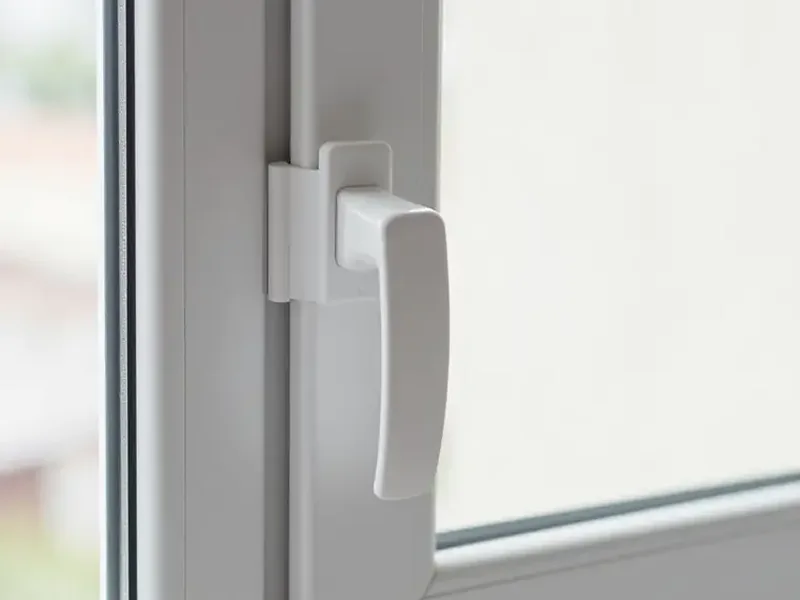 Blockers
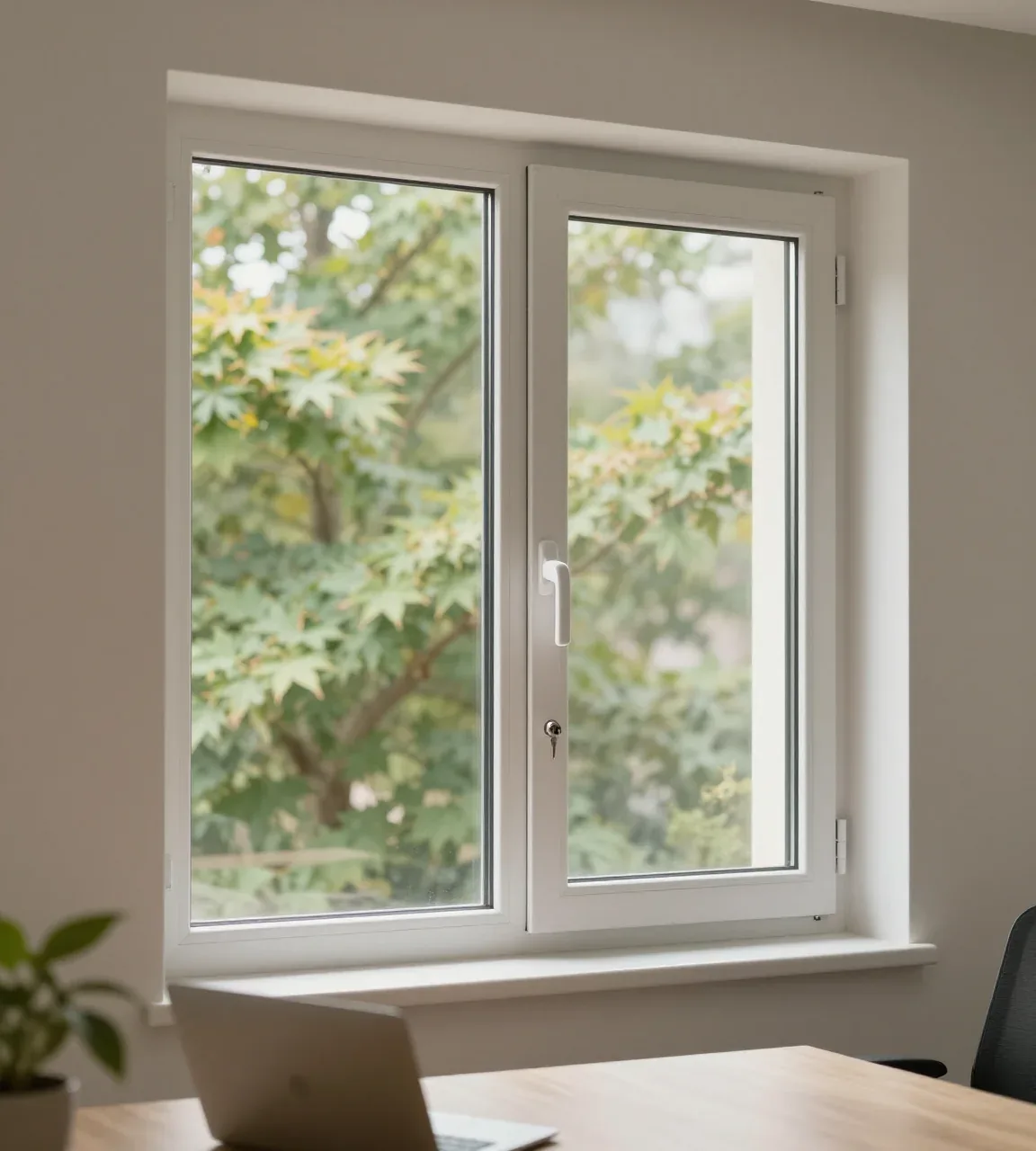
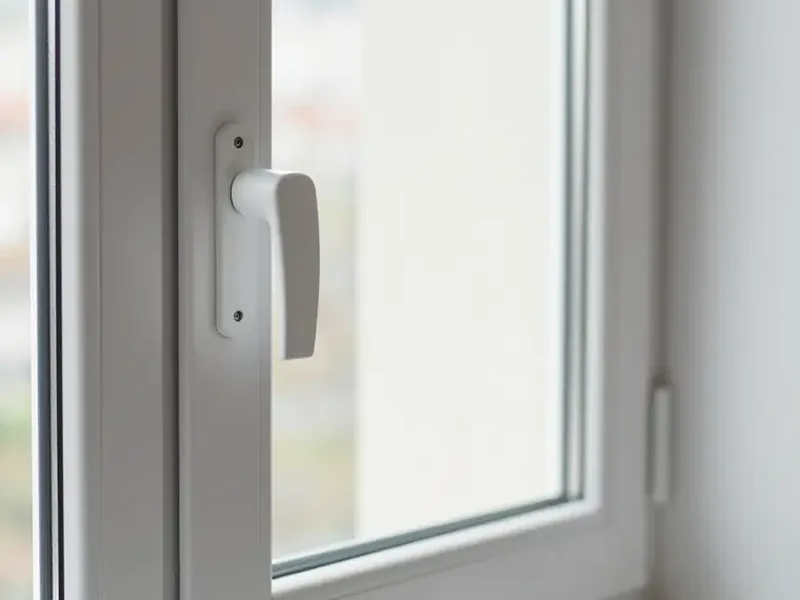 Keyed handles
 Child safety
 Metal grilles
